More

    A Third of the World Remains Totally Unvaccinated against COVID-19, says WHO

    In the best-case scenario, less severe variants emerge and boosters or new formulations of vaccines won’t be necessary. But, in the worst-case scenario, a more virulent and highly transmissible variant could emerge, sooner or later, the WHo chief said.

    One of every three people in the world has yet to receive a single dose of the COVID-19 vaccine, said the head of the World Health Organization (WHO) on Wednesday.

    “This is not acceptable to me, and it should not be acceptable to anyone”, Tedros Adhanom Ghebreyesus said. “If the world’s rich are enjoying the benefits of high vaccine coverage, why shouldn’t the world’s poor? Are some lives worth more than others?

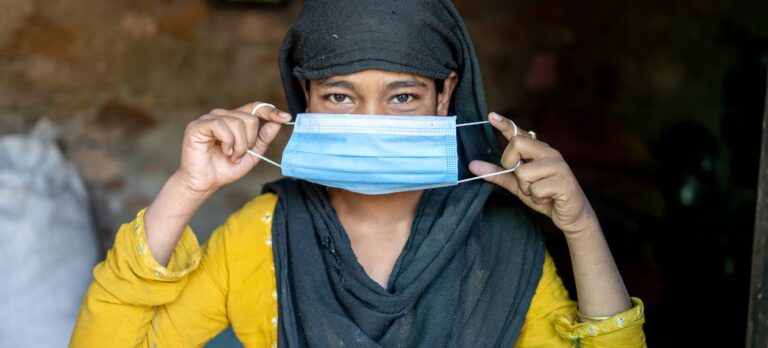
    “We have all the tools we need to bring this pandemic under control: we can prevent transmission with masks, distancing, hand hygiene and ventilation; and we can save lives by ensuring everyone has access to tests, treatments and vaccines”.

    Equitable vaccination remains the single most powerful tool at the world’s disposal, to save lives, Tedros reminded.

    Striving to vaccinate 70 per cent of the population of every country remains essential for bringing the pandemic under control, with priority given to health workers, older people and other at-risk groups.

    He announced that to tackle future threats on a par with the virus that has now taken well over six million lives, and infected more than 483 million people, he said WHO was launching a new strategy to scale up genomic surveillance, for deadly pathogens that had “epidemic and pandemic potential”.

    He also unveiled the updated Strategic Preparedness, Readiness and Response Plan for COVID-19.

    “This is our third strategic plan for COVID-19, and it could and should be our last”, he said, laying out three possible scenarios for how the pandemic could evolve this year.

    COVID-19 end game?

    The most likely scenario is that the virus continues to evolve, but the severity of disease it causes reduces over time as immunity increases due to vaccination and infection, he stated.

    “Periodic spikes in cases and deaths may occur as immunity wanes, which may require periodic boosting for vulnerable populations. In the best-case scenario, we may see less severe variants emerge, and boosters or new formulations of vaccines won’t be necessary.”

    But, in the worst-case scenario, a more virulent and highly transmissible variant could emerge, sooner or later, and against this new threat, people’s protection against severe disease and death, from prior vaccination or infection, “will wane rapidly”, Tedros warned.

    Addressing this situation would require significantly altering the current vaccines and making sure they get to the people who are most vulnerable to severe disease, he said.

    The UN health agency chief laid out five strategic areas governments need to focus on, and invest in surveillance and public health intelligence and laboratories infrastructure. Besides, there is a need for more government attention to vaccination, public health and social measures and engaged communities.

    The WHO has also stressed on government provisions for clinical care for COVID-19 and resilient health systems.

    Research and development, the WHO says, will help equitable access to tools and supplies. This will be even more necessary, bearing in mind response transitions from emergency mode to long-term respiratory disease management.


    Image: Vinay Panjwani / UNICEF

    Women, Children Fleeing Ukraine Vulnerable to Human Trafficking

    Local and international humanitarian organisations have warned women and children fleeing Ukraine are vulnerable to trafficking and gender-based violence within and outside the country as they make often long, dangerous journeys in a desperate bid to reach safety.

    By Ed Holt / Inter Press Service

    States must do more to protect women and children fleeing war in Ukraine, rights groups have urged, amid growing concerns they are falling prey to trafficking and sexual violence.

    Since the Russian invasion on February 24, an estimated 3.5 million people have fled the country, while another 6.5 million have been internally displaced.

    Local and international humanitarian organisations have warned these people – overwhelmingly women and children –  are vulnerable to trafficking and gender-based violence within and outside the country as they make often long, dangerous journeys in a desperate bid to reach safety.

    “Wherever people have to flee their homes, there will be vulnerabilities [for those fleeing]. The risks are rampant in any situation like that. We are deeply concerned about reports of trafficking and sexual violence,” Shabia Mantoo, spokesperson at UNHCR, told IPS.

    Ukraine’s refugee crisis –  described by the UN as the world’s fastest-growing since WWII – has seen millions of people flee to neighbouring states Poland, Hungary, Slovakia, Romania, and Moldova.

    While there has been a massive humanitarian response in those countries and across Europe and in other states, much of the help refugees have been given has been organised ad-hoc by aid groups and individual volunteers.

    Organisations and volunteers working with refugees at border crossings and transit points have warned a lack of official organisation has left those arriving at serious risk of exploitation.

    Women and children

    Nico Delvino, a researcher at Amnesty International who has been monitoring the situation at Polish border crossings with Ukraine, told IPS: “The system [for receiving refugees] exposes them to risks, not just trafficking and sexual violence, but other predatory behaviour.

    “The outpouring of solidarity from volunteers has been heart-warming, but it has not been matched by the state’s organisation. There is little or no coordination, there is a lack of management at the borders. Anyone can show up and put a vest on and say they are a volunteer. There are no checks on volunteers. It is a chaotic and dangerous situation.”

    There have already been anecdotal reports of trafficking and sexual violence against refugees.

    Volunteers and aid groups who spoke to IPS said they had heard of women who had been raped, attacked, solicited by men, or approached in what appeared to be attempts by criminals to traffic them.

    Interpol has now deployed officers to help investigate alleged trafficking in Moldova, where 376,000 refugees have fled since the start of the war, while local police forces are reportedly investigating alleged incidents in other countries.

    Meanwhile, the specific profile of the refugee crisis may have exacerbated the vulnerability of those fleeing, say aid organisations.

    The overwhelming majority of those trying to leave Ukraine are women and children – the UNHCR told IPS they make up as many as 90 per cent of those fleeing the war – as a Ukrainian government order has banned men aged between 18 and 60 from leaving the country.

    Unaccompanied children

    “What is different about this crisis of displaced people is that when you have women with children and old people, they have multiple responsibilities, and responsibilities have always been used by traffickers as a means of control – threats to family are made. But now, these can be made directly. That these women have multiple responsibilities makes them more vulnerable,” Eliza Galos, Migrant Protection and Assistance Programme Co-ordinator at International Organisation for Migration in Ukraine, told IPS.

    Children are at particular risk, with a number of the latter often making journeys unaccompanied.

    UNICEF has said in a statement  that the war in Ukraine has displaced More than half of Ukraine’s children displaced after one month of war (unicef.org) 4.3 million children, with 1.8 million of those having crossed into neighbouring countries as refugees.

    Missing Children Europe, an umbrella group for 24 child-protection organisations across Europe, has warned that many unaccompanied minors are disappearing at the borders.

    “There are so many children […] that we lost track of,” Aagje Ieven, secretary-general of Missing Children Europe, told international media: “This is a huge problem, not just because it means they easily go missing, and are difficult to find, but also because it makes trafficking so easy.”

    However, it is not just the people leaving Ukraine who are in danger of being exploited.

    There are an estimated 6.5 million internally displaced people (IDPs) within Ukraine, and humanitarian groups say many among them are also at risk of falling into the hands of trafficking gangs or being subjected to sexual violence.

    “Like refugees, IDPs are also facing threats. The threats to women are sexual violence and exploitation. For IDP children, for various reasons – for example, men having to stay in Ukraine and mothers being abroad working – we see many of them ending up travelling alone. We are worried about the risk of trafficking of these unaccompanied children,” Galos said.

    Past experience

    Past experience suggests trafficking gangs are taking advantage of the dire situation in Ukraine, with many women and children forced to suddenly leave their homes with their family networks broken and their financial security often under threat.

    A 2018 report by the Council of Europe highlighted the increased vulnerability to human trafficking of millions of IDPs who were forced to flee their homes following the illegal annexation of Crimea in 2014 and the armed conflict in the Donetsk and Luhansk regions. Meanwhile, IOM estimates  that 46,000 Ukrainians suffered from human trafficking during 2019-2021 alone.

    “Human trafficking cases [in Ukraine] are difficult to identify, not least because there is a state of war at the moment, but it is reasonable to assume that it is going on – it happened before after the Crimea annexation and conflict in Luhansk and Donetsk – and it can eventually be detected,” said Galos.

    Aid groups say authorities in countries receiving Ukrainian refugees must put in place proper systems to register and follow up on those arriving and ensure they do not become victims of criminal gangs or others looking to exploit their vulnerable situation.

    International humanitarian groups, such as UNHCR, UNICEF, and others, are working with local authorities in countries receiving refugees to set up systems to, among others, vet volunteers at border crossings and transit centres.

    Meanwhile, in some places, NGOs are handing out information leaflets to refugees, warning them to be careful of accepting offers of accommodation or transport from strangers, while hotlines have been set up for people to report any suspicions they have of potential criminal activity or danger.

    Rising numbers

    Romy Hawatt, founding member of the Global Sustainability Network (GSN) noted in a recent interview with IPS that “traffickers target the most vulnerable and it is the women and children that fit this category, and especially those that are from poorer communities, perhaps are refugees and those who lack education fall into the highest risk category of those who are trafficked.”

    In a statement, Helga Gayer, President of GRETA, the Council of Europe’s expert group on trafficking, said: “People fleeing war are physically and psychologically weakened, unfamiliar with their new surroundings and highly vulnerable to falling prey to criminals. Structures receiving refugees must ensure that they are informed of their rights, in a language they can understand, and provided with psychological and material support. The authorities must take steps to prevent fraudulent offers of transportation, accommodation, and work, and strengthen safety protocols for unaccompanied children, linking them to national child protection systems.”

    However, at some border crossings and transit centres, there seems to still be no way for refugees to check on the veracity of any offers they may receive.

    “One refugee we spoke to told us she was looking for transport and was aware that she needed to be careful and check that anyone she took a ride from was trustworthy, but she didn’t know how she could check that. We don’t know what she did in the end because there is no way of following up on people. There is no registration of who is coming or leaving the centres, nor who they are leaving with,” said Delvino.

    Notwithstanding any efforts by authorities to strengthen protection against exploitation, the situation for the women and children involved in the crisis, and the risks they face, is not expected to improve anytime soon.

    “Women and girls face greater risk in conflict displacement situations. Refugee numbers are going up, and until there is an end to what is going on in Ukraine, we will continue to see people on the move, and we can expect to see displacement continue,” said Mantoo.


    This piece has been sourced from Inter Press Service

    Image: Ed Holt / Inter Press Service

    Discrimination, Debt and Depression: Delhi’s Transgender people through COVID-19

    A sense of trepidation hung wordlessly in the air as volunteers milled around corridors when Aarohan’s doors reopened for staff, volunteers and members of the transgender community. There remained the sense that this existence was frail, severely damaged even, by everything that had preceded it.

    Vaibhav Raghunandan

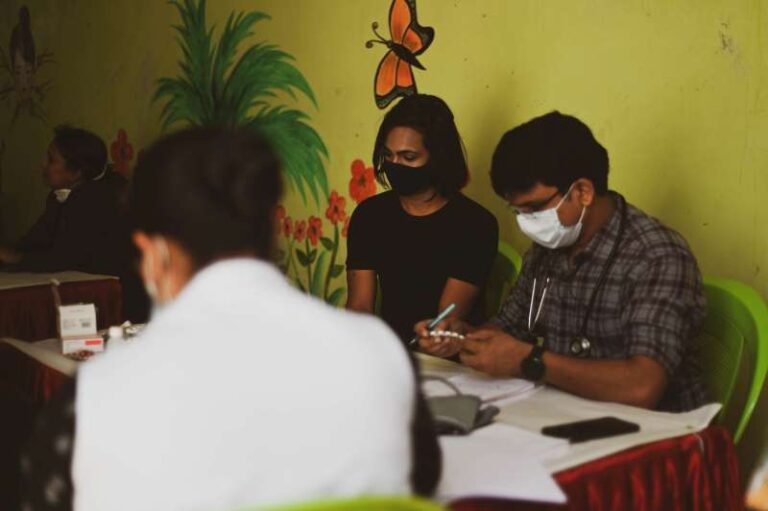
    Baking under the October sun, the top floor of the Aarohan office in North-West Delhi is the site for a voluntary medical check-up. Two doctors, masked and gloved, sit at a small table packed with medicines. The city and its people were still recovering from the shock of the COVID-19 pandemic.

    The health check-up offered by the NGO helps many on hormone medication ad educate and those in the sex industry and alleviate disease and infection. The camp in October follows the last one in the month of March 2021 since the lockdown that came with the second wave of COVID-19. So, it was much needed.

    The health check-up also complements a legal assistance service Aarohan offers to the area’s transgender people.

    The lawyer, who volunteers with the NGO to provide free legal advice to those that need it sits at a slightly separated table. She is surrounded by young girls, all of them laughing and joking around, a sense of frivolity in the air.

    “It is like this today because we are all meeting after a long time,” one of the girls says, before cheekily venturing, “Ek kaam karo – take some pictures of us.”

    Lonely

    Mayuri, 23, jokes and laughs awaiting her turn to go to the doctor’s table. They discuss some rashes she’s been experiencing on her face, and determine that it’s probably because of some insect bite suffered in the days prior. “It’s best to be safe,” she says.

    “It was… unexpectedly tough and very scarring,” she says, detailing the troubles the pandemic caused.

    Mayuri’s father runs a small shop under their modest house in Mangolpuri, which was completely shut down during the pandemic. In addition to attending the shop Mayuri also worked as a makeup artist at weddings. “But, once the pandemic hit home, the work… just went away. We took on crushing debt,” she mourns.

    All around, Mayuri saw families collapse under the strain of trying to survive. Her family too borrowed money from local lenders and contractors just to survive.

    “People didn’t have enough to eat. All our income sources dried up. It was just a terrible time.” To make matters worse, stuck at home with no access to her friends from the transgender community and none to share her pain and experiences with, Mayuri felt left in a vulnerable and lonely space – one she is still struggling to come to terms with.

    She says, “Staying at home, stuck in a room, looking out of a window, samajh aya, ek chidiye ko pinjre mei kaisa lagta hoga (Understood what a caged bird feels like).”

    Government support insufficient

    A sense of trepidation hung wordlessly in the air as everyone mingled in the corridors when Aarohan’s doors reopened for staff, volunteers and members of the transgender community. There remained the sense that this existence was frail, severely damaged even, by everything that had preceded it.

    The change was discernible. Pushpa, the programme coordinator and counsellor who had been diagnosed with cancer just prior to the pandemic had undergone chemotherapy and radiation therapy and experienced a decrease in immunity (and all its associated risks) at a time when everyone was locked up, masked up, trying to stay safe.

    Yet, throughout the pandemic, despite the strife, Pushpa found ways to stay in touch with members of the community who relied on the NGO, and the safe space it provided — a place they congregated not just to discuss their struggles but also to celebrate their joys.

    “Many of these girls have been forced out of their families, live alone, and are often stigmatised in society in ways we cannot even imagine,” she says. “Imagine the loneliness you felt, sitting at home, unable to meet your support structure. Now, multiply that by a thousand.”

    As aid, the Ministry of Social Justice and Empowerment approved a one-time aid transfer of Rs. 1,500 for the transgender community during the pandemic in 2020. Then, the same in 2021. While the scheme may have been progressive — official records say they spent Rs. 98.5 lakh to benefit close to 7,000 transgender persons across the country — the amount was insufficient.

    Delhi Transgender rights sexual health Beauty Oxfam India

    Vaccines misinformation

    During the second wave Aarohan helped distribute dry rations, and safety and hygiene kits to 100 transgender people with support from Oxfam India’s Mission Sanjeevani programme. The programme was helpful, but also highlighted how much inequality remained.

    Garima, says that a lack of information on how to tackle the virus, in addition to the stigma inflicted by society (“they behave like touching us will infect them with something or the other”) meant even those who managed to save money, and had the means, couldn’t access basic services.

    Garima who is a volunteer at Aarohan and is also a transgender person says that technology helped, though with its limits, especially because it provided the people anonymity. Yet, being a double-edged sword that it is, technology was also tooled to propagate misinformation. For instance, transgender people were not very certain about the vaccine. In addition, a dearth of government advocacy, information and measures that were more inclusive (rather than based on scare tactics and belligerent sloganeering) contributed to a rise in people relying on social media to learn about what the vaccine meant.

    Alina, 31, a programme co-ordinator at Aarohan says that in the early days, members of the transgender community almost point blank refused to take the vaccine having heard how it affects organs, causes chemical imbalances and eventual death among those who took it.

    “It took a lot of effort on our part to convince them,” she says. “Firstly, we took it ourselves, made videos of the whole process, and asked others who had voluntarily done so to make videos to educate others too.”

    “We held camps, outreach programmes, basically told people that it was a measure to protect them rather than subjugate them,” Alina explains.

    Alienation

    The sense of alienation from society compounded their fears. “The pandemic took away any work that members of the community were engaged in,” she says. “It caused a deep panic and mentally devastated many people. Those who earned their money by going to weddings and birth ceremonies completely lost out. Sex workers were coerced into providing service upon guarantee of some goods and aid, but most often they were cheated.”

    Alina points to other, more practical issues with the government support too. “They gave rations and foodstuff to cook. But for those without money had not access to fuel. They gave cash transfers, but there were few places stocked to buy things from…”

    The government also set up helplines for persons seeking counselling. The government also wrote clear directives to vaccination centres to not discriminate. But members of the community testify that the government’s well-intentioned directives did not really work.

    “It has been so many years since the Supreme Court recognised transgender people as a third gender in the country but actually there is no realisation of this on the ground at all,” Alina says.

    “If I go to a hospital, they will look at my name and categorise me as a woman. They may look at me and categorise me as a man. They haven’t informed themselves at all. There were supposed to be three types of public toilets right? How many do you actually see in this city, the capital of this country?”

    Despair

    In addition to such deep rooted prejudices, even businesses and jobs for transgender persons have been hard to come by in recent times. Many of the girls visiting Aarohan who were self-employed or undertook freelance work as make-up artists at beauty parlours, or were sex workers or costume designers lost their work.

    The money in the market has dried up, Alina says. A lack of work, the driving motivation, has caused deep despair.

    Take for instance the story of Sakshi, 23. Sakshi ran away from her family in Nangloi when she was still in her teens, determined to find her way in the city by herself. While the relationship healed over the years, going back home was, in many ways, worse than staying alone at a space she called her own.

    “I don’t mind the mask, the lockdown, and all of that comes with it,” Sakshi says. “Even in lockdown I was able to talk to my friends, stay in touch, seek and give help. The problem has been, and continues to be earning money. If I can’t pay my rent, then I won’t have a place to stay. Ration toh mil raha hai, but rehne ki jagah nahi ho toh… kya fayda (what use is the ration if there isn’t a place to stay)?”

    Vaibhav Raghunandan is a photographer, journalist and designer.  This story has been written as part of an assignment for Oxfam India, New Delhi.

     

    Do we Really Need a World Ranking to Measure Happiness?

    The idea of a ranking on happiness risks defeating the purpose of the gigantic and noble effort of better understanding how we can be happier and how public policies can have a role or not in these unfolding dynamics.

    By Simone Galimberti

    The 10th edition of the World Happiness Report was recently published and once again the findings raised an array of mixed emotions with many questioning the real foundations underpinning the most discussed aspect of the Report, the World Happiness Ranking.

    For example, according to the ranking, Nepal appears to be the happiest place in the South Asia but is it really the case? Many experts from the country doubt about it as it was reported by The Kathmandu Post on the 22nd of March.

    In the article, Dambar Chemjong, head of the Central Department of Anthropology at Tribhuvan University simply asks “What actually constitutes happiness?”

    This is a complex question to answer but certainly it is fair to wonder how come each time this report gets published, it is inevitable that the richest nations, especially the Nordic ones come up on the top while the poorest and more fragile ones instead are hopelessly at the bottom.

    There is no doubt that material prosperity determines a person’s quality of life and the World Happiness Report looks at GDP and life expectancy. In addition, the report also explores other factors like generosity, social support, freedom, and corruption.

    These six variables, put together, are central to depict what the report calls “life evaluations” that “provide the most informative measure for international comparisons because they capture quality of life in a more complete and stable way than emotional reports based on daily experiences”.

    Social support. Generosity. Honesty

    The ranking is based on the Gallup World Poll, that asks “respondents to evaluate their current life as a whole using the mental image of a ladder, with the best possible life for them as a 10 and worst possible as a 0”.

    One of the key findings is that social connections in dire times, especially if we think about what the entire world had to endure following the pandemic, do make the difference.

    “Now, at a time of pandemic and war, we need such an effort more than ever. And the lesson of the World Happiness Report over the years is that social support, generosity to one another, and honesty in government are crucial for well-being” says Jeffrey Sachs, one of the major “architects” behind the entire concept of measuring happiness worldwide.

    This statement further validates the need to further think more broadly about the importance these social relationships and social bonds have in developing nations.

    That’s why analysing happiness across nations should be considered as a working progress and the goal should be to better picture the complex situations on the ground in many parts of the developing world.

    These are all nations that have been experiencing hardships consistently, even before the COVID-19 pandemic outbreak and, therefore, they should be acknowledged for having developed unique forms of social bonds and solidarity.

    Instead, these social factors, these connectors and the levels of reliance stemming from them in these “unhappy” nations”, are overshadowed by some of the variables determining the life evaluations.

    Daunting, complex job

    People in developing nations have less access to public services and they are more exposed to corruption and bad governance. Lack of health infrastructures or unequal job market do have a strong incidence in determining a person’s human development and quality of life.

    Yet does the fact that their lives are tougher automatically means people are there are unhappy?

    Moreover, should not we consider the stress and mental health often affecting the “prosperous” lives of the citizens living in the north of the world?

    Probably the problem is the idea of having a ranking itself. Though desirable and useful, measuring real happiness is a daunting and complex job.

    Trust, benevolence, real generosity (not just the extrapolated, like in the report, based on donations during the last month) are all key determinants of happiness.

    Yet these same factors have always been strong in developing societies where people rely on mutuality and self-help rather than depending on governments unable to fulfil their duties.

    As it is now, the World Happiness Ranking risks to become just a “plus” version of the Human Development Index.

    There is still a long way to better decipher and understand the meaning of happiness in the so called South of the World.

    Public policies?

    There is also a great need for the authors to better explain in simpler terms their methodology of calculating the ranking especially the relationships between the six key variables analysed and positive and negative emotions that are also taken into consideration.

    The fact that the ranking and the science behind the report is still a working process, it is recognized in the report itself.

    An option would be to re-consider the variables of “life evaluations” that, by default, underscore the concept of wellbeing from a western perspective.

    On the positive side, it is encouraging to see how the report includes also a part on “cross-Cultural Perspectives on Balance/Harmony”, central if we want to have a less westernized approach to happiness.

    The 2022 edition of the Report devotes also considerable space to the biological basis of happiness, the relationships between genes and environment, what the report calls “Gene-Environment Interplay”.

    Such nexus, affecting a person’s feelings and emotions and all the intricacies coming from these interactions, should make us reflect if it is really worthy to continue pursuing the goal of having an annual global ranking on happiness.

    The idea of a ranking on happiness risks defeating the purpose of the gigantic and noble effort of better understanding how we can be happier and how public policies can have a role or not in these unfolding dynamics.


    Simone Galimberti is Co-Founder of ENGAGE, an NGO partnering with youths living with disabilities.

    This piece has been sourced from Inter Press Service

    UN Launches Joint Response Plan for Rohingya Crisis

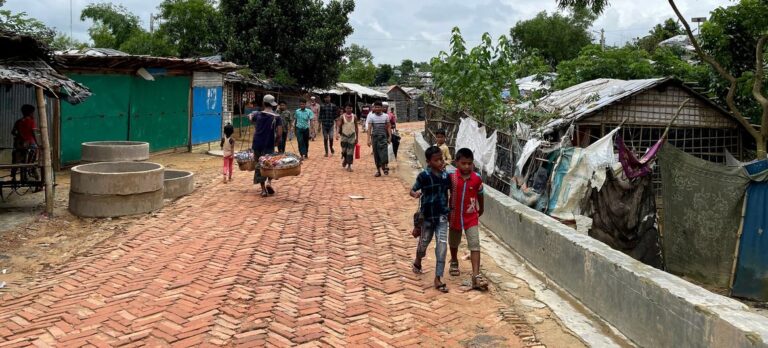
    Bangladesh is “temporarily sheltering” over a million Rohingya refugees from Myanmar. This costs the country enormous resources. This is where the humanitarian agencies step in.

    Over 130 indigenous and international humanitarian organisations have partnered for the launch of the 2022 Joint Response Plan (JRP) for the Rohingya Humanitarian Crisis.

    Co-hosted by the Government of Bangladesh, the International Organization for Migration (IOM) and the United Nations High Commissioner for Refugees (UNHCR), the JRP will also, for the first time, extend to include humanitarian activities on Bhasan Char, an island in the Bay of Bengal, to which the Bangladesh Government has relocated over 24,000 Rohingya refugees.

    “Humanitarian agencies are seeking more than $881 million to support approximately 1.4 million people, including over 918,000 Rohingya refugees in Cox’s Bazar and Bhasan Char, and around 540,000 Bangladeshis in neighbouring communities,” UNHCR spokesperson Babar Baloch told journalists during a press briefing in Geneva.

    Bangladesh is “temporarily sheltering” over a million Rohingya refugees from Myanmar. This costs the country enormous resources. This is where the humanitarian agencies step in.

    “It is critical to continue to scale up essential humanitarian services on the island, including in the areas of health, protection, nutrition, education, and livelihoods and skills building,” underscored the UNHCR official.

    Precarious location

    Given their geography, the refugee camps in Cox’s Bazar are especially vulnerable to natural disasters.

    This year’s JRP accordingly highlighted the need for enhanced efforts towards disaster risk management and climate change mitigation, including through reforestation and energy interventions.

    “The steadfast support from the international community has been, and will be, crucial in delivering lifesaving protection and assistance services for Rohingya refugees,” he said.

    “While they are in Bangladesh, it is important that Rohingya refugees are able to live in safety and with dignity, and that they can develop the skills and capacities that could support their sustainable return”.

    Returning to Myanmar

    The UNHCR spokesperson explained that many of the people on the move long to again live in their own country.

    A military coup which took place in February last year, followed by a brutal crackdown on popular protests, has created a political, economic and “profound” human rights crisis across Myanmar, leaving the country in turmoil, the UN human rights chief Michelle Bachelet warned earlier this month.

    “Many Rohingya refugees continue to express their desire to return home when conditions allow,” he said.

    “The solutions ultimately lie within Myanmar”.


    Image: Amos Halder, UNHCR

    IMF red flags Sri Lanka’s China-backed tax free zone

    The Colombo Port City SEZ conflicts with OECD’s minimum global tax regime. As a dollarized entity, the Port City has been envisaged to be free from currency depreciation and hardships created by the soft-pegged central bank of Sri Lanka.

    Sri Lanka’s China-backed Colombo Port City special economic zone is in conflict with the stipulated minimum 15 per cent global tax, a report from the International Monetary Fund (IMF) has warned. The port city is giving long term tax holiday.

    The tax free jurisdiction could draw dirty money, it is apprehended.

    “The creation of a low-tax jurisdiction is likely to draw attention from the international community given a renewed focus on such matters, including in the context of the recently agreed OECD-led Inclusive Framework,” an IMF report on Sri Lanka said.

    “It would therefore be important to adhere to international tax and regulatory standards and information exchange agreements established with foreign counterparts, including those guided by the OECD’s Common Reporting Standard.

    There is also pressure to reconsider the blanket tax-free structure of the Colombo Port City special economic zone and cover it under the country’s income tax laws.

    Colombo Port City SEZ is free from most turnover taxes. The freedom from taxable income tax can result in the money being siphoned to serve corrupt means. It can also kill investible capital and jobs by giving it to politicians to fritter away on the public sector expansion and vote buying gimmicks.

    Controversial law

    The SEZ has had a controversial history and islanders see it from a lens of corrupt links the ruling Rajpaksa family has had with the China, beginning with the Hambantota port.

    The construction contract for the project would be given to the China Harbour Engineering Company (CHEC) on 269 hectares (ha) of land reclaimed from the sea.

    The SEZ owes its legitimacy to the ‘Colombo Port City Economic Commission Act’ of 2021 that provides for the establishment of the Colombo Port City Special Economic Zone (SEZ) and the Colombo Port City Economic Commission (CPCEC).

    There will be no elected representatives and disputes will be referred to the arbitration alone, keeping the SEZ outside the jurisdiction of the Sri Lankan courts.

    The law was made to provide for a single-window clearing facilitator for the promotion of ease-of-doing business within the SEZ to attract investment.

    According to the law, the CPCEC would be appointed by the President of Sri Lanka, not by the country’s Parliament, and would be the sole authority to grant registrations, licenses, authorisations, and other approvals to carry on businesses and other activities within the Colombo Port City (CPC).

    The act raised concerns in Sri Lanka’s civil society. Whistle-blowers point out that CPCEC, which is vested with wide-ranging powers, will comprise non-citizens as members. It has also been kept out of the purview of the laws and regulations of the local government bodies.

    Tax haven

    State spending in the island nation has risen from around 17 per cent of GDP in 2014 to 20.6 per cent under a ‘revenue based fiscal consolidation’ that made a mockery of government adherence to spending cuts.

    Businesses that invest in the Colombo Port City SEZ could attempt avoiding taxes, the IMF has warned. For this reason, they should file a tax return, even if nothing was paid, the IMF has suggested.

    “Effective revenue administration is critical for mitigating risks from tax planning between offshore entities and their onshore affiliates and can be supported by significantly scaling back the list of taxes eligible for exemptions to reduce administrative hurdles,” the IMF said.

    ”IRD’s capacity and expertise should be leveraged to safeguard transparency and accountability, by requiring all SEZ companies (regardless of their tax-exempt status) to file tax returns.

    “Besides, a tax expenditure review covering the SEZ should be part of the annual budgetary process and subject to periodical evaluation.”

    Besides conflicting with OECD’s minimum global tax regime, the Colombo Port City SEZ has been envisaged to be free from currency depreciation and hardships created by the soft-pegged central bank of Sri Lanka. It’s dollarized status too comes with its share of concerns.


    Afghanistan’s Girls’ Education is a Women’s Rights Issue

    The right to education has been an oft-discussed, critical human rights issue for Afghanistan, especially when it comes to how, or even if, this right is extended to girls. The Taliban’s rise to power raised the fear that the right to education would be denied to girls indefinitely, if not permanently.

    By Naureen Hossain / Inter Press Service

    The late-night reversal of a decision by Taliban authorities in Afghanistan to allow girls from grades 7 to 12 to return to school has been met with distress from within the country and internationally – and fear that it could herald further restrictions.

    A Taliban spokesperson from the Ministry of Education on March 23 made the announcement reversing an earlier decision that all students would be expected to return to school, including girls.

    Local media in Afghanistan reported protests, including one held outside the Ministry of Education building. At least 87 percent of the population favor girls’ education across all levels, even among those who may say they would not expect the girls in their family to attend school but would not oppose government schooling otherwise.

    The abrupt decision has also taken humanitarian organizations by surprise. Sam Mort, Chief of Communications for UNICEF Afghanistan, spoke at a press briefing at the United Nations headquarters, revealing that this announcement came late.

    “Among our staff, there was collective disbelief… and anxiety,” Mort said, speaking of the reaction of field officers and national staff to the news. “We are just as confused as everyone else.”

    Code for governance

    The Taliban’s decision has been met with swift condemnation from the international community. UNICEF Executive Director Catherine Russell in a statement said the Taliban’s decision was “a major setback for girls and their future” and urging them to “honor their commitment to girls’ education without any further delays”.

    Yasmine Sherif, Executive Director of Education Cannot Wait, the United Nations’ global fund for children’s education, said: “With this announcement, an entire generation of Afghan children and adolescents could be left behind.”

    Sherif said that “ensuring that both girls and boys can return to school – including the resumption of adolescent girls’ access to secondary education – is key for the development of the country.”

    UN Secretary-General Antonio Guterres said the Taliban’s decision was “a profound disappointment and deeply damaging for Afghanistan”.

    UN agencies, their partners, and other humanitarian organizations have been involved in discussions with the Taliban since their rise to power last August. Afghanistan’s humanitarian crisis leaves 24.4 million people – or more than half the population – in dire need of aid and protection.

    Both sides have been expected to negotiate the involvement of humanitarian organizations and donors in their capacity to provide the necessary services and protections.

    The Taliban have expressed their readiness to comply with international organizations in their bid for formal legitimacy. But they have also asserted their code for governance, which they claim would be according to Islamic law and Afghan culture, something humanitarian organizations with education programs are working to adapt. It is this same reasoning that senior members of the Taliban have used to justify the ban on secondary education for girls. Where was this concern for a standardized curriculum aligning with Islamic law and Afghan culture when boys returned to secondary school in September?

    Unprepared to govern

    The right to education has been an oft-discussed, critical human rights issue for Afghanistan, especially when it comes to how, or even if, this right is extended to girls. This concern had already been compounded by the forced closure of schools due to the COVID-19 pandemic, which impacted all school-going children and adolescents. While alternative learning pathways, including Community-Based Education centers based in rural and remote provinces for children to attend, have been available, girls’ education in government schools remained a lingering question.

    The Taliban’s rise to power raised the fear that the right to education would be denied to girls indefinitely, if not permanently. It would only signal increasing measures to control women’s rights and mobility beyond the domestic sphere.

    The last-minute decision may likely indicate infighting between factions that are divided on the issue of girls’ education.

    As Heather Barr, Associate Director of the Women’s Rights Division in Human Rights Watch, notes, there are factions that recognize the steps the Taliban must take to receive the funding and legitimacy they want from the international community, and there are hardliner members who believe that girls beyond puberty should not be allowed out for their studies. Given their handling of the issue, it is only indicative of how unprepared the Taliban are to govern and provide the necessary services to a population where over half the population relies on international humanitarian aid.

    Misogynistic, reductive lens

    Barr also notes that their decision speaks to the ingrained beliefs that view women through a misogynistic and reductive lens. She expresses concern that the Taliban’s decision does not bode well for the state of human rights in the country and may “herald a further crackdown, of girls and women, and human rights generally”. The decision to revoke girls’ access to secondary school education is only among several examples of the recent actions taken by the Taliban to police women’s movements across the country, with stricter, more frequent enforcements occurring in provinces outside the capital.

    “We’ve been seeing more and more different restrictions put in place, including new rules on women’s freedom of movement and them being blocked from traveling without a mahram overseas, being blocked from traveling… over certain distances,” says Barr. “Taxi drivers being told that women need to wear a hijab before they are allowed to drive them.”

    When it comes to girls’ education, if the ban on girls’ secondary education continues, this could escalate to the restriction of access to tertiary education for girls and women in the country.

    What is harrowing is that even as public pressure and condemnation come from both sides, the Taliban continues to act upon the principles which even they cannot agree on. International leaders and experts have reiterated that education for all can only guarantee that developing or impoverished countries can walk down a path of peace and prosperity. For the girls and women of Afghanistan, they may not get to walk down that path without a chaperone.


    This piece has been sourced from Inter Press Service

    Cambodia: French Court Indicts Cambodia Prime Minister Hun Sen Cronies

    Arrest warrants have been issued for generals in the 1997 grenade attack on an opposition demonstration that killed 16, injured 150. The gathering was organised to denounce the judiciary’s lack of independence and judicial corruption.

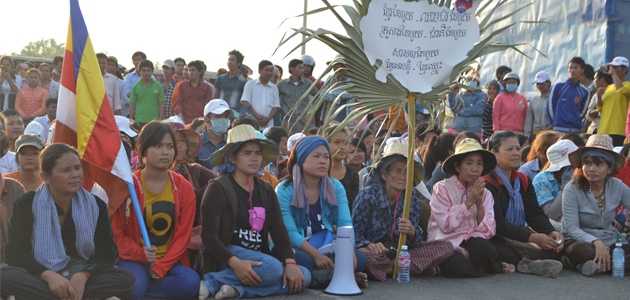
    A French court has issued arrest warrants for two senior Cambodian generals for the grenade attack on an opposition political rally in Phnom Penh on March 30, 1997, exactly 25 years ago, Human Rights Watch said today.

    16 people were killed in the attack and more than 150 were left injured. The court order states that a summons was issued for Prime Minister Hun Sen for his role in the attack, but that the French government blocked its delivery, citing head of state immunity.

    The order, issued on December 30, 2021, by a Paris court stated that arrest warrants had been issued on March 19, 2020, against Gen. Huy Piseth, then-chief of Prime Minister Hun Sen’s bodyguard unit, and Gen. Hing Bun Heang, then-deputy-chief of the unit, for their role in planning and orchestrating the attack.

    “The Cambodian government has never taken action against those responsible for the 1997 grenade attack on the opposition leader Sam Rainsy and his supporters because there is substantial evidence that Prime Minister Hun Sen and his generals were behind this mass atrocity,” said Brad Adams, Asia director at Human Rights Watch. “The French government should request a European Arrest Warrant and an Interpol Red Notice to take Gen. Huy Piseth and Gen. Hing Bun Heang into custody and produce them before the court for trial in Paris.”

    The attack

    The order was issued in a case filed in Paris by Sam Rainsy, the leader of the opposition and target of the attack, who was injured by a grenade fragment. His bodyguard died after taking the full force of one of the grenades as he shielded Rainsy.

    The judge’s order stated that it appeared that Sam Rainsy was the target of the grenade attack organised and carried out on 30 March 1997 by the chief and the deputy chief of the prime minister’s special bodyguards. Heavily armed men were deployed with instructions to position themselves in a line at a reasonable distance behind the demonstrators so as to facilitate the retreat of the grenade throwers to the CPP military compound and to prevent anyone from pursuing them.

    A crowd of approximately 200 supporters of the opposition Khmer Nation Party (KNP), led by Rainsy, a former finance minister, gathered in a park across from the National Assembly in Phnom Penh to denounce the judiciary’s lack of independence and judicial corruption.

    In a well-coordinated attack, unidentified assailants threw four grenades into the crowd in an attempt to kill Rainsy, killing protesters and bystanders, including children, and blowing limbs off street vendors. After the first grenade exploded, Rainsy’s bodyguard, Han Muny, threw himself on top of Rainsy. He took the full force of a subsequent grenade and died at the scene. Rainsy escaped with a minor leg injury.

    The demonstration was the first time the opposition had received official permission from both the Interior Ministry and the Phnom Penh municipality for a rally after repeated refusals. The change in the government’s position fuelled speculation that the demonstration was authorized so it could be attacked, Human Rights Watch said.

    Complicity

    The police, who had previously maintained a high-profile presence at opposition demonstrations in an effort to discourage them, had an unusually low profile that day. A large contingent was grouped around the corner, instead of inside the park itself. Other police units were at a nearby police station in full riot gear on high alert, an unusual precaution that suggested they knew that there would be violence at the demonstration. However, the army’s Brigade 70, Hun Sen’s personal bodyguard unit, was at the park in full riot gear. It was the first time it had appeared at an opposition demonstration.

    Instead of ensuring an independent and thorough investigation into the attack, Hun Sen immediately called for the arrest of Rainsy and other demonstration organizers, and prevented them from leaving the country, Human Rights Watch said. The court noted “the lack of cooperation of the Cambodian authorities throughout this judicial investigation. This is despite the fact that Cambodia has cooperated with the French justice system in a murder case involving a French family in Cambodia.”

    On February 10, 2017, the Paris court issued a summons to Hun Sen to appear in court. But on August 8, 2017, the French Ministry for Europe and Foreign Affairs informed that “Hun Sen, in his capacity as head of the government of the Kingdom of Cambodia, held absolute immunity from jurisdiction, which prevented him from being tried in France and from being subjected to any measure of constraint, such as a summons to appear for possible indictment, being taken by a French authority.”

    Open Data Advocates Urge International Energy Agency for Free and Open Access to Data

    The authors of the letter argue that open data can provide a wide range of benefits, including access to data for some of the most common questions, such as annual GHG emissions or renewables production, consumption, and waste.

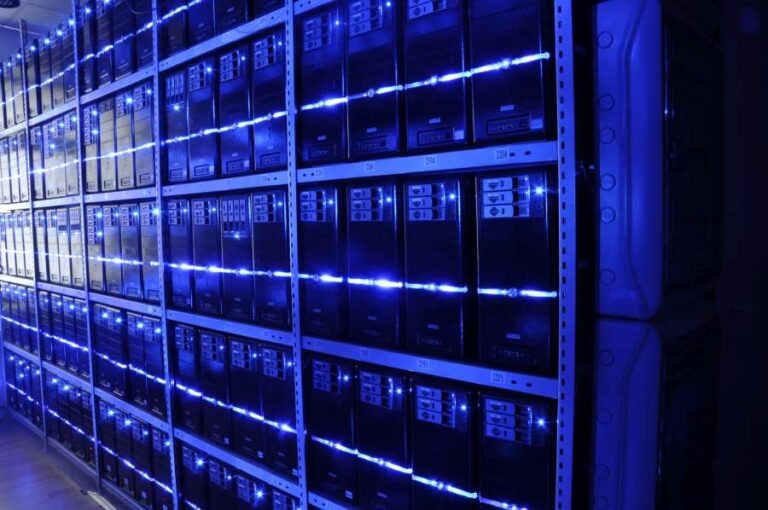
    The Breakthrough Institute, joined by 63 organizations and open data advocates, sent a letter to the International Energy Agency (IEA), along with the U.S. delegate to the IEA Secretary of Energy Granholm, urging them to make their data open and freely accessible to all. The IEA is one of the world’s largest repositories of scientific, economic, and logistical data. Unlike other organizations, including the U.S. Energy Information Administration, the IEA keeps their data behind a paywall.

    Signatories include Carnegie Mellon University Graduate Student Assembly, Clean Energy Buyers Association, Catalyst Cooperative, Energy for Growth, Fastest Path to Zero, Good Energy Collective, Nuclear Energy Institute, Nuclear Innovation Alliance, R Street, and Third Way. There are many more.

    Our World In Data originally launched a campaign to unlock data in an article and letter in Nature. Members of the Open Modelling community also wrote an open letter to IEA urging them to open data access to all. The letter asked organizations, academics, modellers, and researchers that might use IEA data to provide their support in a joint open letter to the IEA and U.S. delegates.

    “Open access to high quality and comprehensive energy-related data is essential to an efficient and equitable transition to clean energy while also enabling rapid response to global crises,” said Dr. Adam Stein, Associate Director, Nuclear Innovation at the Breakthrough Institute and member of the Open Modelling community. “Anyone who currently wants access to this energy data has to pay hundreds or thousands of dollars to access one dataset. This serves as an unnecessary barrier and makes research and scientific inquiry more expensive.”

    The IEA is funded largely by OECD governments, public contributions that should earn public access to the essential data and analysis.

    Wide range of benefits

    The authors of the letter argue that open data can provide a wide range of benefits, including access to data for some of the most common questions, such as annual GHG emissions or renewables production, consumption, and waste.

    Access to data and its consequent equitable access for disadvantaged individuals unable to afford access is a must and that it will also ensure faster response to important problems by eliminating the need for grant-funded researchers to wait months for funding approval.

    The signatories feel that access will also reduce barriers for researchers to move beyond a US-only perspective that is partially driven by open access to US Energy Information Administration data. Besides, this also has the potential to reduce the overall cost to governments by reducing the need to purchase data for specific research projects. Although the National Science Foundation doesn’t break out data purchase fees, in 2019 $136M was spent just on software for research — two orders of magnitude higher than the IEA data revenue.

    “Open data reduces inequality, since researchers from well-off countries and institutions are better positioned to afford the purchase of IEA data,” says the letter. “The credibility and replicability of research are enhanced: independent researchers can verify or challenge studies based on common data.”

    The benefits of open data extend beyond climate change mitigation efforts, the letter writers argue. They cite the McKinsey Global Institute estimates that for the electricity, oil and gas, and transport sectors alone, open data could create an economic value of US$ 1.3–2.0 trillion per year.

    “Open data leads to less duplication of research efforts — with fewer resources wasted on recreating the paywalled IEA data from alternative and often inferior sources,” the letter reads.

    “Transparency is enhanced in relation to public policy development. Finally, open data improve outreach and engagement by reducing barriers for journalists and the public to access the data and understand its implications. It is therefore in everyone’s interest that the IEA data be open and freely available.”