More

    Entire Afghan generation’ faces food insecurity says UN Official

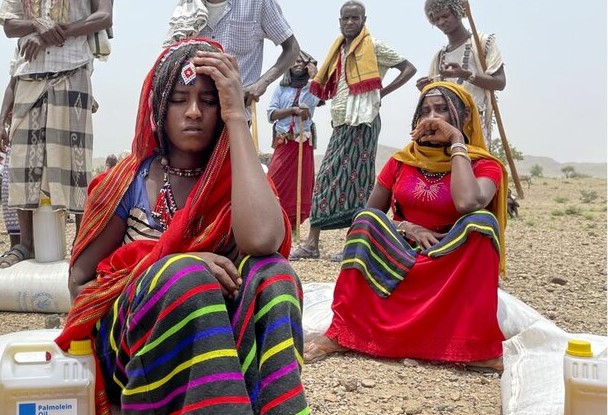
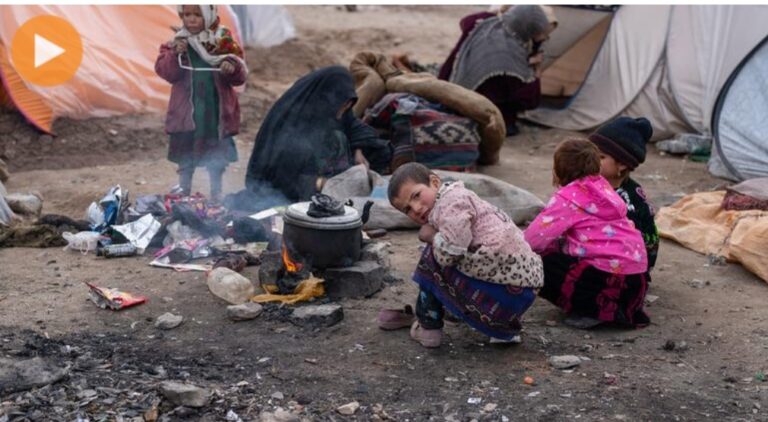
    Afghanistan is in an unparalleled state of food insecurity and malnutrition as acute hunger has risen from 14 million in July, to 23 million in March, forcing households to resort to desperate measures to put food on the table.

    A staggering 95 per cent of Afghans are not getting enough to eat, with that number rising to almost 100 percent in female-headed households, according to Dr. Ramiz Alakbarov, UN Resident Coordinator in Afghanistan.

    “It is a figure so high that it is almost inconceivable. Yet, devastatingly, it is the harsh reality,” he said.

    Alakbarov painted a grim picture of hospital wards filled with malnourished children, many weighing at age one what an infant of six months would weigh in a developed country, with some “so weak they are unable to move”.

    “We cannot ignore the reality facing communities,” he said.

    Afghanistan continues to grapple with the effects of a terrible drought, the prospect of another bad harvest this year, a banking and financial crisis so severe that it has left more than 80 per cent of the population facing debt, and an increase in food and fuel prices.

    Hunger pangs

    “Enormous challenges lie ahead,” he said, reiterating that the UN and partners, are “doing everything we can” to alleviate the impacts of hunger and malnutrition, while giving communities the means to protect and sustain their livelihoods in the future.

    So far this year, humanitarian partners have supported 8.2 million people with life-saving and life-sustaining food assistance, including emergency food rations, school meals, agricultural supplies and nutritious foods and supplements for nursing mothers and their infants.

    Over the next months, the UN and its partners will continue to focus on scaling-up response activities, reaching previously underserved and remote areas that active conflict had rendered inaccessible.

    Explaining that the food insecurity and malnutrition crisis in the country was one of “unparalleled proportions”, the official said that acute hunger in the country rose from 14 million in July, to 23 million in March, forcing households to resort to “desperate measures” to put food on the table.

    Acutely malnourished children

    Acute malnutrition rates in 28 out of 34 provinces are high with more than 3.5 million children in need of nutrition treatment support, said Dr. Alakbarov.

    He explained that since mid-August, over 2,500 nutrition treatment sites across all 34 provinces, both urban and rural, have been serving 800,000 acutely malnourished children, “and we plan to reach 3.2 million affected children this year”.

    “We also aim to reach one million people through vocational skills training, one million children through school feeding, and millions more people both directly and indirectly through programmes that will protect and boost the agricultural livelihoods upon which so much of the population depends,” added the UN Representative.

    “Unacceptable trade-offs have caused untold suffering, reduced the quality, quantity, and diversity of food available, led to high levels of wasting in children, and other harmful impacts on the physical and mental wellbeing of women, men, and children,” he spelled out.

    Although a massive humanitarian response mounted since August has prevented “our worst fears from being realized over the winter,” Dr. Alakbarov reminded that food insecurity and malnutrition remain “at historic highs” and require an “immediate, sustained, and large-scale humanitarian response.”

    “The fate of an entire generation of Afghans is at stake,” he said, assuring that the UN would continue, over the coming weeks, to provide regular updates.

    “As we collectively support millions of Afghans to rebuild their lives and communities, we must remember that the long road to a better future is impossible on empty stomach,” Dr. Alakbarov said.

    A Budget that Looks Too Far Into the Future

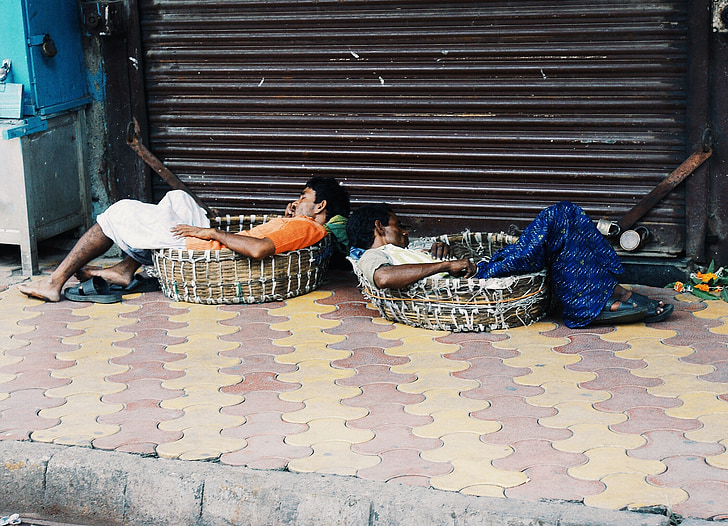
    Social development expenditure and the needs of the people – both prior to COVID-19 but more so during and after the second wave, have not been emphasized in the current budget.

    By Varna Sri Raman and Dr. Pravas Mishra

    Now that the dust has settled on the initial debates around the Union budget, one can see that this year (2022-23) the budget is indeed visionary. Considering union government’s performance during the devastating second wave, the provisions made by the Finance Minister seem inadequate to say the least.

    While it is true that the budget provides lop-sided impetus for growth through supply-side interventions such as focusing on infrastructure development, the budget was silent on major demand-side measures and social sector spending. The budget was also odd in that it failed to actually be an accounting exercise which is the true purpose of the budget. For instance, there was no detail presented on what was actually achieved from the last budgetary outlays and schemes. It could have been stated that, for instance, government expenditure was being increased to augment social welfare schemes or to breathe some life into India’s near-dead SMEs – but nothing was said. In hindsight, the actual numbers in the budget, provide good reason for silence. Compared to the revised estimates for 2021-22, total expenditure (after accounting for inflation) is only likely to go up by a minuscule 4.6 per cent, hardly enough to revive a dying economy.

    The Union Government’s assertion about increase in Capital Expenditure (CAPEX), a collective term referring to capital or infrastructural investments by 35 per cent falls flat if detailed numbers are studied. The increase in CAPEX is at 35 per cent when Budget Estimate (BE) to BE comparison is made, but the BE is really a figure of little consequence. Instead from an accounting perspective, a comparison of BE should be done with the previous Revised Estimates (RE) and that comparison shows only a 24 per cent increase, so 10 per cent of the allocations are not new.  Turns out that to say that CAPEX has increased, the government (in this budget) looked at actual budgetary outlays and capital improvement provisions made by public sector enterprises (PSEs). But PSEs have actually allocated approximately seven per cent less money to this than last year – so in reality capital investments in the budget have gone up by only approximately 10 per cent.

    Neglecting social expenditure

    Social development expenditure and the needs of the people – both prior to COVID-19 but more so during and after the second wave, have not been emphasized in the current budget. The World Inequality Report 2022 depicts India as one of the most unequal countries in the world with widespread poverty along with a fast and ever-growing “affluent” class. Oxfam India’s report on inequality which states that the richest 98 Indians own the same wealth as the bottom 55.2 crore people, while 4.6 crore Indians fell into extreme poverty in 2020.

    As per the Center for Monitoring Indian Economy (CMIE) some 1 crore people lost their jobs because of the second wave of the pandemic and 97 per cent of households’ incomes have declined since the beginning of the pandemic. Neglecting social expenditure and not focusing on getting money into the hands of citizens (i.e. increasing per capita personal disposable income) will only serve to increase income / wealth inequality further. Could something that focusses on revenue expenditure inducing direct demand in the economy by influencing consumption have been a better bet than something that will produce multiplier results in the far-flung future?

    Data demonstrates that the annual growth of tax revenue during 2019-20 contracted and then slightly increased. In 2022 the growth rate of tax collection was projected at 9 per cent which went up to 13 per cent in the revised estimates of the same year. Budget 2022-23 projects a 10 per cent growth in tax revenue indicating recovery of the economy. However, the measures to use this tax revenue for people’s welfare are missing from the budget. This could have increased social sector spending that focuses on investing in the health, education, and livelihood of everyone.

    Health, MGNREGA

    Study after study demonstrates that, for instance, a good education makes the likelihood of higher incomes and lower poverty much greater. However, the overall share of the education budget (as a proportion of the total Union Budget and the country’s GDP) has witnessed a decline in budget 2022-23. Ironically while acknowledging the loss to children via school closure during the pandemic, the finance minister announced more digital education via the ‘one class, one TV channel’ programme. Even if this were a good thing (for some of the channels are at least slated to be regional languages) the allocations for the PM e-Vidya has been reduced from Rs. 50 crore in 2021-22 (BE) to mere Rs 10 lakh for 2022-23 (BE). Specific school programmes which have been known to improve India’s languishing education and nutritional outcomes together – such as the mid-day meal programme and scholarships also witnessed a decline.

    Similarly, the total budgetary support in absolute amounts for the health sector stands at Rs. 89,251 crores for 2022-23; the share (as a proportion of the total Union Budget) has remained more or less stagnant over the last few years of the Modi government at a minuscule 2.26 per cent of the total budgetary expenditure in 2022-23 (BE). Indeed, allocations for the National Health Mission (NHM) declined in comparison to 2021-22(RE). This is despite a recorded deficit of doctors, paramedics and health equipment at the primary health centers and community health centers.

    Several economists have pointed out the role that MGNREGA plays in augmenting livelihoods in the pandemic and in conditions of extraordinary unemployment. In 2020-21, around 13.32 crore people applied for work under MGNREGS, of which 13.29 crore were given work, and close to 11.30 crore people had applied for work of which 11.22 crore had been offered work in 2021-22 (up to the first week of January 2022). Despite this, in the 2022-23 BE allocation for MGNREGA has declined by 25.5 per cent in comparison with the 2021-22 RE.

    Not visionary

    What can a government do to increase rates of growth? As any student of economics will tell, a government can try and inject the economy with hope. How does a government do that? Of course, by encouraging people to spend more, make loans cheaper, for instance, which is what India is trying to do with home loans now and encouraging more and more micro-borrowing by MSMEs and individuals. This is not efficient. In a situation of high inflation, making loans cheaper, puts money into the hands of a people pushed against the wall, while doing zilch for their actual ability to repay. With increase after increase in indirect taxes and no relief in direct tax concession India’s demand driven economy appears to have effectively been left to fend for itself. Except for a limited digital assets related tax, no surcharge on the super-rich to compensate for the loss of revenue nor a one-time wealth tax – does little to inject hope.

    While clean energy, electric vehicles, battery swapping policies etc., found a mention in the budget, none of the attendant infrastructure such as a much-needed revision in ethanol classification, detailing of a smart grid or power distribution infrastructure, climate resilience policy or agricultural inputs in support of small marginalised farmers that do not rely on fancy technology but instead focus on the fundamentals, find a mention. Ultimately implementation trumps vision. Yet, even the budgetary allocation utilization has proven to be a disappointment time and again. Sadly, the visionary budget appears only more and more blurry for the common man.


    Varna Sri Raman is a Lead-Research and Knowledge Building  and Dr Pravas Mishra is Assistant Manager – Research & Knowledge Management at Oxfam India.


    Image: Hippopx — Licenced to use Creative Commons Zero – CC0

    Social security for gig workers of Uber, Ola still a distant dream

    Drivers are saddled with the burden of repaying their loans and the deduction of commissions. Low earnings, the ratings game and algorithm-driven systems need to go hand-in-hand with stringent laws, strict enforcement, and proper disclosures by the aggregators.

    By Himani Mishra

    Bhavish Aggarwal tried to address the popular question “Why does my driver cancel my Ola ride?” in a tweet on 21 December 2021. He proposed that the issue can be redressed only if the driver knows the approximate location and payment mode. Rather than addressing the question from the driver’s perspective, the co-founder of Ola Cabs made sure that the revenues of the company would remain unaffected.

    A conversation with Ola drivers would have revealed that if riders agree with cancelling rides on the app and the driver is able to convince the rider to complete the ride offline, the drivers will be able to save lots of money. By completing the ride offline, the driver will not have to pay a commission to Ola or Uber, which goes up to 35 per cent of the fare. Aside from this, the drivers also have to shell out the money for insurance, maintenance and loan repayment out of their pockets, leaving hardly any money at the end of the month. Many of the drivers take loans to purchase cars. However, when revenues fall, paying monthly installments becomes increasingly difficult. Rising fuel bills and the COVID-19 pandemic made things worse. One of the main problems the drivers face today is the burden of repaying their loans. According to a survey published by Inc42, Ola and Uber lost over 30,000 cabs because of the drivers’ inability to make monthly payments.

    Unfair algorithms

    The aggregators charge 35 per cent commission despite the transport ministry stipulating that the maximum commission that can be charged is 20 per cent under the Motor Aggregator Guidelines 2020. The guidelines also stipulate the provision of health and term insurance coverage of Rs 5 lakh and Rs 10 lakh respectively with 5 per cent increase every year. As there is no supervising enforcement agency, the ride-hailing apps rarely comply with these norms. Conversations with Ola and Uber drivers reveal that Uber charges 20 per cent commission while Ola charges 30 per cent, blaming the extra 10 per cent on taxes. The drivers say that no insurance coverage is being provided by the aggregators at present.

    Low earnings, the ratings game and algorithm-driven systems cause a lot of stress for these drivers. Though both Ola and Uber announced their support for drivers who tested positive for COVID-19, they did not offer much support to the families of drivers who died due to COVID-19. While Ola gave no compensation to the families, Uber paid Rs 75,000 each to the families of deceased drivers.

    In the Fairwork India Report 2021, an annual study of working conditions of gig workers on digital platforms, Ola and Uber scored a shocking 0 /10. The five principles on which the report assessed the employers were fair pay, fair conditions, fair contracts, fair management and fair representation.

    Gig workers and labour codes

    Gig workers are not included or defined in the Wages Code 2019 or the Industrial Relations Code 2020. No state has included gig workers under scheduled employment. Only Social Security Code 2020 recognised the concept of gig and platform workers for the purpose of formulating appropriate social security schemes. In September 2021, the Indian Federation of App-based Transport Workers (IFAT) filed a public interest litigation seeking an employer–employee relationship with the platforms they are associated with or included in under the Unorganized Workers Act, 2008 so that they can come under a social security system.

    According to IFAT, denying these workers social security has resulted in their exploitation through forced labour as defined in Article 23 of the Constitution and the right to livelihood in good and fair conditions. The failure to register them as unorganised employees and provide them with social security, it says, is a violation of their rights under Article 21 of the Constitution.

    Global developments bring hope

    Court rulings worldwide have accepted employer-employee relationships between aggregators and drivers. In September 2021, a Dutch court held that “The legal relationship between Uber and these drivers meets all the characteristics of an employment contract,” in a case filed against Uber by the Federation of Dutch Trade Unions. After losing a Supreme Court appeal in February 2021 in the UK, Uber announced in March that it would recognise workers’ rights including minimum pay for the 70,000 plus British drivers associated with it. The UK court ruled that Uber must treat drivers as workers, giving them access to vacation pay, rest breaks and minimum wages while they are using the app. Uber also faced legal challenges in the US with the Supreme Court rejecting its attempt to dodge a lawsuit on whether its drivers are employees or independent contractors in May 2021.

    The Assembly Bill 5 authorised by the California Court was created to evaluate whether an individual should be classified as an independent contractor or an employee. To determine which qualification is accurate, ABC test was designed, which asks the following questions:

    • Is the individual free of the hiring firm’s control?
    • Is the individual delivering a service that is not the primary business of the hiring company?
    • Is the individual actually engaged in operating a business similar to the service offered to the hiring company?

    If answer is to all three questions is yes, they are classified as an independent contractor. However, if any of the question are answered negatively, an employment relationship is formed. A similar law can be enacted in India to establish employer-employee relationship between the drivers and the aggregators.

    Transparency

    The Supreme Court of India noted on May 24, 2021 that governments must speed up the registration of unorganised workers, gig workers and platform workers so that they would come under social security programmes. However, there is still silence on the authorities’ end about the employer-employee relationship which is gaining validation throughout the world.

    The government should make the Motor Aggregator Guidelines 2020 a law to provide legal protection to gig workers. Also, a designated law enforcement authority like state labour commissioners should be set up to ensure proper implementation of the law and redressal of complaints in case of non-adherence on the side of the cab aggregators.

    Transparency and disclosure are needed from cab aggregators in issues related to drivers. The companies should produce self-disclosure and compliance certificates showing their adherence to the Motor Aggregator Guidelines 2020 and publish them on their websites. The details furnished could include wages paid, commission charged, hours worked, insurance coverage given, ratings, and the number of passengers. This would induce public accountability among the aggregator apps, thus reducing the blur in the picture. As reported in the Fairwork Report, Urban Company has expressed its willingness to publish an earning index for its workers every six months. A similar model can be opted by other platform economy apps to ensure transparent operations.

    Workers, not contractors

    Criticism of gig work’s informal and independent contract nature is frequently countered by the claim that this type of job provides flexibility and gives workers the freedom to choose their working hours and location. The gig workers in India, however, opt for such options to earn a decent living. The lack of employment opportunities does not allow them to enjoy freedom and flexibility. The current situation, in which the livelihoods and health of a large workforce are in jeopardy, demonstrates that flexibility cannot come at the expense of basic human rights.

    Gig workers should get access to healthcare and financial support in case of a crisis. In this regard, the COVID-19 pandemic should be treated as a wakeup call to revamp social security systems for gig workers and to question their position as independent contractors. By ensuring legal and social security protection, the government can provide some respite to these workers who are already distressed by the effects of the pandemic.

    This piece has been sourced from Policy Circle — policycircle.org

    Himani Mishra is pursuing doctoral research at the Indian Institute of Foreign Trade, New Delhi.


    Image:

    ‘Responsible investment’ fuels Myanmar junta, claim rights groups

    Big corporations with financial stakes running into billions of dollars are closely tied to Myanmar’s military junta, says a financial investigation by rights groups.

    An investigation by rights groups has revealed that environmental, social and governance (ESG) investments have funnelled billions into companies arming, funding and legitimising the Myanmar military junta.

    Big corporations with financial stakes running into billions of dollars are closely tied to Myanmar’s military junta, says a financial investigation by Inclusive Development International and ALTSEAN-Burma, the findings reveal.

    Their report, “The Myanmar ESG Files: How ‘responsible investment’ is enabling a military dictatorship,” by the human rights advocacy groups documents how hundreds of ESG (Environmental, Social and Governance) funds reflect in the shares in 33 corporations linked to the military junta. Implicitly, the corporations and the ESG funds have enabled the regime’s grip on the country.

    Myanmar’s military junta has been accused of overthrowing a representative, democratic government in February 2021 and crimes against humanity.

    “Funds carrying the ESG label hold at least $13.4 billion worth of shares in 33 companies linked with the Myanmar military,” says the group’s findings.

    Some $40 trillion of professionally managed assets globally consider ESG factors. That is on track to exceed $53 trillion by 2025. With fees for ESG funds typically higher than conventional funds, consumers have been willing to pay a premium for these products.

    This “sustainable investment” received by big business in the strife-torn country includes weapon dealers supplying arms to the regime and tech services serving the military-controlled national police force and aid the government’s surveillance over its opponents and violently crush dissent.

    “Activists on the ground have been risking their lives and liberty to stop the flow of money, weapons and other resources that has allowed the military to maintain its illegitimate grip on power,” said Debbie Stothard, founder and coordinator of ALTSEAN-Burma. “It’s shocking and devastating to see so-called ‘responsible investment’ doing the opposite.”

    According to data compiled by Inclusive Development International, ESG-labelled funds continued to hold shares in these companies even after Myanmar’s military was found involved in the genocide perpetrated against the Rohingya. Similarly, the companies held the shares after the bloody coup and subsequent crackdown on pro-democracy protesters in February 2021.

    “That dozens of companies with ties to Myanmar’s genocidal regime are included in ESG portfolios shows just how large the gulf is between ‘responsible investment’ marketing claims and reality,” said David Pred, executive director of Inclusive Development International. “The foundation of this fraudulent industry is a deeply flawed ESG ratings system, which is in urgent need of regulation.”


    Image: Wikimedia

    Russia-Ukraine conflict: UN warns of a global hunger meltdown

    United Nations Secretary-General António Guterres has warned of an impending global food crisis due to the war between Russia and Ukraine. He said that the resulting meltdown of the global economy is provoking a hunger crisis that is hitting the poorest hardest.

    Besides the hour-to-hour devastation inside Ukraine, the UN chief said the war was reaching far beyond its borders, with a Sword of Damocles now hanging over the global economy – “especially the developing world”.

    Russia and Ukraine represent more than half of the world’s supply of sunflower oil and about 30 percent of the world’s wheat, he added, noting that Ukraine alone provides more than half of the World Food Programme’s (WFP) wheat supply.

    For months now, developing countries have been struggling to recover from the pandemic – with record inflation, rising interest rates and looming debt burdens, while their ability to respond has been “erased by exponential increases in the cost of financing.

    “Their breadbasket is being bombed”, Secretary-General Guterres said.

    “Food, fuel and fertilizer prices are skyrocketing.  Supply chains are being disrupted.  And the costs and delays of transportation of imported goods – when available – are at record levels.

    “All of this is hitting the poorest the hardest and planting the seeds for political instability and unrest around the globe.”

    ‘Hurricane of hunger’

    António Guterres said 45 African and least developed countries import at least a third of their wheat from Ukraine or Russia, with 18 of those, import at least 50 percent.

    “We must do everything possible to avert a hurricane of hunger and a meltdown of the global food system. In addition, we are seeing clear evidence of this war draining resources and attention from other trouble-spots in desperate need.

    “In a word, developing countries are getting pummelled. They face a cascade of crises – beyond the Ukraine war, we cannot forget COVID and the impacts of climate change – in particular, drought.”

    WFP had already warned that 2022 would be a year of catastrophic hunger, with 44 million people in 38 countries teetering on the edge of famine.

    With Ukrainian ports closed and Russian grain deals on pause because of sanctions, 13.5 million tons of wheat and 16 million tons of maize are currently frozen in Russia and Ukraine, WFP has said. The wheat imports, on which millions of people are heavily dependent is hitting the world’s poorest the most, particularly in Afghanistan, Ethiopia and Syria.

    Diplomatic path

    “It is time to stop the horror unleashed on the people of Ukraine and get on the path of diplomacy and peace”, he said, noting that he had been in close contact with countries including China, France, Germany, India, Israel and Turkey – on mediation efforts to end Russia’s invasion.

    “The appeals for peace must be heard. This tragedy must stop. It is never too late for diplomacy and dialogue. We need an immediate cessation of hostilities and serious negotiations based on the principles of the UN Charter and international law.”

    We need peace now, he added. “Peace for the people of Ukraine. Peace for our world.”


    Image: WFP

    The Future of Food: Jellyfish, Farmed Insects, 3D Printed Meat?

    A report by the Food and Agriculture Organization looks at how economic growth, changing consumer behaviour and consumption patterns, a growing global population and the climate crisis will shape food safety in tomorrow’s world.

    By Inter Press Service

    Between the devastating effects of climate change and the fast advancing new technologies, it seems now evident that the future of food will change. Whether it’s new foods like jellyfish, edible insects and cell-based meat, or new technologies like blockchain, artificial intelligence and nanotechnology, the future promises exciting opportunities for feeding the world, says a new report.

    “However, the time to start preparing for any potential safety concerns is now.”

    A recent report by the Food and Agriculture Organization of the United Nations (FAO) looks at how major global drivers like economic growth, changing consumer behaviour and consumption patterns, a growing global population and the climate crisis will shape food safety in tomorrow’s world.

    “We are in an era where technological and scientific innovations are revolutionising the agrifood sector, including the food safety arena. It is important for countries to keep pace with these advances, particularly in a critical area like food safety, and for FAO to provide proactive advice on the application of science and innovation,” said FAO Chief Scientist Ismahane Elouafi.

    The report, Thinking about the future of food safety – A foresight report — maps out some of the most important emerging issues in food and agriculture with a focus on food safety implications, which are increasingly on the minds of consumers around the world.

    It adopts a foresight approach based on the idea that the roots of how the future may play out are already present today in the form of early signs. Monitoring these signs through the systematic gathering of intelligence increases the likelihood that policy makers will be better prepared to tackle emerging opportunities and challenges.

    Key drivers and trends

    The report covers eight broad categories of drivers and trends: climate change, new food sources and production systems, the growing number of farms and vegetable gardens in our cities, changing consumer behaviour, the circular economy, microbiome science (which studies the bacteria, viruses and fungi inside our guts and around us), technological and scientific innovation, and food fraud.

    Here are some of the report’s most interesting findings:

    Increased exposure to contaminants – The impact of changing weather patterns and temperatures has been receiving much attention, and FAO recently issued a report on the implications of climate change on food safety in 2020.

    Recent evidence points to a severe impact of climate change on various biological and chemical contaminants in food by altering their virulence, occurrence and distribution.

    Traditionally cooler zones are becoming warmer and more conducive to agriculture, opening up new habitats for agricultural pests and toxic fungal species. For instance, aflatoxins, which were traditionally considered a problem mainly in some parts of Africa, are now established in the Mediterranean.

    Jellyfish, algae, and insects
    Edible varieties of jellyfish have been consumed for generations in some parts of Asia. They are low in carbohydrates and high in protein content but tend to spoil easily at ambient temperatures and can serve as vectors of pathogenic bacteria that can adversely affect human health.

    Seaweed consumption is also spreading beyond Asia and is expected to continue growing, in part because of its nutritional value and sustainability (seaweeds do not need fertilisers to grow and help combat ocean acidification).

    One potential source of concern is their ability to accumulate high levels of heavy metals like arsenic, lead, cadmium and mercury. Interest in edible insects is also rising in response to growing awareness of the environmental impacts of food production.

    While they can be a good source of protein, fibre, fatty acids, and micronutrients like iron, zinc, manganese and magnesium, they can harbour foodborne contaminants and can provoke allergic reactions in some people.

    Farming Insects

    In another report, FAO says that while insect consumption by humans or entomophagy has been traditionally practiced in various countries over generations and represents a common dietary component of various animal species (birds, fish, mammals), farming of insects for human food and animal feed is relatively recent.

    “Production of this ‘mini-livestock’ brings with it several potential benefits and challenges.”

    Plant-based alternatives

    More and more people are becoming vegan or vegetarian, often citing concerns for animal welfare and livestock’s impact on the environment. This has led to the development of various plant-based alternatives to meat, with global sales for such products expected to surge.

    As plant-based diets expand, more awareness about introducing food safety concerns, such as allergens from foods not commonly consumed before, is needed.

    Cell-based meat

    Winston Churchill’s prophecy – that one day “we shall escape the absurdity of growing a whole chicken in order to eat the breast or wing, by growing these parts separately under a suitable medium” – is becoming a reality, with dozens of companies globally known to be developing cell-based steaks, beef burgers or chicken nuggets.

    “Examples of potential concerns include the use of animal-based serum in the culture media, which may introduce both microbiological and chemical contamination.”

    New technologies

    A veritable technological revolution is transforming our agrifood systems, helping us produce more with less. Examples include smart packaging that extends the shelf-life of food products, blockchain technology that ensures food can be traced along supply chains, and 3D printers that produce sweets and even “meat-like” textures using plant-based ingredients.

    As with all emerging technologies, there are opportunities and challenges, adds the new FAO report.

    Food safety

    Coinciding with the launch of the report, FAO and the World Health Organisation (WHO) announced that this year’s edition of World Food Safety Day, to be held on 7 June, will focus on the theme of “Safer food, better health.”

    The World Day will focus, among other aspects, on the fact that food safety saves lives. It is not only a crucial component to food security, but it also plays a vital role in reducing foodborne disease.

    “Every year, 600 million people fall sick as a result of around 200 different types of foodborne illness. The burden of such illness falls most heavily on the poor and on the young. In addition, foodborne illness is responsible for 420 000 preventable deaths every year.”


    Image: Hippopx — Licensed to use under Creative Commons Zero – CC0

    Sri Lanka’s best-known tourism ambassador wants to leave as economy tanks

    Challenged to import fuel to run its power plants and with its dams running out of water reserves and not producing electricity, Sri Lanka’s power cuts are taking a huge toll. The country had earlier decommissioned its coal-fired power plants.

    Sri Lanka’s economic crisis has taken its latest toll as the country’s most popular ambassador for tourism has spoken of the difficulties in the country.

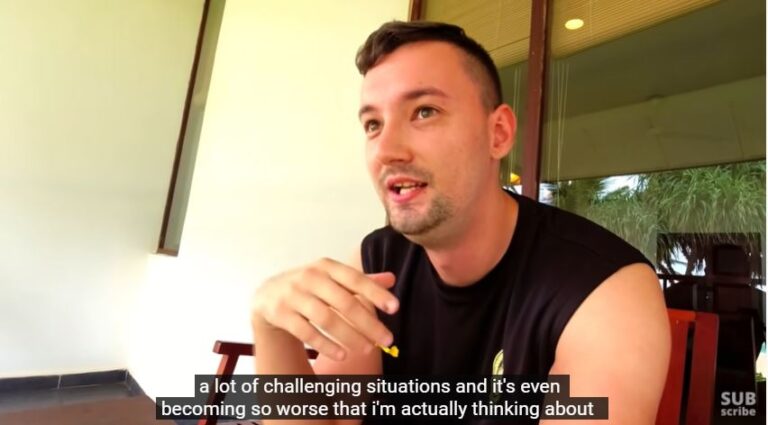
    The country’s popular tourism ambassador, German YouTube vlogger who goes by the name Ken Abroad thinks he has had enough of electricity outages and informed his audience that he was considering cutting short his visit.

    This comes in the wake of the Sri Lankan government sinking deeper into an economic mess with the island nation’s currency taking a freefall.

    With 81.6K subscribers, the German vlogger had captured the hearts thousands of YouTube users in Sri Lanka.

    The central bank has been printing money in excess and a resulting shortage of foreign exchange has thrust the average Sri Lankan into a vortex of economic hardships – from inflation to unemployment to electricity power outages.

    “When you are travelling abroad, you have many challenging situations,” Ken said in his latest YouTube video.

    “But the challenges are getting worse, so I am actually thinking about leaving Sri Lanka earlier than planned.”

    “In Sri Lanka we are having power cuts of six to eight hours every day. It is not only me. Many businesses are struggling.”

    Power cuts, he explained, meant that there was no electricity to switch on light bulb, charge his laptop and cut access to internet. This got worse in the evenings.

    “Many restaurants are closing because they cannot operate,” he explained. “I can sit in the beach so that is not a problem.”

    However, he said he explained his dependence of everything gadgetry to be able to do his job – being an online social media personality that he is.

    Economic crisis, power cuts

    Ken’s interactive social media life has had thousands of Sri Lankans following him and advising him on the places he must visit – most of these off the beaten track that excites his viewership.

    But, coming from Europe, Ken is perplexed. “I am curious to know why we are having the power cuts in Sri Lanka at the moment.”

    Sri Lanka’s severe currency crisis and its uninspiring lowering of interest rates could get tourists to visit the island. Interestingly, there are tens of thousands of people from Russia and Ukraine presently visiting Sri Lanka on a tourist visa and to escape the war in their countries.

    But all the associated problems of printing more money and injecting liquidity into the economy has not helped. Foreign exchange shortages in a pegged exchange rate regime and the outbound dollar are complicating the crisis.

    With difficulties to pay for fuel imports to run its power plants and with its dams running out of water reserves and not producing electricity, Sri Lanka’s power cuts are taking a huge toll. The country had earlier decommissioned its coal-fired power plants.

    The government has all along hoped that tourism would take off once the fear of COVID-19 gets over. This would help the government get the much needed foreign exchange. The So Sri Lanka campaign, marketing the emerald island as a tourist destination was being revamped. And Ken was an unpaid-for ambassador.

    But, as Ken says in his note on his YouTube channel, “Not every day is a happy traveling day!”

    Ken’s thoughts about leaving Sri Lanka came as the British government warned its citizens of the economic crisis engulfing the tourists’ destination.

    “The economic situation is deteriorating in Sri Lanka with shortages of basic necessities including medicines, fuel and food because of a shortage of hard currency to pay for imports,” UK’s travel advice to citizens read.

    “There may be long queues at grocery stores, gas stations, and pharmacies. Local authorities may impose the rationing of electricity, resulting in power outages.”

    A just green transition for India demands international support

    India made headlines at the COP26 summit in November 2021 after it announced net-zero targets by 2070 on the first day but intervened to water down the Glasgow Climate Pact on the final day. Instead of a ‘phase out’ of coal power, countries must only accelerate efforts toward a ‘phase down’.

    By Ajay Gambhir, Shivika Mittal, Sandeep Pai and Fergus Green

    India’s move has been criticised as a setback for global efforts to phase out the burning of coal — the dirtiest fossil fuel. A variety of modelled scenarios generally agree that coal needs to be phased out as fast as possible.

    Yet phasing out coal power poses serious challenges to India. Nearly 30 million Indians still lack electricity access and two-thirds of rural households with electricity suffer outages more than once a day. The livelihoods of tens of millions of people in at least six Indian states are directly or indirectly tied to the coal sector. India’s dependency on coal is complex. For example, transporting coal by rail generates revenue that cross-subsidises commuter rail fares.

    To spur its energy transition, India needs to find a socially just way to implement it. The concept of a ‘just transition’ was central to climate negotiations in Glasgow. The Paris Agreement text makes clear that tackling climate change must ‘tak[e] into account the imperatives of a just transition of the workforce and the creation of decent work and quality jobs’. It is now recognised that a truly just transition is not only about protecting workforces, but also protecting the welfare and survival of those whose income are threatened by a rapid shift away from fossil fuels.

    Mountainous debts

    Key elements of a just transition involve crossing the global North–South divide through financial, technological and capacity building support. Unfortunately, the necessary support has been in short supply. There remains a large gap between the annual sum of US$100 billion promised to developing countries over a decade ago by wealthier nations and the money actually committed.

    Even if delivered, this would amount to a small fraction of the finance actually required. It is estimated that US$300 billion in annual investment is needed globally to shift energy systems towards achieving the goals set out by the Paris Agreement. Indian Prime Minister Narendra Modi highlighted the need for US$1 trillion for India alone over the next decade to mitigate and adapt to climate change. Whatever the exact figure, it won’t be cheap to wean India off coal, given it has over 200 gigawatts of coal plants and over 700 million tonnes of annual coal production.

    A significant increase in sustainable development finance would be a valuable first step but is far from sufficient. The complex web of relationships that comprise India’s political economy — often simplistically described as ‘corruption’ — as well as the mountainous debt (totalling US$80 billion) that India’s electricity distribution companies hold will not suddenly disappear when finance is forthcoming. Considerable institution building is also required if finance is to flow where it is actually needed. Yet, attempts to accelerate development in poorer countries through institutional reform over the past decades have often failed.

    International support important

    Given the very different historical and social contexts in different countries, a bespoke approach to just transitions is most promising. The US$8.5 billion just transition funding to support South Africa’s shift away from coal provides a useful test case. Details so far announced are minimal, but the objectives include accelerated decarbonisation of the electricity system and protection of vulnerable workers and communities. This will require sustainable management of the approximately US$24 billion debt held by Eskom — the country’s public electric utility — through substantial policy reform.

    Given the poor record of developed countries in delivering climate finance to date, the world will be watching to see if this funding is provided in the form of grants and concessional finance rather than loans, and whether the finance achieves its just transition objectives. The success of this pilot funding is crucial, as countries like Indonesia have sought similar funds as a condition to accelerate their coal transition.

    With increasing pressure on India to phase coal out, policymakers in Delhi might make its coal transition similarly conditional upon adequate financial and institutional support. Otherwise it won’t be politically or economically feasible. India’s coal and related sectors are an ecosystem that provide energy services, jobs and approximately US$12 billion in revenue. Support will be required to help transition this ecosystem by decommissioning coal plants and mines, providing decent alternative jobs, managing power companies’ debt and investing in green technologies. Private financing shortfalls remain, and there will need to be significant institutional investment to meet India’s ambitious renewable energy goals.

    There was intense disappointment at the last-minute changes to the Glasgow Pact requested by India and supported by China. But the intervention has played a critical role in highlighting how important international support will be if developing countries dependent on coal are to justly transition toward phasing out coal.


    Dr Ajay Gambhir is a Senior Research Fellow at the Grantham Institute for Climate Change and the Environment, Imperial College London.

    Dr Shivika Mittal is a Research Associate at the Grantham Institute for Climate Change and the Environment, Imperial College London.

    Dr Sandeep Pai is Senior Research Lead in the Energy Security and Climate Change Program at the Center for Strategic and International Studies.

    Dr Fergus Green is a Lecturer in the Department of Political Science at University College London.


    This piece has been sourced from the East Asia Forum of the Australian National University.


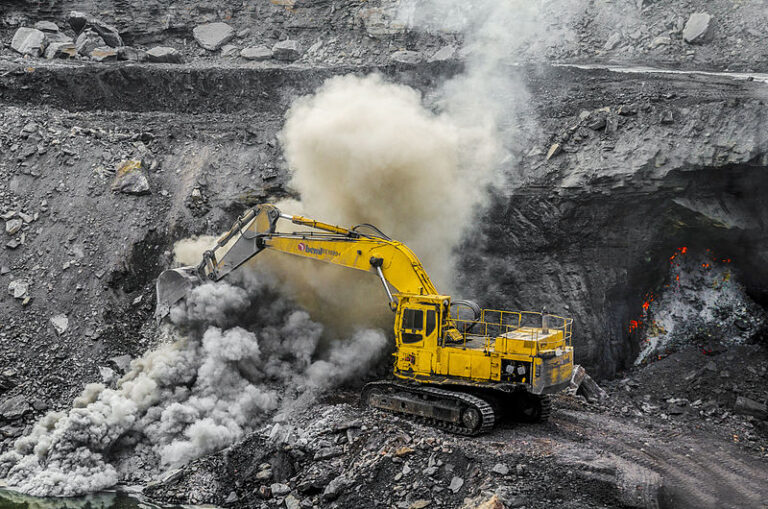
    Image: Wikimedia image of Jharia coal mines, India


    Is the Indian police reform-able?

    Police officers have often spoken of the need for independence from the political bosses and that police reforms are the only way to go forward on this. Did Prime Minister Narendra Modi allude to this while speaking of the need for police reforms?

    By Bijoy Patro

    Prime Minister Narendra Modi has batted for police reforms. Speaking of the need for radical reforms in policing at a convocation function of the Rashtriya Raksha University yesterday, he said, “The mool mantra (main goal) should be that in a democracy, one should be strict against those instigating society and soft towards society in general.”

    For a leader who understands the importance of communicating with the masses, the Prime Minister fully understands how the perception of the police force hinders its acceptability among citizens. He aired his concern over the way the force is portrayed in popular mediums.

    The Prime Minister’s address should be a starting point for a discourse on the space that the police has occupied in the lives of common citizens, the conduct of policemen and a conversation on the subject of police reforms.

    This is important because police officers represent the force of the republic. Their uniform and insignia represents the power of the State. Beyond being mere government servants (as many of them feel compelled to realise), they are public servants, backed by the Constitution of India.

    The Prime Minister’s address must also help another parallel discourse on police reforms. The Prime Minister has spoken of the need for reforming the force, and the politician in him has tried to score that ever(green)brownie point of the need for radical police reforms needed since independence.

    Independence?

    Police officers have often spoken of the need for independence from the political bosses and that police reforms are the only to go. Is that what Prime Minister Narendra Modi alluded to?

    Committees and commissions on police reforms have been set up by state governments and also by the union government. Many police officers underscore the need for police reforms, often telling how their hands have been tied because SHOs feel obliged to a local politician for their postings.

    But the question that arises is whether the Indian police can be trusted with independence. A second question that arises is if the police are worthy of being invested in?

    My answer is NO.

    Let me explain why.

    An abusive force

    As a young journalist in the nineties, I would often agree with police officers who would speak of the urgency of police reforms. I ‘understood’ their point of view. They needed to police the districts – ensure law and order, provide for a VIP’s security, control traffic, ensure sincere investigations and work to defend their chargesheets in court. In Haryana, where I worked, they also had to tally notes with the local CID district inspector, whose job was to keep an eye on the Chief Minister’s detractors.

    Over the years, I have also seen the police abuse their powers. I have seen false complaints foisted on common people. I have heard the cries of family members who have lost dear ones to fake encounters or survivors hiding from the police and umpteen cases of habeas corpus. I have observed policemen lie through their teeth during court cross examinations. I have heard myself the misogynist gossip of policemen and how easily they are swayed by a rapists’ accounts, besides also witnessing traffic police constables collect bribes (and also sharing the loot at the end of a hard day’s work).

    I have also heard from police officers how the personnel under their command are “vulnerable” to being complained against because of the nature of their work!

    I have also been aimed at and (mis)fired upon by policemen on the command of an officer who was openly siding with a chief minister during a violent election. (Interestingly, just about a year earlier, the same officer spoke to me very passionately about the need for police reforms.)

    I have also seen that complaints against policemen never work because dealings within the department are incestuous.

    Does this department indeed need reforms?

    How independent a police force is depends on how much its leaders value their independence. Few policemen in leadership positions refuse to genuflect before the political masters of the day. On the contrary, many officers religiously portray their dependence on the politicians of the day.

    Reforms or the sack?

    Of course, with power comes the opportunity to abuse it. The abuse of power by policemen is so common that one is tempted to generalise it. The police have been unabashed and violent in the abuse of its power. That, for beginners, is how corruption is defined.

    Let us recap what role we have seen the police play in the past few years. We have all seen how police constabulary has been let loose on citizens. Can we forget the sight of policemen storming a university library? We have seen the police land pregnant women in jail because that is what their political masters want them to do. We have seen how a partisan police, under the watchful eyes of the world media, allowed rioters to run amok in East Delhi.

    We have seen how top police bosses conducted themselves and defended the conduct of their policemen against protesting citizens. And, of course, we know that the police itself believes that the process of the law is punishment enough when they do not have a good case on their hands – and present the court with chargesheets running into thousands of pages so that the accused is tied up in knots and finds it difficult to even obtain a bail!

    And lest we forget, we have heard the Prime Minister approved, even admired and applauded the work of the police after policemen ill-treated women, beat up students and catapulted themselves into the orbit of the ruling party.

    Are we serious about reforming a department that actually deserves nothing else than an en masse sack – and an urgent replacement with fresh young blood of young men and women (and queer people, why not?) who can uphold the Constitution of India?

    How else can a wrong be righted? The wrong people have been recruited. In the Haryana of the nineties, the going rate for the job of a police constable was Rs. 30,000 and the men were called Tees-Hazaris.

    The Indian police, at present, is seriously compromised.

    It needs a changeover. Not reforms. All talk of reforms will only give the abusers further more power.

    And, a last word from where the Prime Minister left his speech yesterday: A welfare State does need a police. Yet, most certainly, our police force is not a parcel of the welfare State we would like to live in.


    Image: Representational image from Wikimedia. 

    Tribal women: Enveloped by TRIPS, the Pandemic, and a History of Neglect

    Gender inequality is a perverse form of discrimination which undermines women’s identity and agency and deprives them of their rights. This extends to women, particularly those in marginalised communities, like tribal women. 

    By Pradeep Baisakh

    How long have we heard that developing gender-responsive social protection systems is central to combating poverty among women and girls? How long have we been aware that this requires a long-term financial commitment to social protection?

    We know that while the COVID-19 pandemic has aggravated the lack of protection to the most marginalised, women and girls have been the most impacted.

    It has been a week since the International Women’s Day was observed as a day to highlight the empowerment of women. It was also an occasion to show how the women across the world face several forms of violence, exclusion and discrimination.

    During the ongoing war against Ukraine by Russia, the United Nations has warned that the war will force millions of people to flee their homes, increasing the risk of violence against women and girls.

    The Pandemic

    The past two years of the COVID-19 pandemic has shown that women and girls, particularly those from marginalized groups as tribal communities, communities discriminated by work and descent (CDWD), older women, women with disabilities and women refugees, have faced multiple forms of discrimination during and after pandemic due to state apathy, cultural prejudices, loss of income and familial negligence. The pandemic has pushed hundreds of millions of people including women into poverty, devastating their lives – and most profoundly the lives of the women from marginalized groups.

    Femicide is an extreme and lethal form of gender violence that continues to affect thousands of women and girls all over the world. COVID-19 led to an increase of femicide from France to Singapore. In Latin America and the Caribbean, at least 4,091 women were victims of femicide in 2020.

    Tribal women migrant workers in Asia have been hit particularly hard due to loss of employment, and there have been reports of hunger, torture and violence. They have witnessed state violence due to their displacement from their lands during the pandemic. Tribal and rural women play an important role in the food security of their countries.

    There have been similar exclusionary practices against refugee women, women with disabilities and older women across the globe.

    Vaccine Inequity

    During the ongoing vaccination drive, there have been gross inequalities in access to vaccinations between the global North and the global South. There has been less availability of vaccines for the low and middle-income countries due to the intellectual rights protection of the COVID-19 vaccines. This has been a result of the opposition to the TRIPS (Trade Related Intellectual Property Rights) waiver by the European Union (EU), UK, Germany, France and others as well as due to the hoarding of the vaccines by rich countries.

    That TRIPS has had a devastating impact is evident from the low rates of vaccinations in Africa. Barely 11 percent of Africa’s population are vaccinated currently. Can we imagine what the consequences of this massive unvaccinated population across the world? Can we hazard a guess if another COVID-19 variant could emerge from Africa and retard the pace of recovery from the pandemic?

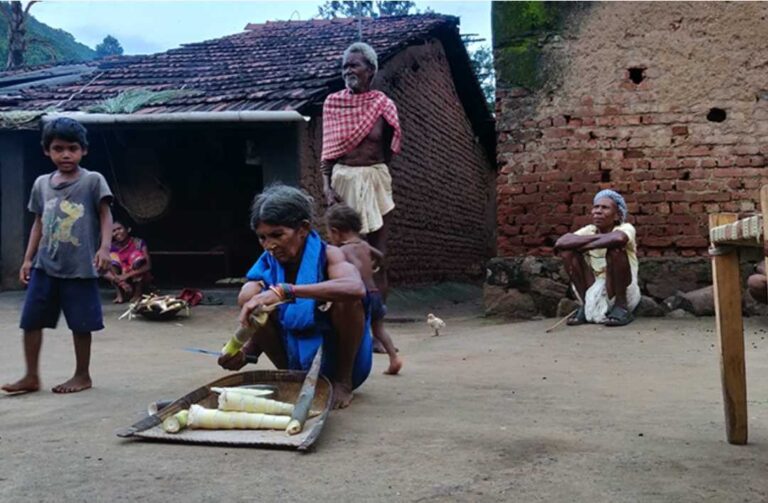
    Tribal Woman Odisha Rajkishor Mishra Covid-19 pandemic

    Coming back to the issue of women. In the circumstances where everyone was locked indoors, there has been little research to establish how women have been discriminated in the vaccination drive undertaken by governments. There is an absence of credible data to establish gender discrimination in vaccinations. Evidences from the field however suggest that women from marginalized communities worldwide are facing obstacles in accessing vaccines due to cultural prejudices, lack of technology and vaccine prioritization.

    Tribal women, because of their gender and because of the history of discrimination they have faced, besides, of course, because of their often difficult-to-access abodes have borne much of this hurt. (Besides, of course, we know from experience of the unwillingness and the hindrances to reach them even in the best of times.)

    Hopefully, we get to see data on the subject, sooner rather than later. Hopefully, that data is also complemented by anecdotal evidences.

    Need a peoples’ vaccine

    The governments must declare COVID vaccine as a peoples’ vaccine and ensure universal and equitable access to them.  For this the EU, UK, Germany and France ought to support the TRIPS waiver of COVID-19 vaccines, diagnostics and therapeutics so that everyone, particularly women, and more particularly, tribal women across the world get access to free vaccines. Special measures ought to be taken by the governments to stop violence against women by putting a proper legal mechanism in place – speedy justice and exemplary punishment for the aggressors.

    Oxfam puts the logic at the heart of the matter when it says that a year ago, the barrier to beating COVID-19 was science but today it is inequality.

    Scientific developments, the computer age and twenty-first century industrial scales and efficiencies have ensured that the wold can be vaccinated to end this pandemic. But instead, rich countries are hoarding vaccines and protecting the profits of their pharmaceutical corporations instead of saving lives.

    Looking at the vaccine inequity from the lens of tribal communities, particularly tribal women, will help us realise how essential a people’s vaccine really is.


    Pradeep Baisakh is a senior journalist. He can be reached by email: [email protected]

    Image: Banner image from Living Farms; Inset picture by Rajkishor Mishra.

    This article has sourced material from the GCAP statement issued on the occasion of International Women’s day 2022.