More

    WHO funding model ‘left world ill-prepared’ for COVID

    Two letters, both signed by global health leaders and non-profits have called on the WHO leadership to review its funding strategy. The signatories have urged member states to pay higher contributions to safeguard global health and have asked for a consensus on this to be reached before the world health assembly in May.

    By Ruth Douglas / SciDev.Net

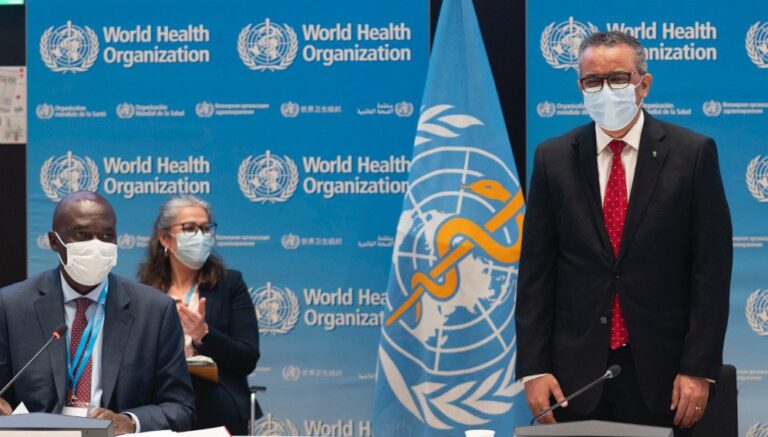
    A key meeting of the WHO’s executive board has spawned an upswell of calls to overhaul the UN agency’s funding, with leaders saying failure to invest in global health left the world ill-prepared for the COVID-19 “tsunami of suffering”.

    A letter signed by a host of leaders including Helen Clark and Ellen Johnson Sirleaf, co-chairs of the Independent Panel for Pandemic Preparedness and Response, and Gordon Brown, WHO Ambassador for Global Health Financing, decried the world’s “ailing approach to investing in global public health, and universal health coverage”, laid bare by the COVID-19 pandemic.

    They said repeated warnings to strengthen defences against pandemics had been ignored, “leaving the world dreadfully ill-prepared almost two years ago for the tsunami of suffering to come”.

    “The funding problems of the WHO are not new, but rather have been playing out over decades,” they wrote in the widely published letter. “They are symptomatic of an overall failure to invest sufficiently in global public health. This must stop now.”

    Advocates for change say the health body is currently both underfunded and financially constrained. Only 16 per cent of the WHO’s finances currently derive from governments’ membership dues, with “no strings attached”, the letter explains.

    “The overwhelming remainder is provided as voluntary contributions, often with tight and sometimes restrictive conditions.”

    Limited, unpredictable financing

    The issue of financing was being discussed at the 150th meeting of the executive board running from 24-29 January.

    A separate letter, sent to board members on 22 January and undersigned by more than 50 non-profit organisations, said: “Every major international review panel that has assessed the COVID-19 pandemic has identified WHO’s limited and unpredictable financing as a needed area for reform.

    “The world needs a strong, sustainably financed WHO that is not subject to the political influence of its donors or the whims of funding flows.”

    However, the WHO’s biggest funder, the United States, has been cautious of calls to increase the “no strings attached” funding, instead preferring to continue most of its funding through voluntary contributions, allowing it to check the money was used for the purposes it was given.

    After panic, comes neglect

    It comes against a backdrop of longstanding US wariness over the WHO, which culminated in President Donald Trump announcing his intention to withdraw from the WHO in 2020 due to concerns over Chinese influence during the pandemic, a move reversed by his successor Joe Biden.

    However, Kate Dodson, vice president for global health strategy at the UN Foundation, who delivered this letter on behalf of signatories, told SciDev.Net that the “vast majority” of WHO member states were keen to progress improvements to the way the WHO is financed.

    “But member states need to act on full consensus on this,” she added. “Majority won’t alone prevail. If they don’t act by May 2022’s World Health Assembly, this agenda may succumb to the common maxim: after panic, comes neglect. We may miss this window.”

    The executive board meeting saw WHO director-general Tedros Adhanom Ghebreyesus nominated uncontested for a second term in a procedural vote on Tuesday. He will almost certainly be re-elected at the World Health Assembly in May.

    Need a formula that will sustain WHO capacities

    Congratulating him on Twitter, WHO chief scientist Soumya Swaminathan said the WHO, as the only global health agency, needed sustainable finance “to deliver on its huge mandate”.

    Lawrence Gostin, director of the WHO Collaborating Center on National and Global Health Law at Georgetown University, in the US, told SciDev.Net that the WHO’s budget was “wholly incommensurate with its global responsibilities”.

    “Its budget is less than the size of many US teaching hospitals and one-fourth the funding that CDC (Centers for Disease Control and Prevention) gets,” he explained.

    “The funding WHO needs isn’t a lot for rich countries like the US and European countries,” he added. “We currently have the WHO we deserve because we give it so little funding. We need a formula that will sustain WHO capacities to fight this pandemic and for future health emergencies.”

    Lawrence Gostin, director of the WHO Collaborating Center on National and Global Health Law at Georgetown University, in the US, told SciDev.Net that the WHO’s budget was “wholly incommensurate with its global responsibilities”.

    “Its budget is less than the size of many US teaching hospitals and one-fourth the funding that CDC [Centers for Disease Control and Prevention] gets,” he explained.

    “The funding WHO needs isn’t a lot for rich countries like the US and European countries,” he added. “We currently have the WHO we deserve because we give it so little funding. We need a formula that will sustain WHO capacities to fight this pandemic and for future health emergencies.”

    Donations appeal

    WHO Member States leading on the sustainable finance agenda came up with a set of recommendations in November. These include stepwise increases in assessed contributions from Member States to 50 per cent of the base budget by 2029 – roughly doubling most members’ contributions.

    Voluntary contributions should also have a higher degree of flexibility, the draft report of the Working Group on Sustainable Financing suggested.

    Additionally, improvements in transparency around budget setting and prioritisation by the WHO Secretariat is needed, believes Dodson, as well as a close look at budget efficiencies.

    “The blueprint is there,” she said. “And … the vast majority of Member States support it. But there are some fence-sitters and some detractors … who need to continue to be persuaded this is the path toward a stronger, higher performing World Health Organization.”


    This piece has been sourced from SciDev.Net


    Image: WHO
    Beekeepers fear this year’s will be the worst honey harvest in decades

    Wild honey harvests have reduced as the indigenous, wild bees have not produced enough honey this year and experts say this is mainly due to climate change, besides other reasons.

    Muhammad Daud Khan

    A bitter winter accompanied with rain, deforestation and the smell of fired gunpowder have all together wrought havoc on honey gatherers of Kurram, in Pakistan’s north-western province of Khyber Pakhtunkhwa.

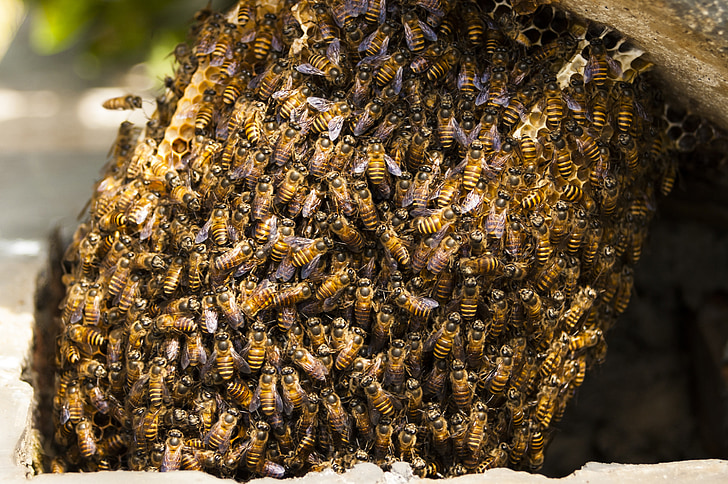
    Beekeepers in this district on Pakistan’s border with Afghanistan expect their worst harvest in decades. The honey here comes from the wild and is in huge demand. But the indigenous, wild bees haven’t produced enough honey this year.

    Beekeepers say that the bees have migrated due to extensive use of ammunition and deforestation in the past decade. The changing weather pattern and rapid urbanization have also affected honey production.

    Mastu, 55, an Ali Sherzai tribesman from Central Kurram said that he hunts local wild honey at Spin Ghar or the White Mountain, that serves as natural frontier between Pakistan and Afghanistan.

    “It is a difficult task to find wild honey in the mountain these days. Beekeeping business is on the decline,” Mastu said.

    Mountains of Parachinar once provided a natural habitat for honey bees. Thousands of people in Central Kurram were associated with the honey business.

    Beekeepers like Matsu are worried. The once profitable business is declining for a variety of reasons, principal among them being the region’s changing weather pattern.

    Beekeepers in the north of the district, or Upper Kurram, complain that over past decade, the number of honeybees has been decreased in the mountains. However, they do not know the exact reasons for the decrease in honey bees’ population.

    Honey production in Kurram

    Locals farmers keep wild bee as they produce high-quality honey. Kurram beekeepers obtain honey produced by four types of honey bees, including Apis florla, Apis dorata, Apis cerana and Mellfera.

    Amjad Hussain, in charge of the Parachinar Sericulture department said that the department organises training sessions for the local honey beekeepers so that they can obtain a good harvest of honey. The honey production is reducing, nevertheless.

    Kurram’s farmers annually produce at least 1,000 kilograms of honey and generate millions of rupees in revenue.

    Honey production down 40 per cent

    On the other hand, Pakistan beekeeper exporters and honey association (APBEHA) has estimated a decline in the honey harvest in tribal districts up to 40 per cent.

    APBEHA senior vice president Sheikh Gul Bacha says 1.5 million families were involved in honey production and business in Pakistan. “The majority of indigenous bees died from infections due to deforestation in tribal districts,” he said.

    “Those surviving the deforestation migrated and as a result, now, the production of high-quality local honey has reduced,” Sheikh Gul Bacha said.

    APBEHA general secretary Sher Zaman said that the Hindukush range has been badly affected due to climate change and deforestation. “Over the last decade, Apis florla bees had migrated from the tribal districts, leading to a reduced harvest of honey harvest of up to 40 per cent,” he said.

    Sher Zaman said that climate change and extensive use of pesticides sprays on crops were the two biggest threats to local bees.

    Dr Hussain Ali, a researcher says that there is evidence of how climate change has affected weather patterns in the tribal districts. Dr Ali said climate change has also directly affected floral season and disturbed the natural habitats of indigenous honeybees.

    Besides, he said that the spraying of insecticides and pesticides in agricultural practices and urbanization were the biggest emerging threats to the indigenous honeybees.

    He said that many associated with indigenous beekeeping business were practicing wild hunting. “The standard practice is to keep half of the honey for the bee’s survival in extreme cold. If the hunter takes away all the honey, the honey bees will naturally die,” he said.

    Billion tree honey initiative

    74-year-old Mehboob Ali has been associated with indigenous honeybee keeping from as long as he can remember. He has established a natural habitat for bees at home. “The bees arrive in Kurram in April and stay in the mountains till October. Due to extreme cold weather in winter, the bees migrate to lower parts of Khyber Pakhtunkhwa and Punjab, which has affected our honey production,” he says.

    But the septuagenarian’s knowledge and experience doesn’t matter to those in government. The federal government is working to launch the ‘billion tree honey’ initiative in Pakistan. Under the project, the government would provide financial and technical support to beekeepers to expand their businesses.

    The ‘billion tree honey’ project, part of the Pakistan government’s 10 billion trees project, has drawn praise from the United Nations’ environment programme for greening the country. Simultaneously, the project has also drawn brickbats from environmentalists from within the country as a huge water guzzling scheme. Environmentalists believe that the ‘billion tree honey’ initiative is a failure from the very start.

    Mr Bacha said that if the government wants to bring back local honey bees and attract more from neighbouring countries, then they need to focus on reversing deforestation. “It is the only natural solution to increase honey production and for the restoration of biodiversity in the tribal districts,” he said.

    Muhammad Daud Khan is a radio producer and storyteller from North West Pakistan.


    Image: Hippopx, licensed under Creative Commons Zero – CC0

    When will countries ever learn how well to do fuel subsidy reforms?

    For resource rich countries like Kazakhstan, Ecuador, Bolivia and Nigeria, subsidized energy, especially from fossil fuels, is one of the few tangible ways by which citizens can feel that they have a claim to a national resource.

    By Anit Mukherjee and Alan Gelb / IPS

    Consider the situation. Faced with growing fiscal stress, the government of an energy exporting country decides to cut generous subsidies, doubling the fuel price overnight.

    Protesters are out on the streets, clashing violently with security forces called in to maintain law and order. They vent their frustration not only with rising fuel prices but also with living costs, lack of social services, crumbling infrastructure, corruption and political repression.

    Faced with the prospect of a popular uprising, the government backtracks on reforms and re-institutes subsidies, postponing the hard decisions for a later date.

    This is Kazakhstan in 2022. It is also Ecuador in 2019, Nigeria in 2012, Bolivia in 2010, Indonesia in 2005 and several other energy exporters which have tried to end, or at least reduce, fuel subsidies over the last two decades.

    The list will grow significantly if we include importers who are more exposed to the vagaries of international energy prices. What is interesting is that the story plays out in almost exactly the same way, and the consequences of both action – and inaction – are very similar as well.

    For resource rich countries like Kazakhstan, Ecuador, Bolivia and Nigeria, subsidized energy, especially from fossil fuels, is one of the few tangible ways by which citizens can feel that they have a claim to a national resource.

    While the level of subsidies varies, at some $228 dollars per head or 2.6% of GDP in 2020, those of Kazakhstan are high but not the highest among exporters. In a situation where the government is generally perceived to be repressive, incompetent and corrupt, food and fuel subsidies keep a lid on deeper grievances. It is economically damaging but politically expedient, a delicate equilibrium that many countries have sought to manage over the last several decades – with little success.

    Arbitrage between subsidized and market prices

    Our research has shown that there is a better way to do energy subsidy reform. Providing direct cash transfers to compensate for the rise in energy prices can be a “win-win” solution. To put it simply, energy compensatory transfers (ECT) enable households, especially the poor and the vulnerable, to absorb the shock and reallocate resources as per their needs.

    By removing the arbitrage between subsidized and market prices, ECTs can also reduce corruption, improve distribution and incentivize efficient use of energy. Countries like Iran, India, Jordan and the Dominican Republic have been relatively successful in this type of reform, and their experience holds lessons for other countries that choose to embark on this path.

    Digital technology can help significantly to identify beneficiaries, provide them necessary guidance and information, and transfer payments directly to individuals and households. Three key enablers of ECTs are an identification system with universal coverage of the population, strong communications and wide access to financial accounts.

    Multiple databases can be cross-checked to verify eligibility norms and grievance redressal systems can help reduce exclusion of genuine beneficiaries. As shown, for example, by India’s LPG subsidy reform, countries can progressively tighten the eligibility criteria over time to target the poorest sections of the population.

    Finally, ECTs can provide the impetus for a more transparent and accountable system of subsidy management, helping improve public confidence and support to the government’s reform agenda over the long run.

    Direct compensation are more transparent

    So, why don’t more countries follow this approach? For one, most energy subsidy reforms are pushed forward in times of economic crisis. ECTs require political commitment, openness to engage in public dialogue, building consensus among stakeholders and powerful vested interests, setting up implementation systems and working across different government ministries, departments and agencies.

    Direct compensation is also more transparent than the frequently opaque systems of price subsidization that favor the rich, with their higher energy consumption, even if justified by the need to protect the poor.

    ECTs are not simple solutions and often require time to be put in place. On the surface, it may seem simpler to just raise energy prices overnight through an administrative order. But the payoffs are significant in terms of sustainability, economic outcomes, social cohesion and political stability.

    The sooner countries can take a longer term approach, the better will they be able to manage the transition to a more sustainable system that supports those who need it most.

    Kazakhstan is the first country in 2022 to see popular unrest due to fuel price hike. It almost certainly would not be the last.

    Anit Mukherjee is a policy fellow at the Center for Global Development. Alan Gelb is a senior fellow at the Center for Global Development.


    This piece has been sourced from Inter Press Service

    Image: World Bank/Shynar Jetpissova

    Indian, Nepal parks to be awarded for doubling tiger population

    The TX2 awards for forests and parks doubling the numbers of tigers have been announced. Conservationists had instituted the award as there was a massive dip in the numbers of tigers in the wild.

    This year’s TX2 Award for doubling the population of wild tigers since 2010 will been shared by Tamil Nadu’s Sathyamangalam Tiger Reserve and Nepal’s Bardia National Park.

    A second award for Tiger Conservation Excellence will be presented to Nepal’s Khata Forest Conservation Area that secures trans-boundary connectivity for tigers between Nepal and India.

    Besides celebrating the role of staff and rangers attached to these tiger parks, the TX2 awards also are a recognition of the roles played by local communities, conservationists and governments. Tiger trade and the demand for tiger body parts has fueled hunting for tigers for decades and the specie has been rescued from the brink of elimination from the wild by the efforts of forest officials.

    Tiger range countries will meet at the second global tiger summit in Vladivostok, Russia this coming September to assess progress towards the ambitious TX2 goal to double the number of tigers in the wild and to identify tiger conservation priorities for the next 12 years, according to the World Wildlife Fund (WWF).

    Impressive increase in numbers

    Tigers in Bardia have increased by almost five-fold from 18 in 2009 to 87 in 2018. This, conservationists say, is an astounding achievement, given its location in one of the most densely populated regions of the world.

    The ecosystem of the Bardiya national park had deteriorated in the years previous to the project to in 2009. It followed years of resistance as villages were relocated outside the park in the 1980’s. Encroachments on the forests, in the shape of expanding grazing area for livestock and burning have led to diminishing numbers of rhino and the wild elephant.

    An abundance of the deer population, however, is serving purpose of prey as there are five different species (the swamp deer, sambar, spotted deer, hog deer and the barking deer). But park officials feel that a man-animal conflict might reappear with the growing number of tigers that might result in depredation and ultimately cause a shift in tiger diet from deer to livestock.

    According to the 2018 tiger census, Nepal had 235 big cats, up from 121 in 2009.

    The award is a global recognition and it will help in more conservation efforts as well as an increase in the tourism sector of the park, says Bishnu Prasad Shrestha, chief conservation officer of the Bardia National Park. “The award motivates us to work more in the conservation sector and will make us more responsible for tiger conservation and habitat management.”

    Shrestha told mediapersons that there were challenges to the human-tiger conflict in the area. Park authorities have been working to minimise the conflict by formulating a “five-year strategic plan for human-wildlife conflict reduction and management in the Bardia National Park and its environs.”

    According to officials of the Nepal park, 12 people were killed in a tiger attack in the fiscal year 2021/22 in Bardiya. Of these, seven were killed outside the BNP buffer zone.

    Western Ghats hotspot

    13 tiger range countries – Bhutan, Nepal, Vietnam, Myanmar, Malaysia, Indonesia, China, Russia, Bangladesh, India, Thailand and Laos – had pledged to double the tiger population by 2022 at the first global tiger summit in St. Petersburg, Russia in 2010.

    With only about 3,200 tigers in the wild in 2010, the summit outlined a plan to double the numbers by the next tiger lunar year, 2022. The tiger range leaders endorsed the global tiger recovery programme to strengthen reserves, a crackdown on poachers and provide financial incentives to maintain a thriving tiger population.

    Sathyamangalam, in India’s Western Ghats hotspot was designated a tiger reserve in 2013. It was home to a mere 25 tigers in 2011. The efforts of forest officials have helped multimply this number over three times. There are an estimated 80 in the area today. The Sathyamangalam tiger reserve connects two other protected areas, supporting one of the most important and largest tiger populations in the world, according to a WWF press statement.

    The second winner Khata corridor is a community-based conservation effort, including a network of 74 community forests covering 202 square kms, that have secured safe passage for tigers between Bardia National Park in Nepal and Katarniaghat wildlife sanctuary in India. Over the last five years, 46 individual tigers have been detected using the corridor together with other iconic and threatened mammal species including the Asian elephant and the greater one-horned rhino.

    The awards are presented by the Conservation Assured Tiger Standards (CA|TS), Fauna and Flora International (FFI), Global Tiger Forum (GTF), IUCN’s Integrated Tiger Habitat Conservation Programme (ITHCP), Panthera, UNDP, The Lion’s Share, Wildlife Conservation Society (WCS) and WWF.


    Image: Hippopx — licensed under Creative Commons Zero – CC0

    ILO estimates reveal 1.6 million jobs lost in Myanmar in 2021

    Military takeover has hammered labour market already weakened by impact of COVID-19, women workers hit hardest, says the UN organisation.

    Some 1.6 million jobs were lost in Myanmar in 2021, according to new estimates released by the International Labour Organization (ILO), with the military takeover compounding the impact of the COVID-19 pandemic.

    One year on from the military takeover in Myanmar on 1 February 2021, the labour market remains fragile, the ILO says.

    Working hours are estimated to have decreased 18 per cent in 2021 relative to 2020, equivalent to the working time of at least 3.1 million full-time workers. “These working-hour losses were driven by employment losses as well as increased underemployment” says ILO .

    The ILO said this based on its study titled Employment in Myanmar in 2021: A rapid assessment. The assessment report highlights the fragile state of the Myanmar labour market and how the February 2021 military takeover has compounded the impact of the COVID-19 pandemic.

    Key sectors have suffered considerable impacts. Rural farmers were hard hit by armed conflict, violence and insecurity. Construction, garments, and tourism and hospitality were also among the hardest hit industries in 2021, with year-on-year employment losses reaching an estimated 31 per cent, 27 per cent and 30 per cent, respectively.

    The losses in both working hours and employment were disproportionately greater for women than men overall. Women also accounted for an overwhelming majority of job losses in garments as well as tourism and hospitality.

    Social and economic crisis

    “The military takeover and COVID-19 pandemic have put millions of workers in Myanmar in a grim situation. We are witnessing a reversal of years of progress in the labour market. Should this continue, it can only lead to increased poverty and insecurity across the country,” said Donglin Li, ILO Myanmar liaison representative.

    Political turmoil, armed conflict, violence, insecurity and displacement in the country have compounded the immense socio-economic and public health challenges related to the COVID-19 pandemic. An estimated 25 million people (almost half the population) were living in poverty by the end of 2021 and 14.4 million people are now in need of humanitarian assistance, according to the UNDP office in Myanmar.

    The International Monetary Fund estimates that gross domestic product (GDP) decreased by 17.9 per cent in 2021, after recording growth of 3.2 per cent in 2020.2 Similarly, the World Bank estimates a contraction in GDP of 18 per cent in fiscal year 2021 driven by a myriad of factors.

    These factors include reduced mobility and incomes, a spike in energy prices, and disruptions in logistics, telecommunications, and essential public services. Also, liquidity shortages and disruption of the banking sector have limited the ability of businesses to pay workers and suppliers.


    Image: ILO / M Crozet

    Budget 2022: Renewable energy sector seeks duty cuts, expanded PLI scheme

    Apart from supporting India’s nascent renewable energy sector, Budget 2022 will seek to create a fiscal roadmap for achieving the country’s net zero commitment and emission targets.

    By Shashwat Kumar and Amitanshu Saxena

    At the 21st Conference of Parties (COP21) held in Paris, India had committed to achieve 40 per cent of its installed electricity capacity from non-fossil energy sources by 2030. This was also one of India’s nationally determined contributions (NDCs) under the Paris Agreement. India successfully achieved this renewable energy target in December 2021, which is an impressive nine years ahead of the deadline.

    Keeping in line with its plan to become a global leader in energy transition drive, India made five major commitments at the recently held COP26 in Glasgow which include an undertaking to achieve net-zero emissions by 2070 and to increase its non-fossil energy capacity to 500 GW by 2030.

    Keeping these targets and NDCs in sight, the Budget 2022 can set up a fiscal framework for achieving these targets. The Budget has to address certain issues that are necessary for the growth of the renewable energy sector. For example, this year’s budget is critical as clarifications are needed on the imposition of the basic customs duty on imports of solar cells and modules, as there appears to be a lot of apprehension around the same since the announcement made in the last budget.

    Customs burden on renewable energy sector

    On March 9 2021, the ministry of new and renewable energy stated that its proposal of 40 per cent customs duty on solar modules and 25 per cent on solar cells has been accepted by the Union government. It is now expected that the customs rates may be finalised and introduced in Budget 2022.

    While this may be of some support to the domestic solar module and cell manufacturers after the withdrawal of safeguard duty on solar cells and modules, this new duty will result in the rise of project costs and consequently, increase in tariffs. The only positive is that with firmed up customs duty rates, renewable energy developers and procurers can plan accordingly.

    In addition to the above, a clarification on the imposition of customs duty on procurement of cells/modules from manufacturers located in special economic zones (SEZs) will be helpful for solar project developers. A substantial chunk of manufacturing units in India (63 per cent of solar cell and 43 per cent of solar panel) are located in SEZs. If the duty is imposed, it will undermine its very purpose as the price advantage offered to the domestic manufacturers will not be available to units located in SEZs.

    Production linked incentives

    It will also be interesting to see what steps the government will take in the Budget to ensure a balanced approach. One possible way can be by expanding the production linked incentives (PLI) scheme for high-efficiency solar module manufacturing to encourage an increase in production capacities of the domestic industry and thereby reducing dependence on imports.

    In November 2021, the ministry had proposed an additional allocation of Rs 19,500 crore under the PLI scheme to the already approved amount of Rs 4,500 crore. As per the initial outlay of Rs 4,500 crore, the selected companies will establish around 12 GW of manufacturing capacity in the country. In the PLI scheme, the incentive amount is awarded post commissioning of the manufacturing facility for a period of five years.

    The PLI incentive amount is based on several factors including the actual sales of solar modules, the maximum capacity awarded to the bidder (limited to the lesser of the two) and efficiency of the solar modules produced. Moreover, if the bidder sources its raw materials from the domestic market it will be eligible for a further increase in the incentive amount for the increased local value addition.

    The PLI scheme has been a huge success in the electronics manufacturing industry and if the proposal to expand the scheme is accepted in Budget 2022, it will strengthen India’s efforts to support the domestic industry in line with government’s Atmanirbhar Bharat initiative.

    In other important and upcoming sub-sectors related to energy, the Union government must consider (a) introduction of incentives that will promote domestic manufacturers of solar raw materials to build a strong and self-dependent domestic ecosystem; (b) a substantial allocation for research and development to help the national hydrogen mission; and (c) a significant decision on electric vehicles as the industry is in a nascent stage and has potential for exponential growth.


    Shashwat Kumar is Partner and Amitanshu Saxena Associate at Shardul Amarchand Mangaldas & Co.

    This piece has been sourced from Policy Circle — policycircle.org

    Image: Hippopx. Licensed under Creative Commons Zero – CC0

    Transforming a ghost village with hill-centric livelihood and tourism opportunities

    An Uttarakhand government scheme to create employment opportunities for returning migrants during the pandemic did not benefit many. Climate-resilient livelihood options are needed for the sustainable development and to stop distress migration.

    By Archana Singh

    India’s northern state of Uttarakhand, known as the Land of Gods, is facing the dual challenge of climate change and migration. The incidence of glacier bursts, flash floods, unseasonal torrential rains, forest fires, and landslides have swelled in the state. The dwindling population is another crisis that is making life harder for the residents.

    Climate change is driving temperatures up dramatically, especially in the higher elevations. As per a recent study conducted by the Germany-based Potsdam Institute for Climate Research (PIK) and The Energy and Resources Institute (TERI), Uttarakhand’s annual average maximum temperature may increase by 1.6-1.9 degrees Celsius between 2021 and 2050. The residents of Uttarakhand are already experiencing the effects of climate change such as changing seasons, less snowfall during winters, disappearing glaciers, upward-moving snowlines, and unpredictable rainfall, as mentioned in the state government’s action plan on climate change.

    A combination of these factors has increased the intensity of landslides, avalanches, rockfall and has amplified water shortage, changed the crop cycles, shifted cultivation zones for specific crops and decreased the crop yields. A state where most of the population is agrarian and depends solely on rainfed agriculture, Uttarakhand finds it difficult to control distress migration.

    According to India’s census from 2011, more than four million people – about 40 per cent of the population of Uttarakhand – have migrated from the hilly state, due to which an increasing number of villages in Uttarakhand have become uninhabited, and some districts such as Pauri, Garhwal and Almora are witnessing negative population growth. According to a 2018 survey by the Uttarakhand Migration Commission, 734 villages in the state have become uninhabited since 2011, and are often referred to as ghost villages. This dual crisis of climate change and distress migration is likely to worsen for Uttarakhand over the next 30 years.

    Over a lakh returnd to cities

    The COVID-19 pandemic brought a temporary respite from distress migration by catalysing the reverse migration trend. According to the data released by Uttarakhand Migration Commission in September 2020, around 327,000 migrants returned to the state in 2020. The Uttarakhand State Government launched Mukhyamantri Swarojgar Yojana in May 2020 to create employment opportunities for returning migrants. The scheme aimed to provide 15-25 per cent investment subsidies to returning migrants who wanted to start new services, businesses, and micro industries for self-employment. However, despite the state government’s initiative, more than one lakh (100,000) migrants returned to cities after the pandemic situation improved.

    Mongabay-India interacted with some migrants who returned to their villages in the recent past. Dheeraj Rawat, a resident of Pauri says, “I returned to Pauri last year in October, after 15 years, to set up my own business. But after trying for months, I gave up the idea. Getting a loan sanctioned under the Mukhyamantri Swarojgar Yojana, was very tough, involved too much paperwork, never-ending bureaucracy and the banks required collateral to disburse a loan. It seemed easier to find a job in metros than to go through all the hassle.”

    Rakesh Rawat, a returning migrant of Satyakhal village in Pauri who set up his own poultry business availing the scheme however, could not reap any benefits. He shares his experience, “The scheme is short-sighted and good on paper, as it provides only subsidised loans, that too, to a select few – mostly the economically well-off. The government doesn’t provide any on-ground support, and small businesses like us cannot survive against established players. I learnt it the hard way.” Nonetheless, not all Uttarakhandi people left the state. Some have restarted their life without the help of the government.

    Reviving an abandoned village

    Four years back, Major Gorki Chandola left his city life to settle down permanently in his ancestorial village – Rawat gaon in Pauri Garhwal. Ironically, Pauri is both the most educated and the most abandoned district in Uttarakhand.

    Sharing his reason for return, Major Chandola narrates, “Having grown up in a village, I knew that my kids would miss clean air, healthy organic food and an active lifestyle, if we lived in the city. So, we decided to move to Rawat gaon, where there were hardly 10-15 people but huge acres of land available for their holistic growth.” His 12-year-old daughter is enrolled in the same school where he studied, and his six-year-old son treks for hours without complaining. The family has adopted the village’s self-sustenance model, where they grow what they eat and eat what they produce. While they have all city comforts in their house, including a Wi-Fi connection and a Netflix subscription, they prefer to spend more time outdoors, than indoors.

    Thanks to Major Chandola’s efforts, the locality that once looked like a ghost town, now looks lively. The road that leads to the village has been properly laid, and the crumbling houses have been restored. Abandoned farms are being used for farming, and outgrown tree branches have been pruned. A rainwater harvesting plant has been installed and new water channels are being created for irrigation. Employment and recreation centres have been set up for youth and migrants of neighbouring villages.

    But this transformation didn’t come easy. The biggest challenge for Major Chandola was to attract the migrants back to the village. “I know migration is a big issue and I can’t solve it, but I can play a part by creating hill-centric and climate-resilient livelihood options. It’s straightforward – if you provide people opportunities to work, they will not not migrate. So, I started looking at traditional practices in agriculture, construction, and tourism,” explains Major Chandola.

    Hill-centric livelihood options – construction, agriculture and tourism

    Chandola started by restoring his own house made of stone and mud which was centuries-old and reviving his abandoned fields. A former army officer doubled overnight as a farmer, a plumber, a mason, and anything that came with the job. Four years of disciplined efforts resulted in a bumper crop of over thirty varieties of fruit and vegetable – onions, garlic, lemongrass, pulses, peas, beans, ladyfinger, guavas, mangoes and more. Using scientific methods, he started growing fruit and vegetables, like lychee, tangerine, apples, and plum, that had almost vanished from the area due to rising temperatures in the last 10-15 years. Using traditional farming practices and scientific solutions, he has set up many poly houses to grow vegetables and medicinal herbs in the pollution-free environment. He doesn’t use any fertilisers and adds only cow dung manure.

    Major Chandola plans to experiment more with the crops and provide employment to the local community, with the business Pathaal Agro in the coming years through which he plans to grow and sell 100% organic food products. He has also set up ‘Pathaal Homestay’ to give city dwellers a taste of the village life in an entirely offbeat area where tourism is almost non-existent. The materials used in the construction of the homestay are completely sustainable with the rooms made of stone, mud, and wood. His wife, Deepti Chandola, an interior designer, painter, and gardener, has helped him and together, they have restored over four ancestorial houses and revived the lost practices in construction.

    “When we arrived here four years back, we realised that the old construction practice of building stone-mud-wood houses that sustain even earthquakes was being forfeited for modern cement-and-brick houses. We couldn’t find masons who still used old techniques. So, we had to train them to employ traditional practices that are no longer in use; such as using urad daal (split black lentils) for binding instead of cement. Urad dal is a natural binding agent and keeps the house warm during winters and cold during summers. All the paintings that we’ve hung on the walls of the homestay are painted by me using traditional dyes and designs,” expounds Deepti Chandola.

    Omprakash Chandola, 56, a native of Rawatgaon, voices the collective opinion of all villagers saying, “We have seen a lot of villagers return to the village for a few days and talk about settling here permanently, but they never do so. They visit for a few days in a year and return to their life in the city. So, when Gorki started showing interest, we felt the same, but what he has done is commendable, and within four to five years, he has become the most important member of the village. He is the first one to help whenever anyone is sick or in need of any help.”

    Dinesh Kathait, 56, hailing from Thailisain village in the Pauri Garhwal district, who has supported Major Chandola for the last five years, credits the latter’s efforts to reverse migration and for inspiring many people to return to Pauri for good.

    However, it is vital to note that while Major Gorki Chandola had the will and means to turn his dream into a reality, not everyone has the access and capacity. The Uttarakhand Government must invest in the capacity building of people and create climate-resilient livelihood options for the sustainable development of villages, to stop distress migration.


    This article was first published on Mongabay-India 

    Child asthma cases linked to cities’ dirty air

    A study published in this month’s issue of The Lancet Planertary Health says that nitrogen dioxide pollution is the cause of 1.85 million child asthma cases a year and is increasing in Sub-Saharan Africa and South Asia. Researchers say that air pollution reduction must be integrated into child health policies.

    By Sanjeet Bagcchi / SciDev.Net

    Reducing air pollution should be a crucial part of health strategies for children, as nitrogen dioxide (NO2) — a harmful pollutant emitted from burning fossil fuels — may lead to nearly 2 million new child asthma cases a year, research suggests.

    The study, published this month in The Lancet Planetary Health, highlights rising NO2 pollution levels in urban areas in South Asia and Sub-Saharan Africa, where it suggests child asthma is a serious health concern.

    Researchers from George Washington University in the US say it is the first study to estimate the global burden of asthma cases in children resulting from NO2 emissions in more than 13,000 cities.

    “Our study found that nitrogen dioxide puts children at risk of developing asthma and the problem is especially acute in urban areas,” said Susan Anenberg, study co-author and a professor of environmental and occupational health at the university, in Washington DC.

    Asthma affects around 262 million people worldwide, according to the 2019 Global Burden of Disease study, and is the most common chronic disease among children, causing inflammation of the lung’s airways.

    However, reliable data is still lacking on the condition. Most asthma-related deaths occur in low- and middle-income countries where it is often under-diagnosed and under-treated, according to the World Health Organization.

    SouthAsia, Sub-Saharan Africa and Middle East

    NO2 is formed by the burning of fossil fuels such as oil and gas and is mainly emitted by vehicles, industry, agricultural machinery, and power plants.

    By analysing ground concentration of NO2 and new cases of asthma in children from 2000 to 2019, researchers observed that, in 2019, an estimated 1.85 million new cases of childhood asthma were attributable to NO2 worldwide, and two thirds of these cases (1.22 million) were in urban areas.

    NO2 pollution has been increasing in South Asia, Sub-Saharan Africa, and the Middle East, the researchers found, while air quality has shown improvements in Europe and the US.

    Explaining the connection between NO2 and childhood asthma, the researchers said: “NO2 itself has been associated with adverse health outcomes including asthma exacerbation. Epidemiological studies have also found associations between transportation-related air pollutants [such as NO2] and new onset asthma in children.”

    According to the researchers, some studies indicated that pollutants such as NO2 cause inflammation and changes in airways due to oxidative stress, sometimes resulting in asthma.

    “The findings suggest that clean air must be a critical part of strategies aimed at keeping children healthy,” said Anenberg.

    Reinforcing role of pollution on paediatric asthma

    A review published in 2019 in the journal Environment International highlights possible measures to combat NO2 pollution, such as “a ventilation strategy with suitable filters…ventilating windows or intakes; traffic planning (location and density); and reducing the use of NO2-releasing indoor sources.”

    Stanley Szefler, director of the Pediatric Asthma Research Program at the Breathing Institute of Children’s Hospital Colorado, US, who was not involved in the Washington DC study, told SciDev.Net: “The report by Anenberg and colleagues reinforces the role of air pollution on paediatric asthma incidence and supports the role of public health and environmental control stakeholders…to speak for clean air measures.

    “Furthermore, the report suggests that monitoring environmental levels of nitric dioxide could serve as a surrogate marker [an indicator of a disease state] for regions of high risk for increased childhood asthma incidence as well as an indicator of the efficacy of mitigation measures for air pollution.”

    Szefler was the lead author of a study published in 2020 in the journal Pediatric Pulmonology. It advocated for “a worldwide charter” on child asthma that would act as a roadmap for “better education and training”.

    “The charter indicated that asthma guidelines alone are insufficient and need supplementing by government support, changes in policy, access to diagnosis and effective therapy for all children, with research to improve implementation,” Szefler added.

    Sushmita Roychowdhury, director of pulmonology at Fortis Hospital, in Kolkata, India, says that paediatric asthma is becoming more common in highly populated cities.

    “Children living in high-rises close to the main busy arterial roads are found to have more symptoms early on,” she said. “Most children in urban India waiting for school buses in the morning or those taking public transport are exposed to high concentrations of pollutants.”


    This piece has been sourced from SciDev.Net

    Image: Wikimedia 16 May 2011 by Tradimus

    DCGI approval for Bharat Biotech’s nasal booster dose trials

    The producer of India’s indigenous vaccine, Covaxin, will now be able to conduct trials of its nasal vaccine as a booster dose at nine locations in the country.

    The Drug Controller General of India today gave its approval to Indian biotechnology-pharma company, Bharat Biotech, to conduct Phase-III clinical trials of a nasal vaccine it has developed. The trials of the intranasal booster dose will be conducted on people who have received both doses of Bharat Biotech’s Covaxin.

    Covaxin producer will now be able to conduct trials of its nasal vaccine as a booster dose at nine locations in the country.

    An intranasal vaccine has logistical advantages and will be easier to administer in mass vaccination drives. The company claims that the BBV154 vaccine stimulates a broad immune response, especially at the site of infection (in the nasal mucosa that lines the nasal cavity) – essential for blocking both infection and transmission of COVID-19.

    Besides ease of administration – as it does not require trained health care workers, the nasal vaccine also eliminates risks of injuries and infections that might be associated with a needle administered jab. It can elicit a high degree of compliance, especially as it suits children and adults.

    The non-invasive and needle-free nasal route has excellent potential for vaccination due to the organised immune systems of the nasal mucosa.

    Biotechnology feat

    The biotechnology company has applied to the Drug Controller General of India for approval for phase-III trials of the BBV154 vaccine in December 2021.

    If given the green signal following the trials, Bharat Biotech claims it will be able to undertake large-scale to meet global demands.

    The attenuated avirulant vaccine comes from a modified chimpanzee adenovirus. (This is a harmless, weakened adenovirus that usually causes the common cold in chimpanzees.) In this respect, the operative biologicals of this vaccine are somewhat like the AstraZeneca vaccine that also uses a chimpanzee adenovirus vaccine vector that has been genetically changed to stop it from adversely affecting humans.

    According to the company, mice, hamsters and macaques immunized with a single dose of the vaccine “conferred superior protection against SARS-CoV-2 challenge”.

    It claims that intranasal immunization “can create an immune response in the nose, which is the point of entry for the virus—thereby protecting against disease, infection, and transmission.”

    Multilateralism as India’s climate mantra

    The current pace and scale of climate finance and technology support from developed countries are not matching the global aspiration to combat climate change, Bhupender Yadav said at a meeting of the major economies forum.

    Reiterating India’s commitments to the ambitious targets at the Glasgow COP 26 summit last November, Bhupender Yadav, India’s minister for environment, forest and climate change, today reiterated that India has embarked on one of the most ambitious energy transition programmes in the world.

    At Glasgow, Prime Minister Modi had envisioned India’s contribution to the global efforts to combat climate change hinge on installing a 500 GW non fossil energy capacity by 2030, reduction in emissions intensity of GDP by 45 per cent over 2005 levels, 50 per cent electric installed capacity coming from non-fossil sources by 2030, 1 billion tonnes reduction in carbon emissions till 2030 and India to become net-zero by 2070.

    The environment minister was addressing a virtual ministerial meeting of major economies forum hosted by the US Special Envoy for Climate Change Mr John Kerry on Thursday. He expressed India’s appreciation for the collective efforts of the parties to the UNFCCC for the outcomes of COP26, especially on the outstanding matters related to the Paris agreement rule book. Simultaneously, he called for a continued commitment to keep the momentum of climate action in 2022, including in COP 27, and work together to further pursue the efforts building on the COP26 outcomes.

    Honour multilateralism and its rules-based order

    The environment minister called for action and implementation of commitments, but also stressed that current pace and scale of climate finance and technology support from developed countries are not matching the global aspiration to combat climate change and there is a need for upscaling the delivery and targets of implementation support including finance and technologies.

    He emphasised and reiterated India’s call to the world community to embrace the mantra of lifestyle for environment. He said that a mass movement on sustainable lifestyles for combating climate change will help the global community accelerate climate actions and bridge the gaps in global climate resilient transition.

    “Further, multilateralism and its rules-based order should be honoured by all without resorting to unilateral measures which would harm other countries”, Yadav said, emphasizing that the principles and provisions of UNFCCC including equity and common but differentiated responsibilities and respective capabilities should continue to be the guiding pillars of global efforts to combat climate change.