More

    The Hidden Cost of a Tiger Triumph: Families on Nepal’s Forest Edge Pay in Blood and Bankruptcy

    Nepal’s tiger population has nearly tripled, earning global praise – but for families eking out a living on the fringes of Banke and Bardiya’s forests, every blade of grass now carries the risk of claws, debt and despair.

    In the dusty settlement of Gabhar, of the Rapti Sonari Rural Municipality in Nepal’s Banke district, Pushpa Tamang, 42, sits wrapped in a red shawl on the narrow porch of her modest home. To a passing stranger she looks like any other woman catching the afternoon sun. Only she knows the invisible scars.

    A Brutal Encounter in the Community Forest

    In June 2019, Pushpa stepped into the nearby Bhawani Community Forest to cut grass for her cattle. Without warning, a Bengal tiger sprang from the undergrowth, slamming into her from behind. Claws raked deep gashes across the left side of her scalp. She collapsed unconscious. Her companions’ frantic screams drove the animal back into the shadows. Rushed to hospital, she needed 60 stitches to close the wounds.

    “I might look fine on the outside,” she says quietly, “but only I know the agony I carry within.”

    Pushpa survived the attack, yet survival has become its own torment. Chronic headaches, partial paralysis in her left arm and leg, and sudden bouts of unconsciousness have turned everyday tasks into hazards. She cannot be left alone. Cooking becomes dangerous; time slips away from her. Her husband, Mitra Lal Tamang, 45, a carpenter who once worked as a migrant labourer in Malaysia and Qatar, was forced home to become her full-time caregiver.

    The first three days of emergency treatment alone cost Rs 50,000. Ongoing medicine runs Rs 3,500 a month, transport to hospital another Rs 1,500. Because Pushpa is extremely sensitive to temperature, the family keeps ice on hand year-round. Their debt has ballooned past Rs 700,000. Their only assets: a small house on unregistered land and four katthas of plot. “I saved my life from the tiger’s mouth,” Pushpa laments, “but living like this is no different from being dead.”

    Lives Upended by Injury and Debt

    Pushpa’s story is not unique. Across the Tarai, the same pattern repeats. In Bardiya’s Barbardiya Municipality-10, Juna Chaudhary still flinches at the memory of harvesting rice five years ago in broad daylight. A tiger mauled her in an instant. “I was bathed in blood from head to toe,” she recalls. Fifteen days in hospital left her with medical bills exceeding Rs 350,000 and a partially paralysed hand. Her husband, a policeman, supports their family of four on a modest salary. After months of paperwork she received Rs 135,000 in relief from Bardiya National Park – less than half her actual costs.

    Nepal’s conservation success is undeniable. The country’s wild tiger numbers have surged from 121 in 2010 to 355 in 2022, fulfilling and exceeding the Global Tiger Recovery Plan’s TX2 goal. Banke National Park now harbours 25 tigers; Bardiya National Park holds 125. Yet this triumph has exacted a human price. In Bardiya alone, 35 people were attacked by tigers between 2016 and 2024. In the fiscal year 2022-23, ten were attacked and six killed.

    Echoes of Terror Across the Tarai

    The victims are overwhelmingly women and those who venture alone into buffer zones for fodder, firewood and wild vegetables – necessities, not luxuries, for families living on subsistence.

    Ajit Tumbahamphe, head of the National Trust for Nature Conservation in Bardiya, calls the rising conflicts “a challenge to conservation”. Tigers do not seek humans, he notes, but growing numbers and shrinking effective habitat increase encounters. Krishna Shah, a nature guide and himself a 2016 tiger-attack survivor, is blunter: “We enthusiastically increased the tiger population, but we never assessed the potential consequences.” He argues the 1973 Wildlife Act is outdated for today’s realities.

    Navigating the Bureaucratic Labyrinth

    Government relief exists on paper. Under the revised guidelines for distribution of relief against wildlife damage 2023, families of those killed receive Rs 1 million; permanent disability qualifies for Rs 500,000; serious injury up to Rs 200,000. Yet the process is a gauntlet.

    Shankar Prasad Gupta, chief of Banke’s Division Forest Office, explains the steps: a police report and ward recommendation within 35 days, followed by medical documents, then approval from sub-division to division office, a special committee, the ministry of forests and environment, and finally the department of national parks and wildlife conservation. Funds trickle back down the same chain. “The money eventually arrives,” Gupta admits, “but the process is painfully slow.” His office holds no autonomous relief fund; every rupee must be requisitioned centrally.

    Sushil Subedi, information officer at the same office, concedes the amounts rarely match reality. Private hospital bills and lifelong rehabilitation far exceed official caps. Families sink deeper into debt while waiting.

    Conservation’s Unintended Consequences

    The irony is stark. Nepal is celebrated internationally for its tiger recovery, yet the very communities living beside the forests – whose daily survival depends on forest resources – bear the cost. Analysis of attacks shows women and lone foragers in buffer zones are most vulnerable.

    Conservationist Ashish Chaudhary insists the solution lies beyond merely counting tigers. Habitats must be improved: more grasslands and artificial ponds deep inside forests to keep predators away from human settlements. A single tiger needs roughly four square kilometres, including five hectares of grassland and a dedicated water source. Creating and maintaining such infrastructure costs Rs 1.8 to 2 million per site. “The forest is the wildlife’s home,” Chaudhary says. “We need separate paths for humans and animals. We need fences in high-risk zones.”

    There have long been calls for programmes to reduce forest dependency – alternative fodder, energy sources, livelihood options – so that communities living on the fringe do not risk their lives for basic needs.

    Paths to Coexistence: Habitat and Livelihood Solutions

    Without urgent shifts, the ledger of human suffering will continue to grow alongside the tiger population. Pushpa Tamang’s family, like Juna Chaudhary’s, represents the invisible ledger that international applause rarely mentions: lifelong disability, wiped-out savings, children growing up with absent or overburdened parents.

    Mitra Lal Tamang sums up the quiet desperation shared by many: “I have the skills in my hands, but I cannot go to work.” His wife’s monthly medicine and ice are non-negotiable. Their debt mounts. The tiger that nearly killed her still roams the same forest a stone’s throw away.

    Image: Hippopx

    Taliban Opium Ban Delivers Dramatic Cuts but Unleashes Synthetic Drug Surge in Afghanistan

    Taliban’s three-year narcotics ban has slashed Afghanistan’s once-dominant opium output to historic lows, but a surge in cheap synthetic drugs and deepening rural poverty are creating new crises for the war-torn nation and its neighbours.

    A new United Nations Office on Drugs and Crime (UNODC) report paints a complex picture of Afghanistan’s illicit drug economy three years after the Taliban’s sweeping ban on poppy cultivation. Opium poppy cultivation fell 20 per cent in 2025 to just 10,200 hectares, down from 12,800 hectares in 2024 and a staggering 96 per cent below the 232,000 hectares recorded before the Taliban seized power and imposed the nationwide prohibition in April 2022. Opium production dropped even more sharply – by 32 per cent – to 296 tonnes, while income for the remaining farmers plunged nearly 50 percent to $134 million.

    Four provinces that still grew poppies in 2024 – Balkh, Farah, Laghman and Uruzgan – have now been declared opium-free. The Taliban’s de facto authorities have enforced the ban with religious zeal, declaring narcotics “prohibited in Afghanistan… based on the command of Islamic law,” as Supreme Leader Hibatullah Akhundzada stated in a June 2025 sermon. Eradication teams have destroyed fields, shuttered drug bazaars and rounded up users, achieving a level of compliance few previous Afghan governments managed.

    Yet the success on the opium front masks emerging dangers. While traditional opiates still dominate treatment admissions, methamphetamine use is rising rapidly. UNODC warns that without urgent interventions, the proliferation of synthetic drugs could deepen an already severe public health crisis in a country with almost no addiction services.

    Economic Pain Hits Rural Heartlands

    The ban has upended the lives of hundreds of thousands of farming families who once depended on opium as their most reliable cash crop. In the traditional southern heartlands of Helmand and Kandahar, where poppy once covered vast tracts, cultivation has virtually vanished. Farmers interviewed by field researchers report switching to wheat, vegetables or saffron, but yields and prices rarely match opium’s profitability – especially amid drought and limited irrigation.

    In northern provinces such as Badakhshan, some cultivation persists farther from direct Taliban oversight, but overall output remains negligible. A February 2025 global initiative against transnational organized crime analysis noted that opium prices, which spiked immediately after the ban, have since declined, suggesting residual stockpiles and limited new supply. Farmers’ incomes have collapsed, pushing many deeper into poverty and prompting some migration to cities or across borders.

    The Taliban themselves have acknowledged the hardship but show no sign of reversing the policy. International donors have offered limited alternative livelihood programmes, yet analysts say far more support is needed to prevent a return to illicit crops when enforcement inevitably wanes.

    Methamphetamine Floods the Void

    As opium recedes, synthetics are filling the gap with alarming speed. Afghanistan’s methamphetamine trade – produced from the abundant wild ephedra shrub – has proved far more resilient to the ban than poppy fields. Laboratories are cheap, mobile and quick to rebuild. Seizures of Afghan-origin methamphetamine in and around the country rose 50 percent by late 2024, according to UNODC. The drug is now openly sold in Afghan markets alongside dwindling opium stocks and cannabis resin.

    Domestic consumption is also climbing. Methamphetamine-related treatment admissions have surged, straining Afghanistan’s already minimal health infrastructure. The shift complicates treatment because synthetic drugs require different medical responses than traditional opiates. Regional trafficking routes are adapting too: opium and heroin flows from Afghanistan have declined, but methamphetamine exports to East Africa, the Middle East and Europe are growing. Some reports even note reversed flows, with opium now moving from Pakistan into Afghanistan in small quantities.

    A ReliefWeb report in February 2025 described the post-ban drug economy as “smoke and mirrors” – opium production is down, yet the overall illicit trade refuses to disappear. Instead, it is mutating into a more fragmented, harder-to-police synthetic market.

    Regional Ripple Effects and International Concern

    Neighbouring countries are feeling the impact. Iran and Pakistan, long transit routes for Afghan drugs, report changing seizure patterns. Central Asian states worry about new methamphetamine pipelines. The crisis group’s September 2024 assessment warned that the Taliban’s anti-narcotics campaign, while ideologically driven, is reshaping informal economies across borders and could spark fresh instability if rural unemployment surges.

    Western governments, which once poured billions into Afghan counter-narcotics, have largely withdrawn since the 2021 Taliban takeover. Some analysts argue the ban’s longevity depends on the Taliban receiving recognition and development aid in exchange for sustained enforcement – an idea Kabul has so far rejected as leverage-seeking.

    UNODC officials stress that the dramatic reduction in opium supply is a rare success story in global drug policy, yet they caution against complacency. Without alternatives for farmers and treatment for users, the gains could prove temporary. Early signs suggest poppy cultivation may edge up slightly in 2026 in remote areas, though it is unlikely to approach pre-ban levels while the Taliban remain committed.

    A Policy Test for the Taliban

    The narcotics ban is one of the Taliban’s most visible governance tests. It demonstrates their ability to impose nationwide edicts in a fragmented country, but it also exposes the limits of ideology without economic support. Farmers in poppy-growing regions have largely complied despite severe losses – an outcome even sceptics did not fully anticipate. Yet the human cost is undeniable: lost livelihoods, rising addiction to cheaper synthetics and a drug trade that refuses to die, only to reinvent itself.

    India Embraces “Together for Health. Stand with Science” on World Health Day 2026

    As the world marks World Health Day under the banner of scientific unity, India blends cutting-edge research with age-old wellness traditions to push universal health coverage and One Health forward.

    On World Health Day, observed annually on April 7 to commemorate the founding of the World Health Organization (WHO) in 1948, India joined the global community in reaffirming its pledge to build a healthier, more resilient nation. This year’s theme, “Together for health. Stand with science,” underscores the power of scientific collaboration to safeguard the health of people, animals, plants, and the planet. It launches a year-long WHO campaign spotlighting the One Health approach – an integrated framework recognising the interconnectedness of human, animal, and environmental well-being.

    Prime Minister Narendra Modi and union health minister J P Nadda led the national observance with messages that blended gratitude for frontline workers with a firm commitment to evidence-based public health. Across the country, hospitals, NGOs, and community groups organised awareness drives, health camps, and seminars, echoing the global call to trust science while advancing India’s own transformative health initiatives.

    Global Call Meets National Resolve

    The WHO’s 2026 theme arrives at a pivotal moment for India, which continues to navigate post-pandemic recovery while tackling non-communicable diseases, antimicrobial resistance, and climate-linked health threats. The “Stand with science” message resonates deeply with India’s efforts to integrate modern medical research with traditional systems of medicine such as ayurveda and yoga. Health Minister J P Nadda highlighted this synergy, stating that India is “blending age-old wisdom with modern science” to deliver affordable and accessible care.

    WHO’s South-East Asia Regional Office in New Delhi hosted high-level discussions, reinforcing multilateral cooperation. The theme also aligns with upcoming global events, including the International One Health Summit hosted by France under its G7 Presidency and the Global Forum of WHO Collaborating Centres, which will gather nearly 800 scientific institutions from over 80 countries.

    Modi’s Message: Gratitude and a Call to Action

    Prime Minister Narendra Modi took to social media to salute India’s healthcare warriors – doctors, nurses, ASHA workers, and researchers – who form the backbone of the nation’s health infrastructure. “On World Health Day, I wish for the excellent health of all my fellow citizens. I urge everyone to make every possible effort to keep themselves healthy,” he posted. He reaffirmed the government’s resolve: “We reaffirm our commitment to build a healthier and more inclusive society.”

    Modi’s message came hours after the ministry of health and family welfare shared video tributes celebrating schemes that have brought quality care closer to millions. The emphasis on “Healthy Beginnings, Hopeful Futures” reflected the government’s focus on maternal and child health alongside long-term preventive strategies.

    Science in Service of the Last Mile

    Central to India’s response is the flagship Ayushman Bharat scheme, which provides health insurance coverage of up to ₹5 lakh per family per year to over 500 million beneficiaries. Union health minister Nadda credited the programme, alongside the Pradhan Mantri Bharatiya Janaushadhi Pariyojana – which offers generic medicines at 50-90 per cent lower prices – for making quality treatment “accessible, affordable, and inclusive for every citizen.”

    These initiatives embody the “Stand with science” ethos by leveraging data-driven targeting, digital health records under the Ayushman Bharat Digital Mission, and AI-supported diagnostics in rural areas. Experts note that such tools have helped reduce out-of-pocket expenditure and improved early detection of diseases ranging from diabetes to tuberculosis.

    One Health: India’s Integrated Vision for the Future

    The 2026 theme’s focus on One Health finds strong echoes in India’s National Action Plan on Antimicrobial Resistance and its wildlife health surveillance programmes. The Indian Council of Agricultural Research (ICAR) and veterinary institutions are increasingly collaborating with medical bodies to monitor zoonotic threats, especially in the wake of climate change and habitat loss.

    Besides, community-level programmes are taking the message to grassroots levels through mobile health units and awareness campaigns in underserved areas. These efforts highlight that health is not built in hospitals alone but in homes, farms, schools, and communities.

    Local events across states – from yoga sessions in public parks to school seminars on nutrition and hygiene – underscored the day’s call for collective action. In Delhi, health camps offered free screenings for hypertension and diabetes, while several states launched digital campaigns urging citizens to verify health information and combat misinformation.

    India Faces Persistent Gaps

    Despite remarkable progress, India faces persistent gaps. Rural-urban disparities in healthcare access, the rising burden of lifestyle diseases, and the need for stronger climate-resilient health systems remain priorities. The government’s emphasis on scientific temper and evidence-based policy is expected to guide the next phase of reforms, including expanded universal health coverage and integration of emerging technologies like genomics and telemedicine.

    As the sun sets on World Health Day 2026, the message from India’s leadership is clear: health is a shared responsibility. By standing firmly with science – while drawing on the nation’s rich heritage of holistic wellness – India aims not only to protect its 1.4 billion citizens but also to contribute meaningfully to global health security.

    Navi Mumbai Initiative Turns Textile Waste into Opportunity for People and the Planet

    Navi Mumbai’s pioneering Textile Recovery Facility is redefining waste management by converting post-consumer textile discards into economic assets, empowering women and advancing a circular economy under the Ministry of Housing and Urban Affairs.

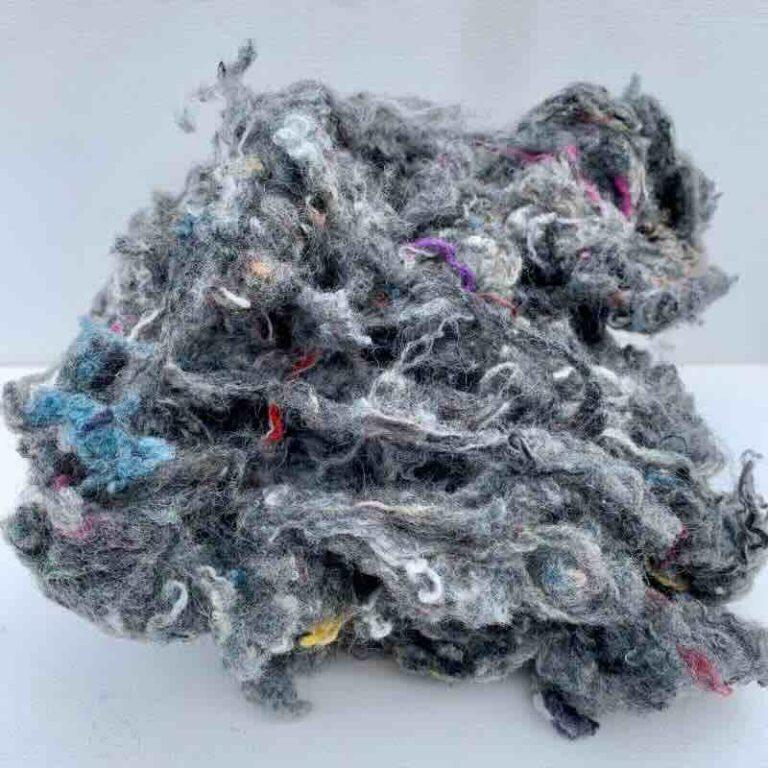
    With the launch of the country’s first dedicated Textile Recovery Facility (TRF), Navi Mumbai has emerged as a trailblazer in India’s urban sustainability journey. Located in CBD Belapur, the facility is transforming thousands of kilograms of discarded garments into valuable resources, proving that waste can be a powerful driver of both environmental protection and social empowerment. The initiative has been highlighted in a press release by the Press Information Bureau as an innovative waste management solutions aligned with the Swachh Bharat Mission-Urban.

    India generates over 7.8 million tons of textile waste annually, much of it from fast fashion, ending up in landfills or incinerators. In response, Navi Mumbai Municipal Corporation (NMMC) has built a comprehensive system that collects, sorts, upcycles, and downcycles post-consumer textiles, ensuring nothing goes to waste. The TRF currently gathers up to 200 kilograms of clothing daily from 150 residential communities through a segregated collection network.

    India’s First Textile Recycling Facility Takes Shape

    The TRF at CBD Belapur marks a historic milestone as India’s inaugural pilot project titled “Textile Value Chain by Managing Post Consumer Textile.” Unlike conventional municipal solid waste facilities that often mix textiles with other refuse, this dedicated centre focuses exclusively on garment recovery. NMMC Commissioner Kailas Shinde emphasised that the facility diverts textile waste from general processing streams, allowing for specialised handling that maximises recovery rates.

    The process begins at the community level. Residents are encouraged to segregate old clothes, curtains, towels and other textile items at source. Dedicated collection points and awareness drives have mobilised participation across housing societies. Once collected, materials arrive at the TRF where trained workers meticulously sort them by fabric type, condition and potential use. Garments in good condition are prepared for reuse, while damaged or worn items move into upcycling or downcycling streams.

    Circular Economy in Action: From Waste to New Products

    At the heart of the model is a zero-waste circular approach. Upcycling transforms usable fabrics into high-value products such as stylish bags, jackets, soft toys and home décor items. These products are then sold through local markets, online platforms and partnerships with retailers, generating revenue that sustains the facility and creates income streams for participants. Downcycling converts non-reusable textiles into industrial materials like insulation, wiping rags or filling for mattresses, ensuring every fibre finds a second life.

    The facility’s success lies in its integration of technology and community participation. Automated sorting aids and manual expertise work hand in hand to handle diverse fabric blends – a known challenge in textile recycling. While pure cotton and synthetics are easier to process, blended fabrics require innovative techniques that the TRF continues to refine through pilot testing and collaboration with research institutions.

    Community involvement extends beyond collection. The project actively trains and employs local women, with around 80 women currently working at various stages of sorting, upcycling and product finishing. This focus on women’s empowerment not only provides stable livelihoods but also builds skills in sustainable craftsmanship, aligning with broader national goals of gender-inclusive development.

    Environmental and Social Impact Gains Momentum

    The environmental benefits are substantial. By diverting textiles from landfills, the TRF reduces methane emissions, conserves water and energy that would otherwise be used in virgin fibre production, and prevents microplastic pollution from incineration. Each kilogram of recycled textile saves significant resources – equivalent to hundreds of litres of water and kilograms of CO₂ emissions compared to new production.

    Socially, the initiative fosters a sense of ownership among residents. Awareness campaigns and school programmes have educated citizens about the lifecycle of clothing, encouraging mindful consumption and responsible disposal. The revenue from upcycled products is partly reinvested into community welfare, creating a self-sustaining loop.

    Recognition for the project has grown rapidly. The TRF was prominently featured at the India Maritime Week-2025 Conference in Mumbai, where it attracted attention from policymakers, industry leaders and environmental experts. Its model is now being studied as a replicable blueprint for other Indian cities grappling with similar waste challenges.

    Scaling the Model

    While the Navi Mumbai experiment demonstrates remarkable progress, challenges remain. Blended fabrics still pose technical hurdles, and scaling collection to cover the entire city requires expanded infrastructure and sustained public cooperation. Experts have called for stronger policy support, including extended producer responsibility (EPR) norms that would make fashion brands accountable for the end-of-life management of their products.

    The ministry of housing and urban affairs views the TRF as a flagship demonstration under the Swachh Bharat Mission-Urban 2.0, which prioritises source segregation and circular economy principles. Officials indicate that successful outcomes in Navi Mumbai could inform national guidelines for textile waste management, potentially inspiring similar facilities in other urban centres.

    As India urbanises rapidly, initiatives like Navi Mumbai’s TRF illustrate how local innovation can address global environmental concerns. By turning textile waste into opportunity, the project not only cleans the city but also creates jobs, preserves resources and sets a precedent for sustainable living. With continued government backing and community engagement, this model has the potential to reshape urban waste narratives across the country.

    Afghan Coach’s Fight: Kicks of Resistance Against Silence

    A young Afghan taekwondo coach’s quiet defiance against Taliban restrictions has turned her into a global symbol of resistance, spotlighting the shrinking space for women’s rights and sports in Afghanistan.

    In the western Afghan city of Herat, where women’s voices have steadily been pushed out of public life, 22-year-old Khadija Ahmadzada chose a different path – one defined by resistance rather than retreat.

    A former national youth taekwondo athlete, Ahmadzada once trained openly, competing and coaching in a country that, before 2021, had begun to cautiously embrace women in sports. But the Taliban’s return to power that year transformed that landscape overnight. Women were banned from sports, clubs were shuttered, and public participation became not just discouraged – but punishable.

    Yet Ahmadzada refused to stop.

    Instead, she quietly continued training girls in taekwondo, offering them not just physical exercise but a sense of identity, confidence, and solidarity. In a nation where opportunities for women have been systematically dismantled, her underground classes became acts of defiance.

    Arrest That Sparked a Movement

    Her resistance did not go unnoticed.

    In January 2026, Taliban authorities arrested Ahmadzada and her father in Herat’s Jebrail district. Officials linked to the ministry for the promotion of virtue and the prevention of vice accused her of violating strict morality laws – reportedly for teaching girls, allowing music, and failing to adhere to dress codes.

    She was sentenced to 13 days in prison.

    But what followed was unexpected. Her arrest triggered widespread outrage – both within Afghanistan and internationally. Activists, athletes, and ordinary citizens rallied online with slogans like “Sport is not a crime” and “Education is a right for women,” amplifying her story across borders.

    The United Nations special rapporteur on human rights in Afghanistan, Richard Bennett, called for her immediate release, adding diplomatic weight to the growing pressure.

    After nearly two weeks in detention, Ahmadzada was released – but the risks she faced remained unchanged.

    Sport as Survival and Resistance

    For Ahmadzada and her students, taekwondo was never just a sport.

    Before the Taliban takeover, women’s sports centres in cities like Herat functioned as vital community spaces – offering education, social connection, and empowerment. Today, those same spaces have vanished. Women are barred from competitions, training facilities remain closed, and public athletic life for women has effectively ceased.

    In this vacuum, Ahmadzada’s efforts took on deeper meaning.

    One of her students, speaking anonymously for safety, described her as “a skilled and devoted coach,” adding pride in her courage. When authorities arrived to arrest her, Ahmadzada reportedly helped her students escape before surrendering herself – a moment that encapsulated both her leadership and sacrifice.

    Her actions highlight a broader truth: in Taliban-controlled Afghanistan, even the act of teaching sport to women can become an act of rebellion.

    The Wider Clampdown on Women

    Ahmadzada’s story is not an isolated case – it reflects a systematic rollback of women’s rights across Afghanistan.

    Since 2021, the Taliban have imposed sweeping restrictions: banning girls from secondary and higher education, excluding women from most jobs, limiting mobility, and erasing their presence from public spaces. Sports, once a rare avenue for empowerment, have been completely shut down for women.

    Athletes who once represented Afghanistan internationally have been forced into exile, silence, or hiding. Others, like Ahmadzada, remain inside the country, navigating a dangerous balance between resistance and survival.

    Experts and activists warn that such repression is not merely about enforcing rules – it is about dismantling women’s identities and visibility in society altogether.

    Global Solidarity and Its Limits

    The international response to Ahmadzada’s arrest demonstrated the power of global solidarity – but also its limitations.

    Pressure from activists, sports organisations, and international bodies contributed to her release. Campaigns launched abroad, including by taekwondo federations, underscored how deeply her story resonated within the global sports community.

    Yet, her freedom came with uncertainty.

    Reports suggest that detainees in similar cases are often forced to sign pledges restricting future activities, effectively silencing them even after release. The threat of re-arrest, social isolation, or worse continues to loom large.

    For many Afghan women, international attention offers momentary protection – but not lasting security.

    A Symbol Beyond Sport

    Today, Khadija Ahmadzada stands as more than a coach – she has become a symbol.

    Her story resonates far beyond Afghanistan, echoing in global conversations about women’s rights, freedom of expression, and the role of sport as a vehicle for empowerment. In a place where silence is enforced, her actions speak loudly.

    Each training session she held in secret, each student she inspired, and each risk she took reflects a broader struggle shared by countless Afghan women.

    Her resistance underscores a stark reality: in Afghanistan today, even the simplest freedoms – learning, teaching, playing – can demand extraordinary courage.

    Sri Lanka Unveils Tough New Law to Dismantle Crime Gangs

    In a decisive bid to end the era of criminals operating with impunity from behind bars, Sri Lanka’s government is set to roll out landmark legislation that could reshape the battle against organized crime.

    The Sri Lankan government is poised to introduce a stringent new law in the coming week aimed at dismantling organized crime networks that have long plagued the nation. Dubbed the organized crime control bill, the legislation is designed to close critical legal loopholes that have allowed convicted criminals to continue directing illicit operations from prison cells.

    Police officials have confirmed that the current practice of detaining high-profile drug traffickers under the prevention of terrorism act (PTA) is merely a stopgap measure. The new bill will provide a dedicated legal framework specifically tailored to combat organized crime syndicates involved in drug trafficking, extortion, contract killings, and related violence.

    New Bill Targets Prison-Based Operations

    A cornerstone of the proposed law is a provision empowering law enforcement to remove convicted criminals from prison and place them back in police custody for further investigations if they are linked to new offences. This move directly addresses the alarming reality that many gang leaders have been running their empires using smuggled mobile phones and corrupt insiders within the prison system.

    “We cannot hide behind legal gaps anymore. We have criminals with powerful names that people are falsely intimidated by. Under this new Act, no one will be able to operate from within a cell. If they are linked to new crimes, they will be pulled out of prison and held by police for rigorous investigation,” said DIG Chandana Kodituwakku, head of the central crime investigation bureau (CCIB).

    The DIG emphasised that the legislation would ensure no safe haven exists for criminals – not even inside prison walls. He highlighted ongoing asset seizures under the proceeds of crime act, where billions of rupees in illegally acquired property, vehicles, and cash have already been confiscated from fugitives operating abroad.

    Surge in Organized Crime Prompts Urgent Action

    The announcement comes amid a well-documented rise in organized crime since the end of Sri Lanka’s civil war. Police reports indicate the existence of at least 58 active criminal syndicates, involving around 1,400 individuals directly linked to these networks. These groups primarily engage in narcotics trafficking, extortion rackets, and contract killings, often exploiting post-war stockpiles of weapons and the skills of former armed forces deserters who have turned to crime for livelihood.

    Extortion and protection racketeering remain rampant, frequently intertwined with the drug trade. In 2023 alone, organised crime groups were responsible for 65 shooting incidents resulting in 37 deaths. The following year saw 56 such incidents and 46 fatalities, underscoring the persistent threat to public safety despite earlier crackdowns.

    Narco-political linkages have historically complicated enforcement efforts, with some gangs enjoying tacit protection from influential figures. However, the current administration has publicly withdrawn such patronage, granting full operational freedom to police and security forces. President Anura Kumara Dissanayake has repeatedly stressed that 2026 will be the year when the principle of equality before the law becomes a lived reality, with no tolerance for drug dealers or their enablers.

    Ongoing Crackdowns Yield Results

    Sri Lankan authorities have already intensified operations with notable successes. In the first quarter of 2026, the Sri Lanka Navy seized narcotics valued at over Rs 25 billion. The criminal investigation department has tracked and arrested 29 top-level drug suppliers operating from Indonesia, Nepal, and Pakistan.

    International cooperation has been pivotal. Sri Lanka has secured 95 interpol red notices against fugitives hiding overseas, with several high-profile leaders repatriated from countries including Indonesia and the UAE. In one major operation last year, five notorious gang figures – including alleged kingpins – were captured abroad and returned to face justice. These repatriations have yielded fresh intelligence leading to further domestic arrests and the exposure of methamphetamine manufacturing networks within Sri Lanka, some allegedly involving foreign advisers and even local politicians.

    Asset freezes and raids have disrupted financial lifelines. Southern provinces like Weligama and Tangalle have seen major drug busts uncovering international syndicates trafficking heroin and crystal methamphetamine (ICE), with one operation alone netting over 700 kilograms of narcotics – the largest land-based seizure in the country’s history.

    Despite these gains, challenges persist. Many gang “godfathers” continue directing operations remotely from Dubai and other safe havens, using encrypted communications to coordinate local foot soldiers. Prison raids have repeatedly exposed how cartels undermine state machinery through bribery and intimidation.

    International Efforts Bolster Domestic Fight

    The new bill is expected to complement these efforts by creating a robust domestic legal arsenal. It builds on existing tools like the proceeds of crime act while addressing gaps that have allowed convicted offenders to evade full accountability. Legal experts anticipate faster prosecutions and stronger deterrence, potentially reducing the cycle of gang-related violence that has terrorized communities.

    Public sentiment appears supportive. Years of frustration with underworld influence – ranging from street-level extortion to high-profile assassinations – have fuelled calls for tougher measures. The government’s pledge to eradicate the nexus between crime and politics resonates with citizens weary of narco-politics.

    However, implementation will be key. Critics have cautioned that any new powers must be exercised with safeguards to prevent misuse, drawing lessons from the controversial application of the PTA in non-terrorism cases.

    Image: Wikimedia

    India: Government Outlines Plans to Accelerate Fisheries Growth, Exports and Fisher Welfare

    India’s fisheries sector receives its highest-ever budgetary support in the Union Budget 2026-27, building on a decade of record growth, infrastructure expansion and inclusive welfare measures under the Pradhan Mantri Matsya Sampada Yojana (PMMSY).

    The union budget 2026-27 has announced the highest-ever annual allocation of ₹2,761.80 crore for the fisheries sector, marking a significant policy push to strengthen food security, generate rural employment and boost export earnings. Of this, ₹2,530 crore will be channelled through targeted schemes, with the flagship Pradhan Mantri Matsya Sampada Yojana (PMMSY) receiving ₹2,500 crore. The announcement comes at a time when India has already emerged as the world’s second-largest fish producer, with output surging 106 per cent from 95.79 lakh tonnes in FY 2013-14 to 197.75 lakh tonnes in FY 2024-25. Seafood exports crossed ₹62,408 crore in FY 2024-25, led by frozen shrimp shipments to the United States and China.

    Budgetary Boost Underscores Strategic Importance

    The fisheries sector now contributes nearly 7.43 per cent to agricultural Gross Value Added – the highest share among all allied sectors – and supports the livelihoods of nearly three crore people, particularly in coastal and inland communities. Since the launch of the blue revolution in 2015, successive policy measures have transformed the sector from traditional capture fisheries to a modern, technology-driven value chain aligned with the sustainable development goals. Observers of the sector say that the budget 2026-27 allocation reflects this strategic shift, prioritising capital-intensive investments in modern aquaculture, post-harvest infrastructure and fisher welfare.

    The Pradhan Mantri Matsya Sampada Yojana (PMMSY), launched in 2020, remains the cornerstone of this transformation. Thus far, the scheme has approved development of 23,285 hectares of pond area for inland aquaculture, 52,058 reservoir cages, 27,189 fish transportation units, 634 value-added enterprises including ice plants and cold storages, and 6,896 fish retail markets and kiosks. Complementary infrastructure such as fishing harbours, landing centres, feed mills and cold chains is being strengthened to reduce post-harvest losses and improve market linkages.

    PMMSY Fuels Infrastructure and Productivity

    Under PMMSY, the government is promoting high-density, resource-efficient aquaculture models to enhance productivity while conserving water and land. Recirculatory aquaculture systems (RAS) recycle water by filtering waste, enabling intensive farming on minimal land. 12,081 RAS units have been approved with an investment of ₹902.97 crore. Similarly, bio-floc technology uses beneficial microbes to convert organic waste into feed, improving water quality and supporting sustainable high-density farming. Over 4,205 bio-floc units have been sanctioned.

    These interventions are complemented by the Fisheries and Aquaculture Infrastructure Development Fund (FIDF), extended for three more years until March 2026. As of January 2026, 225 projects worth ₹6,685.78 crore have been approved, mobilising ₹754.50 crore from private enterprises. Completed projects have provided safe berthing for over 8,100 fishing vessels, increased fish landings by 1.09 lakh tonnes, benefited 3.3 lakh fishers and generated nearly 2.5 lakh direct and indirect jobs.

    Financial Inclusion and Risk Mitigation Reach Millions

    Financial security for fishers has been significantly enhanced through dedicated schemes. The kisan credit card (KCC) facility, extended to fisheries since 2019, now offers credit up to ₹5 lakh. As per the economic survey 2024-25, KCC benefits have reached 4.39 lakh fishers. Insurance coverage has been extended to 3.3 million beneficiaries, while livelihood support during fishing ban and lean periods has reached an average of 7.44 lakh fisher families.

    The Pradhan Mantri Matsya Kisan Samridhi Sah-Yojana (PM-MKSSY), a central sector sub-scheme under PMMSY with an outlay of ₹6,000 crore for 2023-24 to 2026-27, is accelerating formalisation, insurance, institutional credit and traceability. Additionally, 2,195 fisheries farmer producer organisations (FFPOs) have been formed with an investment of ₹544 crore to improve market access and bargaining power for small fishers. Since 2014-15, fisheries-related schemes have generated an estimated 74.66 lakh direct and indirect employment opportunities.

    Digital Governance and Sustainable Practices Set New Benchmarks

    Digital transformation is bringing transparency and efficiency to the sector. The national fisheries digital platform (NFDP), launched in September 2024 under PM-MKSSY, has registered over 30.60 lakh stakeholders and integrated 12 banks, enabling seamless access to credit, insurance and incentives. The platform serves as a single-window system for work-based digital identities and data-driven policymaking.

    The national marine fisheries census 2025, conducted with advanced digital tools including custom mobile applications VyAS–NAV, VyAS–BHARAT and VyAS–SUTRA, has generated the first comprehensive geo-referenced socio-economic profiles of fisher households. Inland reservoir development under mission amrit sarovar has integrated fisheries activities in 1,222 water bodies out of 68,827 amrit sarovars created so far, with plans to develop 500 reservoirs and amrit sarovars further.

    On the sustainability front, the government notified rules and guidelines for sustainable harnessing of fisheries in the exclusive economic zone (EEZ) and high seas in 2025. These measures, along with duty-free treatment for catch landed abroad and processed as exports, aim to enhance global competitiveness while ensuring resource conservation. India’s 11,099 km coastline and 24 lakh sq km EEZ sustain over 50 lakh fishing community members across 13 maritime states and union territories.

    Women, Children Beg on Streets as Taliban Aid Proves Insufficient

    Women and children have turned Kabul’s intersections into a stage of desperation, begging for survival under Taliban rule despite a major crackdown that officials now admit is faltering.

    Begging in Kabul, the Afghan capital city, has become a norm, most visible in the recently concluded holy month of Ramadan. It has brought into sharp relief a humanitarian emergency that officials in Kabul had once hoped to contain.

    According to the Taliban’s own Commission for the Collection of Beggars and Prevention of Begging, nearly 75,000 individuals – 74,968 to be precise – have been rounded up from Kabul’s streets since the nationwide campaign began in 2022. Of those, roughly half were classified as “eligible” for aid and referred to the Afghan Red Crescent Society for monthly bank transfers, while others were directed toward medical care or supposed job placements through the municipality.

    Yet residents report that the numbers on the streets have surged again. Deputy prime minister for economic affairs Abdul Ghani Baradar recently instructed the commission to intensify operations, hold monthly meetings and file regular reports, acknowledging that early successes in reducing visible begging have reversed. Many of those briefly removed from street corners received only 2,000 afghanis – barely enough for a family’s basic needs – and soon returned, driven by the same grinding poverty that first pushed them out.

    Streets Become a Stage for Desperation

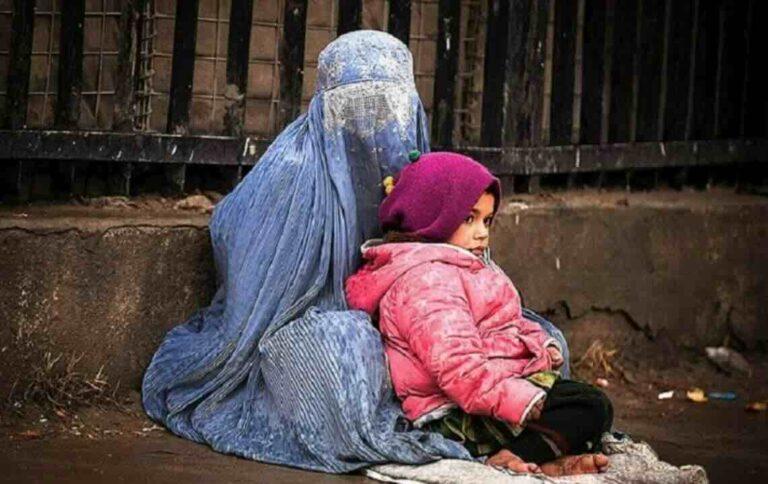
    Walk through any major intersection in Kabul and the scene is unmistakable. Women wrapped in faded chadors sit beside bakeries, infants in their laps, calling out in voices cracked by hunger: “My child, it is Friday… I have orphans, I have no breadwinner… We have nothing.”

    Children as young as five weave between slow-moving cars, small hands outstretched, eyes wide with rehearsed sorrow. Residents say the wailing and pleading have become a daily soundtrack.

    Local resident Sitara described the scene with quiet anger. “These days, in various corners of Kabul, especially in the evening hours, women and even young and elderly men are resorting to begging for help from others. Women often sit near bakeries and beg. Is it right that instead of studying and working, women should be looking into the pockets of others?”

    Another Kabul resident, Saber Saberi, pointed to the visible shift: many of the women now begging once held jobs in government ministries before sweeping Taliban restrictions barred them from public-sector work.

    Economic analyst Qutbuddin Yaqubi listed the interlocking causes: the collapse of economic infrastructure after the 2021 takeover, years of war, corruption, natural disasters, crop failures and mass displacement. “Many people have lost their breadwinners and have no employment opportunities available to them,” he said. The result is a visible explosion in begging. Ramadan’s emphasis on charity amplified this.

    Women Bear the Brunt of Taliban Restrictions

    The faces behind the pleas are overwhelmingly female. Widows, wives of disabled husbands and sole breadwinners who once supported families through teaching, health care or civil-service roles now find themselves with no legal pathway to work. Taliban decrees have banned women from most government jobs, restricted their movement and kept girls out of secondary schools and universities. Fereshta, a former office worker who asked for a pseudonym, told reporters she lost her position when restrictions tightened further. “There was a time I could provide,” she recalled, “but now I cannot meet even the most basic needs.”

    Lailuma, another woman forced onto the streets, echoed the same collapse of dignity. The public nature of begging brings fresh humiliations – harassment from passers-by, dismissive glances and occasional physical threats. Children dragged into the trade lose schooling and childhood; their days revolve around collecting coins instead of learning to read. Under the previous government’s penal code, forcing children to beg constituted human trafficking, punishable by imprisonment. Today, such laws are unenforced, and the practice has become normalised.

    Psychological Toll and Public Frustration Mount

    The constant encounters weigh on ordinary citizens. Shopkeeper Amin said the sight of begging creates “great psychological pressure… When people see that begging goes unchecked, they are naturally encouraged to engage in such behaviour themselves.” Others complain that ‘professional beggars’ – those the commission labelled as non-eligible – have eroded public trust, making genuine cases harder to help. Some beggars now approach homes directly or use handcarts to move between neighbourhoods, turning quiet evenings into confrontations.

    Taliban officials maintain that eligible families receive support and that “professional” beggars are being deterred. Yet on the ground there is little evidence of sustained employment schemes or long-term solutions. The 2,000-afghani monthly stipend, unchanged regardless of family size, fails to cover rising food prices or rent in a city still reeling from international sanctions and frozen assets.

    Deeper Crisis Threatens a Generation

    What began as a post-takeover economic shock has hardened into a structural emergency. Female-headed households, once rare, now crowd the pavements. Girls barred from classrooms beyond sixth grade face futures with few options besides early marriage or street survival. International aid organisations have warned repeatedly that poverty, unemployment and the exclusion of women from the workforce risk reversing decades of fragile progress.

    Kabul’s streets remain a stark tableau of contradiction: calls to prayer echo alongside cries for alms while mothers clutch hungry children, and Taliban patrols occasionally sweep corners only for the same faces to reappear days later.

    West Asia Conflict Puts Nepal’s Remittance Inflows at Risk, Raises Economic Concerns

    Escalating violence in West Asia threatens the safety of nearly two million Nepali migrant workers and puts nearly 40 per cent of the country’s remittance inflows at immediate risk, raising fears of a wider economic shock.

    The worsening conflict in West Asia has suddenly cast a shadow over Nepal’s economy, which relies heavily on money sent home by workers in the Gulf. After the joint US-Israeli military strikes on Iran triggered retaliatory missile and drone attacks across the region, daily life, businesses and employment in Qatar, Saudi Arabia, Bahrain, Kuwait, the United Arab Emirates and Oman have been disrupted. Nearly half of Nepal’s remittance inflows – worth hundreds of billions of rupees each year – now face serious uncertainty.

    Migrant Workers Caught in the Crossfire

    Around 1.9 million Nepali workers are currently employed across West Asia. Every year, roughly 700,000 Nepalis leave for foreign jobs; about 65 per cent, or 450,000, head to the Gulf countries. At least one Nepali worker has already been killed and 20 others injured in the Iranian attacks, according to reports reaching Kathmandu. Many more live in fear as missiles strike infrastructure and US military facilities in the region.

    The human cost is immediate. Families in Nepal are anxiously waiting for news from sons, daughters, husbands and brothers working on construction sites, in hotels and in factories that have suddenly become vulnerable. With daily life upended, some workers are already considering an early return home.

    Remittances: The Economy’s Backbone Under Threat

    Remittances from the Gulf make up nearly 40 per cent of Nepal’s total inflows. In the first seven months of the current fiscal year, the country received Rs. 1.261 trillion in remittances, of which Rs. 444 billion came from Gulf nations. In fiscal year 2024-25, total remittances stood at Rs. 1.702 trillion, with Rs. 673 billion – or about 39 per cent – originating from the region. The share has hovered between 38.9 per cent and 45.1 per cent in recent years.

    Suman Pokharel, former president of the Nepal Remitters Association, cautioned that the full impact may not be felt immediately. “Inflows may actually increase for a few months as workers send money from savings or by borrowing,” he said. “But if the crisis drags on, inflows could start declining after three to four months.” Pokharel warned that prolonged tensions could slow new labour migration and force some workers already abroad to return, creating a double burden: fewer remittances and more pressure on the government to create domestic jobs. He estimates that Rs. 40-50 billion in monthly inflows could eventually be affected, given that Gulf countries contribute around Rs. 61 billion of Nepal’s average Rs. 150 billion monthly remittances.

    Broader Economic Ripple Effects

    The risks extend far beyond remittances. Economist Gunakar Bhatta noted that any prolonged disruption would put significant pressure on Nepal’s economy. Remittances support imports, fuel the balance of payments and help maintain foreign exchange reserves. A sharp drop would make imports more expensive, weaken the rupee and strain reserves that currently stand at over Rs. 3.3 trillion – enough to cover 21.3 months of goods imports and 18 months of goods and services combined.

    Remittances already account for nearly 67 per cent of Nepal’s total foreign currency earnings. Tourism and exports from the Gulf add smaller but important flows. Last fiscal year, 20,504 tourists from Gulf countries visited Nepal, representing 1.8 per cent of total arrivals. Trade figures show Nepal imported goods worth Rs. 48.76 billion from the region in the first seven months of this fiscal year, while exporting only Rs. 1.64 billion. Key imports include gold, silver and copper wire from the UAE (Rs. 37.06 billion), plastics and raw materials from Saudi Arabia, chemical fertiliser from Qatar and gypsum from Oman. Any disruption could hurt industries, raise construction costs and threaten food security through higher fertiliser prices.

    Government Monitoring the Situation

    Finance Secretary Ghanshyam Upadhyaya said the ministry is closely watching developments. “The main impact is likely to be on fuel supply, remittances, foreign employment, tourism and construction materials,” he said. “This could push up consumer prices and increase construction costs.” The government is preparing to adjust resources as needed, though the exact scale of the problem will depend on how long and how intense the conflict becomes.

    Experts agree that Nepal’s heavy dependence on a single region makes it especially vulnerable. Bhatta pointed out that tourism, services and oil-related activities in the Gulf are all at risk. “It is unrealistic to expect no impact,” he said.

    Pokharel urged the government to prepare contingency plans now rather than wait for a crisis. Returning workers would need jobs, and a sustained drop in remittances could slow economic growth, reduce household spending on education, health and housing, and widen the trade deficit.

    Image: Pexels

    At Least 38 Children Dead as Measles Outbreak Grips Bangladesh

    Hospitals overwhelmed as unvaccinated children and malnutrition drive a preventable tragedy across Dhaka and rural districts.

    Bangladesh is facing a rapidly escalating measles outbreak that has already claimed the lives of at least 38 children this year, with the vast majority of deaths occurring in March alone. Health facilities in the capital and several districts are struggling under the weight of hundreds of admissions, many involving infants too young for routine vaccination or those who missed scheduled doses. Officials and experts attribute the surge to persistent gaps in the national immunisation programme, compounded by recent disruptions and underlying malnutrition.

    Hospitals Overwhelmed in Capital and Beyond

    The Infectious Disease Hospital (IDH) in Dhaka’s Mohakhali has borne the brunt of the crisis. As of 29 March, the 100-bed facility had received 560 suspected measles patients this year – more than eight times the 69 cases recorded in the whole of 2025. Of these, 448 were admitted in March alone. Twenty-one children died at IDH this month, including three on 29 March, bringing the hospital’s total measles-related deaths this year to 22. Superintendent Tanzina Jahan said the patient load had eased slightly only because overflow cases were being diverted to Bangladesh Shishu Hospital and other facilities.

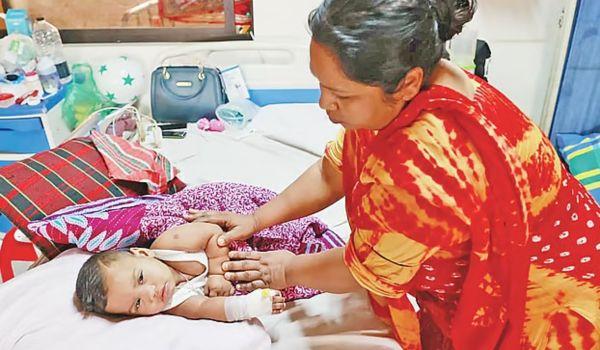
    At Bangladesh Shishu Hospital and Institute, 42 measles patients remained admitted on 29 March and six children had died this year, the latest on 23 March. Acting director Reaz Mubarak noted an unusually high number of infants under six months – an age group not normally seen in such numbers – arriving with severe symptoms. In Mymensingh Medical College Hospital (MMCH), 105 patients were admitted in March, five of whom died, including two on 29 March; 66 remained hospitalised.

    Rural districts are also severely affected. Chapainawabganj Sadar Hospital reported 250 suspected cases, with four children dying after referral to Rajshahi Medical College Hospital (RMCH). RMCH itself logged 230 suspected cases and, according to its spokesperson, one confirmed measles death, though local media reports suggest the toll may be higher. Smaller clusters have emerged in Pabna (two deaths in Dhaka hospitals last month), Natore, Sylhet (four confirmed cases out of 20 admissions) and Noakhali (more than 300 infections in the past 15 days, 15 still hospitalised).

    Doctors across facilities describe wards filled beyond capacity, with patients placed in corridors. Almost every admitted child has presented with complications – pneumonia, diarrhoea, ear infections or encephalitis – that turn a normally survivable illness into a life-threatening one.

    Unvaccinated Children Most at Risk

    Physicians say the pattern is stark: the overwhelming majority of serious cases involve unvaccinated children. Consultant ARM Sakhawat Hossain Khan at IDH stated that “almost all the measles patients admitted were unvaccinated.” The routine expanded programme on immunisation (EPI) administers the first dose at nine months and the second at 15 months, yet coverage hovers between 90 and 92 per cent, leaving roughly one in ten children unprotected each year.

    Infants under nine months are especially vulnerable because they have not yet received any dose. Malnutrition further weakens immunity, turning even vaccinated children into potential victims. Health experts cited in recent analyses have explicitly warned that low vaccination coverage combined with widespread malnutrition is fuelling the rapid spread in Dhaka hospitals and beyond.

    Vaccination Gaps and Programme Disruptions Fuel the Surge

    The roots of the current outbreak lie in multiple, overlapping failures of the immunisation system. The last nationwide measles-rubella campaign was held in 2020. A planned 2024 drive was cancelled amid political unrest. Routine services were disrupted at least three times last year by strikes of health assistants who deliver vaccines door-to-door in rural areas. A funding crisis triggered by the suspension of the health sector programme further hampered supply chains and outreach.

    Vitamin A supplementation and deworming campaigns – critical for boosting children’s nutritional resilience – were also suspended last year. Public health specialists note that measles outbreaks follow a cyclical pattern every few years precisely because of these accumulated gaps. Director (disease control) at the directorate general of health services (DGHS), Halimur Rashid, explained that with 10 per cent of each birth cohort left unprotected, the virus eventually finds enough susceptible hosts to ignite an epidemic.

    The central stock of measles vaccine has now been exhausted, with only a month’s supply left at field level. EPI Director Shahriar Sajjad confirmed that fresh supplies have arrived for a special campaign scheduled to begin in mid-April, but logistical preparations and funding negotiations with Gavi, the Vaccine Alliance, are still under way. A meeting of the national immunization technical advisory group was held on 30 March to finalise details. Health minister Sardar Md Sakhawat Husain told reporters that the cabinet has approved a Tk 604 crore proposal for vaccine procurement and has directed all major hospitals to open dedicated measles wards.

    Government Response and the Road Ahead

    While the special campaign offers hope, officials acknowledge the response has lagged behind the speed of the outbreak. The minister has emphasised that the government is prioritising procurement and hospital readiness, yet experts caution that even a successful April drive will take weeks to show impact. In the meantime, parents are being urged to seek immediate medical care for children showing fever and rash, and hospitals are prioritising supportive care – oxygen, fluids and antibiotics for secondary infections – to reduce mortality.

    Public health voices stress that measles is entirely preventable. One infected child can transmit the virus to 13 to 18 others in a susceptible population, making herd immunity above 95 per cent essential. Until routine coverage improves and catch-up campaigns become regular again, similar surges remain a recurring risk.