More

    Muttley Crew Partners with Goodoo Animal Welfare Trust to Spread Christmas Cheer to Rescue Dogs

    The campaign highlights how simple acts of kindness – such as purchasing premium treats for one’s own pet – can deliver comfort, confidence, and healing to shelter dogs still awaiting their forever homes.

    Bangalore-based premium pet food brand Muttley Crew has launched a heartwarming festive initiative titled ‘Christmas for Good(oo!)’ in collaboration with Goodoo Animal Welfare Trust, aimed at bringing joy and care to rescued dogs during the holiday season.

    Under the campaign, for every order exceeding ₹1,000 spent on treats through the Muttley Crew website during Christmas, the brand pledges to send a special gift to a rescue dog residing at Goodoo’s shelter. The initiative seeks to extend the warmth of the season beyond pet-owning households to rehabilitation centres and animal shelters.

    Giving Back This Festive Season

    “Christmas is the season of giving, and with Christmas for Good(oo!), we wanted to extend that spirit to dogs who often go unseen. For every pet enjoying our treats at home, a rescue dog receives a moment of joy and care. Our goal through this initiative is to ensure every dog feels valued and loved this festive season,” said Ms. Smriti Thomas, Founder and CEO of Muttley Crew.

    A Shared Spirit of Community and Compassion

    Anoopa Anand, Executive Director of Goodoo Animal Welfare Trust, welcomed the partnership: “At Goodoo, we often work with dogs who come from terrible pasts. Their rehabilitation involves veterinarians, nutritionists, canine behaviourists, physiotherapists—a large community of people who come together to make lives better. That sense of community is what we love about our association with Muttley Crew. People coming together to make animal lives better. And no better time than Christmas!”

    The campaign highlights how simple acts of kindness – such as purchasing premium treats for one’s own pet – can deliver comfort, confidence, and healing to shelter dogs still awaiting their forever homes.

    Muttley Crew, founded by Smriti Thomas, specialises in all-natural, preservative-free treats made with human-grade ingredients, developed in consultation with chefs, veterinarians, and nutritionists. Goodoo Animal Welfare Trust is a non-profit dedicated to the rescue, rehabilitation, rehoming, and lifelong care of street and abandoned dogs, guided by principles of dignity and compassion.

    Through ‘Christmas for Good(oo!)’, both organisations hope to inspire pet parents across India to join them in making this holiday season brighter for every dog – whether at home or in a shelter.

    Image: Goodoo Animal Welfare Trust

    Ancient Deodhar Trees Expose Himalayan Droughts and Deadly Rockfall Surge

    Deodhar trees don’t just chronicle climate; they bear the scars of survival. By examining tilted stems and impact marks, the researchers mapped 168 years of rockfall activity from 1853 to 2021, identifying 53 events, including eight high-intensity barrages.

    In the shadow of snow-capped peaks, where the Baspa River carves through the rugged Kinnaur valleys of Himachal Pradesh, a quiet catastrophe unfolded in July 2021: massive boulders tumbled from unstable slopes near the village of Batseri, threatening homes, farmlands, and the fragile lifeline of the remote Himalayan community.

    As the dust settled and villagers assessed the damage, scientists from India’s Birbal Sahni Institute of Palaeosciences (BSIP) saw not just destruction, but a call to decode the mountains’ hidden history. Turning to the stoic Deodhar trees – Cedrus deodara – that have silently witnessed centuries of change, they unearthed a 463-year chronicle of drought, deluge, and disaster.

    This tale, pieced from tree rings etched like ancient scrolls, reveals how climate change is turning the western Himalayas into a tinderbox of geohazards, with implications rippling from local slopes to national resilience.

    The study, published in the journal Catena and spotlighted by the Department of Science and Technology (DST) on December 10, 2025, blends dendroclimatology – the science of reading climate signals in tree growth – with dendrogeomorphology, tracking landslides and rockfalls through scarred bark and tilted trunks. Lead researcher Bency David Chinthala and his team, including experts from Germany and India, analysed rings from Deodhar trees in Batseri, revealing a stark shift: from wetter springs during the Little Ice Age to a parching trend accelerating since the mid-20th century.

    “We observed an increase in geohazard activity since the mid-20th century, indicating an increasing vulnerability of slopes to ground failure,” the authors note, underscoring how drier conditions erode soil stability, priming the terrain for monsoon-fuelled mayhem.

    Little Ice Age Legacy

    Deep in the Deodhar’s heartwood lies a frozen snapshot of the seventeenth and eighteenth centuries, when the Little Ice Age (LIA) cloaked Europe in frost but gifted the Himalayas unusually moist springs. The team’s 463-year tree-ring width chronology, spanning 1558 to 2021 CE, shows robust growth from 1665 to 1757 CE, fuelled by intensified Western Disturbances – extratropical storms barrelling in from the Mediterranean, dumping vital winter snows that melt into spring sustenance.

    Correlation analysis linked these rings to the standardized precipitation evapotranspiration index (SPEI04) for February to April, capturing the water balance that Deodhar trees crave. “The significant positive correlation between TRWC [tree-ring width chronology] and SPEI04 for the February-March-April months revealed the combined effect of winter and spring month’s water balance on tree growth,” the study explains.

    This wet phase, teleconnected to stronger westerly winds, buffered the region against aridity, allowing thick forests to anchor slopes and sustain apple orchards that now define Kinnaur’s economy. Elders in Batseri recall tales of bountiful harvests, when rivers ran fuller and avalanches were rarer whispers.

    Yet, as global temperatures climbed post-1757 CE, so did the drought’s shadow. Tropical ocean warming disrupted moisture inflows, thinning Western Disturbances and leaving springs parched. The reconstructed 356-year SPEI04 timeline paints a grim portrait: moderate to severe dry spells dominating the late nineteenth and twentieth centuries, with recent decades hitting record lows. In Kinnaur, where agriculture hinges on glacial melt and seasonal rains, these shifts spell trouble – wilted crops, shrinking water sources, and a landscape ever more brittle.

    Tree Rings as Hazard Harbingers

    Deodhar trees don’t just chronicle climate; they bear the scars of survival. By examining tilted stems and impact marks, the researchers mapped 168 years of rockfall activity from 1853 to 2021, identifying 53 events, including eight high-intensity barrages. Astonishingly, these crashes cluster in dry spring years, when sparse vegetation fails to bind soil against summer downpours. “Geohazard activities coincided with dry spring season years,” the paper states, a pattern that intensified after 1960, mirroring a 30 per cent uptick in extreme weather across the Himalayas.

    Imagine a Deodhar, its rings swelling in wet years like a deep breath, then gasping thin in droughts. Each narrow band whispers of vulnerability: reduced root grip, cracked earth, and boulders loosened by freeze-thaw cycles. The 2021 Batseri rockfall, which buried paths and grazed homes, fits this narrative – a dry spring prelude to monsoon fury. Chinthala’s team found that such events, once sporadic, now surge, threatening the Indo-Tibetan border’s infrastructure, from hydropower dams to the vital Hindustan-Tibet Road.

    This isn’t abstract science; it’s lived peril. Kinnaur’s 80,000 residents, many subsistence farmers, face cascading risks. Droughts curb apple yields – Himachal’s “red gold” – while rockfalls isolate villages, hiking food prices and migration. The study ties these to broader Himalayan woes: glacial lake outburst floods (GLOFs), landslides, and snow avalanches, all amplified by a warming world where spring-summer heatwaves evaporate what little moisture lingers.

    Warming’s Western Front

    Why now? The paper pins blame on anthropogenic warming, which has cranked Himalayan temperatures by 0.2°C per decade since 1970 – double the global average. “The spring and summer months are becoming more critical for tree growth and ground stability due to unprecedented temperature rise during the last century,” warn the authors. Western Disturbances, once reliable, now falter under shifting jet streams, while El Niño patterns exacerbate dryness.

    In India, where the Himalayas cradle 1.5 billion people’s water security, these findings are a clarion call. The PIB release emphasizes integration of tree-ring data into risk models: “The study analyses factors responsible for geohazard activities to enable better prediction of future hazard events and support early warning systems.” BSIP’s work, funded by DST, pioneers this – transforming ancient archives into tools for modern defence.

    Slopes Toward Sustainability

    As Kinnaur’s Deodhars stand sentinel, their rings urge action. Reforestation with drought-resilient natives, slope-stabilizing terracing, and AI-driven monitoring could blunt the edge. Community-led early warnings, drawing on local lore, might save lives where tech lags.

    Chinthala reflects: “Our findings provide a suitable baseline for adapted forest management, sustainability and ground stability measures under ongoing climate warming.” In Batseri, where Deodhars have endured empires and ice ages, hope roots deep. By heeding these arboreal elders, India can rewrite the mountains next chapter – not one of collapse, but resilience. The Himalayas, ever-changing, demand we listen before the next rock tumbles.

    One-Fifth of Sri Lanka Submerged as Cyclone Ditwah Unleashes Historic Floods, UNDP Warns

    The cyclone struck at a time when the country was still navigating a precarious financial recovery, amplifying concerns about long-term economic resilience and climate preparedness.

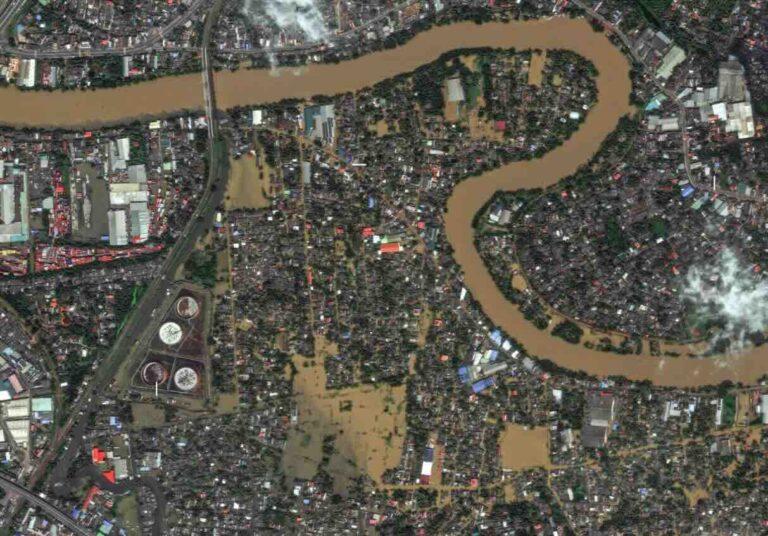
    Sri Lanka is confronting one of the worst climate-related disasters in its modern history, with new analysis revealing that nearly 20 per cent of the country’s land area was inundated during Cyclone Ditwah, causing widespread devastation across all provinces. A detailed geospatial assessment released this week by the United Nations Development Programme shows that more than 1.1 million hectares of land were submerged – engulfing homes, farmland, public infrastructure and commercial areas.

    The floods, triggered by days of intense rainfall and wind damage, have affected an estimated 2.3 million people, more than half of whom are women. The findings, reported extensively by the Daily Mirror and The Morning, underscore the scale of the catastrophe and the immense challenge Sri Lanka faces as it moves toward recovery.

    The cyclone also struck at a time when the country was still navigating a precarious financial recovery, amplifying concerns about long-term economic resilience and climate preparedness.

    Massive Population Impact and Extreme Vulnerability

    According to the UNDP’s analysis, released after an island-wide mapping exercise, the human toll is immense. Among the 2.3 million affected, approximately 1.2 million are women, 522,000 are children, and 263,000 are elderly persons, groups identified as being at significantly higher risk during disasters.

    Flood exposure was heavily concentrated in the country’s most densely populated areas: Colombo and Gampaha districts alone accounted for more than 60 per cent of affected individuals. These districts, home to major transportation hubs and economic centres, saw entire neighbourhoods submerged as water levels rose rapidly.

    What makes the situation even more dire is that over half of the households in the flood-hit zones were classified as “multi-vulnerable” before the cyclone – struggling with poverty, unstable livelihoods, debt, limited access to services, or inadequate housing. For these communities, the cyclone dealt a devastating blow that could push them deeper into long-term hardship.

    In the central highlands and other inland regions, Cyclone Ditwah triggered nearly 1,200 landslides, wiping out homes, displacing families, and blocking crucial roads, leaving entire communities cut off from relief and medical support.

    Infrastructure Collapse Across Roads, Rail and Public Services

    The cyclone inflicted severe damage on Sri Lanka’s physical infrastructure, with the UNDP estimating that nearly 720,000 buildings were affected by flooding – roughly one in every twelve structures nationwide. This includes a combination of homes, shops, schools, health facilities and government buildings.

    Transportation networks were hit particularly hard. More than 16,000 km of roads were inundated, along with 278 km of railway lines and 480 bridges. Many highways remain partially impassable, hampering the movement of relief teams, supply chains and emergency services.

    Hospitals and clinics, especially in rural districts, have reported operational disruptions due to water damage, power outages and shortages of medical supplies. Water purification systems, sanitation infrastructure and small-town water treatment facilities have also been affected, increasing the risk of water-borne diseases.

    Schools in several districts remain closed, with hundreds of buildings either damaged or being used as temporary shelters.

    Agriculture and Food Security Threatened

    Agriculture – Sri Lanka’s economic backbone – has suffered enormous damage. The UNDP warns that vast stretches of paddy fields, vegetable farms and plantations are underwater. Farmers in Anuradhapura, Polonnaruwa, Ampara, Batticaloa and Kurunegala reported losing entire harvests.

    Irrigation systems, tanks, canals and pump networks have been damaged, which could compromise the next crop cycle as well. Livestock losses were also reported across multiple districts, with thousands of poultry and cattle swept away.

    Experts say this agricultural devastation threatens to drive up food prices in the months ahead, at a time when Sri Lanka is already battling inflationary pressures. A decline in domestic production could force increased food imports, putting strain on scarce foreign exchange reserves.

    Economic Shock Compounds Ongoing Financial Strain

    Even before Cyclone Ditwah struck, Sri Lanka was emerging slowly from one of the most severe economic crises in its history. Analysts warn that the cyclone could delay key reforms, strain state finances and erode the fragile progress made over the past two years.

    Early estimates suggest the economic impact may extend across industries – including agriculture, transport, health, insurance, banking and construction. For many families, particularly in rural districts, lost assets, damaged homes and destroyed farmlands could take years to recover.

    While reconstruction will require significant investment, it may also stimulate short-term demand for construction materials, machinery and labour – providing a temporary economic boost. Yet, this will depend heavily on the speed and scale of financial support available from international partners.

    UNDP Calls for Urgent Recovery Assistance and Climate Resilience

    UNDP officials emphasise that while emergency response efforts are underway, Sri Lanka urgently needs sustained recovery support. Beyond immediate assistance, the agency stresses the need for long-term, climate-resilient reconstruction, including:

    • stronger social safety nets,
    • resilient and inclusive infrastructure,
    • community-level disaster-preparedness systems,
    • affordable climate-resilient housing, and
    • investment in early-warning technologies.

    UNDP Resident Representative Azusa Kubota warned that Sri Lanka “cannot shoulder more debt to rebuild from this massive disaster,” urging international partners to provide grants, concessional financing and innovative mechanisms such as climate-risk insurance.

    The agency’s analysis, informed by satellite imagery and AI-assisted modelling, is intended to guide recovery planning and ensure that the most vulnerable groups receive assistance first.

    A Long Road Ahead

    As Sri Lanka grapples with the aftermath of Cyclone Ditwah, the scale of the destruction underscores the growing urgency of climate adaptation in the region. With almost a fifth of the country submerged and millions affected, the road to recovery will require coordinated national effort and robust international support.

    For many families, the trauma of lost homes, livelihoods and security will take months, if not years, to heal. Yet the crisis also presents an opportunity: to rebuild not only infrastructure, but resilience, equity and preparedness for the climate-intensified future that lies ahead.


    Afghanistan: Drought, Climate Crisis Imperil Livestock Livelihoods in Badghis

    With grazing lands parched and veterinary care scarce, herders are seeing their flocks shrink – threatening a main source of income in a region long dependent on animal husbandry.

    In the mountainous district of Ab Kamari District in Badghis Province, western Afghanistan, herders say what was once lush grazing land is now barren. According to local livestock owners, the past few seasons have brought little to no rain or snowfall – conditions that observers attribute to worsening drought and long-term climate change.

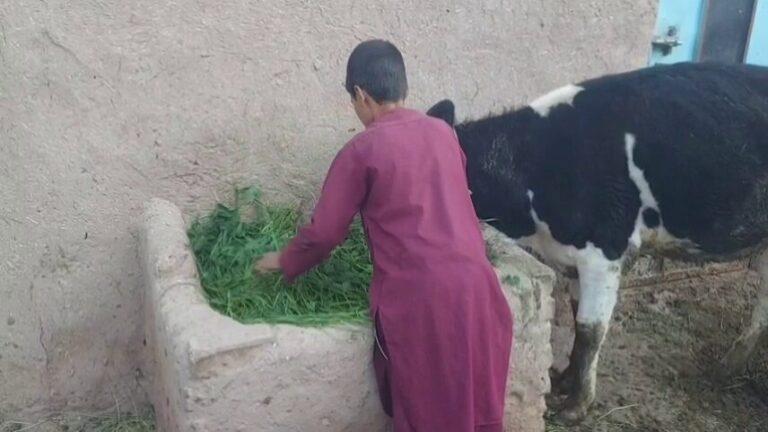
    “There is no grass left in the mountains,” one livestock owner, Sirajuddin, told local media. He added that even when they purchase fodder, the supply runs out quickly. With natural pastures gone and costs rising, many herders say they are struggling to feed their animals.

    This loss of grazing capacity reflects a broader environmental collapse. In Badghis, agriculture and animal husbandry remain the bedrock of the local economy – a reality common across the more rural parts of Afghanistan, where limited irrigation and a semi-arid climate make communities especially vulnerable to rainfall variability.

    Rising Costs, Diminishing Returns

    With natural fodder scarce, herders have turned to buying feed – but at steep prices. Some say that recent purchases of fodder, costing thousands of Afghanis, were quickly depleted, forcing them to return animals to inhospitable, dried-up terrain.

    At the same time, the wider economic pressures caused by drought are pushing down the value of livestock. According to reports from aid agencies and media working in Badghis, households – many entirely dependent on livestock – have been forced to sell animals at drastically reduced prices, or even abandon them as they can no longer afford basic care.

    One herder, Abdul Majid, described the season as devoid of “prosperity”: animals are being lost to hunger, illness and neglect, while existing stock fetches far less in local markets.

    Lack of Veterinary Care Compounds the Crisis

    Beyond feed shortages and harsh environmental conditions, herders report a critical shortage of veterinary services – especially as winter tightens its grip. Without access to veterinary care, animals that fall sick are often left untreated, a fate many do not survive.

    One herder said many of their cows and sheep “fall sick and we cannot treat them – many die from the pain.”

    This reduction in veterinary infrastructure, along with loss of grazing land, represents not merely a seasonal hardship – but a structural blow to what was once a stable, pastoral way of life in Badghis. Over time, lack of care and declining herd health erode not only productivity but also resilience to future environmental stress.

    Long-Term Damage: Declines in Herd Size and Economic Security

    Badghis was historically one of western Afghanistan’s livestock hubs – with mountain slopes and rangelands teeming with sheep, goats and cattle. But now, prolonged drought, climate pressure and scant support infrastructure have sharply eroded this tradition.

    The crisis is not limited to a single district: across Badghis, as in other rural provinces, climate impacts on rangelands and pasture, combined with dwindling water supply and degraded soil, have made livestock farming increasingly precarious.

    A recent study by researchers at the local agricultural institute documented a dramatic rise in animal-feed prices over the past decade – nearly sevenfold in some areas – while the prices farmers get for livestock and animal products increased by only about four times. The gap, they warn, threatens the viability of the livestock sector in a region already among the most under-developed in the country, especially considering the context: agriculture and pastoralism are the backbone of Badghis’ economy, and formal employment opportunities remain extremely limited.

    A Humanitarian and Economic Emergency

    The shrinking of livestock herds – once a source of income, food, and social stability – is beginning to have deeper social impacts. Families who used to rely on sale of animals for income now face rising poverty, food insecurity, and growing uncertainty about their future. Aid organizations working in the region warn that without urgent intervention, the long-term consequences could be catastrophic.

    In Badghis, a staggering share of the population depends directly on livestock or rain-fed agriculture. As climate change sharpens seasonal extremes and kills off pastures, the livelihoods of entire communities are at risk.

    Moreover, given that many of these households lack access to veterinary care, veterinary infrastructure, and affordable feed – the rebuilding of herds seems all but impossible this season.

    What’s Needed: Aid, Infrastructure, and Rangeland Restoration

    Experts and aid agencies have urged a combination of emergency support and long-term environmental management to address the crisis. Among the measures proposed are:

    • Emergency fodder distribution or subsidised feed for herders unable to purchase expensive commercial fodder;
    • Mobile veterinary services, to ensure that sick animals receive treatment – especially through winter months;
    • Rangeland restoration and sustainable grazing management, including rotational grazing and limiting overgrazing – initiatives already piloted by Food and Agriculture Organization of the United Nations (FAO) in parts of Badghis.
    • Water resource development, possibly small-scale irrigation or better water storage, to reduce full dependence on erratic rainfall;
    • Alternative livelihood support, to help herder communities diversify income beyond livestock — as a hedge against future climate shocks.

    The Stakes for Badghis – and for Afghanistan

    The plight of herders in Badghis underscores a growing national crisis: as climate change advances, the arid and semi-arid zones of Afghanistan are seeing rangeland collapse, livestock losses, and weakened rural economies. For provinces like Badghis – where formal employment is rare and economic diversification minimal – the loss of livestock livelihoods may push whole communities into deeper poverty or displacement.

    Without prompt and coordinated action – drawing on humanitarian aid, environmental restoration, and development support – the centuries-old pastoral way of life in Badghis may soon become unsustainable.

    In Rajya Sabha: Namami Gange Mission Completes 344 Projects

    The Government said that cleaning the Ganga is a continuous process – the centre supplements state efforts by providing financial and technical assistance under the Namami Gange Programme.

    In a written reply to a question in the Rajya Sabha on Monday, Ministry of Jal Shakti informed that under the Namami Gange Programme, a total of 513 projects have been sanctioned to date at a cost of ₹ 42,019 crore, of which 344 projects have been completed. The information was provided by Raj Bhushan Choudhary, Minister of State for Jal Shakti.

    The minister said that as of October 2025, 513 projects under Namami Gange have been approved, aimed at cleaning up the main stem of the River Ganga and its tributaries. The majority of these projects focus on building sewage infrastructure – a critical step given that untreated domestic and industrial wastewater remains the main polluting source for the river.

    138 STPs Now Functional Across Ganga Basin

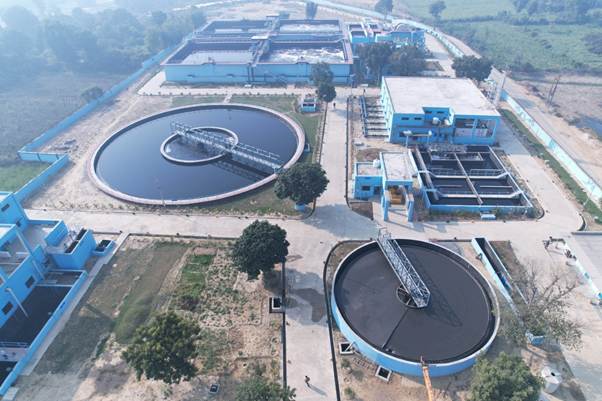
    Under the programme, 216 sewerage-infrastructure projects costing ₹ 34,809 crore have been initiated, aiming to remediate polluted stretches of the river. These projects are designed to deliver a total treatment capacity of 6,561 Million Liters per Day (MLD). Of these, 138 sewage treatment plants (STPs) with a combined capacity of 3,806 MLD have been completed and made operational.

    Water quality monitoring by the Central Pollution Control Board (CPCB) covers 112 sampling locations across the five main-stem Ganga states: Uttarakhand, Uttar Pradesh, Bihar, Jharkhand and West Bengal.

    Comparing polluted-stretch data between 2018 and 2025, major improvements are evident. For instance, in Uttarakhand, the earlier polluted stretch from Haridwar to Sultanpur (2018) has been fully cleared. In West Bengal too, the priority-III stretch (Triveni to Diamond Harbour) is now reduced to a priority-V stretch (Baharampore to Diamond Harbour), marking considerable improvement.

    According to 2025 water-quality data (January-August), critical parameters such as pH and Dissolved Oxygen (DO) meet required norms for bathing at all monitored locations of the Ganga. Biochemical Oxygen Demand (BOD) levels conform to bathing criteria across Uttarakhand, Jharkhand, Bihar and West Bengal – though some stretches in Uttar Pradesh (including Farrukhabad–Kanpur, parts of Raebareli, Ghazipur and Kanpur) continue to show elevated BOD levels.

    Biomonitoring conducted in 2024–25 at 50 locations along the Ganga and its tributaries, and 26 sites along the River Yamuna basin, reveals that biological water quality (BWQ) has been varying from ‘Good’ to ‘Moderate’. The presence of diverse benthic macro-invertebrate species suggests that the rivers retain ecological potential to support aquatic life.

    Dolphin Population More Than Doubled – Ecological Recovery Underway

    One of the most encouraging signs of ecological recovery is the resurgence of the dolphin population in the Ganga basin. According to surveys conducted between 2021 and 2023, the number of river-dolphins has risen to approximately 6,327 individuals – more than double the estimated baseline of 2,500–3,000 dolphins recorded in 2009.

    Moreover, the latest nationwide assessment confirmed the presence of dolphins in 17 tributaries of the Ganga – including rivers where dolphins had not been previously recorded, such as the Rupnarayan, Girwa, Kauriyala, Baba, Rapti, Bagmati, Mahananda, Ken, Betwa and Sind.

    The Government said that cleaning the Ganga is a continuous process – the centre supplements state efforts by providing financial and technical assistance under the Namami Gange Programme. From financial years 2020-21 to 2024-25, the revised budgetary allocation for the programme was ₹ 11,100 crore.

    State-wise disbursements so far (up to 30 November 2025) include ₹735 crore for Uttarakhand, ₹4,370 crore for Uttar Pradesh, ₹2,691 crore for Bihar, ₹277 crore for Jharkhand, and ₹1,197 crore for West Bengal. Among other Ganga–basin states, ₹916 crore has been disbursed to Delhi, underscoring the wide geographic reach of the programme.

    Nine Out Of Ten of Bangladeshi Journalists Fear Assault During 2026 Elections, Study Warns

    Survey reveals widespread fear of violence – from harassment and intimidation to hacking, reputational attacks, and gender-specific violence. Media experts demand stronger protection mechanisms

    A new nationwide study has raised serious concerns over the safety of journalists ahead of Bangladesh’s 2026 general elections, with 89 per cent of reporters saying they fear physical assault while covering the polls. The findings, published in the report High Risks, Low Preparedness: Journalist Safety in 2026 Elections by Digitally Right in partnership with the Fojo Media Institute of Sweden, paint a troubling picture of shrinking safety conditions for media professionals across the country.

    The survey, which reached 201 journalists across 19 districts, supplemented by 10 in-depth interviews, reveals multi-layered threats – from harassment and intimidation to hacking, reputational attacks, and gender-specific violence. The landscape, the report suggests, is more dangerous than at any previous election cycle.

    The revelations coincide with growing public debate about press freedom and journalist protection, amplified by a recent editorial in the Dhaka Tribune calling for urgent, systemic action to guarantee media workers’ safety.

    Deep-Rooted Fear of Violence Across Newsrooms

    According to the study, the overwhelming majority of journalists expect some form of violence during election coverage. Beyond the 89 per cent who fear physical assault, 76 per cent anticipate verbal abuse, 71 per cent expect threats, and an alarming 75 per cent foresee targeted disinformation campaigns intended to discredit their work.

    In addition, 65 per cent of respondents fear hacking or cyber-attacks, reflecting growing anxiety over digital safety in an era where political actors and online groups frequently target journalists with coordinated harassment.

    Participants identified multiple sources of potential danger – including political party activists, religious extremist groups, and even some law-enforcement personnel. Regional and female journalists in particular reported that they frequently face hostility in the field, especially at rallies, polling stations or high-tension political events.

    The study’s findings, released in a Dhaka roundtable, have been met with alarm by senior media figures. Editors, correspondents and safety trainers present at the event said the risks described in the report resonate strongly with their real-life experiences of covering elections in Bangladesh.

    Women Journalists Face Distinct and Heightened Threats

    The report devotes significant attention to gender-based threats, highlighting a gap in safety planning for female reporters. Half of all female respondents said they feared sexual harassment during election coverage, while 40 per cent feared sexual assault.

    Many female journalists said they receive explicit threats both online and offline, often linked to their identity, appearance or perceived political leanings. The intersection of political hostility and gender-based violence creates a particularly toxic work environment.

    One recurring concern is that newsroom management often underestimates the severity of these threats. The study notes that men are nearly three times more likely than women to have a personal safety plan, suggesting that gendered risks remain insufficiently addressed by editors and media-house leadership.

    Female reporters attending the roundtable pressed for dedicated safety mechanisms – such as harassment hotlines, gender-sensitive field protocols and emergency support networks – arguing that the volatile political environment demands more robust institutional action.

    Digital Insecurity Emerges as a Major Pressure Point

    With newsrooms increasingly dependent on digital tools for communication, documentation and reporting, journalists interviewed in the study stressed the urgent need for cyber-security measures. Many said they were targeted in previous election cycles by hacking attempts or coordinated online mobs.

    Yet the study shows a striking lack of preparedness: 77 per cent of journalists reported that their organisations do not have digital-safety protocols in place, while less than a quarter said they have ever received formal safety training. Many smaller newsrooms lack dedicated IT teams or secure communication platforms, leaving reporters vulnerable to surveillance, phishing attacks, and doxxing.

    Editors warned that digital harassment is often used as a precursor to physical intimidation, making online safety a core component of broader journalist protection.

    Media Leaders Call for Industry-Wide Reform

    At the report’s launch, several prominent editors and senior journalists expressed serious concern over the deteriorating safety climate.

    Reaz Ahmad, editor of the Dhaka Tribune, argued that the unchecked proliferation of new media outlets – often run without proper editorial standards or safety protocols – has worsened the problem. He called for a “self-revolution” within the media sector, urging owners and editors to prioritise safety training, enforce ethical guidelines and develop transparent reporting systems for threats.

    Participants also emphasised the need for cooperation between media organisations, political parties, the Election Commission and law-enforcement agencies. Without coordinated action, they warned, journalists risk being caught between rival political groups, particularly during the heated pre-election and polling-day environment.

    Stakeholders suggested a number of immediate steps: establishing safety desks within newsrooms, creating emergency communication channels during election periods, and identifying high-risk areas in advance so that reporters can plan accordingly.

    Editorial Voices Stress that Safety is Foundational to Democracy

    An editorial in the Dhaka Tribune titled “Journalists must feel safe to do their job” underscores that press freedom cannot exist independently of journalist safety. It warns that economic pressures, political polarisation and the spread of misinformation have created an environment in which free and fair election coverage is becoming increasingly difficult.

    The editorial stresses that safety is not merely a professional issue – it is central to democratic integrity. When journalists are forced to self-censor due to fear, the public receives less accurate and less independent information, directly harming the electoral process.

    It urges a collective commitment: the state must ensure legal protection, media houses must invest in their staff’s security, and political actors must refrain from using intimidation or disinformation as electoral tactics.

    Without urgent intervention, experts warn, the upcoming polls may take place under conditions where fear, not regulation, dictates what gets reported. Such an environment could undermine the credibility of the election and weaken public trust in democratic institutions.

    The report makes clear that safeguarding journalists is not simply a media-industry concern; it is a democratic imperative. Free, independent political coverage is essential for voters to make informed decisions, and safety is the minimum guarantee required to enable that.

    Image: ChatGPT

    Sri Lanka Flood: 627 Dead, 190 Missing — Economic Shock Deepens as Food, Health, and Infrastructure Crises Spread

    Government swiftly reallocates Rs 50 billion from unspent ministry funds for immediate cyclone relief, seeking parliamentary approval. Total 2025 spending: Rs 72 billion. A Rs 500 billion supplementary estimate planned for 2026 reconstruction.

    The death toll following the floods caused by cyclone Ditwah has Soared. As of Monday, the Disaster Management Centre (DMC) has confirmed a staggering 627 people dead and 190 missing across the island.

    The devastation spans all 25 districts, affecting more than 2.17 million people (611,530 families), with over 80,500 homes either destroyed or partially damaged. In certain hard-hit areas, especially districts like Kandy, the destruction is catastrophic: 232 deaths and 81 missing in Kandy alone.

    The cause: torrential rains from Cyclone Ditwah, which triggered massive flooding and landslides across the country.

    Fresh landslide alerts have been issued as intermittent heavy rainfall continues, raising the spectre of yet more destruction.

    Government Reallocates Rs 50 Billion; Larger Reconstruction Ahead

    In response to the crisis, the government has moved quickly to re-allocate Rs 50 billion from unspent allocations in other ministries to fund immediate disaster relief and response efforts. Parliamentary approval for a supplementary estimate has been sought to formalise this move.

    Deputy Treasury Secretary Ananda Seneviratne explained that the re-allocation will not affect the overall 2025 borrowing limit or total spending – instead, it draws from funds originally earmarked but unspent by ministries such as Highways and Transport, Defence, and others.

    This is only the beginning: the government plans to table a much larger supplementary estimate of Rs 500 billion for 2026 to address reconstruction, compensation, and long-term recovery efforts linked to the devastation caused by Cyclone Ditwah.

    In total, authorities estimate that in 2025 the government will spend around Rs 72 billion in relief, reconstruction and compensation – including support for home-rebuilding, agricultural losses, and livelihood restoration.

    Among the key support measures: cash grants for affected families (households, farmland, livestock, fisheries), housing replacement, compensation for destroyed business premises, support for damaged paddy and vegetable fields – and grants to school children for educational materials.

    The government is also working on establishing a public–private “Disaster Recovery Fund”, in collaboration with the World Bank, which has been commissioned to undertake a comprehensive damage and reconstruction needs assessment (a Global Rapid Post-Disaster Damage Estimation – GRADE).

    The scale of the damage, however, likely far exceeds immediate government budgets: estimates of the total economic loss range between US $6–7 billion – roughly 3–5 per cent of Sri Lanka’s GDP.

    Food Safety and Public Health Crisis: Flood-Damaged Goods Flood Markets

    As floodwaters recede, a new and insidious threat has emerged: spoiled food and meat from drowned livestock sneaking into markets – posing serious risks to public health.

    Health authorities warn that not only meat from dead animals, but also crops, rice, grain stocks and vegetables exposed to floodwaters are being repackaged and resold. The threat is especially grave because many survivors – displaced and desperate – rely heavily on market-purchased food.

    In a recent crackdown in Harispattuwa, Kandy, Public Health Inspectors seized 1,000 kg of flood-damaged rice being processed for sale – signalling that such market infiltration may not be isolated.

    Authorities have intensified market surveillance and urged the public to report suspicious food outlets or products to the PHI or the 24-hour disaster hotline.

    This food crisis compounds fears of a broader health emergency: contaminated food or water, coupled with poor sanitation and flooded living conditions, could trigger outbreaks of water-borne diseases or other illnesses.

    Economic Aftershocks: Agriculture, Infrastructure, Reserves and Recovery Challenges

    The flood catastrophe has struck at the heart of Sri Lanka’s fragile economic recovery. The devastation to farmland, livestock, infrastructure, homes and businesses adds pressure to a country already struggling with structural economic weaknesses. According to analysts, the damage could be “10 times the tsunami”, wiping out entire agricultural belts and isolating districts.

    Agriculture has taken a catastrophic hit: irrigation systems and paddy fields have been destroyed, livestock farms decimated – with no clear estimate yet of the full extent of crop or cattle losses. The damage threatens food security and export earnings (tea, agriculture), undermining a sector already under strain.

    Moreover, the shocking losses come at a vulnerable time: as per a recent report by the World Bank analysing Sri Lanka’s recovery, although macroeconomic stability seems to be returning (with controlled inflation, some growth), many households remain below pre-crisis living standards, poverty remains high, and many erstwhile livelihoods have not been restored.

    Public debt and fiscal space remain constrained. The new re-allocation and reconstruction spending will further strain government finances – especially if international aid or concessional loans do not arrive in time. Even before this disaster, the country’s economic recovery was fragile.

    The planned Disaster Recovery Fund and World Bank-led damage assessment may help mobilise additional public and private funds – including from international donors – but the scale of the disaster and the depth of economic damage make recovery a long and uncertain road.

    Public Health, Relief, and the Path to Reconstruction

    Authorities and aid agencies face a massive mobilisation challenge: delivering shelter, clean water, food, medical aid – while also ensuring market supply chains don’t become a vector for disease or starvation.

    With thousands of homes destroyed or damaged and tens of thousands displaced, the government is offering support – but many survivors remain sceptical: stabilising lives will require not just one-time grant assistance, but sustained support, rebuilding of infrastructure, restoration of livelihoods, and strict oversight of food and water distribution.

    Meanwhile, public health experts warn that contaminated food or water, flooded sanitation systems, and cramped living conditions in relief centres could spark outbreaks of diarrhoea, leptospirosis, viral fevers or other diseases. Vigilance, hygiene, and broad-based medical support will be critical in the coming weeks and months, authorities say.

    Experts point out that recovery fund and planned reconstruction must also prioritise restoring agricultural capacity, irrigation and roads – because Sri Lanka’s food security and export-based economy depend critically on them.

    Pakistan: Over 1.6 Million Children in Sindh Trapped in Child Labour, Says Survey

    The survey’s findings serve as a stark reminder: despite decades of policy promises, more than 1.6 million children in Sindh remain trapped in labour, deprived of schooling and exposed to dangerous work.

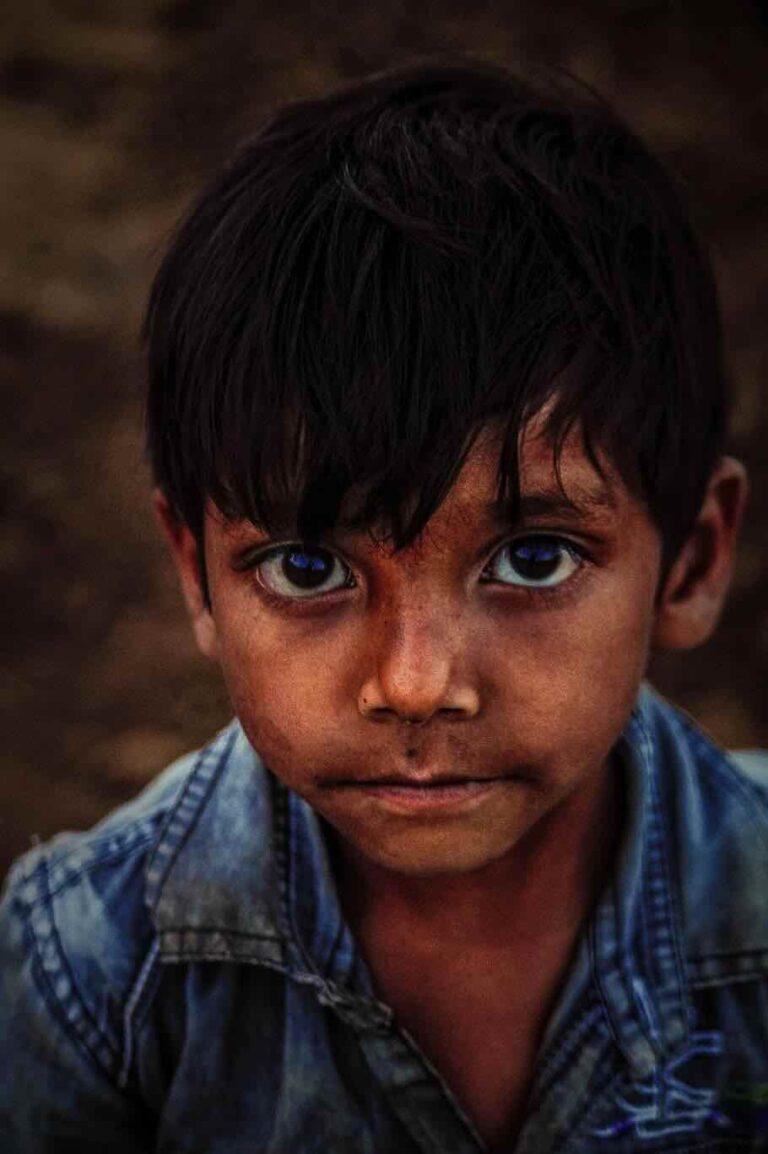
    A major new government-backed survey has revealed that more than 1.6 million children across Pakistan’s Sindh province are engaged in child labour, with nearly half working in hazardous and exploitative conditions that violate national and international child-protection standards. The findings, released through the Sindh Child Labour Survey 2022–24, represent the first comprehensive assessment of child labour in the province in nearly three decades — and have sparked widespread concern among child-rights advocates, educators and policymakers.

    The survey, carried out by the Sindh Labour Department in collaboration with the Sindh Bureau of Statistics and supported by UNICEF, marks the first province-wide exercise since 1996. While the proportion of children in labour has nearly halved since the earlier baseline – a relative decline that the government has highlighted – the absolute numbers remain deeply troubling, especially amid rising concerns over education dropouts, rural poverty and economic inequalities.

    According to the report, Sindh has a total child population of around 12.5 million, of whom 13.1 per cent are currently engaged in labour. In interviews, officials noted that while the percentage has reduced from the 20.6 per cent reported in 1996, the overall number of working children remains high due to the province’s rapidly growing population.

    Province-Wide Survey Reveals Alarming Child Labour Trends

    The survey paints a stark picture of children forced into work at a young age, often depriving them of schooling, safety and basic childhood freedoms. The data reveals that children between 10 and 17 years old are the most vulnerable, with more than 50.4 per cent of working children in this age group reportedly engaged in hazardous activities.

    These include strenuous agricultural labour, work involving sharp or heavy tools, exposure to extreme weather, handling of livestock, and other unsafe environments. Many children are employed in small workshops, or as roadside mechanics, in brick kilns, construction sites and as domestic labour – all sectors known for weak regulatory oversight.

    The findings indicate a systemic failure in enforcing the Sindh Prohibition of Employment of Children Act and other labour protection laws. Child-rights organisations argue that although legislative frameworks exist on paper, poor implementation, corruption, lack of inspections, and insufficient penalties allow child labour to thrive unchecked.

    Officials involved in the survey say the fresh data will help the province design targeted interventions. However, they also acknowledge that child labour is deeply rooted in socioeconomic realities and cannot be eradicated without addressing underlying household poverty.

    Hazardous Work, Poverty and Lack of Schooling

    Poverty remains the single largest driver of child labour in Sindh, the report confirms. Data shows that one in three of the poorest households – 33.7 per cent – have at least one working child. Many families rely on their children to supplement household incomes, especially in rural areas where adults often struggle with seasonal employment, low wages and mounting debt.

    Increasing economic pressures since the COVID-19 pandemic, rising inflation, and climate-related impacts on agriculture have further pushed families to send children out to work.

    The educational consequences are equally severe. Only 40.6 per cent of child labourers attend school, compared to 70.5 per cent of children who are not working. School dropout rates spike sharply as children grow older – a trend experts link to increased household responsibilities and limited access to secondary schools in rural regions.

    Teachers and child-rights campaigners warn that the widening education gap threatens to create a “permanent underclass” of children denied opportunities for social mobility. The report also notes that child labourers are significantly more likely to experience psychological distress, with 20.1 per cent showing symptoms of depression.

    UNICEF representatives have emphasised that eliminating child labour requires a holistic strategy – one that combines social protection, family income support, access to quality education, and enforcement of labour laws.

    Rural Districts Bear the Highest Burden

    The survey underscores sharp geographic disparities across Sindh. Rural districts record child labour rates multiple times higher than those in urban centres, pointing to uneven development, limited job opportunities for adults, and poor school infrastructure.

    District-wise data shows the highest prevalence of child labour in:

    • Qambar Shahdadkot – 30.8 per cent
    • Tharparkar – 29.0 per cent
    • Tando Muhammad Khan – 20.3 per cent
    • Shikarpur – 20.2 per cent

    These areas are characterised by high poverty incidence, dependence on subsistence agriculture, and limited access to formal schooling. In contrast, major metropolitan districts such as Karachi report a much lower child labour rate of 2.38 per cent, though child-rights groups caution that under-reporting of informal domestic labour may mask the true situation.

    Experts say these disparities reveal the urgent need for district-specific interventions. “Child labour is a development issue as much as it is a legal one,” one researcher involved in the survey told Dawn. “Wherever education is weak and poverty is high, child labour is inevitable unless supported by strong social welfare systems.”

    Experts Call for Urgent Policy Enforcement

    Civil society groups, including the Society for the Protection of the Rights of the Child (SPARC), have urged the Sindh government to use the survey findings as a blueprint for immediate action. They argue that isolated initiatives – such as sporadic inspections or awareness drives – will not succeed unless embedded within a comprehensive and sustained strategy.

    The Sindh government has announced plans to revise labour laws, expand social protection schemes and strengthen provincial inspection mechanisms. Some new measures include the formation of a special task force, enhanced monitoring of workshops and factories, and community-level awareness programmes about child rights.

    However, activists warn that political will and sustained funding are essential. Without these, progress could stall – as has happened with previous anti-child-labour campaigns.

    Many experts emphasise the need for conditional cash transfer programmes, improved rural schooling, transportation support for students, and vocational training initiatives to ensure that families are not forced to choose between survival and education.

    India-Russia Summit 2025: New Health, Labour and Energy Pacts Deepen Strategic Partnership

    In many ways, this summit marks a reshaping of the India–Russia partnership: a maturation from Cold-War style defence dependence toward a diversified, multifaceted collaboration built around energy, economy, labour and people-to-people ties.

    In a landmark two-day visit (December 4–5, 2025) by Vladimir Putin to New Delhi, the governments of India and Russia unveiled one of the most extensive packages of bilateral agreements in recent years. The list spans migration and mobility pacts, health and food-safety cooperation, energy and critical-mineral supply, trade facilitation, maritime cooperation, and efforts in academia, media, and culture.

    The two sides also adopted a long-term “Programme for Strategic Areas of Economic Cooperation until 2030,” signalling a renewed commitment to deepen economic and strategic ties.

    While defence and trade remain central to the partnership, the spotlight in media reports has shifted significantly toward three critical domains – health, labour, and energy – reflecting evolving priorities.

    Health Cooperation: From MoUs to meaningful impact

    One of the standout outcomes of the summit was the signing of agreements between the respective health ministries and food-safety regulators of both countries, underlining a growing emphasis on collaboration beyond traditional defence or trade ties.

    These accords aim to expand cooperation in medical education, joint research, pharmaceuticals, food safety and regulatory alignment – areas that could bear tangible results for public health and industry alike.

    The broader health cooperation package is poised to facilitate cross-border exchange of knowledge, technologies, and possibly medical supplies – a move viewed as timely, given global concerns about supply-chain disruptions for critical medicines and medical equipment. Commenting on the summit, analysts note that this could also allow Indian pharmaceutical firms to gain easier access to the Russian market.

    Labour Mobility: Thousands of Indian Professionals to Access Russian Job Market

    A key pillar of the new agreements is a bilateral labour-mobility pact that envisages legal migration, protection of workers’ rights, and regulated mobility of skilled and semi-skilled professionals from India to Russia.

    Under the agreement, by the end of this year, over 70,000 Indian nationals are expected to be officially employed across various sectors in Russia – including construction, engineering, textiles, electronics and more.

    This marks a substantial expansion in labour mobility and is being welcomed as a “win-win” arrangement – meeting Russia’s urgent demand for qualified manpower, while offering Indian professionals global employment opportunities under a legal, protected framework.

    Beyond standard workers, the agreement also promises enhanced opportunities for seafarers – with training for ships operating in Arctic and polar waters under a new MoU between India’s Ministry of Ports, Shipping and Waterways and Russian maritime authorities.

    Energy Security, Critical Minerals: Russia Assures Uninterrupted Supplies

    Energy cooperation remains the foundation of the renewed India–Russia strategic partnership. At the summit, Russian President Putin reaffirmed that Moscow will remain a reliable and uninterrupted supplier of oil, gas, coal, and other energy resources to India – even in the face of intense global pressure.

    Further, both nations reaffirmed collaboration not only in traditional hydrocarbons but also in civil nuclear energy, petrochemicals, LNG/LPG infrastructure and critical-minerals supply chains. This includes accelerating plans around the existing nuclear power project at Kudankulam Nuclear Power Plant and exploring a second Russian-assisted nuclear site in India.

    Through this diversified energy and minerals cooperation, the two countries aim to insulate themselves against global supply-chain disruptions and geopolitical volatility. Officials described the renewed agreement as a “strong pillar” of bilateral cooperation and a commitment to “secure and diversified supply-chains.”

    Broader Economic, Strategic Context: Vision 2030 and Beyond

    The health, labour and energy pacts are embedded within a broader strategic vision: both nations adopted a “Vision 2030” document, outlining economic cooperation and a target to scale bilateral trade to USD 100 billion by 2030.

    To support this ambition, measures were agreed for easing trade barriers, improving logistics, using national currencies for trade settlements, and facilitating cross-border industrial cooperation – from fertilizers to petrochemicals, and from pharmaceuticals to advanced manufacturing.

    In agriculture, a deal between Russian chemical major UralChem and three Indian state-run fertiliser firms ensures long-term, stable fertilizer supply – key to India’s food-security and farm sector.

    At the same time, both governments pledged cooperation in science, technology, space, digital infrastructure, critical minerals, and rare-earth recycling – an agenda clearly designed for the long term as global competition for resources and technological edge intensifies.

    What this Means – and What to Watch

    The health, labour and energy agreements add a new dimension to the India–Russia relationship – one less about weapons and geopolitics, and more about people’s lives, economic livelihoods, and supply-chain resilience.

    For India, the labour-mobility pact offers thousands of skilled workers legal, regulated employment abroad. The health cooperation opens doors for collaboration in medicines, research, and food safety, potentially benefiting domestic industry and public health. And energy agreements promise continued resource security – vital as global energy markets remain volatile.

    For Russia, the packages help diversify the relationship beyond commodity exports and defence sales; they represent deeper integration across critical sectors of long-term national interest, from population mobility to nuclear energy to critical minerals.

    However, the success of these agreements will depend on effective implementation: ensuring worker protections, transparent visa and labour-rights regimes, coordination in regulatory frameworks for health and food safety, and follow-through on energy infrastructure and supply commitments.

    A key test will come in the coming months: how these pacts translate from paper to action – whether Indian workers do indeed find secure jobs in Russia, whether health cooperation leads to concrete research or trade outcomes, and whether energy shipments continue unhindered amid evolving global sanctions and geopolitics.

    In many ways, this summit marks a reshaping of the India–Russia partnership: a maturation from Cold-War style defence dependence toward a diversified, multifaceted collaboration built around energy, economy, labour and people-to-people ties.

    Delhi Government Sets Up High-Powered Pollution Panel; Vows Strict Fines

    Led by Chief Minister Rekha Gupta, the new panel will monitor air quality, penalise defaulters – including government agencies – and order emission-control compliance by December 31.

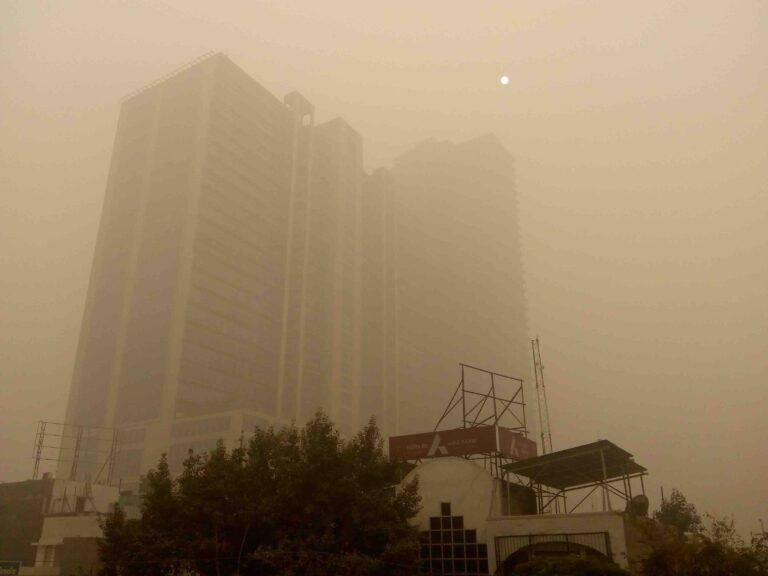
    The government of Delhi constituted a special high-level panel chaired by chief minister Rekha Gupta to coordinate pollution-control and clean-up across the capital. The panel, formed on Wednesday, includes senior officials from key departments, environmental scientists and experts from premier institutes. The move comes as air quality in the city dipped to the “very poor” bracket, with the Central Pollution Control Board (CPCB) recording an air quality index (AQI) of 342 on December 3.

    Gupta described the crisis as an “emergency mission,” warning that “no agency, government or private, will be spared” if dust-control, waste-management or road maintenance norms are flouted.

    Crackdown on Negligence — Even Within Government

    Under the new regime, the Delhi Pollution Control Committee (DPCC) has been authorised to issue challans and impose heavy penalties – even on government departments – for non-compliance. Several agencies, including those responsible for roads, metro infrastructure and municipal upkeep, have been put on notice.

    Specifically:

    • The Public Works Department (PWD) has been directed to repair potholes across its 1,400-km road network within 72 hours and upload before-and-after photos.
    • The Delhi Development Authority (DDA) must clear waste from vacant land, maintain cleanliness on its roads and expedite transfer of markets to municipal control.
    • The Delhi Metro Rail Corporation (DMRC) has been instructed to repair damaged stretches beneath elevated tracks and enforce dust-mitigation measures.

    Officials have also been asked to register FIRs against departments found to have conducted unauthorised road-cutting or failed to restore damaged surfaces properly.

    Citywide Dust Control and Clean-Up Drive

    Environment minister Manjinder Singh Sirsa, present at the secretariat meeting, said the government is strengthening the “311 Green App” as the central “war-room” to monitor dust hotspots, potholes, and “brown zones” across the city. A six-month action plan is now in force: dust-free measures will be rolled out across identified zones.

    As part of this plan:

    • The city’s entire 8,000-km municipal road network is slated to be made pothole-free and dust-free. Within 45 days, 1,000 vacuum-based litter pickers and 100 mechanical road sweepers are to be deployed.
    • All construction sites must ensure proper fencing and comply with pollution-control norms within 48 hours of notice.
    • Mist-spray dust mitigation – previously limited to pockets – will be expanded citywide.
    • Vehicles not meeting BS-IV norms may be barred or face stricter regulations; the government will favour e-autos and push for increased use of metro and public transport.

    Officials say the clean, green, dust-free condition of roads is the “most crucial component” of the capital’s anti-pollution strategy – and that delays in field-action will no longer be tolerated.

    Industrial Emissions: Final Deadline December 31

    In tandem with local clean-up efforts, the central government has issued a stern warning to industries operating in the Delhi‑National Capital Region (NCR). All highly polluting units must install real-time emission monitoring systems (OCEMS) and pollution-control devices by December 31 – or face closure.

    According to CPCB chairperson Vir Vikram Yadav, roughly 2,254 such units in Delhi-NCR have not yet complied. The deadline is final; non-compliance will trigger strict action.

    Furthermore, medium and large “red-category” industrial units – especially in the food processing, textiles and metal sectors – have been told to comply immediately with emission guidelines. The timeline also includes a directive to states surrounding Delhi, such as Punjab and Haryana, to finalise their 2026 air pollution control plans by the end of this month.

    To strengthen the drive on vehicular pollution, an expert committee is being formed under the Commission for Air Quality Management (CAQM) to assess and recommend stricter vehicle emission standards across the region.

    What This Means for Delhi Residents

    With the formation of this empowered panel, the Delhi government appears to be backing its anti-pollution rhetoric with enforceable action – including the controversial step of penalising even government departments. For residents, the actions could mean cleaner roads, fewer dust storms, and stricter control on industrial and construction pollution. But effectiveness will depend on swift implementation, transparency in enforcement, and sustained monitoring.

    The dual pressure – aggressive regulation of both ground-level dust and industrial emissions – makes clear: this winter, Delhi’s fight for breathable air will be fought on multiple fronts.

    Image: Wikimedia