More

    Sri Lanka Races to Contain Public Health Emergency After Cyclone Ditwah Triggers Nationwide Crisis

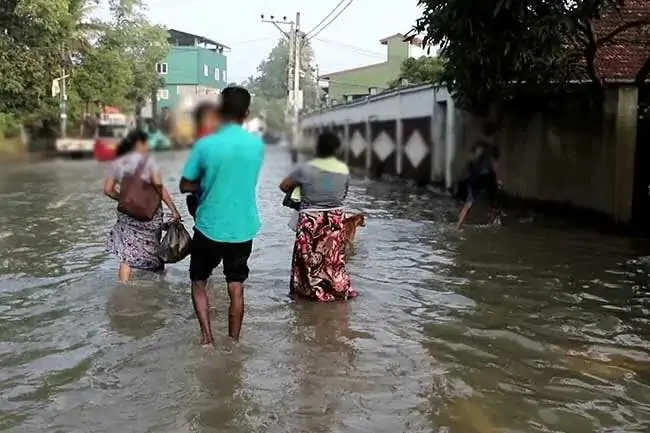
    Sri Lanka is battling worsening public health emergency after Cyclone Ditwah. President Anura Disssanayake convened an emergency cabinet meeting as reports poured in of floods crippling infrastructure.

    Sri Lankan President Anura Disssanayake on Wednesday convened an emergency Cabinet meeting to assess the rapidly escalating humanitarian and public health crisis following Cyclone Ditwah, which battered Sri Lanka with days of torrential rainfall, destructive winds, and severe flooding. The President summoned ministers urgently to coordinate emergency relief measures, review the national disaster response, and address severe disruptions to essential services, mainly public health.

    The emergency session came as the scale of devastation became clearer across the country. Floodwaters have displaced tens of thousands, damaged critical water and sanitation systems, and overwhelmed local health facilities. The situation has been further compounded by the destruction of key rural infrastructure, which has created immediate and long-term risks for disease outbreaks.

    Amid this unfolding emergency, Sri Lanka has received an outpouring of international support. Nearly 70 countries have pledged humanitarian assistance, according to the Sri Lankan ministry of foreign affairs. These commitments include immediate supplies such as medical kits, water purification equipment, antibiotics, mosquito nets, emergency food, and temporary shelter materials.

    Flood Damage Deepens Health Risks

    New assessments reveal the extensive destruction caused by Cyclone Ditwah. The Commissioner General of Essential Services reported that 1,777 water tanks and 483 dams across the island have been damaged, significantly impairing water access, agricultural operations, and local sanitation. Many reservoirs remain at risk of structural failure as floodwaters continue to rise in some regions.

    This level of damage has deepened fears of a public health catastrophe. Flooded wells, contaminated rivers, and stagnant pools now pose acute risks of dengue, leptospirosis, hepatitis A, and waterborne diarrhoeal diseases. Public Health Inspectors warn that the combination of overcrowded shelters, poor drainage, and inadequate waste management could spark outbreaks within days.

    Health officials said the rapid deterioration of water quality has forced authorities to rely on mobile purification units and emergency water bowsers. However, demand has far outstripped supply, especially in rural districts where bridges have collapsed and major roads remain underwater.

    Hospitals in Galle, Matara, Ratnapura, Puttalam, and parts of Colombo District have reported increased cases of fever, skin infections, and diarrhoea – symptoms that medical authorities fear may escalate if water contamination is not brought under control.

    Blood Shortages and Medical Supply Strain

    The storm’s disruption of health services has also created a severe blood shortage. In an opinion piece published in The Morning, Dr. Charuni Kohombange, Medical Officer at the National Blood Transfusion Service, warned that the national blood supply had already fallen to “critical levels” before the cyclone – and that the disaster has pushed reserves into dangerous territory.

    “The demand for blood surges during crisis situations due to injuries, infections, and interrupted treatment pathways,” Dr. Kohombange wrote, emphasising that surgical wards, trauma units, and emergency departments are struggling to maintain life-saving procedures.

    Transport disruptions have made it difficult to dispatch mobile donation units to flood-hit districts. Several blood banks have been unable to operate due to power outages, prompting urgent calls for generators, refrigerated transport vehicles, and temporary medical tents.

    Medical teams have also reported shortages of essential medicines, including intravenous fluids, antibiotics, anti-fungal treatments, and oral rehydration salts. While Sri Lanka’s ministry of health has deployed emergency stocks, officials admit these reserves are insufficient given the scale of displacement.

    Disease Surveillance Expanded

    To prevent a full-blown epidemic, the ministry of health has launched an expanded disease surveillance programme targeting high-risk districts where floodwaters remain stagnant or where large numbers of displaced people are concentrated. PHIs, epidemiology unit officials, and community health workers are conducting door-to-door assessments, setting up fever clinics, and monitoring shelters for early signs of infection clusters.

    Mobile medical teams are prioritising vulnerable populations – including children, pregnant women, the elderly, and those with chronic illnesses – who are at heightened risk due to disruptions in routine care. Vaccination drives for tetanus, measles, and hepatitis A are being prepared for shelters where sanitary conditions are poor.

    Authorities have also stepped up mosquito-control operations: fumigation teams have been dispatched to flooded neighbourhoods, and households are being urged to eliminate stagnant water containers. However, persistent rains have limited these efforts.

    Public awareness campaigns are being broadcast to encourage communities to boil drinking water, maintain hygiene where possible, and seek medical attention early. Health officials warn that delays in treatment for leptospirosis and gastrointestinal illnesses can prove fatal.

    International Aid Provides Critical Support

    The pledges made by nearly 70 countries offer a crucial lifeline. The foreign ministry said that international partners are preparing shipments of rapid diagnostic kits, field hospitals, water purification tablets, mosquito nets, and emergency sanitation systems. Several countries have also offered specialised medical teams to support field operations and disease surveillance.

    UN agencies and humanitarian organisations are coordinating with the national disaster relief services centre to streamline aid distribution. Priority sectors identified include:

    • Emergency medical supplies
    • Restoration of water treatment and sewage systems
    • Shelter and hygiene facilities for displaced populations
    • Rehabilitation of damaged hospitals and clinics
    • Mental health support for traumatised communities

    Officials said that sustained international engagement will be essential for long-term recovery, as water and sanitation infrastructure alone may take months to fully restore.

    Next Steps for Recovery

    The emergency cabinet meeting has instructed all ministries to activate a unified command system for disaster response. The ministry of health has been designated the lead agency for coordinating medical and public health interventions, while the ministry of defence oversees logistics in hard-to-reach regions.

    With the immediate danger of rising waters slowly receding, the government’s focus is shifting to preventing secondary disasters – particularly infectious disease outbreaks that could strain the health system even further.

    Sri Lanka faces a challenging road ahead: rebuilding damaged infrastructure, restoring health services, and ensuring clean water access are urgent priorities. Authorities stress that the coming days will determine whether the country can contain the public health emergency unleashed by Cyclone Ditwah or whether it will escalate into a more widespread national crisis.

    Sitharaman: Tax Transparency Is India’s Dividend, Not Just Administrative Reform

    Finance Minister Nirmala Sitharaman said at Global Forum plenary in New Delhi that India prioritises tax transparency emphasising fairness, compliance, technology-driven exchange and global cooperation for sustainable development and revenue mobilisation.

    India’s finance minister, Nirmala Sitharaman stressed that for India, transparency in tax matters “goes beyond administrative reform” – it reflects a deeper belief that economic governance must rest on fairness and responsibility. She argued that when individuals and firms pay their rightful taxes and illicit financial flows are checked, nations become more stable, equitable, and capable of funding public welfare.

    Far from being a mere compliance tool, transparency is presented as a pillar for sustainable development, she said – enabling better funding of public infrastructure, healthcare, education and social welfare programmes.

    Plenary Opens in New Delhi

    The Global Forum on Transparency and Exchange of Information for Tax Purposes (Global Forum) is holding its 18th plenary meeting in New Delhi (from December 2 to 5, 2025), with Nirmala Sitharaman, Union Finance and Corporate Affairs Minister, inaugurating the event. The gathering brings together 172 jurisdictions committed to implementing global standards for tax transparency – including exchange of information on request (EOIR) and automatic exchange of financial account information (AEOI).

    In her opening remarks, the minister welcomed delegates and emphasized that the shift from a world constrained by secrecy toward one governed by transparency is central to responsible economic governance.

    Boosting Voluntary Compliance Through Trust

    According to the minister, India’s progress in voluntary compliance over the past decade reflects growing public trust in a tax system that rewards honesty and discourages evasion. She pointed out that simplification, clarity and consistency in tax policies, rather than just enforcement, have encouraged citizens and businesses to voluntarily comply.

    This “tax morale,” as the minister described it, shows that fairness and predictability build stronger compliance than coercion.

    Global Cooperation and Digital Era Challenges

    Addressing delegates at the Global Forum, Sitharaman underscored the urgent need for international cooperation in the face of a rapidly digitising economy. She warned that emerging financial products, evolving beneficial ownership structures, and digital financial flows demand robust mechanisms for timely exchange of information across jurisdictions.

    She also pointed to the centrality of technology – including artificial intelligence – in analysing financial data efficiently. At the same time, she cautioned that technological innovation must be balanced with prudence, respect for due procedure, and data confidentiality.

    India’s Role and Commitment

    India has been an active participant in the Global Forum since 2009. With its leadership roles in peer review groups, steering committees and regional initiatives, India has helped expand capacity-building and promoted transparency standards under its 2023 G20 presidency – especially for developing jurisdictions.

    As host, officials say, India is showcasing its commitment to an inclusive, fair, and transparent approach to taxation – seeking to ensure that the benefits of transparency reach all nations, regardless of size or administrative capacity.

    Future Focus: Digital Economy and Sustainability

    Looking ahead, the minister identified digital-economy taxation, crypto-asset reporting, and evolving financial instruments as priority areas. The plenary sessions during the sessions of the global forum are expected to advance work programmes around EOIR, AEOI, and the emerging crypto-asset reporting framework (CARF), strengthen administrative capacity, and encourage equitable global participation.

    In the long run, the minister said, the push for transparency is aimed at closing the revenue–development gap: ensuring that domestic resources mobilised from taxes contribute directly to societal growth and welfare, fulfilling the deeper principle underlying economic governance.

    The 18th Global Forum plenary in New Delhi – and India’s forceful advocacy of tax transparency – signals a renewed global impetus toward fairer, more accountable finance, officials said. As economies evolve, the challenges are novel, but the commitment to fairness, cooperation and integrity remains timeless.

    Image: PIB

    Artificial Intelligence Tools to Support Gram Panchayats

    The minister said that under the digital India programme, the ministry of panchayati raj is implementing the e-panchayat mission mode project across all states and union territories of the country.

    The Government is taking steps to introduce artificial intelligence (AI) tools to support the functioning of gram panchayats, the union minister for panchayati raj, Rajiv Ranjan Singh said in a written reply in Rajya Sabha on Wednesday.

    The minister said that the ministry of panchayati raj has launched SabhaSaar, an AI-powered meeting-summarisation tool that generates structured minutes of meetings from gram sabha and other panchayat meetings using audio/video recordings. SabhaSaar uses advanced natural language processing (NLP) technologies and is integrated with BHASHINI, the National Language Translation Mission of MeitY, to provide multilingual support.

    SabhaSaar has been made available to all states and union territories and gram panchayats are progressively adopting the tool for summarisation of meetings. As part of the initial rollout, all 1,194 Gram Panchayats of Tripura were encouraged to use the tool for the Special Gram Sabhas on 15 August 2025. A total of 12,667 gram panchayats used SabhaSaar on as on 15 August 2025, which further increased to 77,198 gram panchayats during the 2 October 2025 gram sabha. The minister sais that as on 28 November, a total of 92,034 gram panchayats have used the SabhaSaar tool for automated meeting summarisation.

    SabhaSaar is integrated with BHASHINI, the National Language Translation Mission, and currently supports 22 Indian languages for text-to-text translation and 13 Indian languages for voice-to-text transcription, ensuring accessibility across diverse linguistic regions.

    Digital India

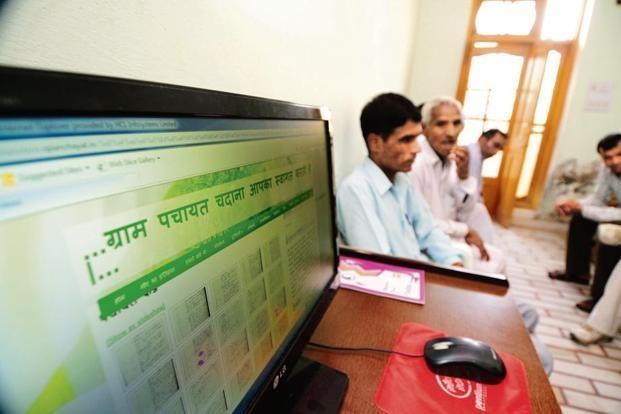
    Further, in reply to a separate question, the minister said that under the digital India programme, the ministry of panchayati raj is implementing the e-panchayat mission mode project (MMP) across all states and union territories of the country. He said that this initiative aims to revamp the functioning of panchayats, making them more transparent, accountable, and effective.

    He said that as part of this initiative, the ministry is operating the eGramSwaraj, an online planning and accounting application designed to simplify Panchayat activities such as planning, budgeting and accounting.

    The ministry of panchayati raj has also integrated eGramSwaraj with the public financial management system (PFMS) for gram panchayats (GPs) to make online payments to vendors/service providers. The minister added that panchayats use the eGramSwaraj portal to prepare and upload annual panchayat development plans.

    Bharat Net Project

    Further, the minister told the Rajya Sabha that the Bharat Net project is being implemented by department of telecommunications (DoT) in a phased manner to provide broadband connectivity to all gram panchayats in the country. So far, 2.18 lakh gram panchayats/ traditional local bodies or TLBs (out of a total of 2.69 lakh GPs/TLBs) have been made service-ready for providing high-speed internet services under the BharatNet project.

    The minister said that to further improve digital connectivity, the amended Bharat Net programme was approved by the cabinet in August 2023 for the upgradation of the existing network of Bharat Net phase-I and phase-II and the creation of a network in the remaining gram panchayats.

    According to the minister, all States are making efforts to implement e-Panchayat MMP, based on their available resources. However, he said, states are at different stages of implementing these applications due to difference in the level of preparedness of panchayats across the country.

    Image: Digital Empowerment Foundation

    Study From Odisha Says Children’s IQ Plummets by Almost 20 Points Due to High Air Pollution

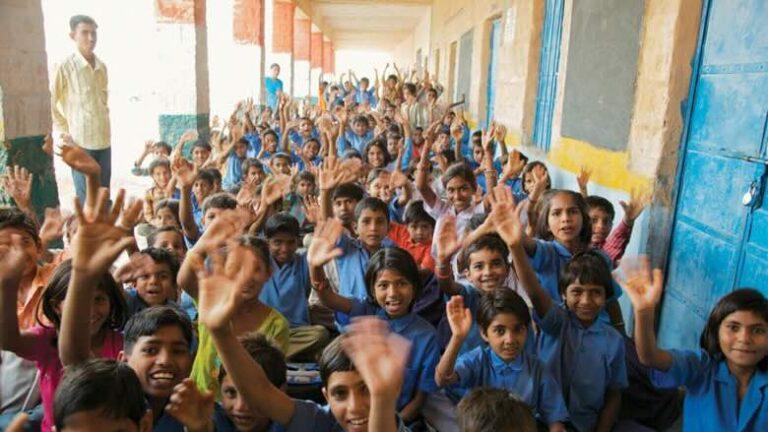
    The evidence from these studies is unequivocal, researchers point out: air pollution is a direct threat to children’s intellectual growth, disproportionately affecting the vulnerable.

    Researchers have found that young children exposed to high levels of airborne pollutants in the state of Odisha scored nearly 20 points lower on IQ tests compared to their peers in cleaner areas. This drop not only hampers immediate educational outcomes but also casts a long shadow over lifelong opportunities, turning what was once seen as an environmental nuisance into a profound public health crisis.

    Presented at the World Conference on Lung Health (WCLH) held in Denmark in November, these findings underscore that air pollution’s reach extends far beyond respiratory issues. It infiltrates brain development, potentially robbing generations of their full intellectual capacity.

    Experts warn that without urgent interventions, this could exacerbate social inequalities, as the poorest communities bear the brunt of polluted air. The studies highlight air pollution as a global health emergency, demanding immediate action to safeguard children’s futures and mitigate its role in worsening lung diseases.

    Air Quality Lowers IQ in Children

    Delving deeper into the connection between particulate matter and cognitive growth, the groundbreaking study from the Kalinga Institute of Industrial Technology (KIIT) in India has illuminated the severe impacts of long-term exposure. Published in the WCLH abstract book, the research focused on children aged 6-8 in Odisha, comparing those in highly polluted zones – where PM10 levels exceeded 60 micrograms per cubic meter and PM2.5 surpassed 40 micrograms – with counterparts in low-pollution environments.

    The methodology was rigorous: participants had resided within a 1.5-kilometer radius of air quality monitoring stations for at least six years, ensuring chronic exposure was accurately captured. Using Malin’s Intelligence Scale for Indian Children, the team measured full-scale, verbal, and performance IQ. The results painted a grim picture. In high-pollution areas, the mean full-scale IQ was 80.33, starkly lower than the 98.12 recorded in cleaner zones. Verbal IQ averaged 81.60 versus 99.68, while performance IQ stood at 79.02 compared to 96.55.

    These disparities suggest that pollutants like PM2.5 and PM10 may interfere with neural pathways during critical developmental windows, leading to impaired cognitive functions. The study also identified compounding factors, including the child’s age and weight, inadequate kitchen ventilation, lower maternal education, and reduced family income, which interacted with pollution to further depress IQ scores. This multifaceted view reveals how environmental hazards amplify socioeconomic vulnerabilities, creating a cycle of disadvantage.

    Professor Guy Marks, president of the International Union Against Tuberculosis and Lung Disease, emphasised the inequity: “The burden of air pollution and climate change on health is one which sadly continues to grow. And, as with many other determinants of health, it is the world’s poorest who are the most affected.” Marks called for innovative strategies to prevent air quality from dictating life outcomes.

    Air Purifiers in Schools: A Practical Solution

    Amid these alarming insights, experts are proposing actionable measures to curb exposure, particularly in educational settings where children spend much of their time. Professor Anant Sudarshan from the University of Warwick in the UK advocates for installing air purifiers in government schools, especially in low-income areas.

    “Introducing appropriately sized air purifiers in all government schools may be a good policy,” Sudarshan told Health Policy Watch. “Children spend a significant share of their day in classrooms, and any reduction in pollution exposure can have large health benefits.”

    He highlighted that this is crucial for impoverished families who lack resources to purify air at home or who reside near heavy traffic or industrial sites. Children typically spend about one-third of their day at school for two-thirds of the year – equating to roughly 17 per cent of their overall lives. By purifying school air alone, annual pollution exposure could drop by approximately 17 per cent, yielding substantial cognitive and health gains.

    Sudarshan drew parallels between PM2.5’s effects and those of CO2 accumulation, noting both impair short-term alertness and long-term brain development. This intervention could serve as a targeted, cost-effective step for policymakers, bridging the gap until broader air quality improvements are achieved.

    The evidence from the study is unequivocal, researchers point out: air pollution is a direct threat to children’s intellectual growth, disproportionately affecting the vulnerable. As global leaders grapple with this crisis, integrating robust protections for lung and brain health is essential. Failure to act risks condemning millions to diminished potentials, underscoring the need for policies that prioritise clean air as a fundamental right, experts say.

    Image: World Bank

    Alarming Plunge in Bay of Bengal Fish Stocks, Says Bangladesh Survey

    Industrial vessels, operating 24/7 with fine-mesh nets, harvest juveniles before they can reproduce, creating a vicious cycle of recruitment failure. Data shows that 70 per cent of caught fish are below maturity size.

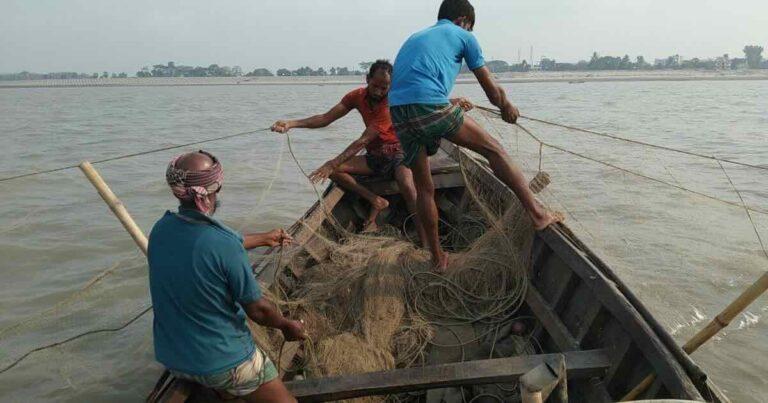
    In a stark revelation that underscores the fragility of Bangladesh’s marine lifeline, fish stocks in the Bay of Bengal have plummeted by nearly 80 per cent over the past seven years, threatening the livelihoods of millions and the nation’s food security. Preliminary findings from an ongoing international survey, released today, paint a dire picture of overexploited waters where once-abundant catches now dwindle to shadows of their former bounty. From 158,100 tonnes in 2018 to a mere 33,811 tonnes in 2025, the decline – pegged at 78.6 per cent – signals a crisis born of unchecked industrial fishing and environmental strain.

    This catastrophic drop has reshaped the underwater ecosystem, reducing the number of commercially viable major fish species from nine to just five. Iconic catches like tiger shrimp, Indian salmon, and large croakers – once staples of Bangladeshi markets – have been severely depleted, forcing fishermen into riskier, less profitable ventures. “The Bay is emptying faster than we can replenish it,” said Abdullah Al-Mamun, assistant director of the Department of Fisheries. “Overfishing isn’t just a buzzword; it’s the executioner of our marine heritage.”

    The survey’s data, gathered aboard the state-of-the-art research vessel Dr. Fridtjof Nansen, highlights how the proliferation of industrial trawlers has accelerated the depletion. In 1985, only 100 such vessels prowled the waters; today, that number has ballooned to 273, many operating with outdated or harmful gear. Of these, 72 trawlers lack proper technology, leading to excessive bycatch – unintended captures of juvenile fish and non-target species – and massive wastage that further erodes stocks. Fishermen in coastal districts like Cox’s Bazar and Chattogram report hauling nets that return half-empty, with average daily yields slashed by over 60 per cent since the early 2010s.

    Beyond the numbers, the human toll is profound. Bangladesh’s fisheries sector, which employs over 11 million people and contributes roughly 3.5 per cent to the GDP, faces existential threats. Small-scale artisanal fishers, who depend on the Bay for 80 per cent of their income, are hit hardest. In villages along the 710-kilometer coastline, stories abound of families skipping meals or migrating inland for low-wage labour.

    Amina Begum, a 45-year-old fisherwoman from Kuakata, shared her plight: “We used to catch enough hilsa in one dawn to feed our children for a week. Now, it’s a struggle for a single meal. Our children are leaving the sea for the cities, and our traditions are dying with them.”

    Environmental degradation compounds the overfishing scourge. Low oxygen levels in oxygen minimum zones, coupled with surging microplastic concentrations and abnormal jellyfish blooms, are suffocating marine life. Fisheries and Livestock Adviser Farida Akhter warned that these are “red flags of a collapsing ecosystem,” exacerbated by illegal, unreported, and unregulated (IUU) fishing and the rampant use of destructive nets that scoop up everything in their path. “Harmful practices like bottom trawling are not just depleting stocks; they’re destroying habitats that future generations won’t inherit,” Akhter emphasised.

    As the survey’s full report looms – expected in mid-December – stakeholders are mobilising. The government has pledged stakeholder consultations to curb trawler licenses and enforce stricter regulations, but experts caution that half-measures won’t suffice.

    A Beacon of Hope in Fisheries Assessment

    Launched in August 2025 under the auspices of the EAF-Nansen Programme – a 50-year-old collaboration between the Food and Agriculture Organization (FAO) of the United Nations and Norway – the 32-day expedition marked a pivotal step in understanding the Bay’s plight. Aboard the Dr. Fridtjof Nansen, a 78-meter vessel equipped with cutting-edge acoustic and biological sampling tools, a multinational team of 13 Bangladeshi scientists, regional experts, and a 26-person crew traversed key transects from Chattogram to the Andaman Sea.

    The mission’s scope was ambitious, targeting not only fish abundance but the broader health of the marine environment. Researchers quantified populations of mesopelagic and small pelagic species – vital to the food web – as well as demersal fish like croakers and pomfrets. Environmental metrics painted a multifaceted portrait: sea temperatures rising 0.8°C since 2015, salinity fluctuations linked to erratic monsoons, and pH levels dipping toward acidification thresholds. Primary productivity data revealed patchy phytoplankton blooms, while ocean current mappings exposed how warming waters are shifting migration patterns, pushing valuable species like hilsa farther offshore.

    Microplastic sampling yielded sobering insights, with concentrations averaging 1.2 particles per cubic meter in surface waters – double the 2020 baseline. Marine litter, including discarded nets and industrial debris, entangled sampling gear on multiple occasions, underscoring the pollution crisis. “This survey isn’t just about counting fish; it’s about diagnosing the ocean’s fever,” said Dr. Saleha Sultana, lead Bangladeshi marine biologist on the voyage. Her team processed over 500 water and plankton samples, using onboard labs to analyse CO2 absorption rates that could inform climate adaptation models.

    The expedition’s real-time data feeds have already influenced preliminary advisories. For instance, early acoustic surveys detected a 45 per cent drop in mid-water fish biomass near the continental shelf, prompting temporary no-trawl zones proposed for high-vulnerability areas. By integrating satellite telemetry with vessel-based hydrography, the team mapped oxygen-depleted “dead zones” spanning 15,000 square kilometres – expanding 20 per cent since the last regional assessment in 2018.

    Crisis Drivers: Overfishing and Ecosystem Strain

    At the heart of the fish stock collapse lies overfishing, a relentless pressure amplified by Bangladesh’s booming seafood export industry, valued at $500 million annually. The influx of mechanized trawlers, many imported from neighbouring countries, has turned the Bay into a competitive battleground. Industrial vessels, operating 24/7 with fine-mesh nets, harvest juveniles before they can reproduce, creating a vicious cycle of recruitment failure. Data shows that 70 per cent of caught fish are below maturity size, per department of fisheries logs.

    IUU fishing adds insult to injury, with foreign fleets encroaching on Bangladesh’s exclusive economic zone (EEZ) – a 118,813 square kilometre expanse teeming with potential but policed by just 12 patrol boats. Satellite imagery from the survey corroborated reports of 50+ unauthorized incursions monthly, siphoning an estimated 20,000 tonnes of undeclared catch yearly. “We’re losing a war we can’t afford,” lamented environmental activist Rezaul Karim, whose NGO monitors coastal encroachments. “Without bilateral enforcement pacts, our waters remain an open buffet.”

    Climate change weaves through these threats like an invisible net. Warmer surface waters have stratified the ocean, trapping nutrients below the photic zone and starving surface ecosystems. Jellyfish proliferations, up 300 per cent in sampled areas, outcompete fish for plankton, while coral bleaching in shallower reefs disrupts spawning grounds. The survey’s carbon data links these shifts to global emissions, with Bangladesh – despite low per-capita output – bearing disproportionate brunt as a low-lying delta nation.

    Socioeconomic inequities exacerbate vulnerabilities. Artisanal fishers, lacking access to cold chains or market intel, sell at rock-bottom prices to middlemen, fuelling a debt trap that discourages sustainable practices. Women, who process 60 per cent of landings, face amplified hardships from reduced volumes, with household nutrition scores dropping 15 per cent in fisher communities per recent FAO metrics.

    Policy Imperatives for Sustainable Marine Harvest

    As the Nansen docked in mid-September, handing over terabytes of raw data to Dhaka’s fisheries labs, optimism flickered amid the gloom. The survey’s outputs align with the UN Decade of Ocean Science (2021-2030) and FAO’s Blue Transformation Roadmap, aiming to triple ocean productivity by 2030 through science-driven governance.

    Key recommendations urge halving the trawler fleet within five years, via buyback schemes funded by Norway’s $10 million pledge. Enforcing minimum mesh sizes – currently flouted in 40 per cent of operations – could boost juvenile survival by 30 per cent, modelling from IMR simulations suggests. Community-led monitoring, empowered by app-based reporting tools piloted in the survey, promises grassroots enforcement.

    Investing in aquaculture offers a buffer: Bangladesh’s marine fish production climbed from 4.9 million tonnes in 2022-23 to over 5.0 million last year, but wild capture still dominates. Hybrid models, blending offshore pens with stock enhancement, could restore 20 per cent of lost yields by 2030, per economic forecasts.

    International solidarity is crucial. The EAF-Nansen framework fosters knowledge transfer, training 50 Bangladeshi researchers in advanced sonar and genomic tagging. “This isn’t charity; it’s shared survival,” noted FAO’s regional director, Lars Eric Pedersen. “The Bay’s health ripples across the Indian Ocean.”

    In the end, the Bay of Bengal’s story is one of hubris and hope – a call to steward the seas before they slip away. As Farida Akhter implored, “We fished for tomorrow once. Now, we must farm it.”

    WHO Backs Wider Use of Weight-Loss Medicines; Calls Obesity Chronic Disease

    More than one billion people worldwide live with obesity, which was linked to 3.7 million deaths in 2024. Without stronger action, WHO warns the number of people affected could double by 2030. 

    The UN World Health Organization (WHO) has issued its first guideline on the use of a new class of weight-loss medicines, marking a significant shift in global health policy as obesity rates continue to rise. 

    The guidance focuses on GLP-1 therapies – medicines such as liraglutide, semaglutide and tirzepatide – and offers conditional recommendations on how they can be used safely as part of long-term treatment.

    Living with Obesity

    More than one billion people worldwide live with obesity, which was linked to 3.7 million deaths in 2024.

    Without stronger action, WHO warns the number of people affected could double by 2030, placing immense pressure on health systems and pushing global economic losses to an estimated $3 trillion a year.

    As the world’s foremost public health authority, WHO’s statement is expected to influence national policies, insurance coverage and clinical practice, particularly as demand for effective weight-loss treatments continues to surge.

    “Obesity is a major global health challenge,” said Tedros Adhanom Ghebreyesus, WHO Director-General. “Our new guidance recognises that obesity is a chronic disease that can be treated with comprehensive and lifelong care. While medication alone won’t solve this global health crisis, GLP-1 therapies can help millions overcome obesity and reduce its associated harms.”

    A Complex Disease

    WHO stresses that obesity is not simply the result of lifestyle choices, but a complex, chronic condition involving genetics, environment, biology and social circumstances.

    It is a major driver of heart disease, type 2 diabetes and some cancers, and can worsen outcomes for infectious diseases as well. For many people, losing weight and keeping it off is extremely challenging without medical support.

    GLP-1 therapies work by mimicking a natural hormone that helps regulate appetite, blood sugar and digestion.

    For people with obesity, these medicines can lead to significant weight loss and health improvements.

    WHO added them to its Essential Medicines List in 2025 for managing type 2 diabetes in high-risk groups, and its new guidelines now recommend their long-term use for adults living with obesity, except during pregnancy.

    The recommendation is conditional due to limited long-term safety data, uncertainty about maintaining weight loss once treatment stops, high costs, and significant concerns about unequal access across countries.

    Not a Standalone Solution

    WHO emphasises that weight-loss medicines must be used alongside other support.

    The most effective treatment combines medication with healthier diets, increased physical activity, and long-term guidance from health professionals.

    The organization highlights that obesity cannot be resolved by individuals alone and requires broad action from governments and industry to create healthier food environments and ensure early intervention for those at risk.

    Ensuring Access and Safety

    Demand for GLP-1 medicines already far exceeds supply. Even with increased production, WHO estimates fewer than 10 per cent of eligible people will have access by 2030.

    It warns that without deliberate policies these treatments may widen existing health inequalities. The organization urges governments to consider tools such as pooled procurement, fair pricing and voluntary licensing to expand access.

    WHO also warns of rising circulation of falsified or substandard GLP-1 products fuelled by global shortages. It stresses the need for regulated supply chains, qualified prescriptions and strong oversight to protect patients.

    The guidance was developed at the request of member states and drew on scientific evidence, expert review and input from people living with obesity.

    WHO plans to update the recommendations as new evidence emerges and will work with partners in 2026 to ensure that those with the most urgent needs are prioritised.

    Image: Atlanta Medical Institute

    Renewables Eclipse Fossil Fuels to Surge India’s Power Capacity Past 5 Lakh MW

    The breakthrough comes just months after India hit 50 per cent non-fossil capacity in June 2025 – five years ahead of its Paris Agreement commitments.

    In a landmark achievement for India’s energy transition, the country’s total installed power generation capacity has surged to 5,05,023 megawatts (MW) as of October 31, 2025, with non-fossil fuel sources now accounting for over 51 per cent of the mix. This pivotal shift, announced by Minister of State for Power Shripad Yesso Naik in the Rajya Sabha, underscores the nation’s accelerated push towards sustainable energy, outpacing fossil fuels for the first time in its history.

    The breakthrough comes just months after India hit 50 per cent non-fossil capacity in June 2025 – five years ahead of its Paris Agreement commitments. Non-fossil sources, including renewables, nuclear, and hydro, now stand at 2,59,423 MW, dwarfing fossil fuels at 2,45,600 MW. Renewables alone contribute 2,50,643 MW, driven by explosive growth in solar (1,29,924 MW) and wind (53,600 MW). Coal remains the largest fossil segment at 2,18,258 MW, but its dominance is waning amid global decarbonization pressures.

    This milestone not only bolsters energy security but also aligns with Prime Minister Narendra Modi’s vision of net-zero emissions by 2070. Naik highlighted how the government’s multifaceted strategy has fuelled this rapid expansion, transforming India from an energy importer to a potential exporter of green power. “This is a testament to our commitment to climate action without compromising affordability or accessibility,” Naik stated in his written reply.

    Renewable Surge: Key Initiatives in Action

    The government’s aggressive renewable energy agenda has been instrumental, with a suite of policies designed to hit 500 GW non-fossil capacity by 2030. Interstate transmission system (ISTS) charges for solar and wind projects have been waived until mid-2025, extending to green hydrogen till 2030 and offshore wind till 2032. Standard bidding guidelines for grid-connected solar, wind, and hybrid projects ensure competitive tariffs, while the Ministry of New and Renewable Energy’s trajectory mandates 50 GW annual RE procurement bids from fiscal 2023-24 to 2027-28.

    Foreign direct investment up to 100 per cent under the automatic route has attracted global players, complemented by the Green Energy Corridor for new transmission lines and substations. Ambitious schemes like the Pradhan Mantri Kisan Urja Suraksha evam Utthaan Mahabhiyan (PM-KUSUM) for solarizing farms, PM Surya Ghar Muft Bijli Yojana for rooftop solar, and the National Green Hydrogen Mission targeting 5 million metric tonnes annually by 2030 are scaling up deployment. The Production Linked Incentive (PLI) scheme for high-efficiency solar PV modules is set to create gigawatt-scale manufacturing, reducing import dependence.

    To enforce uptake, Renewable Purchase Obligations (RPO) have evolved into Renewable Consumption Obligations (RCO) till 2029-30, with penalties for non-compliance under the Energy Conservation Act. Innovations like the Green Term Ahead Market (GTAM) enable exchange-traded renewable energy sales, while solar parks and ultra-mega projects provide ready infrastructure for developers.

    Nuclear and Storage: Fortifying the Grid

    Diversification extends beyond renewables. Nuclear power, eyed for 100 GW by 2047, offers baseload reliability with lifecycle emissions on par with hydro and wind. A ₹20,000 crore Nuclear Energy Mission aims for five indigenous Small Modular Reactors (SMRs) by 2033. Amendments to atomic laws will woo private investment, while Bharat Small Reactors (220 MW) target industrial decarbonisation. Fuel security is enhanced by uranium discoveries extending mine lifespans and closed-fuel cycle advancements.

    Battery Energy Storage Systems (BESS) are critical for grid stability, with 13.22 GWh underway under a 2023 viability gap funding (VGF) scheme (₹3,760 crore allocation). A new June 2025 VGF adds 30 GWh capacity with ₹5,400 crore from the Power System Development Fund. Pumped Storage Projects (PSPs), totalling 11,870 MW under construction, further integrate intermittent renewable energy. Offshore wind gets a 1 GW VGF boost, aligning with a dedicated strategy.

    Image: Hippopx

    Delhi Chokes as AQI Spikes to 331 – ‘Very Poor’ Air Stirs Renewed Health Alarm

    Residents across Delhi voiced distress as dense smog settled over the city, making morning commutes difficult and raising concerns about long-term health effects.

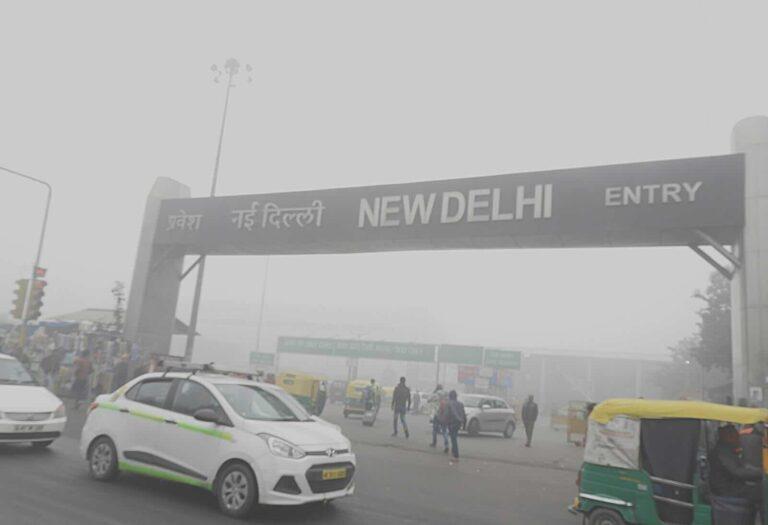
    New Delhi’s winter smog returned with a vengeance on Tuesday, as the Air Quality Index (AQI) surged to 331, placing the city firmly back in the “very poor” category, according to the Central Pollution Control Board (CPCB). Early-morning readings from several parts of the capital were even more worrying: Bawana recorded 387, Anand Vihar 381, Wazirpur 362, Burari 361 and RK Puram 356.

    Residents across Delhi voiced distress as dense smog settled over the city, making morning commutes difficult and raising concerns about long-term health effects. “Our eyes burn, and we are constantly coughing,” said one local. “Earlier we could step out at 5 AM; now we wait till 7 AM” The deterioration comes after a brief two-day respite, when AQI hovered in the “poor” range at 279 and 298.

    With temperatures dipping – forecasts put the day’s high at just 26 °C and overnight low around 7 °C – weather conditions have conspired with pollution to create the perfect winter-smog storm.

    Health Alarms Deepen on National Pollution Control Day

    December 2 marks National Pollution Control Day – observed annually to commemorate the victims of the 1984 Bhopal Gas Tragedy – and reflect on India’s persistent struggle with environmental degradation. This year, the day’s significance is starker than ever, as cities like Delhi slip back into hazardous air zones.

    Medical experts warn that such pollution surges pose serious health risks, especially for vulnerable populations like children, the elderly and those with pre-existing conditions. Long-term exposure to high particulate matter (PM2.5 and PM10), nitrogen oxides, and other pollutants is linked to respiratory illnesses, impaired lung development in children, cardiovascular diseases, and compromised neurological and cognitive functions.

    Despite repeated warnings and the seasonal recurrence of smog, little appears to have changed on the ground. Critics argue that calls to action remain rhetorical rather than concrete, leaving citizens to bear the brunt.

    Children’s Future at Risk

    Advocates and public-health experts say the crisis disproportionately affects children: their lungs are still developing, making them especially vulnerable to the harmful effects of polluted air. Chronic exposure can lead to impaired lung growth, asthma, recurring respiratory infections, and even longer-term consequences like compromised cognitive development and increased susceptibility to chronic illnesses.

    The everyday reality for many families – especially those living in lower-income neighbourhoods – is alarming. Children trekking to school through thick haze, families breathing in smog for hours, and limited access to protective measures like certified masks or air purifiers make the situation grim. Sadly, experts warn that until pollution is addressed in a structural, sustained way, each winter will bring with it a fresh round of health emergencies.

    Air-quality warnings: Is there any safe hour to step out?

    Some residents hope that early mornings – a time often preferred for outdoor exercise – might offer respite. But doctors caution against this notion. Experts referenced by a recent report say that when AQI levels are “very poor,” even short durations outdoors – in the early morning or late evening – can pose serious health hazards, particularly for children and those with respiratory or heart issues. Wearing masks or avoiding outdoor activity becomes non-negotiable during such periods.

    Public health advisories issued on days like these typically urge people to stay indoors unless absolutely necessary, reduce outdoor activities, keep windows closed, and use air purifiers where possible. But for many living in low-income neighbourhoods without access to such safeguards, these recommendations offer little relief.

    As winter deepens and pollution surges repeat, the crisis looms large – not just as a seasonal nuisance, but as a systemic failure to protect public health, especially the future generation.

    Atal Pension Yojana Enrolments Surge Past 8.34 Crore as New, Simplified Registration Kicks In

    APY remains targeted primarily at India’s unorganised-sector workers, offering them a guaranteed monthly pension between ₹1,000 to ₹5,000 after they turn 60, depending on their contribution levels.

    The Atal Pension Yojana (APY) has crossed yet another milestone. As on October 31, 2025, gross enrolment under the scheme reached 8,34,13,738. This was revealed in Parliament by finance minister Nirmala Sitharaman on December 1.

    This surge reflects the scheme’s continuing appeal among India’s workforce in the unorganised sector. Since its inception, APY has aimed to provide a reliable pension safety net to millions who lack formal retirement coverage.

    Simplified Registration, Revised Charges

    From October 1, 2025 onwards, the authorities have introduced a newly revised registration form for APY subscribers. The older form was discontinued after September 30.

    The updated process, rolled out by the Pension Fund Regulatory and Development Authority (PFRDA) and implemented by the Department of Posts (DoP), aims to streamline onboarding. The new form mandates a residency-status declaration under FATCA/CRS, ensures smoother linking with postal or bank savings accounts, and simplifies verification procedures – making it more user-friendly for workers in the unorganised segment.

    Alongside the new form, PFRDA has also revised the maintenance charges levied by Central Recordkeeping Agencies (CRAs) for APY accounts. The updated fee structure – effective October 1, 2025 – applies to both online and offline account-holders under APY (as well as other pension schemes), aiming to align administrative costs with service delivery.

    These changes could have significant implications for thousands seeking to join the scheme – potentially lowering the entry barrier, but also raising the cost of account maintenance.

    Why APY Matters

    APY, a premier social security tool mooted by the government, remains targeted primarily at India’s unorganised-sector workers, offering them a guaranteed monthly pension between ₹1,000 to ₹5,000 after they turn 60, depending on their contribution levels.

    The scheme is open to citizens aged 18 to 40 who have a savings account in an authorised bank or post office.

    Subscribers can choose to contribute monthly, quarterly, or half-yearly. The automatic premium payment continuation mechanism – unless the subscriber opts out – helps avoid lapses and ensures pension accumulation proceeds smoothly.

    In case of premature death of the subscriber (before age 60), the spouse can continue contributions to the APY account; on the subscriber’s death after 60, the spouse receives pension under family pension provision, while nominees get the corpus.

    For workers with limited or irregular incomes – such as daily wage earners, small traders, domestic helpers and others – APY offers a structured pathway to secure retirement income, making it a vital social-security anchor.

    What Numbers Reveal – And Where Challenges Remain

    The rapid growth in APY’s reach is evident. According to data for fiscal 2024-25, over 1.17 crore new subscribers joined the scheme, continuing a trend where each year sees over one crore fresh entries.

    In fiscal 2025-26 alone, 39 lakh new members were added.

    However, the introduction of a revised registration form – while streamlining enrolment – has drawn attention to potential friction: users need to adapt to new documentation requirements and link their accounts properly through banks or post offices. The revised maintenance charges too could deter small-income subscribers who are already navigating tight budgets.

    Moreover, the pension payouts under APY begin only when the subscriber turns 60 – meaning that contributions made today may take years before yielding income. Critics argue that until India builds stronger complementary social security nets, many retirees may still find themselves vulnerable in retirement, especially if their contributions or continuity falter.

    What’s Next – Can APY Sustain its Momentum?

    With the new registration and maintenance rule updates, the government appears intent on strengthening APY’s administrative robustness and long-term sustainability. But to maintain trust – especially among low-income, informal-sector workers – effective communication, outreach, and support will be key.

    Financial-inclusion drives, banking camps in rural and semi-urban areas, and awareness campaigns may help onboard more people who remain outside formal pension coverage. Ensuring that contributions remain affordable, and the process remains transparent, will be crucial.

    For now, APY’s growing enrolment – crossing 8.34 crore – underscores its central role in India’s quest for universal pension coverage. Whether it can deliver on its promise of secure, dignified retirement for millions depends on sustained commitment from regulators, implementers and subscribers alike.

    Cyclone Ditwah Brings Worst Flooding in Decades to Sri Lanka, Killing Hundreds

    Initial assessments indicate that more than 15,000 homes have been destroyed. Over 200 roads remain impassable, at least 10 bridges have been damaged, and sections of the rail network and national power grid affected.

    By Vibhu Mishra

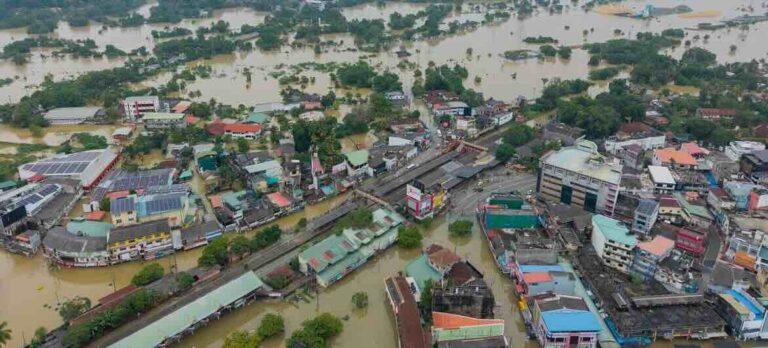
    Sri Lanka is facing one of its worst flood disasters in two decades, with nearly one million people affected and more than 400 reported dead or missing after Cyclone Ditwah unleashed catastrophic flooding and landslides across the island.

    According to the UN relief coordination office, OCHA, 998,918 people across all 25 districts have now been affected, with 212 deaths reported and 218 people missing. More than 180,000 people from over 51,000 families are sheltering in 1,094 government-run safety centres as search and rescue efforts continue.

    Cyclone Ditwah made landfall on 28 November before moving back over the Bay of Bengal, triggering some of the most severe flooding Sri Lanka has seen since the early 2000s.

    The hardest-hit districts include Gampaha, Colombo, Puttalam and Mannar, as well as Trincomalee and Batticaloa, while deadly landslides in the central hill country have devastated Kandy, Badulla and Matale.

    Initial assessments indicate that more than 15,000 homes have been destroyed. Over 200 roads remain impassable, at least 10 bridges have been damaged, and sections of the rail network and national power grid affected.

    Flooding along the Kelani River, which runs through Colombo and surrounding low-lying areas, continues to hamper access and disrupt information flow from affected communities, complicating rescue and relief operations.

    Severe disruption to electricity, mobile and communications, and transport networks are reported in northern districts such as Jaffna, with entire villages isolated. 

    Access to clean water also remains a major concern, with several areas reporting little or no supply.

    Health System Under Strain, Food Insecurity Looms

    Sri Lanka’s already fragile health system is under severe pressure, OCHA said. Several district hospitals remain flooded and are receiving only limited supplies, with critically ill patients being airlifted to functioning facilities.

    Response is further hindered by recurring landslides and the breach of multiple tank bunds (embankments or barriers), including at Mavilaaru, heightening risks in Trincomalee and Batticaloa.

    Authorities have also warned of rising food insecurity, as submerged farmland, damaged storage facilities and severed supply routes threaten shortages and price increases in the weeks ahead.

    The World Health Organization (WHO) warned that floods significantly raise the risk of vector-borne, food-borne and water-borne diseases, urging communities to prevent mosquito bites, ensure food safety and use safe drinking water wherever possible.

    Floodwaters have entered several hospitals across Sri Lanka, further straining the health system.

    UN Mobilises Coordinated Response

    The United Nations in Sri Lanka activated its emergency coordination system on Sunday to scale up a unified response with government agencies and humanitarian organizations.

    Sector coordination has been set up across food security, health, water and sanitation (WASH), education, protection, shelter and early recovery, while a multi-sector needs assessment is under way with disaster management authorities to identify the most urgent gaps.

    “The UN in Sri Lanka is mobilising its teams across the system to support national rescue and early recovery efforts, in coordination with authorities. We stand in solidarity with all affected communities,” said UN Resident Coordinator Marc-André Franche.

    Despite access challenges, the UN Children’s Fund (UNICEF) has delivered potable water to 25 safety centres in Badulla in the central hills, which had been cut off from the rest of the country by floods and infrastructure damage.

    Over 275,000 Children Affected

    UNICEF Sri Lanka has warned that over 275,000 children have been affected as Cyclone Ditwah triggered widespread flooding and landslides, leaving children across the country facing an urgent humanitarian crisis. The actual number of affected children may be significantly higher, UNICEF said, explaining that this number could rise once disrupted communications are restored.

    “UNICEF remains deeply concerned about the destruction the cyclone has caused to children and the vital services they depend on for their safety and well-being. We stand in solidarity with families who have suffered losses and displacement and extend our deepest condolences to those mourning loved ones,” said Emma Brigham, UNICEF Representative in Sri Lanka.

    “Children urgently need help. It is a race against time to reach the most vulnerable families who direly require lifesaving services,” she added. “And while the cyclone may have passed, the consequences have not.”

    The damage to homes and vital infrastructure, along with the disruption of essential services, has caused widespread displacement and has increased the risk of disease outbreaks, malnutrition, unsafe living conditions, and severe emotional distress among children, UNICEF has said.

    Image: ©UNICEF/InceptChange