More

    Muhammad Yunus’ Resignation Threat a Bid to Consolidate Power

    In the streets of Dhaka, Yunus’s supporters have launched a counteroffensive. Posters with slogans like “Reforms first, elections later” and “Keep Yunus in power for five years” blanket the capital.

    In a week of political turmoil and rising public discontent, Nobel Laureate and Chief Adviser to Bangladesh’s interim government, Professor Muhammad Yunus, reportedly threatened to resign – an act many believe was less about stepping down and more a calculated move to tighten his grip on power.

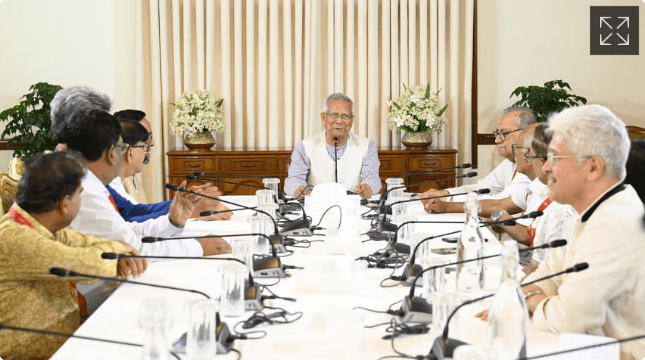
    Despite Planning Adviser Wahiduddin Mahmud’s assurance to the media on Saturday that “the chief adviser is not stepping down,” sources close to the interim government reveal a very different picture behind closed doors. Yunus, they say, is under increasing pressure from both Bangladesh’s political parties and the powerful military to hold general elections by the end of the year. His threat to resign is being viewed as a high-stakes tactic designed to delay elections and extend his rule.

    Power Struggles Behind the Curtain

    Yunus’s posturing has exposed deep fault lines in Bangladesh’s volatile political landscape. While his public stance remains that of a reformer intent on national stability, insiders suggest that the 84-year-old economist aims to stay in power for as long as five years. This, despite the interim government’s original promise to hold elections following the collapse of the Sheikh Hasina-led administration in August 2024.

    “Professor Yunus has given a cut-off time. He won’t go beyond June next year,” Chief Adviser’s Press Secretary Shafiqul Alam told reporters. But even this deadline is being met with scepticism, especially as Yunus delays a concrete election roadmap while reportedly exploring controversial policy proposals, chief among them, a proposed ‘Rohingya Corridor’, said to be backed by the United States and the UN.

    The army, which played a key role in ushering in the interim setup, has grown wary of Yunus’s intentions. Army Chief General Waker-Uz-Zaman bluntly dismissed the corridor proposal as a “bloody corridor” during internal discussions with top brass. Military sources confirm that Yunus was privately told that any such strategic decision should come from an elected government, not an unelected caretaker regime.

    Mounting Political and Public Pressure

    Yunus’s crisis deepened after a closed-door meeting of the advisory council on Saturday. Convened immediately after the executive committee of the national economic council (Ecnec) session, it saw all non-advisory officials asked to leave the room. The resulting two-hour discussion focused on growing calls for national elections and Yunus’s alleged wavering under pressure.

    Opposition parties have shown little trust in Yunus’s leadership. The Bangladesh Nationalist Party (BNP), now the largest active party after the Awami League was banned, has repeatedly accused the interim administration of stalling elections. “An extremely well-planned conspiracy is on to delay holding of elections,” charged BNP Secretary-General Mirza Fakhrul Islam Alamgir.

    A BNP delegation led by senior leader Khandaker Mosharraf Hossain demanded a clear roadmap for elections by December. “We discussed reforms, trials and elections,” Mosharraf told the press after a meeting with Yunus at the State Guest House Jamuna. “We expected this government to propose a reform based on consensus.”

    Calling for early elections, BNP Acting Chairman Tarique Rahman has said the interim administration is bound to heed the people’s rightful demands, stressing that there is no place for the government’s hard feelings or “affection or ill will” in this regard.

    While BNP is pushing for December polls, other parties such as Jamaat-e-Islami and the National Citizen Party (NCP) have taken a softer stance. Jamaat indicated openness to elections in June 2026, while the NCP called for annulment of all polls held under the Awami League – moves seen by analysts as veiled attempts to undercut BNP ambitions, particularly the political aspirations of BNP’s Dhaka leader Ishrak Hossain.

    This divergence is likely to fuel further infighting among opposition parties, preventing a united front against the interim government. The advisory council, meanwhile, has issued a veiled warning: if obstructed, it might take “necessary decisions”. This language has sparked concern about potential authoritarian drift.

    Yunus’s Support Base and Street Protests

    Yunus continues to enjoy among certain elite and reformist circles, as well as segments of Islamist groups. In the streets of Dhaka, Yunus’s supporters have launched a counteroffensive. Posters with slogans like “Reforms first, elections later” and “Keep Yunus in power for five years” blanket the capital.

    However, this public relations campaign may do little to calm an increasingly restive population. Discontent has been simmering over the government’s failure to address economic stagnation, corruption, and the opaque decision-making process. For many, Yunus’s reluctance to commit to elections is seen as a betrayal of the interim government’s original mandate.

    Yunus is expected to meet with eight more political parties over the coming days, but consensus remains elusive. With the military growing impatient and political parties demanding elections, Yunus finds himself cornered.

    While he may continue to publicly deny any intention of resigning, the larger story appears to be one of calculated brinkmanship. By threatening to quit, Yunus has attempted to force his critics to back off and buy time. Whether this gambit works remains uncertain.

    Bangladesh is now at a political crossroads. A failure to chart a transparent path toward elections could spark further unrest and erode the credibility of an interim government that was supposed to stabilise, not seize, power.

    A Foreign Policy Faultline

    The proposed Rohingya Corridor has added fuel to the fire. Yunus’s critics claim the project, allegedly endorsed by the US, compromises Bangladesh’s sovereignty. The military’s opposition to it was reportedly a tipping point in Yunus’s recent manoeuvring.

    This geopolitical flashpoint already claimed one casualty – the resignation of the Foreign Secretary earlier this week, reportedly over differences regarding the corridor plan.

    Meanwhile, former Prime Minister Sheikh Hasina, currently in exile, released a scathing audio message accusing Yunus of turning Bangladesh into a puppet state. “He has seized power with the help of terrorists,” she said, adding that her constitutionally mandated Awami League party was banned illegally. Hasina accused Yunus of “selling the country to the United States” and endangering Bangladesh’s sovereignty.

    Climate Change Is Redrawing the Map of Agrobiodiversity and Forests in Anuppur

    The solutions are already germinating in the fields and forests; all that is needed is the will to nurture them. Let us not wait until the last seed disappears and the last forest burns.

    By Amooru Harika

    The signs are everywhere – vanishing crop varieties, shifting forest compositions, declining soil fertility, and seasonal chaos. In Anuppur district of Madhya Pradesh, these changes are not theoretical. They are visible, experienced, and deeply worrying. Climate change, long considered a distant threat, is now reconfiguring the ecological and agricultural systems on which local communities depend. The vulnerability of forests and agro-biodiversity in this region speaks to a broader pattern that must be urgently addressed – not just with data, but with decisive, inclusive action.

    Climate change is exerting a profound impact on both agriculture and the environment in the Kotma region. The irregularity in rainfall patterns, a hallmark of changing climate, has resulted in direct consequences for both agricultural and forest production. Insufficient rainfall, in particular, has taken a toll on crop yields, affecting staple crops such as rice, wheat, and maize, as well as the lac cultivation. The availability of water resources, including dams, rivers, and ponds, has been strained by low rainfall. As a result, water stress has become a pressing concern, with these vital sources facing significant depletion. The effects of these climatic shifts were further illuminated through a comprehensive field survey and questionnaire conducted among the local population.

    Farmers and forest dwellers in Anuppur have, for decades, cultivated and protected a rich mosaic of biological diversity. The area boasts a variety of traditional crop varieties, a lush forest ecosystem, and indigenous knowledge systems that ensure sustainable coexistence with nature. But this delicate balance is under siege. Changing temperature patterns, rainfall irregularities, and unpredictable seasonal cycles are disturbing the equilibrium of both cultivated lands and natural forests. The effect is not abstract; it is visible in the shrinking food baskets, drying water sources, and thinning forest canopies.

    Traditional food crops like kodo and kutki are nearing extinction, with kodo millet production decreasing by 75 per cent over the past four to five years. Paspalum scrobiculatum (kodo) cultivation has suffered, and it is no longer considered a primary food crop. Additionally, freshwater fishery has become exceedingly challenging due to water stress in rivers, ponds, dams, and lakes. Local communities have been grappling with dwindling fish production in these water bodies in recent years.

    The data collected from multiple panchayats in the region paints a sobering picture. In areas such as Dhangwan, Laharpur, and Boridand, over 40 per cent of farmers surveyed reported a drastic decrease in crop diversity in the past decade. Traditional varieties of rice, millets, pulses, and vegetables are fast disappearing. Instead, hybrid and genetically modified seeds have taken their place, promising higher yields but often at the cost of nutritional content, resilience, and local adaptability. The age-old biodiversity is being replaced by monocultures driven by market forces and climate stress. This transformation not only affects food security but also reduces the resilience of the agro-ecosystem to future shocks.

    Changes in Rainfall Patterns

    The shift in cropping patterns has come with other costs. Farmers have reported that these hybrid varieties require more chemical inputs and water, increasing both the cost of cultivation and the vulnerability of the land to drought and nutrient loss. Traditional crops like kodo, kutki, urad, arhar, and matar (millets, dals and peas), known for their hardiness and minimal input needs, are being abandoned because of lower market demand and climate-induced yield fluctuations. Yet these very crops could be part of the solution for sustainable agriculture in an era of uncertainty.

    Meanwhile, the forest ecosystem is showing signs of acute stress. Respondents from Kotma and Pushparajgarh blocks observed noticeable shifts in forest flora and fauna. Forest-dwelling communities reported changes in the availability of forest produce such as medicinal plants, wild fruits, and other minor forest products. One disturbing trend noted by many is the invasion of non-native species in forested areas, gradually replacing traditional flora. Forest fires, previously rare and contained, are now more frequent and severe, with villagers attributing their rise to increasing temperatures and extended dry spells. These fires not only destroy biomass but also disrupt wildlife habitats, carbon cycles, and the traditional rhythms of forest collection.

    These impacts are compounded by changes in rainfall patterns. In the last five years, the onset and withdrawal of the monsoon have become erratic. Farmers in Rajendragram and Bijuri narrated how this has not only affected the sowing and harvesting periods but also the germination rates of native seeds. Crops that were once timed perfectly to seasonal rains now suffer from either excess moisture or prolonged dry spells. This has forced farmers to abandon time-tested agricultural calendars and adopt risky practices without adequate information or support.

    Undermining Traditional Coping Mechanisms

    The consequences of this transition are deeply gendered. The women of these communities –often the custodians of seed banks and traditional ecological knowledge – are bearing a disproportionate burden. Many testified that their roles in collecting forest produce, preserving seeds, and managing household nutrition have become more laborious and less rewarding. Forest degradation, driven by climate-induced pressures, is forcing them to travel farther and invest more time in resource collection, impacting their overall wellbeing and reducing time for other economic or social activities. This added burden goes largely unacknowledged in mainstream climate adaptation policies.

    What makes Anuppur’s case especially alarming is how these environmental shifts are undermining traditional coping mechanisms. The people here have always been resilient. They rotate crops, preserve native seed varieties, and maintain intimate knowledge of forest cycles. But climate change is moving faster than these systems can adapt. In interviews and group discussions, elders repeatedly stressed how even the wisdom passed down through generations is falling short in predicting seasonal behaviour or choosing the right sowing period.

    And yet, adaptation has not ceased. Farmers are experimenting with intercropping, organic fertilizers, and water conservation practices. There is a visible effort to shift from resource-intensive crops to drought-resistant varieties where possible. NGOs and local institutions have facilitated the reintroduction of some lost seed varieties and supported training programs for sustainable practices. However, without systemic support – from both state and central governments – these efforts remain insufficient. A comprehensive climate-resilient development model is yet to emerge for Anuppur.

    Community-based Climate Adaptation

    The conversation around climate change often centres on global summits, national policies, or scientific models. But the real story is being written in villages like those in Anuppur, where people are losing not just livelihoods, but cultural memory and ecological identity. When a traditional seed is lost, it is not just a plant that vanishes; it is a repository of history, nutrition, and survival. Similarly, when a patch of forest becomes unproductive, a whole way of life is disrupted – from medicine and food to rituals and relationships with nature.

    In examining the broader pattern, the findings from Anuppur echo what has been observed in other forest-dependent and agro-ecological regions across India. Climate change does not act in isolation. It intersects with socio-economic vulnerabilities, poor policy implementation, and a growing disconnect between governance and grassroots needs. Subsidies often favour high-yielding commercial crops rather than native ones. Forest policies rarely involve local communities in decision-making. These systemic issues must be addressed if any meaningful adaptation is to occur.

    One solution lies in empowering community-based climate adaptation. Policies that incentivise traditional seed preservation, promote agroforestry, and protect forest commons must be prioritised. Similarly, local ecological knowledge – particularly that of tribal women – needs institutional recognition and support. Research institutions should work in tandem with these communities to document disappearing varieties and assess climate-resilient traits. Public investment in storage infrastructure, local seed banks, and market access for traditional crops can also help reverse the trend of biodiversity loss.

    Invest in Localised Climate Research

    There is also an urgent need to invest in localised climate research. District-level climate models, soil quality tracking, and water table assessments can provide the data needed for more context-specific interventions. Education and capacity-building initiatives should focus not just on mitigation but on practical, day-to-day resilience-building for farmers and forest dwellers. Community seed fairs, forest monitoring by locals, and farmer-field schools can all play a role in reviving and strengthening agro-biodiversity.

    In conclusion, the Anuppur case study is not just an alarm bell; it is a window into a future we must avoid. The loss of agrobiodiversity and forest health due to climate change is not just an environmental issue, it is a socio-economic, cultural, and existential crisis. We are witnessing the erosion of ecological memory, the breakdown of adaptive practices, and the marginalisation of communities who have historically been stewards of biodiversity. These losses are irreversible unless met with urgency and accountability.

    If Anuppur is to thrive once more, a renewed vision of development is required – one that places ecological sustainability, cultural wisdom, and climate resilience at its core. The solutions are already germinating in the fields and forests; all that is needed is the will to nurture them. Let us not wait until the last seed disappears and the last forest burns.

    This piece has been extracted from the internship report submitted by the author as part of the Abhijit Sen Rural Internship programme of National Foundation for India (NFI).

    Vice President Calls for Farmer-Led Agri-Business Revolution at Goa’s ICAR-CCARI Meet

    The Vice President emphasized the need to reimagine the role of Indian farmers as “agripreneurs” who are not merely producers but integral players in agricultural trade and enterprise.

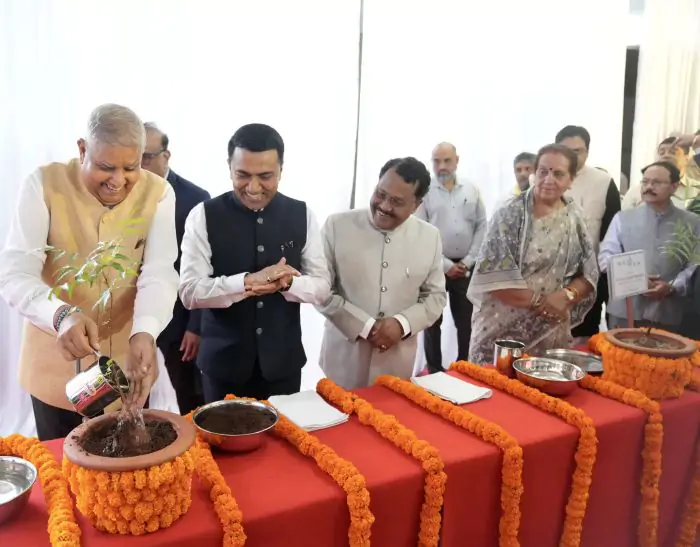
    In a wide-ranging interaction with scientists and farmers at the ICAR-Central Coastal Agricultural Research Institute (ICAR-CCARI) in Goa, Vice President Jagdeep Dhankhar called for a paradigm shift in Indian agriculture, urging farmers to become active stakeholders in the entire agro-economy, from production to marketing and value addition.

    Addressing an engaged gathering of agronomists, natural farming experts, and cultivators, the Vice President emphasized the need to reimagine the role of Indian farmers as “agripreneurs” who are not merely producers but integral players in agricultural trade and enterprise.

    “Farming must not be limited to production alone,” Dhankhar stated. “To transform India into a developed nation, the journey must begin from the farmer’s field and the village. Farmers must play a decisive role in processing, packaging, and marketing their produce. Only then will we see a substantial rise in farmers’ income.”

    Natural Farming in Focus

    During the event, the Vice President lauded Padma Shri awardee Sanjay Anant Patil for his pioneering work in natural farming. Drawing attention to the distinction between natural and organic farming, he praised leaders like Gujarat Governor Acharya Devvrat for championing the cause.

    “Natural farming is not just a practice, it is deeply rooted in our soil, our soul, and our traditions. Leaders like Devvrat ji embody this philosophy and have given it national visibility,” Dhankhar said.

    He highlighted how the CCARI, established in 1989, the same year he entered politics, has grown into a dynamic and regionally significant research institution under the Indian Council of Agricultural Research (ICAR).

    Empowering the Farmer Beyond the Field

    Dhankhar urged farmers to see themselves as entrepreneurs with the potential to drive rural economies. He underscored the importance of participating in the input chain of agriculture and the output chain including storage, processing, and retail.

    “Why should only industries benefit from agri-based businesses? Farmers must be co-owners of these opportunities. If a farmer produces milk, why should he not produce and market curd, butter, ghee, or ice cream too?” he questioned, calling for greater decentralization and local value addition in agri-business.

    Citing examples of highly educated professionals from IITs and IIMs turning to agri-ventures, he asked, “If they can enter agriculture, why not the children of farmers themselves?”

    He added, “These are not skills you need to learn anew. This is knowledge we inherit from birth. What’s needed is the right mindset and the backing of enabling policies.”

    Technology and Policy: Allies of the Farmer

    The Vice President highlighted the pivotal role that technology can play in making agriculture more efficient and sustainable. Commending recent initiatives like drone-based monitoring and precision agriculture, he emphasized that these technologies must be made accessible to small and marginal farmers.

    He also urged a relook at India’s current approach to subsidies. Referring to the massive ₹3 lakh crore annual fertilizer subsidy, Dhankhar proposed a direct benefit transfer (DBT) model to ensure that the support reaches farmers without leakages.

    “If each farmer receives this assistance directly, it could amount to ₹30,000–₹35,000 a year per farmer. We must explore a system where this support doesn’t get diluted through middlemen,” he insisted.

    The Vice President drew parallels with the United States, where, he noted, the average income of a farming family surpasses that of a regular household due to direct government support.

    Cooperatives, CSR, and Community-Led Growth

    Dhankhar also called upon India’s large industries to reinvest in rural economies through their Corporate Social Responsibility (CSR) funds. “This is not a criticism, but a suggestion,” he said. “Those who benefit from farm produce must also invest in the farming ecosystem—whether it’s through storage infrastructure, research partnerships, or rural entrepreneurship.”

    He reiterated the importance of reviving cooperative models for better resource pooling, fair pricing, and shared prosperity. “Look at our villages. We once produced everything ourselves—from soap to oil, fruits to vegetables. Why have we surrendered our self-sufficiency to packaged goods and external markets?” he asked.

    With a touch of humor, he narrated an anecdote about a farmer seeking the best version of sugar, only to discover that the milk in his own home was more valuable than any product sold to him by a savvy trader.

    “The best product was already in his home,” Dhankhar said, drawing laughter and introspection from the audience. “That’s how it is with our villages too. We often fail to recognize our own strengths.”

    Strengthening the Knowledge Ecosystem

    The Vice President praised the government’s ongoing support for farmers, particularly the Pradhan Mantri Kisan Samman Nidhi (PM-KISAN), and called for an institutional review of its implementation to maximize its impact. He highlighted the growing synergy between India’s 730-plus Krishi Vigyan Kendras (KVKs) and central agricultural institutions, crediting Union Agriculture Minister Shivraj Singh Chouhan for bringing renewed energy to these platforms.

    “This momentum must be sustained,” he urged. “Our agricultural research institutes must not be limited to laboratories. Their findings and innovations must reach the hands of those who till the land.”

    Addressing the often-overlooked area of livestock, Dhankhar pointed out how countries like New Zealand have built prosperous economies on the back of dairy farming despite small populations. He lamented that Indian dairy farmers often remain mere suppliers to cooperatives or private companies, with little say in pricing or processing.

    “We must develop clusters where milk is not only collected but also turned into high-value products like butter, paneer, or sweets locally. This will significantly boost rural incomes,” he said.

    In his concluding remarks, Vice President Dhankhar urged farmers, scientists, and policymakers to collaborate in reshaping Indian agriculture into a self-reliant, high-value, and youth-driven sector. He invoked the proverb, “God helps those who help themselves,” and called on the community to commit themselves to this cause.

    “Agriculture is not just an economic activity, it is the heartbeat of India’s soul, its villages, and its values,” he said. “If we work together, with innovation and integrity, the transformation of Bharat’s economy will begin from its soil.”

    As the session wrapped up at ICAR-CCARI, the message was clear: India’s path to becoming a developed nation runs through its farms, and the future farmer must be both a producer and a pioneer.

    Sri Lanka: NEXT Workers Demand Answers, Consultation Over Abrupt Factory Closure

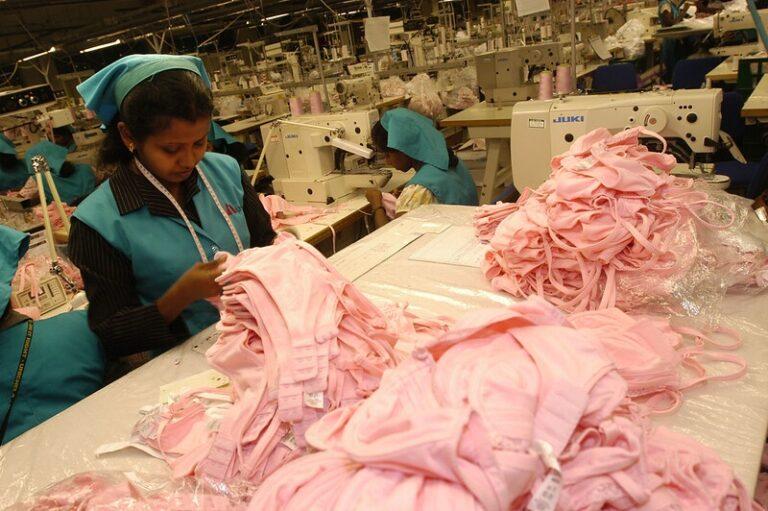
    Industry sources suggest that as a directly owned plant of NEXT, the Katunayake factory faced unique pressures, including activism in the UK demanding higher wages, leading to operational costs exceeding those of competitors in other countries.

    Workers at a NEXT Manufacturing, a Sri Lankan subsidiary of a UK-based group, are demanding immediate consultation with labor authorities and a comprehensive explanation for the sudden closure of their Katunayake Free Trade Zone factory. The firm, a pioneering foreign investment in Sri Lanka’s late 1970s export industrialization drive, ceased operations on Friday, May 19, leaving hundreds of employees uncertain about their future.

    Anto Marcus, Secretary General of the Free Trade Zones and General Services Employees Union, confirmed that the company failed to consult workers as mandated by their collective agreement. “The management called worker representatives on Friday, May 19, and informed them that the company was shut and will not re-open, over rising costs,” Marcus stated. “They did not give an explanation over what the excessive costs are.”

    Marcus highlighted the substantial benefits the Board of Investment had extended to NEXT Manufacturing. “The Board of Investment had given them multiple benefits. So, if they said the costs within the zone were high they should explain what they were. We want to know what they are. Also, they had not informed the Labour Commissioner before closing the factory.” The union has since requested an urgent meeting with the Commissioner of Labour to address these concerns.

    In a statement, NEXT acknowledged the closure of its Katunayake facility while affirming the continued operation of its two other plants in Andigama and Nawgaththegama. David Reay, Director at NEXT, described the decision as “very difficult” and taken “after exploring all alternative options.” He attributed the closure primarily to “the increasingly high operating cost of the Katunayake Manufacturing Plant.”

    Severe impact

    However, trade unionists challenged the blanket assertion of high costs, particularly regarding salaries in the Western Province compared to other regions with higher unemployment. They pointed out that certain benefits provided to workers in the free trade zones, such as subsidized meals and company-provided transport (a practice initiated under former President Ranasinghe Premadasa), were not common in rural factories where workers typically commuted from their homes. He also noted that the Katunayake factory was air-conditioned, a detail some in management had cited.

    The impact of the closure is particularly severe for long-serving employees. “Some of the workers had been working for over 20 years and they had dependents,” Marcus lamented. “What will happen to them? If this factory is allowed to close, all other factories will also close in the future, saying it was due to President Trump’s tariff problem.”

    Industry sources suggest that as a directly owned plant of NEXT, the Katunayake factory faced unique pressures, including activism in the UK demanding higher wages, leading to operational costs exceeding those of competitors in other countries. This dynamic reportedly made it challenging for other apparel factory investors to acquire the operation as a contract manufacturing venture, ultimately forcing the closure.

    The broader apparel industry in Sri Lanka has recently sounded alarms about operating under extremely thin margins. They have warned of potential factory closures if a proposed 44 percent “Trump tariff” were to take effect, especially when competing countries face tariffs in the 20s to 30s percentage range.

    Delicate Balance

    NEXT, for its part, has stated it will provide compensation to long-service employees, ranging up to 2.5 million rupees under Sri Lanka’s Termination of Employees Act, with additional payments of two to seven months based on service.

    Historically, Sri Lankan exporters in the 1980s often sought currency depreciation when the central bank’s open market operations and other policies fuelled inflation, subsequently leading to higher wages through a wage indexing scheme tied to the consumer price index. Sri Lanka established free trade zones in the late 1970s, a period when “Great Inflation” led to widespread labor unrest in the West and beyond, with only Germany and Japan successfully controlling inflation through deflationary policies. While Sri Lanka also experienced depreciation and social and labor unrest in the 1980s, trade union activity was notably banned within the free trade zones at that time.

    The current situation at NEXT Manufacturing underscores the delicate balance between operational costs, worker rights, and the broader economic pressures facing Sri Lanka’s vital apparel industry. As workers await a meeting with the Labour Commissioner, the focus remains on securing fair treatment and understanding the true financial rationale behind this abrupt closure.

    China Urges Investment Climate Reforms as Interest in Bangladesh Grows

    Chinese delegates expressed readiness to invest across various sectors but voiced frustration over persistent obstacles in doing business in Bangladesh. These include complex bureaucratic procedures, inconsistent government policies, inadequate infrastructure, and a lack of transparency.

    China has called on Bangladesh to improve its investment climate to attract more Chinese enterprises, as growing interest from Chinese businesses is being stymied by longstanding barriers, officials said on Tuesday.

    The appeal was made during a high-level meeting of the Bangladesh-China Working Group (WG) on economic cooperation and investment held in Dhaka last week, after a six-year hiatus. The meeting brought together representatives from China’s Ministry of Commerce, the Chinese Embassy in Dhaka, and Bangladesh’s Economic Relations Division (ERD), ahead of the Bangladesh-China Joint Economic Commission (JEC) meeting scheduled for June 1.

    Chaired by ERD Additional Secretary Mirana Mahrukh, the working group reviewed bilateral economic ties and explored new avenues for cooperation. Central to the discussions was the growing enthusiasm of Chinese firms to set up operations in Bangladesh—an opportunity increasingly hindered by what participants described as an “impoverished business climate.”

    Chinese delegates expressed readiness to invest across various sectors but voiced frustration over persistent obstacles in doing business in Bangladesh. These include complex bureaucratic procedures, inconsistent government policies, inadequate infrastructure, and a lack of transparency – issues that have long deterred foreign direct investment (FDI), particularly from China.

    “Chinese investors are keen to invest here, but the ground reality is deterring them,” a senior ERD official told The Financial Express on condition of anonymity. “They’ve asked us to simplify the licensing system, ensure easier access to land and energy, guarantee policy stability, and facilitate profit repatriation.”

    Frustrating Red Tape

    China has grown into one of Bangladesh’s most significant economic partners. In FY 2023–24, Bangladesh imported goods worth $16.637 billion from China, accounting for 26.4 per cent of the country’s total imports, indicating the growing demand for Chinese products.

    Chinese investment in Bangladesh is also on the rise. According to Bangladesh Bank data, Chinese FDI – including from Hong Kong – stood at $2.789 billion as of December 2024, making China the second-largest investor in the country. Chinese firms are active in a wide range of sectors including textiles, energy, and infrastructure, with prominent involvement in major projects such as the Padma Bridge and the Karnaphuli Tunnel.

    Many of these firms are exploring a “China Plus One” strategy to diversify their manufacturing bases amid rising production costs and geopolitical uncertainties at home. Bangladesh, with its strategic location, cost-effective labour, and expanding economic zones, presents a promising option.

    However, officials and industry insiders caution that Bangladesh must address key weaknesses to become a truly attractive destination.

    A senior official from the Bangladesh-China Chamber of Commerce and Industry (BCCCI), requesting anonymity, said: “We are trying hard to bring in FDI, especially from China. But the reality is that the business environment here remains challenging. Chinese firms are hesitant to fully commit.”

    He pointed to issues such as bureaucratic red tape, lack of coordination among government bodies, and slow processing of investment approvals. “These concerns often translate into significant delays and higher operational costs,” he added.

    Chinese delegates at the working group meeting reiterated these frustrations, highlighting the need for timely implementation of economic zones, particularly the proposed zone in Anwara, Chattogram, dedicated to Chinese investors. “There’s enthusiasm, but it’s being met with operational roadblocks,” said the ERD official.

    Working to Address Challenges

    Analysts note that despite some progress, infrastructure shortfalls remain a significant impediment. Unreliable electricity and gas supply, congestion at ports, and underdeveloped transport links increase the cost of doing business and reduce investor confidence.

    The government, however, says it is working to address these challenges. The Bangladesh Investment Development Authority (BIDA) has launched initiatives to streamline FDI approval processes and improve services. In parallel, large-scale economic zones are being developed, and regional investment promotion agencies are being merged to reduce administrative overlap.

    “The Chinese side has been informed of these reforms,” the ERD official said.

    Additionally, the interim government has shown particular interest in attracting Chinese investment in emerging sectors such as healthcare, solar panel manufacturing, and high-value textiles—areas seen as vital for Bangladesh’s economic diversification.

    Yet analysts argue that while policy initiatives are welcome, deeper structural reforms are necessary if Bangladesh is to fully benefit from China’s shifting industrial landscape. “What we need is fundamental reform – cutting down inefficiency, eliminating corruption, ensuring policy consistency, and investing in better infrastructure,” said one Dhaka-based economist.

    Without these reforms, Bangladesh may struggle to compete with regional rivals such as Vietnam and Indonesia who are also courting Chinese investors aggressively.

    As Bangladesh gears up for the upcoming JEC meeting, expectations are high that both sides will use the platform to not only enhance bilateral cooperation but also iron out the friction points deterring investment.

    For Bangladesh, the stakes are high. With global supply chains being redefined, the opportunity to host Chinese industries could be transformative, if only the right conditions are created.

    Global Leaders Pledge $170 Million to WHO at 2025 World Health Assembly, Marking Leap Towards Sustainable Financing

    The pledging event comes amid renewed urgency to establish sustainable and predictable financing for WHO. Just hours before the pledging session, Member States approved a 20 per cent increase in assessed contributions, the annual membership dues paid by governments.

    In a significant show of global solidarity, leaders from across the world pledged at least US$170 million in new funds to the World Health Organisation (WHO) during a high-level pledging event at the Seventy-eighth World Health Assembly (WHA78) in Geneva on Tuesday. The commitments mark a key milestone in WHO’s ongoing Investment Round (IR), a critical drive to secure sustainable financing and strengthen the organisation’s capacity to respond to global health needs.

    The fresh funds will go toward implementing WHO’s Fourteenth General Programme of Work (GPW 14), the agency’s strategic plan for 2025–2028, which aims to save up to 40 million lives over the next four years. The pledging event, held in the context of growing global health demands, reinforced international support for multilateral health cooperation and WHO’s leadership in promoting health for all.

    “I am grateful to every Member State and partner that has pledged towards the investment round,” said Dr Tedros Adhanom Ghebreyesus, WHO Director-General. “In a challenging climate for global health, these funds will help us to preserve and extend our life-saving work. They show that multilateralism is alive and well.”

    A Broad and Diversified Donor Base

    Tuesday’s pledging event featured commitments from a wide spectrum of stakeholders, including national governments, private philanthropies, and individual donors. Countries such as Angola, Cambodia, China, Gabon, Mongolia, Qatar, Sweden, Switzerland, and Tanzania made formal pledges, joined by philanthropic contributors including the ELMA Philanthropies, Fondation Botnar, Laerdal Global Health, the Nippon Foundation, the Novo Nordisk Foundation, and the Children’s Investment Fund Foundation (CIFF), which alone pledged an additional US$13 million.

    Eight of the contributions were flexible, meaning they are not earmarked for specific programs — a form of funding WHO considers most valuable for its operational agility. Notably, four contributors were first-time donors, broadening WHO’s donor base and reducing its traditional over-reliance on a narrow group of funders.

    In addition, nearly 8,000 individuals from around the globe have collectively donated almost US$600,000 to the WHO through the One World Movement, which invites people to become ‘Member Citizens’ with monthly contributions. This grassroots support underscores growing public commitment to global health equity and WHO’s mission.

    Strategic Value in Sustainable Financing

    The pledging event comes amid renewed urgency to establish sustainable and predictable financing for WHO. Just hours before the pledging session, Member States approved a 20 per cent increase in assessed contributions, the annual membership dues paid by governments. This move is expected to raise an additional US$90 million each year, boosting WHO’s base income and demonstrating strong political will for systemic reform.

    This is the second consecutive 20 per cent increase, following a similar hike in the 2024–2025 budget. The latest approval confirms WHO’s 2026–2027 budget of US$4.2 billion, marking the first time a budget has been fully aligned with a General Programme of Work, in this case, GPW 14. The budget, however, is a trimmed-down version of the original US$5.3 billion plan, reduced due to financial constraints facing many member countries.

    “Governments around the world are under fiscal pressure, and yet they have chosen to prioritise global health,” said Dr Tedros. “This is a profound vote of confidence in WHO and its role as the guardian of international public health.”

    Reform and Resilience

    Since the launch of WHO’s Transformation initiative in 2017, efforts have been underway to address structural challenges including unpredictable financing and an over-dependence on a handful of donors. In 2022, Member States agreed to gradually increase assessed contributions so they would comprise 50 per cent of WHO’s core budget by 2030–2031. For context, in 2020–2021, such contributions made up just 16 per cent of WHO’s approved programme budget.

    The establishment of the WHO Foundation, the One World Movement, and now the Investment Round are all part of a wider strategy to diversify income sources, strengthen financial resilience, and better align WHO’s work with the health priorities of individual countries.

    Moderated by Moazzam Malik, CEO of Save the Children UK, the pledging event highlighted the importance of flexible funding and agile financial planning to keep WHO responsive to emerging health threats. Speakers emphasised the need for a WHO that is not only adequately financed but also leaner, more agile, and more accountable.

    A Defining Moment for Global Health Governance

    The WHA78 is being hailed as a turning point in WHO’s journey toward financial independence and strategic transformation. The combination of increased assessed contributions and significant voluntary pledges sends a strong message: the international community remains committed to strengthening the world’s foremost health authority in a time of compounding global challenges.

    “This moment is about more than just numbers,” said Malik during the event. “It’s about trust, vision, and the understanding that health is a global public good. The pledges we’ve seen today reflect a shared belief that we are one world, united in the mission of health for all.”

    Trump’s USAID Cuts Only Accelerate the West’s Miserly Convergence with China

    Both Western nations and China are converging on a miserly point where foreign aid is commercialised and limited, prioritising national self-interest over generosity.

    Critics of the Trump administration’s assault on foreign aid warn that it will undermine the United States’ capacity to compete with China. But restructuring and limiting aid to serve narrow, national self-interest has preceded Trump 2.0 and is not confined to the United States. Trump is merely accelerating these priorities.

    Western donors have progressively become more like China, slashing their Official Development Assistance (ODA) and commercialising development assistance. And China too has become more like Western donors, slashing international lending for infrastructure megaprojects and tightening governance to reduce risks.

    Rather than expanding aid to court the loyalties of developing countries in their ‘New Cold War’, the United States and China are engaged in a miserly convergence. This convergence’s roots lay deep in both sides’ political economies.

    For the West, neoliberal strictures are to blame. Post-2008 austerity hammered domestic budgets for foreign aid. And surging estimates of global development financing gaps prevented aid spending from rising to the levels needed. Donors turned to the private sector. The ‘billions to trillions’ agenda, launched in 2015, sought to refashion aid using ‘billions’ of ODA dollars to mobilise ‘trillions’, mainly in private-sector investment into developing countries.

    This quickly became the template for practically every international challenge, from climate change to the Partnership for Global Infrastructure Investment — the G7’s answer to China’s Belt and Road Initiative (BRI).

    Despite these initiatives, private investors simply are not interested. Private investment into developing nations’ infrastructure has fallen since ‘billions to trillions’ was launched, from US$37 billion per year from 2008–14 to just US$9.3 billion from 2019–22.

    Commercialising Development Assistance

    While ODA figures appeared to rise over the decade to 2023, they had actually been cut. Austerity-wracked Western states increasingly raided aid budgets for domestic spending on research, healthcare and refugee costs. By 2023, a fifth of ‘overseas’ aid was being spent in this way. Donors covered their retreat by changing the definition of ODA to fudge the figures and inflate their generosity. Nonetheless, in 2024, before Trump’s return to power, ODA fell by over 7 per cent in real terms.

    Western donors have also become more China-like by commercialising their development assistance, particularly via development finance institutions like the US Development Finance Corporation and British International Investment. These institutions focus on mobilising private investment, seeking ‘win-win’ outcomes that benefit both donor-state companies and recipients. Masked by commercial confidentiality, development finance institutions have made Western development financing more opaque, undermining environmental, social and governance (ESG) standards that wealthy countries often invoke to signal their superiority over China.

    China has been moving in the other direction, albeit from a low base. Beijing’s ESG standards have markedly improved, with 57 per cent of projects enjoying ‘strong de jure safeguards’ and 18 per cent displaying ‘strong de facto ESG risk mitigation’ by 2021, up from two per cent in 2001.

    The crisis in China’s predominantly commercial overseas development financing has driven this trend. While Western states largely deliver aid through fiscal allocations, 85 per cent of Chinese development financing involves loans, overwhelmingly at commercial rates. China’s key lenders — policy banks, China Development Bank and Export–Import Bank of China — are mandated to make profits on these loans.

    White Elephants

    Irrational exuberance, pressure to externalise vast industrial overcapacity and fragmented and weak oversight led to a lending splurge after China’s President Xi Jinping announced the BRI in 2013. Many projects quickly turned sour, with widespread evidence of environmental and social abuses, alongside high-profile ‘white elephants’ attracting accusations of ‘debt-trap diplomacy’. China’s dollar-based lending was also affected by the US dollar’s appreciation, pushing some borrowers into debt distress.

    China responded by reining in its overseas lending and tightening governance. Lending for new infrastructure projects — the BRI’s hallmark — fell by over 70 per cent from its 2016 peak to just US$24 billion in 2021. Over half of Chinese lending is now designed to help borrowers service their existing debts — bailing out China’s banks rather than developing countries.

    China has collected on its debts ruthlessly, seizing cash collateral and insisting in bruising talks with other creditors that repayments should only be paused or rescheduled to protect its lenders’ balance sheets.

    Beijing has covered its retreat through its Global Development Initiative, which promotes less costly and risky, projects.

    Increasingly risk-averse, China is unlikely to fill the gap left by USAID’s implosion. Doubtless, China will look to score public relations wins by replacing US aid in some high-profile areas. Beijing spent a meagre US$5.3 billion on ODA-like activity in 2021, compared with US aid spending of around US$64.7 billion in 2023. Like their miserly Western counterparts, Chinese leaders are unlikely to increase aid spending by taxing their own citizens.

    Retrenchment is the dominant theme on both sides. However much the West and China may wish to compete for the Global South’s affections, the constraints of their respective political economies limit their offer. Trump’s dismantling of USAID dispenses with even the pretence of generosity. In the much-heralded ‘New Cold War’, developing countries are unlikely to be empowered to pursue autonomous development pathways.

    Shahar Hameiri is Professor of International Politics and Australian Research Council Future Fellow in the School of Political Science and International Studies, University of Queensland and Research Associate of the Second Cold War Observatory.

    Lee Jones is Professor of Political Economy and International Relations at the School of Politics and International Relations, Queen Mary University of London and Research Associate of the Second Cold War Observatory.

    This piece has been sourced from the East Asia Forum of the Australian National University.

    Image: Wikimedia

    US Gig Platforms Exploit Workers Through Algorithmic Control, Says Human Rights Watch

    Julia B., a driver for Amazon Flex, was carjacked mid-delivery. Although she recovered her vehicle, she lost her wallet, phone, and packages. The days she took off to recover were unpaid, and she received no medical or psychological support.

    Major digital labour platforms in the United States are violating the rights of gig workers under the guise of flexibility, according to a scathing report released this week by Human Rights Watch (HRW). The report, titled “The Gig Trap: Algorithmic, Wage and Labor Exploitation in Platform Work in the US”, details how major platform companies are evading labour laws while subjecting workers to precarious conditions and economic instability.

    Focusing on seven dominant platforms – Uber, Lyft, Amazon Flex, DoorDash, Instacart, Favor, and Shipt – the report accuses these companies of building a business model that avoids employer responsibilities, keeps wages low, and controls workers through opaque and unpredictable algorithms.

    “Digital labour platforms have created a business model that evades employer responsibilities while keeping workers under tight algorithmic control,” said Lena Simet, a senior researcher on poverty and inequality at HRW. “They promise flexibility but, in reality, they leave workers at the mercy of unstable and subminimum wages, little social protection, and in constant fear of termination without recourse.”

    Below Minimum Wage and No Safety Net

    The HRW report reveals that many workers earn less than the local minimum wage after deducting expenses such as fuel, insurance, and vehicle maintenance – costs they must cover themselves as “independent contractors.” In a 2023 HRW survey of 127 gig workers in Texas, the median hourly wage after expenses was just $5.12 – nearly 30 percent below the federal minimum wage of $7.25.

    Gig workers are denied protections usually afforded to employees, such as overtime pay, unemployment insurance, and paid leave. They also face the constant threat of “deactivation” by algorithm – being removed from the platform without explanation, due process, or recourse.

    Alejandro G., a rideshare driver in Houston, described the emotional toll of such precarious work. “There are nights where I am getting home at 4 or 5 a.m.,” he said. “All you want to do is go home, but if you go home, you won’t make any more money. If you stay out, you just get more tired – it’s a constant cycle.”

    Algorithms Over Autonomy

    Despite being classified as independent contractors, gig workers have little control over their working conditions. The platforms dictate pricing, job assignments, and performance metrics through algorithms that workers do not understand and cannot negotiate with. For example, Uber drivers often only discover how much they will earn after completing a ride.

    Workers’ earnings and access to work are tied to performance indicators like customer ratings and delivery times. These opaque systems mean workers frequently have to overextend themselves to meet metrics or risk losing income – or even their job altogether.

    HRW says such algorithmic management, often justified by efficiency, actually strips workers of autonomy. Instead of enjoying flexibility, gig workers are trapped in a system that controls their schedules and limits their earnings unpredictably.

    Real-World Risks

    Beyond financial instability, platform workers face significant physical and psychological hazards. Over a third of HRW survey respondents had been in at least one work-related car accident, and a quarter reported job-related injuries. Workers also shared experiences of carjackings, assaults, and discrimination.

    Julia B., a driver for Amazon Flex, was carjacked mid-delivery. Although she recovered her vehicle, she lost her wallet, phone, and packages. The days she took off to recover were unpaid, and she received no medical or psychological support.

    Others reported having to choose between paying rent or maintaining their vehicle. Debra W., a Shipt worker, fractured her arm on the job and was out of work for over two months. Shipt covered part of her expenses but not enough to keep up with bills. “You get to that point of, okay, what do you do?” she said. “Pay for the car so you can work? Or pay for housing and risk losing the car?”

    No Path to Collective Action

    Another major issue is the lack of union representation. As independent contractors, platform workers in the US are not entitled to organise or collectively bargain under current labour law. Although some have staged ad-hoc protests over wages and working conditions, these efforts remain fragmented and under-resourced.

    The Protecting the Right to Organize (PRO) Act, which would extend collective bargaining rights to gig workers, has stalled in Congress. Without structural reform, workers continue to fight alone against multibillion-dollar companies with little leverage.

    Corporate Profits vs Worker Poverty

    The HRW report contrasts the workers’ struggles with the ballooning profits of platform giants. In 2024, Uber reported $43.9 billion in revenue, with a net income of $9.8 billion – its “strongest quarter ever,” the company said. DoorDash, holding a 67 percent share of the US food delivery market, reported $10.72 billion in revenue, a 24 percent increase over the previous year.

    These windfalls are enabled, HRW argues, by a regulatory framework that allows companies to sidestep taxes and employment obligations. The organisation estimates that Texas alone lost out on over $111 million in unemployment insurance contributions between 2020 and 2022 due to misclassification of workers.

    Global Relevance, Local Impact

    While the HRW report focuses on the US, its implications are global. Gig platforms operate in over 100 countries, and the number of such platforms has exploded from 142 in 2010 to 777 by 2021, according to the International Labour Organization. Most operate in G20 countries, with nearly 40 percent based in the US.

    In Sri Lanka, for example, digital labour platforms like Uber and PickMe have become mainstays in daily commuting and food delivery. A study by the Centre for a Smart Future found that 50 percent of gig workers in the country consider it their full-time profession. Sri Lankan gig workers also rank among the top 15 globally by participation on online freelancing platforms.

    Calls for Reform

    To address these challenges, HRW recommends that US lawmakers strengthen employment classification standards – such as adopting the “ABC test” that presumes a worker is an employee unless proven otherwise. They also call for updated minimum wage laws, robust data protection regulations, and bans on exploitative algorithmic practices.

    Legislation such as the US No Robot Bosses Act and the Exploitative Workplace Surveillance and Technologies Task Force Act are steps in the right direction, HRW says. However, more ambitious reforms are necessary to ensure workers have transparency, bargaining power, and a path to decent work.

    “The future of work is already here,” HRW concludes. “But for many gig workers, it looks a lot like the past – unregulated, precarious, and exploitative. It is time for governments to catch up.”

    The Silent Cradle: Housing and Financial Squeeze Chokes Maldivian Birth Rates

    The study’s core findings painted a clear picture of the agonizing choices faced by Maldivian couples. A staggering 55.5 per cent of the women surveyed expressed a desire for larger families, only to be thwarted by the stark reality of inadequate living space.

    The scenic beauty of the atols of the Maldives belie a growing demographic challenge. A groundbreaking study jointly conducted by the Maldives National University (MNU) and the United Nations Population Fund (UNFPA) has cast a stark light on the primary drivers behind the nation’s steadily declining fertility rate: the relentless pressure of housing costs and the pervasive strain of financial limitations. The findings, unveiled at a significant ceremony at MNU attended by key government ministers, underscore a profound shift in societal dynamics and economic realities that are reshaping the Maldivian family.

    The research, meticulously titled “Social and Economic Factors in Fertility in Maldives,” delved deep into the experiences and perspectives of 479 women aged between 18 and 45, alongside valuable input from men and healthcare professionals through focused group discussions. The demographic snapshot of the female participants revealed an average age of 32.8 years, with a notable 10 per cent identifying as unmarried and a significant 83 per cent being in their first marriage. Perhaps most telling were the statistics indicating that a substantial 33 per cent did not have children residing with them, and over a quarter, 27 per cent, had yet to experience parenthood.

    The Crushing Weight of Housing and Finances

    The study’s core findings painted a clear picture of the agonizing choices faced by Maldivian couples. A staggering 55.5 per cent of the women surveyed expressed a desire for larger families, only to be thwarted by the stark reality of inadequate living space. In a densely populated island nation where land is a premium, the escalating costs and limited availability of suitable housing have become a formidable barrier to expanding families. Imagine a young couple yearning for a third child, yet confined to a small apartment where adding another crib feels like an insurmountable logistical challenge. This sentiment resonated powerfully throughout the study.

    Closely trailing the housing crisis was the crippling effect of financial difficulties, cited by 40.9 per cent of the women as the primary reason for limiting their family size. The rising cost of living, encompassing everything from food and education to healthcare and transportation, places an immense burden on young families. The prospect of providing adequately for multiple children in an increasingly expensive environment becomes a daunting calculation, often leading to the difficult decision to either delay or forgo having more children.

    Health concerns, while significant for 27 per cent of the respondents regarding second pregnancies, took a backseat to the overwhelming impact of housing and financial insecurity. This highlights the fundamental nature of these two constraints, acting as gatekeepers to family expansion for a majority of Maldivian women.

    A Cry for Policy Intervention

    The study’s findings translated directly into clear demands for policy intervention. An overwhelming 43.3 per cent of the women believed that financial incentives from the government would significantly encourage them to consider having more children. This suggests that direct financial support, perhaps through child benefits or subsidies, could alleviate some of the economic anxieties associated with raising a family.

    Furthermore, 16.8 per cent of the women identified the provision of more spacious housing as a crucial factor in facilitating larger families. This underscores the urgent need for innovative housing solutions and urban planning that prioritizes the needs of families. The suggestion of free housing as a means to boost birth rates, while perhaps ambitious, further emphasizes the desperation for affordable and adequate living spaces.

    The study’s recommendations offered a comprehensive roadmap for policymakers:

    • Prioritized Housing: Implementing policies that prioritize housing allocation for families with more than two children, perhaps through subsidized schemes or preferential access.
    • Accessible Childcare: Establishing government-subsidized daycare centers conveniently located near state agencies, easing the burden on working parents and encouraging female labor force participation.
    • Work-Life Balance: Enacting flexible work policies and promoting job-sharing opportunities to enable parents to better balance their professional and family responsibilities.
    • Strengthened Parental Leave: Enhancing the provisions for both maternity and paternity leave across both government and private institutions, fostering a more equitable distribution of childcare responsibilities.
    • Responsive Healthcare: Addressing underlying health issues that impede childbearing through improved access to specialized care and reproductive health services.

    Shifting Societal Norms and Economic Realities

    Beyond the immediate pressures of housing and finance, the study also illuminated the evolving attitudes towards family size. While a significant 28 per cent of women still considered three children to be the ideal family size, a larger proportion, 56 per cent, indicated a preference for smaller families. This shift reflects a confluence of factors, including the increased emphasis on female education and career aspirations, coupled with the practical challenges of raising children in a modern Maldivian society.

    The interviews with women aged 18-45 further contextualized these trends. Younger women (18-25) cited the pursuit of education, career establishment, and evolving lifestyles as reasons for delaying childbirth. In contrast, women in the 30-45 age group pointed to the harsh realities of financial strain, strained marital relationships, and personal fertility issues as significant impediments to having more children.

    The Neglected Aspect of Male Infertility and Systemic Gaps

    The perspectives of healthcare experts added another crucial layer to the analysis. They highlighted a critical gap in addressing men’s infertility and related reproductive health problems, suggesting a need for greater awareness, research, and accessible treatment options. They also echoed the concerns about workplace barriers and the inadequacy of current childcare support systems. The call for the expansion of daycare services and the implementation of ethical fertility protocols underscores the need for a more comprehensive and supportive ecosystem for families.

    Policy makers, in their contribution to the study, acknowledged the absence of a cohesive national policy on reproductive health. They advocated for the development of robust data systems and a holistic childcare system that caters to the needs of all children. The recognition that the prevailing work environment and housing conditions actively discourage people from having children signifies a growing awareness of the systemic issues at play.

    Men’s Voices: Shared Concerns, Uneven Support

    The focus group meetings with men revealed a shared understanding of the challenges. They corroborated that decisions regarding family size are typically made jointly with their partners, with financial stability and adequate housing consistently emerging as major stumbling blocks. Interestingly, they also pointed out a disparity in workplace support, noting that while women’s career aspirations are generally encouraged, men often lack similar support structures when balancing work and family life.

    A Stark Demographic Decline

    The historical data on fertility rates in the Maldives paints a concerning picture. The dramatic drop from 6.4 per cent in 1990 to a mere 1.7 per cent in 2022 underscores the urgency of addressing the underlying causes. Compared to other nations in the South Asian Association for Regional Cooperation (SAARC), where Afghanistan currently holds the highest fertility rate, the Maldivian trajectory signals a significant demographic shift with potential long-term implications for the nation’s social and economic fabric.

    The Broader Context: Insights from the Child Equity Census

    The Maldives Child Equity Census of 2022, provides a broader socio-economic context for the findings of the MNU-UNFPA study. The census highlights the ongoing transformation of Maldivian family structures, with a clear move away from larger extended families towards smaller nuclear units. This shift, influenced by increased access to information and communication technologies, globalization, and internal migration, has often resulted in both parents needing to participate in the workforce. This dual-income necessity, while contributing to economic development, simultaneously intensifies the challenges of childcare and balancing work responsibilities, further impacting decisions about family size.

    The census data also reveals a significant demographic shift in the composition of the Maldivian population. In 2022, children constituted only 31 per cent of the population, a notable decrease from a peak of 53 per cent. This aging demographic profile raises concerns about future workforce capacity, social security systems, and the overall long-term sustainability of the nation’s development.

    Charting a Course for the Future

    The MNU-UNFPA study serves as a critical wake-up call, providing compelling evidence of the profound impact of housing and financial constraints on the fertility decisions of Maldivian couples. The comprehensive recommendations offer a tangible pathway for policymakers to create a more supportive and enabling environment for families. Addressing the housing crisis through innovative and affordable solutions, implementing robust financial support mechanisms, fostering work-life balance through progressive workplace policies, and strengthening healthcare and childcare infrastructure are all crucial steps towards reversing the declining birth rate and ensuring a vibrant and sustainable future for the Maldives. The hope expressed by both MNU and UNFPA that this study will ignite a meaningful dialogue and inform evidence-based policymaking is a crucial first step in navigating this complex demographic challenge.

    India Launches Nationwide ‘Viksit Krishi Sankalp Abhiyan’ to Empower Farmers and Advance Agriculture

    One of the most ambitious features of the VKSA is its massive scale and reach. The government plans to deploy 2,170 expert teams, each comprising at least four specialists from research institutes, universities, FPOs, and progressive farmers.

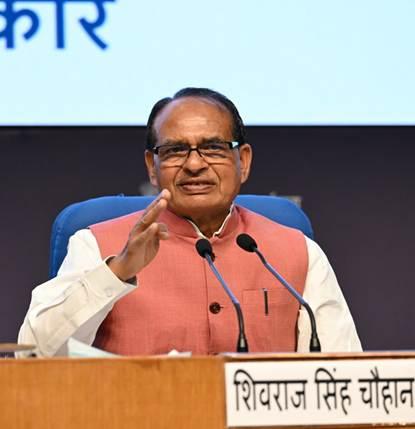
    In a major push towards modernising Indian agriculture and realising the vision of a “Developed India,” Union Minister for Agriculture and Farmers Welfare and Rural Development, Shivraj Singh Chouhan, on Monday announced the nationwide rollout of the ‘Viksit Krishi Sankalp Abhiyan’ (VKSA). The campaign, set to run from May 29 to June 12, aims to bridge the gap between agricultural research and farm-level application, taking scientific innovations directly to the farmers.

    Addressing a press conference at the National Media Centre in New Delhi, Chouhan outlined the objectives of the campaign and stressed the critical role of developed agriculture in national development. “A developed India is not possible without developed agriculture, advanced farming techniques, and innovative farmers,” he said. “Under Prime Minister Narendra Modi’s leadership, we are taking strong steps to make this a reality.”

    A Step Toward ‘Lab to Land’

    The VKSA initiative represents a significant move toward fulfilling Prime Minister Modi’s long-standing vision of “Lab to Land.” Research findings and technological innovations generated in labs will now be systematically disseminated to farms across India. The ministry of agriculture and the Indian Council of Agricultural Research (ICAR) will jointly implement the campaign with a broad coalition of stakeholders, including agricultural universities, state government departments, Farmer Producer Organisations (FPOs), and leading progressive farmers.

    Chouhan highlighted that the campaign will be held annually ahead of the Kharif and Rabi sowing seasons, ensuring timely dissemination of crucial farming information.

    Record Agricultural Production Sets the Stage

    The announcement comes on the back of record agricultural production in 2024–25, reflecting the sector’s resilience and potential. Kharif rice production reached 1206.79 lakh metric tonnes, wheat stood at 1154.30 lakh metric tonnes, Kharif maize at 248.11 lakh metric tonnes, groundnut at 104.26 lakh metric tonnes, and soybean at 151.32 lakh metric tonnes. Overall, total foodgrain output rose to 3309.18 lakh tonnes, up from 3157.74 lakh tonnes in 2023-24.

    “These historic numbers have not only filled our food reserves but have also bolstered our confidence in transforming India into the ‘Food Basket of the World’,” said Chouhan. He also noted significant increases in pulse production (from 221.71 to 230.22 lakh tonnes) and oilseed production (from 384 to 416 lakh tonnes).

    Chouhan emphasised that the Ministry is working on a six-point strategy to ensure food security and farmer prosperity:

    1. Increasing agricultural production
    2. Reducing production costs
    3. Ensuring fair pricing for farm produce
    4. Providing compensation for losses due to natural disasters
    5. Promoting crop diversification, food processing, and value addition
    6. Encouraging natural and organic farming methods

    Scientific Outreach at Unprecedented Scale

    One of the most ambitious features of the VKSA is its massive scale and reach. The government plans to deploy 2,170 expert teams, each comprising at least four specialists from research institutes, universities, FPOs, and progressive farmers. These teams will visit over 65,000 villages across 723 districts, conducting daily sessions in morning, afternoon, and evening formats to maximise outreach.

    These interactions will focus on local agro-climatic conditions, soil health, water availability, and expected rainfall. Using Soil Health Cards, the experts will recommend the most suitable crops, improved seed varieties, ideal sowing techniques, and optimal fertiliser usage to improve soil health and reduce input costs.

    The initiative will also utilise the existing network of 731 Krishi Vigyan Kendras (KVKs) and mobilise the efforts of more than 16,000 agricultural scientists.

    Strengthening Food Security; Farmer Incomes

    Importantly, the campaign is not a one-way information drive. It is designed to be interactive, allowing farmers to raise concerns, ask questions, and provide feedback on local farming issues, such as pest infestations or crop diseases. This feedback loop is expected to inform ongoing and future agricultural research, making it more responsive to real-world challenges.

    Over 1.3 crore farmers are expected to be directly engaged through VKSA, making it one of the largest ever farmer-scientist outreach initiatives in the country.

    At the core of VKSA lies the goal of ensuring national food security for India’s 1.45 billion people, while also improving farmer incomes and promoting sustainable use of natural resources.

    “With this campaign, we are taking a major step forward to connect our scientific achievements with the everyday needs of our farmers,” said Chouhan. “This is how we will transform Indian agriculture and uplift our farming communities.”

    As the country prepares for the 2025 Kharif sowing season, the Viksit Krishi Sankalp Abhiyan promises to usher in a new era of scientific, sustainable, and inclusive agriculture—laying a solid foundation for a Viksit Bharat (Developed India).