More

    UN Expert Probes Alleged Forcible Abandonment of Rohingya Refugees at Sea by Indian Navy

    According to reports, the incident unfolded after Indian authorities allegedly detained dozens of Rohingya refugees residing in Delhi late last week. Many of these individuals reportedly possessed refugee identification documents.

    The United Nations Special Rapporteur on the situation of human rights in Myanmar, Tom Andrews, has launched an inquiry into disturbing allegations that Rohingya refugees were forcibly removed from an Indian naval vessel and left in the Andaman Sea last week. Andrews described such actions as “unconscionable, unacceptable acts” and urged the Indian government to cease any inhumane treatment and repatriation of Rohingya refugees to the perilous conditions in Myanmar.

    The allegations, if confirmed, would represent a grave violation of international law, particularly the principle of non-refoulement, which prohibits the return of individuals to a territory where they face serious threats to their lives or freedom.

    “The idea that Rohingya refugees have been cast into the sea from naval vessels is nothing short of outrageous,” stated Andrews. “I am seeking further information and testimony regarding these developments and implore the Indian government to provide a full accounting of what happened.”

    According to reports, the incident unfolded after Indian authorities allegedly detained dozens of Rohingya refugees residing in Delhi late last week. Many of these individuals reportedly possessed refugee identification documents. Approximately 40 members of this group were then reportedly blindfolded, flown to the Andaman and Nicobar Islands, and subsequently transferred to an Indian naval ship.

    Prior Concerns

    The reports further detail a shocking sequence of events in the Andaman Sea. After the vessel had sailed a certain distance, the refugees were allegedly given life jackets, forced into the water, and instructed to swim towards an island within Myanmar territory. While the refugees are reported to have survived the swim to shore, their current whereabouts and condition remain unknown, raising serious concerns for their safety and well-being.

    Adding to the alarm, Andrews also highlighted reports that approximately 100 Rohingya refugees were removed from a detention center in Assam State and transported to an area along the border with Bangladesh. The current status and location of this group are also unknown.

    These recent incidents follow prior concerns raised by the Special Rapporteur regarding India’s treatment of Rohingya refugees. On March 3, 2025, Andrews sent a communication to the Indian government expressing concerns about the widespread, arbitrary, and indefinite detention of refugees and asylum seekers, including Rohingya individuals fleeing persecution in Myanmar. The communication also addressed allegations of refoulement. Andrews had called upon the Indian government to end the arbitrary detention and provide access to detention facilities.

    “I am deeply concerned by what appears to be a blatant disregard for the lives and safety of those who require international protection,” Andrews emphasised. “Such cruel actions would be an affront to human decency and represent a serious violation of the principle of non-refoulement.”

    Threat of Violence

    Andrews reiterated the urgent need to end any forced repatriation of Rohingya refugees, who continue to face the threat of violence, persecution, and other severe human rights violations in their homeland.

    “The Government of India must immediately and unequivocally repudiate unconscionable acts against Rohingya refugees, stop all deportations to Myanmar, and ensure that those responsible for these blatant violations of India’s international obligations are held responsible,” Andrews asserted.

    The UN expert’s inquiry is expected to gather further details and testimonies to ascertain the full extent of these alleged actions and hold those responsible accountable. The international community will be closely watching India’s response to these serious allegations and the fate of the vulnerable Rohingya refugee population within its borders.

    India is not a signatory to the UN Convention on Refugees.

    Image: Wikimedia
    Colombo Bourse Buoyed by US-China Trade Truce and Regional Stability

    In Pakistan, the International Monetary Fund (IMF) urged authorities to heed expert advice following the receipt of the second tranche of funding. The Karachi Stock Exchange (KSE) showed mixed results, with the KSE 30 trading 0.15 per cent lower at 36,718.20

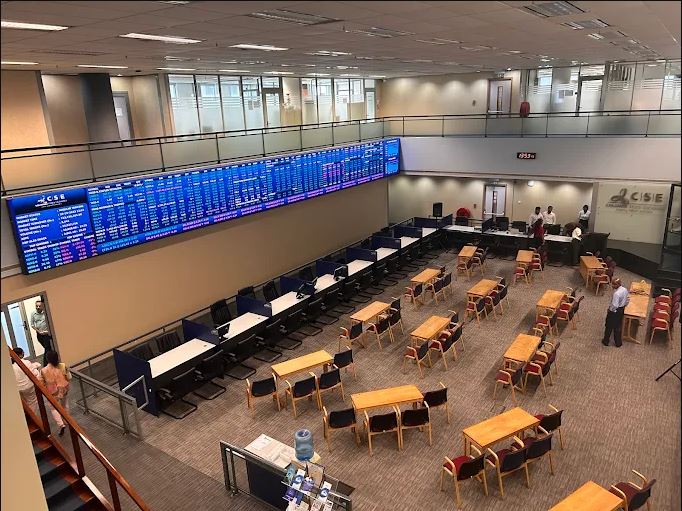
    As the last week came to a close on the evening of Friday 16 May, the Colombo Stock Exchange (CSE) closed higher for a third consecutive session. This, experts said, was propelled by positive sentiment stemming from the de-escalation of the US-China trade war and the recent India-Pakistan ceasefire.

    Brokers reported a 0.40 percent increase in the All Share Price Index (ASPI), which ended the day at 16,379.39 points, gaining 64.40 points.

    Investor confidence surged, particularly in banking and blue-chip counters, according to Ranjan Ranatunga, Assistant Vice President – Research at First Capital. He highlighted the dual impact of international and regional developments. “The China-US agreement has given confidence to the market, and the India-Pakistan ceasefire as well,” Ranatunga told the business and economy news platform, EconomyNext. He further noted that the cessation of hostilities between India and Pakistan has fostered regional stability and security, creating a “positive momentum” within the market.

    The more liquid S&P SL20 index also reflected this positive trend, closing 0.52 percent stronger, up 25.04 points at 4,820.67.

    “Banking and blue chip companies saw investor interest,” Ranatunga reiterated, adding that positive March quarter results from these companies further fueled investor enthusiasm.

    The day’s turnover stood at a robust 3.1 billion rupees, comfortably exceeding the monthly average of 2.3 billion rupees, indicating strong trading activity.

    Not All Sectors

    However, not all sectors experienced the same level of enthusiasm. “There was not much of interest on export stocks,” Ranatunga observed.

    Meanwhile, Sri Lanka’s largest export market, the United States, looms with potential trade policy shifts. US President Donald Trump announced that tariff letters would be sent to all countries “over the next two to three weeks,” outlining what they would be “paying to do business in the United States.” This development casts a shadow over Sri Lankan exports, particularly with the GSP+ review still in progress.

    Regional outlook

    Across Asia, Indian stock markets presented a contrasting picture, ending the week’s last trading session lower as investors engaged in profit-taking. India’s Nifty 50 fell by 0.17 percent to close at 25,019.80, and the BSE Sensex was 0.24 percent lower at 82,330.59.

    In Pakistan, the International Monetary Fund (IMF) urged authorities to heed expert advice following the receipt of the second tranche of funding. The Karachi Stock Exchange (KSE) showed mixed results, with the KSE 30 trading 0.15 percent lower at 36,718.20, while the KSE all share index edged up by 0.26 percent to 74,433.11.

    The US-China trade truce appears to be injecting dynamism into Chinese manufacturing and trade. CNN reported a “flurry of activity” in Chinese factories and ports as companies in both nations strive to capitalize on the 90-day pause in trade tensions. However, China’s SSE Composite index traded 0.40 percent weaker at 3,367.46 in the session.

    In the commodities market, spot gold was trading lower for the third consecutive session, standing at 3,223.32 US dollars as of 3:30 pm Sri Lankan time.

    In the meanwhile, in India, the stock market’s performance was adequately summed up by a Fortune headline: India’s profit machines: NSE mints 64 paise profit per rupee, BSE churns 41 paise.

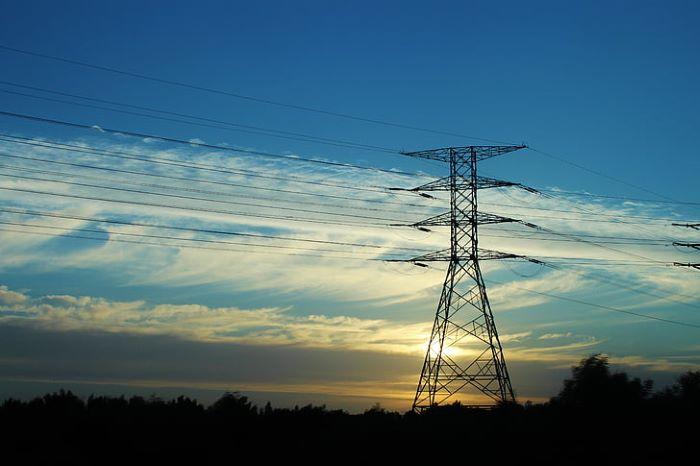
    Bangladesh Moves to Renegotiate Power Plant Tariffs Amid Mounting Capacity Payments

    While the BPDB’s renegotiation effort is being seen as a necessary corrective measure, observers say it must be part of a broader reform strategy that includes transparency, demand-based planning, and investment in renewable energy.

    In a decisive policy shift aimed at alleviating financial stress in Bangladesh’s power sector, the state-run Bangladesh Power Development Board (BPDB) has initiated a move to renegotiate tariff terms with private power producers. The first target of this review is the 718MW LNG-fired Meghnaghat power plant, now owned by Japanese energy giant JERA.

    The move comes amid growing concerns over “excessive” and “additional” costs embedded in long-term power-purchase agreements (PPAs) inked during the previous Awami League government’s 15-year tenure. These contracts, often awarded under the controversial Speedy Supply of Power and Energy (Special Provision) Act 2010, allowed unsolicited deals and granted legal immunity to decision-makers — a provision that critics say enabled opaque and inefficient deals.

    According to industry insiders, the BPDB recently sent an official letter to JERA’s local management, requesting the submission of a proposal for tariff reduction. This marks the first time the BPDB has formally asked a power plant sponsor to renegotiate tariffs under existing agreements.

    JERA, which acquired the Meghnaghat plant from India’s Reliance Power, has yet to respond. While the plant completed a test run in October 2024, it failed to move into full commercial operation due to inadequate supply of natural gas — a chronic issue plaguing Bangladesh’s energy infrastructure. A reliability test, required before fixing the commercial operation date (COD), is also pending.

    JERA has reportedly been lobbying the interim government to approve the COD, but this is complicated by infrastructural and logistical bottlenecks. Notably, Petrobangla, the state-owned energy supplier, is currently able to deliver just 1,024 million cubic feet per day (mmcfd) of natural gas — less than half the 2,420 mmcfd needed to operate existing gas-fired power plants.

    “This burden is a legacy of the previous authoritarian Awami League government,” a senior BPDB official told The Financial Express. “They awarded numerous power plants under unsolicited deals without properly assessing feasibility or long-term sustainability.”

    Levelised Tariff

    The Meghnaghat plant, if operational, would be the third large LNG-fired facility in the same area. However, the infrastructure in Meghnaghat is already strained by two existing power plants: the 589MW Summit Meghnaghat and the 584MW Unique Meghnaghat, both of which attained CODs last year but remain largely idle due to gas shortages and pipeline constraints.

    Adding to the complexity, the Power Grid Company of Bangladesh (PGCB) has yet to complete six substations critical for evacuating electricity generated at the Meghnaghat hub. Sources say these substations are unlikely to be ready before August, raising questions about where and how the electricity, if generated, would be distributed.

    Despite these hurdles, the Ministry of Economy, Trade and Industry (METI) of Japan recently intervened, writing to Muhammad Fouzul Kabir Khan, an adviser to Bangladesh’s Ministry of Power, Energy and Mineral Resources, urging approval of JERA’s COD. “JERA has completed all the necessary work and is awaiting the opportunity to conduct the final commissioning test,” read the METI letter, highlighting a 10-day gas supply requirement that remains unmet even after two and a half months of waiting.

    The power purchase agreement with JERA, signed in 2019, obligates BPDB to buy electricity at a levelised tariff of 7.3123 US cents (Tk 5.84) per kilowatt-hour for 22 years. This rate is significantly higher than the tariffs set for the two other Meghnaghat-based plants, prompting further scrutiny.

    Energy experts argue that inflated demand projections and vested interests have led to overcapacity in the sector. “A small group benefitted from projecting exaggerated demand,” said Professor Mohammad Tamim, a former special assistant in a caretaker government. “This has resulted in surplus capacity and unsustainable capacity payments.”

    Need to Overhaul

    Capacity payments – made to private power producers even when their plants are not generating electricity – have become a major drain on the public exchequer. According to the opposition Bangladesh Nationalist Party (BNP), the country has spent an estimated Tk 1,00,000 crore in such payments over the last 15 years.

    BNP leaders have called on the interim government to disclose all energy contracts signed during the Awami League’s rule, alleging widespread corruption. “The illusion of development has cost the nation dearly,” said BNP Standing Committee member Iqbal Hassan Mahmud Tuku. “The total expenditure in the power sector over 15 years is around Tk 3,33,940 crore, with massive sums looted under the guise of capacity payments.”

    Tuku named several recipients of these payments, including Summit Group (Tk 10,630 crore), Agro International (Tk 7,932 crore), Ultra Power Holdings (Tk 7,523 crore), United Group (Tk 6,575 crore), and RPCPL (Tk 5,117 crore). The BNP also alleged that Tk 11,115 crore has been paid in capacity charges for electricity imports from India, specifically mentioning deals with Adani Power.

    While the BPDB’s renegotiation effort is being seen as a necessary corrective measure, observers say it must be part of a broader reform strategy that includes transparency, demand-based planning, and investment in renewable energy.

    “There is a dire need to overhaul the entire sector,” said Prof Tamim. “Tariff renegotiation is just the beginning. The focus must now shift to sustainable, efficient, and transparent energy governance.”

    As JERA awaits a resolution and the government scrambles to balance fiscal responsibility with foreign investment commitments, the Meghnaghat saga underscores the urgent need for structural reform in Bangladesh’s energy sector — a sector where political legacy, poor planning, and infrastructural bottlenecks continue to collide with public interest.

    Bangladesh: WB Approves $270m to Support Flood Recovery Efforts

    The project will help the country recover from this flood and build resilience to future floods by addressing damages to infrastructure, agriculture, and livelihoods in Eastern districts.

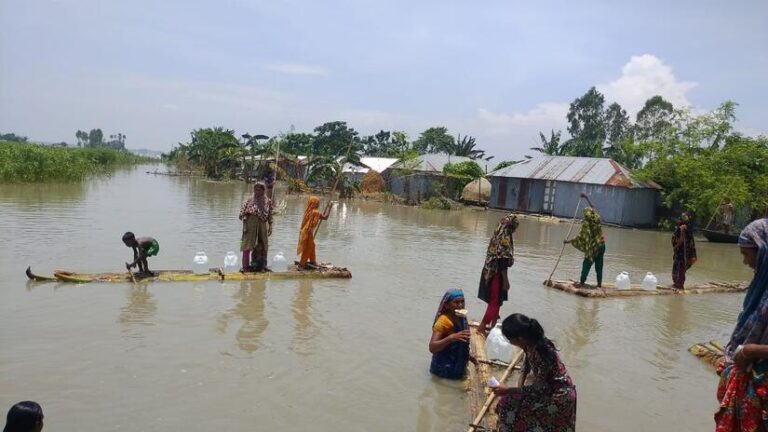
    The World Bank’s Board of Executive Directors today approved $270 million financing to bolster Bangladesh’s flood recovery efforts and enhance its resilience to future disasters, including support for constructing and rehabilitating critical infrastructure, strengthening agricultural system and improving livelihoods in areas devastated by the August 2024 floods. 

    The Bangladesh Sustainable Recovery, Emergency Preparedness and Response (B-STRONG) Project will build and reconstruct rural and flood protection infrastructure in Chattogram and Sylhet Divisions, providing protection to 1.6 million people. Taking a comprehensive approach, the project will also promote climate resilient agriculture and help the vulnerable communities with livelihood support.

    “Bangladesh is regarded as a leader in climate change adaptation and disaster preparedness. But the increasing climate risks and more frequent and severe natural disasters take a heavy toll on communities and the economy. Building resilience against natural disasters is both a development and an economic priority for Bangladesh,” said Gayle Martin, World Bank Interim Country Director for Bangladesh. “This project will strengthen the country’s disaster preparedness system and improve livelihoods and bolster food security for those hardest hit by floods in Sylhet and Chattogram divisions.”

    Build Resilience

    This project will help the country recover from this flood and build resilience to future floods by addressing damages to infrastructure, agriculture, and livelihoods in Eastern districts. The project will construct and rehabilitate 79 multi-purpose flood shelters and repair and climate-proof connecting roads and bridges. These shelters would operate as primary schools in normal weather. It will also construct, repair, and rehabilitate flood protection infrastructure, including embankments and re-excavate canals. It will also support improving flood forecasting system. It will help communities improve disaster preparedness through providing boats, equipment, training, and drills.

    “The project addresses both recovery and reconstruction needs as well as long-term disaster resilience,” said Swarna Kazi, World Bank Senior Disaster Risk Management Specialist and Task Team Leader for the project. “The project will provide truly integrated responses that combine physical interventions and non-physical activities, ensuring a holistic approach to recovery and resilience building, and reducing future flood risks, and preventing vulnerable populations from being left behind.”

    Multi-Sectoral

    The project will also help flood impacted communities to enhance earning opportunities by providing financial support and market-relevant skill development training and also offering temporary employment opportunities. Over 380,000 people will benefit from economic inclusion programs and cash-based interventions.

    At least 65,000 farm households will receive support to improve agricultural productivity through the adoption of high-yielding, climate-resilient, and sustainable crop production technologies and access to agricultural machinery and improved irrigation and storage facilities. The project will set up seed villages to supply quality seeds and seedlings, support women in homestead and community gardening, and create farmer groups to share knowledge on sustainable agricultural practices. Consequently, food security and nutrition will improve too.

    The multi-sectoral nature of the project supports sectors that were not sufficiently covered by existing flood recovery initiatives.

    The World Bank was among the first development partners to support Bangladesh following its independence. Since then, the World Bank has committed more than $45 billion in grants and interest-free credits to Bangladesh. In recent years, Bangladesh has been among the largest recipients of the World Bank’s interest-free credits.


    Requiem for a Glacier: Tribute Held in Nepal for One Of The Hindu Kush Himalaya’s Most-Studied Rivers of Ice

    The gathering concluded that Yala is representative – not just about glaciers in Nepal, but something happening across the Hindu Kush Himalaya, and the world. In that sense, Yala represents the true casualties of global warming.

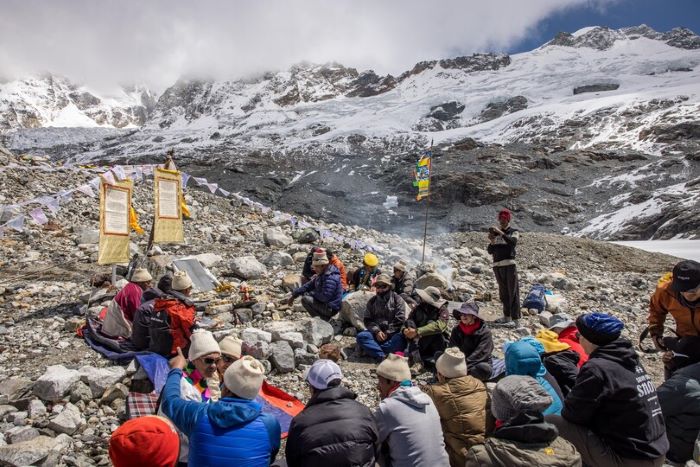
    Locals of Langtang, Nepal, and glaciologists from four glaciated countries in the Hindu Kush Himalayas (HKH) gathered to mark the accelerating disappearance of Nepal’s Yala Glacier in Langtang, Nepal, on Monday 12 May – the day observed as Budha Jayanti, of the Budha’s birthday, according to the Hindu lunar calendar. 

    Yala, which has shrunk by 66 per cent and retreated 784M since it was first measured in the 1970s is projected to be among the first Nepali glaciers to join the growing numbers of glaciers declared ‘dead’ worldwide.  

    Over 50 people, including Buddhist monks and members of local community, and glacier experts from Bhutan, China, India, and Nepal completed the arduous high-altitude trek to attend the “poignant” tribute event today on Monday, which featured a Buddhist ceremony, speeches, and the unveiling of two granite memorial plaques which will sit at the foot of where the glacier today stands.  

    Yala is notable not just for its rapid retreat, but also, thanks to its proximity to Kathmandu relative to other glacierised areas, for the central role it has played in advancing cryosphere research in a region that is known for lacking research capacity.  

    Circa 100 people, including Afghan, Chinese, Indian, Nepali and Pakistani nationals, have trained as glaciologists on Yala since ICIMOD started running training field visits to the site in 2011, and the glacier has served as a research site for 50 years. 

    Despite their importance in the provision of water for river flow on which billions of people rely and the fact that mountains in the region hold the largest mass of ice and snowpack outside the two geographic polar regions, glaciers in the Hindu Kush Himalayas are hugely understudied.  

    The Gods Dream

    Yala is one of just seven glaciers in the entire 3,500km-long arc of the Hindu Kush Himalayas to have been monitored annually for a decade or more and it is one of 38 glaciers with in-situ measurements, providing crucial data on the speed and extent of losses.  

    Earth’s mountains have lost close to nine trillion tonnes of ice since records began in 1975 – the equivalent of a 2.72-metre thick block of ice the size India. On current melt rates, many glaciers worldwide will not survive the 21st century.  

    The stones left at the base of the glacier carry messages by two world-famous authors, Manjushree Thapa and Andri Snaer Magnason, in English, Nepali and locally spoken Tibetan. Both authors have also backed ICIMOD’s #SaveOurSnow campaign and asked for their author fees to be donated to local climate action.  

    Thapa’s inscription states: “Yala, where the gods dream high in the mountains, where the cold is divine. Dream of life in rock, sediment, and snow, in the pulverizing of ice and earth, in meltwater pools the colour of sky. Dream. Dream of a glacier and the civilizations downstream. Entire ecosystems: our own sustenance. The cosmos. And all that we know and all that we love.” 

    Magnason’s inscription reads: “A message to the future: Yala glacier is one of 54,000 glaciers in the Hindu Kush Himalayas, most of which are expected to vanish this century due to global warming. This monument is to acknowledge that we know what is happening and what needs to be done. Only you know if we did it. May 2025 426ppm CO2 [parts per million of carbon dioxide] in the atmosphere.”

    Interconnectedness

    Yala is the first glacier in Asia and the third glacier worldwide to carry a version of these words by Magnason. Plaques bearing his message also sit at the site of the world’s first glacier funeral, which took place in Magnason’s native Iceland in 2019, for OK Glacier, and at the site of the funeral for Ayoloco glacier in Mexico in 2021.  

    Funerals have also been held for the Swiss Pizol glacier in 2019, Clark glacier in Oregon in 2020, and Basodino glacier in Switzerland in 2021.  

    In 2021, the International Centre for Integrated Mountain Development (ICIMOD), with the United Nations, marked the disappearance of Lemthang Glacier, in Bhutan, which was wiped out by a glacial lake outburst flood in 2017. 

    The tribute to Yala was organised by ICIMOD, working with local authority partners, including Gosaikunda Rural Municipality Ward No 4.   

    “Yala’s accelerating disappearance is totemic of the disastrous de-glaciation and loss of snowpack we’re now seeing unfold across Earth’s mountains at a pace that far outstrips scientists’ worst-case scenarios,” said Pema Gyamtsho, Director General ICIMOD. 

    “It’s vital that business and political leaders worldwide understand that this region’s future prosperity and security – our food production, our water supplies, our industries, our energy, and our national security – are intimately bound up in the preservation of glaciers. Our common future is absolutely contingent on greater regional cooperation to manage these shared resources, and rapid emissions reductions and the acceleration of the transition to clean energy to limit glacier losses.” 

    Shyam Saran, former foreign secretary and special envoy for and chief negotiator on climate change for India, who is attending the Government of Nepal’s Sagarmatha Sambaad event this week said: “I’ve trekked the mountains of the Himalayas for decades. The pace and scale of the deglaciation and loss of snowpack happening now, and which I’ve seen with my own eyes, is truly breathtaking.   

    “While this thawing is currently upping the water available for Asia’s major economies and huge urban centres, we know this water is set to decline from mid-century – just 25 years from now. This has major implications for this region.  

    “Tragically, the issues that divide us today, and which are rightly commanding so much global attention right now, are set to be dwarfed by the kinds of disasters we’ll be facing if we don’t recognise our interconnectedness with the ecological systems that support us, and act together, for our common future, now.” 

    Global Warming

    ICIMOD’s glacier monitoring is supported by the Government of Norway and the Swiss Agency for Development and Cooperation.  

    Sharad Prasad Joshi, a Cryosphere Analyst at ICIMOD and Nepal’s national correspondent for the World Glacier Monitoring Service (WGMS) was also at the event. The tribute event will be the fourteenth year and the twenty-sixth time that Joshi has visited Yala. 

    Speaking on the eve of the event he said: “On the one hand, I’m incredibly proud that this glacier has served as an open book, to train the next generation of researchers in this field in a region where our capacity to monitor and therefore predict and act on what is happening to these vital water reserves continues to lag so far behind that of other countries’ and cryosphere zones.

    “But to see how quickly the glacier has retreated is incredibly sad, on a personal level, and as a researcher. 

    “As a researcher, I studied where the glacier used to be, in 1981. It feels like a dream, to see how drastically it’s changed in those 50 years and how those changes have accelerated since my first trip here in 2011, to know and see with my own eyes the pace of the retreat and how low the glacier has sunk since I’ve been coming here. Locally, the pasture land is now so dry the yak herders cannot graze their livestock here. 

    “Instead of a white glacier, it’s rocky, with debris. Aesthetically, and on a personal level, this is incredibly sad. As a researcher, I know what huge implications – the exposed bedrock means there’s no longer albedo, so this will trigger further temperature rise. And of course the loss of this and other glaciers has implications for water, livelihoods, and more downstream.   

    The gathering concluded that Yala is representative – not just about glaciers in Nepal, but something happening across the Hindu Kush Himalaya, and the world. In that sense, Yala represents the true casualties – all glaciers in Nepal are now receding – of global warming.

    High Costs Keep Sri Lanka’s Poor Children Out of Pre-Primary Education, Warns Human Rights Watch

    Studies have consistently demonstrated that the early years – from birth to age five – are critical for cognitive, emotional, and social development. High-quality pre-primary education helps children develop foundational skills that are essential for success in primary school and beyond.

    In Sri Lanka, where free education is a proud national hallmark from primary through tertiary levels, a hidden crisis is unfolding in the earliest phase of schooling: pre-primary education. Despite the proven importance of early childhood learning, access to preschools remains limited for children from low-income families, primarily due to prohibitive fees, according to a new statement by Human Rights Watch (HRW).

    The global human rights watchdog submitted its findings to the Working Group on the Optional Protocol to the Convention on the Rights of the Child on a communications procedure on May 9, 2025. The submission highlighted a worldwide neglect of early childhood education rights, with Sri Lanka standing as a troubling example.

    Cost as a Barrier

    “In Sri Lanka, a preschool teacher reported to Human Rights Watch in 2025 that students must pay 1000 Sri Lankan Rupees (US$3.50) monthly,” the report said. “When families cannot pay, children do not come ‘for some months,’ she said. In January 2025, only 3 out of 20 students in her class paid.”

    These fees, while appearing modest, are insurmountable for families living below the international poverty line. An overwhelming number of Sri Lankan households subsist on less than Rs. 1000 a day, or roughly Rs. 30,000 a month. These families are compelled to make impossible choices – often between food and education – leading many to defer or forgo early education for their children.

    A Sri Lankan education officer acknowledged the stark inequality, telling HRW, “If you can’t afford to pay, there is no space in the system… Only the families that have money can send their children to preschool.”

    The situation is compounded by inadequate state provisioning. Data from Sri Lanka’s 2018 National Census of Early Childhood Development Centres shows that only 19.8 percent of the country’s 19,668 preschools are public institutions. A staggering 88.2 percent of preschools charge tuition, creating a de facto barrier for the economically disadvantaged.

    A Missed Opportunity

    Studies have consistently demonstrated that the early years – from birth to age five – are critical for cognitive, emotional, and social development. High-quality pre-primary education helps children develop foundational skills that are essential for success in primary school and beyond. It also offers benefits in terms of better health, increased future earnings, and reduced crime rates.

    The absence of this foundation is already affecting primary education outcomes. HRW interviewed a primary school manager in a poverty-stricken area who reported that 70 percent of incoming students had not received any form of pre-primary education. These children, the manager said, struggled more than their peers and faced substantial learning difficulties.

    “Quality pre-primary education builds cognitive, social, and emotional skills during the most formative years,” HRW noted. “When pre-primary education is not available free, cost prevents children from low-income families from participating.”

    Even when pre-primary centres are geographically accessible, they are not economically inclusive. The National Policy on Preschool Education itself acknowledges that low attendance rates in some districts may stem from high enrolment fees, the absence of facilities near homes, and parental scepticism about the value of early education.

    A Global Perspective

    The Sri Lankan case is not unique but emblematic of a broader global neglect. HRW pointed out that while 68 percent of national constitutions around the world explicitly protect the right to primary education, very few include any reference to early childhood education.

    Ireland provides a stark contrast. In 2010, the Irish government expanded free preschool access to all children aged four. Enrolment surged and soon became nearly universal. This success story underscores the transformative impact that public policy can have on early education participation rates.

    The United Nations Sustainable Development Goals (SDGs) also affirm the importance of early education. Goal 4.2 specifically aims to “ensure that all girls and boys have access to quality early childhood development, care and pre-primary education so that they are ready for primary education” by 2030.

    A Special Need for Inclusivity

    HRW also emphasised the importance of early education for children with disabilities. These children face compounded barriers due to stigma, inadequate resources, and discrimination. Early exposure to education can help them develop necessary skills and build resilience. Moreover, inclusive early education reduces social stigmatisation and fosters acceptance from an early age.

    Currently, Sri Lanka lacks sufficient mechanisms to ensure inclusive and equitable access for children with special needs, particularly at the preschool level. Many preschools are ill-equipped to support such learners, and the lack of trained staff further exacerbates the issue.

    Constitutional Silence and Policy Gaps

    Although Sri Lanka boasts a national literacy rate of 92 percent and prides itself on its free education system, the gap in pre-primary education reveals significant policy and constitutional oversights. HRW’s report notes that constitutional references to early childhood education are “almost non-existent,” a silence that echoes in budgetary allocations and public service provisions.

    This constitutional omission has led to a situation where early childhood education exists in a legal and policy vacuum—neither mandated nor systematically supported. As a result, it remains optional and largely privatised, accessible primarily to those who can afford it.

    Human Rights Watch urges governments, including Sri Lanka’s, to explicitly recognise early childhood education as a right and incorporate it into national laws and constitutional frameworks. It also calls for the expansion of free, quality pre-primary education, especially for marginalised communities.

    The organisation further recommends increased government investment in public preschools, targeted subsidies for low-income families, and greater emphasis on inclusivity for children with disabilities.

    “Governments should build inclusive early education systems that include children with disabilities and ensure that barriers to access, including fees, do not prevent children from low-income families from attending,” the statement concluded.

    Sri Lanka’s model of free education is often cited as a beacon in South Asia, but it begins too late for many of its children. By overlooking the crucial stage of early childhood education, the country is failing to lay a solid foundation for future learning and development. If Sri Lanka is to meet its SDG commitments and truly offer education for all, the invisible barrier of preschool fees must be dismantled.

    Until then, the first and most crucial step in a Sri Lankan child’s educational journey remains a privilege of the few, not a right for all, says the HRW report.

    Nepal: Kathmandu’s Monsoon Preparedness Draws Concern Amidst Rising Disaster Risks

    Concerns peaked during a stakeholder interaction programme held in Kathmandu on Tuesday, organised by the Kathmandu District Coordination Committee, where a shocking revelation stirred public and institutional anxiety: the Valley has just one rescue raft available for flood response.

    With the monsoon season just weeks away, the state of disaster preparedness in the Kathmandu Valley is under growing scrutiny. Stakeholders and disaster response officials are raising alarms over the capital’s glaring lack of emergency response equipment and coordination, which could spell trouble for lakhs of Kathmandu residents vulnerable to floods, landslides, and disease outbreaks during the monsoon.

    Concerns peaked during a stakeholder interaction programme held in Kathmandu on Tuesday, organised by the Kathmandu District Coordination Committee, where a shocking revelation stirred public and institutional anxiety: the Valley has just one rescue raft available for flood response.

    This stark shortfall, highlighted by officials at the meeting, exposed the capital’s woeful lack of readiness to confront monsoon-related hazards in the coming months. Experts at the event estimated that Kathmandu would ideally require around 600 inflatable rescue boats to be adequately equipped for flood emergencies. Yet, even ensuring the availability of 30 to 40 boats is proving to be a major challenge.

    “In reality, when a disaster strikes, we may not have a single boat immediately deployable,” said one official candidly.

    Shiva Adhikari, President of the Nepal Association of Rafting Agencies (NARA), noted that his organisation has repeatedly come to the government’s aid during past monsoon emergencies by providing raft boats and trained rescue teams.

    “Each year, the government turns to us for help. We’ve been filling the gaps, but this ad-hoc support is not sustainable,” said Adhikari. He added that Nepal has over 600 skilled rafters, many trained abroad, and that NARA stands ready to partner with the government to build a more reliable rescue infrastructure.

    Yet, despite such offers of support, formal recognition or integration of such private capacities into the government’s disaster preparedness framework remains elusive.

    High-Risk Zones Identified

    According to data presented by Nepal Police, eleven local governments within the Kathmandu Valley are particularly vulnerable to floods. Notable risk zones include:

    • Tokha Municipality Ward No. 9
    • Chandragiri Municipality Ward No. 12
    • Kirtipur Municipality Wards No. 2, 4, and 10
    • Kageshwori Manohara Wards No. 7 and 9
    • Kathmandu Metropolitan City Ward No. 14, especially the Balkhu area and Bishnumati Corridor

    In addition, Superintendent of Police Apil Raj Bohora pointed out that certain areas also face significant landslide threats, including:

    • Chandragiri-1
    • Budhanilkantha-5
    • Wards No. 1, 2, 3, and 7 of Tarkeshwor Municipality
    • Wards No. 7 and 32 of Kathmandu Metropolitan City

    Despite the identification of these high-risk zones, no representatives from the most vulnerable municipalities were present at Tuesday’s engagement, a fact that Bohora described as “regrettable” and indicative of poor institutional accountability.

    Local Government’s Response: Mixed Signals

    While some local leaders acknowledged the changing disaster risk landscape, actual preparedness remains spotty. Kirtipur’s newly elected Mayor Krishna Man Dangol admitted that although the municipality was once considered low-risk, it has recently experienced increased landslides and localised flooding.

    “We have begun to allocate dedicated budgets and implement disaster risk reduction (DRR) strategies,” said Mayor Dangol. However, whether these efforts can be operationalised in time for the monsoon remains uncertain.

    Chief District Officer Rishiram Tiwari emphasised the need for greater coordination between federal, provincial, and local governments. “Without shared commitment and a unified disaster response framework, the capital could face severe human and economic losses,” he warned.

    Tiwari acknowledged resource limitations but stressed that the government continues to push for proactive risk reduction measures. Still, the general sentiment at the meeting was that plans and policies are not translating into action at the ground level.

    Santosh Budhathoki, Chief of the Kathmandu District Coordination Committee, criticised the poor execution of DRR programmes. “While some initiatives have started at the district level, many local bodies have failed to support them effectively or see them through,” he said. Budhathoki announced that monitoring teams will soon be dispatched to evaluate municipal preparedness before the onset of the monsoon.

    Health Risks Loom Large

    Beyond the direct dangers of flooding and landslides, the monsoon season also ushers in a wave of vector-borne diseases, compounding Kathmandu’s vulnerability. The Valley regularly sees outbreaks of malaria, lymphatic filariasis, Japanese encephalitis, visceral leishmaniasis, and especially dengue fever—which has become a major public health concern.

    According to the Centers for Disease Control and Prevention (CDC), Kathmandu reports the highest number of dengue cases among all districts in Nepal. While the risk of malaria remains low within the Valley itself, it persists in remote regions, posing additional concerns for internal migration and healthcare infrastructure.

    With less than a month before the monsoon sets in, time is running out for authorities to close critical gaps in disaster readiness. The interaction programme made one thing clear: while knowledge of the risks exists and willingness to address them is emerging, action on the ground is insufficient.

    From inadequate rescue equipment and poor inter-agency coordination to health vulnerabilities and absent local representatives, the Kathmandu Valley is staring down a potentially dangerous monsoon season.

    As one official said, “If steps are not taken now to strengthen emergency preparedness, bolster health response, and foster genuine cooperation across government levels, the cost could be devastating – for the capital and its people.”

    Nepal Moves to Transform Prisons into Industrial Villages Amid Calls for Reform

    Criminal justice experts argue that a shift in sentencing philosophy is necessary. Instead of defaulting to imprisonment, Nepal could adopt alternatives such as parole, probation, open jail systems, or cognitive behavioural therapy, especially for non-violent and first-time offenders.

    In a significant push to reform Nepal’s prison system, the Himalayan nation’s minister for home affairs, Ramesh Lekhak on Tuesday vowed to transform correctional facilities across the country into “industrial villages” aimed at rehabilitation, productivity, and human rights.

    Inaugurating a newly constructed building at the Morang District Jail in Biratnagar today, Minister Lekhak emphasized that Nepal’s prison system must evolve beyond mere incarceration to become centers of skill development and economic empowerment.

    “Although we are bound by legal provisions to imprison convicted individuals, the government is equally committed to protecting their human rights and dignity,” Lekhak said. “We aim to modernise prisons into open correction homes and industrial villages, allowing inmates to be productive and self-reliant.”

    The newly constructed facility in Morang, built at a cost of Rs 361.29 million, can house 218 male and 99 female inmates. It was constructed within the old district jail premises at Hathkhola and is part of a broader plan to alleviate overcrowding and improve prison conditions.

    Lekhak’s announcement reflects a wider vision to overhaul Nepal’s prison system, which currently faces acute overcrowding. Official data shows that the country’s 74 prisons house 18,881 inmates, nearly double their total capacity of 10,608. To address this, the Department of Prison Management (DoPM) has proposed building 17 new prisons at a projected cost of Rs 1.677 billion and has acquired 535 ropanis of land to build an open prison for 5,000 inmates.

    A New Paradigm: Prisons as Industrial Villages

    At the heart of Lekhak’s vision is the transformation of prisons into industrial villages – a model that promotes vocational training and income-generating work for inmates. This concept aims to turn economically inactive detainees into productive contributors, both during and after incarceration.

    The industrial village initiative includes setting up vocational training programs, establishing prison-based factories, and introducing work opportunities that pay daily stipends. An example is the Central Jail Factory, where inmates produce fabric items such as bedsheets and towels. These programs help prisoners acquire marketable skills and support their reintegration into society.

    Rewati Raman Bhandari, minister of internal affairs and law for Koshi Province, who was also present at the event, stressed that this shift not only utilises inmate labour productively but also upholds their rights.

    “We are on the side of human rights, and the new prison infrastructure will offer better facilities while engaging inmates in meaningful activities,” Bhandari said.

    Prison Reform: A Matter of Cost and Justice

    Nepal’s current prison framework faces mounting scrutiny – not just for overcrowding but also for inefficiencies in the justice system. Many inmates are held for minor or victimless crimes such as drug possession or prostitution. Moreover, due to delays in judicial processes, a significant proportion of inmates remain in pre-trial detention. According to a study in 2009, only 41 per cent of the prison population had been convicted, while 59 per cent were awaiting trial.

    This inefficiency translates into rising costs for the state. Incarceration not only requires construction and operational funding, but also long-term expenses for food, healthcare, security, and administration. With 18,881 inmates – many of whom are of working age – the economy also loses a significant labour force.

    “Taxpayers are funding a system that may not deliver proportionate social benefit,” said Narayan Bhattarai, director general of the central department of prisons. “We must reassess whether extended incarceration, particularly for low-level offenders, is the most effective use of public resources.”

    Bhattarai added that reducing the number of incarcerated individuals could significantly lower costs and create room for more targeted rehabilitation.

    Alternatives to Incarceration

    Criminal justice experts argue that a shift in sentencing philosophy is necessary. Instead of defaulting to imprisonment, Nepal could adopt alternatives such as parole, probation, open jail systems, or cognitive behavioural therapy, especially for non-violent and first-time offenders.

    These alternatives have been shown globally to reduce recidivism rates. Inmates who remain integrated with society through work and family have lower chances of reoffending compared to those kept in isolating and punitive environments.

    Lawmaker Amanlal Modi and provincial assembly member Bhim Parajuli echoed this sentiment at the Morang inauguration, calling for holistic reforms that reduce incarceration while ensuring public safety.

    Infrastructure and Collaboration

    The successful implementation of industrial village prisons depends on investment in infrastructure – clean water, sanitation, healthcare, and space for workshops and classrooms. Pradeep Kumar Singh, chief of the federal urban development and building construction office, noted that these improvements are already underway in some facilities.

    However, resource limitations remain a significant barrier. Officials say that collaboration with NGOs, the private sector, and international partners will be vital to scaling up the model across Nepal.

    Chief district officer of Morang, Indradev Yadav, expressed his commitment to improving inmate welfare and ensuring that correctional facilities align with international human rights standards.

    “This is not just about buildings; it’s about building lives,” he said. “We must treat inmates as individuals capable of transformation.”

    As Nepal undertakes the dual challenge of decongesting its prisons and rehabilitating inmates, the industrial village model offers a promising blueprint. If implemented effectively, it could reduce the long-term economic burden on the state, improve living conditions for inmates, and pave the way for a more just and humane correctional system.

    But success will require more than new buildings. It will demand legal reform, systemic accountability, and a national consensus that prisons should be places of transformation—not merely confinement.

    Marching Towards Multi-hazard Risks in the Hindu Kush Himalaya

    The Multi Hazard Risk Assessment (MHRA) hackathon brought together experts, early career professionals, and students with a background in modelling to form interdisciplinary groups to MHRA case studies.

    By Manish Shrestha, Bipin Dulal and Saswata Sanyal

    With climate change accelerating, disasters are no longer isolated events across the globe. In the Hindu Kush Himalaya, increasingly complex and interconnected natural hazards are becoming more frequent. Events such as floods, landslides, glacial lake outburst floods (GLOFs), and cyclones – whether occurring independently or interacting – are causing massive loss and damage (Maharjan, et al., 2021). The impact of such events in the countries of the HKH is elevated due to its dense populations, fragile geography and rapid unplanned development (Tsering et al., 2021).

    Addressing these challenges requires a shift from assessing single hazards to a comprehensive multi-hazard risk assessment (MHRA) approach. Multi-hazard risk assessment is a process of evaluating the impact of multiple natural hazards in a specific geographic area and time. By examining how different hazards interact and amplify one another, policymakers and communities can better prepare for future disasters. The International Centre for Integrated Mountain Development (ICIMOD) is at the forefront of these efforts, working to develop innovative disaster risk reduction (DRR) strategies that integrate MHRA into planning and policy frameworks across the region. By bringing together experts and policymakers, ICIMOD plays a critical role in ensuring that risk assessments translate into real-world policies that protect lives and livelihoods.

    ICIMOD’s Efforts in Multi-hazard risk Management

    As a regional intergovernmental hub, ICIMOD facilitates knowledge sharing and learning among its eight Regional Member Countries (RMCs) – Afghanistan, Bangladesh, Bhutan, China, India, Myanmar, Nepal, and Pakistan, aiming to influence policy and practices to address critical environmental and livelihood challenges.

    A key component of ICIMOD’s 2030 strategy, and especially within our Action Area on cryosphere and water and our Intervention on DRR – is a strong emphasis on MHRA, which aims to understand how various hazards interact. This approach helps communities and policymakers in the HKH develop effective mitigation strategies in response to the growing frequency of such disasters.

    One example from the HKH includes the cascading floods in Melamchi, Nepal in 2021, which were triggered by heavy rainfall, snow melt, a GLOF and ‘landslide damming’ – a permanent or ephemeral interruption of a river caused by landslide deposition. Other examples include the devastating floods in Sikkim, India in 2021, resulting from intense rainfall combined a GLOF; and the compound impacts of a dry winter followed by widespread forest fires in Nepal in 2024. Such extreme events underscore the critical need for integrated MHRAs in the HKH.

    ICIMOD’s mid-term action plan for 2023–2026 emphasises the need for RMCs to integrate innovative DRR approaches into their policies and investments. To achieve this, ICIMOD has been advocating for the adoption of comprehensive MHRAs that consider cascading, compound, and amplifying impacts.

    ICIMOD developed a MHRA framework in 2022–23. With the increasing impact of multi-hazard risks in the HKH, the team revised the draft framework to integrate how hazards interact with each other in the region through computer modelling. These modelling helps to analyse past disaster as well as future scenarios. The proposed framework also aims to assist stakeholders in implementing MHRAs, in order to enhance resilience and inform effective risk mitigation strategies.

    Multi-hazard Modelling Hackathon

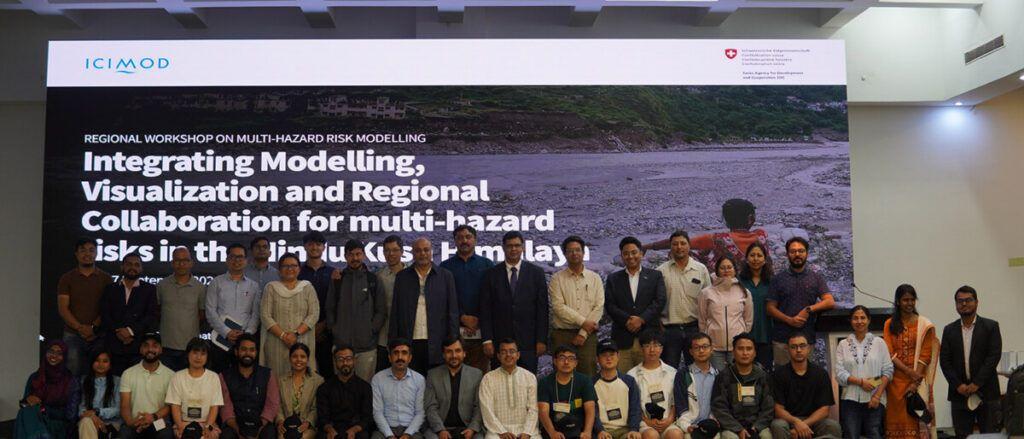
    As a part of its efforts to provide the RMCs with a regional framework for MHRA that addresses interaction between the hazards, ICIMOD’s DRR intervention team organised a five day ‘hackathon’ in September 2024 at Lalitpur, ICIMOD headquarter. A hackathon is an event, typically lasting a few days, where individuals or teams collaborate intensively to create ideas or innovative solutions, within a limited time frame.

    The MHRA hackathon brought together experts, early career professionals, and students with a background in modelling to form interdisciplinary groups to MHRA case studies. These case studies are aimed to leverage computer models, remote sensing data, field research, and secondary data sources to test the HKH-MHRA framework. Six different teams were formed during the MHRA hackathon, each team focusing on specific hazard interactions such as cyclone, drought, forest fire, Glacier Lake Outburst Flood, and landslide.

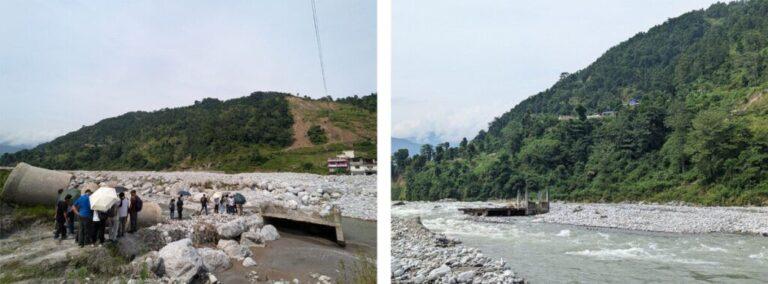
    As a part of the MHRA hackathon, participants and experts from these teams visited the Melamchi area in eastern Nepal, which had been hit by severe flooding in June 2021, to observe the cascading impacts of the disaster and to model different scenarios of hazard interaction in the different RMCs. Melamchi flood-affected area to. A report published by ICIMOD confirmed that heavy rainfall, snow melt, erosion of glacial deposit, glacial lake outburst, landslide and river damming, riverbank erosion and debris deposition triggered severe flooding in Melamchi river and caused damages to the nearby areas.

    End game

    The primary objective of the project is to develop a validated and replicable MHRA framework. Once established, this framework will be disseminated across the RMC counties. The project will then move toward actively engaging with the National Disaster Management Authorities of the HKH countries. ICIMOD intends to promote the integration of the MHRA framework into national policies by collaborating closely with these agencies to foster a proactive and coordinated approach to multi-hazard risk reduction. This effort will pave a path on creating methods for modelling multi-hazard interactions and advancing multi-hazard early warning systems.

    Agricultural Ambulance Drives Change in Nepal Town: Farmers’ Produce Now Reaches Market with Ease

    The ‘Farmer’s House’, located in the bustling Besishahar market, acts as a central hub where collected produce is sorted and sold. Managed by the cooperative, it ensures transparency in pricing and allows farmers to focus on cultivation rather than logistics.

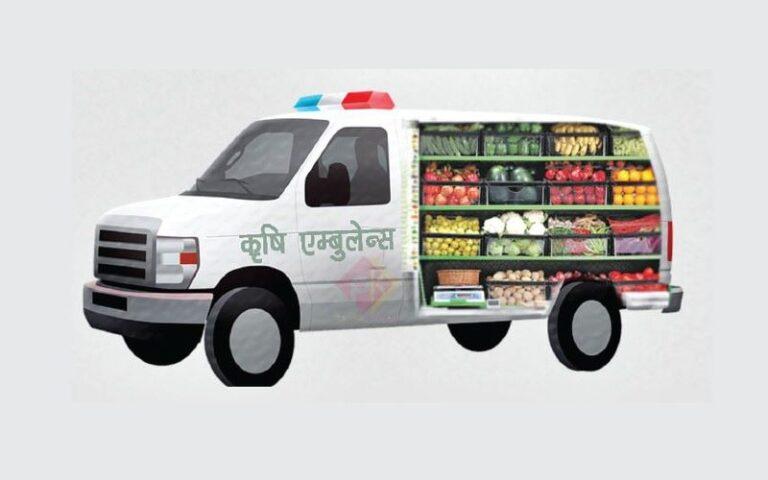
    Every morning, in the hills of Besishahar Municipality, the sound of an engine climbing narrow rural roads signals a welcome change for local farmers. It’s not a delivery truck, nor a bus—but an “agricultural ambulance” making its rounds. Unlike its medical counterpart, this specially allocated vehicle is saving not lives, but livelihoods.

    Thanks to a new initiative by the Besishahar Municipality, an agricultural ambulance now travels from one farming settlement to another, collecting fresh vegetables and fruits and delivering them directly to the local marketplace in Besishahar, the district headquarters of Lamjung.

    The program, launched earlier this year, has already begun transforming the agricultural supply chain in the region. Operated by the Ekata Agricultural Cooperative Society, the ambulance follows a fixed weekly schedule, reaching deep into rural wards where access to reliable transportation has long been a barrier for farmers.

    “The biggest challenge for our farmers was getting their produce to market before it spoiled,” said Hari Bahadur Ghimire, Chairman of the Ekata Agricultural Cooperative. “Now, we have a timetable. We go to each village, collect the vegetables, and bring them to the ‘Farmer’s House’ in Besishahar for sale.”

    According to the cooperative’s routing plan, Sundays are dedicated to collecting vegetables from Hatiya and Bhakunde of Ward No. 2, and Nayagaun and Dhimire of Ward No. 1. On Mondays, the vehicle heads toward Chisapani, Puranokot, Nalma, Gaunshahar, and Ranikuwa – spanning wards 2, 3, 4, and 5.

    Trust and Timing

    The collection continues throughout the week, reaching Saldanda, Basnet Gaun, Syauta, Tilhar, Ramchokbesi, and Udipur on Tuesdays, and Bimdabesi, Samdi, Dihithok, and Pakhathok on Wednesdays. Thursdays are split between Banthok in Ward 7 and Makaidanda, Saring, Bhalamshera, and Belauti Bisauna in Ward 6. On Fridays, the vehicle makes its way to Khasurbesi and Banjakhet in Ward 10. Saturdays are reserved for essential or backup collections across various locations as needed.

    “It’s not just about transport – it’s about trust and timing,” Ghimire added. “With the fixed schedule, farmers know when to harvest and prepare their produce. There’s no wastage, no stress.”

    The municipality has handed over the operation of the ambulance to the cooperative until mid-August. While the vehicle remains property of the local government, the day-to-day operations are fully managed by the Ekata Agricultural Cooperative.

    Mayor Guman Singh Aryal said the initiative aims to address a longstanding challenge for farmers: market access. “Farmers were growing vegetables but couldn’t sell them because they had no way to transport them affordably. Now, the ambulance brings the market to their doorstep.”

    He emphasized that the municipality is committed to enhancing agricultural productivity and improving rural livelihoods. “We can’t ask our farmers to grow more unless we ensure they can sell what they grow,” Aryal said.

    Deputy Mayor Padma Gurung echoed this sentiment, calling the program a “bridge between rural production and urban demand.” She said the cooperative’s management of the ambulance and the establishment of the ‘Farmer’s House’ – a retail point in Besishahar – are both pivotal for the program’s success.

    Drawing Attention

    The ‘Farmer’s House’, located in the bustling Besishahar market, acts as a central hub where collected produce is sorted and sold. Managed by the cooperative, it ensures transparency in pricing and allows farmers to focus on cultivation rather than logistics.

    For local farmers like Kamala Gurung of Nalma, the change is profound. “Before, I had to carry vegetables in baskets and walk for hours. Now, I just wait for the ambulance. My vegetables get to market fresh, and I get paid fairly.”

    Similarly, Dhan Bahadur Tamang, a farmer from Saring, said he used to lose nearly half of his produce to spoilage due to transportation delays. “This ambulance is more important to us than any government grant,” he said. “It respects our work.”

    While the project is still in its early months, it has already drawn attention from neighbouring municipalities. Discussions are underway about replicating the model in other parts of Lamjung and nearby districts.

    According to the cooperative, they are also exploring ways to use the vehicle for transporting farming tools, seeds, and even compost on return trips – maximizing its utility.

    As the green-and-white ambulance continues to snake through the terraced hills of Besishahar, it carries more than just vegetables – it carries hope. A simple but effective innovation, the agricultural ambulance has bridged the gap between surplus and scarcity, isolation and opportunity.

    For the farmers of Besishahar, it’s more than a ride – it’s a route to resilience.