More

    US Intelligence Warns of Expanding ISIS-K Threat

    The report acknowledges the ongoing concern about ISIS-K’s South Asia operations, which have long been associated with sanctuaries in Afghanistan. This aligns with warnings from international watchdogs and the United Nations about the group’s active presence in Taliban-controlled areas.

    In a stark reminder of the persistent global terrorist threat, the 2025 Annual Threat Assessment released by the US’ Office of the Director of National Intelligence (ODNI) highlights the growing ambitions of the Islamic State’s Khorasan branch, or ISIS-K. The report underscores the group’s capacity to strike Western targets, including the United States, marking it as the most dangerous faction of the extremist organization.

    Despite the Islamic State’s setbacks in the Middle East, the assessment reveals that ISIS-K remains operationally capable and aggressive, leveraging its influence beyond South Asia to inspire and enable attacks across the globe. “ISIS-K’s mass-casualty attacks in Russia and Iran in 2024, along with the arrests of its supporters in Europe and the United States, highlight its expanding reach beyond South Asia,” the report states.

    High-Profile Incidents Highlight Growing Threat

    The assessment lists a series of high-profile incidents as evidence of ISIS-K’s expanding operations. These include a New Year’s Day stabbing in New Orleans linked to ISIS propaganda and the October arrest of an Afghan national accused of plotting an election-day attack in the U.S. in the group’s name. Such incidents underline the group’s ability to infiltrate the U.S. homeland and inspire attacks abroad.

    The report acknowledges the ongoing concern about ISIS-K’s South Asia operations, which have long been associated with sanctuaries in Afghanistan. This aligns with warnings from international watchdogs and the United Nations about the group’s active presence in Taliban-controlled areas.

    The Role of the Taliban and Afghanistan’s Complex Landscape

    Notably, the report avoids directly linking the Taliban to international terrorist activities, a departure from previous assessments. This omission has sparked debate among security analysts. Some suggest it reflects a recalibration of U.S. policy as Washington explores indirect engagement with Taliban authorities. Others warn it risks downplaying the threat posed by extremist groups operating in Afghanistan.

    “The U.S. appears to be repositioning its threat lens away from the Taliban, despite clear indications that multiple terror groups continue to operate freely in Afghanistan,” said Bismillah Taban, a Kabul-based security analyst. “This could be part of a broader diplomatic calculus.”

    The Persistent Threat of TTP and Al-Qaeda

    The report also spotlights the Tehrik-i-Taliban Pakistan (TTP) as a potential future threat to U.S. interests. While the TTP’s recent operations have primarily targeted the Pakistani government, the group’s capabilities, historical ties to al-Qaeda, and previous support for anti-American plots remain concerning.

    “TTP’s history and connections to al-Qaeda continue to warrant close monitoring,” the assessment notes. This recognition marks a shift in U.S. intelligence’s approach, which has traditionally viewed the TTP as a localized threat confined to Pakistan. The acknowledgment of its broader potential may pave the way for increased cooperation between the U.S. and Pakistan in counterterrorism efforts.

    Al-Qaeda also remains a key focus of the report. The group’s global network of affiliates continues to pose a threat to the U.S. and its allies. Leveraging global conflicts, including the war in Gaza, al-Qaeda’s leadership has sought to inspire anti-American sentiment and attacks. Its affiliate in Yemen, al-Qaeda in the Arabian Peninsula (AQAP), recently relaunched its Inspire magazine, issuing bomb-making instructions and calling for attacks against Jewish and Western targets.

    ISIS-K: The Primary Threat to US Homeland Security

    Despite losing its territorial caliphate, the Islamic State retains its status as the world’s largest Islamic terrorist organization, with ISIS-K emerging as its most capable branch. The group’s resilience is evident in its propaganda outreach, ability to inspire attacks, and operational capability.

    “ISIS-K’s mass casualty attacks in Russia and Iran, as well as arrests of its supporters in Europe and the United States, highlight the group’s expanding capability beyond South Asia and ability to inspire individuals to conduct attacks abroad,” the report emphasizes.

    The 2025 Annual Threat Assessment paints a sobering picture of the global terrorist threat landscape. While the Islamic State has adapted to its territorial losses, its branches, particularly ISIS-K, continue to pose a significant threat to U.S. homeland security and global stability. The report’s findings underscore the need for sustained vigilance and international cooperation to counter these evolving threats.

    Yunus’ Four-Day Visit to Deepen Dhaka-Beijing Relations

    This visit comes at a symbolic time, as Bangladesh and China celebrate the 50th anniversary of their diplomatic ties. Chinese Ambassador to Bangladesh, Yao Wen, described Dr. Yunus’ visit as “a milestone,” underscoring its significance in shaping the next chapter of Dhaka-Beijing relations.

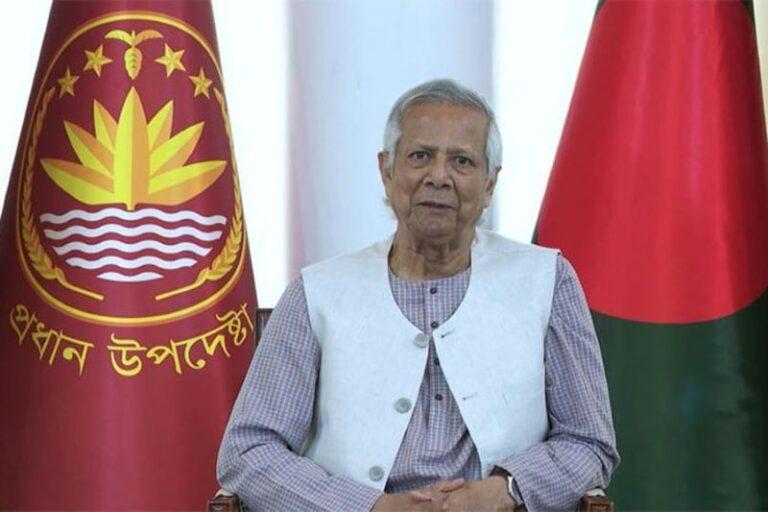
    Bangladesh’s Chief Adviser, Muhammad Yunus, is set to embark on a four-day official visit to China today, marking a pivotal moment in the 50-year diplomatic relationship between the two nations. This high-level visit, highlighted by bilateral talks with Chinese President Xi Jinping on March 28, is poised to strengthen ties in trade, investment, and strategic cooperation.

    Addressing the nation on Tuesday evening, Yunus expressed optimism about the visit, emphasizing its potential to deepen relations between Dhaka and Beijing. “I am going to China on a four-day visit. I will meet with President Xi Jinping and CEOs of major Chinese businesses. This visit will open new doors for economic collaboration and mutual growth,” he stated.

    Yunus highlighted China’s interest in expanding its economic footprint in Bangladesh. Notably, Longji, the world’s largest manufacturer of solar panels, has expressed a strong interest in establishing a production facility in Bangladesh. “We are working closely with Longji to explore this opportunity, which could significantly advance our renewable energy sector,” said Yunus.

    In addition to industrial investments, discussions will also focus on boosting agricultural trade. China has shown keen interest in importing Bangladeshi produce such as mangoes, jackfruit, and guava. “This initiative will kick off soon, opening up new markets for Bangladeshi farmers,” Yunus assured.

    A Milestone in Diplomatic Relations

    On March 28, Yunus and President Xi are scheduled to hold a bilateral meeting at the Great Hall of China in Beijing. Following the talks, several agreements and Memorandums of Understanding (MoUs) are expected to be signed, covering diverse areas such as:

    • Human resource development
    • Economic and technical assistance
    • Cultural and sports cooperation
    • Media collaboration

    Foreign Secretary Md. Jashim Uddin, during a press briefing on Tuesday, emphasized that these agreements would add fresh momentum to the strategic partnership between the two nations. “This visit will set the stage for stronger collaboration in agriculture, infrastructure, renewable energy, and even humanitarian efforts like resolving the Rohingya crisis,” he said.

    This visit comes at a symbolic time, as Bangladesh and China celebrate the 50th anniversary of their diplomatic ties. Chinese Ambassador to Bangladesh, Yao Wen, described Dr. Yunus’ visit as “a milestone,” underscoring its significance in shaping the next chapter of Dhaka-Beijing relations.

    “This is going to be the most important visit by a Bangladeshi leader in 50 years,” said Chief Adviser’s Press Secretary Shafiqul Alam, quoting Ambassador Yao. A key focus of the discussions will be on relocating Chinese factories to Bangladesh to establish the country as a manufacturing hub. “This initiative will revolutionize Bangladesh’s manufacturing sector, creating jobs and enhancing export capabilities,” Alam added.

    Expanding Social Business and Youth Initiatives

    Yunus’ visit includes participation in the Boao Forum for Asia (BFA) Annual Conference in Hainan Province. The forum, themed “Asia in the Changing World: Towards a Shared Future,” will serve as a platform to discuss global challenges and regional cooperation.

    The Chief Adviser will participate in the inaugural plenary session on March 27, with an anticipated meeting with China’s Executive Vice President of the State Council the same day. On March 29, Yunus will attend a program at Peking University before returning to Dhaka later that evening.

    The BFA is expected to attract high-profile participants, including international organization leaders, Fortune Global 500 executives, and renowned academics. The conference will delve into topics such as fostering trust in a changing world, rebalancing globalization for inclusive development, and accelerating progress toward the Sustainable Development Goals.

    Yunus, a Nobel laureate celebrated for his work in social business, will use the visit to highlight Bangladesh’s leadership in this field. He is scheduled to participate in discussions on Sustainable Infrastructure and Energy Investment, Bangladesh’s manufacturing and market opportunities, and youth entrepreneurship. The agenda reflects Bangladesh’s aspiration to become a global leader in sustainable development and innovation.

    China’s Commitment to Bilateral Cooperation

    Chinese Ambassador Yao Wen reaffirmed China’s steadfast commitment to its partnership with Bangladesh. “No matter who forms the government in Bangladesh, our policy remains steadfast. Our cooperation is designed to benefit both the Bangladeshi and Chinese people,” he said.

    The ambassador also highlighted the mutual advantages of deepening ties, noting that China remains Bangladesh’s largest trading partner and a key ally in development. “This visit will further solidify our strategic partnership, focusing on sustainable development, infrastructure, and economic collaboration,” he added.

    Foreign Secretary Jashim Uddin emphasized that this visit will “add a new dimension to Dhaka-Beijing relations,” creating opportunities for both nations to address global challenges while advancing their respective national interests. From renewable energy projects to enhanced trade and manufacturing, the outcomes of this visit are expected to resonate far beyond the immediate agreements.

    Yunus’ visit underscores the growing importance of Bangladesh as a strategic partner in Asia’s development narrative. With plans for collaboration in sectors ranging from infrastructure to agriculture, the visit is expected to yield tangible benefits for both nations while setting a precedent for regional cooperation.

    As Yunus prepares to embark on this historic journey, the optimism surrounding his meetings and engagements underscores the promise of a deeper, more dynamic partnership between Bangladesh and China.

    Pakistan, IMF Agree on $1.3 Billion Fund for Resilience, Sustainability

    In line with the agreement, the Pakistani government has reiterated its commitment to pursuing structural reforms. These include reducing public debt, strengthening tax systems, and improving public financial management.

    The International Monetary Fund (IMF) and Pakistan have successfully reached a staff-level agreement on the first review of Pakistan’s Extended Fund Facility (EFF) and a new arrangement under the Resilience and Sustainability Facility (RSF), according to an official IMF statement released on Wednesday. The agreement, which is subject to the approval of the IMF’s Executive Board, totals $1.3 billion for climate resilience and sustainability efforts, alongside $1 billion under the EFF, bringing Pakistan’s total disbursements under the program to $2 billion.

    The 28-month RSF aims to address Pakistan’s vulnerabilities to climate-related shocks and promote long-term sustainability. Specific objectives include enhancing public investment planning, improving water usage efficiency, and promoting green energy initiatives. The EFF-supported program, meanwhile, focuses on fiscal consolidation, monetary policy for inflation control, and energy sector reforms to ensure long-term viability.

    According to the IMF, Pakistan has made notable progress in restoring macroeconomic stability despite global challenges. Over the past 18 months, the country has achieved its lowest inflation rates since 2015, improved financial conditions, narrowed sovereign spreads, and stabilized external balances. However, the IMF also warned that risks remain, including potential macroeconomic policy slippages, geopolitical shocks to commodity prices, and climate-related challenges.

    Resilience and Sustainability Facility (RSF)

    In line with the agreement, the Pakistani government has reiterated its commitment to pursuing structural reforms. These include reducing public debt, strengthening tax systems, and improving public financial management. Additionally, the government plans to maintain a tight monetary policy to anchor inflation and rebuild foreign exchange reserves. The energy sector will undergo reforms to reduce costs, improve distribution efficiency, and lower circular debt through timely tariff adjustments and expanded adoption of renewable energy.

    Finance Minister Ishaq Dar highlighted the government’s focus on fiscal consolidation and transparent governance. “Our efforts will ensure that Pakistan remains on track to achieve its macroeconomic stability targets while prioritizing health, education, and social protection initiatives,” he said.

    The RSF’s primary objective is to enhance Pakistan’s climate resilience. Key areas of focus include strengthening disaster resilience through improved public investment processes, better water resource management, and the development of climate-related risk disclosure mechanisms. The government’s plans also aim to align energy sector reforms with climate mitigation targets and promote green mobility to address pollution and health concerns.

    IMF mission chief Nathan Porter emphasized the importance of these reforms in achieving long-term growth and sustainability. “Pakistan’s commitment to the RSF and its broader reform agenda is essential for addressing vulnerabilities and ensuring resilience against climate shocks,” Porter said.

    Challenges to Climate Adaptation

    Despite recent progress, Pakistan’s economy faces significant challenges. Global economic uncertainties, tightening financial conditions, and the ongoing risks posed by climate change could undermine stability. The IMF stressed the importance of Pakistan’s continued adherence to its reform agenda, warning that any deviation could jeopardize hard-won gains.

    The government’s focus on fiscal reforms includes plans to achieve an underlying primary surplus of at least 1.0 per cent of GDP in FY25 and to sustain consolidation in the FY26 budget. Additionally, amendments to provincial Agriculture Income Tax (AIT) regimes aim to enhance tax equity and broaden the revenue base, though effective implementation remains crucial.

    The energy sector remains a critical area for reform. Recent tariff adjustments have reduced the sector’s circular debt, but further measures are needed to ensure long-term viability. The government plans to improve distribution efficiencies, integrate captive power into the national grid, and prioritize renewable energy projects. Privatization of inefficient generation companies and the enhancement of the transmission system are also key priorities.

    The RSF-supported reforms will help Pakistan adapt to climate-related risks and promote sustainable development. These efforts include:

    • Enhancing intergovernmental coordination on disaster financing.
    • Improving water usage efficiency through better pricing mechanisms.
    • Expanding the climate information architecture to disclose financial and corporate climate risks.
    • Supporting green mobility initiatives to mitigate pollution.

    These measures are designed to address both immediate and long-term climate challenges, fostering resilience and sustainability.

    IMF’s Perspective and Next Steps

    The IMF praised Pakistan’s progress over the past 18 months, noting improvements in macroeconomic stability and investor confidence. However, it also highlighted the need for vigilance against downside risks, such as pressures to ease fiscal and monetary policies prematurely. “Staying the course with these reforms is critical to achieving stronger, inclusive, and sustained growth,” Porter said.

    The staff-level agreement will now be presented to the IMF’s Executive Board for approval. Upon approval, Pakistan will receive $1 billion under the EFF and $1.3 billion under the RSF. The IMF team expressed gratitude to Pakistani authorities, the private sector, and development partners for their hospitality and productive discussions during the February 24–March 14 mission to Karachi and Islamabad.

    The IMF-Pakistan agreement represents a significant step towards economic stability and climate resilience. By adhering to its reform commitments and leveraging RSF funding, Pakistan aims to build a sustainable future while addressing critical challenges in fiscal policy, energy, and climate adaptation. The road ahead requires steadfast implementation and collaboration, but the progress achieved thus far offers a promising foundation for long-term growth.

    India’s Fight Against HIV/AIDS Hangs in the Balance Amid USAID Funding Freeze

    While the government has made strides in increasing domestic investment, the current crisis underscores the urgent need for further action to reduce dependency on external aid. Sustaining progress requires innovative solutions, political will, and robust collaboration between stakeholders.

    By Bijoy Patro

    For decades, India has been a global success story in the fight against HIV/AIDS. Concerted efforts in prevention, treatment, and advocacy have led to reduced infection rates and better quality of life for millions living with the disease. Yet, this progress now stands on precarious ground. A recent freeze on USAID funding threatens to undo years of advancements in the area of community-led interventions, leaving vulnerable populations exposed and healthcare systems struggling.

    The United Nations has sounded the alarm. UNAIDS recently warned of a potential “surge” in AIDS-related deaths worldwide if US funding cuts are not reversed. For India, home to the third-largest population of people living with HIV, the implications are particularly dire. This funding freeze jeopardises critical programs that serve the nation’s most marginalised communities, including transgender individuals, sex workers, and men who have sex with men. These groups often face significant stigma, making them more vulnerable to the virus and more reliant on targeted interventions that USAID has historically funded.

    “It is reasonable for the United States to want to reduce its funding – over time. But the sudden withdrawal of lifesaving support is having a devastating impact across countries, particularly Africa, but even in Asia and Latin America,” said UNAIDS’ Executive Director Winnie Byanyima.

    “We urge for a reconsideration and an urgent restoration of services – life-saving services.”

    The Fallout of USAID Cuts on HIV/AIDS Across the Globe

    Reports paint a grim picture of the crisis’s immediate impact. Community-based organisations, which form the backbone of India’s HIV/AIDS response, are being forced to scale back operations or close entirely. These organisations have been instrumental in:

    • Outreach and Prevention: Delivering education on safe practices, distributing condoms, and providing clean needles to reduce infection risks.

    Field workers played a significant role in engaging marginalised populations, including LGBTQIA+ individuals, sex workers, and people who inject drugs. The removal of these workers compromises outreach efforts necessary for effective testing and treatment.

    • Testing and Counselling: Offering accessible HIV testing and emotional support services.

    With field workers absent, government healthcare facilities may become overcrowded, resulting in reduced quality of care. The specialised assistance offered by USAID’s workforce often complemented government services, ensuring patients received adequate attention and care.

    • Linking Patients to Treatment: Ensuring those diagnosed with HIV gain timely access to antiretroviral therapy (ART).

    The “SafeZindagi” digital platform, which facilitated patient appointments and counselling services, has also been shut down. This digital support was essential in ensuring patients had access to timely information and services, and its absence is a significant setback to HIV management efforts.

    With funding cuts disrupting these activities, the risk of a spike in new infections looms large. Moreover, the interruption of ART supply chains — essential for suppressing viral loads and prolonging lives — is especially concerning. Treatment lapses can lead to drug resistance, compounding an already critical public health challenge.

    The effects are far-reaching and systemic. Surveillance and monitoring systems, vital for tracking infection trends and tailoring interventions, have also been weakened. This compromises the ability to respond to outbreaks effectively and pre-emptively address emerging challenges. Furthermore, the withdrawal of support has fractured trust between healthcare providers and vulnerable communities, eroding the foundation of India’s progress against HIV/AIDS.

    Grassroots Organisations: The Unsung Heroes

    At the heart of India’s HIV/AIDS response lies a network of grassroots NGOs, often operating on shoestring budgets. These organisations act as lifelines for marginalised communities, providing essential services, reducing stigma, and advocating for human rights. The Wire reports that many of these NGOs are now struggling to survive. Without their presence, gaps in service delivery are growing wider.

    The community-led HIV/AIDS programmes funded by USAID have been particularly crucial. These initiatives address the unique needs of high-risk groups often excluded from mainstream healthcare systems. By fostering trust and community engagement, these programs have enabled vulnerable populations to access testing, prevention tools, and life-saving treatment. Now, as funding dries up, these groups face heightened risk and diminished support.

    Global Trends Exacerbating Local Challenges

    The USAID funding freeze is symptomatic of a broader global trend. Amid economic instability and geopolitical tensions, international aid for global health programs has been shrinking. HIV/AIDS initiatives, once a priority, are increasingly competing with other crises for dwindling resources.

    India’s reliance (even if partial, because the National AIDS Control Organisation, NACO, is not very reliant on USADI funding) on international funding has left its HIV/AIDS response particularly vulnerable. While the government has made strides in increasing domestic investment, the current crisis underscores the urgent need for further action to reduce dependency on external aid. Sustaining progress requires innovative solutions, political will, and robust collaboration between stakeholders.

    “We will see a …real surge in this disease – [we] will see it come back, and we see people dying the way we saw them in the 90s and in 2000s,” said the UNAIDS Executive Director, who noted a “tenfold increase” from the 600,000 AIDS-related deaths recorded globally in 2023.

    “We also expect an additional 8.7 million new infections. At the last count, there were 1.3 million new infections globally [in] 2023”.

    “We have not heard of other governments pledging to fill the gap,” she told journalists.

    Already, drop-in centres where HIV patients can pick up the anti-retroviral medicines they need are not reopening, “for fear that this might not be consistent with the new guidelines”, she maintained.

    “This sudden withdrawal of US funding has led [to the closure] of many clinics, laying off of thousands of health workers. These are nurses, doctors, lab technicians, pharmacy workers…it’s a lot.”

    The Human Cost of Inaction

    “The funding cuts have created a domino effect,” says a healthcare worker from a grassroots NGO in Mumbai. “We’re seeing a decline in testing rates, shortages of essential medications, and a breakdown in community outreach. People are scared, and they’re losing faith in the system.”

    This erosion of trust is perhaps one of the most insidious consequences of the crisis. Vulnerable populations, already wary of institutional discrimination, are now further alienated. This makes it even harder to rebuild the bridges necessary for effective healthcare delivery.

    India’s response to this crisis will determine the trajectory of its HIV/AIDS fight for years to come. To mitigate the impact of the USAID funding freeze, several steps must be prioritised:

    1. Increase Domestic Funding: The Indian government must scale up its investment in HIV/AIDS programs to fill the funding gap and ensure continuity of services.
    2. Focus on Marginalised Communities: Programs must be tailored to meet the specific needs of vulnerable populations, ensuring equitable access to prevention, treatment, and support.
    3. Strengthen Collaboration: Partnerships between government agencies, NGOs, and community-based organisations need to be reinforced to maintain service delivery.
    4. Advocate for Global Support: India should actively engage with international partners to advocate for the restoration of funding and emphasise the global importance of combating HIV/AIDS.
    5. Enhance Efficiency: Streamlining program operations and optimising resource allocation can maximise the impact of available funds.

    The Cost of Complacency

    The warning from UNAIDS Executive Director Winnie Byanyima is stark: “Without urgent action, millions of lives will be lost.” This cautionary note is not mere hyperbole. The consequences of inaction – both human and economic – will be far-reaching. A resurgence of HIV/AIDS cases would strain healthcare systems, disrupt livelihoods, and erode the social fabric.

    India’s progress against HIV/AIDS has been hard-won, but it is also fragile. The funding crisis serves as a wake-up call, highlighting the need for resilience, adaptability, and sustained commitment. The nation’s ability to navigate this challenge will not only determine the future of its HIV/AIDS programs but also serve as a litmus test for its broader public health strategies.

    A Shared Responsibility

    “The fight against HIV/AIDS is far from over,” says Mona Balani of the National Coalition of People Living with HIV in India (NCPI+). “India’s achievements in combating the epidemic are a testament to the power of collective action, but these gains are now at risk,” she says, adding that the USAID funding freeze, which has impacted a number of community-led programmes, is a stark reminder of the interconnectedness of global health efforts and the vulnerability of even the most robust systems.

    “India needs to act decisively to secure a future free from the shadow of HIV/AIDS,” Mona says. “By strengthening domestic funding, prioritising marginalised communities, and fostering international collaboration, the country can not only safeguard its progress but also reaffirm its commitment to the millions who rely on these programs for hope, health, and dignity.”

    To press her point, Mona says “The time to act is now.”

    Bangladesh Interim Chief Adviser Describes Corruption as Nation’s Biggest Problem

    Yunus said that a National Consensus Commission has been established to gather input from political parties, and their recommendations will form the basis of a July Charter outlining agreed-upon reforms in the run up to elections between December and June.

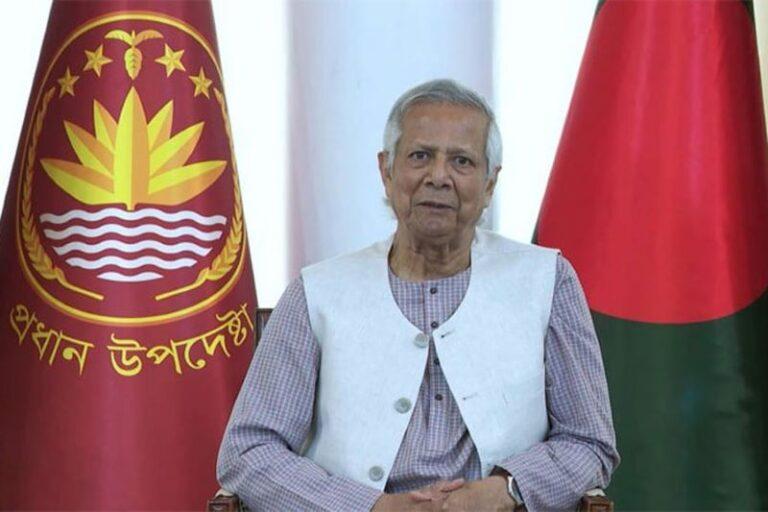
    In a televised address to the nation on the eve of Bangladesh’s Independence Day and Eid-ul-Fitr, Chief Adviser and head of the interim government, Professor Muhammad Yunus, described corruption as the “biggest problem” plaguing the country. Calling it a systemic issue that undermines governance, Yunus criticized the previous Awami League government, alleging that their actions elevated Bangladesh to global infamy for corruption.

    “Corruption not only increases costs exponentially but destroys the efforts of both the government and its citizens,” he stated. “It renders meaningless all goals, policies, and institutional arrangements and undermines the responsibilities of public officials.”

    Yunus lamented that corruption has become an unwritten rule by which government officials, businessmen, industrialists, and citizens alike are compelled to operate. “The world perceives us as a nation devoid of honesty, and this perception is not only a matter of national disgrace but also a suicidal issue for international trade,” he remarked.

    A Call for Change

    Highlighting the importance of reform, Yunus emphasized that eradicating corruption is essential for the country’s economic progress. “The international community also wants us to be free from corruption so that trade and commerce can thrive. Bangladesh has no alternative but to break free from this toxic cycle.”

    He assured the public that his interim government prioritizes making all operations corruption-free, both during its tenure and beyond. “We are committed to ensuring that future governments remain free from systemic corruption. In our efforts, we are focusing on one key principle: preventing corruption and harassment at all levels of governance.”

    In a bid to reduce corruption, Yunus announced the government’s initiative to introduce e-filing across all government offices. “If implemented effectively, e-filing will reduce corruption by making it possible to track where files are stuck within the system,” he explained. Additionally, he highlighted plans to expand online government services, reducing citizens’ dependency on intermediaries and reducing costs.

    “Citizens often face extortion for accessing basic services. By launching online services, we aim to eliminate such suffering,” Yunus said, inviting suggestions from citizens on improving digital access. He also encouraged individuals to receive training and offer these digital services commercially, creating new opportunities for income generation.

    Addressing Past Misuses of Power

    Yunus also addressed the misuse of legal systems by the previous government to suppress dissent. “False cases were weaponized as tools of harassment,” he said. His government has taken steps to withdraw such politically motivated cases, with 6,295 harassment cases already recommended for withdrawal. Additionally, 413 cases filed under the controversial Cyber Security Act have been dropped, and the act itself is being replaced with a citizen-friendly alternative.

    “We have also simplified the process of filing general diary (GD) entries,” Yunus noted. “Now, citizens can file a GD online without the need to visit a police station.”

    Acknowledging the contributions of Bangladeshi expatriates, Yunus highlighted measures to reduce their hardships. Amendments to the Power of Attorney Rules now allow expatriates to complete transactions without requiring a Bangladeshi passport. Proof of birth or a national identity card suffices under the revised rules.

    The government has also streamlined the process of purchasing air tickets online, which has reduced prices by 50-75%. This has been particularly beneficial for expatriates in the Middle East. “These changes demonstrate our commitment to making lives easier for expatriates who play a critical role in our economy,” he added.

    Revenue Reform

    Yunus announced initiatives to digitize land services, a sector long plagued by corruption. Services such as land rent payment, registration, cancellation, and obtaining certified copies of land documents can now be accessed online. These programs, currently in the experimental stage, will be expanded to ensure transparency and efficiency.

    “Our goal is to empower individuals and organizations to provide these services, creating employment opportunities for village graduates and homemakers,” he said. “By decentralizing these responsibilities, we aim to make services more accessible and citizen-centric.”

    In another major reform, Yunus announced the dissolution of the National Board of Revenue (NBR). Two new departments will replace it: the National Revenue Policy Board, responsible for policy formulation, and the National Revenue Collection Department, tasked with implementation. “This will eliminate opportunities for revenue evasion, which has cost the country thousands of crores,” he asserted.

    Preparing for Elections

    Describing Bangladesh as the eighth-largest country in terms of population, Yunus underlined the potential of its youth. “Our 170 million people, particularly the youth, are our greatest asset. By removing barriers and unleashing their creativity, we can become a global economic powerhouse,” he said.

    The government has already begun leveraging technology to improve services. “We have abolished the police verification requirement for passports, making the process significantly faster,” he said. “So far, 70,000 delayed passports have been issued. We’ve also launched electronic passports, with plans for home delivery in the near future.”

    Turning to the upcoming general elections, Yunus reaffirmed his government’s commitment to ensuring a free, fair, and transparent process. “The polls will be held sometime between December this year and June next year,” he stated, emphasizing that this election must be the most credible in the country’s history.

    He noted that the Election Commission (EC) is making comprehensive preparations and that political parties have responded positively to proposed reforms. A National Consensus Commission has been established to gather input from political parties, and their recommendations will form the basis of a July Charter outlining agreed-upon reforms.

    In closing, Yunus paid tribute to the martyrs of Bangladesh’s Liberation War and expressed hope for a brighter future. “This is the era of technology and creativity,” he said. “We are committed to creating opportunities for all citizens, particularly the youth, and ensuring that the government serves its people efficiently and transparently.”

    Yunus urged all citizens to embrace the changes and work collectively to eliminate corruption. “Together, we can build a Bangladesh that is free from the shackles of corruption and ready to compete on the global stage,” he concluded.

    Mahathir Calls for UN Peacekeeping Troops in Gaza as UN Decides to Reduce Footprint

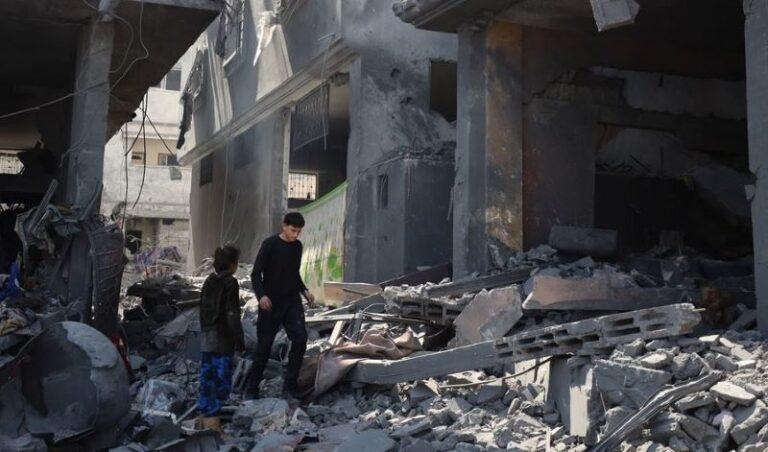
    The renewed conflict in Gaza has had devastating effects on civilians and healthcare infrastructure. Reports from the UN and other humanitarian agencies describe relentless bombardments targeting ambulances, hospitals, and health workers.

    The ongoing conflict in Gaza has prompted former Malaysian Prime Minister Mahathir Mohamad to call for the deployment of United Nations peacekeeping forces to protect civilians in the enclave. His call comes amidst escalating violence, renewed airstrikes, and severe humanitarian concerns following the breakdown of a ceasefire between Israel and Hamas. Mahathir’s statement underscores a growing demand for international intervention as civilian casualties mount and the humanitarian crisis deepens.

    In a statement shared on X (formerly Twitter), Mahathir condemned Israel’s military actions in Gaza and accused the country of violating the terms of the recently collapsed ceasefire. “Israelis did not honour their commitment in the ceasefire agreement,” he stated. “All they did was to stop the killings in order to gain freedom for the hostages.” He further criticised Israel for maintaining a blockade on essential supplies, including medicine and temporary housing, despite these being key conditions of the ceasefire agreement.

    Mahathir warned that Israel and its allies would not cease their military campaign until they occupied Gaza entirely. “The only solution is for the United Nations to send a multinational peacekeeping force to protect the Gazans,” he urged, adding that the world must act against what he described as “genocide.” His call for UN intervention echoes sentiments shared by other global leaders advocating for immediate measures to safeguard civilians in Gaza.

    UN Reduces Operations as Casualties Mount

    The crisis in Gaza has also forced the United Nations to scale back its operations in the region. On Monday, UN Secretary-General António Guterres announced the “difficult decision” to reduce the UN’s aid footprint in Gaza following the resumption of intense Israeli airstrikes. The strikes, described as “devastating,” have resulted in the deaths of hundreds of civilians, including UN personnel, and have left critical humanitarian efforts in jeopardy.

    “The UN is not leaving Gaza,” Guterres affirmed in a statement. “But the Organization’s footprint will be temporarily reduced due to the intolerable risks faced by our colleagues who are working to save civilian lives.” Roughly a third of the 100 international staff currently stationed in Gaza will be relocated as a precautionary measure, even as humanitarian needs soar to unprecedented levels.

    The UN stressed its commitment to delivering lifesaving aid to Gaza, where civilians face dire conditions. Food shortages and skyrocketing prices, compounded by an Israeli blockade on humanitarian aid since early March, have created a desperate situation for the two million residents of the enclave.

    Strike on UN Compound Sparks Outrage

    The UN’s decision to reduce its operations was prompted in part by a deadly attack on its compound in Deir Al Balah on March 19, which it attributes to an Israeli tank strike. The attack claimed the life of a UN staff member from Bulgaria and injured six others from various countries, including Palestine and the UK.

    “The location of this UN compound was well known to all parties to the conflict,” said UN Spokesperson Stéphane Dujarric. “Without the protection of international law, our colleagues face intolerable risks as they work to save the lives of civilians.” The UN Secretary-General has called for a thorough and independent investigation into the incident, along with the immediate release of all hostages and the resumption of humanitarian aid deliveries.

    Israel’s Foreign Ministry has rejected the UN’s claims, calling them “baseless slander” and accusing the world body of bias. Israeli officials have denied responsibility for the attack and criticised the UN for failing to hold Hamas accountable for its actions in Gaza.

    Fox News: UN Avoids Naming Hamas

    A report by Fox News highlighted the UN’s reluctance to explicitly name Hamas or other militant groups in its statements regarding the violence in Gaza. Experts interviewed by the outlet accused Hamas of exploiting civilian infrastructure and embedding itself within densely populated areas to evade detection.

    “Hamas has become highly skilled at persuading the public that it does not operate from civilian infrastructure,” said Joe Truzman, an analyst with the Foundation for Defence of Democracies. He further asserted that Hamas’s priority is not the welfare of Palestinian civilians but the group’s survival.

    Fox News also noted that the UN’s criticism of Israel has fuelled tensions between the world body and Israeli officials. “The UN’s inquiry team itself hasn’t even arrived at the scene,” said Israel’s Foreign Ministry Spokesman Oren Marmorstein, accusing the UN of rushing to judgment.

    Humanitarian Crisis Worsens

    The renewed conflict in Gaza has had devastating effects on civilians and healthcare infrastructure. Reports from the UN and other humanitarian agencies describe relentless bombardments targeting ambulances, hospitals, and health workers. In one recent attack, the surgical department of the Nasser Medical Complex caught fire, causing multiple casualties.

    The Palestine Red Crescent Society has reported the targeting of its ambulances and team members, with communication lost with some personnel for over 30 hours. The UN Office for the Coordination of Humanitarian Affairs (OCHA) has called for the urgent entry of additional emergency medical teams into Gaza to support exhausted health workers.

    Meanwhile, the International Criminal Court has issued arrest warrants for Israeli Prime Minister Benjamin Netanyahu and former Defence Minister Yoav Gallant, charging them with war crimes and crimes against humanity in Gaza. Israel also faces a genocide case at the International Court of Justice.

    International Pressure Mounts

    As the situation in Gaza deteriorates, Mahathir’s call for a UN peacekeeping force has added momentum to calls for international intervention. Other global leaders may soon follow suit, emphasising the need for a multinational effort to protect civilians and ensure compliance with international law.

    While challenges remain – including resistance from Israel and the United States – the demand for action is growing louder. The world’s response to the crisis in Gaza will be a test of its commitment to upholding human rights and protecting innocent lives. As Mahathir stated, “These inhuman people must be stopped by force.”

    Pakistan Working to Strengthen Ties with US, Says Gilani

    Gilani praised the Pakistani diaspora in the United States for its vibrant contributions to fostering mutual understanding and highlighted the significance of educational exchanges in strengthening bilateral ties.

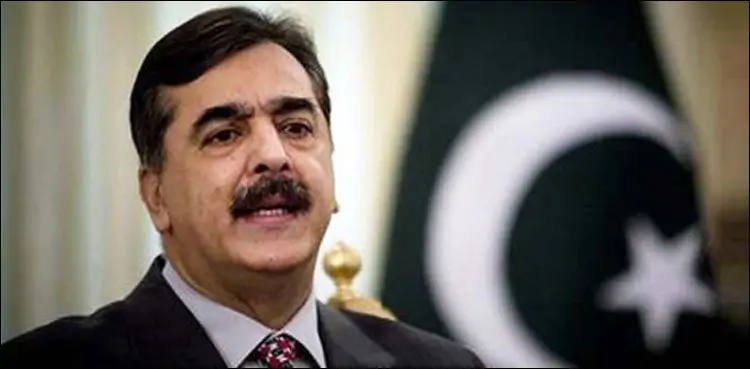
    Chairman of the Pakistan Senate, Syed Yousaf Raza Gilani, reaffirmed the importance of Pakistan’s relationship with the United States, describing it as a cornerstone of the country’s foreign policy. During a meeting with Natalie Baker, Chargé d’Affaires of the US Embassy, at the Parliament House on Monday, Gilani highlighted the enduring and broad-based partnership between the two nations.

    “Our bilateral relationship is on an upward trajectory, and it is important to maintain the current positive momentum,” Chairman Gilani stated. He underscored the principles of mutual trust, respect, and shared interests as the foundation for Pakistan-US relations, emphasizing the need to deepen ties through people-to-people contacts and collaboration across political, parliamentary, business, education, and cultural platforms.

    Gilani pointed to Pakistan’s efforts to encourage US companies to invest in new sectors, noting that the United States is already Pakistan’s largest export market. “We are keen to diversify our bilateral trade relationship with the US, with a special focus on boosting trade and business cooperation,” he said.

    Reflecting on regional dynamics, Gilani reiterated Pakistan’s commitment to fostering constructive relations with neighboring countries, despite existing challenges. Recalling his tenure as Prime Minister, he highlighted his official visit to the United States in 2008, where he met with then-President George W. Bush, and his 2012 discussions with President Barack Obama at the Nuclear Security Summit in Seoul, which strengthened bilateral ties.

    Robust defence partnership

    Gilani commended the United States for its economic and developmental contributions to Pakistan, stressing the importance of diversifying cooperation in areas like climate change, energy transition, water management, and climate-smart agriculture. “We must continue to explore new avenues for trade and investment, leveraging our unique strengths to drive growth and innovation,” he added.

    Gilani also acknowledged the robust defence partnership between the two nations, particularly Pakistan’s critical role as a frontline state during the global war on terror. He appreciated US assistance in flood relief efforts and humanitarian aid, expressing hope for continued collaboration under the new administration of President Donald Trump.

    In his remarks, Gilani praised the Pakistani diaspora in the United States for its vibrant contributions to fostering mutual understanding and highlighted the significance of educational exchanges in strengthening bilateral ties. He expressed optimism for sustained diplomatic collaboration and expanded cooperation in areas of mutual interest.

    Chargé d’Affaires Natalie Baker thanked Chairman Gilani for the warm reception, describing Pakistan as an important partner of the United States. She conveyed President Trump’s appreciation for Pakistan’s role in counter-terrorism efforts and commended Gilani’s leadership in promoting peace and stability. “You are a true champion of peace,” she remarked. Baker emphasised the need to broaden trade and economic ties between the two nations and expressed her best wishes to Chairman Gilani.

    In Rajya Sabha: ARHCs Scheme Paves Way for Affordable Urban Housing

    These ARHCs provide affordable housing with civic amenities, ensuring a dignified standard of living for the beneficiaries. To date, ₹173.89 crore has been sanctioned under the scheme as Technology Innovation Grant, with ₹83.26 crore already disbursed.

    The Ministry of Housing and Urban Affairs (MoHUA) continues to push forward its initiative to provide affordable and dignified housing for urban migrants and the economically weaker sections (EWS) of society, Tokhan Sahu, Minister of State in the Ministry of Housing and Urban Affairs, said during a discussion in the Rajya Sabha on Monday.

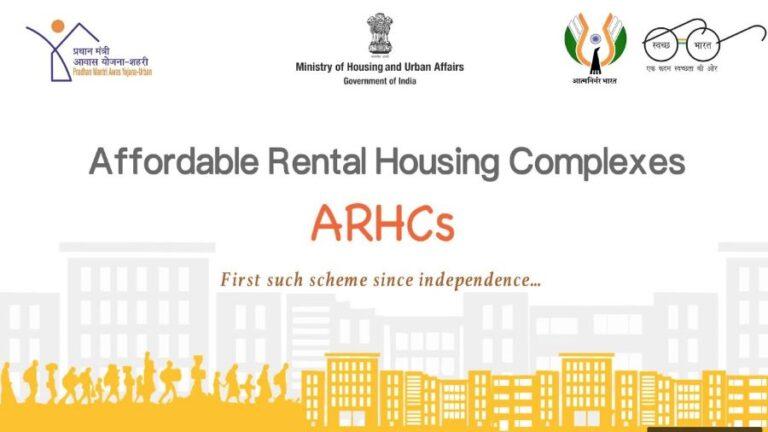
    The Affordable Rental Housing Complexes (ARHCs), a sub-scheme of Pradhan Mantri Awas Yojana – Urban (PMAY-U), addresses the housing needs of labourers, street vendors, rickshaw pullers, and other urban poor near their workplaces.

    Launched under two implementation models, ARHCs aim to reduce housing challenges faced by migrants and low-income groups. Model-1 repurposes vacant government-funded houses under schemes such as the Jawaharlal Nehru National Urban Renewal Mission (JNNURM) and Rajiv Awas Yojana (RAY) into ARHCs through Public-Private Partnerships (PPP) or public agencies. Model-2 focuses on the construction, operation, and maintenance of ARHCs on vacant land owned by public or private entities.

    As of now, 5,648 existing government-funded houses have been successfully converted into ARHCs in various states and union territories under Model-1. Model-2 has seen approval for the construction of 82,273 new units across seven states, out of which 35,425 have already been completed. The remaining units are in different stages of initiation and construction.

    These ARHCs provide affordable housing with civic amenities, ensuring a dignified standard of living for the beneficiaries. To date, ₹173.89 crore has been sanctioned under the scheme as Technology Innovation Grant (TIG), with ₹83.26 crore already disbursed.

    Regulatory Framework

    Under the scheme guidelines, initial rents for ARHCs are determined by local authorities based on surveys. The rent increases by 8 per cent biennially, with a maximum cumulative increase of 20 per cent over five years. This pattern continues over the 25-year concession period. The operational guidelines, which detail the incentives and benefits to encourage public and private participation, are available online.

    Building on nine years of PMAY-U’s success, the government revamped the mission, launching PMAY-U 2.0 on 1 September 2024. Under the new “Housing for All” initiative, 1 crore additional beneficiaries are expected to benefit through four verticals: Beneficiary Led Construction (BLC), Affordable Housing in Partnership (AHP), Affordable Rental Housing (ARH), and Interest Subsidy Scheme (ISS).

    The ARH vertical under PMAY-U 2.0 focuses on providing rental housing for short-term needs of EWS/LIG beneficiaries, including migrant workers. This move addresses the needs of those who require temporary accommodation rather than permanent homeownership.

    While no official assessment of the ARHCs has been conducted yet, the minister said that the government’s commitment to improving urban housing remains evident. The revamped guidelines for ARHCs and PMAY-U 2.0 aim to ensure affordability, inclusivity, and dignified living for urban poor across the country.

    UN Appeals for a Billion Dollars to Support Rohingya Refugees in Bangladesh

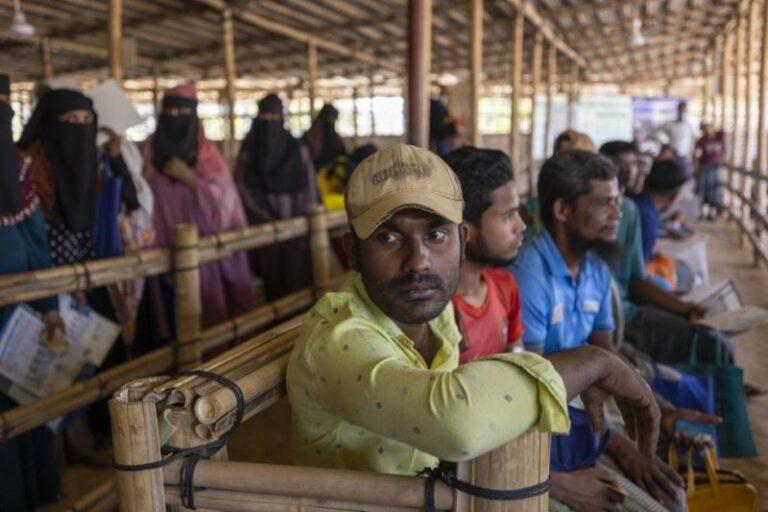
    The appeal aims to address the escalating needs of the refugee population, which includes approximately one million Rohingya living in overcrowded camps in Bangladesh. Most of these refugees fled Myanmar following a military crackdown in 2017.

    The United Nations and its partners have launched a significant appeal for $934.5 million to provide critical aid to nearly 1.5 million Rohingya refugees and their host communities in Bangladesh. The call comes as part of the 2025-26 Joint Response Plan (JRP) for the Rohingya humanitarian crisis, unveiled on Monday in Geneva.

    The appeal is being led by the International Organization for Migration (IOM) and the UN Refugee Agency (UNHCR), in collaboration with the Government of Bangladesh and over 100 humanitarian partners. It aims to address the escalating needs of the refugee population, which includes approximately one million Rohingya living in overcrowded camps in Bangladesh. Most of these refugees fled Myanmar following a military crackdown in 2017.

    In its eighth year, the Rohingya crisis continues to suffer from dwindling international attention, exacerbating the challenges faced by this vulnerable population. The appeal emphasizes the critical need for funding to avoid catastrophic consequences, such as food shortages, inadequate shelter, and a lack of basic services. Without sufficient resources, many refugees may be forced into desperate measures, including perilous boat journeys in search of safety.

    The UN highlighted the specific vulnerabilities faced by Rohingya women and children, who make up a significant portion of the refugee population. Over half of the refugees are women and girls, many of whom are at heightened risk of gender-based violence and exploitation. Additionally, one-third of the population is aged between 10 and 24, with limited access to education or opportunities for skills development. The lack of such resources leaves their futures uncertain.

    Impact on Bangladesh’s host communities

    Filippo Grandi, UN High Commissioner for Refugees, and Amy Pope, IOM Director General, stressed the importance of sustained international support during the appeal presentation. They underscored that the ongoing conflict in Myanmar’s Rakhine State makes conditions unsafe for the voluntary and dignified return of refugees, further entrenching the crisis.

    The appeal also calls attention to the impact on host communities in Bangladesh, who have shown remarkable generosity despite their own economic challenges. The JRP aims to support both refugees and host populations through measures that include protection, basic shelter, food assistance, and initiatives to promote self-reliance.

    “This is a multi-year plan, but the needs are immediate,” said Grandi during the Geneva presentation. “We cannot let funding shortages compromise the well-being of such a vulnerable population.”

    The international community has been urged to respond promptly and generously to the appeal to prevent a worsening humanitarian crisis. Until peace and stability are restored in Myanmar, the Rohingya refugees will remain reliant on global assistance to survive and rebuild their lives.

    For these refugees, life in the camps is a daily struggle, marked by uncertainty and hardship. The UN’s appeal is a critical step in ensuring that the Rohingya and their host communities receive the support they desperately need in the face of unrelenting challenges.

    Image: IOM

    Allahabad High Court Order Sparks Outrage; Campaign Petition Alleges Misogyny

    The campaigners assert that the order trivialises crimes against women and children, reflecting a mindset that fails to recognise the fine line between attempted rape and rape, especially in cases where external intervention prevents the completion of the act.

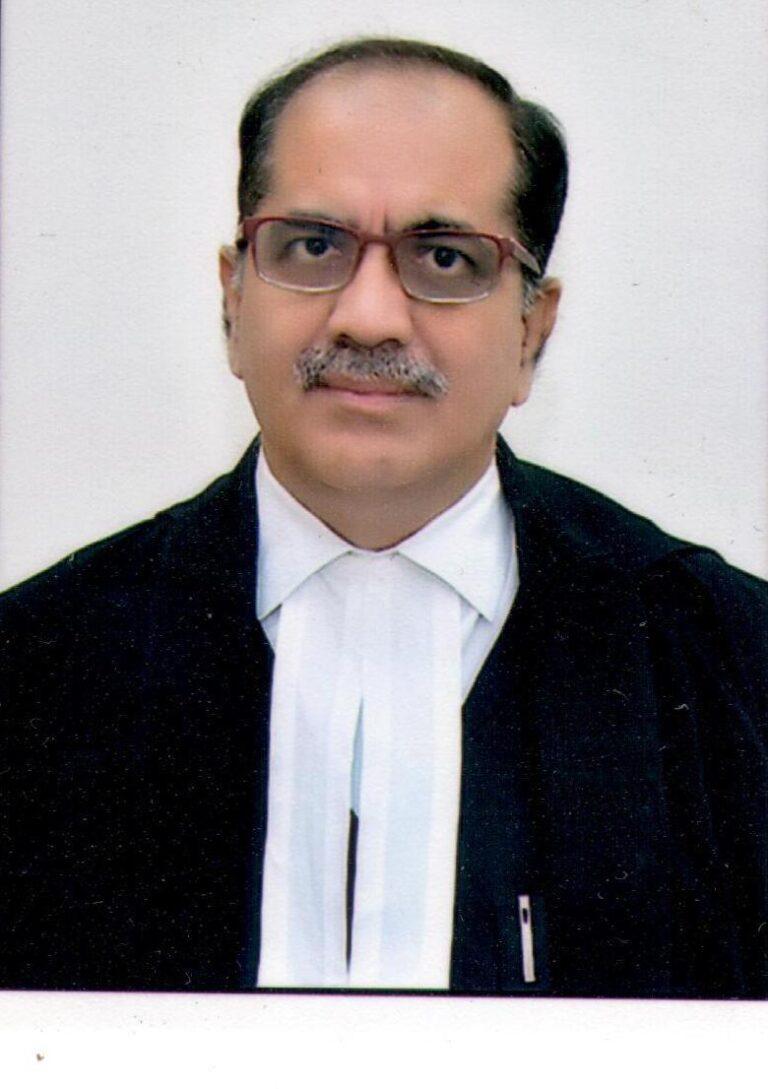
    A groundswell of outrage has erupted following a recent revision order by a single judge bench of the Allahabad High Court, with an online petition addressed to the Chief Justice of India (CJI) demanding immediate intervention. The petition, signed by a collective of citizens, social activists, writers, lawyers, and journalists, alleges that the order, delivered by Justice Ram Manohar Narayan Mishra in Criminal Revision No. 1449/2024 dated March 17, 2024, disregards contemporary jurisprudence and regresses the justice system by decades.

    The case in question involves allegations of sexual assault against a minor survivor. According to the petition, the accused offered the minor a motorcycle ride, subsequently stopping near a culvert where they allegedly grabbed her breast, attempted to drag her underneath, and broke the string of her lower garment. The intervention of witnesses, who arrived on a tractor, prevented a potential gang rape, with the accused fleeing after issuing death threats and brandishing a firearm.

    The trial court, acting on an application filed by the survivor’s mother under Section 156(3) of the Criminal Procedure Code (CRC), summoned the accused under Section 376 of the Indian Penal Code (IPC) and Section 18 of the Protection of Children from Sexual Offences Act, 2012 (POCSO). However, the Allahabad High Court, in its revision order, modified the summoning, stating that the accused were liable to be summoned for “minor offences” under Section 354(b) of the IPC read with Section 9/10 of the POCSO Act, effectively downgrading the charge from attempted rape to molestation and disrobing.

    Alarming rise in child abuse

    The petition vehemently contests this modification, arguing that the High Court’s interpretation ignores the gravity of the accused’s actions and the intent behind them. “By employing an archaic and deeply misogynistic interpretation, the court has concluded that the accused’s actions constituted nothing more than molestation and disrobing,” the petition states. “Viewing the set of facts in the context in which they happened, obviously the grabbing of her breast and trying to drag her beneath the culvert and breaking the string of her pyjami (lower garment) are nothing else but ingredients of attempt to commit rape.”

    The campaigners assert that the order trivialises crimes against women and children, reflecting a mindset that fails to recognise the fine line between attempted rape and rape, especially in cases where external intervention prevents the completion of the act. They argue that this ruling undermines the progressive strides made in gender justice jurisprudence, particularly the POCSO Act 2012, which was enacted to address sexual exploitation and abuse of children.

    The petition highlights the alarming rise in child abuse cases in India, citing National Crime Records Bureau (NCRB) data that indicates an 8.7 per cent increase, with 162,000 incidents reported. It emphasises the judiciary’s responsibility to consider the vulnerability of children in such cases.

    Furthermore, the petitioners criticise the High Court’s reasoning, which relies on century-old judgments from the colonial era. The order quoted judgments such as Rex v. James Lloyd (1836) and Express v. Shankar (1881), which emphasised the need for evidence of a “determination to gratify his passions at all events and in spite of all resistance” to establish an intent to rape.

    Patriarchal Mindset

    The petition counters this by citing a recent Supreme Court judgment, Criminal Appeal No. 2127 of 2009, which states that “the attempt to commit an offence begins when the accused commences to do an act with the necessary intention.” The petitioners argue that the High Court’s reliance on outdated judgments reflects a patriarchal mindset that views sexual assault as a mere gratification of male passion rather than an act of power and violence.

    “These above quotes relied upon by the order are in complete contravention of established jurisprudence and are in fact reflection of patriarchal mind set, which sees, sexual assault not as crime, which is committed to establish power over women and children but as gratification of male passion,” the petition asserts.

    The petitioners express concern over a “disturbing trend” within the judiciary, where perpetrators of crimes against the socially weak, particularly women, are shielded. They fear that this order will set a dangerous precedent, emboldening perpetrators and eroding hard-won protections enshrined in the POCSO Act.

    In their appeal to the CJI, the petitioners demand the following:

    • Suo Moto Cognisance: The Supreme Court should take suo moto cognisance of the matter and issue appropriate orders.
    • Judicial Sensitisation: The judiciary must be regularly sensitised to the realities of sexual violence and the trauma inflicted on survivors.
    • Exclusion of Biased Judges: Judges who have demonstrated patriarchal bias in cases of sexual violence should be excluded from handling such cases.
    • Judicial Academy Reform: National and state judicial academies must revise their training programs to sensitise judges at all levels.

    The petitioners emphasise that the order not only denies justice to the victim but also threatens to undermine progressive reforms aimed at strengthening women’s rights and ensuring gender justice. The petition underscores the urgent need for judicial reform and a shift in mindset to effectively address the pervasive issue of sexual violence in India.