More

    J&K Women’s Special Cells Face Imminent Closure; Citizens Demand Urgent Intervention

    A defining feature of the Special Cells is their strategic placement within police stations, bridging the gap between survivors and the criminal justice system. Trained social workers have facilitated smoother navigation of legal procedures.

    The impending closure of Jammu and Kashmir’s Special Cells for Women, slated for March 31, 2025, has sparked widespread outcry as an online petition, addressed to Chief Minister Omar Abdullah, is rapidly gaining traction, urging immediate action to prevent the shutdown of these vital support centres.

    Established in 2021 by the National Commission for Women (NCW) in collaboration with the Tata Institute of Social Sciences (TISS) and the J&K Home and Social Welfare Departments, these Special Cells were created to address the void left by the dissolution of the State Women’s Commission following the abrogation of Article 370.

    The petition highlights the critical role these cells have played in providing psycho-social-legal support to women facing violence across all 20 districts of J&K. Funded by the NCW under the “Violence-Free Home – A Woman’s Right Initiative,” the cells have become a lifeline for nearly 10,000 survivors of violence, offering counselling, legal assistance, and crisis intervention.

    Since its inception, the Special Cells have reached out to 9,791 survivors of violence, providing them with counselling, legal assistance, and crisis intervention. Additionally, social workers from the Special Cells have conducted or participated in 1,581 awareness and training programs, sensitising communities about legal rights and protective laws for women and children. 

    The Special Cells for Women in Jammu and Kashmir are being run by a team of 40 social workers (two per each district) and two regional coordinators (one for Jammu Division and one for Kashmir Division). Each staff member has been trained intensively and is having years of experience in working with women in distress.

    “The news of the impending closure is a devastating blow to gender and women activists,” the petition states, emphasizing the transformative impact of these cells in ensuring access to justice and protection for vulnerable women.

    Gender-based Violence

    A defining feature of the Special Cells is their strategic placement within police stations, bridging the gap between survivors and the criminal justice system. Trained social workers have facilitated smoother navigation of legal procedures, fostering a more sensitive and supportive environment within law enforcement. The trained social workers engaged by the special cells ensure that women can navigate legal procedures with dignity and support.

    “It has made police stations accessible and the police personnel more sensitive to gender based violence,” the petition says. “However, with NCW’s decision to withdraw funding, thousands of women currently receiving support will be left vulnerable and without recourse. Many will find their cases abandoned mid-process, facing immense hardship in their fight for justice.”

    The petition further says that “The abrupt closure of these services would be a severe setback in the fight against gender-based violence, leaving countless women without structured protection.”

    “While institutionalizing the Special Cells under the state government is the ideal long-term solution, an immediate interim measure is crucial to ensure that services remain uninterrupted”

    The petition underscores the significant contributions of the 40 social workers and two regional coordinators, all highly qualified and experienced, who staff these cells. Their efforts have not only provided direct support to survivors but also included conducting over 1,500 awareness and training programs, educating communities about women and children’s legal rights.

    Two crores per year

    The petitioners express deep concern over the NCW’s decision to withdraw funding, which threatens to leave thousands of women without essential support and potentially abandon ongoing cases. They argue that the closure would represent a severe setback in the fight against gender-based violence, undoing years of progress.

    “The abrupt closure of these services would be a severe setback in the fight against gender-based violence, leaving countless women without structured protection,” the petition warns.

    To avert this crisis, the petitioners are urging CM Abdullah to intervene and implement immediate measures. Their demands include:

    • Directing the Social Welfare and Home Departments to explore interim funding solutions to ensure the continued operation of the Special Cells.
    • Requesting the NCW to extend financial support until the state government can finalize the institutionalization of these cells.
    • Expediting the institutionalization process, which is already under consideration by the Ministry of Social Welfare.
    • Convening an urgent meeting with key stakeholders, including the NCW, TISS, and the state government, to devise a sustainable transition plan.

    “Even if it means allowing some CSR funding to TISS which can continue with the cells, if money/funding is the real issue but it is hard to believe that 2crores/year is a big deal for any government to spend on such a critical service,” the petition says.

    The petition stresses the urgency of the situation, emphasizing that the Special Cells have become a beacon of hope for women in distress. They argue that allowing these cells to close would signal a disregard for the safety and well-being of women in Jammu and Kashmir.

    Activists and concerned citizens are calling on the CM to recognize the critical importance of these services and take immediate action to ensure their continuity. They believe that the preservation of these Special Cells is not just a matter of funding but a fundamental commitment to the protection and empowerment of women in the region.

    Image: Facebook
    Greenpeace Ordered to Pay $660M in Landmark Ruling

    For activists, the ruling is a stark reminder of the risks involved in challenging powerful industries. For society, it raises urgent questions about the balance between corporate rights and democratic freedoms.

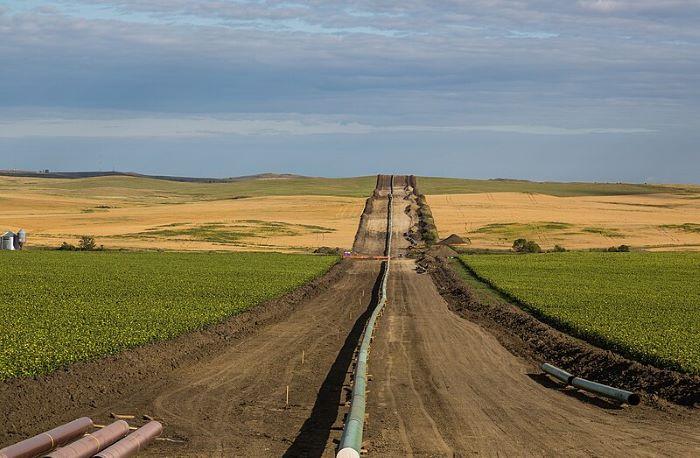
    In a chilling precedent for environmental activism, a North Dakota jury has ordered Greenpeace to pay $660 million in damages to Energy Transfer, the company behind the controversial Dakota Access Pipeline (DAPL).

    This decision stems from Greenpeace’s involvement in protests against the pipeline, which began in 2016 and drew global attention to Indigenous rights and environmental protection. The ruling, announced on March 20, 2025, has sparked widespread debate and raised alarms about its potential impact on climate movements and freedom of protest.

    The case centers on Greenpeace’s alleged role in defaming Energy Transfer and inciting disruptions during the protests. Energy Transfer accused Greenpeace of orchestrating a campaign of misinformation that led to financial losses and damage to its reputation. The jury agreed, awarding one of the largest-ever damages rulings against a non-governmental organization. Environmental groups and civil liberties advocates have condemned the decision, warning that it sets a dangerous precedent for targeting activism.

    A Battle Over Land, Rights, and Oil

    The Dakota Access Pipeline became a flashpoint for activism in 2016 when the Standing Rock Sioux Tribe opposed its construction, citing threats to their water supply and sacred sites. The protests, centered near the Standing Rock reservation, attracted thousands of demonstrators, including Indigenous leaders, environmentalists, and celebrities. The movement galvanized public attention and highlighted broader issues of fossil fuel dependence and Indigenous sovereignty.

    Energy Transfer argued that Greenpeace’s involvement went beyond peaceful protest, accusing the organization of participating in a conspiracy to harm the company financially. The lawsuit, initially filed in 2017 under the Racketeer Influenced and Corrupt Organizations (RICO) Act, claimed that Greenpeace spread false information about the pipeline’s safety and encouraged illegal activities such as trespassing and property destruction. Greenpeace has consistently denied these allegations, asserting that its actions were lawful and aimed at raising awareness about the environmental and social risks of the pipeline.

    The Verdict: A Chilling Message

    The $660 million judgment represents a decisive victory for Energy Transfer and a severe blow to Greenpeace. Legal experts have noted that such an unprecedented damages award could embolden corporations to pursue similar lawsuits against activist groups. Greenpeace USA’s Executive Director, Annie Leonard, called the verdict “a dark day for democracy and the right to dissent.”

    “This decision punishes those who dare to speak out against powerful industries,” Leonard said in a statement. “It’s a clear attempt to silence environmental advocates and discourage future movements from challenging corporate wrongdoing.”

    Energy Transfer, on the other hand, framed the ruling as a victory for accountability. In a press release, the company stated, “This verdict affirms that misinformation and unlawful activities have consequences. We remain committed to providing safe and reliable energy infrastructure while protecting our reputation and interests.”

    Implications for Activism

    Environmental groups and civil rights organizations have decried the ruling as a grave threat to freedom of speech and the right to protest. Amnesty International called the verdict a “devastating blow to environmental activism,” warning that it could discourage grassroots movements from taking on powerful corporate interests. The Union of Concerned Scientists described the decision as a “slap in the face” to the broader environmental movement.

    “This judgment sends a chilling message to all activists,” said Kate Cell, a senior campaigner with the Union of Concerned Scientists. “If corporations can use their deep pockets to silence dissent, it creates a dangerous imbalance of power and undermines the democratic principles that allow for peaceful protest.”

    The ruling also raises questions about the use of the RICO Act against advocacy organizations. Originally designed to combat organized crime, the RICO Act has increasingly been used in civil lawsuits to target protest groups. Critics argue that this trend weaponizes the legal system against activists and creates a financial risk that many organizations cannot afford to bear.

    Wake-Up Call to the Climate Movement

    The $660 million verdict is not only a financial blow to Greenpeace but also a symbolic warning to the climate movement as a whole. Climate activists have long relied on public demonstrations, direct action, and media campaigns to pressure governments and corporations into addressing the climate crisis. This ruling could force organizations to reassess their strategies and approach to activism.

    Some activists see the decision as a call to action. “This is a wake-up call for the entire climate movement,” said Bill McKibben, co-founder of 350.org. “We need to stand together and defend the right to protest. If we allow this precedent to stand, it will become even harder to hold corporations accountable for their role in the climate crisis.”

    Others worry that the financial burden of such lawsuits could stifle smaller organizations and grassroots movements. Greenpeace, as one of the world’s largest environmental NGOs, may have the resources to appeal the decision and continue its work. But smaller groups, lacking the same financial backing, could be deterred from taking bold stances on controversial issues.

    Legal Appeals and Public Support

    Greenpeace has vowed to appeal the verdict, calling it a “miscarriage of justice.” Legal experts suggest that the case could eventually reach the U.S. Supreme Court, where it may set an important precedent for the limits of corporate litigation against advocacy groups.

    In the meantime, public support will be crucial for Greenpeace and other organizations facing similar challenges. Crowdfunding campaigns and solidarity statements have already begun circulating online, highlighting the global resonance of the case.

    The verdict also underscores the need for stronger legal protections for activists. Advocacy groups are calling for legislative reforms to prevent the misuse of laws like RICO against peaceful protesters. Some lawmakers have expressed interest in exploring these issues, but any significant changes are likely to face resistance from powerful corporate lobbies.

    Beyond the immediate legal and financial implications, the Greenpeace verdict has sparked a broader conversation about the role of activism in a democratic society. As climate change accelerates and public pressure on governments and corporations intensifies, the line between lawful advocacy and corporate defamation is becoming increasingly contested.

    At a Crossroads

    “We’re at a crossroads,” said Tara Houska, a tribal attorney and former advisor to the Standing Rock Sioux Tribe. “This case is about more than just Greenpeace or the Dakota Access Pipeline. It’s about the fundamental right to stand up for what you believe in and to hold those in power accountable.”

    The ruling also highlights the growing tensions between the fossil fuel industry and the climate movement. As the world transitions to renewable energy, conflicts over oil and gas infrastructure are likely to become more frequent and contentious. How society chooses to navigate these disputes will shape the future of environmental advocacy and corporate accountability.

    The North Dakota court’s decision against Greenpeace marks a pivotal moment for environmental activism and the climate movement. While Energy Transfer celebrates a legal victory, the broader implications of the $660 million verdict extend far beyond this single case. For activists, the ruling is a stark reminder of the risks involved in challenging powerful industries. For society, it raises urgent questions about the balance between corporate rights and democratic freedoms.

    As Greenpeace prepares to fight the judgment in higher courts, the outcome of this case will not only determine the organization’s future but also set a precedent for how activism is treated in the face of corporate litigation. In the words of Annie Leonard, “The fight for a sustainable and just world has never been easy, but this ruling reminds us why it is so necessary.”

    Image: Wikimedia

    Bangladesh: Media Reform Commission Proposes Sweeping Changes

    A central concern highlighted in the report is the concentration of media ownership. The commission observed that a limited number of influential conglomerates dominate the majority of media outlets in Bangladesh, potentially hindering diversity and the representation of varied viewpoints.

    In a significant move toward transforming Bangladesh’s media landscape, the Media Reform Commission submitted its comprehensive report to Chief Adviser Professor Muhammad Yunus at the State Guest House Jamuna on Saturday. The 11-member commission, chaired by veteran journalist Kamal Ahmed, presented 20 key recommendations aimed at addressing pressing issues within the media sector, including legal reforms, journalist protection, media ownership regulations, and digital media policies.

    A central concern highlighted in the report is the concentration of media ownership. The commission observed that a limited number of influential conglomerates dominate the majority of media outlets in Bangladesh, potentially hindering diversity and the representation of varied viewpoints. To counter this, the commission recommends enforcing stricter regulations on media ownership. One notable proposal is the transition of large and medium-sized media outlets into public listed companies. Kamal Ahmed emphasized that such a move would prevent the use of media for personal or group interests, thereby promoting transparency and accountability.

    Addressing Disinformation and Journalist Protection

    To ensure ethical standards and accountability in media reporting, the commission advocates for the creation of an independent regulatory body. This entity would oversee media practices, addressing issues such as misinformation and unethical journalism. A commission spokesperson underscored the media’s role as a pillar of democracy, stating that an independent regulator would help balance press freedom with accountability. ​

    The commission calls for revisions to existing media laws, particularly amendments to the Digital Security Act, which has faced criticism for suppressing press freedom. The report argues that the current form of the law has been misused to silence journalists and stresses the need for revisions to protect independent reporting. Additionally, the commission urges the introduction of a minimum wage and enhanced job protection measures for journalists, many of whom work under precarious conditions without formal contracts or stable salaries. ​

    In response to the proliferation of misinformation and fake news, the commission recommends implementing robust measures against disinformation. This includes establishing fact-checking mechanisms and conducting public awareness campaigns to educate citizens on discerning credible information from falsehoods. The commission also emphasizes the importance of media literacy programs to empower the public in critically analysing media content. ​

    Gender Equality in Media

    The commission places significant emphasis on promoting gender equality within the media sector. Recommendations include eliminating gender discrimination in recruitment, appointments, and training to ensure participation of all genders at all levels of media. The commission also suggests that each media outlet develop a gender-sensitive code of conduct and ensure its effective implementation through information dissemination, discussions, training, and monitoring. Furthermore, infrastructure improvements, such as separate restrooms and childcare centres, are recommended to facilitate the smooth participation of all genders in the media industry. ​

    The commission’s recommendations are the result of extensive consultations with stakeholders across the country. Kamal Ahmed noted that the commission engaged with approximately 1,400 individuals, including journalists, media owners, and civil society representatives, to identify challenges and explore potential solutions within the media industry. The commission also examined international best practices to assess their applicability in the Bangladeshi context, ensuring that the proposed reforms are both effective and culturally appropriate.

    Industry Reactions and Future Outlook

    The commission’s report has elicited mixed reactions from industry stakeholders. While some media owners express concerns that stricter ownership regulations could stifle free enterprise, others believe that a diversified media landscape will lead to more balanced reporting and strengthen democracy. Journalists and media workers have largely welcomed the recommendations on legal reforms and job protections, viewing them as essential steps toward safeguarding press freedom and improving working conditions.​

    The interim government, led by Chief Adviser Professor Muhammad Yunus, has yet to announce its stance on the commission’s recommendations. The international human rights group, ‘Human Rights Watch’, says that the implementation of these reforms would require coordinated efforts among government bodies, media organizations, and civil society to ensure that the media can operate freely, fairly, and in the public interest.​

    Civil society actors say that the Media Reform Commission’s report represents a pivotal moment for Bangladesh’s media sector, offering a comprehensive roadmap for reforms aimed at enhancing transparency, diversity, and accountability. The proposed measures, they say, address critical issues such as media ownership concentration, legal protections for journalists, disinformation, and gender equality. As the nation awaits the government’s response, the dialogue sparked by the commission’s findings underscores the importance of a free and robust media in sustaining democratic values and promoting informed citizenry.​

    In Rajya Sabha: Liberalised Policy, Funding for Private Space Sector

    The government’s multifaceted approach aligns with the Aatmanirbhar Bharat initiative, aiming to make India self-sufficient in complex space technologies and support startups working in niche areas.

    The Indian government is actively fostering a vibrant private space sector through a series of liberalised policies, dedicated funding schemes, and regulatory frameworks, as revealed in a written reply by union minister of state (independent charge) Dr. Jitendra Singh in the Rajya Sabha on Thursday.

    The government has taken significant steps to open up the space domain to Non-Government Entities (NGEs), allowing them to engage in comprehensive space activities. This liberalization is anchored by the establishment of the Indian National Space Promotion and Authorization Centre (IN-SPACe), which serves as a crucial facilitator, authorizing and supervising NGE activities.

    To provide regulatory clarity and encourage investment, the government has implemented the Indian Space Policy – 2023, along with Norms, Guidelines and Procedures (NGP) and a Foreign Direct Investment (FDI) policy. These measures aim to create a conducive environment for a thriving space ecosystem.

    Dr. Singh highlighted the government’s commitment to supporting startups and NGEs through various schemes, including the Technology Adoption Fund (TAF), Seed Fund, Pricing Support, Mentorship, and access to Technical Labs. As of December 31, 2024, IN-SPACe has signed 78 Memorandums of Understanding (MoUs) with NGEs and issued 72 authorizations.

    Venture Capital Fund in the offing

    In a significant move to bolster the startup ecosystem, the government has proposed to establish a ₹1,000 Crore Venture Capital Fund in the upcoming financial year. Furthermore, IN-SPACe is actively working towards establishing an Earth Observation (EO) System through a Public-Private Partnership (PPP). The technology transfer of the Small Satellite Launch Vehicle (SSLV) to Indian companies is also in progress, creating new opportunities for domestic entities.

    Approximately 330 industries, startups, and MSMEs are currently associated with IN-SPACe, benefiting from services such as authorization for space activities, data dissemination, technology transfer, promotional activities, and access to IN-SPACe Technical Centre and ISRO test facilities.

    A key initiative, the Technology Adoption Fund (TAF), aims to promote the commercialization of early-stage space technologies by Indian industries, particularly startups. The TAF focuses on:

    • Upgrading existing space technologies from Technology Readiness Level (TRL) 3/4 to TRL 7/8 or higher.
    • Developing innovative products.
    • Facilitating import substitution of critical components.

    To qualify for financial support under the TAF, startups must be under Indian management and control, possess proposals with potential commercial value, and refrain from sourcing funding from other central or state government departments for the same project.

    The minister conveyed that the government’s multifaceted approach aligns with the Aatmanirbhar Bharat initiative, aiming to make India self-sufficient in complex space technologies and support startups working in niche areas. By enhancing domestic technical capabilities, India is poised to become a major player in the global space sector.

    More Female Workers Can Drive Sri Lanka’s Growth, Not Stimulus: Treasury Secretary

    The Treasury Secretary emphasised that Sri Lanka’s economic future depends on moving away from unsustainable stimulus-driven growth and focusing on structural reforms that enhance productivity.

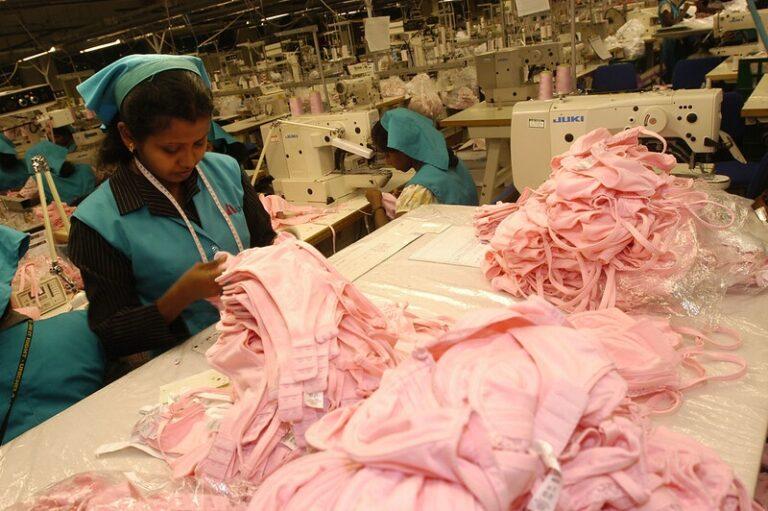
    Sri Lanka’s economic recovery and long-term growth prospects hinge on boosting productivity rather than relying on unsustainable fiscal and monetary stimulus, Treasury Secretary Mahinda Siriwardana stated during a forum organized by the Asian Development Bank (ADB) in Colombo. A key factor in this strategy, he emphasized, is increasing female labor force participation, which remains significantly low despite high levels of education among Sri Lankan women.

    Sri Lanka’s labour force participation rate currently stands at 47.8 per cent, with female participation at just 30 per cent. “Labour productivity is a key factor of production, and the Sri Lankan labour market has faced a longstanding impediment of weak labour force participation, which is in turn driven by low female labour force participation,” Siriwardana explained.

    Encouraging more women to enter the workforce and supporting female entrepreneurs in accessing credit could significantly enhance economic productivity, he added. Among the measures discussed at the event was the Women Entrepreneurs Finance (WE Finance) Code, a collaborative initiative involving regulators and financial institutions aimed at removing barriers to female entrepreneurship and credit access.

    “Increasing female labour force participation would contribute to sustained economic growth, which is crucial for ensuring Sri Lanka’s fiscal and debt sustainability over the medium to long term,” Siriwardana noted.

    Challenges Hindering Women’s Workforce Participation

    Despite significant educational attainment among women in Sri Lanka, various barriers prevent their full participation in the labour force. Research has identified several supply-side and demand-side constraints that continue to hinder women’s entry and advancement in the workforce.

    Supply-Side Factors:

    • Household Responsibilities: Women bear a disproportionate burden of unpaid household and caregiving work, limiting their ability to seek employment.
    • Skills Gaps: Some studies suggest that women may lack the skills most in demand by the job market, restricting their job prospects.
    • Gender Discrimination: Women face biases during job searches, hiring, and promotions, reducing their opportunities for career progression.

    Demand-Side Factors:

    • Employer Attitudes: Some employers hold unconscious biases against hiring women, particularly in leadership roles or male-dominated industries.
    • Legal Constraints: Rigid labour laws, inflexible work hours, and inadequate maternity benefits discourage employers from hiring women.
    • Occupational Segregation: Women are often concentrated in lower-paying, informal-sector jobs with little job security or career advancement opportunities.
    • Wage Discrimination: Even when employed, women tend to earn lower wages than their male counterparts in the same roles.

    Prime Minister Harini Amarasuriya acknowledged these challenges, highlighting the lack of safe and reliable public transport as a major deterrent for women entering the workforce. Additionally, the high cost of scooters in Sri Lanka — often priced as much as a small used car due to heavy taxation — has further limited mobility for women seeking employment.

    The Case for Financial Inclusion and Policy Reforms

    According to a 2016 report of the International Labour Organisation (ILO), “female labour force participation rate in Sri Lanka has remained low between 30 – 35 per cent in the past two decades, which is surprising given the consistently high educational attainment levels and other social indicators of women in the country.”

    As per a latest ILO study “Women at work Trends 2016” the global female labour for rate has decreased from 52.4 to 49.6. The corresponding figures for men are 79.9 and 76.1, indicating that worldwide, the chances for women to participate in the labour market remains 27 per cent lower than those for men.

    To address these issues, Sri Lanka’s central bank has been working on financial inclusion initiatives, including collecting gender-disaggregated data to better understand female participation in the economy. The WE Finance Code is expected to facilitate access to credit for female entrepreneurs, providing them with the necessary capital to start and expand their businesses.

    Experts suggest several key policy interventions to boost female labour force participation:

    • Expanding Skills Training Programs: Ensuring women receive training in high-demand fields can help bridge the skills gap and improve their employability.
    • Promoting Gender Equality in the Workplace: Implementing policies to eliminate hiring biases and enforce equal pay can improve women’s job prospects.
    • Enhancing Work-Life Balance: Flexible working hours, remote work options, and better maternity benefits can encourage more women to join and stay in the workforce.
    • Investing in Childcare Services: Access to affordable childcare facilities can help women balance work and family responsibilities, reducing barriers to employment.
    • Socializing Maternity Benefits Costs: Employers often hesitate to hire women due to the costs associated with maternity leave. Government policies that distribute these costs more equitably could encourage female hiring.

    A Broader Economic Perspective

    Sri Lanka’s history of economic instability, marked by multiple currency collapses and inflation crises, has been exacerbated by excessive monetary stimulus and fiscal mismanagement. Critics argue that the country’s reliance on stimulus measures — such as the aggressive tax cuts in 2020 — led to the eventual sovereign default.

    (Classical economists like Friedrich Hayek have long criticized the Keynesian approach to monetary stimulus, arguing that such policies often lead to inflationary cycles rather than sustained growth. Hayek warned that expanding the money supply to drive short-term economic gains ultimately results in long-term financial instability.)

    Recent economic data suggests that Sri Lanka’s economy has begun recovering following a period of strict fiscal discipline and monetary stabilization. However, calls for renewed monetary accommodation have raised concerns among experts about the risks of repeating past mistakes.

    The Role of Migration and Informal Employment

    The low participation of women in Sri Lanka’s formal workforce has contributed to significant outmigration, particularly among women seeking employment opportunities in the Middle East. Millions of Sri Lankans have left the country in search of better wages and working conditions, especially in the wake of economic crises.

    While migration provides a source of foreign remittances, it also reflects the lack of viable employment opportunities at home. Many women who remain in Sri Lanka are employed in the informal sector, where they face precarious working conditions, lower wages, and limited social protections.

    The Treasury Secretary emphasised that Sri Lanka’s economic future depends on moving away from unsustainable stimulus-driven growth and focusing on structural reforms that enhance productivity. Increasing female labour force participation is a key component of this strategy, offering a sustainable pathway to economic resilience and growth, he said.

    Siriwardana said that to achieve this, the government, private sector, and financial institutions must work together to remove barriers to women’s employment and entrepreneurship. He added that by fostering an inclusive and equitable labour market, Sri Lanka can harness the full potential of its workforce, ensuring long-term economic stability and prosperity.

    As Siriwardana emphasised, “Sustained economic growth is critical for Sri Lanka’s fiscal and debt sustainability. Encouraging more women to participate in the workforce is not just a social issue but an economic imperative.”

    Pakistan, Saudi Arabia Discuss Economic and Security Cooperation

    Pakistan and Saudi Arabia also discussed regional and international issues of mutual interest. They reaffirmed their commitment to promoting peace and stability in the region and emphasized the importance of resolving conflicts through dialogue and diplomacy.

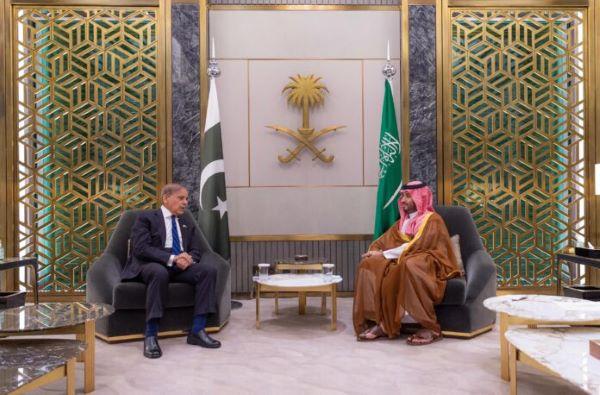
    In a significant diplomatic move signalling a deepening of longstanding ties, Pakistan and Saudi Arabia have reaffirmed their commitment to elevating their bilateral partnership to unprecedented heights. This pledge, articulated during high-level meetings between officials from both nations, underscores a shared vision for enhanced cooperation across a spectrum of crucial sectors, including economic development, defence, and security.

    The renewed commitment comes at a critical juncture, as both countries navigate complex regional and global challenges. Officials from Pakistan and Saudi Arabia emphasized the enduring nature of their relationship, rooted in mutual respect, shared cultural values, and a common desire for regional stability.

    The high-level meetings concluded with a joint statement reaffirming the commitment to regular consultations and high-level exchanges. This ongoing dialogue will ensure that the partnership remains dynamic and responsive to the evolving needs of both countries.

    “The strengthened partnership between Pakistan and Saudi Arabia holds significant implications for the region and beyond, and official said. “It underscores the importance of strategic alliances in a complex and interconnected world.”

    “By deepening their cooperation across a range of sectors, both countries are poised to play a pivotal role in shaping the future of the region. The pledge to enhance economic and security cooperation signifies a concerted effort to foster stability, promote development, and address shared challenges, marking a new chapter in their enduring relationship.”

    Economic Collaboration

    A key focus of the discussions revolved around bolstering economic cooperation. Recognising the immense potential for growth, both sides expressed a strong interest in expanding trade and investment ties. Saudi Arabia, a major investor in Pakistan, has pledged to explore new avenues for collaboration, particularly in sectors such as energy, infrastructure, and agriculture.

    “We are determined to unlock the full potential of our economic partnership,” stated a senior Pakistani official, highlighting the country’s eagerness to attract Saudi investment and leverage its strategic location as a gateway to Central Asia. “We see immense opportunities for collaboration in areas such as renewable energy, where Pakistan is making significant strides, and in developing our infrastructure to support regional connectivity.”

    Saudi officials echoed this sentiment, emphasizing the Kingdom’s commitment to supporting Pakistan’s economic development. “Saudi Arabia views Pakistan as a key strategic partner and is committed to strengthening our economic ties,” said a Saudi delegate. “We are exploring various investment opportunities and are keen to collaborate on projects that will contribute to Pakistan’s long-term economic prosperity.”

    The two nations also agreed to streamline procedures for trade and investment, removing bureaucratic hurdles and fostering a more conducive environment for businesses. This includes exploring the establishment of joint ventures and facilitating the exchange of technical expertise.

    Strengthening Defence and Security Ties

    Beyond economic cooperation, the discussions also underscored the importance of strengthening defence and security ties. In a region marked by geopolitical complexities, both Pakistan and Saudi Arabia recognize the need for close collaboration to address shared security challenges.

    “Our defence cooperation is a cornerstone of our strategic partnership,” emphasized a Pakistani security official. “We are committed to working closely with Saudi Arabia to enhance our joint capabilities and address common security threats.”

    The two countries have a history of close military cooperation, including joint exercises and training programs. They have now pledged to further enhance this collaboration, focusing on areas such as counterterrorism, maritime security, and border control.

    “Saudi Arabia values Pakistan’s role in maintaining regional security and stability,” stated a Saudi defence official. “We are committed to strengthening our defense partnership and working together to address the challenges facing our region.”

    The discussions also touched upon the importance of intelligence sharing and joint efforts to combat extremism and terrorism. Both sides recognized the need for a comprehensive approach that addresses the root causes of these threats and promotes regional stability.

    Regional and International Cooperation

    Pakistan and Saudi Arabia also discussed regional and international issues of mutual interest. They reaffirmed their commitment to promoting peace and stability in the region and emphasized the importance of resolving conflicts through dialogue and diplomacy.

    The two countries expressed deep concern over the humanitarian situation in various parts of the world and pledged to work together to provide assistance to those in need. They also reiterated their commitment to upholding international law and promoting multilateralism.

    In Lok Sabha: ₹ 8,500 Crore for Coal Gasification Initiative, Says G Kishan Reddy

    The minister also said that the government has taken a number of steps to reduce India’s import dependency and build supply chain resilience in critical minerals. The central government has been empowered to exclusively auction mining lease and composite license for 24 critical minerals.

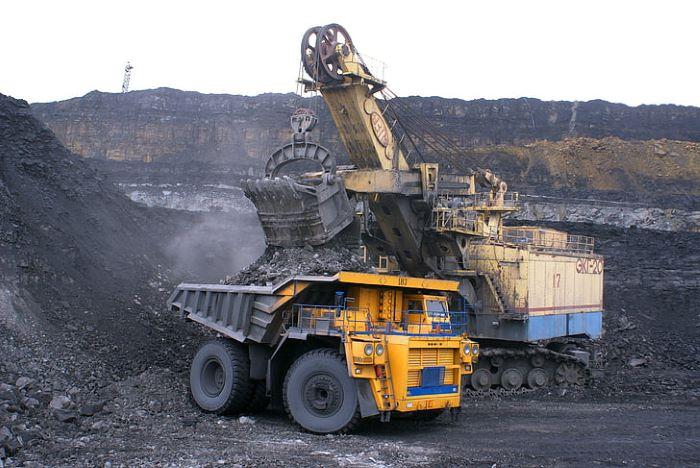
    The Government has approved an outlay of ₹ 8,500 crore as financial incentive, for promotion of coal/lignite gasification projects for both government PSUs as well as private sector, the union minister of coal and mines, G Kishan Reddy said in a written reply in Lok Sabha on Wednesday.

    Coal gasification is a process that transforms coal into a mixture of gases, primarily carbon monoxide and hydrogen (syngas), by reacting it with oxygen, steam, or air under controlled conditions at high temperatures. It is a thermochemical process where coal is converted into a gaseous fuel, known as syngas, which can be used for various applications, especially producing clean electricity. 

    Coal gasification is a significant source of hydrogen, which can be used in various applications, including transportation, industrial processes, and heating. 

    The minister said that the government has also approved investment by Coal India Limited (CIL) in joint ventures of CIL-BHEL and CIL-GAIL for undertaking coal gasification projects.

    He said that a new sub-sector, “Production of Syngas leading to coal gasification,” was created under the Non-Power Sector (NRS) linkage auctions policy to support this initiative in 2022. For this sector, Reddy said, the government has allowed auction with a floor price at the notified price of the regulated sector, for the projects commissioning within the next seven years.

    The minister informed that a 50 per cent rebate in the revenue share for coal used in gasification has been introduced in commercial coal block auctions, provided that at least 10 per cent of the total coal production is used for gasification purposes.

    Coal gasification

    Coal is one of the most abundant natural resources in India. Coal gasification technology enables conversion of coal into syngas (synthetic gas), which can be used to produce downstream products like methanol, ammonium nitrate, synthetic natural gas (SNG) and fertilisers, among other things. Coal gasification technology provides alternative use of coal promoting environmental sustainability to align with vision of developed India 2047 the minister said.

    He added that the Government has not conducted any specific impact assessment of the financial incentive scheme for coal gasification projects.

    Coal India Limited (CIL), a CPSE under Ministry of Coal, has secured Khattali Chhoti Graphite Block in Madhya Pradesh, through e- auction of critical mineral blocks conducted by ministry of mines. Besides, CIL has also signed a non-disclosure agreement with an Argentinian company and an Australian company for acquisition of lithium assets in Argentina.

    The minister said that the government has taken a number of steps to reduce India’s import dependency and build supply chain resilience in critical minerals. Firstly, the central government has been empowered to exclusively auction mining lease and composite license for 24 critical minerals, with an aim to increase exploration and mining of critical minerals and ensure self-sufficiency in their supply.

    Besides, the government has also announced the setting up of a critical minerals mission for a harmonised approach in areas including domestic production, recycling, overseas acquisition of critical mineral assets and research & development in the union budget of 2024-25.

    Pakistan’s Forced Returns Expose Afghan Refugees to Persecution and Destitution, Human Rights Watch Warns

    Human Rights Watch says that thousands of Afghans could be condemned to a life of persecution and extreme poverty if the international community fails to act on time to protect those most at risk.

    The global human rights watchdog body, Human Rights Watch (HRW), has issued a stark warning about the mass forced deportation of Afghan refugees from Pakistan, stating that these returns will expose them to persecution under the Taliban regime and push them into severe economic destitution.

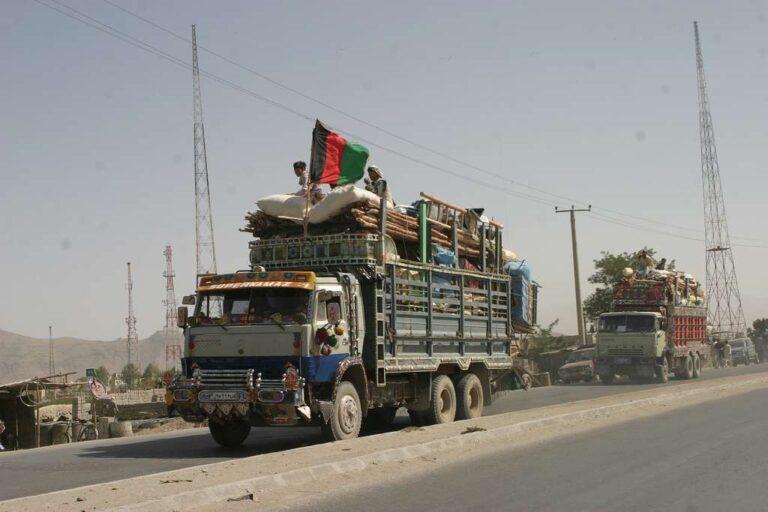
    According to HRW, Pakistan’s government has accelerated its deportation campaign against Afghan refugees, many of whom have lived in the country for decades. Since late 2023, over 800,000 Afghans have been forced out of Pakistan, a move that has been widely condemned by international human rights groups and humanitarian organizations.

    The policy of forced deportations, announced by Pakistani authorities in October 2023, required all undocumented Afghan refugees to leave the country by November 1 of the same year. What was initially framed as a voluntary repatriation program quickly turned into a widespread crackdown, with Pakistani police and security forces reportedly engaging in harassment, arbitrary detentions, and extortion against Afghan families. Many refugees, fearing arrests and mistreatment, fled the country before the deadline, leaving behind their homes, businesses, and belongings.

    HRW and other advocacy organizations have highlighted the grave dangers facing returnees. In Taliban-controlled Afghanistan, former government officials, journalists, activists, and women face significant threats, including arbitrary arrests, violence, and extreme restrictions on their rights and freedoms. Economic conditions in Afghanistan have also worsened dramatically, with soaring unemployment, food insecurity, and a collapsed healthcare system making survival a daily struggle for returnees. Despite these well-documented risks, Pakistan has continued its deportation policy, raising alarm among the international community and sparking urgent calls for the protection of Afghan refugees.

    With Afghanistan in the grip of a humanitarian and human rights crisis, the forced return of vulnerable refugees only adds to the suffering, the organisation says. It also says that thousands of Afghans could be condemned to a life of persecution and extreme poverty if the international community fails to act on time to protect those most at risk.

    A Growing Humanitarian Crisis

    The forced return of Afghan refugees to Afghanistan has exacerbated an already dire humanitarian crisis. According to the United Nations High Commissioner for Refugees (UNHCR), Afghanistan is struggling to support its returning citizens due to widespread poverty and a fragile economy. Many deported refugees have arrived in Afghanistan with little to no resources, no shelter, and no employment prospects. Families that had built lives in Pakistan over decades now find themselves in refugee camps or on the streets of Kabul and other major cities, with no access to humanitarian aid.

    The situation is particularly dire for Afghan women and girls. Under Taliban rule, women have been banned from higher education, restricted from most forms of employment, and subjected to stringent social controls. Many deported Afghan women who had previously worked or studied in Pakistan now find themselves unable to leave their homes due to these oppressive laws. Female-headed households, especially widows and single mothers, face the worst hardships, as they have no means of financial support in Afghanistan’s restrictive environment.

    Widespread Violations of Rights

    HRW has documented numerous cases of abuses faced by Afghan refugees during the deportation process. Reports indicate that Pakistani authorities have engaged in physical intimidation, unlawful detentions, and confiscation of identity documents. Many Afghan families have been forced to pay hefty bribes to avoid detention, while others have been given only hours to pack their belongings before being loaded onto buses headed for the Afghan border.

    Upon arrival in Afghanistan, returnees face new dangers. The Taliban government, despite assurances that returnees will be treated fairly, has been known to target former Afghan National Army members, civil servants, and journalists. Families arriving at the Torkham and Chaman border crossings have reported being left without food, water, or medical assistance, highlighting the complete lack of preparedness to handle the influx of deportees.

    International Outcry and Pakistan’s Justification

    The international community has strongly condemned Pakistan’s forced deportation policy. Amnesty International, the UNHCR, and the International Organization for Migration (IOM) have all called on Pakistan to immediately halt its mass expulsions, emphasizing that such actions violate international refugee protection laws. The principle of non-refoulement, enshrined in the 1951 Refugee Convention, prohibits governments from returning people to countries where they face persecution. Although Pakistan is not a signatory to the Refugee Convention, its actions have been widely criticized for disregarding basic human rights obligations.

    The Pakistani government, however, has defended its policy, arguing that the country can no longer afford to host millions of Afghan refugees due to economic difficulties and security concerns. Officials claim that unregistered Afghan refugees pose a security risk, linking them to smuggling and criminal activities, though no substantial evidence has been provided to support these claims. The government has also suggested that international organizations should focus on improving conditions in Afghanistan rather than pressuring Pakistan to continue hosting refugees indefinitely.

    The Impact on Resettlement Programs

    For thousands of Afghan refugees awaiting resettlement in third countries, including the United States, Pakistan’s mass deportations have thrown their futures into jeopardy. According to estimates, over 20,000 Afghans in Pakistan had already been approved for relocation under U.S. and other Western refugee programs. However, with deportations proceeding at an accelerated rate, many of these individuals now face uncertainty. The U.S. State Department and other Western governments have been urged to expedite resettlement processes and provide immediate protections to at-risk refugees still in Pakistan.

    Many refugees had fled Afghanistan after the Taliban’s return in 2021, seeking temporary refuge in Pakistan while awaiting approval to relocate to Western countries. However, the slow processing of asylum and refugee applications has left many stranded, vulnerable to Pakistan’s harsh deportation policies. Advocacy groups have called on countries such as the United States, Canada, and Germany to increase their intake of Afghan refugees and to pressure Pakistan to halt further expulsions.

    Personal Accounts of Struggle

    The human toll of these forced returns is devastating. Abdul, a 38-year-old Afghan who had lived in Pakistan for over 20 years, was among those forcibly returned. Speaking to HRW, he described how Pakistani authorities gave his family only two days to leave their home in Karachi before they were sent to the Afghan border. Abdul had worked as a shopkeeper in Pakistan and had no means of livelihood in Afghanistan. “I have nothing here. I don’t know how I will feed my children,” he said, standing outside a makeshift shelter in Kabul.

    For many, the deportation process has meant the loss of a lifetime’s worth of stability. Another refugee, Mariam, a former university student in Islamabad, was forced to abandon her studies and return to Afghanistan, where she now faces an uncertain future under Taliban rule. “In Pakistan, I had hope. Here, I have nothing,” she told HRW.

    As the crisis deepens, HRW and other human rights organizations are urging Pakistan to immediately suspend further deportations and work with international agencies to provide legal pathways for Afghan refugees. The global community, particularly Western nations, is also being called upon to expedite asylum processing for Afghans facing threats to their safety.

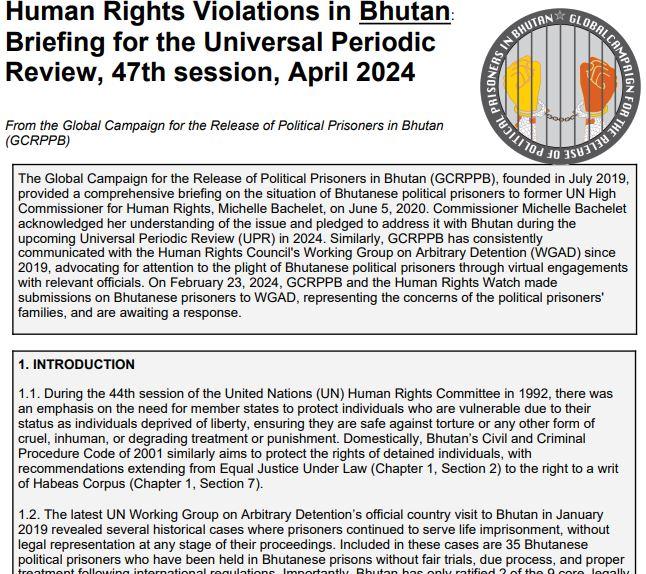
    UN Experts Condemn Bhutan for Arbitrarily Detaining Political Prisoners

    The Bhutanese authorities have also failed to respond to multiple UN requests for transparency regarding these political prisoners. International organizations have called on Bhutan to allow independent human rights observers into its prisons — a request that has been repeatedly ignored.

    A panel of United Nations human rights experts has found that Bhutan continues to arbitrarily detain political prisoners, violating international human rights standards. The UN Working Group on Arbitrary Detention (WGAD), in its latest opinion published in 2024, has urged the Bhutanese government to immediately release all individuals held in its prisons under politically motivated charges.

    Bhutan, often hailed as a beacon of peace and happiness due to its Gross National Happiness (GNH) philosophy, hides a troubling reality behind its picturesque landscapes and progressive reputation. While the country transitioned to a constitutional monarchy in 2008, adopting democratic reforms and holding parliamentary elections, serious human rights concerns persist — particularly in the treatment of political dissenters. The Bhutanese government has long been accused of suppressing opposition voices, especially those from the country’s ethnic Nepali-speaking minority.

    The latest findings from the UN’s WGAD expose the extent of these violations, highlighting cases of wrongful imprisonment, forced confessions, and severe mistreatment of detainees. Many of these political prisoners, primarily arrested in the 1990s and early 2000s, remain behind bars without any hope of release, despite Bhutan’s claims that no such prisoners exist. The UN report underscores the urgent need for reform and accountability, emphasizing that these detentions are unlawful under international human rights laws.

    The global community is now turning its attention to Bhutan, urging the government to address these long-standing issues. With growing international pressure and renewed calls for justice, Bhutan faces a crucial moment: to align itself with democratic principles and human rights or continue down the path of suppression and denial.

    As international pressure mounts, it remains to be seen whether Bhutan will acknowledge its human rights violations or continue its policy of denial. For the families of those still imprisoned, however, justice remains long overdue.

    A Legacy of Political Suppression

    Despite its transition to a constitutional monarchy in 2008, Bhutan has persistently refused to acknowledge the existence of political prisoners. The UN report highlights that at least 35 individuals, primarily from the country’s ethnic Nepali-speaking minority, remain incarcerated under charges of “anti-national” activities or “terrorism.” These convictions, according to the WGAD, were based on unfair trials, coerced confessions, and lack of legal representation.

    Many of these prisoners were detained between 1990 and 2008 during a period of heightened political repression when Bhutan expelled over 100,000 ethnic Nepalis in a mass campaign of ethnic cleansing. The government labelled any form of political dissent as a threat to national security, leading to a crackdown on activists and opposition groups.

    UN Findings: Violations of International Law

    The WGAD determined that Bhutan’s detention practices violate multiple international human rights provisions, including the Universal Declaration of Human Rights and the International Covenant on Civil and Political Rights (ICCPR). Bhutan, notably, has refused to ratify the ICCPR, raising concerns over its commitment to fundamental human rights.

    Among the most concerning findings of the UN report are:

    • Denial of Fair Trials: Political detainees were systematically denied legal representation and were often convicted in trials conducted in languages they did not understand.
    • Use of Torture: Former prisoners have testified that Bhutanese authorities used coercion and torture to extract confessions.
    • Inhumane Prison Conditions: Prisoners suffer from malnutrition, lack of medical care, and are often deprived of family visits and basic necessities.

    The WGAD emphasized that Bhutanese prisoners have “no prospect of release” unless granted amnesty by the King, highlighting the dire situation for those currently serving life sentences.

    Voices from Bhutanese Prisons

    The case of Madhukar Monger, a former political prisoner released in 2023 after 29 years in detention, sheds light on the brutal conditions in Bhutanese prisons. Monger stated that prisoners were provided inadequate food rations, forcing them to trade their meager supplies for essential medical care and clothing. He also reported that detainees were subjected to severe beatings and other forms of mistreatment.

    Santi Ram Acharya, another ex-political prisoner, described how detainees were often convicted on baseless allegations and denied due process. He recounted that many of his fellow inmates were subjected to forced labor and lived under constant fear of retribution from prison authorities.

    Bhutan’s Silence and Denials

    The Bhutanese government has consistently denied the existence of political prisoners, insisting that all individuals incarcerated are either criminals or national security threats. However, human rights organizations, including the Global Campaign for the Release of Political Prisoners in Bhutan (GCRPPB) and Human Rights Watch, have provided extensive evidence contradicting this claim.

    The Bhutanese authorities have also failed to respond to multiple UN requests for transparency regarding these detentions. International organizations have called on Bhutan to allow independent human rights observers into its prisons — a request that has been repeatedly ignored.

    What Lies Ahead for Bhutan?

    The UN’s findings have prompted renewed calls for Bhutan to release its political prisoners. Several countries, including the United States, the United Kingdom, and members of the European Union, have urged Bhutan to ratify international human rights treaties and align its policies with global standards.

    The WGAD’s recommendations include:

    • Immediate Release of Political Prisoners: The Bhutanese government must free all individuals imprisoned under politically motivated charges and provide them with adequate reparations.
    • Legal Reforms: Bhutan must ensure fair trials, provide legal representation, and eliminate the use of coerced confessions.
    • Independent Monitoring: The international community should be granted access to Bhutan’s prisons to assess human rights conditions.

    While Bhutan enjoys a reputation as the “happiest country in the world” due to its Gross National Happiness (GNH) philosophy, the reality for its political prisoners tells a different story. The continued suppression of dissent undermines Bhutan’s democratic image and raises questions about its commitment to justice and human rights, say human rights experts.

    Online Harassment of Women Gets Amplified by Biased Algorithms

    Algorithms function as gatekeepers of the internet, shaping search results, social media feeds, and even financial decisions. However, these systems are not inherently neutral. They are trained on vast datasets that reflect historical and societal biases.

    Gender discrimination and the harassment of women is now exacerbated by a new, innovative tool: biased algorithms in the online spaces.

    The United Nations representative in Sri Lanka Marc André Franche said this at a recent meet.

    “Newer threats, such as biased algorithms and programming inequalities, into online spaces are opening new arenas for harassment and abuse,” Marc André Franche said.

    Algorithms can be trained to reflect past narratives and social agendas, she said, explaining, “At the current rate, it would take 134 years to achieve full gender equality.”

    A good instance, the UN official said, was how algorithms and artificial intelligence tools have been reported to be downgrading women, steering them into lower wage positions while targeting better job prospects for men.

    Online harassment against women is not only pervasive but is also exacerbated by biased algorithms, she said. In Sri Lanka and beyond, these algorithmic systems — designed to optimise engagement and personalise user experience — often reinforce harmful societal norms, making digital spaces hostile for women, she explained.

    Recent reports from the United Nations and other advocacy groups shed light on how these biases manifest and what can be done to mitigate them.

    The Invisible Bias in Algorithms

    Algorithms function as gatekeepers of the internet, shaping search results, social media feeds, and even financial decisions. However, these systems are not inherently neutral. They are trained on vast datasets that reflect historical and societal biases. When these biases go unchecked, they become ingrained in the technology itself, reinforcing discrimination and amplifying online harassment against women.

    Marc André Franche said that these AI systems, trained on past data, often perpetuate existing power structures, further marginalising women in online spaces. The effects of these biases are particularly visible on social media, where content moderation policies often fail to keep up with the sheer volume of harmful content being amplified.

    Social media platforms, which rely on complex algorithms to drive user engagement, are particularly culpable in the spread of online harassment. Several studies have demonstrated that misogynistic content — ranging from gender-based hate speech to deepfake pornography — is disproportionately amplified by recommendation engines. A report published by The Guardian found that videos containing misogynistic or defamatory content about women were significantly more likely to be recommended compared to neutral or positive content.

    Echo Chamber of Hate

    One of the most concerning aspects of algorithm-driven social media platforms is their ability to create echo chambers that reinforce and escalate harassment. When a user engages with misogynistic content, algorithms detect this behaviour and begin promoting similar material, creating a self-reinforcing cycle that normalises online abuse against women.

    For example, women who are active in public discourse — journalists, activists, and politicians — often find themselves targeted by coordinated harassment campaigns. The more engagement such content receives, the more likely it is to be promoted by platform algorithms, increasing the reach and intensity of the attacks. This pattern discourages women from speaking out, effectively silencing them and limiting their participation in online discussions.

    The ways in which these biases manifest are varied and insidious. Algorithms allow harassers to target women based on their online presence, interests, or even physical appearance. Social media companies, in their pursuit of maximising user engagement, have inadvertently created an ecosystem where abusive behaviour is rewarded with visibility. Additionally, misinformation about women — ranging from false accusations to harmful stereotypes — spreads rapidly, bolstered by algorithms that prioritise sensational and emotionally charged content.

    Another issue is the failure of content moderation systems to recognise and remove misogynistic content. Many platforms employ automated moderation tools that are often ineffective in detecting context-specific abuse. This results in an environment where harmful content flourishes, while women’s responses or attempts at self-defence are disproportionately flagged and removed.

    Real-World Consequences of Digital Harassment

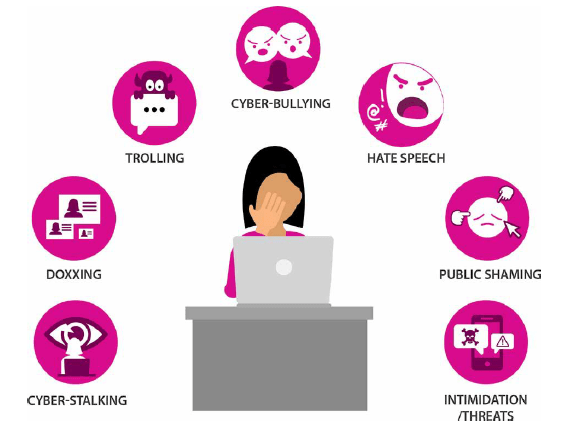
    The effects of online harassment are not confined to the digital realm. Women subjected to cyberbullying, doxing, or revenge pornography often experience severe psychological distress, including anxiety, depression, and PTSD. Many are forced to withdraw from online platforms altogether, limiting their personal and professional opportunities.

    A Sri Lankan activist who faced relentless online abuse shared her experience: “It’s not just words on a screen. It’s about the feeling of being constantly watched, judged, and threatened. It affects every aspect of your life.”

    There have also been documented cases where online harassment has led to physical violence. In some instances, women who were targeted online have been stalked or assaulted offline, demonstrating the tangible dangers posed by algorithmic bias. Women in Sri Lanka who have been vocal about political or social issues have reported being harassed both online and in person, with threats escalating to real-world violence.

    Beyond the psychological toll, the economic impact is also significant. Women who rely on online platforms for their work — whether as influencers, journalists, or entrepreneurs — often find themselves disproportionately affected by harassment. When they are forced to reduce their online presence for safety reasons, it directly impacts their professional growth and financial stability.

    Algorithmic Discrimination Beyond Social Media

    The issue extends beyond social media platforms to other areas, including financial services and job recruitment. In many cases, algorithms used for credit scoring or hiring decisions reinforce gender biases. For instance, AI-driven credit assessments have historically undervalued women’s financial reliability, limiting their access to loans and economic independence. Similarly, recruitment algorithms trained on male-dominated data often prioritise male candidates, perpetuating workplace gender disparities.

    Women entrepreneurs in Sri Lanka, for example, have reported difficulties in securing business loans due to algorithmic biases that favour traditional male business models. These biases further entrench economic disparities, making it harder for women to achieve financial independence.

    Tackling this issue requires a multi-faceted approach that involves governments, technology companies, and civil society. A crucial step in addressing algorithmic bias is ensuring that the data used to train AI systems is diverse and representative. Tech companies must acknowledge that their algorithms are not neutral and take active steps to identify and rectify biases.

    Transparency is also key. Tech companies should be required to conduct bias audits and disclose how their algorithms function. This would allow researchers and policymakers to better understand the mechanisms driving online harassment and work towards solutions. Without transparency, holding these companies accountable remains difficult.

    Moreover, stronger content moderation policies are necessary to curb online harassment. This includes hiring diverse teams of human moderators who can assess content in a nuanced way, rather than relying solely on flawed AI-driven moderation systems. Social media companies must also improve their reporting systems to ensure that victims of online abuse receive timely and effective responses.

    Gender Equality in the Digital Age

    Education and awareness are equally vital. Digital literacy programs can help users better understand the biases embedded in online platforms and empower them to navigate digital spaces more safely. Schools, workplaces, and community organisations should incorporate discussions on digital ethics and responsible AI use into their curricula.

    Legal frameworks must also be strengthened. Governments need to implement and enforce laws that criminalise online harassment and hold perpetrators accountable. Sri Lanka, for instance, has made strides in enacting legislation against cyber harassment, but enforcement remains a challenge. A more coordinated effort between law enforcement agencies, tech companies, and civil society organisations is needed to ensure that perpetrators are held responsible for their actions.

    Recognising the intersectional nature of online harassment is also crucial. Women of colour, LGBTQ+ women, and women with disabilities often face compounded forms of discrimination that require targeted solutions. Policies aimed at addressing algorithmic bias must take these unique experiences into account to be truly effective.

    The fight against online harassment and algorithmic bias is ultimately a fight for gender equality in the digital age. As Sri Lanka and other nations grapple with the realities of a rapidly evolving digital landscape, ensuring that technology serves all users equitably must be a priority.

    By addressing the biases embedded in algorithms and fostering safer online environments, we can transform the internet into a space where all women can participate freely, without fear of discrimination or harassment. The responsibility lies not just with policymakers and tech companies, but with society as a whole, to demand a digital world that upholds fairness and equality.