More

    Civil Society Trends for 2025: Nine Global Challenges, One Reason for Hope

    In 2024, civil society won victories in climate and environmental litigation – including in Ecuador, India and Switzerland – to force governments to recognise the human rights impacts of climate change and do more to reduce emissions and curb pollution.

    By Andrew Firmin and Inés M. Pousadela

    It’s been a tumultuous year, and a tough one for struggles for human rights. Civil society’s work to seek social justice and hold the powerful to account has been tested at every turn. Civil society has kept holding the line, resisting power grabs and regressive legislation, calling out injustice and claiming some victories, often at great cost. And things aren’t about to get any easier, as key challenges identified in 2024 are likely to intensify in 2025.

    1. More people are likely to be exposed to conflict and its consequences, including humanitarian and human rights disasters, mass displacement and long-term trauma. The message of 2024 is largely one of impunity: perpetrators of conflict, including in Israel and Russia, will be confident they can resist international pressure and escape accountability. While there may be some kind of ceasefire in Gaza or halt to the Russia-Ukraine conflict, those responsible for large-scale atrocities are unlikely to face justice. Impunity is also likely to prevail in the conflicts taking place largely off the global radar, including in Myanmar and Sudan. There will also be growing concern about the use of AI and automated weapons in warfare, a troublingly under-regulated area.

    As recent events in Lebanon and Syria have shown, changing dynamics, including shifting calculations made by countries such as Iran, Israel, Russia, Turkey and the USA, mean that frozen conflicts could reignite and new ones could erupt. As in Syria, these shifts could create sudden moments of opportunity; the international community and civil society must respond quickly when these come.

    A Second Trump Administration

    2. The second Trump administration will have a global impact on many current challenges. It’s likely to reduce pressure on Israel, hamper the response to the climate crisis, put more strain on already flawed and struggling global governance institutions and embolden right-wing populists and nationalists the world over. These will bring negative consequences for civic space – the space for civil society, which depends on the freedoms of association, expression and peaceful assembly. Funding for civil society is also likely to be drastically reduced as a result of the new administration’s shifting priorities.

    3. 2025 is the year that states are required to develop new plans to reduce greenhouse gas emissions and adapt to climate change under the Paris Agreement. The process will culminate in the COP30 climate summit in Brazil, likely the world’s last chance to limit the global temperature rise to 1.5 degrees above preindustrial levels. This will only happen if states stand up to fossil fuel companies and look beyond narrow short-term interests. Failing that, more of the debate may come to focus on adaptation. The unresolved question of who will pay for climate transition will remain central. Meanwhile, extreme weather events such as heatwaves and floods can be expected to continue to devastate communities, impose high economic costs, drive migration and exacerbate conflicts.

    Economic Dysfunction Likely

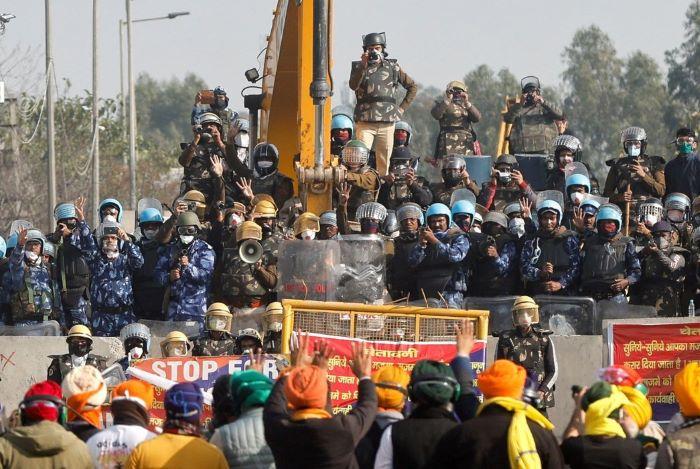
    4. Globally, economic dysfunction is likely to increase, with more people struggling to afford basic necessities, increasingly including housing, as prices continue to rise, with climate change and conflict among the causes. The gap between the struggling many and the ultra-wealthy few will become more visible, and anger at rising prices or taxes will drive people – particularly young people deprived of opportunities – onto the streets. State repression will often follow. Frustration with the status quo means people will keep looking for political alternatives, a situation right-wing populists and nationalists will keep exploiting. But demands for labour rights, particularly among younger workers, will also likely increase, along with pressure for policies such as wealth taxes, a universal basic income and a shorter working week.

    5. A year when the largest number of people ever went to the polls has ended – but there are still plenty of elections to come. Where elections are free and fair, voters are likely to keep rejecting incumbents, particularly due to economic hardship. Right-wing populists and nationalists are likely to benefit the most, but the tide will eventually turn: once they’ve been around long enough to be perceived as part of the political establishment, they too will see their positions threatened, and they can be expected to respond with authoritarianism, repression and the scapegoating of excluded groups. More politically manipulated misogyny, homophobia, transphobia and anti-migrant rhetoric can be expected as a result.

    AI and International Regulation

    6. Even if developments in generative AI slow as the current model reaches the limits of the human-generated material it feeds on, international regulation and data protection will likely continue to lag behind. The use of AI-enabled surveillance, such as facial recognition, against activists is likely to increase and become more normalised. The challenge of disinformation is likely to intensify, particularly around conflicts and elections.

    Several tech leaders have actively taken the side of right-wing populists and authoritarians, putting their platforms and wealth at the service of their political ambitions. Emerging alternative social media platforms offer some promise but are likely to face similar problems as they grow.

    7. Climate change, conflict, economic strife, repression of LGBTQIA+ identities and civil and political repression will continue to drive displacement and migration. Most migrants will remain in difficult and underfunded conditions in global south countries. In the global north, right-wing shifts are expected to drive more restrictive and repressive policies, including the deportation of migrants to countries where they may be at risk. Attacks on civil society working to defend their rights, including by assisting at sea and land borders, are also likely to intensify.

    8. The backlash against women’s and LGBTQI+ rights will continue. The US right wing will continue to fund anti-rights movements in the global south, notably in Commonwealth African countries, while European conservative groups will continue to export their anti-rights campaigns, as some Spanish organisations have long done throughout Latin America. Disinformation efforts from multiple sources, including Russian state media, will continue to influence public opinion. This will leave civil society largely on the defensive, focused on consolidating gains and preventing setbacks.

    Pressure on Civil Society

    9. As a result of these trends, the ability of civil society organisations and activists to operate freely will remain under pressure in the majority of countries. Just when its work is most needed, civil society will face growing restrictions on fundamental civic freedoms, including in the form of anti-NGO laws and laws that label civil society as agents of foreign powers, the criminalisation of protests and increasing threats to the safety of activists and journalists. Civil society will have to devote more of its resources to protecting its space, at the expense of the resources available to promote and advance rights.

    10. Despite these many challenges, civil society will continue to strive on all fronts. It will continue to combine advocacy, protests, online campaigns, strategic litigation and international diplomacy. As awareness grows of the interconnected and transnational nature of the challenges, it will emphasise solidarity actions that transcend national boundaries and make connections between different struggles in different contexts.

    Even in difficult circumstances, civil society achieved some notable victories in 2024. In the Czech Republic, civil society’s efforts led to a landmark reform of rape laws, and in Poland they resulted in a law making emergency contraception available without prescription, overturning previous restrictive legislation. After extensive civil society advocacy, Thailand led the way in Southeast Asia by passing a marriage equality law, while Greece became the first predominantly Christian Orthodox country to legalise same-sex marriage

    Civil Society’s Victories in 2024

    People defended democracy. In South Korea, people took to the streets in large numbers to resist martial law, while in Bangladesh, protest action led to the ousting of a longstanding authoritarian government. In Guatemala, a president committed to fighting corruption was sworn in after civil society organised mass protests to demand that powerful elites respect the election results, and in Venezuela, hundreds of thousands organised to defend the integrity of the election, defeated the authoritarian government in the polls and took to the streets in the face of severe repression when the results weren’t recognised. In Senegal, civil society mobilised to prevent an attempt to postpone an election that resulted in an opposition win.

    Civil society won victories in climate and environmental litigation – including in Ecuador, India and Switzerland – to force governments to recognise the human rights impacts of climate change and do more to reduce emissions and curb pollution. Civil society also took to the courts to pressure governments to stop arms sales to Israel, with a successful verdict in the Netherlands and others pending.

    In 2025, the struggle continues. Civil society will keep carrying the torch of hope that a more peaceful, just, equal and sustainable world is possible. This idea will remain as important as the tangible impact we’ll continue to achieve despite the difficult circumstances.

    Andrew Firmin is Editor-in-Chief and Inés M. Pousadela is Senior Research Specialist at CIVICUS: World Alliance for Citizen Participation. The two are co-directors and writers for CIVICUS Lens and co-authors of the State of Civil Society Report.

    Image: CIVICUS Monitor
    2024: Hottest Year on Record Says World Meteorological Organisation

    The year 2024 is set to be the warmest on record, capping a decade of unprecedented heat fuelled by human activities, according to the World Meteorological Organisation. 

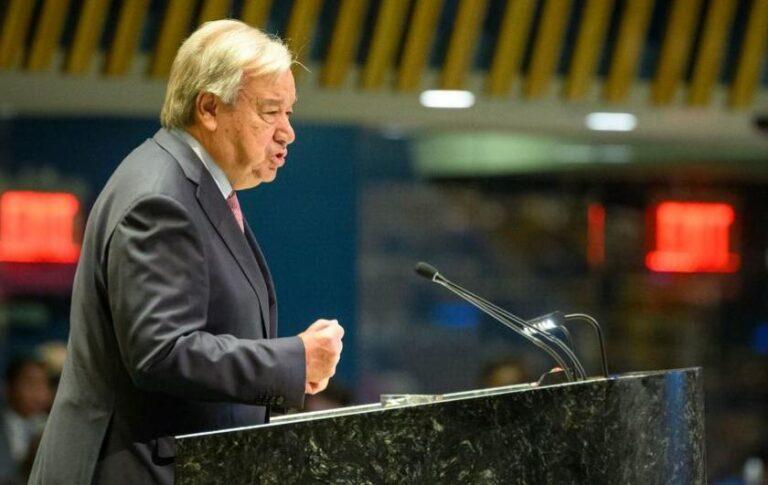
    “Today I can officially report that we have just endured a decade of deadly heat. The top ten hottest years on record have happened in the last ten years, including 2024,” said Secretary-General António Guterres in his message for the New Year.  

    “This is climate breakdown — in real time. We must exit this road to ruin — and we have no time to lose,” he gravely emphasised.

    The World Meteorological Organisation (WMO) will publish the consolidated global temperature figure for 2024 in January and its full State of the Global Climate 2024 report in March 2025.  

    Climate catastrophes 

    Throughout 2024, a series of reports from the WMO community highlighted the rapid pace of climate change and its far-reaching impacts on every aspect of sustainable development.

    Record-breaking rainfalls were documented as well as catastrophic flooding, scorching heat waves with temperatures exceeding 50°C, and devastating wildfires.  

    The organization found that climate change added 41 days of dangerous heat in 2024, harming human health and ecosystems in their report When Risks Become Reality: Extreme Weather.  

    Climate change also intensified 26 of the 29 weather events studied by World Weather Attribution that killed at least 3700 people and displaced millions. 

    Celeste Saulo, the WMO Secretary-General, described the year as a sobering wake-up call. 

    “This year we saw record-breaking rainfall and flooding events and terrible loss of life in so many countries, causing heartbreak to communities on every continent,” she stated.

    “Every fraction of a degree of warming matters, and increases climate extremes, impacts and risks,” she underscored.  

    Hope amid crises  

    Despite the grim realities, the year 2024 saw notable advancements with the adoption of the Pact for the Future – a landmark agreement to promote disarmament, financial reform, gender equality, and ethical technological innovation.  

    The COP29 UN climate conference also recently discussed ways to increase finance for poor countries to support them in coping with the impacts of extreme weather.  

    Developing countries are responsible for a small amount of historic carbon emissions, but as WMO research has highlighted, are being hit the hardest by extreme weather. 

    Moreover, in response to the Secretary-General’s Call to Action on Extreme Heat, a targeted group of experts representing 15 international organizations and 12 countries convened at WMO headquarters in December to advance a coordinated framework for tackling the growing threat of extreme heat.  

    2025: A pivotal year  

    With 2025 designated as the International Year of Glaciers’ Preservation, WMO and the UN Educational, Scientific and Cultural Organization (UNESCO) aim to prioritise efforts to protect the cryosphere – the Earth’s frozen regions, critical to regulating global temperatures.  

    Additionally, WMO is advancing initiatives like the Global Greenhouse Gas Watch which aims to improve the monitoring of greenhouse gas (GHG) net fluxes globally.  

    By 2027, the organization also aims to ensure universal protection from hazardous environmental events through life-saving anticipatory systems currently developed in the Early Warnings for All programme.  

    Reflecting on WMO’s upcoming 75th anniversary, Ms. Saulo reinforced the shared responsibility to act.

    “If we want a safer planet, we must act now. It’s our responsibility. It’s a common responsibility, a global responsibility,” she firmly stated.  

    Guterres has also called for making 2025 “a new beginning” in his message for the New Year, issued on Monday as he urged countries to drastically slash emissions and ‘exit this road to ruin’.

    Reflecting on 2024, he stated that “hope has been hard to find”, with wars causing enormous pain, suffering and displacement, and inequalities and divisions fuelling tensions and mistrust.

    “And today I can officially report that we have just endured a decade of deadly heat,” he said

    The Secretary-General noted that the top 10 hottest years on record have occurred in the past decade.

    “This is climate breakdown — in real time.  We must exit this road to ruin — and we have no time to lose,” he said.

    “In 2025, countries must put the world on a safer path by dramatically slashing emissions, and supporting the transition to a renewable future. It is essential — and it is possible.”

    Hope drives change

    Guterres said that even in the darkest days he has “seen hope power change.”

    In this regard, he saluted activists of all ages who are raising their voices for progress, as well as “humanitarian heroes overcoming enormous obstacles to support the most vulnerable people.”

    The Secretary-General said he also sees hope in developing countries fighting for financial and climate justice, and in the scientists and innovators breaking new ground for humanity.

    He stressed that the Pact for Future, adopted last September by UN Member States, is a new push to build peace through disarmament and prevention.

    Other aims include reforming the global financial system, pushing for more opportunities for women and youth, and ensuring that technologies “put people over profits and rights over runaway algorithms”.

    Here, he also underlined the need to always stick to the values and principles enshrined by human rights, international law and the United Nations Charter.

    The Secretary-General concluded by stating that there are no guarantees for what lies ahead in 2025.

    He pledged to stand with all those working to forge a more peaceful, equal, stable and healthy future for all people.

    “Together, we can make 2025 a new beginning,” he said. “Not as a world divided. But as nations united.”

    UN Human Rights Chief Calls on Taliban to Reverse NGO Employment Ban on Afghan Women

    The Taliban authorities defend their actions, claiming that their policies align with their interpretation of Islamic law, which they argue guarantees the rights of both men and women.

    United Nations High Commissioner for Human Rights Volker Türk has urged Afghanistan’s ruling Taliban authorities to reverse a ban that prohibits Afghan women from working for non-governmental organizations (NGOs), calling the decision a severe blow to human rights and humanitarian efforts.

    The call follows a directive issued on December 26 by Afghanistan’s de facto Ministry of Economy. The directive contained a warning to national and international NGOs that their licenses would be revoked if they employed Afghan women. The order enforces a decree issued two years ago, further restricting women’s participation in public life.

    Turk warned that this move will greatly exacerbate the humanitarian situation in Afghanistan, where more than half of the country’s population lives in poverty. 

    “I am deeply alarmed at the recent announcement by the de facto authorities in Afghanistan that non-governmental organisations’ licenses will be revoked if they continue to employ Afghan women,” Türk said in a statement on Tuesday. “This is absolutely the wrong path being taken.” He emphasised that the ban undermines NGOs’ ability to provide life-saving assistance in a country where more than half the population lives in poverty.

    The humanitarian situation in Afghanistan remains dire, with the country reliant on NGOs to deliver critical aid to its people, including women, men, and children. Türk warned that the restriction would disproportionately harm the most vulnerable and further exacerbate the humanitarian crisis.

    Aligns with Islamic law?

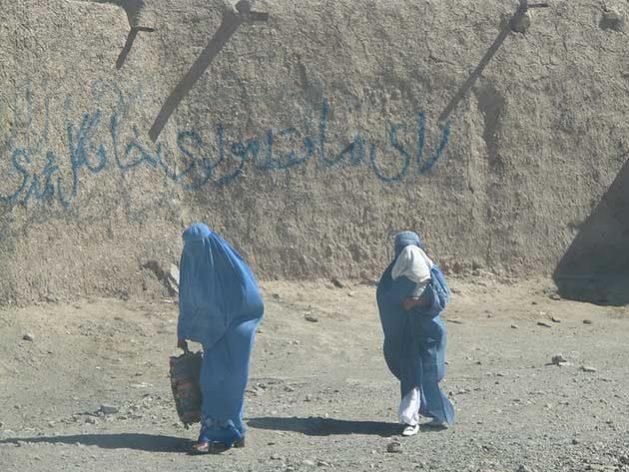
    Since the Taliban’s return to power in August 2021, Afghan women and girls have been systematically erased from public life. The administration has barred girls from education beyond primary school, restricted women’s employment, and limited their access to public spaces such as parks. A recent law even prohibits women from singing or reciting poetry in public, encouraging them to “veil” their voices and bodies outside their homes.

    “No country can progress – politically, economically, or socially – while excluding half of its population from public life,” Türk said, urging the Taliban to revoke the discriminatory decree and restore women and girls’ access to education, employment, and essential services.

    The Taliban authorities defend their actions, claiming that their policies align with their interpretation of Islamic law, which they argue guarantees the rights of both men and women. However, the international community, including the United Nations, has labelled these actions as “gender apartheid” and condemned the ongoing marginalization of Afghan women.

    Türk’s statement underscores the critical role Afghan women play in delivering humanitarian aid and contributing to the country’s development. “For the future of Afghanistan, the de facto authorities must change course,” he concluded.

    As international pressure mounts, the fate of Afghan women remains a pivotal issue in the global debate on human rights and Afghanistan’s future.

    “I once again urge the de facto authorities in Afghanistan to revoke this deeply discriminatory decree, and all other measures which seek to eradicate women and girls’ access to education, work and public services, including healthcare, and that restrict their freedom of movement,” Türk said.

    Image: IPS/Shelly Kittleson

    Targeting Transformative Disaster Risk Reduction in Asia-Pacific Subregions

    Economic and social costs are mounting, with average annual losses (AAL) projected to rise under warming scenarios. East and North-East Asia’s AAL of $510 billion could increase further under 2°C warming, while the Pacific’s AAL exceeds $20 billion.

    By Madhurima Sarkar-Swaisgood and Sanjay Srivastava

    In December 2024, Vanuatu experienced yet another harrowing reminder of its vulnerability to disasters – a powerful 7.4 magnitude earthquake struck the Pacific nation’s capital, Port Vila, leaving 14 dead, over 200 injured, and thousands more affected.

    The devastating earthquake, compounded by overnight aftershocks and disrupted essential services, highlights the precarious situation faced by countries already grappling with the impacts of climate change and natural disasters.

    Vanuatu is emblematic of the cascading disasters that Pacific Island nations increasingly endure, where frequent earthquakes intersect with the escalating impacts of climate-induced hazards such as cyclones, rising sea levels, and coastal erosion accompanied by staggering loss and damage experienced by vulnerable populations and ecosystems.

    With every fraction of a degree of warming, the region’s diverse sub-regions – from the icy peaks of the Third Pole to the low-lying islands of the Pacific – are encountering unparalleled climate risks.

    Recognising these unique challenges, ESCAP launched the 2024 Asia-Pacific Subregional Disaster Reports to customise the insights and recommendations from the flagship Asia-Pacific Disaster Report 2023 to the distinct vulnerabilities and opportunities within each sub-region.

    Transformative insights: Shaping climate resilient futures

    The 2024 sub-regional reports reveal escalating disaster risks across Asia and the Pacific, stressing that incremental actions are insufficient against intensifying climate impacts. East and North-East Asia has faced $2 trillion in economic losses and nearly half a million fatalities over five decades, with 2°C warming expected to exacerbate droughts, heatwaves, and floods in China, Mongolia and Korea, threatening urban centres and critical systems.

    North and Central Asia faces growing multi-hazard risks in the Aral Sea Basin, where droughts, heatwaves, and floods will endanger agriculture and energy systems. In South-East Asia, nearly 100 per cent of the population is at risk of floods under 2°C warming, with the Mekong River Basin emerging as a persistent multi-hazard hotspot.

    Pacific island nations face rising seas and stronger cyclones that erode coastlines, threaten biodiversity, and force communities to relocate, while South and South-West Asia grapples with glacial melt from the Third Pole, jeopardizing water security for 1.3 billion people.

    Economic and social costs are mounting, with average annual losses (AAL) projected to rise under warming scenarios. East and North-East Asia’s AAL of $510 billion could increase further under 2°C warming, while the Pacific’s AAL exceeds $20 billion, with small island developing states like Vanuatu and Tonga suffering losses of over 21 per cent of GDP.

    Despite these dire projections, the reports emphasize that investments in transformative adaptation – such as early warning systems, resilient infrastructure, and integrated climate policies – can mitigate risks and protect livelihoods across the region.

    Early warning systems: A lifeline for resilience

    A critical takeaway from the sub-regional reports is the transformative role of early warning systems (EWS) in disaster risk reduction. By providing timely and actionable information, these systems save lives and reduce economic losses. In South-East Asia, effective EWS could prevent $8.7 billion to $13.1 billion annually, while in the Pacific, they could avert $4 billion to $6 billion in damages each year.

    EWS are especially vital in regions with complex multi-hazard risks, such as the Pacific small island developing States, where cyclones, floods, and sea-level rise intersect, and in South-East Asia, where urban flood risks are rapidly escalating.

    For EWS to be fully effective, they must encompass four key pillars: risk knowledge, detection and monitoring, dissemination of warnings, and preparedness. Investments in these areas, combined with robust regional cooperation, can ensure that warnings reach the most vulnerable populations in time to act.

    The reports highlight examples like impact-based forecasting in South and Southwest Asia and AI-powered risk assessments in China and Japan as transformative advancements in EWS implementation. These systems not only save lives but also help governments and communities reduce disaster recovery costs and safeguard economic stability.

    Trans-boundary solutions: Collaborative action for shared risks

    Trans-boundary risks like ocean-based hazards, inland water stress, and desertification demand collaborative solutions across regions.

    1. Ocean-Based Climate Action:

    Rising sea levels, intensified cyclones, and coastal erosion require collective efforts such as mangrove restoration and integrated coastal management. In the Pacific SIDS, ASEAN, and South-West Asia, platforms like the Pacific Resilience Partnership and Mekong Basin initiatives foster nature-based solutions to protect ecosystems and livelihoods.

    2. Inland Water Systems:

    The drying of the Aral Sea Basin in North and Central Asia highlights the importance of trans-boundary water-sharing agreements to combat drought and degradation. For Third Pole glacial melt, collaboration through the Third Pole Climate Forum is vital to safeguard water security for 1.3 billion people in South, South-West, and East Asia.

    3. Desertification and Sand and Dust Storms:

    Desertification and sand and dust storms (SDS) are accelerating across Asia. Countries like China, Mongolia, and Iran are advancing afforestation and land restoration, while regional frameworks promote sustainable land management to mitigate downstream impacts.

    By prioritising trans-boundary cooperation, countries can tackle shared risks, protect vulnerable communities, and build scalable solutions for resilience.

    A call for transformative change

    The 2024 sub-regional reports make it unequivocally clear: transformative, not incremental, adaptation is needed to combat the growing threats of climate change and disasters. This means embedding climate resilience in every sector – agriculture, energy, urban planning, and biodiversity conservation – while fostering regional cooperation to address trans-boundary risks.

    By aligning local action with global frameworks like the Sendai Framework for Disaster Risk Reduction and the Paris Agreement, the Asia-Pacific region has an opportunity to lead the way in building a sustainable and resilient future. As ESCAP’s sub-regional reports demonstrate, the tools and knowledge are at hand. The time to act is now – before the risks become irreversible and the costs unmanageable.

    Madhurima Sarkar-Swaisgood is Economic Affairs Officer, ESCAP & Sanjay Srivastava is Chief of Disaster Risk Reduction Section, ESCAP. Other co-authors include Leila Salarpour Goodarzi, Associate Economic Affairs Officer, ESCAP, Rusali Agrawal, Consultant, ESCAP, Naina Tanwar, Consultant, ESCAP, Madhurima Sarkar-Swaisgood, Economic Affairs Officer, ESCAP and Sanjay Srivastava, Chief of Disaster Risk Reduction Section, ESCAP.

    This piece has been sourced from Inter Press Service.

    Image Credit: Unsplash / Sebastian Lio

    Bangladesh: Robust Laws, Interventions Key to Protect Informal Sector Workers, Says Oxfam

    A group of civil society organisations, including Oxfam and its partners have emphasised on the need for Bangladesh to ratify key international conventions, including ILO Conventions C189, C190, and C188, to extend legal protections to informal workers.

    Bangladesh’s informal sector, employing over 85 per cent of the country’s labour force, remains largely excluded from formal labour protections, leaving millions vulnerable to unsafe working conditions, exploitation, and economic insecurity. To address these systemic challenges, Oxfam and its partners have called for the ratification of key international conventions and the implementation of robust labour reforms.

    During a meeting convened by the Labour Reform Commission on Sunday at Shram Bhaban in Dhaka, Oxfam presented a comprehensive set of recommendations to protect informal workers. The meeting brought together representatives from the government, NGOs, development partners, media, and civil society organisations.

    Marginalised Workers at Risk

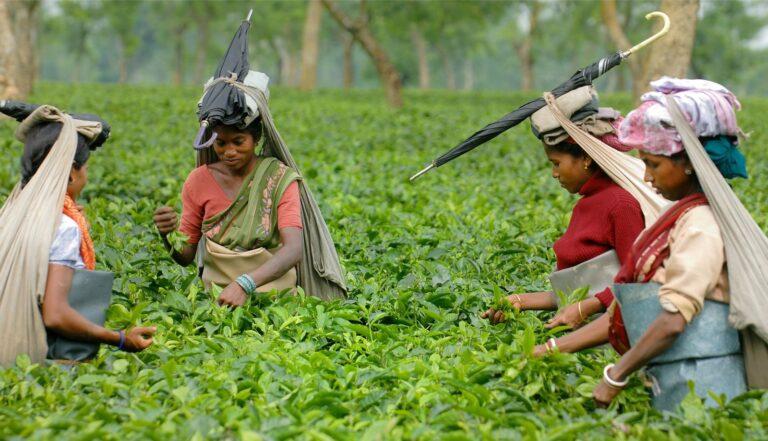
    Domestic workers, home-based garment workers, tea plantation workers, and fisherfolk were highlighted as among the most marginalised groups. These workers face significant challenges, including a lack of fair wages, social protections, and basic workplace rights. According to Oxfam’s findings, domestic workers earn an average of Tk 5,311 per month, far below their Tk 10,801 monthly expenses. Alarmingly, 96 per cent report insufficient wages, and 67 per cent experience abuse. Similarly, home-based garment workers earn as little as 50 paisa per piece, with 71 per cent encountering gender-based discrimination.

    Tea plantation workers earn Tk170 daily – the lowest globally – leaving 74 per cent below the poverty line, with limited access to healthcare and education. Fisherfolk, particularly women, lack minimum wage protections, with only 4 per cent of women fisherfolk receiving official recognition through fisherfolk cards.

    Recommendations for Reform

    To address these disparities, Oxfam emphasised the need for Bangladesh to ratify International Labour Organisation (ILO) Conventions C188, C189, and C190, which aim to extend legal protections to informal workers. Other key recommendations included:

    • Setting Minimum Wage Standards: Establish fair wage policies to ensure workers can meet their basic needs.
    • Expanding Social Safety Nets: Provide access to health insurance and pension schemes to enhance economic security.
    • Strengthening Enforcement Mechanisms: Improve workplace safety monitoring and enforce compliance with labour laws.

    Voices from the Field

    The meeting featured insights from various stakeholders. Syed Sultan Uddin Ahmed, Head of the Labour Reform Commission, stressed the importance of recognising informal workers’ contributions. “Protecting informal workers is not just an economic issue – it is a matter of justice. Recognising their contributions ensures dignity for all,” he said.

    Mahfuzul Haque, former Secretary of the Ministry of Labour and Employment, highlighted the gap between policy and practice. “Labour rights are essential for sustainable development. We must bridge the gap to protect our most vulnerable workers,” he stated.

    From the workers’ perspective, Salama Akter, a representative from the domestic workers’ community, shared her struggles. “We can’t live a good life as we don’t get even a minimum salary to manage daily expenses and recognition. We are not included in the labour law; as a result, we are out of all forms of formal support,” she said, urging the inclusion of domestic workers in legal protections.

    Collaborative Action Needed

    Presenting the paper, Mehzabin Ahmed, Head of Gender Justice and Social Inclusion at Oxfam in Bangladesh, underscored the need for systemic change. “The invisible hands driving our economy deserve to be seen, valued, and protected. Labour reforms must address the unique vulnerabilities of marginalised workers,” she stated.

    The meeting concluded with a strong call to action for government bodies, employers, and civil society organisations to collaborate in creating a future where all workers are empowered, valued, and protected. Participants agreed that aligning Bangladesh’s labour policies with international standards is essential to ensuring justice and equity for the country’s vast informal workforce.

    117th ‘Mann ki Baat’ Address: Prime Minister Modi Highlights Achievements in the Fight Against Malaria and Cancer

    The Prime Minister highlighted that credible studies point to a 80 per cent reduction in Malaria cases in India. Alongside, he said, “90 per cent of Cancer patients now receive timely treatment thanks to Ayushman Bharat”

    Prime Minister Narendra Modi highlighted achievements made in the fight against Malaria and Cancer in today’s 117th episode of ‘Mann Ki Baat’. He remarked that these two achievements are attracting the attention of the world today.

    Prime Minister stated, “Malaria has been a big challenge confronting humanity for four thousand years. Even at the time of Independence, it was one of our biggest health challenges. Malaria ranks third among all infectious diseases that kill children between one month and five years of age.”

    “Today, I can say with satisfaction that the countrymen have collectively, strongly fought this challenge.” He highlighted the report of the World Health Organisation – WHO which mentions, “In India, there has been an 80 per cent reduction in the number of malaria cases and deaths due to it between 2015 and 2023.”

    Underscoring that this success has been achieved through everyone’s participation, Prime Minister credited everyone from every corner of India for becoming a part of this campaign. He especially mentioned the contribution of tea garden dwellers of Jorhat in Assam and people of the Kurukshetra district of Haryana for taking the war against Malaria more rapidly.

    He said, “In the tea gardens of Jorhat in Assam, malaria used to be a major cause of concern for people until four years ago. But when the tea garden dwellers united to eradicate it, they started getting success to a great extent. In this effort, they have made full use of technology as well as social media”.

    “Similarly, Kurukshetra district of Haryana has presented a very good model for controlling malaria. Here, public participation for monitoring Malaria has been quite successful. Through street plays and radio, emphasis was laid on messages which helped a lot in reducing the breeding of mosquitoes”, he further stated.

    Ayushman Bharat Yojana

    On the fight against cancer, Prime Minister commented about a study of the world-renowned Medical Journal Lancet which stated that the chances of starting cancer treatment on time in India have increased a lot.

    Prime Minister emphasised the role of Ayushman Bharat Yojana in ensuring timely treatment of cancer patients within 30 days. He stated, “Because of this scheme, 90 percent of cancer patients have been able to start their treatment on time. This has happened because earlier, due to lack of money, poor patients used to shy away from getting tested for cancer and its treatment.”

    “Now, the Ayushman Bharat Yojana has become a big support for them. Now they are coming forward to get themselves treated,” said the Prime Minister, adding, “The Ayushman Bharat Yojana has reduced the financial problems in cancer treatment to a great extent.”

    Pakistan Makes Fresh Diplomatic Push to Resolve Tensions with Kabul

    The stakes remain high as Pakistan’s delegation concludes its visit to Kabul. Whether these talks will yield tangible results remains uncertain, but the shared acknowledgment of mutual challenges offers a glimmer of hope for reconciliation.

    A high-powered Pakistani delegation led by Muhammad Sadiq, the country’s special envoy on Afghanistan, arrived in Kabul last week in a significant diplomatic effort to address growing tensions and escalating security challenges between the two neighbours. This marked the first high-level visit by Pakistani officials to Afghanistan in over 15 months, underscoring the urgency of resolving mutual, yet confronting concerns.

    The visit comes as Pakistan grapples with a surge in terrorism, particularly in the Khyber Pakhtunkhwa province, attributed to the Tehrik-i-Taliban Pakistan (TTP) and other militant groups operating from Afghan territory. Islamabad’s move to engage Kabul diplomatically signals a renewed effort to stabilise bilateral relations and enhance security on either side of the Durand Line.

    Meetings Focus on Security and Bilateral Relations

    Ambassador Muhammad Sadiq and his delegation initiated talks upon their arrival on Monday evening, engaging with Afghanistan’s Interior Minister Sirajuddin Haqqani in an extended meeting over dinner. Discussions centered on the deteriorating security situation, the presence of terrorist hideouts along the shared border, and mechanisms to enhance bilateral cooperation.

    On Tuesday, the delegation held formal talks with Acting Afghan Foreign Minister Amir Khan Muttaqi. A statement issued by the Afghan Foreign Ministry highlighted that both sides emphasised the need for “joint efforts” to ensure peace, security, and economic development. The discussions underscored the historical, cultural, and religious ties between the two nations while acknowledging the pressing need to address existing challenges.

    “We are determined to resolve the existing issues between Afghanistan and Pakistan through joint efforts, so that economic and public ties between the two countries are further strengthened,” Muhammad Sadiq stated during the talks.

    The Pakistani delegation also conveyed condolences on behalf of Prime Minister Shehbaz Sharif and Foreign Minister Ishaq Dar for the death of Khalilur Rehman Haqqani, a senior Afghan leader. Sadiq expressed deep sorrow over the loss and reiterated Pakistan’s commitment to fostering stronger relations.

    Strained Relations Amid Rising Tensions

    Sirajuddin Haqqani welcomed the Pakistani delegation, emphasizing the “religious, cultural, and historical commonalities” between the two nations. He called for intensified efforts to resolve political and security disputes, stating that, “The current situation demands that efforts be intensified to resolve security and political issues, to prevent any harm to the relationship between the two nations, and to ensure the stability and development of the region.”

    At the conclusion of the meetings, both sides stressed the importance of continued dialogue and cooperation to strengthen bilateral ties. The Pakistani delegation is expected to hold further discussions with Afghan authorities before concluding the trip.

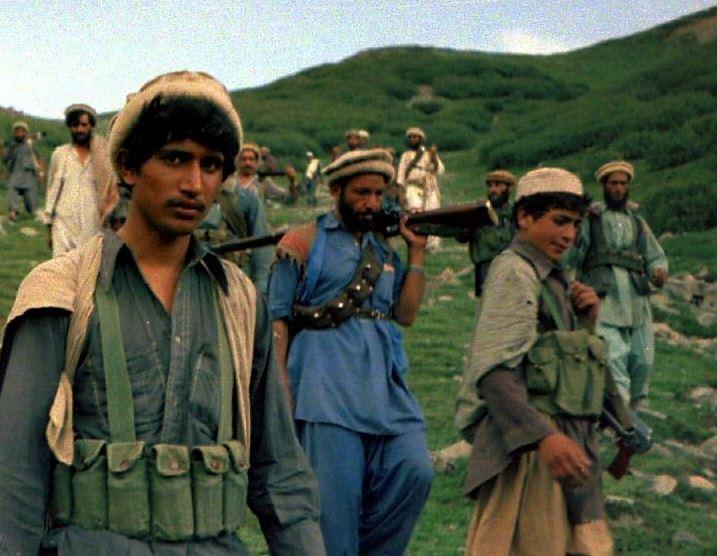
    Relations between Pakistan and Afghanistan have remained strained in recent months, primarily due to Islamabad’s accusations that the TTP operates with impunity from Afghan territory. Pakistan has consistently urged the Taliban government to take decisive action against these groups, which have intensified attacks on Pakistani soil since the Taliban’s return to power in 2021.

    For the record, the Afghan Taliban has, however, denied harbouring TTP militants and has labelled the issue an “internal matter” for Pakistan. Independent reports, including those from international organisations, have corroborated Pakistan’s claims, highlighting the TTP’s growing presence in Afghanistan.

    Yet, the formalities notwithstanding, the icy relationships might still remain. According to a Voice of America report, a senior Taliban official in Afghanistan has suggested that the group will continue to offer shelter to anti-Pakistan militants, referring to them as “guests” in line with the country’s cultural traditions.

    Afghanistan Taliban information minister Khairullah Khairkhwa made the statement just days after reports emerged of Pakistani military airstrikes targeting suspected terrorist hideouts in an eastern Afghan border province over the past fortnight.

    The Taliban asserted that last Tuesday’s strike in Paktika province caused the deaths of nearly 50 civilians, mostly refugees from Pakistan. Although these claims remain unverified by independent sources, the United Nations reported having “received credible information” indicating that dozens of civilians, including women and children, were killed in the Pakistani airstrikes in the remote region.

    The Fallout of a Fractured Alliance

    Pakistan, once a key backer of the Taliban during their insurgency against US-led forces, now faces challenges from the very group it once supported. The Taliban’s refusal to recognize the Durand Line – a colonial-era border demarcation – and their opposition to Pakistan’s border fencing efforts have further exacerbated tensions.

    Recent cross-border violence, including a Taliban attack that killed 19 Pakistani soldiers, has strained relations to the breaking point. In retaliation for Pakistan’s airstrikes targeting suspected TTP hideouts in Afghanistan’s Paktika province, the Taliban forces crossed the border, intensifying hostilities.

    The Durand Line, drawn during British rule, has long been a point of contention. No Afghan government, including the Taliban, has officially recognized the boundary since Pakistan’s independence in 1947. This ongoing dispute complicates border management and contributes to the instability plaguing the region.

    The TTP, an outlawed militant group, has been a persistent thorn in Pakistan’s side, conducting deadly attacks in Khyber Pakhtunkhwa and Balochistan. Islamabad accuses the Taliban of providing safe haven to TTP fighters, a claim the Taliban has publicly dismissed. However, recent statements from senior Taliban officials, including Information Minister Khairullah Khairkhwa, suggest otherwise.

    Khairkhwa described anti-Pakistan militants as “guests” under Afghan traditions, emphasizing Kabul’s commitment to protecting them. “Anyone who attacks Afghanistan or harbors such intentions must learn from the defeat of three superpowers,” he said, referencing historical invasions by Britain, the Soviet Union, and the United States.

    Diplomacy as a Last Resort

    Pakistan’s military has intensified its counterterrorism operations, reportedly eliminating over 900 militants, including key TTP commanders, this year. Despite these efforts, the rising death toll of Pakistani security forces underscores the challenges Islamabad faces.

    Prime Minister Shehbaz Sharif recently called for enhanced economic and trade relations with Afghanistan but stressed that TTP-led cross-border terrorism remains a “red line.” “They must rein in TTP,” Sharif stated. “This constitutes a red line for us. The TTP operating from Afghan soil is unacceptable under any circumstances.”

    As tensions escalate, Pakistan’s latest diplomatic outreach reflects a preference for dialogue over military confrontation. Both nations face immense pressure to address their differences to prevent further destabilization of the region. For Pakistan, resolving these issues is critical to its national security and economic recovery. For Afghanistan, rebuilding relations with a key neighbour is essential to gaining international recognition and support.

    The stakes remain high as Pakistan’s delegation concludes its visit to Kabul. Whether these talks will yield tangible results remains uncertain, but the shared acknowledgment of mutual challenges offers a glimmer of hope for reconciliation to Pakistan. But, as one observer points out, this time, unlike in the past, the Afghan Taliban government is taking cognizance of the anti-Pakistan feelings of many Afghan citizens.

    Image for representational purposes from Wikimedia

    A Planet in Peril: The Fight for Climate Justice at the International Court of Justice

    The ICJ hearings, initiated by a UN General Assembly resolution, represent a pivotal moment in international climate law. Ninety-six countries and eleven regional organisations participated, each presenting their views on states’ obligations to address climate change.

    On December 13, 2024, a groundbreaking moment unfolded at the International Court of Justice (ICJ) as global leaders and legal experts convened to discuss the obligations of states in combatting climate change. The hearing marked the culmination of historic proceedings initiated by small island nations facing existential threats. It was a day charged with urgency, poignancy, and a collective resolve to safeguard the future of humanity and the planet.

    Among the powerful voices was that of Dr. Tedros Adhanom Ghebreyesus, Director-General of the World Health Organisation (WHO), who eloquently framed the climate crisis as not just an environmental emergency but a profound health crisis. His address illuminated the devastating impacts of climate change on health systems and underscored the dire consequences of inaction.

    The Personal Face of Climate Change

    Dr. Tedros began his remarks with a deeply moving account of his visit to Tuvalu in 2019. He recalled meeting Falou, a young boy burdened with worries no child should bear. Falou and his friends spoke of the possibility of their island sinking due to rising sea levels. Some contemplated leaving for Fiji, while others expressed a heartbreaking determination to stay and sink with their homeland.

    “Children should be children,” Dr. Tedros said, his voice heavy with emotion. “I would have loved if Falou was laughing and playing, but he wasn’t. They worry about the survival of their island homes due to emissions produced by distant nations.”

    The story of Falou epitomised the stark inequities of the climate crisis. Small Island Developing States (SIDS) like Tuvalu contribute less than 1 per cent of global greenhouse gas emissions but face disproportionate and severe consequences. Rising sea levels, extreme weather, and dwindling natural resources threaten their very existence.

    Climate Change: A Health Crisis

    Dr. Tedros emphasised that climate change is already wreaking havoc on human health. “This is not a hypothetical crisis in the future. It is here and now,” he declared.

    WHO has been documenting the health impacts of climate change for over 25 years, and the evidence is sobering:

    • Disease transmission patterns are shifting, with diseases like malaria, dengue, and cholera expanding their reach due to changing weather patterns.
    • Noncommunicable diseases such as cancer and cardiovascular conditions are exacerbated by air pollution, which WHO links to seven million deaths annually.
    • Extreme weather events, including record-breaking temperatures, hurricanes, and floods, are destroying health infrastructure and overwhelming systems already stretched thin.
    • Water scarcity affects 920 million children globally, a number expected to rise as droughts and water contamination worsen.

    Dr. Tedros highlighted the cascading effects of climate disruption on food security, displacement, and poverty. By 2030, over 130 million people could be pushed into extreme poverty, dramatically increasing health disparities.

    A Matter of Equity and Justice

    The health impacts of the climate crisis do not fall evenly. Vulnerable populations — women, children, ethnic minorities, and those in poverty — bear the brunt. Dr. Tedros called for a global response grounded in equity and justice, stressing that mitigation and adaptation measures must prioritise these at-risk groups.

    Despite the dire warnings, Dr. Tedros offered hope. He highlighted WHO’s efforts to integrate health considerations into climate policies, including the Paris Agreement. He also pointed to the economic and health co-benefits of action, such as reducing air pollution through sustainable energy practices.

    Global Perspectives on Climate Responsibilities

    The ICJ hearings, initiated by a UN General Assembly resolution, represent a pivotal moment in international climate law. Ninety-six countries and eleven regional organisations participated, each presenting their views on states’ obligations to address climate change.

    Small island nations like Vanuatu led the charge, arguing that the failure of high-emitting states constitutes an “internationally wrongful act.” Ralph Regenvanu, Vanuatu’s special envoy for climate change, underscored the stakes: “The outcome of these historic proceedings will determine the fate of nations like mine and the future of our planet.”

    The hearings showcased a spectrum of perspectives:

    • Brazil and China emphasised the principle of “common but differentiated responsibilities,” asserting that developed nations bear the greatest burden due to their historical emissions.
    • The United States, while acknowledging the crisis, argued that international treaties like the Paris Agreement are non-binding.
    • The European Union highlighted the importance of cooperation, advocating for robust frameworks to address the crisis without enforcing new legal obligations.

    The ICJ’s advisory opinion, expected in 2025, will not be legally binding but holds significant moral and legal weight. It could clarify international obligations, influence national courts, and guide future legislative developments.

    Shaping the Future of Climate Law

    Dr. Tedros concluded his address with a stark warning and a rallying cry. “Only a rapid and equitable phase-out of fossil fuels can protect the health of both people and the planet,” he said. Fossil fuels still account for 80 per cent of global primary energy, supported by subsidies exceeding $600 billion annually. This, he argued, must change.

    He stressed the “co-benefits” of climate action, noting that pricing fossil fuels in line with their health impacts could save 1.2 million lives annually. Investments in climate and health actions yield significant economic returns, proving that the cost of inaction far outweighs the cost of intervention.

    The ICJ hearings represent more than a legal exercise; they are a moral and ethical reckoning. They underscore the interconnectedness of humanity and the shared responsibility to act. For small island nations and vulnerable communities, the stakes are existential. For the world, the hearings offer a chance to define a just and sustainable future. As the ICJ deliberates, the world watches, hopeful that the advisory opinion will catalyse bold, collective action. The fight against climate change is a fight for survival—for people, for ecosystems, and for the generations yet to come.

    Pakistan: PM Shehbaz Sharif Orders Swift Action Against Human Traffickers

    The Prime Minister announced the formation of a new committee led by the Interior Minister, tasked with formulating sustainable strategies to combat human trafficking. This body will address policy gaps, enhance inter-agency coordination, and ensure swift implementation of anti-trafficking measures.

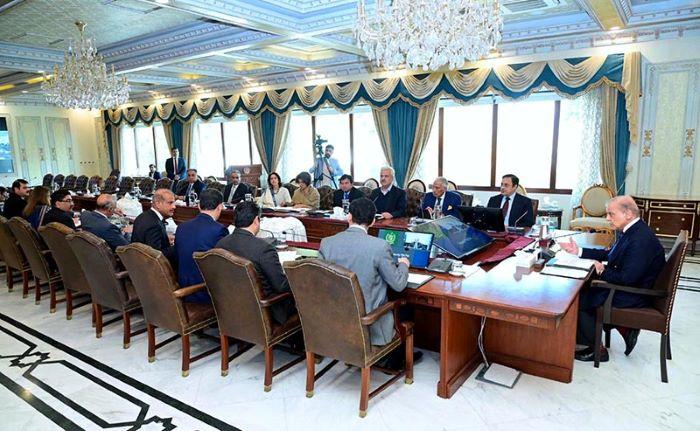
    Prime Minister Muhammad Shehbaz Sharif has directed authorities to take decisive action within a week against those involved in human trafficking. Chairing a high-level review meeting, the Prime Minister emphasized the urgent need for robust measures to address this pressing issue and ensure justice for the victims of the Greece boat tragedy that claimed numerous lives.

    The meeting, held at the PM Office, focused on the comprehensive report submitted by Mushtaq Sukhera, chair of a committee tasked with investigating the human trafficking crisis. The report, prepared in response to the tragic December 2024 migrant boat capsizing near Greece, highlighted the structural failings and complicity of individuals involved in the illegal movement of people. At least 40 Pakistani nationals were among those who perished in the incident.

    Expressing gratitude to Mushtaq Sukhera for his detailed and thorough analysis, Prime Minister Shehbaz Sharif stated, “This report serves as a critical blueprint for dismantling the networks of human traffickers and their facilitators. We owe it to the victims and their families to act decisively.”

    Crackdown on Human Trafficking Networks

    The Prime Minister ordered federal agencies to prioritize the prosecution of human trafficking cases and strengthen enforcement mechanisms. He questioned why disciplinary action had not yet been taken against government officials implicated in facilitating such activities, signaling his frustration with systemic lapses. “It is unacceptable that officials who are supposed to safeguard our citizens are complicit in these heinous crimes,” he remarked.

    Visa checks and other travel regulations were also identified as areas requiring urgent reform. “Ensuring the integrity of our visa and immigration processes is non-negotiable,” Shehbaz Sharif stressed. The government aims to create stringent barriers against human trafficking while supporting legitimate travel and migration.

    The Prime Minister announced the formation of a new committee led by the Interior Minister, tasked with formulating sustainable strategies to combat human trafficking. This body will address policy gaps, enhance inter-agency coordination, and ensure swift implementation of anti-trafficking measures.

    During the meeting, federal ministers Ahad Khan Cheema, Attaullah Tarar, Special Assistant Tariq Fatemi, and senior officials from relevant departments provided updates on ongoing efforts. Key discussions included identifying Pakistanis involved in the Greece tragedy and expediting the repatriation of their remains to grieving families.

    Accountability and National Commitment

    Recent investigations into the Greece boat disaster have revealed significant misconduct within the Federal Investigation Agency (FIA). A committee probing the incident found 31 FIA officials, including inspectors, sub-inspectors, and constables, complicit in human smuggling. These individuals facilitated the illegal passage of people aboard the ill-fated vessel.

    The implicated FIA officers have been barred from international travel, with their names added to the Passport Control List (PCL). The accused personnel, drawn from airports in Faisalabad, Sialkot, Lahore, Islamabad, and Quetta, now face legal action as part of the government’s broader anti-trafficking initiative.

    Prime Minister Shehbaz Sharif reaffirmed Pakistan’s commitment to eradicating human trafficking, describing it as a “moral and legal imperative.” The government’s actions, he asserted, will prioritize both prevention and accountability. “We must dismantle these criminal networks, prosecute their enablers, and protect vulnerable citizens from exploitation,” he said.

    The tragic events near Greece underscore the urgent need for systemic change. Pakistani migrants’ deaths highlight the exploitation faced by individuals seeking better opportunities abroad, often at the hands of unscrupulous traffickers.

    Victim Identification, Repatriation

    Efforts to identify the Pakistani victims of the Greece disaster are ongoing, with authorities working closely with international partners. Measures are being taken to ensure the dignified repatriation of remains to their families. The government has pledged financial and logistical support for affected families while continuing investigations into the broader trafficking networks.

    The Prime Minister’s directives signify a comprehensive and unified approach to tackling human trafficking. From reforming immigration processes to holding officials accountable, the government is mobilizing all resources to address this scourge. Public awareness campaigns and cross-border collaborations are also expected to play a pivotal role in these efforts.

    As the week-long deadline for actionable results looms, stakeholders across federal agencies and law enforcement must deliver on the Prime Minister’s mandate. The gravity of the Greece tragedy serves as a stark reminder of the human cost of inaction, further emphasizing the need for sustained vigilance and decisive action.

    Sri Lankan Workers Depart for Israel Amid Controversy Over Human Rights Concerns

    For Sri Lanka, the departure of workers to Israel represents a complex interplay of economic necessity and ethical dilemmas, reflecting broader tensions in global labour migration dynamics. The situation places Sri Lanka’s Left-of-Centre government in a precarious position as it seeks to balance economic imperatives with human rights concerns.

    A new batch of 79 Sri Lankan workers left for Israel, marking another chapter in the island nation’s efforts to expand overseas employment opportunities. The group, that took off from Colombo’s Bandaranaike International Airport on Saturday December 28, will work in Israel’s agriculture sector for a total of 63 months, according to a statement from Sri Lanka’s Foreign Employment Bureau.

    Interestingly, this development comes amidst a backdrop of mounting international criticism of Israel’s actions in occupied Palestinian territories. United Nations agencies, along with a growing number of human rights activists and experts, have accused Israel of committing genocidal acts and crimes against Palestinians. The situation places Sri Lanka’s Left-of-Centre government in a precarious position as it seeks to balance economic imperatives with human rights concerns.

    Complex Interplay

    Despite the controversy, the Foreign Employment Bureau has continued to facilitate such opportunities. Bureau Chairman Kosala Wickramasinghe emphasised the importance of these workers acting as “brand ambassadors” for Sri Lanka, potentially paving the way for more job opportunities in Israel’s agriculture industry. He urged the workers to uphold their responsibilities and protect the nation’s dignity while abroad.

    As Kosala Wickramasinghe said, “These workers can act as brand ambassadors in creating new job opportunities for the job seekers who are looking to go abroad for jobs related to the agriculture industry in Israel, which has been a source of controversy.”

    The Bureau has also introduced a new online portal (www.slbfe.lk) to streamline the process for Sri Lankans applying for jobs in Israel, allowing applicants to check the status of their applications.

    Israel, grappling with a labour shortage exacerbated by its ongoing military campaigns in Palestine, Lebanon, Syria, and Yemen, has increasingly turned to foreign workers to fill gaps in its construction and agriculture sectors. For Sri Lanka, the departure of workers to Israel represents a complex interplay of economic necessity and ethical dilemmas, reflecting broader tensions in global labour migration dynamics.