More

    Pakistan: Shagufta Khan’s Mission Against Child Marriages in Balochistan

    The current draft of the anti-child marriage bill, developed with inputs from the Council of Islamic Ideology, religious scholars, political parties, and other stakeholders, has been stuck in legislative limbo.

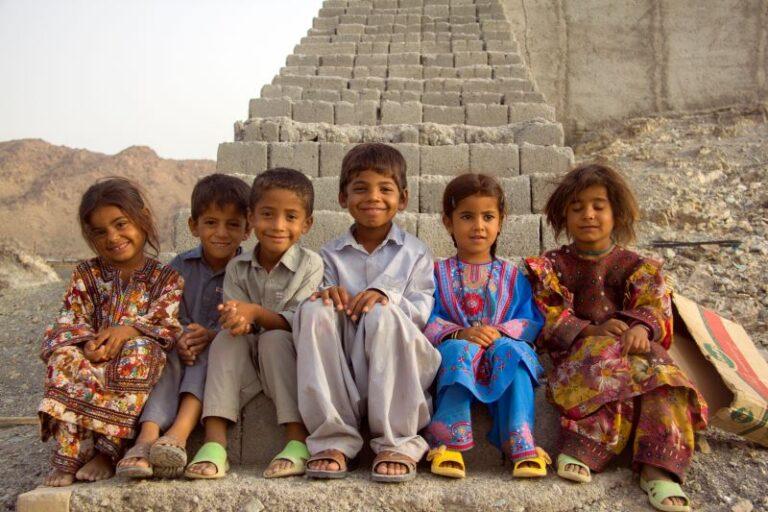
    In the rugged terrain of Pakistan’s Balochistan province, where societal traditions often overshadow progressive ideals, the persistent practice of child marriages remains a grim reality. Leading a determined fight against this practice is Shagufta Khan, a survivor turned activist, whose personal experiences have fueled her mission to protect vulnerable young girls from a similar fate.

    Born and raised in Quetta, Shagufta’s life took a dramatic turn at the tender age of 15 when she was married off to a man in his seventies. Reflecting on her ordeal, she describes a life riddled with domestic troubles and mistreatment by her in-laws. “The huge age difference between us made me realize that neither my husband nor I could comprehend each other’s differing points of view on how to carry their relationship,” Shagufta shared in an interview with Voicepk.net. After enduring years of hardship, she made the courageous decision to separate from her husband, reclaiming her life and independence.

    Today, Shagufta is living a peaceful and fulfilling life, but she has not forgotten her painful past. Determined to make a difference, she established a welfare organization dedicated to combating child marriages. “I have seen young girls being tortured and thought, how long would the practice of child marriages last in our society?” she questioned. Her work involves visiting households, engaging directly with parents, and urging them to delay their daughters’ marriages. Her efforts are part of a broader movement to create awareness about the harmful consequences of early marriages, including physical health risks, psychological trauma, and the long-term societal impact.

    A Legislative Struggle

    While grassroots activism continues to challenge entrenched norms, the legislative battle against child marriages in Balochistan has been disappointingly sluggish. Human rights activist Sana Durrani, who has long campaigned against this practice, highlights the challenges. “Since 2010, activists have worked towards legislation to stop child marriages, but the proposed bills, despite approvals from cabinets on several occasions, could not proceed to the voting stage in the provincial assembly,” she explained.

    The current draft of the anti-child marriage bill, developed with inputs from the Council of Islamic Ideology, religious scholars, political parties, and other stakeholders, has been stuck in legislative limbo. Although approved by the provincial cabinet, it has yet to be tabled in the provincial assembly for a vote. This delay has left activists and community members frustrated, as they continue to witness the devastating consequences of child marriages in districts like Turbat and other parts of the province.

    Raising Awareness through Art

    Efforts to combat child marriages are not limited to legislative advocacy. In a recent event organized at a hotel in Quetta, a private organization showcased a short film titled Salma. The film poignantly depicted the severe consequences of child marriages, including the health risks faced by young mothers and the broader societal implications. “The purpose of producing and screening Salma is to raise societal awareness of marrying girls at an appropriate age,” said Sadia Atta, provincial lead of the United Nations Population Fund (UNFPA).

    The event drew a significant audience of men and women, demonstrating a growing recognition of the issue among local communities. Such initiatives play a critical role in challenging deeply ingrained cultural practices and fostering dialogue about the importance of education and empowerment for girls.

    Political Promises and Grim Realities

    Adding a glimmer of hope, Hadia Nawaz, a member of the Balochistan Assembly, recently announced that the provincial cabinet had approved measures to curb child marriages. She expressed optimism that the legislation would soon gain full approval in the assembly. If passed, this could mark a turning point in the fight against the practice.

    However, activists warn against complacency. Organizations working on the issue report alarming maternal mortality rates among young brides and the collapse of families forced into premature unions. Despite these stark realities, the government has yet to implement effective, long-term solutions.

    The Road Ahead

    The battle against child marriages in Balochistan remains an uphill climb. While awareness campaigns and grassroots efforts have made some progress, the absence of robust legislation and enforcement continues to hinder meaningful change. Shagufta Khan’s tireless advocacy and the efforts of organizations like UNFPA and local activists highlight the potential for a brighter future. But the question lingers: will these efforts finally galvanize the political will needed to end child marriages in Balochistan?

    As the proposed anti-child marriage bill awaits its day on the assembly floor, the voices of survivors like Shagufta, activists like Sana Durrani, and countless other silent sufferers call for urgent action. Their collective hope is to break the cycle of early marriages, ensuring that young girls in Balochistan can dream of a life beyond societal constraints—a life defined by education, opportunity, and choice.
    Nepal Moves Forward with Key Anti-Corruption Legislation amid Growing Public Concern

    The bill, which incorporates recommendations from a sub-committee led by Hridaya Ram Thani, was unanimously approved during Thursday’s committee meeting chaired by Ram Hari Khatiwada.

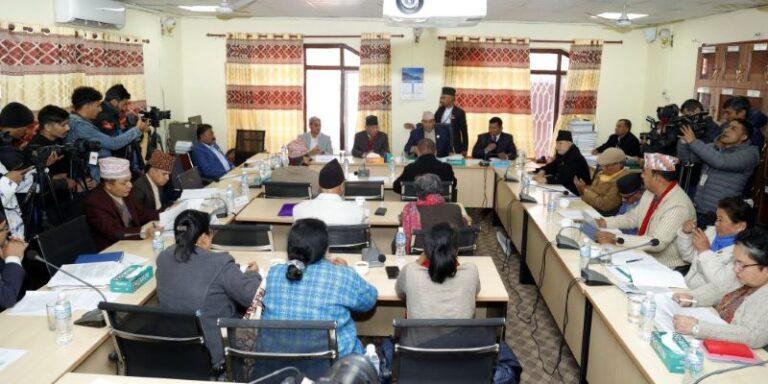
    The State Affairs and Good Governance Committee of Nepal’s House of Representatives passed a significant bill on Thursday aimed at amending the Prevention of Corruption Act, 2059. This legislative move marks a pivotal step in the country’s ongoing battle against corruption, a pervasive issue that has long hindered economic development and governance.

    The bill, which incorporates recommendations from a sub-committee led by Hridaya Ram Thani, was unanimously approved during Thursday’s committee meeting chaired by Ram Hari Khatiwada. The session also featured Minister for Home Affairs, Ramesh Lekhak, who advocated for the bill on behalf of the government, stating, “This amendment reflects the government’s commitment to tackling corruption at all levels. We urge all members to support its implementation.”

    The amendment’s approval follows extensive deliberations among lawmakers and stakeholders. Among those present were former Prime Minister and CPN (Maoist Center) Chairperson Pushpa Kamal Dahal and Nepali Congress (NC) General Secretary Gagan Kumar Thapa. Both leaders reiterated their support for stringent anti-corruption measures.

    “During my tenure as Prime Minister, I emphasised that no one is above the law when it comes to corruption,” Dahal said. He urged the government to prioritise reclaiming public assets, such as Shera Durbar of Nuwakot, which has been embroiled in controversy.

    Thapa echoed similar sentiments, demanding a comprehensive investigation into high-profile corruption cases, including the Shera Durbar, Lalita Niwas, and Giribandhu scams. “It is imperative to establish a special commission to ensure thorough investigations. We need justice for the innocent and accountability for the guilty, regardless of their political affiliations,” he added.

    Nepal’s Corruption Landscape

    Transparency International’s 2023 Corruption Perceptions Index ranked Nepal 108th out of 180 countries, with a score of 35 on a scale where 0 represents high corruption and 100 signifies a clean system. While this ranking shows a slight improvement from the previous year, it underscores the persistent challenges Nepal faces in curbing corruption.

    Historically, Nepal’s corruption rank has fluctuated significantly, peaking at 154 in 2011 and reaching its lowest point of 90 in 2004. Estimates suggest corruption drains up to $3.3 billion annually from Nepal’s economy, inflating the cost of living and diverting resources meant for development. Transparency International also reports that corruption inflates water costs by 30 per cent and general product prices by 20 per cent.

    Strengthening Legal and Institutional Frameworks

    Nepal’s ratification of the United Nations Convention Against Corruption (UNCAC) in 2011 marked a turning point in its anti-corruption efforts. The government’s National Strategy and Plan of Actions includes 13 sub-strategies and 173 activities aimed at combating corruption. These initiatives align with UNCAC’s principles, focusing on prevention, law enforcement, and asset recovery.

    In this context, the recent ‘Partnering in Anti-Corruption Knowledge (PACK)’ has been instrumental. The training brought together government officials, donor agencies, and international organisations, fostering collaboration on anti-corruption strategies.

    The PACK workshop highlighted several actionable steps to enhance Nepal’s anti-corruption framework:

    1. Consolidation of Anti-Corruption Agencies: Strengthening the Commission for the Investigation of Abuse of Authority (CIAA) as the lead agency to streamline efforts.
    2. Regional Judicial Strengthening: Establishing regional courts to reduce the burden on central authorities.
    3. Rule of Law Enforcement: Enhancing legal frameworks to ensure a stable foundation for development.
    4. Judicial Independence and Civil Society Engagement: Promoting free and fair legal proceedings and fostering an active civil society to counter corruption.
    5. Private Sector Interaction: Engaging businesses to raise awareness and implement anti-corruption measures.

    The donor community, which brings much money into the Himalayan country, has also emphasised the need for criminalising corruption across sectors, including public and private domains, to ensure holistic development.

    Broader Implications for Governance and Development

    The bill to amend the Prevention of Corruption Act reflects growing recognition of the economic and social costs of corruption. As Nepal continues to grapple with high-profile cases, public trust in governance hinges on visible and decisive action.

    The passage of this legislation by the State Affairs and Good Governance Committee sets the stage for parliamentary approval. If enacted, it will strengthen existing laws, introduce stricter penalties for corrupt practices, and bolster Nepal’s compliance with international anti-corruption standards.

    While challenges remain, particularly in ensuring the implementation of anti-corruption measures, recent developments signal a positive trajectory. By addressing systemic weaknesses and fostering collaboration among stakeholders, Nepal is taking critical steps to build a transparent and accountable governance system.

    As the bill progresses to the House of Representatives, the eyes of the nation – and the international community – are on Nepal’s leaders to deliver on their promises and pave the way for a corruption-free future.

    BNP Calls for Transparency in Power Contracts Signed During Awami League Rule

    As the BNP continues to raise its voice against what it calls the “illusion of prosperity” created by the Awami League, its demands for transparency are expected to resonate with citizens concerned about the country’s economic future.

    The Bangladesh Nationalist Party (BNP) has called on the interim government to disclose all contracts made in the power and energy sectors during the Awami League’s 15-year rule, alleging widespread corruption and irregularities. BNP leaders claim that the Awami League’s governance in the power sector has created an “illusion of development” while draining public resources.

    Speaking at a press conference, BNP standing committee member and former state minister for power Iqbal Hasan Mahmud Tuku emphasised the need for transparency. “I urge the interim government to disclose every contract signed in the power sector over the past 15 years,” Tuku said, accusing the Awami League of bypassing public procurement rules and awarding contracts through closed tenders.

    Allegations of Mismanagement and Corruption

    The BNP alleges that the government’s focus on quick rental power plants and capacity payments has led to substantial financial losses. According to Tuku, “The total expenditure in the power sector over the last 15 years is approximately Tk 3,33,940 crore, with around Taka 1,00,000 crore looted under the guise of capacity charges.”

    Capacity charges are payments made to private power plants even when they are not operational. Tuku stated that many machines in these plants were faulty, yet the companies continued to profit. Among the top beneficiaries of capacity charges, Summit Group received Taka 10,630 crore, Agro International Taka 7,932 crore, Ultra Power Holdings Taka 7,523 crore, United Group Taka 6,575 crore, and RPCPL Taka 5,117 crore, according to BNP’s data.

    In addition to domestic projects, the BNP raised concerns over electricity imports from India. “Under the guise of importing electricity from India, Taka 11,115 crore has been paid in capacity charges over the last nine years,” Tuku said, alluding to the deal with Adani Power.

    Broader Economic Implications

    Tuku also warned that corruption in the power sector could have long-term consequences for Bangladesh’s economy. “The government is struggling to repay debts incurred due to massive corruption in the power sector. This pressure poses a threat to the stability of the country’s economy and may lead to a severe foreign exchange crisis after 2027,” he cautioned.

    The BNP alleges that the economic instability caused by these issues is deterring investment and eroding public trust. Addressing the conference, BNP Secretary General Mirza Fakhrul Islam Alamgir echoed Tuku’s concerns. “It seems to us that the most corruption in the power and energy sector occurred during the 16 years of Awami League rule,” Fakhrul said.

    Accusations Against High-Profile Projects and Figures

    The BNP did not spare high-profile projects from criticism. Tuku alleged that $500 million was plundered from the Russia-backed Rooppur Nuclear Power Plant Project, describing it as a source of large-scale corruption. He also accused the “Awami Syndicate” of looting significant amounts of money through the smart meter project and LNG ventures. A company owned by former state minister for power Nasrul Hamid Bipu was specifically implicated in alleged irregularities involving LNG projects.

    Public Accountability Demanded

    The BNP leaders emphasised the importance of transparency and public participation in project implementation to curb corruption. “The people have a right to know the details of these deals,” Tuku said, calling for strict laws to prevent future corruption and urging the interim government to act.

    Fakhrul added that political debates often obscure corruption in governance. “They (Awami League) gain internal advantages because of this. If we don’t speak out, people will slowly forget the corruption and misdeeds of the Awami League,” he said.

    In response to questions about the BNP’s plans if it returns to power, Fakhrul assured a thorough investigation into the alleged corruption. “We will review the corruption and irregularities in the power sector and take appropriate actions accordingly,” he said.

    As the BNP continues to raise its voice against what it calls the “illusion of prosperity” created by the Awami League, its demands for transparency are expected to resonate with citizens concerned about the country’s economic future.

    Pakistan: Absence of Wheat Procurement Strains Farming Sector

    Agricultural experts emphasise the necessity of a unified federal-provincial approach to address systemic issues. Consistency in policy and leadership is critical, they argue, as frequent changes in key positions hinder long-term progress.

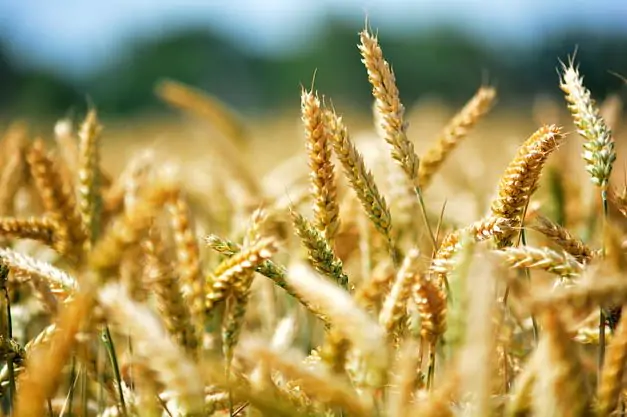
    Pakistan’s agricultural sector, a cornerstone of its economy, is grappling with challenges despite record-breaking harvests in 2023-24. While the federal and provincial governments have lauded the year as a success, citing a 6.25 per cent growth in the sector, farmers and stakeholders express dissatisfaction with key policy decisions, particularly in Punjab.

    The past fiscal year witnessed a remarkable surge in agricultural production. Wheat, the staple crop and a vital contributor to Pakistan’s economy, saw its harvest climb to 31.4 million tons, exceeding the previous year’s 28.2 million tons. This success pushed wheat’s share in agriculture to 9 per cent and bolstered its contribution to the GDP to 2.2 per cent. Other crops followed suit: rice production jumped by an astounding 34.8 per cent to 9.9 million tons, while cotton saw a 108.2 per cent increase, with harvests reaching 10.2 million bales. Conversely, sugarcane production slightly declined by 0.4 per cent to 87.6 million tons.

    Despite these promising numbers, farmers’ enthusiasm was short-lived. The Punjab government, under an agreement with the World Bank, refrained from procuring wheat, leaving growers at the mercy of market forces. This decision undermined the government’s minimum support price (MSP) of Rs. 3,900 per 40 kg, with farmers often receiving at least Rs. 100 less. “This price discrepancy has cost farmers dearly,” lamented Khalid Mahmood Khokhar, President of Pakistan Kissan Ittehad. “Wheat acts as an economic engine for farmers; a fair price for wheat positively influences other crops.”

    Policy Challenges and Farmer Discontent

    Punjab’s withdrawal from the wheat market marks a significant shift in agricultural policy. The provincial government’s decision aimed to reduce fiscal strain but left farmers vulnerable to volatile market dynamics. Khokhar predicts a downturn in wheat production for the current fiscal year, which could negatively impact overall agricultural growth.

    To mitigate the fallout, the Punjab government has introduced initiatives such as the Kissan Card program. This scheme provides subsidized inputs and interest-free loans up to Rs. 150,000, with a budget of Rs. 9 billion allocated for the year. Other measures include the Green Tractor scheme, offering Rs30 billion in financing for tractor purchases, and the solarization of 7,000 tube wells with a Rs9 billion allocation. While these steps have been welcomed, stakeholders argue they cater to only a small fraction of farmers.

    “The initiatives are encouraging but insufficient,” said Rizwan Malik, a farmer from South Punjab. “Rising costs of seeds, fertilizers, diesel, and labor have offset the gains from higher yields. The lack of timely and fair payments, particularly in sugarcane farming, adds to the frustration.” Malik also highlighted water scarcity and the need for comprehensive reforms in agricultural processes, from input procurement to crop marketing.

    Broader Concerns and the Need for Reform

    Agricultural experts emphasise the necessity of a unified federal-provincial approach to address systemic issues. Consistency in policy and leadership is critical, they argue, as frequent changes in key positions hinder long-term progress. Yusuf Zafar, former chairman of the Pakistan Agricultural Research Council, pointed out that Pakistan’s population growth outpaces its agricultural production, necessitating a sustained annual growth rate of over 6 per cent.

    “Political will and coordinated efforts are essential to achieve surplus crops,” Zafar asserted. “While rice exports have doubled this year, incidents like the European Union intercepting consignments due to pest issues highlight the need for stringent quality control.”

    Adding to the uncertainty, the federal government’s restructuring and rightsizing drive has unsettled employees in agricultural institutions. “Amid fears of mergers and closures, critical departments related to agriculture and research are struggling to function effectively,” Zafar noted. “Without stability, the sector’s progress is at risk.”

    Complex Dynamics

    The path forward for Pakistan’s agriculture sector hinges on addressing these challenges comprehensively. Farmers, who form the backbone of the rural economy, need fair market access and robust support systems. Policymakers must ensure that initiatives like the Kissan Card have broader reach and tangible outcomes. Investment in irrigation infrastructure, affordable inputs, and modern farming practices is vital to sustain growth.

    As the government navigates these complex dynamics, one thing remains clear: the potential of Pakistan’s agriculture sector can only be fully realised when the benefits of record harvests are equitably shared among all stakeholders. Failure to do so risks not only economic setbacks but also the livelihood of millions dependent on this critical industry.

    India’s Fourth Biennial Update Report Highlights Progress in Climate Action

    The energy sector’s dominance in India’s emissions profile is consistent with its role as the backbone of the nation’s development. However, India has made substantial progress in diversifying its energy mix with the rapid growth of solar and wind energy, coupled with the expansion of large hydropower and other renewables.

    India has submitted its 4th Biennial Update Report (BUR-4) to the United Nations Framework Convention on Climate Change (UNFCCC), according to a release by the Press Information Bureau. The report, submitted on December 30, 2024, outlines India’s greenhouse gas (GHG) inventory for 2020 and details the nation’s strides in sustainable development, mitigation efforts, and contributions to global climate action. The report claims that the greenhouse gas emissions have declined despite global challenges.

    One of the standout achievements highlighted in the BUR-4 is the reduction in India’s total GHG emissions. In 2020, India’s emissions, excluding Land Use, Land-Use Change, and Forestry (LULUCF), amounted to 2,959 million tonnes of CO2 equivalent (CO2e). Including the LULUCF sector, net emissions stood at 2,437 million tonnes of CO2e. This marks a significant 7.93 per cent decrease compared to 2019, a feat accomplished despite the global economic disruptions caused by the COVID-19 pandemic.

    The energy sector remained the largest contributor to GHG emissions, accounting for 75.66 per cent of the total, followed by agriculture (13.72 per cent), Industrial Processes and Product Use (8.06 per cent ), and waste (2.56 per cent). However, India’s forest and tree cover played a pivotal role in offsetting emissions, sequestering approximately 522 million tonnes of CO2 – equivalent to 22 per cent  of the country’s total carbon dioxide emissions in 2020.

    Progress Towards Nationally Determined Contributions (NDCs)

    India’s BUR-4 underscores the country’s substantial progress in meeting its NDC targets under the Paris Agreement. Notable achievements include:

    • Decoupling Economic Growth from Emissions: Between 2005 and 2020, India reduced the emission intensity of its Gross Domestic Product (GDP) by 36 per cent, exceeding its voluntary target of a 33-35 per cent reduction by 2030.
    • Expanding Non-Fossil Energy Sources: As of October 2024, non-fossil sources constituted 46.52 per cent of India’s installed electricity generation capacity. The total installed capacity of renewable power, including large hydropower projects, reached 203.22 GW. Since 2014, renewable power capacity, excluding large hydropower, has grown 4.5 times to 156.25 GW.
    • Enhancing Carbon Sinks: From 2005 to 2021, India’s forest and tree cover added an additional carbon sink of 2.29 billion tonnes of CO2 equivalent. Currently, forest and tree cover account for 25.17 per cent of the country’s geographical area.

    A Balanced Approach to Climate and Development

    Union Minister for Environment, Forest, and Climate Change, Bhupender Yadav, lauded the report’s findings in a social media post, emphasizing that India is “leading by example in sustainable growth.” He credited Prime Minister Narendra Modi’s vision for aligning economic progress with meaningful climate action.

    India’s approach reflects its adherence to the principles of equity and Common but Differentiated Responsibilities and Respective Capabilities (CBDR-RC), as outlined in the UNFCCC and the Paris Agreement. Despite its relatively low contribution to global emissions historically and presently, India continues to take proactive measures to address climate change while pursuing its developmental aspirations.

    Challenges and Support Needs

    The BUR-4 also highlights the challenges India faces in scaling up its climate action. Constraints related to finance, technology, and capacity-building remain significant. Addressing these gaps will require enhanced international cooperation, especially as India transitions to a low-carbon economy and aims to meet its ambitious climate targets.

    The report calls for greater access to climate finance and technology transfer to support mitigation and adaptation initiatives. It also underscores the need for capacity-building programs to equip stakeholders across sectors with the skills and knowledge necessary for sustainable development.

    Sectoral Insights

    Energy Sector

    The energy sector’s dominance in India’s emissions profile is consistent with its role as the backbone of the nation’s development. However, India has made substantial progress in diversifying its energy mix. The rapid growth of solar and wind energy, coupled with the expansion of large hydropower and other renewables, has reduced the sector’s carbon footprint.

    Agriculture

    Agriculture, which accounts for 13.72 per cent of emissions, remains a critical area for mitigation efforts. Initiatives promoting sustainable farming practices, efficient water management, and the adoption of climate-resilient crops are being scaled up to reduce emissions while ensuring food security.

    Forest and Land Use

    India’s commitment to enhancing its carbon sinks is evident in its growing forest and tree cover. Programs like the National Afforestation Programme and Green India Mission are pivotal in this regard, contributing significantly to carbon sequestration and biodiversity conservation.

    Waste Management

    Although the waste sector’s contribution to emissions is relatively small (2.56 per cent), it presents significant opportunities for improvement. Enhanced waste segregation, recycling, and the adoption of waste-to-energy technologies are key strategies for reducing emissions from this sector.

    International Recognition

    India’s efforts have garnered international recognition, with the country being hailed as a leader in renewable energy deployment and climate action. Its achievements in reducing emission intensity and expanding renewable energy capacity are seen as exemplary for other developing nations.

    The ministry said that India’s 4th Biennial Update Report to the UNFCCC showcases the nation’s unwavering commitment to balancing economic growth with environmental stewardship. The substantial progress in reducing emissions, enhancing carbon sinks, and advancing renewable energy underscores India’s role as a key player in global climate action. However, the report also highlights the need for sustained international support to overcome challenges and achieve long-term sustainability goals.

    As the world grapples with the urgent need to combat climate change, India’s BUR-4 serves as a testament to the power of proactive, inclusive, and equitable climate policies. With continued efforts and global cooperation, India is poised to lead the way toward a more sustainable and resilient future.

    Sri Lanka Engages IMF for Restructuring of State Owned Enterprise; Prioritises Poverty Alleviation and Rural Development

    Dissanayake reiterated his government’s commitment to a political culture free from nepotism and corruption, aiming for inclusive growth and digital transformation. His address highlighted the urgent need for systemic reforms, including restoring the rule of law, combating corruption, and protecting public assets.

    Sri Lanka’s newly elected government, led by President Anura Kumara Dissanayake and the National People’s Power (NPP) party, has outlined a transformative agenda focusing on economic reform, rural empowerment, and the restructuring of state owned enterprise. While maintaining a firm stance against privatisation as a first option, the government is working closely with the International Monetary Fund (IMF) to navigate these reforms and address structural issues in the economy.

    Cabinet Spokesman Nalinda Jayatissa emphasised the government’s commitment to retaining state-owned enterprises (SOEs) under public ownership wherever possible. Speaking at a media briefing on Tuesday, Jayatissa stated that the government is evaluating SOEs to determine their potential contributions to national development.

    “Our government policy is different,” he said, contrasting with the approach of the previous administration. “We have handed over these institutions to ministries to assess them and see how best we can use them to the country’s development.”

    Jayatissa clarified that privatisation would be considered only as a secondary measure if internal efforts to reform and manage these institutions fail. “Our first effort is to keep these institutions under the government and make them contribute to the country’s development,” he explained. “If that effort fails, only then will we consider the second step.”

    SOEs, including SriLankan Airlines, Sri Lanka Telecom, and Ceylon Petroleum Corporation, have long been plagued by mismanagement and inefficiencies, burdening taxpayers. Jayatissa noted that discussions with the IMF remain flexible and aim to align with public interests while addressing fiscal challenges. “The IMF has not put forward rigid conditions that can’t be changed,” he said, underscoring the government’s focus on minimising public impact.

    Economic Reform for Rural Empowerment

    In a speech launching the “Clean Sri Lanka” initiative, President Dissanayake outlined his administration’s vision for economic reforms aimed at bridging the urban-rural divide and eradicating poverty. “Economic benefits must reach rural communities,” the President said. “An economy concentrated in the hands of a small group can never bring stability to society.”

    Dissanayake reiterated his government’s commitment to a political culture free from nepotism and corruption, aiming for inclusive growth and digital transformation. His address highlighted the urgent need for systemic reforms, including restoring the rule of law, combating corruption, and protecting public assets.

    “Our nation has faced severe challenges, leading to a state of near-collapse,” he said, reflecting on the country’s recovery from bankruptcy. While acknowledging surface-level economic stability achieved in 2024, he stressed the importance of deeper structural reforms in 2025 to ensure long-term sustainability.

    Clean Sri Lanka Initiative: A Holistic Vision

    The “Clean Sri Lanka” project aims to rejuvenate the country’s environmental, social, and economic landscape. Beyond addressing environmental concerns, the initiative seeks to instill a new value system emphasising inclusivity, empathy, and respect for life.

    Dissanayake highlighted alarming statistics, including 484 elephants killed in human-wildlife conflicts and 2,321 lives lost due to accidents in 2023 alone. These figures, he argued, reflect a societal disregard for life and shared resources. “It is essential to heal our society and introduce a new system of values and principles,” he said.

    The initiative also focuses on improving road safety, ensuring food security, and integrating marginalised communities, including the elderly and disabled. “A society that lacks empathy and compassion cannot be considered just or humane,” the President asserted.

    Leadership Through Selfless Service

    President Dissanayake commended the voluntary contributions of experts and leaders in key sectors, including aviation, telecommunications, and economic policy. These individuals, he noted, have prioritised national progress over personal gain, setting an example for collective effort and responsibility.

    “This is a moment for us to rise as a nation,” he declared, calling on citizens to seize the opportunity for transformative change. “Is this responsibility solely that of the government? No. This is a collective effort.”

    Yet, despite significant progress, Sri Lanka faces substantial hurdles, including public debt, inefficiency in state mechanisms, and environmental degradation. The government’s dialogue with the IMF remains pivotal in addressing these challenges while safeguarding public interests. Jayatissa assured that discussions are progressing with an emphasis on minimising pressure on the populace.

    President Dissanayake concluded his address by urging unity and collective action. “Throughout history, nations have risen through collective effort,” he said. “We must rise together, setting aside divisions and distrust.”

    With a clear focus on inclusive growth, sustainable development, and governance reform, Sri Lanka’s leadership is charting a path toward a more equitable and resilient future. As 2025 begins, the government’s initiatives signal a decisive break from past practices, laying the groundwork for a nation striving to achieve its full potential.

    Israel Attacks Push Gaza Healthcare ‘To Brink of Collapse’, Says UN Human Rights Office

    The report says that under certain circumstances, the deliberate destruction of healthcare facilities may amount to a form of collective punishment, which would constitute a war crime and breach of IHL, which would also constitute a war crime.

    Israel’s pattern of deadly attacks on and near hospitals in Gaza, and associated combat, have pushed the healthcare system to the brink of total collapse, with catastrophic effect on Palestinians’ access to health and medical care, the UN Human Rights Office (OHCHR) said on Tuesday.

    A report published by the Office documents attacks carried out between 12 October 2023 and 30 June 2024, raises serious concerns about Israel’s compliance with international law. Medical personnel and hospitals are specifically protected under international humanitarian law, provided they do not commit – or are not used to commit, outside their humanitarian function – acts harmful to the enemy.

    “As if the relentless bombing and the dire humanitarian situation in Gaza were not enough, the one sanctuary where Palestinians should have felt safe in fact became a death trap,” said UN High Commissioner for Human Rights Volker Türk. “The protection of hospitals during warfare is paramount and must be respected by all sides, at all times,”.

    The study has been released just days after the last functioning major healthcare facility in northern Gaza, Kama Adwan Hospital, was taken out of service after a raid by Israeli military forces, leaving the population of North Gaza with almost no access to adequate health care.

    Staff and patients were forced to flee or were taken into custody, with many reports of torture and ill-treatment. The director of the hospital was taken into custody and his fate and whereabouts are unknown.

    Possible war crimes, crimes against humanity

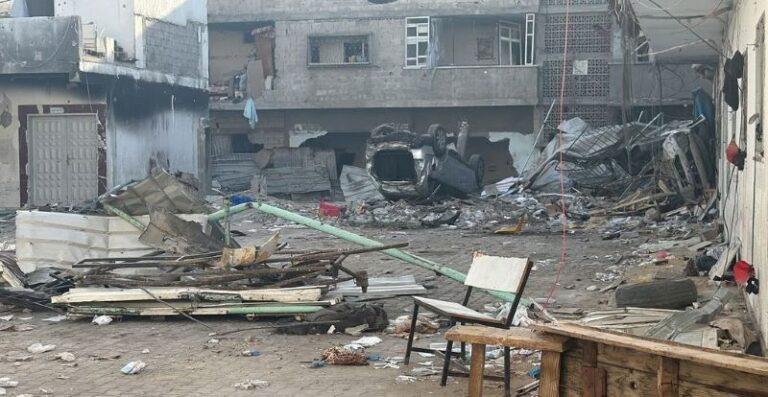
    During the period covered by the report, there were at least 136 strikes on at least 27 hospitals and 12 other medical facilities, claiming significant casualties among doctors, nurses, medics and other civilians, and causing significant damage, if not complete destruction of civilian infrastructure.

    The report explains that, in the exceptional circumstances when medical personnel, ambulances, and hospitals lose their special protection because they fulfil the strict criteria to be considered military objectives, any attack on them must still comply with the fundamental principles of distinction, proportionality and precautions in attack. Failure to respect any of these principles constitutes a breach of international humanitarian law.

    Intentionally directing attacks against hospitals and places where the sick and wounded are treated, provided they are not military objectives; intentionally directing attacks against the civilian population as such, or against individual civilians not taking direct part in hostilities, including the launching of an indiscriminate attack resulting in death or injury to civilians; and intentionally launching disproportionate attacks, are also war crimes, the report adds.

    Under certain circumstances, the deliberate destruction of healthcare facilities may amount to a form of collective punishment, which would constitute a war crime and breach of IHL, which would also constitute a war crime.

    The report also notes that several of these acts, if committed as part of a widespread or systematic attack directed against a civilian population, further to a State or, in case of non-State actor, organisational policy, may also amount to crimes against humanity.

    The report says, “under international human rights law (IHRL), attacks on hospitals implicate an array of violations, including the rights to highest standards of health, food, water and ultimately the right to life.”

    It adds, “Israel’s international human rights law obligations apply in Gaza, by virtue of the power and control it exercises over territory and people and the enjoyment of their rights in Gaza, particularly further to its status as an occupying power.”

    Were Hospitals Being Used for Military Purposes?

    On 21 November 2023, at around 1300 hours, a projectile reportedly hit the third and fourth floors of the northern facade of the Reconstructive Surgery Building of Médecins Sans Frontières (MSF) at Al Awda Hospital in Jabalya, North Gaza. The building is situated approximately 270 meters southwest of the Indonesian Hospital. This incident resulted in the killing of three doctors, including two MSF staff members, and one patient’s companion. Three additional hospital staff, including two nurses, sustained injuries.

    The strike also caused significant structural damage to the affected floors, with the munition likely entering through the windows on the northern facade of the building. An assessment by OHCHR military experts of the damage and IDF’s positions in the area suggest that the strike was most likely the result of IDF artillery shelling.

    In most instances, Israel alleges that the hospitals were being improperly used for military purposes by Palestinian armed groups, the report states. However, insufficient information has so far been made available to substantiate these allegations, which have remained vague and broad, and in some cases appear contradicted by publicly available information.

    If these allegations were verified, this would raise serious concerns that Palestinian armed groups were using the presence of civilians to intentionally shield themselves from attack, which would amount to a war crime.

    The report says that despite the extensive damage and destruction caused to Al Awda Hospital and its vicinity during the presence of IDF troops around the hospital, “the IDF has not provided any comment regarding the 21 November incident, nor is OHCHR aware of the IDF having made any allegations that Al Awda Hospital was being used by Palestinian armed groups for military purposes.”

    “This raises serious concerns that Al Awda Hospital was struck by the IDF in violation of international humanitarian law, including the principle of distinction between civilian objects and military objectives,” the report says.

    500 Medical Professionals Reported Killed, Mass Graves Found

    The impacts of the Israeli military’s operations in and around hospitals, and associated combat, extend far beyond the physical structures, the report finds.

    Women, especially pregnant women, have suffered gravely. Many women have given birth with no or minimal pre- and post-natal care, increasing the risk of preventable maternal and child mortality. The UN Human Rights Office received reports that newborns had died because their mothers were unable to attend postnatal check-ups or reach medical facilities to give birth.

    The increasingly limited healthcare system prevented many of those who had sustained trauma injuries from receiving timely and possibly life-saving treatment. By the end of April 2024, according to the Ministry of Health of the State of Palestine (Palestinian MOH), 77,704 Palestinians were injured. Many injured reportedly died while waiting to be hospitalized or treated. According to the Palestinian MOH, by the end of June 2024, more than 500 medical professionals had been killed in Gaza since 7 October.

    The Israeli military’s first major operation against a hospital involved Al Shifa Medical Complex in November 2023. It raided the facility a second time in March 2024, leaving it in complete ruin by 1 April. Subsequent to the withdrawal by the Israeli military, three mass graves were reportedly found at the hospital, with at least 80 corpses retrieved, raising serious concerns that crimes under international law may have been committed. Some of these bodies were reportedly found with catheters and cannulas still attached, suggesting they had been patients.

    Possible Targeting of Medical Staff, Patients

    In some of the attacks, the Israeli military likely used both heavy weapons and air dropped munitions with wide area effects, the report finds. It appears that an MK 83 munition was used in the 10 January airstrike in front of Al Aqsa Martyrs Hospital in Deir Al-Balah, Middle Gaza. Reportedly, at least 12 people were killed, including a journalist and several internally displaced persons (IDPs), and 35 people were injured. The use of explosive weapons with wide-area effects in a densely populated area raises serious concerns of an indiscriminate attack.

    The report finds that another feature of such attacks has been the apparent targeting of people inside hospitals, but that in most of these cases it was difficult to determine attribution. The UN Human Rights Office verified multiple cases of people being shot dead at Al Awda Hospital in Jabalya, including a volunteer nurse who was fatally shot in the chest while looking out of a window on 7 December 2023.

    “It is essential that there be independent, thorough and transparent investigations of all of these incidents, and full accountability for all violations of international humanitarian and human rights law which have taken place,” said Mr. Türk. “All medical workers arbitrarily detained must be immediately released.”

    “It must also be a priority for Israel, as the occupying power, to ensure and facilitate access to adequate healthcare for the Palestinian population, and for future recovery and reconstruction efforts to prioritise the restoration of the medical capacity which has been destroyed over the last 14 months of intense conflict.”

    Trump 2.0 Will See Stronger US Security Ties with India

    Although challenges for New Delhi could arise in the form of trade and immigration policies that previously affected the Indian tech workforce, bilateral ties can be expected to consolidate existing frameworks while focusing on new avenues for expansion.

    By Pratnashree Basu

    While US president-elect Donald Trump’s brand of politics is often described as unpredictable, transactional and even abrasive, India is likely to be hopeful but realistic about relations with the United States for the next four years. The expansion of bilateral ties — which have accelerated in the last decade — looks likely given that the relationship enjoys bipartisan support in the United States and Indian Prime Minister Narendra Modi shares a close rapport with Trump. Trump’s approach towards India will likely retain core elements from his first term, with adjustments to address shifting global dynamics.

    India views Trump’s emphasis on countering China as a significant convergence point. Trump’s first term shifted US focus from the ‘Asia Pacific’ to the ‘Indo-Pacific’, expanding strategic engagement to include India as a vital counterweight to China’s influence. Trump established foundational changes in US defence and security organisation, including renaming the US Pacific Command to the US Indo-Pacific Command in 2018.

    His administration also created structural changes within the Office of the Secretary of Defence to group Indo-Pacific allies and partners into focused units, separating them from China-related concerns. A stronger US security posture is on the cards in Trump 2.0, indicating a renewed push for strengthening bilateral defence and security ties with ‘like-minded’ countries. India is among the key partners in this effort and an important foothold for advancing the shared vision of a rules-based Indo-Pacific.

    Trump’s preference for bilateral ties over multilateral and institutional frameworks could limit deeper institutional ties with countries in the Indo-Pacific. While Washington’s involvement in the region through groupings — such as the Quad or the newly formed ‘Squad’ — is likely to expand, both are intentionally loose platforms without any institutional foundation.

    ‘Like-Minded’ Countries

    While he may deprioritise institutional commitments to organisations such as ASEAN, Trump’s policies could strengthen India’s leadership role as a natural partner for the United States in countering China. This is primarily because, for Trump, the three other Quad countries are vital strategic anchors across the Atlantic.

    Given that the role of ‘like-minded’ countries assumes greater importance for the United States with each passing year, Trump 2.0 will continue building on his earlier role in reinforcing security alliances, such as extending the US–Japan security treaty to include the Senkaku Islands, advancing US troop rotations in Australia and bringing the Philippines back into the US alliance network.

    India has become central to US defence and strategic thinking in the Indo-Pacific. During Trump’s first term, defence ties deepened with the Communications Compatibility and Security Agreement and Basic Exchange and Cooperation Agreement for Geospatial Cooperation. Though these agreements were already in the pipeline when Trump first assumed office, their finalisation during his term facilitated enhanced military collaboration and intelligence sharing, particularly in defence technology and critical sectors such as space and cyber-security.

    During Trump’s first term, under the ‘America First’ doctrine, the United States continued its policy of arms sales to India. The Trump 2.0 administration could reinforce these gains, helping India enhance its naval presence in the Indian Ocean and its ability to counter China’s maritime assertiveness. Existing initiatives, such as the United States–India initiative on Critical and Emerging Technologies, would align well with Trump’s emphasis on ensuring technological superiority.

    inclusive Indo-Pacific Vision

    With its geographic position in the Indian Ocean and growing military and economic capabilities, India plays a pivotal role in US efforts to ensure freedom of navigation, safeguard critical sea lanes and promote regional connectivity initiatives. Trump’s previous administration was instrumental in revitalising the Quad partnership, promoting it as a mechanism to address Chinese assertiveness across strategic and economic domains.

    At the same time, India also advocates for an inclusive Indo-Pacific approach that is not solely predicated on the containment of China. While Trump may favour a more confrontational stance, India, along with countries like Japan and Australia have consistently supported an inclusive Indo-Pacific vision that goes beyond a singular focus on containing China.

    While the United States may pressure India to assume a larger security role in the Indian Ocean, which aligns with India’s ambitions, India will navigate cautiously if its policy of strategic autonomy risks overextension. Trump’s tendency to view alliances through a cost-benefit lens might lead to heightened expectations for India to share more of the regional security burden.

    India is likely to seek to leverage US support to strengthen its Indo-Pacific role while maintaining flexibility to safeguard its strategic partnerships with other powers, including Russia. India would also push for continuity in Quad initiatives, defence modernisation and technology cooperation while resisting excessive demands for alignment that could limit its autonomy.

    Trade Barriers

    During Trump’s first term, US–India trade relations faced challenges including tariffs, the revocation of India’s ‘Generalised System of Preferences’ status and pressure from the United States on India to reduce trade barriers and enforce intellectual property protections, while his restrictive immigration policies significantly impacted the Indian tech workforce. Trump’s return may revive these policies, affecting trade dynamics, the Indian diaspora and IT sector ties, prompting India to focus on domestic talent development and advocate for more favourable visa terms.

    Meanwhile, Trump has appointed Indian-American venture capitalist Sriram Krishnan as Senior Policy Advisor for Artificial Intelligence, positioning him in a pivotal role in shaping AI policy and immigration reform. This appointment also coincides with discussions on eliminating the country cap for H-1B visas, a move that could greatly benefit Indian skilled workers facing long green card backlogs.

    In late December, on his last trip of 2024, India’s External Affairs Minister, S Jaishankar, met Michael Waltz, US president-elect Donald Trump’s nominee for US National Security Advisor, who is a key advocate for India–United States relations, having co-chaired the Congressional India Caucus and actively supported many India-related legislation.

    From an Indian standpoint, Trump’s 2024 win is a positive development, promising a continuation of strengthening security ties. India’s diplomatic strategy must balance economic interests with trade-offs on strategic autonomy and regional security. The Trump 2.0 administration will demand pragmatic diplomacy, leveraging India’s strategic importance while managing US demands for reciprocity.

    Pratnashree Basu is Associate Fellow at the Indo-Pacific at Observer Research Foundation, Kolkata, India.

    This piece has been sourced from the East Asia Forum of the Australian National University.

    India’s Jal Jeevan Mission is Ensuring Safe Drinking Water

    90 per cent  of villages in India have been declared Open Defecation Free (ODF) Plus, marking a substantial increase from 1 lakh ODF Plus villages in December 2022 to over 5 lakh by December 2023.

    In 2023, the Department of Drinking Water and Sanitation under the Ministry of Jal Shakti made significant strides in advancing its flagship programs — Jal Jeevan Mission (JJM) and Swachh Bharat Mission Grameen (SBM-G). These initiatives aim to provide safe drinking water and achieve universal sanitation coverage across rural India, the Department of Drinking Water and Sanitation said in its end of year review report.

    Launched in August 2019, Jal Jeevan Mission (JJM) seeks to provide safe and adequate drinking water through individual household tap connections to all rural households by 2024. As of December 2023, the mission has reached a significant milestone, providing nearly 14 crore rural households with tap water connections, up from 11 crore at the beginning of the year.

    The mission’s impact extends beyond mere access to water. A report by the World Health Organisation (WHO) in June 2023 highlighted that ensuring safely managed drinking water for all households in India could prevent nearly 400,000 deaths caused by diarrheal diseases and avert approximately 14 million Disability Adjusted Life Years (DALYs) related to these diseases. This achievement could result in estimated cost savings of up to $101 billion, underscoring the mission’s significant multiplier effect on health.

    In terms of employment generation, a study by the Indian Institute of Management Bangalore, released on August 11, 2023, assessed the employment potential of JJM at 2.8 crore person-years during the construction phase and 11.8 lakh person-years annually for operation and maintenance.

    Addressing Water Quality

    Ensuring water quality remains a primary objective of JJM. The program promotes regular testing of water samples at both source and delivery points. Currently, there are 2,113 water testing laboratories across the country, with 1,381 accredited by the National Accreditation Board for Testing and Calibration Laboratories (NABL). These labs are now accessible to the public for testing water samples at nominal rates. In the fiscal year 2023-24, over 54 lakh water samples have been tested in laboratories.

    To promote community participation, especially among women, at least five women in every village are being trained to use Field Test Kits (FTKs) for testing water quality at the village level. To date, more than 23.5 lakh women have been trained in 4.97 lakh villages. During the fiscal year 2023-24, over 88 lakh water samples have been tested using FTKs.

    The government prioritises districts affected by Japanese Encephalitis (JE) and Acute Encephalitis Syndrome (AES) to ensure potable tap water supply under JJM. In 61 such districts across five states, tap water connections have increased from 8 lakh (2.71 per cent ) to 2.09 crore (70.82 per cent ) households, leading to improved health outcomes in these regions. Additionally, as of July 20, 2023, safe drinking water has been provided in all arsenic and fluoride-affected habitations under JJM. This includes 14,020 arsenic-affected and 7,996 fluoride-affected habitations.

    Advancing Rural Sanitation

    Swachh Bharat Mission Grameen (SBM-G), launched on October 2, 2014, aims to eliminate open defecation and improve solid and liquid waste management in rural India. As of January 3, 2024, 90 per cent  of villages in India have been declared Open Defecation Free (ODF) Plus, marking a substantial increase from 1 lakh ODF Plus villages in December 2022 to over 5 lakh by December 2023.

    In recognition of women’s contributions to water, sanitation, and hygiene (WASH) initiatives, the President of India conferred the ‘Swachh Sujal Shakti Samman’ 2023 to 36 women WASH champions. This honor underscores the pivotal role women play in driving and sustaining sanitation and water supply initiatives at the grassroots level.

    The ‘Swachhata Hi Seva’ campaign, conducted from September 15 to October 2, 2023, witnessed mass participation from over 109 crore people. Notably, 53 crore individuals undertook ‘Shramdaan for Swachhata,’ averaging 3 crore daily participations. This massive engagement reflects the community’s commitment to cleanliness and sanitation.

    Future Outlook

    For the fiscal year 2023-24, the government allocated a gross budgetary support of ₹70,000 crore for the implementation of Jal Jeevan Mission. This substantial investment underscores the government’s commitment to ensuring safe drinking water for all rural households by 2024.

    The achievements of 2024 highlight the Department of Drinking Water and Sanitation’s dedication to creating a ‘Swachh Sujal’ nation. With continued efforts and community participation, the vision of universal access to safe drinking water and improved sanitation in rural India is on a promising trajectory toward realisation.

    2024 in Review: Climate Deal Disappoints, MPox Surges

    The hottest year on record has ended with disappointment for vulnerable countries as climate cash fell short. The floods in Kenya and heatwaves in Asia underline need for research. 2024 also Witnessed the plight of children left unvaccinated as MPox surged.

    By Dann Okoth

    As 2024 drew to a close, a global climate gathering failed to deliver on cash promises, prompting delegates from vulnerable countries to walk out of the talks in despair.

    Hailed as the “finance COP”, the UN climate summit COP29 in Baku, Azerbaijan, ended with a seemingly generous deal to triple climate finance from the previous US$100 billion a year by 2035 to US$300 billion a year.

    Rich nations also promised to scale the contribution to US$1.3 trillion over the same period, in what might appear to be a significant step forward.

    But for climate vulnerable countries, the deal was glaringly short of the US$6 trillion the UN says is needed to implement climate action plans by 2030, as well as lacking detail on how the target would be achieved.

    The re-election of Donald Trump was another blow for climate prospects, further dampening the mood at the climate negotiations in Baku.

    With his “America First” mantra, Trump showed little regard for international cooperation on global challenges in his previous term in office, withdrawing from the Paris Agreement and signalling an end to America’s role in the World Health Organization (WHO).

    Analysts told SciDev.Net the Trump victory could have far-reaching consequences for global research and development, with climate response and global health the likely casualties.

    Hottest on Record

    All this came in a year when global warming surpassed the threshold of 1.5 degrees Celsius above pre-industrial levels for the first time, according to data from the European Union’s satellite-based climate monitoring service Copernicus.

    In May, temperatures in the Philippines and Thailand topped 50 degrees Celsius as an intense heatwave gripped South and South-East Asia. Bangladesh recorded almost 30 days of heatwaves, leading to deaths from heatstroke and school closures.

    Devastating floods in Kenya around the same time were another reminder that climate change impacts are happening right now. Climate scientists told SciDev.Net of the urgent need for more robust mitigation efforts, including flood risk maps and early warning systems.

    In Libya, climate change has been fueling an invasion of tiny red spider mites, leading to huge crop losses, SciDev.Net’s Middle East and North Africa desk reported.

    More research is urgently needed to help countries adapt to this new reality and the research must have immediate, on-the-ground impact, climate specialists also told us.

    Exploring efforts by the science and development sector to respond to these challenges, our Africa Science Focus podcast heard in November how scientists are harnessing gene editing to produce climate-resilient wheat. The resulting wheat varieties are not only resistant to diseases but have added nutritional value, according to researchers.

    In East Africa, climate scientists are building artificial intelligence (AI) into traditional weather forecasting methods to improve the accuracy of extreme weather predictions with minimal cost, SciDev.Net learned.

    MPox on the Rise

    Meanwhile, in global health news, MPox took centre stage, as cases surged in the Democratic Republic of Congo and spread to neighbouring countries, prompting the WHO to declare the outbreak a public health emergency of international concern in August.

    A vaccination campaign began in early October but, despite being the most at-risk group, children were not included, even as tens of thousands of child cases were recorded.

    A child with mpox at Miti-Murhesa health centre in South Kivu province. Children in the Democratic Republic of Congo are still awaiting vaccines to protect them from mpox. Copyright: Moise Aganze / SciDev.Net

    More optimistically, our health coverage during the year highlighted how a rare group of HIV-positive people who maintain undetectable levels of the virus in their blood without medication could hold the key to new therapies for others living with the disease.

    Researchers believe a vast majority of those people—so-called “elite controllers”—can suppress the virus without the need for antiretroviral therapy. They say that studying these individuals, who represent about one in 200 of those infected with HIV, could lead to new treatments or even a cure.

    Around the world, strides were also seen in the use of AI for health. Researchers in the UK have developed AI-powered digital avatars to help treat people who hear voices in their heads. The treatment is now being adapted for low-resource settings and will be trialled in India and Ethiopia.

    Not Always Straightforward

    For the scientists bringing us all these stories, reporting is not always straightforward.

    A SciDevnNet investigation, The scientists who risk it all for research, tells the powerful stories of scientists from Brazil, Gaza, the Philippines and elsewhere whose lives are in danger simply because of the research they are pursuing.

    “Threats to scientific freedom … but also threats to the responsible practice of science, are rising globally,” and becoming “more chilling”, said Vivi Stavrou, executive secretary of the committee for freedom and responsibility in science, at the International Science Council.

    Calling on the international science community to step up, she said: “It’s our community. We have an obligation to look at supporting, protecting and strengthening the resilience of the scientific community.”

    This piece has been sourced from SciDev.Net