More

    India: GDP Growth Slows to 6.4 per cent in 2024-25 Compared to Provisional Estimates Says NSO

    The Gross Value Added, which provides a sector-wise breakdown, mirrors the GDP trend, growing at 6.4 per cent in real terms compared to 7.2 per cent in 2023-24. The nominal GVA is expected to rise by 9.3 per cent, reaching ₹292.64 lakh crore in 2024-25.

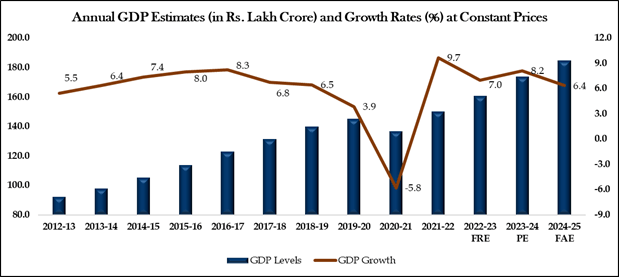
    In its First Advance Estimates for the financial year 2024-25, the National Statistics Office (NSO) of the Ministry of Statistics and Programme Implementation (MoSPI), has projected India’s Gross Domestic Product (GDP) growth at 6.4 per cent in real terms. This marks a slowdown from the 8.2 per cent growth recorded in 2023-24. The data, released on Monday, also highlights key sectoral performances and expenditure trends that shape the economic outlook for the year.

    The real GDP, measured at constant 2011-12 prices, is estimated to reach ₹184.88 lakh crore in 2024-25, up from ₹173.82 lakh crore in 2023-24. Despite the reduced pace, nominal GDP, which factors in current price levels, is projected to grow by 9.7 per cent to touch ₹324.11 lakh crore. This figure is slightly higher than the 9.6 per cent growth recorded in the previous year, says a press release from the PIB.

    The Gross Value Added (GVA), which provides a sector-wise breakdown, mirrors the GDP trend, growing at 6.4 per cent in real terms compared to 7.2 per cent in 2023-24. The nominal GVA is expected to rise by 9.3 per cent, reaching ₹292.64 lakh crore in 2024-25.

    Sectoral Highlights

    Agriculture and allied sectors, a vital component of India’s economy, are forecasted to grow at 3.8 per cent in real terms, significantly improving from the modest 1.4 per cent growth seen in 2023-24. This improvement reflects favourable weather conditions and strong horticultural and livestock performance.

    The construction sector is anticipated to grow robustly at 8.6 per cent, buoyed by increased infrastructure investment and demand for housing. Similarly, the “Financial, Real Estate & Professional Services” sector is expected to expand by 7.3 per cent, driven by a recovering real estate market and robust financial activities.

    Expenditure Trends

    Private Final Consumption Expenditure (PFCE), a key driver of domestic demand, is projected to grow by 7.3 per cent in 2024-25, a sharp increase from the 4.0 per cent growth recorded in 2023-24. This reflects improved consumer confidence and rising disposable incomes.

    Government Final Consumption Expenditure (GFCE) is estimated to grow by 4.1 per cent, rebounding from 2.5 per cent in the previous year. This uptick suggests an emphasis on public spending to support economic activity amid slowing growth.

    The estimates reveal positive contributions across sectors:

    • Industry: Aided by stable production metrics and strong construction growth, the industrial sector continues to anchor economic performance.
    • Services: With a growth forecast of 7.3 per cent, the services sector remains a cornerstone, particularly in financial services and real estate.
    • Agriculture: The rebound in agriculture underscores the sector’s resilience and its role in supporting rural incomes and employment.

    Methodology and Data Sources

    The NSO’s First Advance Estimates are compiled using the benchmark-indicator method, which extrapolates data from the previous financial year with updated sectoral indicators. The estimates incorporate diverse inputs such as:

    • Industrial production metrics from the Index of Industrial Production (IIP).
    • Quarterly financial results of listed companies.
    • Agricultural output estimates from the Ministry of Agriculture and Farmers’ Welfare.
    • Data on key infrastructure inputs like coal, crude petroleum, and natural gas production.
    • Transport metrics, including railways, civil aviation, and port cargo traffic.
    • Goods and Services Tax (GST) collections and fiscal data from government accounts.

    Tax Revenues and Subsidies

    The estimates integrate budgetary projections for 2024-25 along with real-time fiscal data. Tax revenue calculations include both GST and non-GST components, while subsidies account for expenditures on food, petroleum, and fertilizers. These factors contribute to the overall assessment of government consumption and fiscal health.

    Implications for Economic Planning

    The slowdown in GDP growth highlights the need for targeted policy interventions to sustain momentum. While sectors like construction and financial services show resilience, the moderation in overall growth reflects global economic headwinds, subdued export performance, and inflationary pressures.

    Improved agricultural growth offers some solace, indicating the potential for rural recovery. Meanwhile, robust private consumption suggests that domestic demand remains a critical growth lever.

    The NSO cautioned that the First Advance Estimates are subject to revision as more data becomes available. Improved data coverage and updated inputs could lead to adjustments in subsequent estimates. The Second Advance Estimates for 2024-25, along with quarterly GDP figures for October-December 2024, are scheduled for release on February 28, 2025.

    India’s economy remains on a growth trajectory, albeit at a slower pace than the previous year. With a projected real GDP growth of 6.4 per cent in 2024-25, the focus will likely shift to sustaining recovery and addressing structural challenges. The emphasis on private consumption, public expenditure, and infrastructure development will play a crucial role in shaping the country’s economic path in the coming year.
    Bangladesh: Steep Fall in CSR Spending by Banking Biggies

    Stakeholders emphasise that Islamic banks’ commitment to aligning financial activities with ethical and social objectives is crucial in navigating current challenges and continuing efforts to reduce poverty and enhance social welfare.

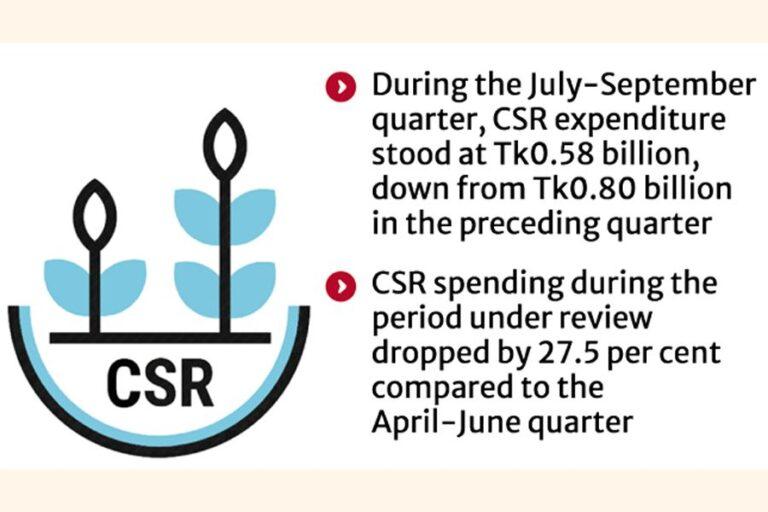
    Corporate Social Responsibility (CSR) spending by Islamic Banks in Bangladesh has experienced a substantial decline, raising concerns over the banks’ ability to sustain their critical social impact initiatives. According to the latest Bangladesh Bank (BB) report, CSR expenditure during the July-September 2024 quarter fell to Tk0.58 billion, marking a sharp 27.5 per cent drop from Tk0.80 billion in the preceding April-June quarter. The same period in 2023 recorded a similar amount as the April-June 2024 figure, further highlighting the severity of the current downturn.

    The January-March 2024 quarter saw CSR spending at a higher Tk0.85 billion, showcasing a consistent downward trend throughout the year. This significant reduction has sparked concerns among stakeholders, as Islamic banks have traditionally played a vital role in addressing social challenges through initiatives funded by Shariah-compliant sources such as Zakat, penalties on defaulting clients, and other permissible earnings. These funds are typically allocated to critical sectors like education, healthcare, training, and charitable activities, with a focus on underserved and impoverished communities.

    Islamic banks’ CSR programmes are designed to prioritise human necessities and productivity-focused projects, aiming to alleviate poverty and promote sustainable development. The recent cutbacks in spending could hinder the banks’ ability to maintain these impactful initiatives, especially at a time when disadvantaged communities’ needs remain acute.

    Stakeholders have expressed concerns over the potential long-term implications of this decline, urging banks to strengthen their CSR frameworks and ensure adequate resource allocation. They emphasise that Islamic banks’ commitment to aligning financial activities with ethical and social objectives is crucial in navigating current challenges and continuing efforts to reduce poverty and enhance social work and social welfare.

    Decline in CSR Activities Threatens Social Impact

    The Islamic banking sector in Bangladesh accounts for more than 25 per cent of the total deposit share and 28 per cent of the investment share in the country’s entire banking system, according to the BB report. Despite this significant presence, the sector has also faced a contraction in total deposits. By the end of September 2024, deposits had declined by Tk86.42 billion, or 1.94 per cent, to Tk4.36 trillion compared to the end of June 2024.

    Among the total deposits, the 10 full-fledged Islamic banks held a dominant share of Tk3.90 trillion (89.48 per cent), while Islamic banking windows of conventional banks contributed Tk253.25 billion (5.80 per cent), and Islamic banking branches of conventional banks accounted for Tk205.82 billion (4.71 per cent). The sector’s total investment (loans and advances) stood at Tk4.68 trillion at the end of June 2024, with 93.26 per cent of this amount managed by the 10 full-fledged Islamic banks.

    Call to Action from the Central Bank

    As of September 2024, the Islamic banking system in Bangladesh consisted of 10 full-fledged banks operating with 1,686 branches across the country’s total 11,300 banking branches. Additionally, 33 Islamic banking branches of 16 conventional commercial banks and 750 Islamic banking windows of 19 conventional commercial banks are providing Shariah-compliant financial services.

    In light of the declining CSR expenditure, Bangladesh Bank has directed Islamic banks to enhance their CSR activities to support socio-economic development. The central bank has urged these institutions to focus on areas such as health, education, disaster management, rehabilitation, and poverty eradication. These initiatives are seen as essential not only for serving humanity but also for reinforcing the ethical and social principles that underpin Islamic banking. The recent decline in CSR spending comes at a time when the demand for social support remains high, particularly among vulnerable populations.

    The Islamic Banks’ ability to balance financial stability with their ethical and social responsibilities will be critical in maintaining their role as key drivers of socio-economic development in Bangladesh. Moving forward, robust CSR frameworks and renewed commitments to impactful initiatives will be essential in ensuring that the sector continues to address pressing societal challenges effectively.

    Afghanistan: Doctors Flee, Leaving Afghans Scrambling for Treatment

    Despite the challenges, some organisations continue to operate in Afghanistan, striving to fill the gaps left by fleeing professionals. However, without significant international support and a reversal of restrictive Taliban policies, the health-care system’s recovery seems unlikely, says a report by Radio Liberty.

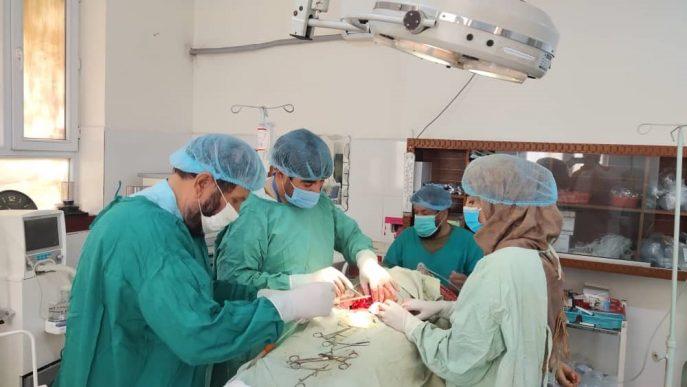
    Afghanistan’s health-care system is on the brink of collapse as thousands of medical professionals flee the country, leaving millions without adequate medical care, says a report by Radio Liberty. Since the Taliban’s return to power in 2021, the departure of doctors, nurses, and specialists has created a critical void in the nation’s health infrastructure, exacerbating an already dire humanitarian crisis.

    Dr. Abdullah Ahmadi, an orthopedic surgeon and former head of Kabul’s Wazir Akbar Khan Hospital, is among those who left Afghanistan. Now residing in Finland, Ahmadi recalls the oppressive conditions that drove him away. “The conditions for me were suffocating,” he said. “I was threatened and humiliated by unqualified and uneducated Taliban members who were placed in key positions in the Public Health Ministry and state-run hospitals.”

    According to the Radio Liberty report, the exodus is fuelled by poor working conditions, low salaries, harassment, and the Taliban’s oppressive policies, including the controversial ban on teenage girls’ education. For Dr. Safa Hassani, a psychiatrist now in Germany, the Taliban’s decision to restrict education for girls was the tipping point. “I sacrificed my job and profession so my daughters can study,” said Hassani, who, like many Afghan doctors abroad, struggles to obtain a license to practice in Europe.

    A Health-Care Vacuum

    The departure of medical professionals has left the Afghan health-care system reeling. Sonia Cautain, a French aid worker who oversaw operations at the French Medical Institute for Mothers and Children in Kabul until 2023, described the exodus as a devastating blow. “Afghanistan has lost a lot of its best doctors,” she said. “Many left for the sake of their careers and families because they didn’t know what to expect from the Taliban.”

    Cautain noted that the loss has created a “big vacuum” in the health-care system, with dire consequences for ordinary Afghans. Abdul Ahad, a resident of Kabul, experienced this firsthand when he needed surgery for kidney stones. Unable to find a qualified doctor in Afghanistan, he travelled to neighbouring Pakistan for treatment, spending over $1,000 — a fortune for many Afghans. “Some of the [Afghan] doctors told me that the stones were in my kidney while others said it was stuck in my ureters,” he said, highlighting the lack of expertise now prevalent in Afghanistan.

    The World Health Organization (WHO) reports that Afghanistan has only 10 health workers for every 10,000 people, far below the universal health coverage threshold of 44 per 10,000. Nearly 18 million people, almost half the population, require health assistance, with 9.5 million having little or no access to basic health services.

    The situation is particularly grim for women. Earlier this month, the Taliban banned midwife and nurse training, further jeopardizing maternal and child health. “We are likely to see more deaths because of preventable diseases,” said Dr. Kayarash, an Afghan physician who now lives in the Czech Republic. He noted that the shortage of female doctors has forced patients to endure longer waits for specialist care, a delay that could be fatal in many cases.

    The Cost of Survival

    In Afghanistan’s remote regions, the lack of medical professionals has turned health care into a life-or-death gamble. Waris Shah, a resident of the remote district of Barmal in Paktika Province, said patients often travel hundreds of kilometers to Kabul for treatment. “Patients are frequently dying while on their way to see a doctor,” he said.

    The exodus of medical professionals is compounded by the loss of international funding, which previously accounted for over 75 per cent of public spending. Human Rights Watch described the sharp decline in financial support as a “shock” to the economy and public health system. The group’s February report warned that insufficient health care has left Afghans vulnerable to disease and other health crises.

    For many Afghans, seeking treatment abroad is the only option, but it comes at a steep price. Those who cannot afford the journey or the cost of care are left to fend for themselves in a crumbling health-care system. The humanitarian crisis has also heightened the risk of outbreaks of preventable diseases like measles and cholera.

    Despite the challenges, some organisations continue to operate in Afghanistan, striving to fill the gaps left by fleeing professionals. However, without significant international support and a reversal of restrictive Taliban policies, the health-care system’s recovery seems unlikely.

    As Afghanistan’s health crisis deepens, the stories of those like Dr. Ahmadi and Dr. Hassani underscore the personal and societal toll of the Taliban’s rule. While they have found safety abroad, millions of Afghans remain trapped in a country where access to life-saving medical care is increasingly out of reach.

    Image: WHO Afghanistan

    India’s Groundwater Revival – 15 Billion Cubic Meters Recharged

    India’s collaborative efforts and initiatives like MGNREGS have led to significant improvements in groundwater recharge, quality, and management. With a focus on sustainability and innovation, these measures ensure a secure water future for generations to come.

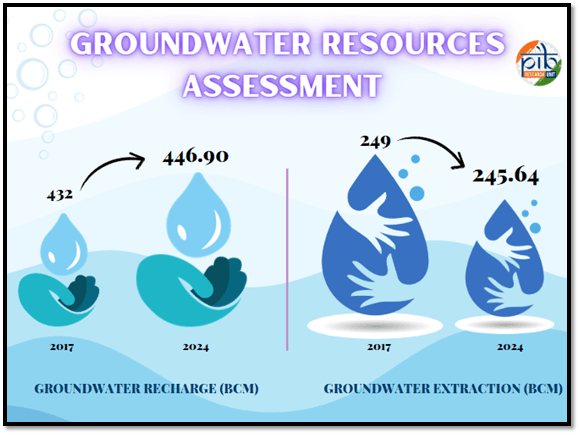
    India experienced a significant increase of 15 BCM (Billion Cubic Meters) recharge of groundwater since 2017, according to the Central Ground Water Board (CGWB). In the meanwhile, extraction of groundwater decreased by 3 BCM compared to the 2017 assessment.

    This finding is contained in this year’s ‘National Compilation on Dynamic Ground Water Resources of India, 2024’ published by the Central Ground Water Board (CGWB), in collaboration with State Groundwater Departments. The compilation releases the annual reports on groundwater resources.

    The document offers a comprehensive state-wise overview, serving as a foundation for effective policies and management strategies regarding ground water in the country.

    According to the latest report, the total annual groundwater recharge is assessed at 446.90 Billion Cubic Meters (BCM), with an extractable resource of 406.19 BCM and an annual extraction of 245.64 BCM. The report highlights increased recharge, mainly due to water bodies, tanks, and conservation structures and shows improvements in groundwater
    conditions in 128 units compared to 2023.

    According to Central Ground Water Board (CGWB) officials, this progress underscores the importance of understanding groundwater’s availability, usage, and the challenges ahead.

    “A single drop of water journeys across the land filtering through rocks and sand to become the invaluable resource we rely on — clean groundwater,” says the CGWB in a press release through the PIB. “This essential source supports life, fuels agricultural productivity and secures water for millions.”

    Recharge from Tanks, Ponds

    CGWB says that 2024 has seen positive advancements in several key areas. The total annual groundwater recharge from tanks, ponds and Water Control System (WCS) has shown a consistent increase in the last five assessments. In the year 2024, it has increased by 0.39 BCM with respect to 2023.

    With respect to the year 2017, there is an increase of 11.36 BCM in recharge from tanks, ponds and WCS (from 13.98 BCM in 2017 to 25.34 BCM in 2024).

    The percentage of overexploited assessment units have declined from 17.24 per cent in 2017 to 11.13 per cent in 2024.

    According to the CGWB, maintaining groundwater quality is just as crucial as its recharge for sustainable water management. Key pollutants such as Arsenic, Fluoride, Chloride, Uranium, and Nitrate pose serious health risks, either through direct toxicity or long-term exposure, the organisation says.

    To assess the critical areas impacted by contamination, the Annual Groundwater Quality Report for 2024 offers a comprehensive analysis of groundwater quality across India, drawing insights from data collected at over 15,200 monitoring locations and 4,982 trend stations. The report emphasises the importance of not only preserving groundwater but also ensuring its quality for effective, long-term water management.

    The report further reveals that 81 per cent of groundwater samples are suitable for irrigation, with 100 per cent of groundwater samples from the North-Eastern states being rated “excellent” for irrigation, underscoring the favourable conditions for agriculture in the region.

    MGNREGS Rocks

    The CGWB says that these positive outcomes are the result of collaborative efforts between state and central governments. The government of India has launched various initiatives to preserve water and ensure its availability for future generations. The report notes that the key schemes include:

    • Mahatma Gandhi National Rural Employment Guarantee Scheme (MGNREGS): Includes water conservation and water harvesting structures, enhancing rural water security.
    • The 15th Finance Commission Grants: Provides financial assistance to states for rainwater harvesting and other water conservation activities.
    • Jal Shakti Abhiyan (JSA): Launched in 2019, now in its 5th phase (“Catch the Rain” 2024), focusing on rainwater harvesting and water conservation across rural and urban districts through convergence of various schemes.
    • Atal Mission for Rejuvenation and Urban Transformation (AMRUT) 2.0: Supports rainwater harvesting via stormwater drains and promotes groundwater recharge through ‘Aquifer Management Plans’.

    Apart from these schemes, the Ministry of Housing and Urban Affairs has formulated guidelines for the states to adopt measures suitable to local conditions, such as unified building bye laws (UBBL) of Delhi, 2016, model building bye laws (MBBL), 2016 and urban and regional development plan formulation and Implementation (URDPFI) guidelines, 2014 with focus on requirement of rainwater harvesting and water conservation measures.

    In addition, the Atal Bhujal Yojana (2020) targets water-stressed gram panchayats in 80 districts across seven states, focusing on groundwater management. Simultaneously, the Pradhan Mantri Krishi Sinchai Yojana (PMKSY) aims to expand irrigation coverage and improve water use efficiency through components like Har Khet Ko Pani, the repair and renovation of water bodies, and surface minor irrigation schemes.

    Harvesting, Conservation and Augmenting

    The ministry of Jal Shakti set up the Bureau of Water Use Efficiency (BWUE) under the National Water Mission in 2022 to act as a facilitator for promotion of improving water use efficiency across various sectors namely irrigation, drinking water supply, power generation, industries, etc. in the country.

    Likewise, Mission Amrit Sarovar (2022) aims to create or rejuvenate 75 Amrit Sarovars in every district for water harvesting and conservation and the National Aquifer Mapping (NAQUIM) completed by the CGWB for over 25 lakh sq. km, supports groundwater recharge and conservation plans.

    The master plan for artificial recharge of groundwater (2020) developed by CGWB, plans for 1.42 crore rainwater harvesting and recharge structures to harness 185 BCM of rainfall.

    Under the Ground Water Management and Regulation Scheme, the CGWB has implemented several successful artificial recharge projects in the country for demonstrative purpose which enable state governments to replicate the same in suitable hydro-geological conditions.

    The National Water Policy (2012) has been formulated by Department of Water Resources, River Development and Ganga Rejuvenation, which advocates rainwater harvesting and conservation of water and also highlights the need for augmenting the availability of water through direct use of rainfall.

    Likewise, the Watershed Development Component of PMKSY (WDC-PMKSY) focuses on rainfed and degraded lands, incorporating activities like soil conservation, rainwater harvesting, and livelihoods development.

    India’s collaborative efforts and key initiatives have led to significant improvements in groundwater recharge, quality, and management. With a focus on sustainability and innovation, these measures ensure a secure water future for generations to come.

    Maldives’ Plans to Tackle Male’s Frequent Floods with Mobile Trailer Pumps

    While the mobile trailer pumps offer a temporary solution for a pressing issue, Minister Muthalib emphasised the need for a permanent solution. This involves rebuilding Male’s roads and upgrading the city’s drainage infrastructure.

    The Maldivian government is set to bolster its flood management capabilities by acquiring mobile trailer pumps to address the recurring issue of flooding in the archipelago nation’s capital, Male’ city. This initiative, announced by Construction Minister Dr. Abdulla Muthalib in an interview with a local media outlet, Mihaaru News, aims to provide an immediate solution while the government works on a comprehensive plan to resolve drainage problems in the city.

    Flooding has long been a critical issue for Male’, the densely populated capital of Maldives. The city frequently experiences severe waterlogging during heavy rains, causing disruption and damage to infrastructure. Minister Muthalib acknowledged the urgency of the situation, stating, “If we have five or six mobile trailer pumps, it will provide significant relief.”

    The mobile trailer pumps, capable of removing 600 tonnes of water per hour, are designed for mobility and rapid deployment. Currently, the Maldives National Defence Force (MNDF) addresses flooding using a combination of ordinary pumps and a single mobile trailer pump. However, the existing resources are insufficient to cope with the scale of flooding, as evidenced by the recent deluge.

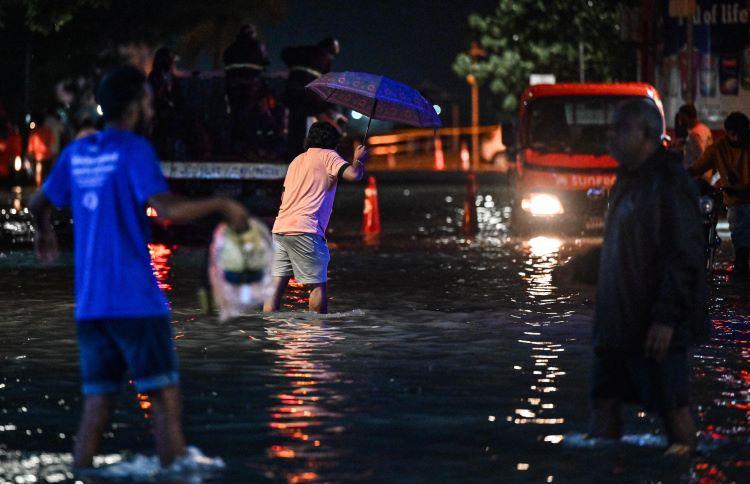
    Last Friday’s heavy rainfall inundated Male’ with approximately 90,000 tonnes of water. The MNDF drained 30,000 tonnes using their pumps, while an additional 60,000 tonnes were removed through temporary pump stations installed at five locations across the city.

    Long-Term Plans in Motion

    While the mobile trailer pumps offer a temporary reprieve, Minister Muthalib emphasised the need for a permanent solution. This involves rebuilding Male’s roads and upgrading the city’s drainage infrastructure. The government has already secured USD 100 million in aid from China for a road reconstruction project in the islands of Male’ and Vilimale’. A team of Chinese consultants has been conducting feasibility studies since November 2024. The project is expected to commence this year.

    The Critical Role of Mobile Pumps

    Mobile trailer pumps are increasingly recognised as an essential tool in modern flood management. Their high capacity and portability make them ideal for urban environments like the small island of Male’, where flooding can occur in multiple locations simultaneously. These pumps can be quickly transported and deployed to affected areas, ensuring swift water removal and minimising disruption.

    Each pump is designed to handle large volumes of water efficiently, making it suitable for both residential and commercial areas. The planned acquisition of multiple pumps would significantly enhance Male’s ability to respond to flood emergencies, protecting homes, businesses, and critical infrastructure.

    Addressing Climate Challenges

    The Maldives, an island nation highly vulnerable to the impacts of climate change, faces rising sea levels and unpredictable weather patterns. These factors exacerbate the challenges of managing urban flooding. The minister said that the government’s proactive approach to acquiring advanced flood management tools reflects its commitment to safeguarding the well-being of its citizens and infrastructure.

    While the road to a long-term solution may be complex and resource-intensive, the acquisition of mobile trailer pumps represents a vital step toward building resilience against flooding. Minister Muthalib’s focus on both immediate and long-term measures underscores the government’s recognition of the multifaceted nature of the problem.

    As Male’ prepares for the upcoming monsoon season, the introduction of mobile trailer pumps is expected to provide much-needed relief to the city’s residents. Simultaneously, the planned road reconstruction and drainage upgrades offer hope for a future where flooding is less of a recurring threat. This dual approach — combining immediate action with long-term planning — highlights the importance of innovation, preparedness, and collaboration in addressing the challenges posed by climate change and urbanization. The Maldivian government’s initiative serves as a model for other vulnerable cities grappling with similar issues, emphasizing the need for adaptive solutions in an era of increasing environmental uncertainty.

    ADB to Provide $1 Billion Annually for Bangladesh’s Inclusive Development

    Senior officials, including the environment secretary, joint secretary, chief conservator of forests, and ADB representatives, participated in the discussions, signalling a collaborative approach to Bangladesh’s inclusive development and environmental challenges.

    The Asian Development Bank (ADB) has committed to providing Bangladesh with $1 billion annually in concessional financing over the next five years to support inclusive development and environmental sustainability.

    ADB Country Director for Bangladesh, Hoe Yun Jeong, announced the funding during a meeting with Syeda Rizwana Hasan, adviser to the Ministry of Environment, Forest and Climate Change, and the Ministry of Water Resources, at the Forest Department in Dhaka on Sunday.

    During the meeting, Jeong highlighted ADB’s dedication to enhancing Bangladesh’s climate resilience and environmental sustainability through targeted projects. He assured increased financial support, including grants, and expressed ADB’s strong interest in river-cleaning initiatives to restore the country’s waterways.

    “ADB is committed to expanding community engagement and public consultations to ensure the success of our projects,” Jeong said, emphasizing the importance of inclusive development.

    Climate-Focused and Socially-Inclusive

    Rizwana Hasan underscored the need for a shift towards climate-focused and socially-inclusive activities over traditional infrastructure projects. She highlighted the government’s ambitious plan to restore eight major rivers across the country’s divisions, with a particular emphasis on prioritising river-cleaning efforts in Dhaka.

    She also called for tangible actions rather than just formulating plans, urging ADB to support key environmental challenges such as solid waste management, sewage treatment, salinity intrusion, waterlogging, and human-elephant conflicts.

    “To address these critical issues effectively, concessional loans and enhanced collaboration are essential,” Rizwana said.

    Senior officials, including the environment secretary, joint secretary, chief conservator of forests, and ADB representatives, participated in the discussions, signalling a collaborative approach to tackling Bangladesh’s environmental challenges.

    The meeting reflects ADB’s commitment to aligning with Bangladesh’s development priorities, particularly its environmental goals, as the country grapples with the dual challenges of rapid urbanization and climate change. This enhanced support from ADB is expected to catalyse efforts to promote sustainability, strengthen infrastructure, and improve the quality of life for communities across Bangladesh.

    WHO Commends Sri Lanka’s Progressive Approach to Mental Health

    The WHO has urged member states in the region to close treatment gaps and ensure accessible services without financial hardship. By prioritizing community-based models and addressing the root causes of mental health challenges, Sri Lanka is setting an example for its neighbours.

    The World Health Organization (WHO) has lauded Sri Lanka’s efforts to reform its mental health care system, highlighting its focus on deinstitutionalization and community-based mental health networks. The commendation was featured in WHO’s 2024 annual report, which underscored Sri Lanka’s initiatives as a model for mental health reform in the South-East Asia region.

    “By transitioning from long-stay institutional care to community-based services, Sri Lanka aims to provide individuals with greater autonomy and support within their communities,” the report noted. This approach addresses the significant barriers to mental health care, including inaccessibility and persistent stigma, common challenges in Sri Lanka and other nations in the region.

    Growing Mental Health Crisis

    The report emphasised that one in seven people in the South-East Asia region lives with a mental health condition. Mental health disorders are now the leading cause of years lost to disability, with depression and schizophrenia being the most debilitating conditions. The WHO has advocated for the reorganization of mental health services across the region, transitioning from institution-centred models to community-driven care.

    Sri Lanka’s socio-economic challenges, including a recent currency crisis, rising unemployment, and redundancies, have further exacerbated mental health concerns. “Most of the determinants of mental health lie outside the health sector,” the WHO report stated, citing factors such as poverty, lack of education, stigma, and the impacts of climate change and migration.

    Despite these challenges, Sri Lanka has taken significant strides to address the mental health crisis. The National Institute of Mental Health provides accessible care to citizens at little to no cost. However, the nation still grapples with a high suicide rate, with an average of eight to nine cases reported daily, amounting to around 3,000 suicides annually.

    WHO’s Vision for Mental Health

    In 2024, the WHO introduced several initiatives aimed at transforming mental health care in the South-East Asia region. The Paro Declaration, which champions universal access to person-centered mental health care, outlines a shift from disease-focused approaches to holistic, community-engaged models.

    Key transformations advocated by the declaration include:

    • Person-Centered Care: Emphasizing prevention, lifestyle interventions, and early support over solely diagnosis and treatment.
    • Community Engagement: Empowering communities to reduce stigma, enhance awareness, and actively participate in mental health initiatives.
    • Holistic Approach: Adopting a bio-psychosocial model that considers the interplay between biological, psychological, and social factors.
    • Decentralized Care: Expanding services into community-based settings and integrating mental health into universal health coverage.

    “Sri Lanka’s adoption of these principles demonstrates its commitment to revolutionizing mental health care,” said Dr. Poonam Khetrapal Singh, Regional Director of WHO South-East Asia.

    Innovations and Future Goals

    Sri Lanka has also implemented groundbreaking tools like the FLII-11 mental health survey, which aims to inform evidence-based policymaking and allocate resources effectively. These initiatives, coupled with a focus on multi-sectoral policies, reflect a progressive approach to addressing mental health risks across the life course.

    The WHO has urged member states in the region to close treatment gaps and ensure accessible services without financial hardship. By prioritizing community-based models and addressing the root causes of mental health challenges, Sri Lanka is setting an example for its neighbours.

    While significant progress has been made, challenges remain. Sri Lanka’s success depends on sustained investment, policy innovation, and addressing socio-economic determinants of mental health. By expanding community engagement and reducing stigma, the country hopes to foster a supportive environment for individuals living with mental health conditions.

    The WHO’s support and Sri Lanka’s commitment signal a new era for mental health care, one that prioritizes wellbeing, inclusivity, and autonomy. With a continued focus on these transformative changes, Sri Lanka could emerge as a regional leader in mental health reform, offering hope to millions across South-East Asia.

    Carter’s Virtue Trumps Mendacity

    Historians view his administration as a watershed in the civil rights struggle, especially in the South. As president he negotiated the first ever peace agreement between Israel and the Arabs. In his post-presidential years, he made a worldwide impact as a humanitarian.

    The fireplace in the State Dining Room of the White House that says, “May none but honest and wise men ever rule under this roof.” President John Adams wrote that in a letter to his wife Abigail in 1800.

    Jimmy Carter was by all accounts a wise, just, and decent man — a man of deep religious faith, who was also circumspect — some may say old fashioned — about his rhetoric.

    He was refreshingly candid in using the country-boy phrase “I’ll whip his ass!” against Democratic primary opponent Sen. Edward Kennedy. Most reporters in that era considered it too harsh or nearly obscene, so instead, they wrote, “I’ll whip his donkey!”

    Carter was honest. When asked by a reporter amid stories of the Kennedy brothers’ sexual indulgences, if he had ever had lust in his heart, he responded straightforwardly, “Yes.” That’s something no other politician would ever do. But it was easy for Carter to admit because he followed the Christian and Calvinist doctrine that “We are all sinners.”

    Historians view his administration as a watershed in the civil rights struggle, especially in the South. As president he negotiated the first ever peace agreement between Israel and the Arabs. In his post-presidential years, he made a worldwide impact as a humanitarian.

    Civic virtue must be faithful to the original concept of American nationhood — favouring citizens ahead of government. Liberty and justice are the watchwords of democracy, not blind obedience to politicians.

    George Washington said, “There exists an indissoluble union between virtue and happiness.” Lincoln advised “Malice toward none…charity for all…firmness in the right.” Carter followed these sentiments at his inauguration with a pledge from the Biblical Prophet Micah: “Do justly, love mercy, walk humbly.”

    By Contrast, Trump…..

    There are two ways of recognising people as honest and wise — by their words and by their deeds. Carter told the truth straight out — even if it was inconvenient or might hurt him. His policies were based on simple fairness, especially in his efforts to overcome the endemic racism of the Old South.

    By contrast, President-elect Trump is famous for the lies and invective-filled slander constantly dripping from his lips: “When somebody hurts you, just go after them as viciously and as violently as you can…. When somebody screws you, screw them back in spades.” Trump’s brand, he said, means, “Power is the only true value.”

    We teach our kids differently. “Be nice,” we always say. Sesame Street TV and First Grade teachers call out children for “Courtesy Lacking.” Why can’t we demand as much from our leaders?

    Trump is a symptom of the ills of our society, not the cause. Today most of us tolerate curses and obscenities that would have scandalised our grandmothers. Trump is simply riding the crest of a flood of indecency that already exists among the public.

    Let’s bring back civic virtue. Jimmy Carter may be the best example of personal rectitude among US leaders in our lifetimes. Let him be your model — not the empty, sleazy suit that is soon to be the next occupant of the White House.

    James E. Jennings PhD is President of Conscience International

    This piece has been sourced from Inter Press Service.

    Image: Wikimedia

    Bangladesh: Foreign Grants for Development Projects Mostly Misdirected

    Experts and economists urged ensuring accountability and transparency for grant-dependent projects to ensure the best value of foreign grants.

    Grants coming for development projects in Bangladesh from several foreign agencies mostly goes for revenue expenditure for consultants, foreign trips, training and salaries, leaving little for real service delivery.

    An analysis of five projects has revealed the state of foreign grant assistance provided for the country’s uplift in various sectors in need.

    Analyzing the five projects – two ongoing, two are newly proposed and another completed – shows that a share of 76 per cent to 98 per cent of grant allocations are being spent for revenue expenditure, while a little amount of grants go for capital spending which helps create any asset.

    Such five projects projected a combined spending worth Tk5.12 billion, while Tk4.74 billion, 92.59 per cent of the total, projected for revenue spending.

    Officials from the Planning Commission and the Economic Relations Division (ERD) said that the development partners reduced grants for infrastructure projects following Bangladesh’s graduation from Lower- Income Countries (LIC) status to Lower Middle- Income Country (LMIC) in 2013.

    They said that flow of grants got reduced significantly and continued only for technical -assistance projects that prioritize study, research and consultancy.

    However, experts and economists urged ensuring accountability and transparency for grant-dependent projects to ensure the best value of foreign grants.

    Some Examples

    Officials of the Planning Commission said that the Ministry of Labour and Employment proposed a project worth Tk828.30 million to ensure social protection for additional 150,000 workers in the textiles and leather sectors. However, Tk815.50 million, or 98.45 per cent of the project cost, is proposed as revenue spending.

    Some Tk 294.00 million, 35.49 percent of the project cost, is proposed for consultants, while over 18 per cent is proposed for training.

    Germany-based GIZ would provide grants for the project. And Tk 12.60 million is proposed under the project for office rent for the GIZ.

    Local government division proposed a project titled “GO4IMpact-Improved Climate Resilient Public Services Delivery through Local Government Institutions in Water and Solid Waste Management” with a support worth Tk 906.96 million from Swiss Agency for Development and Cooperation.

    The project, aimed at supplying improved water for 50,000 people living in two Paurasavas and 40 Unions in two districts, offers 76.73 per cent as revenue cost.

    Some Tk 155.43 million, or 17.14 per cent of the total cost, is earmarked as salaries, while Tk 99.15 million, 10.93 per cent, for seminar and conference. A foreign training for 30 people costs Tk 19.47 million.

    “Adaptation to Climate Change into the National and Local Development Planning-II (ACCNLDP-II)” project, aimed at integrating climate-risk information into national planning, project evaluation, and enhancing the capacity of planning and evaluation processes to reduce disaster risks, spent Tk 393.39 million as revenue spending.

    Development of Local Capacity

    Some 96.32per cent of the project cost from a total of Tk 408.44 million went for salaries, wages and training.

    The EU and the UNDP are providing Tk2.59 billion for a project titled “Activating Village Courts in Bangladesh Phase III Project” undertaken by the local government division.

    Some Tk2.46 billion, or 95.17 per cent of the total, is being spent for revenue purpose and Tk 1.22 billion, 47.10 per cent of total grants, spent for consultants from home and abroad.

    Targeting skills building for out-of-school adolescents, this Tk395.77-million project spends 96.02 per cent of its funds on revenue. Management costs for institution-based courses account for Tk 266.33 million, representing 67.29 per cent of the total.

    Dr Mustafa K Mujeri, former DG at the BIDS, says the overwhelming focus on revenue expenditures such as consultancy, salaries, and foreign tours may undermine the sustainability of these projects.

    “While consultancy ensures access to expertise, excessive reliance could limit the development of local capacity and infrastructure. Similarly, high salaries for international staff and training expenditures abroad might reduce the funds available for direct service delivery,” he adds.

    Representational Image from Wikimedia

    US Surgeon General Calls for Cancer Warnings on Alcoholic Beverages

    The Surgeon General also advocated for reassessing recommended alcohol consumption limits and increasing education efforts to highlight the risks associated with drinking. Health care providers are encouraged to screen for alcohol use and offer treatment referrals when necessary.

    The United States Surgeon General, Dr. Vivek Murthy, has issued a groundbreaking advisory advocating for cancer warning labels on alcoholic beverages. The recommendation follows new research that links alcohol consumption to seven types of cancer, with approximately 100,000 cases and 20,000 deaths annually attributed to alcohol-related cancers in the US. Dr. Murthy emphasized that most Americans remain unaware of these risks, prompting a need for enhanced public health measures.

    Dr. Murthy’s advisory underscores the established connection between alcohol consumption and an increased risk of cancers such as breast (in women), throat, liver, esophagus, mouth, larynx, and colon. “The direct link between alcohol consumption and cancer risk is well-established for at least seven types of cancer, regardless of the type of alcohol consumed,” he stated. Alcohol has been identified as the third most common preventable cause of cancer, following tobacco use and obesity.

    To address this public health concern, Dr. Murthy called for updates to existing warning labels on alcoholic beverages, which have remained unchanged since 1988. Current labels primarily warn against alcohol consumption during pregnancy and highlight the risks of impaired driving and general health problems. Implementing new cancer-specific warnings would require legislative action by Congress. However, it remains uncertain whether such changes will gain political support, especially with the incoming Trump administration.

    The Surgeon General also advocated for reassessing recommended alcohol consumption limits and increasing education efforts to highlight the risks associated with drinking. Health care providers are encouraged to screen for alcohol use and offer treatment referrals when necessary.

    Health, Safety Warnings on Alcohol

    The advisory has already sparked economic repercussions, with media reports indicating a four per cent drop in the stock prices of major European and American alcohol producers following the announcement. This reaction reflects growing global scrutiny of the alcohol industry’s role in public health concerns.

    Internationally, other nations have taken similar steps to address the health risks of alcohol. Ireland recently became the first country to mandate cancer-specific warnings on all alcoholic beverage labels, a policy set to take effect in 2026. South Korea also requires warnings about the cancer risks of alcohol consumption. According to the World Health Organization (WHO), the number of member states mandating health and safety warnings on alcohol increased from 31 in 2014 to 47 by 2018.

    Dr. Murthy’s push aligns with a broader global trend of reassessing alcohol consumption guidelines. Several studies have concluded that no level of alcohol consumption is entirely safe, prompting many countries to revise their recommended limits.

    Despite these findings, implementing stricter regulations in the US faces significant challenges. Updating warning labels would necessitate Congressional approval, and industry resistance is likely. Nonetheless, public health advocates argue that increasing awareness about alcohol-related cancer risks is a critical step toward reducing preventable illnesses and deaths.

    As the debate unfolds, Dr. Murthy’s advisory marks a pivotal moment in the conversation about alcohol and public health. By highlighting the hidden dangers of alcohol consumption, the Surgeon General aims to empower Americans to make informed decisions and spark a national dialogue on this pressing issue.