More

    Bangladesh: Rohingya Refugees Forced to Survive on 20 Litres of Water a Day

    Rohingya refugees ration life to just 20 litres of water a day as funding crisis threatens hard-won WASH systems in Bangladesh’s Cox’s Bazar.

    In the densely packed camps of Cox’s Bazar, nearly 1.2 million Rohingya refugees mark a decade of displacement while rationing water to the bare minimum needed for survival, as Oxfam warns that deepening funding shortfalls are putting critical water, sanitation and hygiene systems at severe risk.

    The daily struggle for water defines life for Rohingya families in the world’s largest refugee camps. Humanitarian standards recommend at least 15–20 litres per person per day for drinking, cooking, personal hygiene and basic sanitation. In practice, many households receive around that amount or less, forcing impossible choices between bathing children, washing clothes, cooking meals or maintaining hygiene.

    Average collection sits near 24 litres per person in some assessments, yet this barely covers essentials. A short bath alone can consume 15–20 litres. Shared latrines serve dozens of people, and water supply is often limited to short windows each day, leaving families queuing for hours under the sun or climbing steep hills with heavy containers.

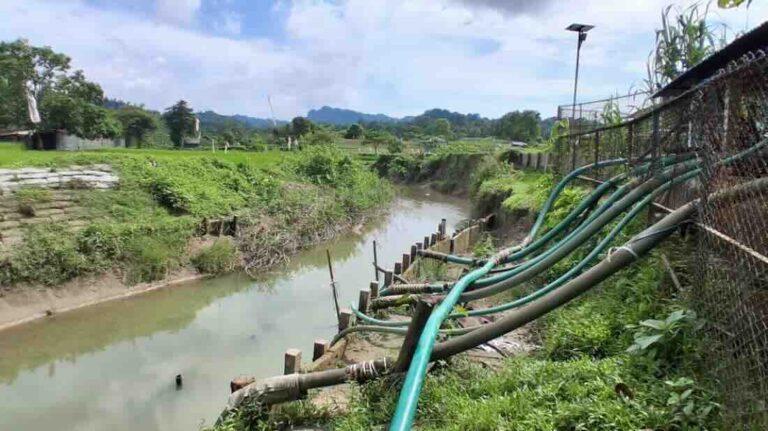
    Groundwater levels continue to fall. Extraction for the camps exceeds millions of litres daily, with water tables dropping several metres in places. Many shallow tube wells have failed or produce salty, muddy water. Communities increasingly rely on treated surface water networks, boreholes, reservoirs and thousands of tapstands that require constant maintenance.

    A Decade of Systems Now Under Strain

    Since the mass influx of 2017, aid agencies, the government of Bangladesh and partners built an extensive humanitarian public-health infrastructure. Across Cox’s Bazar this includes hundreds of water networks, production boreholes, reservoir tanks, more than 7,000 tapstands, nearly 50,000 latrines and over 160 faecal sludge treatment plants.

    These assets transformed an emergency response into a functioning system that has prevented major disease outbreaks and protected dignity. Yet Oxfam’s August 2026 report, Holding the Line: WASH Systems, Risk and Resilience in the Rohingya Response, cautions that scale can conceal fragility. Ageing infrastructure, dry-season shortages, monsoon damage, uneven operations and sharp funding cuts are raising risks.

    The 2025 Joint Response Plan received only about 46 per cent of the $934.5 million requested. The recalibrated 2026 appeal seeks $710.5 million – 26 per cent lower – covering only the bare minimum to sustain lifesaving services. Cuts have already affected WASH, food, health and protection.

    Women and Girls Bear the Heaviest Burden

    Limited water and distant or poorly lit facilities create particular dangers for women and girls. Many report fear of harassment or violence when collecting water or using latrines after dark. Menstrual hygiene materials have become scarcer, and soap is often in short supply.

    One resident described the daily calculation: limited water means choosing between bathing children, cooking or laundry. Another noted the need for a companion at night because of insecurity around facilities. These pressures compound the broader loss of privacy and safety in overcrowded camps.

    Oxfam’s Sustained Response on the Frontline

    Oxfam has worked in the Rohingya response since 2017 alongside refugees, host communities, local partners, government institutions, UN agencies and donors. Its programmes span surface-water treatment, faecal sludge management, solar lighting, solid-waste systems, food production for dietary diversity, skills training, protection and community engagement.

    In sanitation, Oxfam helped pioneer large-scale biological faecal sludge treatment plants – among the first of their kind at this scale in a refugee setting – capable of handling substantial daily volumes and converting waste into compost that benefits both refugee and host agriculture. The organisation has also supported safer desludging operations through technology and training, surface and groundwater treatment systems, and hygiene promotion.

    Oxfam’s work demonstrates that humanitarian assistance can save lives while building local capacity and resilience. Maintaining water quality, repairing ageing assets, treating sewage, clearing drains and waste, ensuring safe access and responding rapidly to disease threats all require predictable financing.

    Host Communities Share the Strain

    The water crisis is not confined to the camps. Host communities in Ukhiya and Teknaf face depleting groundwater, higher costs for deeper wells and increased competition for limited resources. Some villages must drill hundreds of feet to reach usable water. Joint programmes that serve both refugees and hosts help reduce tension and build shared resilience.

    Climate pressures intensify the challenge. Monsoons bring flooding and landslides that damage infrastructure and displace families. Dry seasons stretch water systems further. Without sustained investment in maintenance and climate-adapted solutions, hard-won gains risk rapid reverse.

    The Cost of Underfunding

    Reduced water and sanitation services raise the risk of waterborne disease outbreaks. Health surveillance has already recorded concerning numbers of cholera cases in recent periods. Food assistance has also been scaled back in places, compounding malnutrition risks, particularly among children. Protection gaps widen as families face greater insecurity and fewer resources.

    Oxfam and partners argue that holding the public-health line now depends on steady support for the less visible but essential work of system upkeep. Predictable funding, stronger local leadership, continued investment in resilient infrastructure and genuine pathways toward durable solutions are required.

    Nearly a decade after the 2017 exodus, the Rohingya crisis remains one of the world’s largest and most protracted. The camps continue to absorb new arrivals fleeing renewed violence in Myanmar. The infrastructure that keeps disease at bay and preserves a measure of dignity was built through international solidarity. Allowing it to degrade would reverse years of progress and place more than a million people at greater risk.
    Ancient Superbugs Emerging from Melting Himalayan Glaciers?

    Climate-driven thaw releases dormant pathogens and antibiotic-resistance genes into rivers serving nearly two billion people, raising urgent public-health alarms across South Asia.

    Glaciers are not inert blocks of ice. They are frozen archives of Earth’s microbial past, trapping bacteria, viruses, fungal spores and genetic material for thousands of years. As global temperatures rise, these time capsules are cracking open, releasing long-dormant organisms and antibiotic-resistance genes into freshwater systems that millions depend on every day, scientists Santosh Dulal and Devraj Pokhrel have said in an article they authored for the Kathmandu Post newspaper.

    In Nepal, recent glacial lake outburst floods have underscored the physical dangers of a melting cryosphere. The Bhotekoshi flood of August 2026 and an earlier transboundary event in July 2025 damaged infrastructure, claimed lives and disrupted trade. Yet scientists warn that the visible destruction may be only the surface of a deeper biological threat: ancient extremophiles and resistance genes now flowing into rivers that feed the Ganges, Indus and other major systems.

    Time Capsules Under Ice

    Snow that fell millennia ago compacted into ice, locking in whatever drifted through the atmosphere at the time. Research on the Guliya ice cap on the Tibetan Plateau has recovered viral genetic material nearly 15,000 years old, with most genomes unlike anything in modern databases. A later study extended the record to 41,000 years and identified roughly 1,700 viral species, showing how viral communities shifted with past climate swings.

    Similar findings come from polar regions and high-altitude ice. Pathogenic fungi and bacteria have been isolated from glaciers in Greenland and Svalbard, remaining viable after long dormancy. In Siberia, a 2016 heatwave thawed permafrost and released anthrax spores from long-buried carcasses, killing more than 2,300 reindeer and infecting dozens of people, one fatally. That outbreak involved a known pathogen, not a novel superbug, yet it proved that climate-driven thaw can turn frozen archives into active public-health hazards.

    Resistance Older than Modern Medicine

    Antibiotic resistance is not solely a product of the modern pharmaceutical era. Scientists have recovered functional resistance genes from ancient ice and permafrost. One study isolated a fully functional vancomycin-resistance gene from 30,000-year-old Siberian permafrost; vancomycin remains a last-resort antibiotic in intensive-care units today. Mobile genetic elements such as plasmids and transposons carrying resistance and virulence traits have also been found in Himalayan glaciers and permafrost samples.

    These genes can move between microbes through horizontal gene transfer – uptake of free environmental DNA, bacteriophage mediation, or direct cell-to-cell contact. Once released into active microbial communities in rivers and lakes, they can transform ordinary bacteria into more resilient strains. A 2025 review from Lanzhou University described a “glacier continuum” in which resistance genes travel from ice to rivers and lakes, potentially amplifying as they move downstream toward human populations.

    Recent laboratory work has added further urgency. A bacterial strain frozen for about 5,000 years in Romania’s Scărișoara Ice Cave proved resistant to ten modern antibiotics used against urinary-tract infections, tuberculosis and other common diseases. While the strain itself is adapted to cold and is not known to infect humans, its resistance genes illustrate how ancient microbes can carry traits that remain effective against today’s drugs. The same organism also produced compounds that inhibit some modern superbugs, highlighting both risk and potential opportunity.

    The Himalayan Front Line

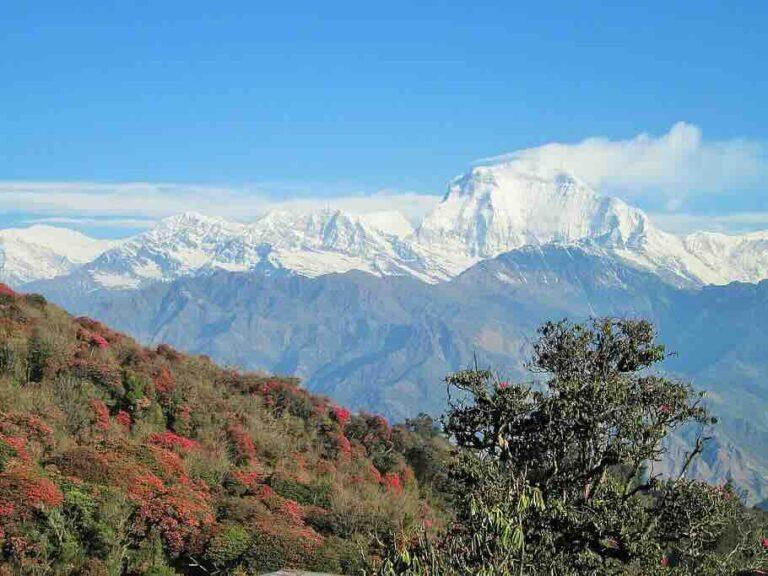
    The Hindu Kush Himalaya holds the largest ice volume outside the polar regions and supplies water to roughly 1.9 billion people across ten major river systems. Glacier mass loss has accelerated sharply: ice loss in the 2010s was 65 per cent higher than in the previous decade, according to ICIMOD assessments. Nepal’s Yala Glacier has lost about two-thirds of its surface area since 1974. As meltwater increases, so does the chance that ancient microbes and genes enter the watersheds that support agriculture, drinking water and ecosystems across the region.

    Researchers stress that the absence of local outbreaks so far offers little reassurance. The biological “time bomb” is not limited to human infection. Released organisms could disrupt microbial signalling networks that govern biofilm formation and ecological balance in freshwater systems, with cascading effects on wildlife, livestock and the broader environment. Fragile healthcare systems would face additional pressure if novel or highly resistant pathogens emerge.

    Surveillance as the First Defence

    Experts argue that Nepal and neighbouring countries must treat the microbial threat with the same seriousness given to physical flood risk. Targeted metagenomic surveillance and environmental DNA (eDNA) metabarcoding of sentinel glaciers and glacier-fed catchments can reveal which organisms and genes are circulating. These tools fit naturally within the One Health framework that links human, animal and environmental health – an approach Nepal formally advanced in recent years.

    Practical steps include expanding next-generation sequencing capacity inside the country, strengthening bioinformatics to flag unusual genetic signals, and fostering collaboration among hydrologists, microbiologists, epidemiologists and veterinary scientists. Routine sampling of meltwater and downstream rivers would establish baselines before potential outbreaks occur. Because river systems cross borders, regional cooperation under the Hindu Kush Himalaya umbrella is essential; pathogens and resistance genes respect no political boundaries.

    A Narrowing Window

    Every year of delayed monitoring erodes the baseline data needed to detect and respond to emerging threats. Once an unusual pathogen appears in human or animal populations, the original glacial source may already have vanished into the Bay of Bengal, taking with it the genetic context required for rapid countermeasures. Scientists emphasise that the risk is probabilistic rather than inevitable, yet the accelerating pace of melt makes proactive surveillance a pragmatic necessity rather than a speculative exercise.

    The dual nature of the discovery is worth noting. Ancient microbes can also yield novel antimicrobial compounds and enzymes useful for biotechnology. Understanding how resistance evolved over tens of thousands of years may ultimately help design better drugs. That scientific opportunity, however, does not diminish the immediate need to track what is already entering the water systems that sustain nearly two billion people.

    As Himalayan glaciers continue their rapid retreat, the invisible biological cargo they release will become an increasingly visible test of regional preparedness, the scientists say. The floods of recent years delivered a physical warning. The microbial archive now thawing beneath them may deliver the next.

    Focus keyphrase: melting glaciers ancient superbugs Himalayas

    Tags: climate change, glacier melt, antibiotic resistance, ancient pathogens, Himalayan glaciers, One Health, public health, Nepal, cryosphere, metagenomics,

    Pakistan Mulls Smart Lockdown, Four-Day Week to Curb Fuel Use

    Pakistan weighs smart lockdown with four-day work week and early market closures to slash fuel use amid West Asia-driven price surge.

    Pakistan is actively considering a “smart lockdown” package of austerity measures, including a four-day working week for public and private offices, rotational staff attendance, remote work options, and earlier closures of markets and commercial establishments, as soaring global oil prices and supply risks from escalating West Asia tensions strain the country’s energy security and public finances.

    Prime Minister Shehbaz Sharif chaired high-level meetings in mid-September 2026 to review proposals aimed at sharply reducing petroleum consumption across government and private sectors. The discussions followed consecutive daily hikes in domestic fuel prices. 

    On 15 September, the government raised petrol by Rs 4.10 per litre to Rs 384.34 and high-speed diesel (HSD) by Rs 6.41 per litre to Rs 415.83, effective 16 September, according to a Petroleum Division notification. These increases marked the latest in a series of upward revisions driven by volatility in international markets linked to disruptions around the Strait of Hormuz and Bab el-Mandeb.

    Rising Fuel Costs and Regional Supply Risks

    The price spiral reflects broader geopolitical pressures. Renewed hostilities and threats to key Gulf shipping routes have pushed global oil benchmarks higher, forcing Pakistan – which imports the bulk of its petroleum products – to pass on costs under its daily pricing mechanism. Since early September, petrol and diesel prices have climbed steeply, adding to household and commercial burdens already strained by inflation and economic challenges. Officials have warned of potential further disruptions to energy flows, prompting the government to examine demand-side measures rather than rely solely on price signals.

    Coordinator to the Prime Minister, Rana Ehsan Afzal, sought to reassure the public that there was no immediate shortage of petrol or diesel stocks, attributing stability to prior government management. However, cabinet members have sounded alarms about the wider energy picture, including power generation risks if oil supplies tighten further. A targeted relief scheme announced by the Prime Minister offers Rs 100 per litre discount on limited monthly quotas for motorcycles, three-wheelers, and vehicles up to 800cc, aiming to cushion lower-income users. Yet officials have indicated this is the maximum support the fiscal position can currently sustain.

    Core Elements of the Proposed Smart Lockdown

    Under the options being examined, offices in both the public and private sectors could shift to a four-day working week – typically Monday to Thursday – with Friday, Saturday and Sunday treated as holidays. This would cut commuting volume and associated fuel burn. A rotational or hybrid attendance model is also under review: some staff would work from home on designated days, while others attend in person on a staggered schedule, potentially limiting office occupancy to around 50 per cent at any time. Government departments could face tighter fuel allocations, reduced use of non-essential official vehicles, and possible grounding of up to half the official fleet.

    Commercial restrictions form another pillar. Authorities are considering earlier evening closures for markets, shopping malls and other establishments to lower both fuel (for transport and generators) and electricity demand. Some reports have mentioned three-day market closures or reduced operating hours as alternatives still being weighed. Essential services such as hospitals, pharmacies, banks in certain cases, agriculture and industry would likely remain exempt or face lighter restrictions, echoing approaches used in earlier austerity phases.

    Echoes of Earlier 2026 Measures

    The current proposals draw directly from measures implemented earlier in 2026 during the peak of the US-Iran conflict, when Pakistan adopted a similar “war austerity” or smart lockdown framework. At that time, government offices moved to four working days, 50 per cent of staff in public and private firms were required to work from home, schools and colleges faced temporary closures or online shifts, markets closed earlier, and wedding guest limits plus one-dish policies were enforced. Courts and other institutions also adopted rotational attendance and video-link proceedings to conserve resources. Officials have described the present discussions as a potential return to those calibrated restrictions if regional conditions deteriorate further.

    Information Minister Attaullah Tarar indicated that austerity measures could be reintroduced depending on developments, while other ministers, including Climate Change Minister Musadik Malik and Parliamentary Affairs Minister Tariq Fazal Chaudhry, later pushed back against reports of an imminent full smart lockdown, stating that specific lockdown options had not been formally decided or, in some accounts, even discussed in certain meetings. Despite the denials, multiple sources close to the deliberations confirmed that the proposals remained under active review as of mid-September.

    Balancing Economic Activity and Conservation

    Government planners emphasise that the smart lockdown concept is designed to avoid a complete shutdown of economic activity. By focusing on reduced mobility, staggered attendance and limited commercial hours, the measures aim to keep essential functions running while cutting overall petroleum demand. Hybrid work models and digital attendance monitoring could help maintain productivity. Educational institutions might shift partially online, and public transport incentives (such as earlier railway fare discounts in previous rounds) could encourage alternatives to private vehicles.

    Critics and opposition voices have highlighted the cumulative pressure on ordinary citizens. Provincial assemblies have seen resolutions calling for cuts in petroleum levies, and business communities in cities such as Karachi have been consulted in past similar exercises. The government maintains that international price movements lie outside its control and that demand management is necessary to protect foreign exchange reserves and prevent deeper shortages.

    Implementation Timeline and Uncertainties

    As of 16 September 2026, no final official notification had been issued. Sources indicated that a decision could come after further cabinet or committee deliberations. Departments have been directed in some reports to prepare contingency schedules. The duration of any measures would likely be reviewed periodically, as was the case with earlier one-month or temporary frameworks.

    Pakistan’s experience with smart lockdowns during the COVID-19 period – localised restrictions targeting hotspots while allowing broader economic continuity – provides an additional conceptual precedent, though the current drivers are purely economic and energy-related rather than public health. The government faces the dual challenge of shielding vulnerable households through limited subsidies while enforcing conservation that may inconvenience daily life and commercial operations.

    Broader Implications for Energy Security

    The episode underscores Pakistan’s vulnerability to external oil shocks. With limited domestic production and heavy reliance on imports through potentially contested waterways, successive governments have resorted to pricing pass-throughs combined with administrative controls on consumption. Longer-term solutions – greater solarisation of public buildings, improved public transport, and diversified energy sources – have been discussed in parallel, but short-term pressure has elevated the smart lockdown toolkit once again.

    Whether the full suite of four-day weeks, rotational attendance and early market closures is ultimately activated will depend on the trajectory of West Asia tensions and international oil prices in the coming days and weeks. For now, the proposals remain under consideration as Islamabad seeks to navigate an energy squeeze without tipping into broader economic disruption. Officials continue to stress that stocks are adequate in the near term, yet the readiness to deploy calibrated restrictions signals the seriousness with which the government views the unfolding regional energy risks.

    Cox’s Bazar Beach Faces Existential Threat from Erosion and Unplanned Development

    Unchecked sand mining, destroyed vegetation, failing geobags and climate pressures are rapidly shrinking the world’s longest natural sea beach, endangering tourism, livelihoods and coastal ecosystems in Bangladesh.

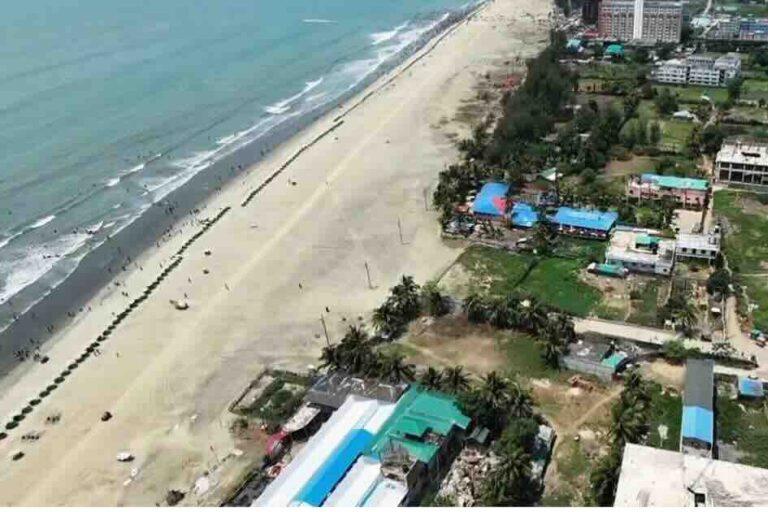
    Cox’s Bazar, home to one of the world’s longest unbroken natural sea beaches stretching roughly 120 kilometres from Nazirartek to Teknaf, is confronting a severe existential crisis. What was once a vast expanse of golden sand celebrated by millions of domestic and international tourists is steadily vanishing under the combined assault of natural forces and human activity. Local residents report that at least 500 feet of the beach’s sandy stretch has disappeared into the Bay of Bengal over the past five years alone.

    Sections of the beach have dropped several feet in places. Geobags installed to hold back the waves lie torn, displaced or perched on empty cavities where the sand beneath them have been washed away. The temporary measures, intended as a stopgap against erosion, have in many spots only highlighted the problem rather than solving it.

    Sand Extraction and Vegetation Loss Drive Rapid Decline

    Environmentalists and local observers point to a catalogue of destructive practices. Unchecked extraction of sand from the sea and beach itself ranks among the most damaging. The simultaneous destruction of beach vegetation and casuarina trees has stripped the shoreline of its natural anchors. These trees and plants once stabilised the loose sand and absorbed wave energy. Their removal has left the beach far more vulnerable to the relentless action of tides and currents.

    HM Faridul Alam Shaheen, joint convener of the local environmental group Dharitri Rokkhae Amra, was blunt: “The beach is gradually losing its existence because of sand extraction from the sea and the destruction of beach vegetation and casuarina trees.” He added that geobags “are not working” and “are also affecting the natural beauty of the beach. Every year, a significant amount of money is being spent on geobags, but it seems that the entire expenditure is going into the water.”

    Interference with the natural movement of seawater, beach encroachment, pollution from tourism activities, inadequate drainage systems and unplanned urbanisation have compounded the crisis. Hotels, restaurants and other infrastructure have proliferated along the shore, often without adequate environmental safeguards.

    Climate Change and Sea-Level Rise Intensify the Pressure

    While human actions are primary drivers according to many experts, climate change is amplifying the threat. Sea levels along the Chattogram-Cox’s Bazar coast are rising faster than the global average. Studies indicate rates of 3.7 to 4.2 mm per year in recent assessments, with some estimates for the eastern coast reaching higher figures. Projections under high-emission scenarios suggest the possibility of a one-metre rise by the end of the century, which would dramatically accelerate shoreline retreat.

    Scientific analyses of shoreline dynamics over multi-decade periods show net landward movement in the Cox’s Bazar-Teknaf segment. One study documented a maximum retreat of approximately 2.9 km over 30 years in parts of the south-eastern coast, with average rates around 0.096 km per year in eroding zones. Another assessment recorded the loss of more than 1,000 hectares of land to erosion between 1989 and 2024 in the broader Cox’s Bazar-Teknaf area, far outpacing accretion.

    Storm surges, stronger cyclones, high tidal amplitudes and altered wave patterns linked to a warming climate further batter the weakened shoreline. Heavy monsoon rains and hill torrents have also been identified in expert reports as significant contributors in recent years, washing sediment seaward and undermining beach stability.

    Sand Dunes Under Assault from Infrastructure Projects

    The natural sand dunes that once formed a critical buffer against waves and storm surges are themselves under direct attack. In recent months, construction of a 1.2- to 1.6-kilometre, 28-metre-wide four-lane road and concrete “town protection embankment” on the active dunes of Sugandha Beach has sparked intense controversy. Funded in part by a Japanese International Cooperation Agency (JICA) loan and executed by Cox’s Bazar Municipality, the project has already flattened multiple dunes measuring 8 to 10 feet high. Native vegetation such as Sagorlota (beach morning glory), which roots deeply and stabilises sand, has been uprooted and buried.

    Environmentalists and planners warn that hard structures on active dunes cause wave reflection and accelerated scouring of the beach face – a phenomenon known as beach scouring. The entire stretch falls within an Ecologically Critical Area declared in 1999, where construction close to the tidal zone is restricted. The High Court has issued orders, including an eight-week halt to construction activities, following petitions citing violations of earlier directives to preserve the beach’s natural features and the absence of proper environmental clearance.

    Critics argue that destroying these natural defences in the name of development risks both ecological collapse and long-term economic losses for a district heavily dependent on beach tourism.

    Tourism Economy and Local Livelihoods at Stake

    Cox’s Bazar’s economy revolves around its beach. Hundreds of hotels, motels and guesthouses cater to visitors, supporting thousands of jobs. Erosion threatens not only the scenic appeal that draws crowds but also the physical safety of shoreline properties. Sections of Marine Drive and beachfront establishments already face heightened risk during high tides and rough seas.

    Beyond tourism, coastal communities depend on fishing, limited agriculture and related activities. Saltwater intrusion, loss of farmland and displacement have already affected thousands in nearby areas such as Kutubdia and parts of the mainland. Wider regional studies indicate that erosion, combined with mangrove loss and hill deforestation linked partly to refugee settlements, has heightened overall environmental vulnerability across much of the district.

    Temporary Fixes Fail; Calls Grow for Sustainable Solutions

    Authorities have relied heavily on geobags and limited embankment works. Officials from the Water Development Board acknowledge the severity of the problem and note that permanent solutions require larger-scale funding and planning. Cox’s Bazar Deputy Commissioner Md A Mannan stated that erosion-prone areas are being identified and a Development Project Proposal is under preparation for government funding.

    Experts consistently emphasise that geobags offer only short-term relief. Long-term strategies must prioritise beach nourishment, restoration of dunes and native vegetation, regulated sand extraction, improved drainage, and strict enforcement of ecological zoning. Nature-based solutions – rather than purely hard engineering – are widely recommended in international coastal management practice and in World Bank assessments of Bangladesh’s shoreline challenges.

    Scientific monitoring of morphology, sediment texture and shoreline change must continue, alongside community involvement in protection efforts. Without decisive, coordinated action that balances development with ecological limits, the golden sands that define Cox’s Bazar risk becoming a memory rather than a living national treasure.

    The crisis is not abstract. It is visible in the receding shoreline, the displaced geobags, the flattened dunes and the anxious voices of residents who have watched the beach shrink year after year. The world’s longest natural sea beach is running out of time.

    Sri Lanka Economic Summit to Focus on Sustaining Growth Momentum and Building Shock Resilience

    Policymakers, central bankers and business leaders will discuss strategies for maintaining recovery while preparing for external and climate risks at the October event.

    The Sri Lanka Economic & Investment Summit 2026, scheduled for October 12 and 13, will examine how the country can sustain its recent growth momentum while strengthening resilience against future shocks, organisers announced this week.

    The event, organised by the Ceylon Chamber of Commerce, is themed “Beyond Crisis Management: Building a Shock-Resilient Sri Lankan Economy.” Policymakers, business leaders and international experts will assess vulnerabilities exposed by recent economic and external shocks and identify measures needed to prevent future disruptions from repeatedly setting back progress.

    “The Sri Lanka Economic & Investment Summit 2026, SLEIS 2026, next month will focus on how the country can maintain its growth momentum while preparing for the challenges ahead,” organisers said in a statement reported by Sri Lankan economy and business news platform, EconomyNext.

    According to organisers, the summit will examine how Sri Lanka can strengthen macroeconomic stability, safeguard livelihoods and improve the resilience of businesses and key economic institutions. It will also consider the role of international partnerships, investment, innovation and business leadership.

    “The discussion will consider what needs to be put in place beforehand, including stronger institutions, sound economic policies, greater diversification, resilient businesses and the capacity to respond quickly when external or domestic pressures emerge,” the EconomyNext report quoted organisers as saying.

    Strong Recovery but Persistent Risks

    Sri Lanka recorded real GDP growth of about 5 per cent in both 2024 and 2025, marking a broad-based rebound from the 2022 economic crisis. Industry, services and a gradual recovery in agriculture supported the expansion. Inflation turned positive from August 2025 after a period of deflation, private credit expanded, and fiscal performance strengthened, with the primary surplus reaching 5.4 per cent of the GDP in 2025.

    The Central Bank of Sri Lanka’s Annual Economic Review 2025 noted the economy’s improved capacity to withstand pressures. “Notwithstanding heightened global uncertainties, especially related to trade and geopolitical developments, as well as the impact of adverse weather conditions and devastating natural disasters towards late 2025, domestic economic activity remained resilient,” the review stated.

    “Improved macroeconomic conditions and continued policy consistency strengthened overall investor confidence, paving the way for sustained economic growth, while enhancing the ability of the economy to build buffers to weather shocks more effectively,” it added.

    Central Bank Stresses Need for Ongoing Buffer-Building

    Senior Central Bank officials have repeatedly cautioned against complacency. Senior Deputy Governor Chandranath Amarasekara, who is scheduled to join a panel at the summit, has warned that the current relative calm should not be mistaken for permanent strength.

    “Looking ahead, Sri Lanka faces a difficult, yet unavoidable path. A key lesson from our experience is that domestic vulnerabilities and global pressures amplify each other. The absence of (a) crisis is not proof of strength. Often, it is merely a grace period,” Amarasekara said in a recent address.

    Governor Dr. P. Nandalal Weerasinghe has similarly emphasised the importance of external buffers. Addressing a reserve management conference earlier this month, he stated that maintaining adequate foreign exchange reserves “is not a luxury, but an essential component of macroeconomic stability,” drawing on the lessons of the 2022 crisis when reserves fell critically low.

    The Annual Economic Review underscored the same priority: “In an environment of heightened global uncertainty and unabated consequences of climate change, sustaining policy buffers, accelerating structural reforms and remaining steadfast in implementation will be vital to strengthening resilience and safeguarding macroeconomic and financial stability.”

    Impact of Recent Shocks

    Cyclone Ditwah in late November 2025 caused extensive flooding and landslides, resulting in hundreds of deaths, widespread damage to homes, infrastructure and agriculture, and economic losses estimated in the billions of dollars. World Bank assessments placed physical damage at around US$4.1 billion, or about 4 per cent of the GDP. Key export sectors and tourism showed resilience, and reconstruction activity is expected to support demand, but the episode highlighted the economy’s climate vulnerability.

    Geopolitical tensions in the Middle East have added further pressure through higher energy prices. As a fuel importer, Sri Lanka faces risks to the external account, inflation and growth. The International Monetary Fund has projected growth slowing to around 3 per cent in 2026, citing these headwinds, while noting that stronger buffers built since 2022 provide greater capacity to absorb shocks if they prove temporary.

    Path Forward Requires Structural Reforms

    Experts and official reports consistently point to the need for deeper structural reforms to lift medium-term growth potential beyond current modest projections. These include improving the investment climate, advancing trade facilitation, enhancing state-owned enterprise efficiency, modernising labour markets and accelerating climate adaptation measures such as resilient infrastructure and diversified agriculture.

    Fiscal discipline remains essential even as reconstruction needs are addressed. Continued revenue mobilisation, stronger public financial management and targeted social protection are seen as critical to protecting vulnerable households while preserving macroeconomic stability.

    The summit comes as Sri Lanka seeks to transition from stabilisation to more durable growth. Officials and business leaders are expected to debate practical steps to embed resilience so that future shocks – whether climatic, geopolitical or external – do not erase hard-won gains.

    Image: Grok

    Anwar to Discuss Petronas Oil Exploration in Maldives Amid Deepening Ties

    During his visit to the Maldives, Malaysian Prime Minister Anwar Ibrahim announced that Malaysia is considering the Maldives’ oil exploration proposal involving Petronas. The two leaders also secured a US$100 million financing facility, signed new MoUs on defence and Islamic affairs, and pledged broader economic and climate cooperation.

    Malaysian Prime Minister Datuk Seri Anwar Ibrahim announced on Tuesday that he will discuss a Maldivian proposal for Malaysian national oil company Petroliam Nasional Bhd (Petronas) to examine the possibility of oil exploration in the Maldives. Speaking at a joint press conference with President Dr Mohamed Muizzu at the President’s Office in Malé, Anwar expressed strong confidence in Petronas’ global capabilities and said the national oil company already operates successfully across multiple continents.

    “On the proposal to get Petronas to look at the possibility of oil exploration (in the Maldives), well, I will have to discuss this with Petronas. And I believe in the strength of Petronas throughout the world, from Canada to Turkmenistan, Sudan, Suriname, Peru and Brazil. I don’t think it’s too much of a problem to come closer here to the Maldives,” Anwar said. He added with characteristic humour that even if exploration did not yield oil, Petronas personnel could at least rest for a few days in the islands.

    The remarks came on the final day of Anwar’s two-day official visit to the Maldives, his first as prime minister since taking office in November 2022. The visit, held at Muizzu’s invitation following the Maldivian president’s 2025 trip to Malaysia, focused on elevating bilateral relations that date back to the establishment of diplomatic ties in 1968. Bilateral trade stood at RM792 million in 2025, making the Maldives one of Malaysia’s key partners in South Asia.

    Financial Support and Soft Loan Facility

    A major outcome of the talks was Malaysia’s agreement in principle to provide a US$100 million financing facility requested by the Maldives Monetary Authority. Anwar described it as essentially a soft loan to be channelled through Bank Negara Malaysia and the Maldivian central bank. Details of the terms and mechanism are still being finalised by the two monetary authorities, but Anwar said Malaysia had no principled objection given the Maldives’ repayment record, existing cooperation and the required government guarantee. He urged both central banks to finalise the arrangements as quickly as possible on the basis of trust and friendship.

    Anwar also addressed practical issues affecting Maldivians in Malaysia. He pledged to raise at the next cabinet meeting concerns about parents of Maldivian students struggling to obtain visas, describing the problem as bureaucratic rather than a matter of policy. He similarly undertook to examine challenges faced by Maldivians seeking medical treatment in Malaysia.

    New Agreements on Defence and Islamic Affairs

    The leaders witnessed the exchange of two memoranda of understanding covering defence cooperation and Islamic affairs. The defence MoU emphasises maritime security and training, reflecting the Maldives’ status as a maritime nation for which sea safety is a core priority. The Islamic affairs agreement opens avenues for collaboration on halal standards, waqf, hajj, dakwah and related Muslim affairs.

    President Muizzu welcomed the agreements, saying they opened practical new channels of cooperation while strengthening the institutional foundations of the bilateral relationship. Both sides also agreed to begin negotiations on a Preferential Trade Agreement aimed at expanding commercial opportunities for businesses in both countries. Muizzu encouraged Malaysian investment in renewable energy, digital infrastructure, construction and Islamic finance.

    Climate Cooperation and Joint Commission Plans

    Climate change featured prominently in the discussions. As a low-lying island nation highly vulnerable to sea-level rise, the Maldives has long prioritised climate action and financing. Anwar criticised the shortfall in climate financing commitments by developed countries and said Malaysia and the Maldives should jointly press for full implementation of earlier COP decisions. He affirmed Malaysia’s readiness to work with the Maldives on climate programmes that will require additional funding.

    To drive the relationship forward, Anwar proposed convening the Malaysia-Maldives Joint Commission in Kuala Lumpur before the end of 2026. He described the commission as an important platform to resolve outstanding issues and convert the close political relationship into concrete cooperation across multiple sectors.

    Context of Maldives’ Hydrocarbon Ambitions

    The oil exploration proposal sits within a broader policy shift by the Muizzu administration. In late August 2026 the Maldivian Cabinet decided to establish a dedicated legal framework for the exploration and extraction of oil, gas, minerals and other non-living marine resources within the country’s maritime zones. A special bill is to be drafted to regulate permits, ownership of resources and sector management. Earlier in 2026, a presidential resolution expanded the list of permitted activities in Special Economic Zones to include oil, gas and mineral exploration.

    Historical efforts have been limited. The last significant exploration activity occurred in the early 1990s when Shell conducted surveys and drilled an exploratory well that found no commercial hydrocarbons. Earlier seismic work in the 1970s also produced no discoveries. Some geological studies have identified pockmarks and potential gas-related features in the Inner Sea, but commercial viability remains unproven and environmental concerns are acute in a tourism-dependent archipelago built on coral reefs. Previous governments have approached the issue cautiously, with one former fisheries minister publicly stating that oil exploration was not viable and risked environmental and economic damage.

    Pragmatic Approach to South-South Cooperation

    The visit underscores a pragmatic approach to South-South cooperation between two Muslim-majority nations with complementary strengths. Malaysia offers technical expertise, financing capacity and established institutions in energy, Islamic finance and maritime affairs. The Maldives provides strategic location in the Indian Ocean, a growing tourism and services economy, and shared interests in climate resilience and Islamic cooperation. While the Petronas discussion remains at the exploratory stage, the broader package of financial support, new MoUs, trade negotiations and institutional mechanisms signals a tangible upgrading of the bilateral relationship.

    Anwar concluded his programme in Malé with the joint press conference and media engagements before departing. Both leaders expressed optimism that the momentum generated during the visit would translate into sustained, mutually beneficial collaboration in the months and years ahead.

    India: Himalayas Approach Tipping Point as Glaciers Melt 65% Faster, Threatening 20 Per Cent of Economy

    A new report warns that the mountain system underpins national GDP yet faces accelerating glacier loss, unstable lakes and unequal economic returns.

    A major new assessment of the Indian Himalayas warns that the region is approaching a critical tipping point. Glaciers are losing mass 65 per cent faster than a decade ago, unstable glacial lakes are expanding, and the mountains that underpin roughly one-fifth of India’s economic output risk destabilising the livelihoods of hundreds of millions of people.

    The report, Prosperous and Resilient Himalayas, was produced by sustainability advisory firm Systemiq together with the Integrated Mountain Initiative (IMI). It includes technical contributions from the International Centre for Integrated Mountain Development (ICIMOD) and India’s G B Pant National Institute of Himalayan Environment. An abridged version was released in early September 2026, ahead of the full publication expected in October, partly in response to the devastating floods that struck Nepal and Tibet in late August.

    Accelerating Glacier Loss and Monitoring Gaps

    Himalayan glaciers across the broader Hindu Kush-Himalaya region are now shrinking at a markedly higher rate. Only about 21 of an estimated 40,000 glaciers in the Himalaya-Karakoram range are being monitored in detail and on a sustained basis. This sparse coverage is especially concerning because retreating ice leaves behind expanding lakes held back by unstable deposits of rock and ice. Warming is also destabilising permafrost and high mountain slopes, raising the risk of cascading hazards such as glacial lake outburst floods (GLOFs).

    India has already classified 56 glacial lakes as “very high risk” following a 2025 scientific assessment of 189 high-risk lakes. The Central Water Commission is monitoring 2,485 glacial lakes larger than 10 hectares across the country’s Himalayan river basins. Past events underscore the danger: a 2023 GLOF in Sikkim killed at least 70 people and damaged roads, bridges and hydropower projects, while a 2021 disaster in Uttarakhand claimed more than 200 lives.

    Pema Gyamtsho, director general of ICIMOD, noted the growing complexity of these risks. “Glaciers are retreating, permafrost and high-mountain slopes are becoming increasingly unstable, and communities and infrastructure downstream face growing risks from complex and cascading hazards,” he said. Such hazards, he added, “do not respect national borders, and no single country can address them alone.”

    Economic Stakes: National Infrastructure, Local Costs

    The report places an unusually large economic figure on the region’s importance. Himalayan water and related systems underpin an estimated 21.5 per cent of India’s GDP – around Rs 64.8 lakh crore – sustaining wheat and rice cultivation in the Indo-Gangetic Plain, tea estates in Assam and West Bengal, industries, hydropower and pilgrimage economies. Yet Himalayan states capture only about 5 per cent of this value. The rest accrues downstream, while ecological and disaster-related costs remain concentrated in the mountains.

    “(The) Himalayas are not a remote environmental issue. They are load-bearing economic infrastructure for India, and are approaching a tipping point, with millions of lives and livelihoods hanging in the balance,” said Arushi Chopra, senior director at Systemiq and lead of its Resilient Himalayas Programme. “Water flowing from these mountains sustains wheat and rice cultivation in Indo-Gangetic Plain, tea estates of Assam and West Bengal, industries of West Bengal and hydropower of Northeast. If we allow the Himalayan system to destabilise, consequences will be felt beyond the mountains.”

    Economist Lord Nicholas Stern, chair of the Grantham Research Institute on Climate Change and the Environment at the London School of Economics, described the range as the “Third Pole.” “Unlike the Arctic or Antarctic, this pole has hundreds of millions of people living beneath it,” he said. “This is national and international infrastructure.”

    The Himalayan region accounts for roughly 18 per cent of India’s land area but about 35 per cent of its disasters. Mountain states already face significantly higher development costs: government spending is around three times the national average, and delivering basic services and infrastructure can cost two to five times more than in the plains. Difficult terrain, geological vulnerability, landlocked geography, a narrow revenue base and forest-cover restrictions further constrain fiscal capacity.

    Peak Water and the Long-Term Outlook

    Most Himalayan river basins are expected to reach “peak water” – the point at which glacier meltwater flows reach their maximum before declining – around the middle of this century. On current trajectories, the Hindu Kush Himalaya could lose up to 80 per cent of its present glacier volume by 2100, with profound implications for the natural water-storage system that supports downstream economies.

    Not all drivers of melt are beyond regional control. The research estimates that roughly one-third of Himalayan glacier melt is driven by black carbon, much of it originating from brick kilns in the plains. Soot deposited on snow and ice absorbs more sunlight and accelerates melting. Unlike global greenhouse-gas emissions, black-carbon pollution is a lever that India and its neighbours can act on directly.

    Tourism, Resilience and a New Growth Model

    Tourism illustrates the economic mismatch. The Indian Himalayan region receives roughly 400 million visits a year, yet this footfall-led model has not translated into greater local resilience or higher retained value. Foreign visitors account for only about 1 per cent of trips. The report calls for a shift from maximising visitor numbers to maximising value per visitor, managing carrying capacity, and reinvesting revenues in local communities, infrastructure and ecosystems. Longer-stay circuits, premium experiences, homestays, local guides, food, crafts, wellness and nature-based enterprises are proposed as alternatives.

    The assessment sets out a resilient growth model for the Indian Himalayas and identifies 10 critical transitions. These range from reducing black-carbon emissions and expanding glacier monitoring to improving disaster early-warning systems, strengthening natural infrastructure (springsheds, watershed management and glacier protection), risk-informed spatial planning, and changing the way tourism is developed. Investments in these areas could deliver potential returns of around eight times per rupee invested.

    “The Himalayas are approaching a tipping point, with millions of lives and livelihoods hanging in the balance,” Chopra reiterated. “Glaciers are melting faster than they were a decade ago.” Securing a prosperous and vibrant future, she emphasised, will require collective action; no single actor can do it alone.

    The recent floods in Nepal and Tibet, which killed more than 1,300 people and left thousands missing, have sharpened the urgency. The report’s authors stress that cross-border monitoring, shared risk information, early-warning systems and joint investment in resilience are essential – not only to save lives but to protect the economies and livelihoods that depend on the mountains.

    Image: Hippopx

    Bhotekoshi-Trishuli Floods Inflict Rs 2.2 Billion Blow on Nepal’s Farms and Livestock

    Flash floods on August 26 devastated paddy fields and animal herds across Rasuwa, Nuwakot and Dhading, leaving farmers facing lost harvests, depleted herds and uncertain recovery.

    The flash floods that tore through the Bhotekoshi-Trishuli river corridor on August 26, 2026, have inflicted heavy losses on Nepal’s agricultural heartland: A Rapid Damage and Needs Assessment (RDNA) jointly prepared by the National Planning Commission and the National Disaster Risk Reduction and Management Authority (NDRRMA) puts crop damage at Rs 1.09 billion and livestock losses at Rs 1.11 billion.

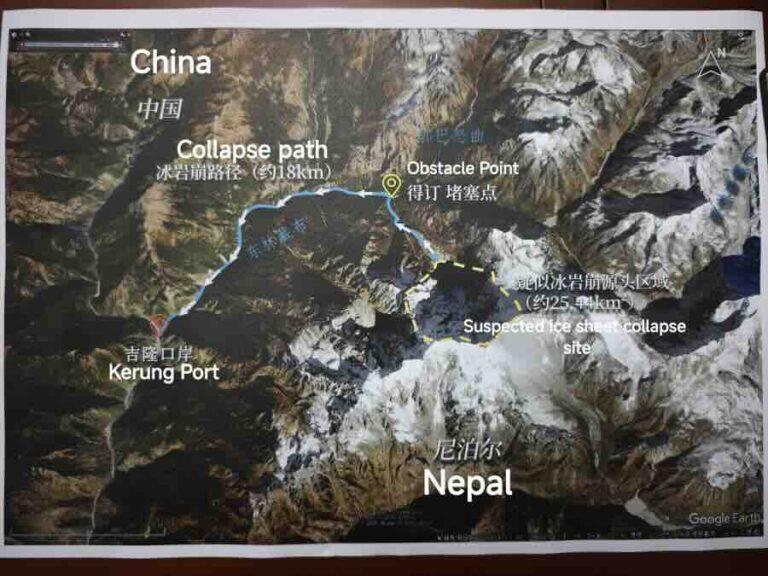
    Triggered by the collapse of ice and rock near Langtang Lirung on the Nepal-China border, the sudden surge of water, ice and debris raced down the valleys, sweeping away farmland, irrigation systems, homes and livelihoods in Rasuwa, Nuwakot, Dhading and neighbouring districts. While the human toll continues to mount – with more than 1,300 confirmed dead and thousands still missing – the economic shock to rural households is only now coming into sharper focus through detailed sector assessments.

    Paddy Fields Wiped Out Across Key Districts

    Paddy, the mainstay of local food security and income, suffered the heaviest crop losses. The floods damaged 1,669 hectares of paddy fields and destroyed an estimated 5,843 tonnes of rice production. Total agricultural crop damage, including standing crops and expected effects on subsequent seasons, stands at Rs 1.09 billion (approximately USD 7.22 million).

    Nuwakot bore the brunt. In Bidur Municipality alone, 700 hectares of paddy land were affected, threatening a potential loss of 2,450 tonnes. Likhu saw 230 hectares damaged (805 tonnes lost) and Belkotgadhi 200 hectares (700 tonnes). In Dhading, paddy fields covering 245 hectares across Benighat Rorang, Gajuri, Siddhalek and Galchhi were hit. Rasuwa reported damage to 140 hectares in Gosaikunda and 143 hectares in Uttargaya.

    Vegetable farming was also severely disrupted. Some 137 hectares were affected, resulting in the loss of 1,843 tonnes of produce. Bidur again recorded the highest impact, with 98 hectares damaged and an estimated 1,323 tonnes of vegetables lost. Smaller but significant losses were recorded in several Dhading municipalities.

    According to The Himalayan Times daily newspaper, “The August 26 flash floods in the Bhotekoshi-Trishuli river system damaged 1,669 hectares of paddy fields and wiped out an estimated 5,843 tonnes of rice production, according to a government damage assessment.” The Rising Nepal Daily similarly noted that the disaster “had its significant implications on crops and vegetables especially on paddy, vegetables and livestock.”

    Livestock Herds Decimated, Buffaloes and Goats Hit Hardest

    The livestock and poultry sector recorded losses of Rs 1.11 billion, with 252,445 animals and birds affected. Poultry made up the overwhelming majority by number – 214,827 birds, or 85.1 percent of the total – but accounted for only Rs 53.7 million, or 4.8 per cent of the financial loss, because of their lower individual value.

    Larger animals drove the bulk of the economic damage. The loss of 4,572 buffaloes was estimated at Rs 457.2 million, representing 41 per cent of total livestock losses. Goats and mountain goats (chyangra) accounted for Rs 391.3 million (35.1 per cent), while cows and oxen losses reached Rs 179.2 million (16.1 per cent). Together, buffaloes, goats and cows made up 92.3 per cent of the livestock sector’s financial losses. Smaller losses were recorded for pigs, sheep and other animals.

    The Rising Nepal Daily reported: “The livestock and poultry sector has been severely hit by the floods, causing substantial losses to farmers. According to available data, a total of 252,445 animals and birds have been affected, with the estimated financial loss standing at Rs 1.11 billion.” It added that “the loss is heavier on larger livestock.”

    These animals were not merely economic assets; for many subsistence farming families they represented milk, meat, draught power, manure and a critical safety net in times of hardship. Their sudden loss compounds the destruction of standing crops and stored food, leaving households more vulnerable as the planting window for the next season approaches.

    Broader Agricultural and Livelihood Impact

    Independent assessments by the Food and Agriculture Organization (FAO) paint a similar picture, estimating around 1,800 hectares of crops damaged – mostly paddy – with production losses approaching 7,700 tonnes. The FAO noted that the affected municipalities were home to more than 350,000 cattle, buffalo, sheep and goats as well as approximately 1.6 million poultry before the disaster, and that 5 to 10 per cent of the livestock and poultry population in these communities may have been completely lost.

    “For farming families, these losses are about much more than the current harvest. Losing a crop can mean losing next season’s production and next month’s income,” FAO Deputy Director-General Beth Bechdol observed in comments on the disaster. The organisation has stressed that farmland, fisheries, food stocks and agricultural infrastructure were also affected, threatening food security and incomes well beyond the immediate emergency.

    In many riverside settlements, terraced fields have been buried under silt and boulders or simply washed away. Irrigation channels have been destroyed, and access to remaining fields has been cut by damaged roads and bridges. The timing of the flood – midway through the monsoon growing season – has left farmers without the current harvest and with limited capacity to prepare for the next cycle.

    Scale of the Disaster and Reconstruction Challenge

    The agricultural losses form only one part of a far larger catastrophe. Government assessments have put total direct physical damage and economic losses from the Bhotekoshi-Trishuli floods at around Rs 408 billion to Rs 482 billion. Reconstruction and recovery needs have been estimated at Rs 723.31 billion, with some officials warning that full rebuilding with greater resilience could cost the equivalent of USD 4 to 5 billion.

    Hydropower projects along the corridor sustained some of the heaviest infrastructure damage, with more than 750 MW of capacity affected. Thousands of private houses – 7,570 according to official counts – were destroyed or badly damaged. Roads, bridges, schools, health facilities and cultural sites also suffered extensive harm. The energy sector alone is projected to require nearly Rs 391 billion for restoration.

    Yet for the rural communities that line the Bhotekoshi and Trishuli valleys, the loss of crops and livestock strikes at the core of daily survival. Many families have simultaneously lost homes, relatives, savings and the productive assets that once underpinned their livelihoods. As one analysis of the disaster observed, such events “manufacture poor Nepalis” by stripping away the means of recovery just as they are most needed.

    Path to Recovery and Support for Farmers

    Authorities have begun mapping needs for early recovery, including support for the productive sector that encompasses agriculture, trade and small businesses. Immediate priorities include clearing debris from fields, restoring irrigation, providing seeds and planting materials for the next season, and restocking livestock where possible. International partners, including the FAO, have highlighted the urgency of rapid agricultural recovery to prevent a temporary shock from becoming a prolonged livelihood crisis.

    The National Planning Commission and NDRRMA assessment underscores that the damage figures for crops already incorporate some projected effects on subsequent seasons. This suggests that without timely intervention, the agricultural impact could stretch well into 2027 and beyond. Local governments in the worst-hit municipalities, particularly Bidur in Nuwakot, face the dual challenge of helping families rebuild homes while restoring the farming systems that sustain them.

    Long-Term Implications for Rural Nepal

    The Bhotekoshi-Trishuli disaster has once again exposed the vulnerability of Himalayan communities to cascading glacial and monsoon hazards. Climate-driven instability in high-altitude glaciers is increasing the risk of similar events. For Nepal’s mountain and mid-hill farming systems, which already operate on thin margins, the combination of lost land, animals and infrastructure poses a severe test of resilience.

    As detailed assessments continue and reconstruction plans take shape, the focus on agriculture and livestock remains critical. The Rs 1.09 billion in crop damage and Rs 1.11 billion in livestock losses represent more than statistical tallies; they measure the shattered hopes of thousands of farming families who awoke on August 26 to find their fields and herds gone. Restoring those livelihoods will be essential not only for local recovery but for the broader economic and food-security outlook of the affected districts.

    Image: YouTube

    Focus keyphrase: Bhotekoshi Trishuli flood agricultural livestock losses Nepal

    Tags: Bhotekoshi flood, Trishuli flood, Nepal floods 2026, crop damage Nepal, livestock losses, paddy damage, Nuwakot flood, Rasuwa disaster, agriculture losses, RDNA assessment, glacial flood Nepal, rural livelihoods Nepal,

    India: First Carbon Credits Reach Over 2,500 Punjab and Haryana Paddy Farmers for Climate-Smart Practices

    For the first time, the carbon stored in a farmer’s field has a clear market value – and that value is beginning to reach the people who manage the land.

    In a landmark step for Indian agriculture, more than 2,500 smallholder paddy farmers in Punjab and Haryana are set to receive their first financial payouts from carbon credits earned through sustainable practices such as direct seeding of rice and low-tillage residue management. The digital transfers, ranging mostly between ₹3,000 and ₹15,000 per farmer, will be disbursed at an event at Punjab Agricultural University in Ludhiana. These credits stem from farming activities carried out between 2019 and 2022 and represent India’s pioneering large-scale issuance of soil carbon credits to smallholders under a rigorous international standard.

    The programme is run by Grow Indigo, a joint venture between Indian seed major Mahyco and US-based Indigo Ag. The company is making the initial payments from its own funds ahead of the full sale of the credits, ensuring complete digital traceability. Farmers who enrolled after 2022 remain under audit and will receive payments once their credits are verified and sold. The first batch covers roughly 30,000 acres across the two states and has generated more than 50,000 carbon credits.

    Historic Payouts for Climate-Friendly Farming

    This marks the first time Indian farmers are being directly compensated for the carbon their soils sequester and the greenhouse-gas emissions they avoid. Grow Indigo’s executive director Usha Barwale Zehr described it as a turning point: “For the first time in India, a farmer is being paid for the carbon their soil holds. This will impact smallholder farmer livelihoods positively in a sustainable manner.”

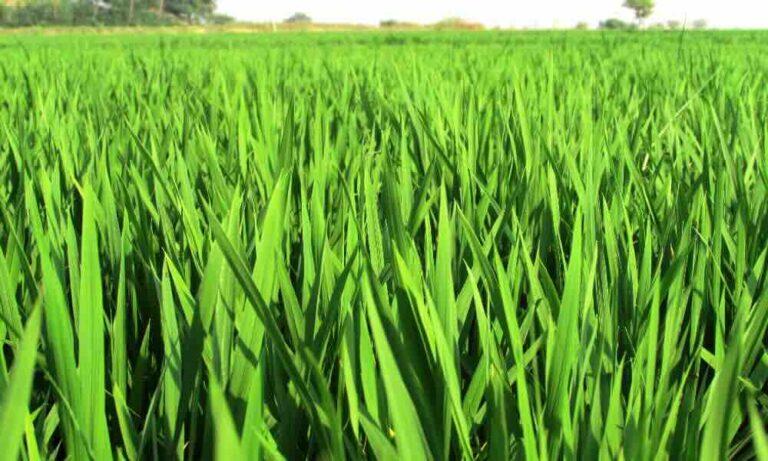
    The payments reward two core practices. Direct seeded rice (DSR) replaces the traditional method of transplanting seedlings into flooded fields. By sowing seeds directly into the soil, farmers eliminate the need for nursery beds and continuous flooding. Low-tillage or no-tillage residue management involves incorporating or retaining crop residue rather than burning it, which builds soil organic carbon and reduces particulate pollution. Together these methods lower methane emissions from flooded paddies, cut nitrous-oxide emissions linked to intensive tillage, and increase the carbon stored in the soil.

    Water Savings and Cleaner Air

    The environmental gains are substantial. Direct seeding of rice saves an estimated 1.4 million litres of water per hectare compared with conventional transplanting. In the groundwater-stressed regions of Punjab and Haryana, where the water table has declined sharply over decades of intensive rice-wheat cultivation, this reduction is critical.

    Equally important is the cut in crop-residue burning. Burning of paddy straw is a major seasonal source of PM2.5 pollution that blankets northern India each autumn and winter. By managing residue through incorporation or other low-tillage methods, participating farmers reduce this toxic particulate matter. Company data and independent assessments confirm that these practices deliver measurable emission reductions while maintaining or even improving yields once farmers master the techniques.

    Verra Certification and Growing Scale

    The credits have been audited and issued under Verra’s Verified Carbon Standard (VCS), one of the world’s most widely recognised voluntary carbon-market protocols. Verra’s methodology for agricultural land management is considered among the most rigorous available for smallholder projects, requiring detailed baseline data, ongoing monitoring, and third-party verification.

    Grow Indigo is already working with more than 100,000 farmers across nearly one million acres in Punjab and Haryana. The company aims to generate one million carbon credits annually by 2027. Farmers typically earn about one credit per acre each year; current market prices for high-quality agricultural credits range from roughly $10 to $40 per tonne of CO₂ equivalent. In earlier phases of the programme, 75 per cent of revenue from credit sales was designed to flow back to the farmers, providing a meaningful supplementary income stream.

    Why Punjab and Haryana Matter

    Punjab and Haryana form the heartland of India’s Green Revolution. The two states produce a disproportionate share of the country’s rice and wheat and contribute heavily to central foodgrain procurement. Yet the intensive, water- and fertiliser-heavy system has exacted a heavy environmental toll. Scientific estimates place greenhouse-gas emissions from paddy cultivation in Punjab at around 5 tonnes of CO₂ equivalent per hectare – well above the national average of about 3.1 tonnes. Haryana is only slightly lower. Continuous monoculture has also depleted soil organic carbon and accelerated groundwater depletion.

    Stubble burning remains a persistent public-health challenge despite legal bans. Carbon-credit programmes that reward residue retention and direct seeding therefore address multiple problems at once: climate mitigation, air quality, water conservation and soil health. The Union agriculture ministry has already released a framework for a voluntary carbon market aimed at helping small and marginal farmers access such benefits. India’s emergence as the world’s largest rice producer – surpassing China with roughly 154 million tonnes in the 2025-26 crop year – adds further urgency to making rice cultivation more sustainable.

    Corporate Demand and Future Diversification

    Demand for the credits comes primarily from hard-to-abate sectors such as aviation, mining and fertiliser manufacturing. Companies in these industries often cannot eliminate their own emissions quickly and therefore purchase high-integrity offsets to meet climate commitments. Agricultural carbon credits that deliver verified emission reductions and co-benefits for smallholders are particularly attractive in voluntary markets.

    Looking ahead, Grow Indigo and policymakers both see carbon finance as a bridge toward broader crop diversification. Water-intensive rice occupies large areas in the two states that could eventually shift toward less thirsty crops such as maize, oilseeds or pulses. Carbon payments can soften the transition risk for farmers while governments explore complementary incentives, including assured procurement and reoriented subsidies.

    A Model for Indian Agriculture

    The Ludhiana payout event is more than a ceremonial first. It demonstrates that rigorous, internationally certified carbon markets can work for India’s smallholders when technology, monitoring and transparent revenue sharing are combined. Satellite-based monitoring, digital payment systems and third-party verification under Verra have made the programme scalable and credible.

    Challenges remain. Expanding the programme while maintaining additionality and data integrity will require continued investment in farmer training, soil sampling and remote sensing. Market prices for credits can fluctuate, and farmers need clear, predictable income streams. Yet the early results are encouraging: thousands of farmers are already receiving tangible returns for practices that also protect scarce water resources, improve air quality and rebuild soil health.

    As more credits from post-2022 cohorts move through the audit pipeline and the company scales toward its one-million-credit target, the Punjab-Haryana model could influence similar initiatives across India’s rice-growing belt. For the first time, the carbon stored in a farmer’s field has a clear market value – and that value is beginning to reach the people who manage the land.

    Bangladesh: Clock Ticking on Ganges Water Treaty as 2026 Deadline Looms

    With the landmark 1996 India-Bangladesh pact set to expire in December, climate stress, upstream diversions and competing demands threaten dry-season flows for millions downstream.

    The clock is ticking as the 30-year Ganges Water Sharing Treaty between India and Bangladesh approaches its expiry on 12 December 2026. Without a timely renewal or successor agreement, dry-season water security for tens of millions in Bangladesh hangs in the balance, while Indian states such as Bihar and West Bengal press their own claims.

    Signed on 12 December 1996 by then Indian Prime Minister HD Deve Gowda and Bangladeshi Prime Minister Sheikh Hasina, the treaty ended decades of acrimony that began with the construction of the Farakka Barrage in West Bengal. Completed in the mid-1970s, the barrage was designed to divert water into the Hooghly River to maintain navigability at Kolkata Port. Downstream, Bangladesh experienced reduced flows, ecological damage, siltation and hardship for farmers and fishermen during the lean season from January to May.

    Farakka’s Legacy and the 1996 Formula

    The 1996 agreement institutionalised a 10-day sharing formula based on historical flow data from 1949 to 1988 measured at Farakka. When availability falls to 70,000 cusecs or less, the two countries share equally. Between 70,000 and 75,000 cusecs, Bangladesh is guaranteed 35,000 cusecs and India takes the balance. Above 75,000 cusecs, India receives a fixed 40,000 cusecs and Bangladesh the remainder. Alternate three 10-day periods in the critical March-May window also provide each side a guaranteed 35,000 cusecs.

    A Joint Committee under the Joint Rivers Commission monitors implementation. Yet the treaty has never been free of friction. Bangladesh has repeatedly reported shortfalls at Hardinge Bridge, particularly in the driest months. Studies in Bangladesh covering 1997-2016 found that the country received less than its stipulated share in a significant number of critical periods. The absence of a firm minimum-guarantee clause and limited real-time verification mechanisms have fuelled distrust.

    Climate Change and Upstream Pressures Rewrite the River

    Thirty years on, the physical realities of the basin have changed dramatically. Climate change is altering monsoon patterns and accelerating glacial melt in the Himalayas, while intensive upstream abstraction for irrigation, industry and growing cities reduces the volume that reaches Farakka. Roughly 975 barrages and structures in India draw water before the river arrives at the measuring point, according to Bangladeshi experts. Population growth and rising demand on both sides have further strained the historic baseline.

    In Bangladesh the consequences are visible every dry season. The Padma shrinks, navigation suffers, salinity advances inland, and agriculture in the southwest faces stress. Fishermen report dwindling catches. One observer noted that in recent years stretches of the river near Rajshahi have resembled a desert more than a living waterway. Bangladesh has responded by advancing its own Padma Barrage project, intended to store and regulate flows, yet its viability depends on predictable upstream releases.

    Competing Voices Inside India

    Inside India the picture is equally complex. Bihar leaders argue that the Farakka Barrage has worsened siltation and flooding in their state by raising the river bed, while diverting water southward for West Bengal’s benefit. JD(U) Rajya Sabha MP Sanjay Kumar Jha has urged the Centre not to renew the treaty in its present form, insisting Bihar’s irrigation, drinking-water and development needs must be factored in. West Bengal, meanwhile, wants adequate dry-season flows maintained for the Hooghly, Kolkata Port, industry and urban supply. External Affairs Minister S Jaishankar has assured Bihar that its requirements will be considered.

    Indian officials have signalled a preference for handling discussions through the existing Joint Rivers Commission rather than creating new binding structures. Some reports suggest New Delhi may seek a shorter, more flexible arrangement of 10-15 years instead of another rigid 30-year lock-in, citing changed hydrological conditions and domestic needs.

    Bangladesh’s Push for Guarantees and Broader Principles

    Dhaka is determined to secure stronger protections. Water Resources Minister Shahiduddin Chowdhury Anee has called for a “guarantee clause” ensuring a minimum flow during the lean season – something present in the earlier 1977 interim agreement but omitted in 1996. Bangladesh also wants greater transparency in data sharing, consideration of the entire basin rather than solely the Farakka point, and recognition of climate impacts. Officials have indicated that if bilateral talks falter, Dhaka could explore international forums.

    Bangladesh’s accession to the UN Watercourses Convention has strengthened its legal position, giving it a clearer basis to argue for equitable and reasonable utilisation and the obligation not to cause significant harm. Experts such as Professor AKM Saiful Islam of BUET have advocated a basin-wide approach that could eventually include Nepal, arguing that fair sharing is impossible when hundreds of upstream structures divert water before measurement.

    In a recent analysis, economist S Nazrul Islam urged Bangladesh to shift from a purely commercial mindset to a nature-based approach that prioritises river ecosystems, while also ratifying the UN convention. Former ambassador Humayun Kabir has counselled pragmatism: extending or renewing the existing framework may be safer than risking an open-ended renegotiation in which India could seek to reduce Bangladesh’s share.

    The Road to December and Beyond

    Technical-level talks under the Joint Rivers Commission have continued, including joint inspections and measurements at Farakka in May 2026. Both sides confirm preparatory work is under way, yet core differences persist over the basis of calculation, the duration of any new pact, and the inclusion of minimum guarantees or climate-adjustment clauses. Political transitions in Bangladesh and domestic pressures in India have added layers of complexity.

    The stakes extend far beyond the Ganges. India and Bangladesh share 54 rivers; only one has a formal water-sharing treaty. Success or failure on the Ganges will shape prospects for agreements on the Teesta and other shared rivers. It will also test whether South Asian water governance can adapt to a warmer, more variable climate and intensifying human demands.

    As one recent commentary observed, the December deadline is not necessarily a cliff edge, but it is a political deadline of real consequence. Without renewed cooperation grounded in updated science, transparent data and mutual restraint, the Ganges risks becoming a source of friction rather than a shared lifeline. 

    The clock is ticking – for the river, for the people who depend on it, and for the relationship between two neighbours whose futures remain intertwined by its waters.