More

    White House Launches Trump TV Amid Escalating Media Access Clash

    The White House has unveiled a 24/7 streaming channel called Trump TV just days after barring CNN, Politico and MS NOW from its grounds, prompting networks to suspend pool coverage and the banned outlets to sue.

    The White House on Monday launched Trump TV, a continuous YouTube stream branded “Trump TV: The Essentials Station,” offering curated footage of President Donald Trump’s speeches, administration announcements and past appearances. The move came days after the administration barred reporters from CNN, Politico and MS NOW, citing what the president called “fake news” coverage, and on the same day those outlets filed a federal lawsuit seeking to restore access.

    The inaugural stream began at 7 PM. with a recording of Trump’s July 3 speech at Mount Rushmore. The White House described the platform as a place to watch “the Trump Administration’s biggest moments all in one place,” with top videos, major remarks and highlights updated in real time. A similar message on X added that “Not every big moment has made it on your TV, now it can.” The feed is also embedded on the White House website alongside a “White House Live” window.

    Ban Triggers Network Solidarity and Lawsuit

    President Trump announced the ban on Friday, stating it resulted from cumulative reporting over the past two years rather than any single story. “You get sick of it,” he told reporters in the Oval Office. Reporters from the three outlets were denied entry over the weekend and had credentials disabled or confiscated.

    On Monday, CNN, MS NOW and Politico filed suit in federal court, arguing the restrictions violate First Amendment rights and due process under the 14th Amendment. In a joint statement they said the action aimed “to protect our First Amendment rights and defend the principle that the government does not decide what the press reports or publishes.”

    The five major television networks that form the White House television pool – ABC, CBS, NBC, Fox News and CNN – responded by suspending pooled coverage of presidential events. Fox News Washington bureau chief Bryan Boughton, chair of the pool, informed members that there would be no replacement pool after the White House prevented CNN from fulfilling its assigned duties. The shared broadcast feed that networks rely on for most of Trump’s events will no longer be provided.

    Immediate effects were visible. During a Monday ribbon-cutting for a new White House helipad, Trump’s remarks were inaudible on the administration’s own livestream because professional boom microphones typically supplied by the pool were absent. No television crews were scheduled to travel with the president to New York for the United Nations General Assembly.

    Still photographers from outlets including Reuters, Getty Images, The New York Times and The Washington Post agreed not to publish or distribute photos taken that day until the following midnight as a further gesture of solidarity.

    Officials Defend Access Rules

    Vice President JD Vance rejected characterisations of a media ban. “He’s not banning media outlets. What he’s doing is saying we’re not going to give you special access to the White House if you engage in what is effectively propaganda,” Vance said, claiming 92 per cent of stories from the three outlets about Trump were negative.

    Trump himself posted on Truth Social that the White House was not assaulting the free press but targeting “the FAKE NEWS, something that has grown like Cancer in our beloved United States of America.” 

    A White House official added that the media had no place “demanding a spot in the President’s Oval Office” and could report from outside the grounds.

    Critics Warn of State Media Risks

    California Governor Gavin Newsom described the sequence as “truly autocratic behaviour.” “First, Trump banned independent news from the White House. Now, he’s launching what is quite literally state-run TV to try drowning out the fact that he and his corrupt administration are failing the American people,” Newsom posted on X.

    Former White House Correspondents’ Association president Weijia Jiang told Fox News that the United States does not have state-run media. “An America cannot have state TV. That’s what makes America America … because you need independent actors to be able to be the observers. And if the government is only showing you what it wants, then you have to question: What are we missing?”

    Public Views on Influence and Press Freedom

    A recent Pew Research Center study from the Pew-Knight Initiative found that large majorities of Americans believe US news organisations are at least somewhat influenced by both corporate and political interests. Roughly half say the influence is “a great deal” – 54 per cent for corporations and financial interests, and 49 per cent for government and political interests. These overall views have remained relatively stable since 2024, though partisan gaps have narrowed.

    Republicans have become less likely to see heavy government influence, while Democrats have grown somewhat more concerned about both financial and political pressures. Focus-group participants often described corporate and political forces as intertwined and operating behind closed doors. The findings form part of a broader examination of how Americans define and weigh press freedom against other challenges in the news environment.

    Direct Communication Versus Independent Scrutiny

    Trump TV positions itself as a direct channel to the public, bypassing traditional intermediaries. Its promotional video mixed clips from popular television shows with the song “Video Killed the Radio Star.” Whether the stream will carry live events remains unclear; early content has drawn heavily on archival material.

    The suspension of the television pool means independent visual coverage of many presidential events will be limited in the near term, even as the White House continues its own feeds. Photographers’ temporary blackout further reduces available imagery. The lawsuit is expected to test the boundaries of White House discretion over press credentials and access.

    The developments arrive against a backdrop of long-running tension between the Trump administration and segments of the national media. Supporters of the restrictions argue that access is a privilege, not a right, and that outlets perceived as consistently hostile should not receive preferential entry. Critics counter that selective exclusion based on coverage content risks chilling independent journalism and concentrating control of official information in government hands.

    As the legal challenge proceeds and networks maintain their stance, the practical effect is a dual information environment: one curated by the administration through its new streaming platform and website, and another constrained by the absence of the traditional shared pool. How courts rule on the First Amendment claims, and whether other outlets face similar restrictions, will shape the balance between direct presidential communication and independent press scrutiny in the months ahead.

    The White House has framed Trump TV as a service that fills gaps left by conventional coverage. Independent journalists and press advocates continue to insist that government-run streams cannot substitute for the ability of reporters to observe, question and report without prior approval of the content. The coming court proceedings and any further network responses will determine whether the current standoff becomes a temporary rupture or a lasting reconfiguration of White House press operations.

    Himalayan Ice Avalanche Disaster Underscores Urgent Need for South Asian Cross-Border Climate Cooperation

    The catastrophic Bhotekoshi floods of August 2026, triggered by a high-altitude ice-rock avalanche, expose cascading cryosphere risks that demand shared monitoring, early warning systems and regional collaboration across South Asia’s shared river basins.

    On 15 September 2026, the pan-South Asian platform Doyens of Peace convened a webinar titled ‘Himalayan Glacial Disaster: A Wakeup Call for Southasia.’ Youth panelists and senior discussants stressed that such events cannot be treated as national problems alone. Shared river basins require shared understanding, shared data and practical cooperation if the region is to survive mounting climate pressures.

    The Hindu Kush Himalaya (HKH) region, often called Asia’s water tower, is undergoing rapid cryosphere change. Glaciers are losing mass, snow cover is declining, and permafrost is thawing. These shifts interact with extreme weather, steep terrain and growing human exposure to produce cascading disasters that travel far downstream, affecting millions.

    This reality was driven home by the devastating floods that tore through Nepal’s Bhotekoshi-Trishuli river corridor on 26 August 2026. A massive ice-rock avalanche near Langtang Lirung sent a torrent of water, mud and debris racing downstream without rainfall warning. The event killed more than 1,300 people, left thousands missing, destroyed hydropower plants, bridges and roads, and inflicted economic losses estimated in the billions of dollars. It ranks among Nepal’s deadliest natural disasters in recent decades.

    Cascading Risks from a Changing Cryosphere

    Dr Sher Muhammad, remote sensing specialist and cryosphere monitoring lead at the International Centre for Integrated Mountain Development (ICIMOD), set the scientific context. “The recent disasters in the Himalayas should not be seen as isolated events. They are signs of a high mountain system that is changing with warming, declining snow, glacier changes and unstable ground,” he said. Growing exposures are interacting with these processes, turning single hazards into chains of risk.

    Three interconnected cryosphere processes are reshaping risk, he explained. Glaciers are losing mass, producing more meltwater in the short term, more glacial lakes and increasingly unstable ice environments. Snow cover is diminishing, with fewer snow-covered days and earlier melting that alters the timing of water availability downstream. Permafrost is warming and thawing, weakening mountain slopes and raising the likelihood of rockfalls, landslides and other mass movements.

    “These processes do not act separately. Snow, glacier, frozen ground, rainfall and slope instabilities interact with each other,” Muhammad noted. Consequences travel downstream through rivers, damaging roads, bridges, hydropower installations, agriculture, settlements and livelihoods. Around 270 million people depend directly on High Mountain Asia’s water towers, while roughly two billion further downstream rely on river systems originating in the HKH. “Shared river basins require shared understanding, shared information and practical cooperation,” he emphasised, calling for shared evidence, capacity, responsibility, language, preparedness and financing.

    Lessons from the Rasuwa Floods: Where Did We Miss?

    Samir Thapa, General Secretary of the Nepal Environment Society, examined the Rasuwa floods in detail under the theme “Where did we miss?” He stressed that climate change must be treated as a risk multiplier rather than a simple explanation. Understanding the full sequence – from upstream ice-rock collapse through sediment-laden flows to amplified downstream impacts – requires better evidence, monitoring and attribution science.

    “If the river is transboundary, our risk management cannot remain entirely national,” Thapa said. “Nepal, China and the wider South Asian region need stronger cooperation in science, warning systems, research and preparedness.” He left the audience with a clear message: “We cannot prevent every mountain hazard but we can prevent hazards from becoming catastrophe.”

    Thapa’s analysis highlighted gaps in real-time upstream monitoring, the absence of effective early warning reaching communities, and the need for governance that matches the scale of shared river systems. The disaster exposed how quickly a high-mountain event can overwhelm downstream infrastructure and response capacity when information does not flow across borders or from scientists to local first responders.

    Community-Centred Responses and Shared Responsibilities

    Anmol Ohri, Founder-Director of Climate Front India and a climate justice activist from Jammu and Kashmir, focused on the responses and responsibilities of South Asian countries. He argued that early warning systems and first-response mechanisms remain too technical and centralised. “Early warning systems are only technical in nature,” he observed, noting that response forces are often stationed far from the most vulnerable areas.

    “There has to be a community-centric approach in early warning and first response systems,” Ohri said. Communities living at the most vulnerable points need drills, clear knowledge of higher ground and safe assembly points, and trained local youth who know how to act without panic. “This community-centric approach… will give us a lot of time and will save a lot of lives before the army reaches, before the forces or state administration reaches.”

    Ohri also linked the problem to development paradigms that prioritise capital and prosperity while externalising risk onto mountain communities. Bridging local knowledge with scientific data is essential, he added. Pastoral communities, for example, often observe geological changes first and interpret them through their own cultural context; these observations must be systematically shared with scientists and administrators.

    A Global Disaster Demanding Unified Voices

    Senior discussant, Kanak Mani Dixit, journalist, writer and founding editor of Himal Southasian, framed the event more broadly. “What happened was not just a Nepal disaster, a Himalayan disaster, but… a global disaster,” he said. The August 26 event occurred only days before a BRICS summit in New Delhi, barely 500 miles away as the crow flies, yet regional political attention remained fragmented.

    Dixit stressed the need for shared preparedness and a unified South Asian voice. “Our voices are not unified. Why are we not talking together? That’s because all our democracies in South Asia are compromised,” he argued. Leaders often prioritise internal or cross-border rivalries over the long-term interests of their peoples. Collaboration between capitals such as Islamabad and New Delhi on the climate crisis remains inadequate despite the shared stakes.

    He also urged that permafrost and black carbon (the South Asian brown cloud settling on snow and ice) be brought into mainstream discourse alongside glacial lake outburst floods, as these processes are already altering the mountain landscape and exposing rock.

    The webinar, organised by Doyens of Peace in collaboration with Hyderabad-based COVA Peace Network, brought together youth panelists under 40 and senior voices from across the SouthAsia region, including Dr B.V. Subba Rao (India), Lutfa Pathan (Bangladesh), Shahrbanoo Rezayee (Afghanistan) and others. Participants repeatedly returned to the same conclusions: mountain hazards cannot be entirely prevented, but their catastrophic consequences can be mitigated through community-centred early warning, sustained regional collaboration and a shift in development priorities.

    Nepal Flood Survivors Face Lingering Trauma and Uncertain Futures Weeks After Bhotekoshi Disaster

    Weeks after a glacial collapse triggered catastrophic floods that swept through northern Nepal, survivors like teenage student Binisha Malla grapple with nightmares, lost homes and the daunting task of rebuilding amid ongoing search operations and a multi-billion-dollar recovery bill.

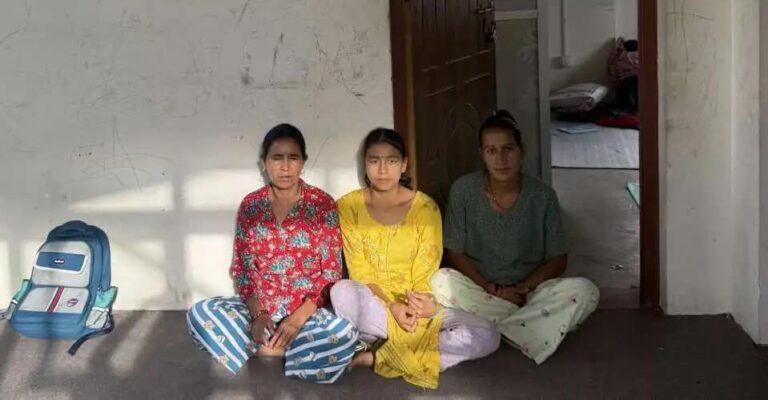
    Binisha Malla carefully arranges new books and notebooks in her school bag. The 15-year-old is about to start at a new school in Lalitpur, but excitement eludes her. “I should be excited, but I am feeling nervous,” she says. Nightmares of the friends she lost following the Bhotekoshi disaster still haunt her.

    On the morning of 26 August 2026, Binisha was preparing to leave home for school in her family’s home in Timure, a bustling border transit town in Rasuwa district just three kilometres downstream from the Nepal-China border. Around 8.50 am she heard a loud rumbling and felt the ground shake. People screamed: “A flood is coming! Run!” She scrambled nearly 100 metres uphill as dark clouds of dust, debris and mud engulfed the settlement. The surge of floodwater from the Bhotekoshi-Trishuli river system was so violent that bodies and debris were thrown into the air “like ragdolls.”

    Timure, once a key point on the trade and pilgrimage route to Tibet, was among the worst-hit places. Over 80 per cent of its population was reported missing. The flood, triggered by a high-altitude glacial and ice-rock collapse near the border, sent a massive wall of water and debris racing downstream through Rasuwa, Nuwakot and beyond, destroying settlements, roads, bridges, hydropower facilities and the Rasuwagadhi border crossing.

    Miraculous Survival Amid Widespread Loss

    Binisha and her family of five – parents Suwa and Bikash Malla, and two younger siblings – survived by climbing to higher ground. They spent 24 hours on a hillside without food or water, staring at the spot where their village once stood. Of the 35 students at Nepal Rastriya Basic School, only 10 survived. Six of the 10 teachers remain missing. Principal Phurba Dorje Ghale has taken shelter with nearly 250 Timure villagers at a Buddhist monastery in Kathmandu.

    The family was airlifted by army helicopter the next day, first to Nuwakot and then to temporary accommodation in a government building in Tikhidewal, Lalitpur. They now share two rooms with relatives, relying on local communities, volunteers and organisations for food and essentials. Suwa Malla, 32, calls their survival a miracle. She and the younger children had been collecting firewood near the river and climbed frantically up the slippery slope to reunite with the others hours later.

    As of mid-September, authorities had recovered at least 1,386 bodies across five affected districts, with Rasuwa and Nuwakot the hardest hit. More than 5,130 people remained missing. A joint government assessment recorded 32,963 people from 8,317 families displaced. Many of the roughly 4,000 who moved to the Kathmandu Valley are staying in tents, monasteries, or with relatives and friends.

    A Familiar Story of Displacement in a Changing Climate

    For the Mallas, this is not the first displacement. Seven years earlier they left their home in remote Bajura district in western Nepal, where recurring floods and landslides washed away seasonal crops and made life untenable. They moved to Timure seeking work. Suwa and her husband found jobs as transport workers at the busy border port, earning 3,000-5,000 rupees a day. They bought land, built a tin-roofed house and sent their children to the local school. Life was improving – until the flood erased everything.

    Climate expert Madhukar Upadhya notes that such stories are common in Nepal’s rural mountains. Changing climate compounded by low human development makes life extremely difficult. The Mallas join an estimated 3.4 million people already displaced by at least 244 disasters recorded in Nepal between 2011 and 2021.

    Suwa’s sister Sunchaura Shahi and her family share the same temporary roof. “We are here temporarily, depending on the locals and charity groups to meet our daily needs,” Sunchaura says. “All I want is work and earn money so that I can support my family here in Kathmandu. There is no way we can go back to the village.”

    Relief Efforts and the Long Road to Recovery

    Caritas Nepal, the social service arm of the Catholic Church in Nepal, has provided emergency relief – food, blankets and non-food items – to the families. Father Silas Bogati, president of Caritas Nepal, observes that many people have moved to cities like Kathmandu. “The situation in emergency holding centres set up in flood-affected districts is changing,” he said. Caritas is providing safer and dignified spaces and has supported seven of the 39 government shelters, plus five child-friendly spaces in Rasuwa and Nuwakot, reaching more than 2,000 people.

    A preliminary rapid damage and needs assessment released on 10 September put the total reconstruction and recovery bill at about 723.3 billion rupees (US$4.78 billion). Nearly 2,000 people, including over 1,000 children, were living in temporary shelters, though many more stayed with relatives because of poor water, sanitation and hygiene facilities, lack of privacy and safety concerns.

    Nepal’s finance minister has sought support from India for reconstruction of infrastructure damaged by the Bhotekoshi floods, as the post-disaster needs assessment nears completion. The disaster also prompted China to suspend work on the Rasuwa dry port project after the floods obliterated nearly all of the under-construction facility.

    Psychological Scars and the Struggle to Start Anew

    Binisha began classes on 11 September at Shree Choina Bina Guru Ganesh Basic School with help from the local ward authority. “I still get nightmares about my school friends who went missing in the flood,” she said, tears in her eyes. “I fear the new school environment will make the situation worse.” Her parents cling to the faint hope of returning to Timure, but she knows better. “It is too painful to think of going back to Timure. I pray to God to help my parents find work in Kathmandu.”

    Similar trauma echoes across survivor accounts. Many adults report insomnia, night tremors, loss of appetite and profound grief. Children struggle to process the loss of friends and familiar surroundings. Aid groups have prioritised psychosocial support alongside food and shelter, recognising that mental health care is often treated as an afterthought in disaster response.

    Search and rescue operations continue even as Nepal confronts the massive financial and logistical burden of rebuilding roads, bridges, hydropower plants and entire communities. Survivors face an atmosphere of uncertainty: temporary shelter without work or money is becoming increasingly painful. For families like the Mallas, the flood has not only destroyed homes and livelihoods but erased the fragile progress they had made after earlier displacements.

    UN Warns Sri Lanka Risks FATF Failure Through Blanket Curbs on Civil Society

    United Nations Resident Coordinator in Sri Lanka, Marc-André Franche, has cautioned that applying anti-money laundering rules as broad restrictions on non-profits, rather than targeted risk-based measures, could weaken security, development and Sri Lanka’s Mutual Evaluation outcome.

    The United Nations Resident Coordinator in Sri Lanka, Marc-André Franche, has issued a stark warning that the country’s approach to its ongoing Financial Action Task Force (FATF) Mutual Evaluation could determine whether civic space expands or contracts. Speaking at the launch of the Sri Lanka Civil Society FATF Shadow Report, organised by the Sri Lanka CSO FATF Network, Franche stressed that treating anti-money laundering and counter-terrorism financing (AML/CFT) rules as blanket restrictions on the entire non-profit sector would undermine the very security and development goals those rules are intended to protect.

    Sri Lanka is currently undergoing its third Mutual Evaluation on AML/CFT with the Asia/Pacific Group on Money Laundering (APG), the regional body affiliated with the global Financial Action Task Force. The process assesses both technical compliance with FATF’s 40 Recommendations and the effectiveness of measures against 11 Immediate Outcomes. An onsite visit is anticipated in the coming months, with the evaluation carrying high economic stakes. Previous grey-listing episodes after earlier evaluations led to increased scrutiny of cross-border transactions, higher compliance costs, delays in payments, reduced correspondent banking access, and pressure on foreign investment, remittances and growth. Officials have repeatedly emphasised that the country cannot afford a return to the “grey list.”

    Targeted Approach Essential Under Revised FATF Standards

    Franche highlighted FATF Recommendation 8, which addresses the potential abuse of non-profit organisations (NPOs) by terrorist groups seeking to exploit public trust and lighter oversight. The original post-2001 approach prompted many countries to impose broad, one-size-fits-all restrictions that strained legitimate charitable work without significantly reducing risk. A 2023 revision narrowed the focus to organisations actually facing high risk and required governments to assess that risk individually rather than regulate the entire sector uniformly.

    “If it’s applied well, in a targeted, focused, proportionate, and evidence-based way, as it is intended, it strengthens security, civic space, and it will enable development and growth of this country,” Franche said. “If it is applied as a blanket measure, it will do the opposite.” He noted that Sri Lanka’s National Risk Assessment has itself characterised the overall inherent terrorist financing risk within the non-profit sector as “low to medium,” in contrast to higher ratings for banks and finance companies. Applying uniform controls despite this finding risks non-compliance with Recommendation 8’s risk-based requirements.

    Civil Society Faces Banking and Funding Barriers

    The Shadow Report launched at the event documented widespread practical difficulties. A 2025 survey of 102 non-profits found that 69 per cent had experienced problems receiving foreign funds. Of those facing obstacles, at least 42 per cent were told by banks to register with the Non-Governmental Organisations Secretariat – a requirement not stipulated by law. Nearly half of respondents reported difficulty opening new bank accounts, while only 17 per cent said they encountered no issues at all.

    Civil society organisations and analysts have long argued that circulars and instructions from the Financial Intelligence Unit and NGO Secretariat have treated foreign funding itself as inherently suspicious. This approach, they say, stigmatises legitimate organisations, delays projects, and drives activity underground – precisely the opposite of FATF’s stated objectives. FATF itself has warned that blanket and arbitrary measures can increase rather than reduce terrorism financing risks by pushing financial flows outside formal systems.

    History of Broad Security Measures Raises Concerns

    Franche observed that Sri Lanka has a documented tendency to interpret or over-apply security measures broadly. He pointed to the Prevention of Terrorism Act’s use against civil society actors, journalists and minority groups. UN human rights treaty bodies have separately raised concerns about funding restrictions and bureaucratic obstacles facing non-governmental organisations, including registration and clearance requirements that sit uneasily with human rights obligations.

    These patterns have fuelled fears that the Mutual Evaluation process is being leveraged to expand control over civic space rather than to strengthen the integrity of the financial system in a proportionate manner. Successive governments have justified heightened regulation of NGOs by reference to FATF standards, yet critics contend many of the measures adopted or proposed diverge from the focused, risk-based approach the global body now requires.

    Recent Legislative Changes Expand Powers

    In 2026, amendments to the Financial Transaction Reporting Act, the Prevention of Money Laundering Act and the Convention on the Suppression of Terrorist Financing Act expanded investigative, surveillance and asset-management powers. A proposed law on NGO registration and supervision has drawn particular scrutiny. The UN has already conveyed concerns to the Government that the draft risks replicating powers associated with the Prevention of Terrorism Act, including overbroad criminalisation, extensive executive authority with limited safeguards, and insufficient due process protections.

    Civil society networks have criticised the limited consultation surrounding these measures. Draft legislation has often been published with inadequate time for review and primarily in English rather than local languages, limiting meaningful public input. Franche called for an enabling regulatory environment built on institutionalised, inclusive consultation.

    Role of Civil Society in National Resilience

    Protecting civic space is not a concession to non-profits, Franche argued, but an investment in the country’s resilience. He cited the sector’s contribution to the humanitarian response to Cyclone Ditwah in November 2025, which affected an estimated 2.2 million people and caused hundreds of deaths through flooding and landslides. No major challenge facing Sri Lanka – including poverty reduction – can be resolved by the government alone without a functioning civil society and private sector working alongside it.

    The UN stands ready to support an evidence-based and proportionate approach to the Mutual Evaluation. Laws governing civil society, Franche said, should include safeguards against arbitrary detention, disproportionate surveillance and unjustified asset seizure without due process, while ensuring continued access to banking services and protection for humanitarian and disaster-response activity.

    Call for Inclusive Consultation and Safeguards

    As the Mutual Evaluation advances, the choices Sri Lanka makes will shape both its international financial standing and the health of its democratic space. A risk-based, targeted application of AML/CFT rules consistent with the revised Recommendation 8 offers a path that strengthens security without shrinking civic space. Blanket measures, by contrast, risk producing the opposite outcome – weakening both the effectiveness of financial crime controls and the country’s capacity to address its broader development challenges. The coming months will test whether Sri Lanka can align its regulatory framework with the letter and spirit of FATF standards while preserving the enabling environment essential for a resilient society.

    Image: Grok

    Focus keyphrase: Sri Lanka FATF Mutual Evaluation UN warning

    Tags: Sri Lanka, FATF, AML/CFT, Mutual Evaluation, civil society, Marc-André Franche, money laundering, NGO regulation, civic space, Asia-Pacific Group, Recommendation 8, Cyclone Ditwah,

    59% of Suspected Measles Cases in Bangladesh Linked to Unvaccinated Children

    Government data from the height of the 2026 outbreak reveal that most infections struck children who received no measles vaccine doses, exposing deep gaps that have fuelled a deadly nationwide epidemic claiming over 1,000 lives.

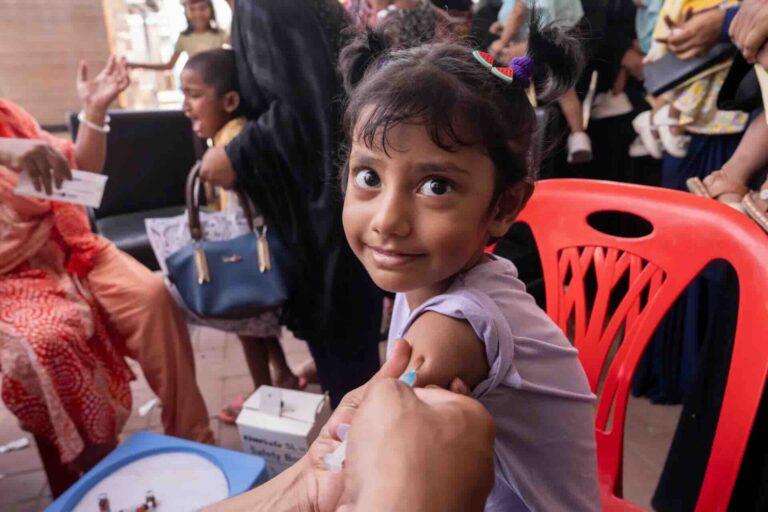
    Bangladesh is grappling with its worst measles outbreak in decades, a crisis that has infected hundreds of thousands of children and left more than 1,000 dead since mid-March 2026. Official figures released by the Directorate General of Health Services (DGHS) during the early peak of the outbreak showed that 59 per cent of suspected measles patients had not received either of the two recommended doses of the measles-rubella (MR) vaccine. Another 19 per cent had received only the first dose, while just 22 per cent were fully vaccinated. Among laboratory-confirmed cases, the picture was even starker: 74 per cent had received no vaccine at all, 14 per cent only one dose, and 12 per cent both doses.

    These numbers, shared at a DGHS press conference in late April 2026 alongside officials from UNICEF and the World Health Organization, laid bare the immunity gaps that allowed the highly contagious virus to explode across 58 of the country’s 64 districts. The findings underscored a painful reality for a nation that had previously made strong progress toward measles elimination: declining routine immunisation coverage, missed supplementary campaigns, and disruptions in vaccine supply left millions of children unprotected.

    Vaccination Status Reveals Critical Protection Failures

    The two-dose MR vaccine is administered in Bangladesh at nine months and 15 months of age under the Expanded Programme on Immunisation. Herd immunity against measles typically requires sustained coverage of at least 95 per cent. Yet data from the 2023 Coverage Evaluation Survey already showed first-dose coverage slipping to around 86 per cent and second-dose coverage to 80.7 per cent. Political upheaval in 2024, procurement changes, and the cancellation of a planned nationwide campaign in 2025 further widened the gap. Government figures later indicated that only about 59 per cent of eligible children received measles vaccination in 2025.

    As the outbreak surged, hospitals filled with mostly unvaccinated or partially vaccinated infants and young children. Many cases involved babies under nine months – too young for routine vaccination – who accounted for a significant share of infections and deaths. Pneumonia emerged as the leading complication and cause of fatality.

    Outbreak Origin and Rapid Nationwide Spread

    The outbreak is believed to have begun in January 2026 in Rohingya refugee camps near the Myanmar border before spreading rapidly. By mid-April, Bangladesh had notified the WHO of a nationwide surge. Early tallies showed tens of thousands of suspected cases and hundreds of deaths. By September 2026, cumulative figures had climbed past 168,000-194,000 suspected cases, with nearly 20,000 laboratory-confirmed infections and more than 1,000 deaths (around 100 confirmed and over 900 suspected). Dhaka Division bore the heaviest burden.

    Health authorities launched an emergency MR vaccination campaign in high-risk areas on 5 April 2026, expanding nationwide later that month. The drive targeted children aged six months to under five years and ultimately administered nearly 20 million doses – exceeding the initial target of about 18 million. Coverage was reported above 100 per cent of the original estimate in some tallies. Yet cases and deaths continued, with roughly 1,000 new suspected cases still reported daily into September.

    Why Mass Vaccination Has Not Fully Halted Transmission

    Experts point to several overlapping problems. National averages masked local pockets of low coverage, particularly among hard-to-reach, mobile, or low-income populations. Population estimates used for targeting may have undercounted eligible children; a concurrent Vitamin A campaign reached several million more in the same age group. Some children missed shots because they were ill on vaccination day, parents forgot the schedule, or access barriers persisted. Malnutrition and incomplete breastfeeding further increased severity risk.

    A September 2026 hospital-based study of 170 children in southern Bangladesh (Chattogram) found that 56–59 per cent had prior links to hospitals or healthcare facilities, highlighting nosocomial transmission risks. Severe malnutrition raised the odds of severe disease nearly 24-fold. About 46 per cent of the children were under nine months old. All seven deaths in the study occurred among unvaccinated infants under one year who also had severe pneumonia and malnutrition. Genetic analysis identified the B3 measles genotype, a previously circulating strain with no evidence of vaccine escape.

    Infants and the Limits of Routine Schedules

    Infants too young for the first dose remain especially vulnerable once community transmission is intense. Hospital reviews showed the majority of deaths concentrated among children under 15 months, many under nine months, and overwhelmingly among the unvaccinated. Doctors have called for stronger infection-prevention measures in hospitals, dedicated measles wards, and better isolation protocols, noting that general paediatric wards can become amplifiers of spread.

    Ongoing Response and the Path Forward

    Authorities have announced intensified phases of vaccination, including door-to-door efforts and plans to reach remaining unvaccinated children starting around 26 September 2026. Some discussion continues about adjusting the routine schedule to include earlier doses in high-risk settings. Public health specialists stress the need for micro-planning to close residual gaps, sustained high routine coverage above 95 per cent in every community, catch-up for older susceptible children where indicated, and robust surveillance linked to rapid response.

    The 59 per cent figure for unvaccinated suspected cases remains a stark marker of how quickly immunity gaps can turn into a public-health emergency. Bangladesh’s experience illustrates both the power of vaccination campaigns and the consequences when coverage falters over successive years. Reaching every child – especially the most vulnerable infants and those in underserved areas – will determine whether the current epidemic can finally be brought under control and whether future outbreaks can be prevented.

    Focus keyphrase: Bangladesh measles outbreak unvaccinated children

    Tags: measles Bangladesh, vaccination gaps, DGHS, MR vaccine, child health, outbreak 2026, unvaccinated, WHO, UNICEF, Chattogram study,

    UN Report: Afghanistan Security Incidents Rise 11% as Risks Accumulate Under Taliban Rule

    A new United Nations assessment reveals an uptick in violence, persistent border clashes with Pakistan, ongoing rights abuses and deepening humanitarian strain five years after the Taliban returned to power.

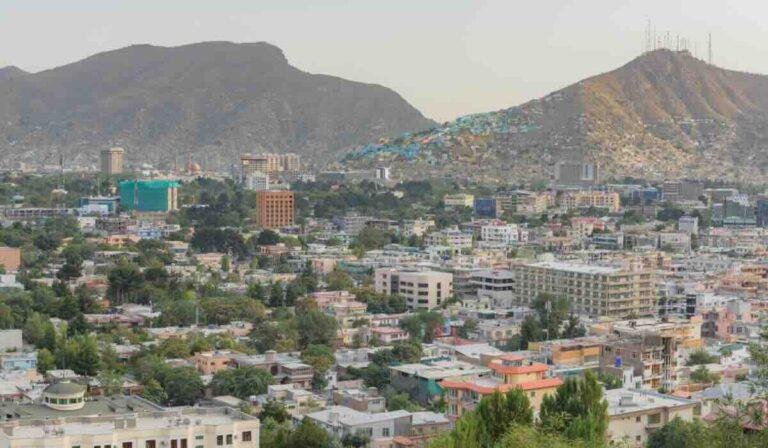
    The United Nations recorded 2,947 security incidents across Afghanistan between May and July 2026, marking an 11 per cent increase from the same period a year earlier, according to the latest report by Secretary-General António Guterres. The findings, which also detail volatile conditions along the Afghanistan-Pakistan border, continued restrictions on women and girls, violations of a promised amnesty for former officials, and severe underfunding of humanitarian aid, paint a picture of surface-level stability that masks growing underlying risks.

    The report arrives as the UN Security Council reviews the situation in Afghanistan, with UNAMA’s acting leadership briefing members on the challenges facing the country nearly five years after the Taliban seized power in August 2021. While the Taliban maintain territorial and administrative control, the document warns that this control has produced only an appearance of relative calm while rights violations, economic hardship, exclusion of half the population, and pressure from returns and border tensions accumulate.

    Rising Attacks by Fragmented Opposition Groups

    Fourteen listed armed opposition groups claimed responsibility for 88 incidents across 21 provinces during the reporting period; the UN verified 55 of them. Thirty of those attacks occurred in July alone. Most involved ambushes and assaults on checkpoints that targeted Taliban personnel and military facilities. Despite the numerical rise, the report assesses that these groups remain fragmented and have not mounted a significant challenge to Taliban authority.

    Specific incidents highlighted include the Homeland Soldiers Front briefly seizing administrative buildings in Yaftal-e Payin district of Badakhshan on July 17 before withdrawing, an Afghanistan Freedom Front attack on a Taliban checkpoint in Zaybak district on July 24, and claimed Islamic State-Khorasan operations in Nuristan and Badakhshan. Analysts note that while such actions do not threaten overall control, they illustrate local grievances over exclusion from decision-making and economic opportunity.

    Volatile Afghanistan-Pakistan Border and Civilian Toll

    Tensions along the shared border remained high, marked by airstrikes, drone activity, cross-border shelling and retaliatory actions. Pakistani strikes affected areas in Ghazni, Kunar, Khost, Paktika and Paktiya, while clashes between Taliban and Pakistani forces were reported in Kandahar, Nangarhar and Paktiya.

    Between April 1 and June 30, the UN documented 399 civilian casualties from these hostilities – 57 killed and 342 injured. A single set of Pakistani airstrikes on June 28 in Kunar, Paktika and Paktiya alone killed 28 civilians and injured 189. Pakistan has told UNAMA that its operations targeted militant hideouts linked to attacks inside its territory. The Taliban Foreign Ministry has rejected claims that militants were the primary targets. The pattern of civilian harm has drawn calls for greater UN engagement to de-escalate the situation and protect non-combatants.

    Centralised Governance and Continued Amnesty Violations

    Taliban decision-making remains highly centralized around leader Hibatullah Akhundzada, with opaque consultation processes. Between May and July he appointed one minister, eight deputy ministers, six provincial governors (in Badghis, Baghlan, Faryab, Ghazni, Jowzjan and Khost), nine deputy governors, 17 district governors, one mayor, seven provincial police chiefs and at least 14 provincial department heads. An instruction from Akhundzada also banned smartphones for civil servants and security personnel working in military courts, with exemptions requiring his personal written approval.

    Despite the Taliban’s general amnesty for former government officials and security personnel, UNAMA documented at least 12 killings, 13 arbitrary arrests or detentions, and three cases of torture or ill-treatment of former officials and Afghan National Defense and Security Forces members in the same period. The report further recorded 21 instances of corporal punishment involving eight women and 13 men. Afghanistan’s prison population stood at approximately 30,300 as of July 20; the Taliban Supreme Court pardoned or released 1,191 prisoners around Eid al-Adha. Intelligence authorities also detained three journalists for periods ranging from 19 days to two months and suspended two media outlets.

    Persistent Restrictions on Women and Girls

    Restrictions on women and girls continue to form a major obstacle to development and international reintegration. Citing UNESCO, the report notes that 2.4 million Afghan girls remain excluded from secondary education. A UNICEF study estimates that limits on women’s education and employment cost the Afghan economy at least $84 million annually. In Herat in June, Taliban morality officials and police detained at least 30 women over alleged dress-code violations. When residents protested, plainclothes personnel beat and fired on the crowd, killing one boy and injuring at least four others; at least 17 protesters were arrested. Such enforcement continues to generate local tension and international concern.

    Deepening Humanitarian Crisis and Funding Shortfalls

    Humanitarian needs remain acute. Some 13.8 million people – roughly one in three Afghans – face acute food insecurity. Projections for 2026 indicate 3.7 million children under five and 1.2 million pregnant and breastfeeding women will suffer acute malnutrition. The 2026 humanitarian response plan has received only $513 million of the $1.7 billion required, or about 30 per cent. Funding gaps led to the suspension or closure of roughly 150 health facilities between January and June.

    Nearly 1.15 million Afghans returned between January 1 and August 22, including about 686,200 from Pakistan and 465,000 from Iran. Many returns were involuntary, adding pressure on jobs, services and host communities. The World Food Programme was forced to phase out cash assistance for returnees in June, leaving more than 400,000 vulnerable people without cash-for-food support. Economic indicators show inflation at 7.8 per cent in May (food inflation 8.2 per cent), compounded by disruptions to trade with Pakistan and through Iran. Opium cultivation remains at historically low levels after the Taliban’s 2022 ban, though methamphetamine trafficking linked to the region continues to rise.

    Stability Masking Accumulating Risks

    In its overall assessment, the report concludes that the Taliban’s territorial and administrative dominance has created an appearance of relative stability. That appearance, however, conceals mounting risks stemming from rights violations, the systematic exclusion of women and girls, economic hardship, weakening basic services, large-scale involuntary returns, and residual concerns over militant groups. Guterres has called on Taliban authorities to lift restrictions on women and girls, protect media freedom and due process, prevent further violations of the general amnesty, and end corporal punishment. He has also urged UN member states and participants in the Doha Process to sustain principled and pragmatic engagement aimed at supporting the Afghan people and facilitating the country’s eventual reintegration into the international community.

    As the Security Council deliberates, the findings underscore that five years after the Taliban’s return, Afghanistan’s challenges remain multifaceted and urgent. Without meaningful steps on rights, inclusive governance and sustained international support for humanitarian needs, the risks identified in the report are likely to intensify rather than recede.

    Nepal Finance Minister Seeks Indian Support for Bhotekoshi Flood Reconstruction

    Nepal’s Finance Minister, Swarnim Wagle, on his first foreign trip in office, met Indian counterpart Nirmala Sitharaman in New Delhi and requested significant assistance to rebuild infrastructure devastated by last month’s catastrophic Bhotekoshi floods.

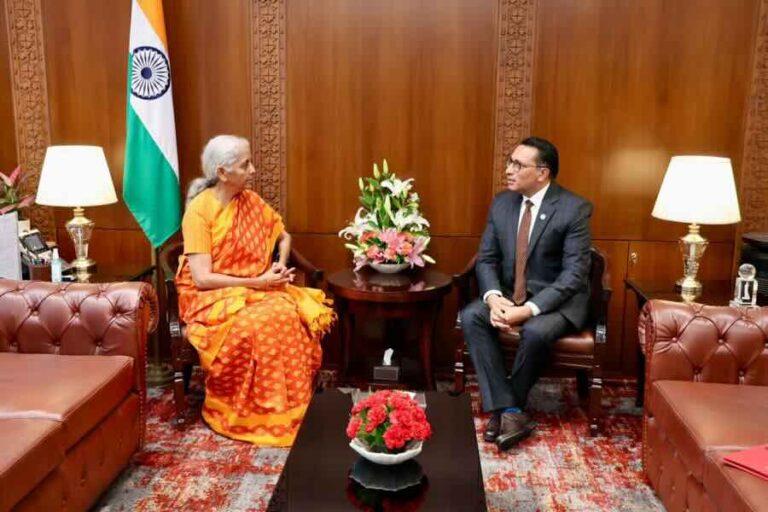
    Finance Minister Swarnim Wagle has formally sought India’s support for the reconstruction of properties and critical infrastructure destroyed by the devastating Bhotekoshi floods of late August 2026. In talks held on Thursday evening in New Delhi with his Indian counterpart Nirmala Sitharaman, Wagle underscored Nepal’s expectation of substantial assistance from its southern neighbour, describing India as the traditional first responder in every major crisis the Himalayan nation has faced.

    An official present at the meeting told media that Wagle requested a grant for reconstruction efforts but did not specify a particular sum. Sitharaman responded positively, stating that India would assess Nepal’s requirements once the ongoing Post-Disaster Needs Assessment is completed and then decide on the scale of support. “We will take a decision once you are done with the Post-Disaster Needs Assessment,” she told Wagle, according to the official.

    The meeting formed the centrepiece of Wagle’s three-day visit to the Indian capital, undertaken at Sitharaman’s invitation. It marks his first overseas trip since assuming the finance portfolio and his first official engagement in India in that capacity. India’s Ministry of Finance later confirmed that Sitharaman conveyed condolences for the lives lost and reaffirmed New Delhi’s continued support for Nepal’s recovery and rebuilding. Wagle, in turn, expressed gratitude for the relief supplies and technical assistance India had already provided during the rescue and relief phase.

    Scale of the Disaster and Assessment Underway

    The floods, triggered by a glacial collapse and ice-rock avalanche near the Nepal-Tibet border on 26 August, unleashed a torrent of water, mud and debris along the Bhotekoshi and Trishuli river corridors. The disaster claimed more than 1,300 lives, left thousands missing, and inflicted damage estimated in the range of $4-5 billion – roughly a tenth of Nepal’s annual economic output. Hydropower plants, roads, bridges, settlements and farmland in Rasuwa, Nuwakot and adjoining districts bore the brunt of the destruction.

    Nepal has commissioned a detailed Post-Disaster Needs Assessment, with the final report expected within four weeks. A government-formed committee is determining reconstruction and rehabilitation requirements specifically for the hardest-hit districts of Rasuwa and Nuwakot. Once the assessment is complete, Kathmandu plans either to convene a donor conference or to approach friendly countries, international agencies and charitable organisations individually. Officials have indicated that assistance will also target climate-resilient infrastructure along the Bhotekoshi corridor to mitigate future risks.

    Recalling the 2015 Earthquake Precedent

    Wagle has repeatedly pointed to India’s response after the 2015 earthquake as a benchmark. At that time India pledged $1 billion – part grant and part concessional loan – for reconstruction. Much of the soft-loan component remains unused due to earlier conditionalities. Nepal is now exploring the possibility of redirecting that unused line of credit, previously proposed for the energy sector during Foreign Minister Shishir Khanal’s May visit to India, towards current reconstruction priorities.

    Before departing for Delhi, Wagle told reporters that Nepal was not seeking a fixed amount. “We are not seeking a specific amount from India at this moment, but given the way India supported us during the 2015 earthquake, we expect a similar kind of generosity from them,” he said. The floods have also prompted a review of earlier requests for $500 million in grants and $500 million in concessional loans for roads and energy that Khanal had tabled; reconstruction has now become the overriding priority.

    Strengthening Broader Economic Ties

    Beyond immediate reconstruction, the discussions covered ways to deepen bilateral economic partnership. Both sides emphasised the importance of enhancing connectivity, trade, investment and people-to-people exchanges. India’s foreign secretary and the secretary of the Department of Economic Affairs also attended the meeting. The Nepali Embassy in New Delhi described the talks as comprehensive, spanning post-flood recovery, energy cooperation and long-term economic collaboration.

    Wagle’s itinerary includes three high-level policy dialogues. On Friday he was scheduled to address a diplomatic roundtable at the India International Centre hosted by former Indian foreign secretary Shyam Saran, with senior Indian diplomats expected to participate. Later the same day he was to meet External Affairs Minister S. Jaishankar, with connectivity, trade, transit and post-disaster support on the agenda. On Saturday spoke at a Confederation of Indian Industry business roundtable and addressed a development policy discussion at the Delhi School of Economics.

    India’s Early Response and Ongoing Assistance

    India has already played a prominent role in the immediate aftermath. New Delhi dispatched multiple flights carrying tens of tonnes of relief material – medicines, temporary shelters, blankets, hygiene kits and solar lamps – and deployed specialised tunnel-rescue teams, medical personnel and forensic experts. Bailey bridges have been supplied to restore severed road links, and India approved electricity exports of up to 654 MW for 18 hours a day until the end of December to help Nepal cope with the loss of roughly a tenth of its hydropower capacity.

    These measures build on a long pattern of neighbourly support. Officials on both sides have noted that India’s rapid response once again demonstrated the depth of bilateral ties. Wagle has publicly described Prime Minister Narendra Modi and the Indian government as “exceptionally generous” in earlier statements following the disaster.

    Looking Ahead to Resilient Recovery

    The government has made clear that domestic resources are adequate for immediate rescue and early recovery – temporary shelters and cash-for-work programmes – but substantial external support will be essential for full reconstruction. Nepal has also approached the United Nations’ Fund for Responding to Loss and Damage and is preparing to engage multilateral lenders and other partners. Prime Minister Balendra Shah is expected to highlight the climate dimensions of the disaster during his address at the United Nations General Assembly later this month.

    Climate scientists and regional observers have long warned that the Hindu Kush Himalaya faces rising risks from glacial lake outburst floods and extreme rainfall events even in seasons of overall below-normal precipitation. There have been documentation on various platforms have documented how short, intense downpours combined with warming temperatures amplify flash-flood and landslide hazards across mountain communities. The Bhotekoshi event fits this pattern and has reinforced calls for resilient infrastructure and better early-warning systems.

    As the Post-Disaster Needs Assessment nears completion, attention will shift from assessment to concrete financing and implementation. Wagle’s talks in New Delhi represent an important early step in that process. Indian officials have signalled openness to further assistance once Nepal presents a clear picture of its requirements. For a country still recovering from repeated climate-linked disasters, the quality and speed of international partnership – particularly with its closest neighbour – will determine how quickly communities can rebuild and how well they can prepare for the hazards that lie ahead.

    Trump Signs Sweeping Russia-Iran Sanctions Law, Empowering Up to 100% Tariffs on Indian Goods

    US President Donald Trump has signed the Lindsey O. Graham Sanctioning Russia and Iran Act of 2026, granting authority to levy tariffs of up to 100 per cent on major buyers of Russian energy, including India, while expanding sanctions on Moscow and Tehran.

    US President Donald Trump signed into law on September 18, 2026, a major bipartisan sanctions package that significantly expands Washington’s toolkit against Russia and Iran. Officially titled the Lindsey O. Graham Sanctioning Russia and Iran Act of 2026 (H.R. 5334), the legislation authorises the administration to impose tariffs of up to 100 per cent on imports from countries that rank among the world’s largest purchasers of Russian crude oil or natural gas. India, currently one of the top buyers of Russian oil, sits squarely in the potential crosshairs of the new measure.

    The White House confirmed the signing in a statement noting that the law “authorizes and expands statutory sanctions, tariffs, and prohibitions on Russia and extends existing sanctions on Iran.” Named after the late Republican Senator Lindsey Graham, a prominent Russia hawk who died in July 2026 after championing the bill for more than a year, the measure cleared the Senate by an 86-11 vote on August 7 and the House of Representatives by 262-159 on September 16.

    Broad New Powers Targeting Energy Buyers

    The core tariff provision directs the US Trade Representative, in consultation with the Secretaries of State and Energy, to identify the five largest importers of Russian crude oil or natural gas by total volume over the 12 months preceding enactment. Countries that remain on that list and continue purchasing Russian energy more than 30 days after the law takes effect can face duties of up to 100 per cent on their goods entering the United States. The list is to be reassessed every 180 days.

    The law also covers countries that knowingly make new purchases of Russian energy after the effective date or that rank among the leading facilitators of sanctions evasion. An exemption exists for natural gas: nations whose Russian gas imports accounted for less than 15 per cent of Russia’s total gas exports in the relevant period and that have taken “significant steps” to reduce those imports may qualify for relief. This carve-out is expected to shield several European countries but offers little protection to major Asian buyers such as India and China.

    Importantly, the legislation does not automatically impose a 100 per cent tariff on any country. The President retains substantial discretion over which nations are targeted, the precise rate selected (anywhere up to the 100 per cent ceiling), and whether to grant waivers by certifying to Congress that doing so serves the national interest. The law itself takes effect within 30 days of signing.

    Beyond tariffs, the Act intensifies pressure on Russia by authorising sanctions on senior officials including President Vladimir Putin, key financial institutions, defence-related networks, and the so-called “shadow fleet” of tankers used to move Russian oil outside Western restrictions. It simultaneously extends existing US sanctions targeting Iran for another five years.

    India’s Reliance on Russian Crude

    For India the stakes are high. The country imports more than 88 per cent of its crude oil requirements. According to analysis by the Global Trade Research Initiative (GTRI), Russia supplied crude worth $7.27 billion in July 2026, accounting for 51.1 per cent of India’s total crude imports of $14.21 billion that month. Vessel-tracking data from Kpler showed Russian volumes at roughly 2.08 million barrels per day in August, still representing about 45 per cent of India’s total oil imports and higher shares in preceding months.

    This represents a dramatic shift from the pre-2022 pattern, when Gulf suppliers dominated India’s basket and Russia’s share remained below 15 per cent. Discounted Russian barrels became commercially attractive after the Ukraine conflict redirected global energy flows. Subsequent disruptions linked to conflict in West Asia further elevated Russia’s role.

    India has previously adjusted its sourcing in response to US pressure. Russian crude imports fell sharply after earlier American sanctions on major Russian producers and after Washington linked reduced Russian purchases to the removal of a 25 per cent punitive tariff that had been imposed on Indian goods. That additional duty was eliminated in February 2026. Yet purchases rebounded as alternative Middle Eastern supplies faced constraints.

    Implications for Energy Security and Bilateral Trade

    New Delhi has repeatedly flagged the potential consequences of the legislation for India-US ties, energy security and the international oil market. Indian officials have stressed that decisions on energy procurement are driven by commercial viability and the imperative of securing affordable supplies for 1.4 billion people. Union Minister of State for External Affairs, Kirti Vardhan Singh, described potential tariffs as “unfair” and reiterated that India would continue sourcing energy from locations offering the most economical options.

    Analysts note that the new statutory authority could give Washington additional leverage in ongoing bilateral trade negotiations. The prospect of steep tariffs may be used to encourage India to curb Russian oil purchases while seeking concessions on market access or other commercial issues. At the same time, any abrupt reduction in Russian volumes risks raising domestic fuel prices or straining government finances, particularly ahead of key regional elections.

    China faces parallel exposure as the single largest buyer of Russian crude. Other countries occasionally mentioned in discussions include Brazil, Japan and certain European states, depending on how the administration interprets the criteria.

    Discretion, Timing and Political Calculations

    The breadth of presidential discretion has drawn mixed reactions. Supporters argue the legislation supplies clear criteria and necessary tools to choke off revenues financing Russia’s war in Ukraine. Critics question the scope of executive authority and warn of unintended consequences for global energy markets and US consumer prices. Some observers suggest Trump may hesitate to impose high tariffs that could raise costs ahead of the November midterm elections.

    The law arrives against the backdrop of earlier tariff frictions. In 2025 the administration had imposed elevated duties on Indian goods partly linked to Russian oil purchases; those were later rolled back. The new measure restores a congressional foundation for similar actions, potentially distinguishing it from earlier measures that relied primarily on executive emergency powers.

    Broader Geopolitical Context

    Russia has cautioned that additional sanctions could complicate efforts toward a settlement in Ukraine. China has rejected what it terms “long-arm jurisdiction” lacking basis in international law. For India the challenge is to balance its strategic partnership with Russia – rooted in decades of defence, energy and diplomatic cooperation – with the desire for stable and expanding economic ties with the United States.

    Related coverage on evolving India-Russia economic engagement and regional energy dynamics can be found at owsa.in and owsa.in.

    As the 30-day clock begins, markets, policymakers and refiners will watch closely for the first determinations by the US Trade Representative and any signals from the White House on implementation. The legislation does not dictate an immediate 100 per cent tariff on Indian exports. It does, however, place a powerful new instrument in the hands of the US administration and injects fresh uncertainty into India-US commercial and energy relations at a sensitive moment.

    Image: Hippopx

    Afghan Day Labourers Can Afford Just Half a Basic Food Basket as Work and Wages Fall Short

    World Food Programme data shows unskilled workers averaging only two days of work weekly amid high staple prices, weak purchasing power and provincial disparities that leave many households unable to cover essential needs.

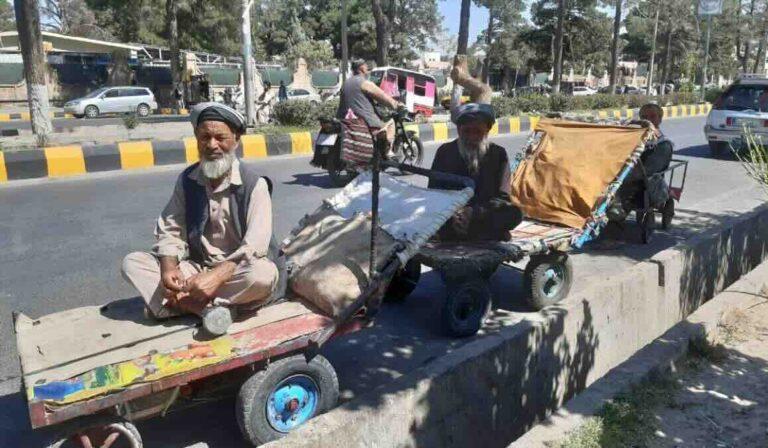
    Day labourers across Afghanistan are struggling to put food on the table, with the average unskilled worker able to cover only half the cost of a basic food basket in August, according to the latest World Food Programme (WFP) monthly market monitoring. Limited job opportunities, stagnant wages and elevated prices for key staples continue to erode household purchasing power, even as the national economy shows modest overall growth.

    WFP’s analysis, drawn from data collected across all 34 provincial capitals, paints a stark picture of economic pressure on the country’s large informal workforce. Unskilled labourers found an average of just 2.1 days of work per week in August, a slight improvement from two days in July but still 14 per cent below both the level recorded a year earlier and the three-year average. Their average daily wage held steady at 308 afghanis, or roughly $4.70 at the report’s average exchange rate of 65.4 afghanis to the US dollar.

    Limited Work Days Squeeze Monthly Earnings

    Based on these figures, WFP estimated that a casual labourer’s monthly income could cover only 50 per cent of the cost of its basic in-kind food basket. The situation varied sharply by province. In Baghlan, where the food basket was among the least expensive, estimated earnings could cover 94 per cent of its cost. In Nuristan, where food prices were high and work was especially scarce, the same income covered just 17 per cent.

    A related WFP weekly market report covering the first week of September showed little improvement. Unskilled labourers earned an average of about 302 afghanis a day but still found work for only two days a week. Work availability remained 13 per cent lower than a year earlier and 17 per cent below the three-year average. A day’s wage could buy just 10.2 kilograms of low-priced wheat flour – 14 per cent less than a year ago and 10 per cent below the three-year average.

    These constraints stem from multiple factors. Limited employment opportunities, increased competition for daily work – partly driven by the return of large numbers of Afghans from neighboring countries – and ongoing restrictions on women’s participation in the labour market continue to suppress household incomes. WFP noted that the recovery in the broader economy has not kept pace with population growth, limiting gains in per capita income and resilience.

    Food Prices Stay Stubbornly High

    The pressure on incomes comes against a backdrop of persistently elevated food prices. In August, several staples remained significantly more expensive than a year earlier. Sholae rice was 32 per cent higher, Palawi rice 25 per cent higher, wheat grain 14 per cent higher, low-price wheat flour 12 per cent higher, cooking oil 11 per cent higher and sugar 8 per cent higher. Potatoes saw one of the sharpest rises, jumping 49 per cent year-on-year to an average of 33.5 afghanis per kilogram.

    Some items eased. Pulses were 13 per cent cheaper than a year earlier, onions were down 6 per cent and bread prices fell 3 per cent. Overall, WFP’s in-kind food basket cost an average of 5,410 afghanis, or about $83, in August – up 3 per cent from a year earlier. A separate Food Security and Agriculture Cluster basket used for cash assistance calculations cost 6,036 afghanis, or roughly $92, up 9 per cent in afghani terms from the previous year.

    By early September, the pattern held. Potato prices remained 43 per cent higher year-on-year, lower-priced Sholae rice was up 35 per cent, Palawi rice 22 per cent, cooking oil 14 per cent, wheat grain 13 per cent, low-priced wheat flour 12 per cent and sugar 11 per cent. The cost of WFP’s food basket stood at 6,055 afghanis, or about $94, in the first week of September – 4.4 per cent above the cash transfer value of 5,800 afghanis set in October 2025. The increase remained below the threshold that would trigger an automatic revision of the transfer value.

    Inflation and Rising Costs Compound the Strain

    Headline inflation stood at 7.5 per cent year-on-year in July, the latest figure cited in the monthly report. Food inflation was 7 per cent and non-food inflation 7.9 per cent. Health costs rose 19.2 per cent, housing 13.1 per cent and transportation 8.2 per cent from a year earlier, adding further pressure on already stretched household budgets.

    Fuel and agricultural input costs also climbed. Diesel averaged 76.7 afghanis, or about $1.17, per liter in August – up 3.3 per cent from July and 15 per cent from a year earlier. By early September it had edged higher still, averaging 79.7 afghanis, or roughly $1.24, per liter – 14 per cent above the previous year and 18 per cent above the three-year average. Fertilizer prices declined slightly from July but remained well above 2025 levels. A 50-kilogram bag of urea cost an average of 2,194 afghanis (about $34), up 35 per cent year-on-year, while DAP fertilizer averaged 4,665 afghanis (about $71), up 15 per cent.

    The afghani strengthened modestly against the dollar, averaging 65.4 to the dollar in August – 4.5 per cent stronger than a year earlier. By the first week of September it had firmed further to around 64.5. WFP said the stronger currency helped cushion some imported price pressures, yet high transportation costs, regional trade disruptions and elevated international commodity prices continued to affect Afghan markets. Afghanistan remains particularly vulnerable to external shocks because of its heavy reliance on imports for major food and non-food commodities.

    Broader Economic Context Offers Little Relief

    WFP observed that Afghanistan’s economy continues to show modest growth, supported by domestic demand and the return of large numbers of Afghans. However, this recovery is not keeping pace with population growth. “Limited income opportunities, widespread poverty and subsistence insecurity, and gaps in access to basic services continue to constrain household resilience,” the agency stated in its monthly report.

    Independent assessments reinforce the picture. FEWS NET projections indicate that Crisis (IPC Phase 3) outcomes are expected to persist through early 2027 in parts of the central highlands, east, northeast, southwest and urban areas, with additional provinces likely to deteriorate starting in October. Despite a relatively favorable 2026 harvest, many poor households entered the season with eroded assets after consecutive years of drought and below-average production. Agricultural labour opportunities during the winter wheat planting season are expected to provide only marginal income gains, as planting is less labour-intensive than other crops and is often handled by landowners themselves.

    Humanitarian needs remain extremely high. Nearly one-third of the population – around 13.8 million people – are projected to experience acute food insecurity, while millions of women and children require treatment for malnutrition. Funding shortfalls have forced aid agencies, including WFP, to prioritize the most vulnerable, reaching far fewer people than those in need.

    Provincial and Household Realities Differ Sharply

    The national averages mask deep regional differences. Provinces with higher food costs and fewer work opportunities, such as Nuristan, face the most severe shortfalls. Urban centers, where competition for casual labour is intense due to returnees, also show strained purchasing power. Pastoralist households face parallel pressures: the terms of trade for livestock against wheat flour remain well below both last year’s levels and the three-year average.

    For families dependent on daily wages, the arithmetic is unforgiving. Even when work is available, earnings fall far short of covering a nutritionally adequate diet once other essential costs – rent, health, transport and fuel – are factored in. Many households resort to coping strategies that further undermine long-term resilience, including reduced meal frequency, reliance on less nutritious foods, sale of productive assets or accumulation of debt.

    Outlook Hinges on Jobs, Prices and Aid

    Looking ahead, the combination of limited casual work, elevated staple prices and population pressures leaves little room for improvement without stronger job creation or sustained humanitarian support. Seasonal factors may offer temporary relief after the harvest, but the winter lean season typically brings renewed strain as household food stocks dwindle and labour demand falls.

    WFP continues to monitor markets weekly and monthly through third-party data collection in all provincial capitals. Its reports underscore that while markets remain generally well supplied, affordability – not availability – is the binding constraint for millions of Afghan households. Until income opportunities expand and prices ease more meaningfully, day labourers will continue to face a daily struggle to secure even half of what is needed for a basic diet.

    Sri Lanka’s GDP Growth Slows to 4.2% in Q2 2026 as Agriculture Contracts

    Industry leads expansion while services lose momentum and farming output declines amid external pressures.

    Sri Lanka’s economy expanded by 4.2 per cent in the second quarter of 2026, easing from the 5.1 per cent growth recorded in the first quarter and marking the lowest quarterly rate in one and a half years, according to the latest National Accounts Estimates released by the Department of Census and Statistics. Real GDP at constant 2015 prices rose to Rs. 3,029,816 million from Rs. 2,908,570 million in the corresponding quarter of 2025, while nominal GDP increased 11.3 per cent year-on-year to Rs. 8,254,176 million.

    The slowdown reflected a sharp contraction in agriculture, softer services growth, and external headwinds including Middle East tensions that raised uncertainty over crude oil supplies. Tourism activity also moderated. Industry, however, continued to outperform and provided the main support to overall expansion. Taxes less subsidies on products accounted for 13 per cent of GDP in the quarter, up from 11 per cent in the first quarter. At current prices, agriculture contributed 8.4 per cent, industry 25.9 per cent and services 52.7 per cent of GDP.

    Agriculture Swings into Contraction

    Agricultural economic activity, which had grown 1.1 per cent in the first quarter of 2026 and 2.5 per cent in the second quarter of 2025, contracted by 2.3 per cent in the April-June period. The decline was driven by steep falls in several key sub-sectors. Freshwater fishing and aquaculture plunged 61.0 per cent, paddy cultivation dropped 15.1 per cent, sugarcane, tobacco and other non-permanent crops fell 14.7 per cent, and marine fishing and aquaculture declined 10.1 per cent. Additional contractions occurred in plant propagation (7.7 per cent), rubber (2.2 per cent), tea (1.9 per cent), other permanent crops (1.7 per cent) and agricultural support services (1.5 per cent).

    Some areas recorded positive growth. Forestry and logging expanded 9.7 per cent, spice crops rose 7.0 per cent, oleaginous fruits including coconut grew 6.2 per cent, cereal crops increased 5.2 per cent, fruit crops edged up 1.9 per cent, animal production gained 1.6 per cent, coffee and cocoa rose 1.3 per cent and vegetable cultivation expanded 0.8 per cent. These gains were insufficient to offset the broader declines, particularly in rice and fishing, which remain central to rural livelihoods and food security.

    Industry Maintains Strong Momentum

    Industrial activity grew 7.3 per cent in the second quarter, virtually unchanged from 7.2 per cent in the first quarter and well above the 5.7 per cent recorded in the second quarter of 2025. Construction expanded 13.9 per cent and mining and quarrying surged 17.4 per cent. Manufacturing as a whole rose 3.2 per cent, led by wood and wood products (13.9 per cent), other non-metallic mineral products (13.1 per cent), furniture (12.8 per cent), machinery and equipment (12.4 per cent), basic and fabricated metal products (7.3 per cent), paper products (5.6 per cent), food, beverages and tobacco (3.7 per cent), other manufacturing (3.3 per cent) and chemical and pharmaceutical products (1.7 per cent).

    Contractions appeared in refined petroleum products (15.2 per cent), rubber and plastic products (4.2 per cent) and textiles, wearing apparel, leather and related products (1.4 per cent). Electricity, gas, steam and air conditioning supply grew 6.8 per cent, while water collection, treatment and supply and sewerage and waste treatment activities expanded 4.6 per cent and 1.5 per cent respectively. Higher import volumes of raw materials and machinery supported domestic industry and boosted government revenue through import-related taxes. Increased availability of construction materials also aided the construction sector and, by extension, mining and quarrying.

    Services Growth Nearly Halves

    Services, the largest component of the economy, expanded only 2.7 per cent in the second quarter of 2026, down from 3.4 per cent in the preceding quarter and 4.0 per cent in the same period of 2025. Growth was led by IT programming and consultancy services (10.0 per cent), insurance services (8.0 per cent), financial services (7.7 per cent), telecommunications (4.8 per cent), real estate activities and ownership of dwellings (4.1 per cent), postal and courier services (4.0 per cent), transportation and warehousing (3.1 per cent), accommodation and food and beverage services (2.9 per cent), professional services (2.4 per cent), programming and broadcasting (1.5 per cent), wholesale and retail trade (1.4 per cent), health services (1.4 per cent), education (1.3 per cent) and other personal services (0.7 per cent). Public administration was the only services activity to contract, falling 2.4 per cent.

    The Department of Census and Statistics noted that the quarter began with limited optimism. Uncertainty stemming from Middle East tensions and their potential impact on oil supplies, combined with slower tourism and weaker agricultural performance, weighed on several major activities including accommodation and food services, financial services and insurance.

    Broader Economic Context

    The 4.2 per cent reading follows a period of recovery in which the economy posted 5.0 per cent growth for the full year 2025, the second consecutive year of expansion after the 2023 contraction. Quarterly growth had reached 5.1 per cent in the first quarter of 2026 before moderating. Import volumes continued a multi-quarter uptrend, supporting industrial activity while also lifting tax revenues.

    Separately, labour force data for 2025 showed that more than 8.6 million Sri Lankans aged 15 and above remained outside the labour force, representing 50.6 per cent of that age group. The overall labour-force participation rate stood at 49.4 per cent. Women accounted for 6.19 million of those outside the labour force, with female participation at 32.4 per cent compared with 69.1 per cent for men. The unemployment rate was 3.9 per cent overall (329,211 people), but higher among women at 6.1 per cent versus 2.8 per cent for men. These structural features continue to shape the economy’s medium-term growth potential even as quarterly output expands.

    Outlook and Policy Implications

    The second-quarter figures illustrate an uneven recovery. Industry has sustained solid momentum, helped by construction, mining and selected manufacturing segments, while agriculture has reversed into contraction and services have lost pace. External risks linked to energy prices and regional tensions remain relevant given Sri Lanka’s dependence on imported fuel. Continued growth in imports of intermediate goods has aided industry and fiscal revenues, yet the sharp falls in paddy and fishing highlight vulnerabilities in rural output that can affect both food supply and rural incomes.

    Policymakers face the task of supporting agricultural recovery, sustaining industrial expansion and restoring broader services momentum, particularly in tourism-related activities. The rise in the share of taxes and less subsidies also points to the importance of fiscal measures in the overall national accounts. With real GDP still expanding, the economy remains on a growth path, albeit at a slower quarterly rate than earlier in 2026.