More

    Ensuring Violence-Free Homes for Sri Lankan Women

    The International Day for the Elimination of Violence Against Women, observed on November 25th, 2024, serves as a significant platform to raise awareness about gender-based violence. Globally, one in three women experiences physical or sexual violence, mostly by an intimate partner.

    By Shihana Mohamed

    A woman’s right to live free from violence is upheld by international agreements like the 1979 Convention on the Elimination of All Forms of Discrimination against Women and the 1993 UN Declaration on the Elimination of Violence against Women.

    The International Day for the Elimination of Violence Against Women, observed on November 25th, 2024, serves as a significant platform to raise awareness about gender-based violence. Globally, one in three women experiences physical or sexual violence, mostly by an intimate partner.

    In his message for the 2024 International Day for the Elimination of Violence against Women, UN Secretary-General António Guterres stated, “The epidemic of violence against women and girls shames humanity. Every day, on average, 140 women and girls are killed by someone in their own family.

    Around one in three women still experience physical or sexual violence. Almost 30 years since the Beijing Declaration and Platform for Action promised to prevent and eliminate violence against women and girls — it’s beyond time to deliver”.

    Intimate partner violence (IPV) is a serious public health and human rights concern and affects millions of women worldwide, often remaining underreported and behind closed doors. IPV is particularly acute in South Asia where 35% of ever-partnered women reported experiencing IPV in their lifetime, compared to 20% in Western Europe and 21% in high-income Asia Pacific.

    The reasons are complex and include a combination of socio-economic structures, patriarchal attitudes, and prevalent social norms that define gender roles. IPV remains a largely hidden and stigmatized issue, with many women suffering in silence in South Asia.

    Significantly Underreported

    IPV in Sri Lanka is a significant and pervasive issue. An estimated 40 per cent of women aged 15 years or older reported experiencing physical, sexual, emotional, and/or economic violence or controlling behaviours by a partner in their lifetime. Disturbingly, 21 per cent of the population, or about 4.6 million women, are affected by IPV, given that women constitute 52 per cent of Sri Lanka’s 23.1 million population.

    These figures reflect reported cases, but IPV is significantly underreported due to fear of stigma, lack of awareness about available support services, and reluctance to involve authorities in family matters. Many women fear retaliation from their abusers or social ostracism if they speak out.

    The Prevention of Domestic Violence Act (PDVA), passed in 2005, provides legal protection for victims of domestic violence in Sri Lanka, allowing them to obtain protection orders against their abusers. The PDVA defines domestic violence as “physical or emotional harm done by a spouse, ex-spouse, or cohabiting partner.” However, its effectiveness has been criticized due to issues with enforcement and limited awareness among both victims and law enforcement.

    Despite high levels of educational attainment, 73.5 per cent of Sri Lankan women of working age are out of the labour force, compared to just 26.5 per cent of men. This is mainly due to their engagement in household duties, including care work. Aggravating this situation, women on average earn 27 per cent less than men for one hour of work.

    Consequently, many women economically depend on their partners, making it hard to leave abusive relationships. Especially in rural areas, they may lack financial resources or social support to escape violence. This financial vulnerability is a key barrier to addressing IPV in Sri Lanka. Empowering women economically and socially can reduce their dependency on abusive partners.

    Prioritize Violence Reduction

    Among Sri Lankan faith-based communities such as Buddhists, Muslims, Hindus, and Christians, religious leaders are influential authorities on behaviour and sources of guidance on proper conduct in relationships, including family and marriage. Therefore, they can play a crucial role in motivating men to cede power and reduce IPV.

    This approach, guided more by principles of peace and social justice than by a rights agenda, cannot replace rights-based solutions to end IPV. Therefore, it is necessary to encourage and promote collaboration between faith-based and rights-based organizations to address and end violence against women and girls in Sri Lanka.

    Various research shows that the ethnic dimensions of the civil war and the continuing ethnic tensions post-war have worsened the situation for Tamil and Muslim women in Sri Lanka, creating conditions that are likely to keep them entrapped in abusive relationships.

    There are also strong associations between IPV and suicidal behavior in Sri Lanka, signalling the need to prioritize violence reduction both on its own and within national suicide prevention strategies.

    Empowering women, educating communities, and involving men in the conversation are essential steps toward reducing IPV in Sri Lanka. NGOs like the Women’s Education and Research Centre and international organizations run awareness campaigns to educate people about IPV, its harmful effects, legal rights, and available support services.

    These campaigns also engage men and boys in discussions about gender equality and the unacceptability of IPV. The goal is to change societal attitudes that contribute to IPV and make men active partners in promoting non-violent relationships.

    One-Stop Crisis Centre model

    In Sri Lanka, several support systems are in place for victims of IPV. Various community organizations and NGOs provide localized support, including shelters and legal aid. The Ministry of Women and Child Affairs operates a toll-free helpline (Dial 1938) that offers counselling and legal support to victims of violence.

    Health-sector responses to support women experiencing IPV in Sri Lanka are evolving and currently include two models of integration: GBV desks with facility-level integration, and Mithuru Piyasa, a modified One-Stop Crisis Centre model with some system-wide integration. Additionally, the Ministry of Health has implemented training programs for public health midwives to improve their ability to identify and assist IPV victims.

    IPV remains a critical issue in Sri Lanka, influenced by socio-cultural, economic, and legal factors. An effective coordination and information sharing mechanism among the ministries of Health, Women and Child Affairs, and Public Security, at both state and local levels is essential to provide immediate support and empower women experiencing IPV.

    Traditional cultural norms in Sri Lanka often view gender roles as rigid, expecting women to be submissive and take on domestic responsibilities. These norms can contribute to the normalization of IPV and limit women’s ability to seek help.

    IPV is often seen as a private matter, with victims frequently facing pressure to stay silent. By tackling the economic, political, social, cultural, and other systemic factors that enable IPV, we can create a safer and more equitable environment for all women in Sri Lanka.

    Sri Lankan women deserve the fundamental right to a violence-free home life. Achieving this necessitates a unified approach to challenge and transform harmful social norms, enhance the availability and accessibility of support services, and rigorously enforce existing laws.

    Only through these coordinated efforts can we create a safer and more equitable society for all women in Sri Lanka.

    Image: The AKASA safe house is seen in Anuradhapura, Sri Lanka. August 2023. Credit: UN Women / Ravindra Rohana

    Shihana Mohamed, a Sri Lankan national, is a founding member and Coordinator of the United Nations Asia Network for Diversity and Inclusion (UN-ANDI) and a US Public Voices Fellow with The OpEd Project and Equality Now on Advancing the Rights of Women and Girls. She is a dedicated human rights activist and a strong advocate for gender equality and the advancement of women.


    Delhi Schools Reopening: Supreme Court Asks CAQM to Reconsider Closure

    The possibility of reopening schools under Stage III of the Graded Response Action Plan (GRAP) was also proposed. This stage would allow schools to resume physical classes with some pollution control measures in place.

    The Supreme Court of India has cast doubt on the continued closure of schools in Delhi-NCR due to air pollution. In a hearing today, the court directed the Commission for Air Quality Management (CAQM) to review its decision, particularly for grades 10 to 12.

    The Bench, comprising Justices Abhay S. Oka and Augustine George Masih, highlighted concerns about the impact of school closures on students. They noted that many children rely on school for their daily mid-day meals, which are unavailable during closures. Additionally, the court questioned whether air quality at home is necessarily better than in schools, especially for students who lack access to air purifiers.

    “A significant number of students do not have air purifiers at home,” Justice Oka observed, suggesting that staying home might not offer much protection from pollution.

    The court emphasized the urgency of a decision and requested the CAQM to re-evaluate the closure policy by tomorrow. The possibility of reopening schools under Stage III of the Graded Response Action Plan (GRAP) was also proposed. This stage would allow schools to resume physical classes with some pollution control measures in place.

    However, the Supreme Court maintained a firm stance on stricter GRAP-4 restrictions currently in effect. These restrictions, aimed at curbing the severe air pollution in Delhi, include a ban on construction activities and the entry of certain types of trucks. The court expressed dissatisfaction with the implementation of these measures and urged authorities for stricter enforcement.

    The CAQM’s decision on school reopening is expected by tomorrow. While the court’s intervention offers hope for students eager to return to physical classes, the final call rests with the air quality management commission. Delhi residents await further developments as the battle against air pollution continues.

    Image: Wikimedia

    Who Should Pay for Climate Loss and Damage?

    A climate damages tax imposed across wealthy OECD countries, increasing annually by US$5 per tonne of CO2-equivalent based on the volumes of oil and gas extracted, could play an essential role in financing climate action.

    By Abdoulaye Diallo

    At the UN climate change conference in Baku (COP29), government officials are scrambling for an agreement on a new climate financial package. There is a well established consensus that the climate crisis is exacerbating the hardships of vulnerable communities around the world. The question now is who’s going to pay for the staggering costs?

    A small tax on just seven of the world’s biggest oil and gas companies could grow the UN Fund for Responding to Loss and Damage by more than 2000 per cent, as shown in an analysis by environmental organisations Greenpeace International and Stamp Out Poverty. Taxing last year’s revenues of major oil companies could help cover the costs of some of this year’s worst weather events attributed to climate change.

    Taxing ExxonMobil’s 2023 extraction could pay for half the cost of Hurricane Beryl, which ravaged large parts of the Caribbean, Mexico and the USA. Taxing Shell’s 2023 extraction could cover much of Typhoon Carina’s damages, one of the worst that the Philippines experienced this year. Taxing TotalEnergies’ 2023 extraction could cover over 30 times Kenya’s 2024 floods.

    Climate Damages Tax

    A Climate Damages Tax (CDT) could deliver desperately needed resources for communities and authorities who are on the front lines of the climate crisis, made worse by dirty energy companies. Companies which, together, earned almost US$150 billion last year.

    So, what could a long term tax on fossil fuel extraction, combined with taxes on excess profits and other levies, deliver? A climate damages tax imposed across wealthy OECD countries, increasing annually by US$5 per tonne of CO2-equivalent based on the volumes of oil and gas extracted, could play an essential role in financing climate action.

    It could raise an estimated US$900 billion by 2030 to support governments and communities around the world as they face growing climate impacts.

    Who should pay? This is fundamentally an issue of climate justice and it is time to shift the financial burden for the climate crisis from its victims to those responsible for it. There is an urgent need for innovative solutions to raise the funds to meet the challenge posed by climate loss and damage. Governments worldwide must adopt the climate damages tax and other mechanisms to extract revenue from the oil and gas industry.

    The data clearly shows Big Oil’s complicity in the crisis we’re in, but to truly deliver climate justice the numbers are never enough.

    That’s why our call to make climate polluters pay comes at the conclusion of three weeks of protests, in which survivors of floods and other extreme weather events have stood with Greenpeace activists. Together, activists delivered to offices of dirty energy companies (e.g, TotalEnergies, Eni, Equinor, OMV) containers full of broken toys and family photos, furniture, appliances, and other remnants of personal and communal tragedy, which became far worse because of Big Oil’s ever growing production of oil and gas.

    For governments to finally force climate polluters to stop drilling and start paying, we should all raise our voice.

    Abdoulaye Diallo is Co-Head of Greenpeace International’s Stop Drilling Start Paying project

    This piece has been sourced from Inter Press Service.

    Should Sri Lanka Import 70,000 Metric Tonnes of Rice? Is There a Market Shortage?

    Experts say that as Sri Lanka’s production outlook improves, the new government must seize the opportunity to reform the agricultural sector. This includes investing in infrastructure, regulating market practices, and ensuring that the benefits of self-sufficiency are felt by farmers and consumers alike.

    By Dushyanthi Wikramsinghe

    Sri Lanka is set to import 70,000 metric tonnes of rice to address a growing shortage in the domestic market, Trade, Commerce, Food Security, and Cooperative Development Minister Wasantha Samarasinghe announced. Despite a reported surplus in rice production this year, the staple grain has become scarce in local markets.

    “The farmer has no paddy, and the consumer has no rice,” Samarasinghe stated during a press briefing. “The best decision we can take in this situation is to import rice to meet the demand.”

    The imports will be handled by state-run entities, including Sathosa and the State Trading Corporation, to stabilize supply and prevent further price hikes.

    A Confusing Surplus

    According to former Director of Agriculture, K. B. Gunaratne, to achieve this target, an additional 200,000 metric tons of paddy must be produced each month; totalling 2.4 million metric tons annually. Furthermore, to support this target, approximately 3.7 million metric tons of paddy are required each year.

    Sri Lanka’s agriculture data suggests that the nation should be self-sufficient in rice. The country produced 2.42 million metric tonnes of rice in the Maha season and 1.24 million metric tonnes in the Yala season, totaling 2.88 million metric tonnes for 2023. This output, based on consumption trends, should have left a surplus of 420,000 metric tonnes.

    However, a disconnect between production and distribution has led to a shortage in markets, raising questions about inefficiencies in storage, transport, and market regulation.

    Experts have highlighted the dominance of a “rice monopoly,” where large-scale mill owners control pricing and distribution. Despite government guarantees for a minimum paddy price, private mill owners often purchase at reduced rates, creating disparities in market access.

    Production Projections for 2024

    If Sri Lanka was self-sufficient in rice, there would be no need to import even a single grain. Yet, in 2023, 28,380 metric tons of rice were imported, costing 6,091 million rupees. Despite this, in January 2024, former Agriculture Minister Mahinda Amaraweera claimed that the country was self-sufficient in rice.

    Looking ahead, the US Department of Agriculture (USDA) predicts a strong recovery for Sri Lanka’s rice production. Paddy harvests are expected to reach 5.02 million metric tonnes in the 2024/2025 market year, supported by favorable weather conditions and lower fertilizer costs. The government has also expressed hope for an increase in milled rice output to 3.42 million metric tonnes.

    Nevertheless, the country faces structural challenges. Paddy production needs to grow by at least 3 per cent annually to match rising per capita consumption, which has climbed to 114 kilograms following the COVID-19 pandemic. Achieving this target would require cultivating 1.3 million hectares annually across the Yala and Maha seasons, which is feasible given Sri Lanka’s agricultural potential.

    The Economic Toll of the Rice Crisis

    The ongoing rice crisis highlights the fragile state of Sri Lanka’s economy and food security. A recent survey by the World Food Programme and the Food and Agriculture Organization found that food insecurity has risen sharply, with 24 per cent of families now struggling to afford basic meals.

    Rising costs have further compounded the problem. Families now spend up to 75 per cent of their income on food, while rice prices have surged to over Rs. 220 per kilogram in local markets. These prices are significantly higher than the Rs. 150-160 range that experts believe would be achievable with government intervention and better market regulation.

    Breaking the Monopoly

    The dominance of a few large-scale mill owners exacerbates the rice crisis. These mill owners profit regardless of weather conditions, elections, or market disruptions. By purchasing paddy at low prices and hoarding supplies, they manipulate market dynamics to their advantage.

    In contrast, smaller mill owners have offered rice at more affordable prices, but their operations are often overshadowed by the political influence of larger players.

    Reforming the system requires significant government intervention. Reviving defunct institutions such as the Paddy Marketing Board and cooperative societies could restore fair pricing mechanisms and ensure that farmers and consumers are better protected.

    Long-Term Solutions

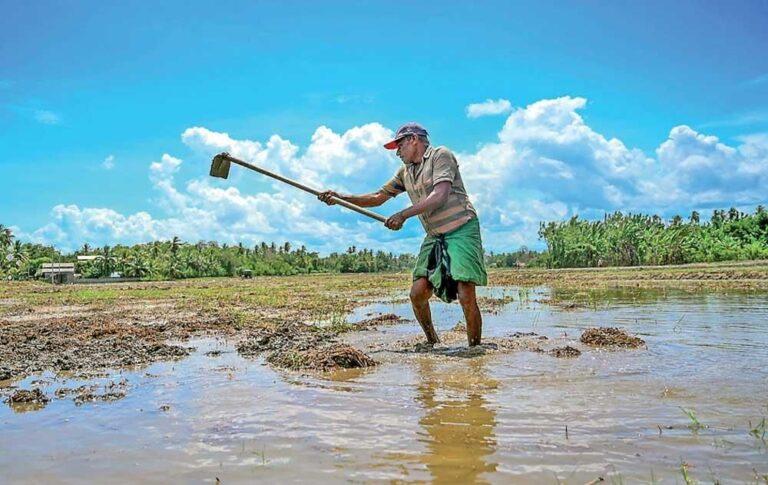
    For Sri Lanka to truly achieve self-sufficiency in rice production, the government must prioritize sustainable and scientific farming methods, say experts. Modernising paddy milling facilities, providing subsidies for agricultural machinery, and encouraging the cultivation of export-grade rice are critical steps.

    Additionally, strengthening the agricultural policy framework to address inefficiencies and monopolistic practices is essential. Ensuring that at least 10 per cent of annual paddy production is controlled by the government could stabilize prices and break the stranglehold of private mill owners.

    A Path Forward

    The rice crisis in Sri Lanka underscores the need for a balanced approach that addresses both short-term shortages and long-term structural issues. Importing 70,000 metric tonnes of rice is a necessary step to ease immediate pressure on consumers, but it is not a sustainable solution.

    Experts say that as Sri Lanka’s production outlook improves, the new government must seize the opportunity to reform the agricultural sector. This includes investing in infrastructure, regulating market practices, and ensuring that the benefits of self-sufficiency are felt by farmers and consumers alike.

    Without decisive action, the cycle of scarcity and surplus will continue to strain the nation’s food security, leaving millions vulnerable to rising costs and inadequate nutrition.

    Nepal’s Public Debt Soars: Reaching 44 per cent of GDP, Experts Urge Fiscal Prudence

    Economists advocate for reducing reliance on debt to fund administrative expenses. Instead, they say, funds should be funnelled into projects that stimulate economic growth, generate employment, and improve productivity.

    By Laxmi Khanal

    Nepal’s public debt has surged by Rs 84 billion in the first four months of the current fiscal year (2081-82 BS/2024-25), pushing the total national debt to a staggering Rs 2.518 trillion, or 44.94 per cent of the Gross Domestic Product (GDP). This alarming rise has reignited discussions about fiscal sustainability and the nation’s growing dependence on borrowing.

    Experts say that Nepal’s rising public debt is a symptom of deeper fiscal and economic challenges. They say that while the government has ambitious borrowing targets to support infrastructure and other projects, its growing liabilities highlight the urgent need for fiscal discipline and strategic investment.

    Now, as the debt burden approaches critical levels, a balanced approach—prioritizing sustainable growth while avoiding reckless borrowing—will be key to securing Nepal’s economic future.

    Debt on the Rise

    According to the Public Debt Management Office (PDMO), Nepal’s public debt stood at Rs 2.434 trillion at the start of the fiscal year. By mid-November, it had climbed to Rs 2.518 trillion, fueled by both internal and external borrowing. Of this, Rs 1.252 trillion comes from domestic loans, accounting for 21.95 per cent of GDP, while Rs 1.266 trillion is from external loans, representing 22.19 per cent of GDP.

    This fiscal year, the government aims to mobilize Rs 547 billion in total loans. By mid-November, Rs 165.72 billion, or 30.30 per cent of the target, had been raised. While domestic borrowing reached Rs 144 billion, or 43.64 per cent of the target, external borrowing lagged significantly, with only Rs 21.72 billion, or 10.1 per cent, mobilized.

    Rising Costs and Challenges

    The government’s escalating debt burden reflects a combination of administrative inefficiencies, weak revenue collection, and external factors. In October alone, Nepal’s debt liability increased by Rs 41.11 billion, driven partly by the depreciation of the Nepali rupee against the US dollar, which added an additional Rs 16.79 billion to the burden.

    By the end of FY 2023/24, public debt had already doubled over five years, from Rs 1.048 trillion in FY 2018/19 to Rs 2.434 trillion. This dramatic increase underscores Nepal’s reliance on borrowing to finance administrative and developmental expenditures.

    The government spent Rs 108.14 billion on debt repayment — comprising principal and interest payments — by mid-November this year. This highlights the strain on resources for other priority sectors.

    Economic Implications

    The growing debt is causing concern among economists, who caution against its long-term implications. While the government maintains that the current debt level is “manageable,” experts warn of the dangers of borrowing primarily to cover routine administrative costs rather than investing in high-return infrastructure and development projects.

    Speaking to the House of Representatives, Finance Minister Bishnu Prasad Paudel acknowledged the rising debt but called for prudence. “The government must ensure that borrowed funds are directed toward projects with high economic returns,” he emphasized.

    Nepal’s debt-to-GDP ratio currently stands at 44.94 per cent, inching closer to the International Monetary Fund’s recommended threshold of 50 per cent for developing economies. However, projections suggest the ratio may stabilize over the next five years. According to a forecast, Nepal’s debt-to-GDP ratio could decrease to 48.44 per cent by 2029, contingent on sustained economic growth and disciplined fiscal policies.

    A Broader Context

    Nepal’s debt trajectory aligns with global trends among developing nations, which have seen rising public debt due to post-pandemic recovery efforts, inflationary pressures, and currency devaluations. Nepal’s external debt reached an all-time high of $10 billion in late 2023, compared to a low of $3.5 billion in 2013.

    Despite this, the pace of external borrowing has slowed. Between July and mid-August 2024, the government secured Rs 43.59 billion in loans, with Rs 40 billion from domestic sources and Rs 3.59 billion from international lenders. During the same period, Rs 19.27 billion was spent on repayments, underscoring the cyclical nature of debt accumulation and settlement.

    To address its mounting fiscal challenges, the government must enhance its revenue collection mechanisms while curbing non-essential expenditures say experts. The tax base remains narrow, and sluggish economic growth has exacerbated the budgetary shortfalls.

    Economists advocate for reducing reliance on debt to fund administrative expenses. Instead, they say, funds should be funnelled into projects that stimulate economic growth, generate employment, and improve productivity. They warn that without such structural reforms, Nepal risks falling into a debt trap where repayments consume an ever-larger share of the national budget, leaving limited room for developmental initiatives.

    India: On the Road to Clean Energy, SECI signs MoU to promote Green Hydrogen Initiatives

    Several major Green Hydrogen projects are already underway across India, showcasing the country’s commitment to its clean energy targets. These projects pave the way for a greener future powered by innovation and sustainability.

    Solar Energy Corporation of India Ltd (SECI), under Ministry of New and Renewable Energy, signed a MoU with H2Global Stiftung to establish a collaborative framework to promote Green Hydrogen initiatives. This aims to enhance knowledge exchange on market-based mechanisms and foster cooperation between India and importing countries, thereby contributing to the global advancement of the green hydrogen economy.

    This collaboration offers India the opportunity to work on joint tender design concepts, particularly in structuring joint tenders that aligns with India’s ambition to become export hub of Green Hydrogen and its derivatives. The cooperation may provide valuable insights into global hydrogen market dynamics, including trade logistics and stakeholder engagement, which can be instrumental in furthering India’s green hydrogen initiatives.

    The world faces a pressing challenge: Decarbonisation. To combat climate change, nations around the globe are striving to reduce greenhouse gas emissions and transition towards cleaner energy sources. International conferences like COP 26 (2021) and COP 28 (2023) have played a crucial role in fostering global collaboration on this front.

    National Green Hydrogen Mission

    In this context, Green Hydrogen emerges as a game-changer. Produced using renewable energy sources like solar, wind, hydro and biomass, Green Hydrogen offers a clean and sustainable alternative to fossil fuels. However, large-scale production necessitates significant renewable energy capacity. Recognizing this potential, India launched the National Green Hydrogen Mission in 2023. This ambitious mission aims to establish India as a global hub for Green Hydrogen production, usage, and export.

    The mission seeks to:

    • Drive down production costs through financial incentives for electrolyser manufacturing and Green Hydrogen production.
    • Boost domestic demand by mandating minimum Green Hydrogen consumption in specific sectors.  
    • Facilitate exports by establishing supportive policies and strategic partnerships.

    The government of India already has a strong focus on renewable energy with ambitious targets for capacity expansion. This focus on renewables is crucial for powering Green Hydrogen production and achieving the mission’s goals. The economic potential of Green Hydrogen in India is significant and the mission projects creation of millions of jobs, attracting substantial investments, and reducing dependence on fossil fuel imports. This economic development will contribute to India’s overall energy security.

    Several major Green Hydrogen projects (Pilot and Commercial) are already underway across India, showcasing the country’s commitment to its clean energy targets. These projects pave the way for a greener future powered by innovation and sustainability. Financing Green Hydrogen and Renewable Energy projects requires a multi-pronged approach. Traditional methods remain important, but innovative solutions and supportive policies are crucial to unlock the full potential of clean energy investments.

    Sri Lanka Faces Mounting Nutrition Challenges Amid Economic Struggles

    The caloric yield per rupee spent has declined significantly. For instance, staple foods like rice, dal and wheat flour now offer more than 50 per cent fewer calories per 100 rupees than they did in 2019.

    Sri Lanka is grappling with a nutrition crisis exacerbated by economic hardships, rising food costs, and income losses. While many households focus on meeting basic calorie needs, nutritional security has become a secondary concern, leading to long-term health risks and a pressing need for innovative policy solutions.

    A report by the influential think Colombo-based tank, Institute of Policy Studies (IPS) says that the fallout from the COVID-19 pandemic, compounded by inflation and supply chain disruptions, has severely impacted Sri Lanka’s ability to ensure nutritional security.

    The Department of Census and Statistics’ Household Survey on the Impact of the Economic Crisis (2023) revealed a dire picture: over 90 per cent of households reported increased monthly expenditures, largely driven by food inflation. The poorest communities, particularly those in rural and estate sectors and female-headed households, are disproportionately affected.

    The effects of this crisis are visible in the rising rates of stunting, wasting, and underweight children under five years old – markers of long-term health and developmental challenges. Families are increasingly turning to calorie-dense but nutrient-poor foods as high-protein items like meat, fish, and eggs become unaffordable.

    The Changing Food Landscape

    Nutrition security has been overshadowed by efforts to combat food insecurity. With the focus shifting toward calorie consumption, nutrient-rich diets are being sacrificed for less preferred but cheaper food options. IPS’ report highlights that 59.6 per cent of households relied on such options in 2022, compared to just 17.1 per cent in 2019.

    This shift has led to coping strategies such as reducing the number of daily meals, skipping meals, or prioritizing children’s food needs over adults’. Furthermore, the caloric yield per rupee spent has declined significantly. For instance, staple foods like rice, dhal, and wheat flour now offer more than 50 per cent fewer calories per 100 rupees than they did in 2019. This indicates a loss in cost-effectiveness for households, with even the wealthiest families forced to adopt more frugal food consumption habits.

    Tackling the Crisis Through Behavioural Shifts

    While structural macroeconomic reforms are vital, smaller-scale interventions can also drive significant improvements. One promising approach involves reallocating household expenditures from tobacco and alcohol toward food.

    IPS research reveals that such shifts could dramatically enhance caloric and nutrient intake, especially for the poorest households. Reallocating tobacco expenditures alone could increase daily caloric intake by 4.2 per cent, while redirecting both tobacco and alcohol spending could lead to a 19.1 per cent rise. This would allow households to bridge the energy deficit and access essential macronutrients such as proteins and fats, improving overall diet quality.

    For the poorest 20 per cent of households, these changes could increase daily caloric intake from 1,792 kilocalories (kcal) to 2,134 kcal. Proteins, often lacking due to high costs, would also see a significant uptick, from 49 grams to 59 grams per day.

    Policy Measures for Lasting Impact

    The success of this approach hinges on targeted public health interventions and robust fiscal policies. Public awareness campaigns should promote the health and financial benefits of reallocating tobacco and alcohol expenditures. Additionally, taxation policies could make tobacco and alcohol less affordable relative to nutritious food.

    Currently, smoking and alcohol consumption have become more affordable as food prices have surged. Tax hikes on these items could discourage their use while creating fiscal space for social protection measures like cash transfers and food vouchers. These tools could incentivize healthier spending habits among low-income households.

    Moreover, policymakers should consider exempting essential, nutrient-rich foods from Value Added Tax (VAT) and implementing subsidies to make them more affordable. Coupling these efforts with educational initiatives to raise awareness about the importance of balanced diets would be key to driving sustainable change.

    A Call to Action

    The recent general elections in the island nation did offer an opportunity for political leaders to prioritise nutrition in their agendas, but this was done in a very limited way. Addressing nutritional insecurity requires immediate interventions alongside long-term strategies to promote sustainable agricultural practices, reduce food waste, and ensure market access to affordable, nutritious foods.

    IPS has called for policymakers to recognise poor nutrition as a symptom of transient poverty and integrate it into social protection systems. Beyond addressing immediate needs, these strategies should lay the groundwork for a healthier and more resilient population.

    IPS says that by redirecting expenditures from tobacco and alcohol, households can achieve better nutrition without sacrificing other essential needs such as health and education. This approach, combined with supportive fiscal policies, could transform Sri Lanka’s nutritional landscape, ensuring that food security includes both quantity and quality.

    According to the think tank, Sri Lanka’s path forward lies in recognizing the interconnectedness of nutrition, health, and economic well-being. It is a challenge that demands urgent action, innovative solutions, and a commitment to building a future where all citizens have access to affordable, nutritious food.

    India Ranks 10th in Global Climate Performance Index for 2025

    India’s strides in renewable energy have been remarkable, particularly in solar power. The past year saw large-scale solar projects come online alongside the launch of the Rooftop Solar Scheme, which promotes smaller, decentralized solar installations.

    India has dropped from seventh to 10th place in the latest Climate Change Performance Index (CCPI) for 2025, unveiled in Baku on Friday. Despite this decline, India has retained its spot among the top 10 high-performing countries for the sixth consecutive year.

    This achievement underscores India’s growing role in renewable energy and efforts toward energy efficiency, even as challenges remain in reducing reliance on coal and expanding climate policy initiatives.

    The report published by Germanwatch, NewClimate Institute, and Climate Action Network says that renewable energy is making rapid progress in almost every high-emitting country.

    However, it says, too many countries are still clinging to prolonging the fossil fuels business model, especially for gas.

    Strong Showing in Key Metrics

    India’s performance across various categories of the CCPI highlights its strengths and areas for improvement:

    1. Greenhouse Gas (GHG) Emissions: India received a high ranking due to its relatively low per capita emissions compared to other major economies.
    2. Energy Use: India’s low energy consumption per capita earned another high score.
    3. Climate Policy: India achieved a medium ranking, reflecting its steady, albeit cautious, approach to climate-related regulations and international commitments.
    4. Renewable Energy: Despite significant advancements, India’s reliance on coal lowered its rating in this category.

    Renewable Energy Progress

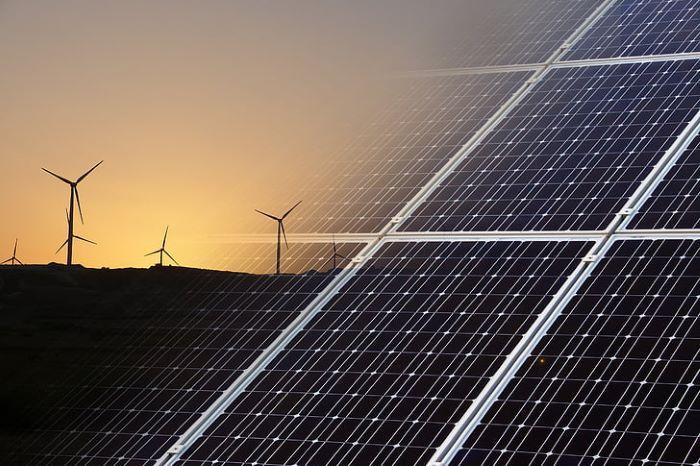
    India’s strides in renewable energy have been remarkable, particularly in solar power. The past year saw large-scale solar projects come online alongside the launch of the Rooftop Solar Scheme, which promotes smaller, decentralized solar installations. Despite these advances, experts call for more extensive support for off-grid solar systems, especially in rural areas where energy access remains limited.

    India’s focus on renewable energy aligns with its aspirations to become a global leader in green technologies. Significant progress has also been made in energy efficiency and the deployment of electric vehicles, particularly in the two-wheeler segment. These initiatives highlight India’s commitment to transitioning to a cleaner energy future.

    Challenges Persist in Coal Dependence

    One of the most pressing challenges for India is its ongoing dependence on coal. As one of the top 10 countries with the largest coal reserves, India has continued to expand its coal production. Experts warn that the pace of coal phase-out is insufficient to meet international climate targets. This heavy reliance poses a significant obstacle to achieving India’s long-term sustainability goals and aligning with the Paris Agreement.

    Policy Recommendations

    To sustain its position as a climate leader and address existing gaps, experts recommend that India:

    • Revise its Nationally Determined Contributions (NDCs): India should adopt more ambitious absolute emissions reduction targets and include additional sectors like transportation, housing, and water management in its climate strategy.
    • Accelerate the Energy Transition: A faster shift from fossil fuels to renewables is essential, alongside ensuring a just transition for workers and communities reliant on the coal sector.
    • Strengthen Domestic Policies: Enhanced energy efficiency standards and broader regulatory coverage across industries could significantly reduce emissions.

    National Context and Future Outlook

    India’s climate strategy is closely tied to its economic growth objectives. Prime Minister Narendra Modi, recently re-elected for a third term, has emphasized growth-oriented policies that cater to the country’s burgeoning energy demands. While this approach prioritizes development, it often limits the focus on de-carbonization and equitable energy distribution.

    Despite these constraints, India remains on track to meet its current NDCs. However, experts caution that these targets need to be revisited to ensure India contributes effectively to global climate goals.

    India’s 10th-place ranking in the 2025 CCPI reflects its potential and ongoing commitment to climate action. By addressing its coal dependency, revising its NDCs, and expanding renewable energy adoption, India can solidify its role as a global climate leader. The challenge lies in balancing its developmental aspirations with the urgent need for a sustainable future.

    Global Implications

    Jan Burck of Germanwatch says that “large parts of the world have recognised that renewables are a cost-effective and safe choice for the energy supply. Renewables are in the fast lane, especially in the electricity sector. In addition, there is an increasing electrification of the mobility, residential and industrial sectors. The trend towards electrification is continuing, while new storage technologies are developing at the same time. Nevertheless, there is still massive resistance from the fossil fuel lobby. Countries should not fall deeper into the fossil trap.”

    Prof. Niklas Höhne of the NewClimate Institute adds: “The world is at a turning point. Peak of global emissions is closely in sight. Now it is crucial that we start a rapid decline. Cutting emissions drastically is the only measure that can prevent further dangerous consequences of climate change. Time is running and we urgently need an emission turnaround.”

    UK and India, the only two G20 countries are among the high performers in the CCPI. Fourteen G20 countries receive an overall low or very low. The G20 is particularly responsible for drastically cutting emissions, as its members account for more than 75 per cent of the world’s greenhouse gas emissions. Russia, Saudi Arabia and South Korea (63th) are still the G20’s worst-performing countries and receive an overall very low.

    India’s performance in the CCPI showcases the duality of its climate journey: remarkable achievements in renewables juxtaposed with persistent challenges in fossil fuel dependency. As the world’s most populous nation, India’s actions are critical to global efforts to combat climate change. Strengthening its climate commitments could inspire similar transitions in other developing countries.

    Image: Hippopx

    Ministry of Agriculture Conducts Midterm Review of Agricultural Schemes Implementation in Southern States

    The participants were informed about the huge increase in agricultural budget along with various farmer friendly initiatives taken by the government and the various bottlenecks, good practices etc. that were discussed amongst the participant states.

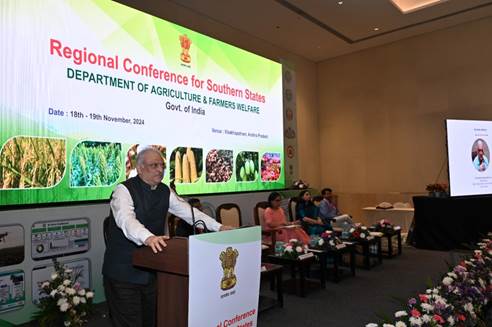
    The Department of Agriculture and Farmers’ Welfare (DA&FW) held a regional conference on 18th and 19th November at Visakhapatnam, Andhra Pradesh to conduct a midterm review of various agricultural schemes implemented by Southern States and Union Territories. Secretary, Devesh Chaturvedi and key officers from DA&FW, states of Andhra Pradesh, Kerala, Tamil Nadu, Telangana, Karnataka and Union Territory of Puducherry gathered in Visakhapatnam to evaluate the progress and address challenges in the effective implementation of these schemes.

    Devesh Chaturvedi said that this conferences, the second in the series by the government of India reflects the government’s commitment to enhancing agricultural infrastructure, fostering growth and supporting farmers across all regions, ensuring that each state’s unique challenges and opportunities are addressed through collaborative, targeted efforts and aims for equitable and sustainable agricultural development across the country.

    Dr. Devesh Chaturvedi highlighted the key initiatives taken by the ministry in the recent years and urged the states to take maximum benefit of each scheme and various initiatives for the betterment of the farming and allied community across their respective states. The states were urged to expedite the execution of centrally sponsored schemes (CSS) by ensuring timely fund allocation and addressing issues related to state contributions and single nodal account (SNA) balances.

    The participants were informed about the huge increase in agricultural budget along with various farmer friendly initiatives taken by the government and the various bottlenecks, good practices etc. that were discussed amongst the participant states and the department for the optimal utilisation of all initiatives.

    Pradhan Mantri Fasal Bima Yojana

    The secretary emphasised the importance of operationalizing SNA-SPARSH, returning unutilised balances and interest, and promptly submitting utilization certificates (UCs). He also emphasized on the importance of organizing state-level conferences to address region-specific agricultural challenges, ensuring every state receives focused attention and support for their unique needs and assured that the centre is very much a partner to them and will  help them to ameliorate the conditions of farmers and expanding  farming related activities in their respected states.

    The review meeting started by familiarizing the participants about the new initiative of the government  i.e Dharti Aaba Janajatiya Gram Utkarsh Abhiyan ( DA – JGUA) approved by the union cabinet and launched by the prime minister in September 2024. All participants were urged to get onboarded in the scheme to strengthen the recognition process, empower tribal communities, and ensure their involvement in forest protection, conservation, and sustainable livelihoods through government support. States were also informed about the flexibility to reallocate funds within RKVY components and for formulating new projects under KY for FRA beneficiaries under DA-JGUA so as to benefit the poorest of the poor in the country.

    The conference focused on improving implementation of major schemes, including Pradhan Mantri Rashtriya Krishi Vikas Yojana (PM-RKVY) and Krishonnati Yojana (KY), where non-performing states were encouraged to enhance their efforts in the remaining months of the fiscal year. The states were also advised to finalize the annual action plan for FY 2025-26 by December to enable timely release of the first instalment by April, 2025, aiming to reduce previous delays in fund utilisation. The states were requested to spend the funds available with them as more spending will result in more allocation by the centre. The flexibility to spend money across schemes under the respective umbrella scheme was also explained to them in details.

    A comprehensive review of other key initiatives took place, covering the Pradhan Mantri Fasal Bima Yojana (PMFBY) for risk mitigation and expanded crop insurance, and the Digital Agriculture Mission for advancing data-driven agriculture. The conference highlighted the need for digital integration in crop surveys and the alignment of state land records with the Agristack to streamline operations under PM KISAN. Secretary (Agriculture) asked the states to aggressively work towards a farmers’ registry as it is one time task but will reap insurmountable benefits to them for taking advantage of both central sector and centrally sponsored schemes. 

    Visit to Natural Farming Fields

    The meeting also discussed high-priority topics, including the National Edible Oils Mission, NABL accreditation for laboratories under the Insecticides Act, efficient use of the Krishi Nivesh Portal, Carbon Credits, Namo Drone Didi, e-National Agriculture Market (e-NAM), Farmer Producer Organization (FPO), Soil Health Card and Agricultural Infrastructure Fund (AIF) to foster sector growth. A presentation on the initiatives of the state government of Andhra Pradesh on promoting natural farming was made by Mr Vijay Kumar, Advisor to Government of Andhra Pradesh.

    An open house session which discussed myriad issues in addition to above like tenure farmers, improved sampling systems, intercropping, layering of seeds, micro irrigations, organic farming, seeds quality etc. concluded the conference, allowing stakeholders to provide insights on overcoming implementation barriers and maximizing the reach of agricultural programs.

    The delegates also visited the natural farming fields and interacted with the practitioners of two to eight years of field experience and saw preparation of different jeevamruthams and Agri Drone Spraying Technology.

    Pakistan Launches Efforts to Integrate Disaster Risk Financing Into its Broader Loss, Damage Efforts

    By combining innovative financial tools with inclusive, data-driven strategies, governments, and global partners can mitigate climate risks, support recovery, and foster resilience.

    Coordinator to Pakistan’s Prime Minister on Climate Change, Romina Khurshid Alam said that the escalating adverse fallouts of climate change including extreme weather events, rising sea levels, and prolonged droughts have underlined the urgent need for climate-vulnerable developing countries to hammer out comprehensive strategies to address loss and damage in vulnerable communities.

    However, integrating disaster risk financing into broader loss and damage efforts is a crucial step toward building resilience, ensuring timely response, and supporting long-term recovery, she emphasized while delivering a keynote address at an important event ‘Pakistan and the Global Shield’ held at the Pakistan Pavilion in Baku on the sidelines of COP29 global climate summit held on Wednesday.

    “Integrating disaster risk financing into loss and damage efforts represents a proactive approach to managing the escalating costs of climate change. By combining innovative financial tools with inclusive, data-driven strategies, governments, and global partners can mitigate climate risks, support recovery, and foster resilience,” the PM’s climate aide Romina Khurshid Alam told the participants from various countries, UN agencies and nongovernmental organisations. “Collaborative action today will safeguard communities and ecosystems for a more secure and equitable future.”

    She said further that Wednesday’s discussions with climate and disaster insurance experts and the climate change and environmental coordination ministry’s senior officials explored the pressing gaps in pre-arranged financial protection — particularly in public infrastructure, agricultural livelihoods, and small businesses — and how the Global Shield can bring unique value by aligning development efforts, fostering a country-led process, and leveraging pre-arranged financing instruments.

    “Let me also highlight an important takeaway from today Pakistan’s approach serves as a model for integrating disaster risk financing into broader loss and damage efforts. This comprehensive, data-informed, and inclusive process sets an inspiring precedent for other climate-vulnerable nations,” The PM’s coordinator Romina Khurshid Alam remarked.

    Mitigating Financial Losses

    In her welcome remarks, Secretary Climate Change and Environmental Coordination Ministry, Aisha Humera Moriani said that over the years, need for viable financial protection for communities and their livelihoods has gained significant attention with the increasing recognition of climate change as a critical public policy issue. This has led to the development of more detailed policies and strategies to address its impacts.

    She said further that in Pakistan, the costs of most large-scale natural disasters are retained in the government books, and only a few disasters risk insurance or non-insurance instruments are present. That calls for an urgency of closing the significant financing gaps that remain in Pakistan’s ability to respond to such disasters. Unfortunately, insurance penetration, which could be crucial in mitigating financial losses, remains limited, and is less than one per cent of the country’s GDP, she highlighted.

    Highlighting climate change and environmental coordination ministry’s recent assessment work jointly carried out with Sustainable Development Policy Institute and UN Development Programme, the climate change ministry secretary informed the participants that Being a pathfinder country, an extensive in-country process was conducted over the past 3 months to take stock of climate, disaster risk finance and insurance initiatives and identify gaps in financial protection.

    As a result, the climate change ministry has received several proposals from national and provincial government departments as well as the private sector to bridge this gap forming Pakistan’s formal Request for Support to the Global Shield which is being handed over today, she highlighted.

    “We are fortunate to have such a broad and committed range of stakeholders with us today. The involvement of international development partners, civil society, and the private sector will be crucial in advancing our shared goals, the ministry secretary Aisha Humera Moriani said.

    Shock-responsive Social Protection Systems

    Hamza Haroon, Regional Director-South Asia from the Climate Vulnerable Forum Vulnerable 20 (CVF-V20), underscored the critical importance of addressing the needs of the most vulnerable communities through disaster insurance programmes in Pakistan.

    “Introducing climate insurance products for disaster-vulnerable communities, their livelihoods and infrastructure is cornerstone of policy efforts and programmes being taken by the Pakistani government for building climate resilience,” he underlined and suggested, “Engaging with insurance companies to introduce different disaster insurance plans for vulnerable communities and sectors will be a crucial step by the different relevant government organisations including ministry of finance and climate change & environmental coordination ministry.”

    Mr Joerg Linke, from GIZ Competence Center Climate, showcased the transformative potential of shock-responsive social protection systems that can be scaled up in Pakistan for climate-vulnerable communities.

    He said that while the frequency and intensity of climate shocks such as natural disasters, economic crises and pandemics increase, the shock-responsive social protection systems (SRSPs) have emerged as a critical tool for safeguarding vulnerable populations.

    “By integrating flexibility and responsiveness into traditional social protection mechanisms, SRSPs in Pakistan would not only provide urgent relief during crises/disaster times but also help foster long-term resilience and equity,” Joerg Linke told during his speech.