More

    Bangladesh Bans Polythene Bags Again, Sparking Hopes for the Eco-Friendly ‘Sonali Bag’

    Bangladesh’s current adviser to the Ministry of Textiles and Jute, Md. Sakhawat Hossain, told IPS that they are seriously considering funding the Sonali Bag project this January, although he acknowledged that his ministry is currently facing a funding crisis.

    By Masum Billah

    After Bangladesh’s interim government banned polyethene bags, a new sense of hope has emerged for the Sonali bag—a jute-based, eco-friendly alternative developed in 2017 by Bangladeshi scientist Dr. Mubarak Ahmed Khan. Sonali bag, or the golden bag, is named after the golden fiber of jute from which it is made.

    “Since the government banned polythene bags, we have faced immense pressure of orders that we cannot meet—people are coming in with requests at an overwhelming rate,” Mubarak Ahmed Khan told the IPS.

    The latest ban, which came into effect on October 1 for superstores and traditional markets on November 1, isn’t the first time Bangladesh has imposed a ban on polythene bags.

    In 2002, the country became the first in the world to outlaw them, as plastic waste was severely clogging city drainage systems and exacerbating its waterlogging crisis, with Dhaka alone consuming an estimated 410 million polybags each month. But the ban gradually lost effectiveness over the years, largely due to a lack of affordable and practical alternatives and inadequate enforcement from regulatory authorities.

    Despite its promises, the project has struggled to make significant progress due to a lack of funding. However, following the announcement of the polythene bag ban, Mubarak is now facing pressure to supply his Sonali bag to a market eager for sustainable alternatives.

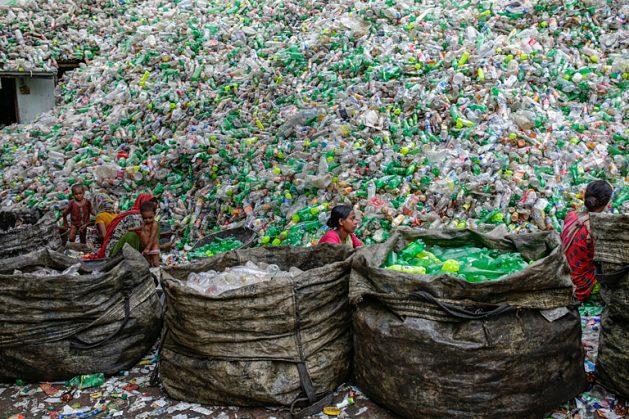
    Polyethene bags, although cheaper, are harmful to the environment as they are non-biodegradable and their decomposition takes at least 400 years. Sonali Bag as an alternative, on the other hand, is regarded as a game-changer because it is biodegradable, capable of decomposing in three months.

    UN Plastics Treaty Negotiations

    The ban comes as the UN Plastics Treaty Negotiations are underway in Busan, South Korea. The UN Environment Programme estimates that around the world, one million plastic bottles are purchased every minute.

    “In total, half of all plastic produced is designed for single-use purposes—used just once and then thrown away.”

    Without an agreement, the OECD estimates that annual plastic production, use, and waste are predicted to increase by 70 percent in 2040 compared to 2020. This on a planet already choking on plastic waste.

    The talks have in the past stalled over a disagreement over how to manage waste, with some countries favouring introducing a cap on plastic production and others supporting circularity with use, reuse, and recycling as the main objectives.

    The plastics treaty talks will run from 25 November 2024 to 1 December 2024.

    However, despite its environmental benefits and higher demands, in Bangladesh the Sonali Bag project still remains within the pilot phase.

    A late start for funding crisis

    After Mubarak’s invention made headlines, the country’s state-owned Bangladesh Jute Mills Corporation launched a pilot project, setting up a jute-polymer unit at the Latif Bawani Jute Mill to produce Sonali Bag.

    Mubarak said they have been asking for government funds, as the project has been operating under the Ministry of Textiles and Jute. However, the basic funding that kept the pilot project running expired last December, and the previous government—which was toppled in August in a mass uprising—had discontinued the project.

    “There had been assurances that we might receive Tk100 crore (about USD 8 million) in funding from the government by July. But then came political unrest and a change in government,” Mubarak said.

    After the new government took charge, they renewed the pledges to fund the Sonali Bag project.

    “The interim government told us that we will get the money in January. If that happens, we will be able to produce five tons of bags per day,” Mubarak said. “Five tons may not be a lot, but it will give us the chance to demonstrate our work to private investors, boosting their confidence to engage with us.”

    According to Mubarak, one kilogram of Sonali bags amounts to around 100 pieces of small bags. Based on this estimate, five tons could produce around 15 million bags per month.

    Bangladesh’s current adviser to the Ministry of Textiles and Jute, Md. Sakhawat Hossain, told IPS that they are seriously considering funding the Sonali Bag project this January, although he acknowledged that his ministry is currently facing a funding crisis.

    “The work will begin in full scale after the fund is provided,” Sakhawat Hossain said. When asked if Mubarak would receive the funds by January, he replied, “We hope so.”

    A ban without adequate alternatives at hand

    Mubarak Ahmed Khan regards the government’s decision to ban polythene bags as a “praiseworthy” initiative. However, he emphasized that sustainable and affordable alternatives to the polythene bags should come soon.

    Mubarak is not alone in his concerns. Sharif Jamil, founder of Waterkeepers Bangladesh, an organization dedicated to protecting water bodies, shares skepticism about the effectiveness of the ban this time, citing the lack of sustainable alternatives in the market.

    “The announcement of this ban is an important and timely step. However, it must also be noted that our previous ban was not enforced. Without addressing the underlying issues that led to nonenforcement of the previous ban, the new polythene ban will not resolve the existing problems. It is crucial to tackle the challenges that allowed polythene to remain in the market,” Sharif Jamil told IPS.

    “If you don’t provide people with an alternative and simply remove polythene from the markets, the ban won’t be effective,” he added.

    Sharif noted that the existing alternatives in the market are not affordable, with some selling alternative jute bags at Tk25 in supermarkets, while polythene bags are often offered at a price that is essentially free.

    “Alternatives need to be more affordable and accessible to the public,” he said.

    Mubarak stated that his Sonali bag currently costs Tk10 per piece, but he anticipates lowering the price with increased production and demand.

    The pursuit of competition in sustainable alternatives

    Sharif Jamil, however, wants competition in the sustainable alternatives market.

    “It is not only about incentivizing Dr. Mubarak’s project,” Sharif said.

    This technology has to be incentivized and recognized, but the government also has to ensure two other things, he said.

    “If the government can make it accessible to people at a lower price, it will reach them. Secondly, if the alternative remains solely with Mubarak, it will create a monopoly again,” he said.

    It must undergo competition, he recommended. Bangladesh has a competition commission to ensure that other existing sustainable green solutions on the market are also incentivized and recognized.

    “Besides facilitating and upgrading Mubarak’s project, the government should ensure fair competition so that people can access it at a lower price,” he added.

    For the sake of environment

    Adviser Shakhawat Hossain said that they are optimistic about the success of Sonali Bag.

    “Already the ambassadors of various countries are meeting me about this. Some buying houses too have been created for this. It seems it will be a sustainable development,” he said.

    Mubarak said that if they get the funding soon, Sonali Bag will have a market not only in Bangladesh but all over the world.

    He said the private investors should come forward not just because the government has banned polythene bags, but out of a moral obligation to address the negative impact these bags have on the environment.

    “With this, I believe we can create a polythene-free environment,” Mubarak said, acknowledging, “It is not easy to introduce this to the market solely because it is a new product. We are up against an USD 3.5 trillion single-use plastic market.”


    In the Rajya Sabha: ESG Standards for Coal Industry Transformation

    Social considerations form a core aspect of ESG compliance, the minister said. Coal companies are increasingly accountable for ensuring fair labour practices, promoting community health, and prioritising worker safety.

    The Union Minister of Coal and Mines, G. Kishan Reddy, detailed the transformative impact of Global Environment, Social, and Governance (ESG) standards on the coal industry during a session in the Rajya Sabha today. The minister underscored that ESG standards are reshaping operational priorities in the coal sector, emphasizing sustainability, ethical governance, and community welfare.

    Environmental Sustainability in Focus

    Global ESG standards aim to curb carbon emissions, manage waste, and mitigate environmental degradation. For the coal industry, this entails adopting mechanised coal extraction, transport, and evacuation techniques aligned with modern, low-emission technologies. Coal companies are mandated to minimise carbon footprints and reduce environmental pollution in line with good industry practices.

    Public Sector Undertakings (PSUs) under the Ministry of Coal are actively implementing sustainable practices, Reddy said. He cited the instance of Coal India Limited (CIL) which has taken significant steps toward environmental preservation, including afforestation, water management, and renewable energy promotion. The company has also introduced energy-efficient measures, cleaner coal technologies, and eco-friendly transportation, such as electric vehicles, as part of its broader sustainability goals.

    Social Accountability Enhanced

    Social considerations form a core aspect of ESG compliance, the minister said. Coal companies are increasingly accountable for ensuring fair labour practices, promoting community health, and prioritizing worker safety. Corporate Social Responsibility (CSR) initiatives by CIL and other entities focus on improving community welfare, providing access to mine water, and developing eco-parks to foster local engagement.

    Governance and Transparency Prioritized

    Under ESG standards, transparency and ethical practices have become crucial. Companies are required to disclose their ESG performance, enhancing accountability and building trust with stakeholders. Clause 11.5 of the Coal Block Development and Production Agreement (CBDPA) obligates commercial mining operators to adopt sustainable technologies and disclose performance metrics.

    Reddy also said that the Securities and Exchange Board of India (SEBI) has mandated the top 1,000 listed companies to publish Business Responsibility and Sustainability Reports (BRSR), aligning with global frameworks such as the Global Reporting Initiative (GRI) and the Sustainability Accounting Standards Board (SASB). CIL has adhered to this mandate, with its BRSR for FY 2023-24 included in its annual report, filed with both the NSE and BSE.

    A Holistic Transition

    CIL’s initiatives illustrate a comprehensive approach to ESG standards, integrating environmental, social, and governance objectives, the coal and mines minister said. Efforts include deploying blast-free mining technology, utilizing overburden for alternative purposes, and promoting clean coal initiatives.

    The minister concluded by emphasising that the government remains committed to aligning the coal industry with global ESG norms, ensuring a sustainable and socially responsible future for the sector.

    In the Lok Sabha: Earthquake Preparedness and Monitoring

    Singh highlighted that several studies have been conducted to better understand the frequent earthquakes affecting various regions. These include detailed Seismic Microzonation studies, which assess local site effects and earthquake trends in urban areas.

    The union minister of state for science and technology and earth sciences, Dr. Jitendra Singh, outlined key measures to monitor and mitigate earthquake risks across the country in a written reply in the Lok Sabha today. He emphasised the government’s proactive approach in understanding seismic activity and enhancing preparedness to minimize potential impacts.

    Nationwide Monitoring Through Advanced Networks

    The minister said that the National Centre for Seismology (NCS), operating under the ministry of earth sciences, monitors seismic activity through its national seismic network, which comprises 166 stations across India. Real-time details of earthquakes are made available to the public on the NCS website, seismo.gov.in

    Singh highlighted that several studies have been conducted to better understand the frequent earthquakes affecting various regions. These include detailed Seismic Microzonation studies, which assess local site effects and earthquake trends in urban areas. Microzonation studies have been completed for nine cities, including Delhi, Kolkata, Guwahati, and Bengaluru.

    Historical Data Analysis and Seismic Zoning

    To enhance understanding of seismic patterns, the NCS continuously collects and analyses data from historical earthquakes. Based on such data, the Bureau of Indian Standards (BIS) has developed a seismic zoning map of India. This map categorises regions according to earthquake risk and serves as a critical guide for urban planning and construction practices.

    Risk Mitigation Measures

    The minister said that the government has implemented several measures to reduce earthquake risks. These include:

    1. Expansion of Seismic Monitoring Networks: Strengthened networks ensure timely detection of seismic activity and rapid alert dissemination.
    2. Earthquake-Resistant Construction Codes: BIS has introduced building codes to promote resilient design and construction, especially in high-risk areas.
    3. Public Awareness Programs: The National Disaster Management Authority (NDMA) and the National Institute of Disaster Management (NIDM), under the Ministry of Home Affairs, conduct drills and awareness campaigns to educate citizens on earthquake preparedness.
    4. Emergency Response Plans: State and district-level disaster management plans are regularly developed and updated to address potential seismic events effectively.

    The minister reiterated the government’s commitment to enhancing scientific understanding and preparedness against earthquakes. These efforts aim to safeguard lives and infrastructure while promoting a culture of resilience in vulnerable regions, he said.

    Maldives: Amendments to Drugs Act; New Gang Violence Bill

    The proposed legislative changes are expected to spark significant debate in Parliament as the country seeks effective solutions to these pressing social problems.

    President Dr. Mohamed Muizzu announced plans to amend the Drugs Act and introduce a new bill targeting gang violence, with both proposals set to be submitted to Parliament within the next two weeks.

    In a statement shared on social media, President Muizzu emphasized that current legislation poses significant challenges for state institutions combating drug addiction. To address these issues, the government is reviewing the Drugs Act and will propose necessary amendments imminently.

    Additionally, the President revealed that a new bill designed to eradicate gang-related crimes will replace the existing Gang Related Crimes Act. The legislation aims to strengthen legal mechanisms to curb gang activity and ensure community safety.

    President Muizzu thanked stakeholders and the public for their continued support in tackling these critical issues, which he described as longstanding challenges for the nation.

    Earlier, the Ministry of Homeland Security and Technology drafted a separate bill focusing on gang-related crime. This proposal seeks to formally identify gang leaders and members, disqualify them from holding government positions, and bar them from running in elections. The draft bill also outlines criteria for identifying gangs and their leaders.

    Furthermore, it proposes amendments to the law to permit the death penalty for individuals convicted of trafficking significant quantities of illicit drugs.

    The initiatives signal the government’s commitment to addressing drug abuse and organized crime, both of which have been persistent issues in the Maldives. The proposed legislative changes are expected to spark significant debate in Parliament as the country seeks effective solutions to these pressing social problems.

    Afghanistan: Widespread Restrictions on Media, says UN Report

    The report titled Media Freedom in Afghanistan outlined 256 instances of arbitrary arrest and detention, combined with 130 cases of torture and ill-treatment. An additional 75 documented cases of threats and intimidation have created a climate of fear.

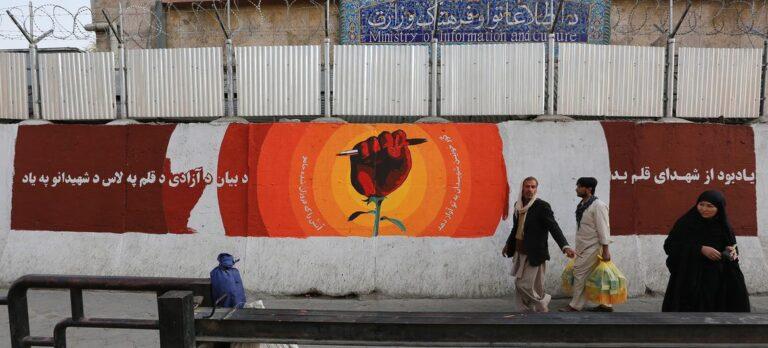
    In Afghanistan, journalists and media workers face challenges including arbitrary arrests, torture and severe restrictions on press freedom, according to a new United Nations report released on Tuesday.  

    The joint report by the UN Assistance Mission in Afghanistan (UNAMA) and the UN Human Rights Office, OHCHR, documented 336 cases of human rights violations against media professionals between August 2021 and September 2024.

    Threats to press freedom  

    “Journalists and media workers in Afghanistan work under unclear rules on what they can and cannot report, running the risk of intimidation and arbitrary detention for perceived criticism,” said Roza Otunbayeza, head of UNAMA.

    “For any country, a free press is not a choice, but a necessity. What we’re witnessing in Afghanistan is the systematic dismantling of this necessity”.

    The report titled Media Freedom in Afghanistan outlined 256 instances of arbitrary arrest and detention, combined with 130 cases of torture and ill-treatment. An additional 75 documented cases of threats and intimidation have created a climate of fear.

    UN High Commissioner for Human Rights Volker Türk emphasised the broader implications of these restrictions. 

    “Journalists and media workers are not just observers – they are essential to ensuring transparency and accountability, fostering informed debate,” he said, adding that they are crucial in “helping communities access vital information about humanitarian and protection issues that directly affect their lives”.

    Female journalists face further barriers

    The findings reveal that female media professionals face severe restrictions. Those who continue to work face discriminatory regulations affecting everything from dress codes to which stories they can cover.  

    During the daily media briefing at UN Headquarters, Deputy Spokesperson Farhan Haq highlighted this gender dimension: “Women journalists and media workers face particular discriminatory measures that limit their ability to do their work”.

    Otunbayeza also urged the de facto authorities to “fully recognise the importance of women working in the media sector”. 

    Future implications

    The report also warns of the broader consequences of diminishing international support for Afghanistan’s media sector. 

    “Technical and financial support for the media sector in Afghanistan, and thereby standing behind the importance of freedom of expression and public debate is instrumental for growth of the country,” Otunbayeza concluded.  

    Looking forward, the UN is calling on the de facto authorities to honour Afghanistan’s obligations under the International Covenant on Civil and Political Rights, which guarantees freedom of expression without discrimination. The report emphasises that free press is essential not just for transparency and accountability but for the country’s social and economic development.  

    “Every effort must be made to ensure that journalists and media workers, including all women are respected and protected,” Türk added. 

    “A free and vibrant media is not a threat to stability – it is key to health and vitality of any society. 

    Sri Lanka’s New Government Yet to Decide on Lifting Ban on Chinese Research Ships

    The Marxist-leaning National People’s Power (NPP), led by Dissanayake, secured a landslide victory in recent parliamentary polls. Before the elections, former Cabinet Spokesman Vijitha Herath had suggested that the matter would be revisited once the new government was in place.

    Sri Lanka’s newly formed cabinet under leftist President Anura Kumara Dissanayake has yet to address the lifting of a one-year ban on Chinese research vessels entering the country’s waters, Cabinet Spokesman Nalinda Jayatissa announced. The prohibition, implemented by the previous administration of Ranil Wickremesinghe in December 2023, is set to expire on December 21, 2024.

    The decision to impose the ban was influenced by security concerns raised by neighbouring India, which cited potential spying activities by foreign research ships operating in the Indian Ocean. Indian officials have voiced strong objections to Chinese vessels’ activities in the region, considering them a threat to regional security.

    When questioned about the possibility of lifting the ban, Jayatissa stated, “We didn’t discuss it in the last cabinet meeting. I will answer this matter next time.” His comments highlight a degree of carefulness in decision-making on this sensitive issue, despite earlier indications that it would be reviewed after the country’s general elections.

    Indian concerns

    The Marxist-leaning National People’s Power (NPP), led by Dissanayake, secured a landslide victory in recent parliamentary polls. Before the elections, former Cabinet Spokesman Vijitha Herath had suggested that the matter would be revisited once the new government was in place.

    In mid-2024, former Foreign Minister Ali Sabry suggested that Sri Lanka could allow foreign research ships to dock again, emphasising that the government could not selectively restrict China while accommodating other nations. The temporary ban was reportedly introduced to develop a Standard Operating Procedure (SOP) for regulating research and other foreign vessels.

    Notably, two Chinese ships have docked in Sri Lanka within the last 14 months, drawing protests from India. The Yuan Wang 5, a Chinese naval vessel, docked at Hambantota in August 2022 for resupply, while the research ship Shi Yan 6 arrived in Colombo in October 2023 for a joint geophysical study with Sri Lanka’s National Aquatic Resources Research and Development Agency (NARA).

    India remains a key player in the region, accounting for 70 per cent of Colombo port’s trans-shipment volume, underscoring its strategic interests in Sri Lanka’s maritime policies.

    UN Initiative to Counter Climate Disinformation

    As the dangers posed by climate change become increasingly evident worldwide, the need for reliable and accurate information on the impact of the environmental crisis is more crucial than ever. 

    To address this, the United Nations, together with the Organization’s education and science agency, UNESCO and the Brazilian government, launched the Global Initiative for Information Integrity on Climate Change on Tuesday.

    The joint effort announced at the G20 Leaders’ Summit in Brazil aims to strengthen research and measures to address all disinformation which has the effect of delaying or derailing climate action.

    Speaking at the G20 Session on Sustainable Development and Energy Transition, the UN Secretary-General António Guterres said that the initiative will “work with researchers and partners to strengthen action against climate disinformation”.

    “Coordinated disinformation campaigns are impeding global progress on climate change” he added in a social media post.

    Time running out

    At a time when scientists are warning that the world is running out of time, the initiative will boost support for urgent climate action.

    “We must fight the coordinated disinformation campaigns impeding global progress on climate change, ranging from outright denial to greenwashing to harassment of climate scientists”, said Mr. Guterres.

    Aiming to expand the scope of research into climate disinformation and its impacts, the effort will gather evidence from around the world to inform and bolster strategic action, advocacy and communications.

    Speaking at the launch, UNESCO’s Director-General Audrey Azoulay said that “without access to reliable information about this existential challenge, we can never hope to overcome it”.

    Full court press

    Underlining the role of journalists in demanding accountability from diverse stakeholders, including businesses and governments, Ms. Azoulay added that the press “acts as a bridge between science and society” – a bridge that is “needed” she stressed.

    “Through this initiative, we will support the journalists and researchers investigating climate issues, sometimes at great risk to themselves, and fight the climate-related disinformation running rampant on social media,” she urged.

    The initiative is a response to the commitment in the Global Digital Compact, adopted by UN Members States in September, at the Summit of the Future, which encourages UN entities, in collaboration with Governments and relevant stakeholders, to assess the impact of mis- and disinformation on the achievement of the Sustainable Development Goals.

    Countries’ commitment

    Countries signing on will contribute to a UNESCO-administered fund, with a goal of raising an initial $10 to $15 million over the next 36 months, to be distributed as grants to non-governmental organizations to support their work.

    This will include researching climate information integrity, developing communication strategies as well as public awareness campaigns.

    So far, Chile, Denmark, France, Morocco, the United Kingdom and Sweden have already confirmed participation.

    As stated by Brazil’s President Lula da Silva, “actions to combat climate change are also greatly affected by denialism and disinformation. Countries cannot tackle this problem individually.

    “This initiative will bring together countries, international organizations, and networks of researchers to support joint efforts to tackle disinformation and promote actions in preparation for COP30 in Brazil”.

    Rapid spread

    Climate disinformation has found a home in particular on social media, messaging apps, and through generative AI.

    According to UNESCO, this phenomenon has several serious impacts: it undermines scientific consensus, obstructs authorities’ ability to respond effectively to the crisis, and threatens the safety of journalists and environmental defenders working on the frontlines.

    The risk posed by disinformation to achieving climate goals has been recognized by the Intergovernmental Panel on Climate Change (IPCC) which stated in 2022 that “deliberate undermining of science” was contributing to “misperceptions of the scientific consensus, uncertainty, disregarded risk and urgency, and dissent.”

    Imran Khan’s Detention Sparks Massive Protests in Islamabad

    As Pakistan watches closely as the struggle over Imran Khan’s detention becoming a focal point of the nation’s deepening political crisis, media observers say that the government has scored a self goal by locking up half the country.

    Thousands of supporters of the Pakistan Tehreek-e-Insaf (PTI) party have taken to Islamabad’s streets, demanding the release of former Prime Minister Imran Khan. Khan, who was arrested earlier this month on corruption charges, remains detained while his supporters have called for country-wide protests for his freedom. The demonstrations, centred at the iconic D-Chowk, underscore the volatile political climate in Pakistan, as opposition voices clash with government authorities over the treatment of the former leader.

    The PTI has vowed to continue its protests until Khan is released unconditionally, accusing the government of orchestrating politically motivated charges. The party, which once led the country under Khan’s leadership, views his detention as an assault on democracy and political dissent.

    Protests at D-Chowk

    Since Khan’s arrest, PTI supporters have camped in the capital, transforming D-Chowk into a hub of protest activity. Demonstrators have been vocal yet largely peaceful, carrying banners and chanting slogans in favour of their leader. However, isolated clashes with security forces have been reported. Authorities have bolstered security in the area, deploying police and military personnel to maintain order.

    Media coverage of the protests has faced restrictions, with PTI leaders accusing the government of censorship to suppress dissent. Despite these limitations, videos and photos of the gathering have circulated widely on social media, further galvanizing Khan’s supporters.

    PTI Sets Conditions for Negotiations

    PTI officials have declared that any negotiations with the government are contingent upon the release of Khan and other detained party members. “Dialogue can only proceed if the regime shows good faith by freeing our leaders,” said a senior PTI spokesperson. They also demanded the withdrawal of cases against Khan, labelling them baseless and politically charged.

    The government, however, has maintained that the charges are legitimate and part of broader efforts to hold public officials accountable for corruption. Analysts suggest that the confrontation has deepened Pakistan’s political polarisation, raising concerns about the potential for escalation.

    Tensions Escalate

    While PTI leaders have called for peaceful demonstrations, tensions have risen as protesters remain steadfast in their demands. Sporadic incidents of violence have led to arrests and injuries, prompting human rights organizations to urge restraint from both sides.

    Security forces have reportedly used tear gas and baton charges to disperse crowds, further fuelling grievances among protesters. D-Chowk, a significant location for political movements, has once again become a symbol of resistance in Pakistan’s charged political landscape.

    Implications for Pakistan

    Meanwhile, Pakistan’s Prime Minister, Shehbaz Sharif, has condemned what he termed was an “attack by protesters”, which the interior minister said resulted in the deaths of at least four security personnel.

    Imran Khan’s detention has ignited a broader debate about the rule of law and the role of the judiciary in Pakistan. Critics of the government argue that the judiciary is being used as a tool to suppress opposition, while supporters claim that no one, regardless of status, should be above accountability.

    The protests come at a critical time for Pakistan, which faces economic challenges and mounting public dissatisfaction with governance. As PTI’s supporters dig in, the stalemate risks prolonging political instability, with potential ramifications for the country’s fragile democracy.

    A Waiting Game

    As the stand-off continues, PTI workers and supporters have shown no signs of backing down. Demonstrators have pledged to remain at D-Chowk for as long as necessary, turning the protest into a test of endurance. “We will not leave until our leader is free,” said a protester.

    Meanwhile, with the protests spreading across the country, the government has warned of stricter measures if the protests disrupt public order, creating a precarious situation with no immediate resolution in sight.

    As Pakistan watches closely as the struggle over Imran Khan’s detention becoming a focal point of the nation’s deepening political crisis, media observers say that the government has scored a self goal by locking up half the country.

    Senior journalist Arifa Noor, writing for the Dawn newspaper observed, “there is merit to the argument that the lockdown in itself is a defeat for the government for it shows not just nervousness but also puts paid to its claims of a healthy economy with interest from investors abroad.”

    She writes that the PTI’s journey to Islamabad is making leisurely progress, and the party is “comfortable in the knowledge that the government is scoring an own goal by locking up half the country, leading to economic losses as well as running the risk of shortages of necessities in urban centres.”

    Image: Umar Bacha

    Sri Lanka Sees 10th Consecutive Week of Offshore Inflows into Government Securities

    The recent uptick in foreign investment marks a notable turnaround from earlier in the year when Sri Lanka experienced a 66 per cent outflow, equivalent to 78.1 billion rupees, from government securities during the first nine months.

    Sri Lanka recorded offshore inflows into its government securities for the 10th consecutive week ending November 21, driven by speculation over a potential rate cut and a strengthening rupee, according to data from the Central Bank of Sri Lanka.

    Foreign investors injected 702 million rupees ($2.38 million) into treasury bonds and bills during the week, pushing the cumulative inflows over the past 10 weeks to 16.2 billion rupees ($55 million). By November 21, the total foreign-held value of Sri Lankan government securities stood at 55.55 billion rupees.

    Analysts attribute the sustained inflows to expectations of a rate cut in the upcoming Monetary Policy Review meeting on Tuesday, with the Central Bank set to announce its decision on Wednesday, November 27. A currency dealer noted that investors anticipate capital gains through rupee appreciation and falling market interest rates, creating a favorable environment for investment.

    Entrenched Corruption

    Sri Lanka’s deflationary policies and reduced imports have also contributed to the recent inflows, analysts say. The country’s economic trajectory has seen improvement following a decisive electoral victory by the Janatha Vimukthi Peramuna (JVP)-led National People’s Power (NPP) coalition, headed by Anura Kumara Dissanayake.

    The NPP secured 159 seats in the 225-member parliament during the November 14 elections, marking a strong mandate. President Dissanayake’s administration has pledged to address entrenched corruption while adhering to the International Monetary Fund (IMF) loan program.

    Despite the political transition, Sri Lanka has maintained its economic policies, providing reassurance to investors. Analysts suggest the stability and anti-corruption stance of the new government could further bolster investor confidence.

    This recent uptick in foreign investment marks a notable turnaround from earlier in the year when Sri Lanka experienced a 66 per cent outflow, equivalent to 78.1 billion rupees, from government securities during the first nine months.

    The continued inflows signal growing confidence in Sri Lanka’s financial recovery, with the monetary policy decision this week poised to play a pivotal role in shaping future investor sentiment.

    Bangladesh Pledges Labour Reforms to Attract Global Buyers

    The US delegation praised the Interim Government’s initiatives, including an 18-point agreement with local unions, which they described as a significant step towards progress.

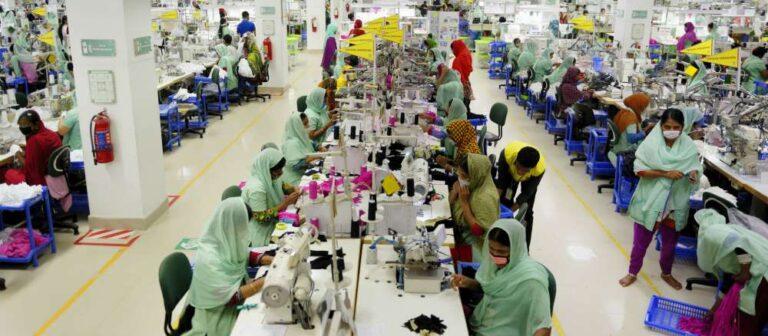
    Bangladesh’s Chief Adviser, Muhammad Yunus, affirmed the Interim Government’s commitment to comprehensive labour reforms during a high-level meeting with a United States labour and brand delegation at his Tejgaon office on Monday.

    The delegation, which included Thea Mei Lee, Deputy Undersecretary of the US Department of Labour, and Kelly Fay Rodriguez, Special Representative for International Labour Affairs, discussed pressing labour issues and voiced support for Bangladesh’s reform agenda.

    “We aim to align our labour laws with global standards. This is my commitment,” Yunus stated, emphasizing the government’s dedication to creating worker-friendly conditions. To accelerate these efforts, a special envoy has been appointed to address labour concerns raised by international bodies and rights groups.

    The US delegation praised the Interim Government’s initiatives, including an 18-point agreement with local unions, which they described as a significant step towards progress. “These measures are a testament to what has been achieved in the past three and a half months,” said Rodriguez.

    Major US Brands

    The visiting officials advocated for annual wage reviews and the promotion of union rights to protect garment and footwear workers from inflation. “Decent minimum wages benefit both businesses and the economy,” noted Lee, highlighting unions as “training grounds for democracy.”

    Representatives from major US brands, including PVH, Calvin Klein, and Gap Inc., attended the meeting, expressing their endorsement of the reform agenda. Michael Bride, Senior Vice President of PVH Corp., commended Bangladesh’s efforts, citing similar reforms in Cambodia as a precedent.

    Professor Yunus urged international brands to announce price increases for their orders annually, enabling local manufacturers to adjust worker wages accordingly.

    US Charge d’Affaires Meghan Bouldeb reiterated Washington’s full support for the reform initiatives. “We want to be partners with you,” she said, underscoring the importance of collaborative efforts to improve labour conditions.

    The meeting marks a crucial step in Bangladesh’s bid to bolster its labour framework, ensuring sustainable growth and attracting global buyers to its thriving garment industry.