More

    Sri Lanka Elections: NPP Vows Responsible Use of Two-Thirds Majority

    JVP General Secretary, Tilvin Silva outlined the pressing challenges facing the new government following the Sri Lanka Elections. The challenges, he said, include tackling rural poverty, revitalizing the economy, and fostering national unity.

    Sri Lanka’s National People’s Power of President Anura Dissanayake has swept the 2024 parliamentary elections raking in a two thirds majority winning 159 out of 225 seats in the assembly.

    The NPP painted the island winning across ethnicities and religious groups and made history wining the Northern Jaffna district.

    NPP has pledged to wield its newly acquired two-thirds parliamentary majority responsibly, ensuring it is used to rebuild the country rather than entrench power.

    Tilvin Silva, General Secretary of the JVP, addressed the media following the NPP’s landslide victory, emphasizing the weight of their responsibility. “We understand the trust placed in us,” Silva said. “There was scepticism in society about granting a two-thirds majority, and we didn’t seek it. But now that the people have given it, we will handle this excessive power with care and responsibility.”

    Acknowledging past abuses of power by previous governments, Silva assured voters that the NPP would avoid the pitfalls of arrogance and corruption. “Leaders in the past misused power to oppress the people, becoming intoxicated by it. We will not follow that path,” he declared.

    Silva outlined the pressing challenges facing the new government, including tackling rural poverty, revitalizing the economy, and fostering national unity. “Our mandate is to rebuild the country, strengthen democracy, and end corruption. We aim to create a clean Sri Lanka where everyone can live with dignity,” he said.

    Voters Reject ‘Ethno-religious’ Nationalism

    The NPP’s victory marked a turning point in Sri Lankan politics, with voters rejecting traditional parties and ethno-religious nationalism. Silva highlighted the significance of the election outcome, saying, “For 70 years, elitist and hegemonic politics ruled this nation. That era is now over. The people, regardless of ethnicity or religion, have united as one nation to bring about this change.”

    Silva also criticized the use of nationalism to divide communities, a strategy that had dominated past elections. “The Rajapaksas relied on Sinhala Buddhist nationalism, while others used Tamil and Muslim nationalism. This election has rejected all forms of ethnic and religious extremism.”

    Concluding his address, Silva expressed optimism for a new political era centred on the needs of ordinary citizens. “This is a victory for the people, ending decades of division and corruption. Together, we will rebuild Sri Lanka,” he affirmed.

    Will COP29 Deliver the Trillions?  Can Countries Agree on a New Climate Finance Target?

    Round-the-clock negotiations in Baku on the always thorny topic of money are reportedly moving slowly. Delegates from developing nations are calling for more and for faster progress on new funding for loss and damage and accelerated clean energy goals.

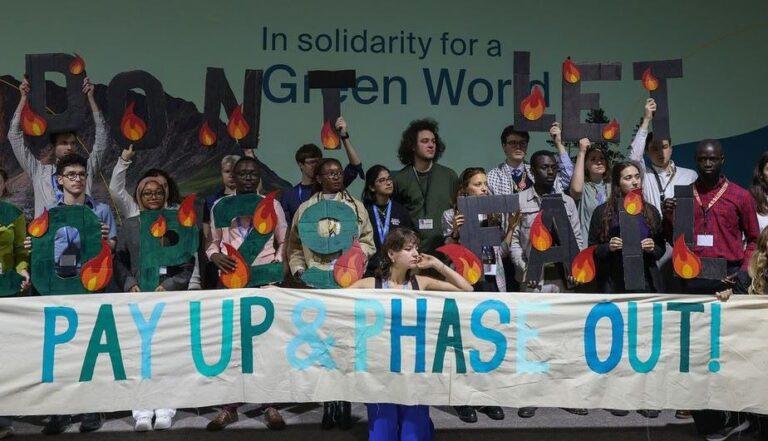
    The latest round of UN climate negotiations, COP29, opened this past Monday in Baku, Azerbaijan, following a year that broke multiple extreme heat records and saw widespread climate-driven chaos – from wildfires to destructive floods and hurricanes – hit nearly every corner of the world. A major increase in financial commitments to assist vulnerable countries in mitigating and adapting to climate impacts is the main goal of this year’s conference, which has been dubbed the “climate finance COP.”

    The UN’s main climate science body, the Intergovernmental Panel on Climate Change (IPCC), has issued increasingly dire warnings about the accelerating pace of global warming. Substantial investments are needed in clean energy technologies, infrastructure, and adaptation measures to limit temperature rise to 1.5°C above pre-industrial levels, IPCC says.

    Developing countries, particularly small island nations and least developed countries, are disproportionately vulnerable to climate impacts like sea level rise, extreme weather events, and droughts. They require significant financial support to build resilience, transition to low-carbon economies, and compensate for loss and damage.

    A Heads-up for the G20

    The midway point at COP29 comes as leaders are heading to Brazil for next week’s G20 summit. 

    Round-the-clock negotiations in Baku on the always thorny topic of money are reportedly moving slowly. Delegates from developing nations are calling for more and faster progress on new funding for loss and damage and accelerated clean energy goals.

    Simon Stiell, Executive Secretary of the UN Framework Convention on Climate Change (UNFCCC), which convenes the annual COP meetings, had a message for G20 leaders early on Saturday before they hopped on their planes for Rio de Janeiro:

    “Climate finance progress outside of [the UNFCCC process] is equally crucial, and the G20’s role is mission-critical…the global climate crisis should be order of business Number One, in Rio next week,” Stiell said in his message.

    “The [G20] Summit must send crystal clear global signals. That more grant and concessional finance will be available; that further reform of multilateral development banks is a top priority, and G20 governments – as their shareholders and taskmasters – will keep pushing for more reforms.”

    Finally, the UN climate chief said that “in turbulent times and a fracturing world, G20 leaders must signal loud and clear that international cooperation is still the best and only chance humanity has to survive global heating. There is no other way.”

    Climate Action an Imperative

    Earlier in the week, Stiell gave a stark assessment of the stakes: Worsening climate change and the socioeconomic damage it inflicts mean “billions of people simply cannot afford for their government to leave COP29 without a global climate finance goal.”

    “So, for leaders here and back in capitals – make it clear that you expect a strong set of outcomes. Tell your negotiators – skip the posturing – and move directly to finding common ground,” he said

    In his opening remarks on Tuesday to the World Leaders Climate Action Summit, UN Secretary-General António Guterres said that 2024 has been “a masterclass in climate destruction.” He emphasized the critical role of climate finance in addressing the crisis: “The world must pay up, or humanity will pay the price…climate finance is not charity, it’s an investment. Climate action is not optional, it’s an imperative.”

    Stiell later echoed this sentiment: “Let’s dispense with the idea that climate finance is charity. An ambitious new climate finance goal is entirely in the self-interest of every single nation, including the largest and wealthiest.”

    Beyond the $100 Billion Pledge

    In 2009 at the 15th Conference of UNFCCC Parties (COP15) in Copenhagen, developed countries committed to mobilizing $100 billion per year in climate finance by 2020. While this target was finally met in 2022, it has been criticized as insufficient and delayed.

    At COP29, negotiators are aiming to set a new, more ambitious target for climate finance. Developing countries are pushing for a significantly higher figure, potentially in the trillions of dollars per year. However, discussions on the exact amount and the modalities for delivering the funds remain contentious.

    An Early Breakthrough on Carbon

    A significant breakthrough on the opening day at COP29 was the adoption of Article 6 of the Paris Agreement, paving the way for a UN-backed global carbon market. This market will facilitate the trading of carbon credits, incentivizing countries to reduce emissions and invest in climate-friendly projects.

    James Grabert, head of the Mitigation Division at UN Climate Change, the shorthand by which the UNFCCC secretariat is known, said that this historic agreement will provide countries with a “valuable tool” to meet their climate targets and drive sustainable development.

    With COP29 coming on the heels of presidential polls in the United States, impact of a new US Administration on global climate action has been on the minds of many in the corridors of Baku Centre.

    At a press conference, President Hilda Heine of the Marshall Islands and Ireland’s Environment Minister Eamon Ryan stressed that despite worries about a US withdrawal from the Paris Agreement, the combat against climate change is a global effort that requires global cooperation towards a better economy for all. The two leaders also cited the ongoing progress by states and cities as reasons for hope.

    A Just Transition, Not a ‘Stampede of Greed’

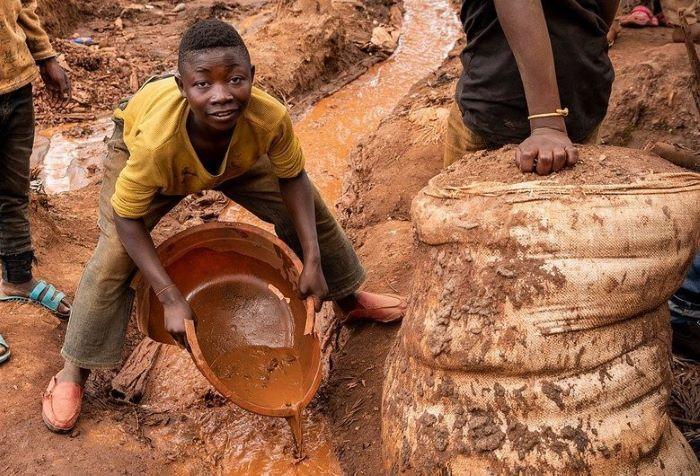
    Before heading to the G20 summit in Brazil, Guterres held several climate-related meetings, including one on critical minerals essential for renewable energy technologies like solar panels, wind turbines, and electric vehicles.

    These minerals, such as copper, lithium, nickel, cobalt, and rare earth elements, are crucial for the transition away from fossil fuels, with demand expected to triple by 2030.

    Many of these minerals are found in Africa, which could benefit financially. However, there’s concern about a “resource curse,” where countries where these resources are located don’t benefit.

    Guterres emphasized managing demand without triggering a “stampede of greed” that exploits and crushes the poor but instead ensures local communities benefit.

    Dario Liguti from the UN Economic Commission for Europe (UNECE) also highlighted the need for “sustainable exploitation of these minerals”, especially in emerging markets, to protect the environment and support local communities. In April, the UN chief formed a High-Level Panel to ensure countries and communities with these resources benefit the most.

    Youth Activism and Climate Justice

    Young people around the world are increasingly demanding climate action and climate justice. They are calling on governments and businesses to take bold steps to reduce emissions, protect vulnerable communities, and create a sustainable future for all.

    After meeting with youth representatives and climate advocates at COP29, the Secretary-General posted on social media that he understood their frustrations: “You have every right to be angry. I am angry too…because we are on the verge of the climate abyss, and I don’t see enough urgency or political will to address the emergency.”

    Basmallah Rawash, a Climate Activist with Care About Climate, said, “We are not the ones that are supposed to carry the burden of mitigation. We are not the ones who have caused this, but we are the ones that will carry the burden of the biggest struggle at the moment.”

    The decisions made in Baku will have far-reaching consequences for generations to come. It is imperative that negotiators reach an ambitious agreement that delivers the finance needed to build a resilient and low-carbon future for all.

    Delhi Imposes GRAP-IV Restrictions as AQI Crosses 450; Government Mulls Odd-Even Vehicle Scheme

    The Commission for Air Quality Management (CAQM) outlined strict actions, including a total ban on construction activities, limitations on vehicle movement, and a potential shift to work-from-home arrangements for both public and private offices.

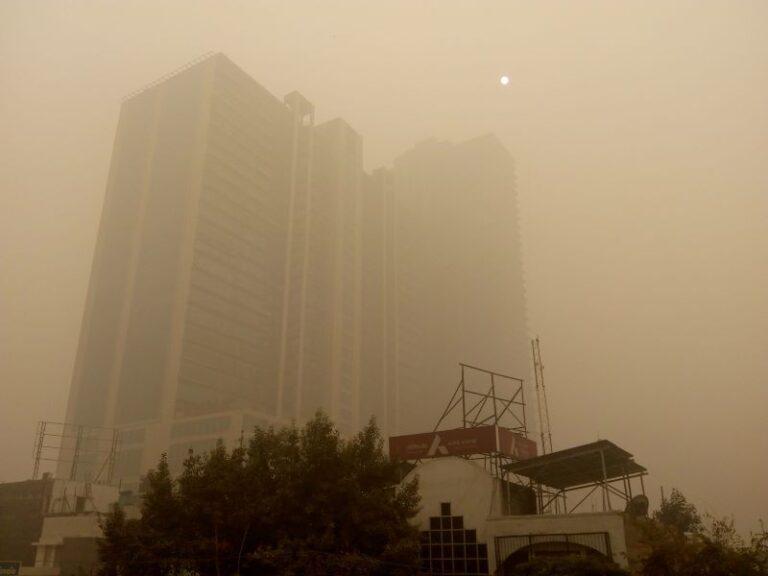
    With Delhi’s Air Quality Index (AQI) surging to a hazardous 457 on Sunday evening, authorities have announced the implementation of anti-pollution measures under GRAP-IV (Graded Response Action Plan) starting Monday, November 18, at 8 am. The measures aim to address the severe air quality crisis, which has worsened over the past week.

    The Commission for Air Quality Management (CAQM) outlined strict actions, including a total ban on construction activities, limitations on vehicle movement, and a potential shift to work-from-home arrangements for both public and private offices. The Delhi government has also been urged to consider the “odd-even” vehicle scheme to reduce vehicular emissions.

    Key Restrictions Under GRAP-IV

    Vehicle Bans

    Entry of all trucks, except those carrying essential goods, CNG, or electric trucks, is prohibited.

    BS-IV and below-diesel Medium Goods Vehicles (MGVs) and Heavy Goods Vehicles (HGVs) are barred from Delhi roads.

    Construction Halts

    All construction and demolition activities, including major projects like highways, flyovers, and roads, are suspended.

    Workplace Adjustments

    Offices may be directed to operate at 50 per cent capacity, with the remaining workforce working from home. A similar arrangement is under consideration for central government employees.

    Educational Shifts

    Classes 6-9 and 11 are likely to transition to online mode, while primary classes remain suspended under Stage III measures.

    Public Advisory

    Elderly individuals, children, and those with respiratory or cardiovascular conditions have been advised to stay indoors.

    The Delhi Metro has added 60 trips to accommodate increased public transport use, and citizens are encouraged to carpool or use public transit to minimize road congestion.

    AQI Hits ‘Severe Plus’ Levels

    Delhi’s air quality deteriorated to the ‘severe’ category for the first time this season on Wednesday, and the situation has only worsened. On Sunday, AQI levels in areas like Bawana (490), Ashok Vihar (487), and Wazirpur (483) ranked among the highest in the city, pushing the overall index into the ‘severe plus’ category.

    Government’s Next Steps

    The Delhi government is deliberating the implementation of the odd-even vehicle rule, which alternates road access for vehicles based on their registration numbers. This measure has previously been employed during similar crises. Authorities are also considering expanding work-from-home recommendations to reduce non-essential travel and emissions further.

    As air quality continues to deteriorate, experts urge the public to take precautionary measures and reduce outdoor activities to safeguard health.

    $200 Million World Bank Support for Kerala Farmers and Agribusinesses

    The new project will support 400,000 farmers, foster agri-business growth, and access $9 million in commercial finance. The programme aims to boost climate resilience and commercial finance for SMEs, especially women-led businesses.

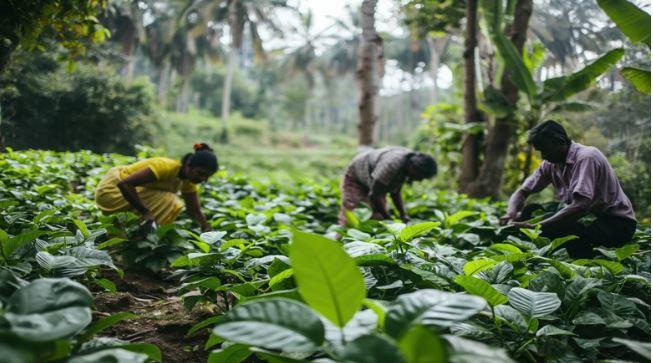
    The World Bank’s Board of Executive Directors has approved a new $200 million program to help farmers in Kerala adapt to climate change and promote the growth of agri-entrepreneurs in the state. The approved project, named the Kerala Climate Resilient Agri-Value Chain Modernization (KERA) Project will directly benefit 400,000 farmers and aims to raise at least $9 million in commercial finance, particularly for women-led small and medium enterprises (SMEs) in the agriculture sector.

    Kerala, known for producing spices like cardamom, vanilla, and nutmeg, is a major contributor to India’s agri-food exports, accounting for about 20 per cent of the country’s total exports in this category. However, the agricultural sector has faced significant challenges in recent years due to climate change, including natural disasters such as floods and forest fires. These impacts, coupled with difficulties in accessing broader markets, have left farmer households vulnerable.

    Agricultural Value Chains

    The KERA project will focus on building climate resilience in Kerala’s agricultural value chains by helping farmers transition to climate-smart practices. This includes the replanting of climate-resilient varieties of key crops like coffee, cardamom, and rubber. The project will also expand Kerala’s food parks into rural areas, providing essential infrastructure such as water, power, and waste management to support food processing businesses.

    “This project will further infuse private sector investment and integrate agricultural value chains for the benefit of farmers and SMEs,” said Auguste Tano Kouamé, the World Bank’s Country Director for India. “It will also assist agri-based SMEs, particularly those led by women, in gaining access to commercial finance by offering training on business plans and improving their financial viability.”

    The program will facilitate productive alliances between farmers and agribusinesses, enhancing the link between producers and buyers. It will also promote the development of agri-tech startups, helping to increase productivity and reduce greenhouse gas emissions.

    The $200 million loan, provided by the International Bank for Reconstruction and Development (IBRD), has a 23.5-year maturity, including a six-year grace period, and is expected to play a key role in strengthening Kerala’s agricultural sector while creating jobs and boosting incomes.

    Image: World Bank

    2024 On Track to be Hottest Year on Record as Warming Hits 1.5°C

    Even though the 1.5°C threshold has been exceeded temporarily, continued warming could make such events more frequent and severe, intensifying impacts on biodiversity, human health, and food security.

    The World Meteorological Organization (WMO) has indicated that 2024 is on pace to become the hottest year on record, with global average temperatures predicted to exceed 1.5°C above pre-industrial levels for the first time. This temporary surge in warming is attributed largely to the effects of El Niño, compounded by persistent human-driven greenhouse gas emissions.

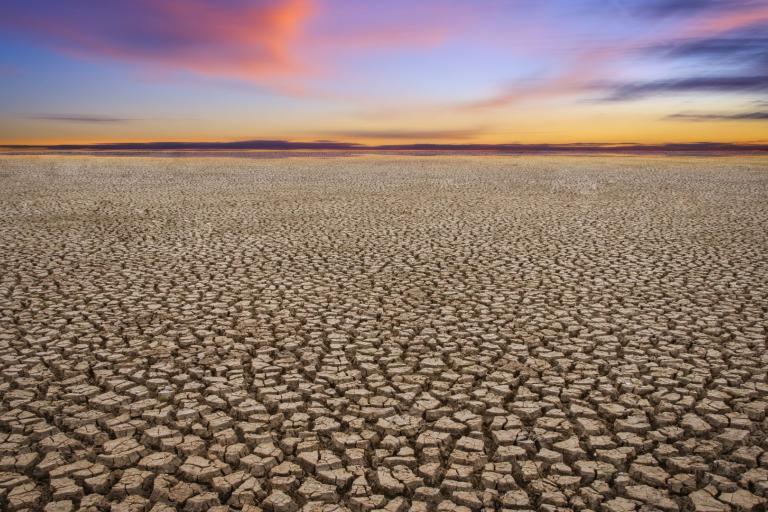
    This year, temperatures have surpassed previous records, with heightened effects on ecosystems and communities across the globe. For instance, the summer of 2024 saw record-breaking temperatures worldwide, exacerbating heatwaves, wildfires, droughts, and heavy rainfall events. The Arctic and Antarctic regions experienced unprecedented warming, accelerating the melting of glaciers and reducing sea ice to historically low levels. This decline in ice cover poses serious long-term implications for sea-level rise, which threatens coastal regions and increases the likelihood of extreme weather events.

    António Guterres, United Nations Secretary-General, emphasized that these alarming temperature trends highlight the urgent need for global leaders to adopt ambitious climate action. He urged countries to curb greenhouse gas emissions aggressively and called for a rapid shift to renewable energy sources, which could mitigate the worst impacts of climate change. Additionally, he advocated for expanded early warning systems and preparedness measures to support communities that are particularly vulnerable to the consequences of climate instability.

    Petteri Taalas, Secretary-General of the WMO, underscored the role of El Niño in boosting global temperatures this year. However, he cautioned that these extreme conditions may soon become the “new normal” unless immediate steps are taken to address climate change.

    Changes in Rainfall Patterns

    Even though the 1.5°C threshold has been exceeded temporarily, he warned that continued warming could make such events more frequent and severe, intensifying impacts on biodiversity, human health, and food security.

    Beyond record temperatures, 2024 has also seen concerning changes in rainfall patterns, often leading to severe flooding in some areas while exacerbating droughts in others. These shifts in precipitation have disrupted agriculture and heightened food insecurity risks in vulnerable regions. With climate-driven events pushing more populations to migrate, there is also an emerging risk of geopolitical tensions over resources like water and arable land.

    The WMO report comes as governments worldwide prepare for the COP29 climate conference, where discussions are expected to focus heavily on setting more stringent emissions targets and advancing renewable energy solutions. Guterres and other leaders hope these climate negotiations will catalyze significant investments in sustainable infrastructure and mobilize support for communities already affected by climate change.

    The recent data from WMO reflects a critical moment for global climate policy, underscoring the risks of inaction. With 2024 likely to mark an unprecedented high in global temperatures, scientists and environmental advocates are calling for an urgent, united response to limit warming and foster a more resilient, sustainable future.

    COP29: Energy transition must not trigger a ‘stampede of greed’ – Guterres

    The United Nations system is coming together to help implement the Panel’s findings, working with Member States and other stakeholders to establish the recommended High-Level Expert Advisory Group to accelerate action on key economic issues.

    Climate talks at COP29 in Baku on Wednesday turned to the pressing issue of how to manage the demand for minerals essential to producing electric vehicles and solar panels without triggering a “stampede of greed” that exploits local communities and crushes the poor. 

    “We are here to respond to a key challenge: turning the energy transition towards justice,” said UN Secretary-General António Guterres, asking the participants at a roundtable discussion to weigh in on the work of his Panel on Critical Energy Transition Minerals.

    The panel launched last year at COP28 in the United Arab Emirates with the aim of bringing together governments, international organizations, industry and civil society to develop common and voluntary principles to guide extractive industries “in the name of justice and sustainability”.

    In Baku, the UN chief, who convened today’s event, said that the renewables revolution is powering forward. Last year – for the first time – the amount invested in grids and renewables overtook the amount spent on fossil fuels.

    Past mistakes and the rush for resources

    Demand for the minerals critical to the transition are expected to surge – as governments triple global renewables capacity by 2030 – as promised – and phase out fossil fuels, Mr. Guterres said.

    “For developing countries rich in those resources, this is a huge opportunity: to generate prosperity, eliminate poverty and to drive sustainable development. But too often this is not the case,” he warned, and added: “Too often we see the mistakes of the past repeated in a stampede of greed that crushes the poor.”

    We see a rush for resources, with communities exploited, rights trampled, and environments trashed – UN Secretary-General António Guterres

    Indeed, the rush for resources led to the exploitation of local communities exploited, the trampling of rights and the trashing of environments. “We see developing countries ground-down to the bottom of value chains, as others grow wealthy on their resources,” said the UN chief.

    It was against the backdrop of this sad reality and calls from developing countries for action that the Panel had been established, he said.

    The Panel’s latest report identifies seven voluntary principles and five actionable recommendations to embed justice and equity across critical mineral value chains.

    “These aim to empower communities, create accountability, and ensure that clean energy drives equitable and resilient growth. That includes advancing efforts to ensure maximum value is added in resource-rich developing countries,” the Secretary-General explained.

    The United Nations system is coming together to help implement the Panel’s findings, working with Member States and other stakeholders to establish the recommended High-Level Expert Advisory Group to accelerate action on key economic issues, including benefit sharing, value addition and fair trade.

    Developing countries in the driver’s seat

    The UN chief said that developing countries will drive this process with indigenous peoples, local communities, young people, civil society, industry and trade unions present at discussions, alongside governments.

    “We will also take forward the recommended global traceability, transparency and accountability framework for the entire mineral value chain. This will help to drive responsible production, safeguarding human rights and the environment,” he added.

    All leaders – in government, industry and civil society – should join the UN and its partners from developing countries, local communities and beyond, to accomplish this task, Mr. Guterres insisted.

    “As demand for critical energy transition minerals surges, so must action. Together, let us turn the transition towards justice and equity,” he said.

    India’s Coal Imports for Blending Declines Amid Growth in Production

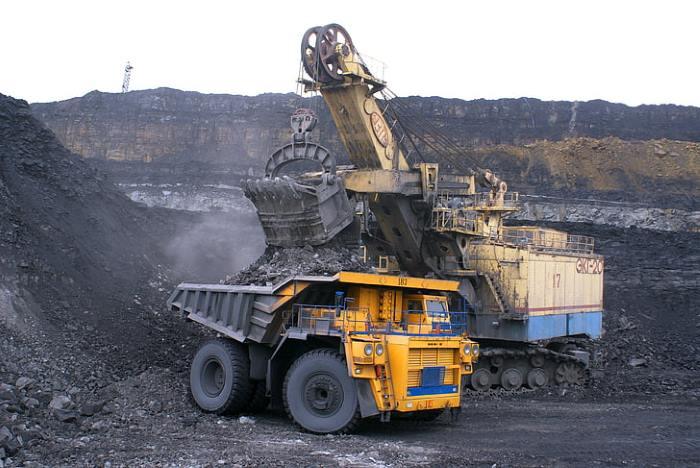
    India is the second-largest consumer of coal globally and possesses the fifth-largest coal reserves. However, the country still faces a shortfall in coking coal and high-grade thermal coal, both critical for industries like steel production.

    India’s coal imports for blending purposes in power generation have decreased by 8.5 per cent during the first half of fiscal year 2024-25 (April to September), reflecting the country’s ongoing efforts to reduce its reliance on imported coal. According to data from the Directorate General of Commercial Intelligence and Statistics (DGCIS), coal imports for blending purposes fell to 9.79 million tonnes (MT) from 10.70 MT during the same period last year.

    Despite this decline, India’s overall coal import figures for the April-August 2024 period showed a marginal increase of 2.2 per cent, reaching 111.20 MT compared to 108.81 MT in the previous year. The non-regulated sector, however, faced a significant drop of 10.3 per cent in imports during this period, indicating a shift in consumption patterns and an effort to curtail reliance on external sources of coal.

    The reduction in coal imports for blending purposes aligns with India’s strategic push to boost domestic coal production and achieve greater self-sufficiency. In particular, the country has made strides in increasing the availability of domestic coal, which remains crucial for power generation, steel production, and other heavy industries. The decline in blending coal imports occurred despite a 4.97 per cent increase in coal-based power generation from April to September 2024, underscoring the country’s growing energy capacity.

    Notable Increase in Output

    India is the second-largest consumer of coal globally and possesses the fifth-largest coal reserves. However, the country still faces a shortfall in coking coal and high-grade thermal coal, both critical for industries like steel production. These factors continue to drive the need for coal imports, particularly in specialized sectors such as power generation by imported coal-based power plants.

    “Coal imports have been primarily driven by imported coal-based power plants, which are designed to utilize only imported coal. These plants imported 26.14 MT of coal during the April-September period, reflecting a significant 53.1 per cent increase from 17.07 MT last year,” said an industry source.

    The uptick in coal imports by these power plants contrasts with the general decline in blending coal imports, suggesting that while certain sectors still rely on external coal sources, others are making progress in utilizing more domestic coal.

    In terms of coal production, India has witnessed a notable increase in output during the same period. Domestic coal production reached 453 MT in April-September 2024, up from 428.21 MT in the corresponding period last year, marking a growth of 5.79 per cent. This increase reflects the government’s concerted efforts to streamline coal mining operations and boost output from domestic sources.

    Moreover, despite the increase in import volumes, the cost of imported coal has decreased significantly. The total value of coal imports during April-August 2024-25 amounted to ₹120,532.21 crore, compared to ₹133,461.65 crore during the same period last year. This reduction in value, amounting to savings of ₹12,929.44 crore, is largely attributed to lower global coal prices, which have provided some relief to India’s import bill.

    “While we have made significant strides in reducing coal imports, the government continues to focus on strengthening domestic coal production to safeguard energy security and reduce foreign exchange dependency,” said a Ministry of Coal official.

    Scheme for Coal Gasification

    A press release from the ministry of coal said that the government is also working on longer-term strategies to diversify the energy mix and enhance the sustainability of coal-based energy generation. In parallel, India is pursuing coal gasification initiatives, a cleaner alternative to traditional coal usage, as part of its broader climate action goals.

    In another related development, the Ministry of Coal has received strong industry participation for its Financial Incentive Scheme aimed at promoting coal gasification projects. The scheme, with a budget of ₹8,500 crore, is a key component of India’s energy transition strategy, aiming for 100 million tonnes (MT) of coal gasification by 2030. The Ministry has already received five submissions for the first round of proposals, reflecting growing interest from public sector undertakings (PSUs) and private players in clean coal technologies.

    Vismita Tej, Additional Secretary of the Ministry of Coal, emphasized the importance of coal gasification in India’s transition to a sustainable energy future. “The participation in the scheme shows the industry’s increasing enthusiasm for investing in cleaner, more efficient technologies,” she said.

    The Ministry is also working to expand participation in the scheme, with an extended deadline for submissions from private companies set for January 10, 2025. As India continues to balance its coal consumption needs with climate and sustainability goals, the developments in both coal production and gasification mark significant steps in the country’s energy journey.

    India Ranks Among Top 10 Global Leaders in Patents, Trademarks, and Industrial Designs: WIPO 2024 Report

    The WIPO report also highlights the growing trend of local innovation, with a record 3.55 million patent applications filed globally in 2023. This rise was largely driven by filings from countries like China, the U.S., Japan, South Korea, and India.

    India has cemented its position as a global powerhouse in intellectual property (IP) filings, securing a spot in the top 10 countries for patents, trademarks, and industrial designs, according to the World Intellectual Property Organization’s (WIPO) World Intellectual Property Indicators (WIPI) 2024 report.

    The report highlights India’s remarkable performance in IP activity, showing significant growth in all three major IP categories. India’s patent applications grew by a record 15.7 per cent in 2023, the fastest among the top 20 filing nations. This marks the fifth consecutive year of double-digit growth in patent filings. India now ranks sixth globally, with 64,480 patent applications, more than half of which (55.2 per cent) were filed by domestic inventors, a first for the country. The surge in patent grants is also notable, with India’s patent office granting 149.4 per cent more patents in 2023 compared to the previous year, signalling an increasingly dynamic and robust IP ecosystem.

    “The significant rise in patent filings reflects India’s growing focus on innovation and its rapidly expanding knowledge economy,” said the WIPO report. The growth of patent applications aligns with India’s economic expansion, as its patent-to-GDP ratio has more than doubled over the past decade, rising from 144 to 381.

    India’s performance in industrial designs is also impressive, with a 36.4 per cent increase in applications last year. This surge is a testament to the thriving manufacturing and creative sectors in the country, particularly in textiles, tools, machines, health, and cosmetics. These sectors accounted for nearly half of all design filings, underscoring the expanding role of design in India’s industrial landscape.

    Trend of Local Innovations

    In trademarks, India ranks fourth globally, with a 6.1 per cent rise in filings in 2023. Resident applicants accounted for nearly 90 per cent of these filings, reflecting the country’s emphasis on local brand protection. Sectors such as health, agriculture, and clothing led the trademark filings, with the country now holding the second-largest number of active trademark registrations worldwide, exceeding 3.2 million.

    The WIPO report also highlights the growing trend of local innovation, with a record 3.55 million patent applications filed globally in 2023. This rise was largely driven by filings from countries like China, the U.S., Japan, South Korea, and India. The steady increase in resident filings reflects the effectiveness of government initiatives aimed at strengthening India’s position as a global innovation hub.

    India’s continued growth in IP activity signals its emergence as a leading player in the global innovation economy.

    Bangladesh Court Seeks Interpol Red Notice for Arrest of Former Prime Minister Sheikh Hasina Over Genocide Charges

    Following Hasina’s departure, Muhammad Yunus assumed leadership of a transitional government on August 8. Meanwhile, a source said that law enforcement agencies continue to search for remaining suspects, many of whom are believed to be in hiding.

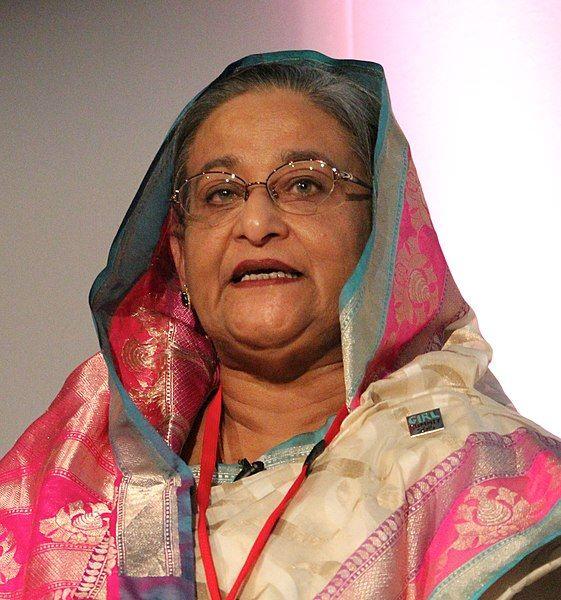
    A Bangladeshi court has formally requested that Interpol issue a red notice to arrest former Prime Minister Sheikh Hasina, who faces charges related to mass killing and genocide following the students’ protests, earlier this year. The request was made by the International Crimes Tribunal (ICT) set up by the government. The ICT has accused Hasina and several of her party colleagues of crimes against humanity linked to the violence that erupted between July and August 2024.

    Hasina’s government originally established the International Crimes Tribunal in 2010 to adjudicate grave crimes committed during the war of independence that led to the creation of Bangladesh in 1971. The tribunal has since convicted and sentenced numerous individuals for crimes against humanity.

    “We requested the Interpol in a letter through the inspector general of police (IGP) to issue a red alert and measures to arrest former Prime Minister Hasina as she has gone out of Bangladesh jurisdiction,” said Mohammad Tajul Islam, Chief Prosecutor of the ICT, during a press conference in Dhaka on Tuesday. Islam added that the letter was forwarded to the IGP on Sunday, as the police are responsible for communicating such requests.

    The charges against Hasina stem from the violent clashes during student-led protests against the government, which resulted in some 775 deaths and over 22,000 injuries, many caused by gunfire from police and Awami League supporters. The tribunal has filed over 60 complaints, accusing Hasina and her party of forced disappearances, murders, and genocide. A warrant for Hasina’s arrest is already pending with the court, and prosecutors have been instructed to ensure her presence by November 18.

    Hasina in India

    Hasina, who fled to India on August 5 amid the unrest, remains outside Bangladesh’s jurisdiction. The tribunal has also sought arrest warrants for 21 police officials accused of genocide and crimes against humanity, bringing the total number of warrants issued for security personnel and political figures to 45, including Hasina’s family members and top Awami League leaders.

    Speaking to the local media earlier, Law Affairs Adviser Asif Nazrul affirmed that the government would exhaust all avenues, including through Interpol, to apprehend Hasina and other fugitives. “We will do everything possible to arrest and bring back these individuals, including ex-Prime Minister Sheikh Hasina,” Nazrul said.

    Following Hasina’s departure, Muhammad Yunus assumed leadership of a transitional government on August 8. Meanwhile, a source said that law enforcement agencies continue to search for remaining suspects, many of whom are believed to be in hiding. The court’s push for international cooperation underscores the government’s interest in pursuing Sheikh Hasina.

    The tribunal’s investigation has led to mounting calls for accountability, as more than 50 allegations of genocide and crimes against humanity have been filed in connection with the uprising, marking one of the most significant chapters in Bangladesh’s ongoing efforts to address past and present human rights violations.

    Sri Lanka Must Build Unity Between North and South, Says President Dissanayake

    The President acknowledged the scars left by the decades-long civil conflict between the Sri Lankan government and Tamil separatist groups, which ended in 2009 after more than 30 years of violence.

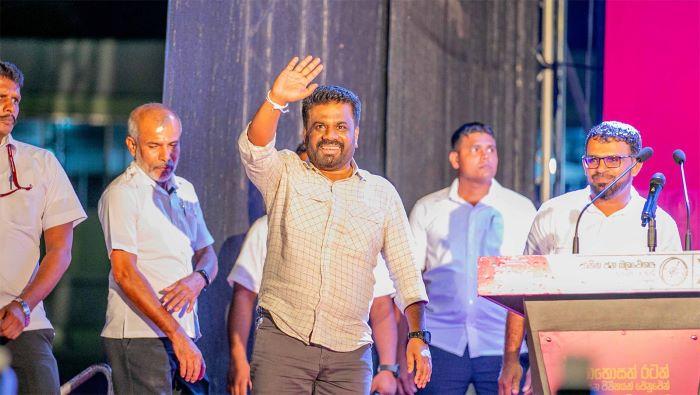
    Sri Lankan President Anura Kumara Dissanayake called for national unity and reconciliation between the country’s North and South, urging all ethnic groups to work together to create a peaceful, war-free future for the next generation. Speaking at a rally in Jaffna, in the Northern province, Dissanayake emphasized the importance of overcoming past divisions and building a united Sri Lanka.

    “We must move forward together as one nation, with the North and South working hand in hand, to ensure a country without war,” Dissanayake told the crowd. “This is the responsibility of our generation.”

    The President acknowledged the scars left by the decades-long civil conflict between the Sri Lankan government and Tamil separatist groups, which ended in 2009 after more than 30 years of violence. He spoke poignantly of the pain, loss, and trauma caused by the war, noting that families had been torn apart and many lives lost.

    “We have to build a country without war for the next generation. The distrust and anger that have lingered between the Sinhalese, Tamils, and Muslims must be eradicated,” Dissanayake said. “The National People’s Power (NPP) will work to unite this nation.”

    In his address, Dissanayake stressed that the NPP would take deliberate and incremental actions to rebuild trust among the country’s communities. He vowed that the government would work to create an environment in which all Sri Lankans would feel they were equally represented and valued.

    “We will act step by step so that the people will feel this is their government,” he promised, outlining his vision for a future in which all communities could live in peace and harmony.

    Political Prisoners

    As part of this reconciliation effort, President Dissanayake committed to creating a “free and peaceful environment” in the Northern region, which had been deeply affected by the war. He specifically addressed the issue of land that had been taken over by the government during and after the conflict, stating that this land would gradually be returned to its rightful owners.

    “There was a war, and during that time, many things happened that should not have,” Dissanayake explained. “We will ensure that land is released back to its rightful owners, step by step.”

    The President also pledged to address the ongoing issue of political prisoners, many of whom are still incarcerated following the war. Dissanayake assured the audience that those who had been unjustly imprisoned would be released as part of the NPP’s commitment to national healing and justice.

    “There cannot be a mentality of half-free individuals,” Dissanayake declared. “We must build a country where freedom is enjoyed equally by all its citizens.”

    With his message of unity and justice, President Dissanayake emphasized that true reconciliation could only be achieved when all ethnic groups—Sinhalese, Tamils, and Muslims—could work together in peace, leaving the shadows of war behind.

    A source close to the President said that President Dissanayake’s comments reflect the NPP’s broader vision for a more inclusive and peaceful Sri Lanka, where the wounds of the past are healed through mutual understanding and cooperation.