More

    Maldives: Muizzu Addresses Economic Stabilization Efforts, Commits to Avoid Printing Money

    The President also pointed to measures his government has taken to recover state debts. He revealed that the government had successfully recouped MVR 3.1 billion from various parties, contributing to a reduction in the overall national debt.

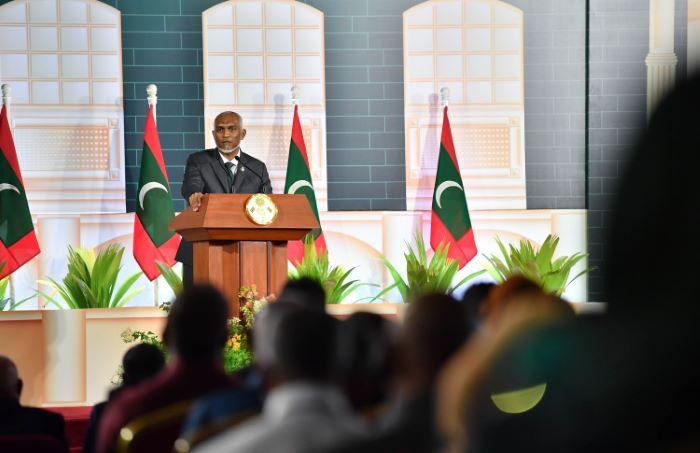
    In a speech marking the Republic Day of the Maldives, Maldivian President Dr. Mohamed Muizzu outlined his administration’s efforts to stabilize the nation’s economy, rejecting the practice of printing money as a solution. He reaffirmed that his government has not resorted to printing new currency notes since taking office and will not do so in the future.

    The Maldives is grappling with an economic crisis, and President Muizzu acknowledged the severe financial challenges inherited from his predecessors. He highlighted that the country’s national debt stood at MVR 120 billion, one of the largest debts in the nation’s history. Furthermore, the value of the Maldivian Rufiyaa had been undermined during the previous administration, which he claimed printed MVR 8 billion in its final five years in office, contributing to the depreciation of the currency.

    “I promised not to print money. I have not printed money for 51 weeks and two days of my presidency, and I will not print money in the future either,” President Muizzu declared, stressing the importance of fiscal discipline.

    The President also highlighted the cessation of deficit financing through money printing. His administration has instead focused on fiscal reforms, with next year’s budget being approved after consultations with international financial institutions. Muizzu indicated that additional amendments would be made to the budget, including revisions to the country’s subsidization system, health insurance program Aasandha, pensions, and the management of state-owned enterprises.

    “Changes will be made to ensure that our systems serve the needs of the public more effectively,” he said, emphasizing that these efforts are part of a broader strategy to foster a more equitable society.

    Recovering State Debts

    The President also spoke of his administration’s plan to reduce wealth inequality by implementing policies that “take from the rich and give to the poor.” The 2025 budget has been designed with this objective in mind, aiming to improve the living conditions of all citizens. “With the support of the public and lawmakers, we will achieve this goal,” Muizzu stated.

    In his speech, the President also pointed to measures his government has taken to recover state debts. He revealed that the government had successfully recouped MVR 3.1 billion from various parties, contributing to a reduction in the overall national debt. These efforts, he said, were part of a broader strategy to shore up the country’s finances.

    Looking ahead, President Muizzu outlined a seven-year vision for the country, which includes boosting the Maldives’ Gross Domestic Product (GDP) to USD 10 billion. He stressed that the 2025 budget would focus on increasing productivity and generating wealth for the population.

    Since assuming office, Muizzu’s government has already released MVR 6.6 billion to the public, including settling bills under MVR 5 million owed to vendors. Furthermore, the Sovereign Development Fund, which stood at just USD 2 million when the government took office, has now grown to USD 78 million.

    Muizzu emphasized that the fund is being managed carefully, with deposits and withdrawals made as necessary to support key projects. “We are committed to ensuring that the fund grows and can be used effectively for the benefit of the country,” the President concluded.

    Why Must Ministry of Education Treat Me Like a Guinea Pig?

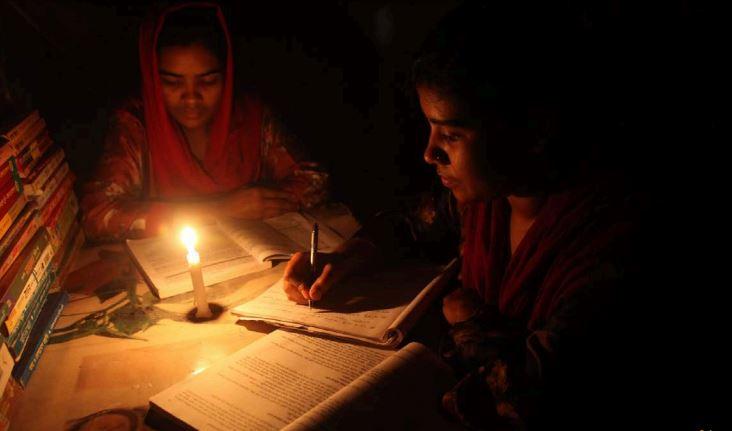
    I am left with so much uncertainty and confusion about my academic as well as career path. Even teachers are unaware and uninformed about the structure and the entry-exit system provided by NEP.

    By Gursimran Kaur

    The National Education Policy (NEP) and central universities entrance test (CUET) were introduced by the ministry of education with the aim to transform the Indian education system. Many universities adopted the CUET system wholly, while some only partially.

    Delhi University became the first central university to adopt NEP and the four-year undergraduate curriculum prescribed in the policy.

    Despite being implemented a a while now, these education reforms still remain a mystery for many students. Many students and educational institutions are grappling with the challenges of understanding and implementing the New Education Policy.

    Uncertain Academic Paths

    One of the biggest problem the NEP poses to students is the push toward a four-year graduation model for honours courses. Not every student wants to spend four years completing their undergraduate degree, especially those who do not plan to pursue research or a Ph.D. But under the current structure, students must complete the fourth year in order to receive an honours degree. This makes the extra year feel like an unnecessary burden for many students.

    The Ministry of Education itself appears to struggle. Initially, the NEP proposed that students exiting after the third year would receive an honours degree. However, this was later changed, leaving students further uncertain about their academic paths. This lack of stability makes it difficult for students to plan their academic careers, causing unnecessary stress and confusion.

    Even among students, there is little or no clarity on some of its core concepts, like the multiple entry-exit system, the credit system, and the Academic Bank of Credits (ABC) ID. Ask any student about these features, and chances are, they won’t have a clear understanding of how these systems actually work.

    Moreover, the NEP mandates that students need a minimum of a 7.5 CGPA to enrol in the fourth-year research component. If a student falls short of this requirement, they will be forced to exit the program without the research experience. However, if they want an honours degree, they still need to complete the fourth year, creating a frustrating paradox. For students who aren’t interested in research or academia, this extra year feels like a waste of time, especially when the students could be focusing on other things or career goals.

    My own experience

    CUET was brought in to create an easy and standardised process of admission. But it came with its own set of problems. The idea that students can only take the entrance test in subjects they studied in class 12 is flawed. For instance, if a student studied commerce in high school but wishes to switch to history for graduation, they are tested based on their commerce knowledge. This severely limits a student’s ability to explore different academic fields, especially when many are still undecided about their true interests at the time of college admissions.

    Take my own experience as an example. I want to pursue journalism, and when I took admission through CUET, I was told that I would get an honours degree in three years and an honours with research in the span of four years. But later this was changed, and now I am left with so much uncertainty and confusion about my academic as well as career path. Even teachers are unaware and uninformed about the structure and the entry-exit system provided by NEP.

    Part of an Experiment?

    From my point of view, these things should have been optional and more flexible. I feel like I’m a part of some experiment that is being done by the Ministry of Education.

    Both NEP and CUET were introduced with the intention of improving India’s education system, but they have ended up creating more confusion and stress for students.

    Not every student wants to go into research or academia. Many just want a basic undergraduate degree so they can focus on their careers.

    NEP needs to be clearer and more flexible, especially in terms of its four-year graduation requirement. Each student should not have to spend extra time in college for research.

    The rigid structures imposed by NEP and CUET may work for some but are a hindrance for many others.

    At the end of the day, what students and teachers need is a clarity – that is elusive.

    Gursimran Kaur is a student of journalism at the Maharaja Agrasen College of the Delhi University.

    Bangladesh Faces $50 Billion LNG Crisis, Report Warns of Health and Environmental Hazards

    The report also highlights the economic alternatives available to Bangladesh. Instead of investing $36 billion in LNG plants, the money could be used to develop 62 GW of renewable energy, more than double the country’s current total electricity generation capacity.

    A new report from Market Forces, Waterkeepers Bangladesh, and Dhoritri Rokhhay Amra (DHORA) has raised alarm over the economic, environmental, and social consequences of Bangladesh’s expanding reliance on liquefied natural gas (LNG) for power generation. The report, titled Expensive LNG Expansion, estimates that the proposed LNG power projects and import terminals will cost the country a staggering $50 billion, threatening the health of millions of Bangladeshis while exacerbating climate change risks such as devastating floods and cyclones.

    The report’s findings suggest that the plans to build 41 new LNG power plants with a total capacity of 37.4 gigawatts (GW) – more than the country’s entire existing power generation capacity – will not only be a big burden on Bangladesh’s economy but will also perpetuate the nation’s dependence on toxic fossil fuels. This dependence is expected to worsen air pollution, which already makes Bangladesh one of the most polluted countries in the world.

    “Unethical foreign companies are forcing Bangladesh into a dangerous addiction to toxic liquefied natural gas, harming the health of millions of people and the planet,” said Munira Chowdhury, Asia Energy Analyst at Market Forces and one of the report’s authors. “The people of Bangladesh deserve clean, reliable, renewable energy and breathable air, not dirty fossil gas.”

    The proposed LNG expansion is projected to cost $36 billion to build the power plants and an additional $14 billion for LNG import terminals. Once operational, the country will also face ongoing costs of $7-11 billion annually to import LNG by 2041. This represents two to three times the current cost of all fossil fuel imports in Bangladesh.

    Economically Unsound

    According to the analysis, the new LNG power plants could release a staggering 1.3 billion tonnes of carbon dioxide equivalent (CO2-e) over their lifetimes – six times Bangladesh’s current annual emissions. The long-term environmental costs extend beyond air pollution. The construction of these plants threatens local ecosystems, including the habitats of 26 threatened species, such as the Asian elephant, Clouded Leopard, and the Chinese Pangolin, all of which rely on the forests in Chattogram, where many of the projects are planned.

    Sharif Jamil, Coordinator of Waterkeepers Bangladesh and a member of DHORA, emphasized the danger of continuing with this LNG-heavy energy plan, which was devised by Japan’s International Cooperation Agency (JICA) and the Institute of Energy Economics Japan (IEEJ). Sharif Jamil says, “The Integrated Energy and Power Master Plan (IEPMP) made by Japanese government agency JICA and energy think tank IEEJ must be revised, as it is pushing Bangladesh into LNG dependence that seriously risks energy security of the nation.”

    “These proposed LNG projects are not only economically unsound but also devastating for our precious ecosystems and environmental biodiversity that millions of people rely on for their livelihoods. Renewable energy like solar and wind is the way forward for a safe future for Bangladesh. While Japanese entities have investment in the power sector, formation of related national policy by JICA is a serious Conflict of Interest.”

    Untold Harm

    The report also highlights the economic alternatives available to Bangladesh. Instead of investing $36 billion in LNG plants, the money could be used to develop 62 GW of renewable energy, more than double the country’s current total electricity generation capacity. Bangladesh is blessed with immense potential for renewable energy, with the capacity to install up to 240 GW of solar power and 30 GW of onshore wind energy.

    “Bangladesh has an opportunity to power the country into the renewable energy future by installing 240 GW of solar power and 30 GW of onshore wind,” said Chowdhury. “We urge policymakers to redirect funds for the planned LNG projects to renewable energy and grid upgrades.”

    The report also calls out the role of foreign companies, particularly from Japan and the United States, in driving the LNG expansion in Bangladesh. It reveals how foreign interests including some of the world’s biggest companies, such as US firm GE Vernova and Japan’s JERA, are doubling down on LNG expansion in Bangladesh, threatening untold harm to the climate and communities. These foreign interests, according to the authors, are putting profit over people’s health and the country’s future sustainability.

    Livelihood of Millions

    Bangladesh’s vulnerability to extreme weather events, such as the increasingly frequent heatwaves, makes the country’s energy needs more pressing. As temperatures rise and demand for power surges, the LNG projects would only further strain the country’s resources, driving up energy costs for consumers already facing high electricity bills.

    The report concludes with a call to action for policymakers to shift focus towards clean, renewable energy solutions, which offer a more sustainable, affordable, and climate-resilient future for Bangladesh.

    Says Sharif Jamil, “These proposed LNG projects are not only economically unsound but also devastating for our precious ecosystems and environmental biodiversity that millions of people rely on for their livelihoods. Renewable energy like solar and wind is the way forward for a safe future for Bangladesh. While Japanese entities have investment in the power sector, formation of related national policy by JICA is a serious Conflict of Interest.”

    The report conveys the message that the proposed LNG projects represent not only an economic burden but also a significant threat to Bangladesh’s environmental and social fabric.

    Afghanistan: Community Based Committees to Address Durand Line Residents’ Issues

    Residents of the Durand Line view the establishment of these committees as a positive development. Local residents point out the dire conditions in these remote areas, where people suffer from a lack of access to basic needs.

    Afghanistan’s Ministry of Borders, Ethnicities, and Tribes has reported that it has identified all the challenges faced by residents along the Durand Line. The initiative was carried out under the guidance of the leader of the Islamic Emirate, aiming to address long-standing issues in the border regions, a government spokesperson said.

    Tasleemullah Haqqani, the ministry’s spokesperson, shared that the acting Minister of Borders, Ethnicities, and Tribes had recently visited several provinces along the Durand Line, including Nangarhar, Kunar, Nuristan, Paktia, Paktika, and Khost. During these visits, local officials and community members were engaged to form committees tasked with identifying the region’s key problems.

    The Durand Line is the 1,640-mile (2,640-kilometer) border between Afghanistan and Pakistan. It was established in 1893 by Sir Henry Mortimer Durand, a British civil servant, and Abdur Rahman Khan, the Emir of Afghanistan.

    Haqqani emphasized that these committees have been set up transparently and are working on resolving the issues facing the people. “Once the challenges are identified, they are forwarded to a central committee, and soon, a special budget will be allocated to provide government services to these communities,” he said.

    Residents of the Durand Line largely view the establishment of these committees as a positive development. Jahanzeb, a local resident, pointed out the dire conditions in these remote areas, where people suffer from a lack of access to basic needs such as water, education, telecommunications, and roads. Another resident, Taweez Khan, expressed support for the government’s efforts, calling it a positive step that would bring much-needed facilities to the area.

    The Durand Line

    For years, residents on both sides of the Durand Line have faced significant challenges in key sectors like education, healthcare, and infrastructure. The formation of these committees is seen as a critical first step toward improving conditions and providing essential government services to the region’s underserved communities.

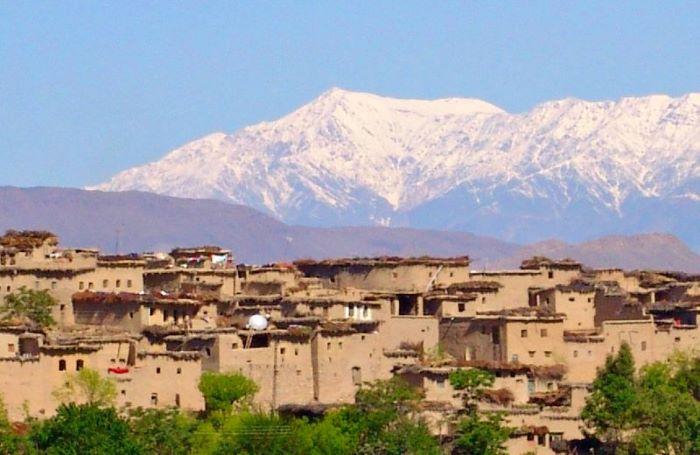
    Running from the border with Iran in the West and passing through the Spin Ghar (White Mountains) and the Registan Desert, the Durand line cuts through the homelands of the Pashtun people, dividing ethnic Pashtuns and Balochs. The Taliban government  of Afghanistan does not recognise the line, and Pakistan’s decision to fence the line in 2017 has physically split communities.

    India also has a claim to the border.

    Illegal Fishing Threatens Snowtrout and Nepal’s Freshwater Ecosystems

    In recent years, authorities and environmentalists have raised an alarm over the growing threat posed by illegal fishing practices in the country’s rivers and lakes. These activities are not only depleting fish stocks but also damaging the ecosystem.

    Illegal fishing practices across Nepal’s rivers and lakes are driving local fish populations to the brink of collapse, with the endangered snowtrout at particular risk. Despite various conservation efforts, destructive fishing techniques are undermining long-term sustainability and endangering biodiversity in Nepal’s freshwater systems.

    In recent years, authorities and environmentalists have raised alarms over the growing threat posed by illegal fishing practices in the country’s rivers and lakes. These activities are not only depleting fish stocks but also damaging the ecosystems that depend on them. Snowtrout, a species native to the icy waters of the Himalayas, is especially vulnerable. The fish, prized for its resilience and delicacy, has become a symbol of Nepal’s rich aquatic biodiversity, but its numbers have plummeted due to unsustainable fishing methods.

    Destructive Fishing Practices

    One of the most common illegal practices is the use of electricity and dynamite to catch fish. These methods are highly effective in the short term but have devastating long-term effects as these kill not only fish but also other aquatic life forms that rely on a delicate balance of nutrients and oxygen. Meanwhile, dynamite fishing causes severe damage to underwater ecosystems, including the riverbed habitats of snowtrout.

    These illegal techniques are often employed by local poachers seeking quick profits, and their use has spread despite efforts by authorities to curb the practice. In some remote areas of Nepal, especially along the country’s numerous rivers, traditional and unsustainable fishing methods persist due to weak enforcement of laws, lack of public awareness, and economic hardship.

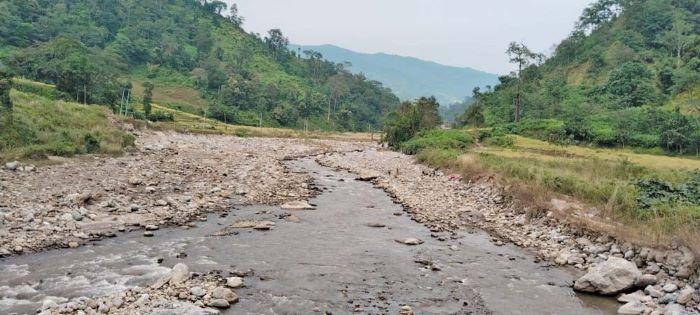
    Illegal fishing practices, including the use of electric currents and explosives, have surged in the rivers of Ilam, particularly in the Maikhola, Jogmai, Deumai, and Puwa rivers. Locals report that small electricity generators and grenades are commonly used to catch fish, causing severe harm to native species.

    One resident noted that fish populations in Maikhola have drastically dwindled, with many native species such as Asala, Buduna, and Sahar nearly wiped out. Only a few species like Katle and migratory Buduna remain. As water levels drop, illegal fishing has intensified, with some individuals even producing explosives at home or stealing them from local hydropower projects.

    Snowtrout on the Brink of Extinction

    Snowtrout (Schizothorax spp.), a cold-water fish species found in Nepal’s high-altitude rivers, has long been a critical part of the local food chain and economy. However, snowtrout populations have been declining steadily over the past few decades due to a combination of habitat loss, overfishing, and pollution.

    A decline in the population of snowtrout is linked directly to illegal fishing practices, which often target the fish in spawning season, preventing them from reproducing and ensuring the survival of the species. The situation is worsened by the ongoing habitat destruction caused by climate change, which further reduces the areas suitable for snowtrout.

    Moreover, poaching and illegal fishing have led to the depletion of fish populations in many rivers and lakes across Nepal, prompting concerns that the entire aquatic ecosystem could collapse if immediate action is not taken.

    Coordinated Efforts Can Preserve

    Despite the mounting threats, the Nepali government has taken steps to curb illegal fishing through stricter enforcement of laws. However, these measures have faced challenges. Enforcement is often patchy, particularly in remote regions where authorities lack the resources to monitor vast areas. Inadequate penalties for violators, coupled with the high demand for snowtrout in both domestic and international markets, make it difficult to stamp out illegal practices entirely.

    Environmental experts are calling for a multifaceted approach to save Nepal’s freshwater resources. Stronger law enforcement, community engagement, and awareness programs are essential. Additionally, promoting sustainable fishing practices, such as fish farming and catch-and-release methods, could help replenish fish stocks while supporting local economies.

    In the face of rising threats to Nepal’s aquatic life, there is a growing recognition that the preservation of snowtrout and other freshwater species is not only crucial for biodiversity but also for the well-being of the millions who rely on these resources for their livelihoods. As Nepal grapples with the challenges of illegal fishing and environmental degradation, the hope is that a coordinated effort can preserve the country’s invaluable freshwater ecosystems for generations to come.

    India, ADB Sign $200 Million Loan to Upgrade Water Supply, Sanitation, Urban Mobility in Uttarakhand

    Given women’s role in monitoring water supply systems, the project will build the capacity of women, including those from vulnerable households, in operating and managing water supply and sanitation services.

    The Government of India and the Asian Development Bank (ADB) today signed a $200 million loan to help upgrade water supply, sanitation, urban mobility, and other urban services in the state of Uttarakhand.

    The signatories to the loan agreement for the Uttarakhand Livability Improvement Project were Ms. Juhi Mukherjee, Joint Secretary, Department of Economic Affairs, Ministry of Finance, for the Government of India, and Ms. Mio Oka, Country Director of India Resident Mission, for ADB.

    Ms. Mukherjee stated that the project aligns with the Government of India’s urban development agenda as well as the Government of Uttarakhand’s initiatives to enhance urban services, aiming to boost livability and sustainability in cities.

    “The project aims to create urban infrastructure that is resilient to climate and environmental risks such as floods and landslides, ensuring the safety and health of Uttarakhand’s population,” said Ms. Mio. “It will also build the capacity of the state agencies in project management, climate-and disaster-resilient planning, own-source revenue generation, and gender mainstreaming.”

    The project will enhance transportation, urban mobility, drainage, flood management, and overall public services in Haldwani, the economic hub of the state. Additionally, it will improve water supply delivery in four cities – Champawat, Kichha, Kotdwar, and Vikasnagar – by developing efficient and climate-resilient water supply systems.

    Initiatives for Women

    In Haldwani, the project will develop 16 km of climate-resilient roads, establish an intelligent traffic management system, deploy compressed natural gas buses, and pilot electric buses. To prepare the city against disasters, the project will construct 36 km of stormwater and roadside drains to improve flood management and implement an early warning system. A green-certified administrative complex and bus terminal will be built to improve the delivery of public services.

    In the other four cities, the project aims to increase water service coverage to 100 per cent by constructing 1,024 km of climate-resilient pipelines with smart water meters, 26 tubewells, new reservoirs, and a 3.5 million-litre-per-day water treatment plant. Sanitation coverage in Vikasnagar will be improved by sewage treatment facilities that will benefit around 2,000 households.

    The project will introduce initiatives for women, such as livelihood skills training on driving buses, bus ticketing, and the operation of electric charging stations. Given women’s role in monitoring water supply systems, the project will build the capacity of women, including those from vulnerable households, in operating and managing water supply and sanitation services.

    The European Investment Bank is co-financing the project with $191 million on a parallel basis.

    World Bank Approves $400M Loan to Support Key Development Projects in Bangladesh

    The loan is also strategically important as Bangladesh seeks to attract more foreign investment and strengthen its global economic standing. By addressing key challenges the loan positions the country to better navigate the future and enhance its overall competitiveness on the global stage.

    The World Bank has approved a $400 million loan to finance a series of critical development projects aimed at boosting Bangladesh’s infrastructure, economic growth, and resilience. The loan, which is part of a broader effort to support the country’s long-term development, is expected to produce six key outcomes that will significantly impact various sectors of the economy. This approval follows a detailed assessment of Bangladesh’s needs and comes at a pivotal moment when the country is grappling with both the challenges of rapid growth and the impacts of climate change.

    The financial package is designed to bolster several key areas of development, including infrastructure upgrades, fiscal management, and poverty alleviation. World Bank officials believe that this support will help Bangladesh address its pressing challenges while also capitalizing on opportunities to improve public services, enhance economic resilience, and foster greater inclusion.

    Improved Infrastructure and Connectivity

    The loan will play a vital role in improving Bangladesh’s infrastructure, especially transportation and energy systems. One of the primary outcomes of the World Bank funding is the enhancement of road networks and the construction of vital infrastructure projects that will facilitate better connectivity between regions. This will not only help businesses access markets more efficiently but will also provide rural communities with improved access to basic services. With faster and more reliable transportation options, goods and services can be moved more efficiently, contributing to economic growth.

    Furthermore, investments in energy infrastructure are also expected to result in more reliable power supplies, a critical factor for industrial growth and expanding the nation’s economy.

    Enhanced Fiscal Management and Governance

    A second significant outcome from the loan will be strengthening Bangladesh’s fiscal management systems. With the financial support from the World Bank, the government will focus on improving budgeting practices, public financial management, and accountability within its institutions. These reforms are expected to enhance the transparency of government spending and reduce inefficiencies that can drain resources meant for development.

    The loan will also help modernize the country’s public sector governance, creating a more responsive and transparent administration. By improving public financial management, Bangladesh can ensure that the funds are allocated efficiently, boosting the overall effectiveness of development projects and minimizing corruption.

    Boost to Private Sector Development

    Private sector development will receive a boost through improved governance and infrastructure, which will create a more attractive environment for investment. The World Bank loan is expected to help create the conditions for businesses to thrive, leading to increased private sector participation in the economy.

    The improved infrastructure and energy reliability will reduce operational costs for businesses, while the enhanced fiscal environment will promote investor confidence. A more robust private sector is expected to create jobs, drive innovation, and contribute to the overall diversification of the economy.

    Promotion of Economic Resilience

    Another anticipated outcome is an increase in the country’s resilience to economic shocks, especially those stemming from climate change and natural disasters. The World Bank loan will support climate-smart infrastructure projects, including flood control systems, disaster-resilient buildings, and sustainable energy projects that can withstand extreme weather events.

    Bangladesh is particularly vulnerable to the effects of climate change, including rising sea levels, flooding, and cyclones. By integrating climate resilience into infrastructure development, the country can mitigate the economic and social costs associated with these challenges, while also ensuring that development gains are sustained over time.

    Support for Poverty Reduction and Inclusivity

    One of the most important goals of the loan is to promote inclusive growth by focusing on poverty reduction. The World Bank’s funding will support initiatives aimed at improving social protection systems, providing education, and increasing access to healthcare for marginalized communities. Investments in rural development projects are also expected to uplift those who are most in need, helping to close the poverty gap between urban and rural populations.

    By targeting poverty reduction alongside infrastructure development, Bangladesh can ensure that its growth benefits all sections of society, particularly the most vulnerable.

    Strengthening Social and Environmental Sustainability

    The loan is also expected to promote greater social and environmental sustainability. With a focus on eco-friendly infrastructure, sustainable resource management, and social inclusion, the projects funded by the World Bank will be designed to minimize environmental damage while fostering long-term social benefits.

    The funding will also support initiatives aimed at improving public health and education, ensuring that future generations are equipped with the skills and resources needed to thrive in a rapidly changing world. By addressing environmental sustainability alongside economic growth, Bangladesh can secure a balanced and sustainable future for its citizens.

    Strategic Importance for Bangladesh’s Development

    The World Bank’s $400 million loan is part of an ongoing partnership between Bangladesh and the international financial institution. The loan aligns with the government’s vision of transforming the country into a middle-income economy by the end of the decade. With rapid urbanization, demographic growth, and an expanding manufacturing sector, the financial support is crucial to ensuring that the nation’s development trajectory remains on track.

    The loan is also strategically important as Bangladesh seeks to attract more foreign investment and strengthen its global economic standing. By addressing key challenges—such as infrastructure bottlenecks, fiscal management, and environmental risks—the loan positions the country to better navigate the future and enhance its overall competitiveness on the global stage.

    In conclusion, the World Bank’s $400 million loan to Bangladesh will result in tangible outcomes that contribute to the country’s long-term stability, economic growth, and resilience. With a focus on infrastructure, governance, inclusivity, and sustainability, the funding is expected to make a significant difference in shaping the nation’s future, ensuring that development is both broad-based and sustainable.

    Climate Change Could Slash GDP in Developing Asia and the Pacific by 17 Per Cent by 2070, ADB Warns

    The ADB report says that by 2070, the forecasted impacts of climate change could threaten not just the future of Asia-Pacific’s economy but the livelihoods of millions who rely on a stable and prosperous environment.

    The Asian Development Bank (ADB) has issued a stark warning about the economic consequences of climate change in the Asia-Pacific region, projecting that the region’s GDP could be reduced by up to 17 per cent by 2070 if climate change is not addressed. In its latest Asia and the Pacific Climate Change Report – 2024, the ADB emphasizes that the combined effects of extreme weather events, sea-level rise, and other climate impacts could substantially undermine the region’s growth, with the poorest countries most vulnerable.

    The report, which analyses the potential economic impacts of climate change across 49 developing countries in the Asia-Pacific region, underscores how rising global temperatures could accelerate existing inequalities. According to the ADB’s findings, climate change will disproportionately affect agricultural productivity, infrastructure, labour markets, and health systems — areas where many of the region’s most vulnerable populations depend heavily.

    Economic Losses: 5 to 17 Per Cent

    The report’s projections show a wide range of economic impacts based on varying climate scenarios. Under a business-as-usual scenario, where global temperatures rise by more than 3°C by the end of the century, the developing Asia-Pacific economy could lose up to 17 per cent of its GDP by 2070. Even under a more moderate climate trajectory, with a 2°C temperature increase, the region could see losses of up to 5 per cent of GDP.

    While the report emphasizes that these figures are estimates and will depend on the pace of climate action, it paints a bleak picture of the region’s future without immediate and substantial mitigation efforts. The ADB’s Chief Economist, Albert Park, noted that the economic toll from climate-related disruptions would compound existing challenges like poverty, unemployment, and income inequality.

    Vulnerable Sectors in Focus

    The ADB’s analysis highlights several sectors most at risk from climate change:

    Agriculture: Agricultural yields are expected to decline due to rising temperatures, droughts, floods, and changing rainfall patterns. Countries with significant agricultural sectors, like India, Vietnam, and Indonesia, are expected to face the worst impacts. The report estimates that agricultural productivity could fall by as much as 20 per cent in some countries.

    Infrastructure and Cities: Rising sea levels and extreme weather events threaten the infrastructure of coastal cities such as Manila, Jakarta, and Dhaka, which house millions of people. Damage to roads, bridges, and utilities from flooding and storms is expected to cost billions of dollars. Furthermore, the increased frequency of heatwaves could strain energy systems and public health services.

    Health: Rising temperatures and changing precipitation patterns will likely lead to the spread of diseases like malaria and dengue fever, while extreme heat will increase the incidence of heat-related illnesses. These health threats could place immense pressure on already strained healthcare systems in many developing countries.

    Labour Markets: Labour productivity will also be affected as the physical and mental toll of climate change increases. Heat stress, for instance, could reduce workers’ efficiency, particularly in construction, agriculture, and manufacturing sectors. In the worst-case scenario, labour losses could reduce economic output by up to 5 per cent by 2070.

    Inequalities and the Need for Climate Action

    The ADB report stresses that the impact of climate change will exacerbate the inequalities that already exist in the region. The poorest nations — many of which rely heavily on agriculture and low-lying coastal areas — will bear the brunt of these economic losses. These countries often have the fewest resources to adapt to climate change, making them more vulnerable to its effects.

    At the same time, the report highlights the vast potential benefits of early climate action. By implementing ambitious emissions reduction strategies, investing in climate-resilient infrastructure, and enhancing disaster preparedness, countries in the region can not only reduce their future economic losses but also capitalize on new opportunities in the growing green economy. The ADB calls for substantial investments in renewable energy, energy efficiency, and sustainable agricultural practices as part of an effort to create jobs and stimulate economic growth while mitigating climate risks.

    Calls for Immediate Action

    The ADB report urges governments, businesses, and international organizations to collaborate on scaling up climate financing and policy interventions. With the financial support of developed countries, developing nations can enhance their resilience to climate impacts and accelerate the transition to low-carbon economies.

    In addition to policy shifts, the ADB advocates for innovation and the development of new technologies to boost climate resilience, such as early-warning systems for extreme weather events, drought-resistant crops, and green infrastructure projects that can withstand floods and rising sea levels.

    “The window of opportunity to avoid catastrophic climate impacts is rapidly closing,” said Park. “If we act now, we can limit the damage and ensure that the Asia-Pacific region continues to thrive, but this requires coordinated global action and significant investment in both adaptation and mitigation.”

    Call for Regional Cooperation

    The report also emphasizes the importance of regional cooperation in tackling climate change. As one of the world’s fastest-growing regions, Asia and the Pacific must navigate the challenges posed by a changing climate while maintaining economic growth. Regional partnerships, including those with the United Nations and international development agencies, will be crucial in financing and coordinating climate action across borders.

    The ADB’s report concludes with a call for urgent and sustained efforts to combat climate change. Without a concerted and coordinated global response, the economic cost of inaction will be devastating, both for the region and for the world.

    New ADB research finds the impacts of climate change could reduce gross domestic product in developing Asia and the Pacific by 17 per cent by 2070 under a high-end greenhouse gas emissions scenario, rising to 41 per cent by 2100.

    Image: Hippopx

    Sri Lanka Customs Delays Harming Competitiveness, Fuelling Corruption, Research Finds

    While large corporations may have the ability to weather such inefficiencies, small and medium-sized enterprises, in particular, are vulnerable to these delays, as they often lack the resources to absorb the additional costs.

    Research findings reveal that delays within Sri Lanka’s Customs operations are significantly undermining the country’s competitiveness and fostering an environment ripe for corruption. A study published by Sri Lanka’s Institute of Policy Studies (IPS) found that inefficiencies in Customs procedures are not only increasing business costs but are also eroding investor confidence in the country’s trade sector.

    According to the research, bottlenecks in Customs clearance processes are forcing businesses to endure long waiting times for imports and exports, ultimately affecting the timeliness and cost-effectiveness of trade. The study highlights that delays in the clearance of goods are causing financial losses for businesses, adding up to a national economic disadvantage in the competitive global market.

    Complex, Slow System

    The research points to Sri Lanka’s complex and outdated Customs procedures as the root cause of the delays. Customs clearance, which includes the inspection of goods and documentation checks, is often bogged down by bureaucratic inefficiencies, inadequate technology, and inconsistent enforcement practices. In some cases, businesses are forced to pay higher costs due to extended storage periods, demurrage fees, and the disruption of production schedules.

    Small and medium-sized enterprises (SMEs), in particular, are vulnerable to these delays, as they often lack the resources to absorb the additional costs. While large corporations may have the ability to weather such inefficiencies, SMEs face a disproportionate burden, which stifles their growth and limits their participation in global markets.

    “Businesses are struggling with unpredictable delays in Customs clearance. These inefficiencies add unnecessary costs and uncertainty, which in turn make Sri Lanka a less attractive destination for international trade and investment,” said Dr. Dushni Weerakoon, Executive Director of IPS, during a presentation of the study’s findings.

    The IPS study found that Sri Lanka ranks poorly in comparison to its regional competitors in terms of trade facilitation. For instance, in the World Bank’s Logistics Performance Index, Sri Lanka’s Customs procedures lag behind countries such as India, Bangladesh, and even smaller regional players like Myanmar, despite the island nation’s strategic location and significant potential as a trade hub.

    The Cost of Delays

    The impact of these delays is not only financial but also reputational. Sri Lanka’s ports and airports, which serve as key gateways for trade, are increasingly seen as unreliable by foreign investors. A delay in Customs clearance can disrupt an entire supply chain, causing knock-on effects that extend to downstream industries, such as retail, manufacturing, and logistics.

    One major concern highlighted in the report is the high cost of perishable goods and the vulnerability of the agricultural sector. Delays in clearing agricultural imports or exports can cause spoilage or reduce shelf life, leading to financial losses for producers and traders.

    Moreover, Sri Lanka’s reliance on imports for raw materials and essential goods means that delays are also affecting domestic industries that depend on timely deliveries. In industries such as electronics, machinery, and pharmaceuticals, the research notes, disruptions can lead to product shortages and increased prices, further exacerbating inflationary pressures on the economy.

    Corruption and Transparency

    The study further found that Customs delays are fostering an environment where corruption can thrive. While not widespread, bribery and kickbacks have been reported in relation to speeding up clearance processes. Customs officers, whose discretion often plays a large role in clearance decisions, have been accused of soliciting payments to expedite shipments, a practice that can create an uneven playing field for businesses.

    “Customs inefficiencies and lack of transparency are breeding grounds for corrupt practices. Without a clear and streamlined process, businesses often find themselves under pressure to pay bribes to avoid costly delays, perpetuating a cycle of corruption,” said Weerakoon.

    The IPS researchers argue that Sri Lanka’s Customs operations require an urgent overhaul, including better training for officers, the adoption of modern technology, and a more transparent approach to Customs procedures. The implementation of a digital system to track and expedite the flow of goods is seen as a potential game-changer in reducing delays and improving efficiency.

    The Road Ahead

    Addressing the Customs inefficiency challenge, however, will require coordinated efforts across the government, private sector, and international partners. There is a need for political will and institutional reforms to simplify regulations and modernize Customs processes. The study advocates for the establishment of an independent body to monitor and ensure the effectiveness of reforms, ensuring that they are implemented consistently and equitably.

    For Sri Lanka to reclaim its competitive edge as a regional trade hub, experts stress the importance of aligning the Customs operations with global best practices. The government has already made some attempts at modernization, including the introduction of the Sri Lanka Customs Automated System, but the report stresses that more needs to be done to streamline operations and reduce delays further.

    As Sri Lanka seeks to recover from the economic challenges posed by the COVID-19 pandemic and rebuild investor confidence, the findings of this research present an important opportunity for policymakers to address one of the key bottlenecks hindering the nation’s economic growth.

    Improving Customs operations could not only boost trade but also foster a more transparent, efficient, and competitive business environment for the country’s future.

    Image: LinkedIn

    Study Reveals How Climate Shaped Indian History Through Vegetation Changes

    During periods of warmer temperatures, such as the Roman Warm Period and the Medieval Warm Period, vegetation patterns suggest increased agricultural productivity, which may have supported the growth of powerful dynasties such as the Guptas, the Gurjar Pratiharas, and the Cholas.

    A groundbreaking study has revealed how climate-driven changes in vegetation have played a pivotal role in shaping the course of Indian history over the past two millennia. By analysing ancient pollen preserved in soil cores from the Ganga plain, researchers have uncovered a detailed record of how fluctuations in the Indian Summer Monsoon (ISM) influenced agriculture, human migrations, and the rise and fall of major dynasties. The study offers new insights into the interplay between climate, vegetation, and history, while underscoring the importance of understanding past climate patterns to better predict future challenges.

    The research, led by scientists from the Birbal Sahni Institute of Palaeosciences (BSIP) in collaboration with Academy of Scientific and Innovative Research and the University of Lucknow, focused on the Central Ganga Plain (CGP) — an area of critical importance in Indian history and civilization. Despite its significance, there has been a notable scarcity of paleoclimate records for the late Holocene (approximately the last 2,500 years) in this region, making this study a critical step in filling a major research gap.

    To uncover the climatic history of the region, the team comprising of Dr. Anjali Trivedi of the Lucknow-based Birbal Sahni Institute of Palaeosciences, and Anupam Nag, and other scientists analysed sediment cores extracted from Sarsapukhra Lake, located in Varanasi district, Uttar Pradesh. The core samples contained pollen grains, which are microscopic remnants of plants that are capable of surviving for thousands of years in soil and sediment. These pollen grains, combined with other multiproxy analyses and the Earth System Paleoclimate Simulation (ESPS) model, allowed the researchers to reconstruct a detailed record of the ISM patterns over the past 2,000 years.

    The research was carried out by the scientists of the Birbal Sahni Institute of Palaeosciences in collaboration with the Academy of Scientific and Innovative Research (AcSIR), India.

    Migration Patterns and Shifts in Political Power

    The findings highlight how shifts in temperature and rainfall — particularly the intensity and distribution of the monsoon — have directly impacted vegetation patterns and agricultural productivity in the region. The study identified key climatic episodes, including the Roman Warm Period, the Dark Ages Cold Period, the Medieval Warm Period, and the Little Ice Age. These fluctuations, the researchers argue, had far-reaching consequences for the people living in the subcontinent, influencing both local ecosystems and larger historical trajectories.

    One of the study’s most striking findings is the way these climatic shifts appear to have coincided with significant historical events. For instance, during periods of warmer temperatures, such as the Roman Warm Period and the Medieval Warm Period, vegetation patterns suggest increased agricultural productivity, which may have supported the growth of powerful dynasties such as the Guptas, the Gurjar Pratiharas, and the Cholas. Conversely, cooler periods, like the Dark Ages Cold Period and the Little Ice Age, were associated with declines in agricultural output, which likely contributed to social stress and migrations.

    The researchers suggest that these climatic changes might have been a driving force behind the migration patterns and shifts in political power seen in Indian history. For example, during cooler periods when the monsoon weakened, there may have been greater pressure on agricultural systems, leading to food shortages and population movements. This could have contributed to the collapse of certain dynasties, as well as the emergence of new powers in response to changing environmental conditions.

    Food Security

    One of the key insights of the study is the connection between climate, agriculture, and the stability of ancient civilizations. By examining historical records alongside the climatic data, the researchers propose that understanding past climate trends is essential for predicting future challenges — particularly in terms of food security. Given the ongoing threats posed by climate change, including unpredictable monsoon patterns, crop failures, and increasing temperatures, the study suggests that modern agricultural practices could benefit from lessons drawn from the past.

    For instance, by identifying crops that thrived during periods of similar climatic stress in history, agricultural strategies could be adapted to ensure productivity in the face of current climate challenges. Such proactive measures could help mitigate the adverse effects of climate change on agriculture, ensuring food security and economic resilience in the future.

    Significant Contribution to Palaeoclimatology

    The study also highlights the importance of understanding how past civilizations adapted to their changing environments. As the climate continues to shift, policymakers, farmers, and scientists alike can draw on these historical insights to build more resilient agricultural systems and better prepare for the uncertainties ahead.

    While the study offers a fascinating glimpse into the past, it also raises important questions about the future. The climate-driven disruptions to agriculture and society seen in Indian history suggest that the effects of climate change may be more profound than we currently understand. By looking to the past, we may gain critical insights into how to navigate the challenges of tomorrow — ensuring that future generations can thrive despite the shifting climate.

    The study, titled “Climatic Oscillations and Dynastic Trends: A Multiproxy analysis of the past two millennia in the Indian Subcontinent,” was published in the journal Catena. It represents a significant contribution to both the field of palaeoclimatology and the understanding of how environmental factors shaped the human experience in one of the world’s most populous and historically rich regions.

    Image: Wikipedia