More

    Pakistan’s Flood Survivors Face Disease and Food Insecurity Amid Climate Crisis

    Humanitarian organisations are calling for more robust intervention from the government to address the immediate needs of flood survivors, as well as long-term strategies to combat the impacts of climate change.

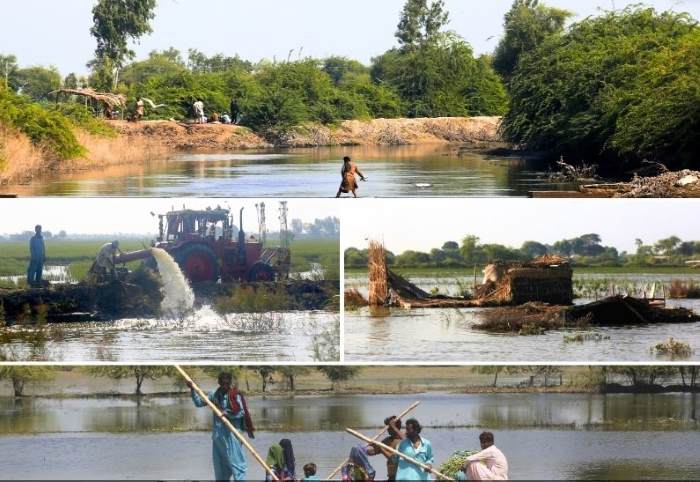
    As Pakistan grapples with the aftermath of devastating floods exacerbated by climate change, survivors in Sindh Province are confronting a dire humanitarian crisis marked by rampant disease and acute food insecurity. A recent report by Amnesty International highlights the stark realities faced by these communities, where government inaction has left many without essential support.

    In September 2023, catastrophic flooding swept through Sindh, displacing millions and inundating vast agricultural areas critical for the region’s economy. While the floods were a direct consequence of extreme weather patterns linked to climate change, survivors now face the compounded effects of waterborne diseases and malnutrition. With the government slow to respond, many affected families are left to fend for themselves.

    Testimonies collected by Amnesty International reveal the harrowing experiences of those impacted by the flooding. Many survivors have reported outbreaks of diseases such as cholera, diarrhoea, and malaria, which are proliferating due to stagnant water and inadequate sanitation facilities. The lack of access to clean water has exacerbated these health crises, pushing vulnerable populations further into despair.

    “I have lost everything,” said Fatima, a mother of three, who witnessed her home and crops washed away. “We are now surviving on whatever little food we can find. My children are getting sick every day.” Her story is echoed by countless others in the region who have found themselves in similar predicaments, struggling to secure basic necessities.

    Inadequate Government Response

    Food insecurity is another pressing issue, as the floods have destroyed vital farmland, jeopardizing the livelihoods of many families who depend on agriculture. With the main growing season disrupted, prices of staple foods have soared, making it increasingly difficult for families to afford even the most basic items. Local markets report severe shortages, and many families are resorting to extreme measures to feed their children.

    According to Amnesty’s report, the government’s response to the flooding has been inadequate and slow. While some emergency relief efforts were initially launched, many affected areas remain without consistent support. Humanitarian organisations are calling for more robust intervention from the government to address the immediate needs of flood survivors, as well as long-term strategies to combat the impacts of climate change.

    “The Pakistani government must do more to protect its citizens from climate-related disasters,” said an Amnesty spokesperson. “This includes not only immediate aid for those affected but also investment in sustainable practices that can help communities adapt to a changing climate.”

    The lack of government action has led to a growing sense of frustration among the affected communities. Many residents feel abandoned and are calling for accountability from officials who they believe have failed to prioritize their needs. “We need help now, not promises for the future,” said Ali, a local farmer. “Our crops are gone, and we have no way to support our families.”

    Strong Resilience

    International aid organizations are attempting to fill the gap, providing medical assistance, food supplies, and sanitation facilities. However, the scale of the disaster has overwhelmed these efforts. Reports indicate that while some aid is reaching those in need, bureaucratic hurdles and logistical challenges continue to hinder effective relief distribution.

    As winter approaches, the situation in Sindh could worsen. The threat of further flooding looms, and with inadequate preparation, communities are bracing for another round of potential disasters. Environmental experts warn that without significant changes to disaster preparedness and response strategies, Pakistan’s vulnerability to climate change will only increase.

    The plight of flood survivors in Sindh is a stark reminder of the urgent need for global action on climate change. As the effects of rising temperatures and extreme weather patterns become increasingly evident, the world must pay attention to those suffering the consequences, advocating for both immediate relief and long-term solutions.

    The message is clear, says Amnesty: the resilience of the people of Sindh is strong, but it is a resilience that desperately needs support and recognition in the face of an evolving climate crisis.
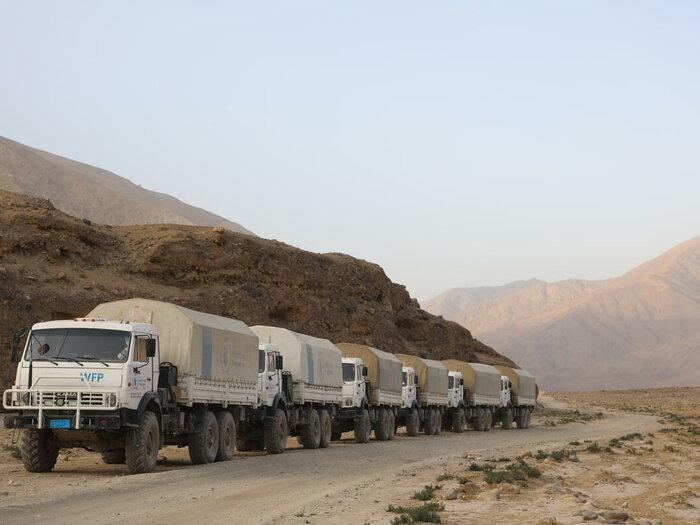

    Food Insecurity on the Rise in Afghanistan, 21 Other Nations, Warns UN Report

    Despite a marginal improvement in food security since peak hunger levels in 2021 and 2022 — thanks largely to massive food and nutrition assistance — more than a quarter of the Afghan population still faces hunger.

    In a sobering joint report, the World Food Program (WFP) and the Food and Agriculture Organization (FAO) of the United Nations have identified a growing trend of food insecurity across 22 countries, with Afghanistan highlighted as a critical Hunger Hotspot. The report, which details the alarming situation, underscores how conflict, climate change, and economic pressures are pushing millions into dire conditions in the coming months.

    Afghanistan’s struggles are particularly stark. Mir Shakib Mir, an economic expert, noted that the country’s high poverty levels necessitate international assistance to stave off further economic decline. “We must set aside differences with UN agencies to ensure that aid continues,” he urged, stressing that the Afghan population’s suffering must take precedence.

    Abdul Naseer Reshtia, another economic affairs expert, pointed to a multitude of factors contributing to food insecurity, including persistent conflicts, recurrent droughts, and widespread poverty. He emphasized that many Afghans lack access to three nutritious meals a day, with unemployment exacerbating the crisis. Reshtia called for significant investment in agricultural infrastructure as a means to combat the food shortages.

    The Afghan Ministry of Economy has identified combating food insecurity and reducing poverty as top priorities. Deputy Minister Abdul Latif Nazari highlighted the need for the international community to lift economic restrictions and release Afghanistan’s frozen assets. “There is a moral and legal responsibility to help the Afghan people regain access to their assets, facilitating economic growth and the development of national projects,” Nazari stated.

    Environmental Challenges

    Despite a marginal improvement in food security since peak hunger levels in 2021 and 2022 — thanks largely to massive food and nutrition assistance — more than a quarter of the Afghan population still faces hunger. Alarmingly, 2.4 million individuals are experiencing emergency levels of food insecurity. This grim reality keeps Afghanistan alongside other nations enduring severe hunger crises.

    Environmental challenges compound these issues. Erratic weather patterns have become increasingly common, with devastating flash floods occurring after years of drought. These disasters force families to abandon their homes, contributing to a growing urban poor population. Experts warn that the impacts of climate change are expected to worsen, with flooding losses likely to escalate annually.

    The WFP says that as the nation grapples with the remnants of decades of conflict, entrenched poverty, and a worsening climate crisis, the call for immediate action and international support has never been more urgent. The implications of this growing food insecurity extend beyond Afghanistan, signalling a global crisis that requires concerted efforts from the international community.

    Sri Lanka’s Lawyers Collective Urges Repeal of Controversial Prevention of Terrorism Act

    The calls for the PTA’s repeal have gained traction both nationally and internationally, with growing support from various political factions. However, successive governments have yet to act on these demands.

    Sri Lanka’s Lawyers Collective, a prominent legal advocacy group in the island nation, has voiced serious concerns over recent government statements suggesting that the Prevention of Terrorism Act (PTA) may be retained by the new administration. The PTA, enacted in 1979, has long been criticized for facilitating arbitrary detentions and human rights abuses, including torture.

    In a statement released this week, the Lawyers Collective condemned the government’s indications that the PTA will remain in effect. “The PTA is widely recognized as a draconian law that grants expansive executive powers, typically reserved for emergency situations, and has been misused in ordinary times,” the group stated.

    The Lawyers Collective highlighted that the act undermines fundamental rights such as protection from arbitrary arrest, torture, and freedom of expression. The organization emphasized that the PTA has resulted in profound suffering, particularly among minorities and those who critique the government. “Its implementation has instilled fear and enabled impunity against citizens,” they added.

    The calls for the PTA’s repeal have gained traction both nationally and internationally, with growing support from various political factions. However, successive governments have yet to act on these demands.

    On October 29, 2024, J M Wijebandara, the Director-General (Legal) at the Presidential Secretariat, stated that the government is not concerned with the PTA’s existence as a law, but rather its misuse against civil activists and journalists. He assured that the government would not tolerate such abuses, insisting that the PTA would only be applied based on “credible intelligence.”

    Election Manifesto

    Cabinet Spokesman Minister Vijitha Herath echoed this sentiment, mentioning ongoing discussions about the PTA’s future, but noted that any changes would likely come only after the new Parliament is elected.

    The National People’s Power (NPP), in its recent Election Manifesto, pledged to abolish oppressive legislation, including the PTA. Given the public mandate received in the recent presidential elections, the Lawyers Collective expressed alarm at the government’s failure to reaffirm its commitment to repeal the Act.

    The Lawyers Collective is calling on President Anura Kumara Dissanayake to clarify the government’s stance on the PTA and to publicly commit to its repeal. They urged all political parties to unite in the next Parliament to ensure that Sri Lanka’s counter-terrorism laws align with human rights protections.

    “If emergency powers are deemed necessary, they must be limited to times of declared emergency,” the group stated, emphasizing that such measures would help strengthen the rule of law and restore public confidence in governance.

    As the debate over the PTA continues, the Lawyers Collective says it remains steadfast in advocating for reforms that prioritize human rights and the protection of civil liberties in Sri Lanka.

    Bangladesh: Constitutional Reform Commission Launches Public Feedback Website

    The commission aims to consult a diverse array of stakeholders, including constitutional experts, lawyers, civil society representatives, and youth activists. They are set to gather written input from groups like the Anti-discrimination Student Movement and the Jatiya Nagorik Committee.

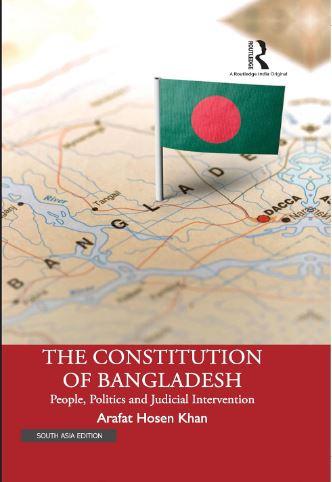
    The head of Bangladesh’s Constitutional Reform Commission, Ali Riaz, announced the launch of a website designed to gather public opinions on the proposed constitutional changes being discussed by Bangladeshi civil society currently.

    Addressing a press conference, Riaz revealed that the platform would be accessible to citizens starting Tuesday.

    Riaz clarified that the commission would not directly engage with political parties regarding reform suggestions. Instead, he stated that the commission would reach out to political groups for written feedback and specific proposals. “It is the government’s role to discuss these recommendations with the political parties,” he noted, emphasizing that the commission would carefully review all submissions for potential inclusion in the reform process.

    The commission aims to consult a diverse array of stakeholders, including constitutional experts, lawyers, civil society representatives, and youth activists. They are set to gather written input from groups like the Anti-discrimination Student Movement and the Jatiya Nagorik Committee, with discussions planned to commence next week.

    Riaz specified that the commission would not seek input from the ousted Awami League or its affiliates, particularly excluding those involved in violent actions during the student protests in July and August.

    These reforms were initiated by the interim government following the collapse of Sheikh Hasina’s administration on August 5 amid widespread student protests. Originally led by lawyer Shahdeen Malik, the commission is now headed by Riaz, who has long advocated for constitutional revisions.

    The commission’s mandate includes reviewing Bangladesh’s constitution to ensure it reflects the public’s aspirations and promotes effective democracy. Riaz indicated that proposed reforms could involve amendments, deletions, or even a complete rewrite of the country’s constitution.

    Mahfuz Alam, special assistant to the Chief Advisor and a student representative on the commission, expressed optimism about the government’s commitment to leading the reform initiative.

    Indigenous Transponders Become Lifeline for Fishermen During Cyclone DANA

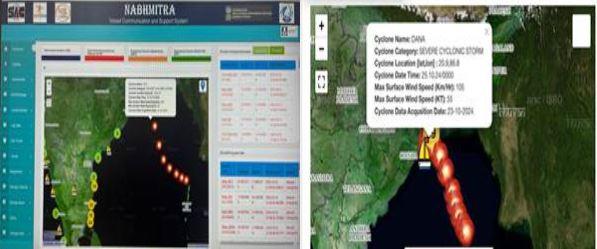
    The implementation of the Vessel Communication and Support System, particularly the Nabhmitra Application, enhanced safety during the crisis. This application enabled real-time tracking of vessel positions, allowing officials to monitor the speed and location of each boat.

    As Cyclone DANA approached the eastern coast of India in late October 2024, fishermen faced an uncertain future at sea. However, thanks to the innovative Vessel Communication and Support System, equipped with indigenous transponder technology, many were able to receive critical warnings and return to shore safely. This initiative, part of the Pradhan Mantri Matsya Sampada Yojana, was launched by Prime Minister Narendra Modi in Palghar, Maharashtra, with a significant outlay of ₹364 crores aimed at enhancing the safety and security of fishermen.

    The Ministry of Fisheries, Animal Husbandry, and Dairying (MoFAH&D) has taken the lead in distributing these transponders at no cost to fishermen. The transponders, developed by the Indian Space Research Organisation (ISRO) and implemented through NewSpace India Ltd (NSIL), are a game-changer for those working in the challenging maritime environment of India’s coastal regions. The plan includes installing these devices on one lakh fishing vessels across all 13 coastal states and Union Territories, ensuring that fishermen have access to reliable communication even beyond mobile coverage areas.

    Odisha has been particularly proactive in the installation of these transponders, with over 1,000 devices deployed prior to the cyclone’s arrival. As Cyclone DANA intensified, the Odisha State Relief Commissioner issued real-time alerts based on reports from the India Meteorological Department (IMD), warning fishermen of the impending danger. The timely issuance of advisories through the Vessel Communication and Support System proved to be a lifeline for many.

    Nabhmitra Application

    On October 20, as the cyclone approached, messages were broadcast to fishermen still at sea. These communications, sent via satellites, included urgent instructions to avoid venturing into the waters and to return to shore immediately. The messages, delivered in both English and the local language, Odia, ensured that all fishermen understood the gravity of the situation. Alerts read: “Fishermen out at sea are advised to return to the coast immediately,” and “Fishermen are advised not to venture into the sea off Odisha Coast from October 21 to 26.”

    Historically, fishermen relied on Very High Frequency (VHF) radios and phone calls, which often proved ineffective. Many boat owners struggled to provide accurate locations, making it challenging for authorities to communicate effectively with vessels scattered over vast areas. With the new system, officials could send mass messages quickly, prompting fishermen to take decisive action well before the cyclone made landfall.

    The implementation of the Vessel Communication and Support System, particularly the Nabhmitra Application, enhanced safety during the crisis. This application enabled real-time tracking of vessel positions, allowing officials to monitor the speed and location of each boat. This capability was crucial for estimating when fishermen could safely return to shore. Nabhmitra provided comprehensive data, including boat numbers, transponder IDs, and real-time updates on weather conditions, thereby equipping fishermen with the information needed to navigate the storm.

    The application also offered vital details about the cyclone itself, including its category, coordinates, and maximum wind speeds, which allowed fishermen to prepare adequately for the adverse weather conditions. By having access to such crucial information, fishermen were better positioned to respond to the cyclone’s threat.

    Multilingual Capabilities

    As Cyclone DANA bore down on Odisha, the ability to track approximately 126 vessels from Paradeep exemplified the effectiveness of this system. Thanks to the proactive measures taken, all boats returned safely by October 22, ahead of the cyclone’s impact. The clear and immediate communication facilitated by the Vessel Communication and Support System allowed fishermen to heed warnings and prioritize their safety.

    The multilingual capabilities of the system ensured that messages were understood across diverse linguistic backgrounds, eliminating potential barriers to communication. This feature proved critical, as many fishermen may not have been fluent in English or Hindi. By using local dialects, authorities effectively conveyed the urgency of the situation, enhancing the overall response.

    The seamless coordination between various agencies, including the Department of Fisheries, the Coast Guard, and local authorities, was crucial during this crisis. This collaborative approach allowed for effective resource allocation and swift action, showcasing the importance of inter-agency cooperation in emergency situations.

    The successful deployment of the Vessel Communication and Support System during Cyclone DANA marks a significant advancement in disaster preparedness and crisis management in India. This initiative not only protects livelihoods but also strengthens the resilience of coastal communities facing natural disasters. It highlights the transformative potential of technology in enhancing maritime safety and emphasizes the necessity for ongoing investment in safety infrastructure.

    Maritime Safety Framework

    As India looks to bolster its maritime safety framework, the lessons learned from the response to Cyclone DANA will undoubtedly inform future initiatives. The deployment of indigenous transponders and the effectiveness of real-time communication during this crisis have set a new standard in maritime safety. The ability to safeguard fishermen at sea and facilitate timely responses to natural threats exemplifies how innovative technology can empower communities and protect lives.

    In conclusion, the Vessel Communication and Support System has proven to be an invaluable asset for fishermen during Cyclone DANA, ensuring their safety and security. As India continues to innovate in disaster management, the successful integration of such advanced technologies offers hope for a more secure future for its coastal fishing communities. The path to safety, illuminated by the effective use of indigenous technology, empowers fishermen to navigate nature’s challenges with greater confidence and preparedness.

    Afghanistan Faces Humanitarian Catastrophe as Child Malnutrition Soars

    In addition to food insecurity, Afghanistan faces ongoing challenges related to health care access. Many health facilities have shut down or are operating at reduced capacity, making it difficult for families to seek treatment for malnutrition and other health issues.

    As Afghanistan continues to navigate an unprecedented humanitarian crisis, alarming reports indicate that nearly half of all children under five in the country are suffering from acute malnutrition. This grim statistic emerges from a combination of economic collapse, food shortages, and climate-related disasters that have left millions struggling to survive.

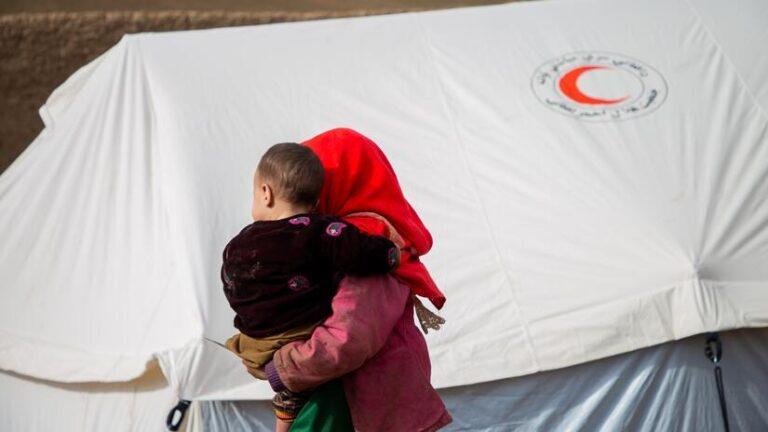
    The International Federation of Red Cross and Red Crescent Societies (IFRC) has drawn attention to the urgent need for intervention, revealing that the crisis is exacerbated by a perfect storm of factors. In addition to rampant inflation and loss of livelihoods, recent climate events—such as severe droughts and flooding—have decimated agricultural yields, further restricting access to food for already vulnerable populations.

    Many families have been pushed into a cycle of despair, with parents unable to afford even the most basic food items. Reports indicate that the price of staples has skyrocketed, leaving families with little choice but to forgo meals or rely on unsafe alternatives. The IFRC emphasises that without immediate humanitarian assistance, the malnutrition crisis will only worsen, leading to long-term health implications for children.

    Women and girls are disproportionately affected by this crisis, as societal norms often limit their access to resources, the IFRC says. Many women report feeling helpless in the face of rising food prices and dwindling household income, exacerbating the challenges of raising healthy children. A mother of three in Kabul shared her distress, stating, “I used to be able to provide for my children, but now I can’t even buy enough bread for them. I worry every day about their health and future.”

    Health Facilities Shut Down

    The economic landscape of Afghanistan has shifted dramatically since the Taliban’s takeover in August 2021, when international aid was largely suspended. With approximately 80 per cent of the Afghan population relying on humanitarian assistance, the cessation of aid has plunged the country into further hardship. In recent months, reports of increasing food insecurity have surged, with many families skipping meals or selling off personal belongings to survive.

    According to a report from Radio Liberty, women are particularly vulnerable in this environment, facing significant barriers to accessing healthcare and nutrition. Many have been forced to navigate a system that restricts their freedom and agency, leaving them reliant on male relatives for support. The compounded effects of malnutrition among mothers and children raise urgent concerns about the future of Afghanistan’s next generation.

    The IFRC has underscored the necessity of urgent action, calling for increased international support and resources to alleviate the suffering of millions. “This crisis requires a coordinated response from the global community,” said a spokesperson for the organisation. “Without immediate action, we risk losing an entire generation of Afghan children to malnutrition and its consequences.”

    In addition to food insecurity, Afghanistan faces ongoing challenges related to health care access. Many health facilities have shut down or are operating at reduced capacity, making it difficult for families to seek treatment for malnutrition and other health issues. The situation is further complicated by the socio-political landscape, which limits women’s ability to seek help or navigate healthcare systems.

    Winter Approaches

    Grassroots organisations and local NGOs are stepping up to fill some of the gaps left by international aid, providing food distributions and health services where they can. However, these efforts often fall short of meeting the vast needs of the population. One local health worker noted, “We are doing our best, but the resources are limited. We need more support to reach those who are suffering the most.”

    Despite the dire situation, there are glimmers of hope. Community leaders and organisations are working together to raise awareness about malnutrition and health issues, encouraging families to seek help and support one another. Educational programmes aimed at mothers are beginning to emerge, teaching nutrition and childcare practices that can help combat malnutrition at the community level.

    Yet, the clock is ticking. Experts warn that without a significant influx of aid and a renewed focus on addressing both the immediate and underlying causes of the crisis, Afghanistan could face devastating long-term consequences. The health and well-being of children are at stake, and as families struggle to secure basic necessities, the international community is urged to act swiftly and decisively.

    The situation in Afghanistan is a stark reminder of the human cost of political instability and economic collapse. As the world watches, the urgency for a coordinated humanitarian response grows ever more critical. The lives of countless children hang in the balance, and the time to act is now.

    As winter approaches and the harsh conditions intensify, Afghan families, especially women and children, remain on the front lines of a humanitarian catastrophe. Only through concerted global action can there be hope for a brighter future for Afghanistan’s most vulnerable citizens.

    Record Surge in Greenhouse Gas Concentrations Raises Alarms Amid Climate Crisis

    The UN has called for urgent global cooperation to tackle the escalating climate crisis. The UN Secretary-General António Guterres has warned that the world is “in a race against time” and that immediate action is essential to curb emissions and enhance climate resilience.

    The World Meteorological Organization (WMO) has announced alarming new data indicating that atmospheric concentrations of greenhouse gases have reached unprecedented levels in 2023. This surge underscores the urgent need for effective climate action as global temperatures continue to rise and extreme weather events become increasingly common.

    According to the WMO’s latest Greenhouse Gas Bulletin, concentrations of carbon dioxide (CO2), methane (CH4), and nitrous oxide (N2O) hit record highs this year. Specifically, CO2 levels soared to 418.6 parts per million (ppm), a significant increase from the previous year’s average of 416.2 ppm. Methane levels also rose dramatically, reaching an average of 1,895 parts per billion (ppb), while nitrous oxide concentrations climbed to 336.5 ppb.

    The rise in greenhouse gases is largely attributed to human activities, including fossil fuel combustion, deforestation, and agricultural practices. The WMO highlighted that despite the global commitment to reducing emissions under the Paris Agreement, these targets have not been met. The failure to curtail emissions effectively is driving the planet toward a climate tipping point, with serious implications for both ecosystems and human societies.

    “Greenhouse gas concentrations continue to rise to unprecedented levels, indicating a dangerous trajectory that threatens our future,” warned WMO Secretary-General Petteri Taalas. He emphasized that immediate and sustained action is critical to avoid the most catastrophic impacts of climate change.

    In addition to the rise in greenhouse gases, the WMO reported that global temperatures are on track to exceed the 1.5-degree Celsius threshold set by the Paris Agreement. The latest climate models suggest that, without significant reductions in emissions, the world could see an increase of 2.5 to 3 degrees Celsius by the end of the century. This scenario would result in dire consequences, including more frequent and intense heatwaves, droughts, floods, and loss of biodiversity.

    Race Against Time

    The UN has echoed these concerns, calling for urgent global cooperation to tackle the escalating climate crisis. The UN Secretary-General António Guterres has warned that the world is “in a race against time” and that immediate action is essential to curb emissions and enhance climate resilience. During recent discussions at the UN Climate Change Conference (COP28), leaders from various nations emphasized the need for an urgent transition to renewable energy and sustainable practices to meet climate goals.

    Experts have pointed out that while technological advancements and policy measures are crucial, individual actions and behavioural changes also play a significant role in addressing climate change. Community engagement and education about sustainable practices can amplify efforts to reduce carbon footprints at the grassroots level.

    As the world grapples with these stark realities, the importance of international collaboration cannot be overstated. Countries are being urged to fulfil their climate commitments and invest in green technologies that can facilitate a more sustainable future. The WMO’s findings serve as a crucial reminder that time is running out to avert the worst impacts of climate change.

    Wildfires’ Key Role

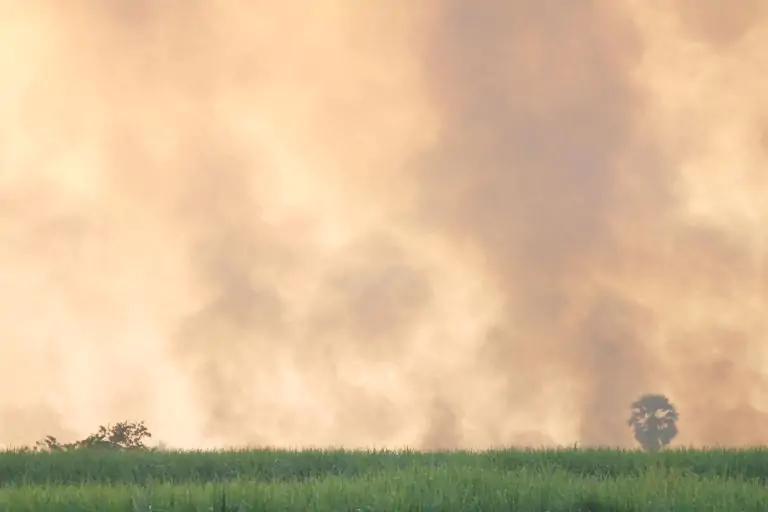
    Senior scientific officer at WMO, Oksana Tarasova, described last year’s wildfires in Canada as “absolutely dramatic” in terms of the amount of greenhouse gases produced. Today’s CO2 levels have not been seen “in the history of humanity”, she said. “The last time we see 400 parts per million of CO2 was three to five million years ago, and during that time, the temperature was three to four degrees warmer” and sea levels 10 to 20 metres higher.

    The WMO report pointed out that from 1990 to 2023, radiative forcing – the warming effect on our climate from greenhouse gases increased by 51.5 per cent. CO2 accounted for more than 80 per cent of this increase, according to data from the National Oceanic and Atmospheric Administration Annual Greenhouse Gas Index.

    “As long as emissions continue, greenhouse gases will continue accumulating in the atmosphere leading to global temperature rise,” the UN agency said. “Given the extremely long life of CO2  in the atmosphere, the temperature level already observed will persist for several decades even if emissions are rapidly reduced to net zero.”

    Asked about whether the UN climate conference might be expected to yield tangible commitments from countries, the WMO Deputy Secretary-General noted that politicians worldwide do reference the latest scientific climate findings and forecasts in their public declarations. “So I do think they are listening, the question is to what degree will we see that manifest at COP29 in action,” she said.

    WMO Deputy Secretary-General Ko Barrett noted that measures taken at a national level to transition to a “lower fossil fuel economy” were massively important to safeguard future generations.

    “Even though there is a lag and temperatures will rise, we are not to be dissuaded from action,” she said, “because there will be a transformation and a downward trend in temperature in future. It all just depends on how quickly we take action and how fast we can reduce those temperatures.”

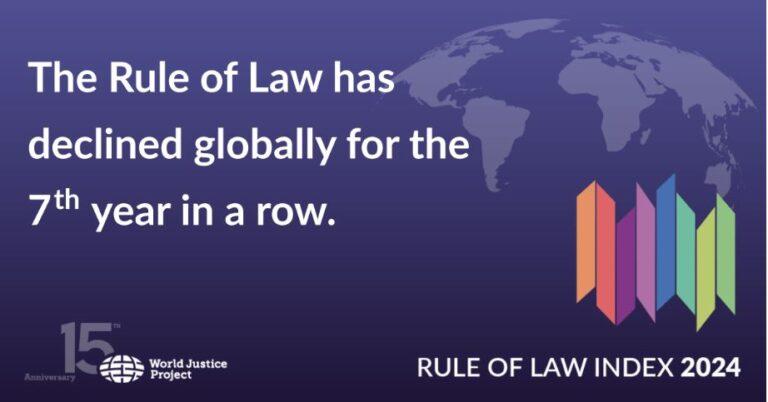
    India Slips to 79th in World Justice Project’s Rule of Law Index 2023: A Call for Reform

    Experts have pointed out that these challenges are not new but have been exacerbated in recent years due to various factors, including political pressures and the impact of the COVID-19 pandemic on the judicial system.

    India has been ranked 79th out of 140 countries in the World Justice Project (WJP) Rule of Law Index 2023, marking a concerning decline from previous years. This latest report sheds light on the significant challenges facing the country’s legal and governance systems, raising alarms about the implications for democracy and social justice in one of the world’s largest democracies.

    The WJP’s Rule of Law Index evaluates countries based on eight key dimensions, including constraints on government powers, the absence of corruption, civil justice, and criminal justice. India’s position reflects a broader trend of declining performance in several critical areas, particularly in the realms of accountability and the efficacy of legal institutions.

    One of the primary reasons for India’s drop in the rankings is the perceived increase in corruption within various levels of government. According to the report, citizens have expressed growing dissatisfaction with the integrity of public officials and the judiciary, which undermines public trust in these vital institutions. The perception of rampant corruption not only affects the functioning of the government but also impedes the fair administration of justice, making it increasingly difficult for ordinary citizens to seek redress.

    The report highlights that the criminal justice system in India is facing significant challenges. Issues such as prolonged trial durations, inadequate legal representation for the poor, and overcrowded prisons contribute to a perception that justice is often delayed, if not denied. The WJP emphasizes that access to effective legal remedies is crucial for a functioning democracy, and India’s struggles in this regard pose risks to the rule of law.

    Challenges Exacerbated

    Additionally, the civil justice system has not fared much better. The report notes that many citizens find the process of resolving civil disputes to be prohibitively complex and expensive, which further deters them from seeking justice. This situation is particularly alarming for marginalized communities, who may lack the resources to navigate a convoluted legal landscape.

    Experts have pointed out that these challenges are not new but have been exacerbated in recent years due to various factors, including political pressures and the impact of the COVID-19 pandemic on the judicial system. The pandemic has led to delays in court proceedings and has put additional strain on an already overburdened legal infrastructure.

    Despite these challenges, there is a growing recognition among stakeholders of the urgent need for comprehensive reforms to address the shortcomings in India’s legal system. Civil society organizations, legal experts, and policymakers are calling for a multi-faceted approach that includes strengthening judicial independence, enhancing the transparency of legal processes, and ensuring accountability at all levels of government.

    Moreover, the WJP report serves as a crucial reminder of the importance of civil liberties and human rights in upholding the rule of law. Protecting these rights is fundamental not just for the legal system, but for the health of democracy itself. The report calls for renewed efforts to safeguard these rights, particularly in an era where concerns about authoritarianism and governmental overreach are increasingly prevalent.

    The findings of the WJP Rule of Law Index 2023 also resonate with the broader context of global challenges to the rule of law. Many countries are grappling with similar issues of governance and corruption, but India’s unique position as the world’s largest democracy places it under particular scrutiny. The implications of a declining rule of law are profound, affecting everything from economic development to social stability.

    Indian High Commission in Colombo Facilitates Solar Rooftop Systems at Religious Sites

    The project reflects a broader commitment from the Indian government to assist Sri Lanka in its development goals. Over the years, India has engaged in various collaborative projects, particularly in the fields of renewable energy, infrastructure, and community development.

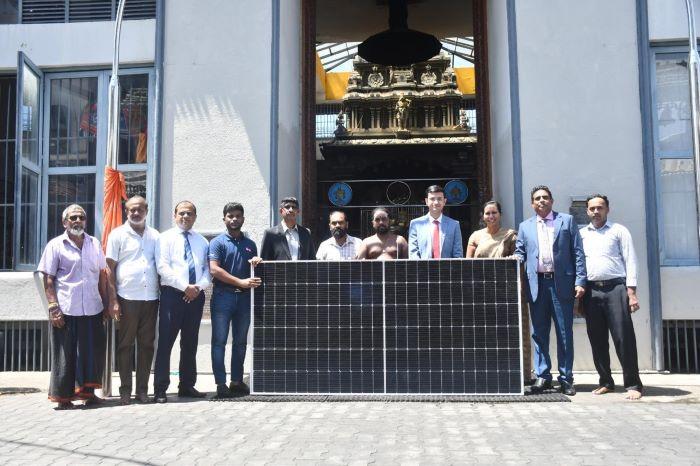
    The Indian High Commission has made a significant contribution to the promotion of renewable energy in Sri Lanka by handing over solar rooftop systems to several religious sites in the country. This initiative, which took place recently, underscores India’s commitment to supporting sustainable energy solutions and enhancing bilateral ties through cooperative efforts in environmental sustainability.

    The solar rooftop systems were formally handed over to representatives of various temples and places of worship, highlighting the importance of renewable energy in achieving a sustainable future. This initiative is part of a larger program aimed at promoting solar energy across Sri Lanka, with a particular focus on enhancing the energy efficiency of community spaces.

    During the handover ceremony, Indian High Commissioner to Sri Lanka, Gopal Baglay, emphasized the dual purpose of this initiative. “Not only do these solar systems provide clean energy, but they also symbolize the shared commitment of India and Sri Lanka to environmental sustainability,” he stated. The High Commissioner noted that solar energy is crucial for reducing carbon footprints and combating climate change, aligning with both countries’ commitments to sustainable development.

    The solar rooftop systems have been installed at key religious sites, including temples and other community centers, allowing them to harness solar energy for their daily operations. This move is expected to significantly lower energy costs and promote energy independence for these institutions, which often rely on traditional energy sources.

    The initiative is particularly timely, as Sri Lanka faces ongoing challenges with energy supply and rising costs. By transitioning to solar power, these religious sites can set an example for other institutions and communities to follow, demonstrating the benefits of renewable energy solutions. The High Commissioner urged other sectors to explore similar initiatives, reinforcing the notion that sustainable energy is not only viable but necessary.

    Broader Commitment

    The project reflects a broader commitment from the Indian government to assist Sri Lanka in its development goals. Over the years, India has engaged in various collaborative projects, particularly in the fields of renewable energy, infrastructure, and community development. This handover of solar systems is a continuation of those efforts, with a particular focus on sustainable practices that benefit local communities.

    The Indian High Commission has expressed its hope that this initiative will inspire further investments in renewable energy, both from government bodies and private sectors in Sri Lanka. The successful implementation of solar projects in religious spaces can serve as a model for other organizations and institutions, promoting a shift towards greener energy solutions.

    As Sri Lanka continues to explore and expand its renewable energy capabilities, this collaboration with India stands as a testament to the potential for positive change through international partnerships. The solar rooftop systems at religious sites not only represent a step forward in energy efficiency but also serve to strengthen the cultural and spiritual ties between the two nations. The installation of solar rooftop systems at religious sites is a significant milestone in promoting renewable energy in Sri Lanka.

    A spokesperson of the Indian High Commission said that it exemplifies the power of collaboration in addressing global energy challenges while fostering sustainable development and community engagement and is a step towards a greener and more sustainable future.

    Bangladesh Government to Issue Open Tender for Ten Solar Power Plants Next Week

    Officials from the ministry emphasized that the government is committed to transitioning to renewable energy sources, with a target of generating 40 per cent of the nation’s total electricity from renewable sources by 2041.

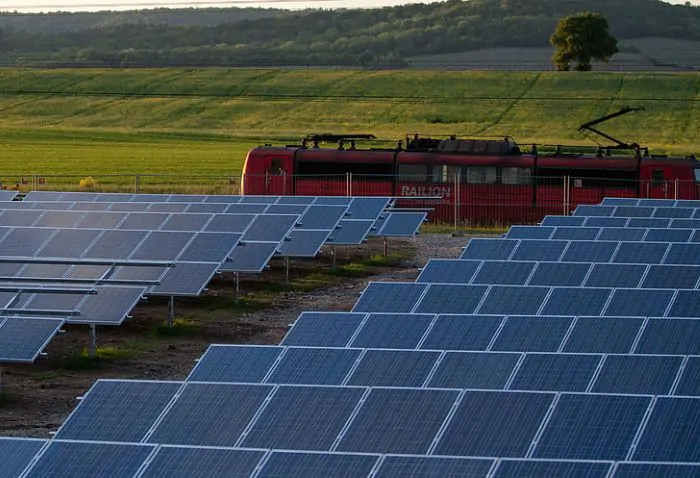
    The Bangladesh government is poised to take a major step toward sustainable energy by launching an open tender next week for the establishment of ten solar power plants across the country. This initiative is part of the government’s ongoing efforts to enhance renewable energy production and reduce dependency on fossil fuels.

    The ministry of power, energy, and mineral resources made the announcement, highlighting the significance of this move in addressing both the increasing energy demands and the pressing challenges posed by climate change. By investing in solar energy, the government aims to diversify the nation’s energy portfolio and promote environmentally friendly power generation.

    The planned solar power plants are expected to be set up in various locations throughout the country, strategically selected to optimize efficiency and energy output. This tender is designed to attract a wide range of participants, including local and international bidders, encouraging investment and expertise from diverse sectors.

    In addition to bolstering energy production, this initiative is projected to have substantial economic benefits. The construction and operation of the solar plants are expected to create numerous job opportunities, particularly in the regions where the facilities will be built. This aligns with the government’s broader goals of economic growth and development in rural areas.

    Transparent Bidding Process

    Officials from the ministry emphasized that the government is committed to transitioning to renewable energy sources, with a target of generating 40 per cent of the nation’s total electricity from renewable sources by 2041. Currently, solar energy plays a vital role in the country’s energy landscape, with existing solar projects contributing significantly to the grid.

    Experts and stakeholders in the energy sector have welcomed the announcement, viewing it as a critical move toward achieving energy security and sustainability. The open tender is anticipated to stimulate competition, potentially lowering costs and improving the quality of solar power installations.

    As the tender process unfolds, the government will oversee a transparent bidding process, ensuring that the selected companies adhere to high standards of efficiency and sustainability. This project not only represents a step forward in renewable energy but also reflects Bangladesh’s commitment to international climate agreements and sustainable development goals.

    The upcoming tender for the ten solar power plants marks a pivotal moment in the nation’s energy strategy, positioning Bangladesh as a leader in renewable energy within the region and beyond.