More

    Disasters Trigger More Displacements than Conflicts, Says New ADB-IDMC Report

    The report outlines several ways development finance can be used to prevent and respond to displacement. Multilateral development banks can support and encourage displacement-inclusive policies and investments, better national data systems, and raise awareness for countries to include displacement in their development strategies.

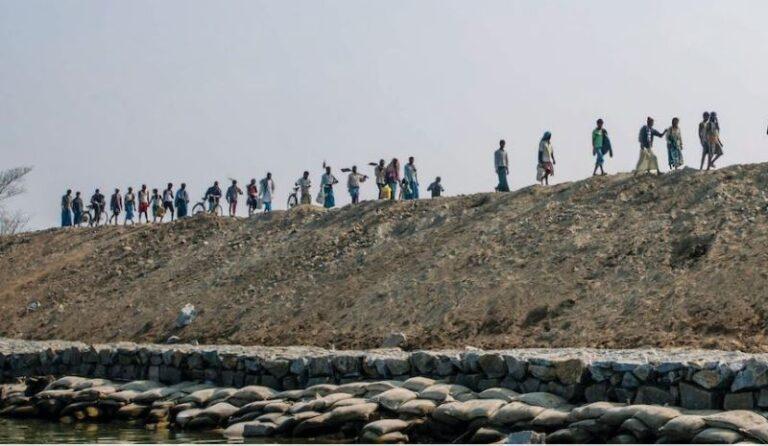
    Global disasters accounted for more displacements in 2023 than conflict and violence, and governments and multilateral development banks must invest more to prevent and manage these crises, according to a new report jointly authored by the Asian Development Bank (ADB) and the Internal Displacement Monitoring Centre (IDMC).

    The report found that last year, 26.4 million internal displacements — or forced movements within one’s country — were caused by disasters, compared to 20.5 million caused by conflict and violence.

    The report, Harnessing Development Financing for Solutions to Displacement in the Context of Disasters and Climate Change in Asia and the Pacific, found most of the disaster displacement recorded globally in the past 10 years occurred in Asia and the Pacific, with 177 million internal displacements reported during 2014−2023. ADB’s developing member countries (DMCs) accounted for 95 per cent of that total — more than 168 million displacements. The report warns that the effects of climate change will likely increase the scale, duration, and severity of displaced persons globally.

    Disaster Displacement Can Upend Lives

    “Addressing displacement in the context of climate change and disasters is a significant challenge for the region,” said ADB Vice-President Fatima Yasmin. “However, we know what needs to be done and how to do it. Development and adaptation finance channelled through multilateral development banks, such as ADB, can support member countries in addressing the root causes of displacement through sector investments, technical assistance, and co-financing.”

    “Disaster displacement can upend lives, cost countries billions of dollars, and set back development efforts by years, but it doesn’t have to be this way,” said IDMC Director Alexandra Bilak. “Investments in disaster risk reduction and climate adaptation plans can reduce the scale and negative impacts of displacement. The payoff could be huge.”

    The report outlines several ways development finance can be used to prevent and respond to displacement. Multilateral development banks can support and encourage displacement-inclusive policies and investments, better national data systems, and raise awareness for countries to include displacement in their development strategies.

    The report says governments also need to better reflect their priorities to reduce displacement through specific and concrete measures in the national development plans, adaptation and disaster risk reduction plans, and nationally determined contributions, and to better recognize the complexity of displacement occurring in the context of climate change.

    Climate Scientists Sound Alarm over Asia’s Rising Seas

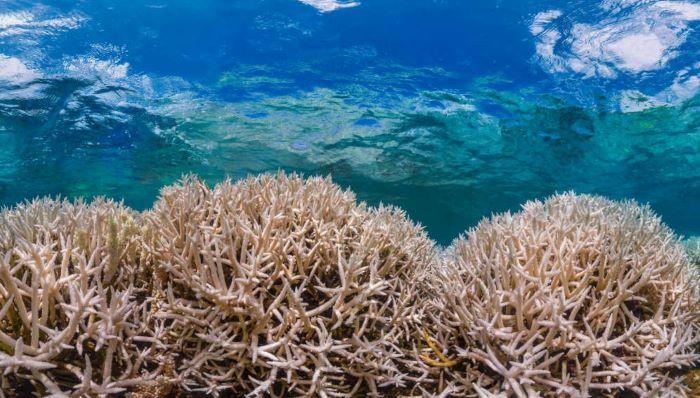
    Sea levels in the Pacific Ocean rising faster than global average and the Indian Ocean warming is already causing storms, erratic rainfall and droughts. Now, scientists call for urgent global action including reduced fossil fuel burning.

    By Ranjit Devraj

    Immediate action is needed at all levels to protect communities in the Asia Pacific from sea levels that are rising significantly faster than the global average, say climate scientists ahead of the next key UN climate summit.

    Sea level rise is caused by the emission of greenhouse gases from burning fossil fuels, which trap heat, causing glaciers and ice sheets to melt and water molecules to expand. It poses a serious threat to coastal communities in the region.

    Sea surface temperatures in the southwest Pacific have risen three times faster than the global average since 1980, according to analysis by the World Meteorological Organization (WMO).

    In much of the western tropical Pacific, the sea level has risen approximately 10–15 centimetres or nearly twice the global rate measured since 1993, while in the central tropical Pacific, sea level has risen approximately 5–10 centimetres, according to the WMO report.

    During that period, marine heatwaves have roughly doubled in frequency, lasting longer and becoming more intense, the WMO report said.

    Sea warming is already causing more frequent and more intense weather events such as tropical cyclones, floods and droughts, posing a major risk to coastal cities, explains Roxy Mathew Koll, climate scientist at the Indian Institute of Tropical Meteorology.

    “We can no longer call the consequences of these events natural disasters as they are largely the result of human interventions at multiple levels, from global to national to local – so we have a collective responsibility here,” says Koll who led a study on Indian Ocean warming published April in Science Direct.

    According to Koll, more than 90 per cent of global warming gets absorbed by the seas with roughly a quarter of that going into the Indian Ocean.

    “The Indian Ocean, already the warmest large ocean, is warming up faster than the Pacific and the Atlantic Oceans – this is because the northern Indian Ocean basin is landlocked by the South Asian sub-continent,” he explains.

    There are also local, inland factors that add to sea level rise, says Anand Sharma, climate scientist and a former director of the India Meteorological Department.

    “Land subsidence, pollution, rivers that empty into the sea carrying sewage and nuclear power plants also contribute to sea level rise – these are in the hands of local governments.”

    COP29

    A key focus of the UN climate COP29, which starts in Baku in November, will be climate finance, to help countries reduce their emissions and protect the most vulnerable from the impacts of climate change.

    Sharma believes that countries in the Asia Pacific should begin local action immediately to protect themselves and their populations rather than wait for COP29 to initiate efforts at the global level.

    “Think and act local while waiting for global action might be the best policy,” he says.

    The Indo-Pacific region – which includes the tropical waters of the Indian Ocean, the central and western Pacific Ocean, and the seas linked to the two vast basins – is already marked by natural disasters, resource scarcity and internal conflict.

    The Indian Ocean too is warming fast. Koll and fellow researchers calculated that surface warming will likely increase by 1.4–3 degrees Celsius between 2020 and 2100, unless greenhouse gas emissions are reduced immediately.

    According to the India’s Ministry of Earth Sciences the sea level of the Indian Ocean rose at an average rate of 3.3 millimetres per year between 1993 and 2015.

    The World Bank predicts that by 2050, around 49 million people in the Pacific and East Asia will be forced to leave their homes due to climate change. The Pacific Islands, particularly the low-lying ones, are among the first regions to be impacted.

    The projected changes in surface temperatures in the Indo-Pacific region may lead to more extreme weather events, such as cyclones and cloudbursts.

    “Already we are seeing more coastal flooding, shoreline retreat saltwater contamination of freshwater supplies and displacement of communities,” said WMO Secretary-General Celeste Saulo.

    At the release of the WMO report in August, UN Secretary-General Antonio Guterres said that while some sea-level rise is inevitable, the scale, pace and impact will “depend on our decisions” in cutting greenhouse gas emissions and improving climate adaptation.

    “We need a surge in funds to deal with the surging seas,” he said.

    “At COP29, countries must agree to boost innovative financing and a strong new finance goal.”

    This piece was produced by SciDev.Net’s Asia & Pacific desk.

    Cyclone Dana Approaches Eastern India: Odisha and West Bengal Brace for Impact

    The coming days will be critical as both Odisha and West Bengal brace for the potential impact of Cyclone Dana. Authorities, in the meanwhile are concentrating on safeguarding lives and minimising damage.

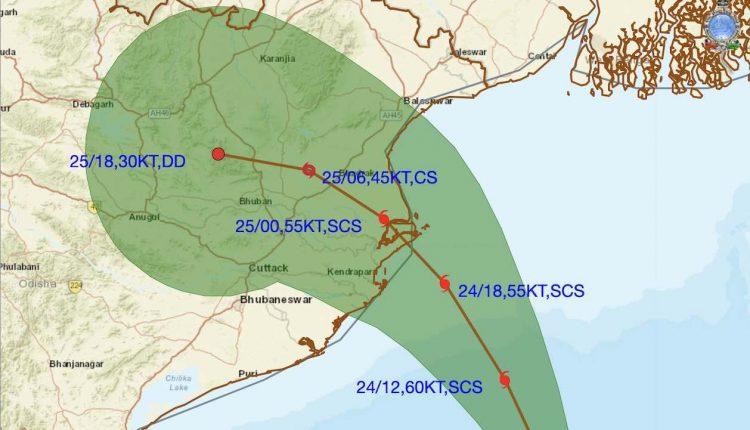
    As Cyclone Dana intensifies and approaches the eastern coast of India, authorities in Odisha and West Bengal are mobilizing resources and enacting safety measures in preparation for the storm’s expected landfall early Friday morning. The cyclone has been classified as “very severe,” prompting widespread cancellations of flights and trains and raising concerns about the potential impact on local communities.

    As the resilience of the communities in Odisha and West Bengal will be tested once again as they face the realities of an increasingly volatile climate, district authorities have urged people to stay informed, heed official warnings, and prioritise safety as they navigate this challenging situation.

    Meteorological Warnings and Anticipated Impact

    The India Meteorological Department (IMD) has issued warnings of heavy rainfall and high winds, predicting gusts could reach up to 120 km/h. While the storm is forecast to primarily impact Odisha, West Bengal is also preparing for severe weather, albeit to a lesser extent as the cyclone’s trajectory appears to be shifting westward.

    Officials are urging residents in low-lying coastal areas to remain vigilant, with some regions expected to receive up to 300 mm of rain. “We are closely monitoring the situation and taking necessary precautions,” said an IMD spokesperson. “People should stay indoors and avoid unnecessary travel.”

    The weather agency has predicted light to moderate rainfall in most areas, with heavy to very heavy rainfall expected in a few locations and isolated instances of extremely heavy rainfall (≥ 21 cm) in Balasore, Mayurbhanj, Bhadrak, Kendrapada, Jagatsinghpur, Keonjhar, Jajpur, Cuttack, Dhenkanal, Khurda, and Puri districts on October 24-25.

    Moderate rain or thundershowers, along with a couple of spells of intense rain and surface wind speeds reaching 35-40 km/h, may occur in parts of Bhadrak, Kendrapada, Jagatsinghpur, Cuttack (including Cuttack city), Khurda (including Bhubaneswar), and Puri districts by 7:30 PM on Thursday.

    Transportation Disruptions

    The impending cyclone has led to significant disruptions in transportation. Many airlines have cancelled flights to and from Bhubaneswar and Kolkata, and major railway services along the country’s eastern coast have been suspended. Travellers have also been advised to check with airlines and rail services for the latest updates as conditions continue to evolve.

    Evacuations and Community Preparedness

    In response to the storm threat, the Odisha government has activated its disaster management protocols, facilitating evacuations in vulnerable coastal regions. Temporary shelters are being established to accommodate those displaced by the storm. Local authorities are also ensuring that essential supplies, including food and medical aid, are available.

    “We are focused on protecting lives and property,” stated an official from the Odisha State Disaster Management Authority (OSDMA). “Our teams are on the ground, ready to assist communities.”

    Meanwhile, West Bengal is also implementing precautionary measures, advising residents to prepare for potential flooding and power outages. Coastal districts have been put on high alert, and local governments are working to ensure that resources are in place to respond quickly to any emergencies.

    Environmental Concerns and Vulnerabilities

    As Cyclone Dana approaches, environmentalists are raising alarms about the vulnerability of coastal communities, particularly those that have lost natural mangrove protection due to development. Reports indicate that many villages in Odisha are now defenceless against the storm’s fury, having lost crucial barriers that historically mitigated the impacts of severe weather.

    “Increased urbanization has stripped away our natural defences, leaving communities at greater risk during cyclones,” warned an environmental advocate. “It’s crucial to prioritize ecological preservation to protect our coastlines from future disasters.”

    Community Resilience and Solidarity

    Despite the looming threat of the cyclone, there is a palpable sense of resilience among local communities. Residents are taking proactive measures to secure their homes and gather emergency supplies. In Odisha, villagers are forming groups to coordinate evacuations and share resources, showcasing a strong community spirit.

    “We know the challenges that come with cyclones,” shared a local leader. “We are prepared to face whatever comes our way, and we will help each other through this.”

    As Cyclone Dana draws closer, the focus remains on safety and preparedness. Meteorologists are continuously updating forecasts and monitoring the cyclone’s path, emphasizing the importance of remaining vigilant.

    The IMD has reiterated that while West Bengal may experience less severe impacts, it is crucial for residents to remain alert as weather conditions can change rapidly. Emergency services are on standby, ready to respond to any needs that arise during and after the storm.

    Supreme Court Critiques CAQM’s Inaction on Air Quality Amid Delhi’s Pollution Crisis

    Local authorities have also been called to action, implementing measures such as increasing the frequency of dust suppression operations and enhancing public transport systems to reduce vehicular emissions.

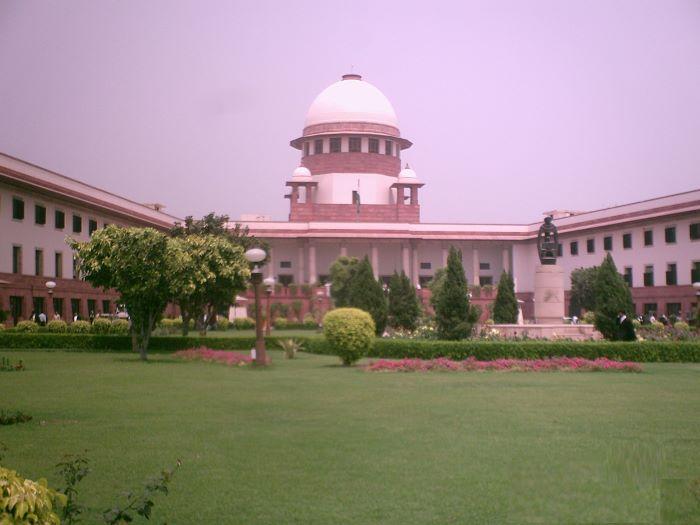
    The Supreme Court of India on Wednesday delivered a critique of the Commission for Air Quality Management (CAQM), asserting that the agency has made insufficient efforts to implement its own directives regarding air pollution control. This condemnation comes as the national capital, Delhi, continues to suffer from alarming levels of air pollution, shrouding the city in thick smog and raising health concerns for millions of residents.

    The Supreme Court’s remarks came during a hearing where the bench underscored the urgency of addressing the public health crisis stemming from air quality degradation. It highlighted a concerning disconnect between regulatory intentions and actionable measures.

    Observing that no effort is being made by the CAQM to implement its own directions, the court stated, “From the affidavit of compliance we find that no effort is being made by CAQM for implementation of its directions, not a single prosecution has been initiated and the last meeting was only held on August 29.”

    The CAQM, established to tackle the worsening air quality in Delhi and surrounding regions, was criticized for its lack of effectiveness in enforcing existing regulations and initiatives aimed at pollution reduction.

    The judicial intervention underscores the broader implications of air pollution on public health and the environment as the air quality index (AQI) in Delhi remains firmly entrenched in the “very poor” category, with levels of pollutants often exceeding 300 micrograms per cubic meter. Such conditions pose significant health risks, especially for vulnerable populations, including children, the elderly, and those with pre-existing respiratory conditions.

    Tough Months Ahead

    The Supreme Court’s comments come in the wake of mounting public pressure and criticism from environmentalists regarding the CAQM’s performance. Experts have pointed out that despite multiple measures being proposed — ranging from restrictions on construction activities to the implementation of stricter vehicle emission standards — there has been a notable lack of follow-through on these initiatives.

    As the Court pressed for immediate action, it called upon the CAQM to present a detailed plan outlining concrete steps to mitigate pollution levels. This demand highlights the urgency of the situation, especially as winter approaches, when air quality typically deteriorates due to factors such as stubble burning in neighbouring states and climatic conditions that trap pollutants close to the ground.

    Meanwhile, as Delhi grapples with the ongoing crisis, residents are bracing for a tough few months ahead. The thick morning smog has become a distressing routine for many, with visibility significantly reduced and air quality posing serious health hazards. Citizens have been urged to stay indoors, limit outdoor activities, and use masks when venturing out, as the air becomes increasingly laden with harmful particulates.

    Local authorities have also been called to action, implementing measures such as increasing the frequency of dust suppression operations and enhancing public transport systems to reduce vehicular emissions. However, citizens remain sceptical about the efficacy of these efforts, citing a history of incomplete initiatives and insufficient resources allocated to combat pollution.

    Health experts warn that prolonged exposure to such hazardous air can lead to a myriad of health issues, including respiratory diseases, cardiovascular problems, and aggravated asthma conditions. Hospitals in the region are already witnessing a surge in patients suffering from pollution-related ailments, a trend that is likely to escalate as the smog continues to blanket the city.

    World Undergoing Several Uncertainties: Modi at BRICS Summit

    Recalling the Voice of Global South Summits hosted by India during its G-20 Presidency, Modi stressed that the group must give primacy to the concerns of the Global South.

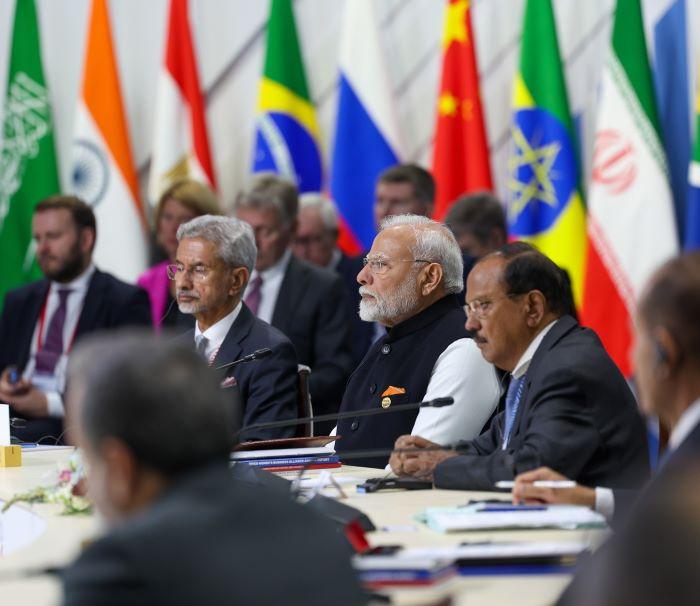
    India’s Prime Minister, Narendra Modi, participated in the 16th BRICS Summit held with Russia in the Chair, in Kazan on Wednesday.

    ​Prime Minister Modi addressed two sessions of the BRICS Summit. In his address, Modi noted that the Summit is happening at a time when the world is undergoing several uncertainties and challenges including conflicts, adverse climatic impacts, and cyber threats, placing greater expectations upon BRICS. PM Modi suggested that the group take a people-centric approach to tackle these challenges. Modi also underlined the need for early adoption of a Comprehensive Convention on International Terrorism at the United Nations to combat the menace of terrorism.

    Modi said, “Our meeting is taking place at a time, when the world is facing several pressing challenges such as wars, economic uncertainty, climate change and terrorism. The world is talking about the North South divide and the East West divide. Preventing inflation, ensuring food security, energy security , health security, water security, are matters of priority for all countries in the world. And in this era of technology, new challenges have emerged such as cyber deepfake, disinformation.”

    He added, “At such a time, there are high expectations of BRICS. I believe that as a diverse and inclusive platform, BRICS can play a positive role in all areas. In this regard, our approach must remain people centric. We have to give the world the message that BRICS is not a divisive organisation but one that works in the interest of humanity.”

    Concerns of the Global South

    The Prime Minister called upon BRICS to proactively push for global governance reforms. Recalling the Voice of Global South Summits hosted by India during its G-20 Presidency, he stressed that the group must give primacy to the concerns of the Global South. Modi noted that the regional presence of the New Development Bank including in GIFT city, India, has created new values and impacts.

    Highlighting BRICS’ activities to foster economic growth, he emphasized that its efforts on trade facilitation in agriculture, resilient supply chains, e-commerce and Special Economic Zones have generated new opportunities. He underlined the need to prioritise small and medium scale industries. He expressed that the BRICS Startup Forum initiated by India which is to be launched this year would add significant value to the BRICS economic agenda.

    Prime Minister Modi elaborated on the recent green initiatives undertaken by India, including the International Solar Alliance, Coalition for Disaster Resilient Infrastructure, Mission LIFE and Green Credit initiative announced during COP28. He invited BRICS countries to join these initiatives.

    Prime Minister congratulated President Putin for successfully hosting the 16th BRICS Summit and conveyed his good wishes to Brazil as it takes over the presidency of the group. At the conclusion of the Summit, the leaders adopted the ‘Kazan Declaration’.

    Delhi’s Air Quality Plummets to ‘Very Poor’ Level Amid Haze

    The CAQM recommended the activation of phase two of the Graded Action Plan (GRAP), which includes stringent restrictions aimed at reducing airborne pollutants. Emergency measures implemented as pollution worsens in the national capital.

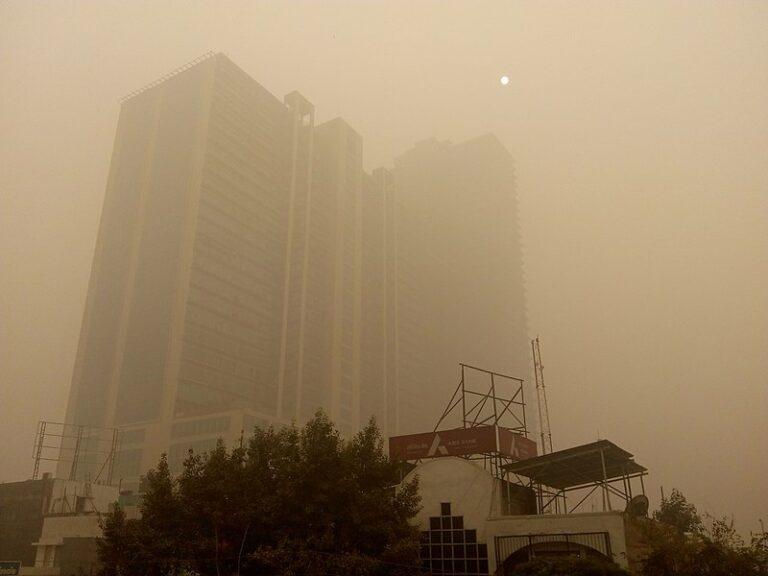
    Delhi’s air quality deteriorated sharply on Tuesday, reaching the ‘very poor’ category with an Air Quality Index (AQI) of 385 recorded at 8 AM. As winter settles in, the capital is enveloped in a thick haze, prompting authorities to take immediate action to combat the escalating pollution levels.

    The situation is dire, with toxic foam visible on the Yamuna River near Kalindi Kunj. Areas such as India Gate have reported an AQI of 328, while neighborhoods like Anand Vihar and Kalkaji are shrouded in thick fog. Residents express their frustration, lamenting the state of the environment. “Delhi is dying,” one local remarked, emphasizing the lack of clean air, water, and public cleanliness.

    In response to the alarming AQI readings, the sub-committee of the Commission for Air Quality Management (CAQM) convened an emergency meeting on Monday. Following their discussions, they recommended the activation of phase two of the Graded Action Plan (GRAP), which includes stringent restrictions aimed at reducing airborne pollutants. These measures came into effect on Tuesday morning.

    Toxic Haze Engulfs the City

    The Central Pollution Control Board (CPCB) has categorized Delhi’s air quality as ‘very poor’, raising concerns about the health implications for residents, particularly those suffering from respiratory conditions. The CAQM’s recommendations include a series of actions to mitigate the pollution crisis, which have been directed to relevant departments and institutions.

    Under the GRAP framework, four levels of restrictions are implemented based on AQI readings: GRAP-1 (AQI 201-300), GRAP-2 (AQI 301-400), GRAP-3 (AQI 401-450), and GRAP-4 (AQI over 450). As the city navigates these phases, specific measures are enforced to curb pollution sources.

    The effectiveness of these new initiatives remains to be seen. With the winter months bringing further challenges to air quality, residents and officials alike are left to wonder whether the latest efforts will provide much-needed relief from the suffocating smog enveloping Delhi.

    Nature’s Carbon Sink Faces Critical Collapse Amidst Climate Crisis

    The study titled Low latency carbon budget analysis reveals a large decline of the land carbon sink in 2023 mentioned an unprecedented weakening of land and ocean sinks, and raises the question of where and why this reduction happened.

    Recent studies paint a grim picture for the future of the planet’s natural carbon sinks, with evidence indicating that forests and other ecosystems are increasingly unable to absorb carbon dioxide (CO2) at the levels needed to mitigate climate change. This decline in nature’s ability to act as a buffer against rising greenhouse gas emissions could have profound implications for global climate stability and efforts to meet emissions targets.

    In a striking report by The Guardian, scientists warn that the ongoing rise in global temperatures, exacerbated by human activities, is overwhelming nature’s capacity to sequester carbon. A key finding is that in the last year, trees and land collectively absorbed alarmingly low amounts of CO2, marking a critical failure in what has long been regarded as a natural solution to climate change. This shift not only raises questions about the reliability of natural carbon sinks but also underscores the urgency for more effective climate strategies.

    The study titled Low latency carbon budget analysis reveals a large decline of the land carbon sink in 2023 mentioned an unprecedented weakening of land and ocean sinks, and raises the question of where and why this reduction happened. The study was unveiled by Potsdam Institute for Climate Impact Research.

    Plant, Preserve and Restore

    Data indicates that natural ecosystems, which traditionally help offset a significant portion of anthropogenic emissions, are faltering due to a combination of factors, including deforestation, land degradation, and climate-related stresses such as drought and wildfires. According to the International Monetary Fund (IMF), effective management and restoration of these ecosystems are vital. They emphasize that nature-based solutions, such as afforestation and sustainable land practices, are essential components in combating climate change. However, if the foundational systems that support these initiatives are compromised, their effectiveness diminishes considerably.

    Furthermore, a report from Science News highlights the critical role of trees in carbon capture. Planting trees is often hailed as a straightforward solution to climate change, yet the recent findings challenge the efficacy of this approach if existing forests are not adequately protected. Without healthy, thriving ecosystems, newly planted trees may struggle to reach their full potential in sequestering carbon. This scenario calls for a dual approach: not only must efforts to plant new trees intensify, but existing forests must also be preserved and restored.

    The findings from the Potsdam Institute for Climate Impact Research underscores that last year’s low levels of CO2 absorption by trees and land have disrupted the balance of the carbon cycle. The article highlights that while planting trees can help, it is crucial to understand that simply adding more trees is not a panacea. The health of existing forests is paramount, and threats such as logging, urbanization, and agriculture must be managed effectively to ensure these vital ecosystems can continue to perform their role as carbon sinks.

    Importance of Carbon Sinks

    Experts are increasingly concerned about the long-term implications of these trends. If natural carbon sinks are unable to absorb CO2 effectively, the world could face even steeper challenges in reducing atmospheric greenhouse gas concentrations. The trajectory of current emissions suggests that significant reductions are necessary to avert catastrophic climate scenarios. The failure of nature to keep pace with human-induced emissions not only jeopardizes the goals set in international climate agreements but also risks triggering feedback loops that further exacerbate climate change.

    As these challenges mount, the scientific community is calling for immediate and concerted action. Strategies must prioritize both the restoration of damaged ecosystems and the conservation of existing forests. Governments and organizations must invest in policies that protect natural habitats, support sustainable agriculture, and foster biodiversity. By doing so, they can bolster nature’s resilience against the impacts of climate change and enhance its capacity to absorb CO2.

    Moreover, public awareness and engagement are essential to driving this change. Educating communities about the importance of carbon sinks and the role they play in climate regulation can foster a collective responsibility towards environmental stewardship. Initiatives that promote tree planting alongside forest protection can empower individuals and communities to contribute to the larger fight against climate change.

    Model Reveals Why Debunking Election Misinformation Often Doesn’t Work

    Scientists at MIT and the University of California at Berkeley have created a computational model that analyzes the factors that help to determine whether debunking efforts will persuade people to change their beliefs about the legitimacy of an election.

    Anne Trafton  |  MIT News

    When an election result is disputed, people who are skeptical about the outcome may be swayed by figures of authority who come down on one side or the other. Those figures can be independent monitors, political figures, or news organizations. However, these “debunking” efforts don’t always have the desired effect, and in some cases, they can lead people to cling more tightly to their original position.

    Neuroscientists and political scientists at MIT and the University of California at Berkeley have now created a computational model that analyzes the factors that help to determine whether debunking efforts will persuade people to change their beliefs about the legitimacy of an election. Their findings suggest that while debunking fails much of the time, it can be successful under the right conditions.

    For instance, the model showed that successful debunking is more likely if people are less certain of their original beliefs and if they believe the authority is unbiased or strongly motivated by a desire for accuracy. It also helps when an authority comes out in support of a result that goes against a bias they are perceived to hold: for example, Fox News declaring that Joseph R. Biden had won in Arizona in the 2020 U.S. presidential election.

    “When people see an act of debunking, they treat it as a human action and understand it the way they understand human actions — that is, as something somebody did for their own reasons,” says Rebecca Saxe, the John W. Jarve Professor of Brain and Cognitive Sciences, a member of MIT’s McGovern Institute for Brain Research, and the senior author of the study. “We’ve used a very simple, general model of how people understand other people’s actions, and found that that’s all you need to describe this complex phenomenon.”

    The findings could have implications as the United States prepares for the presidential election taking place on Nov. 5, as they help to reveal the conditions that would be most likely to result in people accepting the election outcome.

    MIT graduate student Setayesh Radkani is the lead author of the paper, which appears in a special election-themed issue of the journal PNAS Nexus. Marika Landau-Wells PhD ’18, a former MIT postdoc who is now an assistant professor of political science at the University of California at Berkeley, is also an author of the study.

    Modeling motivation

    In their work on election debunking, the MIT team took a novel approach, building on Saxe’s extensive work studying “theory of mind” — how people think about the thoughts and motivations of other people.

    As part of her PhD thesis, Radkani has been developing a computational model of the cognitive processes that occur when people see others being punished by an authority. Not everyone interprets punitive actions the same way, depending on their previous beliefs about the action and the authority. Some may see the authority as acting legitimately to punish an act that was wrong, while others may see an authority overreaching to issue an unjust punishment.

    Last year, after participating in an MIT workshop on the topic of polarization in societies, Saxe and Radkani had the idea to apply the model to how people react to an authority attempting to sway their political beliefs. They enlisted Landau-Wells, who received her PhD in political science before working as a postdoc in Saxe’s lab, to join their effort, and Landau suggested applying the model to debunking of beliefs regarding the legitimacy of an election result.

    The computational model created by Radkani is based on Bayesian inference, which allows the model to continually update its predictions of people’s beliefs as they receive new information. This approach treats debunking as an action that a person undertakes for his or her own reasons. People who observe the authority’s statement then make their own interpretation of why the person said what they did. Based on that interpretation, people may or may not change their own beliefs about the election result.

    Additionally, the model does not assume that any beliefs are necessarily incorrect or that any group of people is acting irrationally.

    “The only assumption that we made is that there are two groups in the society that differ in their perspectives about a topic: One of them thinks that the election was stolen and the other group doesn’t,” Radkani says. “Other than that, these groups are similar. They share their beliefs about the authority — what the different motives of the authority are and how motivated the authority is by each of those motives.”

    The researchers modeled more than 200 different scenarios in which an authority attempts to debunk a belief held by one group regarding the validity of an election outcome.

    Each time they ran the model, the researchers altered the certainty levels of each group’s original beliefs, and they also varied the groups’ perceptions of the motivations of the authority. In some cases, groups believed the authority was motivated by promoting accuracy, and in others they did not. The researchers also altered the groups’ perceptions of whether the authority was biased toward a particular viewpoint, and how strongly the groups believed in those perceptions.

    Building consensus

    In each scenario, the researchers used the model to predict how each group would respond to a series of five statements made by an authority trying to convince them that the election had been legitimate. The researchers found that in most of the scenarios they looked at, beliefs remained polarized and in some cases became even further polarized. This polarization could also extend to new topics unrelated to the original context of the election, the researchers found.

    However, under some circumstances, the debunking was successful, and beliefs converged on an accepted outcome. This was more likely to happen when people were initially more uncertain about their original beliefs.

    “When people are very, very certain, they become hard to move. So, in essence, a lot of this authority debunking doesn’t matter,” Landau-Wells says. “However, there are a lot of people who are in this uncertain band. They have doubts, but they don’t have firm beliefs. One of the lessons from this paper is that we’re in a space where the model says you can affect people’s beliefs and move them towards true things.”

    Another factor that can lead to belief convergence is if people believe that the authority is unbiased and highly motivated by accuracy. Even more persuasive is when an authority makes a claim that goes against their perceived bias — for instance, Republican governors stating that elections in their states had been fair even though the Democratic candidate won.

    As the 2024 presidential election approaches, grassroots efforts have been made to train nonpartisan election observers who can vouch for whether an election was legitimate. These types of organizations may be well-positioned to help sway people who might have doubts about the election’s legitimacy, the researchers say.

    “They’re trying to train to people to be independent, unbiased, and committed to the truth of the outcome more than anything else. Those are the types of entities that you want. We want them to succeed in being seen as independent. We want them to succeed as being seen as truthful, because in this space of uncertainty, those are the voices that can move people toward an accurate outcome,” Landau-Wells says.

    This piece has been sourced from MIT News.

    A ‘People’s COP’ to Heal the Planet: UN Biodiversity Summit Opens in Colombia

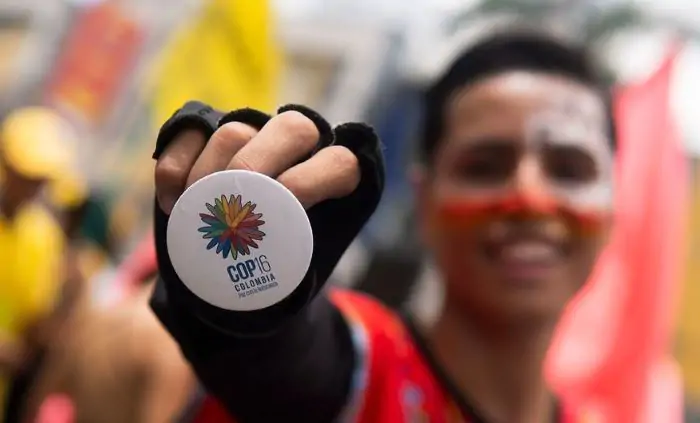
    Secretary-General António Guterres urged delegations from some 190 countries to “make peace with nature” and shore up a plan to stop habitat loss, save endangered species, and preserve our planet’s precious ecosystems as the latest UN biodiversity summit got under way in Cali, Colombia on Sunday night.

    The UN chief’s call came in a video message to the opening ceremony of the gathering, which officially begins on Monday 21 October in one of the most biodiverse countries on earth. Over the next two weeks, government experts, environmental activists and indigenous groups will tackle pressing global challenges in biodiversity protection.  

    Formally the 16th meeting of the Conference of Parties to the UN Convention on Biological Diversity, known by the shorthand CBD COP16, the summit marks the first global gathering on this vital issue since 2022, when countries agreed on the historic Kunming-Montreal Global Framework (GBF), the most far-reaching action plan to protect biodiversity.

    The Secretary-General said: “The framework is grounded in a clear truth – for humanity to survive, nature must flourish… it promises to reset relations with Earth and its ecosystems.”

    ‘La COP de la gente’

    “But we are not on track. Your task at this COP is to convert words into action. That means countries presenting clear plans that align national actions with all the framework’s targets,” he said, adding that it also means agreeing a strengthened monitoring and transparency framework and it means honouring promises on finance and accelerating support to developing countries.

    Mr. Guterres said delegations must leave Cail with significant investments in the GBF, its related funds and commitments to mobilize other sources of public and private finance to deliver on its goals in full.  

    “And those profiting from nature must contribute to its protection and restoration,” he continued, and underscored that the world’s developing countries “are being plundered” as the scientific discoveries and economic growth derived from their “extraordinary riches” were benefitting others.

    COP16 must engage all of society – as ‘la COP de la gente’ (a COP of the people) – and it must strengthen the role of indigenous peoples and local communities, who are “the world’s great guardians of biodiversity, luminaries of sustainable use.  

    Their knowledge and stewardship must be at the heart of biodiversity action at every level.

    “We have a plan to rescue humanity from a degraded Earth,” the Secretary-General said, and added that he looked forward to seeing delegates in person at the end of the COP “to hear how you have delivered.”  

    ‘Recomposing the way we live’

    In her remarks, COP President Susana Muhamad said that during COP16, steps must be taken towards implementation of the Kunming Montreal Global Framework.

    “It is basically about recomposing the way we live, recomposing the development model, recomposing, rethinking, rediscovering how we live together in diversity, in a system that does not permanently make nature a victim of development, but rather our own reproduction as a society reproduces life,” she said.

    Ms. Muhamad, who is Colombia’s Environmental Minister stressed that biodiversity conservation is deeply linked to climate action, and that extractive use of natural resources is responsible for 50 per cent of greenhouse gas emissions today, but at the same time, it is also causing 90 per cent of biodiversity loss.  

    “Powerfully restoring ecosystems and nature can contribute almost 40 per cent to the solution of stabilizing the climate and the carbon cycle,” she emphasized. 

    With Climate Change, Government Apathy, Who Should Kerala’s Fishworkers Turn To?

    Fishworkers are often invisible in discussions about climate change, yet they are at the heart of food security, feeding millions while struggling to feed their own families. Their fight for survival is not just about tradition or livelihood — it’s about justice. Shouldn’t their futures be at the forefront of climate justice debates?

    By Aishwarya Bajpai

    Every morning before dawn, fishworkers along the shores of Kochi, Kerala, head out to sea, casting their nets in the shadow of the iconic Cheenavala—the Chinese fishing nets that have become a symbol of their community. I witnessed this time-honored tradition, once a reliable means of survival, now a daily gamble, a fight against unpredictable seas and shrinking fish populations. 

    The COVID-19 pandemic exposed how vulnerable they are; despite being classified as essential workers, they were left without the protections they needed.

    And now, as climate change tightens its grip, these fishworkers find themselves on the front lines of a new crisis. Rising sea temperatures, erratic weather, and depleting fish stocks have pushed them further into despair, forcing them to navigate a future as uncertain as the waters they depend on.

    Martin, a fishworker from Kochi, Kerala, who smiled and invited me on his boat, has been fishing for over 25 years, reflecting on the mounting hardships. After a while explaining to me about the huge boat and the process of fishing, he said, “In these difficult times, when the government should be supporting us after generations of families have relied on fishing, we are left with nothing and are desperate for help. We purchase our tools and equipment for fishing, yet there’s no assistance from the government for education or healthcare.”

    Martin continued, “Five to six people work on a boat, and money has to be given to the owner as well. We have started to rely on tourism now, where we invite tourists, especially foreigners, onto our boats (private property) to explain our craft and fishing process, for which we sometimes get compensated. Some are generous, and some are not! This used to be the only way of earning in the rough season (Monsoon Fishing Ban), but now, after the climate change, this has become the only source of income for us.”

    Iconic Nets

    Kochi, once known as Cochin, was a major global trading hub. It drew merchants from Arabia and China in the 1400s, and later the Portuguese established Cochin as their protectorate, making it the first capital of Portuguese India in 1530.

    Today, the city’s rich architectural heritage, along with the iconic Cheenavala (Chinese fishing nets), are major tourist attractions. Fishermen here use these Chinese fishing nets as a traditional method of fishing.

    Believed to have been introduced by the  Chinese explorer Zheng He from the court of Kublai Khan, these iconic nets became a part of Kochi’s landscape between 1350 and 1450 AD. The technique, which is quite impressive to witness, involves large, shore-based nets that are suspended in the air by bamboo/teakwood supports and lowered into the water to catch fish without the need to venture out to sea. The entire structure is counterbalanced by heavy stones, making it an eco-friendly practice that preserves marine life and vegetation, relying solely on natural materials without harmful gadgets.

    Once a vital tool for sustaining the livelihoods of Kochi’s fishworkers, the traditional Cheenavala fishing nets have now become a symbol of a deepening crisis. Climate change, particularly the warming of the Arabian Sea, has drastically reduced fish populations.

    Ironically, the government profits from promoting this iconic symbol even as the seafood industry faces closures, with four export-oriented fish processing units shutting down in Kerela in recent months due to the shortage of fish. This stark contrast highlights the growing disconnect between tradition and survival in the face of climate change.

    Chinese Initiative

    Despite the Chinese fishing nets being a major tourist attraction, the government has shown little or no interest in preserving them. The process started in 2014 when a Chinese delegation, led by Hao Jia, a senior official of the Chinese embassy in India, met with Kochi’s then-mayor, Tony Chammany, to help renovate the nets and proposed constructing a pavement along Fort Kochi beach.

    KJ Sohan, former mayor of Kochi and president of the Chinese Fishing Net Owners’ Association, expressed his support for the Chinese initiative to preserve the traditional fishing nets. He emphasized that such large nets, rooted in ancient techniques, are unique to this region. However, he also highlighted the significant governmental neglect of these nets. Insurance companies refuse to cover them, and they need to be replaced twice a year, which incurs substantial costs.

    The Tourism Department later instructed the Kerala Industrial and Technology Consultancy Organisation (KITCO) to refurbish 11 of these nets and allotted 2.4 crore rupees (24 million), along with teakwood and Malabar for the repairs.

    The authorities had initially refused to release funds directly, requiring the owners to start the refurbishment first, with promises of staggered payments. It has recently come to light that the boat owners, many of whom took out high-interest loans to begin the renovation, are now in financial distress as they have yet to receive the promised government funds, despite completing the work over a year ago.

    Many took out loans and installed new coconut timber stumps, but even after nearly finishing the work, they are still waiting for the funds. This has left the fishworkers in debt while authorities cite GST-related issues for the delay. The owners argue they are exempt from the tax.

    Fighting for their Future

    Fishworkers, both men and women, are often invisible in discussions about climate change, yet they are at the heart of food security, feeding millions while struggling to feed their own families. Their fight for survival is not just about tradition or livelihood—it’s about justice. If the government continues to turn a blind eye, Kerala’s fishworkers may have no choice but to seek support elsewhere, from international bodies, non-governmental organizations, or global climate finance mechanisms. Their struggles must be recognized, and their voices amplified in the push for climate justice.

    Kerala’s fishworkers are not just battling the seas—they are fighting for their future. Without immediate action and meaningful support, we risk losing not only their livelihoods but an entire way of life. If the government cannot rise to the occasion, the world must step in to ensure that these communities do not slip into obscurity.