More

    At UN ‘Summit of the Future’, Civil Society Demand Radical Changes to International Financial Architecture

    Currency devaluations have raised the cost of servicing external debt, in many instances, while governments have been forced by conditionalities imposed by international institutions to implement austerity measures and cut spending on health, education and social protection.

    Pradeep Baisakh

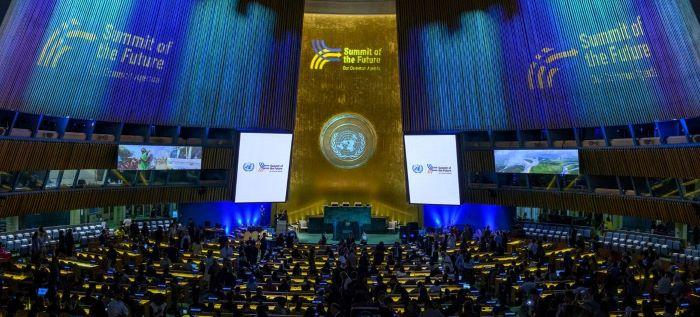
    As world leaders meet at the UN Summit of the Future on 22-23 September to forge a new international consensus, civil society groups and people’s leaders representing some of the world’s most marginalized communities are uniting across from UN headquarters for a Global People’s Assembly to demand meaningful changes that address the root causes of global injustice and solutions that prioritize the needs and rights of those left behind.

    More than 400 activists are expected to participate in the fifth edition of the Global People’s Assembly, which is the culmination of 30 regional and constituency-level gatherings, national-level assemblies and thousands of community actions around the world.

    “Whenever I try to build a hut, the police evict and harass us,” Laxman Gadia told one of the  people’s assemblies held in the build up to the UN summit and the Global People’s Assembly. “Despite my hard work, I cannot earn more than 100 rupees (US$1.20) daily. I struggle to provide basic necessities for my family, let alone quality education or health care for my children.”

    A member of the nomadic indigenous Gadia Lohar (blacksmith) community in Rajasthan, India, Laxman says he feels targeted and “left behind” because of his caste. His plight,  unfortunately, is not unique.

    A Global Emergency

    More than one billion people, half of whom are children, live in multidimensional poverty and unless deep-seated systemic barriers — such as discrimination and unequal political participation — are measured and addressed, the gap between those who are progressing and those left behind is expected to grow further.

    Recognizing the urgency of this challenge, the Global Call to Action Against Poverty (GCAP) is organizing a three-day Global People’s Assembly from 22-24 September. In cooperation with 52 civil society organizations and networks — including Oxfam International, Forus, CIVICUS, Action for Sustainable Development, and the Global Coalition for Social Protection Floors — the assembly will present actionable solutions to the ongoing man-made crises afflicting the planet and advocate for sustainable, people-centered approaches to global governance.

    “The latest draft of the Pact for the Future, which world leaders are expected to adopt at the Summit of the Future this week, is not nearly ambitious enough,” says WECF International executive director Sascha Gabizon. “It relies on the same institutions that have failed us for decades.”

    Set against this backdrop of rising inequalities, exploitation and systematic rights violations, the 2024 Global People’s Assembly will address economic and social justice, debt justice, social protection, human rights, the feminist economy and climate financing, particularly as these issues impact the lives of marginalized communities struggling to overcome barriers to development.

    Crushing Debt

    One of the most pressing challenges facing Latin American, African and Asian nations is a worsening debt situation that has been exacerbated by COVID-19 pandemic expenditures, the war in Ukraine and the climate emergency. In many countries, more than 30% and sometimes even 50% of the budget is spent for debt servicing – often more than for health and education together.  The UN organisation for Trade  and Development, UNCTAD, notes that indebted countries often lack adequate representation in multilateral institutions dealing with debt-related issues.

    “Debt burdens block people’s right to development,” explains Mae Buenaventura of the Asian People’s Movement on Debt and Development. “Current relief measures are woefully inadequate. Much of this debt is illegitimate, contracted without public consultation, and has led to displaced communities and destroyed livelihoods. We demand its immediate and unconditional cancellation.”

    Currency devaluations have raised the cost of servicing external debt, in many instances, while governments have been forced by conditionalities imposed by international institutions to implement austerity measures and cut spending on health, education and social protection.

    “The global financial architecture, driven by the World Bank and International Monetary Fund, fails to provide adequate social protection for people living in poverty, even though social protection is a basic human right,” says GCAP global co-chair Arjun Bhattarai.

    The international community backed Universal Social Protection Floors (SDG 1.3) when it endorsed he Sustainable Development Goals. This promise must be transformed into action.  Urgent changes to the international financial architecture is required to provide resources to fund universal social protection, health and education.

    “What’s truly needed is action to reduce the debt burden on Global South countries. When half of a state’s budget goes to debt payments, it cannot invest in the care economy,” adds Gabizon, who explains that debt justice must be addressed in order to advance gender equality.

    “The UN Pact of the Future needs to have a feminist-economics perspective and it must include global tax reform to end tax evasion and make the super-rich pay their fair share to support Agenda 2030,” she says.

    Conflict, Climate and Accountability

    The 2024 Global People’s Assembly will also draw attention to the domino effects of ongoing global conflicts and the climate crisis. Nearly a dozen countries and territories — including Ukraine, Palestine, Myanmar, Haiti, Sudan and the Democratic Republic of Congo — face extreme conflicts, while flooding, drought and heat waves resulting from man-made climate change exacerbate poverty and inequalities.

    Urgent international cooperation is needed to address the root causes of conflict and to ensure that development efforts can thrive in a world free from violence and instability.

    Financial targets to support developing countries in their climate actions post-2025 — known as the New Collective Quantified Goal (NCQG), within the context of the Paris climate agreement — must also be adopted.

    “Climate justice is central to any discussion on justice,” says Pan African Climate Justice Alliance executive director Dr. Mithika Mwenda. “We cannot achieve economic justice if wealthy nations refuse to commit to a NCQG on climate finance. Frontline communities need this support to adapt and protect their fragile livelihoods.”

    A growing wave of anti-NGO laws and harassment threaten the ability of civil society organizations, though, to advocate for reforms like these.  People in nearly 120 countries face civic space restrictions, due to military coups and other forms of repression.

    “Every attack on civil society is an attempt to suffocate people’s voices and a direct challenge to the fundamental rights of all,” warns Forus International director Sarah Strack. “At the Summit of the Future, it’s time to unite to demand accountability from those who seek to silence us and to reaffirm our commitment to justice, equality, and the power of collective action.”

    Pradeep Baisakh is a senior journalist.
    Government Marks 100 Days of Progress in Agriculture and Farmers’ Welfare

    Starting in October, the government will introduce the modern kisan chaupal – lab to land program, which will facilitate direct interactions between scientists and farmers. This initiative aims to disseminate critical information regarding innovative agricultural practices.

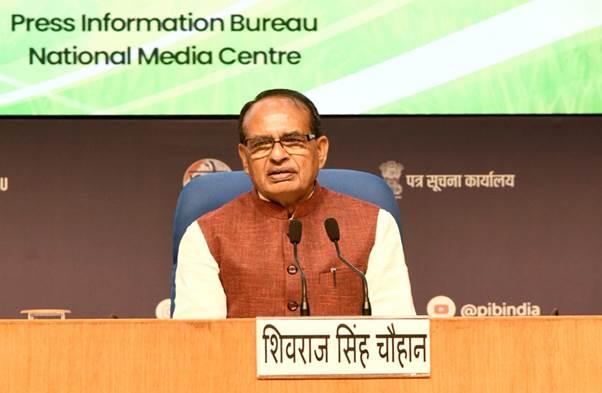
    Union minister for agriculture and farmers’ welfare, Shivraj Singh Chouhan, held a press conference on Thursday to outline significant achievements and initiatives taken by the ministry of agriculture and farmers’ welfare in the first 100 days of the current government. Highlighting a comprehensive six-point strategy, Chouhan reaffirmed the government’s commitment to enhancing agricultural productivity and ensuring the welfare of farmers, emphasizing, “Agriculture is the backbone of our economy,” he said, underlining the importance of the sector for the food security of India’s 1.4 billion citizens.

    The agriculture minister reiterated the government’s unwavering commitment to advancing the welfare of farmers, emphasizing that agriculture remains a cornerstone of India’s economic landscape. As the government continues to implement its ambitious plans, collaboration across all sectors will be crucial for fostering a sustainable and prosperous agricultural future.

    Major achievements

    Over the past 100 days, the Department of Agricultural Research and Education (DARE) and the Indian Council of Agricultural Research (ICAR) have implemented several key initiatives aimed at bolstering agricultural productivity and sustainability in the face of climate change.

    Release of Climate-Resilient Varieties:
    Chouhan announced the introduction of 109 new climate-resilient seed varieties across 61 crops, including 34 food crops and 27 horticultural varieties. These seeds are engineered to withstand stresses such as drought, diseases, and saline soils, empowering farmers to protect their yields even in adverse conditions.

    Seed Delivery Framework:
    A new framework has been established for the timely distribution of these seeds, with ICAR, agricultural universities, and state governments working together to ensure that the seeds reach farmers before the Rabi season. This initiative also includes collaboration with the private sector in seed production.

    SATHI Portal Integration:
    To improve seed quality and traceability, the Ministry has onboarded 266 breeder seed production centers onto the SATHI Portal. This integration will help ensure that farmers receive high-quality seeds.

    Advanced Agricultural Techniques:
    A launch of 100 advanced agricultural techniques aims to optimize resource usage, cut costs, and protect crops from pests and diseases. These techniques are designed to provide farmers with the right inputs at the right times.

    Climate Change Strategic Plans:
    Strategic plans to address climate challenges have been developed for 140 blocks across 28 states and 4 union territories. These plans include methods for selecting suitable crop varieties based on weather conditions and implementing effective water conservation practices.

    AI-Based Tools for Farmers:
    Ten AI-driven applications have been developed, including a pest identification platform that allows farmers to upload pest images and receive immediate identification and control advice. Over 15,000 farmers have downloaded this app within the first month of its launch.

    Online Agricultural Education System:
    The admission system for agricultural universities has transitioned online in line with the National Education Policy-2020. The new VIKAS app facilitates interaction between students and agricultural practices, enhancing engagement in agricultural education.

    Training Initiatives:
    Krishi Vigyan Kendras (KVKs) have provided training to over 65,000 individuals under the Kushal Yuva program, with a notable emphasis on empowering women in agriculture.

    Promotion of Natural Farming:
    Research on natural farming is ongoing, with 101,633 farmers trained through various programs. Awareness campaigns have reached over 11 lakh farmers, promoting sustainable practices.

    These initiatives are part of the government’s larger commitment to improving the resilience and productivity of India’s agricultural sector.

    Enhanced Agricultural Production

    Chouhan stressed the importance of increasing crop yields through the introduction of 109 new climate-friendly, pest-resistant, and high-yielding seed varieties. This initiative aims not only to boost agricultural output but also to ensure environmental sustainability.

    Cost reduction in farming:

    To alleviate the financial burden on farmers, the minister announced significant reductions in fertilizer costs. Urea, typically priced at ₹2,366 per bag, is now available to farmers at ₹266. Similarly, a bag of DAP has been reduced from ₹2,433 to ₹1,350.

    Digital agriculture mission:

    The government has launched the Digital Agriculture Mission with a budget of ₹2,817 crore, aimed at establishing a Digital Public Infrastructure (DPI) for agriculture. This initiative plans to create digital identities for 11 crore farmers by 2026-27, providing access to various agricultural services and benefits.

    Modern kisan chaupal:

    Starting in October, the government will introduce the modern kisan chaupal – lab to land program, which will facilitate direct interactions between scientists and farmers. This initiative aims to disseminate critical information regarding innovative agricultural practices.

    PM-Kisan initiative:

    Chouhan highlighted the government’s disbursement of ₹21,000 crore to over 9.26 crore farmers through the PM-Kisan scheme, which has now included more than 25 lakh new beneficiaries, bringing the total to 9.51 crore. An AI-based chatbot, Kisan-eMitra, has also been introduced to assist farmers with queries, successfully addressing over 82 lakh inquiries.

    Trade policy adjustments

    In an effort to enhance agricultural exports, the government has made several policy adjustments, including:

    • Onion Exports: The removal of the Minimum Export Price (MEP) for onions and a reduction of the export duty from 40 per cent to 20 per cent to boost exports and improve prices for growers.
    • Basmati Rice: Elimination of the MEP for Basmati rice, facilitating recovery in international markets for better pricing.
    • Edible Oils: An increase in import duties on palm, soya, and sunflower oil to support domestic prices and benefit local producers.

    Financial support to farmers

    Chouhan reaffirmed the government’s commitment to ensuring fair prices for agricultural produce through the Pradhan Mantri Annadata Aay Sanrakshan Abhiyan (PM-AASHA), which has a budget of ₹35,000 crore until 2025-26. The scheme aims to provide price support and stabilization for farmers during volatile market conditions.

    The government has also sanctioned substantial procurement quantities for the upcoming Kharif season to ensure fair pricing, including:

    • 28.36 LMT of soybean across four states.
    • 1.33 LMT of urad in three states.
    • 43,500 MT of moong in Maharashtra, Telangana, and Karnataka.

    Infrastructure development

    Chouhan announced an expansion of the Agriculture Infrastructure Fund (AIF), aimed at addressing existing infrastructure gaps in the agricultural sector. To date, over ₹48,500 crore has been sanctioned for 76,400 projects, creating nearly 8.25 lakh jobs in rural areas and significantly enhancing storage capacity for agricultural products.

    He said that the ministry of agriculture is well-equipped to address the challenges faced by the farming community. Chouhan expressed optimism regarding the digital agriculture mission, which seeks to modernize farming practices and improve service delivery to farmers.

    Migration Patterns in Udaipur’s Adivasi Communities: A Complex Tale of Struggle, Mobility, and Identity

    Young men from these communities, burdened by poor educational outcomes and limited job prospects, view migration as a means to escape the cycle of poverty. They are often frustrated by an education system that fails to provide them with practical skills, leading to a sense of low self-worth.

    Yogeshwar Gupta

    Migration has long been a significant phenomenon affecting various regions across India, but in the Adivasi-dominated villages of Udaipur’s Salumber block, it presents a nuanced narrative shaped by socio-economic factors, gender dynamics, and the changing landscape. The migration patterns observed in Udaipur’s Banoda Panchayat are a testament to the complex interplay of economic pressures, social structures, and individual aspirations. While migration offers a temporary escape from poverty, it also traps these communities in a cycle of dependence on seasonal labor, with little hope of permanent uplift. As the region continues to urbanize, the future of these communities remains uncertain, caught between the promises of development and the harsh realities of their current existence. (Aajeevika Bureau, 2008)I spent one month in the Banoda Panchayat, attempting to understand the intricate patterns of migration from this area and the lived experiences of these communities.

    Paradox of poverty and ownership

    The research reveals a curious paradox: the majority of migrants from Banoda Panchayat are not landless laborers, but rather, individuals from landed households. The study found that 91 per cent of the households with migrating members own land, with nearly half possessing more than two bighas. Yet, this land ownership does not translate into economic stability. Instead, the undivided nature of these assets, combined with large family sizes, often drives young men to seek employment elsewhere. Migration in this region is overwhelmingly male, a trend consistent with findings from other studies on rural-urban migration in India.

    Young men from these communities, burdened by poor educational outcomes and limited job prospects, view migration as a means to escape the cycle of poverty. They are often frustrated by an education system that fails to provide them with practical skills, leading to a sense of low self-worth. The first paycheck from labour work in distant cities provides them with a sense of independence and self-affirmation, further entrenching their commitment to migration.

    Preferred destination

    Ahmedabad emerges as the most popular destination for these migrants, primarily due to its proximity, which facilitates seasonal migration patterns. The study notes that less than 10 per cent of households reported any permanent migration, underscoring the temporary and cyclical nature of this movement. The strong social networks that migrants maintain both at home and in their destination, city play a crucial role in sustaining this pattern.

    Work conditions at the destination sites are, however, far from ideal. Migrants, particularly those from tribal backgrounds, often find themselves in physically demanding and exploitative jobs, such as construction or loading work. The report documents grueling work conditions, with 12-hour workdays and minimal rest. These take a significant toll on their health and well-being. Despite these hardships, the allure of a regular income keeps these men returning to the city year after year.

    Gender Disparities in Mobility

    While young men venture out in search of work, young women and girls from these communities face severe restrictions on their mobility.  Women are often confined to domestic duties, in these households, with limited opportunities for economic participation. Even those with a higher level of education remain bound to household work and farming, a stark contrast to their male counterparts. (Bhatt, 2009)

    This gendered division of labour is deeply ingrained, with societal expectations limiting women’s roles. Women recounted instances where those who attempted to break these norms faced severe social backlash. One such case involved a woman who participated in protests in Jaipur, only to be accused by her own community of inappropriate behaviour. This incident highlights the rigid gender norms that continue to constrain women’s mobility and independence.

    Changing Landscapes and Urban Aspirations

    Interestingly, these migrants have no desire to settle permanently in urban areas, unlike migrants from other regions such as Uttar Pradesh or Bihar. Land ownership again plays a pivotal role here (Shewel, 2022), with many migrants hoping to benefit from the anticipated increase in land value due to urbanization. The recent declaration of Salumber as a district and Banoda as a Nagar Pallika has further fuelled these aspirations.

    However, the precarious nature of migrant labour means that these aspirations often remain unfulfilled. Many families start building homes with their earnings, only to abandon these projects midway due to financial instability or health crises. the hopes and frustrations of these communities, Caught between the rural and urban worlds, these communities are unable to fully belong to either.

    Yogeshwar is a Young India Fellow at Ashoka University. This piece has been extracted from their research report following their stint as an Abhijit Sen Research Intern with the National Foundation for India.

    Ozone Layer on Track for Recovery, Says WMO

    According to the WMO, the ozone layer could recover to pre-1980 levels by around 2066 over the Antarctic if current policies remain in place. This would also lead to full recovery of the layer by 2045 over the Arctic and 2040 for the rest of the world.

    A new report from the World Meteorological Organization (WMO) has revealed strong evidence that the ozone layer is healing, thanks to global efforts to phase out ozone-depleting substances. The annual Ozone and UV Bulletin, released on Monday, coincides with World Ozone Day, which commemorates the implementation of the Montreal Protocol and its subsequent Kigali Amendment.

    The UN Secretary-General, António Guterres, welcomed the progress made in ozone layer recovery, emphasizing the importance of continued protection measures. “The Protocol’s Kigali Amendment, which focuses on phasing down hydrofluorocarbons (HFCs) – powerful climate-warming gases – can contribute to advancing climate mitigation efforts, protecting people and planet,” he stated.

    According to the WMO, the ozone layer could recover to pre-1980 levels by around 2066 over the Antarctic if current policies remain in place. This would also lead to full recovery of the layer by 2045 over the Arctic and 2040 for the rest of the world.

    Matt Tully, Chair of WMO’s Scientific Advisory Group on Ozone and Solar UV Radiation, noted the crucial role of the organization’s Global Atmosphere Watch (GAW) Programme in supporting ozone science through observations, analysis, modelling, data stewardship, and capacity-building. “It is critical that observations of ozone, ozone-depleting substances and ultraviolet (UV) radiation are maintained with the quality, resolution and global coverage necessary to account for changes in ozone over the coming decades,” he said.

    Once an ailing patient

    The WMO bulletin also provided details on strategies to protect human health and the environment from ultraviolet radiation while exploring the impact of weather patterns and a significant volcanic eruption on the Antarctic ozone hole in 2023.

    It found that the total column ozone values in 2023 were within the expected range, thanks to the decline of ozone-depleting chlorine and bromine in the stratosphere. While the bulletin highlighted positive changes to the Antarctic ozone hole, it also noted that atmospheric events can have a significant impact on its development.

    The WMO emphasized the need for continued monitoring and research to fully understand the factors influencing ozone layer recovery and to address any unexpected changes.

    The release of the WMO Ozone and UV Bulletin coincided with World Ozone Day, which celebrates the Montreal Protocol as one of the most successful environmental treaties. The theme for this year’s World Ozone Day was “Montreal Protocol: Advancing Climate Action.”

    “The ozone layer, once an ailing patient, is on the road to recovery,” said UN Secretary-General António Guterres. “At a time when multilateralism is under severe strain, the Montreal Protocol stands out as a powerful symbol of hope.”

    The WMO’s report offers a positive outlook for the ozone layer’s future, but it also underscores the importance of continued vigilance and international cooperation to ensure its long-term recovery and protect human health and the environment.

    Cabinet Approves Continuation of Schemes of Pradhan Mantri Annadata Aay SanraksHan Abhiyan

    The extension of implementation of market intervention scheme with changes will provide remunerative prices to farmers growing perishable horticulture crops. The extension of price stabilization fund scheme will help in protecting consumers from extreme volatility in prices of agri-horticultural commodities.

    The union cabinet chaired by the prime minister Narendra Modi has approved the continuation of schemes of Pradhan Mantri Annadata Aay SanraksHan Abhiyan (PM-AASHA) to provide remunerative prices to farmers and to control price volatility of essential commodities for consumers.

    The total financial outgo will be Rs. 35,000 crore during fifteenth finance commission cycle upto 2025-26.

    The government has converged the price support scheme (PSS) and the price stabilization fund (PSF) schemes in PM AASHA to serve the farmers and consumers more efficiently. The Integrated scheme of PM-AASHA will bring-in more effectiveness in the implementation which would not only help in providing remunerative prices to the farmers for their produce but also control the price volatility of essential commodities by ensuring their availability at affordable prices to consumers. PM-AASHA will now have the components of price support scheme (PSS), price stabilization fund (PSF), price deficit payment scheme (POPS) and market intervention scheme (MIS).

    The procurement of notified pulses, oilseeds and copra at MSP under Price Support Scheme will be on 25 per cent of national production of these notified crops from 2024-25 season onwards which would enable states to procure more of these crops at MSP from farmers for ensuring remunerative prices and preventing distress sale. However, this ceiling will not be applicable in case of tur, urad and masur for 2024-25 season as there will be a 100 per cent procurement of tur, urad and masur during in 2024-25 season as decided earlier.

    Motivating farmers

    The government has renewed and enhanced the existing government guarantee to Rs.45,000 crore for procurement of notified pulses, oilseeds and copra at MSP from farmers. This will help in more procurement of pulses, oilseeds and copra by the department of agriculture and farmers welfare (DA&FW) from farmers at MSP including pre-registered farmers on eSamridhi portal of National Agricultural Cooperative Marketing Federation of India (NAFED) and eSamyukti portal of National Cooperative Consumers’ Federation of India (NCCF) whenever prices fall below MSP in the market. This would also motivate the farmers to cultivate more of these crops in the country and contribute in achieving self-sufficiency in these crops leading to reduction in dependence on imports to meet domestic requirement.

    The extension of price stabilization fund (PSF) scheme will help in protecting consumers from extreme volatility in prices of agri-horticultural commodities by maintaining strategic buffer stock of pulses and onion for calibrated release; to discourage hoarding, unscrupulous speculation; and for supplies to consumers at affordable prices. Procurement of pulses at market price will be done by the department of consumer affairs including pre-registered farmers on eSamridhi portal of NAFED and eSamyukti portal of NCCF whenever prices rule above MSP in the market.

    Tomato, Onion and Potato

    Apart from buffer maintenance, the interventions under PSF scheme have been undertaken in other crops such as tomato and in subsidized retail sale of Bharat Dals, Bharat Atta and Bharat Rice.

    In order to encourage the states to come forward for implementation of price deficit payment scheme (PDPS) as an option for notified oilseeds, the coverage has been enhanced from existing 25 per cent of state production of oilseeds to 40 per cent and also enhanced the implementation period from three months to four months for the benefit of farmers. The compensation of difference between MSP and sale/modal price to be borne by union government is limited to 15 per cent of MSP.

    The extension of implementation of market intervention scheme (MIS) with changes will provide remunerative prices to farmers growing perishable horticulture crops. The government has increased the coverage from 20 per cent to 25 per cent of production and has added a new option of making differential payment directly into the farmers’ account instead of physical procurement under MIS. Further, in case of TOP (Tomato, Onion and Potato) crops, to bridge the price gap in TOP crops between producing states and consuming states during peak harvesting time, the government has decided to bear the transportation and storage expenses for the operations undertaken by central nodal agencies like NAFED and NCCF which will not only ensure remunerative prices to farmers but also soften the prices of TOP crops for consumers in the market.

    Pradhan Mantri Janjatiya Unnat Gram Abhiyan to Empower India’s Tribal Communities

    PMJUGA focuses on providing tribal families with access to pucca housing, ensuring they have safe and secure living conditions. This will replace their current temporary or inadequate housing structures.

    The union cabinet chaired by Prime Minister Narendra Modi approved the Pradhan Mantri Janjatiya Unnat Gram Abhiyan (PMJUGA) with a total outlay of Rs.79,156 crores (Central Share: Rs.56,333 crore and State Share: Rs. 22,823 crore). The purpose of the mission is to improve the socio-economic condition of tribal communities by adopting saturation coverage for tribal families in tribal-majority villages and aspirational districts.

    Aiming to benefit over five crore tribal people, the mission comprises of 25 interventions which will be implemented by 17-line ministries. Each ministry or department would be responsible for implementation of scheme related to it in a time bound manner through funds allocated to them under Development Action Plan for Scheduled Tribes (DAPST) in next five years

    According to a PIB release, PMJUGA aims to improve the lives of tribal communities across the country. This ambitious program promises to deliver significant improvements in key areas such as housing, infrastructure, healthcare, education, and economic opportunities.

    Enhancing Tribal Living Standards

    PMJUGA focuses on providing tribal families with access to pucca housing, ensuring they have safe and secure living conditions. This will replace their current temporary or inadequate housing structures. The program also recognizes the importance of basic amenities and will work towards ensuring clean water and electricity reach tribal villages.

    Healthcare is another critical aspect of PMJUGA. The program will strive to make sure that tribal communities have access to quality medical care. This will involve strengthening healthcare infrastructure in tribal areas and ensuring the availability of essential medical services.

    Education is another pillar of PMJUGA. The program will work towards increasing school enrollment rates among tribal children and improving the quality of education they receive. This will equip them with the knowledge and skills they need to succeed in life.

    Promoting Economic Empowerment

    PMJUGA recognizes that economic empowerment is crucial for uplifting tribal communities. The program will focus on skill development initiatives to equip tribal youth with marketable skills. This will improve their employability and open up new economic opportunities. Additionally, PMJUGA will promote entrepreneurship among tribal communities, enabling them to start their own businesses and become self-sufficient.

    Benefiting Over 5 Crore Tribal People

    This will cover around 63,000 villages benefitting more than five crore tribal people as announced in the Budget Speech 2024-25.   It will cover 549 districts and 2,740 blocks spread across all tribal majority villages across 30 States / UTs.

    The launch of PMJUGA marks a significant step forward in the Government of India’s commitment to improving the lives of tribal communities. By addressing their key needs in areas such as housing, infrastructure, healthcare, education, and economic empowerment, PMJUGA has the potential to create a brighter future for tribal communities across India.

    India has tribal population of 10.45 crores as per the 2011 census and there are more than 705 tribal communities, spread across the country, living in remote and hard-to-reach areas. The Pradhan Mantri Janjatiya Unnat Gram Abhiyan envisions saturation of critical gaps in social infrastructure, health, education, livelihood, through different schemes of the government by convergence and outreach and ensure holistic and sustainable development of tribal areas and communities based on learnings and success of PMJANMAN (Pradhan Mantri Janjati Adivasi Nyaya Maha Abhiyan).

    Image: Living Farms

    Myanmar: Over 5,000 Killed Since Military Coup, Says UN Report

    Animals such as snakes or insects or other wild animals have been introduced in order to provoke fear and terror in individuals, James Rodehaver, head of the UN human rights Myanmar team said.

    At least 5,350 civilians have been killed, and more than 3.3 million displaced, mainly due to violence perpetrated by the national armed forces, since the Myanmar military seized power on 1 February 2021. The conflict has pushed more than half of Myanmar’s population below the poverty line, and the situation is deteriorating rapidly.

    Furthermore, nearly 27,400 people have been arrested, and numbers have been rising since the implementation of mandatory conscription since February.

    These and more findings are contained in a damning report released by the United Nations High Commissioner for Human Rights (OHCHR). The report details the ongoing human rights crisis in Myanmar. It highlights a range of grave violations committed by the military junta since seizing power in February 2021.

    The OHCHR’s report titled, ‘Situation of human rights in Myanmar – Report of the United Nations High Commissioner for Human Rights’, an advance copy of which has been made available, is a stark reminder of the ongoing human rights crisis in Myanmar. It underscored the imperative for the international community to take urgent action to hold the military junta accountable for its crimes and to support the restoration of democracy and human rights in the country.

    The report also documents widespread torture, arbitrary arrests, and forced conscription. At least 27,400 people have been arrested since the coup, and the number of detainees has been rising since the implementation of mandatory military service.

    “The report looks at the devastating impact of the violence, destruction, and deprivation on people’s mental health, as well as the regression in economic and social rights, which is precipitating further economic decline,” said Liz Throssell, OHCHR spokesperson.

    Using animals for torture

    The report details horrifying accounts of torture and ill-treatment in military custody. Credible sources indicate that at least 1,853 people have died in detention since the coup, including 88 children and 125 women. Many of these individuals were subjected to abusive interrogation, torture, and denial of adequate healthcare.

    “The introduction of animals such as snakes or insects or other wild animals in order to provoke fear and terror in individuals,” said James Rodehaver, head of the UN human rights Myanmar team. “Beating people with iron poles, bamboo sticks, batons, rifle butts, leather strips, electric wires, motorcycle chains, asphyxiation, mock executions, electrocution, and burning with tasers, lighters, cigarettes, and boiling water. Truly, some of the most depraved behaviour utilized as methods of torture in these detention centres.”

    The OHCHR has called for all those responsible for human rights violations in Myanmar to be held accountable. In light of the report’s findings, UN High Commissioner for Human Rights Volker Türk has urged the Security Council to refer the situation to the International Criminal Court (ICC).

    “He reiterates his calls for an end to the violence and for the immediate and unconditional release of all those arbitrarily detained,” OHCHR spokesperson Liz Throssell told journalists in Geneva.

    The report paints a bleak picture of the human rights situation in Myanmar. The ongoing violence and repression have had a devastating impact on the population, and the country is facing a humanitarian crisis of immense proportions.

    Key findings

    • At least 5,350 civilians killed and over 3.3 million displaced since the coup.
    • More than 3.3 million displaced
    • Over half the population living below the poverty line.
    • At least 27,400 people arrested.
    • Widespread torture, arbitrary arrests, and forced conscription.
    • At least 1,853 people died in custody.
    • Severe mental health impacts on the population.

    Image:  UNOCHA/Siegfried Modola

    Climate Finance: ADB Commits $2 Billion Annual Aid to Pakistan

    ADB President Asakawa’s meeting with Pakistan Prime Minister Mian Muhammad Shehbaz Sharif witnessed the signing of agreements for two major projects: the Sindh Emergency Housing Reconstruction Project and the Khyber Pakhtunkhwa Rural Roads Development Project. 

    The Asian Development Bank (ADB) has pledged to provide Pakistan with $2 billion in annual assistance over the next three years to support infrastructure development and climate-resilient initiatives. This announcement comes in the wake of devastating floods that ravaged parts of Pakistan in 2022, causing significant loss of life and property.

    The 2022 floods, triggered by climate change, resulted in the deaths of over 1,700 people, affected millions, and caused an estimated $30 billion in damages. Despite international efforts to provide aid, Pakistan has faced a significant shortfall in funding for reconstruction efforts, hindering the rehabilitation of flood-affected communities.

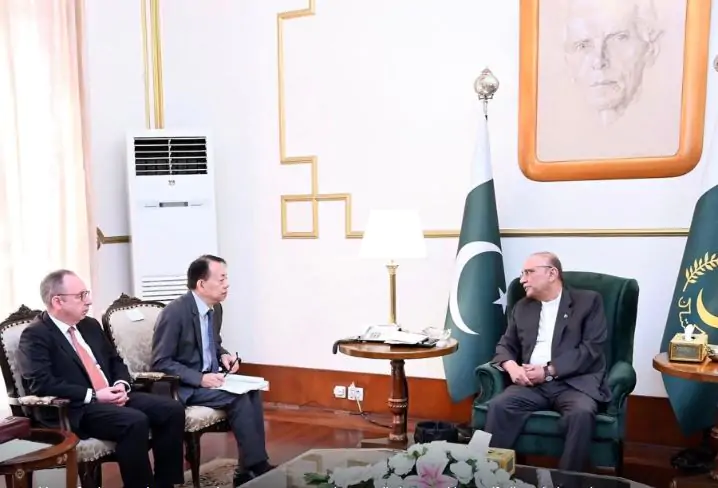
    During a meeting with Pakistan President Asif Ali Zardari in Islamabad, ADB President Masatsugu Asakawa reaffirmed the bank’s commitment to supporting Pakistan’s recovery and development. “The ADB will provide $2 billion in annual assistance to Pakistan over the next three years,” Asakawa stated. “This support will be focused on infrastructure development and climate-resilient initiatives.”

    President Zardari expressed gratitude for the ADB’s continued support, emphasizing Pakistan’s urgent need for climate finance. “The severe climate changes and devastating floods of 2022 had a profound impact on our country’s economy,” he said. “We need increased support from the ADB to address the challenges posed by climate change.”

    To recover from 2022 floods

    The ADB’s country partnership strategy for Pakistan prioritizes improving economic management, building resilience, and boosting competitiveness. Since 2021, the bank has committed over $41 billion to Pakistan through loans, grants, and technical assistance. This funding has been allocated to various sectors, including infrastructure, energy, and social development.

    “The 2022 floods in Pakistan have compounded the challenges posed by structural risk and economic shocks,” said Asakawa. “ADB has been a strong and reliable partner for Pakistan during these difficult times. I am deeply impressed by the resilience of the Pakistani people and the government’s commitment to advancing crucial reforms. ADB remains fully committed to supporting Pakistan in areas such as climate resilience, food security, social protection, and job creation, with a particular focus on empowering women.”

    The ADB’s announcement of increased financial assistance comes at a critical time for Pakistan, which is grappling with economic challenges and the long-term impacts of the 2022 floods. The $2 billion annual commitment is expected to play a crucial role in helping Pakistan rebuild and recover from the disaster, while also addressing the country’s vulnerability to climate change.

    Later, Asakawa’s meeting with Pakistan Prime Minister Shehbaz Sharif witnessed the signing of agreements for two major projects: the Sindh Emergency Housing Reconstruction Project and the Khyber Pakhtunkhwa Rural Roads Development Project. 

    The $400 million Sindh Emergency Housing Reconstruction Project is aimed at helping Pakistan rebuild and recover from the devastating 2022 floods. The $320 million Khyber Pakhtunkhwa Rural Roads Development Project will rehabilitate about 900 kilometers of rural roads, enhancing connectivity and strengthening the provincial government’s capacity to protect communities from future climate-related events.

    Taliban Struggles to Maintain Control as IS-K Poaches Fighters

    As the Taliban struggles to navigate the complexities of governance and the threat posed by IS-K, the future of Afghanistan remains uncertain. The country’s stability and prosperity hinge on the Taliban’s ability to establish a legitimate, inclusive, and effective government.

    Three years after seizing power, the Taliban continues to grapple with internal challenges and external threats that threaten its fragile hold on Afghanistan, according to a report by Radio Free Europe Radio Liberty. One of the most pressing issues facing the militant group is the growing allure of its rival, the Islamic State-Khorasan (IS-K), which is actively recruiting disgruntled Taliban fighters.

    The Taliban’s aspirations for international recognition as the sole legitimate authority in Afghanistan have been thwarted by its failure to establish a stable and inclusive government. Meanwhile, IS-K has capitalized on the Taliban’s shortcomings, painting itself as a more radical and uncompromising jihadist movement.

    IS-K has accused the Taliban of abandoning its core principles and compromising its ideals in pursuit of foreign aid and investment. This narrative has resonated with some Taliban fighters who are disillusioned with the group’s current trajectory.

    To lure Taliban fighters, IS-K has launched a series of attacks both within and outside of Afghanistan, aiming to undermine the Taliban’s legitimacy and authority. The group has also employed sophisticated propaganda to portray itself as the true continuation of the global jihad.

    “This is a very powerful and potent strategy, and it is likely already working,” said Lucas Webber, co-founder of Militant Wire and research fellow at the Soufan Center told Radio Free Europe Radio Liberty. “There are reports of defections.”

    Some Taliban fighters, Webber suggests, may be growing weary of the mundane tasks of governing and longing for the excitement and purpose they found on the battlefield. “A lot of these fighters, they grew up their whole lives fighting the United States and the international coalition,” Webber said. “Now a lot of them are stuck, bored, doing administrative jobs.”

    Consolidating power

    Despite its challenges, the Taliban has made strides in consolidating its power and improving security within Afghanistan. However, its widespread human rights abuses, particularly against women, and its failure to establish a truly inclusive government have hindered its efforts to gain international recognition.

    The Taliban’s isolation has been exacerbated by multiple humanitarian, environmental, and economic crises, which have hampered international aid and investment. The actions of IS-K have further undermined the Taliban’s legitimacy and hindered its ability to attract foreign investment.

    IS-K, which emerged in 2015 from a faction of the Taliban, has grown in strength and influence. The group has conducted high-profile attacks in Afghanistan and neighbouring countries, challenging the Taliban’s narrative of peace and stability.

    The Taliban has repeatedly denied that IS-K operates on Afghan soil, but there is ample evidence to suggest that the group poses a significant threat to the Taliban’s rule. Internal documents and reports from the UN monitoring team have revealed IS-K’s infiltration of Taliban security forces and its efforts to recruit disaffected Taliban fighters, says Radio Free Europe Radio Liberty.

    IS-K’s goal is to establish a caliphate in the Khorasan region, which includes parts of Afghanistan, Pakistan, Iran, and Central Asia. The group’s narrative seeks to discredit the Taliban among the Afghan population and promote sectarian divisions.

    Uncertain future

    Externally, IS-K has conducted attacks in neighbouring countries, including Tajikistan, Iran, Pakistan, and Russia. These attacks undermine the Taliban’s efforts to present Afghanistan as a safe and secure environment for foreign investment.

    According to Radio Free Europe Radio Liberty, IS-K has also targeted foreign tourists in Afghanistan, highlighting the Taliban’s failure to protect the country’s cultural heritage and attract foreign visitors. The group’s attacks on foreign tourists have further damaged Afghanistan’s reputation and deterred potential investors.

    The ongoing conflict between the Taliban and IS-K has significant implications for Afghanistan’s future. The Taliban’s ability to maintain control over the country depends on its ability to address the grievances of its fighters and counter the appeal of IS-K.

    As the Taliban struggles to navigate the complexities of governance and the threat posed by IS-K, the future of Afghanistan remains uncertain. The country’s stability and prosperity hinge on the Taliban’s ability to establish a legitimate, inclusive, and effective government.

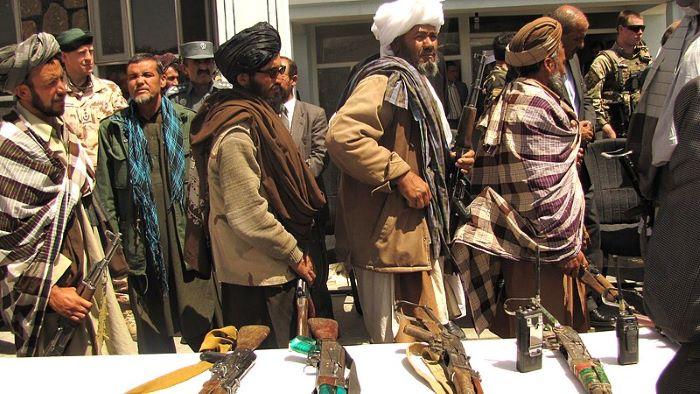
    Image: For indicative purpose only. Former Taliban fighters line up to handover their Rifles to the Government of the Islamic Republic of Afghanistan during a reintegration ceremony at the provincial governor’s compound. The re-integrees formally announced their agreement to join the Afghanistan Peace and Reintegration Program during the ceremony. (Department of Defense photograph by Lt. j. g. Joe Painter/RELEASED)
    Date:     28 May 2012, 05:55:26
    Source: Flickr: 120528-N-TR360-003
    Author: isafmedia

    Prime Minister Modi Launches ‘SUBHADRA’ and Initiates Major Infrastructure Projects in Odisha

    The ‘SUBHADRA’ scheme is designed to provide financial support to eligible women aged 21-60 years, with ₹10,000 credited annually in two instalments directly to their Aadhaar-enabled bank accounts.

    Prime Minister Narendra Modi unveiled the ‘SUBHADRA’ scheme, the largest women-centric initiative in the country, during a grand event in Bhubaneswar, Odisha today. The scheme, which aims to empower women across the state, will benefit over 1 crore women by providing direct financial assistance of ₹50,000 each over five years.

    The Prime Minister also initiated the transfer of funds into the bank accounts of more than 10 lakh women, marking the beginning of the scheme’s rollout. This initiative is set to directly impact the financial stability of numerous families and bolster women’s economic participation.

    The event, held amidst the ongoing Ganesh Utsav and the auspicious occasion of Anant Chaturdashi and Vishwakarma Puja, also saw Prime Minister Modi laying the foundation stones for major infrastructure projects in the state. He inaugurated railway projects worth over ₹2800 crore and laid the groundwork for national highway projects totaling more than ₹1000 crore. These projects are expected to enhance connectivity and spur regional development.

    Highlighting the significance of the day, Prime Minister Modi addressed a gathering of thousands, expressing his gratitude and pride in being part of such transformative initiatives. He remarked on the importance of Odisha in the national developmental framework, noting that this was his first visit to the state following the formation of the new BJP government. Modi reiterated his commitment to fulfilling the promises made during the election campaign, emphasizing that Odisha would witness substantial progress under the “double-engine” government.

    Awaas+ 2024 App launched

    The Prime Minister also participated in the Griha Pravesh celebrations for 26 lakh beneficiaries of the Pradhan Mantri Awas Yojana (PMAY), both rural and urban. During the event, he handed over keys to new homes and released the first installment of assistance to approximately 10 lakh beneficiaries under PMAY-G across 14 states. Modi underscored the scheme’s role in empowering women, as properties are now being registered in their names, marking a significant step in gender equality.

    In addition, Prime Minister Modi launched the Awaas+ 2024 App, which will aid in surveying additional households for PMAY-G, and unveiled the Operational Guidelines for Pradhan Mantri Awas Yojana – Urban (PMAY-U) 2.0. These moves are part of the government’s broader strategy to ensure effective implementation and transparency in housing schemes.

    The Prime Minister highlighted several key achievements of the past 100 days of the NDA government, including the decision to build 3 crore pucca houses for the poor, a ₹2 lakh crore PM package for youth, and the addition of 75,000 new seats in medical colleges. Modi also mentioned the doubling of the budget for the Ministry of Tribal Affairs and the launch of new schemes to support farmers and professionals.

    Addressing the occasion, Modi praised Odisha’s potential, citing its resources, youth talent, and tourism opportunities. He announced that the state will receive three times the funding from the central government compared to a decade ago. Modi also touched on the Ayushman Yojana, which will provide free treatment up to ₹5 lakh for senior citizens, and other initiatives aimed at improving the welfare of tribal communities.

    About the SUBHADRA scheme

    In his closing remarks, Modi urged citizens to resist divisive forces and embrace the unity symbolized by the Ganesh Utsav. He expressed confidence in achieving further milestones and accelerating the pace of development in Odisha and across India.

    Governor of Odisha, Shri Raghubar Das, and Chief Minister of Odisha, Shri Mohan Charan Manjhi, were present at the event, which marked a significant moment in the state’s developmental journey. The launch of the ‘SUBHADRA’ scheme and the various infrastructure projects are expected to drive significant progress and uplift the lives of many in Odisha.

    The ‘SUBHADRA’ scheme is designed to provide financial support to eligible women aged 21-60 years, with ₹10,000 credited annually in two instalments directly to their Aadhaar-enabled bank accounts. The scheme is linked to RBI’s digital currency pilot project, making it a pioneering effort in integrating financial assistance with modern technology.

    The infrastructure projects inaugurated today are set to boost connectivity in Odisha, with new railway lines and highways improving regional transport networks and creating employment opportunities. The comprehensive development approach aims to address various aspects of growth, from economic empowerment to infrastructure enhancement.