More

    Pradhan Mantri Jan Dhan Yojana Celebrates a Decade of Transformative Financial Inclusion

    The program’s success is reflected in its impressive reach. As of August 14, 2024, over 53.14 crore beneficiaries have been banked under PMJDY, with total deposit balances amounting to Rs. 2,31,236 crore.

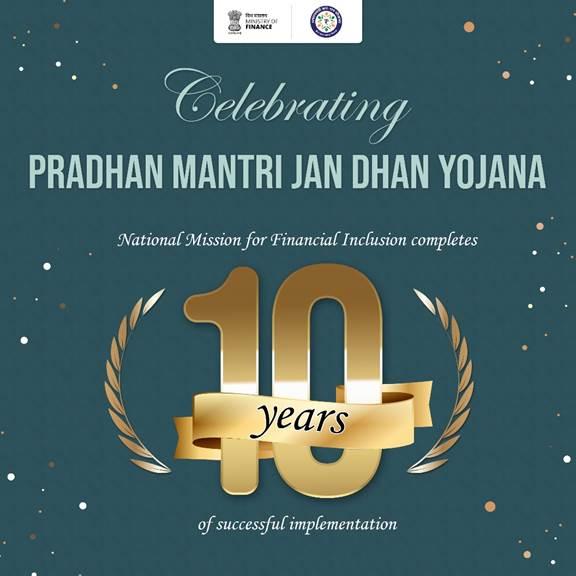
    The Pradhan Mantri Jan Dhan Yojana (PMJDY), India’s flagship financial inclusion program, marked a decade of successful implementation on Wednesday. Launched by Prime Minister Narendra Modi on August 28, 2014, PMJDY has emerged as the world’s largest financial inclusion initiative, integrating millions into the formal banking system and playing a crucial role in the development of marginalized communities.

    Union Finance Minister Nirmala Sitharaman highlighted the significance of PMJDY in a statement, emphasizing its impact on financial inclusion. “Universal and affordable access to formal banking services is essential for achieving financial inclusion and empowerment. PMJDY integrates the poor into the economic mainstream and is pivotal in developing marginalized communities,” she said.

    The program’s success is reflected in its impressive reach. As of August 14, 2024, over 53.14 crore beneficiaries have been banked under PMJDY, with total deposit balances amounting to Rs. 2,31,236 crore. Since its inception, the number of PMJDY accounts has surged 3.6-fold, growing from 15.67 crore in March 2015 to the current figure. Notably, 55.6 per cent of these accounts are held by women, and around 66.6 per cent are in rural and semi-urban areas.

    Sitharaman praised the initiative’s role in advancing financial inclusion, stating, “PMJDY has transformed the banking and financial landscape of the country by providing universal, affordable, and formal financial services, including bank accounts, small savings schemes, insurance, and credit. It has brought 53 crore people into the formal banking system, with deposit balances totaling Rs. 2.3 lakh crore.”

    A significant feature of PMJDY is the issuance of RuPay debit cards. To date, 36.14 crore RuPay cards have been distributed to account holders, offering a ₹2 lakh accident insurance cover. The initiative has also removed account opening fees and minimum balance requirements, further enhancing accessibility.

    Effective governance

    The linking of Jan Dhan accounts with mobile numbers and Aadhaar has been a cornerstone of PMJDY, creating a consent-based pipeline that enables swift, transparent, and seamless transfer of government welfare schemes. Sitharaman highlighted this integration as crucial for promoting digital payments and efficient distribution of benefits.

    Union Minister of State for Finance Pankaj Chaudhary echoed these sentiments, describing PMJDY as a transformative movement that has empowered many previously unbanked individuals. “PMJDY is not just a scheme but a movement towards financial independence for many. It has instilled a sense of financial security among the unbanked population,” Chaudhary said. He also noted the government’s efforts to ensure that every household has a bank account and that every adult has insurance and pension coverage.

    PMJDY’s success extends beyond basic banking services, the government-run PIB said. It said that the initiative has facilitated Direct Benefit Transfers (DBT), eliminating middlemen and ensuring that subsidies and social benefits reach intended beneficiaries directly. This has significantly streamlined government payments and promoted savings accumulation among account holders.

    According to the PIB, the program has also contributed to the growth of digital transactions. The introduction of RuPay cards and mobile payment systems like UPI has led to a remarkable increase in digital transactions. The total number of digital transactions surged from 2,338 crore in FY 2018-19 to 16,443 crore in FY 2023-24. Similarly, UPI transactions grew from 535 crore in FY 2018-19 to 13,113 crore in FY 2023-24.

    The success of PMJDY is a testament to the effective governance and collaboration between public and private sectors, the Prime Minister said, adding that the program’s mission-mode approach, regulatory support, and the use of digital public infrastructure like Aadhaar have been pivotal in achieving its goals.

    India Faces Severe Air Pollution Crisis with Persistent Health Risks

    The air quality crisis is not confined to North India alone. States like Maharashtra, Madhya Pradesh, and Rajasthan are also struggling with severe pollution, with the 292.3 million residents in these regions losing an average of 2.9 years of life expectancy due to poor air quality.

    India continues to grapple with a dire air pollution crisis that jeopardizes the health and longevity of its population. Despite some global progress in reducing pollution levels in 2022, India’s air quality remains alarmingly poor, casting a shadow over the lives of millions.

    According to the latest Air Quality Life Index (AQLI) report from the Energy Policy Institute at the University of Chicago (EPIC), air pollution in South Asia, including India, showed modest improvements in 2022. While the region saw a slight reduction in pollution, the situation in India remains critical. The report highlights that, although pollution levels in South Asia decreased slightly in 2022, India remains a significant concern due to the sheer number of people affected.

    India, despite improvements, is still burdened by exceptionally high pollution levels. The report notes that while there was a 19.3 percent drop in particulate matter (PM2.5) from 2021 to 2022, the average life expectancy of an Indian is still projected to decrease by 3.4 years if current pollution trends continue. The northern part of the country, home to over 500 million people, is the most affected, with an expected life expectancy reduction of 5.4 years due to pollution.

    Michael Greenstone, the Milton Friedman Distinguished Service Professor in Economics and creator of the AQLI, underscores the severity of the problem. “High pollution concentrations are often a reflection of either low ambition in policy-making or failures in policy enforcement,” he said. “In some areas, pollution cuts lives short by several years.”

    Modest improvement

    India’s air quality has been critically poor for over a decade, with particulate pollution levels averaging around 49 µg/m³—more than nine times the World Health Organization’s (WHO) guideline of 5 µg/m³. Although there was a modest improvement in 2022, with levels dropping to 41.4 µg/m³, this is still significantly higher than safe limits. If the trend continues, Indians could gain an additional nine months of life expectancy. However, aligning air quality with WHO guidelines could extend life expectancy by as much as 3.6 years.

    The air quality crisis is not confined to North India alone. States like Maharashtra, Madhya Pradesh, and Rajasthan are also struggling with severe pollution, with the 292.3 million residents in these regions losing an average of 2.9 years of life expectancy due to poor air quality.

    In response to the growing crisis, the Indian government initiated the National Clean Air Programme (NCAP) in 2019, setting a goal to reduce particulate pollution by 20 to 30 percent from 2017 levels by 2024. The target was revised in 2022 to a 40 percent reduction by 2026 in 131 cities. Achieving this goal could potentially add two years to the life expectancy of residents in these cities and increase the national average by 7.8 months. As of 2022, pollution levels in these cities had already decreased by 18.8 percent since 2017, contributing an additional 10.8 months to the life expectancy of 446.7 million residents.

    Despite these efforts, challenges remain. “Setting ambitious standards is only part of the puzzle,” says Tanushree Ganguly, director of the AQLI. “Equally important is implementing policies and monitoring mechanisms that enforce these standards. Some countries are succeeding, showing that air pollution is indeed a solvable problem.”

    Children: increased risk

    A recent study conducted by the International Institute for Population Sciences in Mumbai underscores the severe impact of air pollution on mortality rates across various age groups. The study reveals that air pollution significantly increases the risk of death, particularly among newborns and children under five. Newborns in high pollution areas face an 86 percent higher risk of death, children under five have a 100-120 percent increased risk, and adults face a 13 percent higher risk.

    The research, based on PM2.5 pollution levels from over 700 districts, highlights the dangers of both ambient and household air pollution. Areas with high PM2.5 levels, such as the Indo-Gangetic Plain, experience elevated pollution due to factors like crop residue burning and industrial emissions. The study found that households without separate kitchens face increased mortality risks, particularly among newborns and children.

    The authors of the study emphasize the need for increased awareness and action to combat both ambient and household air pollution. They advocate for better enforcement of air quality standards and greater efforts to reduce emissions, suggesting that reaching at least the National Ambient Air Quality Standards (NAAQS) could substantially lower the disease burden and prevent premature deaths.

    The dual challenges of mitigating ambient air pollution and addressing household pollution underscore the complexity of India’s air quality crisis. With continued efforts and effective policy implementation, there remains hope that improvements can be made to safeguard the health and longevity of India’s population, the study says.

    Image: Wikimedia

    Pacific Ocean Being Treated “Like a Sewer”: António Guterres

    Despite these strides, Guterres stressed that major industrialized nations, particularly the G20, must lead in reducing fossil fuel production and consumption. “Big emitters must step up and lead,” he asserted, calling for immediate action to phase out fossil fuels and curb emissions.

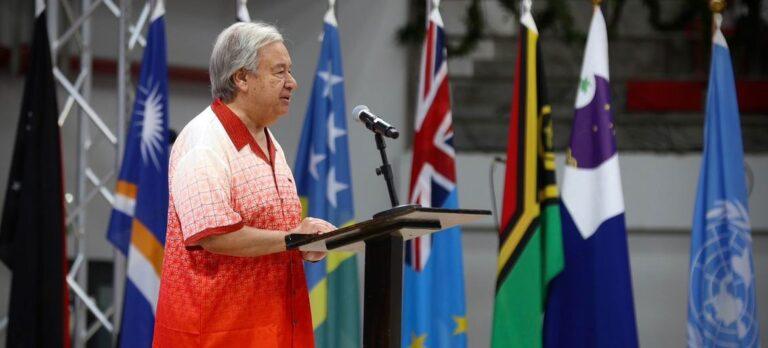
    In a powerful address at the opening of the Pacific Islands Forum in Tonga on Sunday, UN Secretary-General António Guterres lauded the Pacific island nations for their leadership in combating climate change, urging the global community to bolster support for their efforts.

    Guterres praised the Pacific region as a “beacon of solidarity and strength,” highlighting its commitment to environmental stewardship and peace amid a world rife with conflict and socio-economic challenges. His remarks came as the Forum, which includes 18 member states from Australia to Vanuatu, convened to discuss a collective vision for a sustainable future, guided by a long-term strategy aiming for comprehensive well-being by 2050.

    The UN chief acknowledged the growing urgency of climate issues, noting that the global 2030 Agenda for Sustainable Development is faltering. “The world has much to learn from you,” Guterres said, emphasizing the need for enhanced international support. He pointed out that the Pacific’s extensive knowledge of the ocean and proactive measures contrast sharply with global mismanagement of marine resources, describing the ocean as being treated “like a sewer” due to plastic pollution, greenhouse gas emissions, and rising sea levels.

    Guterres highlighted the Pacific islands’ efforts, including their Declarations on Sea Level Rise and their push for a transition to a fossil-fuel-free future. He commended Pacific youth for taking the climate crisis to the International Court of Justice, reflecting the region’s proactive stance on environmental issues.

    Despite these strides, Guterres stressed that major industrialized nations, particularly the G20, must lead in reducing fossil fuel production and consumption. “Big emitters must step up and lead,” he asserted, calling for immediate action to phase out fossil fuels and curb emissions. The G20 nations, which contribute significantly to global greenhouse gas emissions, are expected to set an example for the rest of the world.

    Leadership crucial

    The UN Secretary-General’s address underscores the pivotal role that Pacific island nations are playing in global climate leadership and highlights the pressing need for a unified international response to safeguard the planet’s future.

    The UN Secretary-General also underscored the urgent need for increased financial support, technology, and capacity-building to accelerate the transition to clean energy and enhance resilience in Pacific island states. He called for reforms in international financial systems, including expanded lending from Multilateral Development Banks and improved debt relief programs, to support developing nations.

    Guterres emphasized the importance of the upcoming Summit of the Future in New York, where global leaders will have the opportunity to reform international institutions to better address contemporary challenges. “If we save the Pacific, we save the world,” he declared, urging Pacific island nations to assert their leadership on the global stage.

    He further acknowledged the Pacific’s success in securing support for the Multidimensional Vulnerability Index at the General Assembly and emphasized the need for its inclusion in international financial institutions’ operational criteria.

    In his closing remarks, Guterres called on Pacific island states to continue voicing their concerns and solutions loudly and clearly, stressing that their leadership is crucial for addressing the climate crisis and ensuring a sustainable future for all.

    Image: UN

    Pakistan’s Education System Declines into ‘Low’ Performance Category, New Report Reveals

    Despite some progress in human capital development, the report highlights that the country’s efforts in education reform and increased budgetary allocations have yet to translate into significant improvements in educational outcomes.

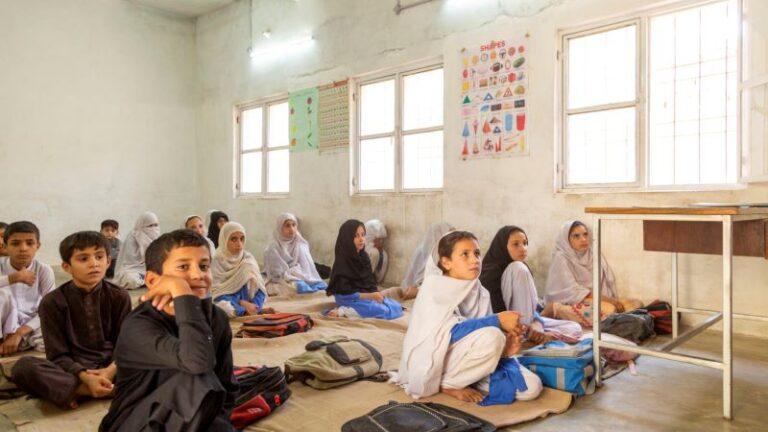
    The District Education Performance Index (DEPIx) Report 2020-23, released by the Pakistan Planning Commission on Friday, has painted a bleak picture of the country’s education system, categorizing it as ‘low’ in performance. The report, which evaluates educational outcomes across 134 districts, highlights critical issues and suggests urgent reforms to improve the sector.

    According to the DEPIx Report, Pakistan’s national average score stands at 53.46, placing the country firmly in the “low” performance bracket. The report is structured across five domains: infrastructure and access, learning, inclusion (equity and technology), governance and management, and public financing. Among these, infrastructure and access received the highest score of 58.95, indicating some progress in expanding educational opportunities. Inclusion, which encompasses equity and technology, followed as the second-highest scoring domain.

    The report notes that public financing received the lowest score, underscoring the need for increased and more effective investment in education. The learning domain also scores poorly, reflecting persistently low educational outcomes. Governance and management, while slightly better than learning, still fall into the “low” category, primarily due to teacher shortages and high bureaucratic turnover.

    Punjab performs best

    Alarmingly, none of the 134 districts assessed fell into the ‘very high’ performance category, and only Islamabad was categorized as ‘high.’ The report reveals a significant disparity in performance, with over half of the districts – 76 out of 134 – classified as ‘low.’ This low performance is particularly pronounced in Balochistan and Sindh, where 33 and 22 districts, respectively, fall into this category. Notably, all districts in Balochistan are in the ‘low’ performance category, indicating severe challenges across the province.

    In terms of provincial performance, Punjab emerged as the top-performing province with a composite score of 61.39, followed by Khyber Pakhtunkhwa (KP) with a score of 54.88. Sindh and Balochistan trailed behind, scoring 51.49 and 45.70, respectively. The report also highlighted that the top 10 districts for education performance are exclusively from Punjab and KP, with seven from Punjab and two from KP. Notably, no districts from Sindh or Balochistan are represented among the top performers.

    Intra-provincial disparities

    The report’s findings also reveal significant intra-provincial disparities. KP shows the greatest variation, with districts such as Haripur, Chitral, and Abbottabad among the top performers, while Kolai Palas, Upper Kohistan, and Lower Kohistan rank among the lowest. There is a nearly 30-point gap between the best and worst-performing districts in KP. Punjab and Balochistan exhibit less variation, with most districts in Punjab falling into the medium category and all districts in Balochistan in the low category. Sindh shows moderate variation, with most districts in the low category except for the urban centers of Karachi and Hyderabad.

    The DEPIx Report underscores the slow pace of human capital development in Pakistan, which poses challenges to realizing the potential demographic dividend and achieving the Sustainable Development Goals (SDGs) by 2030. Despite some progress in human capital development, the report highlights that the country’s efforts in education reform and increased budgetary allocations have yet to translate into significant improvements in educational outcomes.

    The report also addresses the complexity and fragmentation of education data, which have often hindered effective policymaking. In response to these challenges, the Planning Commission has integrated various school education indicators into composite scorecards to better track and address educational performance.

    As the country faces an education emergency declared by Prime Minister Shehbaz Sharif in May, the report serves as a critical call to action for policymakers and stakeholders to prioritize educational reforms and investment to improve the quality and accessibility of education across Pakistan.

    Image: UNOPS

    Global Crop Yields Threatened by Pollinator Shortages, Study Finds

    Notably, crops like blueberries, coffee, and apples were most frequently affected by pollinator shortages. The research found yield deficits in 85 per cent of the countries studied and across 25 unique crop types.

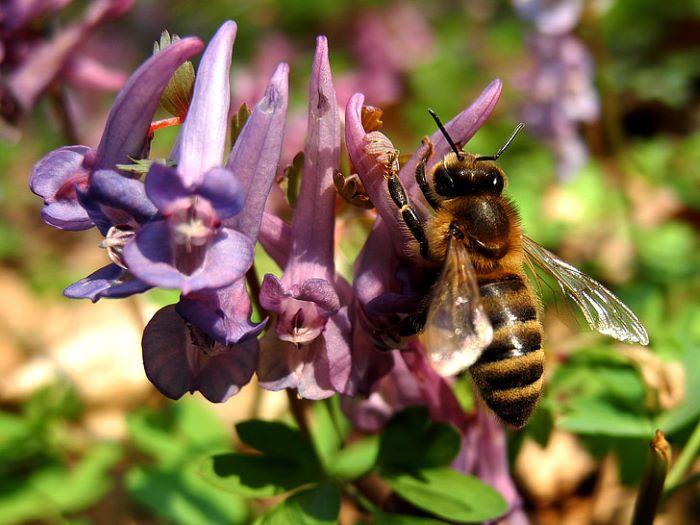
    A recent study led by Rutgers University-New Brunswick scientists and published in Nature Ecology & Evolution reveals that crop yields of key, nutritionally rich foods are being significantly hampered by a shortage of pollinators. The research, which analyzed data from over 1,500 fields across six continents, uncovers a critical issue affecting global agriculture.

    The study highlights that between one-third and two-thirds of farms worldwide are experiencing yield deficits due to insufficient pollinator activity — a phenomenon termed “pollinator limitation.” This problem is particularly concerning given the recent global declines in insect populations.

    Katie Turo, a postdoctoral fellow in Rutgers’ Department of Ecology, Evolution and Natural Resources and an author of the study, expressed both concern and hope regarding the findings. “We detected widespread yield deficits, but there is also optimism that with ongoing investment in pollinator management and research, we can enhance crop productivity to meet global nutritional needs,” Turo said.

    The research team conducted an extensive statistical analysis of over 200,000 bee visitations to crop flowers, utilizing one of the most comprehensive crop pollination databases globally. The database, compiled with contributions from European and South American colleagues, spans three decades of field observations on bee and other pollinator activities.

    Critical role of pollinators

    The study focused on crops that require pollination, such as fruits, vegetables, nuts, and legumes, rather than staple crops like rice and wheat, which do not rely on pollinators. Notably, crops like blueberries, coffee, and apples were most frequently affected by pollinator shortages. The research found yield deficits in 85 per cent of the countries studied and across 25 unique crop types.

    Rachael Winfree, the senior author and a professor at Rutgers, noted that improving pollinator visitation could substantially address yield deficits. “Our findings suggest that by increasing pollinator activity to levels seen in the top-performing fields, we could close 63 per cent of the yield gaps between high- and low-yielding fields,” Winfree explained.

    While the study underscores the severity of pollinator limitations, it also suggests practical solutions. By enhancing pollinator management practices and ensuring consistent pollinator visitation across fields, the productivity of agricultural lands could be improved.

    The research emphasizes the critical role of pollinators in sustaining global food production and suggests that better management practices could mitigate some of the adverse effects associated with pollinator shortages. The study provides a crucial insight into how addressing pollinator limitations could play a key role in meeting the world’s food supply needs.

    Seeds of Resilience: Recognizing Women Farmers in India

    Socio-cultural norms and practices further exacerbate the challenges faced by women farmers. In many rural areas, women are often restricted from interacting with men outside their immediate family, making it difficult for them to negotiate wages, seek information, or advocate for their rights.

    By Dr Rashmi Sinha and Alok Sinha

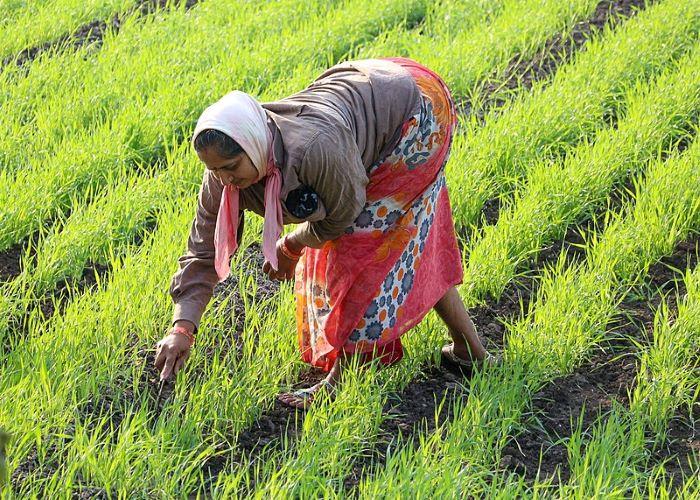
    Agriculture is about food. While we may believe and think differently, a woman in the field never forgets this truth. She labours tirelessly, thinking of a hungry family waiting for her at home. Holding on to flickers of hope, toiling in the field even when the men in her family flee to cities for alternate livelihood, fail, or in extreme despair of debt burden resort to suicide as an escape. She endures.

    Thus, compelled by her social and economic circumstances she forms the backbone of the agriculture sector, labouring to sustain her family’s survival fighting against food insecurity and basic scarcity. Despite their most enduring role and contribution, women farmers face invisibility and inequalities that hinder the acknowledgment of their sufferings, fair compensation for their labour, and adaptation of agricultural policies to lessen their gendered drudgery and imbalances.

    According to the Annual Periodic Labour Force Survey (2021-2022), about 78 per cent of India’s employed women work in agriculture. The sector accounts for the highest estimated female labour force participation at 62.9 per cent with 38.1 males. Yet, despite their significant contribution, women own only about 13.9 per cent of the agricultural land in India despite the legal guarantee of equal land rights for women (Agriculture Survey 2015-16). This stark disparity highlights the systemic and cultural inequalities that exist within the sector.

    Lack of land ownership and decision-making power is one of the primary challenges women farmers face in India. The activities that are labour-intensive, and repetitive, are generally done by women. They have no say in the money transactions. Even when women do own land, they often have negligible decision-making authority regarding cropping patterns, sales, credit, and purchases. This exclusion from crucial agricultural decisions further marginalizes them from the mainstream.

    Gender biases

    Socio-cultural norms and practices further exacerbate the challenges faced by women farmers. In many rural areas, women are often restricted from interacting with men outside their immediate family, making it difficult for them to negotiate wages, seek information, or advocate for their rights.

    A rural widow recounted her experience, stating, “In the village, it is suddenly very difficult to take a man’s role…you have never come out in the open to talk to any men except your father, brother, or husband, and that too occasionally, how can you suddenly lift your eyes and start discussing anything with a man?” This quote from Martha Alter Chen’s book ‘Perpetual Mourning’ encapsulates the deeply ingrained gender biases that women face daily.

    Digital divide

    The technological and digital divide is another significant challenge for women farmers. In rural India, men are nearly twice as likely as women to have used the internet (49 per cent vs. 25 per cent), according to NFHS-5. National Family Health Survey (2019-21) data shows that only one in three women in India (33 per cent) have ever used the internet, compared to more than half (57 per cent) of men. This digital gender gap prevents women from accessing vital information and resources that could enhance their reach to new farming technology and practices.

    Intra-household discrimination also plays a significant role in widening the gender divide. Women often experience restrictions on their use of technological and digital devices, with male relatives governing the use of machines and online activities. Families may prioritize limited resources for boys over girls, further limiting women’s access to technology and skill development. Early marriage and restricted mobility also limit their opportunities.

    Gendered roles

    Addressing these challenges requires a comprehensive acknowledgment of their contribution and a strategy that focuses on enhancing women’s access to land, technology, and education while challenging socio-cultural norms and creating a space for a new role.

    The success of the milk revolution led by Verghese Kurien, which heavily involved women in cooperative societies, demonstrated the transformative potential of involving women’s leadership in key agricultural initiatives. The film Manthan by Shyam Benegal so vividly shows how local village women led by feisty young woman Bindu (Smitha Patil) leads the cooperative movement despite all odds. Who can forget the title song, Mero Gaam Katha Parey, Jaha Dhoodh ki Nadiyan Bahe… As women embrace new economic roles, traditional gendered roles and conflicts naturally start to diminish, fostering a more progressive rural economy. There is a need to create fresh spaces for women’s roles in the village economy, a few of these spaces could be crop diversification, preventing climate change, and solar power generation.

    Nuanced knowledge

    Women possess extensive inherited nuanced knowledge of crop management, combined with modern technology it can be pivotal in the transformation of the rural landscape. Women can be technologically empowered to integrate digitization to lead crop management and diversification.

    This shift would redefine gender roles, allowing women to play a significant part in agricultural leadership.

    According to the Indian Council of Agricultural Research-Agriculture Technology Application Research Institute (ICAR-ATARI) there is a gap between design engineers and farm planners, and women often lack the opportunity to express their needs. As a result, women farmers are frequently forced to use outdated hand tools or their hands for various field operations. It is essential to promote and popularize gender-friendly tools and technology on a large scale to better support women in agriculture. In this case, the goal of technological advancement should be to reduce expenditure and drudgery, improve income, and opportunities for better livelihood.

    To tackle the digital gender divide, efforts must be made to enhance the affordability and accessibility of digital technologies for women. This includes reducing the costs of devices and services, improving network coverage, and providing digital literacy training. The socio-cultural norms that restrict women’s access to technology must be challenged by promoting STEM education among girls and women and facilitating women’s participation in public spaces.

    Rights to inherit land

    Creating a safe and secure digital environment is crucial for women’s participation in the digital world. Access to vital health-related information and support services, safety apps, and real-time emergency helplines can improve women’s safety and reach. Efforts must be made to manage online threats such as deep fakes, ensuring that women can use digital platforms without fear.

    Now digital platforms can connect women farmers with broader networks, fostering social inclusion and support. These platforms can provide access to markets, trends, business strategies, and financial literacy, enabling women to scale up their agricultural businesses. Online job platforms can also connect women with job opportunities that match their skills and interests.

    To bridge the gap in land ownership and decision-making, policies should be implemented to ensure that women have equal rights to inherit and own land. Legal frameworks must be strengthened to protect women’s land rights and ensure their participation in agricultural decision making processes.

    By addressing the systemic inequalities and challenges faced by women farmers, the govt can unlock their full potential and seek a more equal and democratic society. The empowerment of women farmers is not just a matter of social justice; it is essential for the sustainable development of India’s agricultural sector.

    Dr Rashmi Sinha is Director Centre for Rural Policies & Studies. She is also a former Director of the Uttar Pradesh Mahila Samakhya and was till recently UN Woman India, National Consultant.
    Alok Sinha is former CMD, FCI and Additional Secretary, Agriculture, Government of India. He is the co-founder of VillageNama.
    They can be contacted at [email protected]

    Union Government issues Comprehensive Guidelines for Handling Public Grievances

    The 2024 policy guidelines reiterate the government’s commitment for effective grievance redressal and manifest the technology improvements undertaken with the 10-step reform process adopted, the PIB said in a press release.

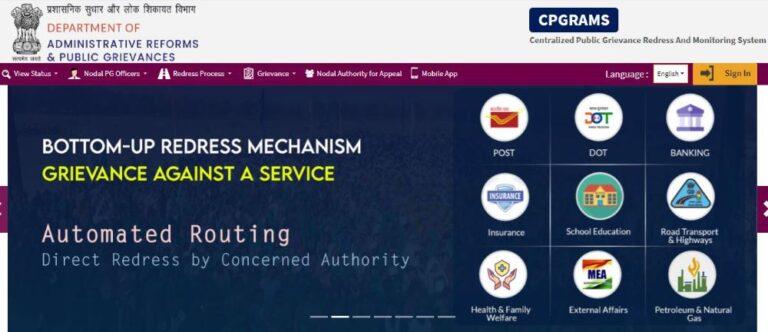
    The union government has issued ‘Comprehensive Guidelines for Handling Public Grievances’ in line with the prime minister’s directions for making grievance redressal time-bound, accessible and meaningful. The guidelines for effective redressal of public grievances seeks to empower citizens, streamline process, bring greater clarity and focus on redressing of public grievances.

    The key highlights of the Comprehensive Guidelines for Handling Public Grievances are as follows:

    1. An integrated user-friendly grievance filing platform with CPGRAMS www.pgportal.gov.in being the common open platform on which grievances can be registered by citizens which will operate as a single window experience.
    2. Appointment of nodal officers for public grievances in all ministries/ departments who will address grievances promptly, fairly and efficiently. Ministries and departments with high grievance loads to have dedicated nodal officers.
    3. The role of the nodal officer is effective categorization, monitoring pendency, examine the feedback for process and policy improvements, undertake root cause analysis, collation of monthly data sets and supervisory oversight of the grievance redressal officers of the ministry or department.
    4. Dedicated grievance cells shall be set-up in every ministry and department with sufficient resources having knowledge of schemes and activities.
    5. The timelines for effective grievance redressal have been reduced to 21 days. In cases where grievance redressal is likely to take longer, citizens shall be given an interim reply.
    6. An escalation process has been envisaged with the appointment of appellate officers and sub-nodal appellate officers in Ministries/ Departments.
    7. The redressal of grievances shall be undertaken in a whole of government approach and action taken report shall be filed by the grievance redressal officers on CPGRAMS.
    8. The feedback on disposed grievances shall be sent to the citizen by SMS and email. Every disposed grievance, feedback shall be collected through the feedback call centre and if the citizen is not satisfied he can file an appeal to the next senior authority.
    9. Government will undertake an analysis of the feedback from citizens using the AI powered analytical tools – the tree dashboard and the intelligent grievance monitoring dashboard.
    10. A grievance redressal assessment index for ranking ministries and departments shall be issued on a monthly basis.
    11. Training and capacity building of grievance officers on CPGRAMS shall be conducted through 36 administrative training institutes of states and union territories under the SEVOTTAM scheme.
    12. Ministries and departments are encouraged to periodically review grievance redressal in senior officers meetings and ensure adequate communication and awareness of the grievance redressal systems amongst all stakeholders.

    The 2024 policy guidelines reiterate the government’s commitment for effective grievance redressal and manifest the technology improvements undertaken with the 10-step reform process adopted, the PIB said in a press release.

    The PIB also said that the CPGRAMS portal has redressed nearly 60 lac public grievances in period 2022-2024 and has mapped 1.01 lac grievance redressal officers of ministries/ departments and states/ union territories. The grievance redressal timelines under the 2022 policy guidelines were 30 days, which have been brought down to 21 days.

    India’s New Bioeconomy Policy Set to Place India as Global Leader

    Highlighting the key features of the policy, Dr. Jitendra Singh said it encourages entrepreneurship across diverse sectors, including bio-based chemicals, smart proteins, precision bio therapeutics, climate-resilient agriculture, and carbon capture.

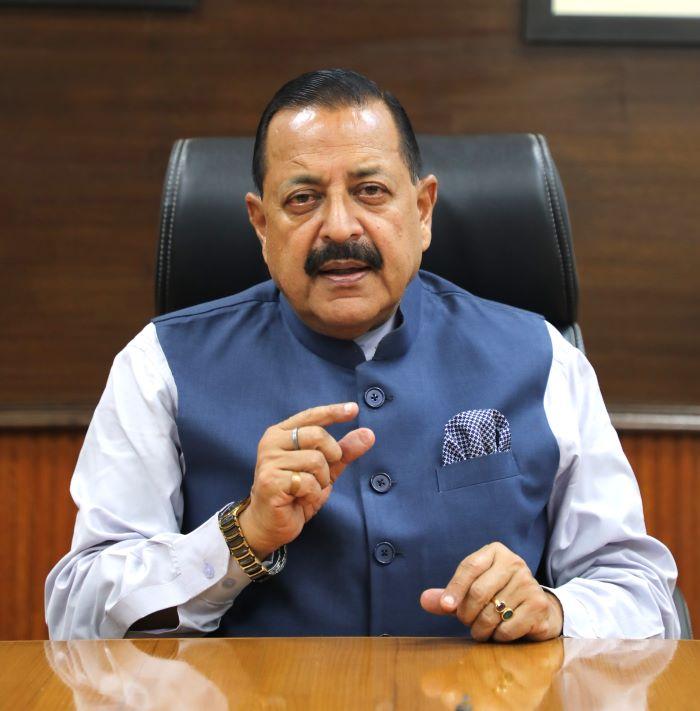
    “The new Bioeconomy policy rolled out by the Modi government is set to place India as a global leader in the years to come”, said union minister Dr. Jitendra Singh while briefing the media about the recent union cabinet decision on the ambitious BioE3 (Biotechnology for Economy, Employment, and Environment) Policy, heralding a transformative shift in India’s manufacturing sector.

    As India emerges as a global biotech powerhouse, Modi will be hailed across the world as the champion of the new biotech boom that promises to boost the economy, innovation, jobs, and environmental commitments, Dr Jitendra Singh said.

    The science and technology minister hailed the prime minister’s visionary leadership for spearheading a forward-looking policy that aims to pivot from traditional consumptive practices to high-performance, regenerative bio manufacturing, marking a significant step towards a cleaner, greener, and more prosperous India, he said.

    Speaking on the surge in Bio economy, Dr. Jitendra Singh said “India’s bio economy has experienced remarkable growth, skyrocketing from $10 billion in 2014 to over $130 billion in 2024, with projections to reach $300 billion by 2030.”

    He said that this surge reflects India’s robust economic growth. “The recent policy will reignite growth spirits and position India as a potential leader in the fourth industrial revolution.”

    Make in India

    Singh said “The BioE3 Policy is set to accelerate this growth trajectory, making substantial contributions to the ‘Make in India’ initiative by fostering the development of bio-based products with minimal carbon footprints.”

    According to Singh, the BioE3 policy is designed to address critical global challenges such as climate change and depleting non-renewable resources by: 1) facilitating the shift from chemical-based industries to sustainable bio-based models 2) promoting a circular bio economy 3) achieving net-zero carbon emissions through innovative waste utilization from biomass, landfills, and greenhouse gases and 4) encouraging the development of bio-based products and expanding job creation.

    Highlighting the key features of the policy, Dr. Jitendra Singh said it encourages entrepreneurship across diverse sectors, including bio-based chemicals, smart proteins, precision bio therapeutics, climate-resilient agriculture, and carbon capture.

    It establishes cutting-edge bio manufacturing facilities, bio foundry clusters, and Bio-AI hubs, he added.

    Biomanufacturing hubs

    The Minister said, renewed focus is on ethical biosafety considerations and global regulatory harmonization by aligning with international standards.

    Understanding the importance of biomanufacturing hubs, Singh highlighted that it will serve as centralised facilities crucial for the production, development, and commercialization of bio-based products. He said, “These hubs will bridge the gap between laboratory-scale and commercial-scale manufacturing, fostering collaboration among startups, SMEs, and established manufacturers.”

    Dr. Jitendra Singh categorically mentioned that these will play a vital role in large-scale manufacturing of products like mRNA-based vaccines and proteins. He expressed confidence that Bio-AI hubs will drive innovation by integrating AI to analyse large-scale biological data, paving the way for new gene therapies and food processing solutions.

    Giving special emphasis on employment generation potential of the policy, Dr. Jitendra Singh said “It is expected to generate substantial employment opportunities, particularly in tier-II and tier-III cities, where bio manufacturing hubs will be set up. These hubs will leverage local biomass sources, thereby enhancing economic development in these regions.”

    Singh reiterated that by investing in the country’s economy, environment, and employment, the BioE3 policy supports India’s vision of a ‘Viksit Bharat’ (Developed India), setting a benchmark for how effective science policies can drive national development and sustainability.

    Yunus Addresses Election Timing, Flood Response

    The interim government has also pledged to address grievances related to the previous administration’s actions. Yunus announced that efforts are underway to withdraw false cases and release detained students who were part of the recent popular uprisings.

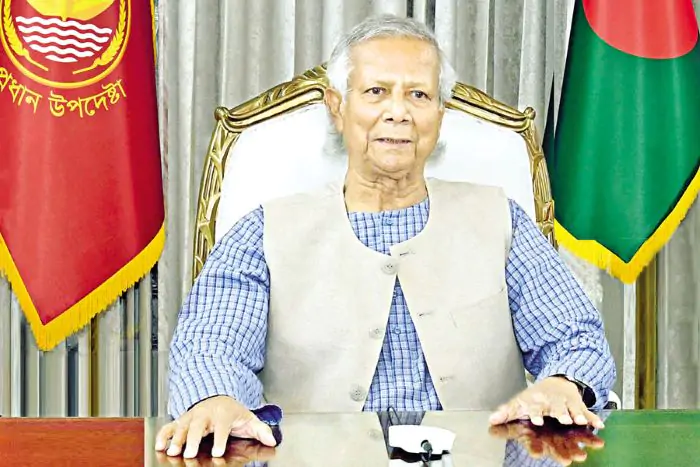
    In a pivotal televised address, Professor Muhammad Yunus, Chief Adviser of Bangladesh’s interim government, emphasized the political nature of the upcoming elections and highlighted the government’s commitment to addressing both immediate and long-term challenges facing the nation.

    Yunus underscored that the timing of the elections is a matter of political decision and not within the remit of the interim government. He stated, “The people of Bangladesh will ultimately decide when and how we will transition out of this interim phase. We are committed to facilitating a fair and transparent electoral process, but the decision on the timing is up to the political sphere.”

    The interim government, which assumed office following the resignation of the previous administration, is focused on restoring normalcy in flood-affected regions. Yunus reported that all necessary measures have been taken to address the immediate needs of those impacted by the severe flooding that has affected 11 districts across Bangladesh.

    According to the Disaster Management and Relief Ministry, the floods have displaced approximately one million families and left 18 dead, with 52,09,798 people affected across several districts including Feni, Cumilla, Chattogram, and Sylhet. Rescue operations are ongoing, with 748 medical teams deployed to provide essential healthcare services. Additionally, 4,15,273 people have sought refuge in 3,654 shelter centers.

    In response to the crisis, the government has allocated Tk 3.52 crore for flood relief efforts, distributed 20,650 tonnes of rice, and provided 15,000 packages of dry food. Private organizations and volunteers have also been active in the relief operations, working alongside government agencies to coordinate aid and support.

    Model electoral process

    Yunus called for national unity and long-term solutions to these crises, urging citizens to support ongoing efforts rather than seeking immediate fixes or resorting to vigilante actions. He stressed, “We are one family with a common goal. We are dedicated to meeting the aspirations of our youth and building a future where everyone’s rights are fully protected.”

    In his address, Yunus also unveiled plans for the establishment of a ‘July Mass Killing Memorial Foundation.’ This initiative aims to honour the victims of recent mass uprisings and ensure that justice is served. “We are committed to creating a liberal, democratic, and non-discriminatory Bangladesh. The foundation will serve as a symbol of our commitment to human rights and the memory of those who lost their lives,” Yunus explained.

    The interim government has already initiated several reforms, including plans to overhaul the Election Commission to ensure a model electoral process. Yunus indicated that political decisions will be made through political discussions, emphasizing that the interim government’s role is to facilitate these processes rather than dictate them.

    Independent investigation

    The interim government has also pledged to address grievances related to the previous administration’s actions. Yunus announced that efforts are underway to withdraw false cases and release detained students who were part of the recent popular uprisings. “We are preparing a comprehensive list of injured individuals and martyrs’ families to provide them with the necessary support and compensation,” he said.

    The United Nations High Commissioner for Human Rights (OHCHR) has been invited to Bangladesh to oversee an independent investigation into the use of force and casualties during the recent uprisings. Rory Mungoven, Chief of the Asia-Pacific section of the OHCHR, is leading the preliminary discussions with the interim government. Mungoven stated, “We see this as a historic opportunity for Bangladesh to restore democracy, renew its institutions, and advance human rights. Our mission is to support the interim government and the people of Bangladesh during this crucial time.”

    The OHCHR team, which is currently in Dhaka, is engaging with various stakeholders to understand the country’s priorities and explore how the Office of the High Commissioner can assist in fact-finding and support national processes.

    As Bangladesh grapples with both the aftermath of the flooding and the political transition, Yunus’s address reflects a clear message of commitment to rebuilding and reform. “We are here to serve the people of Bangladesh and to ensure that our country emerges stronger and more just. Your patience and support are crucial as we work towards these goals,” Yunus concluded.

    Myanmar: UN Secretary-General Urges Immediate End to Violence

    Guterres emphasized the urgent need for all parties involved in the conflict – between the military junta and various armed groups seeking autonomy or independence – to cease hostilities and ensure civilian protection according to international human rights and humanitarian standards.

    As the seventh anniversary of the forced displacement of Rohingya and other communities from Myanmar’s Rakhine State approaches, UN Secretary-General António Guterres has called for an end to the ongoing violence and for comprehensive protection of civilians amid the escalating civil conflict in Myanmar.

    His statement was released on Friday, ahead of the somber anniversary on Sunday.

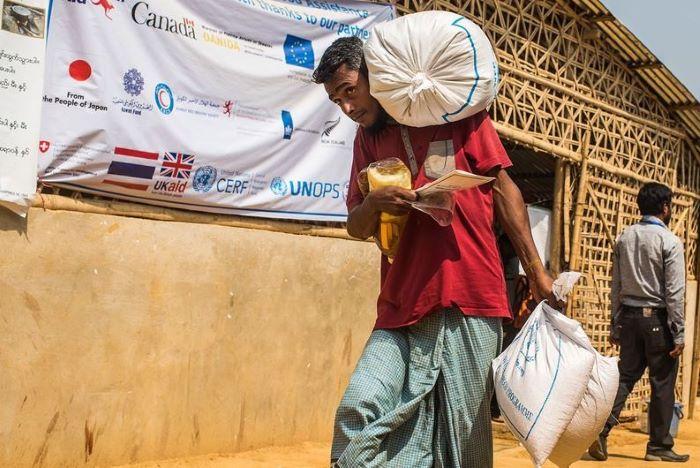
    Currently, approximately one million Rohingya are taking refuge in Bangladesh, with more than 130,000 others scattered across the region, facing an uncertain future with no immediate prospects of return. The Secretary-General’s statement highlighted the worsening security and humanitarian crisis, noting that existing vulnerabilities among Myanmar’s population, particularly the Rohingya, have been intensified by the intensifying conflict in Myanmar’s Rakhine State.

    Guterres emphasized the urgent need for all parties involved in the conflict – between the military junta and various armed groups seeking autonomy or independence – to cease hostilities and ensure civilian protection according to international human rights and humanitarian standards.

    Driving civilians to unsafe areas

    In addition to Guterres’ appeal, UN human rights chief Volker Türk warned of the dire situation in Myanmar’s western Rakhine State, where thousands of civilians are fleeing from violence. Türk reported that the Arakan Army separatists have been driving civilians to unsafe areas, resulting in hundreds of deaths as people attempt to escape the conflict. With border crossings to Bangladesh remaining closed, many Rohingya find themselves trapped between the military and the Arakan Army, facing no clear path to safety.

    Türk also reflected on the tragic events of August, marking seven years since Myanmar’s military operations led to the mass exodus of 700,000 Rohingya into Bangladesh. He criticized the ongoing violence and displacement, likening it to the atrocities previously condemned. Recent attacks, including a deadly incident along the Naf River on August 5, have added to the turmoil, with reports of civilian casualties and the use of drones in the conflict. Responsibility for these attacks remains disputed among the warring parties.

    Highlighting the severe human rights abuses committed by both the military and the Arakan Army – such as abductions, forced recruitment, indiscriminate bombings, and killings – Türk stressed the need for an unequivocal international response. He called for accountability and relentless pursuit of justice to prevent a recurrence of past horrors.

    In his statement, the Secretary-General renewed his call for enhanced regional protection efforts and support for the 2024 Joint Response Plan for the Rohingya Humanitarian Crisis in Bangladesh. He also urged a concerted effort by the international community, particularly ASEAN, to safeguard the Rohingya and other civilians affected by the conflict.

    UN media department said that the Special Envoy of the Secretary-General on Myanmar is actively engaging with all relevant stakeholders, including regional actors, to advance an inclusive Myanmar-led process aimed at achieving sustainable peace and national reconciliation. These efforts are crucial for creating conditions that would allow for the voluntary, safe, dignified, and sustainable return of the Rohingya people to Myanmar, the UN said.