More

    FAO’s GAP Programme Boosts Sri Lankan Agriculture Amid Economic Crisis

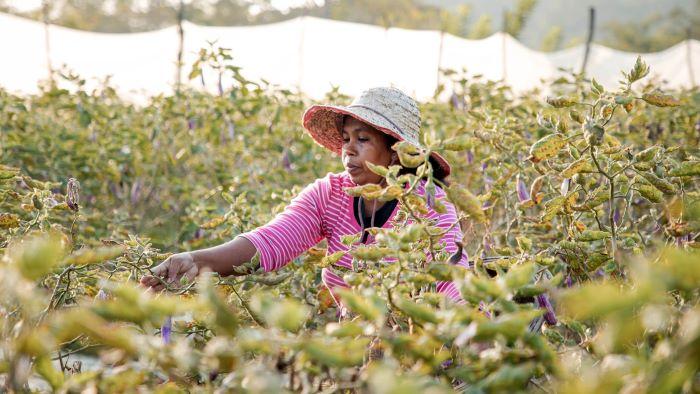
    Funded by the United Nations Sri Lanka Sustainable Development Goal Fund, the Good Agricultural Practices programme supports vegetable farmers in commercializing their produce and optimizing agricultural practices.

    The Food and Agriculture Organization (FAO) of the United Nations has implemented a successful Good Agricultural Practices (GAP) programme in Sri Lanka, leading to significant improvements in crop yields and farmer incomes. The initiative, which targeted 645 farmers across three districts, has modernized cultivation techniques, resulting in bumper crops and enhanced financial stability for local farmers.

    The GAP programme was launched in response to severe food security challenges exacerbated by Sri Lanka’s ongoing economic crisis. Funded by the United Nations Sri Lanka Sustainable Development Goal (SDG) Fund, the programme supports vegetable farmers in commercializing their produce and optimizing agricultural practices.

    As part of the programme, participating farmers received comprehensive agriculture kits that included essential tools such as drip irrigation systems, plastic mulch, and insect-proof netting. These resources are designed to reduce cultivation costs and improve the efficiency of resource use, including fertilizers, pesticides, and water.

    In addition to receiving the kits, farmers were trained in GAP principles through a Farmer Field School (FFS) organized by the FAO. This training emphasized environmental sustainability, food safety, quality, economic viability, and social acceptability. The hands-on approach of the FFS allowed farmers to gain national GAP certification and effectively implement modern techniques such as drip irrigation, insect netting, and plastic mulching.

    Economic crisis

    The economic crisis in Sri Lanka, marked by mismanagement and external shocks, has significantly impacted the nation. The 2019 Easter bombings and the COVID-19 pandemic severely affected tourism, a key source of foreign revenue. Former President Gotabaya Rajapaksa’s decision to ban chemical fertilizers in 2021, aiming for an “all organic” farming approach, devastated the tea industry, Sri Lanka’s primary export crop. The subsequent reversal of the fertilizer ban, combined with global grain shortages due to the war in Ukraine, has intensified the country’s food insecurity.

    Amidst these economic difficulties, widespread protests against the Rajapaksa government led to political upheaval, resulting in the government’s collapse and the fleeing of the ruling family. This crisis has left Sri Lanka in political and economic disarray.

    Despite these challenges, the FAO’s GAP programme has provided a beacon of hope, demonstrating how targeted interventions can foster agricultural resilience and economic recovery in the face of severe adversity.

    Modi Highlights Women Empowerment at Lakhpati Didi Sammelan

    Modi highlighted the massive financial outlay of over Rs 6,000 crore allocated to women’s SHGs across the nation and emphasized how these funds are expected to transform many women into Lakhpati Didis, enhancing their financial independence.

    Prime Minister Narendra Modi addressed the Lakhpati Didi Sammelan in Jalgaon on Sunday, celebrating the achievements of women who have recently joined the ranks of ‘Lakhpati Didis.’ During the event, Modi felicitated and presented certificates to 11 lakh new Lakhpati Didis, recognizing their financial success under the current government’s initiatives. The Prime Minister also interacted with the Lakhpati Didis and highlighted significant financial support being provided to women across India.

    The event saw the release of a Revolving Fund amounting to Rs 2,500 crore, designed to benefit approximately 48 lakh members of 4.3 lakh Self-Help Groups (SHGs). Additionally, bank loans totalling Rs 5,000 crore were disbursed, aimed at aiding 25.8 lakh members of 2.35 lakh SHGs. Since the inception of the Lakhpati Didi Yojana, the government has created one crore Lakhpati Didis, with a target set to expand this number to three crore.

    Modi commenced his speech by expressing his gratitude to the large gathering of women and extended condolences to the victims of the recent bus accident in Tanahun, Nepal, which affected several residents of Jalgaon. He noted that Union Minister Raksha Khadse was dispatched to Nepal immediately following the incident, and the remains of the deceased were returned to India by a special Air Force flight. Modi assured continued support from both the central and state governments for the victims and their families.

    In his address, Modi highlighted the massive financial outlay of over Rs 6,000 crore allocated to women’s SHGs across the nation. He emphasized how these funds are expected to transform many women into Lakhpati Didis, enhancing their financial independence and contributing to the broader economic development of rural areas.

    A transformative process

    The Prime Minister praised Maharashtra’s rich cultural heritage and its global recognition. He reflected on his recent visit to Poland, where he observed that the traditions of Maharashtra, such as those commemorated by the Kolhapur Memorial, are well-respected internationally. Modi recounted the historical support provided by the people of Kolhapur to Polish refugees during World War II, attributing this to the enduring values of service and hospitality inspired by Shivaji Maharaj.

    Modi acknowledged the ‘Matrushakti’ (Mother Power) of Maharashtra, drawing inspiration from historical figures like Mata Jijabai and Savitribai Phule, who have significantly influenced society and education. He praised the ongoing contributions of Maharashtra’s women, citing their role in enhancing the state’s and the nation’s development.

    The Prime Minister noted that the creation of Lakhpati Didis is not merely an economic initiative but a transformative process for entire families. He pointed out that a single woman becoming a Lakhpati Didi elevates her family’s social status and increases their purchasing power. Modi underscored the importance of women’s empowerment in contributing to India’s growth as a major global economy, contrasting the current administration’s achievements with the previous decades of neglect in women’s development.

    Modi highlighted the government’s focus on women’s welfare, including reforms in property ownership and banking. He mentioned that many houses built under government schemes are registered in women’s names and emphasized that this trend will continue. He also praised the Pradhan Mantri Jan Dhan Yojana and Pradhan Mantri Mudra Yojana for their role in increasing financial inclusion among women, with significant loan disbursements and increased limits reflecting trust in women’s financial reliability.

    Need for stable governance

    The Prime Minister discussed the success of schemes like Swanidhi, which provides loans to street vendors without guarantees, and reiterated his commitment to supporting women in all sectors, including new roles like drone pilots and agricultural leaders. Modi announced plans to expand programs like Krishi Sakhi, aimed at empowering women in agriculture.

    Modi also addressed the issue of women’s safety, stressing that the government is working rigorously to prevent and address atrocities against women. He cited recent legal reforms, such as the Bharatiya Nyay Sanhita (BNS), which include provisions for swift action and severe penalties for crimes against women. Modi reaffirmed the central government’s support for state governments in eradicating violence against women and stressed that societal attitudes must change.

    In closing, Modi highlighted Maharashtra’s role in India’s development, emphasizing the need for stable governance to attract investments and create job opportunities. He expressed confidence in the collective strength of Maharashtra’s mothers and daughters to contribute to the state’s prosperity.

    The event was attended by notable figures including Maharashtra Governor C.P. Radhakrishnan, Chief Minister Eknath Shinde, Deputy Chief Ministers Devendra Fadnavis and Ajit Pawar, and Union Minister for Agriculture and Farmers’ Welfare Shivraj Singh Chauhan.

    Prime Minister Modi’s address underscored a significant commitment to women’s empowerment and economic development, reinforcing the government’s dedication to transforming the lives of women and their families across India.

    Amit Shah Reviews Cooperative Expansion in Chhattisgarh, Launches Key Initiatives

    Shah also urged the Chhattisgarh government to introduce a new public dairy scheme focused on tribal development. He suggested that PACS should evolve into multi-purpose units, integrating dairy and fisheries cooperatives to better serve local needs.

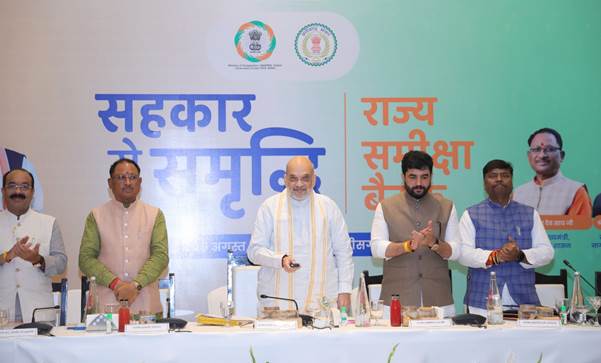
    Union Home Minister and Minister of Cooperation Amit Shah presided over a comprehensive review meeting on the expansion of cooperatives in Chhattisgarh on Sunday, outlining several ambitious initiatives aimed at bolstering the state’s cooperative sector. The meeting, held in Raipur, was attended by key figures including Chhattisgarh Chief Minister Vishnu Deo Sai, Union Minister of State for Cooperation Murlidhar Mohol, Deputy Chief Minister Arun Sao, and Dr. Ashish Kumar Bhutani, Secretary of the Union Ministry of Cooperation.

    In his address, Shah underscored the importance of forming a cooperative society in every panchayat across the nation to realize Prime Minister Narendra Modi’s vision of “Sahkar Se Samriddhi” (Prosperity Through Cooperation). Shah emphasized that these cooperatives are expected to play a pivotal role in enhancing rural development and economic self-sufficiency.

    One of the significant announcements made during the meeting was the decision to launch Primary Agriculture Credit Societies (PACS) in all 33 districts of Chhattisgarh. These PACS will also function as Water Committees, addressing local water management issues and supporting sustainable agricultural practices.

    In line with the government’s push for greater efficiency and accessibility, Shah called for the computerization of all 2,058 PACS in Chhattisgarh. He highlighted the necessity of transforming these PACS into Common Service Centers (CSCs), which would facilitate the delivery of various services and benefits directly to rural communities.

    Shah also urged the Chhattisgarh government to introduce a new public dairy scheme focused on tribal development. He suggested that PACS should evolve into multi-purpose units, integrating dairy and fisheries cooperatives to better serve local needs.

    Strengthening Chhattisgarh’s cooperative framework

    To support these initiatives, Shah advocated for 100 per cent registration of PACS on the NAFED and NCCF portals for agricultural product sales. This move is aimed at streamlining the sale and distribution of farmers’ produce, ensuring fair prices and better market access.

    Furthermore, Shah emphasized that all traders, PACS, and cooperative societies must open accounts with District Cooperative Banks (DCBs). He highlighted the need for four new District Cooperative Central Banks (DCCBs) to be established in Chhattisgarh to support the anticipated growth in PACS.

    Addressing the issue of ethanol production, Shah called for a contract between the National Cooperative Consumers’ Federation (NCCF), NAFED, and the state for the production of ethanol from maize. He noted that maize cultivation is cost-effective and promised that the central government would purchase all maize at the Minimum Support Price (MSP). Shah also stressed the importance of setting up multi-feed ethanol production plants at the state’s cooperative sugar mills, noting that currently, only one out of four cooperative sugar mills in Chhattisgarh has such a facility.

    In addition to these initiatives, Shah participated in the ‘Ek Ped Maa Ke Naam’ campaign, planting a sapling under the “Peepal for People” program. He also inaugurated several development projects undertaken by the Chhattisgarh government.

    Shah concluded his visit by urging the Animal Husbandry, Agriculture, Tribal Affairs, and Cooperative departments of the Chhattisgarh government to adopt a coordinated approach for the economic development of rural and tribal populations. He stressed the need for a “Whole of Government Approach” to ensure comprehensive and effective development across these sectors.

    Today’s review meeting and announcements represent a significant step towards strengthening the cooperative framework in Chhattisgarh, with a focus on improving rural livelihoods and fostering economic growth through cooperative initiatives.

    Ministry of Labour and Employment Launches Building and other Construction Workers MIS Portal

    The ministry highlighted the gaps and divergences in the draft rules of states and union territories. The states were requested to streamline their rules with the draft central rules to ensure consistency across the country.

    By Himanshu Pathak

    The fifteenth meeting of Building and other Construction Workers (BoCW) Monitoring Committee was held on Thursday with representatives of all states and union territories under the chairpersonship of the secretary, ministry of labour and employment. Various issues related to BoC workers data integration and utilisation of BoCW cess fund for welfare activities were discussed during the meeting.

    The meeting was attended by principal secretaries, secretaries, labour commissioners and welfare commissioners of different states and union territories, besides senior officers of the union ministry of labour and employment. 

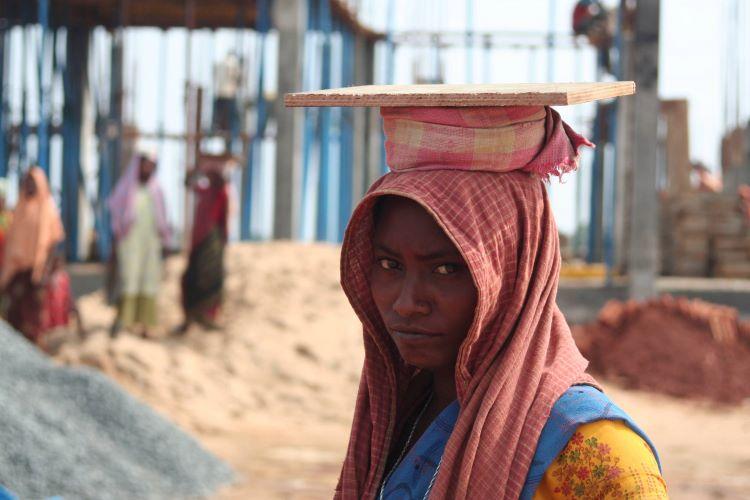
    In a landmark initiative aimed at welfare of the BoC workers and unorganized workers, the BoCW Management Information System (MIS) Portal was also launched by Sumita Dawra, secretary, ministry of labour and employment. The portal will function as the centralised data management system for compilation and analysis of the data obtained from BoCW welfare boards of the states.

    This will in turn enable the states and union territories to make informed decisions and frame better welfare policies for BoCW workers. The states and union territories were asked to register on the portal and update their details, including fund utilization, onboarding of data on registration of the workers under various central and state schemes pertaining to schemes concerning social security (like social security benefits, insurance, health benefits and housing schemes). 

    Cess fund and schemes

    It was noted that as on 30 June 2024, there are around 5.7 crore workers registered with the building and construction workers welfare boards of various states and union territories across the country. A cumulative cess amounting to around Rs. 1.15 lakh crores has been collected by the boards, out of which more than Rs. 66,000 crores have been spent by the boards for providing benefits under various welfare schemes to these workers.

    The construction sector is the second largest employment generator in India, and as of 2023, 71 million workers are estimated to be employed in the sector, but 81 per cent of this workforce is unskilled and only 19 per cent are skilled employees, a report by Knight Frank & RICS.

    The ministry is also working with the state BoCW welfare boards to extend the benefits of various central government schemes to BoC workers by utilizing BoCW cess fund. As a result, Ayushman Cards for health benefit have been approved for 1.3 crore BoCW workers under the Pradhan Mantri Jan Arogya Yojana (PM-JAY) scheme. More than 85,000 workers have been covered with insurance under Pradhan Mantri Jeevan Jyoti Bima Yojana (PM-JJBY) scheme, and another 1.24 lakh workers have been covered for protection against disability under Pradhan Mantri Suraksha Bima Yojana (PM-SBY) scheme.

    Many states including Uttar Pradesh, Assam and Madhya Pradesh have undertaken construction of schools through cess funds for wards of BoC workers. Other states were also urged to undertake similar initiatives. The states and union territories were also requested to expedite the integration of BoC workers’ data with e-Shram portal of the Ministry, to enable access to various schemes as a one-stop-solution for unorganized sector workers. 

    Finalisation of draft rules

    Preparedness of states and union territories with respect to harmonisation and finalisation of draft rules under the four labour codes was also reviewed during the meeting as a follow up to an earlier similar meeting held on 20 June 2024.

    The ministry highlighted the gaps and divergences in the draft rules of states and union territories. The states were requested to streamline their rules with the draft central rules to ensure consistency across the country.

    The states and union territories shared their views, suggestions and concerns during the meeting. The secretary, ministry of labour and employment informed the participants that the collaboration amongst states and union territories and the union government towards labour reforms will be strengthened further. In this direction, the ministry will be organizing six Regional Meetings with the States and union territories over the next two months at different locations.

    Study Links US Congress Members’ Wealth to Ancestors’ Slaveholding Practices

    The analysis shows that descendants of prominent slaveholders tend to have significantly higher net worths. The correlation remains strong even when adjusting for various demographic factors such as age, sex, race, ethnicity, and education.

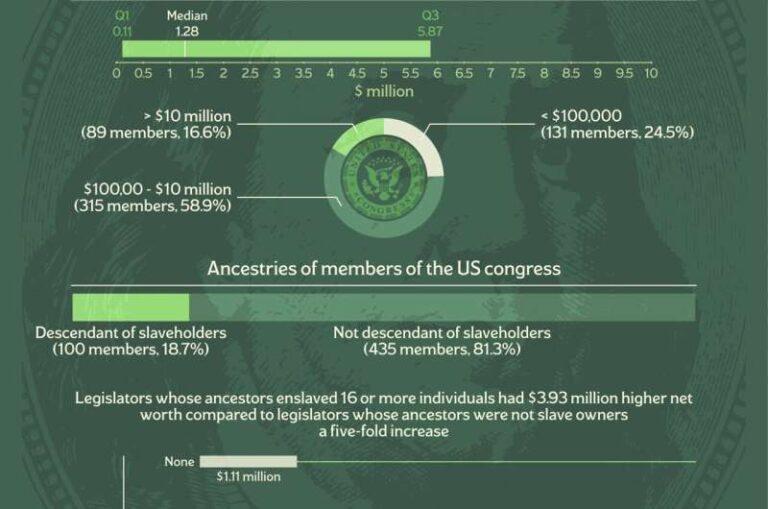
    A recent study reveals a striking connection between the wealth of US Congress members and their ancestors’ slaveholding practices. Researchers Neil Sehgal of the University of Pennsylvania and Ashwini Sehgal of Case Western Reserve University found that as of April 2021, Congress members whose ancestors enslaved 16 or more people had a net worth approximately five times higher than those whose ancestors did not own slaves.

    Published in the open-access journal PLOS ONE on Wednesday, the study builds on previous research linking slavery’s long-term effects to modern-day disparities in inequality, poverty, and education. However, this research offers new insight into how historical slavery might impact current economic conditions.

    The study is based on data from a 2023 Reuters investigative series, which compiled information on the slaveholding ancestry of all 535 members of Congress as of April 15, 2021. The Sehgal researchers cross-referenced this data with the legislators’ self-reported financial disclosures.

    Their analysis shows that descendants of prominent slaveholders tend to have significantly higher net worths. The correlation remains strong even when adjusting for various demographic factors such as age, sex, race, ethnicity, and education.

    Relatively small dataset

    While the study highlights a potential link between historical slavery and contemporary wealth disparities, the researchers emphasize that current Congress members are not personally responsible for their ancestors’ actions. The study does not identify specific mechanisms through which ancestral slaveholding might influence present-day wealth.

    There are several limitations to the study. The dataset is relatively small and does not consider slaveholding activities before the founding of the U.S. in 1776. Additionally, some financial assets may not be disclosed by legislators, and the findings may not apply to other politicians or the general public, as Congress members generally have higher wealth.

    The authors suggest that further research could help clarify how slaveholding ancestry might relate to current wealth disparities. Understanding these dynamics could inform policies aimed at addressing ongoing social and economic inequalities.

    The researchers conclude, “Members of Congress wield significant influence over policy and national agendas. Recognizing wealth disparities within this influential group can spark discussions on economic equity and encourage legislative support for addressing historical injustices.”

    Research Predicts Escalating Human-Wildlife Overlap on Over Half of Earth’s Land by 2070

    The study also underscores the need for evolving conservation strategies. Traditional approaches, such as establishing protected areas with restricted human access, are becoming increasingly difficult to implement as human activity encroaches on these spaces.

    A groundbreaking study from the University of Michigan forecasts that by 2070, more than half of the world’s land will experience increased human-wildlife overlap, leading to heightened interactions between people and animals. This research, published in Science Advances on Wednesday, underscores the urgent need for effective strategies to manage these interactions as human populations expand.

    Titled “Global Expansion of Human-Wildlife Overlap in the 21st Century,” the study reveals that approximately 57 per cent of the world’s terrestrial areas will see an increase in human-wildlife overlap, while only 12 per cent will experience a decrease. The research highlights that this trend will be primarily driven by human population growth rather than climate change, which will play a less significant role in altering wildlife distributions.

    Deqiang Ma, the study’s lead author and a postdoctoral research fellow at the U-M Institute for Global Change Biology, explains, “Our findings indicate that as human populations spread into previously undeveloped areas, the overlap with wildlife will increase significantly. Agricultural and forested regions will see substantial rises in these interactions.”

    The study’s findings emphasize the need for urban planners, conservationists, and policymakers to anticipate and manage the complex dynamics of increased human-wildlife encounters. As urban areas and agricultural lands expand, the nature of these interactions will change, potentially leading to new conflicts and opportunities for both people and animals.

    Neil Carter, the study’s principal investigator and associate professor of environment and sustainability at the University of Michigan, notes, “In many regions, people will come into contact with different wildlife species than they do today. This will result in novel interactions, both beneficial and detrimental.”

    A human-driven issue

    To assess future human-wildlife overlap, researchers developed an index that integrated projections of human settlement patterns with spatial distributions of 22,374 species of terrestrial amphibians, birds, mammals, and reptiles. This index combined data on species’ climatic niches with predictions of global population growth, economic development, and demographic trends.

    The study highlights regions already experiencing high levels of human-wildlife overlap, such as China and India, which are expected to see continued increases. Additionally, forests in Africa and South America are identified as areas of significant concern due to their high biodiversity and the projected rise in overlap.

    In Africa and South America, biodiversity is expected to face considerable pressures. The study forecasts a decline in species richness across most forests in these regions. In South America, mammal richness may drop by 33 per cent, amphibian richness by 45 per cent, reptile richness by 40 per cent, and bird richness by 37 per cent. Africa is expected to see a decline in mammal richness by 21 per cent and bird richness by 26 per cent.

    Preserving biodiversity amid increasing human-wildlife interactions is crucial, Carter argues. While some interactions can lead to negative outcomes, such as the emergence of diseases like COVID-19 from wildlife contact, others provide essential benefits. For instance, birds that prey on crop pests can play a vital role in agriculture, and scavengers like vultures and hyenas help manage waste and reduce disease prevalence in urban areas.

    Ma’s analysis highlights the potential decline in pest-controlling bird species in agricultural lands due to increased human-wildlife overlap. “We need to consider how changes in species distribution might affect ecosystem services that benefit agriculture,” Ma says. “Understanding these dynamics can help us better manage and protect these services.”

    Need for biodiversity

    The study also underscores the need for evolving conservation strategies. Traditional approaches, such as establishing protected areas with restricted human access, are becoming increasingly difficult to implement as human activity encroaches on these spaces. Carter emphasizes the importance of engaging local communities in conservation efforts and developing innovative strategies to balance human and wildlife needs.

    Future conservation planning may include creating habitat corridors to connect existing protected areas, establishing temporary protected zones during critical wildlife periods, and fostering community involvement in conservation efforts. “As human and wildlife habitats increasingly overlap, we must find creative and inclusive solutions to manage these interactions and promote sustainable coexistence,” Carter says.

    The University of Michigan study highlights a critical challenge for the coming decades: managing the expanding overlap between human and wildlife populations. By understanding where these interactions will intensify and developing strategies to address both the risks and benefits, policymakers and conservationists can work towards more sustainable coexistence between humans and the natural world.

    The Arms Trade Treaty Must Be Faithfully Implemented

    The Arms Trade Treaty was designed to prevent the recurrence of horrors of preceding wars. When faithfully implemented, it plays an indispensable part in States’ efforts to prevent serious violations of international humanitarian law and human rights law.

    By Mirjana Spoljaric

    Every day, the ICRC witnesses the immense human suffering caused by armed violence and conflict, fuelled by the widespread availability and misuse of arms and ammunition.

    In many places, including in the Democratic Republic of Congo, Haiti, Israel and the occupied territories, the Sahel, Somalia, Ukraine and Yemen, to mention but a few, this influx of weapons exacts an unacceptable human toll and hinders the prospects of building lasting peace. 

    With global arms sales on the rise, driven by growing international tensions, resurgent arms race dynamics and commercial incentives, the promotion of responsible action and restraint in the international arms trade is an ever more pressing humanitarian imperative. 

    Can the international community accept that vast quantities of conventional arms and ammunition continue to flow – overtly and covertly – to some of the most brutal armed conflicts, where there is a clear or overriding risk that they could be used to commit or facilitate international humanitarian law violations?

    The Arms Trade Treaty (ATT) was designed to prevent the recurrence of horrors of preceding wars. When faithfully implemented, it plays an indispensable part in States’ efforts to prevent serious violations of international humanitarian law and human rights law.

    States Parties to the ATT have shown leadership in adhering to the first global treaty to regulate the international trade in conventional arms. 

    Any State as an arms supplier must apply greater diligence in assessing the risks posed by the arms they transfer, and implement timely, robust and practical measures that can realistically offset such risks.

    Foster respect for IHL

    Respect for international humanitarian law in arms transfer decisions must apply at all levels of decision-making and must not be trumped by economic or political considerations. 

    Where there is a clear risk that arms would be used to commit international humanitarian law violations, States Parties to the ATT must refrain from transferring them. 

    Exporting States should, furthermore, use their influence to foster respect for international humanitarian law by the arms recipient.

    Second, the Treaty’s humanitarian aspirations must be operationalized to yield tangible impact on the ground.

    The humanitarian purpose of the Treaty is evident. It recognizes the human cost of arms availability and spells out the aim of contributing to international and regional peace and security.

    The attention given to the effective implementation of the provisions of the Arms Trade Treaty and the role of interagency cooperation in achieving this is welcome.

    This should effectively mark the start of a renewed focus on practical issues in ATT implementation including the establishment of national control systems, greater control on arms flows and responsible arms transfer practices.

    Finally, the international community must restore a vision of disarmament and arms control as a crucial path toward sustainable peace and security.

    We might witness the first ever and highly regrettable withdrawal of a state party from a humanitarian disarmament treaty, it is more urgent than ever to uphold and strengthen the norms that safeguard humanity and preserve prospects for peace. 

    Adapted from ICRC President Mirjana Spoljaric’s addresses the Tenth Conference of State Parties to the Arms Trade Treaty on World Humanitarian Day.

    Traffic Monitoring Tech Can Help Clean Up Asia’s Act

    Traffic congestion reflects economic growth in Asia but causes gridlocks and air pollution. Good public transport such as electric vehicles and metro lines are solutions while higher parking fees and fuel prices can encourage a switch to public transport.

    By Ranjit Devraj

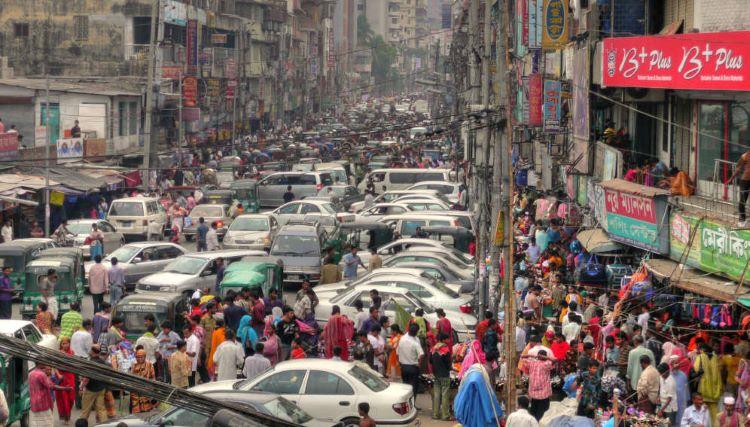
    Traffic congestion in Asia’s burgeoning metropolises is a sign of rapid economic growth. But it carries with it harmful greenhouse emissions that warm the planet and toxic pollutants that affect health and quality of life.

    As traffic gridlocks and vehicular pollution reach crisis levels, Asian governments must look for ways to encourage people to rely on public transport rather than their own cars and two-wheelers.

    Road congestion costs Asian economies 2 to 5 per cent of GDP annually due to lost time and transport costs, according to an Asian Development Bank report (ADB). With about 44 million people being added annually to Asia’s cities, where most jobs and economic opportunities are found, the problem is reaching crisis proportions.

    New Delhi, the world’s most polluted capital, is currently enforcing a policy of seizing and destroying diesel-powered vehicles older than ten years and petrol-driven ones that have crossed a 15-year limit. Five million vehicles have been taken off Delhi’s roads over the last two years, representing a 35 per cent reduction.

    Delhi has also been switching to electric-powered transport with 800 of its fleet of 3,700 state-owned buses already running on electricity. The Delhi Electric Vehicles Policy envisages that by the end of 2024 at least 25 per cent of all new vehicles registered in the city will be running on electricity.

    Moreover, India’s capital has been augmenting its mass rapid transit system (Delhi Metro) which now has a network of 288 stations on 392 kilometres of colour-coded tracks. In 2022 an average of 2.5 million passengers rode the metro daily.

    But the government says that a growing preference for personal transport has stymied these efforts and contributed to making Delhi the country’s largest producer of greenhouse gas emissions.

    Parking management

    In Bangkok, where buses and bicycles have given way to private cars thanks to increasing wealth, authorities have been improving bus fleets and extending the metro network. There is also better integration of road and rail systems with ferries plying on the iconic Chao Phraya River and the canals that feed into it.

    Thailand’s capital city has also resorted to pricing measures such as increased parking charges to encourage use of public transport. One study shows that Bangkok’s parking management and inner-city tolls could serve as a model for other South-East Asian countries that are rapidly urbanising and motorising. Other control options such as work-from-home policies and flexible working hours are being considered in the city.

    However, since stiffer parking tariffs and higher taxes on fuel are unpopular with the public, the best bet seems to be investing in transport infrastructure that provides safe, convenient and affordable rides and supports economic growth that is resilient, sustainable and productive.

    The Philippines has been following that route, extending the metro network and upgrading bus services with support from the ADB which has lending portfolios worth US$11.48 billion for urban transport infrastructure. The bank has committed to a US$1-billion loan to fund Metro Rail Transit Line 4 which will have ten stations along a new 13.4-kilometer line.

    The country is also halfway to delivering its first mass underground transport system. The US$7 billion 33 kilometre long subway in Metro Manila is expected to serve 800,000 passengers a day when completed in 2027 with the first phase finished around the second half of 2025.

    Urbanisation, economic development

    Meanwhile, authorities are trying to shield the riding public from the city gridlock by implementing a bus rapid system where public buses have a dedicated lane, separate from other road traffic. Enforcers are seen on the news trying to catch violators daily who try to use the bus lane illegally.

    Indonesia’s Jakarta, another Asian city that is investing in quality public transportation systems, is integrating improved rail and bus services through efficient interchange points. As with Delhi, there are plans to convert the transport fleet to run on electricity.

    Urbanisation and economic development may be a magnet for people from remote areas, adding to congestion, but the accompanying economic growth offers new opportunities to generate the funds needed to improve public transport facilities.

    Fifty-four per cent of the global urban population, or more than 2.2 billion people, live in Asia and by 2050, this figure is expected to grow by 50 per cent to 3.4 billion people, according to UN Habitat.

    Real-time traffic data

    The good news is that the growth of sensor technologies and wireless Internet networks has immensely helped improve traffic management using applications such as real-time traffic maps that help researchers and funders to identify where to put the money.

    Access to real-time traffic data over platforms like Google Maps has facilitated the development of congestion indicators across many Asian cities and made it possible to measure traffic levels and correlate them with such factors as population concentration. They help motorists to steer away from congested routes.

    For those who don’t like to walk under the punishing tropical heat and humidity or in rainy conditions going to public transport stations, there are app-based services like Uber and Grab which allow passengers to hail a ride from anywhere. Such services are cheaper and more convenient than owning, driving and maintaining personal cars.

    There are no easy solutions, but planners can leverage new technologies to improve urban life and productivity while addressing the problem of toxic and global warming emissions. If not, they are going to miss the bus.

    This piece has been sourced from SciDev.Net

    Image: joiseyshowaa (CC BY-SA 2.0)

    Bangladesh: Flood Forecasting Centre Anticipates Improvement in Flood Conditions

    Despite these forecasts, the Brahmaputra, Jamuna, and Ganges rivers are experiencing decreasing water levels, while the Padma River remains steady. All these rivers are expected to see further declines in water levels over the next 48 hours.

    The Flood Forecasting and Warning Centre has projected a potential improvement in flood conditions in areas like Feni and Cumilla, which have been severely impacted by recent heavy rains and mountain runoff. The centre expects the situation to improve within a day.

    Sarder Udoy Raihan, executive engineer at the centre, informed mediapersons that a monsoon depression has caused significant rainfall in the border region between Bangladesh and Tripura. This has led to flash floods in Habiganj, Moulvibazar, Feni, Chattogram, and Cumilla.

    “The current conditions are expected to remain unchanged for the next 24 hours, but we anticipate a reduction in flooding after that period. Many areas might see some relief within the next three days,” Raihan said.

    The centre’s latest bulletin indicates rising water levels in major rivers across the northeastern, eastern, and southeastern regions of Bangladesh. As of 9 AM, Wednesday, water levels at nine points across seven rivers had exceeded danger levels. Among the 116 monitoring stations, water levels have decreased at 50 points but are rising at 62 points, with four remaining stable.

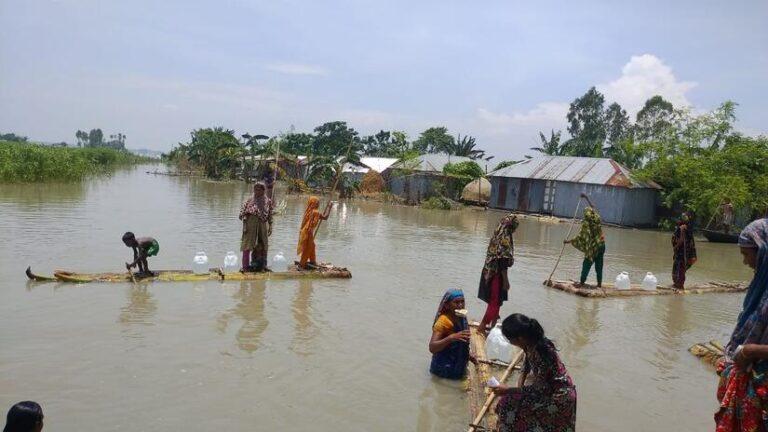
    In Feni, over 200 villages are under water for the third time this year, affecting nearly 200,000 residents. The Akhaura land port in Brahmanbaria has also been severely impacted, with the immigration building submerged under knee-deep water, halting passenger transit.

    Heavy rain and mountain runoff have caused the rivers in the region to swell, flooding much of the Khagrachhari-Sajek road.

    Forecast and Future Concerns

    Meteorological forecasts predict moderate to heavy rainfall over the northeastern region and adjacent upstream areas in the next 48 hours. This may lead to further increases in water levels in the Sylhet, Sunamganj, Netrokona, Moulvibazar, and Habiganj districts.

    The forecast also includes medium to heavy rains in southeastern and eastern areas over the next 24 hours, which could stabilize water levels in the Muhuri, Feni, Halda, Sangu, Matamuhuri, and Gumti rivers. However, rivers such as the Manu, Khowai, and Dhalai in Moulvibazar and Habiganj are expected to rise above danger levels, potentially maintaining the current flood situation in low-lying areas. Similarly, the Gumti River in Cumilla is projected to exceed danger levels, leading to short-term flooding in adjacent areas.

    Despite these forecasts, the Brahmaputra, Jamuna, and Ganges rivers are experiencing decreasing water levels, while the Padma River remains steady. All these rivers are expected to see further declines in water levels over the next 48 hours.

    Cumilla Faces Severe Waterlogging

    In Cumilla, severe waterlogging has affected hundreds of residents in low-lying char areas, following 274 millimeters of rainfall over the past three days. On Wednesday morning alone, 56 millimeters of rain were recorded, and with further heavy rain expected, concerns are growing about widespread flooding.

    The Gomti River, which originates in India’s Tripura state, has swollen significantly due to heavy rains upstream. Water levels have risen to near-danger levels, inundating riverbanks and flooding hundreds of homes. Authorities are particularly concerned about the 85-kilometer Gomti embankment, which stretches from Kotokbazar to Daudkandi in Cumilla Sadar upazila, due to the risk of collapse.

    The heavy rains have also led to severe waterlogging in Cumilla city, damaging approximately 4,000 acres of vegetable crops along the riverbanks. Khan Mohammad Waliuzzaman, Executive Engineer of the Cumilla Water Development Board, stated that efforts are underway to reinforce vulnerable spots along the riverbanks.

    “This is the highest volume of water we’ve seen from upstream in the Gomti in the past 15 years,” Waliuzzaman noted, emphasizing the unprecedented scale of the current situation.

    The Troubling Truth of Mpox

    It is interesting to note that the World Health Organization had organized an effort in combating the 2022-2023 Mpox outbreak for a different clade, and when that effort had concluded, a different clade had arisen and began to infect people all throughout Africa.

    By Oritro Karim

    On August 15th, the Deputy Spokesperson for the Secretary-General, Farhan Haq, stated at a press briefing at the United Nations Headquarters that the Mpox epidemic continues to surge in the Democratic Republic of Congo and spreads throughout Africa. The alarming frequency of these cases constitutes a global health concern. Mpox, formerly known as monkeypox, is an epidemic that has grown exponentially in severity over the past two years. Originating in Central Africa in 1970, rates of infection have risen significantly since late 2023, with a new variant of the infection, known as clade 1 Mpox, infecting over 17,000 people in the Democratic Republic of Congo. These cases have generated increasing alarm, so much so that the World Health Organization has declared Mpox to be a worldwide public health emergency. Shortly after this declaration, the first case of clade 1 Mpox was reported in Sweden which greatly elevated global concern of a worldwide epidemic.

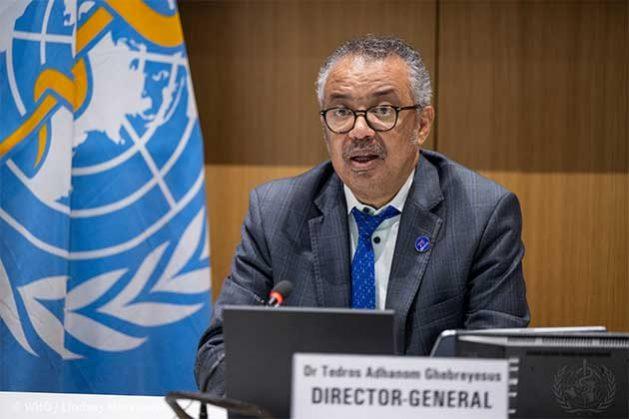
    Mpox, once thought to be a primary concern for solely the Democratic Republic of Congo, has begun to spread to neighboring countries and has been rising in rates of death due to infection. The director-general for the Worldwide Health Organization, Dr. Tedros Adhanom Ghebreyesus, states, “The emergence of a new clade of Mpox, its rapid spread in eastern DRC, and the reporting of cases in several neighboring countries are very worrying. On top of outbreaks of other Mpox clades in DRC and other countries in Africa, it’s clear that a coordinated international response is needed to stop these outbreaks and save lives”. It is imperative for the world to understand the graveness of the Mpox epidemic and funnel resources into stopping rates of infection as well as providing widespread access to treatment.

    Long-term effort needed

    Although most fatalities have remained in the Democratic Republic of Congo, reports of infection have increased dramatically in Burundi, Nigeria, Central African Republic, and the Republic of Congo. There have even been reports of mpox spreading over Asian borders in small quantities, into Taiwan, Pakistan, and the Philippines. It is interesting to note that the World Health Organization had organized an effort in combating the 2022-2023 Mpox outbreak for a different clade, and when that effort had concluded, a different clade had arisen and began to infect people all throughout Africa.

    It is apparent from this prior development that a long-term effort is needed to combat Mpox as it is a disease that is resilient to change and will continually evolve. Dr. Tedros states that “stopping these outbreaks will require a tailored and comprehensive response, with communities at the center, as always”. Therefore, it is necessary to adjust for these changes accordingly and continue to treat Mpox with the seriousness it deserves.

    Recently, the director-general has authorized for an emergency use vaccine to be distributed in lower income countries. This is a crucial first step as Mpox cases are most prevalent in underdeveloped or developing African countries. Furthermore, it is important to target the countries of highest concern first in order to stop the spread to other parts of the world.

    Currently the World Health Organization has set up specific efforts in order to combat Mpox. One such example is that WHO has released 1.4 million dollars from their emergency contingency fund to fight this epidemic, expecting to release more in the coming weeks. Additionally, WHO is working with vaccine manufacturers around the world in order to find the most effective and accessible treatments. Furthermore, there has been a focus put into surveillance of the disease and exactly how many are infected. This will be particularly crucial in the process of fighting Mpox as right now, the number of infected people are approximations as many cases have not been reported. Although the current efforts by WHO are a step in the right direction, there is much more action needed to eradicate the Mpox epidemic. It is important that donors contribute to this effort as WHO estimates that about 15 million dollars will be needed for their multi step plan.

    This piece has been sourced from Inter Press Service.

    Image credit: WHO/Lindsay Mackenzie