More

    Bangladesh Interim Government to Take Oath Thursday Night

    A Bangladeshi court has acquitted Dr. Yunus of a previous labour conviction. Yunus had been sentenced to six months in jail earlier this year, but his conviction was widely criticized as politically motivated.

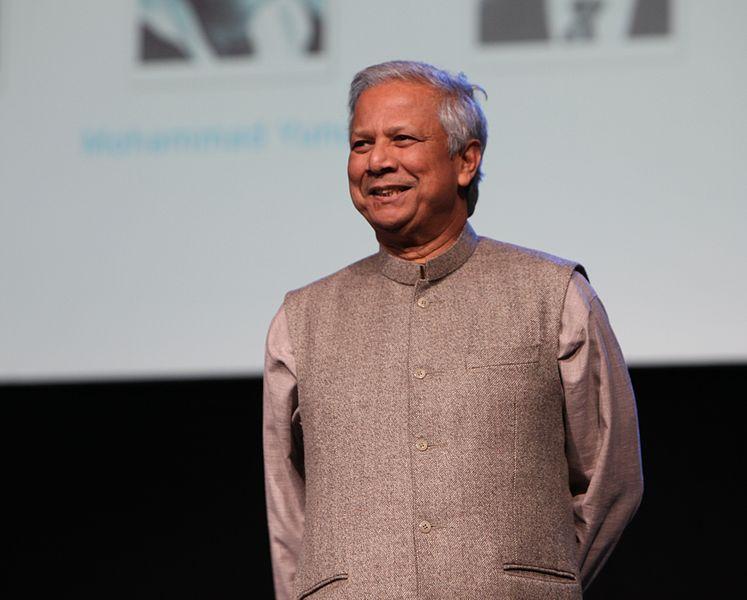
    In a significant political development, the interim government of Bangladesh, to be led by Nobel laureate Dr. Muhammad Yunus, is set to take its oath of office on Thursday night. Army Chief of Staff General Waker-uz-Zaman confirmed that the ceremony will likely take place at 8 PM local time. The interim government, as outlined by General Waker, may consist of 15 members.

    The announcement comes in the wake of a turbulent political climate in Bangladesh. Dr. Yunus, who has been appointed as the Chief Adviser, will be steering the country through a crucial transition following the recent upheaval. General Waker expressed his full support for Dr. Yunus, stating in a press conference at Senasadar on Wednesday, “He is very eager to lead this interim government and guide us through a democratic process.”

    Dr. Yunus, renowned globally for his work in microfinance and poverty alleviation, is expected to oversee a period of stabilization and reform. The Nobel Prize-winning economist is returning to Bangladesh from Paris, where he had been traveling prior to his appointment. “I am looking forward to going back home, assessing the situation, and organizing efforts to navigate the current turmoil,” Yunus told reporters at Charles de Gaulle Airport before departing for Dhaka via Dubai.

    The interim government’s formation follows a dramatic sequence of events involving the violent ouster of former Prime Minister Sheikh Hasina. Hasina, who had been in power since 2009, resigned on Monday amid massive protests and unrest. The protests, which initially started over government job quotas, escalated into widespread demonstrations against alleged electoral fraud and human rights abuses under Hasina’s administration. The situation culminated in Hasina fleeing the country on a helicopter to India after being deposed by the military.

    Sources close to Hasina say that the cause of the government’s fall was not really the students’ movement, but that it was taken over by the far-right radical Muslim party, the Jamaat-e-Islami.

    In a related development, a Bangladeshi court has acquitted Dr. Yunus of a previous conviction for flouting the country’s labour laws. Yunus had been sentenced to six months in jail earlier this year, but his conviction was widely criticized as politically motivated. His acquittal clears the way for him to assume his role as head of the interim government.

    The appointment of Dr. Yunus came swiftly after student leaders and other influential figures in the country called for his leadership. In a meeting with President Mohammed Shahabuddin, military chiefs, and student leaders, the decision was made to appoint Yunus as chief adviser. This move is seen as a step towards restoring stability and democratic governance in Bangladesh.

    Stock Market Surge

    In a related economic development, Bangladesh’s stock market has witnessed a significant surge following the political upheaval. The Dhaka Stock Exchange (DSE) index, DSEX, reached a three-month high on Wednesday, climbing 192.37 points to settle at 5,618.79. This marks a notable rebound, with the DSE gaining 390 points, or 7.45 percent, over the past two days.

    Investors have shown increased optimism regarding the prospects of improved governance following Sheikh Hasina’s resignation and the message that Dr. Yunus would be taking over.

    The market rally has been driven by fundamentally strong stocks that had recently experienced sharp declines. The DS30 index, which tracks 30 prominent companies, rose by 87.43 points, while the Shariah-based DSES index increased by 42.52 points.

    Turnover on the DSE was reported at Tk 7.76 billion, up 3.41 percent from the previous day. The Chittagong Stock Exchange also reported gains, with its All Share Price Index (CASPI) rising by 545 points.

    Robberies, Jail Breaks

    While the political and economic climate in Bangladesh undergoes significant changes, security concerns have intensified. In Dhaka’s Mohammadpur area, residents spent a restless night amid fears of widespread looting. Local mosques used loudspeakers to warn of robbers targeting neighborhoods, prompting residents to take to the streets to defend their homes. Army patrols eventually arrived to restore order, apprehending several suspects in the process.

    In the prison sector, two major jailbreaks have occurred. On Wednesday afternoon, approximately 30 to 40 prisoners escaped from Kushtia District Jail following gunshots fired inside the facility. Army personnel quickly intervened to regain control of the situation, but many of the escapees remain unaccounted for.

    Earlier in the week, Kashimpur High Security Central Jail experienced a large-scale jailbreak involving 209 inmates. Six prisoners were killed during the escape attempt, which saw the army conducting a commando operation to quell the rebellion. These incidents underscore the current volatility and the challenges facing Bangladesh as it navigates a period of significant political and social transformation. As Dr. Yunus prepares to assume leadership, the nation remains on edge, hopeful for stability and reform amidst ongoing uncertainty.

    Image: Wikimedia
    Agriculture Minister Addresses Crop Insurance Improvements and Challenges in Parliament

    Chouhan said that while the earlier system excluded debt-free farmers from insurance, the new policy includes provisions for them as well.

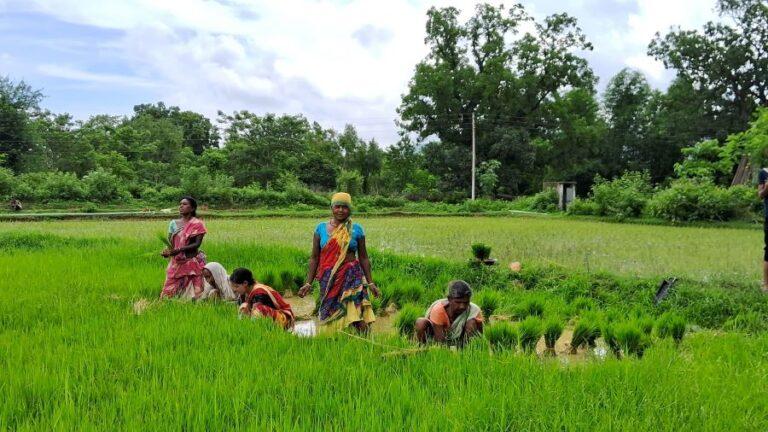
    The union minister for agriculture and farmers’ welfare, Shivraj Singh Chouhan, detailed significant enhancements and ongoing challenges related to the Pradhan Mantri Fasal Bima Yojana (PMFBY) during a question hour session in Parliament on Tuesday. Addressing lawmakers, Chouhan emphasized the transformative changes made to the scheme, aimed at resolving issues present in previous crop insurance programs.

    Chouhan noted that earlier crop insurance schemes were fraught with difficulties, including high premiums, delayed claim settlements, and various objections from farmers and their organisations. The introduction of PMFBY has, according to Chouhan, markedly improved these issues. “When we compare the new scheme with its predecessors, the difference is clear,” Chouhan said. He highlighted a substantial increase in farmer participation, with applications rising from 3.51 crore under previous schemes to 8.69 crore currently. This includes a leap in non-loanee farmer applications from 20 lakh to 5.48 crore.

    The minister explained that previous insurance models were compulsory and premiums were automatically deducted by banks. The current scheme, however, allows farmers to choose whether or not they want to participate. Chouhan added that while the earlier system excluded debt-free farmers from insurance, the new policy includes provisions for them as well. As of 2023, the scheme has expanded coverage from 5.01 lakh hectares to 5.98 lakh hectares, and now includes 3.97 crore farmers.

    In a bid to streamline the process, the government has introduced several key reforms. Notably, loss assessment under PMFBY will now be conducted using remote sensing technology for at least 30 per cent of cases, replacing the previous visual assessment method. Additionally, insurance companies are required to pay a 12 per cent penalty directly to farmers if there is a delay in processing claims. Chouhan attributed some delays to state governments’ tardiness in releasing their share of the premium subsidy. To address this, the central government has now ensured that its share of funds is released promptly, regardless of state contributions.

    Chouhan also explained that the PMFBY operates under three distinct models, with the central government setting policy parameters while state governments select their preferred model. He clarified that while the scheme is available nationwide, states have the option to adopt it based on their preferences. Bihar, for example, has opted not to implement PMFBY, instead relying on its own state-specific insurance scheme.

    Overall, Chouhan underscored the government’s commitment to making crop insurance more accessible and effective for farmers, addressing past shortcomings, and ensuring timely support. The enhancements to PMFBY reflect a broader effort to foster greater confidence and participation among the agricultural community, thereby safeguarding farmers’ interests against the risks associated with crop production.

    PM-PRANAM for Financial Assistance for Organic Farming

    The Indian Council of Agricultural Research also imparts trainings, organizes front-line demonstrations, awareness programs etc. to educate farmers on organic farming, through network of Krishi Vigyan Kendras, the minister said.

    The government is implementing the “PM Programme for Restoration, Awareness, Nourishment and Amelioration of Mother Earth (PM-PRANAM)” to incentivise states and union territories to promote the use of alternative fertilizers such as organic and bio-fertilizers for improving soil health and fertility and sustainable productivity, the union minister of state for agriculture and farmers’ welfare Ramnath Thakur in a written reply in Lok Sabha on Tuesday.

    Under the programme, state governments will be incentivized to the tune of 50 per cent of fertiliser subsidy saved for promotion of organic and natural farming and organic fertilizers.

    The government is encouraging the balanced use of fertiliser in conjunction with the application of organic and biofertilisers on soil test based recommendation, the minister said, adding that government has also announced market development assistance at the rate of Rs 1,500 per metric ton for fermented organic manure and liquid fermented organic manure use of organic fertilisers.

    The government is promoting organic farming on priority in the country since 2015-16 for improving soil health and water retention through the schemes of Paramparagat Krishi Vikas Yojana in all the states other-than North Eastern States that are covered under the Mission Organic Value Chain Development for North Eastern Region. Both the schemes stress on end-to-end support to farmers engaged in organic farming – i.e. from production to processing, certification and marketing and post-harvest management training and capacity building and also focus on sustainable agriculture.

    A total assistance of Rs. 31,500 per ha for a period of three years is provided for promotion of organic farming under the Paramparagat Krishi Vikas Yojana scheme, the minister said. He explained that this support is meant to cover different components like training and capacity building, data management, participatory guarantee system- India certification, value addition, marketing and publicity. Of this, the assistance of Rs. 15,000 per ha for a period of three years is provided to farmers through direct bank transfer for on- farm /off –farm organic inputs.

    A total assistance of Rs. 46,500/ha is provided for to farmers in the North-East under Mission Organic Value Chain Development for North Eastern Region for three years for the creation of Farmers Producer Organisations (FPs). The support also covers assistance to farmers for organic inputs, quality seeds and planting material and training, hand holding and certification.  Out of this, assistance, a sum of Rs. 32,500/ ha is provided to farmers for off -farm /on –farm organic inputs for three years. This includes Rs. 15,000 as direct bank transfer to the farmers and Rs. 17,500 for the planting material to be given to the farmers by the state lead agency in kind.

    The minister said that the National Centre of Organic and Natural Farming and its Regional Centre of Organic and Natural Farming located at Ghaziabad, Nagpur, Bangalore, Imphal and Bhubaneswar are organizing various HRD trainings namely One Day Farmers’ Training, Two Days Training for Extension Officers/Staff, two days trainings on Participatory Guarantee System- India, 30 days certificate course, one day Jaivik evam Prakratik Kisan Sammelan for 500 participants, a one day stakeholder consultations/ conferences on natural farming for 100 participitants, orientation program on natural farming and awareness programmes across the country to disseminate information on organic and natural farming as well as on- farm production and use of various kinds of organic and bio-fertilizers.

    The Indian Council of Agricultural Research also imparts trainings, organizes front-line demonstrations, awareness programs etc. to educate farmers on organic farming, through network of Krishi Vigyan Kendras, the minister said in the Lok Sabha.

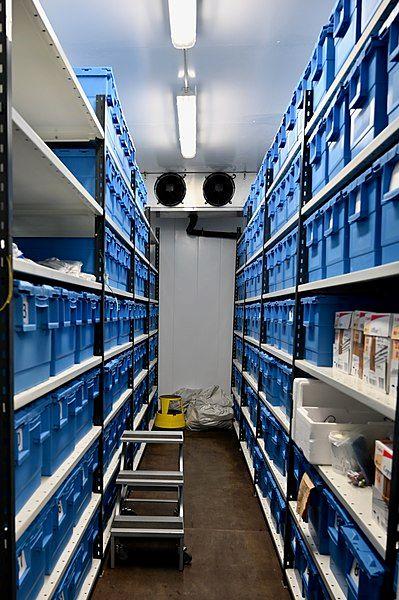
    Government Advances Cold Storage Infrastructure for Perishable Crops

    The government provides a credit-linked back-ended subsidy covering 35 per cent of the project cost in general areas and 50 per cent in hilly and scheduled areas through the respective State Horticulture Missions.

    In a strategic move to enhance the management of perishable horticultural produce, the government has announced a series of initiatives aimed at boosting the cold storage infrastructure across the country. These measures are part of a broader effort to reduce post-harvest losses and improve the efficiency of agricultural supply chains, the union minister of state for agriculture and farmers’ welfare Ramnath Thakur said in a written reply in the Lok Sabha on Tuesday.

    The department of agriculture and farmers welfare is spearheading the mission for integrated development of horticulture (MIDH), which offers financial assistance for the construction, expansion, and modernization of cold storage facilities. This initiative supports projects with capacities of up to 5000 metric tons (MT), based on the annual action plans (AAPs) submitted by states and union territories. These AAPs are crafted according to local needs, capacity, and resource availability.

    Under the MIDH scheme, cold storage projects are largely driven by demand from entrepreneurs and commercial ventures. The government provides a credit-linked back-ended subsidy covering 35 per cent of the project cost in general areas and 50 per cent in hilly and scheduled areas through the respective state horticulture missions. The program is open to a wide array of entities, including individuals, farmer groups, cooperatives, and local bodies.

    Additionally, the National Horticulture Board (NHB) administers a scheme titled ‘Capital Investment Subsidy for Construction/Expansion/Modernization of Cold Storages and Storage for Horticulture Products.’ This scheme targets cold storage facilities with capacities between 5000 MT and 10000 MT. It offers a credit-linked back-ended subsidy of 35 per cent in general areas and 50 per cent in the North East, hilly, and scheduled areas. Notably, units in the North East with capacities exceeding 1,000 MT are also eligible for this assistance, the minister said.

    The ministry of food processing industries (MoFPI) supports a related initiative under the Pradhan Mantri Kisan Sampada Yojana (PMKSY). This scheme focuses on integrated cold chain projects, including storage and transport infrastructure, with a view to minimizing post-harvest losses and ensuring better prices for farmers. Financial aid is provided as grant-in-aid, covering 35 per cent of costs in general areas and 50 per cent in the North East, n the Himalayan states, ITDP areas, and Islands. For value addition and processing infrastructure, the grant-in-aid is set at 50 per cent for general areas and 75 per cent for the specified regions, with a cap of Rs. 10 crore per project. However, standalone cold storage units are not eligible under this scheme.

    In addition to these efforts, the Agricultural Marketing Infrastructure (AMI), a component of the Integrated Scheme for Agricultural Marketing (ISAM), provides support for the construction of godowns and warehouses to increase storage capacity for agricultural produce. This scheme offers a subsidy of 25 per cent for plain areas and 33.33 per cent for North Eastern and hilly regions, the minister said.

    To further bolster agricultural infrastructure, the government has introduced the Agriculture Infrastructure Fund (AIF) with an allocation of Rs. 1 lakh crore. This fund provides collateral-free term loans up to Rs. 2 crore and an interest subvention of 3 per cent on these loans for the establishment of post-harvest infrastructure, including cold storage facilities.

    These initiatives are part of a comprehensive approach to addressing the challenges in the agricultural sector, particularly concerning post-harvest losses. The government’s support is structured around commercial ventures and is dependent on the proposals received from states and entrepreneurs.

    In a related development, a new mobile application has been launched in anticipation of the Third World Food India (WFI) 2024 event. This app aims to streamline information related to the event, including buyer-seller meetings, event updates, speaker profiles, and real-time navigation features to facilitate access to venue locations.

    Furthermore, a 2022 study commissioned by the Ministry of Food Processing Industries and conducted by NABARD Consultancy Services (NABCONS) highlighted significant post-harvest losses across various crops. The study revealed loss rates ranging from 3.89 per cent to 15.05 per cent depending on the crop type, emphasizing the critical need for improved storage and management infrastructure.

    Union Minister of State for Agriculture and Farmers’ Welfare, Ramnath Thakur, provided these details in a written reply in Lok Sabha today, underscoring the government’s commitment to strengthening the agricultural infrastructure and mitigating post-harvest losses.

    Civil Society Groups Demand Pause on Rs. 330 Crore World Bank Investment on Gujarat WTE Plants

    The very process of burning waste, experts hold, releases toxic by-products into the environment, ranging from cancer-causing exhaust gases, to residue ash capable of polluting nearby soil and water resources. 

    By Ashutosh Baluni

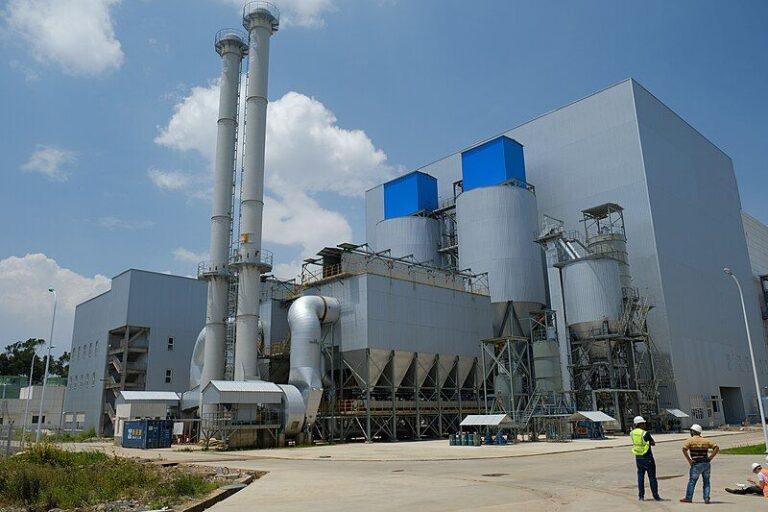
    Following the World Bank’s public expression of intent to invest in four Waste-To-Energy (WTE) plants in Gujarat, a group of civil society organisations led by the Delhi-based Centre for Financial Accountability (CFA) has written to the International Finance Corporation (a member of the World Bank group), demanding it to cut ties with a project that goes “against their principles”.

    The letter is jointly drafted by the Centre for Financial Accountability, National Hawkers Federation, International Accountability Project, and the affected community represented by Ker Jayendrasinh, Rohit Prajapathi and Shailendrasinh R Jadeja. 

    On July 7, the Delhi-based civil society group and its partners, committed to monitoring financial institutions and their role in development projects, wrote a 27-page letter to the International Finance Corporation (IFC), demanding the World Bank body to reverse its decision to invest Rs. 330 crores in four WTE plants in Gujarat, citing the project’s potential to harm the environment, the neighbouring communities and their livelihoods, along with “glaring flaws” found in their Environmental and Social Impact Assessment (ESIA) reports, as reasons.

    “Should IFC invest in this project, it would go against its Performance Standards and against the principles that IFC stands for,” says the letter.

    The four plants, which are proposed to cumulatively generate 52.5 MW of electricity by burning solid waste, are owned by Abellon Clean Energy Limited (ACEL), a Gujarat-based company working to setup four WTE plants in Ahmedabad, Rajkot, Vadodara, and Jamnagar. 

    The latter plant in Jamnagar, operational since November 2021, has received numerous complaints from nearby residents of Gandhinagar and Nandanpark localities, perturbed by loud noises, foul odour and deposition of black soot on their houses caused by the plant. On 15 December 2021, a show cause notice was issued to the plant by the Gujarat Pollution Control Board (GPCB) for “non-compliance” under the Air (Prevention and Control of Pollution) Act, 1981.

    Later, on 28 December, the GPCB carried out a thorough inspection of the plant, revealing that it had been dumping solid waste outside its premises, resulting a 2,000 metric tonne pile. The Jamnagar WTE nevertheless powered through the setbacks despite visible public ire.

    More discoveries

    CFA provided YouTube links of local media coverage of the protests in the complaint letter, implying that ACEL had violated one of IFC’s performance standards.

    Additionally, the CFA found flaws in ACEL’s declaration of their project plans and the accompanying social and environmental impact the plants will cause. In one such instance, ACEL is accused of inflating the amount of energy the Jamnagar WTE can produce by deliberately using their own calculations, instead of referring to government records. Other accusations include failing to mention the existence of another WTE project in Ahmedabad and painting a false image of the Ahmedabad waste management system in a bid to justify the plant’s importance.

    “While proposing the 1000 ton/day WTE incinerator plant, the ESIA report conveniently omits to mention that Ahmedabad already has another WTE incineration plant to process 1000 TPD of MSW in its advanced stages of completion,” says the letter.

    Further scrutiny revealed a puzzling schemata of waste collection, with plants proposed to source some of their waste from other cities. For instance, the Jamnagar WTE plant, in addition to collecting its input waste from its local municipality, was also sourcing its waste from Rajkot (92 km away) and Vadodara (372 km away). The CFA argued that in doing so, ACEL could start “a scramble for waste leading to various conflicts and improper functioning of the plant.”

    Comparing ACEL’s claims with government data led to more discoveries, including possible violations of Indian law. These are mainly rooted to the fact that out of the 35,734 tons of plastic burned by the Jamnagar plant in FY 2022-23, 9,647 tons consisted of recyclable plastic, which potentially violates the Solid Waste Management rules, 2016, and Plastic Waste Management rules, 2016.

    Toxic emissions

    Another worrying implication of the aforementioned statistic surfaces when considering that Jamnagar produces only 250 tons of waste daily; the WTE plant burned 35,734 tons in a year, which roughly translates to 100 tons of plastic burned every day.

    “This is hugely problematic for the environment and health of the city and causes huge pollution. This violates not only the Performance Standards of IFC but also the Plastic waste management rules of the GOI which says that only non-recyclable plastics have to (sic) be incinerated,” warns the report.

    While waste-to-energy methods have been included in policy documents as a golden path towards solving the waste crisis, experts across the world and within India have been less convinced. The very process of burning waste, experts hold, releases toxic by-products into the environment, ranging from cancer-causing exhaust gases, to residue ash capable of polluting nearby soil and water resources. 

    In fact, CFA points out that a 2021 report by the Central Pollution Control Board found that three Delhi WTE plants were crossing the prescribed standards for toxic emissions; 10 times higher at Okhla, five times higher at Bawana and 2.7 times higher at Ghazipur. 

    The CFA also contends that WTE plants can be seen as “job killers” within the local waste management economies worldwide — which gets amplified considering India’s largely informal setup of kabadi-wallahs and waste-pickers.

    The solid waste that forms the lifeblood for WTE plants mainly consists of paper, plastics, cardboard and cloth, which also forms a large part of the earnings of waste-pickers. In an interview with the International Alliance of Waste Pickers, representatives of the Ahmedabad chapter of the Self Employed Women Association (SEWA) expressed their fear that once operational, the WTE plants will destroy livelihoods.

    Image: Wikimedia

    Sheikh Hasina Resigns and Flees Bangladesh Amidst Deadly Protests – No Clarity on Interim Government

    Student leaders announced plans to detail the interim government’s framework in a press conference later this evening. One student leader asserted that the final victory of the student movement would be declared from the streets, reflecting the ongoing public fervour for change.

    In a dramatic turn of events, Sheikh Hasina, the Prime Minister of Bangladesh, resigned and fled the country on Monday following a wave of deadly protests. The 76-year-old leader, who had been in power since 2009, was said to have departed via helicopter to India, en-route to London, according to multiple media sources.

    On Monday, protests in Dhaka reached a fever pitch with violent clashes between demonstrators, police, and pro-government supporters. As violence escalated, with nearly 100 people killed in the latest unrest and about 150 deaths reported last month, Hasina’s resignation came as the latest development in a turbulent political crisis.

    The resignation sparked widespread jubilation in Dhaka. Thousands of residents poured into the streets celebrating, with many storming Hasina’s official residence, Ganabhaban. In scenes of chaotic triumph, protesters were seen carrying away furniture and television sets from the heavily guarded building.

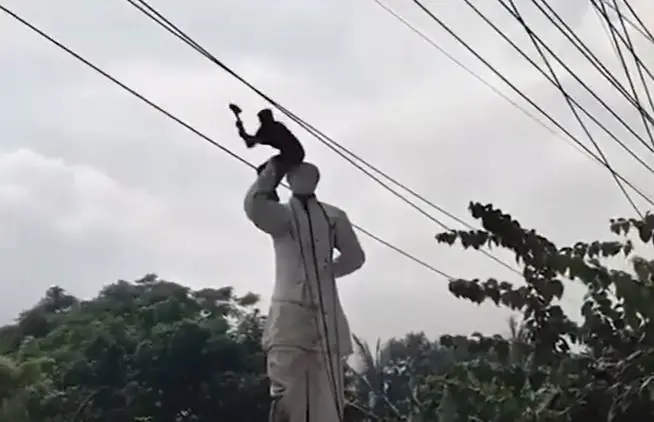
    In an act of symbolic defiance, some protesters scaled a statue of Sheikh Mujibur Rahman, Hasina’s father and a key figure in Bangladesh’s history, and began chiselling away the monument.

    Nearly 8 lakh graduates are unemployed in Bangladesh. The students were protesting the 30 per cent job quota for families of freedom fighters. Bangladesh’s supreme court intervened and reduced the Quota to 5 per cent that only helped usher in a temporary lull.

    But matters Tquickly escalated into calls for Hasina’s resignation. The quota was a reservation of jobs for the children and grandchildren of freedom fighters – almost all of whom are connected with Hasina’s Awami League.

    The stir over the job quota is not new – with rising unemployment, the issue had been simmering for over a decade.

    The situation has been exacerbated by political tensions and accusations of a flawed election in January, boycotted by the opposition.

    Interim government

    There are conflicting reports about the formation of an interim government. General Waker-Us-Zaman, the chief of the Bangladeshi army, who confirmed in a televised address that Hasina had left the country and announced plans to form an interim government earlier in the day also announced that he was taking charge and that an interim government will be in place very soon. No timeline was given.

    The army chief is a close relative of Sheikh Hasina.

    On the other hand, student activists, who have been at the forefront of the protests, are now preparing to present an outline for an interim government. Nahid Islam, one of the coordinators of the Anti-Discrimination Student Movement, stated that the interim government will be inclusive of diverse groups but will exclude supporters of the ousted Awami League regime. Islam emphasized the need for systemic change to prevent the rise of another autocratic leader.

    Asif Mahmud, another coordinator, announced plans to detail the interim government’s framework in a press conference on Monday evening. He asserted that the final victory of the student movement would be declared from the streets, reflecting the ongoing public fervor for change.

    The political landscape of Bangladesh remains highly volatile as the nation grapples with the aftermath of the resignation and the formation of a new governing body.

    In the meanwhile, many Awami League leaders spoke of plans to move out of Bangladesh, mostly to India.

    52.81 crore PM Jan-Dhan Accounts with Deposit Balance of Rs. 2,30,792 Crores Under PMJDY

    Under the Pradhan Mantri Mudra Yojana (PMMY), 48.92 crore cumulative loans amounting to Rs. 29.93 lakh crore have been sanctioned to provide collateral-free institutional finance to micro/small business units up to Rs.10 lakh for income generating activities.

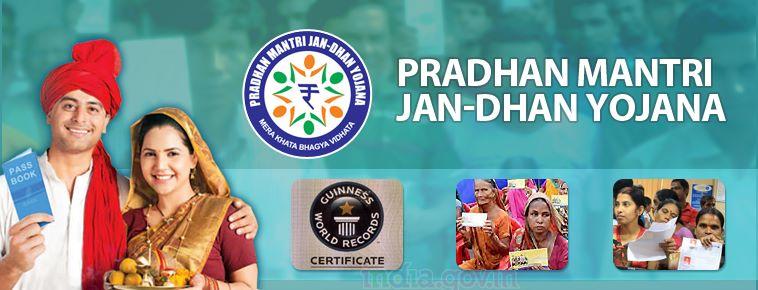
    Union minister of state for finance, Pankaj Chaudhary, replying to a question in the Lok Sabha said on Monday that the Pradhan Mantri Jan Dhan Yojana (PMJDY) has been successful in increasing banking penetration to promote financial inclusion across the country. 

    He said that a total of 52.81 crore Jan-Dhan accounts with a deposit balance of Rs. 2,30,792 crores have been opened as on 19 July 2024 under PMJDY. Out of these, 29.37 crore (55.6 per cent) Jan-Dhan accounts belong to women and about 35.15 crore (66.6 per cent) PMJDY accounts have been opened in rural and semi-urban areas.

    Since 14 August 2018, the objective of PMJDY has been to cover all unbanked adults, the minister stated.

    He said that the government initiated the National Mission for Financial Inclusion (NMFI) or PMJDY in August 2014 to provide universal banking services for every unbanked household based on the guiding principles of banking the unbanked, securing the unsecured, funding the unfunded and serving unserved and underserved areas.

    Giving more information, the Minister stated that the Government has launched various social security schemes, the coverage of which, as on 19 July 2024, is as under:

    1. Under Pradhan Mantri Jeevan Jyoti Bima Yojana (PMJJBY), 20.48 crore cumulative enrolments have been done to provide life insurance cover of Rs. 2 lakh for death due to any reason;
    2. Under Pradhan Mantri Suraksha Bima Yojana (PMSBY), 45.08 crore cumulative enrolments have been done to provide one-year accidental cover of Rs. 2 lakh (death or permanent total disability) and Rs. 1 lakh (permanent partial disability);
    3. Under Atal Pension Yojana (APY), 6.71 crore cumulative enrolments have been done to provide monthly pension to eligible subscribers.

    Further, the minister stated, that the government has launched various credit linked schemes with the objective of “Funding the Unfunded” and to promote entrepreneurship:

    • Under the Pradhan Mantri Mudra Yojana (PMMY), 48.92 crore cumulative loans amounting to Rs. 29.93 lakh crore have been sanctioned to provide collateral-free institutional finance to micro/small business units up to Rs.10 lakh for income generating activities.
    • Under Stand-Up India Scheme (SUPI), 2.36 lakh cumulative loans amounting to Rs. 53,609 crores (as on 15.07.2024) have been sanctioned to Scheduled Caste / Schedule Tribe and Women entrepreneurs for setting up greenfield projects.
    • PM Vishwakarma Scheme, launched on 17.09.2023, aims to provide end-to-end holistic support to traditional artists and craftspeople engaged in 18 identified trades through access to skill training, collateral-free credit, modern tools, market linkage support and incentive for digital transactions.
    • Prime Minister Street Vendor’s Atma Nirbhar Nidhi (PMSVANidhi) was launched on June 01, 2020 with the main objective of providing relief to street vendors affected by Covid-19 lockdown. The Scheme envisages empowering street vendors by not only extending loans to them but also for their holistic economic development.

    There is a periodical review mechanism to monitor the implementation and effectiveness of these Schemes with the Banks and other concerned Stakeholders, the minister stated.

    Partnering for Progress: Maldives’ Sustainable Ocean Initiatives

    The UN’s focus on green energy, plastic, biodiversity, and early warnings aims to safeguard the Maldives from climate change. The rich biodiversity of the Maldives is vital for the resilience of its island communities, supporting thriving fisheries, diverse vegetation, and various economic opportunities.

    By Bradley Busetto and Bjorn Andersson

    The ocean is our lifeline, covering 70 per cent of the earth’s surface, it is the source of half of the oxygen we breathe, and it absorbs 26 per cent of the carbon dioxide we produce. It is home to millions of marine species, contains 97 per cent of all of the water on our planet and offers humankind immense resources. 

    Maldives – 500,000 people living in ocean-side communities across an archipelago of 26 atolls and 1,192 islands – demonstrates both the challenges of living within an ocean world and its vast potential. Therefore, we must ensure that the ocean is not only our treasured history but part of our healthy and prosperous future as well.

    The UN in Maldives together with Ocean Generation (an organization working to restore a healthy relationship between people and the ocean), is supporting the Maldives in meeting the increasing dangers of the climate crisis and preserving and protecting our threatened ocean.

    At the recently concluded fourth Small Island Developing States (SIDS4) Conference in Antigua, Maldives President Mohamed Muizzu directly addressed these challenges, calling for international public and private sector finance to invest in Maldives – to provide urgently needed climate financing for new green energy sources and to fund climate protection for communities and islands threatened by rising sea levels.

    Recognizing the precarious state of our oceans due to human consumption patterns and global heating, the President has recently ordered a pause to coastal development activities over concerns of high-water temperatures and coral bleaching in nearby waters.

    Heeding the President’s call, the UN and Ocean Generation are looking forward to working with Maldives towards solutions for the challenges faced by one of the most climate-vulnerable states in the world.

    Here are four key areas with the potential to make the biggest difference.

    1) Green energy

    A critical issue for Maldives is to reduce the use of expensive diesel fuel for energy production and transport between the many and distant atolls and island communities. Less diesel fuel use is a win-win: fewer carbon emissions and less foreign exchange spent on costly imported fuel.

    International investment is urgently needed to scale-up commercial, private-sector supported solar and other renewable energy sources for the capital city Malé and other urban areas, for smaller island communities, and for resorts.

    Meeting the Government’s goal of 33 per cent green energy supply by 2028 is a key priority where UN and World Bank initiatives can contribute.

    2) Reducing plastic pollution

    Safely disposing of waste and reducing the amount of waste that is generated are crucial goals for improving the lives of coastal communities. Reducing the import of single use, throwaway plastics into Maldives that ultimately end in our ocean and wash up on the shores of Maldives atolls, will be essential.

    Global plastic production is currently around 420 million metric tonnes per year.  Half of this is destined for single-use. We cannot rely on recycling to address our plastic waste problem.  Only 13 per cent of global plastic is recycled and of that 13 per cent, only 1 per cent is re-used through the system again meaning that even the plastic that does get recycled will eventually end up in landfill, being burned or in the environment.

    Maldives Ministry of Environment, Climate Change and Technology’s efforts to increase fees on plastic bags is essential to the national goal of phasing out plastic usage. Working with the Government, the UN and Ocean Generation strive to raise awareness among stakeholders of the cost of inaction and the shift towards environmentally-friendly alternatives to single-use plastics.

    3) Biodiversity conservation

    The broad biodiversity of Maldives coastal and marine life is the key to resilience of the interconnected communities of the islands, through fisheries and vegetation and economic livelihoods. Maldives can act as a global laboratory both for oceanic health and for the immediate and dynamic effects of climate change. Ongoing UN initiatives focused on conservation and sustainably managing coral reefs in fishing communities are already laying the ground for local lessons to shape national policy change.

    4) Fighting climate change

    The ocean is our biggest ally when it comes to climate change, especially with regards to absorbing heat. Average global temperatures today sit at 15 degrees C, (59 F) and without the ocean absorbing heat, that average is estimated to be 50 degrees C (122 F).  Maldives has already demonstrated its commitment to climate resilience, by becoming the first country in Asia and the first Small Island Developing State to embrace the UN Secretary-General’s Early Warnings for All (EW4All) initiative.

    Globally, it is the first country to endorse a national EW4All road map, at the presidential level, to ensure multi-hazard early warnings for all by 2027. Continuing to conserve, protect and restore marine resources, as a clear nature-based solution to climate change, is of utmost priority.

    Maldives’ climate initiatives offer valuable lessons for all island nations, and their successful implementation could serve as a model for global change. By scaling up efforts to reduce fossil fuel dependence and combat throwaway consumerism, we can protect our oceans and planet, creating a sustainable future for all.

    Source: Inter Press Service.
    This article was adapted from an Op-Ed written by the UN Resident Coordinator in the Maldives Bradley Busetto and the founder of Ocean Generation Jo Ruxton, MBE.

    Image Credit: UNDP Maldives / Ashwa Faheem

    8,875 FPOs Registered Across the Country, Minister Informs Parliament

    Minister Ramnath Thakur said that 6,374 CEOs appointed in 8,875 registered FPOs under the scheme as on 30 June 2024. He said, 19,68,868 shareholder farmers registered in FPOs formed and promoted under 10,000 FPOs scheme, as on 30 June 2024.

    The government is implementing the central sector scheme (CSS) for the “Formation and Promotion of 10,000 Farmer Producer Organisations (FPOs)” scheme to form and promote 10,000 new FPOs, Union Minister of State for Agriculture and Farmers’ Welfare Ramnath Thakur said in a written reply in Rajya Sabha on Friday.

    As on 30 June, 8,875 FPOs have been registered across the country, the minister said, providing the Rajya Sabha with a list detailing a state-wise number of FPOs registered. Uttar Pradesh leads the list, with 1,246 registered FPOs. Madhya Pradesh, with 622 FPOs has the second highest number of FPOs.

    Under the Central Sector Scheme (CSS) for the ‘Formation and Promotion of 10,000 Farmer Producer Organisations (FPOs)’, the total paid up capital to these FPOs is Rs.630.3 crores. A cumulative amount of ₹ 210.1 crore was released to eligible FPOs as matching equity grant under the aforesaid 10,000 FPOs scheme as on 30 June 2024, the minister said.

    One District One Product

    Minister Ramnath Thakur said that as per the clause 4.7 of operational guidelines, “While adopting cluster-based approach for produce or produce mix, formation of FPOs will also focus on “One District One Product” approach for development of product specialization, in case the focused agriculture produce has been declared for that district, whereby FPOs will be encouraged for promoting processing, branding, marketing and export of the product for better value realization.”

    The minister added that “There may be more than one cluster for one product in one district and a cluster also may extend beyond a district. However, the FPOs will also have additional product and service mix; so that there are enough activities and engagements with the members throughout the year. Furthermore, FPOs can federate at district level, state level and national level for the product identified as per their requirement of processing, branding and marketing.”

    The scheme provides supports for a credit guarantee fund, under which loans worth Rs.50.4 crores have been issued to these FPOs. Minister Ramnath Thakur said that 6,374 CEOs appointed in 8,875 registered FPOs under the scheme as on 30 June 2024. He said, 19,68,868 shareholder farmers registered in FPOs formed and promoted under 10,000 FPOs scheme, as on 30 June 2024.

    Sri Lanka Revives Historic ‘River for Jaffna’ Project to Address Water Scarcity

    The project’s current iteration includes several phases, beginning with the construction of the main pipeline and related infrastructure. Subsequent phases will focus on developing distribution systems and storage facilities to ensure efficient water delivery to Jaffna’s residents.

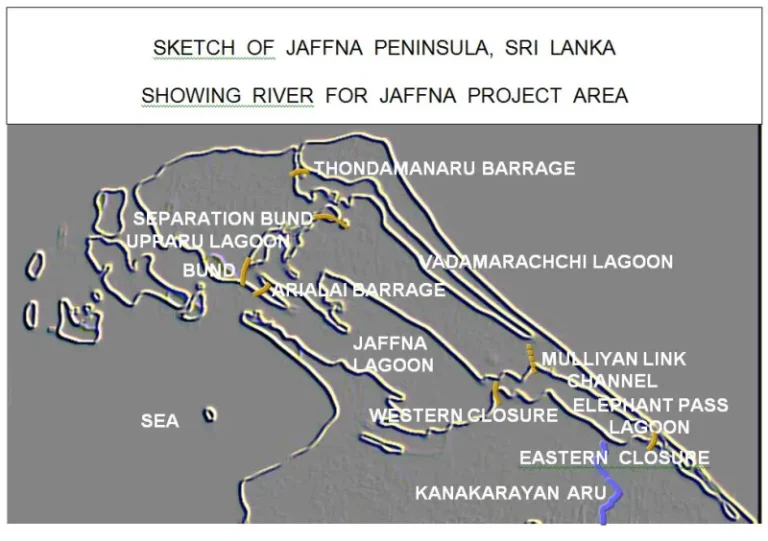
    In a move to tackle long-standing water scarcity issues in Sri Lanka’s Jaffna Peninsula, President Ranil Wickremesinghe has announced the revival of the historic ‘River for Jaffna’ project. This ambitious initiative, rooted in a 1954 proposal by pioneering engineer Arumugam, aims to provide a reliable and sustainable water supply to the region.

    The ‘River for Jaffna’ project will involve constructing a new pipeline system to channel water from the Ma Oya River in Sri Lanka’s North-Western Province to the water-starved Jaffna Peninsula. This scheme is designed to address the severe water shortages exacerbated by the peninsula’s arid climate and limited local resources.

    In his announcement, President Wickremesinghe underscored the project’s significance, stating, “This initiative marks a pivotal moment in our efforts to enhance regional development and ensure that all citizens have access to essential resources.” He emphasized that the project will improve the quality of life for Jaffna residents and support local agriculture and industry.

    Original idea

    The ‘River for Jaffna’ project traces its origins back to 1954 when Thiru Arumugam, then Deputy Director of the Irrigation Department, proposed a comprehensive plan to address water scarcity in the Jaffna Peninsula. His vision aimed to enhance the region’s water resources and environmental conditions, offering a sustainable solution to the recurring water shortages.

    “There will be a dramatic improvement in the water quality of the 30 per cent of the Jaffna wells which are now saline,” Arumugam had argued in an article he penned for the Colombo Telegraph newspaper in June 2013.  “In many cases the water will become suitable for domestic use and agricultural use, increasing the acreage under agricultural cultivation,” he said in the article.

    Over the decades, various experts and agencies have contributed to refining Arumugam’s original proposal. The Irrigation Department, Mahaweli Authority, and numerous local and international consultants have collaborated to develop and enhance the plan, integrating modern technology and practices to address the evolving needs of the region.

    The project’s current iteration includes several phases, beginning with the construction of the main pipeline and related infrastructure. Subsequent phases will focus on developing distribution systems and storage facilities to ensure efficient water delivery to Jaffna’s residents.

    Desalination plant

    The announcement of the project by President Ranil Wickremesinghe came during the opening ceremony of the Thalaiyady Seawater Desalination Plant, a key component of the broader Jaffna-Kilinochchi Water Supply Project. This plant, managed by the National Water Supply and Drainage Board with financial backing from the Asian Development Bank (ADB) and the Sri Lankan government, represents a significant step towards addressing the region’s immediate water needs.

    The Jaffna-Kilinochchi Water Supply and Sanitation Project, launched in 2011, aims to provide safe drinking water to 300,000 people and improve sanitation facilities for 80,000 individuals in Jaffna and Kilinochchi districts. To date, the project has seen the completion of 20 elevated water tanks, 186 km of water transmission pipelines, and 382 km of distribution pipelines. The desalination plant, a critical element of this initiative, is expected to be fully operational by mid-2025, with a total project cost of USD 266 million.

    In addition to the water infrastructure developments, President Wickremesinghe outlined plans for future enhancements, including the establishment of the Paliaru Reservoir to serve the Pooneryn area. He also highlighted initiatives to integrate solar energy projects and drip irrigation systems to optimize water usage and support modern agriculture.

    Broader strategy

    The President’s vision extends beyond water infrastructure, with plans to renovate the Kankesanthurai port in collaboration with India, establish an investment zone at a former cement factory, and develop Palali to boost tourism. These efforts aim to transform Jaffna into a significant economic hub within the next 5-10 years.

    Government sources said that commitment to this project reflects a broader strategy to address water management and infrastructure challenges across Sri Lanka. The revival of the ‘River for Jaffna’ project not only addresses immediate water needs but also aligns with long-term goals of regional development and environmental sustainability. As the project progresses, it is expected to bring substantial improvements to Jaffna’s water resources, environment, and overall quality of life for its residents.

    Observers say that the successful implementation of this initiative will be a testament to Sri Lanka’s ongoing efforts to address critical infrastructure needs and foster sustainable development in the region.