More

    New Nepal Government Should Seize Moment for Rights, says Human Rights Watch

    HRW has called on the government of Nepal to prioritize transitional justice, social security and issues concerning migrant workers and LGBT rights.

    Nepal’s new government should seize opportunities for progress on human rights, including transitional justice and social security, Human Rights Watch said in a letter to Prime Minister Khadga Prasad Oli on August 6, 2024. The government should also act to protect the rights of migrant workers and lesbian, gay, bisexual and transgender (LGBT) people.

    Oli became prime minister for the third time on July 15, following a new coalition agreement between his Unified Marxist Leninist party and the Nepali Congress party. The new government has continued negotiations started by its predecessors to pass legislation that would establish a transitional justice process to address serious abuses committed during the 1996-2006 civil war.

    “Nepal’s political leaders have made progress toward a credible transitional justice process, but success depends on legislation that meets standards set by Nepal’s Supreme Court and international law,” said Meenakshi Ganguly, deputy Asia director at Human Rights Watch. “The government should agree on amendments to address shortcomings in the transitional justice bill, then present it for passage in parliament without further delay.”

    In October 2023, United Nations Secretary-General António Guterres noted that Nepal is closer than it has ever been to beginning a meaningful transitional justice process and pledged UN assistance.

    The transitional justice bill contains provisions guaranteeing the right to reparations and the right of families of enforced disappearance victims to their relatives’ property. It mandates the Truth and Reconciliation Commission to study the root causes and impact of the conflict and to recommend institutional reforms. However, the bill still needs significant revisions if it is to ensure victims’ right to justice.

    A recent report by the UN special rapporteur on transitional justice stated that allocating sufficient resources is key to guaranteeing the independence of transitional justice mechanisms. Donor funding should be managed in an accountable manner that upholds the independence of future transitional justice bodies, Human Rights Watch said.

    Nepal has made significant achievements in protecting people’s right to social security, including through the Child Grant program, which has led to increased birth registration, improved access to food, and a lower likelihood of child labor for the recipients and their siblings. Research shows that the popular Child Grant program increases public support for the government.

    However, while about 40 per cent of Nepal’s population is under 18, children receive only about four per cent of the government’s social protection budget. The Child Grant has been endorsed by numerous Nepali civil society organizations and international policy experts, including UNICEF, the International Monetary Fund, the World Bank, and the European Union, but is currently only available to 9.5 percent of Nepali children. Successive governments have not followed through on commitments to roll the program out nationwide. In April 2023, 16 Nepali and international civil society organizations wrote to Nepal’s finance minister urging expansion of the Child Grant program.

    The Nepali government should adopt concrete measures to extend the Child Grant to all districts and increase the monthly payment to meet the ultimate goal of providing an adequate monthly income to all Nepali families with children, Human Rights Watch said.

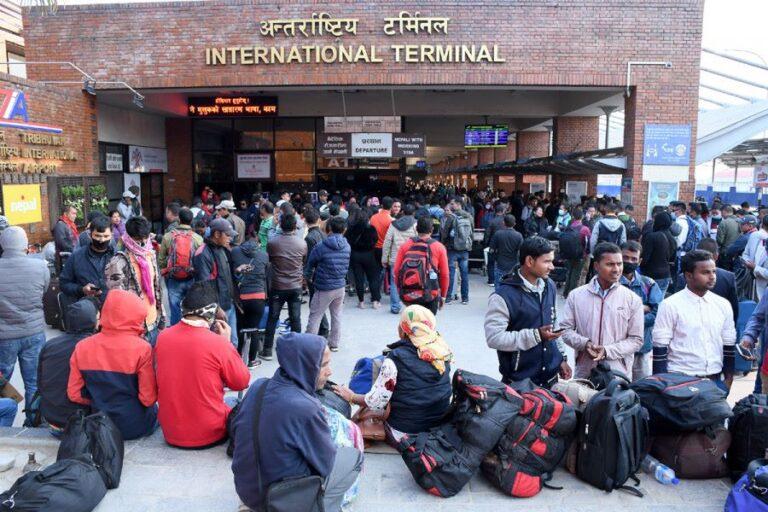
    The government should also act to protect Nepali migrant workers through bilateral labor agreements with destination countries that include strong provisions on responsible recruitment, wage protection, access to health care, occupational health and safety, and access to justice. Human Rights Watch also urged the government to ensure that Nepal’s embassies in migrant destination countries have sufficient resources to support workers who experience abuse.

    Nepal is widely recognized for its achievements in advancing LGBT rights, particularly through a series of landmark Supreme Court decisions. However, the authorities have failed to properly carry out the rulings, in part due to a lack of comprehensive legislation. The government should bring legislation before parliament recognizing marriage equality. It should also issue a directive that transgender Nepalis can change their legal name and gender to male, female, or other without having to submit to medical verification.

    “Prime Minister Oli has an opportunity to seize the moment and make important achievements on key rights issues, but the government will need to make sustained efforts and work closely with victims’ groups, rights organizations, and other partners,” Ganguly said. “Donor governments and the UN should stand ready with robust and adequate plans to support a Nepali-led process.”

    Image: Wikipedia
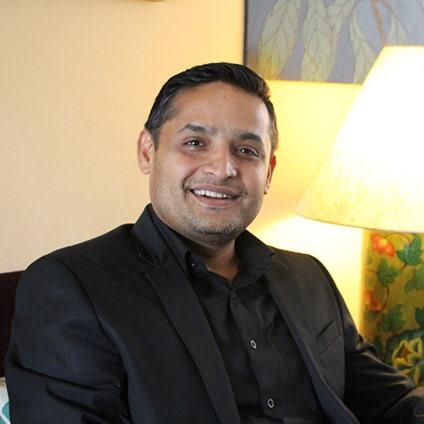
    “You need to add value to make a difference,” says Sumit Sharma Sameer

    “Our work should provide solution to the problem of society. This is exactly what I’m trying to achieve. I’m aiming to elevate a Nepali podcast at the global stage by bringing eminent global thought leaders working from Nepal.“

    By Pradeep Baisakh

    The World Bank report says that the extent of labour migration by Nepalese youth is so large that it deserves special attention within the broader discussion of Nepal’s youth employment. Sumit Sharma Sameer, author and journalist, who has master degrees from London School of Economics, UK and Queen’s University, Canada, runs a weekly podcast, “Ink & Insights” with an objective to bring in eminent global thought leaders as well as Nepali influencers and thought leaders in the same platform to persuade the Nepali youth that they can make a difference staying in the country by creating and selling products to the international audience.

    In conversation with Pradeep Baisakh, Journalist, Sameer details out his work, his mission and how he wants to see Nepal in future.

    Pradeep Baisakh (PB): Welcome Sumit! Let me start with congratulating you for the rising popularity of your weekly Podcast “Ink and Insights”. What made you think to start a podcast and what do you want to achieve with it? Who are your guests on the podcast?

    Sumit Sharma Sameer: Thank you Pradeep! It’s been a year since I started my new venture. I simply love this work, particularly for one reason: I am also learning by doing. There is a tectonic shift taking place in today’s world. We are a fortunate generation to be living in such time and also struggling hard to adjust ourselves to fit in with the rapidly changing context. The mode of economy, the structure of society and the relevance of political institutions that were created during industrial revolution are contested today. That contestation is not only limited to the specific realm, but have entrenched to the wider society, including the ‘kind and quality of work’ that we do.

    Regular job that we used to do may not have its relevance after a decade. We have to add the extra layer of ‘value’ to what we deliver. Without such ‘value’, society will not align to what we do. Our work should provide solution to the problem of society. This is exactly what I’m trying to achieve. I’m aiming to elevate a Nepali podcast at the global stage by bringing eminent global thought leaders working from Nepal. My message is simple – the third stage of globalization is rapidly heading to the fourth, and under that context, the notion of ‘geography’ and national boundary becomes a myth when viewed from the perspective of work.

    Q: Do you think you are heading in right direction to influence the Nepali youth? And do you really think that Nepal can have enough opportunity in the country for its youth, like creating adequate entrepreneurial opportunities?

    A: I’m not sure if I’m influencing Nepali youth. But, I’m definitely offering an option implying that ‘the space has been created where any Nepali entrepreneurs, influencers or others from different walks of lives either in Nepal or in diaspora can share a common platform with the global eminent thought leaders for dialogue and deliberation’. So, this platform belongs to and is owned by all those Nepalis who believe that we can elevate our product at the international stage.

    Nepal is geo-politically and geo-economically extremely well placed to create abundance for our larger society only if we know how to positively ‘use’ that space for the peaceful growth of everyone in the region. Bit of courage, confidence and imagination and most importantly willingness to strike a chord among the national communities, instilling a common dream within that national communities can take us very far.

    Q: Let me turn to your books now. In your first book, Unfinished Journey: The Story of a Nation” published in 2010, what are your vision captured in the book for your country?

    A: In this book, I have suggested that the project of transferring Nepal to a prosperous State guaranteeing dignity to all its people still remains an unfinished journey and that dream can only be realized if the entire national population owns that dream as their own.

    Q: You have received an award from Kalinga Literary Festival for your fiction, “Wake Up Ali!”. What the book is all about? Could you briefly share?

    A: This fiction is a South Asian Diaspora Story. Different characters from Nepal, India and Pakistan echoes a common sentiment of belonging, displacement, and longingness for their birth place they call ‘home’ when they are away from their respective countries. They share common disillusion and struggle to make sense of their own lives in the world that is growing even more complex.

    Q: What’s your Indian connection? How much do you know about India?

    A: I completed my under graduation in Sociology from the Loyola College, Chennai. I think it’s difficult to know India in our life time given the plurality, complexities and yet simplicity that one finds in its geography, people, culture, customs and habits. Look at the range of geography, languages, cultural practices, philosophies, customs and what not! I don’t think it’s easy to comprehend. You can describe using one ‘framework’ or the ‘other’ about India, but they may not provide a complete picture. Rather, we can ‘feel’ India.

    Q: Do you think Nepal can follow some examples of success from India?

    A: Both Nepal and India can learn from each other and grow together. Perhaps Nepal would do well to learn how important it is to institutionalize the institutions the way it was done in India soon after its independence and how important it is to have consistencies in policy to make a long-term impact. The economic growth that India has achieved since 1990s and likely to continue to achieve for next twenty years is something worth pondering over. India can also benefit by interacting more with the assertive and confident younger generation of entrepreneurs and influencers of various sectors in Nepali society that are craving for growth and carve their own distinct ‘identity’ at the global stage.

    CAQM Issues Advisory to Curb Open-Air Burning in Delhi-NCR Ahead of Winter

    As winter approaches, the CAQM’s advisory marks a critical step in managing air quality and mitigating the adverse effects of pollution in Delhi-NCR. By focusing on sustainable solutions and collaborative efforts, the commission aims to achieve significant improvements in air quality.

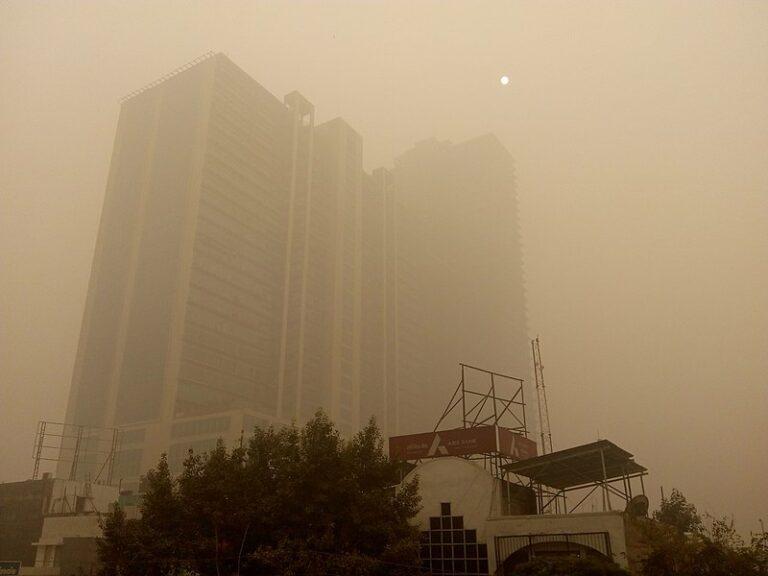
    In a proactive measure to address the worsening air quality during the upcoming winter season, the Commission for Air Quality Management in NCR and Adjoining Areas (CAQM) has issued a new advisory targeting open-air burning practices across Delhi-NCR. The advisory, directed at all Resident Welfare Associations (RWAs) and residential societies, aims to combat the uncontrolled burning of Municipal Solid Waste (MSW) and biomass, which significantly contributes to elevated levels of PM2.5 and PM10 pollutants.

    With winter approaching, the CAQM has underscored the urgent need to address the environmental and health impacts associated with open burning. During the colder months, the practice of burning waste materials such as wood, twigs, branches, and dried leaves is common, especially among security personnel and service staff seeking warmth. This practice exacerbates air pollution, leading to elevated concentrations of particulate matter and other harmful gaseous pollutants.

    The commission’s advisory emphasizes the necessity of providing sustainable alternatives to open burning. Specifically, it recommends that RWAs supply electric heaters and other suitable warming devices to their security and service staff. By replacing open burning with electric heaters, the advisory aims to reduce the emission of harmful pollutants and contribute to cleaner air in the region.

    Since its establishment, the CAQM has been actively addressing the issue of open burning through various advisories, orders, and directives. Despite these efforts, open burning remains prevalent in residential areas, particularly in gated communities, where it is often used as a method for heating during the winter months.

    The latest advisory stresses the importance of collective action from RWAs and residents to improve air quality. The Commission calls on RWAs to actively participate in implementing these measures and encourages residents to support efforts to reduce pollution.

    In addition, the Directorate of Urban Local Bodies (GNCTD) and municipal bodies have been instructed to promote this advisory widely among all RWAs in Delhi. They are also tasked with monitoring the implementation of these guidelines to ensure compliance and effectiveness.

    As the winter season approaches, the CAQM’s advisory marks a critical step in managing air quality and mitigating the adverse effects of pollution in Delhi-NCR. By focusing on sustainable solutions and collaborative efforts, the Commission aims to achieve significant improvements in air quality and safeguard public health during the colder months.

    Image: Wikimedia Commons

    Water Stories: The Well Seven Families and 400 Buffaloes Rely On

    The government’s aim is to increase the number of people using safe drinking water to at least 90 percent by 2030, in line with Sustainable Development Goals. But villages like Khardariya are still struggling to access enough water, let alone pure water.

    By Tanka Dhakal

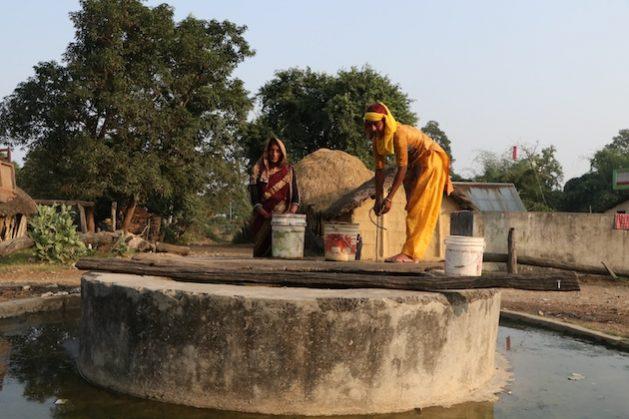
    In the rural village of Khardariya in the Dang district of Nepal, access to clean water is a major issue. Villagers depend on one poorly managed well for drinking water, cleaning, and feeding livestock.

    Anjana Yadav stood near the well while a neighbor walked toward it to fetch a bucket of water.

    “At least seven families and over 400 buffaloes rely on this well; this is the water that sustains the buffaloes, and we drink it too,” she said. “In summer, the water level goes down, and we suffer more,” Anjana told IPS.

    According to government data, only 27 per cent of the country’s population has access to pure drinking water. However, the government’s aim is to increase the number of people using safe drinking water to at least 90 percent by 2030, in line with Sustainable Development Goals. But villages like Khardariya are still struggling to access enough water, let alone pure water.

    “This water is not drinkable, but we don’t have any other option,” Niramala Yadava (Anjana’s daughter) says while showing the logged water around the well, “We know this water is not safe, but we’re forced to drink it, use it for cleaning, and even in the kitchen. We also have to manage for livestock too.”

    Khardariya is one example where access to water is a major problem, and there are other areas where people are facing the same situation. The Department of Water Supply and Sewerage Management claims that 80 percent of people have access to drinking water, but it’s not safe as per standards. Most of them still depend on surface water sources like rivers, ponds, and these sources are not necessarily safe to drink. And often time this water led to health consequences to the community where clean drinking water is not available.

    Everyday Struggle

    According to the World Health Organization’s Global Health Estimates (WHO GHE), one of the largest declines in the number of deaths is from diarrheal diseases, with global deaths falling from 2.6 million in 2000 to 1.5 million in 2019. But in Nepal even though cases are in decreasing trend, water related diseases are still a major concern, GHE data shows from 2000 to 2019 above 140 thousands of diarrheal cases are recorded per year.

    Diarrheal diseases are one of the top ten causes of death in Nepal. According to data from the Institute for Health Metrics and Evaluation (IHME), diarrheal diseases ranked seventh in 2009 and ninth in 2019 in the list of top ten causes of death.

    As Anjana Yadav in Dang, Sarita Rana Magar in Solukhumbu is struggling to get drinking water from the spring sourced tap, but it is not certain that the water is clean as per government standards. “We don’t have enough access to drinking water; even to get a couple of buckets of water is hard these days,” Magar says while waiting for her turn to fill water from the community tap in Lausasa village in the Khumbu region, where mountains stand right near her village. “It takes 25-30 minutes to fill one bucket (40-liter bucket) of water, and I need at least three buckets of water every day,” Magar said while keeping her bucket under the running tap.

    Problem is Not Prioritizing

    Even though the Government of Nepal claims that safe drinking water is a priority issue, the facts do not align with this assertion. In recent years, the budget for safe drinking water has been decreasing while the need is growing.

    Madhu Timalsina, Senior Divisional Engineer at the Ministry of Water Supply, says that the government is not keen to expand basic drinking water safety.

    “According to the data we have, 73 percent of the population lacks access to safe drinking water. The target is to reach 90 percent of the population with access to safe drinking water by 2030,” Timalsina says. “We don’t have the resources to sustain ongoing programs, and meeting the goal is far from achievable at this point. Water is not a priority for the government. We need resources.”

    According to the Ministry, at a time when the demand for safe drinking water is increasing, the budget is shrinking. In the current fiscal year, the Ministry received over 28 billion Nepali rupees (about USD 208 million) as their budget, which was 42 billion (USD 313 million) in the previous fiscal year.

    “It seems like in the coming year, it will decrease to 22-23 billion,” Timalsina said, “We have not been able to initiate new programs in recent years due to the lack of budget. Everything is ready, but we lack the resources.”

    The Federation of Drinking Water and Sanitation Users Nepal (FDWSUN), which advocates for access to safe and contamination-free water for all, believes that the government is not taking the water issue seriously. “We have been continuously trying to create pressure, but the government is not willing to listen,” said Durga Chapagain, Senior Vice President of the FDWSUN, “The majority of users are still drinking water from open sources, and there is no budget allocated for drinking water projects.”

    If the government truly intends to increase access to safe drinking water for up to 90 percent of the population by 2030, the budget should be allocated accordingly, according to Timalsina.

    “To meet the target, we need to cover an additional 63 percent of the population within 6 years. The target is set, but we can’t achieve anything without the budget,” he explains. “We lack the resources to meet our needs, which is the primary limitation. Additionally, our springs are drying up, and water scarcity is becoming a major issue. Unfortunately, without resources, it’s not possible to do anything.”

    This piece has been sourced from Inter Press Service.

    The Demise of Democracy and Human Rights Violations in Bangladesh: International Financial Institutions’ Culpability

    Unfortunately, the IMF, the Bank and ADB turned a blind eye and continued to support the regime with a doubtful legitimacy. This has enabled the regime to become not only increasingly authoritarian, but also extremely corrupt.

    By Anis Chowdhury, Khalilur Rahman and Ziauddin Hyder

    The International Monetary Fund (IMF), World Bank and Asian Development Bank (ADB) are complicit in the gross human rights violations and death of democracy in Bangladesh. They continued to supply financial blood line to the regime, well-documented for its corruptions, human rights violations – such as forced disappearances and tortures in custody – and riggings of votes, including politicization of state institutions in its slide into autocracy. This is despite their professed commitment to transparency, accountability and good governance (IMF, World Bank, ADB).

    A democratically elected government must not bear responsibility for any loan agreements that these organizations had with a regime remaining in power through rigged elections. The financial support from these multilateral institutions have provided legitimacy to a regime which is regarded widely as illegal, thus enabled it to survive.

    Continued life-line from the IMF, World Bank and ADB

    The IMF approved Bangladesh’s US$4.7 billion bailout in January 2023. The first review of the bailout plan was cleared in December and gave Bangladesh immediate access to about US$468.3 million for its economy and about US$221.5 million in support of its climate change agenda.

    On 21 June, 2024 the World Bank’s Board of Executive Directors approved two projects totalling US$900 million. The Bank’s yearly commitment of loans increased from US$2 billion in 2015 to US$3 billion in 2018.

    The (ADB) has been a major source of external financing in Bangladesh, providing an average of US$2 billion per year since 2016. As of 31 December 2023, ADB has committed 726 public sector loans, grants, and technical assistance totalling US$31.8 billion to Bangladesh. Cumulative sovereign and non-sovereign loan and grant disbursements to Bangladesh amount to US$23.52 billion.

    Legitimizing an undemocratic regime

    The government led by Sheikh Hasina retained power in successive terms since 2014 through rigged elections, unprecedented in the history of the country. She used her majority in parliament to change the constitution, especially the system of a neutral care-taker government to conduct elections, as well as to politicize state institutions with the sole aim of clinging to power.

    The elections in 2014 were preceded by a severe government crackdown on the opposition, including widespread arrests, violence, attacks on religious minorities, and extrajudicial killings by the government, with around 21 people killed on the election day.

    In 2018, the ballot boxes were filled the night before the election day. Following the rigged 2018 election, Deutsche Welle (DW) reported the findings of the Bertelsmann Foundation that Bangladesh has turned into an autocracy. Time Magazine in its cover story (30 Nov. 2023) expressed grave concerns about the fate of democracy in Bangladesh under the “Hard Power” of Sheikh Hasina. The New York Times (3 Sept. 2023) reported how “democracy in Bangladesh is quietly being crushed”.

    The recent election, held on 7 January 2024, was a sham, was characterized by bans of the opposition candidates and boycotts by the main opposition party, ‘dummy’ candidates, coerced voting and a low voter turn-out.

    Unfortunately, the IMF, the Bank and ADB turned a blind eye and continued to support the regime with a doubtful legitimacy. This has enabled the regime to become not only increasingly authoritarian, but also extremely corrupt.

    Enabling corruption

    Laudably in 2012, the Bank pulled out of a project to build Bangladesh’s largest bridge, citing corruption concerns. However, it seems the Bank has been looking to absolve itself.

    The Bank’s recently approved loan of US$900 million to Bangladesh is apparently for strengthening fiscal and financial sector and ensuring sustainable and climate-resilient growth. This time, the Bank seems not to care that around 54.40% of funding for climate change mitigation projects was embezzled or wasted through various irregularities and corruptions, and the country’s financial sector “has long been devilled by scandalous corruption”.

    Bangladesh is the 10th most corrupt country in the world. As Sheikh Hasina’s regime turned into a kleptocracy after her winning power in 2008, nearly US$50 billion was siphoned off Bangladesh in six years (2009-2015). Money laundering by Bangladeshi elites is a “common knowledge”. The names of 89 Bangladeshis have appeared in the Paradise Papers and 6 Bangladeshis have been named in Pandora Papers of the International Consortium of Investigative Journalists (ICIJ).

    There is a clear link between autocracy and corruption. The US has imposed sanctions on a former Army Chief for his “significant involvement in corruption”. A former Police Chief is also investigated for wide-scale corruption. Both played a significant role in undermining the democratic election process in Bangladesh and institutionalizing political repression.

    A 2021 investigative documentary on Bangladesh, All the Prime Minister’s Men by Al Jazeera, exposed wide-scale corruption by powerful political and military figures connected to Sheikh Hasina herself.

    Odious loans

    Bangladesh is at a historic cross-road as it has just witnessed the demise of an autocratic and corrupt regime. In a re-born Bangladesh, the new democratically elected government should review all loan agreements of the corrupt and illegitimate regime, including those with China. If found dubious and the proportion lost in corruption, should be declared as “odious”.

    As United Nations Conference on Trade and Development (UNCTAD) emphasizes, the international law obligation to repay debt has never been accepted as absolute. The obligation to repay loans is limited only to the category or portion that are not deemed odious.

    Anis Chowdhury is Emeritus Professor, Western Sydney University (Australia) and former Director of UN-ESCAP’s Macroeconomic Policy & Development Division.

    Khalilur Rahman is former Secretary of the UN Secretary-General’s High-level Panel on Technology Bank for LDCs; former head of UN-OHRLLS’s Policy Development, Coordination and Monitoring Service for LDCs’; former head of UNCTAD’s Technology and Logistics Division, Management Division, Trade Analysis Branch and its New York Office.

    Ziauddin Hyder is a former Cluster Lead, World Bank

    This piece has been sourced from Inter Press Service.

    Sri Lanka’s Tamil Progressive Alliance Backs Opposition Leader Premadasa; Outlines Conditions for Support

    In addition to seeking cabinet positions, the TPA has articulated a broader set of demands in their memorandum of understanding with Premadasa. A key demand is the removal of the ‘Indian Origin’ label from upcountry Tamils.

    The Tamil Progressive Alliance (TPA), a prominent coalition of Tamil political parties in Sri Lanka, has announced its support for opposition leader Sajith Premadasa in the upcoming presidential election scheduled for September 21. The announcement was made during a media briefing in Colombo by TPA leader Mano Ganeshan and three other party legislators.

    In a significant political development, Ganeshan stated that many members of the TPA would be included as cabinet ministers in Premadasa’s potential administration. “Many of us will be part of his cabinet and his administration,” Ganeshan affirmed. However, he clarified that the party’s endorsement is not entirely unconditional, although specific terms of their agreement with Premadasa were not disclosed.

    This move comes as no surprise given the history of Sri Lankan elections, where minority parties often leverage their support in exchange for significant cabinet positions and policy concessions. Historically, the departure of minority parties from governing coalitions has led to political instability, a trend that both the TPA and Premadasa aim to address.

    The TPA, which consists of three parties – the Upcountry People’s Front, National Union of Workers, and Democratic People Front – has six legislators in the 225-member parliament. These legislators were elected under the banner of Premadasa’s center-right Samagi Jana Balawegaya during the 2020 general elections. Since then, the TPA has remained within the opposition ranks led by Premadasa.

    Sri Lankan identity

    In addition to seeking cabinet positions, the TPA has articulated a broader set of demands in their memorandum of understanding (MOU) with Premadasa. A key demand is the removal of the ‘Indian Origin’ label from upcountry Tamils, a designation that the TPA argues does not reflect their current status as Sri Lankans. “We want to be recognized as more and more Sri Lankans,” Ganeshan explained. He emphasized that the label is a remnant of historical circumstances and that the TPA seeks to integrate more fully into Sri Lankan identity.

    The issue of upcountry Tamils, who number around 1.5 million and are primarily employed as plantation workers, has been a longstanding point of contention. Despite their significant presence, these communities often face challenges related to housing, wages, and access to education. The Ceylon Workers Congress (CWC), a rival Tamil political party, has previously sought assistance from India for improving conditions for these workers, with India pledging support for housing and teacher training initiatives.

    Ganeshan raised the ongoing issues faced by the upcountry Tamil community, including inadequate housing, poor wages, and limited land ownership. He stressed that these issues have been frequently promised to be addressed in election manifestos but have seen limited progress. “We expect a system change in the plantations. We want to shift the daily wage earning plantation workers to smallholders who will become stakeholders in the plantations,” Ganeshan said.

    The TPA’s support for Premadasa is contingent on addressing these pressing issues, along with advancing the broader goal of enhancing Sri Lankan identity. “Our conditions are mutually agreed and appreciated,” Ganeshan noted, though he did not elaborate further on the specifics of the agreement.

    As the presidential election approaches, Premadasa’s campaign is poised to benefit from the TPA’s endorsement, potentially swaying Tamil voters and bolstering his bid for the presidency. The coming weeks will be critical as the opposition leader works to solidify alliances and address the diverse needs of Sri Lanka’s multifaceted electorate.

    Bangladesh’s Political Crisis Spurs Economic Concerns, but Experts See Potential for Renewal

    S&P’s report issued on Wednesday highlights that the recent political upheaval has deepened existing economic vulnerabilities. The agency warns that if the situation remains unstable, it could further undermine economic growth, fiscal health, and external metrics, including foreign exchange reserves.

    The political turbulence in Bangladesh has triggered new economic concerns, as highlighted by a recent report from S&P Global Ratings. The American credit agency has underscored how the ongoing crisis has exacerbated risks to the nation’s economic stability, particularly impacting growth, fiscal performance, and foreign exchange metrics.

    In its latest assessment, S&P Global Ratings, based in Melbourne, expressed that Bangladesh’s credit outlook could face further strain if the political turmoil continues. This follows the agency’s July downgrade of Bangladesh’s credit rating from BB- to B+, largely due to a significant drop in foreign exchange reserves. The situation has intensified since the sudden resignation of former Prime Minister Sheikh Hasina on August 5, 2024, following widespread student-led protests.

    S&P’s report issued on Wednesday highlights that the recent political upheaval has deepened existing economic vulnerabilities. The agency warns that if the situation remains unstable, it could further undermine economic growth, fiscal health, and external metrics, including foreign exchange reserves. Despite these concerns, S&P remains cautiously optimistic that if the political environment stabilizes swiftly and a new government is formed, the damage to credit metrics could be mitigated.

    The agency noted, “While credit buffers have diminished, we would not expect immediate strong pressures on the credit ratings.” However, it cautioned that prolonged instability could lead to reduced economic growth and lower government revenue, which would negatively affect Bangladesh’s creditworthiness. A key concern is the potential decline in exports, which could impair foreign exchange generation and further deplete the central bank’s reserves. The stability of remittance flows will also be critical in avoiding a severe foreign exchange shortage, the report added.

    Economic recovery

    In addition to these financial concerns, disruptions in communication systems that impact financial transactions pose a further risk. The combination of these factors could significantly strain Bangladesh’s external balance sheet and economic stability.

    Amid these challenges, the Crisis Group, an international conflict prevention organization, has weighed in on the evolving situation. According to Thomas Kean, an expert on Bangladesh, the country is entering a period of heightened political uncertainty, marked by increased risks of both violence and economic instability. However, Kean also sees a silver lining in the departure of Sheikh Hasina.

    In a statement released Thursday, Kean described the crisis as a potential turning point for Bangladesh. “The departure of former Prime Minister Sheikh Hasina presents a unique opportunity for renewal,” he said in a report titled “Bangladesh: The Long Road Ahead.” He noted that initial indications from the president and the army chief suggest a readiness to support new reform efforts, which could help stabilise the nation and pave the way for economic recovery.

    Kean emphasized that international actors should seize this moment to assist Bangladesh in leveraging what he called a “once-in-a-generation opportunity.” He urged the interim government to collaborate with a diverse array of stakeholders, including established political parties, civil society, technocrats, and notably, the student leaders who have gained significant public support.

    “The interim government should work with these groups to pursue comprehensive reforms aimed at creating a more stable political environment,” Kean suggested. He stressed the importance of avoiding a return to autocratic rule and fostering a more inclusive and balanced political system.

    SDG 16: Significant Challenges in Achieving Peace and Justice worldwide, says UN Report

    The report highlights the severe impact of illicit financial flows from drug markets, which drain critical resources, fuel corruption, and finance both organized crime and terrorism.

    By Gursimran Kaur

    Despite global efforts to enhance the safety of human lives, progress has stagnated and public perceptions of safety have remained unchanged since 2017. The global homicide rate saw only a modest five per cent decrease from 2015 to 2022 – far below the ambitious target of a 50 per cent reduction in homicides world leaders had drawn up when the Sustainable Development Goals were framed.

    These findings are contained in a newly released global progress report on Sustainable Development Goal (SDG) 16 produced jointly by the United Nations Office on Drugs and Crime (UNODC), the United Nations Office of the High Commissioner for Human Rights (OHCHR), and the United Nations Development Programme (UNDP).

    The report underscores the urgent need for intensified action to address rising violence, persistent inequality, and entrenched corruption.

    Titled ‘Global Progress Report on Sustainable Development Goal 16 Indicators: At the Crossroads: Breakdown or Breakthrough for Peace, Justice, and Strong Institutions’, the report reveals a troubling surge in civilian casualties. Between 2022 and 2023, civilian deaths from armed conflicts soared by 72 per cent, marking the highest increase since the 2030 Agenda’s adoption in 2015. The proportion of women and children among these casualties has risen sharply, with the rate of women killed doubling and child casualties tripling.

    The reports says, “Access to justice, both civil and criminal, is not a privilege – it is a fundamental human right. However, there remains a persistent gap in people’s willingness to seek and access justice. Data indicate that less than half of those who experience physical violence report the incident to the competent authorities.”

    The report highlights significant challenges in achieving peace, justice, and strong institutions worldwide.

    The data in the report reflects that human rights commitments are not being met, violence is increasing, inequality continues to hinder inclusive decision-making, and corruption erodes the social contract.

    Discrimination persists

    The report acknowledged that while 2023 saw a decline in the killings of human rights defenders, journalists, and trade unionists – from 448 in 2022 to 320 in 2023 – the year also witnessed an increase in enforced disappearance cases. On average, more than one human rights defender, journalist, or trade unionist was killed or disappeared every day in 2023.

    Children are subjected to violence everywhere, the report says, even at places that are supposed to be safe for them — violent disciplining at home being the most common and widespread form of violence against children. Globally, two in every five detected victims is a child, a share that has progressively increased from 30 per cent in 2016 to 38 per cent in 2022, according to the report.

    According to the report, discrimination persists and constitutes a formidable barrier to the realisation of sustainable development and human rights in every country. Global statistics reveal that one in six individuals encounters discrimination, whereas persons with disabilities face it nearly twice as frequently compared to people without disabilities.

    “Available data shows that women experienced four times more gender-based discrimination than men,” says the report, adding that. “Intersectional discrimination is widespread. Race or ethnic origin, skin colour, and language are serving as the bedrock of discrimination worldwide.” 

    The representation and inclusiveness of women within public service institutions remain a challenge in many countries across the world. Also, young people remain notably absent from political decision-making positions. While high-income countries have achieved parity in women’s representation (a ratio of 1.06), low-income countries continue to show significant underrepresentation of women in public service roles, with a ratio of 0.40, states the joint report.

    The report says, “Countries should implement targeted recruitment programs, such as gender quotas, and prioritize gender-responsive public administration reforms, including flexible work arrangements, childcare policies, equal pay, retention, and promotion practices, to ensure equitable representation of women in public service institutions.”

    Sustained global efforts needed

    The provided data suggests that girls are generally at a heightened risk of sexual violence. Women and girls make up 60 per cent of the victims of trafficking detected globally in 2022. 65 per cent of women feel safe in their community. Whereas men are more likely to be victims of physical violence than women, they also constitute the majority of conflict-related deaths.

    Organized crime continues to pose a significant threat to global stability and development. It was responsible for 22 per cent of global homicides in 2021, with the Americas particularly affected, where organized crime accounted for 50 per cent of homicides. The report highlights the severe impact of illicit financial flows from drug markets, which drain critical resources, fuel corruption, and finance both organized crime and terrorism. Efforts to trace the origins of illicit firearms remain a challenge, with only 45 per cent of firearms successfully traced between 2016 and 2022 in the 29 countries with available data.

    The report emphasizes the transnational nature of many issues related to SDG 16, underscoring the need for international cooperation to tackle organized crime and other global challenges. It also calls for improved data collection to better understand and address issues of exclusion and violence. Despite some progress, current data availability remains insufficient for comprehensive monitoring at the national level.

    The report concludes with a call for enhanced national statistical capacities to track progress and inform policies that promote peace, justice, and inclusion. Achieving the targets of SDG 16 requires sustained global efforts and collaboration to overcome these persistent challenges, it says.

    As the report says, “Sustained global efforts and collaboration are crucial to combat the deep-rooted issues of violence, organized crime, and exclusion. With collective efforts, we can create a world where peace, justice, and inclusivity prevail, ensuring a future where everyone feels safe and valued.”

    Image: Hippopx

    Violence Against Minorities in Bangladesh Amid Political Chaos

    The current unrest is not an isolated incident but part of a troubling pattern in Bangladesh’s political history. Religious and ethnic minorities have frequently been targeted during periods of political instability.

    As Bangladesh grapples with political upheaval following the resignation of prime minister Sheikh Hasina, violence against the country’s minority communities has surged, drawing condemnation from both local and international leaders. Hindu, Ahmadiyya, and Christian communities have been particularly targeted, with numerous attacks reported since August 4.

    The Bangladesh Hindu Buddhist Christian Unity Council (BHBCUC) has reported extensive damage to properties and places of worship belonging to religious minorities. According to the council, at least 10 Hindu temples and hundreds of Hindu homes and businesses have been vandalized or looted.

    “The situation is dire,” UCA News quoted Nirmol Rozario, a leader of the council and president of the Bangladesh Christian Association as saying. “Minorities are overwhelmed with attacks, and we are doing our best to document and address their cases.”

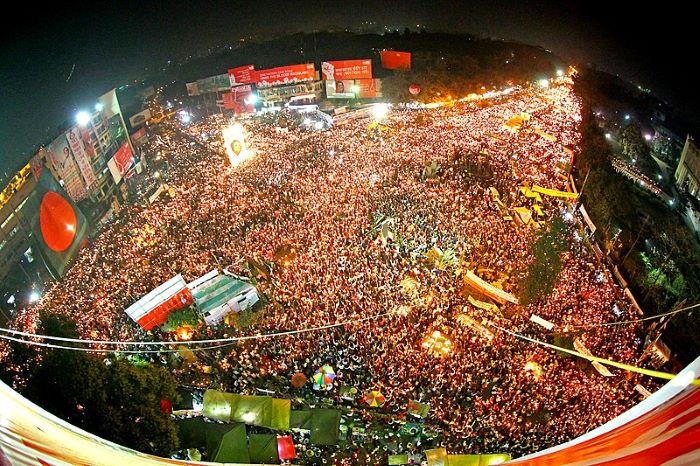
    The violence began in earnest after Hasina resigned on August 5 and fled to India amid mounting protests against her government. The protests, which had been ongoing since July 16, were initially sparked by student demands for reforms in public service job quotas. The movement escalated into widespread demonstrations against alleged election rigging and human rights abuses under Hasina’s rule.

    About 90 per cent of Bangladesh’s estimated 170 people are Muslims, about 8 per cent are Hindus, and the rest belong to other faiths, including Christianity and Buddhism.

    Violence against minorities

    The violent crackdown by police and army forces against the protesters resulted in over 542 deaths, including dozens of law enforcement personnel, as reported by Bengali daily Prothom Alo. With Hasina’s departure and the subsequent breakdown of law and order, vandals targeted minority communities, particularly Hindus, who are seen as supporters of Hasina’s Awami League party.

    In the midst of the chaos, Bangladesh’s military chief, General Waker-Uz-Zaman, announced that an interim government would be formed to restore order. Nobel laureate Muhammad Yunus was appointed as the head of this interim government on August 6. However, the names of other government members have yet to be disclosed. General Waker urged calm and promised a swift return to civilian rule, stressing the need for patience as the interim government is established.

    International bodies have also voiced their concerns. The World Council of Churches (WCC) issued a statement urging the military to prioritize a return to civilian governance. WCC Secretary General Professor Jerry Pillay emphasised that a stable, democratic government is essential for the nation’s long-term peace and prosperity.

    Similarly, the United Nations High Commissioner for Human Rights Volker Turk, along with the European Union, the United States, and Canada, called for immediate action to restore law and order and to end the violence against minorities.

    Victimization during political movements

    The attacks on minorities have been particularly severe. The Ahmadiyya Muslim community has also faced violence, with at least 25 Ahmadiyya families in Sherpur district being forcibly displaced from their homes and their properties ransacked. Ahmad Tabshir Choudhury, secretary of the Ahmadiyya Muslim Jama’at Bangladesh, reported that many Ahmadiyya families are now hiding in fields for safety.

    The violence has affected various communities. In the southwestern Bagherhat district, at least 70 Hindu families were forced to flee their village and spend the night outdoors. In other areas, such as Chourongibazar in Dinajpur, Hindu shops were torched, and in Lohagora of Narail, women were assaulted during attacks on Hindu homes.

    The unrest has also had repercussions for ethnic Santhals, a tribal community. UCA News quoted Philemon Baske, a Catholic and Santal leader, reporting attacks on the Santal community and damage to their property. Baske indicated that local authorities have been unable to assist due to the ongoing violence and internet blackouts, UCA said.

    The current unrest is not an isolated incident but part of a troubling pattern in Bangladesh’s political history. Religious and ethnic minorities have frequently been targeted during periods of political instability. Rana Dasgupta, general secretary of BHBCUC, noted that such victimization often occurs during political movements, pointing to past instances such as the 1991 anti-Hindu riots and violence following the 2001 national elections.

    “As Bangladesh moves forward, there is a pressing need for effective measures to protect minority communities and restore stability,” a Dhaka-based Hindu intellectual told OWSA. “The interim government’s ability to address these challenges and restore order will be closely watched, with hopes for a peaceful resolution and protection of vulnerable communities amid ongoing political turbulence.”

    Image: Wikimedia

    North Eastern Region Agri-Commodity E-Connect Web Portal

    Dr Sukanta Majumdar said that through the NE-RACE portal, producers such as Farmers Producer Organizations (FPOs) can directly showcase their products to prospective buyers minimizing the role of middlemen and fostering trust and long term business relationships.

    North Eastern Council (NEC) under the Ministry of Development of North Eastern Region (MDoNER) in collaboration with North Eastern Development Finance Corporation Limited (NEDFi) has recently introduced a digital initiative called North Eastern Region Agri-Commodity E-Connect (NE-RACE) to provide market linkage for agricultural and horticultural products from the North Eastern Region (NER) in both fresh and processed forms.

    The NE-RACE digital platform is funded by NEC and is developed and managed by the NEDFi.

    This information was given by the minister of state of development of north eastern region Dr Sukanta Majumdar in a written reply to a question in Lok Sabha on Wednesday.

    Dr Sukanta Majumdar said that through the NE-RACE portal, producers such as Farmers Producer Organizations (FPOs)/farmers collectives, self-help groups, progressive farmers, and entrepreneurs in the agriculture and food processing sectors can directly showcase their products to prospective buyers minimizing the role of middlemen and fostering trust and long term business relationships. 

    These buyers include exporters, aggregators, organized sector buyers, wholesale and retail buyers  and   individual  consumers.   The   platform   also   onboards   critical   agri-value   chain service  providers  such  as transporters, cold storage facilities, warehousing and cold chain services. 

    The minister informed the Lok Sabha that the portal is supported by a help-line number providing one-on-one assistance to buyers, sellers, and service providers in English, Hindi and major regional languages such as Assamese, Bengali, Nepali, Manipuri, Khasi and Mizo. Additionally, there is provision for making available on-ground support through field-level manpower for buyers and sellers.  The initiative includes provisions for State-wise and cluster-based farmer onboarding camps to build the capacity of growers, enabling them to use the digital platform effectively to reach global markets.  

    There is also provision for collaboration amongst Agricultural and Processed Food Products Export Development Authority (APEDA), Spices Board, North Eastern Regional Agricultural Marketing Corporation Limited (NERAMAC), North East Region Community Resource Management Society (NERCRMS) and Small Farmers’ Agri-Business Consortium (SFAC) as well as state government departments to ensure the success of this initiative.

    The benefits that are likely to accrue  under the NE-RACE initiative include:

    1. Leveraging the unique agricultural strengths of North East India by promoting exotic and premium agro-horticultural crops that have high demand.
    2. Enabling producers to negotiate directly with buyers, ensuring fair compensation for their products.
    3. Advance booking of upcoming products under mutually agreeable terms and conditions between producers and buyers.
    4. Addressing the critical challenges of logistics by onboarding service providers and facilitating their services.
    5. Providing a one-stop shop for products from North East India that have been produced under various missions and projects.
    6. Providing empirical evidence on the potential and prospects of the agri-horticultural sector in the North East, enabling the government to undertake more data-driven initiatives for farm sector development, particularly in agri-infrastructure development.