More

    Muhammad Yunus Promises to Uphold Human Rights and Freedom of Speech

    The previous government has faced criticism for its handling of freedom of expression and fundamental rights. Muhammad Yunus’s promises underscore the interim government’s stated commitment to addressing human rights concerns and fostering a more equitable society.

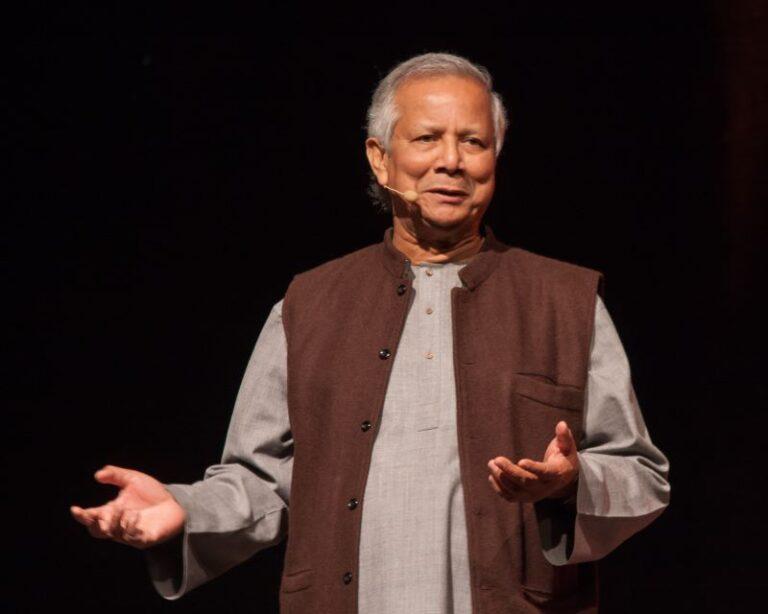
    Chief adviser of Bangladesh’s interim government, Muhammad Yunus emphasized the interim government’s commitment to human rights and freedom of speech during his visit to the Dhakeswari National Temple in Dhaka on Tuesday.

    Yunus stated that ensuring these fundamental rights is the primary goal of the current administration.

    In his address, Yunus urged members of the Hindu community to recognize their rights as citizens of Bangladesh and demand their entitlements under the constitution. “You are all equal under the law,” Yunus declared. “There is no room for discrimination. We are here to ensure equality and freedom for every citizen.”

    Yunus also called for patience and cooperation from the public as the interim government works to establish the rule of law. “Help us in our efforts to implement justice. If we fail, then hold us accountable,” he added.

    The statement comes amid ongoing concerns about human rights in Bangladesh.

    Baggage of abuse

    The previous government has faced criticism for its handling of freedom of expression and fundamental rights. Repressive laws like the Digital Security Act (DSA) has been used to silence journalists and suppress dissent.

    The situation for journalists was particularly dire. In April 2023, Prothom Alo, the country’s largest daily newspaper, was targeted following critical reporting on the cost of living. Prime Minister Sheikh Hasina labelled the newspaper as an enemy, leading to threats and vandalism. Journalist Shamsuzzaman Shams, who wrote the controversial article, was arrested and faced charges under the DSA. Another journalist, Golam Rabbani, was killed in June after reporting on a ruling party official.

    Human rights defenders were also been under attack. In September 2023, Odhikar leaders Adilur Rahman Khan and A.S.M. Nasiruddin Elan were sentenced to two years in prison under the Information and Communication Technology Act for their work documenting state abuses.

    Protests were met with violence and repression. In July 2023, police used live ammunition against protesters, resulting in at least one death, and arrested thousands of opposition activists. Reports of enforced disappearances and custodial deaths have also increased.

    On the labour front, despite reforms since the Rana Plaza collapse a decade ago, workers continued to face unsafe conditions. Strikes over low wages were met with lethal force. The government’s new labour law amendments, while introducing some improvements, have been criticized for limiting workers’ rights.

    Yunus’s promises underscore the interim government’s stated commitment to addressing human rights concerns and fostering a more equitable society.

    Image: Wikimedia

    Small Farmers Feeling Climate Change Heat Find Little Support From the State

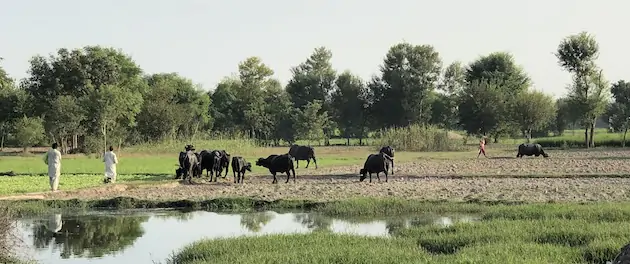
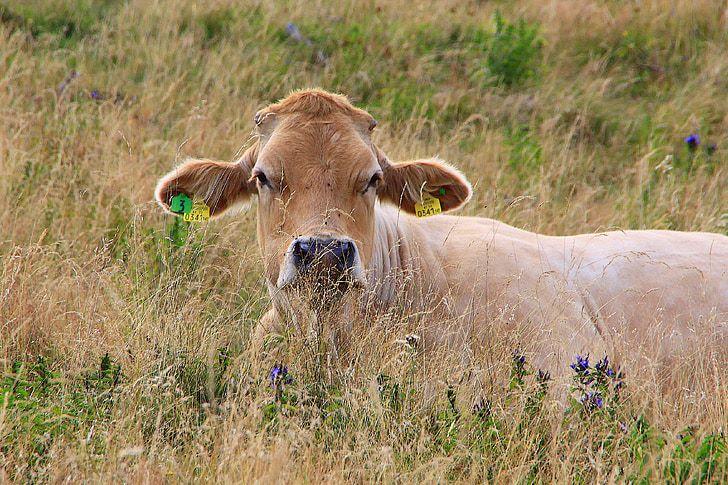
    About 15,000 cattle died due scorching heat mixed with high humidity in Sindh province, Pakistan. The extreme heat adversely affected the milk production of the over 800,000 cattle in Karachi.

    By Zofeen Ebrahim

    The over 20 million residents of Pakistan’s port city of Karachi, in Sindh province in particular, have been experiencing brutal heat since May. But they are not the only ones bearing the brunt of high temperatures and humidity.

    Up to 15,000 cattle died due to scorching heat mixed with high humidity which Shakir Umar Gujjar, president of the Cattle and Dairy Farmers Association, Pakistan, said was “no joke”.

    Mubashir Abbas, owner of 170 heads, lost eight cows and five buffaloes to the “extreme heat” in the last week of June, which translates to a loss of Rs 5.5 million (USD 19,800) for him.

    “Three more are running high fever and I will have to sell them to cut my losses,” he told IPS over phone from Bhains Colony, in Karachi’s Landhi district. “I will fetch no more than Rs 40,000 (USD 143) a piece, when the market rate for each healthy one is valued between Rs 1.5 and 2 million (USD 5,300–7,000),” he estimated. Every now and then, in the last 23 years, he would lose a few to disease, but he had never “seen a healthy animal dying from heat.”

    Livestock, the largest sub-sector in agriculture, contributed 60.84 percent to agriculture and 14.63 percent to the country’s GDP during 2023-2024, according to the Pakistan Economic Survey. More than eight million rural families are engaged in livestock production, accounting for 35-40 percent of their total income.

    “From June 23 to 30, Karachi experienced a heatwave with temperatures ranging between 40 and 42 °C. The ‘feel-like’ temperature went up to 54 °C due to high humidity,” said Dr. Sardar Sarfaraz, chief meteorologist at the Pakistan Meteorological Department.

    Dr. Nazeer Hussain Kalhoro, director general at the government’s Sindh Institute of Animal Health in the Livestock and Fisheries Department in Karachi, attributed extreme heat to the death of livestock, especially exotic and crossed breeds.

    The temperature was still lower than the deadly 2015 heatwave temperature of 44.8 °C that claimed over 2,000 human lives when the feel-like heat index exceeded 60 °C, said Sarfaraz. “A much bigger number of animals died then, and many young animals had to be slaughtered,” said Gujjar.

    The heat had adversely affected the milk production of the over 800,000 cattle in Karachi, said Gujjar. “When an animal is in stress and discomfort, due to extreme heat, its intake of regular amount of fodder decreases, which can result in decrease in milk production,” said Kalhoro.

    “I was getting between 1,400 and 1,480 kg in a day; it is not more than 960 kg now. I lose 0.11 million rupees (USD 400) daily,” said Abbas.

    Communication Gap

    The lack of engagement with the farmer by the government was the reason. Gujjar said the communication gap between the ministry of national food security and research at the federal level and the livestock departments at the provincial departments meant the uneducated farmer was on his own.

    “The biggest tragedy is that our farmer is not educated and also unaware of how to prepare or protect the animal from the vagaries of climate,” said Gujjar, adding: “They do their own traditional treatment of their animals, which results in even more avoidable deaths.”

    Similar is the plight of small farmers who remain in the eye of the climate storm. “They are continuously in a reactive mode,” said Mahmood Nawaz Shah, president of a farmers’ group, the Sindh Abadgar Board, with “government policies not conducive to them”.

    Giving examples, Shah said the minimum price of cotton was fixed and notified at Rs 8,500/kg (UAD 30) but growers received Rs 5,200/kg (USD 18); a 50-kilo bag of urea increased from Rs 1,700 to Rs 4,600 (USD 6 to 16) in just three years; and the artificial shortage for the same last year meant the farmer had to pay Rs 5,500 for the same bag from the black market.

    “We had recommended to the government to develop a climate endowment fund and compensate small farmers by involving insurance companies as soon as extreme events lead to crop and livestock losses,” said Shah.

    Both the farmers, Gujjar and Shah, have hit the nail on the head on why Pakistan, one of the most vulnerable to climate crises, is unable to manage it effectively. The disconnect and lack of coordination between different federal and their related provincial government bodies is found across the spectrum and is highlighted in the 2024 Climate Change Performance Index (CCPI) as a major reason that hampered policy implementation, placing Pakistan on the 30th position among 63 countries and the EU, which collectively account for over 90 percent of global greenhouse gas (GHG) emissions. “Improved cooperation between different levels of government would be a step in the right direction,” it concluded.

    Similarly, the 2024 Environmental Performance Index that assesses the progress of effectiveness of 180 countries in mitigating climate change, relying on historical greenhouse gas emissions data, put Pakistan three rungs down at 179th rank this year from the 176th position it held in 2022.

    Indifference and Apathy

    Both the CCPI and the EPI are a clear giveaway of government’s nonchalance. The latter index has especially pointed to areas like air pollution, wastewater treatment, protected areas management and climate mitigation.

    “The country is slipping on most environmental indicators,” agreed former climate change minister, Malik Amin Aslam, pointing to the weak air pollution control measures, non-adherence to the electric vehicles transition and failure to promote renewables.  From being a country championing the global green cause in 2022 to now “ignominiously slipping down the environmental performance ladder” should certainly raise alarm bells for our current green policy makers, warned Aslam.

    The 2022 floods, which should have acted as a wake-up call for the government, he said, failed to move the government towards preparedness and improving the health of the environment.

    Maha Qasim, CEO of Zero-Point Partners, an environmental management and consulting firm, said: “No significant effort had been made in building climate-resilient infrastructure like roads, drainage systems and flood management facilities like levees or reservoirs.

    The EPI has pointed towards Pakistan’s use of coal as a driver.

    Putting things in perspective, Qasim said that in 2021, only around 14% of Pakistan’s energy mix was based on coal, while it figured 45 percent and 63 percent in India’s and Estonia’s energy mix. But in the last two years, Pakistan’s overall GHG emissions as well as CO2 have declined, due to “Pakistan’s overall performance capita emissions from fossil fuels and industry have declined due to stagnant economic growth,” she said.

    Thus, Pakistan is well within its carbon budget and has met its Nationally Determined Contribution commitments to the UNFCCC.

    The updated NDCs of 2021 have pledged to reduce emissions by 50%, shifting to renewable energy by 60 percent and 30 percent to electric vehicles by 2030, and a complete ban on importing coal.

    Poor transport fuel regulations, old and inefficient vehicles on the road, mass cutting down of trees to make way for rapid urbanization, burning of agricultural residue and poor solid waste management have also been mentioned for Pakistan’s poor score.

    Aslam, however, said the index failed to “register or recognize” Pakistan’s efforts on reforestation—the Billion Tree Tsunami Afforestation Project in Khyber Pakhtunkhwa province, followed by 10 Billion Tree Tsunami Programme across the country. “The EPI ranking can certainly enhance its acceptability and credibility by improving these areas,” he said.

    Weak Governance

    Sobia Kapadia, a humanitarian aid practitioner, added factors like “weak governance, turning to fire-fighting and ad-hoc measures” whenever a climate crisis arises, thereby destroying the symbiosis.

    “Heat, rain and floods are all connected to the core issue of human-induced development; but blaming heat and humidity on climate change is like blaming the naughtiest child,” said Kapadia, citing resorts being constructed in the mountains by cutting trees.

    In yet another recent report that gives insights to investors and helps governments in setting carbon market-friendly policies, Pakistan comes 39th out of 40 countries.

    Khalid Waleed, an energy economics expert at the Sustainable Development Policy Institute (SDPI), was quoted by media saying “for the first time in budget history, the government has tagged projects worth Rs53 billion under climate change adaptation and Rs225 billion under climate change mitigation,” referring to the budget presented earlier this month. However, he added that the budget was not climate change project-specific but had been tagged for their climate benefits.

    Zia ul Islam finds the budget allocation “rather tricky” to understand as it not only indicates development projects from the Ministry of Planning Development & Special Initiatives, but foreign-funded projects and projects under various ministries and provinces.

    Environmental and public policy analyst Dawar Butt, comparing the country’s miniscule environmental spending to India and Bangladesh, said climate did not seem to be a priority. He further added that the climate change allocation has been “cut down by one billion rupees from what finally got approved in this year’s budget.”

    Handling Climate Change on Piecemeal Basis

    But it is not just how the government is handling climate change. Referring to a climate risk awareness survey conducted by GIZ Pakistan, Qasim highlighted that while many organizations are beginning to acknowledge the impact of climate change on their business models, their approach towards dealing with it was “incomplete and fragmented with a focus on climate mitigation” to meet external requirements of clients or regulators rather than on long-term business sustainability.

    Due to the funding fatigue, Zia ul Islam suggested the “begging attitude” may be replaced by capacity building of concerned authorities, bringing in necessary improvements in the legal instruments and effective implementation.”

    Good News

    If Pakistan can somehow link smooth governance with climate finance and showcase to the world that it can fund its own climate solutions, it will give local and international companies the confidence to invest in the country. This year’s Financing Climate Action  report by Transparency International states Pakistan has a huge potential to “dollarize climate adaptive and mitigative projects” provided climate governance is improved.

    Flood insurance initiatives for farmers, for example, said Qasim, at very low markup rates, have the potential to be “scaled up across the country to increase flood resilience.”

    This piece has been sourced from Inter Press Service.

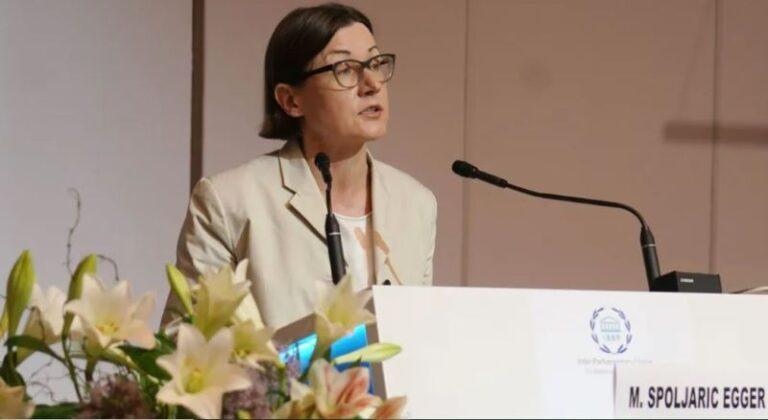
    International humanitarian law is under strain: ICRC President Mirjana Spoljaric Egger

    A human life is a human life. What happens if we put humanity on a scale? Should my life be worth more than yours? The dehumanization of both enemy fighters and civilian populations is a path to ruin and disaster.

    The Geneva Conventions are the foundational treaties of international humanitarian law and a remarkable success in many ways. 

    That’s the opening you would expect from me 75 years after their adoption on August 12, 1949.

    However, I want to propose a different headline for this anniversary: 

    International humanitarian law is under strain. Disregarded. Undermined to justify violence. 

    More than ever, the world must recommit to this robust, protective framework for armed conflict – one that follows the premise of protecting life instead of justifying death. 

    Current State of IHL

    The Geneva Conventions are not only unique and universal, but they have also shown impressive durability. 

    They prohibit torture and sexual violence.

    They require humane treatment of detainees.

    They mandate that missing persons are searched for.

    And fundamentally: They reflect a global consensus that every war has limits. 

    All States have agreed to these vital, fundamental rules. The Fourth Convention, which provides protections for civilians – badly needed after the Second World War – was described as a miracle at that time.

    Yet, despite universal backing, noncompliance remains a serious problem. Even when parties claim to respect IHL, overly permissive interpretations hinder its effectiveness.

    And that’s why my first call today is for all states to make adherence to the Geneva Conventions a political priority. Everywhere.

    25 years ago, former ICRC President Cornelio Sommaruga spoke of 20 active conflicts. Today, there are more than 120 conflicts recorded by my organization.

    While governments and media focus on destruction in Ukraine and Gaza, armed conflicts elsewhere take a similarly shocking toll. Violence in Ethiopia has claimed hundreds of thousands of lives. Fighting has displaced 8 million in Sudan and 6 million in the Democratic Republic of the Congo. Protracted conflicts in Mali, the Central African Republic, Colombia, Mozambique, Myanmar, Syria, and Yemen all take a grinding human cost.

    Erosion of Protective Measures

    Over decades, expedient interpretations of IHL have undermined its protective force. Some States and armed groups have sought an increasingly expansive view of what is permissible:

    Around the world’s war zones, the sanctity of hospitals is disregarded. Ambulances are attacked. Schools are stripped of their civilian character for allegedly benefiting adversaries. Delivery of humanitarian assistance is impeded due to concerns about misuse of relief items. Humanitarian workers are killed in horrifying numbers – including my ICRC and Red Cross Red Crescent Movement colleagues. 

    But if you ask me where I see one of the biggest challenges today, I will tell you this:

    A human life is a human life. What happens if we put humanity on a scale? Should my life be worth more than yours?

    The dehumanization of both enemy fighters and civilian populations is a path to ruin and disaster. We know from history that such mistakes haunt us and impede progress for decades and centuries. 

    If parties to conflict are allowed to devalue human lives based on nationality, race, religion, or political beliefs, the foundation of IHL – our common humanity – collapses.

    IHL requires that all civilians and other persons affected by armed conflicts are equally protected. 

    Logically, the deployment of new technologies has the potential to worsen these dangerous tendencies. If algorithms are trained on lax targeting rules, civilian casualties will increase. Without new legal limits, autonomous weapons might operate with little restraint, and make life-and-death decisions without human oversight.

    Call to Action: Implement And Strengthen IHL

    It is true: I sound pessimistic, but: I also never lose hope. 

    IHL remains a uniquely powerful tool for mitigating the human cost of armed conflict. There is no other universal set of norms compelling restraint by all sides. 

    The Geneva Conventions save lives. There are as valid today as they were 75 years ago. But it takes political will for full implementation. This is why I’m proposing a four-point pathway to reduce suffering: 

    First, parties to armed conflict must make a renewed commitment to the Geneva Conventions, adhering to the letter and the spirit of the law. 

    Next, I call on states to ratify and uphold IHL treaties, including the additional protocols to the Geneva Conventions. 

    Third, we must see tangible humanitarian improvements in places affected by armed conflict. 

    And fourth, states must affirm that the use of new technologies of warfare – AI, cyber operations, information operations – strictly adheres to IHL. More specifically, it is urgent that states develop a normative framework that imposes certain limits on autonomous weapon systems. 

    Deliberate violations are far too common; and too little is done to prevent their recurrence and hold perpetrators to account. States must do more to train and discipline their own personnel, to influence others to comply, to empower their judiciary to prosecute and punish war crimes, and to cooperate with international institutions to prevent impunity. 

    Armed groups must take similar measures. Prevention, training, and anchoring IHL into the legal, social, religious, and ethical domestic landscape has proven to work – but it must be done more widely.

    If parties continue to exert downward pressure on the protective requirements of IHL, and if they content themselves to skirt the limits of compliance, IHL will be turned on its head: humanitarian law will become a justification for violence rather than a shield for humanity. 

    Should this trend continue, IHL’s legitimacy will not survive in the eyes of governments, non-state armed groups, and the people it is meant to protect.

    Reversing the Trend

    Tides turn. No country is immune from attack, and no soldier or civilian will ever be immune to violence inflicted by enemy forces. 

    States must urgently halt the current downward spiral. The risk of spillover and escalation is particularly dangerous in the highly globalized world of today. The Middle East sits on a precipice that already sees the misery Palestinians and Israelis have endured radiate outward. In the Russia-Ukraine international armed conflict, negotiations must be advanced to reduce the risk of compounding and increasingly complex ripple effects.

    Unrelenting tensions among powerful states have spurred preparations for large-scale military operations. The narrative of international relations is moving from multilateralism and cooperation agreements to defence spending and conflict preparedness. 

    You’re either with us or against us. Such an approach to foreign relations lacks emphasis on the devastating human cost and economic setback a conflict among the most powerful militaries can cause. 

    It’s with all this in mind that I ask myself a basic but vital question: “Where are the peacemakers?” Where are the men and women leading the negotiations that will stop the killing and bring wars to an end? 

    Why do I invest in urging world leaders to prioritize practical steps towards the implementation of IHL?

    Because where parties to conflict persistently refuse to negotiate, neutral and independent humanitarian actors like the ICRC are squeezed beyond limits. On the other side, upholding respect for IHL, for example by granting humanitarian access, facilitating evacuations, or releasing detainees, offers essential first steps towards de-escalation and ceasefire agreements. 

    In a divided world, IHL can provide a pathway to peace. The Geneva Conventions embody universal values. They serve as a common denominator of humanity. They are essential to preventing the worst effects of war, and ensuring that everyone, even an enemy, is treated as a human being. Any other path is a betrayal of the commitment taken following the lessons learnt from the Second World War.

    From a speech given by Mirjana Spoljaric, President of the ICRC on the 75th anniversary of the Geneva Conventions

    Government Unveils Operational Guidelines for ‘Model Solar Village’ Initiative

    The State/UT Renewable Energy Development Agency will oversee the implementation of the scheme, with guidance from the DLC. This structure is designed to ensure a smooth transition to solar energy and to serve as a benchmark for other villages.

    The Ministry of New and Renewable Energy has released the operational guidelines for the ‘Model Solar Village’ component under the PM-Surya Ghar: Muft Bijli Yojana. This initiative, part of a broader scheme launched on February 29, 2024, aims to foster solar energy adoption and promote self-reliance in rural communities.

    The ‘Model Solar Village’ scheme is designed to select one village per district across India to receive a central financial grant of ₹1 crore. A total financial outlay of ₹800 crore has been allocated for this initiative, which seeks to turn selected villages into models of solar-powered energy independence.

    To qualify, villages must be revenue villages with populations exceeding 5,000, or 2,000 in special category states. The selection process involves a competitive evaluation based on the village’s distributed renewable energy capacity installed six months after being named a potential candidate by the District Level Committee (DLC).

    The village with the highest renewable energy capacity in each district will be awarded the ₹1 crore grant. The State/UT Renewable Energy Development Agency will oversee the implementation of the scheme, with guidance from the DLC. This structure is designed to ensure a smooth transition to solar energy and to serve as a benchmark for other villages.

    The PM-Surya Ghar: Muft Bijli Yojana, with a total outlay of ₹75,021 crore, aims to increase solar rooftop capacity and enable residential households to generate their own electricity. The scheme is set to run until the fiscal year 2026-27, marking a significant step towards enhancing solar energy infrastructure across India.

    MoSPI Releases ‘Women and Men in India 2023’ Report

    The publication presents data disaggregated by gender, urban-rural divide, and geographical region, which helps to understand the disparities that exist between different groups of women and men.

    The Ministry of Statistics and Programme Implementation (MoSPI) released the 25th issue of its publication titled ‘Women and Men in India 2023’ on Monday.

    The publication is a comprehensive and insightful document that attempts to bring a holistic view of the situation of women and men in India and provides data on a wide range of topics such as Population, Education, Health, Participation in Economy, Participation in Decision making etc. among others. It presents data disaggregated by gender, urban-rural divide, and geographical region, which helps to understand the disparities that exist between different groups of women and men. The publication includes important indicators as derived from published official data of different Ministries/Departments/Organizations.

    “Women and Men in India 2023” highlights the progress made towards gender equality while also identifying the areas where significant gaps remain. By examining various socio-economic indicators, the publication offers some analysis of trends over time, thereby enabling policymakers, researchers, and the general public to make informed decisions and contribute to the development of gender-sensitive policies.

    The report is a crucial resource for understanding the demographic changes and their implications for both women and men in India. It serves as a vital tool for advocacy and action to promote gender equity and ensure that development efforts are inclusive and sustainable.

    The report says:

    • By 2036, population of India is expected to reach 152.2 Crore, with a slightly improved female percentage of 48.8 per cent as compared to 48.5 per cent in 2011. The proportion of individuals under 15 years is projected to decrease from 2011 to 2036, likely due to declining fertility. Conversely, the proportion of the population aged 60 years and above is anticipated to substantially increase during this period.
    • India’s population in 2036 is expected to be more feminine compared to the 2011 population, as reflected in the sex ratio which is projected to increase from 943 in 2011 to 952 by 2036, highlighting a positive trend in gender equality.
    • It is evident that from 2016 to 2020, Age Specific Fertility Rate in the age group of 20-24 and 25-29 has reduced from 135.4 and 166.0 to 113.6 and 139.6 respectively. The ASFR for the age 35-39 for the above period has increased from 32.7 to 35.6 which shows that after settling in the life, women are thinking of expansion of family.
    • Adolescent Fertility Rate was 33.9 for illiterate population whereas 11.0 for the literate in 2020. This rate considerably lower for even those who are literate but without any formal education (20.0) as compared to illiterate women reemphasizing the importance of imparting education to women. 
    • Maternal Mortality Ratio (MMR) is one of the SDG indicators and to bring it down to 70 by 2030 is explicitly laid down in SDG framework. Owing to ceaseless efforts by the Government, India has successfully achieved the major milestone of bringing down its MMR (97/lakh live births in 2018-20), well in time and it should be possible to achieve the SDG target as well.
    • Infant Mortality Rate has been decreasing over the years for both male and female. Female IMR had always been higher than that of male but in 2020, both were equal at the level of 28 infants per 1000 live births. The Under 5 Mortality Rate data shows that it has decreased from 43 in 2015 to 32 in 2020. So is the case for both boys and girls and the gap between boys and girls has also reduced.
    • As per the Periodic Labour Force Survey, Labour Force Participation Rate of the persons aged 15 years and above has been increasing from 2017-18 onwards for both male and female population. It is seen that male LFPR has gone from 75.8 to 78.5 during 2017-18 to 2022-23 and female LFPR has gone from 23.3 to 37 during the same period.
    • Up to the 15th National Election (1999), less than 60 per cent of women electors participated, with men’s turnout being 8 percentage points higher. However, the 2014 elections marked a significant change, with women’s participation increasing to 65.6 per cent, and further rising to 67.2 per cent in the 2019 elections. For the first time, the voter turnout percentage was marginally higher for women, highlighting the impact of increasing literacy and political awareness among women.
    • The Department for Promotion of Industry and Internal Trade (DPIIT) has recognized a total of 1,17,254 start-ups since its inception in January 2016 up to December 2023. Among these, 55,816 start-ups are led by women, constituting 47.6 per cent of the total recognized start-ups. This significant representation underscores the growing influence and contribution of women entrepreneurs in India’s start-up ecosystem.

    Obeying Drug Withdrawal Periods for Safeguarding Public Health: A One Health Perspective

    Obeying drug withdrawal periods become costlier for the farmers. For example, if your egg layers or cows get sick, and you have no other option than to give them an antibiotic with a seven-day withdrawal period.

    By Dr Abdus Sabur Sheikh

    Antibiotics are extensively used as growth promoters in livestock and poultry sectors to control diseases, facilitated feed conversion ratio, and for treatment purposes. As a result, antibiotic resistant bacteria are emerging, threatening to cause serious health hazards. Previous studies also reported that veterinary antibiotics are used vastly in livestock and poultry birds to control disease, enhance growth, promote health, and feed conversion efficiency, as well as to reduce animal susceptibility to stress-related diseases. Several antibiotics are extensively used in food animals for these purposes. These include tetracycline, sulfonamides, fluoroquinolones, macrolides, lincosamides, aminoglycosides, beta-lactams and cephalosporin, to name a few.

    Antibiotics accumulate and form residues at varying concentrations in the tissues and organs of food animals. After using an antibiotic in the human or animal body, it kills bacteria, and the antibiotic is broken down in the body until it becomes a non-functional agent, and finally, it is eliminated from the body.

    Withdrawal Period

    Withdrawal periods (clearance or depletion time) of different antibiotics vary from one or two days to a couple of weeks. For instance, the minimum withdrawal period for Oxytetracycline and amoxicillin is three days, and for ciprofloxacin it is six days. In addition, previous studies shown that withdrawal period may vary between different antibiotics.

    The withdrawal period defines the length of time required for an animal to metabolize the administered antibiotics under normal conditions and, also the time needed for the antibiotic concentration in the tissues to reduce to a safe and acceptable level described as tolerance.

    The use of animal medicines is strictly controlled by Indian law and requires observance and adherence of the withdrawal period. The withdrawal periods have been calculated using rigorous scientific processes so that veterinary medicines can be authorised and administered to food producing animals, while at the same time consumer safety is protected.

    Every medicine administered to animals, including antibiotics, has a withdrawal period. Farmers must follow these withdrawal times to be sure no antibiotics are in our food.

    Following withdrawal periods means there is no traces of antibiotics in the meat or milk consumers buy for consumption. It implies that consumers are not exposed to unnecessary antibiotics. It means that farmers are doing everything they can to prevent the development of antibiotic resistance (ABR).

    The purpose of the withdrawal periods is to ensure that foods do not contain residues of pharmacologically active substances above a maximum residue limit.

    Public Health Hazards

    Antibiotic residues can lead to allergy, cancer, antibiotic resistance, and other health effects. Residual penicillin in animal products can cause allergic reaction in some people. Other antibiotic residues like tetracycline, sulphonamides and aminoglycosides can also cause allergic reactions.

    One of the most important concerns is antibiotic resistance. Animal products containing antibiotic residues can cause antibiotic resistance in man. The resistant bacteria can then cause diseases in man and such diseases are difficult and expensive to treat.

    Antibiotic Residues and Their Consequences in Humans and Animals

    Antibiotic residuesConsequences in Humans/Animals
    TetracyclinesPrimary and permanent teeth discolouration in children and infants, allergic reactions, and teratogenicity during the first trimester of pregnancy, nephrotoxicity, carcinogenic, hepatoxicity, and disturbance of the normal microflora of the intestines. It equally causes skin hyperpigmentation of areas exposed to the sun, proximal and distal renal tubular acidosis, hypersensitivity reactions.
    OxytetracyclinesCarcinogenicity and cytotoxicity in bone marrow of broiler chickens
    Sulfadimidine  Carcinogenicity and allergic reactions.
    Sulfamethoxazole
    Sulphamethazine
    EnrofloxacinAllergic hypersensitivity reactions or toxic effects, phototoxic skin reactions, chondrotoxic), and tendon rupture.
    ChloramphenicolBone marrow toxicity, optic neuropathy, brain abscess
    PenicillinAllergy, affect starter cultures to produce fermented milk product
    QuinolonesAllergic hypersensitivity reactions or toxic effects (phototoxic skin reactions, chondrotoxic) and tendon rupture.
    AmoxicillinCarcinogenic, teratogenic, and mutagenic effects.
    Penicillin GAllergy (hypersensitivity reaction) ranging from mild skin rash to life-threatening anaphylaxis.

    Challenges and Strategies

    Obeying drug withdrawal periods become costlier for the farmers. For example, if your egg layers or cows get sick, and you have no other option than to give them an antibiotic with a seven-day withdrawal period. This means that all the eggs or milk produced throughout these seven days will be thrown away. Many farmers therefore in developing countries find it difficult to obey withdrawal periods.

    The cost resulting from obeying withdrawal periods can be minimized by following good management practices. This entails adopting production techniques that help to maximize efficiency and eliminate or reduce infections. It includes proper housing, putting farm biosecurity measure in place, good nutrition, proper vaccination, etc.

    Herbs and probiotics can help prevent diseases in animals. Various research on herbs and plant extracts show that they can be used to prevent and treat diseases in animals. With herbs and probiotics, there are no withdrawal periods unlike antibiotics.

    The veterinary professionals can play a vital role by making the livestock farmers aware about the importance of withdrawal period. Creating awareness is one of the best strategies that may positively reduce the risk of antimicrobial drugs residues in animal products.

    Herbs, probiotics

    In India, laws may exist about antibiotic withdrawal period, but steps are not usually taken to enforce them. As a result, many farmers don’t observe withdrawal periods. Antibiotic and pesticide residues are among the reasons why the countries like India are denied access into American and Europe livestock market.

    Despite the cost associated with obeying antibiotic withdrawal period, it is still necessary that farmers adhere to it. If not, it can jeopardize the health of consumers. The best way to avoid the cost is by following best management practices that prevent or minimize infections Herbs and probiotics can help as alternatives to antibiotics. In India, drugs rules and regulations are controlled by Central Drugs Standard Control Organization (CDSCO). There is need of enforcing strict regulation regarding withdrawal period on farm animals by CDSCO.

    Dr Abdus Sabur Sheikh, Sr. Program Manager–Livestock Technology and One Health at Passing Gifts (a wholly owned subsidiary of Heifer International) is a development professional having more 20 years of experiences in livestock-based livelihoods and animal welfare.

    USAID Announces $24.5 Million Grant to Boost Sri Lanka’s Market Growth and Governance

    The funds will be allocated through a Development Objective Grant Agreement between USAID and the Sri Lankan government. This investment aims to support local initiatives that drive sustainable development solutions, focusing on market growth, environmental resilience, and governance improvements.

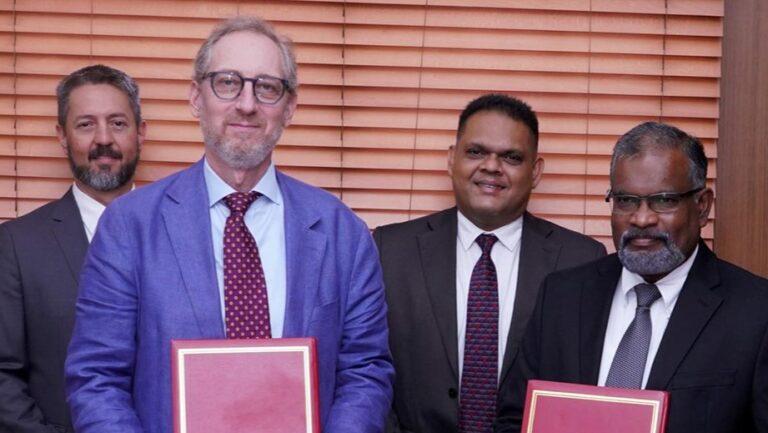
    The United States Agency for International Development (USAID) has pledged $24.5 million, approximately 7.2 billion Sri Lankan rupees, to enhance market-driven growth and good governance practices in Sri Lanka. The announcement was made during a visit by USAID’s Assistant Administrator for the Bureau for Asia, Michael Schiffer, at a Ministry of Finance event on Friday.

    The funds will be allocated through a Development Objective Grant Agreement between USAID and the Sri Lankan government. This investment aims to support local initiatives that drive sustainable development solutions, focusing on market growth, environmental resilience, and governance improvements.

    “This funding represents our commitment to advancing Sri Lanka’s locally led efforts to tackle development challenges with sustainable solutions,” said Schiffer in a statement.

    US Ambassador to Sri Lanka, Julie Chung, highlighted the long-standing partnership between the two nations. “Since 1956, the United States has invested in Sri Lanka’s development, empowering its people and enhancing resilience to climate change and economic disruptions,” Chung noted. The US has contributed over $2 billion (598 billion rupees) to various sectors in Sri Lanka, including agriculture, education, health, and infrastructure.

    The US has provided more than 2 billion dollars (598 billion rupees) in assistance to Sri Lanka, since 1956, to support the country’s agriculture, education, health, environment, water, sanitation, infrastructure, governance, and business development and provide humanitarian assistance to people in need.

    The grant announcement was accompanied by a ceremony featuring USAID Sri Lanka and Maldives Mission Director Gabriel Grau and State Minister of Finance Shehan Semasinghe.

    ILO Report Calls for Boosting Job Creation

    New ILO report finds high shares of youth Not in Employment, Education or Training (NEETs), regional and gender gaps, and growing youth anxiety about work, despite encouraging global youth unemployment trends.

    The global labour market outlook for young people has improved in the last four years, and the upward trend is expected to continue for two more, according to a new International Labour Organization (ILO) report.

    However, the report, titled Global Employment Trends for Youth 2024 (GET for Youth), cautions that the number of 15- to 24-year-olds who are not in employment, education or training (NEET) is concerning, and that the post-COVID 19 pandemic employment recovery has not been universal. Young people in certain regions and many young women are not seeing the benefits of the economic recovery.

    At 13.9 per cent in 2023, the youth unemployment rate for Asia and the Pacific reflects a full recovery from the crisis years and falls below the rate of the pre-crisis years.

    There are positive signals of declining youth unemployment and rising employment ratios in South Asia.

    The 2023 youth unemployment rate, at 13 per cent, equivalent to 64.9 million people, represents a 15-year low and a fall from the pre-pandemic rate of 13.8 per cent in 2019. It is expected to fall further to 12.8 per cent this year and next. The picture, however, is not the same across regions. In the Arab States, East Asia and South-East Asia and the Pacific, youth unemployment rates were higher in 2023 than in 2019.

    Other “headwinds”

    By 2021, only the subregion of South Asia still had the agricultural sector as the largest employer of young people (at 35 per cent). In East Asia and South-East Asia and the Pacific, the sectoral reallocation of youth employment from agriculture since 2001 was primarily to non-manufacturing industry (mainly construction) and traditional services such as trade, transport, accommodation and food services.

    The GET for Youth also cautions that young people face other “headwinds” in finding success in the world of work. It notes that too many young people across the globe are NEET and opportunities to access decent jobs remain limited in emerging and developing economies. One in five young people, or 20.4 per cent, globally were NEET in 2023. Two in three of these NEETs were female.

    For the youth who do work, the report notes the lack of progress in gaining decent jobs. Globally, more than half of young workers are in informal employment. Only in high- and upper-middle-income economies are the majority of young workers today in a regular, secure job. And three in four young workers in low-income countries will get only a self-employed or temporary paid job.

    High NEET rates

    South Asia recorded the lowest youth unemployment rates in 15 years in 2023, but the unemployment rate of 15.1 per cent is historically the region’s highest.

    Young men have had greater success than young women in finding work during the recovery period. While the youth unemployment rate of young women remained still 1 percentage point above the pre-crisis rate in 2023 (at 13.4 per cent), the rate of young men had fallen by 0.7 points.

    Youth NEET rates declined from 2019 in all Asia-Pacific sub-regions, but the exceedingly high rate among young women in South Asia (at 42.4 per cent) means, on the aggregate, still one in five (20.4 per cent) youth in the region was in NEET status in 2023.

    The gender gap in youth NEET rates in South Asia, at 31 percentage points, was higher than in any other sub-region of the world.

    The report cautions that the continuing high NEET rates and insufficient growth of decent jobs are causing growing anxiety among today’s youth, who are also the most educated youth cohort ever.

    Unequal opportunities

    “None of us can look forward to a stable future when millions of young people around the world do not have decent work and as a result, are feeling insecure and unable to build a better life for themselves and their families. Peaceful societies rely on three core ingredients: stability, inclusion, and social justice; and decent work for the youth is at the heart of all three,” explained Gilbert F. Houngbo, ILO Director-General.

    Moreover, the report finds that young men have benefited more from the labour market recovery than young women. The youth unemployment rates of young women and young men in 2023 were nearly equal (at 12.9 per cent for young women and 13 per cent for young men), unlike the pre-pandemic years when the rate for young men was higher. And the global youth NEET rate of young women doubled that of young men (at 28.1 per cent and 13.1 per cent, respectively) in 2023.

    “The report reminds us that opportunities for young people are highly unequal; with many young women, young people with limited financial means or from any minority background still struggling. Without equal opportunities to education and decent jobs, millions of young people are missing out on their chances for a better future,” added Houngbo.

    Decent work

    The ILO report calls for greater attention on strengthening the foundations of decent work as a pathway to countering young people’s anxieties about the world of work and reinforcing their hope for a brighter future.

    In a message to young readers, the report’s authors ask them to add their voices to calls for change. “You have the possibility to influence policy and to advocate for decent work for all. Know your rights and continue investing in your skills,” the message says. “Be a part of the change that we all need to ensure a socially just and inclusive world.”

    This 12th edition of the GET for Youth marks the report’s 20-year anniversary. It looks back at what has been achieved in this century to improve young people’s working prospects and considers the future for youth employment “in an era characterized by crises and uncertainties”. Looking at longer-term trends, the report concludes that:

    • Growth in “modern” services and in manufacturing jobs for youth has been limited, although modernization can be brought to traditional sectors through digitalization and AI.
    • There are not enough high-skill jobs for the supply of educated youth, especially in middle-income countries.
    • Keeping skills development on pace with evolving demands for green and digital skills will be critical to reducing education mismatches. 
    • The growing number of conflicts threatens young people’s future livelihoods and can push them into migration or towards extremism.

    The report calls for increased and more effective investment, including in boosting job creation with a specific target on jobs for young women, strengthening the institutions that support young people through their labour market transitions including young NEETs, integrating employment and social protection for youth, and tackling global inequalities through improved international cooperation, public-private partnerships and financing for development.

    Warming Fuels Cyclones, Cloudbursts Across Asia

    Asia worst hit by warming weather and water-related events. Seas around the Asia Pacific region are found warming rapidly and moisture from warmer seas fuels cyclones and cloudbursts.

    By Ranjit Devraj

    Tropical cyclones are forming closer to Southeast Asia’s coastlines, rapidly becoming stronger and lingering longer, according to researchers who say urgent action is needed to protect communities at risk.

    Their analysis, published in Climate and Atmospheric Science, shows how climate change is causing cyclone paths to shift towards the north of the region and intensify more quickly, leading to more damage in densely populated coastal areas and in cities such as Bangkok, Vietnam’s Hai Phong, and Yangon, in Myanmar.

    It comes as a landslide in Wayanad, in the coastal region of Kerala, southern India, on 31 July, killed more than 360 people and destroyed hundreds of homes. It was triggered by a cloudburst, another type of extreme weather event being driven by climate change.

    Tropical cyclones, also commonly referred to in the region as typhoons, which form over warm ocean waters near the equator, intensify with heat and moisture, bringing strong winds and heavy rain.

    As sea temperature increases due to global warming, storms will intensify in areas such as the Northwest Pacific, South China Sea, and northern parts of the Bay of Bengal, according to the study.

    “As the cyclones travel across warmer oceans from climate change, they pull in more water vapour and heat,” explains Benjamin Horton, an author of the study and director of Singapore’s Nanyang Technological University’s Earth Observatory,

    “That means stronger wind, heavier rainfall, and more flooding when the typhoons hit land.”

    Tropical cyclones such as typhoon Gaemi, which lashed the Philippines, Taiwan and southern China in late July, have caused torrential rains and severe flooding, prompting mass evacuations and destroying infrastructure.

    Cyclone Remal which hit India and Bangladesh in May at speeds of up to 135 kilometres per hour killed at least 84 people and caused extensive damage to property and power outages.

    A year earlier, Cyclone Mocha made landfall on Myanmar’s Rakhine coast, causing widespread destruction and at least 145 deaths.

    Asia was the region hit worst by weather, climate and water-related hazards in 2023, according to a World Meteorological Organization report in April. Floods and storms caused the highest number of reported casualties and economic losses, while the impact of heatwaves became more severe, the report said.

    “Warmer air holds more moisture for longer periods so that we now have long dry periods interspersed with short spells of heavy rainfall, instead of moderate rain spread evenly over many days,” says Roxy Mathew Koll, climate scientist at the Indian Institute of Tropical Meteorology, Pune.

    Koll led a study on the evolving climate around the Indian Ocean, published April in Science Direct, which showed the region having the highest global risk for natural hazards, with communities increasingly vulnerable to weather and climate extremes.

    Cloudburst risks

    Heavy rainfall events, extreme cyclones and cloudbursts have been on the increase since the 1950s in South Asia and can be expected to worsen as ocean temperatures rise, says Koll who served as an author for the 2021 Intergovernmental Panel for Climate Change Working Group I report, The Physical Science Basis.

    “We are directly witnessing the consequences of warming — monsoon floods, droughts, cyclones, and heatwaves over both land and ocean,” says Koll. “These extreme weather events will amplify in intensity and frequency calling for urgent adaptation and mitigation efforts.”

    Kerala, a coastal strip at the southern tip of the Indian peninsula, is particularly vulnerable to erratic monsoon — which lasts from June to September — as it moves inland and is stopped by the Western Ghat ranges, turning the entire state into a giant water slide that drains back into the sea through a system of rivers and backwaters.

    Cloudbursts can release more water in a short time than can be quickly drained by the system causing floods and landslides, says E. Shaji, professor of geology at the University of Kerala.

    “At Wayanad, an unusually large amount of rain got dumped on top of a hill bringing down large, round, granite boulders measuring about 2 to 3 metres and mixed with loose mud and debris that accelerated down a 40 to 50 degree slope, smashing houses, roads and bridges along the way,” said Shaji.

    With erratic, high-intensity rainfall predicted to increase in frequency, thanks to the warming of the Indian Ocean, more landslides are likely to be triggered in the Western Ghats in the future, says Shaji. He says machine learning methods are the best option to identify and predict landslides.

    Between 1998 and 2017, landslides affected an estimated 4.8 million people and caused more than 18,000 deaths globally, according to the WHO which says that climate change and rising temperatures are expected to trigger even more landslides in the future.

    Following the Wayanad tragedy, the Indian government declared over 56,800 square kilometres of the Western Ghats as ecologically sensitive. The public has 60 days to offer suggestions or objections to planned restrictions on human activities such as quarrying, mining and infrastructural development in the area.

    “As with earthquakes, it is buildings that kill people and not landslides,” says Shaji.

    “And with the threat of cloudburst events increasing in intensity and frequency, drastic measures to limit developmental activity are being seen as vital to mitigation and adaptation.”

    This piece has been sourced from SciDev.Net

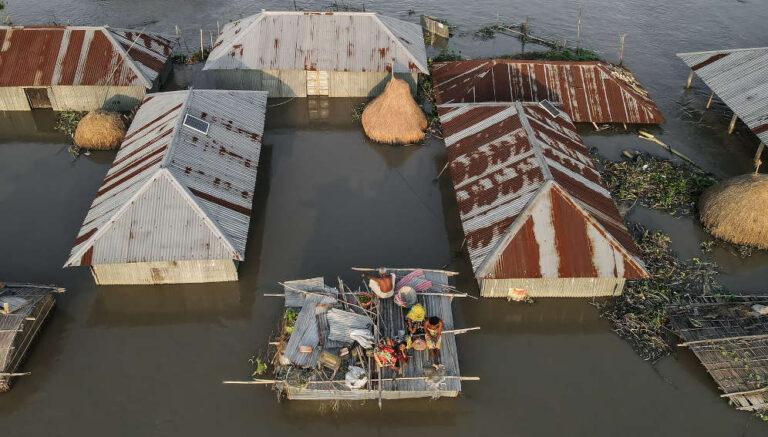
    Image: Muhammad Amdad Hossain / WMO 2024

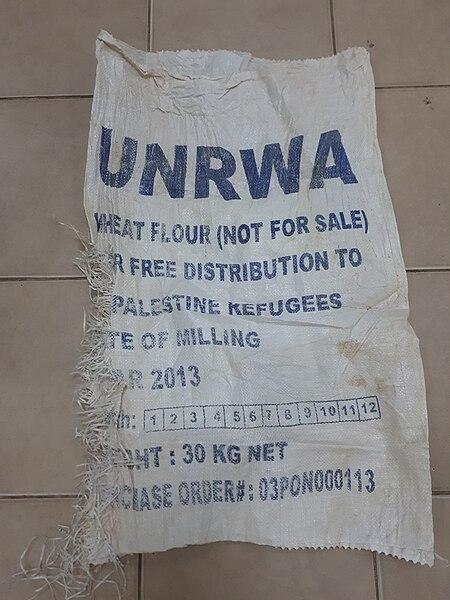
    UN Completes Investigation on UNRWA Staff; Sacks Nine

    The United Nations said on Monday that nine staff working for its Palestine refugee agency UNRWA will be sacked because they may have been involved in the 7 October 2023 Hamas-led attacks against Israel. 

    The development follows the conclusion of an investigation by the UN Office of Oversight Services (OIOS), launched earlier this year after Israel alleged that several UNRWA personnel took part in the brutal assault on its territory in which some 1,200 people were killed and another 250 were taken to Gaza as hostages.

    However, OIOS was not able to independently authenticate information used by Israel to support the allegations.

    Appropriate measures and terminations

    OIOS is the highest investigative body in the UN system and its reports are confidential but can be made available to Member States upon request.

    Investigators made findings in relation to 19 UNRWA staff alleged to have been involved in the attacks, UN Deputy Spokesperson Farhan Haq told journalists in New York.

    “In one case, no evidence was obtained by OIOS to support the allegations of the staff member’s involvement, while in nine other cases, the evidence obtained by OIOS was insufficient to support the staff members’ involvement,” he said.

    Regarding these10 cases, he said that appropriate measures will be taken in due course, in conformity with UNRWA Regulations and Rules.

    With respect to the remaining nine cases, the evidence obtained by OIOS indicated that the UNRWA staff members may have been involved in the 7 October attacks. 

    UNRWA Commissioner-General Philippe Lazzarini issued a statement acknowledging the completion of the probe.

    “I have decided that in the case of these remaining nine staff members, they cannot work for UNRWA. All contracts of these staff members will be terminated in the interest of the Agency,” he said.

    Information not authenticated

    Asked about the extent of the staff members’ alleged involvement, Haq responded that he did not have specific information about the specific allegations.

    He said the OIOS investigation involved visits to Israel for discussions with officials and to see and review information held by authorities there.

    The investigators also travelled to Amman, Jordan, to obtain and review relevant information held by UNRWA, including on its staff and operations.

    They also reviewed information and communications technology data, such as email records and information on agency vehicles, in addition to information from various other sources, including that released to the media and other public sources, and communications with several Member States. 

    “However, one thing I’d like to point out is that since information used by Israeli officials to support the allegations have remained in Israeli custody, OIOS was not able to independently authenticate most of the information provided to it,” he noted.

    Parallel probe

    The accusations surfaced in January when Israel informed UNRWA of the alleged involvement of 12 staff members in the attacks. UNRWA immediately identified and terminated 10, while two were confirmed dead.

    The UN later received information from Israel about seven more cases – five in March and two in April.

    Following the initial allegations, UN Secretary-General António Guterres immediately ordered OIOS to investigate.  

    He also appointed an independent review panel to conduct a separate assessment into UNRWA to determine whether the agency was doing everything it could to ensure neutrality and to respond to allegations of serious breaches when they arise.

    The panel – headed by former French Foreign Minister Catherine Colonna – published its report in April.

    Speaking at the time, she said “the set of rules and the mechanisms and procedures in place [at UNRWA] are the most elaborate within the UN system, precisely because it is such a difficult issue to work in such a complex and sensitive environment.”

    Lazzarini said that UNRWA has started implementing the panel’s recommendations and is fully committed to them.

    “Finally, I reiterate UNRWA’s condemnation of the 7 October attack in the strongest possible terms. I call – once again – for the immediate and unconditional release of all hostages and their safe return to their families,” he said. 

    UN chief’s opinions

    Haq was asked about the Secretary-General’s views regarding the OIOS findings.

    The UN chief “believes that it is important that we go through this very carefully, given the fact that any involvement in these attacks would constitute a major betrayal of trust,” he said.

    “Obviously, there were actions that were taken for the benefit of the agency that were very swift and very decisive in terms of dealing with the individuals who had been named at first, and now it’s good to have all of the information available,” he added.

    Referring to the Gaza war, Haq also underlined the importance of remembering that a “huge number” of UNRWA staff have been taking enormous risks for months, keeping hundreds of thousands of people alive, whether in shelters or by providing food and services.

    “And we want to make sure that the reputation of our UNRWA staff, our dedicated staff, including about 200 people who have lost their lives since 7 October, is fully recognized and that UNRWA gets the support that it needs,” he said. 

    Image: Wikimedia