More

    Health Minister Nadda Chairs High Level Meeting to Review Dengue Preparedness

    Nadda urged officials to primarily focus on high burden states and regions where outbreaks are frequently reported and to proactively work with states to bring tangible results on dengue prevention.

    Union Minister of Health and Family Welfare, JP Nadda chaired a high-level meeting to review the dengue situation across the country. The meeting also took stock of the preparedness of public health system for prevention, containment and management of dengue in view of the onset of monsoon and the rise in dengue cases globally.

    The health minister was briefed on the nationwide dengue situation and preparedness of the ministry. It was informed that the Dengue Case Fatality Rate has reduced from 3.3 per cent (1996) to 0.1 per cent in 2024 as a result of focused, timely and collaborative activities. Nadda emphasized the importance of being prepared against dengue, underlining the challenge posed by the onset of monsoon and the threat of increasing number of dengue cases during the rainy season. He directed officials to gear up and strengthen prevention, containment and management measures against dengue.

    Nadda also urged officials to primarily focus on high burden states and regions where outbreaks are frequently reported. He urged officials to proactively work with the state governments to bring tangible results on dengue prevention. He particularly stressed on inter-ministerial convergence meeting involving Ministry of Housing and Urban Affairs, Ministry of Rural Development, Education Ministry and municipal corporations and local self government bodies for sensitisation on their roles and responsibilities for dengue prevention and control.

    Proactive communication 

    The health minister stated that the centre has been proactively communicating with the states on timely action for prevention and control of dengue activities. Various inter-sectoral meetings have been conducted to sensitize the stakeholders and ministries on their role and responsibilities on prevention and control of dengue. He informed that these activities will be further strengthen incoming years. “Union government has been, over the period of time, providing technical and budgetary support,” he said.

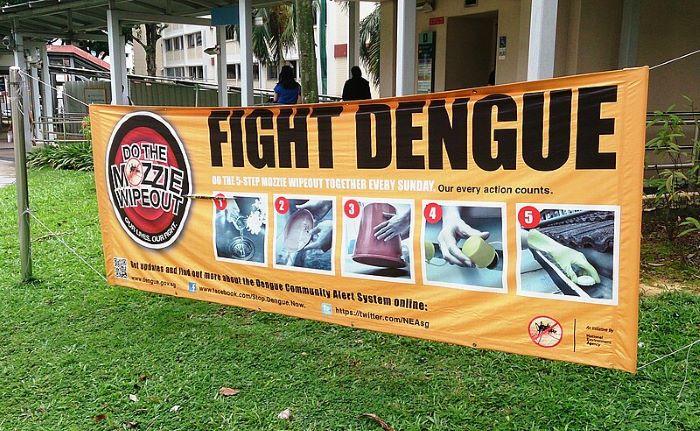
    Highlighting the importance of communication and awareness enhancement activities, the Health Minister stated that in order to sensitise communities regarding the ades mosquito which generally bites in the daytime, awareness campaign among school going children and others to wear clothes that keep the body fully covered, and keeping various water containers, pots etc., free of stagnant water will be taken up at a massive scale. A nationwide information-education-communication campaign for awareness through TV, radio and social media platforms will be taken up across the country.

    The union health minister directed for the officials to create a 24/7 central helpline number for dengue prevention and awareness, and support for queries on the symptoms, treatment protocols and help during emergency situation. States were also advised to operationalize similar Helpline numbers.

    He directed AIIMS and all central government hospitals to have dedicated dengue wards that are fully equipped with trained manpower, drugs and other logistics. They have also been instructed to create a referral system to optimally utilize their clinical facilities.

    Concrete actions

    Dr. Atul Goel, Director General of Health Services (DGHS) highlighted the need for sensitizing municipal bodies in states for preventing dengue outbreaks. He also suggested improving coolers and tanks in buildings to make them immune from mosquito breeding.

    He mentioned that central teams are deputed to states on regular basis for review of disease situation. Adequate diagnostic kits both for Dengue and Chikungunya have also been provided to the states.

    The Union Government has issued 14 advisories in 2024 for sensitization of states on preparedness for prevention and control of dengue and chikungunya. Various high-level meetings have been held to provide technical guidance to states from time to time.

    Updated national guidelines of case management were released by the government. For free diagnosis and disease surveillance, the number of Sentinel Surveillance Hospitals has been increased from 110 in 2007 to 848 in 2024. Master trainers from medical colleges and district hospitals were trained in four national level trainings on updated guidelines for improving clinical management and avert deaths due to dengue.
    Buckle Up, Make a Safety Statement: UN Launches Global Campaign to Enhance Road Safety

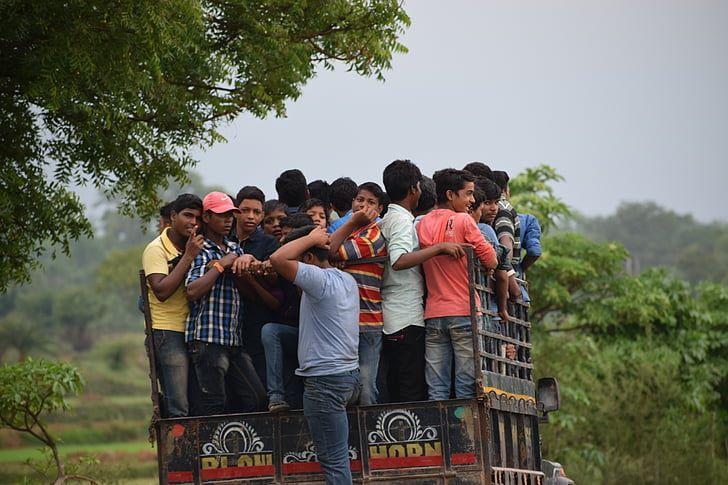
    Starting in New York, the campaign will run through 2025, reaching approximately 1,000 cities in more than 80 countries through billboards, social media and other platforms.

    The United Nations on Monday launched a new global road safety campaign to improve traffic safety and create inclusive, safe and sustainable streets.

    Under the motto #MakeASafetyStatement, the campaign will also amplify the core messages of the New Decade of Action for Road Safety, which aims to halve the number of road-related victims by 2030.

    “Road safety is not high enough on the political agenda in most countries. While we know the remedies to road crashes, action is lagging behind,” said Jean Todt, UN Special Envoy for Road Safety.

    “With this campaign, together with the celebrities that are joining us, and our partners JCDecaux and Saatchi & Saatchi, we are trying to revert this and mobilize the political will that is needed to increase actions and financing to save millions of lives,” he added.

    Starting in New York, the campaign will run through 2025, reaching approximately 1,000 cities in more than 80 countries through billboards, social media and other platforms.

    Thus far, 14 celebrities, including tennis legend Novak Djokovic, Oscar-winning actress and UNDP Goodwill Ambassador Michelle Yeoh, and supermodel Naomi Campbell, have pledged their support to campaign.

    Each contributed their own statement, such as “I drive slow” or “I don’t drive under the influence.”

    The ‘silent pandemic’

    At a press briefing at UN Headquarters in New York, Mr. Todt highlighted that road accidents are the “number one killer” for individuals aged 5 to 29, with the vast majority in low- and middle-income countries.

    He noted that each year, 1.2 million people die on the road, and a further 40 to 50 million are injured, many seriously.

    “It is a burden for the victims [and] for the family, but it is also a high cost for the countries,” Mr. Todt continued, adding that the “prescriptions” for this issue include education, communication, law enforcement, alongside quality of roads, and vehicles.

    Fasten seatbelts

    As a motor racing executive and former rally car co-driver, Special Envoy Todt highlighted that simple measures like fastening seatbelts in both front and rear seats or wearing a helmet could significantly improve safety.

    Additionally, drivers and riders must refrain from using drugs, alcohol, or phones while operating a vehicle, and should avoid speeding.

    Key road safety resolution

    The campaign launch follows the recent adoption of a resolution by the General Assembly to improve road safety worldwide.

    Adopted last week, the resolution calls for increased efforts to reduce road deaths and injuries by implementing the Global Plan for the Decade of Action for Road Safety 2021-2030.

    It urges Member States to ensure that road safety becomes a “political priority,” inviting those that have not yet done so to “consider adopting comprehensive legislation on key risk factors” such as the non-use of seat belts, child restraints, and helmets, as well as drinking and driving, and speeding.

    Member States are also encouraged to create “ministerial coordination mechanisms”, notably among the health, transport, education, infrastructure, interior, and environment ministries, to address cross-cutting issues.

    Image: Hippopx

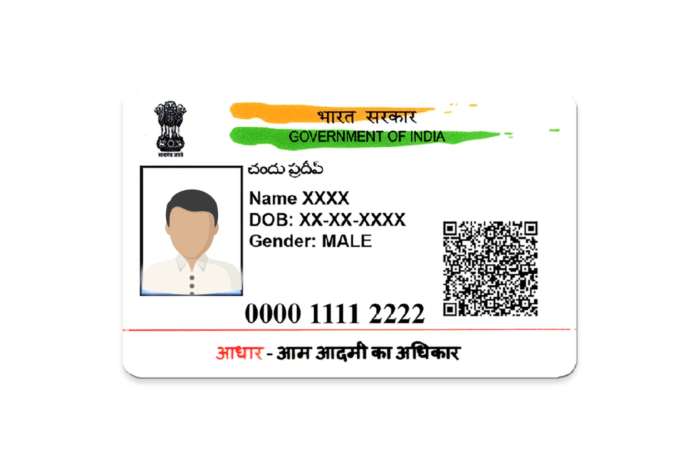
    Sri Lanka Approves Revised India-Funded Aadhaar-like Digital ID Project Amid Data Privacy Concerns

    However, like in the case of the biometric Aadhaar Card in India, concerns over data privacy have loomed large. President Wickremesinghe’s administration previously disqualified Indian bidders from the project over purported qualifications issues.

    In a recent development, Sri Lanka’s Cabinet of Ministers has given the green light to a revised India-funded unique identity card project, marking a significant step forward after months of scrutiny on the biometric card on the lines of India’s Aadhaar. State technology minister Kanaka Herath confirmed that the proposal has been forwarded to the Indian High Commission for further deliberation.

    The project, overseen by the technology ministry, has encountered delays awaiting clearance from the public security ministry and final approval from the cabinet. Minister Herath addressed reporters in Colombo, stating, “We have been working on this for the past five months, and finally received cabinet approval last month. We have now submitted our proposal to the Indian High Commission and are awaiting their response.”

    Herath expressed optimism about the timeline, noting, “I believe we can commence the tendering process within this month.” The project, which aims to issue digital ID cards with biographic and biometric data such as facial, iris, and fingerprints, received an advance aid of (Indian rupees) Rs 450 from India.

    However, like in the case of the biometric Aadhaar Card in India, concerns over data privacy have loomed large. President Wickremesinghe’s administration previously disqualified Indian bidders from the project over purported qualifications issues. Despite reassurances from Herath regarding data security, critics, including security analysts and Public Security Minister Tiran Alles, have raised alarm about potential breaches.

    Meanwhile, a separate electronic National Identity Card (e-NIC) project, involving bids from four foreign manufacturers with local partners, has also been initiated, underscoring the government’s efforts in digital identity initiatives. The controversy highlights the balance between technological advancement and safeguarding citizen privacy in the digital age.

    An Indo-Sri Lanka Joint Project Monitoring Committee has been established to oversee the progress of the initiative, aimed at enhancing government services, financial inclusion, and poverty reduction in Sri Lanka.

    Climate Change Impact Threatens Food Production in Bangladesh, Warns Expert

    As Bangladesh continues to grapple with the escalating impacts of climate change, experts like Dr. Nishat remain steadfast in their calls for urgent action and global solidarity to safeguard the planet and its inhabitants from the growing threat of climate change.

    Climate change is wreaking havoc on seasonal patterns in Bangladesh, severely impacting crop yields and threatening food security, according to Professor Dr. Ainun Nishat, a renowned climate change specialist from BRAC University, Bangladesh.

    Speaking at a public lecture titled ‘Adverse Effects of Climate Change: Implications for Bangladesh’ the at United International University (UIU), Dr. Nishat highlighted the detrimental effects of increased temperatures on agricultural phenology—the timing of plant blooming and fruiting.

    “Climate change-induced heat disrupts the delicate balance of plant life cycles,” noted Dr. Nishat, who has represented Bangladesh at the United Nations Climate Change Conference. “This disruption has dire consequences for crop production and the livelihoods of farming communities.”

    Dr. Nishat emphasized the urgent need for Bangladesh to prioritize mitigation, adaptation, resilience building, and financing to tackle the impacts of climate change. “The entire world is grappling with these challenges,” he stated, stressing that both scientific understanding and political will are crucial in addressing the crisis.

    The specialist underscored the vulnerability of Bangladesh’s geography to climate change, pointing out rising salinity levels and erratic rainfall patterns as major concerns. “These changes leave farming communities uncertain about their future,” he lamented, noting significant disruptions to both agriculture and fisheries.

    Regarding global efforts, Dr. Nishat acknowledged the commitment to limit global temperature rise to below 2.0 degrees Celsius by 2050 but cautioned that achieving this goal would require accelerated efforts and global cooperation.

    In conclusion, Dr. Nishat called for heightened awareness among all sectors of society, particularly the youth, and advocated for integrated approaches that harmonize economic activities with environmental sustainability. “Addressing climate change is not just an environmental issue—it’s essential for ensuring our food security and sustainable development,” he emphasized.

    As Bangladesh continues to grapple with the escalating impacts of climate change, experts like Dr. Nishat remain steadfast in their calls for urgent action and global solidarity to safeguard the planet and its inhabitants from the growing threat of climate change.

    Image: CCDB Bangladesh.

    Minorities Commission Advises States, UTs to Hold “Sarv Dharma Meeting”

    The commission said that it should be the responsibility of citizens and society to disown and condemn the hate crimes done by anti-social and disgruntled elements beside the punitive action taken by Government as per law of land.

    In view of its mandate, and, to protect and safeguard the interest of all Minorities, the National Commission for Minorities (NCM) advised all the state governments and governments of union territories to hold “Sarv Dharma Meetings” with all communities at sub-divisional levels of the states at least once in a month and, also at district level, half yearly. This is being done to curb incidents of attacks/ hate crimes on minority communities, the NCM said in a media release.

    The National Commission for Minorities (NCM) formed under the NCM Act, 1992, has been mandated with the responsibility of safeguarding the interests of the minority communities. Besides the role, the NCM is also meant to undertake confidence building measures in light of the new and emerging challenges.

    The commission stressed that incidents of attacks/ hate crimes result in bitterness and communal disharmony amongst communities as hate is caused by mental weakness and anger. The commission further said that every citizen have the right to follow and preach their own religion.

    Moreover, the commission said, it should be the responsibility of citizens and society to disown and condemn the hate crimes done by anti-social and disgruntled elements beside the punitive action taken by Government as per the law of land. Authorities must evolve mechanisms, duly involving participation of civic society, to deter such anti-social, anti-national forces and to prevent occurrence of violence in the society.

    States and UTs were also advised that the members of all communities i.e. Minority and Majority, representing Opinion Makers, NGOs, Religious Persons and Educationists, may be identified and involved in the ‘Sarv Dharma Samvad’ meetings.

    Image: Countercurrents

    Finance Ministry Holds Meet on Financial Inclusion with Private Sector Banks

    Dr. Vivek Joshi emphasised the importance of financial inclusion programmes in providing basic financial services in reaching the last mile and also exhorted banks to organise financial literacy camps so that awareness about various financial inclusion schemes.

    Dr. Vivek Joshi, Secretary, Department of Financial Services (DFS), Ministry of Finance, chaired a review meeting on the progress and performance of Financial Inclusion Schemes, including PM SVANidhi, PM Vishwakarma and Jan Samarth Portal with senior executives of Private Sector Banks, in New Delhi today.  

    During the meeting, Dr. Joshi reviewed the progress under various Financial Inclusion schemes including Pradhan Mantri Jan Dhan Yojana (PMJDY), Pradhan Mantri Jeevan Jyoti Bima Yojana (PMJJBY), Pradhan Mantri Suraksha Bima Yojana (PMSBY), Atal Pension Yojana (APY), Pradhan Mantri Mudra Yojana (PMMY), Stand Up India, PM Street Vendor’s AtmaNirbhar Nidhi (PM SVANidhi), PM Vishwakarma, etc. He also reviewed the progress of opening of brick and mortar branches of banks and deployment of Banking Correspondents (BCs) in unbanked villages.

    The DFS secretary underlined the significant progress made in expanding social security and deepening financial inclusion in the country through various flagship schemes of the Government. He discussed in detail the progress made by private banks for deepening of Financial Inclusion and urged them to increase their participation in financial inclusion schemes.

    He exhorted private banks to give more thrust on serving the marginalised sections of the society and fulfilling their banking needs. A detailed presentation on features of Jan Samarth portal was also made, in which Dr. Joshi highlighted the importance of Jan Samarth portal that presents information of credit-linked schemes of the government on a single platform. The platform improves customer experience and assist banks in acquisition of customers.

    During the meeting, Dr. Joshi emphasised the importance of financial inclusion programmes in providing basic financial services in reaching the last mile and also exhorted banks to organise financial literacy camps so that awareness about various financial inclusion schemes, including Jan Suraksha schemes may be spread across various sections of society.

    The Ocean People: Navigating Cyclones, Floods, and Climate Injustice in India

    Fishworkers in India bear the brunt of climate change-induced extreme weather events. While they should be considered a potential beneficiary of the Loss and Damage Fund, the complexity of their situation may make it harder for communities like fishworkers to access the fund.

    By Aishwarya Bajpai

    Cyclones and floods have become increasingly frequent across different parts of India, posing a significant threat to the country’s population.

    According to global data, India ranks as the second-highest-risk nation, with 390 million people potentially to be affected by flooding due to climate change and among them are 4.9 million fishworkers.

    Venkatesh Salagrama, a Kakinada-based expert on small-scale fisheries, and also an independent consultant to the UN’s Food and Agriculture Organization has been quoted as saying: “For every boat in the sea, there are at least 5-20 people depending on it.”

    From 2015 to 2023, Indians have faced the devastating impacts of floods and heavy rainfall (see graph). Among those most affected are the ‘ocean people’ or fishworkers, whose lives are further endangered by rising temperatures and unpredictable weather patterns.

    They already struggle with government initiatives aimed at intensifying the use of the ocean for the blue economy and the corporatization of coastal lands for port development, known as the nationwide ‘Sagarmala Project’ further denying them rights to coastal lands. Thereby, making the rights of fishworkers precarious, with no protective government laws in place. Climate change exacerbates their vulnerability, turning their worst fears into reality.

    For instance, recently in December 2023, Tamil Nadu and Andhra Pradesh (southern coastal states in India) and faced Cyclone Michaung, which led to extensive flooding. The cyclone brought extreme rainfall, with parts of the Tamil Nadu coast experiencing more rainfall in a single day than the average annual rainfall, a consequence of climate change.

    Relief efforts delayed

    In places like Kayalpattinam and Thoothukudi, where the average annual rainfall is around 900-950 mm, more than 1000 mm fell in a single day. However, the cyclone was not the immediate cause of the flooding.

    “The flooding was largely a result of human mismanagement. Excessive urbanization and development in natural floodplains, combined with inadequate preparation, exacerbated the situation. The state government failed to release water from reservoirs and lakes before the cyclone, leading to overflowing when the heavy rains arrived,” R. Sridhar, Coastal Researcher and Research Scholar at Indian Institute of Technology, Delhi told IPS.

    As a result, houses and roads were submerged, cutting off access to various villages and delaying rescue and relief efforts. The state’s response was hampered by damaged infrastructure, and the relief efforts from both the state and NGOs were delayed due to inaccessible roads and train routes.

    Before the cyclone, fishworkers were already affected as they were not allowed to venture into the sea due to cyclone warnings, resulting in an initial loss of income. Once the cyclone hit, flooding damaged boats parked both in harbors and along the shoreline, affecting small and mechanized boats alike. Nets and other essential fishing gear were also damaged, representing a significant financial loss as nets are crucial and expensive. The fisher community experienced extensive damage, highlighting the severe impact on their livelihood and resources.

    A fishworker only identified Simhadri, a survivor of the cyclone was quoted in The New India Express as saying: “Every fisherman in Gollapudi suffered an average loss of Rs 1 lakh (about USD 1,200) as the fishing nets, motors, and boats got damaged while some were drowned. The collector should pay a visit and provide financial assistance.”

    Loss and Damage Fund

    There was a significant failure in predicting the extent of rainfall. The India Meteorological Department (IMD) did not provide adequate warnings, resulting in insufficient preparations with Union blaming the state government and vice a versa. The state government requested over 5060 crore from the Union government for flood relief but received only a fraction, which was 450 crores. The capacity of NGOs to provide aid was also limited due to restrictions like the Foreign Contribution Regulation Act (FCRA).

    Sridhar further added that “This highlights the need for a more participatory and democratized approach to meteorology, involving fishworkers and ocean people in modern scientific prediction methods who have the traditional knowledge of the sea and weather. Moreover, in terms of preparation, proactive measures such as releasing water from reservoirs before the cyclone would have mitigated the flooding. However, the state government did not take these steps, blaming inadequate warnings from the IMD.”

    The ocean people, or fishworkers, are experiencing daily losses, making their plight a clear candidate for the ‘Loss and Damage Fund.’ At the COP27 and 28 world leaders recognized the need to support low-income developing countries grappling with the devastating impacts of climate change.

    The result was the creation of the Loss and Damage Fund, a financial lifeline aimed at helping these vulnerable nations recover from climate-induced natural disasters. To ensure the effective implementation of this fund, a Transitional Committee was established, including representatives from 24 developed and developing nations. This collaborative effort underscores a global commitment to addressing the urgent needs of those most affected by climate change.

    Profound vulnerability

    A compelling aspect of the Loss and Damage Fund is its recognition of both economic and non-economic losses. Non-economic losses encompass injury, loss of life, health, rights, biodiversity, ecosystem services, indigenous knowledge, and cultural heritage—areas where marginalized communities are most affected. For instance, while economic losses might include income forfeited due to heatwaves, non-economic losses would cover the displacement of communities from coastal villages due to beach erosion.

    This highlights the profound vulnerability of fishworkers and ocean-dependent communities, acutely impacted by these environmental changes. Further, due to limited economic and social resources available with the fishworkers, some adaptive and counter measures are beyond the fishworkers’ capacities.

    The Loss and Damage Fund can be allocated to those results of extreme climate events that cannot be countered or are beyond the practice of climate adaptation (activities to prepare and adjust to the climate change), for example, loss of lives and cultural practices. This complexity will make it harder for marginalized communities like fishworkers to argue their case and access the fund.

    Need equitable solutions

    Despite establishing such measures, the global response has often been more talk than action. Experts argue that the pledged amounts fall drastically short, covering less than 0.2 percent of what developing countries require, estimated at a minimum of $400 billion annually, according to the Loss and Damage Finance Landscape report. In response, members of the Transitional Committee from developing nations have proposed that the fund should aim to allocate at least USD 100 billion annually by 2030 to meet these pressing needs.

    “The loss and damage fund should be considered for not only immediate relief and rescue operations but also for preparedness and spreading knowledge. A participatory approach to meteorology can enhance prediction accuracy and disaster preparedness. Additionally, slower and ongoing disasters like coastal erosion and declining fish catches due to climate change also require attention. Fishworkers in various regions have demanded compensation for “fish famine” similar to agricultural famine relief,” Sridhar said.

    The Adaptation Gap Report 2023 emphasizes that “a justice lens underscores that loss and damage is not the product of climate hazards alone but is influenced by differential vulnerabilities to climate change, which are often driven by a range of socio-political processes, including racism and histories of colonialism and exploitation.”

    As India continues to battle these extreme weather events, the call for tangible action and equitable solutions becomes ever more urgent. The world watches and waits—will the promises of climate justice be fulfilled, or will they remain hollow words in the face of escalating crises?

    Sourced from Inter Press Service

    This feature is published by Inter Press Service with the support of Open Society Foundations.

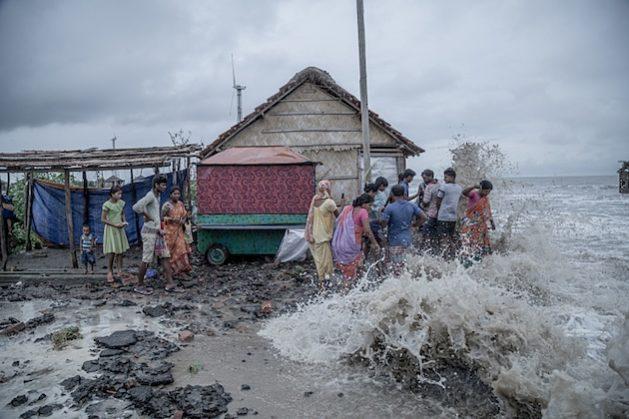
    Image: Supratim Bhattacharjee / Climate Visuals

    Myanmar: ‘Reckless’ New Shipments of Aviation Fuel Continue Despite Global Outcry

    Data collected by Amnesty International reveals shipments of jet fuel still arriving in Myanmar. For instance, investigation shows that a military air strike killed 12 civilians and injured 26 as historic monastery in Magway, Central Myanmar, was attacked.

    In defiance of international calls to cut off resources to Myanmar’s military, Amnesty International has uncovered fresh evidence of aviation fuel deliveries to the country, facilitating continued airstrikes on civilian targets. This revelation comes amid escalating tensions and humanitarian crises within Myanmar.

    Amnesty International’s investigation, spanning January to June 2024, reveals multiple instances of aviation fuel being imported into Myanmar via intricate supply chains. Notably, the Chinese-owned HUITONG78 tanker was involved in transporting fuel from Vietnam to Myanmar, with additional roles played by entities like Singapore-based Sahara Energy International Pte. Ltd. and the Chinese state-owned CNOOC Trading (Singapore) Pte. Ltd.

    “The Myanmar military persists in using the same channels exposed earlier by Amnesty International, underscoring both their impunity and the complicity of involved states,” remarked Agnes Callamard, Secretary General of Amnesty International.

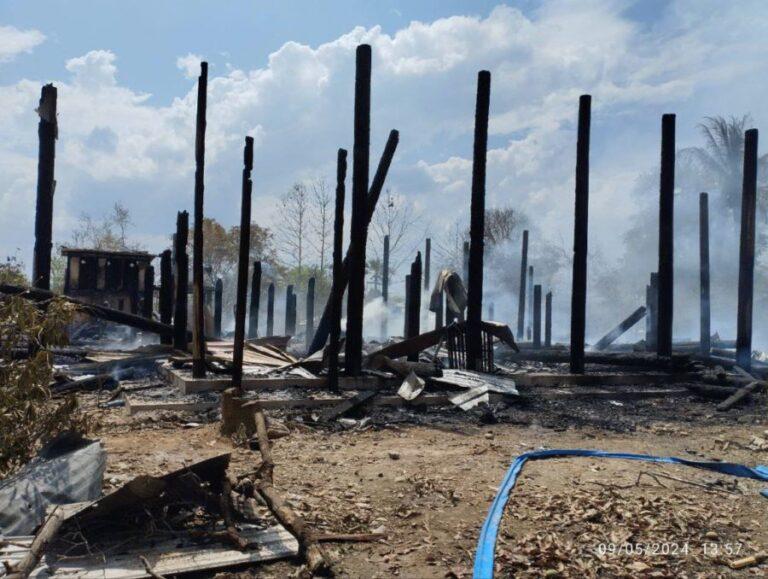
    This development comes at a time when military airstrikes in Myanmar have surged dramatically, as reported by the United Nations Special Rapporteur. Instances such as the May 9th attack on a century-old monastery in Magway Region vividly illustrate the devastating impact on civilian lives and cultural heritage.

    Survivors recounted harrowing details of the attack, describing how a fighter jet first bombed the monastery, followed by gunfire targeting fleeing civilians. Amnesty International’s documentation of the incident includes corroborative photos and eyewitness testimonies, pointing to potential war crimes committed by Myanmar’s military.

    Despite international appeals for a cessation of fuel shipments, companies involved in the fuel trade appear undeterred, continuing operations that facilitate Myanmar’s military actions. Efforts to track these shipments reveal complex transactions involving international entities like the Dutch company Royal Vopak and Chinese corporations.

    In response to these findings, human rights advocates urge immediate action to sever these supply chains, emphasizing the urgent need for accountability and justice in Myanmar’s ongoing crisis.

    South Asian Civil Society Coalition Calls for Action Against Sexual Violence

    According to SAMAJ, many existing laws fail to encompass the full spectrum of sexual violence and often perpetuate gender discrimination. Moreover, poor enforcement and systemic biases further impede survivors’ access to justice, leaving many cases unresolved.

    In a concerted effort to combat pervasive sexual violence across South Asia, a newly formed coalition of seventeen civil society organizations, named South Asian Movement for Accessing Justice (SAMAJ), is urging immediate reforms and enhanced protections for survivors.

    SAMAJ’s advocacy focuses on rectifying significant deficiencies in legal frameworks and policies that hinder justice for survivors of sexual violence. Highlighting the inadequacies in current laws across Bangladesh, India, the Maldives, Nepal, and Sri Lanka, the coalition stresses the urgent need for comprehensive legal reforms. These reforms aim to close protection gaps, address discriminatory provisions, and strengthen criminal justice systems to ensure perpetrators are held accountable.

    According to SAMAJ, many existing laws fail to encompass the full spectrum of sexual violence and often perpetuate gender discrimination. Moreover, poor enforcement and systemic biases further impede survivors’ access to justice, leaving many cases unresolved.

    The coalition emphasizes a multi-sectoral approach involving collaboration between governments, law enforcement agencies, healthcare providers, and educational institutions. This collaborative effort seeks to implement robust strategies that provide immediate support to survivors and prevent future incidents of sexual violence.

    SAMAJ underscores the unique challenges faced by marginalized groups, including Indigenous communities, lower castes, persons with disabilities, and religious minorities, who often face compounded forms of discrimination. These communities are disproportionately affected by sexual violence and encounter additional barriers in accessing justice.

    To achieve meaningful change, SAMAJ calls for strengthened legal protections aligned with international human rights standards and increased accountability through global conventions and treaties. The coalition aims to amplify the voices of survivors and advocate for survivor-led solutions, ensuring their experiences are central to policy and legal reforms.

    Through unified regional advocacy and international engagement, SAMAJ seeks to drive systemic change and create safer communities where women and girls can live free from the threat of sexual violence.

    Unified response

    SAMAJ is championing a unified response to sexual violence in South Asia. Sabin Shrestha, Executive Director with Forum for Women, Law and Development (FWLD), in Nepal, explains, “We have always been together in our joint struggle for justice and equality. The creation of SAMAJ forms a common front against the endemic problem of sexual violence in the region.”

    “This partnership demonstrates how deeply rooted we are to the idea of safe communities and empowered victims. Our many voices will resonate louder and as one, reinforcing, pushing ourselves, and bringing about meaningful changes. Our working together is a symbol of optimism, resilience, and an assurance for a safer world ahead.”

    Shyamala Gomez, Executive Director at the Centre for Equality and Justice, in Sri Lanka, expands, “Member organisations of SAMAJ are coming together with a common goal – to advocate at international and regional level for strengthened criminal justice processes in our respective countries so that victim-survivors of sexual violence get justice and accountability. We need to act as a pressure group on our governments to take concrete measures to make this a reality.”

    Working regionally, Equality Now’s Nawmi Naz Chowdhury concludes, “Anchored in cross-country learnings, SAMAJ will foster, sustain, and grow a South Asia-focused, civil society-led regional movement. The coalition will use collective action in evidence gathering, research, and advocacy to address legal and structural barriers faced by sexual violence survivors in their pursuit of justice, and to bring an end to sexual violence. “Connecting national-level advocacy with international human rights mechanisms, SAMAJ is a united regional voice and force that is determined to uphold the rights of women and girls to live a life free from sexual violence and to have equal protection under the law.”

    Image: Hippopx

    Boys Born with Higher Natural Resistance to HIV, Study Finds

    Male infants are more likely to achieve HIV cure/remission after in-utero infection because male foetuses have lower levels of CD4 T cells which helps fight HIV, the researchers say. The findings can help inform cure strategies for children and adults.

    By Dann Okoth

    Baby girls are more likely to acquire HIV from their mothers during pregnancy or childbirth than infant boys, who are conversely more likely to achieve cure or remission, researchers say in a new study that sheds light on the gender differences in immune systems.

    An estimated 1.3 million women and girls living with HIV become pregnant each year and the rate of transmission to the child during pregnancy, labour, delivery or breastfeeding – in the absence of any intervention – ranges from 15 to 45 per cent, according to the World Health Organization.

    Lead researcher Philip Goulder says the study identified some of the key mechanisms by which sustained HIV remission can be achieved – mechanisms that are relevant to children and adults alike.

    Goulder and colleagues evaluated 284 infants in KwaZulu-Natal, South Africa, one of the world’s highest HIV-prevalent areas, who were started at birth on a mix of HIV medicines known as combination anti-retroviral therapy (cART), after being exposed to HIV during pregnancy.

    “We found that HIV transmission to male foetuses was 50 per cent less common than to females,” says Goulder, a professor of immunology at the University of Oxford’s Department of Paediatrics in the UK.

    “Affected males had lower levels of the virus in the blood and to date, in this study, four male infants have been identified who have achieved HIV cure/remission – i.e. maintained undetectable levels of HIV in the blood even without therapy,” he told SciDev.Net.

    HIV cure is categorised as “true cure” in which the virus has been eradicated totally from the body and “functional cure” or “cure/remission”, in which the virus is no longer detectable in the blood even after treatment has been discontinued.

    Not enough activated CD4 T cells

    Goulder said the disparity found between male and female infants is likely due to the lower levels of activated CD4 T cells in male foetuses than in females, making it harder for the virus to establish a reservoir and providing a barrier against infection.

    “If by chance a virus gets transmitted to a male, it struggles to persist because there are not enough activated CD4 T cells available to sustain the infection,” he explains.

    “This we believe is what is happening here.”

    CD4 T cells are a type of white blood cell that help the body fight infections such as HIV. They are an important part of the immune system and are targeted by HIV during infection. HIV spreads more slowly with lower CD4 T cell counts.

    The study published last month in the open access journal Nature Medicine adds to existing knowledge on HIV cure/remission and could be relevant to cure strategies not only aimed at children but those targeting all 39 million people living with HIV worldwide, according to the researchers.

    “This is a breakthrough result in South Africa, where almost eight million people are living with HIV,” said Nomonde Bengu, a co-author of the study at Queen Nandi Regional Hospital in KwaZulu-Natal.

    The ongoing study started in 2015 and takes in 30 infants per year with 315 enrolled to date.

    “This is by some way the largest cohort of its type worldwide,” Bengu told SciDev.Net.

    “We study and follow up not only the children living with HIV but also their mothers.”

    Small number

    Having access to the mother and child at the time of birth, when HIV may be diagnosed, has allowed the researchers to study the particular virus that was transmitted – the so-called “founder virus”, says Bengu.

    “This is an extremely valuable resource in understanding the mechanisms of cure/remission in children who later achieve it,” she adds.

    The researchers, however, say some of the male infants still have some very low-level HIV antibodies in the blood.

    “The long-term implications for the children are unknown,” admits Goulder.

    “The African child who is similar to those in our study has remained off therapy without detectable virus in the blood for 15 years, so far, and it is possible that some children may remain ART-free for life.”

    The findings fit exactly with what is known about adult HIV infection, according to the researchers.

    They add that the mechanisms by which cure/remission can be achieved in HIV are potentially applicable across the board to all 39 million people living with HIV.

    The numbers of children we identified to have achieved cure/remission is small and it would be important to undertake further studies, the researchers acknowledge.

    But they say it is a step forward from previous studies that identified only single children who achieved cure/remission.

    “This paper adds impetus and knowledge to efforts to control HIV using immune system interventions,” says Mark Cotton, emeritus professor at the Department of Paediatrics and Child Health at Stellenbosch University, South Africa, who did not participate in the research.

    “The study did unfold one of the complexities – female babies more prone to acquire HIV. It also shows how children are worth studying in HIV clearance/control studies.”

    This piece has been sourced from SciDev.Net

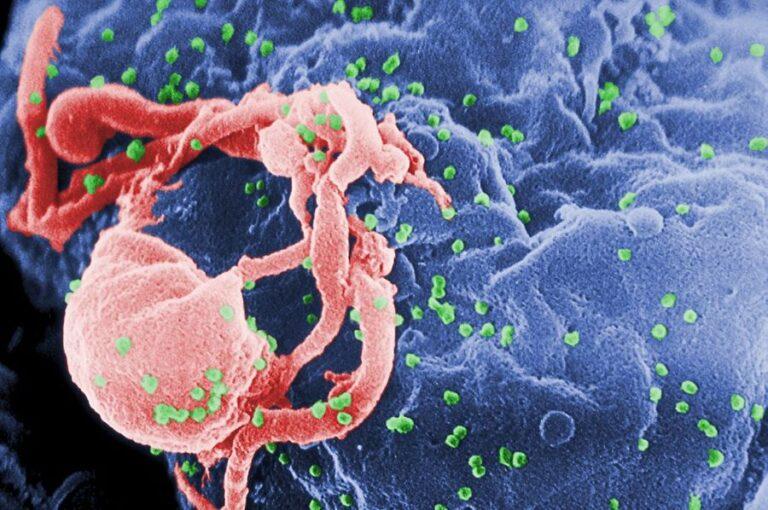
    Photo Credit: C. Goldsmith