More

    Emergence of a New Proletariat

    What came to light in the subsequent investigations is that Satnam has no stay permit, no work contract and was paid a pittance for back breaking work in debilitating heat and biting cold.

    By Daud Khan

    Immigrants are essential to Europe’s economic survival. They are needed for doing the jobs that most Europeans no longer want to do. Jobs that involve manual labour in agriculture and industry; or providing home help, care for the elderly; or working un-social hours in the catering business.

    So, why are a growing number of European political parties, including mainstream parties, taking an ever stronger anti-immigration stance and why are people voting for them?

    No one really wants immigration to stop, or for immigrants to leave. What the anti-immigrant parties want to do is to create a new subclass of low paid workers who have no rights and no political power. Such a “new immigrant proletariat” would enhance profits of those employing such immigrant workers, as well as raise overall living standards of the general population.

    Recent events in Italy appear to confirm the hypothesis that low-paid illegal work in deeply imbedded in the system.

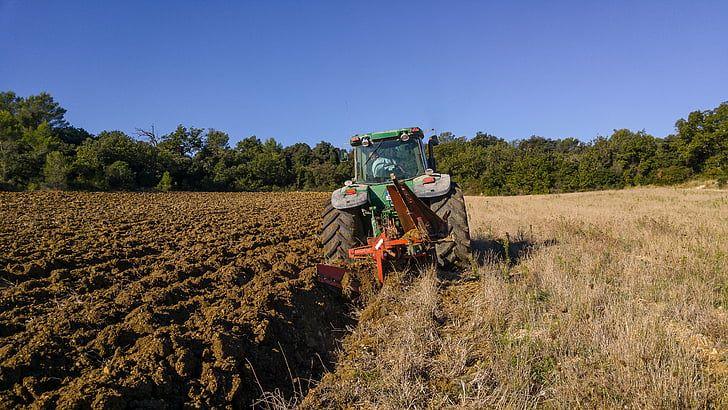
    On 17 June, in a farm south of Rome an agricultural worker was critically injured and subsequently died. Satnam Singh’s right arm was caught in an agriculture machine and was chopped off. The owner of the farm placed the truncated arm in a box; he then deposited the box, and the injured Satnam Singh, outside his house and drove off. Satnam was eventually taken to hospital, but the delay in getting him medical aid meant that it was not possible to save his life.

    What came to light in the subsequent investigations is that Satnam has no stay permit, no work contract and was paid a pittance for back breaking work in debilitating heat and biting cold. The Minister of Agriculture was quick to denounce the event leading to Satnam Sigh’s death and police are prosecuting the owner of the farm. However, the minister was also pointed out Italy’s agriculture sector is viable, dynamic and law abiding, and should not be criminalized due to a single unfortunate event

    However, studies and surveys, mostly done by the trade unions, put a lie to his statement. In the case of the agriculture sector, of the roughly 1 million workers, some 230,000 are estimated illegal. Like Satnam, they are low-paid and badly treated. There are also allegations of different forms of abuse, as well as widespread use of amphetamines and painkillers to make them work harder.

    Moreover, what is also emerging from various investigations is how the system, which supposedly aims to create more legal and controlled immigration, actually works to ensure an ample supply of illegal immigrants. The system works as follow:

    Under Italian Law (the Bossi-Fini Act of 2002) Italian employers can ask for foreign workers to legally enter Italy to work in specific sectors, including agriculture and the tourism sector. The implicit agreement is the once they are in Italy, the employer who sponsored their entry would provide them a work contract and wages that are in line with industry standards.

    However, in many cases the sponsoring employer does not show up to pick up the workers – let alone provide a job or a contract. The arriving workers find themselves in a foreign country where they cannot speak the language, without a job and without papers. The phenomenon is particularly acute in some regions of Italy such as Campagna (around Naples) where only 3% of workers who enter Italy legally actually sign a contract with the employer who sponsored their entry into the country.

    It is here that the so called “contractors” step in. These contractors pick up the newly arrived workers providing them with immediate help and assistance. They then act as intermediaries to arrange jobs for them at wages that are a fraction of what Italians doing the same job would be paid. Moreover, these unscrupulous contractors skim off much of what the workers earn for renting them a house and for providing transport to and from work.

    And all this is happening in front of everyone’s eyes, including those of various local and national authorities. For example, authorities know which companies sponsored foreign workers to enter Italy. They also know how many work contracts these companies signed with these immigrant workers. Recent reports show that in the Naples area 22,000 sponsored workers entered the country but not one of the signed a contract.

    Similarly, the owner of the farm where Satnam Singh died had declared to the local authorities that he had only one tractor and no workers – facts that were patently untrue but no one ever bothered to check.

    These and other facts are often well covered in reports done by the trade unions or by investigative journalists particularly after an accident or an untoward event happens. Moreover, there is nothing really clandestine about what is happening. One has only to drive around the agriculturally rich areas around Rome or the central or northern parts of Italy to see an army of workers from South Asia attending to livestock or toiling in the fields that supply the city with fresh fruit and vegetable. In more southern parts of Italy, it is young men from Africa that are picking oranges and tomatoes.

    Similarly in cities such as Rome and Milan there are armies of illegals who work as “riders” delivering food to people’s homes; working as cooks, dishwasher and waiters in restaurants and bars; or working as cleaners or caregivers in people’s homes.

    The system seems to suit everyone and if every so often a Satnam Singh dies – well so be it.

    Daud Khan is a retired UN staff based in Rome. He has degrees in economics from LSE and Oxford, where he was a Rhodes Scholar; and a degree in Environmental Management from Imperial College London.

    This piece has been sourced from Inter Press Service.
    Time Running Short as 2030 Deadline Looms for UN Blueprint for a Fairer Future

    The 2023 SDG Summit marked the mid-way point of the Goals, and underscored the fact that most of them are way off-track. At this year’s Forum delegates will attempt to inject fresh enthusiasm and accelerate action towards the Goals.

    How can the UN get closer to achieving Member States’ detailed plans to make the world a better place within the next six years? A two-week event starting today (Monday) at the UN Headquarters will attempt to answer that crucial question.

    The 2024 High-level Political Forum on Sustainable Development (HLPF) will follow on from last September’s SDG Summit, described by UN Secretary-General at the time as a “moment of unity” to turn the Sustainable Development Goals (SDGs) into reality.

    Government Ministers, activists and members of civil society will meet and debate during a busy programme at UN Headquarters.

    On the eve of HLPF, here are five important things to know about this significant event.

    It’s about realizing the Global Goals

    HLPF was born in the wake of the creation of the 2030 Agenda for Sustainable Development and the Sustainable Development Goals (SDGs) in 2015.

    That Agenda, agreed and adopted by UN Member States, is often described as the blueprint for a better future, for people and the planet. It is broken down into 17 Goals, on critical areas such as poverty, education, gender equality and the environment.

    The 2023 SDG Summit marked the mid-way point of the Goals, and underscored the fact that most of them are way off-track. At this year’s Forum delegates will attempt to inject fresh enthusiasm and accelerate action towards the Goals.

    Spotlight on five Goals

    The Goals under review this year are SDG 1 (Ending Poverty), SDG 2 (Zero Hunger), SDG 13 (Climate Action) SDG 16 (Peace, Justice and Strong Institution) and SDG 17 (Partnerships for the Goals).

    Discussions will revolve around some of the main takeaways from this year’s SDG progress report, a comprehensive stocktake which, according to UN Secretary-General António Guterres, showed that “the world is getting a failing grade”.

    These takeaways include the fact that, in 2022, 700 million people lived on less than $2.15 per day and up to 783 million faced hunger; the last nine years have been the warmest on record; and that access to justice continues to be out of reach for large portions of national populations.

    Each Goal is broken down into targets, some of which are being met, (for example, child mortality has seen a fall), but they equate to less than a fifth of the total. Around a third have stalled or are even going backwards.

    Countries share success stories

    But the UN is keen to show that all hope is not lost, pointing to recent strides in deploying renewable energy, girls in most regions achieving parity and even pulling ahead of boys at school, and progress in the combat against HIV/AIDS.

    Several countries will share their examples of best practice, and lessons learned, reporting back the outcome of their Voluntary National Reviews. You can find the full list of the countries presenting their reviews here.

    “Time and again, humanity has demonstrated that, when we work together and apply our collective mind, we can forge solutions to seemingly intractable problems,” said Li Junhua, UN Under-Secretary-General for Economic and Social Affairs.

    It’s not just Member States: other voices will be heard

    The 2030 Agenda for Sustainable Development impacts all sectors of society, not just governments, and this is reflected at the Forum. There will be several special events and side-events taking place over the two weeks, involving groups representing a range of special interests, including women, children and youth, NGOs, indigenous peoples, farmers and local authorities.

    The first week will see events devoted to science-based action on the SDGs, mobilizing local and regional governments and transforming education. During the second week, there will be a focus on food security and nutrition, water action, and climate.

    Next stop: Summit of The Future

    The forum will help build momentum for the Summit of the Future that will take place on 22 to 23 September. The centrepiece of the High-Level Week of the General Assembly, the Summit is billed as an opportunity to revitalize the multilateral system and get the world back on track to achieving the SDGs.

    Progress on financing will figure heavily at both events, and the discussions that take place at the July forum will feed into the declarations and documents that will be unveiled at the Summit of the Future.

    These include the Pact for the Future, aimed at defining the priorities and actions for addressing global challenges; the Declaration on Future Generations, which will contain specific steps to account for the interest of coming generations; and the Global Digital Compact, expected to outline a path towards an open, free, secure and human-centred digital future for all.

    Bangladesh Government Grants Conditional Microcredit Licences to 50 NGOs in Six Months

    To kickstart their operations, each NGO granted a conditional licence has deposited Tk 3.0 million into a dedicated bank account – the funds will be utilized to provide microloans, subject to approval by the Microcredit Regulatory Authority.

    In a move aimed at bolstering financial inclusion of some of the poorest families across the nation, the Bangladesh government has issued conditional licences to 50 non-governmental organisations (NGOs) to operate microcredit initiatives over the past six months. This development brings the total number of NGOs authorized to conduct microfinance activities to 400.

    Under the oversight of the Microcredit Regulatory Authority (MRA), these newly licensed microfinance institutions (MFIs) will operate under conditional licences for a three-year period. During this time, they are required to meet specific benchmarks set by the MRA to qualify for full licences. These targets include servicing a minimum of 300 small clients with loans totalling Tk 4.0 million in the first year, expanding to 600 clients with Tk 7.0 million in loans by the second year, and reaching 1,000 clients with Tk 10 million in loans by the end of the third year.

    To kickstart their operations, each NGO granted a conditional licence has deposited Tk 3.0 million into a dedicated bank account – the funds will be utilized to provide microloans, subject to approval by the MRA.

    The decision to award these licences follows a surge in applications from NGOs seeking to provide microcredit services, reflecting a growing interest in supporting marginalized communities through financial empowerment initiatives.

    Regulatory compliance

    NGOs eligible to apply for these licences include those registered under the Societies Registration Act, the Trust Act 1882, the Voluntary Social Welfare Agencies (Registration and Control) Ordinance 1961, and the Company Act 1994. Beyond microcredit, NGOs engaged in various developmental activities were also considered for licensing.

    Over 1,130 NGOs applied for microcredit licences nationwide, with all qualifying for conditional approval pending the fulfilment of application requirements. Given the volume of applications, the evaluation process is expected to span approximately three years, citing resource constraints within the MRA.

    Established in July 2006, the Microcredit Regulatory Authority Act provided the framework for regulating NGO-operated MFIs, aiming to streamline and monitor microfinance operations across the country. Since its inception, the MRA has progressively expanded its oversight, initially focusing on regularizing existing microcredit providers before broadening its scope to include new applicants.

    Despite efforts to promote financial inclusion, regulatory compliance remains a critical issue. The MRA has revoked licences from 151 NGOs at various stages due to non-compliance issues, underscoring the importance of adherence to regulatory standards in the microfinance sector.

    Currently, registered MFIs cater to over 40 million individuals out of Bangladesh’s estimated population of 160 million, highlighting their significant role in advancing the government’s poverty alleviation strategies.

    This latest round of licensing underscores the government’s commitment to expanding access to financial services and promoting economic self-sufficiency among underserved communities through microfinance initiatives.

    Two of Every Five Pakistani Children Out of School

    The report from the Pakistan Institute of Education says that the country’s school dropout rate is high, while universal enrolment has not been achieved even at the primary level of education.

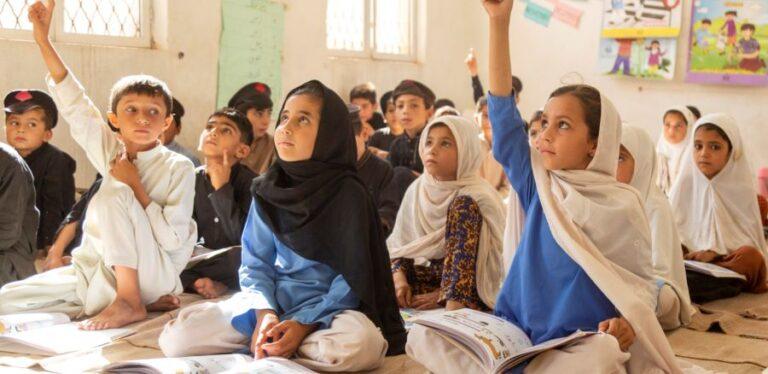
    A statistical report on the performance of the education system for the years 2021–2022 prepared by the Pakistan Institute of Education (PIE) says that two of every five Pakistani children are out of the country’s schooling system.

    The staggering revelations regarding the number of children who are not in school says that despite a decrease in the percentage of out-of-school children from 44 per cent in 2016–17 to 39 per cent in 2021–22, the absolute number has surged from 22.02 million to 26.21 million during the same period.

    The report has given rise to many questions, but two are most apt:

    Will a five per cent increment in the education budget by the provincial governments be enough to provide every child in Pakistan with 10 years of education?

    Will these increases be able to address the tremendous inequities in the education system and allow every child to explore his or her potential fully?

    Pakistani economist Dr. Kaiser Bengali says that “The state’s lack of interest in promoting education is leading us nowhere but to poor educational quality in both schools and universities.”

    Scarce toilet facilities

    Multi-grade teaching is quite common due to the lack of an appropriate number of teachers in schools, especially primary schools, the PIE report says, adding that the government does not have enough middle and high schools to offer a higher transition rate from primary to middle schools.

    It adds that the quality of education provided by the government is not up to par. On average, fifth-grade children are one or two grades behind where they should be. And just about two per cent of the candidates who take the civil service examinations even pass the written test.

    Toilet facilities are scarce in primary schools, leading to girls not going to school. It said that 24 per cent of primary schools across Pakistan do not have toilet facilities for students, adding that 10 per cent of middle and three per cent of high schools do not have this basic facility.

    The PIE report says that the dropout rate is high, while universal enrolment has not been achieved even at the primary level of education. Of 100 children enrolling in the first grade, no more than six make it to college level.

    Economic disparities and poverty are among the reasons families are unable to bear the educational costs of their children. Moreover, families expect their children to start working at early stages of life to contribute to family income.

    Commodified education

    According to Dr. Bengali, the inadequate syllabus of mathematics in the country, even in the elite private sector institutions, leads to poor understanding of the concepts and further leads to mere memorisation of the same.

    Nargis Rehman, Chairperson of the Pakistan Women’s Foundation for Peace (PWFFP) stressed the need for collective efforts to promote literacy among the underprivileged, highlighting the importance of skill training, extracurricular activities, and the employment of modern technologies in the education system. She also noted that Pakistan trails way behind its neighbouring countries in terms of development and education, saying that educational institutes have commodified education, turning it into a business.

    Educationist Baela Raza Jameel expressed his concern about the country’s lack of education policy since 2009. He also stressed the fact that the economic disparities in the country play a significant role in educational access.

    While allocating funds to the province and providing financial assistance to families can be helpful, it is not enough in this dire situation, educationists feel. To curb the situation, raising awareness about the importance of education should be a priority they say. There is also a need for more innovative thinking on how to achieve our educational goals.

    Edited by Gursimran Kaur

    Zoonoses: Sharing Our Health With Animals

    Zoonoses represent a critical intersection between human and animal health, underscoring the necessity of a One Health approach that integrates human, animal, and environmental health strategies. The spread of zoonotic diseases is driven by a complex array of factors.

    By Pankaj Dhaka, Simranpreet Kaur, Deepali Kalambhe, J.S. Bedi

    Today (Saturday 6 July) is world zoonoses day. It is a day to bring public attention to zoonotic diseases that can have significant public health implications as they can lead to outbreaks and pandemics. Notable examples include of zoonotic diseases are COVID-19, the Ebola Virus that spread from wildlife to humans, leading to severe outbreaks in Africa and the H1N1 Influenza, also known as swine flu (this disease spread from pigs to humans, causing a global pandemic in 2009). The COVID-19 pandemic is regarded to have originated from wildlife, underscoring, in public memory, the potential for zoonotic diseases to cause global health crises.

    Zoonoses are infectious diseases that can be naturally transmitted between animals and humans. These diseases are significant as they represent a large portion of all infectious diseases, with an estimated 60 per cent of known infectious diseases being zoonotic in origin. Zoonoses can be spread from various sources, including wild animals (Ebola from primates), bats (Nipah virus and coronaviruses); rodents (spreading diseases like hantavirus and plague) vectors like mosquitoes, flies, and ticks; farm animals (anthrax and bovine tuberculosis from cattle); and, pet animals (like rabies from dogs)

    Environmental reasons

    The spread of zoonotic diseases is influenced by a variety of existing and emerging factors. These factors can be categorized into environmental, agricultural, social, and economic influences. Understanding these factors is essential for implementing effective prevention and control measures. These include a Change in agricultural practices, Environmental changes, Socio-economic factors and Animal and food industry practices.

    For instance, raising healthy animals is crucial for preventing the spread of zoonotic pathogens. Implementing good farm biosecurity measures, such as regular veterinary care and proper sanitation, can help achieve this goal. Moreover, encroachment on natural habitats of wildlife due to the increasing demand for agricultural land accelerates contact between wild animals, domestic animals, and humans, increasing the risk of zoonotic spillover.

    Similarly deforestation and habitat destruction activities force wild animals into closer contact with human populations, facilitating the transfer of zoonotic diseases. This is coupled with climate change, that can alter the habitats of vectors (like mosquitoes and ticks), extending the range and activity of these disease carriers.

    Rapid urbanization and population growth can lead to overcrowded living conditions, which facilitate the spread of zoonotic diseases. The risk of zoonotic diseases due to urbanisation is compounded by globalization and travel – increased international travel and trade can lead to the rapid spread of zoonotic pathogens across borders.

    Animal and food industry practices emanate from intensive high-density animal farming that can create environments where zoonotic pathogens can thrive and spread rapidly. Simultaneously, poor food handling practices, including the consumption of raw or undercooked animal products, can lead to foodborne zoonotic diseases.

    How do zoonotic pathogens transmit?

    Zoonotic pathogens can be transmitted from infected animals to humans through various pathways. These pathogens include viruses, bacteria, parasites, and fungi, each with different characteristics affecting their capacity to spread and their transmission routes. The common transmission routes include:

    Direct contact with infected animals: For example, the rabies virus can be transmitted to humans through the bite of an infected dog.

    Consumption of contaminated food: Raw milk can be associated with diseases like brucellosis and tuberculosis. Improperly cooked meat is also a source of many foodborne pathogens, such as E. coli, Staphylococcus aureus, Salmonella, and Clostridium perfringens.

    Inhalation of airborne particles: Diseases like Q fever can be transmitted by inhaling contaminated dust from animal products.

    Vector-borne transmission: Diseases such as Lyme disease are spread by ticks, while malaria is transmitted by mosquitoes.

    Contact with contaminated environments: Pathogens like Leptospira can be contracted through exposure to water contaminated with animal urine.

    Preventive measures

    A combination of strategies need to be employed to mitigate the risk of zoonotic diseases:

    Improved biosecurity on farms: Implementing strict biosecurity measures, such as controlled animal movements, regular health checks, and sanitation, can prevent the introduction and spread of zoonotic pathogens.

    Sustainable land use practices: Reducing deforestation and managing agricultural expansion can minimize contact between wild animals and humans.

    Enhanced surveillance and reporting: Establishing robust surveillance systems for early detection and reporting of zoonotic outbreaks can help in timely interventions.

    Public awareness and education: Educating communities, especially those in high-risk occupations, about zoonotic diseases and prevention methods is crucial.

    Vaccination programs: Implementing vaccination programs for both humans (e.g., rabies) and animals (e.g., avian influenza) can significantly reduce the risk of disease transmission.

    Safe food practices: Ensuring proper handling, cooking, and storage of food products can prevent foodborne zoonotic diseases.

    One Health approach

    Zoonoses represent a critical intersection between human and animal health, underscoring the necessity of a One Health approach that integrates human, animal, and environmental health strategies. The spread of zoonotic diseases is driven by a complex array of factors, including agricultural practices, environmental changes, socio-economic conditions, and animal and food industry practices. The implications for public health are profound, affecting occupational groups, rural and urban populations, and potentially leading to global pandemics. Addressing the spread of zoonoses requires comprehensive strategies that encompass improved biosecurity measures, sustainable land use practices, enhanced surveillance and reporting systems, public education, and effective vaccination programs. Additionally, safe food practices must be promoted to prevent foodborne zoonotic diseases. By adopting these measures, we can mitigate the risks posed by zoonotic pathogens and protect both human and animal health.

    In countries like India, where over 70 per cent of the population is directly or indirectly involved in agricultural activities, awareness and prevention of zoonotic diseases are paramount. Rural populations often depend on livestock for their livelihood, which increases their exposure to zoonotic diseases. Ensuring the health of both animals and humans is essential for sustainable agricultural practices and economic stability.

    The authors work with the Centre for One Health at the Guru Angad Dev Veterinary and Animal Sciences University

    A Warming Planet is Global, Adaptation is Local and Resilience People-Specific

    Adaptation strategies demand a convergence of diverse approaches ranging from economic incentives and robust policy frameworks to locally driven interventions. Understanding the context of risk and vulnerabilities is fundamental to any policy response.

    By Sanjay Srivastava, T N Singh, Praveen Kumar and Naina Tanwar

    The summer of 2024 has shattered heat records, starkly illustrating the harsh realities of our warming planet. In India alone, the heatwave has claimed over 100 lives and caused more than 40,000 cases of heatstroke in recent months, according to data from India’s Health Ministry. This extreme weather event has further burdened the poor and vulnerable, exacerbating the social and economic toll of disasters.

    ‘A just transition’ in climate adaptation

    While risk emanating from warming planet is global, adaptation is always local, and resilience is specific to the people, community and ecosystem. In the vulnerable context, an inclusive approach to climate change adaptation, emphasizing ‘a just transition’ is the way forward. India’s National Adaptation Communication to the United Nations Framework Convention to Climate Change (2023) underscores this strategic focus.

    This commitment was further reflected by the significant increase in adaptation finance, with total adaptation expenditure reaching 5.6 per cent of the GDP in 2021-2022 growing from a share of 3.7 per cent in 2015-16.

    Bihar case: Intersection of multi-dimensional poverty and climate risk

    When extreme weather events intersect with multi-dimensional poverty, vulnerabilities already on threshold of tipping points reach closer to their limit. The state of Bihar in India exemplifies this challenge. NITI Aayog’s 2021 National Multidimensional Poverty Index (MPI) baseline report identifies Bihar as having the highest proportion of people who are multidimensionally poor.

    The state also ranks lowest in India’s NITI Aayog’s SDG Index Report, with over 60 per cent of the districts classified as highly vulnerable. This disproportionate impact of disasters on the poor is evident in eastern parts of India, where the lowest MPI values of Bihar coincide with districts which are perennially prone to floods.

    Bihar’s draft report on climate-resilient and low carbon development pathway (2024) emphasizes the need for resilient communities. Building resilient communities in vulnerable context requires adopting adaptation technologies backed by grassroots innovations and risk informed policy interventions.

    Indian Institute of Technology Patna located in Bihar can play a crucial role in closing the state’s adaptation gap with advance technology, leading a just transition in adaptation and fostering collaborative solutions for equitable climate resilience A just transition approach built on adaptation tech applications in the multi-dimensional poverty context is key to its successful implementation.

    Multi-pronged adaptation strategies

    Adaptation strategies demand a convergence of diverse approaches ranging from economic incentives and robust policy frameworks to locally driven interventions. Understanding the context of risk and vulnerabilities is fundamental to any policy response. Monitoring and mapping are key to target at risk vulnerable communities to embark upon ‘a just transition’ adaptation policy.

    The strategy has to move from sector to nexus approach to capitalize on inter- and cross sectoral linkages and synergies. This is important to avoid compound and cascading impacts across the sectors when disaster strikes. Adaptation technologies enable a ‘just transition’ pathways while addressing risk mapping and resilience building and responding to the climate extreme (Figure 1).

    Key enablers: An adaptation technology cluster

    Adaptation technologies comprise three clusters: (i) science-intensive, (ii) engineering-based and (iii) data science and risk analytics (Figure 2). Challenges lie in its customization and scaling up in specific context of vulnerabilities. ESCAP’s Risk and Resilience Portal, for example, synthesizes all three clusters and offers a unique capability to visualize current and future climate scenarios at baseline, 1.5 and 2 degrees.

    This foresight is crucial for understanding the evolving risks of floods, droughts, heatwaves and tropical cyclones, allowing for anticipatory actions for early warning for the changing hazard landscape.

    Opportunity for action: Operationalize adaptation technology cluster

    At scale, India is operationalizing adaptation technologies to support ‘a just transition’ in vulnerable context. The Mahatma Gandhi National Employment Guarantee Act (MNREGA) with an annual budget of $13 billion (2020) addresses locale specific adaptation priorities.

    Under MNREGA, assets are created across the country related to water harvesting, drought relief, flood control activities, and sanitation. Satellite derived Location based services are being utilized for planning and monitoring of nearly 7-8 million assets annually using mobile-based geo-tagging. The Online Geo-spatial maps with more than 30 million assets geotagged for all MGNREGA works across the country has been a game changer.

    Scaling adaptation technology cluster has helped in policy execution for social empowerment of poor and vulnerable population with leak-proof public delivery systems. Utilizing the JAM Trinity (Jan Dhan, Aadhaar, Mobile), over $406.9 billion has been transferred to 11.67 billion beneficiaries. Real-time monitoring via geo-tagging enhances transparency and financial inclusion of poor and vulnerable through targeted policy schemes.

    Further, start-up ecosystems are helping to scale adaptation technologies. For example, there are more than 2800 AgriTech start-ups in India driving innovation and transforming agriculture to adapt to climate risk situation. Having embraced Internet of Things (IoT) -enabled agricultural practices to now AI-enabled machines and tech, this burgeoning start-up ecosystem is quite promising. It is important to seize the moment of taking forward technological innovations to benefit India’s most vulnerable.

    A dedicated centre for climate change adaptation technology is important to promote research, knowledge generation and capacity building in India’s most vulnerable context with focus on inclusion and climate justice.

    Sanjay Srivastava is Chief of Disaster Risk Reduction Section, ESCAP; Professor T N Singh is Director, Indian Institute of Technology (IIT), Patna/India; Praveen Kumar is CEO (FIST-TBI), IIT Patna/India and Naina Tanwar is Consultant, Disaster Risk Reduction Section, ESCAP.

    This piece has been sourced from Inter Press Service.
    Image Credit: Pexels/Soubhagya Maharana

    UN Committee Urges India to End Racial Discrimination Against Rohingyas

    In a statement issued on Tuesday under its early warning and urgent action procedure, the committee also said that it was alarmed by reports of widespread racist hate speech and harmful stereotypes against Rohingyas.

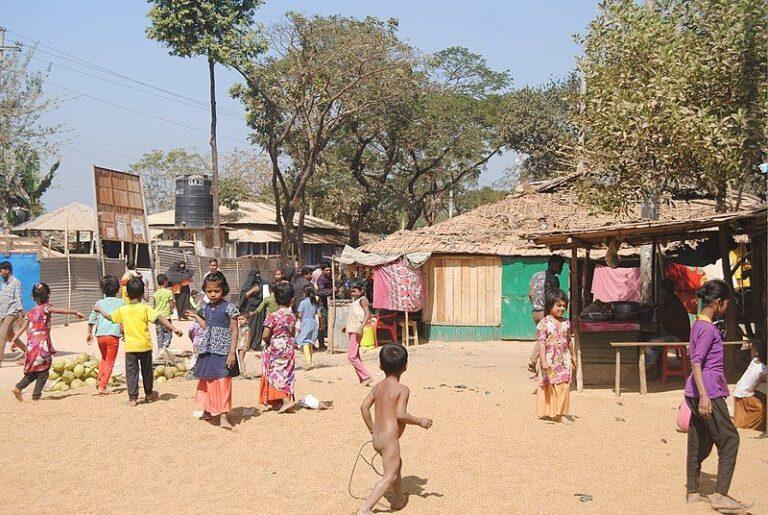
    The UN Committee on the Elimination of Racial Discrimination (CERD) on Tuesday  called on India to end the arbitrary detention of Rohingya who fled Myanmar to India and refrain from forcible deportation and returns to Myanmar, where they would risk being subjected to serious human rights violations and abuses.

    The Committee on the Elimination of Racial Discrimination monitors States parties’ adherence to the Convention on the Elimination of All Forms of Racial Discrimination, which, to date has 182 States parties. The Committee is made up of 18 members who are independent human rights experts drawn from around the world, who serve in their personal capacity and not as representatives of States parties.

    In a statement issued on Tuesday under its early warning and urgent action procedure, the committee also said that it was alarmed by reports of widespread racist hate speech and harmful stereotypes against Rohingya, including by politicians and public figures. It urged the State party to firmly condemn such heinous acts and ensure they are investigated and adequately punished, in compliance with its international obligations arising from the International Convention on the Elimination of All Forms of Racial Discrimination.

    The Committee said it was “concerned about reports of arbitrary mass detention of the Rohingya, including children, in inadequate conditions and in some cases without due process or access to legal representation.” It is also alarmed about reports of “several cases of forcible deportation and returns to Myanmar between 2018 and 2022 as well as the ongoing risk of deportation of the remaining Rohingya in India, in violation of the principle of non-refoulement.”

    It urged India to end the arbitrary mass detention of the Rohingya, and only apply immigration detention as a measure of last resort – for the shortest possible period – and to provide detained Rohingya with legal safeguards and access to legal counsel. It also called on India to ensure that living conditions in places of detention are adequate and in accordance with international standards. The Committee  further called on the State party to “end racial discrimination against Rohingya and to remove restrictions preventing them from enjoying their rights without discrimination, in particular with regard to access to employment, health and education, especially by ensuring the issuance of long term visas and other identity document.”

    The Committee called on the State party to continue to collaborate with the mandate of the Special Rapporteur on the situation of human rights in Myanmar, including by facilitating a country visit to India.

    CERD’s early warning and urgent action procedure primarily aims to consider situations that might escalate into conflicts, in order to take appropriate preventive actions to avoid full-scale violations of human rights under the International Convention on the Elimination of All Forms of Racial Discrimination.

    Image: Wikimedia

    Global Conclave on Plastic Recycling and Sustainability Kicks Off in New Delhi

    The conclave serves as a crucial platform for discussing innovations in recycling technologies, biodegradable alternatives, and effective waste management strategies, aligning with India’s ambitious zero waste objectives.

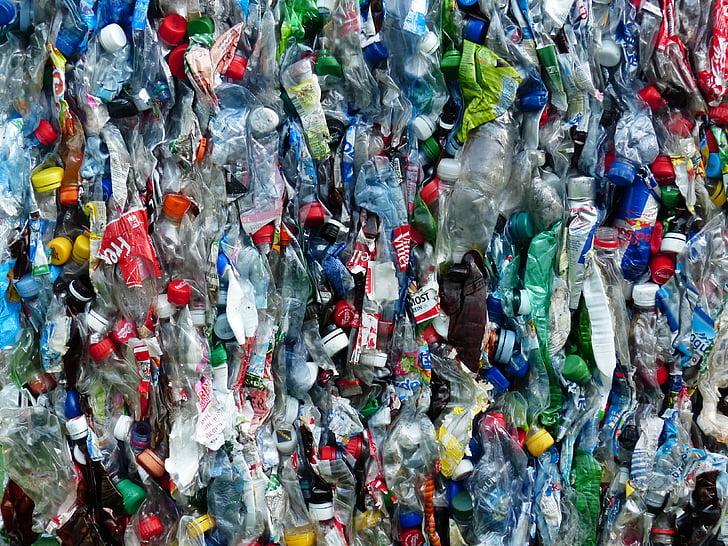
    The Global Conclave on Plastic Recycling and Sustainability (GCPRS) commenced today at Bharat Mandapam, Pragati Maidan, marking a pivotal moment in India’s commitment to addressing plastic waste challenges. The event was inaugurated by the secretary of the union ministry of chemicals and fertilizers, Nivedita Shukla Verma.

    Joining the inaugural session was Mercy Epao, joint secretary of the union ministry of micro, small and medium Enterprises, along with The All India Plastics Manufacturers Association (AIPMA) President Manish Dedhia and Chemicals and Petrochemicals Manufacturers Association (CPMA) President Kamal Nanavati.

    The joint initiative by the All India Plastics Manufacturers’ Association (AIPMA) and the Chemicals and Petrochemicals Manufacturers’ Association (CPMA) underscores the industry’s proactive approach towards environmental stewardship. The conclave not only highlights advancements in plastic recycling but also underscores the imperative for collaborative efforts in mitigating environmental impacts associated with plastic consumption.

    The conference saw participation from key stakeholders in the plastics industry, highlighting a concerted effort towards enhancing recycling practices amid global concerns over plastic waste management.

    In her address, Nivedita Shukla Verma underscored the importance of collaborative efforts in achieving sustainable solutions. She applauded the organisers for prioritizing a critical issue at a time when only a fraction of global plastic waste is recycled while emphasising the plastic industry’s economic significance and calling for intensified cooperation across sectors to foster sustainability. She highlighted the government’s plastic waste management rules, noting amendments aimed at expanding their scope and strengthening enforcement.

    Echoing this sentiment, Mercy Epao reaffirmed the ministry of MSME’s support for initiatives promoting sustainable practices within the plastic sector, including plans to establish an advanced export centre in Hyderabad. The event also received backing from various central ministries, illustrating widespread governmental endorsement of sustainable development goals.

    India’s burgeoning plastic recycling industry, expected to reach $6.9 billion by 2033, underscores the nation’s proactive stance on waste management. The GCPRS serves as a crucial platform for discussing innovations in recycling technologies, biodegradable alternatives, and effective waste management strategies, aligning with India’s ambitious zero waste objectives.

    CPMA President Kamal Nanavati emphasized the conclave’s role in fostering global collaboration to address plastic waste challenges comprehensively. Discussions over the four-day event will delve into industry-specific recycling solutions, with specialized sessions targeting sectors such as automotive, electronics, and pharmaceuticals.

    In addition to showcasing cutting-edge recycling technologies, the GCPRS features a CEO-level roundtable and panel discussions exploring regulatory frameworks and industry best practices. The event is set to catalyze new pathways for stakeholders across the plastic value chain, reinforcing India’s commitment to a sustainable circular economy.

    As the GCPRS unfolds, it promises to chart a course for sustainable growth within India’s plastic industry, uniting stakeholders behind shared goals of innovation, responsibility, and environmental conservation.

    Alongside the exhibition on plastic waste recycling technology, the GCPRS will host a CEO-level roundtable on July 4. Panel discussions on July 5 and 6 will cover plastic waste recycling in industries such as automotive, electronics, and pharmaceuticals.

    Image: Hippopx

    Bangladesh’s Plans to Produce Electricity from Hydrogen, Ammonia by 2035

    Looking ahead, Prime Minister Hasina reaffirmed Bangladesh’s commitment to increasing renewable energy’s share to 40 per cent of the country’s electricity production by 2041, underscoring the government’s proactive stance on sustainable energy solutions.

    Bangladeshi Prime Minister Sheikh Hasina disclosed the government’s ambitious plans to diversify her country’s energy production, aiming to include hydrogen and ammonia alongside solar and wind power generation.

    “It is expected that it would be possible to use hydrogen energy on a pilot basis in the country by 2035,” she said earlier this week in reply to a question from a fellow-Awami League lawmaker during the ongoing session of the country’s parliament.

    Responding to queries during a question-answer session in in the Bangladesh Parliament, Prime Minister Hasina outlined the roadmap for incorporating hydrogen energy into Bangladesh’s energy portfolio by 2035. She highlighted the establishment of a dedicated cell within the Rupantarita Prakritik Gas Company Limited (RPGCL), a subsidiary of Petrobangla, tasked with gathering research outcomes and global best practices in sustainable hydrogen production.

    Prime Minister Hasina emphasized the importance of leveraging global expertise to formulate project proposals that align with Bangladesh’s energy goals. She also expressed optimism about the Rooppur Nuclear Power Plant, with its first 1,200-megawatt unit slated for commercial operation by the year’s end, marking a significant stride towards meeting the nation’s energy needs.

    Looking ahead, Prime Minister Hasina reaffirmed Bangladesh’s commitment to increasing renewable energy’s share to 40 per cent of the country’s electricity production by 2041, underscoring the government’s proactive stance on sustainable energy solutions.

    The initiatives reflect Bangladesh’s proactive approach to meeting its growing energy demands through innovative and sustainable means, positioning the nation as a key player in the global shift towards renewable energy sources.

    CIC Claims 100% Disposal of RTI Appeals

    The CIC has conducted comprehensive training programs for nodal officers, central public information officers (CPIO), and first appellate officers. These initiatives have bolstered officers’ skills in drafting responses and ensuring compliance with statutory requirements.

    The Central Information Commission (CIC) has achieved nearly 100 per cent disposal of Right to Information (RTI) appeals. This milestone was highlighted during a recent high-level review chaired by union minister of state, Dr. Jitendra Singh, where the minister applauded the commission’s proactive role in governance – a significant stride towards transparency and citizen empowerment.

    Underlining the government’s commitment to transparency, Dr. Jitendra Singh noted the substantial reduction in RTI appeals pendency over the years. From 35,718 appeals in 2019-20, the number has steadily declined to 22,666 appeals in 2024-25. This trend reflects the commission’s efficiency in addressing citizen queries promptly and effectively, he said.

    “The pendency of RTI appeals is substantially reducing from 35718 appeals in 2019-20 to 29213 appeals in 2021-22, further reducing to 23087 appeals in 2023-24 and 22666 appeals in 2024-25 which is remarkable,” said Singh.

    Singh reiterated prime minister Narendra Modi’s vision of fostering transparency, accountability and good governance across governmental functions. He commended the CIC’s efforts during the COVID-19 pandemic, underscoring their uninterrupted service and the establishment of a branch in Jammu and Kashmir, significantly enhancing accessibility for residents.

    Empowering Information Officers

    Highlighting the commission’s proactive approach, chief information commissioner Heeralal Samariya emphasized the ongoing efforts in capacity building. The CIC has conducted comprehensive training programs for nodal officers, central public information officers (CPIO), and first appellate officers. These initiatives have bolstered officers’ skills in drafting responses and ensuring compliance with statutory requirements, he said.

    He also informed the minister about the steady progress and said the second appeals reaching to the CIC nearly 17,000 appeals are disposed of ever year.

    Heeralal Samariya expressed gratitude to the minister for his efforts in supporting the commission. He also highlighted that the CIC got its independent office complex after 2014 when the new government came (prior to this, the CIC was operated from rented premises).

    Looking ahead, Jitendra Singh urged for continued momentum in disposing of appeals and addressing citizen queries with even greater efficiency. He assured the commission of the prime minister’s unwavering support towards citizen-centric governance and reiterated the government’s commitment to transparency.