More

    Linkage of Commons to Agriculture and Livestock and its Impact on Village GDP

    The linkage of commons, encompassing land and water resources, with the agriculture and livestock sectors has had a significant impact on the village’s GDP. The total income generated from these sectors amounted to Rs. 1,616,140, while expenses were pegged at Rs. 1,199,122.

    By Mona Sisodiya

    The delicate balance between natural resources and human activities has always been a subject of critical importance, particularly in the context of sustainable development and economic growth. One of the paramount aspects of this interplay is the utilization of commons, including land and water, for agriculture and livestock management. These commons serve as the lifeline for rural communities, especially in agrarian economies like India’s, where agriculture continues to be a primary source of livelihood. The judicious use of these shared resources not only influences the socio-economic fabric of a region but also has a significant bearing on a nation’s Gross Domestic Product (GDP).

    Rawaliya village in the Gogunda block in the heart of Udaipur, Rajasthan, serves as a good point to explore the intricate relationship between the commons – land and water – and their profound impact on the agriculture and livestock sectors, ultimately affecting the GDP.

    The Udaipur region is emblematic of India’s agrarian heritage. Rawaliya village serves as an ideal microcosm for this study due to its unique ecological and socio-economic characteristics. Rajasthan, as a state, faces perennial water scarcity and arid conditions, underlining the cause of effective resource management a matter of survival for its rural populace. In such an environment, understanding how the community manages, shares, and benefits from the commons is not only an academic endeavour but also a practical necessity for devising sustainable policies.

    The Foundation for Ecological Security, renowned for its commitment to environmental conservation and community well-being, has been actively involved in empowering communities like Rawaliya to manage their commons efficiently. It is against this backdrop that we sought to uncover the complex web of relationships between land and water utilization for agriculture and livestock, assess their economic repercussions, and ultimately determine their contribution to the broader canvas of India’s GDP.

    Village GDP

    We explored the intricate relationship between common resources, particularly land and water, and their impact on the agricultural and livestock sectors, ultimately influencing the Gross Domestic Product (GDP) of Rawaliya Village.

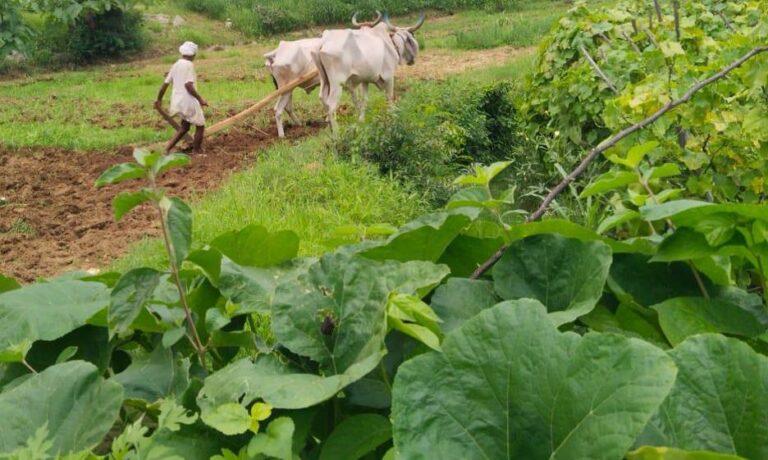
    The study examined the nexus between common resources and the agricultural sector. It analyzed how farmers in Rawaliya Village utilize common lands for crop cultivation, grazing, and other agricultural activities. Additionally, the research evaluated the role of common water resources, such as ponds and community wells, in irrigating agricultural fields and supporting livestock.

    To assess the economic impact of these linkages, the study quantified the contributions of common resources to the agricultural and livestock sectors, and subsequently, their influence on the village’s GDP. This analysis takes into account factors like agricultural productivity, income generation, and food security.

    The linkage of commons, encompassing land and water resources, with the agriculture and livestock sectors has had a significant impact on the village’s GDP. The total income generated from these sectors amounted to Rs. 1,616,140, while expenses were pegged at Rs. 1,199,122. This resulted in substantial savings of Rs. 3,246,105, contributing to the overall economic well-being of the community. Moreover, the consumption of Rs. 1,899,565 indicates that these resources play a crucial role in sustaining livelihoods and meeting basic needs.

    The utilization of common resources, such as the cultivation of custard apples and mahua, as well as the sustainable management of gum, wood, and paan, has not only added to the income of the community but has also created employment opportunities through initiatives like MGNREGA. The common pond, serving as a source of water for irrigation, has alleviated the financial burden of electricity bills, while free access to grass bundles valued at Rs. 162,300 has further supported the livestock sector.

    Boosted community’s income

    Additionally, collaborative efforts between the village committee and NGOs have resulted in the implementation of various developmental projects on common lands, including Contour Trenches, mini-percolation trenches, water anicuts, and border check dams. These initiatives have provided critical support to agriculture, enhancing productivity and resilience.

    In the agriculture sector, where most individuals own less than 0.55 hectares of land, common resources like the shared pond, combined with the use of manure and some fertilizers, have enabled successful cultivation. The reliance on tractors and the cultivation of both rabi-dominant crops like wheat and kharif-dominant crops like maize showcase the diversification and adaptability of the agricultural practices. Furthermore, the involvement of both male and female members of the community in farming activities highlights the inclusivity and equitable distribution of labour.

    In the livestock sector, goats play a central role, with 206 of them being the primary livestock. Utilizing grass from both individual and common lands has reduced the need to purchase grass from the market, resulting in cost savings. The use of pucca floors for goats has not only reduced medical and veterinary expenses but has also contributed to a decrease in goat mortality rates, promoting economic stability. Moreover, it has played a pivotal role in safeguarding against human chronic diseases.

    The linkage of the commons to the agriculture and livestock sectors has not only boosted the community’s income and savings but has also fostered sustainability, resource management, and improved livelihoods. These integrated practices have made a significant positive impact on the state’s GDP while promoting environmental conservation and inclusive development.

    Mona Sisodiya is pursuing MA Economics (final year) from Devi Ahilya Vishwavidyalaya, Indore. This piece has been extracted from the internship report submitted by the author as part of the Abhijit Sen Rural Internship programme of National Foundation for India (NFI).
    Rebuilding the Women’s Movement in Afghanistan, One Organization at a Time

    Since partnering with UN Women in October 2023, Siamoy is now able to pay seven full-time employees. They’ve also received five training sessions on strategic planning and project management.

    After the Taliban takeover, former magazine-owner Siamoy* redirected her work towards women’s empowerment and capacity-building. Focusing on the most vulnerable women, including illiterate women and women with disabilities, her NGO now provides training and start-up funding for women-led businesses in five provinces.

    “UN Women gave us hope – the kind of hope I had lost after the Taliban takeover,” says Siamoy. “I was in a deep depression. I thought I would go crazy. I had lost everything. … But now, thanks to UN Women, I have an office and employees.”

    Hers is among the 113 women’s organizations being supported across 19 provinces through the ‘Rebuilding the Women’s Movement in Afghanistan’ programme. Launched in mid-2022, the UN Women programme provides tailored training, skills-building and seed funds for small-scale initiatives.

    Women’s rights and employment in Afghanistan 

    According to International Labour Organization data, women’s employment rate was 25 per cent lower by the end of 2022 compared to before the Taliban takeover in 2021. With women also banned from working in national and international NGOs as of December 2022, and allowed to pursue a limited number of professions and run home-based small businesses, this programme is providing an essential lifeline for women to build their skills for future work and restore their hope.

    “In this difficult situation, UN Women is standing with us,” adds Siamoy. “We will get stronger through this support. If we support 20 women, those women will help another 20 women.”

    Since partnering with UN Women in October 2023, Siamoy is now able to pay seven full-time employees. They’ve also received five training sessions on strategic planning and project management.

    “The training on project management is one of the best I’ve ever received,” she says. “I’ve changed some of my goals. I don’t want to work for just 20 or 40 women in Faryab anymore. I want to work for 500 to 1,000 women across Afghanistan. I don’t just want to give them tailoring machines. I want to build a factory for them to have a lifetime source of income. I’m dreaming big now.”

    In a village in Ghor Province*, 43-year-old Bita* secretly surveys women to find out who are most in need. She established a local organization in 2011 that ran projects for elderly women but had to cease its activities. It wasn’t until 2022 that she was able to revive it, after partnering with UN Women.

    “When we established our organization, we had just a few members, no formal policies, plans or real structure,” Bita admits. “But a UN Women colleague supported us with developing a policy. Another colleague helped us devise our organization’s structure.  … This has boosted our confidence.”

    Building skills, capacity and hope for women in Afghanistan

    In Mazar, Balkh Province, 30-year-old Najiba* had established a women’s organization in 2019 and was working as a manager at a private company. But after losing her job following the Taliban takeover, she decided to focus her energy on her organization.

    With support from UN Women since January 2024, Najiba can now pay her 10 employees, who hadn’t earned any income since joining. She says training on management, monitoring and proposal-writing have all been extremely helpful.

    “We now have a lot of information, which has opened a window of hope for us, especially on safeguarding [beneficiaries from risks] – a topic we learned about for the first time. Trainings on how to make policies and define our goals have also helped us refine and make ours more professional,” says Najiba.

    In Baghlan, 23-year-old former medical student Kamela* is a programme officer with a women-led organization dedicated to capacity-building for women and youth, who also received training from UN Women on project management.

    “A key lesson I took from the training is my value as a programme manager. Employees have power and I must recognize my power and that what I am doing is really important,” says Kamela.

    “The training motivates us to do more. … we’re starting from the ground-up to help each other. UN Women is so supportive, regularly coming to our office to coach us. They tell us that we are doing good, then tell us how we can do things even better. They tell us how to be more impactful with our actions and guide us step-by-step and face-to-face. When we go to the UN Women office, they convey knowledge in a way that really motivates us.”

    According to UN Women Special Representative in Afghanistan Alison Davidian, supporting women-led grass-roots organizations is not only helping to keep them afloat but preparing them for future larger-scale work: “This is UN Women’s value added – our commitment to investing in women’s organizations, not only financially but through long-term, consistent technical investment and capacity-building to ensure their success, motivate them and promote their sustainability.”

    As of May 2024, the “Rebuilding the Women’s Movement in Afghanistan” flagship programme has partnered with 113 organizations in 19 provinces and supported at least 515 women earn salaries. This programme is made possible through the generous support of donors including: the Governments of Austria, Belgium, Canada, Norway, Spain, Sweden and Switzerland.*

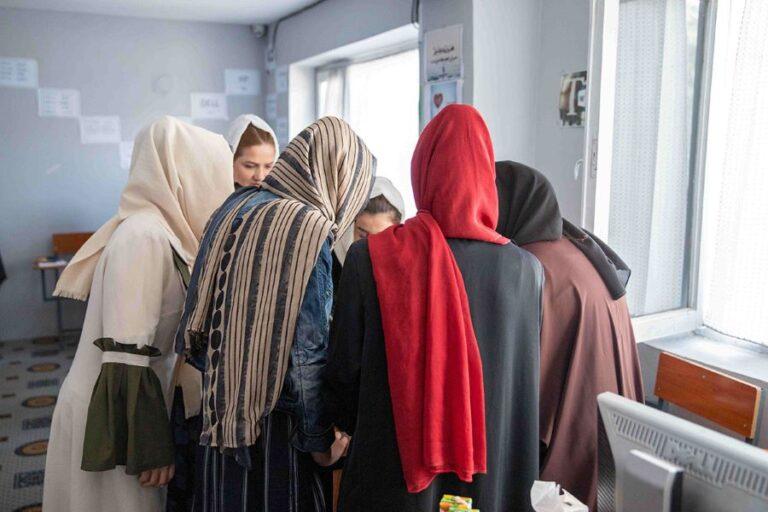
    Names, locations, and details changed to protect the identity of the protagonists. They are also not shown in the accompanying photos.

    Why are Women with Disabilities Left Behind in the Menstrual Health Discourse?

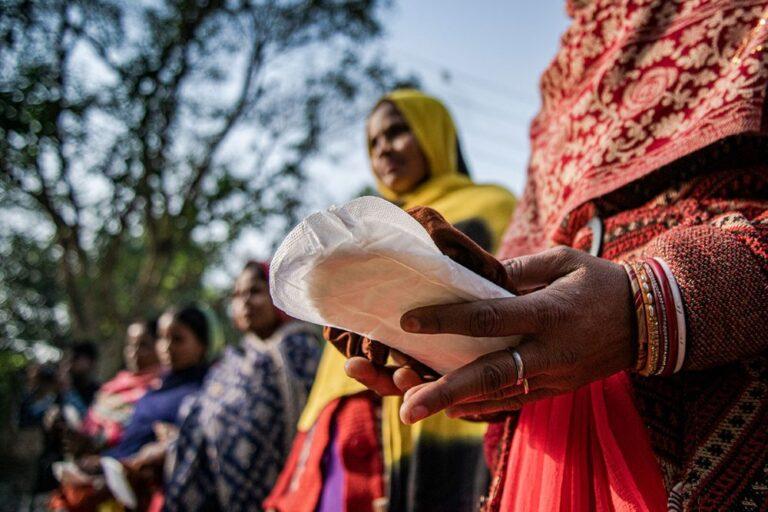
    As we observe the eleventh World Day of Menstrual Hygiene and celebrate the wins, it equally important to reflect and find the gaps. The Menstrual Health and Hygiene Management discourse cannot be mainstreamed, till we ensure that every menstruator, regardless of their abilities, can manage their menstrual health with dignity and ease.

    Chandni Ahuja

    In recent years, India has made positive strides towards period positivity. With the collective efforts of the government and civil society to mainstream the conversation around menstrual health and hygiene (MHH), many menstruators now have better access to menstrual health resources.

    Despite this positive progress, menstruators with disabilities have been left behind. According to the World Health Organization (WHO), there are over 190 million women worldwide living with disabilities. These Women with Disabilities (WwD) face the double burden of having a disability and being a woman in a patriarchal society.  Research indicates that WwDs are at a higher risk of experiencing menstrual disorders and reproductive health issues compared to their non-disabled counterparts.

    The concept of menstrual health has evolved since the first world day for menstrual hygiene was observed in 2013. In 2021, a new definition of menstrual health emerged, emphasising it as a holistic state of well-being encompassing physical, mental, and social dimensions, rather than mere absence of disease during the menstrual cycle. This shift broadened the focus from menstrual hygiene to include aspects such access to accurate information, timely diagnosis and treatment, supportive facilities, and fostering a stigma-free environment for all menstruators, regardless of their abilities, gender, or impairments.

    In the context of disability, this new definition calls for inclusive Water, Sanitation and Hygiene (WASH) facilities, healthcare, and educational content on menstrual health and hygiene management (MHHM).

    Disability-responsive infrastructure and policies

    During their menstrual cycle, women and girls with disabilities face amplified challenges due to limited mobility, cognitive capacities, and social perceptions of disability and femininity. Moreover, it is important to acknowledge the diversity and intersectionality within disabilities. Each disability has its own specific need, and a one-size-fits all approach cannot be adopted for disability-inclusive solutions. To understand the challenges faced by menstruators with disabilities, it is imperative to consult them at every stage of decision making and policy making process. By engaging Persons with Disabilities and their organisations, policymakers can ensure that MHM policies and programmes are responsive to the diverse needs and experiences of individuals with disabilities.

    One of the biggest barriers faced by menstruators with disabilities is the lack of accessible WASH facilities. Inaccessible public toilets restrict the participation of women and girls with disabilities in public life, limiting their potential to work and enjoy public spaces. This can also translate to serious health complications if a menstruator does not get access to change the menstrual product (sanitary pads, tampons, period cups) on time.

    The first step to promote hygiene and safety for all women with disabilities is investing in accessible WASH infrastructure, by promoting inclusive design principles and sensitising stakeholders. As MHHM is context specific, the end-user needs to be consulted for the design to be universally accessible. The infrastructure needs to be responsive enough to accommodate the needs of all women, regardless of their disabilities, and also fit in their caregivers. In some instances, gendered toilets restrict the access of women with disabilities if they are dependent on their caregivers. Therefore, many menstruators may benefit from universally accessible, gender-neutral toilets. 

    Accessible MHM products and communication

    As per the National Family Health Survey 2019-20, less than two-thirds of girls with disabilities aged between 15 to 24 years use hygienic menstrual hygiene products. The less-than-enthusiastic adoption is accredited not just the inaccessible design, but also the lack of awareness.

    Communication (IEC) material and training modules on MHM often overlook the needs of WWDs, and remain inaccessible due to their design. These programmes and materials also fail to target the caregivers of WWDs, who are unable to provide the proper care and assistance required to girls and WWDs during their menstruation period. This lack of information also reinforces the social stigmas about the sexual agency and reproductive abilities of WWDs, translating to misconceptions about them being asexual or unable to manage their fertility. In some instances, girls and women with disabilities are advised by their family members and even doctors to get a hysterectomy to manage their periods better.

    This calls for a sustained and more focused approach for the promotion of menstrual hygiene products and menstrual health awareness for WWDs and their caregivers. Persons with disabilities require IEC material in multimodal communication (different formats for different abilities) such as braille prints, audio description for visuals, closed captioning for videos and sign language interpretation. It is also important to educate caregivers and WWDs about the variety of menstrual products on the market is crucial. Those with intellectual impairments may have heightened sensitivity to materials and may prefer softer options to minimise irritation. Similarly, women with mobility issues might benefit from products that last longer between changes.

    More importantly, persons with disabilities and their caregivers should not be mere participants, but also equal partners in sensitisation programmes, where they are given a stage to share their lived experiences.

    Despite being guaranteed equality under the Rights of Persons with Disabilities Act of 2016, more than two crores Indians with disabilities are still denied full access to public spaces due to physical and social barriers. As we observe the eleventh World Day of Menstrual Hygiene and celebrate the wins, it equally important to reflect and find the gaps. The MHHM discourse cannot be mainstreamed, till we ensure that every menstruator, regardless of their abilities, can manage their menstrual health with dignity and ease.

    Chandni Ahuja is a communication specialist working at GIZ India. With over 7 years of work experience in the social sector, she is passionate about gender and disability advocacy and has worked with several NGOs to ensure the effective and meaningful participation of persons with disabilities.

    Image: UNICEF/Priyanka Parashar

    Indian Ocean Temperature Index Signals Dengue Outbreaks

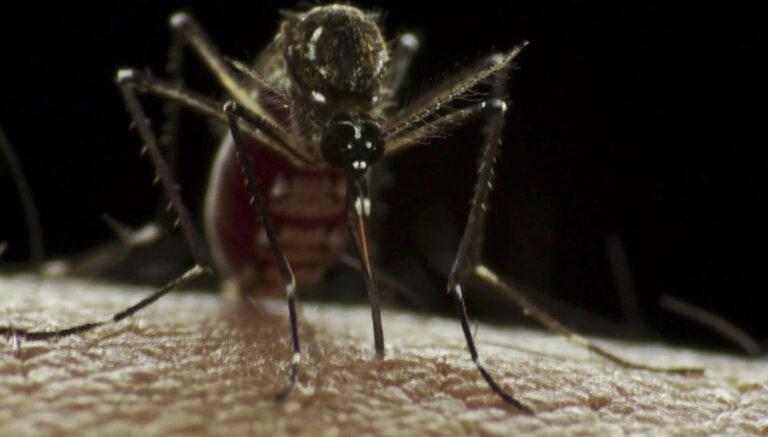
    An Indian Ocean basin-wide index is possible predictor of dengue outbreaks, scientists say, arguing that higher surface temperature of the ocean can alter weather patterns globally and this creates favourable conditions for mosquitoes to breed and spread dengue.

    An index which measures temperature changes in the Indian Ocean could provide an early warning of dengue outbreaks, to trigger a more effective public health response, researchers say.

    Nearly half the world’s population is at risk from dengue, a mosquito-borne viral disease common in tropical climates that causes up to 400 million infections a year, according to the World Health Organization (WHO).

    Sea surface temperature fluctuations in the Indian Ocean may predict the severity of dengue outbreaks up to nine months in advance in some Asian and South American countries, a study published in the journal Science suggests.

    Scientists identified the Indian Ocean basin-wide index (IOBW), a measure of average sea-surface temperatures in the basin as the “most influential in impacting dengue outbreaks in both hemispheres” after examining 30 global climate indices.

    The international team of researchers say higher sea surface temperatures in the Indian Ocean can alter weather patterns globally, fostering environments conducive to mosquito breeding and the spread of dengue.

    Local climate indicators like temperature drive seasonal dengue upticks, but global climate patterns also capture yearly incidences, they say.

    “While local temperature can provide a forecast up to three months in advance, the IOBW index extends this lead-time to nine months, offering a more robust early warning system,” says study co-author Yiting Xu at the School of National Safety and Emergency Management, Beijing Normal University, China.

    Current dengue early warning systems use climate indicators such as rainfall and temperature to predict disease trends. For instance, El Niño events impact dengue transmission dynamics worldwide by affecting mosquito breeding conditions.

    To unravel long-distance climate drivers of dengue outbreaks, researchers modelled associations between global climate patterns and seasonal and yearly case numbers, using dengue case data reported from 32 countries in the Americas and 14 in Asia, including India, between 1990 and 2019.

    Linked to El Niño events

    The index could effectively model dengue outbreaks not only in Asian countries such as Thailand, Singapore and the Philippines but also South American countries like Venezuela, Brazil and Peru.

    A simulation of dengue transmission scenarios with and without the IOBW index accurately reproduced the 2015-2016 outbreak and the substantially reduced dengue epidemics worldwide in 2017-2018, corresponding to a warm IOBW event in 2015-2016 and a cold IOBW event in 2017-2018.

    The researchers plan to include factors like vector control, socioeconomic conditions, and local herd immunity to improve future validations and develop comprehensive indicators for dengue early warning systems.

    Ramesh Dhiman, an environmental epidemiologist and formerly with the Indian Council of Medical Research’s National Institute of Malaria Research, says rainfall, water supply and a community’s lifestyle – for example housing and personal protection measures – also affect disease transmission and the timing of outbreaks.

    “A lot can change in the time leading up to the outbreak with regard to rainfall pattern, number of rainy days, and continuous or interrupted rainfall,” says Dhiman, adding: “It may not be possible to predict outbreaks more than four to five months ahead of time.”

    But Dhiman says rainfall indirectly results in better survival of Aedes mosquito vectors through increased humidity.

    “Our studies in India… have found that dengue outbreaks are closely linked to El Niño events, as well as monsoon and post-monsoon rains in some states, whereas others show a decrease in dengue cases during summer El Niño events,” says Dhiman.

    He also warned that as temperatures rise, regions previously too cold for dengue may start experiencing local transmission of the disease.

    This piece has been sourced from SciDev.Net

    Image: Sanofi Pasteur (CC BY-NC-ND 2.0 DEED).

    WIPO Treaty Big Win for India and Global South

    The agreement on rights of communities related to their genetic resources and traditional knowledge was concluded at the WIPO headquarters in Geneva on Friday.

    The World Intellectual Property Organisation (WIPO) has finally arrived a treaty that protects traditional knowledge of the Global South, a spokesperson of the Union Ministry of commerce and industry announced on Friday.

    The WIPO treaty on intellectual property, genetic resources (GRs) and associated traditional knowledge (ATK), the spokesperson said, is a “significant win” for India and the Global South as it will help protecting traditional knowledge from being misappropriated by big business, depriving rightful ownership of the knowledge to the communities where the knowledge has originated from.

    The treaty relating to genetic resources and traditional knowledge associated with the genetic resources culminates 25 years of discussions and negotiations, the spokesperson added. He said that the pact provides additional safeguard to the rich genetic resources and traditional knowledge of countries like India as it protects them from misappropriation by transnational corporations.

    The agreement is a result of hard bargains and deliberations over two weeks involving 192 countries and 86 observers.

    India is a mega biodiversity hotspot with abundance of traditional knowledge, and wisdom, the ministry said in a statement on Sunday.

    For the first time the system of knowledge and wisdom which have supported economies, societies and cultures for centuries are now inscribed into the global intellectual property (IP) system. For the first time, again, the connection between local communities and their GRs and ATK is recognised in the global IP community. “These are historic achievements long championed by India as a provider of traditional knowledge and wisdom and repository of biodiversity,” the ministry said. 

    The treaty will not only safeguard and protect biodiversity but will increase transparency in the patent system and strengthen innovation. Through this, the IP system can continue to incentivize innovation while evolving in a more inclusive way, responding to the needs of all countries and their communities. 

    Mandatory disclosure obligations

    The treaty also marks a big win for India and the global south which has for long been a proponent of this instrument. After two decades of negotiations and with collective support this treaty has been adopted at the multilateral fora, with a consensus among more than 150 countries. 

    A PIB press release says, “With the majority of the developed countries on board, who generate IP and use these resources and knowledge for research and innovation this treaty paves the way for bridging conflicting paradigms within the IP system and the protection of biodiversity which have existed for decades.” 

    The treaty on ratification and entry into force will require contracting parties to put In place, mandatory disclosure obligations for patent applicants to disclose the country of origin or source of the genetic resources when the claimed invention is based on genetic resources or associated traditional knowledge. This will offer added protection to Indian genetic resources and traditional knowledge, which while currently protected in India are prone to misappropriation in countries which do not have disclosure of obligations. Therefore, by creating global standards on disclosure of origin obligations, this treaty creates an unprecedented framework within the IP system for provider countries of Genetic resources and associated traditional knowledge. 

    At present, only 35 countries have some form of disclosure obligations, most of which are not mandatory and do not have appropriate sanctions or remedies in place for effective implementation. This treaty will require contracting parties, including the developed world,  to bring changes in their existing legal framework for enforcing disclosure of origin obligations on patent applicants. 

    The treaty marks the start of the journey to achieve collective growth and deliver the promise of a sustainable future, a cause which India has championed for centuries.

    Ministry of Ayush to organize Sensitization Program for General Insurance Companies and Ayush Hospital Owners

    The program will discuss the regulatory framework and policy support needed to mainstream Ayush treatments in health insurance schemes and facilitate a dialogue between key stakeholders to address both challenges and opportunities.

    To foster a deeper understanding and collaboration between the insurance sector and provide affordable Ayush healthcare to all citizens, Ayush Hospitals & healthcare providers, the Ministry of Ayush, Government of India is organising a sensitisation program specially designed for Executive leadership teams of General Insurance Companies and owners of Ayush Hospitals.

    The programme will take place on Monday at the All India Institute of Ayurveda, New Delhi. The programme intends to not just enhance the accessibility and affordability of Ayush treatments for the public, ultimately promoting holistic health and wellness across the nation, but also facilitate in the empanelment of public and private Ayush hospitals for insurance coverage in India.

    The program will discuss the regulatory framework and policy support needed to mainstream Ayush treatments in health insurance schemes and facilitate a dialogue between key stakeholders to address both challenges and opportunities. Other key issues of discussion are – Insurance coverage in Ayush Sector, Standard Treatment Guidelines (STG) & ICD Codes for Insurance Sector, Penetration of Ayush in Insurance Sector, Ayush Hospital’s Prospective, Achievements and Success Stories of AIIA, On boarding of Ayush hospitals on ROHINI platform, Empanelment of Ayush hospital for insurance coverage.

    Particularly Vulnerable Tribal Groups Need Special Attention

    Civil society organisations play a critical role in monitoring the actions of the authorities, and hence, local NGOs, societies, and so on must be actively involved in the monitoring of government work among Particularly Vulnerable Tribal Groups.

    By Karishma Nagesia

    Livelihood is the subject of a dynamic debate in society. The most widely accepted definition of livelihood is provided by Robert Chambers and Gordon Conway, who define livelihood thus: ‘a livelihood comprises the capabilities, assets (including both material and social resources) and activities required for a means of living’.  Livelihood essentially revolves around people, their resources such as land, crops, seeds, labour, knowledge, cattle, money, social relationships, and so on. Further, under Article 21 of the Indian Constitution, right to livelihood is an integrated part of fundamental right. This Right imposes the duty on State to provide security to livelihoods of its citizens.

    After independence, the prime mission of the India has been to improve the living condition of its people. For the past 75 years, Indian has given special attention for the development and improving the living condition of the people belonging to the backward categories. Tribals are one of the communities falling under backward category. As per the 2011 census of India, the total population of tribal people in India is 8.6 per cent. These tribal people are identified by the list notified by the central government. They are considered to be the most vulnerable, isolated and undeveloped communities in the society.

    Dhebar Commission

    During 1960s the Dhebar Commission stated that within Scheduled Tribes there existed an inequality in the rate of development. During the fourth Five Year Plan, a sub-category was created within Scheduled Tribes to identify groups that considered to be at a lower level of development. This was created based on the Dhebar Commission report and other studies. This sub-category was named “Primitive tribal group”. They were first classified by the Government of India in 1975–1976 using the following criteria to identify PVTG: (i) pre-agricultural level of technology; (ii) very low level of literacy; and (iii) declining or stagnant population. In 2006 the government of India proposed to rename “Primitive tribal group” as “Particularly vulnerable tribal groups” (PVGTs). Presently there are 75 PVTG identified in India. These PVTGs mostly lives in rural areas of India.

    India has adopted various schemes for the development and to remove poverty among these PVTGs. The concern, yet, is how effectively these national schemes, law and policy, are working for the development and for the improvement of livelihood condition of the PVTGs. There always remains a loophole for the effective implementation of these schemes and benefits. Local self-governance, education, health facilities, water facilities, shelter, job security etc, are considered to be the matter of basic livelihood securities. There is no doubt that, India does have a well-planned policy for improving the living standards of PVTGs, but what they need is a strong law for monitoring and implementation of these policies.

    Civil society organisations

    An in-depth examination of the living conditions of the PVGTs, socioeconomic predicament, and interaction with forests shows key difficulties and challenges confronting this marginalised section of society. It illuminates the complex dynamics of rural life, economic difficulties, and the critical need for social and environmental justice. Prolonged legal battles and internal politics have stalled development, leaving many tribes in poverty and with limited prospects for progress. Limited education opportunities, coupled with poverty, force many tribe members to migrate seasonally for work, often living in precarious conditions. The Indian Constitution provides a strong foundation for addressing the living conditions of marginalized communities and promoting social justice. However, the gap between constitutional ideals and on-the-ground realities is evident. Bridging this gap requires concerted efforts, inclusive policies, and equal opportunities for forest-dwelling tribes, particularly PVTGs.

    The development of the PVGTs requires a multifaceted approach that addresses their social, economic, educational, and healthcare needs while respecting their cultural heritage and rights.

    Civil society organisations play a critical role in monitoring the actions of the authorities, and hence, local NGOs, societies, and so on must be actively involved in the monitoring of government operations.

    Strong laws needed

    Besides this, strong laws and restrictions must be implemented in order to reduce the political use of this section of our tribal population. Each hamlet must have at least one legal assistance agency and the government must spend in providing these people with a high-quality education. There should be a legal education programme in the village.

    Finally, the law governing the unorganised sector must be strengthened in order to ensure the safety of these individuals. In order to improve living conditions, greater power should be assigned to the panchayat, as well as aid help to panchayat through local non-governmental organisations and authorities on regular basis.

    Karishma Nagesia studies at the National University of Study and Research in Law, Ranchi. This piece has been extracted from her research report following her stint as an Abhijit Sen Research Intern with the National Foundation for India.

    Vigilance Needed to Avert Spread of Bird Flu to Humans

    Concerns on bird flu’s pandemic potential grew following its spread to dairy cows. Although of great concern there is yet no sign of H5N1 spreading between humans. Experts say that urgent biosecurity measures needed in the entire value chain to contain and monitor its spread.

    Health experts are calling for tighter biosecurity measures in global poultry production, from farms to markets, to monitor bird flu (avian influenza) following its spread among dairy cows in the United States.

    Since 2003, 888 cases of human infection with the avian influenza virus, also known as H5N1, have been reported from 23 countries, of which 463 were fatal, according to the World Health Organization (WHO). Vietnam, Cambodia, and Indonesia are among the worst affected.

    “Although the number may appear not as big as many other outbreaks, we need to bear in mind that each infection in humans is an attempt of the virus to try to establish itself in [the] human population,” says Wenqing Zhang, head of the WHO’s global influenza programme.

    “Although the chances are slim so far, as long as it succeeds just once, it is a start of an influenza pandemic…”

    Symptoms in humans range from mild upper respiratory problems to severe illness such as pneumonia and multi-organ failure.

    The recent outbreak among dairy cows in the US indicates that H5N1 is expanding its range beyond birds, sparking concerns worldwide especially in many Asian countries where avian influenza has become endemic.

    While the virus has not shown signs of adapting to allow human-to human transmission, the WHO is calling on countries to enhance surveillance measures and improve food hygiene practices.

    Anyone exposed to infected live or dead poultry or infected animals, or contaminated environments such as live bird markets, is at risk, says Zhang.

    ‘Compromised biosecurity’

    Bangladesh is considered a “hotspot” for the emergence of zoonotic infectious diseases due to its dense population, diverse wildlife and increasing urbanisation and deforestation.

    Here, surveillance in live bird markets, also known as wet markets, reveals a high prevalence of avian influenza in poultry and the surrounding environment, which heightens the risk of so-called “zoonotic spillover” – the transmission of virus from animals to humans – says Nadia Rimi, associate scientist and coordinator of the Programme for Emerging Infections at ICDDR,B, an international health research institute in Dhaka.

    In Bangladesh, the H5N1 virus has become endemic in poultry, Rimi tells SciDev.Net.

    “There are numerous small-scale poultry farms and live bird markets across the country with compromised biosecurity conditions and hygiene practices, which create a conducive environment for spreading of infectious pathogens,” she says.

    Other countries in the region have similar poultry farming and selling practices and biosecurity conditions. India, Pakistan and Nepal have also reported a few cases of human H5N1 infection.

    “What’s also concerning and what would precipitate greater spread is if the [avian influenza] virus were to find itself into the pig population… a perfect vessel through which an even more virulent strain could emerge,” said Nirav Shah, principal deputy director at the US Centers for Disease Control and Prevention, in a Council on Foreign Relations briefing earlier this month (1 May).

    According to Rimi, the greatest risk is the “probability of coinfection and genetic reassortment” with other influenza viruses in humans, which could lead to the emergence of a novel influenza virus strain “with pandemic potential”.

    The H5N1 strain of the virus has widely spread among wild birds, poultry, land and marine mammals and now in dairy cows. So far, only one case of cow-to-human transmission has been confirmed in a US dairy worker.

    The WHO recommends that people worldwide consume pasteurised milk as preliminary tests show that pasteurisation kills the virus detected in raw milk.

    Early bird flu control

    A recent study by scientists from the interdisciplinary research and development programme, One Health Poultry Hub, highlights that bird flu control for pandemic prevention must start before poultry reaches wet markets.

    Rimi says that controlling chickens entering the market and vaccinating them requires multipronged interventions at the farm and transportation level as well as the markets themselves.

    “We are currently implementing interventions in the live bird markets, including weekly rest days, routine cleaning and disinfection…to explore if these are acceptable, feasible and effective for these resource-poor settings”, she adds.

    The findings from the study – based on computer modelling using data from Bangladesh – showed that nine in ten chickens that entered live bird markets without having been previously exposed to the H9N2 subtype of avian influenza virus became infected with it when they remained there for one day.

    The time between a bird being infected with H9N2 and it becoming contagious could be less than five and a half hours in a live bird market and one in ten birds arrived at the markets already exposed to H9N2, according to the researchers.

    Vietnam on alert

    In April, Vietnam reported its first human infection with the H9N2 strain.

    Pawin Padungtod, senior technical coordinator at the Food and Agriculture Organization’s Emergency Centre for Transboundary Animal Diseases in Vietnam, says the virus is being closely monitored in the Greater Mekong sub-region under a One Health approach, which balances the health of people, animals and ecosystems.

    He says, poultry vaccination against viruses has been a crucial strategy in Vietnam’s bird flu control efforts. Regular surveillance is conducted to detect and monitor the incursion of any new avian virus and determine the efficacy of vaccines.

    “These surveillance activities have been providing crucial information to support vaccine selection and identification of areas where [avian influenza] outbreaks are more likely to occur,” Padungtod tells SciDev.Net.

    “Vietnam has been removing unsold chickens and it uses H9 vaccine to reduce exposed birds entering the market. We can further use the evidence provided in this study to advocate for [bird flu] vaccination in animals and strengthen live bird market biosecurity in the country.”

    This piece has been sourced from SciDev.Net

    Image:  NIAID (CC BY-NC-ND 2.0 DEED).

    Groundbreaking Research on Air Pollution in North India by IIT Researchers

    Comparing the oxidative potential of Indian PM2.5 with countries across the Asia-Pacific and European regions reveals alarming findings. Indian PM’s oxidative potential surpasses that of Chinese and European cities by up to fivefold.

    In a significant step towards understanding and addressing the issue of air pollution, researchers from Indian Institute of Technology (IIT) Jodhpur have published ground-breaking research in Nature Communications journal, shedding light on the sources and composition of particulate matter (PM) in Northern India that are harmful to human health.

    Contrary to the common belief that reducing overall PM mass would alleviate health impacts, this comprehensive study highlights the importance of addressing local inefficient combustion processes – such as biomass and fossil fuel burning, including traffic exhaust in effectively reducing PM-related health exposure and their associated impacts in Northern India, says Dr. Deepika Bhattu, Associate Professor and lead author of the article.

    The study addresses three critical scientific questions crucial for consideration of Indian Policymakers in devising data-driven, effective mitigation strategies under the ongoing National Clean Air Programme (NCAP).

    1. Fine PM (PM2.5) source identification and their absolute contribution, with unprecedented clarity between their local and regional geographical origin.
    2. A comprehensive and unequivocal distinction between directly emitted PM and those formed in the atmosphere. This is the first time such a distinction is clearly made over a large spatial and temporal scale.
    3. Determination of the harmfulness of PM by correlating its oxidative potential with local and regional sources within the study region.

    Leveraging the power of advanced aerosol mass spectrometry techniques and data analytics, the study was conducted at five Indo-Gangetic Plain sites, both within and outside Delhi. It found that although uniformly high PM concentrations are present across the region, the chemical composition varies considerably as the local emission sources and formation processes dominate the PM pollution. Within Delhi, the study says, ammonium chloride and organic aerosols originating directly from traffic exhaust, residential heating, and the oxidation products of fossil fuels emissions produced in the atmosphere dominate PM pollution.

    Inefficient combustion processes

    In contrast, outside Delhi, ammonium sulphate and ammonium nitrate, as well as secondary organic aerosols from biomass burning vapours, are the dominant contributors. However, regardless of location, the study highlighted that organic aerosols from incomplete combustion of biomass and fossil fuels, including traffic emissions, are the key contributors to the PM oxidative potential, which drives PM-associated health effects in this region.

    Comparing the oxidative potential of Indian PM2.5 with countries across the Asia-Pacific and European regions reveals alarming findings. Indian PM’s oxidative potential surpasses that of Chinese and European cities by up to fivefold, marking it as one of the highest observed globally. 

    Addressing India’s air pollution crisis requires collaboration among local communities and stakeholders as well as societal changes especially in densely populated urban areas like Delhi, Dr. Deepika Bhattu emphasizes. Moving forward, concerted sustainable efforts are needed that promote cleaner energy sources, improve combustion efficiency and reduce emissions from transportation mainly from outdated, overloaded and inefficient vehicles fleet and remove unauthorized (jugaad) vehicles.

    “Our study provides valuable insights for evidence-based policies and interventions aimed at safeguarding public health and the environment for future generations,” says Dr Bhattu. “Prioritizing mitigation strategies based on the most significant health impacts, particularly targeting local inefficient combustion processes, is essential in Northern India.”

    Image: Wikimedia

    Understanding India’s Evolving Middle Classes

    The heterogenous and diverse middle class in India, classified by different occupations, education and income levels, has significantly expanded since the 2000s. It now represents a sizeable consumer market for both domestic and global businesses. But it also faces challenges such as increasing joblessness and potential social unrest.

    India’s middle class first emerged in the early nineteenth century, when British policies gave rise to a small group of educated, upper caste, English-speaking Indian elite. But the economic potential of the Indian middle class only became a major phenomenon in the twenty-first century when it started to attract attention for its potential to drive global consumption. India’s contemporary middle class is more multidimensional with economic growth since the 2000s spawning the formation of multiple middle classes — an ‘old’ or established middle class and an emerging ‘new’ middle class.

    There is no consensus on the actual size of India’s middle class. Using the classification of those spending between US$2–10 per capita per day, over 600 million people — half of India’s population — were in the middle class in 2012, up from less than 300 million or 27 per cent of the population in 2000. Nearly 75 per cent of the middle class is comprised of the lower middle class — those spending US$2–4 per capita per day, a figure that’s only slightly above the global poverty line.

    If using a higher income band — where a person is considered middle class if their daily income is approximately US$17–100 — 432 million Indians can be included in the middle class as of 2021, comprising 31 per cent of the population, up from 14 per cent in 2005.

    The wide variation of income within India’s middle class, yields a substantial diversity in spending patterns. The lower rungs of the middle class spend much of their income on private healthcare and education, non-essential consumables and assets such as motorbikes and basic household appliances. The upper rungs also spend a large proportion of their income on private healthcare and education, but also discretionary goods, entertainment, property and personal services. The upper middle class is more likely to own luxury assets such as cars, computers, air conditioners and washing machines.

    Changing political attitudes

    Although income levels vary within the middle class, both sub-classes are large and promising consumer markets. This makes them the drivers of consumption and economic growth in India.

    The liberalisation, privatisation and globalisation of the Indian economy in the early 1990s not only opened the Indian market to multinational firms, but also introduced new high-paying jobs for the established middle class.

    This changed the middle-class occupational structure. The new jobs in sectors such as finance and information technology attracted many of the established middle class and saw a move away from traditional government jobs. Affirmative action policies helped lower castes and the poor to grasp opportunities in government vacated by the established middle class. Unskilled workers also found opportunities in the peripheral and lower rungs of the new private sector as food vendors, security guards, domestic staff and construction workers.

    Recent policies and legislation including the Mahatma Gandhi National Rural Employment Guarantee Act, have boosted rural incomes, enabling rural India to enter the middle class as well. According to some definitions, the rural middle class is now larger than its urban counterpart.

    The growth of India’s middle class is synonymous with changing political attitudes. During India’s struggle for Independence the English-speaking middle class was actively engaged in politics and critical in communication with the British. In the 1950s and early 1960s India’s middle class identified strongly with India’s politics under the prime ministership of Jawaharlal Nehru. But as the socialism of the Nehru era developed cracks, the middle class lost interest in politics. For politicians, the middle class was an insignificant source of votes because of its small size.

    Different political agendas

    After India began to liberalise, the middle class moved into better-paying job opportunities presented by globalisation and privatisation. From the 2000s, as the size of the middle class expanded, it also became a significant vote bank.

    Economic and social diversity among the middle class attracts different political agendas. The aspirational or ‘new’ middle class focus on personal economic opportunities, while the established middle class demand cleaner air, better infrastructure and technological development. The nature of their engagement also differs. The established middle class are digitally switched in, while also participating in local civic engagement and voting. The ‘new’ middle class is more likely to be involved in social mobilisation.

    Although the ‘old’ and ‘new’ middle classes use different channels for political expression, they are linked by the common call for India’s development.

    Economic growth in India has created a larger, more socially inclusive and politically engaged middle class. A large part of the growth in India’s middle class is attributable to the lower classes climbing the economic ladder. Given the unstable nature of some of their jobs, this group is vulnerable to falling back into poverty if economic growth falters.

    In 2021 the Pew Research Centre found that the Indian middle class contracted during the COVID-19 pandemic. The Indian government’s 2022–23 Household Consumption Expenditure survey also showed that while rural nominal household consumption expenditure increased at an annual rate of 1.62 per cent between 2004–05 and 2011–12, it increased by just 1.02 per cent between 2011–12 and 2022–23. For urban areas, the corresponding growth rates were 1.85 per cent and 1.12 per cent.

    Domestic market

    Even as the Indian economy recovers, it is essential to ensure that there are enough jobs available for poorer Indians to climb the economic ladder. There is evidence of increasing joblessness and jobless growth in India despite increasing levels of education. This could threaten social unrest. Recent agitation by the Maratha community, an upper caste group in western India, demanding Other Backward Class status in order to benefit from affirmative action policies, is an example of the potential outcomes of joblessness and a sluggish economy.

    India’s large, heterogenous and burgeoning middle class is a promising component of its domestic market. But there’s a risk of serious social crisis in the middle class if growth falters and fails to create enough quality jobs. Meeting the aspirations of India’s ‘new’ middle class, and ensuring that they are not left behind, is a priority for government in managing the country’s new social and economic fabric.

    Sandhya Krishnan is an economist in the School of Development at Azim Premji University.

    This article has been sourced from the East Asia Forum of the Australian National University.