More

    Bangkok Weighs Ban on Traditional Petrol Tuk-Tuks in City Centre

    Bangkok’s iconic petrol tuk-tuks face possible inner-city restrictions as Thailand prioritises cleaner air and quieter streets around heritage sites, a move closely watched by Indian travellers who flock to the Thai capital in growing numbers.

    Thailand’s Department of Land Transport has opened public consultations on a draft regulation that could restrict or ban conventional petrol-powered tuk-tuks from operating in Bangkok’s inner districts. The proposal, aimed at cutting air and noise pollution around the capital’s historic core, would largely reserve the zone for electric models. No final decision has been taken, and officials stress that reports of an imminent ban are premature. The online consultation runs until 27 August 2026.

    Why the Change is Being Considered

    The draft regulation targets Bangkok’s tightly packed historic centre, home to the Temple of the Emerald Buddha (Wat Phra Si Rattana Satsadaram), royal temples and other national heritage sites that draw both Thai and foreign visitors. Authorities say the area needs tighter controls on emissions and noise to protect the environment and enhance the tourism experience.

    Most of the city’s tuk-tuks still run on internal combustion engines and are between 10 and 50 years old. Officials have flagged both safety and emission concerns with these ageing vehicles. As of 30 June 2026, Bangkok had 8,582 registered tuk-tuks. Nationwide, only about 1,056 electric tuk-tuks had been registered by the end of May, highlighting how limited the shift to cleaner models remains.

    Under the proposal, only electric three-wheelers would be allowed to operate freely in the designated inner zone. Conventional petrol or LPG models could still be permitted during specific periods set by traffic police. The Department of Land Transport director-general, Sorapong Paitoonphong, has emphasised that the draft has not yet been submitted to the government and that operational details remain unfinished. All public comments will be reviewed before any decision is made.

    Parallel with India’s Auto-Rickshaw Landscape

    Bangkok’s tuk-tuks are close cousins of the auto-rickshaws that dominate Indian city streets. Both are three-wheeled, open-sided workhorses that weave through congested traffic and form an essential part of daily urban mobility. In India the vehicles are usually called autos or auto-rickshaws; in Thailand the onomatopoeic “tuk-tuk” has stuck. Design differences exist – Thai models often prioritise tourist appeal while Indian versions are engineered more for durability and high daily mileage – but the shared identity is unmistakable.

    India has already moved further along the alternate energy path. CNG and electric three-wheelers now form a significant and rapidly growing share of the market, helped by lower running costs, government incentives under schemes such as FAME, and pressure to improve urban air quality. Bangkok’s proposed restrictions therefore mirror debates that Indian cities have conducted for years over CNG mandates, odd-even schemes and the push towards battery-powered autos.

    What it Means for Indian Tourists

    India ranks among Thailand’s top source markets. Authorities expect roughly 2.55 million Indian arrivals in 2026, with ambitions of 2.7 million the following year once a 30-day visa-free regime is fully in place. Bangkok remains the primary gateway and a must-visit stop for most Indian travellers. Many still seek the classic tuk-tuk experience – the open-air ride, the colourful bodywork, the distinctive engine note – as part of their first encounter with the city.

    If restrictions take effect, visitors heading to the Grand Palace, Wat Pho or the historic Rattanakosin area may find fewer petrol tuk-tuks available for short hops. Electric models already operate in some neighbourhoods through services such as MuvMi, which uses app-based shared rides. The quieter, emission-free versions remove the traditional soundtrack of Bangkok streets, something some tourists will miss and others will welcome.

    Drivers and operators face more immediate economic pressure. Converting or replacing an ageing petrol tuk-tuk is expensive. Many drivers still repay loans on their current vehicles. Research from Kasikorn Research Center estimates that converting the roughly 7,800 non-electric tuk-tuks in Bangkok could cut greenhouse-gas emissions by 84,500–140,000 tonnes of carbon-dioxide equivalent each year. The same analysis urges subsidies, low-interest loans, conversion support and charging infrastructure, potentially funded through Thailand’s planned energy-transition package.

    Pollution, Safety and the Broader Urban Challenge

    Bangkok’s air quality problems are well documented. Fine particulate matter (PM2.5) regularly exceeds World Health Organisation guidelines, especially in the dry season, contributing to respiratory illness and premature deaths. Transport is a major source. Older two-stroke and four-stroke engines on tuk-tuks add both exhaust and the characteristic high-pitched noise that residents have long complained about.

    Similar challenges confront Indian megacities. Delhi, Mumbai, Bengaluru and others have experimented with fuel switches, age limits on commercial vehicles and incentives for electric three-wheelers. The Thai proposal therefore sits within a wider Asian conversation about balancing cultural icons with public health and climate goals.

    Safety is another stated concern. Vehicles that are decades old raise questions about brakes, structural integrity and overall roadworthiness in dense traffic. Any eventual regulation is expected to include a clear transition period so that operators have time to adapt.

    Public Consultation and Next Steps

    The Department of Land Transport has stressed that the process is still at the feedback stage. Consultation began in late July and closes on 27 August 2026. Officials say they are preparing a longer-term framework should the measures be adopted. No start date has been set, and conventional tuk-tuks remain fully legal for now.

    Earlier enforcement actions – such as police crackdowns on tuk-tuks blocking roads near major shopping malls – show that authorities are already willing to regulate the sector more tightly. The current draft simply extends that logic to emissions and noise in the most sensitive heritage zone.

    Looking ahead

    If the regulation proceeds, Bangkok’s streets will gradually grow quieter and cleaner in the historic core. Electric tuk-tuks will become more visible, supported by growing numbers of charging points and app-based services. The colourful petrol models that have defined the city’s image for decades will not disappear overnight, but their unrestricted run through the temple district may end.

    For travellers the change need not diminish the appeal of Bangkok. The city’s temples, markets, street food and hospitality remain intact. What may evolve is the soundtrack of the ride itself – from the familiar “tuk-tuk-tuk” of a combustion engine to the near-silent glide of an electric three-wheeler. That transition mirrors the quiet revolution already under way on many Indian streets, where battery-powered autos are steadily replacing their petrol and CNG predecessors.

    Whether the final rules allow limited operating windows for conventional vehicles or impose a stricter ban, the direction of travel is clear: Thailand is joining other Asian nations in prioritising cleaner urban mobility even when it means rethinking an iconic symbol of the city.
    Nepal’s Sexuality Education Gap Leaves Students in the Dark

    Comprehensive Sexuality Education in Nepal remains patchy, leaving adolescents vulnerable despite curriculum commitments

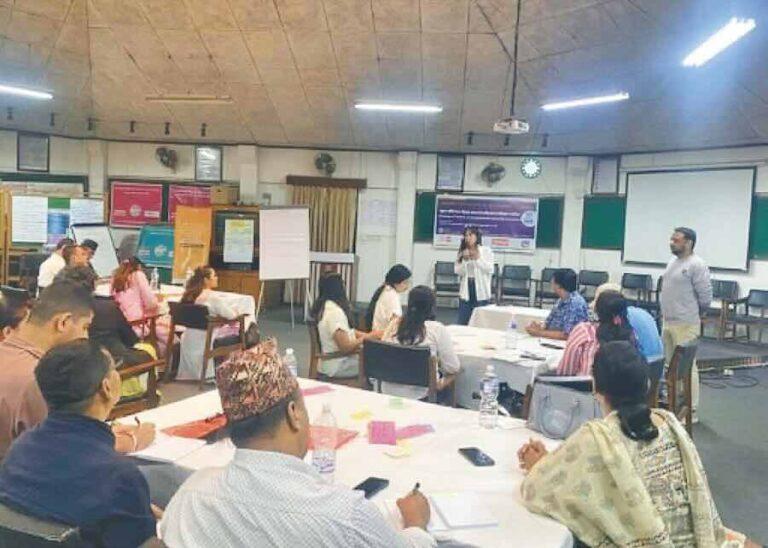
    In classrooms across Nepal, lessons on bodies, consent and relationships often vanish into silence. Despite official inclusion of Comprehensive Sexuality Education (CSE) in the national curriculum up to grade 8, delivery is uneven, teacher preparation thin, and the subject optional precisely when teenagers need it most. The result is a generation learning about puberty, violence and reproductive health through incomplete textbooks, embarrassed instructors, or the internet.

    Commitments on Paper, Reality in Classrooms

    Seven years after senior education officials publicly pledged phased introduction of CSE from grade 1 and a mandatory policy, the gap between promise and practice remains wide. Content appears in Hamro Serofero for the earliest grades and later in health, physical education and creative arts. Grade 6 carries a unit on sexual and reproductive health; grade 7 touches LGBTQI+ topics; grade 8 covers puberty, menstruation and nocturnal emissions. Yet experts describe the material as definitional and surface-level, rarely building a coherent framework for students.

    At grades 9 and 10 – when many adolescents confront relationships, peer pressure and bodily changes – health becomes optional. Schools frequently lack dedicated posts, so mathematics or language teachers are pressed into service. “I think science teachers would be better equipped,” one social studies teacher in Sarlahi admitted after teaching grade 8 HPE without formal CSE training. Principals report discomfort in class and scant materials or guidance from the government.

    Teachers Unprepared and Uncomfortable

    Teacher capacity is the weakest link. The Centre for Education and Human Resource Development runs a one-month certification for grades 4-8 instructors and shorter customised courses that have reached about 1,500 teachers. A recent Training of Trainers programme, supported by UNFPA and KOICA through the Family Planning Association of Nepal, drew just 24 participants from a national pool of roughly 26,000 community schools. The training is not annual; it depends on donor funding. Monitoring afterwards falls to local governments, while the Curriculum Development Centre focuses on development rather than classroom feedback.

    Qualitative studies confirm the pattern. Teachers report personal discomfort, especially when students are relatives or neighbours. Many default to abstinence messaging or skip chapters altogether. Students notice: “The teacher himself feels shy, so how can we ask questions to him?” one focus-group participant observed. In provinces such as Sudurpaschim, menstrual taboos and parental fears that CSE equals “immoral behaviour” intensify the silence. Research published in 2024 and 2025 documents resistance, gender dynamics that silence girls, and structural shortages of visual aids, charts or age-appropriate videos.

    Cultural Barriers and Provincial Disparities

    Parental backlash is common. One grade-7 girl in Bajhang who asked her parents about reproduction after a lesson was slapped; her father confronted the school. Elsewhere, teachers laugh off the topic or avoid it. In Baitadi, investigators recorded a case of a mathematics teacher touching female students under false pretences; the girls lacked both language for the violation and a complaint mechanism.

    These classroom failures show up in outcomes. National adolescent pregnancy rates fell from 56 per cent to 14 per cent between 2001 and 2022, yet Madhesh and Karnali – provinces where CSE delivery is weakest – recorded persistently high figures. Age gaps within single classrooms compound the difficulty: a 13-year-old may sit beside an 18-year-old returned from migrant work in India, each needing different information. Schools lack safe spaces or differentiated approaches.

    Curriculum reviews against UNESCO’s International Technical Guidance on Sexuality Education reveal further shortfalls. Key concepts – consent, healthy relationships, sexual diversity, rights-based framing, and practical skills – are partial or missing. Content is heavily biological. Vertical coherence across grades is weak. Less than a quarter of secondary schools have fully implemented national CSE policy, according to recent assessments.

    Students Seek Answers Elsewhere

    With internet penetration above 80 per cent, adolescents turn to peers and online sources. Experts warn that half-knowledge is common and potentially harmful. “Curious minds need more than just lectures,” one human-rights advocate noted. “They need audio-visual methods.” Police data show seven to eight reported rape cases daily, with a majority of victims historically under 18. Community-Police Partnership programmes send officers into schools to discuss good touch, bad touch and harassment, yet these efforts sit under the home ministry, not education, and cannot replace a sustained curriculum.

    Students themselves want earlier and fuller information. One Kathmandu teenager wished periods and bodily changes had been explained from grade 5 or 6. Others report relying on older siblings when school lessons stop.

    The Case for Compulsory Secondary Coverage

    Curriculum officers acknowledge the limits of their mandate. Making health education compulsory again in grades 9 and 10 would require political leadership and stakeholder pressure. Advocates argue the investment is cheaper than later health and social costs. “It is better to invest in health education early than to spend on health services later,” said Meena Sharma of the Institute of Human Rights Communication Nepal.

    Donor-supported training and NGO pilots continue, and local governments in some districts are developing contextualised materials. Yet without consistent national funding, dedicated teaching posts, and cultural work to reduce stigma, most Nepali adolescents continue to navigate puberty and relationships with incomplete maps. 

    The curriculum exists; the teaching too often does not.

    Focus keyphrase: comprehensive sexuality education Nepal challenges

    Tags: CSE Nepal, sexuality education curriculum, adolescent health Nepal, teacher training CSE, sexual and reproductive health education, Madhesh Karnali pregnancy rates, UNESCO ITGSE Nepal, UNFPA KOICA training, Health Physical Education optional, cultural taboos sexuality education,

    Bangladesh Faces Prolonged Economic Recovery as Key Indicators Worsen

    Bangladesh’s leading economic think tank, the Centre for Policy Dialogue, warns that stabilisation remains fragile after the government’s first six months, with 19 of 31 indicators deteriorating amid structural weaknesses and external shocks.

    Bangladesh’s economic stabilisation remains fragile and the road to recovery is likely to stretch longer than official expectations, according to a detailed assessment by Bangladesh’s leading economic think tank, the Centre for Policy Dialogue. Presenting the findings at a media dialogue on the government’s performance over its first six months, CPD Distinguished Fellow Debapriya Bhattacharya cautioned that while leaders have spoken of a one-to-two-year recovery timeline, the country is heading toward a more prolonged process.

    Of 31 key economic indicators tracked by the think tank, 19 deteriorated and only 12 improved between the period before the government assumed office and the subsequent six months. Many of the negative trends are structural rather than temporary, Debapriya noted, underscoring the depth of the challenges inherited and those that have emerged or intensified since.

    Mixed Scorecard Masks Deeper Weaknesses

    The assessment paints a picture of uneven progress. Improvements were recorded in foreign exchange reserves, export growth, food inflation and implementation of the Annual Development Programme. Reserves rose to around $32.3 billion, export growth turned positive at 3.5 per cent, food inflation eased to 7.2 per cent and headline inflation moderated to 8.3 per cent.

    Yet these gains were outweighed by setbacks elsewhere. Revenue growth, government bank borrowing, remittance growth, overseas employment and the balance of payments all worsened. Remittance growth nearly halved from 21.4 per cent to 11.8 per cent, while average monthly overseas employment dropped sharply from roughly 95,500 to about 51,200, hit hard by disruptions in Middle East labour markets linked to regional conflict. The trade deficit widened from $6.7 billion to $10.4 billion and the current account swung from surplus into deficit.

    Industrial production showed no improvement, with both general and manufacturing indices stagnating near zero growth. Provisional data later confirmed that industrial output contracted 0.28 per cent in the January-March quarter of FY2025-26, the first such decline since the pandemic-hit period, dragging overall GDP growth in that quarter to just 2.22 per cent. Private-sector credit growth slowed and net foreign direct investment inflows declined.

    Inherited Burdens and New External Shocks

    CPD emphasised that the government inherited a difficult legacy: weak banks burdened by high non-performing loans, chronically poor revenue mobilisation, tight fiscal space, subdued investment and an unfavourable global environment. The conflict involving the US, Israel and Iran, together with volatility around the Strait of Hormuz, has sent fresh energy-price shock waves across the world, complicating stabilisation efforts.

    Factory closures add a human dimension to the numbers. Ninety-five factories permanently shut down across Gazipur, Savar-Ashulia and Narayanganj-Narsingdi between January and August, resulting in 61,881 direct job losses. Gas shortages continue to disrupt energy-intensive industries including textiles, steel, paper, particleboard and ceramics, exposing weaknesses in crisis management and supply planning despite some positive steps such as inviting international bids for offshore oil and gas exploration.

    On the fiscal side, CPD projected a substantial revenue shortfall of Tk 1.30-1.40 lakh crore in FY2026-27 against what it described as an unrealistically high target. While the government is expected to stay within the programmed budget deficit limit of 3.6 per cent of GDP, the scope for cutting non-ADP spending is limited and pressures from a possible new pay scale and rising subsidy demands are mounting. Per-capita external debt has also risen notably.

    Positive Steps Amid Governance Concerns

    The think tank acknowledged several constructive measures. Austerity efforts, the abolition of duty-free vehicle entitlements for officials, the introduction of an AI-based traffic management system, the launch of e-Return, the withdrawal of provisions allowing legalisation of undisclosed money, expanded bonded warehouse facilities and the waiver of agricultural loans up to Tk 10,000 were cited as steps offering relief or signalling intent. The decision to withdraw a proposed electricity tariff increase for low-income residential consumers was also welcomed.

    At the same time, CPD raised concerns about institutional processes. The abrupt cancellation of the previous central bank governor’s tenure and the subsequent appointment, amid questions of potential conflict of interest, have prompted questions about central bank independence and the criteria for senior appointments. No concrete steps have yet been taken to assess public debt stress comprehensively.

    Calls for a Core Budget and Coordinated Reforms

    Debapriya argued that a longer recovery path demands more than incremental adjustments. He recommended preparation of a core fiscal budget covering October 2026 to June 2027, grounded in real-time data and a credible framework, that would offer a shorter outlook for the remainder of FY2026 and a near-term view of FY2027. These targets should align with a broader Five-Year Strategic Framework for Reform and Development spanning July 2026 to June 2031.

    An integrated reform package is essential, focused on energy security, banking-sector restructuring, the proposed bifurcation of the National Board of Revenue, rationalisation of public spending and the ADP, logistics improvements, digitalisation and the work of the wage commission. “Deliver a credible energy-security package instead of repeated emergency, no-tender imports. Review power purchase agreements to cut the subsidy burden; intensify offshore gas exploration,” Debapriya urged. He also called on the finance minister to place key reform action plans and economic issues before the country’s Parliament for proper scrutiny.

    Independent assessments from international institutions echo elements of caution. S&P Global Ratings revised Bangladesh’s outlook to negative in July 2026, citing sustained economic risks from banking-sector imbalances, energy vulnerabilities and the impact of Middle East conflict on growth and external balances. The IMF has projected a gradual rebound, with growth around 4.7 per cent in FY26 and FY27 under supportive policies, but has stressed the need for revenue mobilisation and financial-sector reforms to sustain higher medium-term growth.

    Optimism and Concern

    The CPD review of 362 observations across nine areas found grounds for both optimism and concern. Monetary indicators showed the clearest gains through lower inflation, while the external sector recorded the sharpest deterioration. Overall, negative trends outweighed positives, and many problems are entrenched. Without a coherent, coordinated reform push backed by political commitment and improved institutional capacity, stabilisation risks remaining fragile and the recovery period longer than hoped.

    For ordinary Bangladeshis, the implications are tangible, CPD says: slower job creation, pressure on real wages despite some inflation moderation, and continued uncertainty for industries already struggling with energy and financing constraints. The coming months will test whether the government can translate initial stabilisation measures into the deeper structural changes required to put the economy on a firmer footing, says Debapriya.

    India Pushes Proactive Drought Resilience Over Reactive Relief at UNCCD COP17

    India urges treating drought as preventable risk, not a recurring disaster, sharing multi-layered national model at Mongolia summit.

    At the 17th Conference of the Parties (COP17) to the United Nations Convention to Combat Desertification (UNCCD) in Mongolia’s capital city, Ulaanbaatar, India has called for a decisive global pivot – from reactive drought relief to proactive, technology-enabled resilience. Union Minister for Environment, Forest and Climate Change Bhupender Yadav delivered the message during the Ministerial Dialogue on ‘Accelerating Drought Resilience’, framing drought as a defining development challenge rather than an occasional natural event.

    The two-week COP17, running from 17 to 28 August under the theme “Restoring Land. Restoring Hope,” brings together nearly 200 Parties and stakeholders to advance action on desertification, land degradation and drought. Hosted by Mongolia – where nearly 77 per cent of land is affected by degradation – the conference coincides with the International Year of Rangelands and Pastoralists. It follows unresolved questions from COP16 in Riyadh on a global drought framework and seeks to convert restoration pledges into finance and on-ground results.

    Drought as a Development Challenge

    Yadav told delegates that drought is “no longer an occasional event, but a defining development challenge,” one that undermines water security, food systems, biodiversity and economic stability. India’s core position, he said, is that drought “must be managed as a predictable, preventable risk, and not a recurring disaster demanding emergency response.” The guiding principle he advanced was clear: “Preparedness over response, prevention over crisis management, resilience over recovery should be the goal.”

    The call aligns with a broader international recognition that droughts are intensifying under climate change, with global annual costs already estimated in the hundreds of billions of dollars. Experts and institutions have long argued that the overwhelming share of disaster funding still flows to post-event response rather than anticipatory action, even though investments in preparedness can yield high returns.

    India’s Coordinated National Approach

    Yadav outlined India’s multi-institutional model that integrates early warning, mitigation, relief and community resilience. Rainfall monitoring combined with satellite-based drought assessments triggers preparedness measures at inter-ministerial and state levels, aiming to stop a dry spell from escalating into a full crisis. The approach links land and water management tightly. “Restore the forest, before the flow,” the Minister said, highlighting catchment and riverscape forestry that reduces erosion, improves water retention and recharges groundwater. River rejuvenation programmes and the revival of traditional water bodies further strengthen rural water security.

    In the hills, community-led restoration of springs and recharge zones is prioritised. Across the plains, a nationwide watershed programme tackles degraded rainfed lands through a ridge-to-valley approach, backed by community institutions and convergence with rural employment schemes. At household level, drinking-water programmes focus on reliable supplies during stress periods, with defined service levels, local quality testing and priority for vulnerable areas.

    Farmers are protected through crop insurance that covers drought and other non-preventable losses across the crop cycle. The system combines subsidised premiums with technology-driven assessment to enable faster, more transparent claim settlement. Community ownership, capacity building and livelihood diversification sit at the centre of the transition from reactive relief to proactive resilience.

    Prevention Tools and Safety Nets

    Prevention measures include watershed development, water harvesting, afforestation, groundwater recharge and promotion of climate-resilient crops. These are complemented by disaster-related funds, employment guarantees, fodder support and emergency water supplies when needed. The model seeks to ensure that when drought conditions do occur, communities and systems are already better equipped to absorb the shock.

    India’s experience is presented against the backdrop of its larger land-restoration efforts. The country has reported restoring 21.76 million hectares of degraded land between 2011 and 2020 under the Bonn Challenge framework, generating substantial employment, and has committed to restoring 26 million hectares of degraded and deforested land by 2030. These efforts feed into the broader narrative that land restoration is an investment in food, water, biodiversity, livelihoods and long-term resilience –an argument Yadav also advanced in related finance-focused dialogues at the same COP.

    Call for Stronger Global Investment

    Looking outward, the Minister advocated greater international investment in ecosystem restoration, stronger early-warning systems and coordinated action. He affirmed India’s readiness to share knowledge and capacities, including on early warning, to help build a drought-resilient future for all. Building drought resilience, he stressed, is not optional for the world’s most vulnerable communities; it is a matter of survival.

    The message comes as COP17 seeks concrete outcomes on drought after earlier talks struggled to deliver a legally binding framework. Global estimates underscore the scale of the challenge: achieving land-restoration and drought-related targets is projected to require hundreds of billions of dollars annually, far exceeding current investment levels, while the cost of inaction remains high. Mechanisms such as the Riyadh Global Drought Resilience Partnership, launched at COP16 with substantial pledges, are among the tools under discussion for translating commitments into projects that reach communities.

    India’s intervention at the Accelerating Drought Resilience dialogue reinforces its consistent emphasis at successive UNCCD conferences on proactive management, technology, community participation and the integration of land and water strategies. By positioning drought as a manageable risk rather than an inevitable disaster, India is urging the international community to prioritise preparedness systems that can reduce human suffering and economic loss before crises fully unfold.

    As COP17 continues through its thematic days on finance, water, land and people, and food systems and soil health, the focus remains on moving from declarations to measurable action. India’s detailed presentation of its domestic architecture – linking satellites, watersheds, insurance, employment programmes and community institutions – offers a practical example of how that shift can be organised at national scale.

    Europe’s Scorching Summer Slashes Grain Harvest by Nine Million Tonnes, Inflicting €2 Billion Blow on Farmers

    Europe’s grain industry faces a €2 billion revenue shortfall after successive 2026 heatwaves and drought cut harvest forecasts by nine million tonnes in an El Niño year. France, Hungary and Spain have bee hardest hit amid rising food prices and climate risks.

    Europe is enduring one of its most punishing summers on record, as successive heatwaves and prolonged drought have devastated crops across the continent and left the grain industry staring at multi-billion-euro losses. This happens in the begining of an El Niño period. Temperatures repeatedly soared above 40°C from Spain and France through Germany, Poland, Hungary and the Czech Republic, arriving at critical stages of crop development and turning what many hoped would be a solid harvest into one of the weakest in years.

    According to analysis by the Energy and Climate Intelligence Unit drawing on data from Coceral, the European grain traders’ association, the intense June heatwave alone removed roughly nine to ten million tonnes from EU and UK grain forecasts within four weeks. Valued at current farm-gate prices, that equates to around €2 billion (approximately Indian Rs 22,000 crore) in lost revenue. The revised outlook points to Europe’s smallest grain harvest since 2018.

    Critical Timing Amplifies the Damage

    The heat struck at precisely the wrong moments. Soft wheat suffered during the grain-fill stage, when kernels require moisture to plump up and determine final yield. Maize was hit during pollination, a phase highly sensitive to extreme temperatures and water stress. Barley and other cereals also took hits too. Coceral’s extraordinary mid-season forecast cut total grain production expectations sharply, with soft wheat down nearly 2.8 million tonnes, barley more than 1.2 million tonnes and maize almost 4.5 million tonnes across the EU-27.

    France bore the heaviest burden. Its grain forecast was reduced by about 4.1 million tonnes, valued at roughly €891 million. Maize production is now expected at just 9.4 million tonnes – below even the severely drought-hit 2022 crop and the lowest in more than two decades, or levels last seen around 1980 according to French ministry estimates. The agriculture ministry later projected a 35 per cent drop in maize output compared with 2025.

    Hungary ranked second in losses, with a 2.4 million-tonne reduction worth about €444 million, representing a roughly 20 per cent cut. Spain lost another 1.4 million tonnes (€276 million), compounding an already difficult season running well below the previous year. Germany saw a similar volume reduction, concentrated in wheat and valued at around €233 million. Southern Germany, Austria, Poland and parts of central Europe also reported significant stress on winter crops and emerging summer plantings.

    Wider Agricultural and Livestock Fallout

    The impact extends far beyond cereals. Silage maize and grassland have been badly affected in several regions, tightening livestock feed supplies and forcing producers to buy more grain or alternative feeds. This adds cost pressure across the food chain. In France, vegetable production has suffered sharp shortfalls – courgettes down 25 per cent, lettuces 35 per cent, peas 40 per cent, broccoli 60 per cent and artichokes between 50 and 100 per cent in some reports. Milk production has fallen in multiple countries, with Italian dairy output cited as down around 20 per cent in some assessments. Sheep and goat milk in Spain has also declined.

    Italy’s Po River basin, a vital agricultural and agro-industrial zone, has faced recurring low water levels that constrain irrigation. Rice growers there have resorted to alternate-week watering to salvage the season. Across western and central Europe, soil moisture has been depleted, constraining spring and summer crop development. The European Commission’s Joint Research Centre has revised winter crop yield forecasts downward by 1 to 4 per cent and summer crops, especially grain maize and sunflowers, by 6 to 7 per cent in successive monthly updates.

    German farmers’ associations have warned of heavy losses or total crop failures in the worst-hit southern regions where rain has been absent for weeks. Estimates from agricultural cooperatives suggest Germany’s grain shortfall alone could reach three million tonnes, costing around €600 million. Potatoes, vegetables, sugar beet, maize and soybeans face further pressure into the autumn. Persistent dry soils are also raising concerns about the autumn planting season for next year’s crops, with some farmers already delaying sowing or reconsidering acreage.

    Record Heat, Wildfires and Human Cost

    The meteorological extremes have been exceptional. Western Europe recorded its hottest June-July period on record according to the EU’s Copernicus Climate Change Service. Individual national records tumbled: Germany reached 41.7°C, the Czech Republic 41.9°C, Poland over 40°C, France 43.8°C in places, and Spain saw Barcelona hit 40.5°C, its highest in more than a century at a long-running observatory. Overnight temperatures remained dangerously elevated. Scientists from World Weather Attribution concluded that such early-summer heat would have been virtually impossible without human-caused climate change and is now tens to hundreds of times more likely than in previous decades.

    Wildfires have compounded the crisis. More than 1,500 fires were reported across Europe by mid-summer, some intense enough to generate pyrocumulonimbus “fire clouds.” Hundreds of thousands of hectares have burned in Spain, France, Portugal and elsewhere. Excess heat-related deaths exceeded 1,300 in a short period according to the World Health Organisation, with vulnerable populations particularly at risk. Infrastructure has also suffered – buckling roads, disrupted rail services and reduced power generation from nuclear plants constrained by low river levels for cooling water.

    Economic Ripples and Longer-Term Challenges

    Lower European production is expected to increase reliance on imports and could support higher global commodity prices, depending on southern-hemisphere harvests later in 2026 and early 2027. Markets have already begun pricing weather risk premiums into milling wheat and feed grains, especially in Central Europe. Geopolitical tensions that earlier raised fuel and fertiliser costs had already discouraged some plantings, amplifying the weather shock.

    Europe is the world’s fastest-warming continent, heating at more than twice the global average. Successive extreme seasons are shifting the conversation from whether farmers can weather occasional bad years to whether current systems remain viable if such events become the norm. Water-intensive crops such as maize may gradually shift northward, altering traditional production maps.

    Policy responses are under debate, including temporary relaxations of certain pesticide rules in France to combat rising pest pressure under heat stress, and broader calls for climate adaptation measures, heat action plans and support for resilient farming practices.

    German coalition partners have even floated enshrining stronger climate adaptation and nature conservation duties in the country’s Constitution, though the proposal has met internal resistance over costs and responsibilities. Environmental groups argue that summers of extremes demonstrate the urgent need for concrete action rather than further delay.

    Farmers across the continent face another difficult and expensive harvest after consecutive years of drought, floods and heat. The €2 billion grain revenue loss is only part of the picture; wider costs to vegetables, livestock, infrastructure and human health remain substantial. As dry conditions persist into late summer, attention is already turning to the risks for the next planting season and the longer-term resilience of European food production in a rapidly changing climate.

    ADB Targets $2 Billion for Asia-Pacific Land Restoration Under New FIELD Initiative

    A new financing window under the ADB’s Nature Solutions Finance Hub aims to restore one million hectares and build drought resilience by 2035 amid rising degradation threats.

    The Asian Development Bank and partners have launched the Financing Investments and Eradicating Land Degradation and Desertification (FIELD) Initiative, seeking to mobilise $2 billion by 2035 for land restoration and drought resilience programmes across Asia and the Pacific.

    The initiative arrives as the United Nations Convention to Combat Desertification holds its 17th Conference of the Parties in Ulaanbaatar, Mongolia, under the theme “Restoring Land, Restoring Hope,” and during the International Year of Rangelands and Pastoralists.

    Addressing a Regional Crisis

    Land degradation and desertification pose a critical threat to ecosystems that sustain millions of rural communities and underpin economic growth in the region – a challenge no single country can tackle alone, said ADB Vice-President for East and Southeast Asia and the Pacific Scott Morris.

    Worsening drought, soil erosion and unsustainable land use are degrading dryland ecosystems that support more than 40 per cent of the region’s population. These pressures threaten agricultural production, biodiversity and climate resilience. An already large financing gap for sustainable management and restoration of ecosystems is widening, particularly for rangelands, which cover 54 per cent of the world’s land surface and store up to 30 per cent of global soil carbon.

    Globally, up to 40 per cent of the world’s land is already degraded, affecting more than 3.2 billion people. By 2050, drought could affect three out of every four people.

    FIELD will help countries design projects, access finance and implement land restoration efforts. It will deploy innovative approaches such as de-risking structures, blended finance and capital market instruments to catalyse private capital. A pipeline of projects focused on land and forest restoration as well as river-basin and water management has already been identified.

    The initiative aims to bring about one million hectares of land under sustainable management by 2035 to reduce degradation and strengthen food and water security. It will also provide grants and technical assistance to help ADB’s developing member countries develop policies, build capacity and establish a knowledge platform.

    Broader Nature and Food Systems Push

    FIELD operates as a dedicated land restoration and drought resilience window under the Nature Solutions Finance Hub, an ADB-led platform launched in 2023 to scale nature-positive investment in Asia and the Pacific. The Hub aims to catalyse at least $5 billion in nature-based solutions by 2030 through blended finance, policy support and project preparation.

    The new initiative aligns with ADB’s Environment Action Plan and its $40 billion commitment by 2030 to transform food systems across the region. That larger agenda expands earlier food security support to modernise value chains, improve soil quality, conserve biodiversity and reach more than 190 million smallholder farmers.

    FIELD also contributes to the Riyadh Action Agenda, advanced by Saudi Arabia during its UNCCD COP16 presidency, which seeks to mobilise state and non-state actors behind land restoration and drought resilience. Its launch coincides with the Global Rangelands Flagship Initiative led by Mongolia and the UNCCD.

    “The Global Rangelands Flagship Initiative is about moving from recognition to implementation at scale,” said UNCCD Executive Secretary Yasmine Fouad. “ADB’s leadership through FIELD helps build the investment pathway we need, connecting restoration priorities with finance, projects and delivery on the ground. This is how we turn ambition into investable action for landscapes that are vital to livelihoods, food systems, and resilient economies.”

    Building Partnerships for Scale

    Partners that have expressed initial interest in collaborating under FIELD include the UNCCD, the Qatar Fund for Development and the Middle East Green Initiative. Existing Nature Solutions Finance Hub partners – among them the International Union for Conservation of Nature, the European Union, the OPEC Fund for International Development, and Germany’s Federal Ministry for Economic Cooperation and Development together with GIZ – are also part of the collaboration.

    The timing is significant. Mongolia, host of COP17, ranks among the countries most affected by desertification, with nearly 77 per cent of its territory already degraded. The conference emphasises scaled-up finance, sustainable rangeland management and practical delivery on the ground.

    ADB has already piloted related work, including a grassland carbon restoration project in Mongolia designed to generate carbon credits from improved livestock and grazing management, and various landscape and irrigation initiatives across the region.

    From Commitment to Bankable Action

    Experts note that every dollar invested in restoration can generate between seven and 30 dollars in returns, yet public funding alone cannot close the gap. Blended finance, de-risking tools and clear project pipelines are essential to attract private capital into what have traditionally been seen as high-risk, long-horizon investments.

    By embedding FIELD within the Nature Solutions Finance Hub and linking it to ADB’s wider food systems and environment strategies, the bank is positioning land restoration as both an ecological necessity and an economic opportunity. Success will depend on converting the $2 billion target into concrete, well-structured projects that deliver measurable gains in soil health, water security, biodiversity and rural livelihoods across Asia and the Pacific by 2035.

    India Restores Over 21 Million Hectares of Degraded Land, Environment Minister tells UNCCD COP17

    India’s landmark land restoration progress and call for global finance take centre stage at UN desertification summit in Mongolia as the country nears its 2030 Bonn Challenge target.

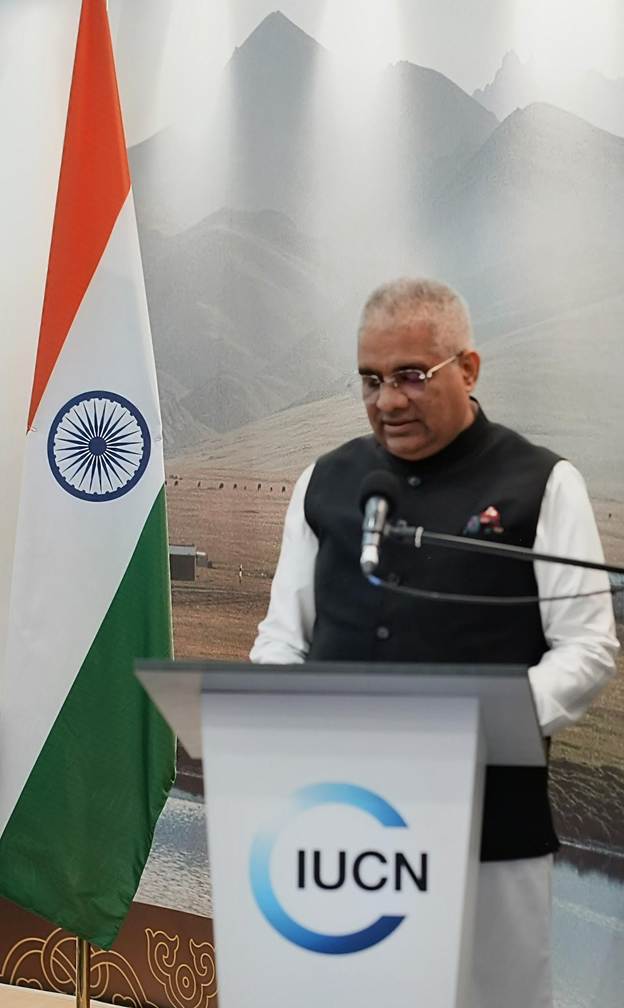
    Union Environment, Forest and Climate Change Minister Bhupender Yadav on Monday highlighted India’s significant achievements in land restoration at a side event organised by the International Union for Conservation of Nature (IUCN) during the 17th Conference of the Parties (COP17) to the United Nations Convention to Combat Desertification (UNCCD) in Ulaanbaatar, Mongolia. He announced that India brought 21.76 million hectares of land under restoration between 2011 and 2020, generating approximately 1.22 billion person-days of employment.

    The figures come from India’s Second Progress Report on the Bonn Challenge, released earlier this year. Yadav described land restoration as an established national priority that is integral to sustainable land management, biodiversity conservation, climate action and rural development. “India views restoration not as a standalone intervention, but as an essential component of sustainable and resilient development,” he said.

    India’s Bonn Challenge Commitment and Progress

    India is among the major global pledgers to the Bonn Challenge, a 2011 initiative aimed at restoring 150 million hectares of degraded and deforested landscapes by 2020 and 350 million hectares by 2030. In 2015, India initially committed to restoring 13 million hectares by 2020 with an additional 8 million hectares by 2030. At UNCCD COP14 hosted by India in 2019, Prime Minister Narendra Modi raised the national target to 26 million hectares by 2030 – one of the largest restoration pledges in the world.

    The latest report shows the country has already achieved about 84 per cent of that enhanced target. Restoration covered planted forests, natural regeneration, silviculture, agroforestry and mangrove restoration. Telangana led the states with 4.18 million hectares restored, largely through agroforestry, followed by Madhya Pradesh (3.78 million hectares), Odisha (2.64 million hectares), Gujarat (1.73 million hectares) and Andhra Pradesh (1.61 million hectares). All 28 states and seven Union Territories contributed.

    Yadav noted that the assessment goes beyond simply counting hectares. It captures work across forests, agriculture, soil and water conservation and other land-use systems, recognising that restoration must match the ecological and socio-economic character of each landscape. The results, he said, prove restoration can deliver both environmental recovery and socio-economic benefits by reviving degraded lands while creating jobs and supporting rural livelihoods.

    Multi-Sectoral Programmes Driving Results on the Ground

    India has pursued a multi-sectoral, landscape-based approach. The Green India Mission is expanding forest and tree cover, strengthening ecosystem services and building climate resilience. Substantial resources flow through the Compensatory Afforestation Fund Management and Planning Authority (CAMPA) for compensatory afforestation and related activities. The Nagar Van Yojana extends greening to urban and peri-urban areas. These are complemented by watershed development under the Pradhan Mantri Krishi Sinchayee Yojana (which has treated more than 27 million hectares), agroforestry, soil and water conservation, and community-based efforts. Joint Forest Management covers large areas, and campaigns such as “Ek Ped Maa Ke Naam” have driven massive plantation drives.

    Yadav stressed that restoration cannot be delivered by any single programme or sector. It requires convergence across landscapes, sectors and levels of governance – from local communities and states to the Union government. Looking beyond 2030, India’s goal is not only to restore more land but to restore better, finance better and deliver measurable, lasting outcomes. This will demand innovative financing to mobilise greater public and private investment, stronger regional and international partnerships for knowledge and technology sharing, and sustained participation by the communities that depend on and manage these landscapes.

    Strengthening Monitoring and the Next Reporting Cycle

    The reporting process has highlighted the need to improve systems for tracking restoration outcomes, financial flows and livelihood impacts. India is therefore launching the next reporting cycle for 2021–2025 in collaboration with the ICFRE Centre of Excellence on Sustainable Land Management and IUCN. The new cycle will focus on three key dimensions – area restored, financial flows and employment generated – to strengthen the national evidence base.

    India’s drylands cover about 228 million hectares and support agriculture, livestock and rural livelihoods. According to the India Desertification and Land Degradation Atlas, nearly 97.85 million hectares, or about 29.8 per cent of the country’s geographical area, are affected by land degradation and desertification. Restoration efforts address this challenge while contributing to Land Degradation Neutrality targets and broader climate and biodiversity goals.

    Call for Global Finance and India’s Blended Model

    At a separate Ministerial Dialogue on Innovative Financial Mechanisms for Healthy Land and Drought Resilience at the same COP17, Yadav called for diversified, adequate, predictable and sustained international finance for land restoration and drought resilience. “Land restoration is not a cost, but an investment in food, water, biodiversity, livelihoods and long-term resilience,” he said. He underlined that addressing desertification, land degradation and drought at scale requires finance beyond domestic public budgets and stronger public-private partnerships.

    India has developed a successful blended green-finance framework that converges public and private resources for climate adaptation, sustainable land use, forestry, agriculture, afforestation and biodiversity conservation. The country’s unique compensatory conservation regime and “whole of government, whole of society” have helped advance Land Degradation Neutrality, Yadav said. Yet domestic efforts, he emphasised, cannot substitute for additional international finance that is continuous, verifiable and connected to local communities.

    Context of COP17 and India’s Broader Engagement

    COP17, hosted by Mongolia from 17 to 28 August 2026 under the theme “Restoring Land. Restoring Hope,” coincides with the UN International Year of Rangelands and Pastoralists. The conference brings together nearly 200 Parties to accelerate action on desertification, land degradation and drought. India has also used the platform to launch its first Guide to Grasslands and Other Open Natural Ecosystems, stressing science-based conservation of grasslands, scrublands and ravines alongside forests. These ecosystems support unique biodiversity and pastoral livelihoods and are vital for climate resilience.

    Yadav concluded that India’s experience shows ambitious commitments can be turned into measurable outcomes when backed by strong institutions, sustained financing, sound science, robust monitoring and partnerships across sectors and levels of governance. India remains committed to working with international partners to advance restoration at scale and looks forward to collaborative progress on this shared global agenda.

    The achievements position India as a leader in translating large-scale restoration pledges into on-ground results that benefit both ecosystems and people, even as the country continues to push for the international support needed to meet the full challenge of land degradation worldwide.

    Focus keyphrase:

    Tags: land restoration, Bonn Challenge, Bhupender Yadav, UNCCD COP17, Ulaanbaatar, degraded land, employment generation, Green India Mission, CAMPA, drought resilience, international finance, Land Degradation Neutrality, India environment, sustainable land management,

    HRW Calls on Bangladesh to End Indefinite Detention of Awami League Figures

    Human Rights Watch has highlighted deaths in custody, denied bail and medical care under the new government, urging respect for presumption of innocence after mass arrests following the 2024 uprising.

    Human Rights Watch has urged Bangladeshi authorities to immediately end the prolonged pretrial detention of politicians and others linked to the deposed Awami League government. The organisation said hundreds remain imprisoned without charge nearly two years after mass arrests that followed Sheikh Hasina’s forced resignation in August 2024.

    Police detained thousands of party officials, activists and supporters in the aftermath of the protests that toppled Hasina’s 15-year rule. While some officials may have been complicit in serious rights violations under the previous government, HRW said many were arrested without apparent evidence on allegations of murdering protesters. Family members and lawyers report that detainees – many of them older people with serious health conditions – have been denied basic rights including bail and adequate medical care.

    Deaths in Custody Raise Alarm

    At least 10 Awami League office holders, most of whom had not been charged with any crime, have died in prison since Prime Minister Tarique Rahman of the Bangladesh Nationalist Party took office in February 2026. Among those who died was Ramesh Chandra Sen, 85, a former Awami League lawmaker arrested in August 2024 on three murder cases and an explosives case. His family said he was denied proper medication and refused bail; he died on 7 February 2026. SM Ziaul Haque Zia, 65, a Jamalpur district Awami League member already in poor health when detained on 6 January, died on 14 April after being denied bail.

    HRW Asia director Elaine Pearson stated: “Under one government after another, hundreds of opposition members have been locked up without evidence or due process. The government of Prime Minister Tarique Rahman has pledged reform, and as a first step he should end the prolonged arbitrary detention of political opponents.” 

    Pearson added that a justice system allowing older people to die in custody before they are charged fails to treat pretrial detention as the exceptional measure it should be under international law. The group called for independent inquiries into all prison deaths and an end to arbitrary prolonged detention without charge.

    Bail Repeatedly Blocked by Fresh Cases

    Prosecutors have repeatedly sought to deny bail in cases where no evidence has been produced. Lower magistrate and district courts have consistently refused bail, while High Court bail orders have been circumvented by authorities filing fresh cases. Lawyers for detainees now often advise clients not to seek bail, because success simply prompts police to open new cases.

    A prominent example is ABM Khairul Haque, 82, a former chief justice arrested on 24 July 2025 for allegedly murdering a protester. Over the following three months he was arrested in four more cases, including corruption. Lower courts denied bail despite his family’s reports of poor health and a heart attack in prison. The High Court granted bail applications, but on the eve of final bail in March 2026 police sought his arrest in two new cases. The pattern repeated: High Court bail was granted again in May, only for police to file another murder charge alleging he was present at a scene more than 10 kilometres from an earlier alleged incident at the exact same time. After further High Court intervention requiring police not to arrest or harass him without specific charges, he was finally released on 19 August 2026 following Appellate Division action. Throughout, he was not charged with any offence.

    International Crimes Tribunal Holds Detainees Without Charge

    Bangladesh’s International Crimes Tribunal, a domestic court prosecuting international crimes, permits detention without charge beyond one year only in “exceptional circumstances” set out in writing. The tribunal has not released on bail any of the more than 160 people it has detained, and detainees have no right to appeal bail rejections.

    Dr Tawfiq-e-Elahi Chowdhury, 81, a former Hasina adviser, was first detained by the tribunal in October 2024 and has spent 22 months in custody without charge. When he sought bail in April 2026 the tribunal neither granted it nor set out exceptional circumstances, adjourning proceedings twice, most recently until the end of August. Former parliament member Kamal Ahmed Majumder, 75, has also been detained by the tribunal for 22 months. His family reported that he suffered gangrene requiring amputation of three toes and broke his hip in a fall; the tribunal refused bail in July.

    Other elderly detainees face serious health issues. Activists have called for the release of Shahriar Kabir, 75, who suffers chronic ailments and needs a wheelchair. RAM Obaidul Muktadir Chowdhury, 71, has been in detention for 22 months without charge and has serious heart problems.

    Broader Context of Political Detentions

    Those detained without charge include former Awami League members of parliament, other former lawmakers who supported Hasina’s administration, and activists, officials and journalists who backed the previous government. Others, including members of the security forces, face accusations of serious international crimes such as extrajudicial killings, torture and disappearances, or of corruption.

    The pattern continues a cycle of politically motivated detentions that characterised successive governments. Under the interim administration that governed from August 2024 until the February 2026 elections, thousands of perceived Awami League supporters were arrested, often in cases involving large numbers of unnamed suspects. The Awami League was banned from contesting the elections. HRW has previously raised concerns about fair-trial standards at the International Crimes Tribunal, including reliance on witness statements with duplicated passages and limited due-process protections.

    Instead of advancing reforms, the government’s proposed National Human Rights Commission bill, if adopted in its current form, would prevent the new commission from investigating alleged arbitrary arrests. International human rights law permits pretrial detention only as an exception, determined on an individual basis, subject to judicial review of legality and necessity, and consistent with the rights to liberty, the presumption of innocence and equality. Anyone detained is entitled to a speedy trial or release.

    HRW called on the authorities to investigate prison deaths, respect the presumption of innocence and uphold fair-trial rights. The organisation’s statement comes as Bangladesh navigates the transition after the 2024 uprising, with the new government having pledged to strengthen institutions and end the repression associated with the previous era. Whether it will address the continued detention of political opponents without charge remains a key test of those commitments.

    Deceived, Drugged and Sold: The Growing Scandal of Bangladeshi Brides Trafficked to China

    A 19-year-old mother’s desperate flight from abuse in China exposes organised networks that lure vulnerable Bangladeshi women with false promises of work or marriage, only to trap them in exploitation.

    In the space of six months, Rima (name changed) saw her life collapse from ordinary hardship into a nightmare of addiction, coercion and cross-border trafficking. The 19-year-old from Bagerhat district left home hoping to earn money as a domestic worker in Dhaka so that she could support her three-year-old son. Instead, she was forced onto drugs, blackmailed with compromising videos, married off to a Chinese man she barely knew, and flown to China, where she says she was beaten, sexually abused and held against her will. 

    She returned to Bangladesh on 4 August 2026 with help from the anti-trafficking organisation Justice and Care. Her account, and the police cases now under investigation, have thrown a harsh light on an emerging pattern: Bangladeshi women being moved to China under the cover of arranged marriages.

    From Domestic Work Promise to Forced Dependency

    Rima, who studied only to class six and had previously worked in a jute mill, was brought to Dhaka by a distant female relative who promised a job in the upscale Baridhara area. She was kept instead in an Uttar Badda flat. Within days, she alleges, the woman forced her to take yaba, the methamphetamine tablet widely available in Bangladesh. Once dependent, the supply was controlled. “They told me I would stop thinking about my son and would not cry so much,” Rima later recounted. Videos of her taking the drug were then used as leverage.

    An intermediary she identified as Ador took her to Jamuna Future Park to meet a Chinese national named Wang Zhen Zhen. Her passport was arranged, she was taken to the Chinese embassy, and papers were signed at a Dhaka coffee shop. About a month later she was escorted at Hazrat Shahjalal International Airport by a person in a blue uniform – whose identity and agency remain unknown – onto a bus bound for the aircraft, along with another Bangladeshi woman. In China she spent three days in a hotel before being taken to the man’s family home. Treatment was initially tolerable until her visa was extended for six months. Then, she says, the abuse began. “One night, they tied my hands and feet and took me away in the dark, like cattle.” She was held at another house for roughly 20 days, beaten and sexually abused, returned briefly, then sent back for another 10–12 days. Her phone was confiscated when she tried to contact people in Bangladesh. Only by feigning acceptance did she regain access to a handset.

    Messages she later saw on her husband’s phones indicated Tk 2.5 lakh had been paid to Ador to arrange the marriage. Traffickers then demanded Tk 3.5 lakh from her family for her return. During a doctor’s visit she slipped away, showed restaurant staff screenshots of threats and photos of her injuries (translated into Chinese), and they called emergency services. Chinese police recovered her passport and bought her a ticket to Beijing. Unable to communicate easily, she contacted Justice and Care, which facilitated her return.

    A Pattern Emerging Across Bangladesh

    Rima’s case is not isolated. Mostafizur Rahman, additional superintendent of the Criminal Investigation Department’s Trafficking in Persons unit, said he was handling four China-related cases, with others filed at Airport, Gabtoli, Uttara, Dakshinkhan and Uttarkhan police stations. The Chinese embassy informed Bangladeshi authorities that more than 1,100 family visas were issued for China in 2025; officials estimate at least 600 recipients may already have travelled. “Stopping such travel is difficult when apparently valid marriage and visa documents are presented. The women often do not understand the risks before travelling,” Rahman noted.

    Shariful Hasan of BRAC’s Migration and Youth Platform said no official tally exists, but such cases have been reported frequently over the past year and a half. He has called for verification of the identity and marital status of Chinese nationals seeking Bangladeshi brides, and for authorities to track how many women have travelled, returned or remain in China. Rima’s mother filed a petition with the Khulna Human Trafficking Offence Tribunal on 2 August naming seven accused, including Bangladeshi intermediaries and Wang Zhen, on charges of deception, forced drug use, sexual exploitation, coerced marriage and trafficking. Investigating officer Mohammad Nizamuddin of the Khulna Police Bureau of Investigation said evidence, including records of Rima’s return, was being analysed, but key information was missing because the victim’s original phone remained in China. No arrests had been made.

    Earlier incidents underscore the scale. Between January 2025 and July 2026 at least six Chinese nationals were arrested over alleged fraudulent cross-border marriage syndicates. In March 2026, Zeng Fan and Zin Suchun were detained in a joint RAB-police raid in Uttara on allegations of confining and abusing young women before sending them to China. In December 2024, APBn arrested two Chinese nationals after a 21-year-old woman escaped suspected traffickers at Dhaka airport. Separate RAB operations have dismantled networks that lured women via social media with job offers, staged restaurant “weddings” in Uttara, produced fake certificates and spouse visas, and forced victims into prostitution once in China. One survivor said she and her cousin were recruited through TikTok; she escaped, but her cousin remains trapped.

    China’s Gender Imbalance and Regional Trafficking Routes

    The demand side is rooted in China’s long-standing gender imbalance, a legacy of the one-child policy and son preference that has left tens of millions of men without local marriage prospects – often called “leftover men.” Rural Chinese men, in particular, have turned to foreign brides from poorer neighbouring countries. Similar patterns have been documented for years involving women from Vietnam, Cambodia, Laos, Myanmar and, more recently, Pakistan and Nepal. Human Rights Watch and other monitors have recorded cases in which women are sold for thousands of dollars, confined in remote villages, raped and pressured to bear children quickly. In Myanmar’s Kachin and northern Shan states alone, estimates once put the number of women sold into forced marriages in the tens of thousands.

    In Bangladesh the method frequently begins with false promises of employment or a better life, followed by staged marriages. Indigenous women from the Chittagong Hill Tracts have also been targeted; some reports claim hundreds of girls, many teenagers, have been moved using forged documents, partly because their features are seen as closer to East Asian norms. In one widely reported 2023–24 case, a widow in Chuadanga married her daughter to a Chinese man who claimed to have converted to Islam and planned to settle in Bangladesh. Six months later the young woman was in China and forced into prostitution; she managed to contact her mother via an app and described daily abuse and threats of being sold to organ traffickers. The mother said she knew of four other local women similarly deceived.

    Official Warnings and Calls for Stronger Action

    In July 2026 the Chinese embassy in Dhaka issued a notice warning its citizens against illegal marriage brokers and the practice of “bride-buying,” stating that such arrangements could lead to trafficking, extortion, threats, physical harm and financial loss. Counsellor Chu Guang said family-visa applicants undergo multi-stage verification – authenticated marriage certificates, one-on-one interviews and a signed commitment letter – to confirm genuineness and voluntariness. He noted that most trafficking complaints reaching the embassy came through media rather than official channels, and that Chinese and Bangladeshi brokers appeared to be behind many suspicious cases. “We encourage the Bangladesh police to crack down on those intermediaries,” he said, adding that China has zero tolerance for criminal activity by its citizens abroad.

    Justice and Care Country Director Mohammed Tariqul Islam said Rima’s safe return highlighted the need for timely cross-border cooperation, stronger investigations and greater awareness in vulnerable communities. Experts stress that valid-looking paperwork makes interdiction at airports difficult, and that poverty, limited education and family pressure leave many women and girls exposed. Without systematic tracking of those who leave and do not return, and without dismantling the intermediary networks that profit from the trade, more Rimas are likely to follow the same path.

    Image: Grok

    UN Welcomes Sri Lanka’s Push to Ease Return of War Refugees from India

    The UN has hailed Sri Lanka’s simplified immigration rules as a vital step for safe, dignified voluntary returns of Tamil refugees long displaced in India after the island nation’s decades-long civil war.

    The United Nations on Saturday welcomed Sri Lanka’s recent cabinet decision to streamline immigration procedures, clearing a long-standing legal path for the voluntary repatriation of tens of thousands of refugees who fled the island nation without valid documents during its decades-long civil conflict. The move, announced earlier this month, is being seen as a significant humanitarian and administrative breakthrough after years of uncertainty surrounding the return process.

    Resident Coordinator and representative of the UN Secretary-General in Sri Lanka, Marc-André Franche, described the cabinet’s decision as “a key step towards a safe and dignified return after years of displacement.” In a post on X, he affirmed that the United Nations High Commissioner for Refugees (UNHCR) would continue to facilitate the return and resettlement of these refugees through its established channels. The announcement comes at a time when approximately 90,000 Sri Lankan refugees still reside in the southern Indian state of Tamil Nadu, many of them having spent decades in camps or integrated into local communities.

    Scale of the Challenge

    Sri Lankan Tamils began arriving in large numbers in Tamil Nadu following the anti-Tamil ethnic violence that erupted in 1983 – also known as Black July. The subsequent armed conflict between government forces and the Liberation Tigers of Tamil Eelam (LTTE), which lasted nearly three decades until its conclusion in May 2009, drove successive waves of displacement. Families fled by sea across the Palk Strait, often without passports or through unofficial ports, seeking safety on the Indian side.

    While UNHCR-assisted voluntary repatriation has been underway for more than two decades, the numbers remain modest relative to the overall population. Around 18,000 refugees returned home between 2002 and 2022. Sri Lankan government figures indicate that more than 18,500 people returned from Tamil Nadu between January 2009 and June 2025. Smaller groups have continued to arrive in recent months, including 246 individuals from 46 families between July 2025 and February 2026, and further batches reported in August 2026.

    Despite these returns, the bulk of the community remains in India. Estimates place the current figure at roughly 89,000 to 90,000 people living in and outside more than 100 welfare camps across Tamil Nadu. Nearly 40 per cent of them were born in India, raising complex questions about identity, citizenship aspirations, and long-term belonging. Many have built lives, educations, and livelihoods over generations, yet continue to face legal limbo without formal refugee status under Indian law or clear pathways to either Indian citizenship or secure return.

    New Rules Remove Legal Barriers

    The Cabinet decision, taken on 10 August 2026, addresses a critical legal obstacle that had previously complicated returns. Under the previous framework, individuals who had left Sri Lanka without using an approved port of departure or a formal passport risked prosecution under the Immigration and Emigration Act upon re-entry. This had led to high-profile cases, including the detention of a 75-year-old returnee in May 2025 at Palaly airport in Jaffna, which drew criticism from rights activists and temporarily disrupted UNHCR-facilitated movements.

    The new arrangements, guided by legal advice from the Attorney General and presented by Sri Lanka’s minister of public security, allow eligible returnees to receive immigration clearance provided they can prove Sri Lankan nationality and are returning voluntarily. Key elements include:

    • Verification of identity and nationality through Sri Lankan diplomatic missions in India, particularly for those who left before 1 August 2006.
    • Clearance from the State Intelligence Service confirming the individual has not been accused of murder, treason, or other specified serious offences.
    • Issuance of temporary travel documents enabling entry through authorised airports or ports.
    • Protection from legal proceedings under immigration law for the original unauthorised departure.

    Similar provisions apply to those who left between 1 August 2006 and 19 May 2009. Those cleared will not face prosecution for the manner of their earlier exit. Public security minister Ananda Wijepala informed Parliament that returnees should contact the Sri Lankan mission in Chennai to begin the process. The government has emphasised that the policy balances humanitarian considerations with national security.

    Support Mechanisms; Reintegration Realities

    UNHCR has long provided practical assistance for voluntary returns, including free air tickets, a reintegration allowance of around US$75 per person, transport support, and non-food grants for families. Sri Lankan authorities have also outlined domestic support measures. Returnees are expected to resettle primarily in the Northern and Eastern Provinces – districts such as Mannar, Jaffna, Vavuniya, Kilinochchi, Trincomalee, and Mullaitivu – often on ancestral lands. The government has indicated provisions for livelihood assistance of up to Rs 100,000, temporary dry rations, housing programmes for those who lost homes, and compensation schemes for losses incurred during the conflict.

    Earlier this year, cabinet minister and leader of the house Bimal Rathnayake stated that Sri Lanka was “ready to welcome and support” all those forced to flee during the war. He noted that while the government could not prevent individuals born or long settled in India from seeking Indian citizenship if they chose, the island was prepared to receive those who wished to return. Refugee rights organisations, including OfERR Ceylon, have welcomed clearer administrative procedures but continue to stress the need for structured bilateral discussions between India and Sri Lanka, smooth paperwork, and meaningful reintegration support covering housing, livelihoods, and psychosocial care.

    Reintegration remains far from straightforward. Many returnees confront limited economic opportunities, incomplete land restitution, and the lingering social and psychological effects of prolonged displacement. Projects such as the Expanded Support for Durable Resettlement and Reintegration (EDRR), implemented by the International Organization for Migration and UNDP with UN funding, have targeted returning families, women-headed households, former combatants, and persons with disabilities in the Northern and Eastern Provinces, focusing on livelihoods, housing, and community cohesion. Yet gaps persist, and the scale of potential returns under the simplified rules will test existing systems.

    Voluntary Choice and Durable Solutions

    The UN’s endorsement underscores the principle that returns must remain voluntary, safe, and dignified. Franche’s statement reinforces UNHCR’s readiness to continue its facilitation role, which has operated without a formal tripartite agreement with India and Sri Lanka in recent years. For many refugees, the decision of whether to return involves weighing deep emotional ties to ancestral places against the practical realities of life built over decades in Tamil Nadu.

    Questions of documentation, access to services, and long-term legal status will continue to shape individual choices. Some families may opt for permanent settlement in India; others will seize the clearer pathway home. The simplified procedures remove a major bureaucratic and legal hurdle, yet the success of the initiative will ultimately depend on sustained coordination between Colombo, New Delhi, Tamil Nadu authorities, UNHCR, and civil society organisations working with the refugee community.

    As Sri Lanka seeks to close a painful chapter of its history, the coming months will reveal how many of the remaining 90,000 choose to cross the Palk Strait once more – this time under conditions designed to ensure their return is both lawful and humane. The UN’s welcome signals international confidence that the new framework can contribute meaningfully to that outcome.