More

    El Niño Grows Stronger as India’s Monsoon Faces Fresh Trouble

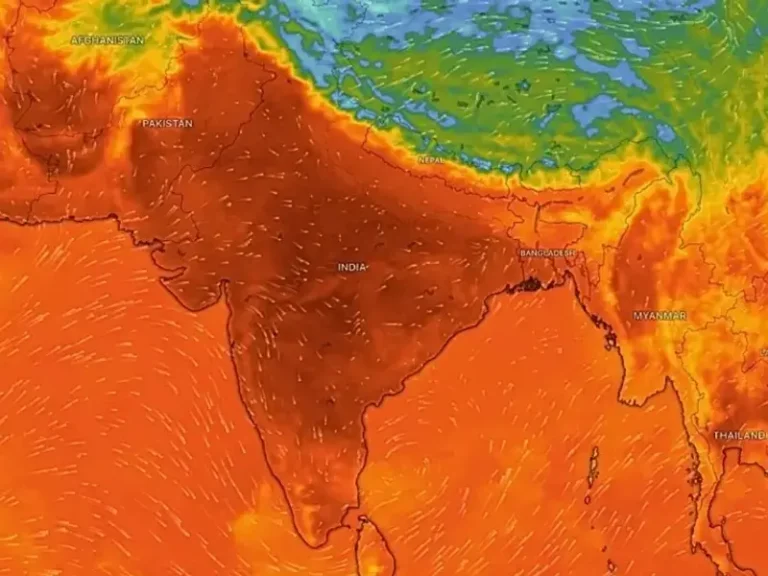
    The Pacific Ocean is heating up sharply and India’s usual rain helper is fading. This has left the monsoon weaker and more uncertain through the rest of 2026.

    India’s main rainy season is running into trouble. The Pacific Ocean is warming much faster than usual, and a helpful pattern in the Indian Ocean that often protects India’s rains is fading away. The result is a weaker monsoon so far and growing worry about the weeks ahead.

    This Pacific warming is the “El Niño” – a natural cycle that happens every few years. Warm water builds up in the central and eastern Pacific and shifts wind and rain patterns across the world. This year the warming has been unusually quick and strong. One key temperature reading in the Pacific has already climbed higher than the peak of the big El Niño in 2015-16. Experts say there is a strong chance this event will become one of the strongest in the last 70 years by the end of 2026.

    At the same time, a temperature pattern in the Indian Ocean that can bring extra rain to India has weakened. Earlier hopes that this pattern would grow stronger and help the monsoon have faded. The Indian Ocean is now sitting in a neutral state, offering little support against the drying effect coming from the Pacific.

    How Strong Has the Pacific Warming Become?

    The warming started earlier this year and has picked up speed. By mid-August the temperatures in the key Pacific zone were already very high. American weather scientists say there is more than a 90 per cent chance that this El Niño will stay strong or very strong through the autumn and winter. They also give a 69 per cent chance that the October-to-December period will produce a record-breaking event – stronger than any since 1950.

    Most El Niño events build slowly and peak near the end of the year. This one has already reached high levels in August, which is earlier than usual. Weather experts say the combination of such strong Pacific heat and a weak Indian Ocean pattern has rarely been seen at this stage of the monsoon.

    Why the Indian Ocean Pattern Matters

    The Indian Ocean has its own natural swing in temperatures. When the western side (near Africa) is warmer than the eastern side (near Indonesia), it often helps rain fall over India. This can partly cancel out the dry influence of El Niño. That helpful phase is called a positive Indian Ocean Dipole.

    This year the helpful phase has not developed. The latest numbers show the difference has dropped back to almost zero. Forecasts from the India Meteorological Department suggest it will stay neutral for the rest of the season. Without this extra help, the drying effect from the Pacific has a clearer path to reduce rain over India.

    Rainfall So Far Has Been Short

    India’s monsoon has already fallen short. From the start of June to mid-August, the country as a whole received about 12 to 13 per cent less rain than the long-term average. June was especially dry – more than 35 per cent below normal in many places. July improved and came close to average, but the overall gap remains.

    Different parts of the country have felt the shortfall differently. The east and northeast have been about 27 per cent short. The south has been around 21 per cent short. The northwest is down about 12 per cent. Central India has done better and is close to normal.

    The official forecast from the India Meteorological Department is for the whole season (June to September) to end about 10 per cent below the long-term average. Private weather groups have become more cautious and now see a real chance that the final total could fall even lower. Some talk of a possible drought-level shortfall if the dry trend continues into September.

    What This Means for Farms and Daily Life

    Nearly half of India’s farmland depends directly on the monsoon rains. When rain is short, summer crops such as rice, pulses, soybeans and oilseeds suffer. Reservoirs fill more slowly, groundwater levels drop, and electricity from hydro power can fall. Dry spells also push temperatures higher, increasing the need for cooling and straining the power grid.

    The full effect of a strong El Niño on India often arrives with a delay of several weeks. That means the biggest impact on rainfall may still be ahead as the monsoon begins to withdraw in late September. The current shortfall already shows the season has been weaker than normal. A stronger Pacific influence in the final weeks could widen the gap.

    Looking further ahead, a very strong El Niño can also affect winter rains and temperatures into early 2027. Globally it is linked with hotter weather in many places and pressure on food prices. The Indian Meteorological Department has already listed hundreds of districts as vulnerable and the government is pushing steps such as drought-resistant seeds, better water use and local advice for farmers.

    What Happens Next

    Weather agencies in India and abroad will keep watching the Pacific and Indian Oceans closely. Monthly updates will show whether the Pacific heat keeps rising and whether the Indian Ocean stays neutral. For farmers, the next few weeks are important. The monsoon still has time to deliver more rain before it starts retreating from the northwest around mid-September.

    This year’s mix of a fast-building, very strong El Niño and a weak Indian Ocean helper is unusual. Not every El Niño brings drought to India, but the stronger the Pacific warming and the weaker the local ocean support, the higher the risk of less rain. The coming weeks will decide how large the final shortfall becomes and how much pressure it puts on farms, water supplies and prices.
    India’s Monsoon Air Fails WHO Test as 85% Cities Exceed Safe PM2.5 Levels

    Monsoon fails to clean India’s air as 85% of cities breach WHO PM2.5 limits in July, CREA data shows, with Bihar and Haryana worst hit while NCAP cities lag on global benchmarks.

    In July 2026, the monsoon rains that usually wash pollutants from India’s skies proved insufficient. Nearly 85 per cent of monitored cities recorded unsafe levels of fine particulate matter, according to a new analysis by the Helsinki-based Centre for Research on Energy and Clean Air (CREA). Only 41 of 256 cities with adequate monitoring data met the World Health Organization’s daily guideline of 15 micrograms per cubic metre for PM2.5. The rest exceeded it, even as rainfall should have delivered a seasonal respite.

    The ultrafine particles, small enough to enter the bloodstream, remain one of the most dangerous air pollutants. Sustained exposure is linked to heart disease, stroke, chronic respiratory illness, lung cancer and impaired child development. India’s National Ambient Air Quality Standards (NAAQS) allow a far more lenient daily limit of 60 µg/m³ – four times the WHO value. On this weaker yardstick, 240 of the 256 cities complied. The gap between the two standards underscores a persistent problem: progress against domestic targets has not translated into air that meets international health benchmarks.

    Bihar and Haryana Emerge as July Hotspots

    Aurangabad in Bihar stood out as the most polluted city of the month, with a monthly average PM2.5 concentration of 168 µg/m³. It breached the Indian daily standard on 21 of the 28 days with data. Manguraha, also in Bihar, ranked second at 96 µg/m³. Haryana contributed five of the ten most polluted cities and recorded the highest number of cities exceeding the NAAQS – 10 out of 25 monitored locations. Bihar followed with four of 21.

    Among National Clean Air Programme (NCAP) cities – the 130 or so urban centres receiving dedicated funding since 2019 – only 16 of the 91 with sufficient data stayed within the WHO daily limit. All of them met the Indian standard, yet three-quarters still failed the stricter global guideline. Non-NCAP cities showed a similar pattern: 140 of 165 exceeded the WHO threshold, while 17 crossed the national limit.

    At the other end of the spectrum, Dombivli in Maharashtra recorded the cleanest air at just 4 µg/m³, followed by Kunjemura in Chhattisgarh at 5 µg/m³. Several cities in Karnataka, Chhattisgarh, Assam and the Northeast also posted consistently good readings. Megacities fared better than the national picture suggested: Delhi averaged 39 µg/m³, Mumbai 15 µg/m³, Kolkata 23 µg/m³, Chennai 24 µg/m³ and Bengaluru 20 µg/m³ – all below the Indian daily standard.

    Why the Monsoon Failed to Deliver Cleaner Air

    Rainfall normally scavenges particles from the atmosphere and suppresses dust. Yet July 2026 demonstrated that meteorology alone cannot overcome high baseline emissions. In parts of the Indo-Gangetic Plain and central India, industrial activity, vehicular exhaust, construction dust, biomass burning and power-plant emissions continue year-round. Satellite and ground data have repeatedly shown that even during the monsoon, certain airsheds – notably Assam-Tripura and pockets of Bihar and Haryana – remain elevated because local sources dominate.

    Delhi itself experienced its most polluted July in several years despite above-normal rainfall in spells. Dry interludes allowed dust and local emissions to accumulate, pushing the monthly average Air Quality Index higher than in recent comparable months. Experts note that the temporary cleansing effect of rain is quickly reversed once emissions resume.

    NCAP Progress Remains Uneven

    Launched in 2019, the National Clean Air Programme originally targeted a 20–30 per cent reduction in particulate matter by 2024. The goal was later revised to up to 40 per cent by 2025-26, or attainment of the NAAQS. Funding has been substantial – more than ₹13,000 crore has been released under NCAP and related Finance Commission grants – yet utilisation and outcomes vary widely. Many cities continue to prioritise mechanical road sweeping and water spraying over deeper cuts in combustion sources.

    CREA’s broader assessments show that only a small fraction of India’s chronically polluted urban centres are covered by NCAP. Hundreds of smaller cities and towns remain outside the programme, and even among covered cities, compliance with WHO guidelines is rare. In winter 2025-26, for example, none of the 238 cities with adequate data met the WHO annual guideline of 5 µg/m³, and the overwhelming majority exceeded India’s annual standard of 40 µg/m³.

    Health Stakes Remain High

    The public-health consequences are severe. Long-term exposure to elevated PM2.5 is associated with hundreds of thousands of premature deaths annually in India, primarily from cardiovascular disease, stroke, chronic obstructive pulmonary disease and lung cancer. Recent studies have also linked fine particles to faster decline in kidney function, adverse pregnancy outcomes and reduced lung growth in children. In Delhi, the city ranks among the worst globally for people living with asthma.

    Analyses using the Air Quality Life Index suggest that meeting the WHO guideline could add several years to life expectancy in the most polluted regions. Achieving India’s own national standard, paired with reductions in household solid-fuel use, would still deliver substantial mortality and economic benefits measured in percentage points of GDP.

    The Road Ahead

    The July numbers reinforce a central message from successive CREA snapshots and independent research: meteorological relief is temporary; structural emission reductions are not. Source-apportionment studies have identified transport, industry, power generation, construction and biomass burning as the dominant contributors in most cities. Effective action requires tighter enforcement of industrial emission norms, accelerated transition to cleaner fuels and electricity, better dust management at construction sites, and expansion of clean household energy access.

    Monitoring coverage has improved, with hundreds of continuous ambient air quality monitoring stations now reporting data. Yet data gaps persist in smaller towns, and the focus on PM10 under NCAP has sometimes diverted attention from the more health-relevant PM2.5. Strengthening real-time public communication, aligning national standards more closely with WHO guidelines over time, and ensuring that funds reach high-impact interventions will determine whether future monsoons bring genuine relief rather than temporary pauses in a year-round problem.

    The study points out that India’s air quality challenge is no longer confined to the winter smog season. In fact, the failure of the monsoon to bring safe air to the majority of cities in July 2026 is a reminder that clean air remains a distant goal for most urban Indians – one that demands sustained, source-focused action rather than reliance on seasonal rains.

    Pakistan: Government Weighs Agricultural Income Tax to Satisfy IMF Demands

    Officials in Islamabad now view the September deadline as a final opportunity for provincial revenue authorities to prove the existing framework can deliver results without further federal pressure.

    Pakistan’s federal government is actively preparing an alternative taxation framework for the agricultural sector as it seeks to satisfy the International Monetary Fund’s repeated concerns over chronically low revenue collection from farming. With agriculture contributing roughly 24.5 per cent of Pakistan’s gross domestic product yet delivering a mere 0.3 per cent of overall tax revenues, authorities are signalling that the long-standing imbalance can no longer be sustained under the terms of the ongoing IMF Extended Fund Facility.

    Sources familiar with the deliberations say the government will first allow the four provinces until 30 September 2026 to demonstrate meaningful progress on agricultural income tax (AIT) collection and the filing of returns. Only if the agreed targets remain unmet will Islamabad move towards formal consultations with the provinces in October on a fixed-tax regime that could levy as much as Rs. 5,000 per acre on farmland.

    Deadline Before Federal Intervention

    Agricultural income tax remains a provincial subject under Pakistan’s Constitution, a reality that has historically constrained federal influence. In recent years, however, the IMF has insisted on tighter coordination. As part of earlier programme commitments, all four provinces amended their AIT laws to align rates with the federal personal and corporate income-tax schedules. Those reforms, introduced progressively through late 2024 and early 2025, theoretically raised the top marginal rate to 45 per cent for higher-income commercial farming while providing exemptions for smaller holders earning up to Rs. 600,000 annually.

    Implementation, however, has lagged. Collection volumes have remained modest, return-filing rates low, and administrative capacity uneven across the provinces. The IMF has flagged these shortfalls in successive reviews, noting that the sector’s outsized economic footprint continues to generate almost negligible fiscal contribution. Officials in Islamabad now view the September deadline as a final opportunity for provincial revenue authorities to prove the existing framework can deliver results without further federal pressure.

    Should the targets be missed, the proposed fixed-tax scheme would operate on a simpler, land-based formula rather than complex income assessments. The Rs. 5,000-per-acre ceiling under discussion would mirror fixed-tax arrangements already applied or contemplated in other sectors, including certain trading activities. Final rates would be determined only after provincial consultations, and differentiation by land quality, irrigation status or crop type remains possible.

    Historical Context of Agricultural Tax Exemptions

    Pakistan’s reluctance to tax farm income has deep historical roots. For decades after independence, agricultural income enjoyed near-total exemption from federal taxation, a privilege reinforced by successive military and civilian governments. Provincial land-revenue systems and, later, limited agricultural income taxes collected only token amounts. Wealthy landowners, many of whom also dominate provincial politics, successfully resisted meaningful reform.

    The 2024 IMF staff-level agreement marked a decisive break. In exchange for a $7 billion, 37-month Extended Fund Facility, Pakistan’s federal and provincial authorities committed to harmonising AIT regimes with federal rates by October 2024, with collection scheduled to begin from mid-2025. Legislation was eventually passed in all provinces, yet the gap between legal framework and actual revenue continues to trouble the IMF.

    Economists point out that the sector’s contribution to tax revenue has hovered between 0.1 and 0.5 per cent for years despite employing more than a third of the labour force and generating hundreds of billions of rupees in annual output. A modest, well-administered tax could, according to earlier World Bank estimates, yield tens of billions of rupees annually – funds that could reduce the fiscal deficit and lessen the burden on the formal, salaried and industrial sectors that currently shoulder the bulk of taxation.

    Potential Economic and Political Fallout

    Any move to expand or simplify agricultural taxation will carry political risk – large landholders form a powerful constituency in Punjab, Sindh and parts of Khyber Pakhtunkhwa. Past attempts to raise farm taxes have provoked organised opposition, sometimes forcing governments to dilute or delay measures. Smaller farmers, already squeezed by rising input costs, fertiliser prices and climate volatility, may also resist if the fixed levy is applied indiscriminately.

    Analysts warn that poorly designed taxation could feed into food-price inflation if larger producers pass on costs. At the same time, proponents argue that a fairer system would improve equity: the salaried middle class and documented businesses currently face effective tax rates far higher than those paid by many commercial farmers. The IMF has repeatedly emphasised that broadening the tax base is essential both for fiscal sustainability and for reducing the perception of elite capture that undermines public trust.

    Federal officials stress that the fixed-tax option remains a contingency rather than a firm decision. The priority, they say, is still to make the existing provincial AIT regimes work. Enhanced data sharing between the Federal Board of Revenue and provincial authorities, improved land records, and targeted compliance campaigns are all under discussion as ways to raise collections without resorting to a blunt per-acre charge.

    Broader IMF Programme Pressures

    The agricultural-tax question sits within a wider set of fiscal reforms demanded under the IMF programme. Pakistan has already moved to end many preferential treatments, adjust energy tariffs, and expand the documented tax net. Progress on these fronts has been uneven, and the IMF continues to monitor revenue performance closely ahead of future programme reviews.

    Agriculture’s persistent under-taxation remains one of the most visible unfinished items. With the September deadline now publicly acknowledged, both federal and provincial governments face a narrowing window to demonstrate credibility. Failure to meet the targets would not only invite further IMF scrutiny but could also reopen debates about the proper balance of fiscal powers between Islamabad and the provinces.

    For the moment, the government is keeping its options open. Provinces have been given clear notice of the 30 September cut-off. Whether they can accelerate collection and return filing in the coming weeks will determine whether Pakistan’s farmers face a new fixed levy or whether the existing, income-based provincial systems finally begin to deliver the revenues the IMF – and the country’s own fiscal arithmetic – require.

    Sri Lanka Emerges as the Rare Consensus Favourite Among South Asian Neighbours in New Pew Survey

    Sri Lanka stands alone as the only South Asian nation viewed more favourably than unfavourably by publics in India, Pakistan and Bangladesh, according to a major Pew Research Center survey, highlighting a rare pocket of goodwill in a region often defined by rivalries.

    A new Pew Research Center survey has delivered an unexpected finding: Sri Lanka is the only South Asian country that India, Pakistan and Bangladesh all view more favourably than unfavourably. 

    The numbers offer both reassurance and a reality check – while India’s own image remains sharply polarised among its neighbours, the island nation next door continues to enjoy consistent, if modest, goodwill across the board.

    The survey, conducted between February 8 and May 7, 2026, polled 3,566 adults in India, 1,039 in Pakistan, 1,044 in Bangladesh and 2,513 in Sri Lanka. It forms part of Pew’s broader Spring 2026 Global Attitudes Survey and builds on earlier regional polling from 2024. The results paint a familiar picture of entrenched rivalries, with Sri Lanka emerging as the quiet outlier.

    Sri Lanka: The Only Consensus Positive

    Roughly half of adults in India, Pakistan and Bangladesh express a favourable view of Sri Lanka, while no more than a third in any of the three countries rate it unfavourably. Pakistanis (57 per cent) and Bangladeshis (54 per cent) are the warmest, with Indians also showing an improvement of six percentage points since the previous Pew survey in 2024. No other country in the poll enjoys this consistent positive balance from all three neighbours.

    For India, this matters. Sri Lanka occupies a strategically sensitive position in the Indian Ocean, long courted by both New Delhi and Beijing through ports, credit lines and infrastructure projects. The fact that ordinary people in India, Pakistan and Bangladesh simultaneously hold net-positive views of Colombo suggests the island has so far avoided being locked into any single power’s camp – at least in the eyes of the public. Whether that soft-power asset translates into leverage during trade talks or debt negotiations remains an open question, but it is a rare commodity in South Asia.

    India’s Sharply Divided Image

    India itself presents the widest range of opinions. An overwhelming 79 per cent of Sri Lankans view India favourably – up a striking 14 points from 65 per cent in 2024 – while 70 per cent express confidence in Prime Minister Narendra Modi to do the right thing in world affairs. Sixty-three per cent of Sri Lankans also name India as their country’s most important ally. These numbers reflect the tangible impact of India’s multi-billion-dollar assistance during Sri Lanka’s 2022 economic crisis, when New Delhi extended more than $7.5 billion in credit lines and support.

    The picture darkens sharply elsewhere. In Bangladesh, only 42 per cent now view India favourably – a 15-point drop since 2024 – while 51 per cent hold an unfavourable opinion. The decline coincides with political turbulence in Dhaka and strains linked to India’s decision to host former Bangladeshi Prime Minister Sheikh Hasina after she fled the country in 2024. In Pakistan, the figure collapses to just 7 per cent favourable, with 91 per cent unfavourable. Pakistanis and Bangladeshis are the two groups most likely to name India as their country’s greatest threat; Indians reciprocate by most often naming Pakistan.

    Globally, India’s image remains modestly positive. Across 36 countries surveyed by Pew, a median of 45 per cent hold a favourable view of India versus 41 per cent unfavourable. Sri Lanka tops the list worldwide for positive sentiment; Pakistan sits at the bottom.

    Warming Ties Between Pakistan and Bangladesh

    While India-Pakistan hostility remains near rock bottom, Pakistan and Bangladesh have grown closer in public esteem. Fifty-four per cent of Bangladeshis now view Pakistan favourably (up from 40 per cent in 2024), and 66 per cent of Pakistanis view Bangladesh favourably. Sri Lankan views of both countries have also improved: favourability toward Pakistan has risen from 44 per cent to 57 per cent, and toward Bangladesh from lower levels to 56 per cent. Indians, by contrast, remain cool – only 8 per cent view Pakistan favourably and just 25 per cent view Bangladesh favourably, the latter a 10-point drop since 2024.

    Age, Religion and the Nuances of Perception

    Demographics add further texture. Younger adults under 35 tend to view their neighbours more warmly than those aged 50 and older. Younger Indians, for instance, rate Sri Lanka more favourably (54 per cent versus 43 per cent) and are slightly less negative toward Pakistan, though overall unfavourable views of Pakistan remain dominant across age groups.

    Religion also plays a role, particularly in India. Indian Muslims hold warmer views of Pakistan (21 per cent favourable) and Bangladesh (41 per cent) than Indian Hindus (6 per cent and 23 per cent respectively). Even so, two-thirds of Indian Muslims still view Pakistan negatively. In Sri Lanka, Hindus express higher confidence in Modi than Muslims or Buddhists.

    India’s Neighbourhood Approach

    For Indian policymakers and the public, the survey underscores both the durability of India’s soft power in Sri Lanka and the challenges elsewhere. The sharp deterioration in Bangladeshi perceptions is a warning signal at a time when New Delhi is navigating a fluid political landscape in Dhaka. The near-total rejection of India in Pakistan is unsurprising given decades of conflict, yet the mutual identification of each other as the top threat continues to limit any prospect of people-to-people thaw.

    Sri Lanka’s unique position offers a different lesson. A smaller state that has successfully maintained net-positive public standing across rival capitals demonstrates the value of calibrated diplomacy and crisis-time solidarity. India’s substantial assistance in 2022 appears to have paid clear dividends in Sri Lankan public opinion. Whether similar outreach can arrest or reverse declining sentiment in Bangladesh will be a key test in the years ahead.

    The Pew data ultimately confirms what many in the region already sense: South Asian public opinion remains heavily shaped by history, security concerns and recent political events. In that landscape, Sri Lanka’s quiet popularity stands out as a rare point of convergence – and a reminder that goodwill, once earned, can still travel across even the most difficult borders.

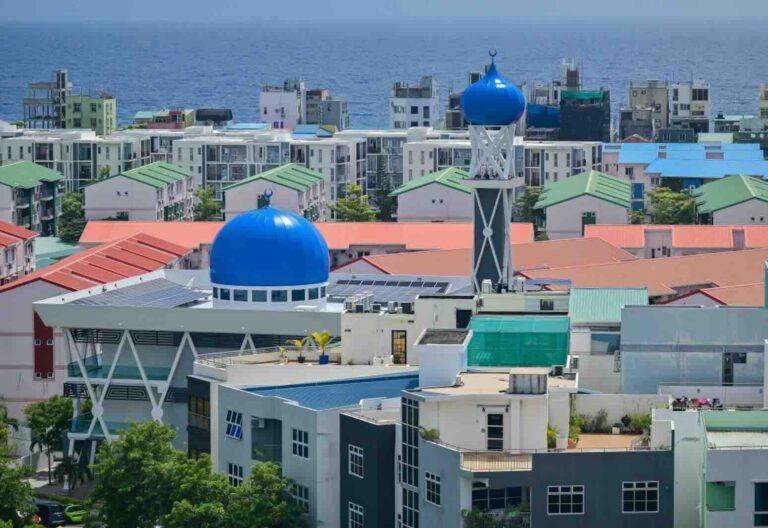
    Grounded Dreams: Can Young Maldivians Finally Afford a Home?

    Young Maldivians face a deepening housing crisis as soaring prices in Malé and Hulhumalé leave many trapped in rent, despite new government schemes offering lower-interest loans and public-private projects aimed at first-time buyers.

    In the crowded streets of Malé and the expanding reclaimed island of Hulhumalé, a generation of twenty- and thirty-somethings confronts a stark reality. The traditional marker of adulthood – owning a home – has slipped further out of reach. Steady salaries no longer bridge the gap between rent and property prices, leaving many locked in a cycle of shared family apartments or high monthly payments that consume most of their income.

    Salaries Versus Skyrocketing Real Estate

    The core of the problem is mathematical. Young professionals entering the civil service, private firms or tourism sector typically earn between MVR 10,000 and MVR 20,000 a month. Dual-income couples might combine for MVR 30,000 to MVR 40,000. Yet a standard two-bedroom apartment in Malé or a mid-range unit in Hulhumalé carries a price tag of MVR 2.5 million to MVR 4 million. Luxury units often exceed MVR 5 million to MVR 7 million.

    With outright purchase impossible for most, rent becomes the default. A decent two-bedroom apartment costs MVR 15,000 to MVR 22,000 monthly – sometimes 50 to 70 per cent of a young couple’s combined earnings. That leaves almost nothing for savings. The geography of the Maldives compounds the pressure. Land is scarce, demand concentrates in the Greater Malé region, and prices have raced ahead of wage growth. Families delay marriage or children simply because they cannot secure independent space.

    Banking Barriers That Locked Out a Generation

    Commercial loans once offered little relief. Banks routinely demanded a 20 per cent down payment. For a MVR 3 million apartment that meant finding MVR 600,000 in cash. A disciplined couple saving MVR 5,000 a month after rent and bills would need a decade just to accumulate the deposit – assuming prices stood still. Interest rates hovering around 20 per cent made monthly repayments unaffordable for many, and strict debt-to-income ratios barred approval. Young workers paid someone else’s mortgage while their own equity remained zero.

    Hiyaavehi Scheme: Lower Rates and Longer Terms

    Successive governments recognised the social risk of a frustrated generation. The current administration’s flagship response is the Hiyaavehi Financing Scheme, delivered through the Bank of Maldives, Housing Development Finance Corporation and Maldives Islamic Bank. It offers housing and construction loans at a 5 per cent profit rate, repayment periods of up to 25 years and an 18-month grace period. The property itself serves as sole collateral. Equity remains at 20 per cent, but government support can cover part or all of that contribution in eligible cases.

    The scheme divides into three tiers. Atoll residents can access up to MVR 1 million through HDFC with no equity required. Urban centres outside the capital offer up to MVR 3 million via BML and MIB. In the Greater Malé region, loans reach MVR 6 million. By early 2026 the Ministry of Construction, Housing and Infrastructure had already approved more than MVR 1 billion (over USD 64.7 million) for roughly 820 beneficiaries, with applications still being processed. Annual allocations of around MVR 1 billion have been pledged to sustain the programme.

    Pension Reforms and First-Time Buyer Focus

    Complementary changes to the Maldives Pension Act, ratified in May 2026, now allow retirement savings to be used as collateral or equity for home purchases, construction or renovation. The move is designed to ease the deposit hurdle without depleting long-term savings. When a loan is repaid, the collateralised funds return to the member’s account. Default triggers sale of the property first; only residual shortfalls draw on the pension balance.

    Public-private partnerships form another pillar. Five local developers have been contracted to build 1,000 affordable units in Hulhumalé Phase 3 under a sell-and-build model. Land and tax concessions reduce costs, while sale prices are capped – MVR 1.8 million for two-bedroom apartments and MVR 2.3 million for three-bedroom units – and units are reserved for first-time buyers through government allocation. The aim is to expand supply without letting investor speculation absorb the stock. Broader efforts under the “Housing for All” policy include thousands more units under Bank of Maldives lease-to-own schemes and other projects scheduled for completion by mid-2028.

    Speculation, Controls and the Human Toll

    Maldives’ Housing Minister Abdulla Muththalib has stressed that policy must move beyond ad-hoc projects toward a coherent strategy balancing supply, affordability and equity. Without strict controls, even well-intentioned schemes risk being captured by investors rather than families. Luxury developments long outpaced affordable stock, distorting the market. Expanding Hulhumalé Phase 3 and similar reclamations will help only if prices stay within reach of working households.

    Behind the numbers are delayed lives. Couples share cramped rooms with extended families. Tourism workers and civil servants with steady pay still live hand to mouth. Homeownership carries more than economic weight; it signals stability and independence. Its prolonged absence fuels quiet frustration across a generation.

    A Cautious Shift, Not Yet a Solution

    The private market still prices most young Maldivians out. High deposits, elevated interest rates and stagnant wages relative to property values leave the pure commercial route closed for many. Yet the policy landscape is shifting. Concessionary finance, pension collateral, equity support and controlled-price public-private units are beginning to rewrite the equation. Success now depends on speed and scale. Demand continues to outstrip supply. Safeguards that keep units with first-time buyers rather than investors will determine whether the reforms deliver genuine opportunity or merely new waiting lists.

    For young Maldivians the dream of a home no longer rests solely on salaries catching up with prices. It rests on whether these measures can produce affordable housing quickly enough to prevent another generation from being locked into perpetual rent. The numbers are starting to move. The question is whether they will move far enough, and soon enough, for those still waiting.

    Sri Lanka: Flood Victims Keep Returning Home as Relocation Fails in High-Risk Zones

    As recent heavy rains leave over 60,000 affected and claim 20 lives, Sri Lanka confronts the stubborn challenge of relocating flood victims who repeatedly return to high-risk zones despite offers of safer housing.

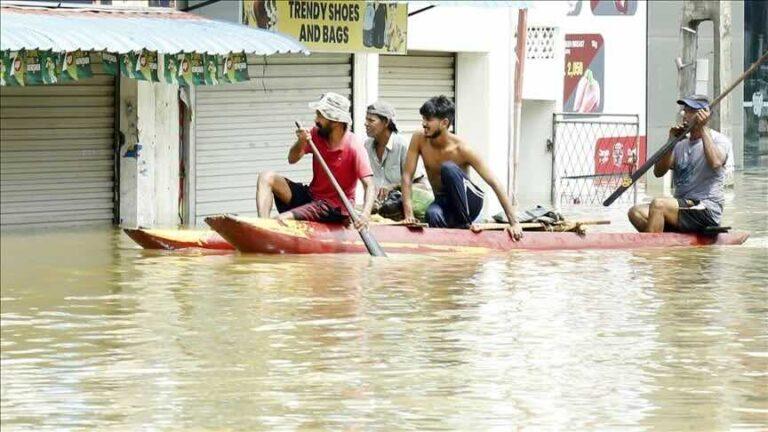
    When the Kelani River swells, families in places such as Kolonnawa pack what they can carry, move to higher ground or relief camps, and wait. After three days, a week or sometimes longer, the water recedes and they go home – not to a new house, but to the same low-lying plot that flooded the year before and the year before that.

    This pattern has become routine across Sri Lanka’s flood-prone river basins. Even when the State offers alternative housing or apartments, many residents refuse to leave land that has flooded them repeatedly, sometimes for the third or fourth time in a generation. Officials say the country is running out of easy answers.

    The question has taken on fresh urgency. In early August 2026, heavy rains and landslides left more than 60,000 people from over 17,000 families affected across 17 districts, with at least 20 deaths reported. Colombo, Gampaha and Kalutara were among the worst hit. Schools in parts of the Western Province, including Kolonnawa, closed. The Disaster Management Centre recorded thousands seeking temporary shelter while many others stayed with relatives or simply waited it out.

    Population Pressure Meets Poor Planning

    Part of the explanation is demographic. Sri Lanka’s 2024 census recorded a national population density of around 350 people per square kilometre, up from 230 in 1981. In Colombo District the figure reaches about 3,550 per square kilometre; Gampaha is close behind at roughly 1,775. That pressure has pushed households onto land the State itself regards as hazardous.

    In low-lying areas such as Megoda Kolonnawa, where more than 70 per cent of the land sits below sea level, residents have continued to buy and occupy property despite major floods in 2016, 2017 and 2025. A 2021 study found that for lower- and middle-income families, proximity to jobs, markets and transport in the Colombo area consistently outweighs flood risk.

    Prime Minister Dr Harini Amarasuriya has been blunt. Speaking after the December 2025 floods, she said people in Colombo District face these risks because of decisions taken without proper planning and driven by political agendas. The government, she added, would no longer allow unauthorised construction in high-risk areas and would provide alternative solutions. A comprehensive flood management plan for the district was promised. Months later, residents say little of it has visibly materialised on the ground.

    Who Decides a House is Unsafe

    Technical risk assessment for landslides falls largely to the National Building Research Organisation (NBRO). It acts on requests from district or divisional secretaries, inspects sites and issues recommendation reports. Households are ranked Priority 1 (immediate relocation), Priority 2 (high-risk with minor damage) or Priority 3 (unsafe land but no current damage).

    Families offered relocation can take a common scheme in which the Government provides subdivided land, or an individual scheme in which they find and buy their own plot or house. In both cases the NBRO must certify the new location is safe. Floods, however, sit outside the NBRO’s remit; those issues go to the irrigation department. The two main drivers of resettlement are therefore handled by separate institutions.

    The scale is large. Fourteen districts have been identified as landslide-prone. Originally 10,000–15,000 families were listed as living in unsafe zones. After the late-2024 and 2025 disasters, another 16,270 families were added. Recent NBRO warnings in August 2026 again flagged high-risk areas in districts including Kandy, Kegalle, Matale and Ratnapura as saturated soils raised the threat of fresh landslides.

    Livelihoods Over Safety

    Why do people stay? Ministry of Public Administration Additional Secretary Roshanie Dissanayake, who chairs a committee amending the Disaster Management Act and has worked on resettlement across 16 districts, says the reasons vary but livelihoods dominate.

    In places such as Aranayaka, residents grow high-value crops – durian, vanilla, pepper. A single tree can represent a large share of household income. Moving often means cutting people off from that income. Relocation also severs an entire social package: schools, neighbours, daily routines and a sense of place that is hard to replace.

    Financial incentives help. The Government currently offers Rs 5 million to help families buy land and a house elsewhere. In some cases an alternative plot is added. Plantation workers, who traditionally live on estate land they do not own, have gained more flexibility to take the assistance and move. Still, officials cannot force most people to leave. Public cooperation remains essential.

    From the irrigation department’s perspective, unauthorised settlement inside flood-control areas worsens the problem for everyone. Settlements built within project zones get inundated and generate the loudest complaints. Reducing the space available for water to spread simply pushes flooding elsewhere. Bunds regulate flow; they do not stop water. When people settle inside those regulated zones, the system breaks down.

    Lessons from Past Moves

    Sri Lanka’s biggest concentrated relocation effort followed the May 2017 floods and landslides that killed about 203 people and affected nearly half a million. An implementation framework covered Ratnapura, Kalutara, Galle and Matara. Only owners of homes directly or indirectly affected were eligible; those in prohibited zones had to move, while others could rebuild in place.

    Academic research shows outcomes depend heavily on how relocation is designed. One project from the 1990s left families with tiny plots and minimal support; many fell into poverty or sold the land illegally. Another, the Lunawa project, offered real choice, a larger grant, proximity to original homes and participation in design. Livelihoods held and people adapted within five years. Successful resettlement, researchers argue, must treat the process as multi-year, protect incomes, ensure transparency and keep affected people as active participants rather than passive recipients.

    Legal Limits and Climate Pressure

    Most families cannot be legally compelled to leave high-risk communities. Officials can act against illegal occupation of protected land such as forest reserves. But for the majority, the State relies on persuasion and incentives. Climate change is making traditional adaptations – keeping boats at home, waiting out the water – less reliable as weather patterns grow more intense and unpredictable.

    In Kolonnawa itself a Rs 10 billion flood-mitigation project was launched earlier in 2026, due for completion by 2029. It includes canal widening, new retention tanks, pumping stations and bridge upgrades. Whether it will persuade residents to stay or finally make the area safer remains to be tested by the next big rain.

    A Problem Measured in Decades

    Thousands continue returning to flood zones despite repeated evacuations and housing offers. No public progress reports have surfaced on key post-2017 resettlement programmes. Research and field experience agree on one point: relocation succeeds only when livelihoods move with the people.

    As another monsoon season tests the country’s defences, the arithmetic of density, the economics of daily survival and the limits of legal compulsion keep colliding. Until safer places also offer work, schools and community, many Sri Lankans will keep choosing the familiar risk over the unknown alternative – and the ritual of leaving and returning will continue.

    Grenade Attack Wounds Dozens of Children at Primary School in Hazara District

    Assailants on motorcycles hurled multiple grenades into the courtyard of the Dasht-e-Barchi primary school as students lined up to leave. Scores of young pupils were injured, prompting international condemnation and calls for an independent probe.

    An attack on a primary school in western Kabul has left dozens of children wounded, reigniting fears of targeted violence against Afghanistan’s Hazara community. On the afternoon of Monday, August 17, 2026, assailants threw several grenades into the courtyard of Sham-e-Hedayat (also referred to as Shama-e Hidayat) private school in the Dasht-e-Barchi neighbourhood, a predominantly Hazara and Shiite area of the capital.

    School sources and witnesses told Amu TV that the assault occurred around 4:45 p.m. local time as more than 70 students lined up to leave. Assailants on motorcycles threw multiple grenades; one witness described the explosions as producing little noise or smoke. Reports of a student accidentally carrying a grenade were disputed by those present.

    Casualties and Emergency Response

    The United Nations Assistance Mission in Afghanistan (UNAMA) confirmed that at least 42 children, aged between 9 and 14, were injured in the explosion at the education centre. Emergency, an international medical organisation running a surgical centre in Kabul, reported receiving 35 children, all with shrapnel wounds; at least three required surgery. Local media and health sources put the broader toll higher, with some accounts citing around 50 or as many as 52 people wounded, including both boys and girls. Patients were treated at facilities including the Emergency centre, Esteqlal Hospital and Alami Hospital.

    Dejan Panic, Emergency’s country director in Afghanistan, said the organisation activated its mass-casualty protocol after Kabul ambulances alerted it around 6 PM. “We later learned that it was an explosion, and all the patients were suffering from shrapnel injuries, with at least three of them requiring surgical care,” he stated. No deaths were immediately confirmed in official tallies, though the focus remained on the scale of injuries among primary-school-age children.

    Taliban police confirmed the incident but offered limited details. Khalid Zadran, spokesperson for the Taliban police command in Kabul, said several students had been wounded and that an investigation had been launched. He did not specify the precise casualty figure, describe how the attack unfolded or name suspects. Afghanistan’s Directorate of Mine Action Coordination later indicated a grenade had exploded at the school, consistent with police accounts.

    Pattern of Violence in Dasht-e-Barchi

    Dasht-e-Barchi has long been a focal point for attacks on Hazaras, a Shiite minority that has faced repeated targeting by Sunni extremists, particularly Islamic State Khorasan Province (ISIS-K or Daesh). Previous assaults on schools and education centres in the same neighbourhood include the May 2021 bombing at Sayed al-Shuhada High School that killed around 90 people, mostly schoolgirls; the September 2022 suicide bombing at the Kaaj education centre that killed more than 50, predominantly young women; and earlier incidents such as the April 2022 explosions near schools that killed at least six.

    No group claimed responsibility for Monday’s attack. Human rights advocates and analysts noted that ISIS-K has a documented history of striking educational sites, mosques and public gatherings in Hazara areas. Sharif Watandost, a human rights activist, warned that the school attack, alongside other recent violence, could signal the start of renewed targeting of Hazaras at schools, mosques and public places.

    Widespread Condemnation and Questions over Security

    The incident drew swift condemnation. Richard Bennett, the UN special rapporteur on human rights in Afghanistan, described it as a “heinous attack” and noted that a predominantly Hazara area of Kabul had “once again” been targeted. He called for a full and independent investigation to bring those responsible to justice. The European Union’s mission in Afghanistan stated that “deliberate attacks on children & education centers are unacceptable.” UNAMA emphasised that schools and education centres must be kept safe and urged an investigation into the circumstances.

    Afghan political and opposition figures also spoke out. Mohammad Mohaqiq, leader of the People’s Islamic Unity Party of Afghanistan, condemned the attack on “young children whose only concern is their notebooks and pens” and held the Taliban responsible for protection in areas under their control. The Afghanistan Freedom Front, an armed opposition group, said repeated security incidents undermined Taliban claims of nationwide security. Bismillah Taban, a security analyst, questioned both the Taliban’s capacity and willingness to investigate attacks targeting Hazaras and Shiites.

    The attack occurred days after Taliban leader Hibatullah Akhundzada asserted that nationwide security had been established since the group’s return to power in August 2021 and that “the sound of gunfire” could not be heard in any district. The Taliban have announced investigations after previous incidents, though findings are often not made public. UN reports have previously noted ongoing challenges in suppressing terrorist threats under Taliban rule.

    Insecurity and Minority Vulnerability

    Afghanistan remains littered with explosive remnants of war after decades of conflict, and authorities sometimes cite unexploded ordnance as a possible factor in explosions. In this case, however, multiple sources described deliberate grenade throws by motorcycle-borne assailants, and the location and timing as students dismissed strengthened perceptions of a targeted assault. News outlets noted that independent verification of the exact cause remained limited, with Taliban authorities providing sparse information.

    Hazaras, who comprise roughly 9-20 per cent of Afghanistan’s population depending on estimates, have endured historical discrimination and violence. Under Taliban rule since 2021, overall large-scale conflict has decreased in some assessments, yet attacks by ISIS-K and other actors against minorities, particularly in Kabul’s western districts, have persisted. Education centres have repeatedly been soft targets, compounding the challenges faced by families seeking schooling for their children amid broader restrictions on girls’ secondary education.

    As of Wednesday, August 19, hospitals continued treating the wounded. Families of the injured children, many of them primary-school pupils, waited for updates. International observers and Afghan rights advocates reiterated demands for transparency in the investigation and concrete measures to protect schools in vulnerable neighbourhoods.

    ICAR’s 97th AGM Charts Farmer-Centric, Demand-Driven Path for Agricultural Transformation

    Union Agriculture Minister Shivraj Singh Chouhan urges research prioritising farmers, markets and consumers to boost incomes, resilience and global competitiveness at the Indian Council of Agricultural Research’s annual meeting in New Delhi.

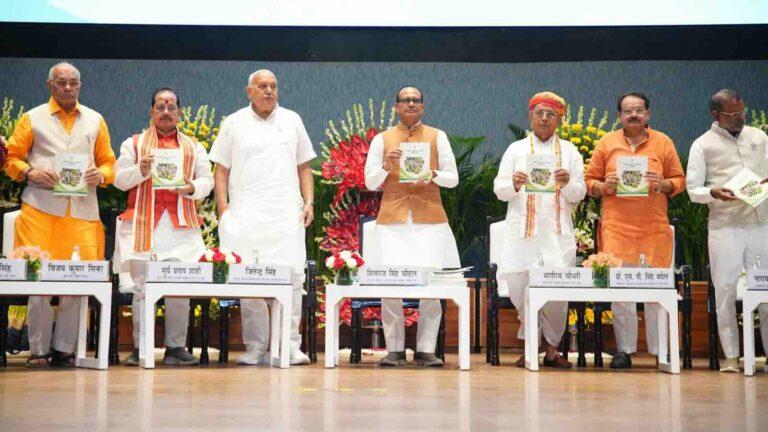
    The 97th Annual General Meeting of the Indian Council of Agricultural Research (ICAR) Society, held on Tuesday under the chairmanship of Union Agriculture and Farmers’ Welfare Minister Shivraj Singh Chouhan, set out a clear roadmap for the next phase of India’s agricultural transformation. The emphasis was unambiguous: research must become demand-driven, centred on the needs of farmers, markets and consumers, and deliver measurable benefits on the ground rather than remain confined to laboratories.

    Chouhan declared that without developed agriculture, the dream of a developed India cannot be realised. He called for moving beyond the goal of simply increasing production to building a strong identity “from farm to global market.” Research success, he stressed, should be judged by how quickly the right solutions reach farmers and improve their livelihoods, particularly those of small and marginal cultivators who form the backbone of Indian agriculture.

    Demand-Driven Research at the Core

    “Research alone is not enough; the right research, at the right time, must address the right problem and reach the farmer quickly – that is the true measure of success,” Chouhan said. He urged the creation of an ecosystem in which scientific priorities are shaped by real-world challenges faced by farmers, evolving market demands and changing consumer preferences. Greater dialogue among scientists, policymakers, farmers, industry and other stakeholders, along with clearer prioritisation of research objectives, was essential, he added. Innovative ideas, described as “seeds,” must be translated into practical solutions and measurable impact.

    The minister highlighted integrated farming systems as a key pathway to diversify incomes and build resilience for small and marginal farmers. Timely access to quality seeds and planting material, balanced fertiliser use, improved soil health and sustainable agricultural practices were identified as critical supporting measures. Strengthening India’s export viability through better quality, nutrition, processing, packaging, shelf life and compliance with global standards also featured prominently in his address. Stronger ICAR-industry partnerships were called for to accelerate the transfer of technologies from laboratories to fields.

    Push for Self-Reliance and Sectoral Integration

    Union Minister of State for Agriculture Bhagirath Choudhary noted the significant strides made in agriculture and allied sectors since 2014 and identified self-reliance as the next priority. He emphasised strengthening domestic production of pulses, oilseeds and seeds, along with livestock and value-added processing. Climate-resilient farming, soil health, sustainable resource management, stronger Farmer Producer Organisations (FPOs) and better market linkages were highlighted as means to raise farmers’ incomes. ICAR and the network of Krishi Vigyan Kendras (KVKs), he said, remain vital for taking science and technology to the grassroots, supporting the broader vision of Atmanirbhar Bharat and Viksit Bharat by 2047.

    Union Minister of State for Fisheries, Animal Husbandry and Dairying SP Singh Baghel pointed to India’s progress across foodgrains, horticulture, dairy, fisheries, meat and eggs. He attributed the gains to scientific research, technology and the collective efforts of scientists, farmers and governments at the Centre and in the states. Referring to the legacies of the Green and White Revolutions, he underlined India’s position as the world’s largest milk producer and the growth in fisheries production and exports. Greater integration of crops with livestock, dairy, fisheries and poultry was needed to enhance rural incomes, he said.

    Achievements Reported by ICAR

    ICAR Director General and Secretary, Department of Agricultural Research and Education (DARE), Dr ML Jat presented the Council’s progress over the past year. Foodgrain production rose by around 19 million tonnes, with significant growth also recorded in horticulture, milk and fisheries. Scientists released 386 new crop varieties, of which 94 per cent were climate-resilient and 29 were biofortified, contributing to productivity, resilience and nutrition security.

    Breakthroughs were reported in genomics, genome editing, livestock health, fisheries, soil health and natural farming. The development of an indigenous African Swine Fever vaccine was highlighted as a major advance supporting pig health and farmers’ livelihoods. On the commercialisation front, around 805 intellectual property applications were filed, while technology commercialisation was strengthened across 36 institutions. The national gender platform for agri-food systems now connects more than 9,000 establishments, reinforcing women’s participation in the sector.

    Centre-State Collaboration and Institutional Steps

    The meeting brought together Union and state ministers and other stakeholders from across the agricultural and allied sectors. Participants included ministers from Arunachal Pradesh, Assam, Bihar, Haryana, Jammu and Kashmir, Madhya Pradesh, Nagaland, Punjab, Sikkim, Uttarakhand, Uttar Pradesh and West Bengal. Among them, Jammu and Kashmir’s Minister for Agriculture Production Javid Ahmad Dar called for greater focus on region-specific research suited to the Union Territory’s unique agro-climatic conditions and potential in horticulture and allied sectors. He proposed establishing a State Council for Agricultural Research to improve coordination.

    A memorandum of understanding was signed with industry and CSR donors to strengthen partnerships and mobilise resources for research and development. Four ICAR publications were released. The ICAR Annual Report 2025–26 and the annual accounts for 2024–25 (with the auditor’s report) were presented for adoption. Proposals for updating the rules and bye-laws of the ICAR society were also considered. Members shared suggestions on achievements and future expectations, providing inputs for the research agenda.

    Participating ministers expressed satisfaction over the rise in foodgrain production and overall progress, while reaffirming commitment to stronger Centre-state collaboration for farmers’ prosperity.

    Pakistan: Unpaid for Three Years, Tribal Teachers Keep Hope Alive in Merged Districts

    In Pakistan’s former tribal belt, 269 dedicated teachers have gone unpaid for nearly three years yet still keep classrooms open for more than 18,000 children in remote community centres.

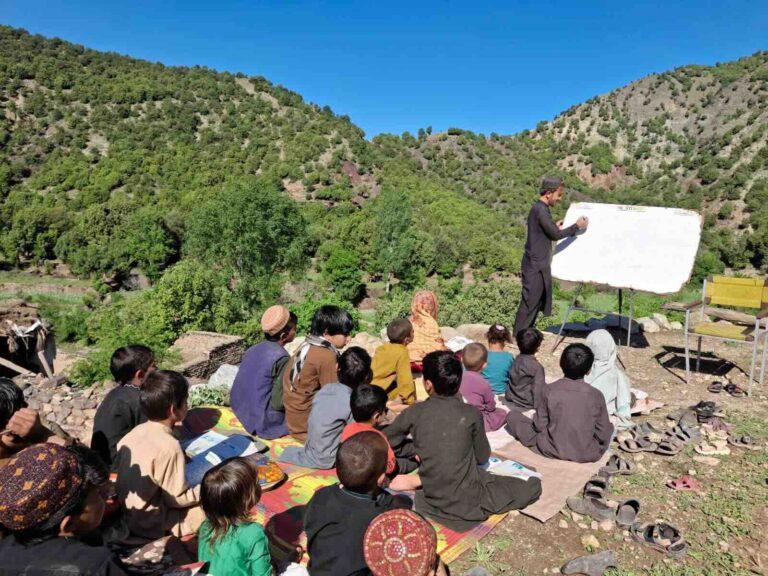
    In the remote villages of Kurram, Bajaur and other former FATA districts now merged into Pakistan’s Khyber Pakhtunkhwa province, a quiet act of defiance unfolds every morning. Women teachers, many of them the first in their families to work outside the home, walk or take expensive taxis to community centres housed in borrowed houses and hujras. They teach girls who once had no school within reach. For nearly three years they have received no salary.

    The “Literacy for All in FATA” project, launched in 2016, was designed precisely for places like these. It created Community-Based Education (CBE) centres where formal schools never existed. Of the 209 centres originally established, 191 remain open. They employ 269 teachers and seven literacy supervisors, the majority women, and serve more than 18,000 students – most of them girls.

    Teachers Who Refuse to Quit

    Zehra Bibi (name changed), a teacher from Parachinar in Kurram, has served one such centre for eight years. Around 70 girls study under her care. Several former students have moved on to higher education. Yet, for almost three years now, she has not been paid a penny. She still travels daily by taxi from the city to a distant village, covering the fare from her own dwindling savings. Multiple complaints to the Chief Minister’s Complaint Cell have brought no relief.

    Hafsa Begum (name changed) in Utman Khel tehsil of Bajaur has gone 34 months without salary. When the project began, many parents refused to send daughters to school. Teachers formed women’s committees and went door to door. Enrolment rose. One of her students, Sabeela, topped her first-year exams. Another, Saira Naimat Jan, scored outstanding marks in Grade 10 and continues studying. “We kept the light of education alive in some of the most underdeveloped areas of the country,” Hafsa says – a statement that is testimony to the dedication of the teachers.

    The prolonged non-payment has pushed hundreds of teachers into serious financial hardship.

    Most centres operate free of rent in community-provided spaces, keeping government costs low. Teachers themselves absorb transport and basic materials. Their persistence has become the project’s only reliable funding stream.

    A Project Caught Between Systems

    Earlier, the initiative was funded through the FATA Annual Development Programme. After the merger of the tribal districts, it continued under the Merged Areas Education Foundation (MEAF) and the Khyber Pakhtunkhwa Elementary and Secondary Education Department. That transition left it in budgetary limbo. Officials say MEAF had not earlier submitted a formal proposal for inclusion in the regular budget. Revised documentation has now been prepared and is due to go to the Planning and Development Department for Provincial Development Working Party approval.

    Zain Shah, Chief Planning Officer of the KP Elementary and Secondary Education Department, says that the government is accelerating efforts to shift the project onto the current budget on a permanent basis. If procedures are completed on schedule, outstanding salaries could be released in a single payment by end-August 2026. He added that any comprehensive proposal to expand the centres would also be considered. Education and health remain stated priorities for the merged districts.

    Similar salary crises have hit other contractual teachers across the region. In 2024, around 2,700 PTC-recruited teachers in the former tribal areas reported months – or in some cases two years – without pay. Second-shift teachers and community school teachers elsewhere in KP have faced parallel delays, sometimes lasting eight months or longer. These repeated failures underline a deeper structural problem: temporary or project-based staff in the merged areas remain vulnerable to bureaucratic and fiscal gaps.

    The Stakes for 1.2 Million Children

    The human cost is measured in more than unpaid wages. Official figures cited by MEAF show more than 1.2 million children in the merged tribal districts remain out of school. Province-wide estimates place the figure for Khyber Pakhtunkhwa at roughly 4.7 to 4.9 million, with girls disproportionately affected. In some tribal districts the out-of-school rate for girls has historically exceeded 60 per cent. Community-based centres offer a low-cost, culturally acceptable bridge for children who would otherwise never enter a classroom.

    Closing or further weakening these centres would reverse hard-won gains. Many parents who once resisted girls’ education now see daughters progressing to secondary and higher studies. The centres have also created rare formal employment for local women in conservative areas. Teachers and community members describe the project as a “beacon of hope.” They urge the government not only to clear arrears but to mainstream the model permanently, as community schools in settled districts already receive regular funding.

    A Pattern of Neglect and Resilience

    Education in the former FATA has long been fragile. Decades of conflict destroyed schools, drove teachers away and entrenched social barriers. After the merger, expectations of rapid improvement ran high. 

    But, progress has been uneven. Teacher shortages persist; many primary schools still operate with only one instructor. Security concerns continue to disrupt learning in some areas. Large-scale enrolment campaigns and temporary recruitment drives are announced regularly, yet foundational projects like Literacy for All remain chronically underfunded.

    The teachers’ decision to continue working without pay is both inspiring and unsustainable. Many have taken loans, postponed medical care, or relied on family support. Some risk losing the ability to reach their centres if transport costs become impossible. Students notice the strain. The quiet message they receive is that education is valuable enough for adults to sacrifice their livelihoods – yet the State has not yet matched that commitment with reliable resources.

    What Permanent Integration Could Mean

    Advocates argue that the CBE model is already proven and cost-effective. Centres use existing community buildings, employ local women, and reach the hardest-to-serve populations. Integrating them into the regular provincial education system would end the cycle of project-based uncertainty, provide job security for teachers, and signal that the state values education in the merged districts as highly as in Peshawar or Mardan.

    Until that happens, the daily reality remains the same. In a village outside Parachinar or in a Bajaur tehsil, a teacher arrives, opens a borrowed room, and begins the lesson. She has not been paid for years. The children are still there. So is she. The question hanging over these classrooms is how much longer that balance can hold.

    Bangladesh Seals Long-Term US LNG Deal at Elevated Prices

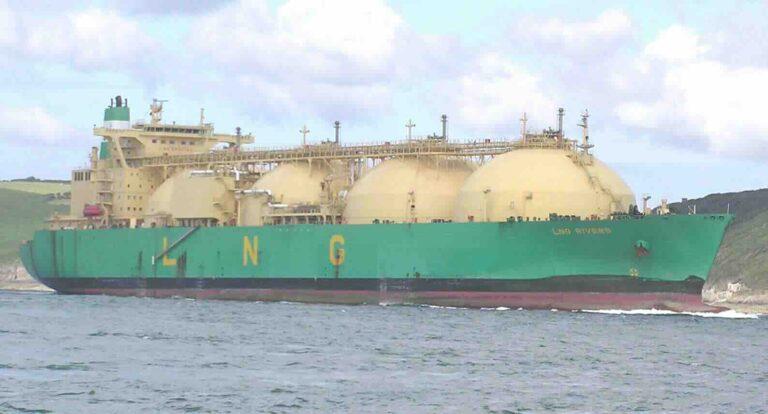
    Bangladesh’s cabinet purchase committee has approved a 13-year deal to import 117 LNG cargoes from US-based Gunvor USA LLC at revised higher prices, advancing the reciprocal trade pact’s energy commitments amid global supply shocks.

    Bangladesh is set to import 117 cargoes of liquefied natural gas from Texas-based Gunvor USA LLC between 2026 and 2038 under a government-to-government arrangement, after the Cabinet Committee on Government Purchase gave final approval last week. The decision marks a concrete step in fulfilling energy-related pledges made under the reciprocal trade agreement signed with the United States earlier this year, even as questions linger over pricing and the structure of the deal itself.

    Finance Minister Amir Khosru Mahmud Chowdhury chaired the meeting that cleared the long-term purchase proposal submitted by Petrobangla. Officials described the arrangement as part of broader efforts to reduce the trade deficit with the United States and secure more predictable supplies at a time when traditional Middle Eastern sources face severe disruption.

    Critics have labelled the final package “jacked-up” relative to the company’s opening offer, particularly for the early years when Asian spot prices remain elevated. Supporters argue that locking in volumes now provides a hedge against further volatility and that the later switch to a Henry Hub-linked formula should prove more competitive once global liquefaction capacity expands.

    Trade Pact Context and Supply Urgency

    The Gunvor contract forms part of Bangladesh’s commitment, made under the February 2026 Agreement on Reciprocal Trade, to purchase roughly $15 billion worth of US energy products, including LNG, over 15 years. The interim government signed the pact shortly before leaving office, seeking both tariff relief on Bangladeshi exports and greater energy security.

    That security has become more urgent since the escalation of the US-Israeli conflict with Iran. QatarEnergy, one of Bangladesh’s main long-term suppliers, declared force majeure on some deliveries. Spot prices that hovered near $10 per MMBtu in January briefly spiked above $28. Domestic gas production continues its long-term decline, leaving the power and industrial sectors increasingly dependent on imported LNG.

    Petrobangla has already been forced to turn repeatedly to the spot market and short-term direct purchases. On the same day the long-term Gunvor deal was approved, the committee also cleared six additional cargoes from other suppliers – two each from UK-based Blackcube International, Oman’s Maxwell International and Hong Kong’s Zhenyu Shipping – at prices ranging from $14.95 fixed to JKM-linked terms. Earlier the Cabinet Committee on Economic Affairs had given in-principle clearance for further emergency cargoes.

    Questions Over Structure and Risk

    The decision to frame the Gunvor purchase as a government-to-government arrangement has drawn scrutiny. Gunvor USA LLC is a privately owned commercial entity, not a state company. Committee members did not publicly clarify how the G-to-G designation applies in this case. Energy Minister Iqbal Hassan Mahmood Tuku had earlier indicated that performance of initial cargoes would be evaluated before any full long-term commitment was locked in, though the final approval now covers the entire 13-year span.

    Analysts note that concentrating additional long-term volumes with a single US supplier deepens reliance on one geographic corridor even as it diversifies away from the Gulf. The dual-index pricing structure attempts to balance near-term Asian market realities with the expectation that US Gulf Coast gas will remain relatively competitive in the 2030s. Whether the formula ultimately delivers value will depend on the future path of both JKM and Henry Hub prices, shipping costs, and the utilisation rate of Bangladesh’s floating storage and regasification units.

    Broader Energy Outlook

    Bangladesh’s annual LNG import requirement continues to climb as domestic fields deplete. Officials project the need for well over 100 cargoes a year in the coming seasons simply to keep power plants and fertiliser factories running. Long-term contracts already exist with QatarEnergy, OQ Trading of Oman and Excelerate Energy of the United States. The Gunvor volumes add another substantial tranche under the reciprocal trade framework.

    The government simultaneously continues to approve fertiliser and other commodity imports to support agriculture and food security. Last week’s meeting also cleared purchases of urea, DAP, TSP, rice, sugar, soybean oil and lentils, underscoring the breadth of immediate import needs.

    For households and industries already absorbing higher gas tariffs and frequent load management, the practical test of the new deal will be whether cargoes arrive on schedule and at prices that keep subsidy bills manageable. The first five Gunvor cargoes are expected this year, offering an early indicator of delivery reliability.