More

    EU-India to Promote Start-Up Collaboration on Recycling of E-Vehicles Batteries

    Twelve innovators will be selected and get a pitching opportunity during the Matchmaking Event, scheduled for June 2024. Six finalists will be selected following their pitching presentations and awarded the possibility to visit India and the EU, respectively.

    The European Union (EU) and India on Tuesday launched an Expression of Interest (EoI) for startups working in Battery Recycling Technologies for Electric Vehicles (EVs) for a matchmaking event. The matchmaking aims to enhance the cooperation between European and Indian Small and Medium-sized Enterprises (SMEs) and startups in the clean and green technologies sector.

    The intended exchange of knowledge and expertise will be instrumental in advancing the circularity of rare materials and transitioning towards carbon neutrality in both India and the EU. This initiative takes place under the India-EU Trade and Technology Council (TTC), announced by India and the European Commission in New Delhi on 25th April 2022.

    This event is also part of a broader effort to promote a sustainable agenda, foster innovation, and forge stronger economic relations between the European Union and India.

    The EoI for the Matchmaking Event launched today, provides a platform for Indian and EU startups/SMEs in the field of EV Battery Recycling Technologies to pitch their innovative solutions and engage with Indian/European venture capitalists and solution adopters. Twelve innovators, six each from India and the EU will be selected and get a pitching opportunity during the Matchmaking Event, scheduled for June 2024. Six finalists (three from the EU and three from India) will be selected following their pitching presentations and awarded the possibility to visit India and the EU, respectively.

    The key highlights of the event are: (i) to identify, support, and promote startups/SMEs dedicated to advancing the field of battery recycling technologies for EV; and (ii) to facilitate cooperation, explore potential trade avenues, deepen customer relations and to explore investment avenues for the shortlisted startups/SMEs.

    The Matchmaking Event under India-EU TTC Working Group 2 offers Indian startups/SMEs an exclusive platform to demonstrate their expertise in battery recycling technologies. It provides a chance for Indian innovators to establish strategic alliances with their counterparts in the EU, accelerating the development of advanced battery recycling techniques focused on waste minimization and resource sustainability.

    “Our objective is to harmonize efforts with EU innovators to jointly develop battery recycling solutions that drive industry expansion. We are dedicated to fostering a collaborative environment where sustainability and innovation form the cornerstone of a flourishing circular economy”, said Professor Ajay Kumar Sood, Principal Scientific Adviser to the Government of India.

    Mr. Marc Lemaître, Director-General for Research and Innovation at the European Commission emphasized the need for collaboration dedicated to the EV Battery Recycling industry and said, “The match-making event is a step-ahead to unlock innovative possibilities leading to a green and circular economy. We encourage innovators from the EU to seize this opportunity and explore potential collaborations with their Indian counterparts.”

    NTPC to Launch New Edition of Girl Empowerment Mission

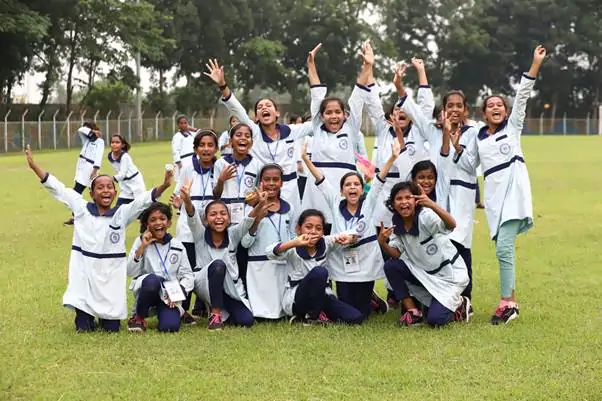
    The Girl Empowerment Mission focuses on the empowerment of girls through various interventions and aims to identify and nurture their leadership qualities, so that they can be future-ready. The workshop focuses on health, hygiene, safety, fitness, sports and yoga.

    NTPC Limited, India’s largest integrated power company, is gearing up to launch the latest edition of Girl Empowerment Mission (GEM), its flagship Corporate Social Responsibility initiative. The programme aligns with the Government of India’s Beti Bachao, Beti Padhao initiative and aims to tackle gender inequality by nurturing girls’ imaginations and fostering their ability to explore opportunities. GEM does this through a 1-month workshop for young girls during summer holidays, by offering them a platform for their all-round upliftment and development.

    Starting from April 2024, the new edition of GEM will add nearly 3,000 meritorious children belonging to underprivileged sections of the society at 42 identified locations of the power sector PSU. With this, the total number of children benefiting from the Mission will cross 10,000.

    The GEM Mission, initiated as a pilot project in 2018 with just three locations and 392 participants, has flourished into a nationwide movement. Despite challenges posed by the COVID-19 pandemic in 2020 and 2021, the program has continued to expand its reach and impact. Till date, it has benefited a total of 7,424 girls, with the number of participants steadily increasing each year. In 2023 alone, 2,707 girls participated in the workshop across 40 locations of NTPC, spanning 16 states of India.

    The Mission focuses on the empowerment of girls through various interventions and aims to identify and nurture their leadership qualities, so that they can be future-ready. The workshop focuses on health, hygiene, safety, fitness, sports and yoga. The GEM Workshop has garnered widespread acclaim for its holistic approach to skill development, confidence-building, and mentorship. By equipping girls with essential tools and unwavering support, NTPC aims to pave the way for a brighter future for upcoming generations. It seeks to empower girls to become catalysts of change, influencing not only themselves but also their families, communities, and the nation as a whole.

    Researchers Develop Better Way to Make Painkiller From Trees

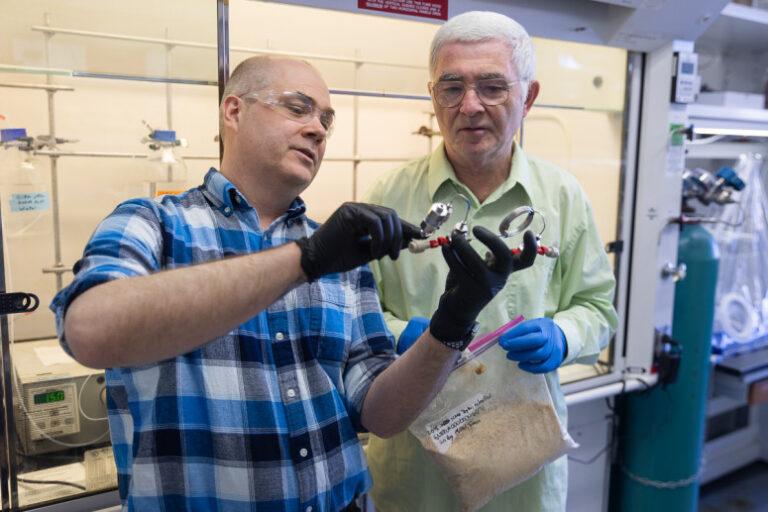
    The researchers started with ground-up poplar biomass and turned it into crystalized paracetamol along with several other valuable products.

    By Chris Hubbuch / University of Wisconsin–Madison

    Scientists at the University of Wisconsin–Madison have developed a cost-effective and environmentally sustainable way to make a popular pain reliever and other valuable products from plants instead of petroleum.

    Building on a previously patented method for producing paracetamol – the active ingredient in Tylenol – the discovery promises a greener path to one of the world’s most widely used medicines and other chemicals. More importantly, it could provide new revenue streams to make cellulosic biofuels — derived from non-food plant fibers — cost competitive with fossil fuels, the primary driver of climate change.

    “We did the R&D to scale it and make it realizable,” says Steven Karlen, a staff scientist at the Great Lakes Bioenergy Research Center who led the research published recently in the journal ChemSusChem.

    Paracetamol, also known as acetaminophen, is one of the most widely used pharmaceuticals, with a global market value of about $130 million a year. Since it was introduced in the early 1900s, the drug has traditionally been made from derivatives of coal tar or petroleum.

    In 2019, Karlen and UW–Madison biochemistry professor John Ralph showed how it could be made instead from a compound in poplar trees using a well-known chemical reaction.

    Now Karlen’s team has improved the process for making paracetamol as well as other drugs, pigments, textiles, and biodegradable plastics with a cumulative market value of more than $1.5 billion, a portfolio of products that Karlen says could support dozens of small biorefineries feeding into larger hubs without saturating the market.

    The process is available for commercial licensing through the Wisconsin Alumni Research Foundation, the nonprofit organization that commercializes university discoveries to support ongoing research.

    The paracetamol molecule is made of a six-carbon benzene ring with two chemical groups attached. Poplar trees produce a similar compound called p-hydroxybenzoate (pHB) in lignin, the part of the cell wall that binds plant sugars together and provides structure.

    Lignin is chock full of valuable aromatic compounds that could replace many petrochemicals and provide biorefineries with additional revenue streams to make plant-based fuels cost competitive. The challenge is breaking down the complex and irregular chain of molecules into useful components.

    It turns out pHB is relatively easy to break off with chemical treatment, but while the initial discovery showed it was chemically possible to turn it into paracetamol, Karlen says that process didn’t convert enough of the raw material into the final product.

    Research scientist Vitaliy Tymokhin discovered that treating poplar biomass with a different – and typically cheaper – method converted nearly all the pHB into another chemical that can then be converted into paracetamol or a less valuable molecule with other applications.

    “You can make dyes like black ink, polymers which can be used in textiles or material application, convert it to adhesives or into stuff like that,” Karlen says. “It’s got a huge market and big value.”

    By recycling the unreacted product back through in a continuous reactor, the scientists successfully converted 90 per cent of the raw material into paracetamol, which they extracted using a method that’s cheaper than traditional purification techniques. Karlen says it should be possible to dial the yield up to 99 per cent.

    The process is primarily water based, relies on green solvents, and is continuous rather than a batch reaction, which makes it ideal for industrial applications.

    “As I’m chopping the tree up, it can feed right into a reactor that pulls out the benzamide,” Karlen says. “So you’re never stopping. As fast as your trucks can come in and fill that hopper, you can keep processing.”

    IPEF to organise Clean Economy Investor Forum

    The IPEF Clean Economy Investor Forum is one of the initiatives under the IPEF. It brings together the region’s top investors, philanthropies, financial institutions, innovative companies, start-ups and entrepreneurs.

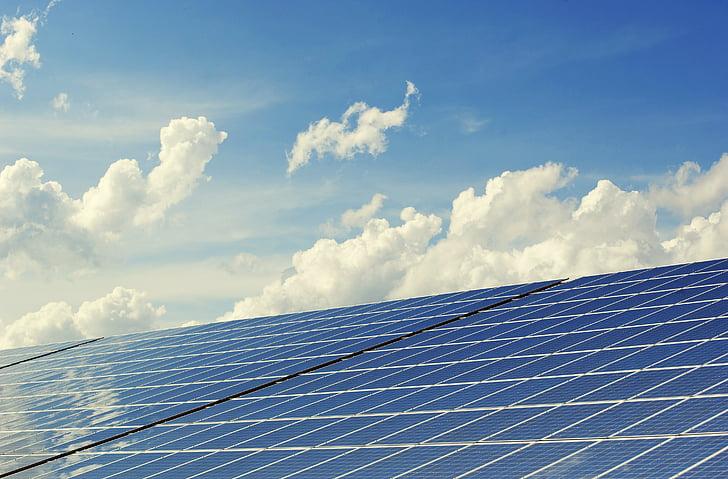
    The Indo-Pacific Economic Framework for Prosperity (IPEF) is calling for applications from tech companies and startups as it aims to mobilize investments into sustainable infrastructure, climate technology and renewable energy projects. This is also an opportunity to showcase Indian investible sustainable infra projects on electric vehicles and solar power.

    The Indo-Pacific Economic Framework for Prosperity (IPEF) was launched in May 2022 and currently includes 14 partners – Australia, Brunei Darussalam, Fiji, India, Indonesia, Japan, the Republic of Korea, Malaysia, New Zealand, Philippines, Singapore, Thailand, United States and Vietnam to provides a platform for countries in the region to collaborate on advancing resilient, sustainable, and inclusive economic growth. It aims to contribute to cooperation, stability and prosperity in the region.

    The IPEF comprises four pillars of cooperation namely: Trade, Supply Chain, Clean Economy and Fair Economy.

    The IPEF Clean Economy Investor Forum is one of the initiatives under the IPEF. It brings together the region’s top investors, philanthropies, financial institutions, innovative companies, start-ups and entrepreneurs. The Forum aims to mobilize investments into sustainable infrastructure, climate technology and renewable energy projects.

    The Department of Commerce is the nodal agency for the IPEF engagements in India, and the IPEF Clean Economy Investor Forum is managed by Invest India, India’s National Investment Promotion Agency.

    Apart from showcasing India’s leadership position in the Clean Economy space and the various innovate solutions driving it, India will showcase some of the large infrastructure projects in clean economy and top climate tech companies to the global investors for investment opportunities.

    The forum offers opportunity for the Indian industry in the two following tracks:

    • Climate Tech Track:  Under this track, IPEF Clean Economy Investor Forum is holding an open call that aims to recognise the top climate tech companies and start-ups among the member countries and present them to global investors. Climate tech entrepreneurs and companies in India may apply under this track.
    • Infrastructure Track: Under this track, India will showcase selected investible sustainable infrastructure projects at the 2024 Forum. The sectors of focus are-energy transition (e.g electric gird; renewable energy, including solar, and onshore wind; sustainable aviation fuel; battery storage; hydrogen; green data centers), transport and logistics (e.g. Electric Vehicle, EV charging points), waste management/waste to energy.

    The applications will be evaluated by regional and industry experts and the top 100 companies will be announced in early May 2024 and shortlisted companies will be invited to showcase and pitch at the Investor Forum in Singapore on 5 and 6 June 2024. The projects that are ready, or expected to be ready, for private investment during the next 18 months will be given priority for showcasing at the forum.

    Nepal Army to Collect 10 Tonnes of Trash from Everest, Lhotse and Nuptse

    The waste collection drive will commence on April 11 and will run for 50 days. The campaign will conclude on June 5, 2024, on the day of the World Environment Day.

    The Nepali Army is to collect waste from Mt Everest, Mt Lhotse and Mt Nuptse under the Clean Himalaya Campaign-2024 this year.

    The Army plans to collect 10 tonnes of waste and as many as five dead bodies from the mountains, the Army informed the media through a news conference on Sunday.

    It said trained army personnel will collect trash from the Base Camp up to the Fourth Camp on Mt Everest.

    Director of the Clean Himalaya Campaign, Brigadier General Sanjaya Deuja said that 12 trained army persons will be mobilized for this campaign. Of them, 10 will mobilize above the Base Camp while two will coordinate remaining in Namche.

    Similarly, 18 Sherpas will be mobilized for facilitating in the waste collection, it is stated. The leader of the Campaign, Major Aditya Karki said the waste would be collected up to a height of 8,000 metres on Mt Everest. The waste collection drive will commence on April 11 and will run for 50 days. The campaign will conclude on June 5, 2024, on the day of the World Environment Day.

    Eight in 10 Indians Support Cutting Plastic Production: Greenpeace Survey

    The survey highlighting public demand for global action ahead of Intergovernmental Negotiating Committee meeting was conducted across 19 countries. It indicates overwhelming public backing for measures aimed at ending single-use plastics and promoting reuse-based solutions.

    Eight out of 10 Indians support cutting plastic production in order to save the country’s biodiversity and limit global warming to 1.5 degrees Celsius, reveals a new Greenpeace International report. 

    The survey comes ahead of the fourth Intergovernmental Negotiating Committee (INC4) meeting for a Global Plastics Treaty to be held in Ottawa, Canada this month, indicating that more than 90 per cent of Indians are concerned about the adverse health effects of plastics on their children’s health. 

    The survey which was conducted across 19 countries indicates overwhelming public backing for measures aimed at ending single-use plastics and promoting reuse-based solutions.

    “The high level of support for ambitious action on plastics is similar across all the countries surveyed, but particularly strong in most of the Global South countries where plastic pollution levels are higher,” says the report, adding, “The overwhelming show of public support sends a strong message to the Governments negotiating the Global Plastics Treaty – the public expects political leaders to address pollution from the full life cycle of plastics, by cutting plastic production and banning single-use plastics. A failure to do so will carry political consequences.”

    In several countries there is a significant disconnect between the level of public support for cutting plastic production and the position of their governments on the treaty. Despite having widespread public support for reducing plastic production in India, the Indian government opposes limitations on plastic production.  

    Greenpeace is demanding that the Global Plastics Treaty cuts total plastic production by at least 75 per cent by 2040 to protect biodiversity and ensure that global temperatures stay below 1.5° C. Over 99 per cent of plastic is made from fossil fuels, and with production set to skyrocket, it is a significant driver of climate change.

    Key findings include:

    • 87 per cent of Indian respondents support cutting the production of plastic to stop plastic pollution.
    • 89 per cent of Indian respondents believe that the Global Plastics Treaty should include targets that oblige governments and corporations to transition away from single-use plastic packaging to reusable and refillable packaging
    • 80 per cent of global respondents advocate for protecting biodiversity and the climate by reducing plastics production.
    • 90 per cent of global respondents endorse transitioning away from single-use plastic packaging to reusable and refillable alternatives.
    • 75 per cent of global respondents support a ban on single-use plastic packaging. 
    • 79 per cent of Indian respondents advocate for the exclusion of lobbyists from the fossil fuel and chemical industries from treaty negotiations.

    “The survey findings are pivotal in the fight against plastic pollution and climate change. The overwhelming support from 87 per cent of Indians and echoed globally reaffirms our shared commitment to safeguarding our planet’s biodiversity and limiting global warming to 1.5 degrees Celsius,” said Abhishek Kumar Chanchal, Project lead, Plastic Free Future, Greenpeace India. 

    “With over 90 per cent of Indians expressing grave concerns about the health impacts of plastics on our children, it is clear that urgent action is not only desired but imperative. The findings of this survey underscore the overwhelming public demand for transformative measures, including transitioning away from single-use plastics towards reusable and refillable solutions,” said Chanchal.

    “As we approach the INC4 meeting for a Global Plastics Treaty, Greenpeace urges governments and corporations to heed the call of the people by incorporating ambitious targets that promote sustainable alternatives and prioritize the protection of our environment and climate,” Chanchal said. 

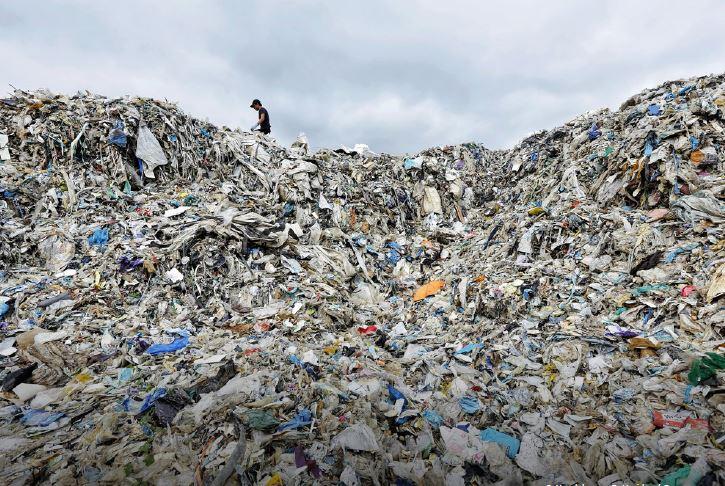
    Image: Nandakumar S. Haridas / Greenpeace

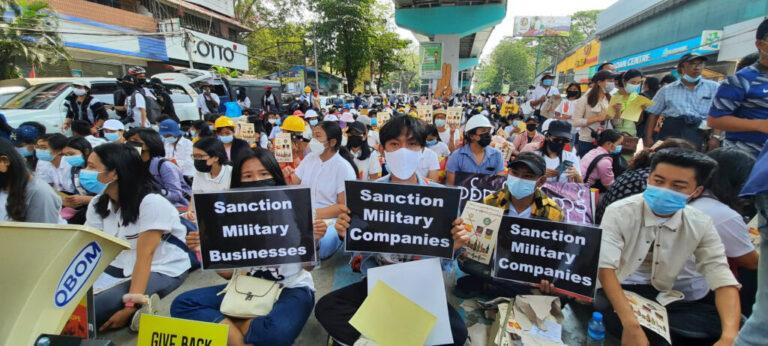
    UN Shows Conflicting Approaches to Myanmar Crisis

    The Human Rights Council’s April 4 resolution calls for restricting the Myanmar military’s access to jet fuel, a call echoed by the United States at the Security Council meeting.

    By John Sifton

    Myanmar’s already abysmal human rights situation is getting worse.

    That’s what senior United Nations officials told the UN Security Council on April 4, during a rare open meeting on Myanmar, its first since February 2019.

    The council heard of a spiraling human rights and humanitarian catastrophe, with particularly worrisome abuses in Rakhine State. Conflict has “weakened transnational security” and instability has led to a crisis with “global implications,” officials said.

    In December 2022, the council adopted Resolution 2669, condemning the Myanmar military’s abuses and attacks on civilians since its February 2021 coup. The resolution called on the military to release political prisoners, restore democratic institutions, and engage in dialogue.

    Since then, however, the Security Council has been largely silent on the situation.

    Meanwhile, Myanmar’s junta has ramped up attacks on civilians, including airstrikes, and increasingly blocked humanitarian aid. Refugees are fleeing to Bangladesh, China, India, and Thailand. Thousands of Rohingya are making dangerous journeys by sea to find refuge in Indonesia, Malaysia, and elsewhere.

    The open meeting occurred the same day as the UN Human Rights Council in Geneva adopted a new resolution on Myanmar, which urged the UN secretary-general and General Assembly to renew attention to Myanmar at the Security Council.

    The Security Council should take more meaningful steps to address rights concerns, including instituting an arms embargo, referring the situation to the International Criminal Court, and imposing targeted sanctions on military-owned companies. Regional efforts by the Association of Southeast Asian Nations (ASEAN) have been utterly inadequate.

    The Human Rights Council’s April 4 resolution calls for restricting the Myanmar military’s access to jet fuel, a call echoed by the United States at the Security Council meeting.

    But at the Security Council, China and Russia continue to block consideration of an embargo or any other measures, and now oppose even holding debates. At the Security Council meeting, both disputed that the situation in Myanmar was within the council’s mandate.

    Almost every other member government raised serious concerns about the crisis, and many bemoaned the body’s inaction.

    The Security Council needs to act. Even countries usually not in favor of strong UN action on human rights in Myanmar should recognize the dangers of continued inaction. As a Japanese delegate put it, the Security Council’s inaction is not what the people of Myanmar “expect from this august body.” 

    World Food Prices Rise for First Time in Seven Months: FAO

    The increase reflected steady import demand from Asia, higher internal sales in Western Europe leading to the spring holidays and seasonally falling production in Oceania, according to the report.

    Global food prices in March recorded their first monthly increase in seven months, driven by higher costs of vegetable oils and dairy products, the Food and Agriculture Organization (FAO) has said.

    The prices, however, posted a year-on-year decline during the month, according to the UN agency.

    The February reading was the lowest for the index since February 2021 and marked a seventh consecutive monthly decline.

    International food prices have fallen sharply from a record peak in March 2022 at the start of Russia’s invasion of fellow crop exporter Ukraine.

    The FAO’s price index, which tracks the monthly change in the international prices of a basket of commodities, averaged 118.3 points last month, a 7.7 per cent decrease from the year-ago period.

    However, it rose 1.1 per cent from February, marking its first increase since August, it said.

    The main monthly index was primarily driven by vegetable oils as prices climbed 8 per cent to 130.6 points from February to hit a one-year high as quotations for palm, soy, sunflower and rapeseed oils rose, the FAO said. Still, it was a nearly 1 per cent decline from a year earlier.

    “International palm oil prices increased due to seasonally lower outputs in leading producing countries and firm domestic demand in South-East Asia, while those for soy oil recovered from multi-year lows, boosted by robust demand from the biofuel sector, particularly in Brazil and the US,” the agency said.

    Vegetable oil quotations were also driven by higher crude oil prices.

    Dairy prices, meanwhile, dropped 8.2 per cent annually to 124.2 points, but rose for the sixth straight month, driven by higher cheese and butter prices.

    Cereal prices declined

    The increase reflected steady import demand from Asia, higher internal sales in Western Europe leading to the spring holidays and seasonally falling production in Oceania, according to the report.

    “Notwithstanding softer Asian demand, international butter prices increased further in March, mainly due to solid seasonal demand and somewhat tighter European stocks,” it said.

    Meat prices rose 1.7 per cent to 113 points in March, a second consecutive monthly increase but a 1.5 per cent decline from the same period a year ago.

    International poultry prices rose, underpinned by “continued steady import demand from leading importing countries, despite ample supplies mostly sustained by reduced avian influenza outbreaks in major producing countries”, the FAO said.

    The resistant nature of avian influenza viruses means they can be carried on farm equipment and spread easily from farm to farm, according to the World Organization for Animal Health.

    Prices of bovine meat – those related to cows – maintained a steady uptick in March, mainly due to higher purchases by leading importing countries, while prices for ovine meat – related to sheep – dropped for a second straight month, on a surge in supplies exceeding seasonal levels, especially from Australia, the FAO said.

    Cereal prices declined 2.6 per cent from February for a third consecutive drop and posted the biggest annual decline of 20 per cent, driven by sustained export competition among the EU, the Russian Federation and the US.

    “Amid ample supplies, cancelled wheat purchases by China [from both Australia and the US] placed downward pressure on markets, while favourable crop prospects for the 2024 harvest in the Russian Federation and the US also contributed to the softer price tone,” the FAO said.

    By contrast, maize inched up on a monthly basis, as higher buying interest, especially from China, amid logistical difficulties in Ukraine and elsewhere, supported the crop’s prices.

    Sugar prices

    Residents in Gaza report a significant surge in food prices Sugar was the only commodity to post a year-on-year increase, rising 4.8 per cent to 133.1 in March, but sequentially down about 5.5 per cent after climbing for two months.

    Last month’s decline was underpinned by the upward revision to the 2023-2024 sugar production forecast in India and the improved pace of harvest in Thailand.

    Large exports from Brazil also weighed on world sugar prices. Brazilian crops, negatively affected by prolonged dry weather, “continued to exacerbate seasonal trends and limited the price decline”, the FAO said. Brazil, Thailand and India are the world’s biggest sugar producers. In addition, higher international crude oil prices helped contain the decrease in sugar prices, the FAO said.

    Image: Hippopx

    Prioritize Development Financing Needs Over Political Interests, Says UN ESCAP Survey

    Income inequality is also likely to widen in the region, as the value of national minimum wages, adjusted for inflation, has declined in several countries in recent years, the survey report says.

    Governments of developing Asia-Pacific countries are in urgent need of affordable and long-term financing as many of them are being forced to choose between servicing debt in a high interest rate environment or investing in education, health and social protection for their people, according to the 2024 Economic and Social Survey of Asia and the Pacific released today by the United Nations regional commission.

    New perspectives and approaches can solve this long-standing challenge. Donors should prioritize the development financing needs of recipient countries over political interests. Multilateral development banks need to improve their lending capacities, including through fresh capital injections. Credit rating agencies should adopt a long-term perspective and appreciate that public investments to realize shared development ambitions raises fiscal credibility over time. 

    On the domestic front, the Survey recommends that stronger public revenue collection not only helps close the “tax gap” but also reduces fiscal risks and borrowing costs. Apart from digitalizing tax administration, policies to increase society’s willingness to pay taxes offer untapped potential. Similarly, more developed capital markets are needed to unleash sizeable domestic savings in the region and to increase the supply of long-term capital for investments in the Sustainable Development Goals. 

    “Governments of developing countries across Asia and the Pacific are victims of an unjust, outdated and dysfunctional global financial architecture. They face fiscal constraints, rising borrowing rates with shorter loan maturity and heavy debt burdens,” said United Nations Secretary-General António Guterres.

    Uncertain inflation

    Income inequality is also likely to widen in the region, as the value of national minimum wages, adjusted for inflation, has declined in several countries in recent years, further weakening the ability of lower-income groups to cope with weak job opportunities and high food prices.

    “It is crucial to dispel the misconception that higher public debt levels inevitably lead to higher debt distress. In fact, strategic deployment of public debt to invest in the SDGs not only benefits people and the environment but also contributes to lowering public debt as a percentage of gross domestic product over the long term,” said Armida Salsiah Alisjahbana, United Nations Under-Secretary-General and Executive Secretary of the Economic and Social Commission for Asia and the Pacific (ESCAP).

    Average economic growth in developing countries of the Asia-Pacific region picked up from 3.5 per cent in 2022 to 4.8 per cent in 2023, although the rebound was concentrated in a few large countries. GDP growth in the region is projected to remain relatively steady, but below the pre-pandemic trend, at 4.4 per cent in both 2024 and 2025. Uncertain inflation and interest rate trends, and escalation of geopolitical tensions and trade fragmentation are examples of economic headwinds faced by economies of the region. Published annually by ESCAP since 1947, the Economic and Social Survey of Asia and the Pacific is one of the longest, continuously running reports in the United Nations system, providing policymakers with valuable analyses on the current and emerging socio-economic issues and policy challenges to support inclusive and sustainable development in the region.

    Houses made of waste changing lives in South America

    Houses made from recycled plastics are being built across the continent as technology becomes available to private companies and governments. But, implementation is still at an early stage.

    By Aleida Rueda

    Homes made of discarded plastic bottles, construction waste and old tyres are being built across Latin America as new technologies help turn municipal waste into sustainable bricks and tiles.

    Across the region, recycling firms are turning their hands to construction, tackling a pollution problem and a housing crisis in one fell swoop.

    “I have learned a lot about how to handle household waste to reduce the impact it generates on the environment,” said Javier Sebastian Folmer, a resident of the municipality of Crespo, in the province of Entre Ríos, just north of the Argentinian capital Buenos Aires.

    Folmer, who runs the municipality’s Environmental Park, is one of an army of citizens in the region whose perception of waste has been transformed because they became part of the process that recovers it and turns it into raw materials for housing.

    Every month, the park receives between 3,000 and 5,000 kilos of plastic bottles discarded by the city’s 23,000 inhabitants.

    These bottles undergo a process that includes crushing and compression in a recycling plant to transform them into nearly 10,000 bricks.

    “I think that in some way I changed the way I consume,” Folmer told SciDev.Net. “Everywhere I go, I bring my own reusable bag.”

    The science behind the plant came from the Experimental Center for Economic Housing (CEVE in Spanish), in Córdoba, Argentina, a department of the National Council for Scientific and Technical Research.

    Shredded rubber

    At CEVE, researcher María Paz Sánchez Amono uses shredded rubber that comes from old tires, as well as plastics from discarded pipes, bags and barrels and turns them into tiles through a heated moulding process.

    The process is then transferred to governments, companies and organizations so that they can establish their own recycling plants, like the one in Crespo.

    “There are social, environmental and housing projects throughout the entire Argentinian territory, carried out with CEVE systems and components,” Sánchez Amono told SciDev.Net.

    This transfer has allowed people from different parts of the country to take ownership of the technology and work with it to reduce waste, but also to become aware of the importance of transforming it into something useful.

    “The plant changed our perspective,” Gabriel Fontana, who is in charge of the recycling plant in Crespo, told SciDev.Net. “Garbage is no longer garbage but a usable resource.”

    For Jerónimo Kreiker, who is in charge of making the CEVE technology available to other organisations, this type of project has a significant impact on society, because it generates jobs, helps revalue waste, and improves environmental management.

    “They are simple technologies with a low investment cost, but with an enormous social and environmental impact for any society,” he said.

    These processes answer a pressing need for housing in Argentina, and across the region.

    “In Argentina, the lack of access to housing affects almost all sectors of the population,” said CEVE researcher Sánchez Amono.

    According to 2023 data from CAF Development Bank of Latin America and the Caribbean, almost 70 million people across the region lack adequate housing.

    “In Crespo, there is also a housing deficit – we are more and more, and more people are arriving,” explained Raquel Gorostiaga, project manager of the Environmental Park in Crespo.

    Five houses made with the plastic tiles will be inaugurated in Crespo this year.Top of Form

    “The idea is to provide these houses for low-income seniors,” explained Gorostiaga.

    Bottles of love

    In Colombia, the Botellas de Amor Foundation – which means bottles of love in Spanish – has collected more than 4,000 tons of flexible plastic waste since it launched in 2016.

    The organization crushes and compresses it to produce bricks and walls made entirely with recycled plastic to build homes, playgrounds and classrooms.

    They have carried out more than 500 social projects that include 90 homes for low-income people in places such as Cartagena, San Andrés Islas and Providencia, and La Guajira.

    One of those people is Juan Felipe Román Sánchez, an organic farmer from the community of El Retiro in the department of Antioquia.

    He lived in a bedroom in his parents’ house and did not have the possibility of renting a house to live with his wife and his son. But in October 2019 he was selected by the Community Action Board of Vereda El Chuscal, a town to the north of the Colombian capital Bogota, to acquire a house built by Botellas de Amor.

    “When they told me it was a house made of plastic, I didn’t know what that was, I imagined it was a greenhouse like the ones we use for crops,” Román Sánchez said.

    Now he is the proud owner of a house made of waste.

    The project is possible thanks to the contribution of thousands of ordinary Colombian citizens who fill plastic bottles with plastic waste and deposit them in the more than 300 collection points run by Botellas de Amor.

    “At first they told us ‘It is very difficult to make people fill a bottle with plastic,’” said Kelly Rodríguez, co-founder of Botellas de Amor.

    “But we began to communicate the idea, and tell them that the plastic they are throwing away ends up in landfills and oceans. We went to schools, companies.

    “Today we … receive more material than we are capable of processing,” Rodríguez told SciDev.Net. “We have 5,000 tons of bottles stored and more continue to arrive.”

    Although the number of waste recycling projects are growing in the region, the challenge often lies in scaling them up.

    “Of the roughly 6 million tons of construction waste that Lima generates every year, we still don’t recycle even one per cent,” explained Roger Mori in Peru, founder of CICLO, a company which removes construction waste such as concrete, rods, sand, and gravel and turns it into new building materials.

    “Last year, we recycled about 40 thousand tons, that is, we are still in a fairly early stage,” he said.

    Sánchez Amono, from Argentina’s CEVE, considers that part of the problem is that sustainable construction has only recently been added to degree courses in architecture and engineering.

    “There is a lack of knowledge on the subject among construction professionals and there is little promotion of these products,” she said.

    But, despite the challenges, the biggest impact is on social perception – when people participate in waste collection or recycling processes, they feel empowered and see themselves as agents of change.

    “I became aware of the amount of waste that is generated daily and the difference that can be made from each home when we separate it,” explained Gabriel Fontana, from the recycling plant in Crespo, Argentina.

    “I believe that with this simple task, we can help the planet.”

    This piece has been sourced from SciDev.Net