More

    Drought Narrows the Panama Canal, Delays Shipping

    The infrastructure faces water shortages due to drought in the country, which limits the pace of maritime cargo transport through the bioceanic route that moves six per cent of the world’s maritime trade.

    By Emilio Godoy

    At the bar that Sandra manages in Panama City’s central financial district, the variety offered on the menu has shrunk due to delays in ship traffic through the Panama Canal, one of the world’s major shipping routes.

    “We are out of stock of some of our foreign beers, because the shipment didn’t arrive. I hope it will get here one of these days,” the Panamanian bar-keeper told IPS, as she pointed to a half-empty refrigerator in the bar nestled between skyscrapers.

    The delays have been repeated since drought took hold in this Central American nation throughout 2023, exacerbated by the effects of the climate crisis and the cyclical El Niño Southern Oscillation (ENSO) weather phenomenon that warms the waters of the Pacific Ocean.

    This mixture of phenomena has repercussions on the forested areas surrounding the canal and the Alhajuela, Gatun and Miraflores artificial reservoirs that supply it and provide water for more than half of the country’s total population of 4.7 million people.

    Due to the lack of rain, the level of Gatun Lake, the main source of water for the canal inaugurated in 1914, dropped from its normal height of 26 meters above sea level to less than 24 in recent weeks.

    Six per cent of the world’s maritime trade, especially container trade, goes through the canal connecting the Atlantic and Pacific oceans.

    In addition, the interoceanic waterway has lost volume through evaporation due to warming water temperatures, according to a 2022 study by the Netherlands Water Partnership (NWP), a network of 180 public and private organizations.

    Oscar Vallarino, a former official of the state-owned autonomous Panama Canal Authority (ACP), founded in 1978 to manage the company, said the situation stems from including the canal in its current watershed and expanding it since 2016, which doubled its capacity and the volume of ships, in addition to leading to the prohibition of the construction of more dams.

    “Above and beyond the ship traffic, the canal must provide raw water for the populations of (the provinces) of Panama and Colon. The difference is that now there is more traffic and the problem is that in the dry season the salt level rises and damages the raw water for potabilization,” he told IPS.

    From the Bridge of the Americas, which connects Panama City with the western part of its metropolitan area, the ships lined up to enter the canal look like figures in a board game moving slowly over a blue board. The waiting time varies, mostly en route to a U.S. port.

    But the slowdown stems from the crucial element of the infrastructure: water, whose scarcity means fewer commercial vessels can cross from one ocean to the other. The reservoirs that feed the canal have a capacity of 1,857 hectoliters and currently hold only 900.

    At the same time, the demand for different activities is increasing, leading to greater competition for consumption and conflicts that will intensify throughout this century.

    Law 93 of 1999, modified by Law 44 of 2006, establishes the limits of the canal’s watershed, which covers 343,521 hectares and is one of 52 in the country.

    The rainy season in this tropical country runs from May to November, but the last quarter of last year recorded lower rainfall, and the drought will worsen in the first half of 2024.

    The population of the provinces of Panama and Colon also depends on water from the canal. But the problem is aggravated by waste, the leakage of at least 40 percent of the water due to broken pipes and the lack of efficient infrastructure.

    This is despite the fact that this nation ranks fifth in the world in annual rainfall, has six times the world average of fresh water per person, in addition to 500 rivers, in an area of only 75,517 square kilometers.

    But on the other hand, it has the highest individual consumption in Latin America, with 507 liters per inhabitant. Panama has an availability of about 115,000 cubic meters per inhabitant/year, according to the Inter-American Development Bank (IDB).

    The consequences of the climate crisis and ENSO cloud the outlook for the water supply, since they mean that both excess and scarcity of water will create trouble for this Central American country. El Niño has reappeared in its strong phase, as meteorologists define the worst of its three modalities.

    The ACP estimates that the basin captures almost 4.4 billion cubic meters (m3) annually, of which the canal consumes 70 percent for navigation and 15 percent for drinking water.

    Victim of nature

    In response to the crisis, the ACP adjusted the maximum draft, the daily traffic capacity and the reuse of diverted water.

    As a result, it reduced the number of vessels crossing the 82-kilometer route to 24 per day from an average of between 38 and 40, which could drop to 18 this February, when traffic is expected to decline by one-third from its usual level.

    In addition, it charges 10,000 dollars for water rights and auctions quotas for diverting water. Each passage requires 250 million liters of water per vessel, which is then returned to the system.

    The canal already suffered an acute water crisis in 2016, but it has been aggravated now by a strong ENSO.

    William Hugues, a member of the non-governmental National Front for the Defense of Social and Economic Rights, said the crisis was foreseeable and exposed the underlying aim of prioritizing the canal over the water supply to the local population.

    “We issued a warning in 2006, when the expansion was being discussed, that larger locks would cause more salt water to enter Gatun. This demand would threaten the supply of drinking water. We have to accept that the canal has physical limits and we cannot respond to the dynamics of the international economy,” the economist, whose group includes social organizations, trade unions and other groups, told IPS.

    Hugues, author of a book on the expansion of the canal traffic, pointed out that there is always a line of ships waiting to cross during the dry season and that the measures applied are the same as before the expansion.

    Due to cargo demand, the expansion, undertaken in 2007 and completed in 2016, added two locks to accommodate the larger, heavier Neopanamax cargo ships, which need more water to transport up to 120,000 tons, especially gas cargo. But the expansion has had repercussions on the demand for water.

    The use of the canal brings more than four billion dollars into the Panamanian coffers annually, approximately six percent of GDP. The drop in traffic could mean a financial loss of more than 200 million dollars a year and, therefore, will have an impact on the already stressed finances of this Central American nation.

    Although it had promised to do so, the ACP did not respond to an IPS query about forecasts for canal activity in 2024.

    The crisis has forced ships to take longer and more expensive routes, such as around Cape Horn, to the south of Chile, or to move cargo overland from coast to coast in Panama, before reloading it onto ships.

    Palliative measures

    To face the recurring crises, the ACP is studying the construction of a dam and reservoir on the Indio River, west of Gatun, and the use of the Bayano dam, which would entail different costs.

    The dam costs 800 million dollars and involves the flooding and displacement of some 1,900 people in an area of 400,000 hectares, while the use of the Ascanio Villalaz hydroelectric dam, owned by the Panamanian state and the private U.S. company AES Global Power, costs three times as much.

    But the effects of the climate crisis may worsen, as several recent analyses suggest.

    Between 1971 and 2020, Panama experienced significant drops in precipitation, although rainfall trends varied between regions.

    Thus, the eastern and central Pacific provinces were significantly drier, especially during the summertime, while the western and central Caribbean provinces were wetter, particularly during the fall, according to the Panama climate risk study published by the World Bank earlier this year.

    By 2050, precipitation patterns are expected to increase, when the Pacific territories should experience a jump in rainfall, mostly in summer and autumn, and the Caribbean/Atlantic should see no net change.

    The study warns that the frequency of intense floods and droughts related to ENSO will become more common and are especially critical to monitor in the canal basin and the Dry Arc, an area in the west of the country characterized by scarce rainfall.

    Meanwhile, the study by the Dutch organizations warns that the measures adopted are short-term and will only limit the canal’s customers in the long term, which will affect the national economy and global pollution.

    In addition, several swaths of the country, including the capital and Gatun, are expected to be flooded by 2050.

    Panama has an Action Plan 2022-2026 for the integrated management of water resources, composed of 35 actions, but its implementation is proceeding slowly.

    The plan seeks to contribute to water security through the prioritization of concrete actions based on national priorities, climate change scenarios, the needs of the different sectors and the institutional and financial capacity for their implementation.

    The ACP itself recognizes the need for long-term investments to meet the challenges.

    The country has 56 water treatment plants, seven of which are located in the canal. The expansion of several facilities and the construction of two would add some 851 million liters to the flow.

    According to Vallarino, a new reservoir and the use of the Bayano dam would eventually be needed.

    “We have to ask ourselves if it is feasible. Studies projecting the future should be done, to assess the options. The population is a priority. If it is well managed, we may have some setbacks, but there will be enough water for the public,” he said.

    Meanwhile, Hugues said that the canal’s mercantile development rate is unsustainable.

    “With the expansion of the canal, shipowners will continue to expand ships, they’ll keep growing and growing. That means we would have to make the basin the whole canal. If they follow the thesis that the canal must continue to be expanded, there will never be enough water to meet demand,” he argued.

    Under the circumstances, the canal must adapt, because if it does not, drinkable water will choke in the pipes and businesses such as Sandra’s will continue to have half-empty refrigerators.

    This piece has been sourced from Inter Press Service – IPS

    Image: The cruise ship Queen Victoria, owned by the British company Cunard, prepares to lower the first eight meters in the Miraflores locks of the Panama Canal, heading for the Atlantic Ocean. CREDIT: Emilio Godoy / IPS

    Of Portraits and Rulers – How British Artists Created a Niche Market for Themselves

    These paintings were not mere decorations. They testified remarkable victories, the succession of authorities, or simply as goodwill gestures towards friendship.

    By Arpita Pandey

    Ever since the beginning of civilization, humans have been motivated to record their deeds through painting pictures. These paintings have become an integral part of the knowledge system in addition to inspiring awe and wonder.

    From the 1770s onwards, India had seen an influx of British artists that faded by the first two decades of the nineteenth century. They gained prominence during this period as their paintings left behind a tale of gradual transition.

    Tracing back history requires a thorough study of the archive of British achievements as our fate was interwoven with the colonial masters. On the one hand, we do not know the whereabouts of many invaluable paintings, while on the other, few are unrestricted to public audiences.

    Following the decisive Battle of Plassey (1757) – when the East India Company obtained the Dewani of Bengal (1765) – the Company officials were already busy with their new administrative roles, including planning to execute their power from the seat of Calcutta.

    Meanwhile, generation after generation, British children were listening to the wild tales from the colonies, resolving to acquire the fortune-turning wealth of India one day.

    New country, heroic adventure, and boundless riches made it a paradise for artists who looked for a fresh start and were determined to test their talents. In the blooming City of Palaces, the newcomers faced various challenges to bag commissions for their paintings amid a fair share of competition.

    These paintings were not mere decorations. They testified remarkable victories, the succession of authorities, or simply as goodwill gestures towards friendship.

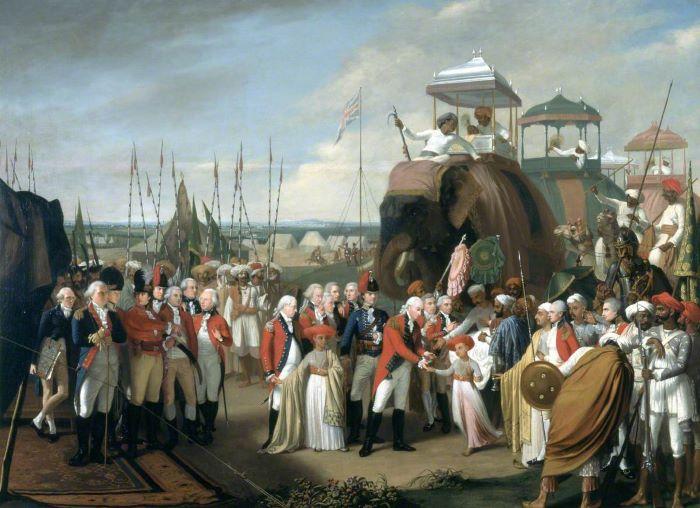
    For instance, before the detailed account of how the Siege of Seringapatam (1792) led to the surrender of two young hostages and the death of Tipu Sultan reached England, George Carter’s painting of the event based on the ‘hearsay’ reached Calcutta.

    Dramatic representation of artistic imagination highlights the influence and appeal of the victory over the British nationals.

    Arthur William Davis and Robert Home – present during the handover of the princes – also painted on the same subject. Later on, Davis made several copies of his original painting on a larger scale to incorporate at least fifty portraits within the frame.

    With portraits in trend, the Governor General or the Chief Justice had to sit before the artists. When Sir John Shore, Lord Amherst, or Sir Henry Russel took up their responsibilities in their new positions, Arthur William Davis and George Chinnery found patronage to compose their portraits.

    Public meetings were held in Calcutta to mark the succession of eminent personalities. It was fashionable to present a self-portrait. Sir Henry Russell commissioned Home (1805) for the same and gifted one to his friend William Hickey.

    Likewise, Tilly Kettle had made two portraits of Warren Hastings that he presented to his friend Richard Sulivan and John Stewart, Judge Advocate-General in Calcutta.

    When the artists reached Calcutta, they found a growing cosmopolitan urban settlement and vigorously planned infrastructure, road construction and general sanitation. After the months-long voyage, the heat and humidity of the tropical weather and diseases like malaria, cholera and black fever were waiting for them.

    Arranging accommodation and a commission was hard enough for artists who managed to land; some did not even possess a recommendation. One way to reach out to the potential patron was a newspaper advertisement where painting skills and charges for their sizes were disclosed.

    Newspapers like the Calcutta-Gazette (C.G.) were also suitable for publishing auction details and subscriptions for paintings and their prints. For instance, after docking in Calcutta, Thomas Daniell wasted no time announcing that he would “publish a set of twelve views of Calcutta at the price of twelve gold mohurs” to the subscribers (Foster 1930, p-21).

    On the first week of January 1792, the C.G. published Thomas Daniell’s proposals for ‘disposing’ of his paintings by lottery. Interestingly, Daniell developed nearly 150 oil paintings from the sketches during his short trip to Sundarbans, southwards from Calcutta.

    However, the final paintings depended heavily on the primary sketches that were not limited to self-study always. Sketches done by other artists facilitated the completion of an oil painting many a time.

    This prevalent practice of sharing sketches among the artists motivated curious changes. To fulfil a commission, Thomas Lawrence followed George Chinnery’s sketches of Mr. John Adam but, decided to finish the portrait without glasses for a more pleasing outcome later on.

    Unfinished sketches were sent to London for the completion of a commission. Artists carried back their sketches and original paintings to be engraved, reproduced or copied further.

    To seize both the British and Indian markets, artists sent their paintings to the Royal Academy of London for exhibition. Nevertheless, the subject matter of these paintings was not limited to portraits in oil or the succession of the British empire through wars.

    Along with the daring seafarers, the portraits travelled from the port of Calcutta to other colonial headquarters. One of such portraits of Governor General Marquis Wellesley by Robert Home was returned to Calcutta (1831) from the Prince of Wales Island ‘in a damaged state’.

    The restoration of such damaged paintings was not an easy task. Sometimes, the only way left was to make a fresh copy like Thomas Hickey did for one of Sir Eyre Coote’s portraits. Therefore, sitting in Madras, Hickey had no option but to procure John Zoffany’s portrait of Coot from Calcutta on ‘loan’.

    The untimely demise of an artist put his paintings at the mercy of a friend who might arrange an auction for them. Unfortunately, unable to find any buyer, portraits were cut out from a large painting and sold separately sometimes.

    Arpita Pandey is a content writer and visual artist.

    Rethinking Public Debt as Positive Investment in Sustainable Development

    It is time for creditors, international financial institutions and credit rating agencies to consider the positive long-term economic, social and environmental outcomes of investing in the SDGs, while assessing public debt sustainability.

    By Armida Salsiah Alisjahbana

    The unprecedented fiscal firepower used to protect the vulnerable from the harsh socio-economic impact of the COVID-19 pandemic and the resulting economic contraction have pushed the average government debt level in the Asia-Pacific region to its highest since 2008.

    Public debt distress is expected to worsen amid the global economic slowdown, record high inflation and rising interest rates, and uncertainty induced by the war in Ukraine.

    And surging debt service payments are expected to put public debt sustainability of several developing Asia-Pacific economies at risk. Most concerning, debt distress risk is highest for countries with the highest development finance needs, including small island developing States.

    Public debt is a powerful development tool in need of a major rethink

    Yet, a higher debt level is not necessarily a bad thing, according to this year’s edition of the Economic and Social Survey of Asia and the Pacific. Current policy debates on public debt sustainability do not take into account the long-term positive socio-economic and environmental impact of public investments in laying the foundations of inclusive, resilient and sustainable prosperity.

    Indeed, left unaddressed, development deficits and climate risks hurt economic prospects and public debt sustainability itself. Our analysis shows that social spending cuts increase poverty and inequality and undermine economic productivity in the long term.

    Conversely, investing in healthcare, education, social protection and climate action is good economics.

    Multilateral lenders and credit rating agencies focus excessively on keeping debt sustainable in the short term. Such perceived optimal debt levels are too low and lead to suboptimal development outcomes.

    Revisiting current debt sustainability norms has also become necessary with the emergence of major non-traditional bilateral creditors and a drastic fall in concessional development lending to Asian and Pacific countries over the past decade.

    It is time for a bold shift in thinking about public debt sustainability. We propose an augmented approach that assesses public debt viability that takes into account a country’s SDG investment needs, government structural development policies aiming to boost economic competitiveness, and national SDG financing strategies.

    It is time for creditors, international financial institutions and credit rating agencies to consider the positive long-term economic, social and environmental outcomes of investing in the SDGs, while assessing public debt sustainability.

    Investing in the SDGs

    Our research finds that public debt is found to decline over the long term when the socio-economic and environmental benefits of public investments are incorporated.

    Rather than penalizing bold fiscal support for people and the environment, international creditors should consider if such spending would boost economic productivity.

    Lenders and credit rating agencies should see debt relief as helping support the fiscal outlook, rather than as a sign of an upcoming debt default.

    Developing countries should also strive to balance investing in the SDGs with ensuring debt sustainability. Governments should not feel deterred from borrowing for essential, high-impact sustainable development spending; rather, funds should be used efficiently and effectively.

    Public coffers should also be boosted by resource mobilization strategies designed to generate social and/or environmental benefits, such as through progressive taxation.

    Effective public debt management reduces fiscal risks and borrowing costs, with several examples of good public debt management practices in the Asia-Pacific region. At the same time, countries with high debt distress levels may need pre-emptive, swift and adequate sovereign debt restructuring, while efforts towards common international debt resolution mechanisms and restructuring frameworks needs to be accelerated.

    We are in the fourth year of the Decade of Action to accelerate progress towards the SDGs with not much to show in gains. It is time for Asia and the Pacific to rise to the challenge of mobilizing the financial resources to realise the dream of resilient and sustainable prosperity for all.

    The writer is UN Under-Secretary-General and Executive Secretary of the Economic and Social Commission for Asia and the Pacific (ESCAP)

    The Economic and Social Survey of Asia and the Pacific 2023 will be launched on 5 April 2023. https://www.unescap.org/events/2023/launch-survey-2023-rethinking-public-debt

    This piece has been sourced from the Inter Press Service – IPS

    Image: Unsplash / Towfiqu Barbhuiya

    Disease Sweeping Through Gaza’s Refugee Camps

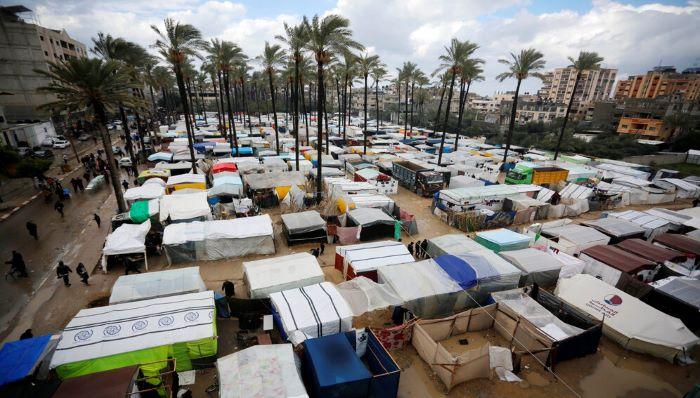
    85 per cent of people in Gaza are now displaced and doctors are reporting hundreds of thousands of cases of Hepatitis A. Concerns are growing that more epidemics will follow.

    By Qais Darwish and Amr Rageh

    Health officials in Gaza are growing increasingly concerned about the spread of disease among displaced communities in the besieged enclave.

    Doctors have reported hundreds of thousands of cases of Hepatitis A, a senior WHO representative told SciDev.Net, as well as widespread outbreaks of diarrhoea and other illnesses common among children.

    WHO regional director for the Eastern Mediterranean Ahmed Al-Mandhari said there was “a need to open all crossings and send huge field hospitals as soon as possible” as doctors grapple with shortages of antibiotics and other medicines.

    Khalil Al-Dakran, spokesman for the Al-Aqsa Martyrs Hospital in Gaza, told SciDev.Net: “Every day, we wait for a new epidemic to spread.”

    Around 1.9 million people – 85 per cent of the total population – have been displaced since the Gaza Strip came under bombardment from Israel in October last year, following attacks and hostage-taking by Hamas militants in Israel.

    Many of the displaced have sought refuge in shelters provided by the UN Relief and Works Agency for Palestine Refugees in the Near East (UNRWA).

    However, areas sheltering the displaced are becoming overcrowded and lack clean water, food and electricity, raising the risk of dangerous epidemics spreading, explains Al-Dakran.

    In January, WHO director-general Tedros Adhanom Ghebreyesus said 24 cases of Hepatitis A had been confirmed, while there were “several thousand” suffering from jaundice, likely linked to the disease.

    Doctors in Gaza now believe there are about 7,500 possible cases of Hepatitis A, Al-Mandhari told SciDev.Net.

    He said medics had informed the WHO that about 224,000 people in areas sheltering the displaced were infected with upper respiratory tract infections. About 159,000 were reported to have diarrhoea – around half of them children under the age of five – while around 69,000 had lice and scabies and 66,000 chickenpox.

    Hepatitis A is a viral disease caused by eating contaminated food and water or coming into direct contact with an infected person. Its symptoms include fever, diarrhoea and jaundice, and it can be fatal.

    Tedros attributed the high prevalence of Hepatitis A in Gaza to “inhumane” conditions, including “the absence of clean water and latrines” and said there was limited capacity to respond to the disease.

    Al-Dakran said the lack of laboratories and diagnostic tools was making epidemiological detection extremely difficult and exacerbating the health situation.

    “Doctors diagnose patients randomly, patients mix with healthy people without the slightest restrictions, and with internet and communications cut off, it is difficult to guide the public,” he explained.

    No safe drinking water

    “The sewage plants were out of service due to power cuts, which led to the overflow of sewage between the tents, and the displaced had to rely on seawater for washing,” Al-Dakran added.

    Gazans are having to rely on untreated well water, which they transport using non-sterile pots, he said, adding that they cannot boil it due to the absence of fuel.

    “[There is] no safe drinking water,” he said.

    A report by the Euro-Mediterranean Human Rights Monitor published in January found that the people of Gaza and the north were facing a catastrophic shortage of drinking water, after Israel cut off water supplies, bombed wells, and blocked fuel supplies, which are needed to operate water conversion and distribution plants.

    Only eight litres of water are available per person per day, compared to 100 litres before the current crisis, and this share drops to 1.6 litres in shelters, Al-Mandhari said, citing UNRWA estimates.

    The Monitor noted that many parents boil water on wood fires in an attempt to sterilise it and make it drinkable, especially following the outbreak of diseases, including frequent cases of colic and diarrhoea among children.

    Al-Dakran said that infant formula – the only source of nutrition for babies in the absence of food and water needed to produce breast milk – is not available to buy. Where families have existing supplies, it is prepared using unclean water, which again can lead to illness.

    Concerns about waterborne and infectious diseases such as cholera and chronic diarrhoea, are particularly high.

    However, Al-Dakran also highlighted the spread of diseases such as gastroenteritis, meningitis, and respiratory infections. “It is difficult to fight these diseases due to the absence of antibiotics and medicines, which has led to the death of a large number of patients,” he said.

    As well as Hepatitis A, Al-Mandhari warns that further epidemics are likely as a result of the absence of clean water and proper nutrition, plus the inability to diagnose diseases and prevent their spread.

    This piece has been sourced from SciDev.Net

    Dalit Migrant Labour Depends on a System that Perpetuates Poverty

    To meet the Nuākhāi festival expenses, most of the poor and underprivileged families take loans at higher interest rates from local money lenders and repay that with the lump sum advances received from the labour brokers, thus remaining in the debt trap.

    Akash Suryawanshi

    Poverty and seasonal migration have a positive relationship. As almost all the seasonal migrants move out either with a deficit of livelihood options at their native village or to repay the loans. The majority of the migrants are landless labourers or owned small patches of land that barely met their consumption requirement for more than two months. The workers’ belongings are meagre. There is a significant negative relationship between land owned and migration, i.e. the more the land owned, the less the household is likely to migrate.

    Findings from a research on the dynamics of distressed seasonal migration in Kantabanji, Odisha, suggests that seasonal migration has turned into an easy option for the rural poor from the arid regions of the country to tackle the hardships of drought, famine, crop failure and other socio-economic factor challenging their livelihood. ActionAid International (2005) in their study found that land alienation – the shift of land from the poorest to the rich within or outside the village is increasing year by year. Most mortgages are taken in exchange for credit to pay for marriages, medical treatment, debt repayments, and when they need to buy clothes for important festivals.

    The rural poor even term seasonal migration as an alternative credit mechanism when they need cash for the same reasons. While migration serves as a common economic coping or survival strategy for households in many parts, and can provide families and their children with new opportunities, it can also make them more vulnerable. Being away from their homes and villages and leading uprooted lives, the first thing that migrants lose is their identity as citizens.

    Foregoing basic entitlements

    They do not belong to the places where they go and increasingly lose acceptance in their own villages. Cut off from their community, culture and traditions, unable to take part in festivals, fairs and religious and social functions, which are an important part of their lives, migrants lose their sense of identity. The vulnerability of people who cross state boundaries is even greater as they are unfamiliar with the language and culture of the areas they go to and they find themselves increasingly at the mercy of their contractors.

    In their villages, migrants forego all of their basic entitlements including access to schooling facilities for their children, free services in public health centres, and Public Distribution System (PDS) / Below Poverty Line (BPL) grains. The condition of the family members left back in the village during the migration season is no way better. While migrating families face hardships, the elderly, ailing family members or children left behind in villages have difficulty fending for themselves, and are often reduced to destitution. The old people left behind by their families simply to starve. For the poorest landless or marginal farmer, the short spell up to harvest time is the only period that he can eat at home. This deficit of basic needs for survival forces them to take advances from the money lenders/contractors.

    Vulnerable to mental health conditions

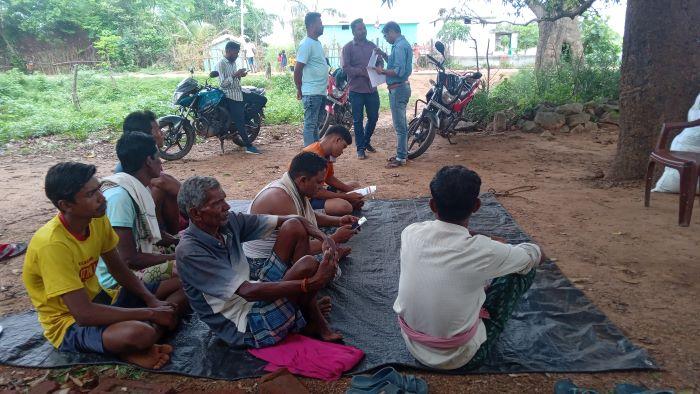
    Seasonal migrants to brick kilns are a vulnerable group and remain at a high risk of mental disorders battling through poverty, agrarian distress, crop failure, indebtedness and food security at their native village and issues like bondage, violence, discrimination and violation of labour rights at the work sites. Insights from the field suggested, there could be several reasons for developing mental health issues by the study population. For instance, the local harvesting festival of Nuākhāi, which is celebrated with full vigour by all sections of the society also causes stress and anxiety among the poor and underprivileged. To meet the Nuākhāi festival expenses, most of the poor and underprivileged families take loans at higher interest rates from local money lenders and repay that with the lump sum advances received from the labour brokers, thus remaining in the debt trap. In return, they promise their labour for the next work season which is known as the Dādan system in the region.

    It is evident that, SCs and STs are more vulnerable to mental health conditions as discrimination and alienation are higher against them in the region. The study also found a significant association between ownership of land and droughts with the mental health conditions of the respondents. As respondents are primarily landless and marginal farmers and often engage themselves in their own and others’ farmlands, the failure of agriculture shatters all the labour work done in the monsoons.

    Little or no hope from MGNREGA

    Despite the known risks, workers migrate every year after the harvest festival of Nuākhāi. The insecurity of sustenance at the village, mounting debts, forces the poor households to opt for appealing advances offered by the Sardārs. The MGNREGA fails to offer an alternative livelihood as the workers do not get enough work to sustain their families at the village and the most significant factor that pushes them away from availing MGNREGA works is the extremely delayed wage payments which sometimes gets delayed up to a year. The workers in the region thus have little to no hope from MGNREGA. Lack of employment opportunities, poverty and rising indebtedness compels the poor migrants to opt for advances from the Sardārs, thus resulting in migration to faraway destinations. The Dādan system thus helps these distressed populations in repaying their older debts in return of another indebted and bonded life. Although these migrant workers survive at the bare minimum level at the worksites, it guarantees them employment and survival until the next onset of monsoons.

    Akash Suryawanshi is pursuing Masters in Population Studies from International Institute for Population Sciences, Mumbai. This piece has been extracted from his research report following his stint as an Abhijit Sen Research Intern with the National Foundation for India (NFI).

    Maldives Economy: IMF Flags Concerns

    In its report, the mission noted that amid elevated fuel prices coupled with continued strong import demands, the current account deficit in 2024 is projected to remain large, albeit gradually narrowing over the medium term.

    An International Monetary Fund (IMF) mission to Maldives to discuss the recent economic developments returned to Washington with concern over the need to reduce vulnerabilities and restore the sustainability of public finance and debt. It felt that a sustained fiscal consolidation is needed, accompanied by tighter monetary and macroprudential policies.

    In a statement, the leader of the mission, Piyaporn Sodsriwiboon, said that, “Without significant policy changes, the overall fiscal deficits and public debt are projected to stay elevated, and the Maldives remains at high risk of external and overall debt distress.”

    In its report, the mission noted that amid elevated fuel prices coupled with continued strong import demands, the current account deficit in 2024 is projected to remain large, albeit gradually narrowing over the medium term.

    It said, “With limited policy space and growing balance of payments pressures, swift implementation of a strong and credible form of fiscal consolidation, comprising holistic expenditure rationalization and domestic revenue mobilization, is needed. Reforming the state-owned enterprises (SOEs) is also warranted to reduce additional fiscal burdens.”

    The provisional findings published after IMF concluded its visit to the Maldives states that the Maldivian economy expanded by 13.9 per cent in 2022 and is estimated to grow by 4.4 percent in 2023. It further states that growth is projected at 5.2 percent in 2024, owing to the expectation of increased tourist arrivals.

    During the week, Maldives President Mohamed Muizzu had expressed his government’s inability to launch any new development projects due to the debt situation in the country. He had said that he did not want to mislead the public about the economic situation that his administration “inherited”.

    Ambitious homegrown fiscal reform agenda

    However, the IMF emphasized the risks and uncertainty involved, urging swift policy adjustments to address this.

    “Without significant policy changes, the overall fiscal deficits and public debt are projected to stay elevated, and the Maldives remains at high risk of external and overall debt distress. Amid elevated fuel prices coupled with continued strong import demands, the current account deficit in 2024 is projected to remain large, albeit gradually narrowing over the medium term,” the statement reads.

    Welcoming the discontinuing of the use of the Maldives Monetary Authority (MMA) advances, the mission statement said that monetary and macroprudential policies need to be tightened to ensure compatibility with the exchange rate peg, while encompassing fiscal-monetary policy coordination.

    The mission noted the need for swift implementation of a strong and credible form of fiscal consolidation, comprising holistic expenditure rationalization and domestic revenue mobilization in the light of “limited policy space and growing balance of payments pressures.”

    This would require broader financial reforms, as the mission report document says, “Reforming the state-owned enterprises (SOEs) is also warranted to reduce additional fiscal burdens.”

    “Strengthening fiscal institutions and public financial and debt management frameworks is critical to enhance the credibility and effectiveness of fiscal policy,” it says.

    In this regard, it welcomed the steps taken by the authorities to develop an ambitious and homegrown fiscal reform agenda, including subsidy reforms that phase out existing subsidies and replace them with targeted direct income transfers.

    On the larger environmental front, the report reads, “Given the Maldives’ climate vulnerabilities, strengthening institutions to support climate adaptation and mitigation efforts will help enabling access to additional climate financing and delivering on the climate pledges. Looking ahead, improving the business climate, strengthening governance, and enhancing skill developments will also support strong, inclusive, and sustainable growth.”

    Hit by Climate Change, Authorities Seek to Improve Saffron Yields in Kashmir

    Saffron farmers, who grow the “king of spices” in fields sprawling across several thousand hectares, mainly in south Kashmir’s Pulwama district, have been complaining for years that lack of rainfall at crucial times has led to a decline in saffron production.

    By Athar Parvaiz

    Saffron, the expensive spice from the Kashmir Himalayas, has been facing challenges for years, mostly related to yields and inadequate irrigation compounded by the climate crisis.

    While the government launched the 4.1 billion rupee National Saffron Mission (NMS) in 2010 to mitigate these challenges and rejuvenate saffron cultivation in Kashmir, its efficacy remains questionable, farmers say.

    Saffron is one of Kashmir’s major industries, along with horticulture and agriculture, supporting some 17,000 families in the region. India contributes 5% of the world’s total production, of which 90 per cent is supplied from the Kashmir Himalayan region.

    The spice has been cultivated since 500 AD in the Kashmir valley and reached its peak in the 1990s at an annual average yield of around 15.5 tonnes from 5,700 hectares (14,085 acres), but both the land farmed for saffron and yields have declined since then.

    According to a study, prolonged periods of drought have caused significant concerns among saffron farmers.

    “Since the crop heavily relies on rainfall, insufficient precipitation has resulted in the region experiencing its lowest saffron productivity in the past three decades,” the study says.

    “In addition to the challenges posed by drought, the region is also facing issues related to urbanization and increasing population growth,” the study further says. According to Kashmir’s agriculture department, saffron land has reduced from 5,700 hectares in the 1990s to 3,715 hectares in 2016 due to land-use conversions.

    Saffron farmers, who grow the “king of spices” in fields sprawling across several thousand hectares, mainly in south Kashmir’s Pulwama district, have been complaining for years that lack of rainfall at crucial times has led to a decline in saffron production.

    One or two spells of rain in September and October are vital for the crop to flower, farmers say. But in most years since the late 1990s, it either hasn’t rained in those months or has rained too much, damaging the crop, says farmer Mohammad Reshi, adding that farmers still rely on the weather in the cropping season.

    “The sprinkle irrigation system, which the government claims has been put in place, should have been functional by now. But it is not working. You can see for yourself what has happened to these pipes and the bore wells. They are not serving any purpose,” Reshi tells IPS while pointing at the defunct sprinkle irrigation system in a saffron field in Pampore, where saffron cultivation is concentrated in Kashmir.

    Though, Reshi says, tube wells have been dug and pipes have been laid in saffron fields for years now, “we are yet to see the water in saffron fields.”

    According to him, the project was supposed to be completed years ago, but it still lingers. Denying the allegations of saffron farmers, Ghulam Mohammad Dhobi, Joint Director of Kashmir’s agriculture department, who is also the Nodal Officer for NMS, says that the government is trying its best to help the farmers get good yields.

    “The farmers have not to wait for long to see the positive results of the irrigation infrastructure, as we are expecting its completion soon after it will function properly,” Dhobi tells IPS.

    According to the Food and Agriculture Organisation (FAO), which has given saffron cultivation in Kashmir a Globally Important Agricultural Heritage Systems (GIAHS) status, “saffron cultivation has been facing severe challenges of sustainability and livelihood security, with an urgent need to adopt appropriate technologies to address water scarcity, productivity loss, and market volatility.”

    Scientific research has established that irrigation plays the most important role in saffron cultivation in Kashmir. Firdous Nahvi, a former agriculture scientist at Sher-e-Kashmir University of Agricultural Sciences and Technology, says that saffron yields have traditionally depended on rainfall in the crucial months from August to October in Kashmir, and saffron yields have fallen in recent years because of the irrigation problem.

    According to Nahvi, until 1999-2000, Kashmir received well-distributed precipitation of 1,000 to 1,200 mm per year in the form of rain and snow, but that has now decreased to 600 to 800 mm.

    “In any part of the world, farming is unthinkable without water,” Nahvi says and adds: “Creating irrigation facilities was the critical part of the project because we have observed in recent years that it doesn’t rain when the crop needs the moisture.” Nahvi was the expert who advised the NMS implementers about the need for installing the sprinkle irrigation system for saffron cultivation in Kashmir.

    Solutions in Farming Methods

    Bashir Allie, an agricultural scientist who heads Kashmir’s Saffron Research Station, says that he has also advised the agriculture and irrigation departments of the Kashmir government that creating drip irrigation facilities is crucial for improving saffron yields.

    “But we are also working with farmers through our field awareness program to enhance saffron yield,” Allie tells IPS, adding that he and his team are telling the farmers to plant the optimum number of corms in the saffron fields rather than planting them haphazardly.

    For example, Allie says, the farmers mostly plant up to 300,000 corms per hectare, “whereas we advise them to go for 500,000 to one million corms per hectare (or 50 corms per square meter).” This, he says, will help the farmers increase their yields, provided they uproot the old corms every four years and plant new corms.

    “What we have also observed is that the farmers keep the corms in the fields for up to 20 years and leave them unattended,” he tells IPS, adding that this affects the yield as the older corms keep producing new corms, which increases the competition for nutrients within the population and the entire population underperforms (in producing flowers), thus affecting the yield.

    “So, the solution we are offering to the farmers is to plant the optimum number of corms (50 corms per square meter) and replace the corms after every four years,” Allie informs.

    To mitigate the impact of drought conditions on saffron crops, Allie says that he and his team have advised the farmers to start growing almond trees in saffron fields at a distance of four to five meters so that they provide shade and help the farmers retain moisture in their saffron fields.

    “Once the almond trees produce branches, they will provide shade to saffron fields, as saffron is a shade-loving plant. Also, the moisture in the soil will be retained,” Allie says, adding that the almond trees, besides providing shade, will also produce almonds, thereby helping the farmers increase their income.

    This piece has been sourced from Inter Press Service – IPS

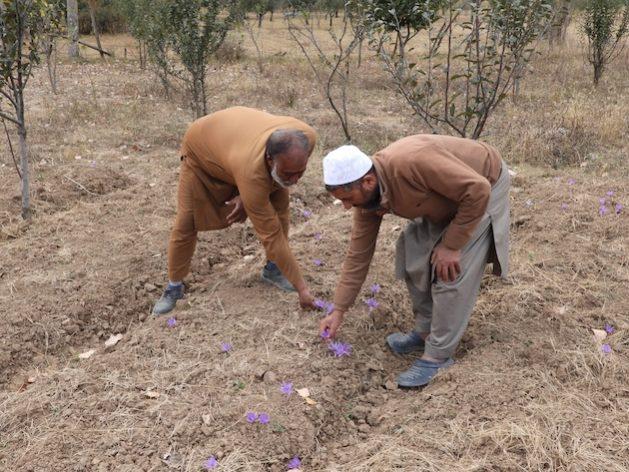
    Image: Farmers checking the saffron flowers on their farm in Pampore, Kashmir: Athar Parvaiz/IPS

    Ministry of Panchayati Raj introduces Panchayat Development Index

    MoPR’s localization of sustainable development goals (LSDG) initiative, emphasis has been laid for capacity building and training of the PRI representatives to formulate theme-based Gram Panchayat Development Plans through convergence of resources and activities.

    The Ministry of Panchayati Raj (MoPR) has introduced the Panchayat Development Index (PDI) to gauge the performance of the Panchayats in achieving various developmental goals through planning and execution of panchayat development projects, Union Minister of State for Panchayati Raj, Kapil Moreshwar Patil informed the Rajya Sabha on Wednesday.

    The minister said that this was in addition to the mandatory evaluation of the relevant scheme of the Rashtriya Gram Swaraj Abhiyan (RGSA) for its effectiveness in providing training as a major component of the scheme.

    Besides this, Patil informed the Rajya Sabha that the ministry is implementing the RGSA scheme for capacity building and training of elected representatives of the PRIs and their functionaries. These schemes, the minister said, pertain to the Ministry of Panchayati Raj’s capacity building initiatives covers various thematic areas such as formulation and implementation of panchayat development plans for socio-economic development of weaker sections of the society, women and children and such other vulnerable groups.

    He said that under the MoPR’s localization of sustainable development goals (LSDG) initiative, emphasis has been laid for capacity building and training of the PRI representatives to formulate theme-based Gram Panchayat Development Plans through convergence of resources and activities with a ‘whole of Government and whole of Society’ approach for gender sensitive and socially inclusive development to ensure socially secured, women and child friendly villages in consonance with the sustainable development goals.

    The budget of the Ministry of Panchayati Raj (MoPR) includes provision for computerization of the Panchayats under RGSA scheme, digital solutions under the Mission Mode Project on e-Panchayats scheme. In addition, the Ministry has collaborated with Department of Telecommunications for implementing Digital India, BharatNet project to achieve universal broadband connectivity for all Gram Panchayats to enable them to provide e-service delivery. 

    In addition to conducting of Gram Sabhas by the Gram Panchayats involving all Stakeholder and voters of the Gram Panchayats to formulate and approve Gram Panchayat Development Plans (GPDP), People’s Plan Campaigns (PPC) are organised under the aegis of the Ministry of Panchayati Raj every year to consult all stakeholder before formulating annual GPDP by the Gram Panchayats. The existing measures and initiatives for central support to the States for capacity building and training of the elected representatives of the PRIs and their functionaries localisation of sustainable development goals, digitalization of Panchayats, infrastructural support to the PRIs, collaboration with relevant ministry ensuring digital infrastructure to the Panchayats will continue in the upcoming fiscal. 

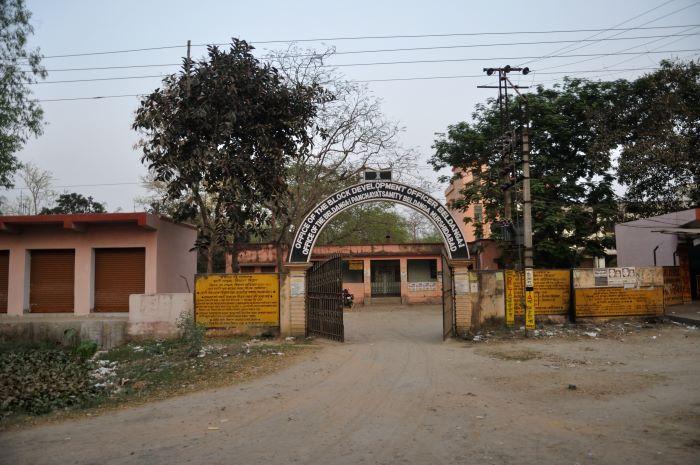
    Image: Wikimedia Commons/Biswaroop Ganguly

    729 Districts Free of Manual Scavenging

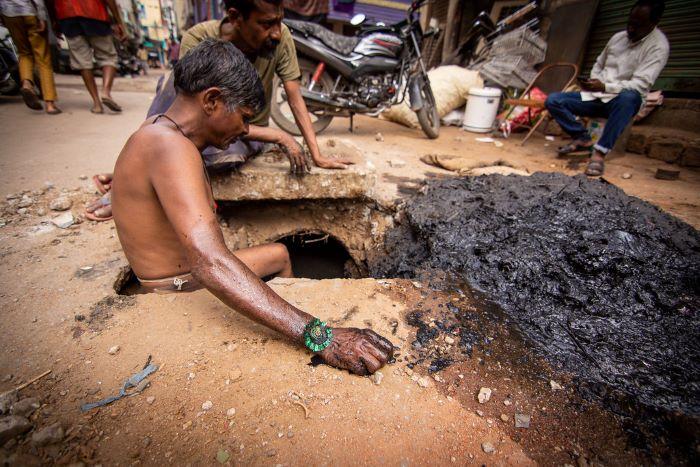
    A protocol has been developed, highlighting the minimum standards in mechanization of sewer and septic tank cleaning operations to minimize the need for hazardous manual entry and prevent casualties of Safaimitras.

    729 districts have reported themselves as manual scavenging free as of March 2024, Minister of State for Social Justice and Empowerment Ramdas Athawale informed the Lok Sabha on Tuesday.

    Swachh Bharat Mission – Urban (SBM-U) 2.0, launched on 1st  October, 2021, includes a new component, i.e. Used Water Management (UWM) with one of the objectives of eradication of hazardous entry into sewers and septic tanks, through mechanization of sewer and septic tank cleaning operations for which Central share funds for Urban Local Bodies (ULBs) with population less than 1 lakh are released for procuring adequate numbers of septic tank desludging equipments.

    For replacing manhole with machine hole, additional central assistance is provided under SBM-U 2.0 for procurement of mechanized desludging/cleaning equipment, training of SafaiMitras, capacity building and public awareness. A protocol has been developed, highlighting the minimum standards in mechanization of sewer and septic tank cleaning operations to minimize the need for hazardous manual entry and prevent casualties of Safaimitras, the minister said.

    According to the Prohibition of Employment As Manual Scavengers and their Rehabilitation Act, 2013, a “Manual Scavenger” is a person engaged or employed by an individual or a local authority or a public or private agency, for manually cleaning, carrying, disposing of, or otherwise handling in any manner, human excreta in an insanitary latrine or in an open drain or pit into which the human excreta from insanitary latrines is disposed of, or on a railway track or in such other spaces or premises, as the central government or a state government may notify, before the excreta fully decomposes in such manner as may be prescribed, and the expression “manual scavenging” shall be construed accordingly.

    “Hazardous Cleaning” by an employee, in relation to a sewer or septic tank, means its manual cleaning by such employee without the employer fulfilling his obligations to provide protective gear and other cleaning devices and ensuring observance of safety precautions, as may be prescribed or provided in any other law, for the time being in force or rules made thereunder.

    Image: Sharada Prasad / Flickr

    Guterres: End ‘Abhorrent Practice’ of Female Genital Mutilation

    Some 4.4 million girls are at risk of female genital mutilation (FGM) this year, the UN Secretary-General warned on Tuesday, appealing for action to stamp out this “egregious violation of fundamental human rights” and give greater voice to survivors. 

    “Even one mutilation is one too many,” António Guterres said in his message to mark the International Day of Zero Tolerance for Female Genital Mutilation (FGM), observed annually on 6 February.

    The UN estimates that globally, 200 million women and girls have been subjected to some form of FGM, which involves the removal of or injury to female genitalia for non-medical reasons.

    Challenge patriarchal norms 

    The Secretary-General stressed the need for urgent investments to achieve elimination by 2030, in line with the Sustainable Development Goals (SDGs).

    He called for decisive action to tackle the social, economic and political norms that perpetuate discrimination against women and girls, limit their participation and leadership, and restrict their access to education and employment.

    “That starts with challenging the patriarchal power structures and attitudes at the root of this abhorrent practice,” he said.

    The UN chief urged countries to redouble efforts and investments to uphold the rights of women and girls and put a decisive end to FGM once and for all.

    “And we need to amplify the voices of survivors and support their efforts to reclaim their lives, based on their bodily autonomy,” he added.

    Breaking the cycle in Yemen

    The UN’s sexual and reproductive health agency, UNFPA, is helping communities to break the cycle surrounding FGM. A young woman from a remote village in Hadramout, Yemen, called Safia (not her real name) is among those fighting back.

    Safia got married at 21 and fell pregnant a year later. Like mothers-to-be the world over, she received a lot of advice – whether solicited or not. Mere months before she gave birth, her mother-in-law began talking about FGM.

    “My mother-in-law insisted it would allow my child to lead a moral life,” Safia told UNFPA.

    Safia gave birth and three days later, her mother-in-law visited with tools to perform FGM on the baby. Unfortunately, her daughter did not survive. 

    “Her death not only killed my joy of being a mother, but killed me a thousand times over,” Safia said.

    In Yemen, nearly 20 per cent of women and girls aged 15 to 49 were FGM survivors in 2013, UNFPA said. Most were cut within their first week of life. Hadramout governorate alone had a prevalence rate of 80 per cent that year. 

    Pressure to conform 

    Many factors continue to drive the practice, the UN agency said, including the pressure to conform to deeply embedded cultural norms, a fear of ostracism for not doing so, and limited awareness of its harms.

    In Hadramout, many people believe the procedure is required by religion, despite profuse evidence to the contrary. Often women who have been subject to FGM support continuing the tradition.

    Safia is also an FGM survivor herself, but she had had enough. When she again fell pregnant with a girl, she decided to act.

    “I blamed myself for not doing anything to save my daughter and began to question why she was killed in this brutal way for being a girl,” she said.

    Awareness that saves lives 

    This time, Safia turned to her neighbours as they had avoided having their baby daughter subjected to FGM. 

    She learned from the woman that both her husband and in-laws had been convinced to abandon the practice after visiting a UNFPA-supported youth-friendly service centre. Safia’s husband urged his mother to accompany them there.

    “The three of us listened for over three hours about the physical, mental and social consequences of female genital mutilation,” she said. “We became aware of how harmful it is and were fully convinced that it should not be practised.”

    Since 2008, UNFPA together with the UN Children’s Fund, UNICEF, have spearheaded the largest global programme to accelerate FGM elimination, and a recent campaign in Hadramout reached more than 400 people over eight days.

    “I saved the life of my second daughter,” Safia said. “With this awareness, I believe I can help spare the lives of many innocent girls.”  

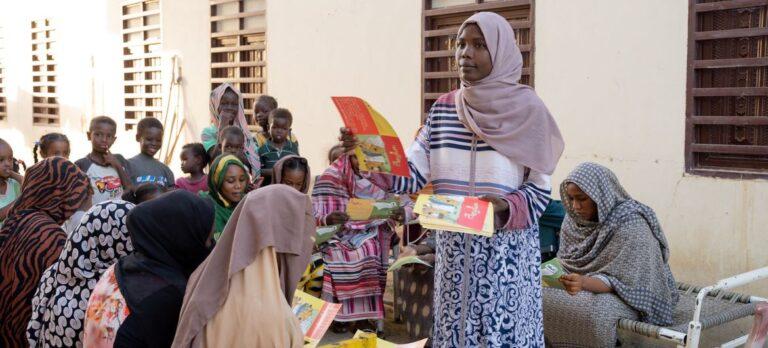
    Image: Displaced girls attend an awareness-raising workshop against gender-based violence and FGM in Kosti, Sudan — UNICEF.