More

    Myanmar’s NUG Government Committed to Abolishing Discriminatory Laws: Spokesperson

    Speakers attending the discussion recognised that the ongoing civil war in Myanmar is spreading to bordering areas and is posing security threats to the neighbouring countries of Myanmar, like Bangladesh and India and that the situation would get more complicated if Rohingyas joined hands with the Arakan Army.

    A discussion on the “Current Crisis of Myanmar and Its Impact on Neighbouring Region”, organised by the Center for Peace Studies (CPS) of the South Asian Institute of Policy and Governance (SIPG) in Dhaka, Bangladesh, concluded that the Rohingya crisis is imposing serious security threat to countries that share a border with Myanmar.

    Kyaw Zaw, spokesperson and adviser to the President of National Unity Government (NUG) of Myanmar said that genuine repatriation of Rohingyas cannot be possible with the military regime in power in Myanmar.

    About the NUG’s position, he said, ‘We pledge full individual and collective rights, including full citizenship, for the members of the Rohingya community’.

    He said the NUG acknowledged the violence and human rights violations inflicted on the Rohingyas by the military, including the forced displacement of hundreds and thousands.

    Promising immediate repatriation of the displaced people, he said, genuine repatriation will not take place as long as the present ‘genocidal military junta’ is in power.

    “And our government also committed to abolishing all the discriminatory laws, including the 1982 citizenship law,” he said, adding, “What we do know is that the first thing we need is to win. We need to topple this brutal military government and end this military dictatorship to build a federal democracy.”

    He claimed that the NUG is the most inclusive government in history as it has cabinet ministers from all ethnic groups, including the Rohingyas.

    About the policy of NUG, he said, “I can assure you that there will be no more Balkanisation, because we all are united not only against the brutal military but also in building genuine federal democracy”.

    On the current civil war, he said, the NUG fighters, called as the People’s Democratic Force (PDF), have turned the tide against ‘the criminal, brutal military’ because of their bravery, commitment, and professionalism.

    “And as you may remember, almost everyone believed that as the Myanmar military is one of the strongest armed forces in Southeast Asia, they cannot be defeated by the people’s movement… but now, everybody is saying that the military is collapsing.”

    “We have captured over 500 military bases across Myanmar, and six major generals and over 4000 troops have also surrendered,” he added.

    Speakers attending the discussion recognised that the ongoing civil war in Myanmar is spreading to bordering areas and is posing security threats to the neighbouring countries of Myanmar, like Bangladesh and India and that the situation would get more complicated if Rohingyas joined hands with the Arakan Army.

    How Asia Can Unlock $800 Billion of Climate Financing

    Asia-Pacific countries experienced, on average, six natural disasters a year over the past three decades – about twice as many as developing countries of Latin America and the Caribbean and about three times as many as in sub-Saharan Africa.

    By Ritu Basu and Cheng Hoon Lim

    Countries in the Asia-Pacific region face a shortfall of at least $800 billion in climate financing. With public finances depleted by the pandemic, policymakers must unlock the vast potential of private capital to join the fight more effectively against global warming.

    Doing so will demand a coordinated and multi-faceted approach by actors on all sides, from governments and central banks to financial supervisors and multilateral institutions. Important strategies include phasing out fossil-fuel subsidies, which have reached a record $1.3 trillion. It will also be key to expand carbon pricing, bridge critical data gaps, and promote innovative financing along with public-private partnerships.

    Here’s an explainer based on our latest research, which draws on recent chapters of the Global Financial Stability Report on scaling up climate finance and other IMF studies on climate issues:

    • Why is climate finance urgent? Progress is too slow. Global temperatures are set to surpass the critical 1.5 degrees Celsius threshold above pre-industrial levels. Efforts to halve 2019 levels of greenhouse gas emissions by 2030 fall alarmingly short, targeting only an 11 percent reduction. Without stronger action, our warming planet imperils homes, health, and food security. Mobilizing more climate finance is vital not only for mitigating emissions but to build adaptive capacity through investments in climate resilient infrastructure. This is especially important for Asia, which is home to several of the largest emitters and a region acutely vulnerable to climate change due to high population density and geography.

    • What makes Asia’s role pivotal? The region’s transition to greater sustainability has global implications. Asia contributed about two-thirds of global growth last year, and will again in 2024, but its heavy reliance on burning coal for energy means that it contributes more than half of harmful global greenhouse gas emissions. Asia’s economies recognize how climate hazards directly impact lives and livelihoods, and have made deeper commitments, as their revised Nationally Determined Contributions under the 2015 Paris Agreement show. Asia can aid the climate fight by demonstrating how to balance economic growth and environmental sustainability.

    • How significant is the funding gap? Asia’s emerging market and developing economies need investment of at least $1.1 trillion annually to meet mitigation and adaptation needs. But they’re only getting $333 billion, mostly from sustainable debt instruments like green bonds, and public sources contribute more than half. Such a shortfall leaves these economies with a funding gap of at least $815 billion. China leads in attracting climate finance, making major strides in renewable energy adoption, and its collaborations with the EU have yielded crucial frameworks for sustainable finance, such as the Common Ground Taxonomy and stricter China Green Bond Principles.

    • What are the biggest challenges? Pacific island countries and other small economies often have trouble accessing international capital markets or obtaining financing via global climate funds. In particular, they find it hard to meet stringent accreditation requirements of global climate funds as their capacity is already stretched thin and public investment management is challenging. For larger countries, green bonds may be as costly as conventional securities because investors appear to be less trusting of green characteristics in Asia’s sustainable debt instruments. These issues underscore the broader challenges for the region’s funding aspirations.

    • What do countries say? A survey of 19 countries in Asia revealed important gaps in data, disclosures, and taxonomies, and that these are exacerbated by inconsistent national climate policies that can promote fossil fuel subsidies. These deficiencies undermine investor confidence in forward-looking targets and transition. Greenwashing also is a risk, respondents say, because it can call into question the legitimacy of environmental claims made by bond issuers. In addition, increasing geoeconomic fragmentation, including friend-shoring and fraying global supply chains, could threaten cooperative and collective action to contain climate change.

    Action to unlock much more climate finance requires coordination among agencies overseeing climate initiatives, plus collaboration between local and global entities:

    • How can Asia’s governments help? One way will be to comprehensively enhance the framework on data, taxonomies, and disclosures. They should phase out fossil fuel subsidies and expand carbon pricing, which would generate revenue for sustainable public investment. This would help boost investment in green technology, jobs, and growth, while supporting vulnerable households. Measures that strengthen macroeconomic and public investment management will help reduce risk premiums and funding costs, drive economic growth, and attract private capital.

    • Where do central banks and financial supervisors fit in? They should promote global standards for transparent and consistent disclosures, while strengthening climate risk analyses and incorporating climate-related financial risks into prudential frameworks to enhance financial stability. Lastly, collaborating with multilateral standard setters to develop internal capacity is crucial for improving the clarity and reliability of ESG score ratings, fostering greater trust and understanding in these evaluations.

    • What is the IMF’s role? The Fund is working with member countries to better detail climate-related economic risks and policies in surveillance and lending activities. The IMF also is strengthening data and statistics, including through capacity building and peer learning, to develop common standards for measuring and analyzing climate risk.

    • Finally, our Resilience and Sustainability Trust can help vulnerable low- and middle-income countries catalyze financing from other sources by restoring sound macroeconomic management and building the institutional capacity of the public sector. Other multilateral organizations can provide more grant financing and concessional lending, and risk-mitigating mechanisms can help expand their lending capacity. Cooperation among multilateral institutions is essential to align efforts and resources to achieve a balanced allocation between mitigation and adaptation lending.

    This IMF blog reflects research by Cheng Hoon Lim, Ritu Basu, Yan Carriere-Swallow, Ken Kashiwase, Mahmut Kutlukaya, Mike Li, Ehraz Refayet, Dulani Seneviratne, Mouhamadou Sy, and Ruihua Yang.
    This piece has been sourced from Inter Press Service – IPS

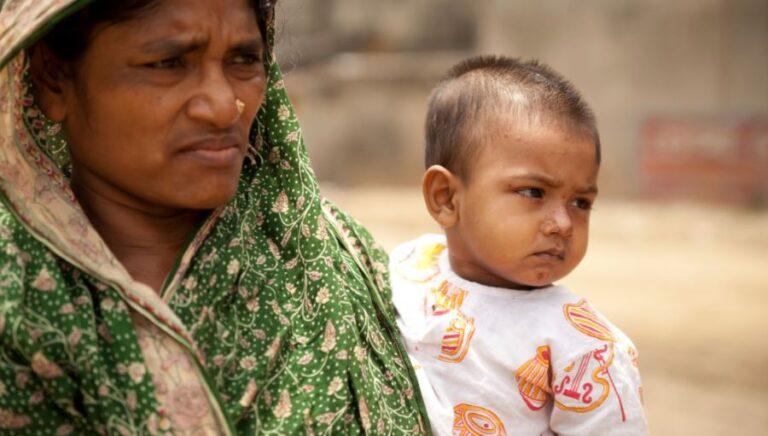
    Image: GMB AKASH / UNDP

    From 75 Sites in the Country till last year, India now has 80 Ramsar Sites

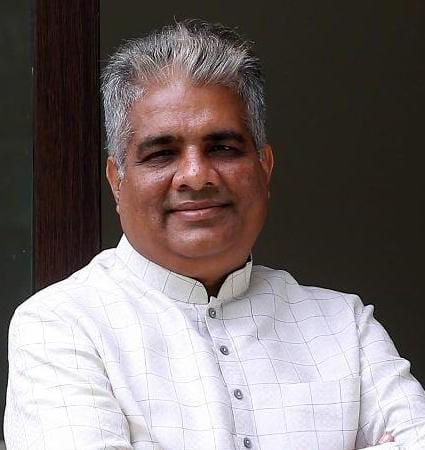
    Environment Minister Bhupender Yadav said the emphasis Prime Minister Narendra Modi has put on environmental protection and conservation has led to a paradigm shift in how India treats its wetlands.

    On the eve of World Wetlands Day 2024, India has announced an increase of its tally of Ramsar sites (Wetlands of International Importance) from the existing 75 to 80.

    Five more wetlands have been designated as Ramsar sites, the Union Minister for Environment, Forest and Climate Change Bhupender Yadav said.

    All the five sites are in the south of the Vindhyas  with three of these sites — Ankasamudra Bird Conservation Reserve, Aghanashini Estuary and Magadi Kere Conservation Reserve —located in Karnataka and two — Karaivetti Bird Sanctuary and Longwood Shola Reserve Forest —located in Tamil Nadu.

    Minister Bhupender Yadav said the emphasis Prime Minister Narendra Modi has put on environmental protection and conservation has led to a paradigm shift in how India treats its wetlands. He said this reflects in the Amrit Dharohar initiative envisioned by Prime Minister Modi.

    The Union Minister congratulated the states of Tamil Nadu and Karnataka whose wetlands have made it to the list of Ramsar Sites. In a post, Bhupender Yadav said that he met Dr Musonda Mumba, the Secretary General of Ramsar Convention who handed over the certificates of the five sites.

    With the addition of these five wetlands to List of Wetlands of International Importance, the total area covered under Ramsar sites is now 1.33 million ha which is an increase of 5,523.87 ha from existing area (of 1.327 million ha. Tamil Nadu continues to have maximum number of Ramsar Sites (16 sites) followed by Uttar Pradesh (10 sites). 

    India is one of the Contracting Parties to Ramsar Convention, signed in Ramsar, Iran, in 1971.

    World Wetlands Day (WWD) is celebrated across the globe to commemorate the adoption of this international agreement on wetlands on 2nd February 1971.

    India ratified this Convention on 1st February 1982. Earlier in August 2022, India achieved a significant milestone of taking the total number of Ramsar Sites to 75 during the 75th Year of Independence.

    A press release from the PIB says that “due to a significant policy push from the Government of India, the number of Ramsar sites has increased from 26 to 80 in the last ten years, of which 38 have been added in the last three years alone.”

    Image: National Portal of India

    Environment Minister Releases Status Report of Snow Leopards in India

    The Snow Leopard Population Assessment in India systematically covered over 70 per cent of the potential snow leopard range in the country, involving forest and wildlife staff, researchers, volunteers, and contributions from knowledge partners.

    Union Minister of Environment, Forest, and Climate Change, Bhupender Yadav released the report on the Status of Snow leopards in India during the National Board for Wildlife meeting held in New Delhi today. The Snow Leopard Population Assessment in India (SPAI) Programme is the first-ever scientific exercise that reports Snow leopard population of 718 individuals in India.

    The Wildlife Institute of India (WII) is the National Coordinator for this exercise that was carried out with support the support of all snow leopard range states and two conservation partners, the Nature Conservation Foundation, Mysuru and WWF-India.

    According to the Wildlife Institute of India, Project Snow Leopard, a national project for conservation of high altitude Himalayan wildlife, will address a very important and urgent need to promote conservation efforts this biologically, socially, and nationally significant landscape. Project Snow Leopard, by focusing on one biologically important landscape in the first five years in each state, aims to demonstrate on-ground conservation in a time-bound manner, and, at the same time, to draw lessons from successes and limitations of the initial effort to enable better informed programmes in the other sites to be undertaken in the next phase.

    The Snow Leopard Population Assessment in India (SPAI) systematically covered over 70 per cent of the potential snow leopard range in the country, involving forest and wildlife staff, researchers, volunteers, and contributions from knowledge partners. Covering approximately 120,000 square kilometres of crucial Snow leopard habitat across the trans-Himalayan region, including Ladakh, J & K, Himachal Pradesh, Uttarakhand, Sikkim, and Arunachal Pradesh, the SPAI exercise was conducted from 2019 to 2023 using a meticulous two-step framework.

    The first step involved evaluating Snow leopard spatial distribution, incorporating habitat covariates into the analysis, aligning with the guidelines of the National population assessment of snow leopards in India by the Ministry of Environment, Forest and Climate Change (MoEFCC) in 2019. This systematic approach included assessing the spatial distribution through an occupancy-based sampling approach in the potential distribution range. In the second step, Snow leopard abundance was estimated using camera traps in each identified stratified region.

    During the SPAI exercise, total efforts included 13,450 km of trails surveyed for recording Snow leopard signs, while camera traps were deployed at 1,971 locations for 180,000 trap nights. The Snow leopard occupancy was recorded in 93,392 square kilometres area, with an estimated presence in 100,841 square kilometres area. A total of 241 unique Snow leopards were photographed. Based on data analysis, the estimated population in different states are as follows: Ladakh (477), Uttarakhand (124), Himachal Pradesh (51), Arunachal Pradesh (36), Sikkim (21), and Jammu and Kashmir (9).

    Until recent years, the snow leopard range in India was undefined due to a lack of extensive nationwide assessments for this vulnerable species. Before 2016, approximately one-third of the range received minimal research attention, reduced to just 5 per cent in pockets like Ladakh, Jammu & Kashmir, Uttarakhand, and Himachal Pradesh. Recent status surveys have significantly increased understanding, providing preliminary information for 80 per cent of the range (about 79,745 square kms), compared to 56 per cent in 2016. To gather robust information on Snow leopard numbers, the SPAI exercise surveyed habitats using a substantial network of camera traps.

    The report also mentions the need for establishing a dedicated Snow Leopard Cell at WII under the MoEFCC is proposed, with a primary focus on long-term population monitoring, supported by well-structured study designs and consistent field surveys. Consistent monitoring is essential to ensuring Snow leopards’ long-term survival. For the same, states and UTs can consider adopting a periodic population estimation approach (every 4th year) in the Snow leopard range. These regular assessments will offer valuable insights for identifying challenges, addressing threats, and formulating effective conservation strategies.

    With its inclusive and participatory approach to conservation that fully involves local communities, conservationists, conservation scientists, and the civil society, the project’s approach of local involvement on the one hand and strong protection on the other, and its strong emphasis on rigorous science and monitoring, Project Snow Leopard aims to set up model conservation programmes which would achieve wildlife conservation alongside broad-based public support for conservation.

    Delhi’s Asha Kiran Draws HRW Flak

    Nearly 1000 men, women, and children are trapped in Asha Kiran, most of whom will live there for their entire lives. Some are confined to a bed with limited to no activity and are at risk of irreversibly stunted physical, intellectual, emotional, and social development.

    Human Rights Watch has said that authorities in the Delhi government should act on recommendations of the governing board of a shelter for people with disabilities to end the lifelong institutionalization of its nearly 1,000 residents. Most people languishing in the government-run shelter, Asha Kiran, which literally means “ray of hope,” have been abandoned by their families with no choice but to remain institutionalized. “They are here for a lifetime,” one staff member said. “There is no exit policy.”

    The governing council of Asha Kiran, in its final meetings in 2023, adopted a landmark slate of recommendations including to create and implement a time-bound action plan for deinstitutionalization and to prevent further institutionalization of people with disabilities. This involves developing voluntary community-based assisted living services and other forms of support to enable people with intellectual and psychosocial disabilities to live independently in their communities. The Delhi government should ensure that these recommendations are swiftly implemented.

    “Unless the authorities take steps to provide community-based independent living solutions, most people will languish in Asha Kiran for the rest of their lives, trapped in overcrowded, squalid conditions with no hope for a better life,” said Shantha Rau Barriga, disability rights director at Human Rights Watch. “They are subjected to indefinite detention simply for having a disability. That’s no way for a person to live. The council’s recommendation to invest in community-based services is a step in the right direction.”

    There are hundreds of custodial institutions for people with disabilities across India. On January 19, 2024, India’s Supreme Court ordered all states to report on prevailing conditions across all homes for abandoned children and adults with intellectual or psychosocial disabilities within eight weeks and will then issue further directions in response to an ongoing petition asking for civil society monitoring of institutions.

    Congestion

    Since 2013, Human Rights Watch has visited Asha Kiran many times, most recently in May 2023, and documented involuntary admission, arbitrary and indefinite detention, overcrowding, poor hygiene, denial of education, and a lack of adequately trained staff in a 2014 report and subsequent publications. In May, Human Rights Watch spoke with the male and female superintendents, several staff members, and some people with disabilities and subsequently had multiple exchanges with the chair of the governing council of Asha Kiran, Indu Prakash Singh, who ended his term on December 31, 2023.

    At the start of January 2024, Asha Kiran was home to about 1,000 men, women, and children, nearly double its capacity of 570. Senior management acknowledged the “congestion” and explained that they were addressing the issue by demolishing the vacant staff quarters and building a new six-story structure, and identifying similar institutions in India where residents can be moved to. There are hundreds of custodial institutions for people with disabilities across India.

    Human Rights Watch is concerned that investments are being made to build new institutions and for major refurbishments of existing institutions instead of diverting funds to community-based services to support the right to independent living for people with disabilities. This approach runs contrary to India’s obligations under international law, including the Convention on the Rights of Persons with Disabilities.

    Institutionalization of a person with a disability without their consent is a form of arbitrary detention. At Asha Kiran, residents are detained in wards with locked gates, with limited to no opportunity to go outside and move around the facility. At the time of the last visit, most residents did not even go outside for fresh air, in part because of the heat and due to security concerns with construction laborers throughout the facility. Several staff and senior management said that the conditions are like living in a prison.

    Need more training

    During the May 2023 visit, staff members and senior management also raised concerns about the staff shortage with many vacant posts at the time, according to the female superintendent. Given the nature of their disabilities, many residents require individual support, which is not possible due to the shortage of staff. Senior management acknowledged the need for occupational therapists, special educators, and music and craft teachers, among other staff.

    Human Rights Watch also found that many staff members lacked a positive, empowering attitude toward the children and adults housed at Asha Kiran. Some used derogatory terms to refer to residents and deemed them uneducable or unable to reach developmental milestones. The senior management acknowledged that staff would benefit from additional training, in particular on the rights of people with disabilities and a rights-based approach to support. One staff member said, “We try to sensitize staff, but we need more training. We want to know where we are lagging behind.”

    Of the more than 200 children at the institution, as of May 2023, fewer than 40 boys and girls reportedly attended school, based on interviews with staff members.

    The institution provides some vocational training, though people considered to have “severe or profound” intellectual disabilities and people who have seizures do not attend. Most wards at Asha Kiran had a television and board games. But Human Rights Watch observed that most residents were lying around or sitting idle, which can lead to a deterioration of their condition as well as a sense of profound boredom and uselessness.

    Under international law as well as India’s Right of Children to Free and Compulsory Education Act (2009), elementary education is to be free and mandatory for all children ages 6 to 14. Under international law, secondary education should be available and accessible without discrimination; the right to education also includes early childhood education. This rule should apply equally to all children with intellectual or psychosocial disabilities living in institutions like Asha Kiran.

    Build on good practices

    The outgoing Chair of the Asha Kiran’s governing council, Indu Prakash Singh, told Human Rights Watch that: “All people in Asha Kiran have rights and freedoms and every member of staff has a role to play in advancing the residents’ rights and dignity. Disability doesn’t mean it’s an end to life.”

    In November 2023, the council agreed to sensitize staff to combat the existing stigma and prejudices and promote a shift in attitudes. They also agreed to staff training on how to care for residents, including strategies to appropriately respond to aggressive behavior. In December, a group of local children’s rights and disability rights organizations provided a two-day training session, with a focus on raising awareness about disability among staff.

    Further, the council agreed to provide appropriate and adequate access to education and vocational training for residents, including special educators with technical expertise to create individual education plans for children and adults with high support needs.

    Finally, the council decided to organize study visits for Asha Kiran senior management to learn about good practices on deinstitutionalization, family reunification, community integration and support systems, and prevention of further institutionalization within India, with the aim of applying what they learn at Asha Kiran.

    “The Delhi government has an opportunity to lead by example by transforming its approach for the benefit of thousands of people with disabilities and in line with international legal obligations,” Barriga said. “Rather than locking up people with disabilities, they should invest in community services, adoption and family reunification, and build on good practices in other parts of India.”

    Image: Shantha Rau Barriga / Human Rights Watch

    Under the Pretext of Gender Equality

    Evidence and studies indicate that such population criteria have deprived women, especially those from disadvantaged groups in Rajasthan, Chhattisgarh, Gujarat, Maharashtra, and Bihar of the opportunity to participate in Panchayat and Municipal elections.

    By Nibedita Phukan

    Following the implementation of the regressive Two-Child norm population policy in Assam, the government has introduced a significant initiative known as the Mukhya Mantri Mahila Udyamita Abhiyan (MMUA), aimed at promoting women’s entrepreneurship. These two policies are closely interconnected, primarily due to the conditions tied to the Two-Child Norm. With the nation grappling with a severe unemployment crisis, women are disproportionately affected, particularly post-COVID-19, where only 24% of women are part of the labor force, leading to a substantial decline in women’s work participation rates in India.

    In Assam, the workforce participation rate of women falls below the national average, revealing a disparity that requires attention. In rural Assam, only 17.9 percent of women are engaged in the labour force, lagging behind the national average by 9.2 percentage points. The urban region follows a similar trend, with a participation rate of 13.3 percent, lower by 3.7 percentage points compared to the national figures, as per the Periodic Labour Force Survey-2020-21. Analyzing the data by age, it becomes evident that as women age, they are more likely to be part of the labour force, but this probability decreases for elderly women.

    In the current precarious economic landscape, self-employment emerges as both a risky and vulnerable option. Women venturing into entrepreneurship by securing loans from the government must carefully consider various associated factors. The repayment of the loan is contingent on the profits generated, adding another layer of complexity to the entrepreneurial endeavour.

    Access to the Mukhya Mantri Mahila Udyamita Abhiyan is subject to various conditions, with the most prominent being the population norm. If the Assam government aims to promote and increase women’s participation in economic activities, a revaluation of the conditions tied to the Mukhya Mantri Mahila Udyamita Abhiyan (MMUA) is imperative. SC and ST women must not have more than four children, while others have three. We are living in a time when no one wants more than two children. This population criterion is understable if families are large. Analyzing the Total Fertility Rate (TFR) data, Assam has already reduced from 2.2 (NFHS 4) to 1.9 (NFHS -5), falling below the replacement level. Caste and education level-wise data reveal an average of 2.3 children per woman with no schooling, 1.7 for SC, 1.5 for ST, and 1.6 for OBC. Religion-wise data echoes a similar trend, with 1.6 for Hindus, 2.4 for Muslims, and 1.5 for Christians. Notably, the mean number of children is slightly higher in the older age group of 40-49.

    As a former member of the National Coalition Against Two Child Norm and Coercive Population Policies (NCTCN), secretariat held by Centre for Health and Social Justice CHSJ, New Delhi, I have witnessed evidence and studies indicating that such population criteria have deprived women, especially those from disadvantaged groups in Rajasthan, Chhattisgarh, Gujarat, Maharashtra, and Bihar (Local Urban Bodies), of the opportunity to participate in Panchayat and Municipal elections. There is concern that this criterion may disproportionately impact women above 40 from disadvantaged groups, the poorest, marginalized communities, and minorities. Implementing disincentives and exclusions based on the number of children in a family is considered undemocratic and violates several international treaties ratified by India.

    Despite being framed in the name of women’s empowerment, the Two-Child norm is perceived as a regressive measure for Assam. To foster women’s economic empowerment effectively, the Assam government should reassess the conditions attached to the MMUA. This re-evaluation should consider the challenges and uncertainties of self-employment, especially in the current economic climate. Creating an environment that facilitates and supports women’s active participation in economic activities requires a nuanced approach that acknowledges the unique challenges faced by women entrepreneurs. By addressing these challenges and promoting inclusivity, the government can pave the way for enhanced economic opportunities for women in Assam.

    Nibedita has worked with the development sector for more than 18 years, primarily in roles related to research, policy advocacy, and strategic partnership building in the fields of gender, reproductive health, and climate change. 

    Framework for Voluntary Carbon Market in Agriculture Sector Launched

    An accreditation protocol for agroforestry nurseries was also launched. Union Agriculture Minister Arjun Munda said that the focus will be on solutions as well as benefits for farmers.

    Union minister of agriculture and farmers’ welfare and tribal affairs, Arjun Munda, launched the Framework for Voluntary Carbon Market in Agriculture Sector and Accreditation Protocol of Agroforestry Nurseries in Delhi on Monday. Agriculture Secretary Shri Manoj Ahuja and the Secretary of DARE and Director General of Indian Council of Agricultural Research (ICAR) Dr. Himanshu Pathak were also present.

    Arjun Munda said in his address that the ministry of agriculture and farmers’ welfare has prepared a framework to promote Voluntary Carbon Market (VCM) in the country’s agricultural sector with a view to encourage small and medium farmers to avail benefits of carbon credit. Introducing farmers to the carbon market will not only benefit them but also accelerate the adoption of environment-friendly agricultural practices, he said.

    He requested full cooperation from the concerned ministries of the centre and the states and other concerned organizations to promote the carbon market in the interest of farmers. He said that work should be done in this direction in collaboration with the farmers of the southern areas, in a manner convenient for them and along with the solution. He spoke of a need to focus its benefits of farmers. “This is the first step in which we want to ensure everyone’s participation. Global challenges like global warming are in front of all of us; hence we have to move ahead with caution,” he said and asked ICAR to play an active role in this direction.

    Munda said that the agriculture sector in the country is making an important contribution to the economy and livelihood of crores of people. 54.6 per cent of the country’s workforce is engaged in agriculture and allied sectors’ activities. The share of agriculture sector in GDP is 18.6 per cent, while the sown area is 139.3 million hectares. Keeping this importance in view, he said, the ministry of agriculture has taken several steps for sustainable development.

    He said that the Accreditation Protocol of Agroforestry Nurseries will strengthen the institutional arrangements for production and certification of planting material on a large scale to promote agroforestry in the country. He asked all the stakeholders to adopt it so that quality planting material can provide assured returns and the objectives and goals of the National Agroforestry Policy can be achieved. He also urged for proper use of natural resources.

    Snow Tales: ‘Too Little, Too Late,’ Say Climate Experts

    Whether the late snow in Pakistan’s Gilgit-Baltistan region is an anomaly or an indication of the impacts of climate change, which brings erratic and at times devastating weather patterns, experts in the region believe not enough is being invested in the development of capacities, systems, and infrastructure to improve resilience.

    Alpine skier, 28-year-old Muhammad Karim, has spent the winter with his eyes skyward, wishing and hoping for deep and abundant snow. “My bread and butter depend on the snow,” said the Olympian, who is also a ski trainer, at Naltar Ski Resort, in the valley by the same name nestled in the Gilgit-Baltistan’s Karakoram mountain range.

    Heading the ice-hockey and alpine skiing section run by the Ski Federation of Pakistan and with the national skiing competition looming just weeks away (held between February 14 and 20 in Naltar), Karim had been getting sleepless nights as it had not snowed after a slight sprinkling of “half an inch” in November, and there were chances the sporting event would be called off.

    But as predicted by the Meteorological Department, the snowfall began on January 28 and “will continue for a few days,” said Karachi-based Dr. Sardar Sarfaraz, chief meteorologist at the Pakistan Meteorological Department.

    But it’s not yet good news.

    “It’s too light,” said Karim, talking to IPS over the phone from Naltar. “We are still uncertain about the event,” he added.

    Without prolonged cold winter days to follow the snowfall, the snow will melt away, said Sarfaraz, continuing: “Nor will it compensate for the almost 80–90 percent less precipitation the country faced in December and January.”

    “It is too little, too late,” said Sher Mohammad, a cryosphere expert at the Nepal-based International Centre for Integrated Mountain Development (ICIMOD), over an email exchange.

    This year has been quite unusual. It has been an almost snowless winter in the northern region of the Himalayan-Hindukush-Karakoram ranges.

    “We usually experience the first snowfall by the end of October in some parts of G-B, and this continues well into March,” said Shehzad Shigri, director of the Gilgit-Baltistan Environmental Protection Agency, speaking to IPS from Gilgit city.

    “Winter has been milder,” he said, due to the El Niño effect. The temperatures recorded by the seven weather stations, however, show “an increase by 0.5 degree Centigrade in the region, on average, since 1983, and a decrease of precipitation (rain and snow) by 8.4 mm,” said Shigri.

    Arun Bhakta Shrestha, senior climate expert at ICIMOD, underscoring the impact of global warming, explained the “unusual absence of snowfall in the Himalayas, Hindu Kush, and Karakoram this winter, attributing it to “warmer temperatures and fewer cold days and nights.”

    “Overall, in Pakistan, nights are getting warmer by 0.5°C, which means we are experiencing, on average, eight to ten fewer cold days,” corroborated Sarfaraz.

    “This weather anomaly disrupts normal climate patterns, influenced by extreme La Niña-El Niño conditions and alterations to the Western Disturbance [weather systems that cause precipitation in the Western Himalayan region during its winter months]. These shifts, emblematic of the climate crisis, pose a significant threat to mountain communities and water security in the HinduKush-Himalayan region,” warned Shrestha.

    But Sarfaraz is adamant El Niño is not to blame for less than average rain.

    “Less precipitation in winter isn’t due to El Niño, as it affects the summer and the monsoon rains,” he insisted, saying rains in winter, in Pakistan, are known to have a linkage with the North Atlantic Oscillation, which, “if positive, brings a good amount of rain, and when negative, brings less.”

    It is also premature to attribute a one-off snowless winter to ‘climate change,’ as it is not proven scientifically, he added.

    Hottest year

    Last year, 2023, according to climate scientists, with average temperatures of 1.34–1.54°C, was the hottest year since 1850–1900—the so-called pre-industrial era. Many scientists predict that 2024 could be hotter.

    Whether anthropogenic or natural, a change in the fragile mountain ecosystem can have far-reaching consequences for the communities compared to terrestrial ones, Shigri said.

    If nights are sleepless, the days have not been any easier for skier Karim. “I spend the day getting weather updates and rescheduling our plans. In between, he said, he is bombarded with phone calls from anxious athletes from all over Pakistan asking whether the event will be held at all.

    As a backup, the foundation had started making artificial snow. “We had managed to cover 20 percent of the Wildboar slope, where the competition is to be held, but another 30 percent needs to be covered before February 13,” said the trainer. Artificial snow is not only a costly venture; Karim said it also requires a certain temperature, without which the snow will melt. Having glided down natural snow since he was four, he was not too enthused about the imitation.

    “You cannot slide as smoothly as you can on natural snow,” he explained.

    But Karim is not the only one whose life depends on snow.

    Like in Naltar, the bare slope in the ski resort of Malam Jabba, in KP’s Swat district, was being covered with artificial snow to generate some economic activity before it started snowing on the eve of January 27.

    “The season has been pretty lean,” admitted Afkaar Hussain, spokesperson of the Malam Jabba Ski Resort. From catering to up to 3,500 customers per day last year, the number has come down to as many as 500 per day, with most arriving over weekends this year.

    Hussain said people come from all over Pakistan, sometimes even for the weekend or just a day trip if they are close by, to enjoy snowfall, do skiing, snowboarding, ziplining, or just go up to the hotel at the top of the slope on a chairlift to capture the splendid snow-capped views.

    “Last year this place was buzzing; I didn’t know when the day started and ended; this year I have been quite free, but I hope this bout of snow will bring tourists back to town, even though it’s a bit late and the holiday season is over in the plains,” he said.

    Kalam, in the Swat Valley, in the Khyber Pakhtunkhwa province, where the first snow falls by mid-November and continues well into March, with snow up to eight feet, also got its share of snow on January 27.

    “BBQ, endless cups of tea, and enjoying live music around a bonfire is a common sight in Kalam in the winter season,” recalled 30-year-old Noorulhuda Shaheen, adding that the flux of visitors was such that hotel rooms were booked months in advance—back in the day.

    Seeing what a roaring business this could be, he decided to open four luxury tented huts (where those with an adventurous streak do ‘glamping’) on the camping site of the famous Mahodand Lake, about an hour and a half jeep-drive from Kalam, in 2022.

    “I did great when the spring started, but then in August, the floods dealt a death blow to tourism. Last year there was a good four feet of snow, but due to the county’s economic situation, business did not pick up. This winter season (starting from November 2023–March 2024), I was hoping I’d do well,” said Shaheen.

    But till last week, with Kalam giving a deadpan look, it seemed highly unlikely people would go up to Mahodand Lake for glamping. However, he is hopeful about the late arrival of snow.

    He hopes that once the snow stops falling and the sun comes out, people will flock to the valley.

    “My huts are well equipped to keep tourists warm; it’s just magical out there right now,” he said after visiting the place after the snowfall.

    But it is not just a lack of tourists that is worrisome.

    Natural resources for livelihoods

    The mountain people depend on natural resources for their livelihoods and practice small-scale agriculture. The impact of an almost snowless winter can be devastating for his people, said Shaheen. “It will mean our springs will dry up when the entire population is pastoral and dependent on subsistence farming and rearing livestock.”

    A recent blog on ICIMOD’s website explains it best: “Snow cover usually acts as an insulating blanket, shielding dormant crops, allowing root growth, preventing frost penetration, and protecting soil from erosion. Reduced snowfall and erratic rains across the Himalayan region have the potential to cause adverse ecological impacts in the region, including on water and agroforestry.”

    But if temperatures rise, which may well happen, as pointed out by Shigri, this late snowfall will be even more problematic. “It will lead to flash flooding and GLOFs (glacial lake outburst flooding) sweeping away homes, orchards, and livestock,” he said.

    If this becomes the norm, repeated absences of snowfall may accelerate the receding of glaciers, said Islamabad-based climate change and sustainable development expert Ali Tauqeer Sheikh. “It’s also possible that instead of less water downstream, there could be much larger quantities if there are heat waves in the upper Indus basin. This may cause more early (than historical patterns) and irregular water flows,” he said.

    While experts may dither over a sure-shot explanation for the current no-show/very little snow episode, Islamabad-based climate expert Imran Khalid, working with WWF-Pakistan, said these episodes with “either too little or too much precipitation” will continue to be experienced due to global warming.

    “Therefore, plans and policies need to be in place to tackle such extreme scenarios. These should entail enhancing the capacity of local communities to plan as well as utilizing instruments such as insurance mechanisms for an effective response,” he said.

    “We should brace for the impacts,” agreed Vaqar Zakaria, the head of Hagler Bailly Pakistan, an environmental consultancy firm based in Islamabad, but rued: “We are not investing in the development of capacities, systems, and infrastructure to improve resilience; less water for crops, pastures, and micro- and even larger hydropower plants is what I would worry about most.”

    And, added Sheikh, “Instead of raising alarm bells, we need to study the trends more closely and over longer periods of time rather than one or two seasons only.”.

    Still, there are others who say Pakistan, not a major emitter but in the eye of a climate storm, could make a strong case for accessing the Loss and Damage Fund.

    “The mechanisms for disbursement of funds (what little is available) are still in their infancy and, as such, cannot be relied upon to address the immediate needs of the communities,” said Khalid.

    “I doubt our institutions would be able to submit a good proposal in time,” said Zakaria.

    Therefore, said Khalid, with climate aberration episodes likely to recur, Pakistan must develop effective mechanisms for climate adaptation at the local level. “Having an effective adaptation scheme can serve to deter immediate loss and damage,” he pointed out.

    Zakaria, however, remained skeptical. For those at the helm, he said, “the poor and vulnerable, hit the hardest by climate change, don’t figure in the resource allocation process.”

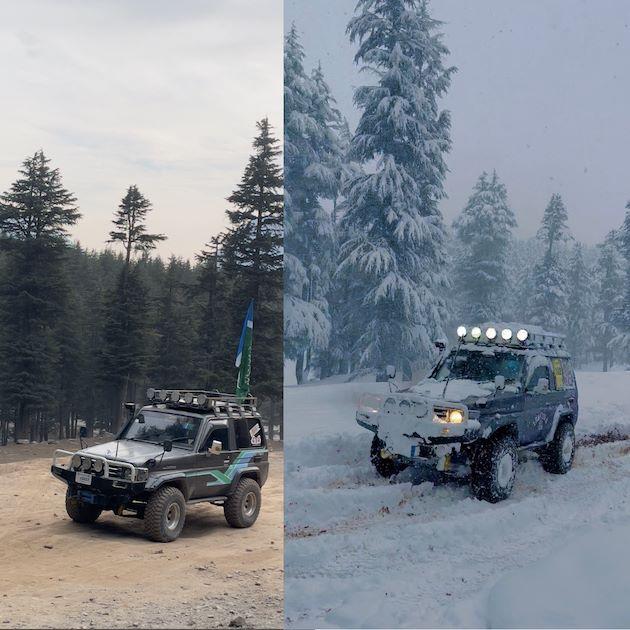
    Image: Khalil Wahab

    This feature has been sourced from Inter Press Serivce and is published with the support of Open Society Foundations.

    Gaza: ‘Simply Not Enough Food’ to go Around, Warn UN Humanitarians

    Ongoing hostilities across the Gaza Strip have been “particularly intense” in the southern city of Khan Younis, UN humanitarians warned on Monday, as the UN agency for Palestinians, UNWRA, reported that its shelters were now four times over-capacity.

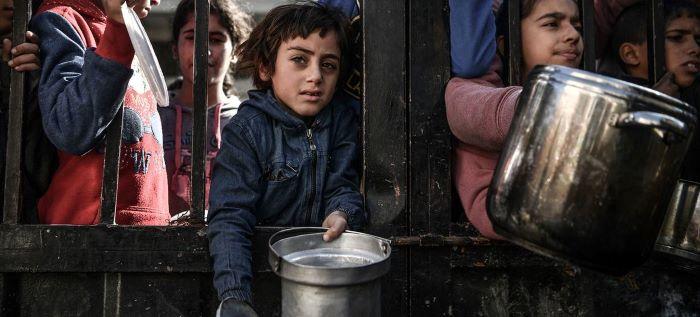
    “There is simply not enough food,” UNRWA tweeted on social platform X, formerly Twitter, with photographs from another city slightly further north, Deir-al-Balah, showing people queuing “in the rain and cold” for relief supplies.

    In its latest situation update, UN aid coordination office OCHA reported heavy fighting in Khan Younis close to two hospitals: Nasser – where many wounded patients have “no options for treatment amid ongoing heavy fighting and bombing”, citing Médecins Sans Frontières – and Al Amal – where the Palestine Red Crescent Society (PRCS) reported continuing bombardment of the immediate vicinity.

    There were also reports of Palestinians fleeing south to Rafah “which is already overcrowded, despite the lack of safe passage”, OCHA said, as it noted no let-up in rocket fire from Gaza into southern Israel.

    Collusion probe

    Amid extremely serious allegations that several staff colluded with Hamas during the 7 October attacks on Israel, UNRWA insisted that it would do “whatever possible” to continue helping Gazans, as the largest aid organization in the enclave.

    A probe has already been launched by the UN’s highest investigative body – the Office of Internal Oversight Services (OIOS) – while on Sunday, UN Secretary-General António Guterres insisted that any UN employee involved “in acts of terror will be held accountable”.

    Of 12 individuals allegedly implicated, nine were immediately identified and their contracts terminated with UNRWA. One staff member was confirmed dead and the identities of the remaining two are being clarified.

    On 17 January a full, independent review of the agency was also announced by UNRWA Commissioner-General Philippe Lazzarini.

    At the same time, Mr. Guterres appealed to the countries that suspended funding to the UNRWA to reconsider their decisions, to at least ensure continuity of its vital humanitarian operations.

    Famine looms

    Echoing that call, UN World Health Organization (WHO) Director-General Tedros said in a post on X on Sunday that cutting off funding to UNRWA “will only hurt the people of Gaza”.

    They face the looming threat of famine, disease and displacement after nearly four months of Israeli bombardment, prompted by Hamas-led terror attacks that left some 1,200 dead and more than 250 people taken hostage.

    More than two million people in Gaza depend on the UN agency for their survival but its humanitarian operation “is collapsing”, warned Mr. Lazzarini on X on Saturday.

    UNRWA usually has 13,000 staff serving Palestinian communities in Gaza. Today some 3,000 continue to work in a war zone, tasked with running shelters for over one million people, providing food and healthcare to civilians in dire need since the start of the conflict.

    To date, more than 26,420 people have been killed in Gaza since 7 October, said UN aid coordination wing OCHA, citing data from the enclave’s health ministry. Some 1,269 Israeli soldiers have also been killed in clashes, according to the Israeli military.

    “The people of Gaza have been enduring unthinkable horrors and deprivation for months,” the UN’s top emergency humanitarian official Martin Griffiths said on Sunday on X. “Their needs have never been higher – and our humanitarian capacity to assist them has never been under such threat. We need to be at full stretch to give the people of Gaza a moment of hope.”

    Yet Another Chargesheet Against Nobel Laureate Dr Muhammad Yunus

    The Commission cleared the way to submit the chargesheet against them after deputy director of ACC Md Gulshan Anwar filed the case against Muhammad Yunus and 12 others for allegedly embezzling Taka 250 million.

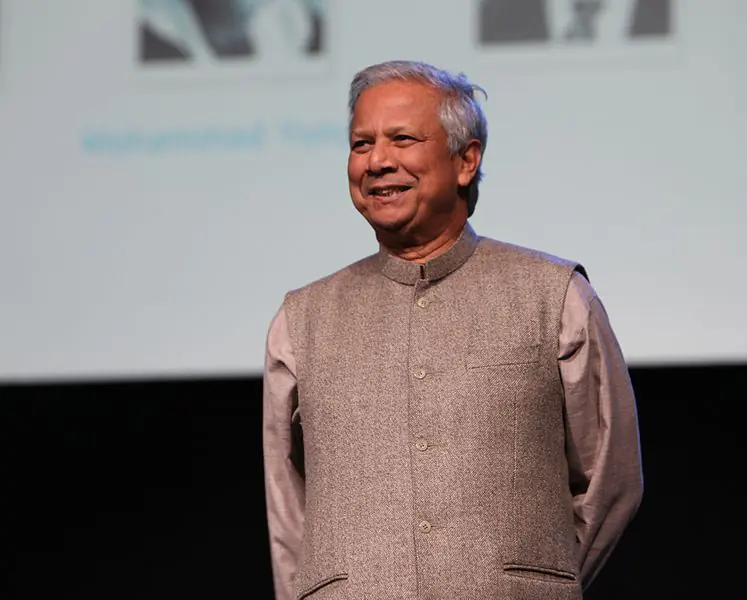
    Bangladesh’s Anti-Corruption Commission (ACC) on Monday approved a chargesheet against Nobel Laureate Dr Muhammad Yunus and 13 others in a graft case. This is the latest addition to the legal troubles directed at Dr Yunus.

    The Commission cleared the way to submit the chargesheet against them after deputy director of ACC Md Gulshan Anwar filed the case with its Dhaka-1 integrated district office against Yunus and 12 others for allegedly embezzling Taka 250 million (25 crore) from the company on 30 May 2023.

    The charge against Dr Yunus is that he presided over Grameen Telecom’s 108th board meeting that paved the way for the company to open a bank account in a branch of the Dhaka Bank Limited. But, investigations revealed that the account was indeed opened a day prior to the meeting and that the decision of the meeting was only covering up the lapse.

    The ACC says that over Taka 260 million (26 crore) was transferred to the account on different occasions, as per ‘fake settlement agreements’ and decision of the board. But, before even distributing the share of the company’s profit to the workers, and letting them know, Dr Yunus, in collusion with others embezzled about Taka 250 million (25 crore) from the fund.

    The other accused in the case are Grameen Telecom Managing Director Nazmul Islam, its directors Ashraful Hasan, Naznin Sultana, Parvin Mahmud, Md Shahjahan, Nurjahan Begum and SM Huzzatul Islam Latifee, Sramik-Karmachari Union President Md Kamruzzaman and its General Secretary Firoz Mahmud Hasan, lawyers Zafrul Hasan Sharif and Yusuf Ali and representative Md Mainul Islam.

    Image: Wikimedia Commons.