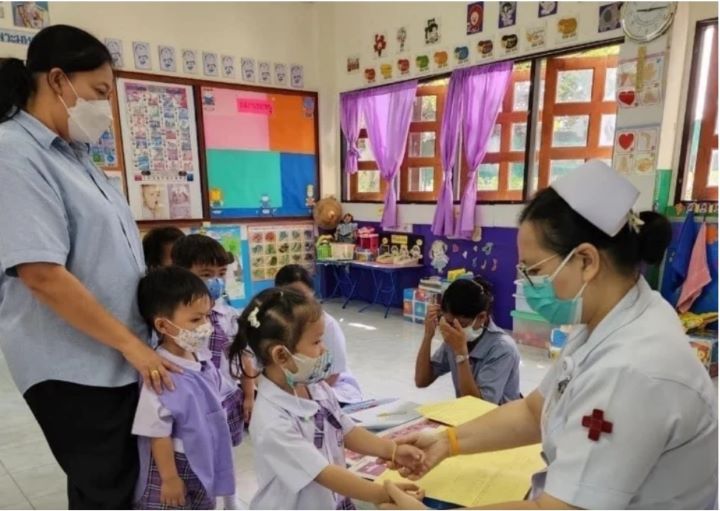
The attacker, a former police officer, killed himself following a major police operation to hunt him down after he attacked the nursery.
An attack on a childcare centre in northern Thailand left more than 35 people dead, many of them children.
According to Thai authorities, the attacker – reportedly a former police officer – killed himself following a major police operation to hunt him down after he attacked the nursery.
The gunman fired randomly at passers-by as he fled the scene. Before shooting himself dead, the gunman murdered his wife and son. Local media quoted the region’s deputy police commander as saying that the gunman was under the influence of drugs.
He reportedly fled the scene, after shooting and stabbing his victims, before killing himself and his family, following a major police operation to hunt down the attacker.
Thai citizens took to social media condemning the attack and offering their condolences to the victims’ families. The hashtag “Mass Shooting in Nong Bua Lam Phu” trended through the day.
The killings prompted strong international condemnation on Thursday as a number of world leaders too expressed shock over the attack.
UK Prime Minister Liz Truss tweeted “I am shocked to hear of the horrific events in Thailand this morning. My thoughts are with all those affected and the first responders. The UK stands with the Thai people at this terrible time.”
Australian Prime Minister Anthony Albanese too tweeted saying, “It’s impossible to comprehend the heartbreak of this horrific news from Thailand. All Australians send their love and condolences.”
UN Secretary-General António Guterres, said he was shocked and saddened by the mass shooting and the UNICEF office in Bangkok tweeted its message of condemnation.
“UNICEF is saddened and shocked by the tragic shooting incident at an early childhood development centre in Thailand’s northern province of NongBuaLamphu. UNICEF condemns all forms of violence against children. No child should be a target or witness of violence anywhere, anytime.”
“UNICEF condemns all forms of violence against children. No child should be a target or witness of violence anywhere, anytime”, said a statement released by the agency, emphasising that learning spaces “must be safe havens” for youngsters to learn, play and grow.
The UN Educational, Scientific and Cultural Organisation, UNESCO, also issued its deepest condolences to the families of the victims.
“Attacks on schools, students and educators, are attacks on rights to education”, the agency tweeted. “No-one should be a target.”
Image: Representative image from Thai Red Cross Society.
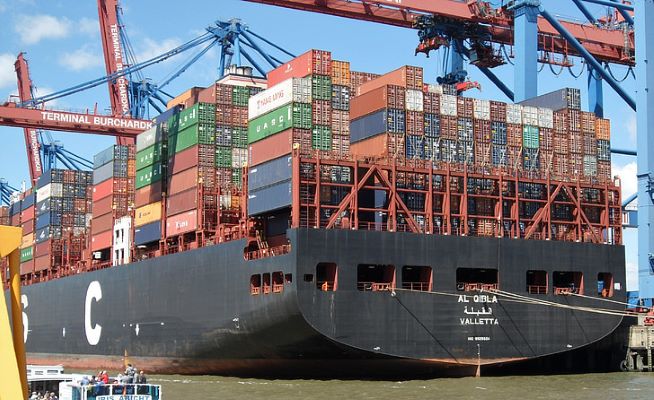
The new WTO forecast estimates world GDP at market exchange rates will grow by 2.8 per cent in 2022 and 2.3 per cent in 2023 — the latter is 1.0 percentage points lower than what was previously projected.
World trade is expected to lose momentum in the second half of 2022 and remain subdued in 2023 as multiple shocks weigh on the global economy. WTO economists now predict global merchandise trade volumes will grow by 3.5 per cent in 2022 — slightly better than the 3.0 per cent forecast in April. For 2023, however, they foresee a 1.0 per cent increase — down sharply from the previous estimate of 3.4 per cent.
Import demand is expected to soften as growth slows in major economies for different reasons. In Europe, high energy prices stemming from the Russia-Ukraine war will squeeze household spending and raise manufacturing costs. In the United States, monetary policy tightening will hit interest-sensitive spending in areas such as housing, motor vehicles and fixed investment. China continues to grapple with COVID-19 outbreaks and production disruptions paired with weak external demand. Finally, growing import bills for fuels, food and fertilizers could lead to food insecurity and debt distress in developing countries.
“Policymakers are confronted with unenviable choices as they try to find an optimal balance among tackling inflation, maintaining full employment, and advancing important policy goals such as transitioning to clean energy. Trade is a vital tool for enhancing the global supply of goods and services, as well as for lowering the cost of getting to net-zero carbon emissions,” Director-General Ngozi Okonjo-Iweala said.
“While trade restrictions may be a tempting response to the supply vulnerabilities that have been exposed by the shocks of the past two years, a retrenchment of global supply chains would only deepen inflationary pressures, leading to slower economic growth and reduced living standards over time. What we need is a deeper, more diversified and less concentrated base for producing goods and services. In addition to boosting economic growth, this would contribute to supply resilience and long-term price stability by mitigating exposure to extreme weather events and other localized disruptions. The success of the WTO’s 12th Ministerial Conference (MC12) in June is proof that with sufficient political will, members can cooperate and move forward together.”
2023 estimates overly optimistic
The new WTO forecast estimates world GDP at market exchange rates will grow by 2.8 per cent in 2022 and 2.3 per cent in 2023 — the latter is 1.0 percentage points lower than what was previously projected.
In their April forecast, released only weeks after the start of the war in Ukraine, WTO economists had to rely on simulations to generate reasonable growth assumptions, in the absence of hard data about the war’s impact. As events have unfolded, the WTO’s GDP projections for 2022 turned out to be broadly correct. The estimates for 2023, however, now appear overly optimistic, as energy prices have skyrocketed, inflation has become more broad-based, and the war shows no sign of letting up.
If the current forecast is realized, trade growth will slow sharply but remain positive in 2023. It should be noted that there is a high degree of uncertainty associated with the forecast due to shifting monetary policy in advanced economies and the unpredictable nature of the Russia-Ukraine war. If current assumptions hold, trade growth in 2022 could end up between 2.0 per cent and 4.9 per cent. If the downside risks materialize, trade growth in 2023 could then be as low as -2.8 per cent. If the surprises are on the upside, however, trade growth next year could be high as 4.6 per cent. Trade could also finish outside of these bounds if any of the underlying assumptions change.
The Ukraine crisis has pushed up prices for primary commodities, particularly fuels, food, and fertilizers. In August, energy prices were up 78 per cent year-on-year, led by natural gas, which was up 250 per cent. The 36 per cent increase in the price of crude oil over the same period was small by comparison but still significant for consumers.
Image: Hippopx, licensed to use under Creative Commons Zero – CC0
A simple nasal wash with mild saline water flushes viruses out of the sinuses and can help prevent hospitalisation and deaths from COVID-19, according to research. The technique originated with Indian yoga practice of Jal-neti and is easy to use.
By Sanjeet Bagcchi
Simple nasal washes with mild saline water can prevent hospitalisation and deaths from COVID-19, if applied twice daily following a positive diagnosis, according to research led by the US-based Augusta University.
Reducing the amount of virus entering the body cuts the severity of the disease, says the study published September in the Ear, Nose & Throat Journal. It found that nasal washes conducted within 24 hours of diagnosis can prevent the virus from entering the lungs and possibly causing permanent or fatal damage to patients.
Amy Baxter, corresponding author of the study affiliated with the department of emergency medicine at Augusta University, says that extra hydration of the sinuses makes them function better. “If you have a contaminant, the more you flush it out, the better you are able to get rid of dirt, viruses and anything else,” she explained.
ACE2 receptors in cells — which bind to the spike protein of the virus resulting in COVID-19 infection — are plentiful in the nasal cavity, lungs and mouth and a nasal saline wash can help prevent the virus from attaching to receptors, they said.
The researchers say nasal washes are inexpensive and safe and can be administered at home using half a teaspoon each of salt and baking soda in a cup of boiled or distilled water.
“In areas remote to healthcare, this simple intervention can reduce the likelihood of severe disease,” said Baxter.
The research involved comparing data from high-risk COVID-19 patients, such as those with obesity, hypertension or diabetes and aged over 55, who had carried out nasal washes, with datasets of 3 million COVID-19 cases from the US Centers for Disease Control and Prevention (CDC).
Jal Neti
The researchers found that only 1.3 per cent of COVID-19 patients who underwent nasal wash required hospitalisation, suggesting that they were more than eight times less likely to be hospitalised compared with the 11 per cent in the CDC dataset.
According to the US-based University of Wisconsin-Madison, for conditions like acute and chronic sinusitis, common cold, and allergic rhinitis, nasal irrigation can be advocated for rinsing the nasal cavity. The practice of nasal irrigation likely originated in India’s Ayurvedic medical tradition called ‘jal-neti’, said a paper by the university’s department of family medicine and community health.
“Having lived in Thailand, I know that nasal rinsing was a common hygiene practice in Thailand, Vietnam and Laos where they had lower case fatality than the US,” Baxter said.
Kyle Schwartz, co-author of the study affiliated with Edinburgh Napier University, in Scotland, tells SciDev.Net that South-East Asian countries had “a few cultural practices which might have given them an advantage” in dealing with the COVID-19 outbreak.
“Masking was also relatively normalised even at the start of the pandemic and local greeting practices involved bowing rather than shaking hands,” Schwartz said. “We think that what really gave countries like Thailand, Vietnam, and Laos the edge compared to other parts of Asia, was the very widespread use of nasal irrigation.”
Shantanu Panja, eye-nose-throat and head and neck surgeon at Apollo Multispecialty Hospitals in Kolkata, India, who was not involved in the study, believes that the findings can be “easily implemented without adding extra cost to the patient”.
“Jal-neti has been a part of Indian yoga practices for thousands of years. So, it is nothing new to the Indian subcontinent,” Panja said.
UNGA week also served to gather legal experts, diplomats, and activists to discuss the plight of journalists forced to flee their homes and the responsibility of governments to provide safe refuge through special emergency visas.
By Gypsy Guillén Kaiser
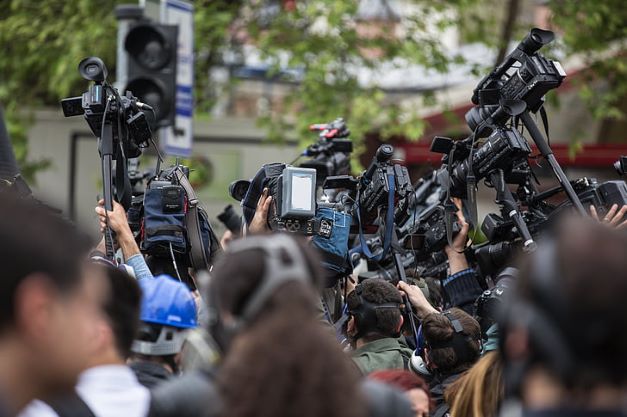
Journalists and media workers are facing “increasing politicization” of their work and threats to their freedom to simply do their jobs, that are “growing by the day”, said UN Secretary-General Antonio Guterres, marking World Press Freedom Day, May 2022.
“This woman sitting next to me, Maria Ressa, is a Nobel laureate and a convicted criminal,” said barrister Amal Clooney, who co-leads the international legal team representing Ressa. The founder of news website Rappler, Ressa has been targeted with a barrage of legal charges intended to stop her journalism in the Philippines.
During a conversation hosted by the Committee to Protect Journalists (CPJ) on the sidelines of the UN General Assembly high-level week, which concluded September 26, Clooney revealed that Ressa faces the possibility of imminent imprisonment in the Philippines.
“The only thing standing between her and a prison cell is one decision from the Philippines Supreme Court that could come as soon as in 21 days’ time,” said Clooney to an audience of news leaders, diplomats, and advocates.
She then appealed for prosecutors to drop the baseless charges and for newly elected President Ferdinand Marcos Jr. to issue a pardon. In May, CPJ wrote to Marcos requesting that he urgently take concrete steps to undo former President Rodrigo Duterte’s long campaign of intimidation and harassment of the press.
Misusing laws to silence media
The conversation, led by CPJ President Jodie Ginsberg, also explored the broader misuse of laws increasingly deployed to silence the press across the world. Clooney and Ressa are both past recipients of CPJ’s Gwen Ifill Press Freedom award for their extraordinary and sustained achievement in the cause of press freedom.
UNGA week also served to gather legal experts, diplomats, and activists to discuss the plight of journalists forced to flee their homes and the responsibility of governments to provide safe refuge through special emergency visas.
During a high-level side-event hosted by the Czech Republic, CPJ’s Ginsberg joined Czech Foreign Minister Jan Lipavsky and deputy chairs of the High Level Panel of Legal Experts on Media Freedom to make the case for these visas.
CPJ has advocated for such visas in the past in line with recommendations by members of the Media Freedom Coalition, a group of 52 governments that support press freedom.
Ginsberg’s message: Governments must create special emergency visas for journalists to allow them to quickly evacuate and relocate to safety. The visas should be granted to individuals who are at risk due to their work keeping the public informed.
As Ginsberg noted, across the world, from Afghanistan to Nicaragua and Belarus to Myanmar, CPJ has worked on hundreds of cases of such journalists seeking safe refuge. There is no time to waste.
Prioritize emergency visas
Journalists forced to flee often try to continue reporting in exile. Panelist Roman Anin, an exiled investigative journalist who runs news website iStories, shared his story of moving his newsroom out of Russia.
“When the war started, we had a choice between three options, either stay in Russia and stop our work, stay in Russia, continue our work and end up in jail, or relocate the newsroom,” he said. Anin said that in spite of the hardship of the relocation, his newsroom has been able to reach Russian audiences with stories on alleged war crimes committed in Ukraine.
Anin’s experience, and CPJ’s own work helping many other displaced journalists, demonstrate how critical it is for governments to prioritize emergency visas for swift relocation and safety. Refusing to do so not only impacts the lives of individual journalists, it is a blow to free expression and access to information globally.
In solidarity,
Gypsy Guillén Kaiser is CPJ Advocacy and Communications Director.
Image: Hippopx, licensed to use under Creative Commons Zero – CC0
UNCTAD’s latest report warns that the policy-induced global recession could be worse than the financial crisis that haunted governments and people across the globe between 2007 and 2009.
Policy mistakes could trigger a global recession worse than the 2007 economic crisis, the UN Conference on Trade and Development (UNCTAD) has warned. The recession and a prolonged stagnation are inevitable, unless fiscal and monetary policies holding sway in some advanced economies are quickly changed, UNCTAD said in its latest ‘Trade and Development Report 2022 – Development prospects in a fractured world.’
“There is still time to step back from the edge of recession,” said UNCTAD chief Rebeca Grynspan.
“This is a matter of policy choices and political will,” she added, noting that the current course of action is hurting the most vulnerable.
UNCTAD warns that the policy-induced global recession could be worse than the financial crisis that haunted governments and people across the globe between 2007 and 2009.
Excessive monetary tightening and inadequate financial support could expose developing world economies further to cascading crises, the agency said.
The report points out that supply-side shocks, waning consumer and investor confidence, and the war in Ukraine have provoked a global slowdown and triggered inflationary pressures.
And while all regions will be affected, alarm bells are ringing most for developing countries, many of which are edging closer to debt default.
As climate stress intensifies, so do losses and damage inside vulnerable economies that lack the fiscal space to deal with disasters.
Grim outlook
UNCTAD projects that world economic growth will slow to 2.5 per cent in 2022 and drop to 2.2 per cent in 2023. The global slowdown would leave real GDP still below its pre-pandemic trend, costing the world more than $17 trillion – close to 20 per cent of the world’s income.
“Despite this, leading central banks are raising interest rates sharply, threatening to cut off growth altogether and making life much harder for heavily indebted firms, households and governments,” says UNCTAD.
“The global slowdown will affect all economies. But developing countries are exposed most to the cascade of debt, health and climate crises.”
The report projects that world economic growth will slow to 2.5 per cent in 2022 and drop to 2.2 per cent in 2023 – a global slowdown that would leave GDP below its pre-COVID-19 pandemic trend and cost the world more than $17 trillion in lost productivity.
Despite this, leading central banks are sharply raising interest rates, threatening to cut off growth and making life much harder for the heavily indebted.
The global slowdown will further expose developing countries to a cascade of debt, health, and climate crises, the report says.
On SouthAsia and India
UNCTAD expects the South Asia region to expand at a pace of 4.9 per cent in 2022, as inflation increases on the back of high energy prices, exacerbating balance of payment constraints and forcing governments in Bangladesh and Sri Lanka to restrict energy consumption. Moreover, the limited and delayed progress in relaxing vaccine-related intellectual property rights continues to leave the region vulnerable to future outbreaks. For 2023, UNCTAD expects the region’s growth rate to decelerate slightly to 4.1 per cent.
The report says that India experienced an expansion of 8.2 per cent in 2021, the strongest among G20 countries. As supply chain disruptions eased, rising domestic demand turned the current account surplus into a deficit, and growth decelerated. The production-linked incentive scheme introduced by the government is incentivizing corporate investment, but rising import bills for fossil energy are deepening the trade deficit and eroding the import coverage capacity of foreign exchange reserves.
“As economic activity is hampered by higher financing cost and weaker public expenditures, GDP growth is projected to decelerate to 5.7 per cent in 2022,” the report says.
“Going forward, the government has announced plans to increase capital expenditure, especially in the rail and road sector, but in a weakening global economy, policymakers will be under pressure to reduce fiscal imbalances, and this may lead to falling expenditures elsewhere. Under these conditions, the economy is expected to decelerate to 4.7 per cent growth in 2023.”
Debt crisis
With 60 per cent of low-income countries and 30 per cent of emerging market economies in or near debt distress, UNCTAD warns of a possible global debt crisis.
Countries that were showing signs of debt distress before the pandemic are being hit especially hard by the global slowdown.
And climate shocks are heightening the risk of economic instability in indebted developing countries, seemingly under-appreciated by the G20 major economies and other international financial bodies.
“Developing countries have already spent an estimated $379 billion of reserves to defend their currencies this year,” almost double the amount of the International Monetary Fund’s recently allocated Special Drawing Rights to supplement their official reserves.
The UN body is requesting that international financial institutions urgently provide increased liquidity and extend debt relief for developing countries. It’s calling on the IMF to allow fairer use of Special Drawing Rights; and for countries to prioritize a multilateral legal framework on debt restructuring.
Image: Hippopx, licensed to use under Creative Commons Zero – CC0
The United Nations has upscaled its humanitarian appeal for the flood affected people of Pakistan to US$ 816 million from previous US$ 160 million assistance, considering a multitude of rehabilitation and health -related issues, cropping up in the post flood situation.
The United Nations on Tuesday launched a fresh appeal, urgently seeking US$816 million for aiding people affected by this year’s floods in Pakistan that its Secretary General said was caused by a “monsoon on steroids”.
This is a jump of US $ 656 million from the initial appeal of US $160 million, a joint press release said, explaining that the updated appeal is based on an updated on-ground needs assessment, especially taking into consideration rehabilitation needs of the affected regions.
Speaking at the launch of the flash appeal, Hina Rabbani Khar, Pakistan’s Minister of State for Foreign Affairs, called for comprehensive plans to equip the people in Pakistan to survive the floods and also to help them cope with future impacts of climate change.
She said it was the world’s collective responsibility to provide assistance to the people affected by the massive flash floods.
“With our characteristic resilience and endurance, and support of the international community, we are determined to overcome this challenge and bounce back stronger. There is a long road ahead of us,” she added.
The minister said that they would continue to count on sustained attention and support of the international community as they transitioned to the huge task of sustainable rehabilitation and reconstruction.
She noted the need to equip people to not only survive but also to thrive after the crises.
Coalition of the willing
Minister for Climate Change Sherry Rehman highlighted the unimaginable scale of loss and damage caused by unprecedented climate-induced floods in Pakistan.
She said that the scale of catastrophe had gone beyond all previous climate disasters, affecting a population larger than the size of many countries.
She referred to the continued inundation of large swathes of the country in pestilent water, pointing to the health risks such flooding posed, and added that Pakistan had sustained a complex and multi-sectoral exogenous shock to its economic body, and should not be expected to struggle alone in the frontlines of this climate apocalypse, while contributing less than one percent to the total global carbon emissions.
Calling for a ‘coalition of the willing’ to effectively respond to this calamity, Sherry Rehman outlined specific and urgent requirements in the areas of health, food security and rehabilitation.
Julien Harneis, Humanitarian Coordinator for Pakistan, told journalists in Geneva on Monday that there would be an increase in child morbidity, disease outbreaks such as malaria, dengue fever, and increased malnutrition, unless assistance was forthcoming.
The Government needs support to bolster health, nutrition, water and sanitation services across the affected areas of the country, he said.
“We need all of these funds, and we need them quickly,” Harneis said, adding that an international support conference will be held later this year to seek more funding for reconstruction and rehabilitation.
WHO Director-General, Tedros Adhanom Ghebreyesus, said that around 10 per cent of health facilities had been damaged in the floods.
“The loss of over 1,500 people is tragic – however it is also remarkable that many more did not perish”, he said, adding that “The water has stopped rising, but the danger has not. We are on the verge of a public health disaster.”
He said more than 2,000 women in flood-hit areas were giving birth every day, mostly in unsafe conditions.
“Many more lives than were lost in the floods could be lost in the coming weeks if we don’t mobilize greater support for Pakistan”, the WHO chief emphasised.
The flooded residential area of a village in Sindh Province, Pakistan.
Rising needs
The revised ‘2022 Pakistan Floods Response Plan’ shared with UN member states and humanitarian organisations said that the enhanced appeal reflects the rising needs and the unprecedented scale of destruction caused by the current climate-induced disaster which has affected a population of 33 million, cost 1,600 lives and threatens hundreds of thousands more as a second disaster looms within the first one.
Over 2 million homes have been destroyed or damaged, forcing people to live under open skies exposed to threats of dengue, malaria, and the biting cold of the fast-approaching winter.
More than 1,500 health and support facilities were badly damaged and unable to respond to the growing needs. 13,000 km of roads were badly damaged, making it extremely difficult – and, at times, impossible – to reach families in need.
The focus of this appeal was on the provision of urgent and lifesaving humanitarian assistance and protection to 9.5 million people until 31 May 2023, with a focus on the 34 most affected districts in Balochistan, Sindh, Khyber Pakhtunkhwa and Punjab.
This prioritization is based on the number of houses damaged and destroyed, available projections of water level changes, and the population of displaced people in the districts.
It aimed to enable a more cohesive response for people in areas that have been most severely affected, and to foster a focused, multi-sectoral approach.
Pakistan’s Foreign Office, in a press release, said that the international community had stepped forward with valuable assistance. This support has been in terms of multi-purpose cash, as well as the provision of healthcare, medicines, food, water, shelter, education, and protection.
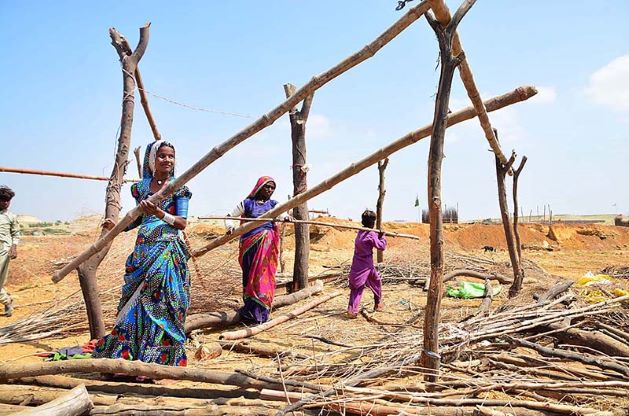
Image: Women rebuilding home following the floods in Sindh, Pakistan. They returned from the relief camps to find that their homes had vanished.
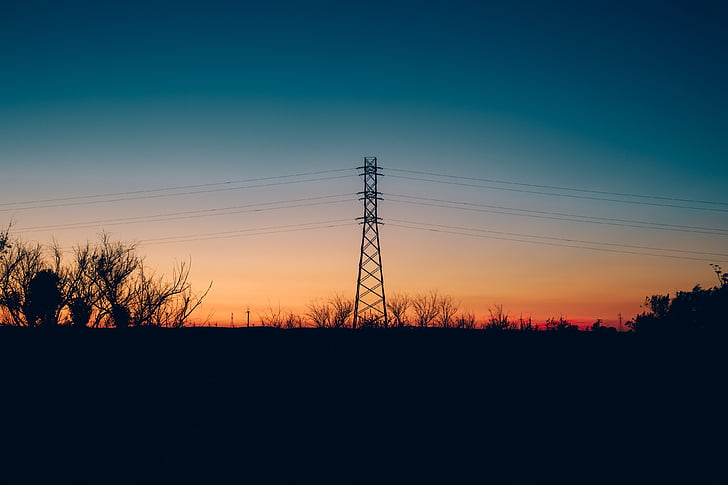
The power supply was restored across Bangladesh only after a seven hours of blackout following the national power grid failure on Tuesday.
A grid failure led to power outages across major Bangladesh cities since Tuesday afternoon. Power supply was restored in the capital city, Dhaka at about 6:00 PM, though many of the areas continue to remained without electricity.
People in Dhaka were seen rushing with canisters to purchase diesel for the generators as power failure continued for many hours in the city.
The national power transmission grid failed at 2:05 pm – causing blackouts across Bangladesh, except some parts of the north. The reason was ascribed to a ‘technical glitch’, according to the state-run Power Grid Company of Bangladesh (PGCB).
The power outage also impacted telecommunications and internet service as well as the supply of piped drinking water. Medical establishments weren’t spared either and operations had to be put off in hospitals in Dhaka. The official residences of the prime minister and the president too were not spared.
State Minister for ICT Zunaid Ahmed Palak said in a 5:00 PM Facebook post that power supply was normal in some parts of the capital. “Restoration is a lengthy and complex process even if the power grid trips for a second,” his post read.
The power supply was restored across Bangladesh only after a seven hours of blackout following the national power grid failure on Tuesday.
Electricity was back in all the areas of Dhaka and other districts by 9:00 PM said Badruddoza Sumon, PGCB’s public relations officer.
The transmission line tripped somewhere in the eastern part of the country, according to officials at Bangladesh Power Development Board (BPDB).
Following the grid failure, all power plants tripped one after another and electricity supply went off in Dhaka, Chattogram, Sylhet, Barishal and Mymensingh divisions.
People queued up for diesel to run generators, but the relief from the blackout was short lived as the fuel stations ran out of diesel. Authorities too asked the fuel stations to ration the supply of diesel as they wanted to keep fuel aside for other emergencies and to keep essential services like hospitals running.
PGCB announced the formation of a five-member inquiry committee to investigate the reason behind the grid failure on Tuesday that triggered a countrywide blackout for hours.
Image: Hippopx, licensed to use under Creative Commons Zero – CC0
Colombia’s 2016 Peace Agreement has led to an unexpected outcome: the discovery of a new species of dinosaur.
Researchers now know that, around 175 million years ago, a 12-metre long sauropod, roamed around an area of northern Colombia. The scientific world is attributing the discovery of this new species of herbivorous dinosaur to the improved security situation that exists in Colombia since the signing of a 2016 peace deal, which put an end to half a century of civil war.
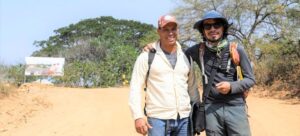
Just two years after the signing of the agreement, it was deemed safe for a group of researchers from the Universidad del Norte, Barranquilla, and the University of Michigan, United States, to visit the Serranía del Perijá, and gather fresh data.
Professor Aldo Rincón and his guide, Pedro Pablo Contreras, conducting fieldwork in the Serranía del Perijá mountain range.
Searching for clues, 80 years on
The scientists returned to the place where a fossil of a dinosaur dorsal spine vertebra was found by a geologist working for an oil company in 1943. At the time no-one knew that it was part of a brand-new species and, after the find, the fossil was taken, along with some sediment samples, to the United States and given to the University of California scientific collection at Berkeley.
Aldo Rincón Burbano, professor at the Department of Physics and Geosciences at the Universidad del Norte in Barranquilla and one of the research leaders in Colombia, acknowledged that “without the security conditions provided in the area today, it would have been difficult to return to the field. This is due to the Peace Agreement.”
Those security conditions are monitored by the UN Verification Mission in Colombia, which was established by the Security Council in 2017 to support the progress of the Peace Agreement, and verify the reintegration of former combatants of the FARC-EP rebel group and their families into Colombian society.
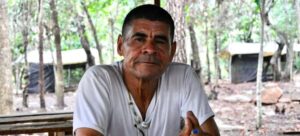
Félix Arango, a 64-year-old former FARC combatant, was one of Professor Aldo Rincón’s guides at the ETCR in Tierra Grata.
From fighter to guide
Former FARC-EP fighters provided logistical services, lodging, and guides for the researchers, as they tried to locate the site where the fossil had been unearthed some 80 years earlier.
Félix Arango, a 64-year-old former FARC-EP combatant who now works on an ecotourism project in Tierra Grata, accompanied them on long walks, searching for the exact spot. “I didn’t know they were looking for a dinosaur because they were studying rocks; luckily I was familiar with the area because the former 41st front of the FARC operated there”.
“We spent almost a year in the process, writing and searching, and although we didn’t find any new fossils, we managed to get to the site and find the same sediment collected alongside the vertebra in 1943”, says Mr. Rincón. “By studying the sediment, we were able to conclude that the vertebra was from a new genus, and a new species.”
They named the species Perijasaurus lapaz: the first part after the place where it was found, and the second as a tribute to the historic Peace Agreement. The dinosaur is similar to other sauropods of this period found in Asia, North Africa, and southern Patagonia, which were smaller than the later dinosaurs belonging to this group.
“We still must look for more fossils in rocks of the same age in other areas of the country. Including the Tatacoa desert in Huila; the Girón area in Santander; and Nobsa in Boyacá,”, says Mr. Rincón.
Mr. Arango, the former combatant who accompanied Mr. Rincón and his team, says that, hopefully, these other investigations can also tell the story of the experience of former combatants, who now, thanks to peace, play a different role in society.
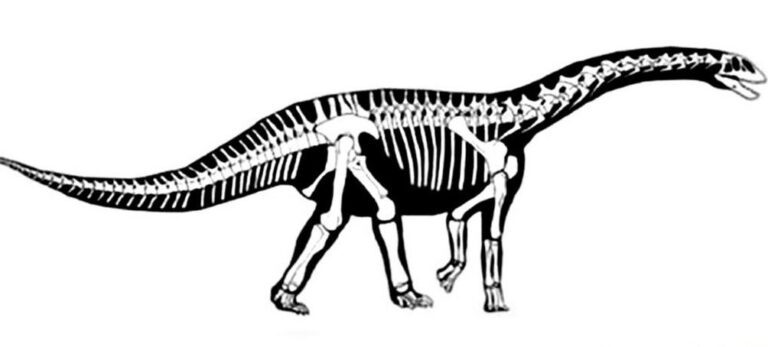
Image: Digital reconstruction of Perijasaurus lapaz, a dinosaur discovered in Serranía del Perijá, northern Colombia.
At the time of the creation of Pakistan in 1947, the literary creativity and progress of the Indian Tea House were adversely affected. Likewise, after partition of subcontinent, the word India was removed, and “Pak” was written over it, transforming ‘India Tea House’ into “Pak Tea House.”
By Dr. Saeed Ahmad Ali
Monty Python (a British surreal comedy troupe), referring to the history of the eccentric teapot, said that it was really fascinated that how tea rooms provided an opportunity to create and discuss literature and how the tea rooms changed from country to country.
“Tea is just an excuse. I am drinking this sunset, this evening and – you.” That explains the co-relationship of a tea-room and the creativity of literature.
Around the globe, the custom of tea and Kahwa houses is incredibly hoary. Located in downtown and cultural areas or every market, these tea houses entertain common people of different races, castes, colours, and creeds.
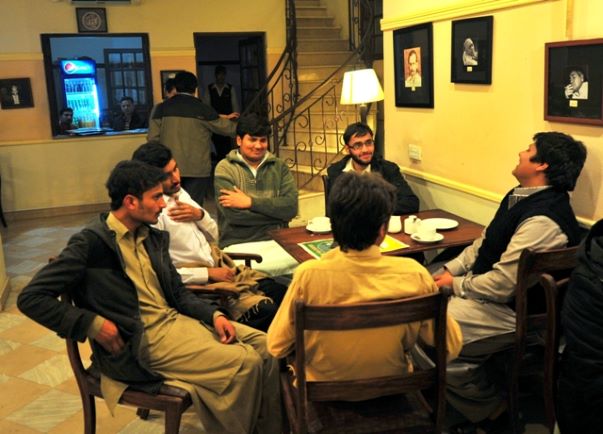
A tea house was established in Lahore during British rule, from 1939 to 1940, located along the Mall Road. It was then named “India Tea House,” where people from various schools of thought were gradually accustomed to coming for discussions.
Nobody could believe that this tea house someday would become an axis of literary personalities, poets, and writers. For ages, Lahore had incorporated an impressive and majestic significance for being the centre of cultural, literary, and academic activities.
Filled with life, music, fun, art, dance, food, and heritage, it really cast a magical spell on a traveller, who will always remember the memories and impression of the loving city.
And whosoever visits or comes to Lahore becomes a part of this conurbation. An impressive belt of legendary personalities came and permanently settled here due to the magical effect of city and its heritage.
Illustrious past
Owing to these activities, the name “Pak Tea House” is at the top of the list, which has its own history of being a dominant spot for the grooming of art, literature, and culture.
In 1939, “Bazm-e-Daastaan Goyian” was founded as an organization for the preferment of literature. But just after six months later, the name was modified to “Halqa-e Arbab-e-Zouq” which still prevails. By the same year, the literary activities of Halqa-e-Arbab-e-Zouq were carried out in the YMCA hall.
Likewise, many other organisations like Anjuman-e-Ittehaad-e-Punjab, Bzm-e-Adab Punjab, and Anjuman-e-Matalib-e-Mufida Punjab started working in collaboration with one another, a document of the YMCA reveals.
Then in 1943, another organization emerged with the name of “Halqaa-e-Arbab-e-Ilm.” The companions of this organisation included Agha Shorish Kashmiri, Malik Aslam Hayyat and Syed Nazir Zaidi, noted Poet and Critic professor Dr. Saadat Saeed says.
Later, in cooperation with Molana Hamid Ali Khan, an Anjuman named as “Urdu-Subha” was established. This was frequently attended by Professor Pitras Bukhari, Khawaja Dr. Muhan Singh Dewana, Dr. Shanti Roop Bhatnagar, and Dil Muhammadm, Dr Saadat Saeed informed.
Chai pe charcha
It was a peak time for Lahore’s education and literature. The dawn of educational institutes emerged within the subcontinent while legendary and literary personalities from Uttar Pradesh, Jammu and Kashmir, Madhya Pradesh, Khyber Pakhtunkhwa, and many other cities of Punjab, moved towards the seat of learning in the region, i.e. Lahore.
The major literary figures who migrated to Lahore included: Tajwar Najeeb Abadi, Muhammad Hussain Azad, Mufti Abdullah Tonki, Mahmood Terani, Mir Manzar Hussain Nazim Lakhnawi, Mirza Arshad Gorkani Dehlwi, Muhammad Shafi Qasuri, Muhammad Hassan Jalandhri, Sheikh Abdul Qadir, Professor Pitras Bukhari, Allama Muhammad Iqbal, Daaket Abdullah, A-Hameed and Sufi Tabbasum.
At the time of the creation of Pakistan in 1947, the literary creativity and progress of the Indian Tea House were adversely affected. India was removed from the board of India Tea House and “Pak” was written over it, after the subcontinent’s partition, transforming the ‘India Tea House’ into “Pak Tea House”.
Its reopening after the partition brought back writers and poets and this tea spot again became a centre of literature and education.
Pak Tea House had embedded a pivotal mark by leaving a historical literary revolution and a memorable impression on fiction, novel, poetry, and myth writing. A-Hameed, a renowned Urdu fiction writer from Lahore, and an author of over 200 books has mentioned this tea house in his famous book “Lahore Ke Yadain,”.
This was not just a tea cafe but had been signified as a literature hub and cultural centre, he writes. “My meetings with Nasir Kazmi, Ashfaq Ahmed, Shuhrat Bukhari, Anjum Romani, Munir Niazi, Qayyum Nazar, and Sajjad Rizvi were materialized here,” he writes.
A-Hameed had written a famous novel on Pak Tea House titled “Dhoop or Shagoofay”; which starts and ends on Pak Tea House. This novel, narrating the glory of the tea house, displays a glimpse of the noted writers who were often used to work here.
The launch of the dashboard has been deferred to next Thursday when the prime minister is scheduled to meet with representatives of friendly countries and international organizations extending flood relief support to brief them about the latest situation and country’s future needs.
Plans to launch a Flood Relief Dashboard to monitor and coordinate the distribution of relief and rehabilitation work following unprecedented floods in Pakistan have met with a roadblock.
Pakistan’s prime minister, Shehbaz Sharif interrupted a briefing on the dashboard on Monday to direct authorities to add more features like a weather alert. He spoke at length of a similar dashboard that the Punjab government had employed during his stint as chief minister of the province. He said that the dashboard had received accolades from across the world as it gave information like hotspots and the facilities people could access.
Shehbaz Sharif said that he wanted a dashboard of international standards that would ensure better coordination among institutions and enhance the credibility of the relief operation.
The prime minister said that Pakistan needed a “world class” platform containing all relevant information.
“We should design a dashboard which the whole nation should be proud of,” said the prime minister.
He pointed out the shortcomings in the design and called for further improvements to enable it to meet the nation’s needs and effectively reflect the coordinated efforts being made by the government for relief and rehabilitation of the flood-stricken people.
Sharif said the flood relief dashboard must contain all the relevant information about every item where the relief items like quilts and baby food was sent and also mention where the relief goods came from.
He said the government would provide all required support for development of the dashboard which should not be a makeshift arrangement rather a facility usable even for decades.
The launch of the dashboard has been deferred to next Thursday when the prime minister is scheduled to meet with representatives of friendly countries and international organizations extending flood relief support to brief them about the latest situation and country’s future needs.
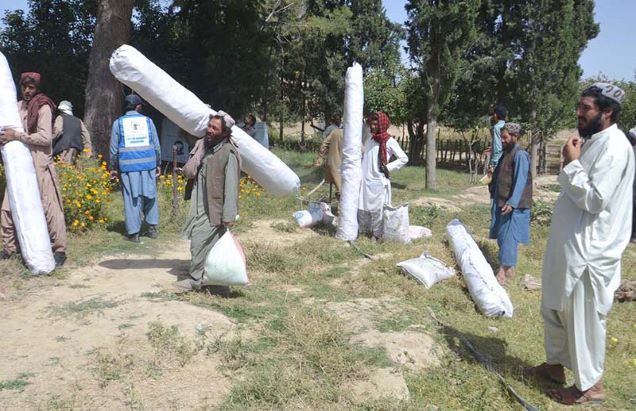
Around 80,000 more tents are required in the flood-hit areas, according to the National Disaster Management Authority of Pakistan.
Pakistan leads the world in the production of tents.
The NDMA chairman said that people had prioritized food over health and shelter which necessitated measures to arrange food for the flood survivors.
According to the National Flood Response Coordination Centre, the flood water was stagnant in two districts of Balochistan and the water situation had improved by some 70 per cent since 31 August. The centre says that it will take another two to three weeks to recede water.