More

    Building a Heatwave-Resistant India

    Heat waves may have warmed the environment — but India’s response to them remains lukewarm, if not cold. A more sustained and aggressive policy approach would be more desirable than New Delli’s current hot-cold policy orientation.

    By Simrit Kaur and Harpreet Kaur

    Heatwaves in India have become more frequent, prolonged, intense and geographically spread-out. Twelve of the country’s warmest 15 years have been since 2006, with death tolls rising three-fold since the 1950s to over 3000 people. Addressing such natural disasters, including heatwaves, requires a coherent and collaborative policy response by the Indian government.

    Heatwaves occur when the Indian plains experience maximum temperatures exceeding 40 degrees Celsius and the Indian hills exceed 30 degrees Celsius. Such events generally occur in May and June, but they are now being observed in March — with March 2022’s heat wave (experienced by over 50 per cent of Indian states) breaking 100 year old records.

    Heatwaves impact human productivity through dehydration, exhaustion and heat-strokes. Urban residents are susceptible to these risks by virtue of high density cities with multi-storeyed buildings and roads that increase the sun’s heat. This creates an urban heat island effect due to there being less green cover and water bodies leading to rising energy costs.

    Increased energy use increases the demand for coal sourced-energy, creating a vicious cycle of emissions and environmental damage. The World Weather Attribution report states that climate change has increased the probability of heatwaves by 30 times.

    Heatwaves are one of the concomitant impacts of climate change along with severe water scarcity, droughts, and the loss of farmland and marine ecosystems. In 2019, extreme weather events produced as many as four million internally displaced persons (IDPs) and spurred internal migration as an adaptation mechanism to climate change. These events disproportionately hurt the marginalised and underprivileged — including women and children who are largely dependent on nature for their livelihoods. UNICEF ranks India 26th on the Global Children’s Climate Risk Index.

    Impacting agriculture

    Climate change is reducing agricultural yields, with India’s 2022 season of wheat production slumping by 10–50 per cent. The Indian government’s restrictive trade policies banning wheat exports have since impacted global wheat prices. Yield reductions imply lower agricultural incomes and food price hikes, potentially increasing farmer suicides and adversely allocating disposable income away from education and health.

    Heatwaves caused infrastructure losses and service and supply disruptions worth around US$87 billion in 2020. India will have to spend US$140–300 billion in 2030 and US$280–500 billion in 2050 to protect itself from climate change by investing in computing capabilities for accurate weather predictions — investments that come at the expense of activities with higher income and employment multipliers. Climate-risks have also worsened India’s credit score due to greater economic volatility from the greater incidence and extremity of climate-related shocks.

    India adopted policies in the form of the National Action Plan on Climate Change in 2008 to address its vulnerability to climate change, establishing eight National Missions — including building solar power capacity, promoting energy savings and working towards sustainable agricultural practices. To address the impact of climate change on agriculture, schemes such as the Per Drop More Crop are being promoted to conserve water resources. Farmers and hiring centres are also given subsidies to adopt agricultural mechanisation for in-situ management of crop residue to prevent stubble burning.

    Climate-finance

    The Intergovernmental Panel on Climate Change recently advised that social protection should be aligned with state climate change interventions. India’s Mahatma Gandhi National Rural Employment Guarantee Act 2005 focusses on building collective-resilience to climate change by developing community assets such as dams, watersheds, all-weather roads etc. based on climate-risk planning.

    The Solar Power as a Remunerative Crop (SPaRC) project established by the International Water Management Institute (IWMI) needs to be promoted to conserve groundwater alongside effective tariff mechanisms to discourage over-pumping.

    A consistent and regional approach to improving river management, fostering hydro and solar power, and developing less water-intensive hybrid-varieties of energy production — alongside regional food–seed banks — is indispensable for building climate-resilient economies. Collaboration between different levels of government is essential for adopting ‘best practices’, sharing experiences or learning from local Indian communities with resilience to natural disasters.

    Climate-finance is the final key to climate-action. The Paris agreement recognised that financial support from developed countries is crucial to assist India in achieving its Nationally Determined Contributions of about US$170 billion annually. But despite India’s call for developed countries to meet their historical responsibility of delivering climate finance assistance with equal focus on mitigation and adaptation, green finance flows averaged merely US$19 billion in 2016–18.

    Heat waves may have warmed the environment — but India’s response to them remains lukewarm, if not cold. A more sustained and aggressive policy approach would be more desirable than New Delhi’s current hot–cold policy orientation.


    Simrit Kaur is Principal of Shri Ram College of Commerce and Professor of Economics and Public Policy at the University of Delhi, India.

    Harpreet Kaur is Associate Professor in Sri Guru Gobind Singh College of Commerce at the University of Delhi, India.


    This piece has been sourced from the East Asia Forum of the Australian National University.

    Bangladesh Gets US$ 500 Million World Bank Financing for Flood Risk Management

    The credit will provide a leg up for the Bangladesh Delta Plan 2100 that aims to attain a safe, climate resilient and prosperous delta and reduce the impact of floods in 14 districts that are home to 1.25 million people.

    The World Bank on Saturday approved a USD 500 million credit to support the ‘Bangladesh Delta Plan 2100’, a disaster preparedness initiative targeting inland regions in 14 flood-prone districts that are vulnerable to flooding. The programme will benefit some 1.25 million people.

    This is a long-term plan to achieve a safe, climate-resilient, and prosperous delta, as well as the World Bank Group’s Climate Change Action Plan 2021-2025.

    The credit has been approved as part of the World Bank’s Resilient Infrastructure for Adoption and Vulnerability Reduction (RIVER) project. It will fund the construction of 500 multipurpose flood shelters, access roads, and climate-resilient community infrastructure in the 14 districts.

    The flood shelters will operate as primary schools in non-flood times. The multipurpose flood shelters will also be equipped with solar energy systems, water, sanitation and hygiene facilities. The project will also help strengthen the capacity of communities and government agencies to prepare and respond to floods and undertake behavioural change interventions.

    From response to risk management

    Bangladesh has a history of communities successfully running cyclone shelter programmes in the country’s coastal districts. But this is another set of communities and it is not clear if the present funding will help a knowledge exchange between the communities.

    In keeping with the mantra of disaster risk reduction, the ‘Bangladesh Delta Plan 2100’ was ideated for a transition from a disaster response approach to floods in the inland regions to a disaster risk management approach.

    The credit comes from International Development Association (IDA), a member of the World Bank group, and by definition, the fund will be a concessional loan as IDA funds are. In the present case, the IDA loan has a 30-year term and includes a five-year grace period.

    The project will help save lives and properties in the highly flood-prone districts in the Teesta-Brahmaputra-Jamuna, Padma, and Surma-Meghna river basins. The 14 districts that will benefit from the funding are Nilpamari, Lalmonirhat, Kurigram, Rangpur, Gaibandha, Bogura, Pabna, Sirajganj, Rajbari, Faridpur, Gopalganj, Madaripur, Sunamganj and Habiganj.

    Gang Wars Cripple Haiti

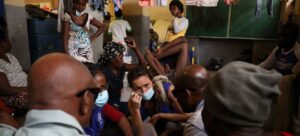
    A year after Haiti’s President Jovenel Moise was assassinated by armed gangsters, armed gangs are back on the streets and control most of the capital city, Port-au-Prince. Now the UN has appealed to authorities to bring calm.

    Haiti, one of the poorest countries on the planet, is witnessing dark days, a year after President Jovenel Moise was assassinated by armed-to the tooth mercenaries. The country’s capital city, Port-au-Prince is being run by brutal gangs, armed to the teeth.

    The violence broke out on 24 July, a day after Haitians observed the first anniversary of his brutal assassination. By some accounts, the gangs presently control over half the capital city.

    “We have so far documented, from January to the end of June, 934 killings, 684 injuries and 680 kidnappings across the capital,” says Jeremy Laurence, spokesperson of the Office of the High Commissioner for Human Rights (OHCHR).

    “Over a five-day period, from 8-12 July, at least 234 more people were killed or injured in gang-related violence in the Cité Soleil area of the city.”

    “Most of the victims were not directly involved in gangs and were directly targeted by gang elements. We have also received new reports of sexual violence.”

    Police vehicles are starved of fuel while as gangsters run amok. The gangsters also outnumber the police and have more money, are well organised and equipped – they have better guns, vehicles, electronic communication equipment and gadgets. Most importantly, they have higher motivation and knowledge of the government machinery – the biggest gang, for instance, is led by a former cop, Jimmy “Barbecue” Cherizier who openly holds press conferences and asks the government machinery to surrender.

    Banning small arms

    On Friday, the UN Security Council voted unanimously and adopted a resolution to ban the sale of certain weapons to Haiti, calling on UN member states to prohibit the sale of small arms, light weapons and ammunition to Haiti’s “non-state actors”.

    The resolution was proposed by Mexico and the US. However, the Security Council rejected a call by China for a full embargo on weapon sales.

    The UN resolution has urged the Haitian government to immediately strengthen the rule of law. It has also asked the government to work to tackle social and economic problems and initiate violence reduction programs, singling out the need to target sexual violence and manage weapons and ammunition.

    The UN resolution has also called for the illicit trafficking and diversion of arms and illicit financial flows to be urgently addressed.

    Haiti, gangs, gangsters, refuge, food, water

    Vulnerable people

    “The people of Haiti are very resilient because they have experienced all sorts of disasters. But this time, they are scared,” one humanitarian worker told OWSA on conditions of anonymity.

    The source said that people are hungry as the streets are now in the control of the gangs and international humanitarians are asking for peace – “prayers might not help,” he said. “Even the appeals of the archbishop of Port-au-Prince, Max Leroy Mésidor are falling on deaf ears.” The archbishop had appealed after an Italian nun, Sister Luisa Dell’Orto, who was providing care to trapped children was shot dead in June.

    On Friday, the archbishop appealed to police and state authorities and also to the international community for bold and immediate action to stop the gang violence. Violence and insecurity have become a daily curse for people,” he said, pointing out to the absence of State institutions and the international community turning a blind eye.

    Thousands of people are trapped without drinking water, food or medical care, the humanitarian group MSF has said.

    “Along the only road into Brooklyn, we have encountered corpses that are decomposing or being burned,” says Mumuza Muhindo, MSF’s head of mission. “They could be people killed during the clashes or people trying to leave who were shot – it is a real battlefield. It is not possible to estimate how many people have been killed.”

    Aid workers say gunshots have made it difficult for them to serve people holed up in fear.

    Strengthen rights monitoring

    The UN human rights office said on Saturday it was deeply concerned by worsening violence in and around the Haitian capital Port-au-Prince and rising abuse at the hands of heavily armed gangs, against vulnerable local communities.

    Jeremy Laurence urged authorities in Haiti to ensure fundamental rights are protected, and placed at the front and centre of their responses to the crisis.

    “The fight against impunity and sexual violence, along with the strengthening of human rights monitoring and reporting, must remain a priority”, Laurence said.

    OHCHR is calling on gang members and those supporting the violence, to immediately cease their activities, which are impacting many of the most vulnerable citizens, living in extreme poverty.

    “The heavily armed gangs are becoming increasingly sophisticated in their actions, conducting simultaneous, coordinated and organized attacks in different areas”, said Mr. Laurence. “The right to life is the supreme right under international human rights law, and the State has a duty to protect that right, including from threats emanating from private individuals and entities.”

    No food, nor water

    Some gangs are resorting to extreme tactics to control locals such as denying them access to drinking water and food. This has simply made malnutrition worse.

    The violence has also exacerbated fuel shortages, as the main fuel depot is located in Cité Soleil, and transportation costs have risen sharply.

    For months now, the desperate socioeconomic situation coupled with political gridlock, has sparked street protests, adding to the deteriorating security situation, and many residents and businesses have shuttered themselves indoors out of fear, said OHCHR.

    In less than one week and according to a report released by OCHA, at least 2,500 people have also been forced to flee their homes because of the fighting. Twenty people have been reported missing. Every day, with continued fighting, more people will suffer and be forced to flee, often risking their lives, the agency said in a news release on Friday.

    Cité Soleil, with a population of around 300,000 is one of the poorest neighbourhoods in the Haitian capital, where gangs have gained more influence over the past several years.

    OCHA said that “a large proportion of the population are trapped in Cité Soleil as gangs attempt to exert their influence,” adding that “the people in some areas have not had access to food or water since July 8.” One child in five is suffering from severe malnutrition “a rate well above emergency thresholds.”

    “As people continue to suffer in Cité Soleil, insecurity is preventing humanitarian agencies from entering the area,” said Ulrika Richardson, the UN Humanitarian Coordinator, the organization’s most senior humanitarian official in Haiti.

    “The UN is ready to provide assistance to the many children, women and men caught in the crossfire of gang violence as soon as humanitarian partners can gain access to the affected zones.”


    Image: Monica Chiriac / IOM

    Microparticles could be used to deliver “self-boosting” vaccines

    MIT researchers have developed microparticles that can be tuned to deliver their payload at different time points, which could be used to create “self-boosting” vaccines. With particles that release their payloads at different times, one injection could provide multiple vaccine doses, the researchers say.

    Anne Trafton  |   MIT News Office

    Most vaccines, from measles to COVID-19, require a series of multiple shots before the recipient is considered fully vaccinated. To make that easier to achieve, MIT researchers have developed microparticles that can be tuned to deliver their payload at different time points, which could be used to create “self-boosting” vaccines.

    In a new study, the researchers describe how these particles degrade over time, and how they can be tuned to release their contents at different time points. The study also offers insights into how the contents can be protected from losing their stability as they wait to be released.

    Using these particles, which resemble tiny coffee cups sealed with a lid, researchers could design vaccines that would need to be given just once, and would then “self-boost” at a specified point in the future. The particles can remain under the skin until the vaccine is released and then break down, just like resorbable sutures.

    This type of vaccine delivery could be particularly useful for administering childhood vaccinations in regions where people don’t have frequent access to medical care, the researchers say.

    “This is a platform that can be broadly applicable to all types of vaccines, including recombinant protein-based vaccines, DNA-based vaccines, even RNA-based vaccines,” says Ana Jaklenec, a research scientist at MIT’s Koch Institute for Integrative Cancer Research. “Understanding the process of how the vaccines are released, which is what we described in this paper, has allowed us to work on formulations that address some of the instability that could be induced over time.”

    This approach could also be used to deliver a range of other therapeutics, including cancer drugs, hormone therapy, and biologic drugs, the researchers say.

    Jaklenec and Robert Langer, the David H. Koch Institute Professor at MIT and a member of the Koch Institute, are the senior authors of the new study, which appears today in Science Advances. Morteza Sarmadi, a research specialist at the Koch Institute and recent MIT PhD recipient, is the lead author of the paper.

    Staggered drug release

    The researchers first described their new microfabrication technique for making these hollow microparticles in a 2017 Science paper. The particles are made from PLGA, a biocompatible polymer that has already been approved for use in medical devices such as implants, sutures, and prosthetic devices.

    To create cup-shaped particles, the researchers create arrays of silicon molds that are used to shape the PLGA cups and lids. Once the array of polymer cups has been formed, the researchers employed a custom-built, automated dispensing system to fill each cup with a drug or vaccine. After the cups are filled, the lids are aligned and lowered onto each cup, and the system is heated slightly until the cup and lid fuse together, sealing the drug inside.

    This technique, called SEAL (StampEd Assembly of polymer Layers), can be used to produce particles of any shape or size. In a paper recently published in the journal Small Methods, lead author Ilin Sadeghi, an MIT postdoc, and others created a new version of the technique that allows for simplified and larger-scale manufacturing of the particles.

    In the new Science Advances study, the researchers wanted to learn more about how the particles degrade over time, what causes the particles to release their contents, and whether it might be possible to enhance the stability of the drugs or vaccines carried within the particles.

    “We wanted to understand mechanistically what’s happening, and how that information can be used to help stabilize drugs and vaccines and optimize their kinetics,” Jaklenec says.

    Their studies of the release mechanism revealed that the PLGA polymers that make up the particles are gradually cleaved by water, and when enough of these polymers have broken down, the lid becomes very porous. Very soon after these pores appear, the lid breaks apart, spilling out the contents.

    “We realized that sudden pore formation prior to the release time point is the key that leads to this pulsatile release,” Sarmadi says. “We see no pores for a long period of time, and then all of a sudden we see a significant increase in the porosity of the system.”

    The researchers then set out to analyse how a variety of design parameters, include the size and shape of the particles and the composition of the polymers used to make them, affect the timing of drug release.

    To their surprise, the researchers found that particle size and shape had little effect on drug release kinetics. This sets the particles apart from most other types of drug delivery particles, whose size plays a significant role in the timing of drug release. Instead, the PLGA particles release their payload at different times based on differences in the composition of the polymer and the chemical groups attached the ends of the polymers.

    “If you want the particle to release after six months for a certain application, we use the corresponding polymer, or if we want it to release after two days, we use another polymer,” Sarmadi says. “A broad range of applications can benefit from this observation.”

    Stabilizing the payload

    The researchers also investigated how changes in environmental pH affect the particles. When water breaks down the PLGA polymers, the byproducts include lactic acid and glycolic acid, which make the overall environment more acidic. This can damage the drugs carried within the particles, which are usually proteins or nucleic acids that are sensitive to pH.

    In an ongoing study, the researchers are now working on ways to counteract this increase in acidity, which they hope will improve the stability of the payload carried within the particles.

    To help with future particle design, the researchers also developed a computational model that can take many different design parameters into account and predict how a particular particle will degrade in the body. This type of model could be used to guide the development of the type of PLGA particles that the researchers focused on in this study, or other types of microfabricated or 3D-printed particles or medical devices.

    The research team has already used this strategy to design a self-boosting polio vaccine, which is now being tested in animals. Usually, the polio vaccine has to be given as a series of two to four separate injections.

    “We believe these core shell particles have the potential to create a safe, single-injection, self-boosting vaccine in which a cocktail of particles with different release times can be created by changing the composition. Such a single injection approach has the potential to not only improve patient compliance but also increase cellular and humoral immune responses to the vaccine,” Langer says.

    This type of drug delivery could also be useful for treating diseases such as cancer. In a 2020 Science Translational Medicine study, the researchers published a paper in which they showed that they could deliver drugs that stimulate the STING pathway, which promotes immune responses in the environment surrounding a tumour, in several mouse models of cancer. After being injected into tumours, the particles delivered several doses of the drug over several months, which inhibited tumour growth and reduced metastasis in the treated animals.

    The research was funded by the Bill and Melinda Gates Foundation.


    Reprinted with permission of MIT News

    Image: Second Bay Studios, edited by MIT News

    Pakistan: Ten Baby Steps by Lawmakers Promise Working Women a Giant Leap

    Pakistan’s home-based women workers face some of the most challenging working conditions and remain highly vulnerable to exploitation and discrimination, says a recent World Bank report. Now, the provinces of Khyber Pakhtunkhwa and Balochistan have taken the initiative to improve their lives.

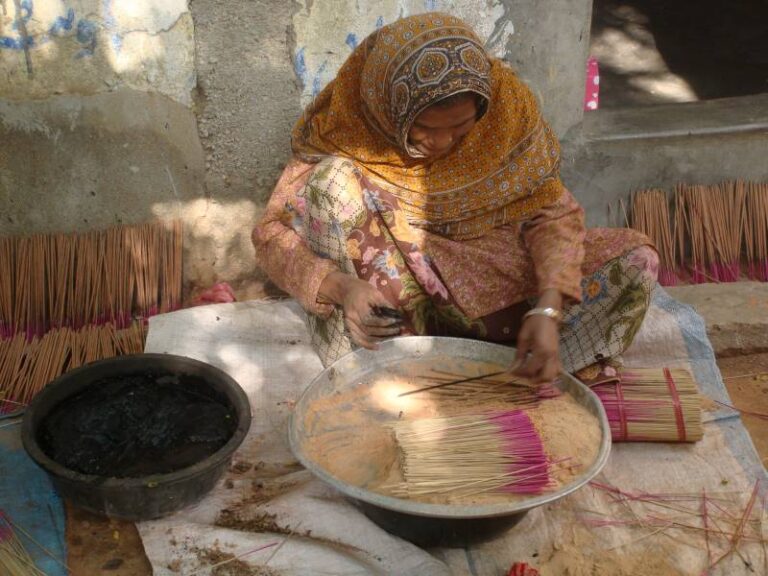
    Poor levels of education, staunchly patriarchal settings, restrictions on their movement, and overriding customary laws have kept Pakistan’s women indoors – and out of work. As a result, women’s participation rate in the country’s workforce is a mere 20 per cent, the lowest in SouthAsia.

    The inertia has always needed a disruption, or, more aptly, a SHIFT – yes, that is the acronym for a national programme called Securing Human Investments to Foster Transformation that the provincial governments of Balochistan and Khyber Pakhtunkhwa have undertaken. The programme has chiselled the rights of home-based workers to impel an improvement in the conditions they work in.

    The new laws promise to ameliorate the conditions for 3.6 million women working from homes. Besides, this has resulted in the adoption of 10 laws by the two provincial assemblies with an eye on extending informal home-based workers’ access to social security and fair wages. Besides making equal pay and non- discrimination a right, formalising the set-up also mean a range of basic services – from accessing childcare to separate toilets to affordable and convenient transportation.

    “The need for enhanced legal protection for women workers to improve their access to basic facilities in the formal sector was identified as a critical challenge during consultations with experts on gender and social inclusion in Pakistan.”

    Recognised as formal workers

    The SHIFT program is geared to respond to gaps in legal coverage pertaining to women workers both in the formal and informal sectors to enable greater female labour force participation in Pakistan, says a World Bank report on SHIFT.

    For one, Pakistan has lifted restrictions on women’s ability to work at night, a measure that has eased women’s access to labour force and lifting constraints for them.

    The laws are expected to impact a sizable proportion of at least 4.4 million vulnerable home-based workers in Pakistan. According to the World Bank report, the data collection activities will be critical in developing a deeper understanding of the impact of the legal reforms. Further, amendments in labour laws (Shops and Establishments, and Factories Acts) achieved through the SHIFT reforms will ensure better working conditions and facilities for 3.7 million women workers in the formal private sector, reduce restrictions on women’s work hours, and encourage more women to enter and stay in the workforce.

    “For the first time, hundreds of thousands of informal home-based workers living in the Khyber Pakhtunkhwa and Balochistan provinces will be recognised as formal workers because of Khyber Pakhtunkhwa and Balochistan’s laws for home-based work,” says Zehra Khan, General Secretary, Home Based Women Workers Federation. “This is a great achievement for women HBWs who have been demanding for their labour rights to access minimum wage and social security for decades.”

    Discrimination and exploitation

    The lack of data on the extent of women home-based workers doesn’t help, but it is agreed that women form over three-fourths of Pakistan’s home-based workers. Remunerations are low – often on a piece-rate for their role in a textile or leather produce manufacturing or supply chain. Some are engaged in agricultural-allied activities like raising livestock or for by-products from the agricultural processes.

    The new laws take into account the exploitation home-based workers face at the hands of the contractors and middlemen and their limited access to markets, training, and to most public services and work amenities. “HBWs (home based workers) lack rights and social protections, face greater work and safety hazards, and are given little to no consideration in economic and labour policies,” the World Bank report says.

    It particularly alludes to women facing discrimination in being remunerated for their work and how the adoption of modern, friendly provisions at the workplace in the form of segregated toilets, childcare facilities and transportation help enhance their participation in business and production, courtesy the SHIFT programme.

    Secondly, the report also highlights how gender-based legal discrimination has dotted labour work – in terms of hours they give and also in terms of unequal remuneration for work of equal value as compared to men. The amendment of the factories act, shops, and establishments act by the two provincial assemblies is a step in this direction, it says.

    Jointly with the provincial labour departments of Khyber Pakhtunkhwa and Balochistan, the World Bank has initiated work to collect data to bridge knowledge gaps and develop more responsive programmes based on evidence.

    There is now recognition that data and legislations serve as the springboard to improve the lives of women workers some of the most marginalised communities.


    Image: Zofeen Ebrahim / IPS

    WHO, UNICEF Say Largest Fall in Vaccinations in Three Decades Accelerated by Pandemic

    It was hoped that 2021 would be a year of recovery during which strained immunization programmes would rebuild and the cohort of children missed in 2020 would be caught-up. Instead, the historic backsliding in rates of immunization is happening against a backdrop of rapidly rising rates of severe acute malnutrition.

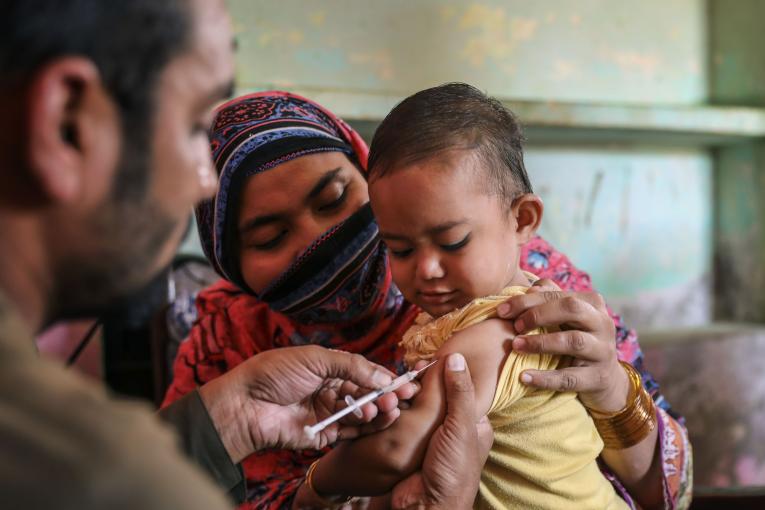
    The largest sustained decline in childhood vaccinations in approximately 30 years has been recorded in official data published today by WHO and UNICEF.

    WHO and UNICEF have now sound the alarm as global vaccination coverage has continued to decline in 2021, with 25 million infants falling out of the vaccine net.

    “This is a red alert for child health. We are witnessing the largest sustained drop in childhood immunization in a generation. The consequences will be measured in lives,” said Catherine Russell, UNICEF Executive Director.

    “While a pandemic hangover was expected last year as a result of COVID-19 disruptions and lockdowns, what we are seeing now is a continued decline,” Russel said. “COVID-19 is not an excuse. We need immunization catch-ups for the missing millions or we will inevitably witness more outbreaks, more sick children and greater pressure on already strained health systems.”

    Multiple factors

    The percentage of children who received three doses of the vaccine against diphtheria, tetanus and pertussis (DTP3) – a marker for immunization coverage within and across countries – fell five percentage points between 2019 and 2021 to 81 per cent.

    As a result, 25 million children missed out on one or more doses of DTP through routine immunization services in 2021 alone. This is 2 million more than those who missed out in 2020 and 6 million more than in 2019, highlighting the growing number of children at risk from devastating but preventable diseases.

    WHO and UNICEF explain that the decline was due to many factors including an increased number of children living in conflict and fragile settings where immunization access is often challenging, increased misinformation and COVID-19 related issues such as service and supply chain disruptions, resource diversion to response efforts, and containment measures that limited immunization service access and availability.

    18 million of the 25 million children did not receive a single dose of DTP during the year, the vast majority of whom live in low- and middle-income countries, with India, Nigeria, Indonesia, Ethiopia and the Philippines recording the highest numbers. Among countries with the largest relative increases in the number of children who did not receive a single vaccine between 2019 and 2021 are Myanmar and Mozambique.

    Globally, over a quarter of the coverage of HPV vaccines that was achieved in 2019 has been lost. This has grave consequences for the health of women and girls, as global coverage of the first dose of human papillomavirus (HPV) vaccine is only 15 per cent, despite the first vaccines being licensed over 15 years ago.

    Not a question of either/or

    It was hoped that 2021 would be a year of recovery during which strained immunization programmes would rebuild and the cohort of children missed in 2020 would be caught-up. Instead, DTP3 coverage was set back to its lowest level since 2008 which, along with declines in coverage for other basic vaccines, pushed the world off-track to meet global goals, including the immunization indicator for the Sustainable Development Goals.

    This historic backsliding in rates of immunization is happening against a backdrop of rapidly rising rates of severe acute malnutrition. A malnourished child already has weakened immunity and missed vaccinations can mean common childhood illnesses quickly become lethal to them. The convergence of a hunger crisis with a growing immunization gap threatens to create the conditions for a child survival crisis.

    Vaccine coverage dropped in every region, with the East Asia and Pacific region recording the steepest reversal in DTP3 coverage, falling nine percentage points in just two years.

    “Planning and tackling COVID-19 should also go hand-in-hand with vaccinating for killer diseases like measles, pneumonia and diarrhoea,” said Dr Tedros Adhanom Ghebreyesus, WHO Director-General. “It’s not a question of either/or, it’s possible to do both”.

    Some countries notably held off declines. Uganda maintained high levels of coverage in routine immunization programmes, whilst rolling out a targeted COVID-19 vaccination programme to protect priority populations, including health workers. Similarly, Pakistan returned to pre-pandemic levels of coverage thanks to high-level government commitment and significant catch-up immunization efforts. To achieve this in the midst of a pandemic, when healthcare systems and health workers were under significant strain, should be applauded.

    Measles, polio outbreaks

    Monumental efforts will be required to reach universal levels of coverage and to prevent outbreaks. Inadequate coverage levels have already resulted in avoidable outbreaks of measles and polio in the past 12 months, underscoring the vital role of immunization in keeping children, adolescents, adults, and societies healthy. The number of reported worldwide measles cases increased by 79 per cent in the first two months of 2022 compared to the same time last year.

    First dose measles coverage dropped to 81 per cent in 2021, also the lowest level since 2008. This meant 24.7 million children missed their first measles dose in 2021, 5.3 million more than in 2019. A further 14.7 million did not receive their needed second dose. Similarly, compared to 2019, 6.7 million more children missed the third dose of polio vaccine and 3.5 million missed the first dose of the HPV vaccine- which protects girls against cervical cancer later in life.

    The sharp two-year decline follows almost a decade of stalled progress, underscoring the need to not only address pandemic-related disruptions but also systemic immunization challenges to ensure every child and adolescent is reached.

    Women’s Justice in India ‘Enhanced By Female Police’

    The increase in domestic incident reports in India was found to be linked to help desks run by female police officers. Help desks found to greatly improve women’s confidence in seeking justice, especially given India’s patriarchal society sees high rates of gender-based violence
    By Ranjit Devraj

    The presence of female officers in police stations can make access to India’s justice system easier for women in a country known for high rates of gender-based violence, the findings of a study suggest.

    India ranks 140 out of 156 countries on gender equality according to the World Economic Forum. India has also, over the last 20 years, shown a high and increasing trend in domestic violence against women.

    The study, published July in Science, is based on a sample of 180 police stations serving 23 million people in the central Indian state of Madhya Pradesh. These 180 stations were randomly assigned into three groups — 61 of them had regular women’s help desks, 59 had help desks run entirely by women and 60 were designated as control with no help desk.

    In India, case registration, in the form of lodging officially a first information report at a police station, allows a police officer to make arrests without a magistrate’s warrant and initiate criminal proceedings. Case registration can also be through a domestic incidence report, which initiates civil proceedings under the supervision of a magistrate.

    Small but important step

    Over the 11 months of the study, police stations with help desks registered almost 2,000 more domestic incident reports and over 3,300 more first information reports than stations with no help desks. The increase in first information reports that led to criminal proceedings was driven entirely by help desks run by female officers.

    “The substantial increases in case registrations — both civil and criminal — as a result of this intervention shows that given the right support and training, the police can indeed be responsive to women,” Sandip Sukhtankar, an author of the study and associate professor at the department of economics, University of Virginia, US, tells SciDev.Net.

    Women in India face major obstacles to case registration, says the study. “Even when a woman overcomes social and familial pressures to report a case, officers often resist officially recording it — despite their legal obligation to do so.”

    Sukhtankar says that registration of cases is small but important step in achieving justice for women victims of crime, adding that more effort would be required before women are comfortable in approaching the police with complaints of criminal or civil offences.

    Belittle crimes against women

    Meera Khanna, secretary of the Guild for Service, a non-government organisation that works for women’s empowerment and has consultative status with the UN Economic and Social Council, says that crimes against women are generally not registered by police because of the patriarchal nature of Indian society and the failure to effect police reforms as mandated by the Supreme Court 15 years ago.

    “The socioeconomic background of ordinary policemen, including those in charge of police stations, is such that they tend to belittle crimes against women, the majority of which are sexual rather than economic in nature,” says Khanna.

    “A typical policeman would consider murder to be a crime far worse than rape,” she adds. “But the attitude of a policewoman can be expected to be different as she understands better the magnitude of rape as a crime — because the fear of rape is a shared experience for all women.”

    When women report crimes, the police are often dismissive, guided as they are by patriarchal norms, says Khanna. “The result is that the female complainant ends up getting re-victimised.”

    Khanna says that while she is happy to learn that the police in Madhya Pradesh plan to introduce women’s help desks in all the 700-odd police stations in the state, improving access to justice for women in a large and diverse country like India is bound to be slow and patchy.

    Major obstacle to development

    One sticking point is the role of the police. According to Khanna, the force suffers from a “colonial hangover” and still sees its primary function as maintaining law and order and providing protection to politicians or high officials rather than investigating crime.

    “The findings provide concrete and actionable insights to policymakers working toward reducing violence against women,” says Shobhini Mukerji, executive director in South Asia of the Crime and Violence Initiative of the Abdul Latif Jameel Poverty Action Lab, a major funder of the study along with the World Bank’s Sexual Violence Research Initiative.

    Crimes against women are a major obstacle to development, especially in low- and middle-income countries, adds Mukerji.


    This piece was produced by SciDev.Net’s Asia & Pacific desk.

    Image: Copyright: Biswarup Ganguly (CC BY-SA 3.0). This image has been cropped.

    Soaring Temperatures Devastate Kashmir Farmers

    The region, known for lush green hills, has turned into a dry wasteland. Water canals are dry as never before, because there was no rain between March and June. Then it rained heavily for four days, suddenly plummeting the temperatures to mere 15 degrees Celsius.

    By Umar Manzoor Shah

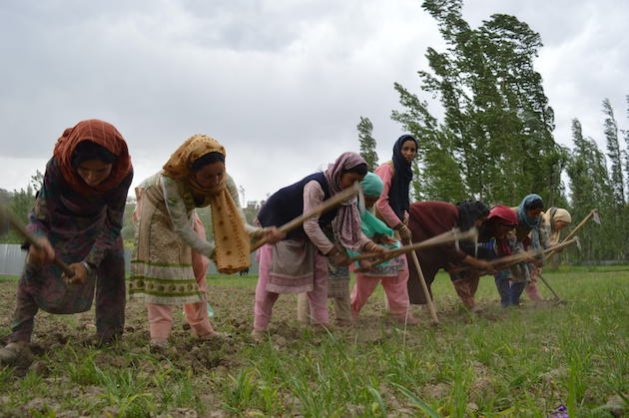
    The soaring temperatures this year in Kashmir are proving calamitous for the region’s farming community.  The place, otherwise known for its emerald streams, lush green hills, and ice sheets, is reeling under heat attributed to climate change this year. The heat wave of such intensity has left most of the water canals dead and dry, plunging the already conflict-torn region into a frightening agrarian crisis.

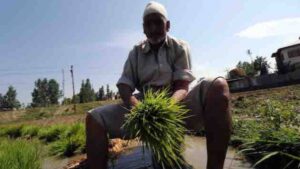
    Perturbed and dismayed, Ghulam Mohammad Mir is trying to sow a paddy crop on his two-acre plot in central Kashmir’s Ganderbal area. Mir says his months of hard work would probably get wasted as the land has almost turned barren due to scorching heat and water scarcity.

    “We are witnessing the temperatures spiking as high as 37 degrees Celsius. Such heat wave was otherwise alien to Kashmir. You can see the land looks barren, and if we sow any crop here, we fear it would turn into dry, dead twigs in the coming days. The scenes are scary to imagine. There is little water accumulated by the rain left in the fields,” Mir told IPS.

    The farmer, who is in his late 50s, says he has been in paddy cultivation since childhood but has never seen the drying of the land with such intensity.  Mir says the water canals were never as dry as they are today, and in the first three months after spring – from March to June, there was no rainfall, and then it rained heavily for four days, suddenly plummeting the temperatures to mere 15 degrees Celsius.

    “And then, the mercury surged again, and within a mere one week, the temperatures surged to almost 37 degrees. Where will we get water to irrigate our fields now? The paddy will burn amid such scorching heat. This is disastrous to the core,” Mir said.

    Irregular precipitation patterns

    According to the research titled ‘Climate Change Projection in Kashmir Valley’ conducted by the region’s agriculture university, Jammu and Kashmir are impacted by climate change. The region, claims the research, is expected to have a surge in the number of rainy days by 2030.

    “Similarly, the annual temperature is likely to increase in the next century compared to the base period of 1970. An increasing trend in annual maximum and minimum temperature, as well as precipitation, has also been predicted for the region under Special Report on Emissions Scenarios (SRES).”

    Over the years, the valley has experienced irregular precipitation patterns. In the first five months of 2022, Kashmir saw a 38 per cent decrease in rainfall, according to data from the Meteorological Department (MeT) in Srinagar. The data reveals that the Kashmir valley has experienced a significant lack of pre-monsoon precipitation over the years. From March 1 to May 31, 2022, the region got 99.5 mm of rain, a 70 per cent down from the average. Comparably, between March and May of each of the following years—2017, 2018, 2019, 2020, and 2021—there was a deficit of 16, 28, 35, and 26 per cent, respectively.

    Kashmir, climate change, farming, livelihood

    Financial losses

    Mohammad Iqbal Choudhary, the Director of the Department of Agriculture and Farmers Welfare Kashmir, told IPS that most irrigation canals have turned dry in Kashmir. As a result, the majority of paddy fields have been left uncultivated.

    Dr Arshid Jahangir, who teaches Environmental Studies at the University of Kashmir, said climate models indicate a pretty bleak outlook for the region.

    In the future, Jahangir says extreme events will happen more frequently in the Himalayas, which includes Kashmir.

    “The Kashmir region has had numerous extreme weather occurrences in the last ten years, including floods, frequent cloudbursts, heat waves, droughts, landslides, and early snowfalls. In Kashmir’s climate history, such occurrences were never typical. These extreme events won’t just keep happening; their frequency will also rise. Aside from the financial losses, everyone’s lives are in danger as a result of this,” he said.

    For farmers like Mir, if the situation doesn’t improve, they will have no choice but to abandon farming forever.

    “You see, our children do not want to do this work. They ask, ‘what is the fun of toiling so hard only to get losses in the end?’ We could sell this land off and do some other business,” Mir said.

    Global attention

    Most Kashmiris are farmers, using various techniques adapted to the region’s environment. Rice is planted in May and harvested in September. The main summer crops are maize, sorghum, millet, pulses, tobacco, and cotton, and the main spring crop is barley.

    In south Kashmir’s Pulwama area, Mumtaza Bano was busy ploughing her two-acre land with her husband. However, Bano seems pessimistic about having a profitable yield this year.

    “The soil looks hard, and it is tough to plough it through. It is July, and we are without any irrigation facility here. The canals are running dry, and so are our hopes of a good yield. This entire village is considering abandoning farming now and doing some other work. It is just a waste of time now,” Bano said.

    Kashmir’s renowned earth scientist Professor Shakil Ahmad Ramsoo, told IPS that action at the global level is needed to resolve the crises prevalent across the Himalayan region.

    “Global climate change is a reality. There would be extended dry spells interspersed with high-intensity, long-duration downpours. There is a trend when we look over the past 30 to 50 years. .Snowfall in the winter is currently below average. The autumn is becoming dryer. The rainy spring is drying up. This is why the crisis needs global attention so that we can mitigate it,” Ramsoo said.

    This piece has been sourced from Inter Press Service

    ILO-WHO Global Study on Gender Pay Gap in Health and Care Sector Silent on India

    Lower wages and discrimination come out as important features of the challenges women employed in the health and care face, according to an ILO study. But, the study barely makes any mention of the situation of workers in India’s health and care sector. The working conditions of India’s ASHA, whose work was recognised only recently by the WHO, find no mention in the study.

    Women working in the health and care sector earn nearly a fourth less than their male counterparts – a larger gender pay gap than in other economic sectors, two UN agencies said in a new report on Wednesday.

    The gender pay gap in the health and care sector: a global analysis in the time of COVID-19, was published by the International Labour Organization (ILO) and the World Health Organization (WHO).

    It documents a raw gender pay gap of roughly 20 percentage points which jumps to 24 percentage points when factors such as age, education and working time are taken into account.

    Silence on ASHA Workers

    Surprisingly, there is no mention in the ILO-WHO study of India’s community-based health and care workers, the million-strong force of accredited social health activists or ASHA workers. ASHA workers, considered the foot-soldiers of India’s National Rural Health Mission are not paid a fixed monthly salary – rather they are given an honorarium and programme-based incentives.

    ASHA workers are not described as employees of the government – instead, they are supposed to be honorary volunteers in bureaucratic jargon. But the nature of their engagement is anything but voluntary – for instance, the government has not hesitated to enforce the Essential Services Maintenance Act (ESMA) to quell their protests for salaries.

    In fact, the WHO had recently praised the work by ASHA workers and recognised their outstanding services during the COVID-19 pandemic.

    Drawing attention to their “abysmally low payment”, ASHA workers in Delhi even put their distress on record when they said, “….while the world has acknowledged out efforts, our very own governments do not admit our contribution.”

    Discrimination a factor 

    While much of this gap is unexplained, the agencies said it is perhaps due to discrimination towards women, who account for nearly 70 per cent of health and care workers worldwide.

    The report also revealed that wages in the health and care tend to be lower overall when compared with other sectors, which is consistent with the finding that wages often are lower in areas where women are predominant.

    Furthermore, even with the pandemic, and the crucial role played by health and care workers during the crisis, there were only marginal improvements in pay equality between 2019 and 2020.

    “The health and care sector has endured low pay in general, stubbornly large gender pay gaps, and very demanding working conditions. The COVID-19 pandemic clearly exposed this situation while also demonstrating how vital the sector and its workers are in keeping families, societies and economies going,” said Manuela Tomei, Director of Conditions of Work and Equality Department at the ILO.

    Bangladesh figures among 18 of the 54 countries among which the mean hourly gender pay gap in the health and care sector is estimated to be at least twice as high than in other sectors of the economy – 14.8 per cent compared with 6.9 per cent.

    Working mothers penalized 

    The report also found a wide variation in gender pay gaps in different countries, indicating that these gaps are not inevitable and that more can be done to close the divide.

    Within countries, gender pay gaps tend to be wider in higher pay categories, where men are over-represented, while women are over-represented in the lower pay categories.

    Mothers working in the health and care sector also appear to suffer additional penalties, with gender pay gaps significantly increasing during a woman’s reproductive years and persisting throughout the rest of her working life.

    The study found the gender pay gap increasing around the age of child-rearing (30–35), while the proportion of full-time work declines for women but not for men at around the same age.

    “It would not be surprising to find that more women workers compared with men workers (both with family responsibilities) find it difficult to cope with the demands imposed by the sector,” the study says and gives the example from India where nurses with children and family responsibilities found it significantly more difficult to cope with regular morning, evening and night shifts, resulting in significant deterioration of their own health.

    A more equitable sharing of family duties between men and women could lead to women making different job choices, according to the report.

    The analysis also examines factors that are driving the gender pay gaps in the health and care sector.

    Dialogue and action 

    Differences in age, education and working time, as well as the difference in the participation of men and women in the public or private sectors, only address part of the problem.

    The reasons why women are paid less than men with similar labour market profiles remains, to a large extent, unexplained by labour market factors, the report said.

    Tomei expressed hope that the report will spark dialogue and policy action as there will be no inclusive, resilient and sustainable post-pandemic recovery without a stronger health and care sector.

    “We cannot have better-quality health and care services without better and fairer working conditions, including fairer wages, for health and care workers, the majority of whom are women,” she said.

    Jim Campbell, WHO’s Director of Health Workforce, added that the report contains success stories in several countries, including wage increases and political commitment to pay equity, which point the way forward.

    “Women comprise the majority of workers in the health and care sector, yet in far too many countries systemic biases are resulting in pernicious pay penalties against them,” he said.

    “The evidence and analysis in this ground-breaking report must inform governments, employers and workers to take effective action.”

    ILO’s Manuela Tomei and WHO’s Jim Campbell say in their foreword to the report, “Not only is the gender pay gap large in the health and care sector, low pay is also prevalent and working conditions very demanding.”

    BRAC Celebrates 50 Years: A Case for Social Development Founded and Led By The Global South

    BRAC celebrates 50 years and has reached over nine million people living in extreme poverty through its Ultra-Poor Graduation program, which introduces a set of sequenced and holistic interventions intended to guarantee sustained financial stability.

    By Naureen Hossain

    As part of the 2022 United Nations High-Level Political Forum, BRAC and the Permanent Mission of Bangladesh to the United Nations hosted a side event this week to discuss development opportunities led by the Global South. The event highlighted the NGO’s achievements over the last five decades in alleviating and eradicating poverty and the interconnectedness between the UN Sustainable Development Goals (SDGs) in their initiatives.

    The event was a commemoration of BRAC’s 50th anniversary. Founded in 1972 by Sir Fazle Hasan Abed, BRAC began as a humanitarian relief provider after Bangladesh’s war of independence ended in 1971. The NGO has since grown in scale and operations, the only one of its size to originate from the Global South. Its programs reach over 100 million people in 11 South Asia and African countries. It aims to provide the tools and strategies for people to graduate from poverty and into more financially stable, resilient lives. Over the last five decades, BRAC has worked to address the pressing socio-economic issues of the times through holistic, solutions-based approaches that have relied on local community involvement in multiple program planning and implementation avenues.

    The success of BRAC and other NGOs has also come down to the close collaboration between them and the Bangladesh government. Bangladesh has been celebrated for its economic growth and development, achieving the highest GDP globally from 2010 to 2020. The World Bank has called it a “model for poverty reduction”. This has been possible, as Ambassador Rabab Fatima of Bangladesh stated in her opening remarks, because of the government’s “tremendous commitment to achieving the UN SDGs, especially SDG 1: No Poverty – aligning national plans and policy documents with SDG targets and goals and working in close partnership with the NGO sector and other civil society members, including BRAC”.

    Poverty is multidimensional

    The forum’s discussion also deliberated on the multi-faceted approach needed for poverty eradication.

    BRAC Executive Director Asif Saleh noted that “critical to eradicating poverty is understanding that it is multidimensional.”

    “Solutions must address not only income and livelihoods but also education, health, climate, and gender equality – the many interconnected drivers that trap people in the most extreme states of poverty, unable to escape without receiving a significant transfer of assets and tailored support…”

    Saleh also remarked that BRAC’s social development and investment approach had been shaped by a “problems-driven approach, rather than a proposal-driven one” and is crucially defined by its founding and establishment in the Global South. The traditional approach to development, as designed and dictated by the Global North, has had the unintended consequence of excluding millions of people from traditional programs and market-led initiatives.

    “What we’ve seen is that people in extreme poverty are being left behind in development discussions.”

    The high-level forum also covered how BRAC’s work and, in turn, Bangladesh’s growth and success demonstrate the SDGs’ interconnectedness, particularly regarding SDG1. Most notably, SDGs 4, 5, and 17 call for equitable and inclusive quality education for all, gender equality and revitalizing global partnerships for sustainable development.

    Empowering women

    In working with millions of people living in extreme poverty, the solutions put forward by BRAC have been borne from innovation through frugality for the sake of financial viability and social and environmental impact, as Professor Jaideep Prabhu, Director of the Centre for India and Global Business, Cambridge University noted.

    “Indeed, Bangladesh has pioneered the idea of social business… but instead of returning these profits to investors and owners, you put this wealth back into scaling your social mission and broadening your social impact.”

    Prabhu also noted that this approach to business and social development had been adopted worldwide, including publicly listed companies that take responsibility for their performance’s social and environmental impact.

    BRAC reached over nine million people living in extreme poverty through its Ultra-Poor Graduation program, which introduces a set of sequenced and holistic interventions intended to guarantee sustained financial stability.

    Among their efforts at poverty eradication, a key factor has been to empower women through education and economic independence.

    Providing education

    Oriana Bandiera of the London School of Economics remarked: “It is not possible to achieve SDG1 [No Poverty] without advancing economic opportunities for women and their status in society.”

    Studies from the International Center for Research on Women (ICRW) have shown that investing in women’s economic empowerment can have a meaningful impact on social and economic development. This can be observed in Bangladesh, where it has made significant strides in reducing gender divisions, closing 72 percent of the overall gender gap, and reducing the rates of child marriages, maternal mortality, and family violence.

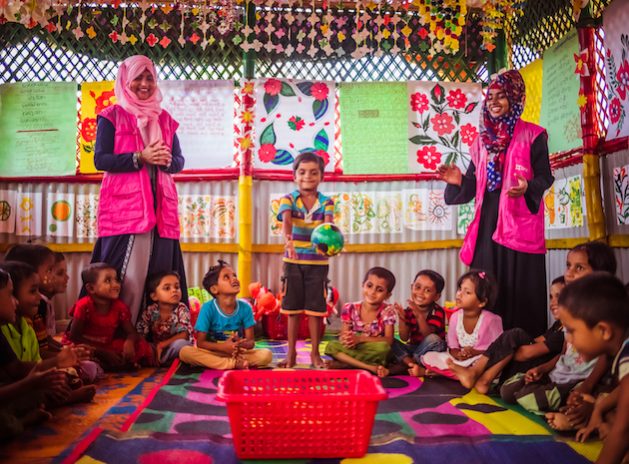
    As was discussed in the forum, this investment in women’s economic empowerment and the long-term impact on poverty eradication can be achieved through community engagement. This has been seen in BRAC’s education programs, first pioneered in 1985. Their model for community-based education programs recruits women, men, and other members of local communities in the most vulnerable areas to provide accessible schooling for boys and girls in one-classroom settings. Today, BRAC has become one of the world’s largest education providers.

    Resilience, agency, and partnership

    BRAC demonstrated the potential for countries in the Global South to proactively lead development initiatives in the region. Deputy Permanent Representative of the Republic of Rwanda to the UN, Robert Kayinamura, the Deputy Permanent Representative of Rwanda Mission to the United Nations stated that middle-income countries should step up to corroborate and share their knowledge and lived experiences in shaping these initiatives, citing Rwanda’s growth in the development sector.

    “We have tried to achieve within our means with the SDGs,” he said. “It has been partnerships, including BRAC, which has brought us to where we are.”

    This sentiment and call for partnerships to achieve the SDGs was echoed by Susanna Wolf, of Landlocked Developing Countries, and Small Island States (OHLLRS), who provided the perspective of international agencies.

    “Strong emphasis on building resilience to various shocks from health emergencies to disasters and price shocks, which are all increasingly frequent and disproportionally affect LDCs (Least Developed Countries). To address the multidimensional nature of poverty, all partners are expected to step up their efforts. Social protection has an increasingly important role to play, and other LDCs can learn a lot from the innovative approaches spearheaded by BRAC.”

    The systemic inequities that have resulted in and perpetuated extreme poverty have only come in sharper contrast in the wake of compounding global crises such as climate change and the COVID-19 pandemic. The efforts of NGOs like BRAC and the frontline workers that continue to work through these crises to support the most vulnerable communities show their resilience. BRAC has championed people’s resilience, agency, and partnership for fifty years; may it continue for another fifty more.


    This piece has been sourced from Inter Press Service.