More

    PM’s Digital Village Education Programme Bridging Digital Gap, Says Minister Rajeev Chandrasekhar

    There seems to be a good demand for acquiring digital literacy in the rural areas as can be seen by the number of enrolments to the tune of more than 6.15 crore under the PMGDISHA scheme, the minister said.

    Rajeev Chandrasekhar, minister of state for today told the Lok Sabha that the ministry for electronics and information technology (MeitY) is focusing on providing digital literacy to the citizens across the country especially in the rural areas.

    He was replying to a question and said that this is being done to enhance digital adoption. He said that the Pradhan Mantri gramin digital saksharta abhiyan (PMGDISHA) was approved by union cabinet in February 2017 to usher in digital literacy in rural India with a target to cover six crore rural households across the country. This would account for one person per household.

    So far, a total of around 6.15 crore candidates have been enrolled and 5.24 crore have been trained, out of which 3.89 crore candidates have been certified under the PMGDISHA scheme, the minister said.

    The PMGDISHA scheme is being implemented across the rural India and 45.42 lakh candidates have been trained thus far – against an indicative target of 37.84 lakhs. Of these, 33.51 lakh candidates have been certified in the state of Madhya Pradesh under the scheme.

    He also said that the government has carried out three impact assessment studies for the PMGDISHA scheme. The last impact assessment study of the scheme was carried out by Indian Institute of Public Administration (IIPA) in FY 2020-21.

    After the comprehensive and methodological evaluation of scheme, the IIPA concluded that as a digital literacy programme, PMGDISHA plays an indispensable part in not only bridging the digital gap in the country but also transforming it into a knowledge economy and society.

    There seems to be a good demand for acquiring digital literacy in the rural areas as can be seen by the number of enrolments to the tune of more than 6.15 crore under the PMGDISHA scheme, the minister said.


    Do also read India Has 834.29 Million Internet Subscribers

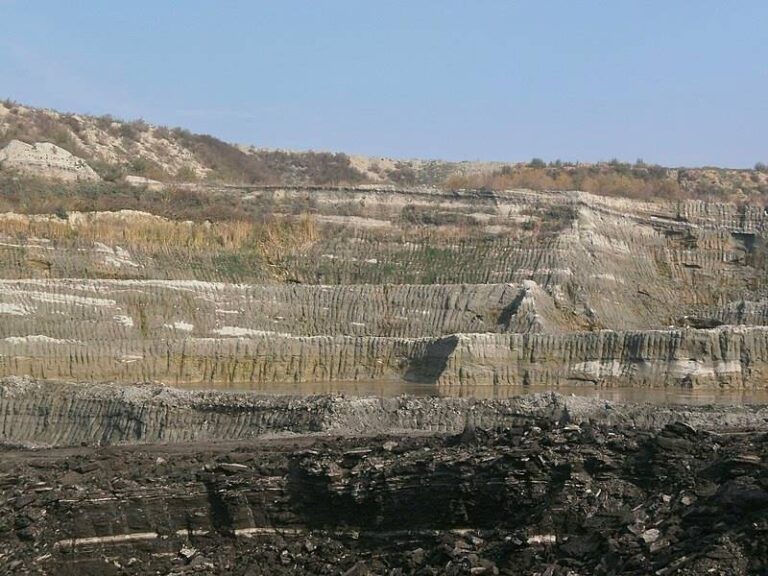
    Cash-Strapped Taliban Turns to Coal

    Coal is the easiest source of foreign exchange for a stressed economy under Taliban governance, but all doesn’t seem to go well. The prices have gone through the roof and Pakistan is buying the coal in rupees, not US dollars.

    Afghanistan’s significant coal deposits will provide revenue to the country’s Taliban-led government that is finding it hard to tap money. Coal exports have become a key source of revenue for the militant group over the past year.

    Increased coal exports fetched about US$40 in million in customs duties for the Taliban government in the first half of 2022.

    Most of the black fuel is being transported by road to feed thermal power plants in neighbouring Pakistan which is presently facing an energy crisis. Pakistan imports over 12,000 tonnes of coal daily.

    Afghanistan has 80 coal mines, mostly located in central and northern Afghanistan. Of these 17 are operational.

    But there are problems in the war-torn country as local warlords have laid siege to some coalmines. Exports are also facing problems because the government has hiked prices after the war between Russia and Ukraine and the ban on coal exports by the world’s top coal exporter, Indonesia.

    A huge drop in foreign trade following international sanctions and the near evaporation of foreign aid has left the Taliban with few resources to run the government.

    The Taliban has had to rely on tax collection, much of which is being forced and is not transparent. Selling coal is the best source for big money.

    Taxes on coal have been hiked to 30 per cent and the price too has been increased steeply from US$ 90 in June to US4 200 in July and further to US$ 300 earlier this week.

    Not in Dollars

    But not everything is going to plan. Pakistan has negotiated a payment for the coal imports from Afghanistan in Pakistani Rupees because of Pakistan’s own foreign exchange crisis. This has raised the heckles among a section of the Taliban since they want foreign exchange in US dollars.

    Chinese energy companies based in Pakistan are now reluctant to buy Afghan coal since its price is far too higher than what they had envisaged at the time of planning their imports.

    The payments in Pakistani Rupees instead of US dollars is also reinforcing the image of Pakistan’s puppet regime among Afghans.

    But significant amounts of coal are still being smuggled to Pakistan right under the nose of Taliban commanders and these exports are not contributing to the government’s coffers.

    This has also led to Taliban infighting over the sway a senior Taliban commander has held in the coal mines of the northern province of Sar-e Pul.

    No Further Delay on Roadmap for Labour, EU Delegation Tells Bangladesh

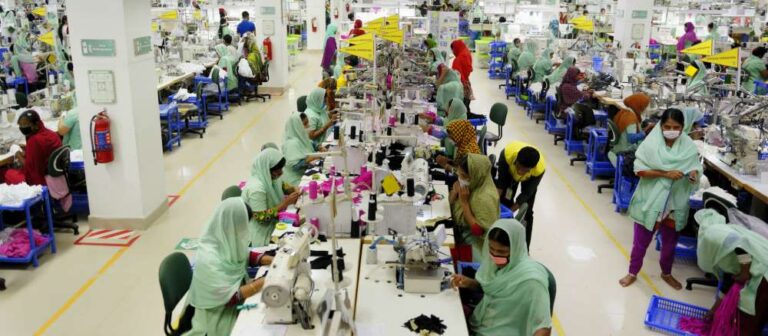
    This is a clear indication from the European Union that delaying tactics to implement a roadmap for labour reforms in Bangladesh, especially its garment manufacturing sector will not be entertained any further.

    A delegation of the European Parliament on international trade has asked government authorities in Bangladesh to come up with a clear plan to implement its labour roadmap in its entirety. This will be important for any further discussion on trade facilities.

    Heidi Hautala, Member of the European Parliament and the head of the visiting delegation said that the implementation of the roadmap was a precondition for any further discussion on trade.

    “We want the full and successful implementation of the roadmap as a clear precondition for our further trade relations,” she told journalists at an address at the Dhaka press club on Tuesday, as other Members of the European Parliament at the event nodded in agreement.

    The delegation was especially concerned about the prevalence of child labour in the service chain of the garment manufacturing sector. “The EU has a zero-tolerance policy on child labour, and we attach great importance to fully eliminating child labour by 2025,” they said.

    The members made it clear that the EU is keenly watching the government’s commitment to the implementation of labour roadmap plan. “The successful implementation of the roadmap will be linked not only to EBA but also to your graduation process and the subsequent potential accession to GSP-plus facility,” a member of the delegation opined.

    The EBA is the EU agency tasked with implementing a standard set of rules to regulate and supervise banking across all EU countries. Its aim is to create an efficient, transparent and stable single market in EU banking products.

    Enough is enough

    This is a clear indication from the European Union that delaying tactics to implement a roadmap for labour reforms in Bangladesh, especially its garment manufacturing sector will not be entertained any further – that enough is enough.

    “We note with concern reported delays in putting the labour law and the EPZ Labour Law in full compliance with international standards. Compliance with standards should be ensured for all special economic and processing zones,” said Heidi Hautala.

    The delegation also discussed with Bangladeshi officials about the Generalised Scheme of Preferences Plus (GSP +) through which all Bangladeshi exports can enter the EU duty- and quota-free facility.

    The EU’s GSP-plus accession gives developing countries a special incentive to pursue sustainable development and good governance. Eligible countries have to implement 27 international conventions on human rights. Again, labour codes stand out among these 27 conventions.

    The EU has been fully supportive of this process, Hautala said, explaining that these are two fundamental requirements in order to successfully transition to GSP-plus, it would be urgent to anticipate deadlines for entry into force and to ensure full effective implementation. No delay should be acceptable, she said.

    Reply to a query they said, “We also want to highlight that adequate protection of labour rights can only be guaranteed if fundamental human rights are respected. They cannot exist independently from one another. Respect of human rights is also a fundamental condition of GSP-plus accession.”

    Earlier in the day, the EU delegation had long-drawn discussions with officials of the Bangladesh government on the country’s status as a beneficiary of the European Union’s ‘Everything But Arms (EBA)’ trade preference scheme. Bangladesh has a special advantage under this scheme, but labour reforms are crucial.

    Success story

    Bangladesh must be proud of its economic development and expected graduation from LDC status and EBA trading which is opening the way for the GSP-plus era, the delegation members said.

    But they also said that better working conditions for the labour was important for Bangladesh to sustain its success story.

    “EU congratulates Bangladesh on the progress achieved so far and the success story that is representing under the GSP. But as we are now moving to the next step, it is essential to ensure concrete progress and implementation of the required labour standard and workplace environment,” the delegation added.

    Though the EU GSP regulation is currently under review, the visiting delegation made it clear the importance the European Parliament attaches to ensuring the effective implementation of GSP conditions with full transparency.

    The delegation also voiced their concern about Bangladesh’s latest digital security law – the Digital Security Act, and the consequences it carries for the freedom of expression, notably in the case of journalists.

    Civil society must have adequate space for free expression, the delegation members said, hinting at the incidences of extrajudicial killings and enforced disappearances, the delegation members said.


    Image: BetterWork

    Europe Is On Fire

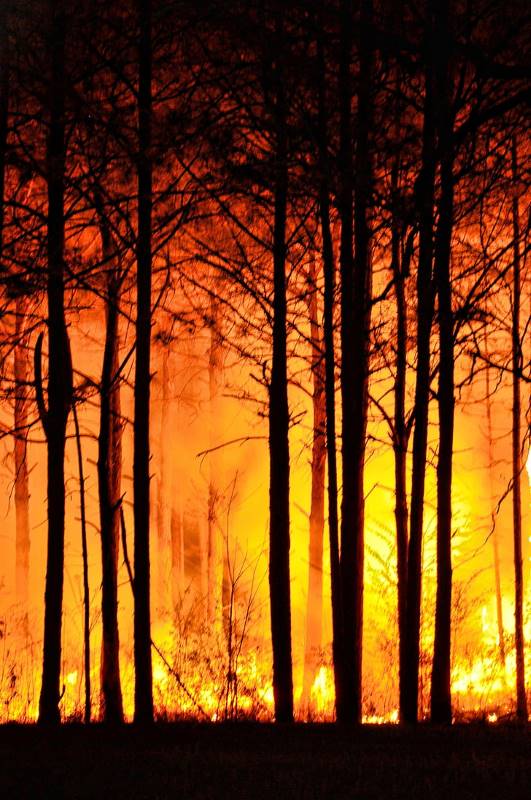
    Blistering heat across Europe is taking a huge toll – wildfires across the southwest of the continent have caused hundreds of deaths, and seen thousands of people evacuated from their homes. UK has registered the highest temperatures ever.

    UK’s meteorological office has issued a “Red Warning” for exceptional heat, while the International Meteorological Office has said that the chances of seeing unprecedented temperatures of 40 degree Celsius (40°C) or more in the UK could be up to 10 times more likely in the current climate than under a “natural climate unaffected by human influence.”

    For the first time in living history, UK is experiencing temperatures of 40°C and its met office has issued a first ever red warning for exceptional heat. Temperatures have reached highs up to around 46 degrees Celsius in Portugal and Spain.

    The highest temperature ever recorded in the UK is 38.7 degrees Celsius. That was three summers ago.

    “Nights are also likely to be exceptionally warm, especially in urban areas”, said Met Office Chief Meteorologist Paul Gundersen. “This is likely to lead to widespread impacts on people and infrastructure. Therefore, it is important people plan for the heat and consider changing their routines. This level of heat can have adverse health effects”.

    The heatwave is also acting as a lid, trapping atmospheric pollutants, including particulate matter, resulting in a degradation of air quality and adverse health effects, particularly to vulnerable people, explained Lorenzo Labrador, Scientific Officer at WMO’s Global Atmosphere Watch Programme.

    “Likewise, the abundant sunshine, high concentrations of certain atmospheric pollutants and stable atmosphere is conducive to episodes of ozone formation near the surface, which has detrimental effects on people and plants,” he continued.

    Climate change

    Dr Nikos Christidis, climate attribution scientist at the Met Office, added that a recent study has found that the likelihood of extremely hot days in the UK has been increasing and will continue to do so during the course of the century.

    “Climate change has already influenced the likelihood of temperature extremes in the UK”, said Dr. Christidis. “The likelihood of exceeding 40 degrees Celsius anywhere in the UK in a given year has also been rapidly increasing, and, even with current pledges on emissions reductions, such extremes could be taking place every 15 years in the climate of 2100”.

    Extreme heat events do occur within natural climate variation due to changes in global weather patterns. However, the WMO points out that the increase in the frequency, duration, and intensity of these events over recent decades is clearly linked to the observed warming of the planet and can be attributed to human activity.

    Europe heatwave

    Wildfire havoc

    News of the exceptional highs expected in the northern European country broke amid huge wildfires across the southwest of the continent, which have caused hundreds of deaths, and seen thousands of people evacuated from their homes.

    In Portugal, temperatures have reached highs up to around 46°C, and red warnings are in effect for much of the country, as hot conditions increase the risk of wildfires.

    More than 13,000 hectares of land were on fire in the French Gironde region, and 15 of France’s 96 departments were listed on Red alert and 51 on Orange alert, with residents of those areas urged to be vigilant. The heatwave in western France is expected to peak on Monday, with temperatures climbing above 40 degrees Celsius.

    ‘Humanity in danger zone’: UN chief

    In his video message to a high-level climate event in Germany on Monday, UN chief António Guterres warned that “half of humanity is in the danger zone,” facing floods, drought, extreme storms, and wildfires.

    Addressing ministers from 40 nations in the city of Petersberg, Mr. Guterres said that the 2015 Paris Agreement target of limiting global warming to 1.5 degrees Celsius, was already on life support coming out of COP26 last November, and its “pulse has weakened further”.

    “Nations continue to play the blame game instead of taking responsibility for our collective future”, declared the Secretary-General, calling on countries to rebuild trust, and come together.


    Image: Hippopx images, licensed to use under Creative Commons Zero – CC0

    Nepal Can Fight Toxic Metals With Plants

    A study says that plants capable of absorbing large amounts of contaminants offer an opportunity to detoxify soil and water as concern grows over Nepal’s environment being plagued by toxic contamination with heavy metals and arsenic, removing which requires high-cost technologies.

    By Sanjeet Bagcchi

    Phytoremediation, or the use of plants and soil microbes to remove toxic contaminants in the environment, may offer Nepal an affordable way to deal with heavy metals like lead, mercury as well as arsenic that are frequently found in the country’s soil and water, researchers say.

    In a review, published July in Chemosphere, the researchers note that the global economic impact of heavy metal pollution is estimated at more than US$10 billion per year, with the risks and effects magnified in  developing countries because of limited resources and treatment technologies.

    “Industrialization, rapid global population growth, and increase in agriculture have all hastened heavy metal poisoning of soil and water environment in the modern society,” the study says.

    According to Shukra Raj Paudel, corresponding author of the study and an associate professor at Nepal’s Tribhuvan University, phytoremediation can be adopted as a successful and eco-friendly remediation measure in today’s dynamic environment wherein heavy metal contamination has become a more significant issue.

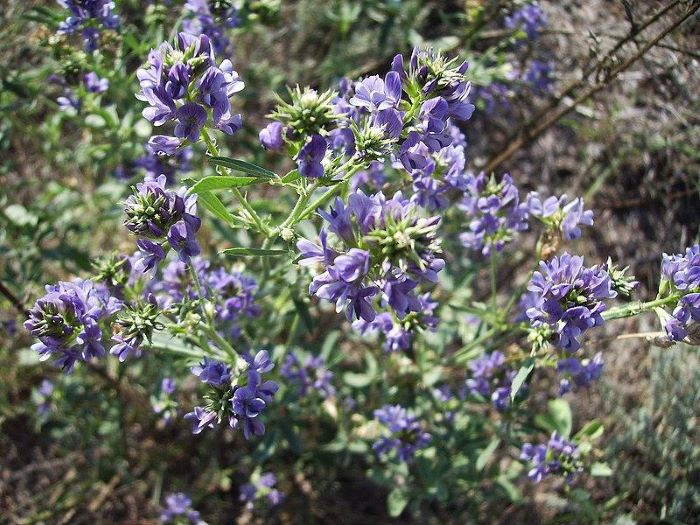
    “Phytoremediation uses plants for extracting, immobilising, containing, and degrading contaminants in soil, water, and air while preserving their biological and physical state,” Paudel explains. Some of the plants cited in the study include Indian mustard and alfalfa to combat lead, morning glory against copper, ladder brake and needle spikerush for arsenic, and common yarrow for mercury.

    Heavy metal contamination affects infants and children worst. Exposure to lead is associated with poor development, nerve disorders and behaviour-related issues in children while it causes increased blood pressure in adults. Mercury affects the nervous system, eyes, skin, kidneys, lungs, and the digestive and immune systems. Long-term arsenic exposure is linked to cancers of the skin, lungs and bladder.

    Paudel says that traditional phytoremediation methods are limited by factors such as the biological cycle of plants and heavy metal concentrations. “Some enhancement, either in the plant species or in the surrounding environment is required to improve the phytoremediation process.”

    Plant-based remediation

    Several plant-based remedial measures have been successfully used to remove heavy metals in the US, Canada, Russia and many European countries. However, in developing countries like Nepal, the overall cost of remediation, technical requirements, social acceptance and sustainability are major issues for the decontamination of sites.

    On the other hand, Nepal could fall back on its enormous plant wealth to develop cheap, low- or medium-cost technology methods of remediation and maintenance of contaminated sites, the study says. This would involve the selection of commercially viable ‘hyperaccumulator’ species capable of absorbing large amounts of heavy metal compounds and their strategic introduction to areas that need decontamination.

    In the study, the researchers reviewed the status of heavy metals in various polluted sites in Nepal, analysed the mechanisms by which plants absorb heavy metals and evaluated prospects for plant-based remediation measures.

    According to Paudel, while methods applied in the past have failed to address heavy metal contamination at many places in Nepal they continue to be attempted for lack of information on recent advances in enhanced phytoremediation.

    “A significant portion of the society in developing countries have restrained the application of phytoremediation,” he adds. “In Nepal, efficient and sustainable removal of heavy metals in several regions using enhanced phytoremediation.”

    Radha Rani, assistant professor of biotechnology at India’s Motilal Nehru National Institute of Technology, tells SciDev.Net that using plant-based technologies for the remediation of heavy metal contaminated sites has “immense potential while providing an economic, eco-friendly, and aesthetic solution for the restoration of degraded ecosystems”.

    This piece has been sourced from SciDev.Net.

    Image: Wikimedia — Victor M. Vicente Selvas

    UnPuzzled: How Do Some Himalayan Glaciers Resist Global Warming?

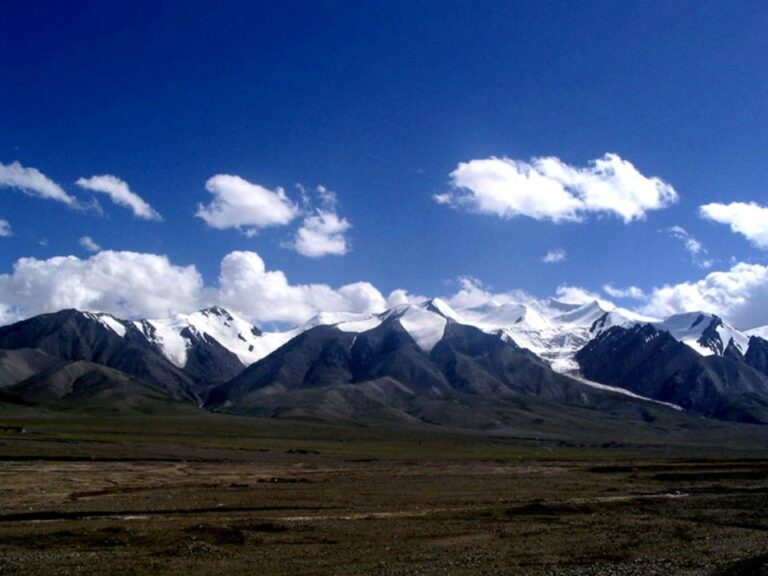
    The Himalayas are fast receding under the impacts of global warming. In contrast, the glaciers of central Karakoram have remained unchanged or even increased slightly over the last few decades – a phenomenon puzzling glaciologists and providing climate deniers with a rare straw to clutch at.

    Researchers have made a significant leap towards solving the mystery of why few pockets of glaciers in the Karakoram Range are resisting glacial melt due to global warming – defying the trend of glaciers losing mass across the globe, with the Himalayas being no exception. They have attributed this phenomenon called ‘Karakoram Anomaly’ to recent revival of western disturbances over the Himalayas.

    Himalayan glaciers are of paramount importance in the Indian context, especially for the millions who dwell downstream, relying on these perennial rivers for their day-to-day water needs. They are fast receding under the impacts of global warming, and stifling stress on the water resources is inevitable in the coming decades.

    In contrast, the glaciers of central Karakoram have remained unchanged or even increased slightly over the last few decades. This phenomenon has been puzzling glaciologists and providing climate deniers with a very rare straw to clutch at.

    Climatic anomaly

    Dr. Pankaj Kumar, is an associate professor at the Indian Institute of Science Education and Research (IISER) Bhopal. He was not alone in finding this phenomenon peculiar – because the behaviour seemed confined to a very small region, with only Kunlun range being another example of showing similar trends in the entire Himalayan range.

    A recent study he has conducted explains this defiance of the impacts of global warming in certain pockets as opposed to other glaciers of the region.

    In a paper published in the American Meteorological Society’s Journal of Climate, Pankaj Kumar and his group claims that the recent revival of western disturbance (WD) has been instrumental in triggering and sustaining the Karakoram Anomaly since the advent of the 21st century. The study was supported by the Climate Change Programme of the Department of Science and Technology.

    It is for the first time that a study brought to the front the importance that enhanced WD-precipitation input during the snow accumulation period plays in modulating the regional climatic anomaly.

    Role of snowfall

    Aaquib Javed, a Ph.D scholar working under Kumar and lead author of the study says that “Westerly disturbances are the primary feeder of snowfall for the region during winters. Our study suggests they constitute about around 65 per cent of the total seasonal snowfall volume and about 53 per cent of the total seasonal precipitation, easily making them the most important source of moisture.” Javed points out that “the precipitation intensity of westerly disturbances impacting Karakoram has increased by around 10 per cent in last two decades, which only enhances their role in sustaining the regional anomaly.”

    The group applied a tracking algorithm (developed at the University of Reading) to three separate global reanalysis datasets to track and compile a comprehensive catalogue of westerly disturbances impinging the Karakoram-Himalayan region over the past four decades. The analysis for the tracks passing through the Karakoram reveals the role of snowfall as a crucial factor in mass balance estimations.

    Ray of hope

    This is the first time that the impact of precipitation in feeding the anomaly has been highlighted. Previous studies highlighted the role of temperature in establishing and sustaining the anomaly over the years. Researchers have also quantified the impact of precipitation in feeding the anomaly.

    Calculations by the scientists reveal that contribution of westerly disturbances, in terms of snowfall volume over the core glacier regions of Karakoram have increased by about 27 per cent in recent decades. In the meanwhile, precipitation received from non-WD sources have significantly decreased by around 17 per cent, further strengthening their claims.

    “The anomaly provides a very bleak (prognosis), but nonetheless a ray of hope towards delaying the inevitable,” says Dr Kumar. “After recognising the importance of WDs in controlling the anomaly, their future behaviour might very well decide the fate of Himalayan glaciers as well,” he points out.


    Image: Wikimedia – The Kulum range.

    Ninety Years of a Full Life [Part – II]

    In this second part, Naazir Mahmood recounts, through his father’s eyes, the two tumultuous decades between 1960 and 1980, that revolve around the government’s hostility to progressive politics and the growth of the Mullahs.

    Naazir Mahmood

    In Lahore, the 1960s began with devastating news for all progressive and left-wing activists. Hassan Nasir, a young communist leader, was arrested and tortured to death by goons of the Ayub regime in a cell at the Lahore Fort.

    Being in Lahore, my father was an eyewitness to how the events unfolded at that time. Nasir’s mother travelled all the way from Hyderabad Deccan to Lahore to receive her son’s body that the military regime had claimed to had buried after he allegedly committed suicide under detention at the Lahore Fort torture cell. But the script went awry, because Hassan’s mother refused to accept the body as her son’s. This case shook the country’s political landscape, in any case reeling under General Ayub Khan’s dictatorship. Even in his death, Hassan became a symbol of resistance!

    In 1964 – just a few months before I came to this world – my father travelled to Bombay for the first and last time since his arrival in Pakistan in 1954. He says that from 1947 to 1964 relations between India and Pakistan were not that bad and there was free exchange of books, magazines, periodicals. People could get visas and travel easily to both countries. There was also cultural exchange as intellectuals, journalists, poets, writers, could visit each other. Sports tournaments such as cricket, hockey, and even kabaddi matches between the two countries excited spectators.

    Ayub’s historical misadventure

    In Lahore one could find visiting Sikhs who were warmly welcomed by the local people, and the wounds of Partition and its violence were gradually healing. My father experienced the same when he visited Bombay, the place of his birth and youth, and met senior comrades there. But things suddenly changed in 1965 when General Ayub Khan stole the elections from Fatima Jinnah. Being an activist of the NAP, my father could testify that General Ayub had no chance of winning that presidential election, had he not used the state machinery he commanded to rig the polls.

    Things took an ugly turn when the general and his coterie accused Fatima Jinnah of being an Indian agent. She became yet another politician to receive the honour of being a ‘traitor’. My father narrates how General Ayub Khan became extremely unpopular after declaring himself an ‘elected president’ by winning that sham election. To counter his declining fortunes, he and his spin masters planned a further hostile approach to India. He did manage to mobilize the public sentiment against India but this region has been paying a heavy price for that adventure to date.

    The leadership of the National Awami Party developed differences as Maulana Bhashani showed a soft corner for the general while other leaders like G B Bizenjo and Wali Khan were waging a struggle for the restoration of democracy. When the party split in 1967, my father joined the NAP faction led by Wali Khan. Among the leftist groups, there was also a pro-China and pro-Moscow rift. NAP-Wali was clearly pro-Moscow, wanting better relations between India and Pakistan while Bhashani followed a staunchly anti-India path.

    State-sponsored propaganda

    By the time of the elections in 1970, my father had his own shop in Liaquatabad, which people still referred to as its old name: Lalu Khet. Mahmudul Haq Usmani was a senior leader of NAP–Wali and my father took an active part in his campaign for elections. For the first time, my father managed to purchase a television set to watch the live transmission of the 1970 elections. I was six years old and excited at living in a home with a television – so rare in those days. My father’s interest in national issues and active involvement in politics was shaping the boy who is now writing these lines.

    The NAP was a clearly progressive and secular party and won a good number of seats in Balochistan and in the NWFP (now Khyber Pakhtunkhwa). NAP activists and leaders were against the military action in East Pakistan after the victory of Sheikh Mujib. My father recalls, with great sadness, how General Yahya Khan’s military regime embarked on a ruthlessly destructive path to destroy Awami League that got a clear majority at the hustings. Political workers such as my father in West Pakistan found themselves helpless against the state-sponsored propaganda.

    Bhutto or the Mullahs?

    After the 1971 surrender, Z A Bhutto became the new PM of the rump Pakistan. The days of doom and gloom appeared to be over as the NAP formed its coalition governments in Balochistan and the (former) NWFP. But the euphoria was short-lived as left-wing workers and leaders found themselves on the receiving end under the new government too. There were arrests and raids to capture many NAP comrades such as Afrasiab Khattak, Dr Aizaz Nazeer, Jam Saqi, and many others.

    It was another sad day when the NAP government became a victim of Bhutto’s paranoia. In 1975, the NAP came under severe restrictions with all its assets captured by the Bhutto government. The Supreme Court under Chief Justice Hamoodur Rehman validated the ban Bhutto had imposed on the NAP declaring it a party of ‘traitors’. Those were dark days for progressive workers under a so-called democratic government. The tide then turned in January 1977 when Bhutto announced early general elections. The NAP leadership was in jail and Sherbaz Mazari and Begum Naseem Wali had formed a new party called the National Democratic Party (NDP).

    When most right-wing parties formed an anti-Bhutto Pakistan National Alliance (PNA), it became a decisive moment for leftist workers. Most joined the PNA but my father was fairly clear on this issue. I remember him saying ‘If the choice is between Bhutto and the Mullahs, I would prefer Bhutto’. In the Karachi of 1977, prominent leftist personalities included Barrister Abdul Wadood, Anis Hashmi, Dr Aizaz Nazeer, Fasihuddin Salar, Javed Shakoor, M R Hassan, Muhammad Mian, Nawaz Butt, Zubairur Rehman, and many others. Some of them were not happy at my father’s inclination towards Bhutto.

    The Bhutto years

    Z A Bhutto had done tremendous harm to leftist, progressive, and secular politics in Pakistan during his five-year rule. That had angered nearly every leftist who could not reconcile with the idea of Bhutto being cast as preferable to the PNA fighting for more Islamization in the country. In a matter of time, one of my uncles in Malir opened a PPP election office at home and my father gave him all his support.

    My father’s small shop suffered losses and we fell back into the arms of hard times when the PNA launched its movement against the results of the 1977 elections and agitation raged mostly in the urban centres of Pakistan. The result of that agitation was yet another military coup that targeted Bhutto and the PPP while aligning itself with the religious right. The Islamization that General Ziaul Haq launched proved my father right that the fight against Bhutto would result in the decimation of whatever democracy we enjoyed under Bhutto.

    In the 1980s, there was another dark period for progressives as the murder of Hassan Nasir was re-enacted when Comrade Nazeer Abbasi became a victim of similar torture and lost his life.

    To be continued

    The writer holds a PhD from the University of Birmingham, UK. He tweets @NaazirMahmood and can be reached at: [email protected]

    Bangladesh’s NHRC to Probe Attack on Hindus; Administration Negligence

    The Bangladesh NHRC investigation into the riots in Lohagara, where Hindu homes and shops were attacked, will also explore negligence on the part of the administration. Investigation will also probe why the police failed to prevent the attacks.

    Bangladesh’s principal human rights body, the National Human Rights Commission of Bangladesh (NHRC) has ordered an investigation into the recent rioting and attack on the houses and business establishment of Hindus at Digholia village of Narail’s Lohagara upazila.

    Several houses, shops and temples of the Hindu community were attacked and set on fire over a Facebook post allegedly insulting Prophet Muhammad at Digholia village of Narail’s Lohagara upazila on Friday.

    The NHRC investigation will also explore the negligence on the part of the administration. Investigation will also be conducted to find why the local police failed to prevent attacks, arson, looting of temples and houses of the Hindu community and legal action will be taken accordingly.

    A victim from the village in Narail told mediapersons that an atmosphere of fear continues to prevail in the village after the attack and they are still getting threats but the administration has not taken any action. He demanded action by the government to ensure the safety of the people in the area.

    An agitated mob vandalised and looted six shops in a local market and set fire to a temple. Besides, four houses were vandalised and looted, according to the affected families.

    Several houses, shops and temples of the Hindu community were attacked and set on fire over a Facebook post allegedly insulting Prophet Muhammad at Digholia village of Narail’s Lohagara upazila on Friday.

    Freedom fighters protest

    Condemning the attacks on the homes and business establishment of the country’s minority religious community, the commission’s chairperson, Nachima Begum said that such communal violence was unacceptable in Bangladesh. She said that no one has a right to insult other religions in the name of freedom of expression and the person making the derogatory comment has been quickly arrested. At the same time, she said, nobody has a right to take law into their own hands to attack, burn and loot houses and temples.

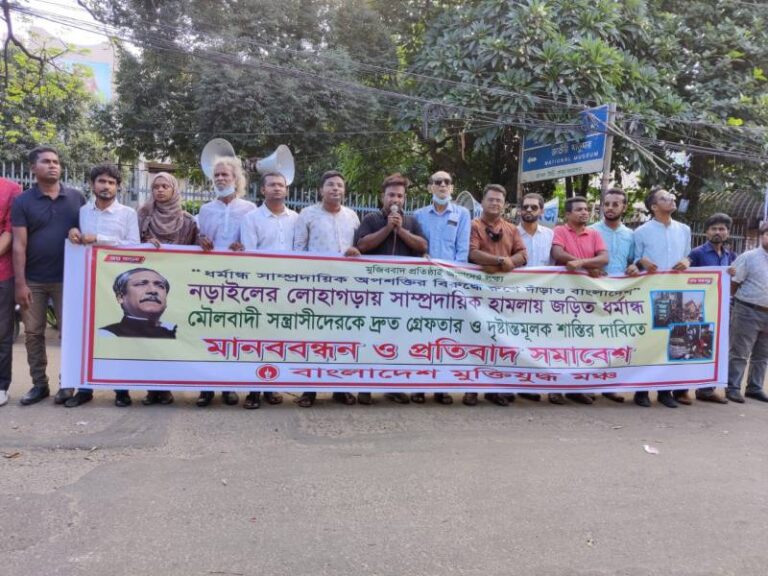
    On Sunday, the Muktijoddha Manch, and organisation of the country’s liberation war fighters protested the incident and its members conducted a protest march on the streets of Dhaka and formed a human chain.

    Muktijoddha Manch general secretary, Al Mamun demanded setting up of a judicial commission of inquiry to punish all those involved in the incidents of violence. The organisation’s president, Aminul Islam Bulbul called upon the government to deal with the communal forces with a firm hand.

    Sri Lanka’s Crisis of Legitimacy

    In this period of national trauma, all is not lost to Sri Lanka. The political and economic upheavals may yet usher a renewed commitment to strengthen political and economic institutions to prevent similar episodes of avoidable policy errors with serious social repercussions.

    By Dushni Weerakoon  /  Institute of Policy Studies, Sri Lanka

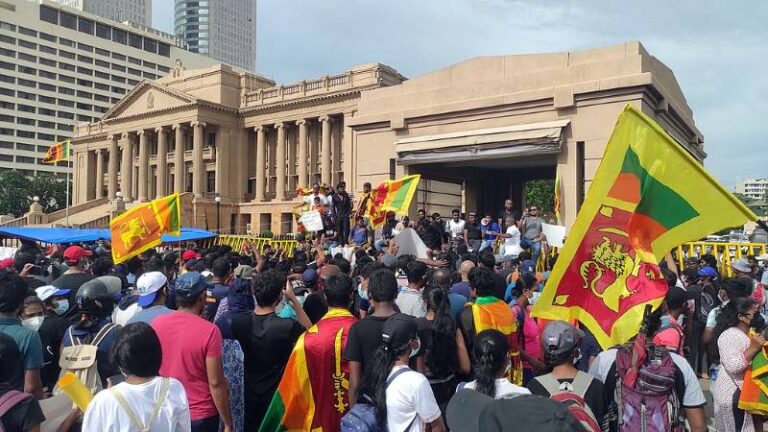
    Sri Lanka’s slide into political instability since April 2022 culminated in the resignation of former president Gotabaya Rajapaksa following public protests on 9 July 2022. The government’s policy blunders and resistance to course correction were blamed for unleashing the harshest economic crisis on the Sri Lankan population in recent history. The former president’s resignation paves the way for the formation of an interim all-party government.

    Gotabaya Rajapaksa leaves behind an economy ravaged by shortages of essential goods, spiralling inflation and a historical-first debt default. Much of the blame for this sorry state of affairs can be placed on policy hubris.

    The election-driven tax cuts and the stubborn resistance to reverse them were economically disastrous as COVID-19 pandemic-related spending pressures mounted. The central bank was made complicit in a money printing exercise that drained investors’ faith in the currency — which lost more than 80 per cent of its value. This was coupled with an overly ambitious pursuit of environmental goals namely the banning of chemical fertilisers which devastated agricultural output in the process.

    Tax hikes imminent

    There is no doubt that the COVID-19 pandemic magnified Sri Lanka’s economic problems, but plenty of other countries have emerged from the pandemic relatively unscathed. For a country with a large exposure to foreign commercial debt that is vulnerable to market volatility, the most credible move would have been to embrace sound macroeconomic policies out of its own understanding of the many risks involved.

    Yet flawed policies and a refusal to redirect course narrowed the country’s options. In April 2022, Sri Lanka finally declared itself unable to service foreign debt and approached the International Monetary Fund (IMF) for a deal. Negotiations with the IMF on a staff-level agreement and separate debt restructuring talks with creditors had to proceed simultaneously.

    Political stability is essential to such negotiations. IMF negotiations are centred on returning to a sustainable debt path and Sri Lanka will have to promise that it will run a primary fiscal surplus (before interest payments) within a specified period. This means that significant tax hikes across the board and spending cuts or freezes are expected.

    Creditor landscape

    Unlike IMF negotiations with which Sri Lanka has plenty of experience, debt restructuring is unchartered territory. Such negotiations are not easy given the current complex creditor landscape where each creditor wants an assurance of comparable treatment. Sri Lanka’s bonds are held primarily by a private-creditor base in the United States while its large bilateral lenders include non-Paris Club members like China and India.

    China has already signalled a reluctance to an IMF-aligned debt restructuring of its loans, preferring instead to refinance rollovers. Among bondholders, potential holdout creditors need to be corralled to avoid costly lawsuits.

    The timeline threatens to undermine economic stability further. Sri Lanka must present its debt restructuring plans for the IMF Executive Board’s approval on the bailout program. In the interim, the country will continue to struggle in securing the foreign currency inflows necessary to overcome import interruptions that have fuelled much of the public dissent.

    Sri Lanka desperately needs a strong and stable government that can get things done. That will still be months away as a transitional arrangement is put in place. The proposed all-party consensus appears to suggest appointing an acting president and a prime minister who have the majority support of parliamentarians by 20 July 2022.

    The new governing arrangement will have more legitimacy than the ousted regime, but it will still be beholden to narrow party interests present in such coalitions. In these circumstances, the new leadership must reassure the IMF and Sri Lanka’s creditors of its legitimacy to negotiate and its commitment to implement the terms of the agreement in the event of fresh elections and another change of leadership.

    All is not lost

    A fresh election that truly reflects the public mood holds the key to Sri Lanka’s future. The country needs a strong and stable government to see through painful economic adjustments. The required fiscal changes will stop any government from spending its way out of the current crisis, limit help for the poor and restrict public investment.

    Forcing a recession through tight monetary policy is necessary to tame the rampant inflation — currently at over 50 per cent — even if much of it is due to supply-side factors. Despite the obvious drawbacks on jobs and employment, building credibility by implementing the promised reforms is critical considering the magnitude of Sri Lanka’s political and economic crisis. Once the economy is put on a sounder financial footing, a cautious policy shift to emphasise growth will be needed. It will demand more flexibility on macroeconomic policy and investor-friendly reforms without throwing fiscal targets into reverse.

    In this period of national trauma, all is not lost to Sri Lanka. The political and economic upheavals may yet usher a renewed commitment to strengthen political and economic institutions to prevent similar episodes of avoidable policy errors with serious social repercussions.

    As a starting point, Sri Lanka’s political class must now resist the temptation to engage in short-run political battles and focus on building critical consensus to restore political stability. If politicians and the parliamentary system come to be seen as ineffectual, then Sri Lanka will truly be caught up in a vicious crisis of legitimacy.


    Dushni Weerakoon is Executive Director and Head of Macroeconomic Policy Research at the Institute of Policy Studies of Sri Lanka.


    This piece has been sourced from the East Asia Forum of the Australian National University.

    Image: Wikimedia / AntanO 

    Can The Plastic Problem Get More Elephantine Than This?

    A new study has documented the extent of plastic ingestion as an emerging threat to endangered Asian Elephants in Uttarakhand. The researchers say that the tuskers are ingesting large amounts of human-generated waste, including plastic of varied sizes that are released through their dung, affecting other species and the environment.

    Researchers from the Jawaharlal Nehru University, the Nature Science Initiative and the Wildlife Conservation Society – India, have highlighted plastic waste as an emerging threat to the health and population of Asian elephants.

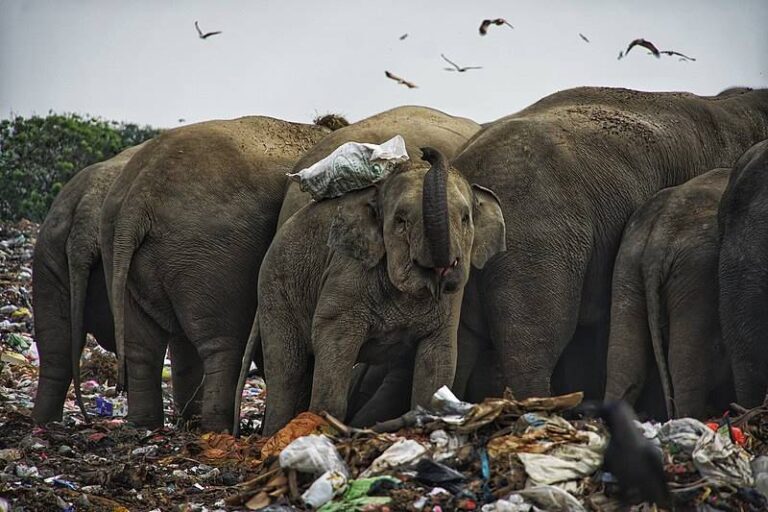
    The study published in the Journal for Nature Conservation, researchers systematically documented the presence of human-generated waste in elephant dung in and around the forested landscapes of the state of Uttarakhand. Elephants in this landscape range in close proximity to human habitations and reportedly visit garbage dumps that have been accumulating around the forest edges.

    The researchers allude to the increasing fragmentation of forests that leads elephants to venture into human settlements to feed on cultivated crops. They end up foraging around garbage dumps carrying food waste, unable to segregate organic and inorganic waste in the process. Asian elephants rely primarily on wild grasses, fruits, roots, and tree bark for food.

    Researchers examined the diet of Asian elephants through dung samples from the edges and interiors of forested landscapes.

    Hazardous waste in elephant dung

    The study has, for the first time, scientifically confirmed the presence of a large amount of plastic, alongside other human-generated waste in the diet of Asian elephants. A large proportion of hazardous waste found in the dung of the elephants was made of items like plastic cutlery, food containers, polythene bags, tetra packs as well as glass, metal wires, rubber bands, clay pottery and pieces of tile. The dominance of plastic in their diet implies the continued widespread use of plastic and the lack of waste management, the researchers point out.

    The researchers say in their published paper, “We quantified plastic particles and other anthropogenic waste from elephant dung samples collected from edges and interiors of forest areas, confirming plastic ingestion by this endangered mammal species. Each human-derived item was identified, measured, and sub-categorized into plastic or other anthropogenic waste.”

    They further say, “About one-third (32 per cent) of the elephant dung samples showed presence of anthropogenic waste.”

    The plastic particles the research team recovered from the dung of the giant mammals ranged from one to 355 mm and comprised of 85 per cent of the waste recovered from elephant dung samples.

    “Ingested plastic may leach toxic chemicals such as phthalates in elephant gut and may affect their reproductive system with potential impacts on their survival rates and population size” says Gitanjali Katlam, ecologist and the lead author of the study from Jawaharlal Nehru University.

    Solid waste management

    The study also found that the dung sampled inside the forest contained double the amount of plastic particles compared to the dung found on forest edges. This finding indicates that the elephants carry plastic particles far into the forest, increasing the chances of the plastic entering the food chain through other species that consume elephant dung.

    “High plastic presence in elephant dung highlights its widespread use near protected habitats and lack of waste segregation practices underlining the vulnerability of wild animals to plastic ingestion risk,” the researchers say in their published paper.

    The effects of plastic pollution on marine ecosystems and animals have been widely documented. However, this study also throws light onto the understudied aspect of the impact of plastic pollution on terrestrial animals.

    The IUCN Red List categorizes the Asian elephant as ‘endangered’ and is under immense pressure due to habitat degradation, loss and fragmentation, persecution by people, and deaths due to accidents. This study establishes plastic pollution as a novel threat to our terrestrial megafauna and forest ecosystems.

    “Human habitations around natural habitats need comprehensive solid waste management strategies to address this problem” says Dr. Anant Pande, co-author and program head at WCS-India, suggesting a strategy that involves segregation at source, mapping of garbage dumps and assessment of risk to wildlife and mass awareness campaigns to educate the public on the perils of plastic pollution.


    Image: Wikimedia: Tharmapalan Tilaxan