More

    Sri Lanka Imposes Forced Labour Import Ban to Shield Exports from US Tariffs

    Sri Lanka gazettes a forced labour import ban to avert US tariffs, but exporters demand clear guidelines to avoid disrupting vital supply chains and raising costs for the apparel sector.

    In a rapid policy response to US pressure, Sri Lanka has prohibited imports of goods produced with forced labour, aiming to protect its crucial export market amid threats of punitive tariffs. The move highlights the island nation’s delicate balancing act in global trade.

    US Tariff Threat Prompts Swift Action

    On July 10, 2026, President Anura Kumara Dissanayake gazetted regulations banning the importation of any goods wholly or partially produced using forced labour. Importers must now provide certified documentation to Sri Lankan Customs proving compliance.

    This decision directly addresses a June 2026 determination by the US Trade Representative (USTR) under Section 301 of the Trade Act of 1974. The USTR identified Sri Lanka among 60 economies failing to impose and enforce prohibitions on forced labour imports, proposing additional duties of up to 12.5 per cent on Sri Lankan exports to the US.

    The US, Sri Lanka’s largest single export market absorbing around $3 billion annually – primarily apparel – views forced labour as an unfair competitive practice that distorts global markets. Washington’s strategy also counters China’s influence in supply chains, particularly concerns over Xinjiang.

    By acting proactively, Sri Lanka has demonstrated commitment to international norms, potentially mitigating or avoiding the full tariff impact while supporting its ongoing economic recovery and IMF-backed reforms.

    Exporters Call for Risk-Based Guidelines

    While welcoming the ban’s intent, the Exporters Association of Sri Lanka (EASL) has urged the government to issue clear, operational guidelines without delay. Chairman Nalaka Ratnayake emphasised the need for a transparent, risk-based approach aligned with international best practices.

    “Without a clearly defined and internationally aligned implementation framework, there is a risk of uncertainty, increased compliance costs, shipment delays, administrative burdens and disruption to legitimate trade,” the EASL stated.

    The association recommends focusing enforcement on high-risk goods, supply chains, and jurisdictions rather than blanket requirements for all imports. It calls for stakeholder consultations with exporters, importers, chambers of commerce, and logistics providers, plus published guidelines on documentation, verification, and transition periods before full enforcement.

    Ratnayake said that EASL fully supports ethical trade and eliminating forced labour. But, he stresses that practical implementation is essential to preserve Sri Lanka’s competitiveness. “It is vital that we protect our supply chains whilst also ensuring expeditious clearing of cargo at the ports of Colombo,” Ratnayake added.

    Apparel Sector: Opportunities and Challenges

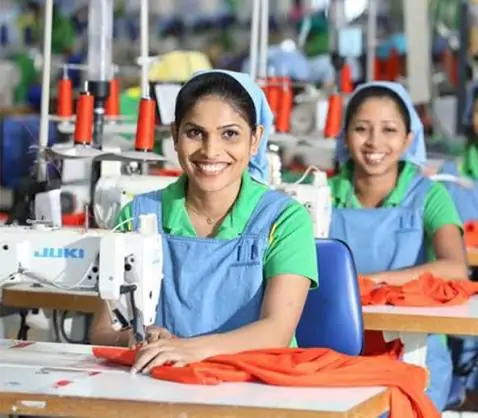
    Sri Lanka’s apparel and textile industry, a cornerstone of the economy employing around 300,000 workers and generating about $5 billion in annual exports, stands at the forefront of these changes. The sector prides itself on strong domestic labour standards, with no widespread forced or child labour in formal manufacturing, as affirmed by officials and the ILO.

    However, complex global supply chains pose risks. Raw materials and components imported from countries like China, India, or Bangladesh could inadvertently introduce forced labour concerns, Ratnayake said. He said this could affect finished goods destined for the US. Exporters must now implement robust due diligence, traceability, and certification processes, he said.

    This could raise manufacturing costs through higher input prices, auditing, and legal compliance. Small and medium enterprises (SMEs) may face disproportionate burdens, potentially leading to short-term disruptions or job impacts if costs cannot be absorbed.

    On the positive side, enhanced ethical standards could bolster Sri Lanka’s reputation as a responsible sourcing destination. Premium buyers in Western markets increasingly favour “clean” supply chains, potentially opening doors to higher-value contracts and greater investor confidence.

    Broader Economic and Geopolitical Implications

    Sri Lanka’s policy reflects the challenges of a small, export-oriented economy navigating major power dynamics. Compliance supports access to the US market and aligns with IMF expectations during debt restructuring. Yet, it must balance this with ties to China, a key creditor and investor.

    The US approach forms part of a wider “friend-shoring” and de-risking strategy to build resilient, values-aligned supply chains. For Sri Lanka, success hinges on effective implementation, government support for capacity building – especially for SMEs – and transparent enforcement that minimizes trade friction.

    Earlier engagements, including plans to strengthen customs screening and adopt ILO conventions like C190 on violence and harassment at work, signal proactive steps. Officials continue dialogues with the USTR to demonstrate robust measures.

    Path Forward: Stakeholder Collaboration Essential

    As enforcement details emerge, structured consultations will be critical. The Department of Customs plays a pivotal role in publishing practical guidelines and ensuring smooth port operations. A risk-based model, drawing from global examples like US CBP practices, could achieve labour goals without undue burden.

    Long-term, the ban may accelerate Sri Lanka’s shift toward higher-value, transparent manufacturing. While short-term costs loom, alignment with global ethical standards positions the country favourably in an era of heightened scrutiny on supply chains, Ratnayake said, adding that the EASL looks forward to ongoing dialogue, underscoring that ethical trade and economic competitiveness can – and must – go hand in hand.

    Bangladesh Launches Massive 250 Million Tree Plantation Drive to Battle Climate Crisis

    Bangladesh launches an ambitious drive to plant 250 million trees over five years, aiming to combat deforestation, boost climate resilience, and restore the nation’s shrinking green cover in one of the world’s most vulnerable countries.

    In a bold step to reverse decades of environmental degradation, Prime Minister Tarique Rahman inaugurated a nationwide programme to plant 250 million (25 crore) trees over the next five years. The initiative, inaugurated last week, is a flagship commitment from the Bangladesh Nationalist Party (BNP) election manifesto. It seeks to strengthen forest cover, mitigate climate impacts, and create green jobs in a nation highly exposed to rising seas, floods, and extreme weather.

    Prime Minister Rahman personally planted a Garjan sapling, joined by senior ministers and lawmakers who planted saplings of 11 indigenous species. Officials plan to plant 1,180 saplings of native trees in the initial phase at the site.

    Context of Shrinking Forests

    Bangladesh’s forest cover has long been under pressure. Estimates place current natural forest around 14 per cent of land area, with ongoing losses due to agriculture, urbanization, infrastructure, and population demands. According to Global Forest Watch data, the country lost significant tree cover in recent years, contributing to biodiversity decline and heightened climate vulnerability.

    Deforestation rates have historically run nearly double the global average in some periods, exacerbating challenges like coastal erosion, salinity intrusion, and flooding. The Sundarbans mangrove forest and Chittagong Hill Tracts represent key remaining ecosystems, but pressures remain intense.

    Environment, Forest and Climate Change Minister Abdul Awal Mintoo presided over the inauguration event. The programme will be implemented under his ministry, with the first phase targeting 15 million saplings across 149 upazilas in 49 districts.

    Core Environmental Pledge

    Prime Minister Tarique Rahman has emphasised citizen participation. He urged every Bangladeshi, particularly students, to plant at least one tree annually, describing the younger generation as “future gamechangers” in the environmental fight. He called for tree plantation to become a national habit and movement.

    In messages tied to the campaign, leaders have stressed balancing development with environmental protection. The initiative aligns with broader goals of creating a “safe, liveable Bangladesh.”

    The BNP manifesto positioned this as a core environmental pledge, aiming for 50 million trees planted per year on average. Officials project it could generate around 350,000 green jobs while enhancing carbon sequestration and ecosystem services.

    Implementation and Challenges

    The five-year plan focuses on indigenous species for better ecological fit, as experts recommend prioritising native trees over exotics to support biodiversity. A large-scale effort like this requires substantial land, community involvement, and sustained maintenance – watering, protection from pests, and monitoring survival rates.

    Programmes like “One Student, One Tree” aim to involve schools and youth. This grassroots approach seeks to foster long-term environmental stewardship. Local communities, especially in rural and coastal areas, will play vital roles in planting and nurturing saplings.

    Economic and Climate Benefits

    Beyond ecology, the drive promises economic gains through green employment in nurseries, plantation, and related sectors. In climate-vulnerable Bangladesh, enhanced forest cover can act as a natural buffer against cyclones, storm surges, and temperature rises.

    Critics and experts stress the importance of planting the “right trees” – native, diverse varieties suited to local conditions rather than monocultures. This ensures better survival, biodiversity support, and long-term ecosystem health.

    The first phase rollout across multiple districts signals serious intent. Coordination between government ministries, local administrations, NGOs, and citizens will be crucial for success.

    Bangladesh ranks among the countries most at risk from climate change, despite low historical emissions. Deforestation compounds issues like habitat loss and carbon release. Restoring forests aligns with international commitments and national adaptation strategies.

    Previous efforts, including annual tree fairs and campaigns with themes like “Let’s Plant in a Planned Way, Build a Green Bangladesh,” have laid groundwork. This scaled-up, multi-year programme represents a more structured, ambitious response.

    Challenges include ensuring high survival rates (often a bottleneck in such drives), securing land without displacing agriculture, and monitoring progress transparently. Logistical demands for 250 million saplings are enormous, requiring robust supply chains for seedlings and ongoing care.

    Active Participant in Global Restoration Efforts

    Success will depend on turning the initiative into a true national movement. With political backing at the highest levels and public calls to action, momentum is building. Integration with other environmental policies, such as wetland protection and sustainable land use, could amplify impacts.

    As Prime Minister Rahman and his government roll out this greening vision, Bangladesh positions itself not just as a climate victim but as an active participant in global restoration efforts. The coming years will test the programme’s ability to deliver tangible increases in forest cover and resilience.

    This effort comes at a pivotal time. As the Prime Minister says, with global attention on tropical forest loss, Bangladesh’s 250-million-tree target, if achieved with quality and sustainability, could serve as a model for densely populated developing nations.

    Himalayan Herbal Boom Turns to Bust: Livelihoods Crumble in Nepal’s High Altitudes

    Overharvesting and climate pressures are depleting Nepal’s prized Himalayan herbs like yarsagumba, pushing mountain communities from prosperity back into poverty and migration.

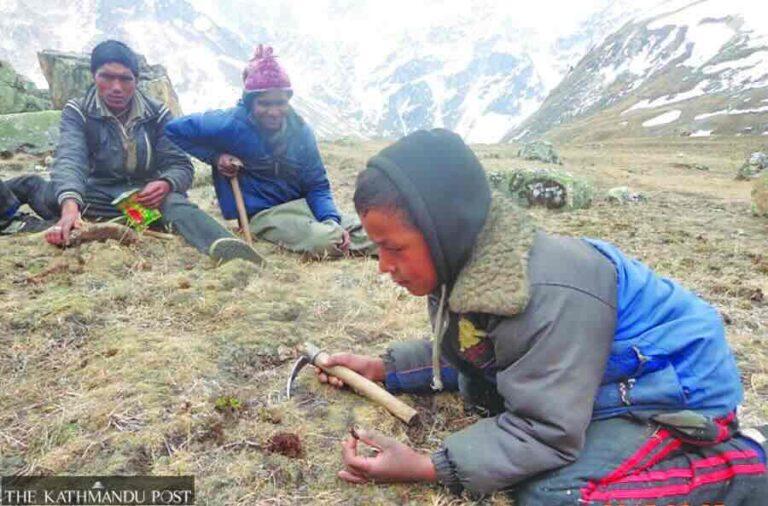
    In the rugged highlands of Bajhang district in Nepal’s Sudurpaschim Province, families once thrived on the seasonal bounty of yarsagumba (Ophiocordyceps sinensis), wild garlic, satuwa, and other medicinal herbs. Known as “Himalayan gold,” these resources transformed subsistence farmers into relatively prosperous households, funding education, housing, and urban land purchases. Today, that economic lifeline is unravelling due to rampant overharvesting, habitat degradation, and climate change.

    Sixty-two-year-old Junkiri Bohara of Surma Rural Municipality exemplifies the shift. Eight years ago, her family earned Rs1 million to Rs1.2 million annually from herb collection during the three-month season, supplementing meagre farmland yields. Now widowed and in debt after her husband’s illness, she crushes stones along the Bahuligad river for a pittance – enough for basic rent and food, but far from the stability of the past. Her sons have migrated to India for work, leaving her reliant on a single women’s allowance during illnesses.

    Similar stories echo across Surma, Saipal, Talkot, and other rural municipalities. Communities that had largely abandoned seasonal labour migration to India a decade ago are reversing course, locking homes and relocating families en masse. In one village of about 400 households in Jayaprithvi Municipality, over 70 families have abandoned their properties.

    Economic Boom and Rapid Decline

    The surge began in the early 2000s. Yarsagumba, a fungus-parasitized caterpillar highly valued in traditional Chinese medicine, fetched premium prices. Collectors in Bajhang could gather hundreds of pieces daily, with district trade estimated at around Rs. 2 billion annually until 2021-22. Families like Dhanya Bohara’s built concrete houses, bought land in district headquarters, and educated children in cities.

    Data from Bajhang’s Division Forest Office illustrates the collapse: yarsagumba exports peaked at 424 kg between 2008-2013 but fell to 136 kg by 2025-26. Prices have plummeted from Rs 3 million per kg (2009-2011) to under Rs 800,000 last year. Wild garlic exports dropped from 4,428 kg in 2021-22 to 1,800 kg recently, while satuwa nearly vanished after restrictions. Other species like kutaki and setakchini show steep declines. Overall herb trade in the district has contracted by about 70 per cent.

    Traders like Dan Bahadur Surmeli, president of the Bajhang Chamber of Commerce and Industry, report personal volumes shrinking from Rs 250 million to Rs 10-15 million annually. Advance payments to collectors often go unrecovered, leading to debt cycles for both parties.

    Broader studies confirm vulnerability. The IUCN lists yarsagumba and satuwa as vulnerable, citing a 30 per cent population decline over 15 years due to excessive harvesting. Medicinal plants contribute roughly 40 per cent of household income in many Himalayan communities, making the downturn devastating.

    Drivers of Depletion: Overharvesting and Beyond

    Indiscriminate practices are a primary culprit. Collectors uproot plants like wild garlic and satuwa before seed maturity – often as early as April instead of late June – preventing regeneration. For yarsagumba, the “jhadu laune” method of clearing grass and digging exposes larvae, destroying future yields.

    Climate Change Compounds the Crisis

    Environmental scientist Uttam Babu Shrestha highlights erratic snowfall, rising temperatures, and shifting ecosystems as major stressors. Studies predict reduced climatically suitable areas for many medicinal and aromatic plants (MAPs), threatening not just local incomes but Nepal’s exports, which have historically supported rural economies and national GDP contributions from the sector.

    Deforestation, fuelled by firewood demands (thousands of collectors burn significant amounts daily), sheep grazing, and seasonal grass fires set deliberately or accidentally, further degrades habitats. Waste accumulation – over 40,000 quintals in some areas – pollutes meadows, inhibiting growth. ICIMOD research underscores these cumulative impacts in places like Saipal.

    These issues extend beyond Bajhang across Nepal’s Himalayas, where commercial demand from China and other global markets drives pressure. Unsustainable techniques, including destructive harvesting of roots and rhizomes, hinder natural recovery, especially for herbaceous species.

    Human and Social Toll

    The fallout is multifaceted. Children are pulled from urban schools due to unaffordable fees. Families face mounting debts, food insecurity, and health strains. Women and elderly, like Junkiri, shoulder gruelling manual labour in riverbeds. Migration disrupts communities, leaving ghost villages and straining social fabrics.

    Psychological impacts are evident: the loss of a reliable income source that once freed people from menial labour abroad has bred frustration and helplessness. Gender dynamics shift as women increasingly enter low-wage work to sustain households.

    Paths to Recovery: Sustainable Practices and Alternatives

    Experts and officials emphasise integrated solutions. Plant conservationist Reshu Basyal calls for awareness, regulation, reduced illegal harvesting, and alternative livelihoods. Division Forest Office chief Shambhu Tiwari stresses collaboration among local governments, collectors, authorities, and the private sector.

    Ongoing initiatives offer hope. Projects by ANSAB and TRAFFIC promote sustainable trade, harvester training, traceability, and community forestry management for species like jatamansi. National surveys of medicinal herbs are underway, and cultivation efforts in highland areas have shown success in boosting incomes while easing wild pressure.

    Spatio-temporal harvest regulations, protected refugia, and fair-trade models could balance conservation with economic needs. Promoting cultivation of select species, eco-tourism, or value-added processing (e.g., local herbal products) may diversify incomes.

    A Fragile Future for Himalayan Wealth

    Nepal’s Himalayan herbal wealth, a cornerstone of biodiversity and rural economies, stands at a crossroads. Without urgent action – enforcing sustainable harvesting, mitigating climate impacts, and fostering alternatives – the unravelling of mountain livelihoods will accelerate, with ripple effects on cultural heritage, biodiversity, and national exports.

    Communities like those in Bajhang demonstrate remarkable resilience, but they cannot sustain the current trajectory alone. Coordinated efforts at local, national, and international levels are essential to restore balance, ensuring future generations can harness the Himalayas’ riches without depleting them. The “Himalayan gold” rush must evolve into responsible stewardship if these unique ecosystems and their people are to endure.

    El Niño Threatens Bhutan’s Key Sectors Amid Climate Uncertainties

    Bhutan braces for potential Super El Niño impacts as NCHM warns of risks to agriculture, hydropower, tourism, and heightened GLOF threats amid warmer conditions and variable rainfall.

    Bhutan’s National Centre for Hydrology and Meteorology (NCHM) has officially confirmed the development of El Niño conditions over the tropical Pacific Ocean, raising concerns about disruptions to the country’s economy and environment. During a press briefing on July 9, 2026, officials highlighted an 85 per cent chance of a “Super El Niño” peaking in the post-monsoon period.

    This climate phenomenon, characterized by warmer-than-average sea surface temperatures in the equatorial Pacific, influences global weather patterns and could significantly affect the Himalayan kingdom’s vulnerable sectors.

    NCHM Outlook and Seasonal Predictions

    Pema Syldon from NCHM’s Meteorological Service Division explained that El Niño may particularly impact autumn activities, a critical period for harvesting crops, generating hydropower, and attracting tourists. “If there is lesser rainfall, then these sectors may be affected and relevant departments and sectors must be prepared,” she stated.

    The NCHM’s outlook for June to September 2026 predicts monsoon rainfall as normal to slightly below normal, with both maximum and minimum temperatures expected to be above average across the country. The Southwest Summer Monsoon arrived on June 9, 2026, within the normal window, and June rainfall has generally been in the normal range, though with regional variations – above normal in the south and slightly below in some northern and eastern areas.

    Ugyen Chophel, another official from the Meteorological Service Division, noted that Bhutan is currently in the active phase of the monsoon. Temperatures are already showing warmer-than-normal trends consistent with El Niño influences.

    He said that these conditions are expected to strengthen and persist through the winter of 2026-2027. While El Niño originates far away, it affects Bhutan through changes in atmospheric circulation, interacting with the Southwest Summer Monsoon and the country’s rugged mountainous terrain.

    Potential Impacts on Agriculture

    Bhutan’s agriculture, which supports a large portion of the population and contributes significantly to food security and rural livelihoods, faces risks from altered rainfall patterns and higher temperatures. Reduced precipitation during the post-monsoon harvest season could lead to lower yields for key crops like rice, maize, and vegetables.

    Warmer conditions may also exacerbate pest infestations and crop diseases, while erratic weather could disrupt traditional farming cycles, the experts said. Historical El Niño events have shown variable impacts on South Asian monsoons, with some years bringing deficits that strain irrigation-dependent farming in Bhutan’s valleys.

    Experts recommend proactive measures such as improved water management, drought-resistant crop varieties, and enhanced early warning systems for farmers. Government agencies are urged to support these adaptations to safeguard agricultural output.

    Hydropower Generation at Risk

    Hydropower is the backbone of Bhutan’s economy, providing revenue through exports to India and meeting domestic energy needs. Lower rainfall and stream flows during critical periods could reduce generation capacity, affecting both domestic supply and export earnings.

    NCHM officials emphasised preparation for potential energy shortfalls in the post-monsoon and winter seasons. Bhutan’s run-of-the-river hydropower plants are particularly sensitive to seasonal water availability, which El Niño-induced dryness could diminish.

    This comes at a time when the country is expanding its renewable energy infrastructure. Diversification strategies and reservoir management will be key to mitigating risks.

    Tourism Sector Vulnerabilities

    Tourism, another vital economic pillar contributing to Bhutan’s GDP and employment, may see fluctuations due to weather changes. Autumn is a peak season for visitors drawn to Bhutan’s festivals, trekking routes, and natural beauty. Reduced rainfall might improve accessibility in some areas but could also lead to drier landscapes or water shortages affecting hospitality services.

    Conversely, extreme events or perceptions of risk could deter tourists. Authorities may need to promote resilient tourism practices and communicate safety measures effectively.

    Increased GLOF and Extreme Weather Risks

    Director General of NCHM, Karma Dupchu, highlighted heightened risks of Glacial Lake Outburst Floods (GLOFs) in the highlands due to El Niño coinciding with overall warming trends. Glacial lakes, formed by retreating glaciers, are more prone to outbursts under warmer temperatures that accelerate melting.

    Past disasters linked to similar conditions include the 2009 flooding from Cyclone Aila, the 2015 Gasa Lemthang Tsho GLOF, and the 2023 Ungar flash flood, which occurred during an El Niño period. While not solely attributable to El Niño, these events underscore the compound risks from climate drivers and local topography.

    NCHM stresses that the current outlook is for improved preparedness rather than a specific event warning. Continued monitoring of El Niño and other factors, such as the Indian Ocean Dipole (IOD), is ongoing. A shift to a positive IOD could bring more winter rainfall and even snowfall in places like Thimphu.

    Global Context of Super El Niño 2026

    International forecasts align with NCHM’s concerns. NOAA and other agencies indicate a high probability of a strong to very strong El Niño, with some models suggesting it could be among the most powerful on record, potentially with Niño 3.4 anomalies exceeding 2°C or even approaching 3°C.

    Such events are associated with global temperature spikes, droughts in some regions, and increased extreme weather. For the Himalayas, the combination with anthropogenic warming amplifies glacier melt and precipitation variability.

    Bhutan is already experiencing climate change effects as one of the most vulnerable countries despite minimal emissions. Experts say that the country must integrate these seasonal forecasts into broader adaptation strategies outlined in its national climate policies.

    NCHM officials, including Ugyen Chophel, advise: “While we cannot definitely say that El Niño will affect rainfall and temperature patterns, we must be ready for anything.”

    Pakistan’s Paradox: Flooded Yet Thirsty – The Hidden Water Crisis

    Pakistan faces a deepening paradox – devastating annual floods waste billions of cubic meters of water while the nation hurtles toward absolute water scarcity, with per capita availability plummeting below critical thresholds.

    As the United Nations World Water Development Report 2026, presented recently in Pakistan, highlights the country’s shrinking water availability and widening investment gaps in drinking water and sanitation infrastructure – with per capita access now below 1,000 cubic meters and over half the population lacking safely managed supplies – the “flooded yet thirsty” crisis demands immediate national attention.

    Ongoing urban shortages gripping cities like Karachi and Hyderabad, coupled with low reservoir storage capacity hovering around just 30-90 days, underscore the urgent need for smarter management, rainwater harvesting, and efficiency reforms to avert absolute scarcity and secure the future of agriculture and millions of citizens amid climate variability and an El Niño year.

    Pakistan is home to one of the world’s largest irrigation systems fed by the mighty Indus River basin. Yet, the country is paradoxically both overwhelmed by water and desperately short of it. Since independence in 1947, per capita water availability has crashed from around 5,600 cubic meters per person per year to roughly 930-1,000 cubic meters today, pushing the country into water-stressed territory and nearing absolute scarcity (below 1,000 m³, with projections of slipping below 850-800 m³ soon).

    This dramatic decline stems from explosive population growth – from about 30-35 million in 1947 when the country was formed to over 240 million today – combined with static renewable water resources and climate variability. Experts warn that without urgent action, Pakistan could face absolute water scarcity by 2035, threatening food security, livelihoods, and stability in the world’s fifth-most populous nation.

    Floods and Droughts: Two Sides of the Same Coin

    Every monsoon season brings havoc. Intense rainfall, often accounting for 70-80 per cent of annual precipitation, overwhelms the landscape. Rivers swell, breaching embankments and inundating vast agricultural lands, displacing millions, and causing billions in damages. Yet, mere months later, the same regions grapple with drought-like conditions and acute shortages for drinking and irrigation.

    The core issue is poor storage and management. Pakistan’s current water storage capacity is critically low – equivalent to just about 30 days of average demand – far below global standards. Major reservoirs like Tarbela and Mangla have lost significant capacity due to siltation. Without adequate dams and reservoirs, monsoon waters rush to the sea, lost forever, rather than being captured for dry periods.

    Climate change exacerbates this volatility. Shifting precipitation patterns, erratic monsoons, and melting Himalayan glaciers alter the timing and intensity of water flows, making extremes more frequent and severe.

    Agriculture: The Thirsty Giant

    Agriculture dominates Pakistan’s water consumption, accounting for nearly 90-93 per cent of available surface water. It forms the backbone of the economy, contributing around 20 per cent to GDP and employing a large portion of the workforce. However, traditional flood irrigation methods – common across the Indus Basin Irrigation System (one of the largest contiguous systems globally) – are notoriously inefficient.

    Overall irrigation efficiency hovers around 30 to 40 per cent, with massive losses through seepage, evaporation, and runoff in unlined canals, watercourses, and fields. Farmers flood entire plots, a practice that not only wastes water but often fails to recharge groundwater effectively, as surface evaporation and transpiration claim a larger share.

    Over-reliance on groundwater during scarcity periods further compounds the problem. Unregulated tube wells are depleting aquifers rapidly in many regions, lowering water tables and raising concerns about long-term sustainability and quality.

    Pathways to Solutions: Capturing and Conserving Every Drop

    Experts and analysts emphasise that the crisis is less about absolute water absence and more about management. Several practical interventions could transform the situation:

    Modernising Irrigation: Shifting to high-efficiency methods like drip, sprinkler, bubbler, or pivot irrigation could save up to 50 per cent of water while boosting crop yields and reducing costs. Initiatives by organizations like the World Bank and IWMI are promoting these in provinces like Punjab, alongside tools such as soil moisture sensors for precision farming.

    Rainwater Harvesting and Groundwater Recharge: Capturing monsoon rains through ponds, check dams, rooftop systems, and recharge wells can replenish aquifers and provide local storage. This “leaky bucket” approach turns floods into assets rather than disasters.

    Building Storage Infrastructure: Accelerating construction of small and large dams, alongside rehabilitating existing ones, is crucial. Increasing storage capacity beyond the current 30-day buffer would buffer against variability.

    Policy and Behavioural Shifts: Strengthening water governance, pricing mechanisms to discourage waste, promoting crop patterns suited to water availability (e.g., less water-intensive crops), and community involvement through Water Users’ Associations are essential. Public awareness campaigns can foster a culture of conservation.

    Broader Implications and the Road Ahead

    The stakes are immense. Water scarcity threatens not just agriculture but public health, industry, energy (hydropower), and social stability. Women and girls often bear the brunt, spending hours fetching water at the expense of education and economic opportunities. Inter-provincial tensions over water sharing and transboundary issues with neighbours add geopolitical complexity.

    Recent floods, such as those in 2022, highlighted vulnerabilities, affecting millions and underscoring the need for integrated flood management and climate resilience strategies. International bodies like the FAO, WWF, and IOM continue to sound alarms and support projects.

    Pakistan has the potential to turn the tide. With smarter agriculture, technological adoption, community-driven conservation, and political will for infrastructure, the nation can secure water for future generations. The question is no longer whether Pakistan has water, but whether it can capture, conserve, and manage it effectively before it’s too late.

    Focus Keyphrase: Pakistan water crisis flooded yet thirsty

    Tags: Pakistan Water Crisis, Water Scarcity, Flood Management, Groundwater Depletion, Rainwater Harvesting, Irrigation Efficiency, Climate Change Pakistan, Indus Basin, Water Security, Agriculture Pakistan,

    ICAR Technology Portfolio for Corporate Social Responsibility (CSR) Conclave 2026

    ICAR Showcases CSR-Ready Technologies, Mobilises Strategic Corporate Partnerships to Accelerate Agricultural Innovation and Farmers’ Livelihoods. Over 75 Industries Join ICAR CSR Conclave 2026; Corporate Sector Commits to Scaling Agricultural Technologies through CSR and R&D.

    The Indian Council of Agricultural Research (ICAR) and Agrinnovate India Limited (AgIn) jointly organised the “ICAR Technology Portfolio for Corporate Social Responsibility (CSR) Conclave 2026”, on Wednesday.

    The conclave served as a platform to strengthen partnerships among ICAR, corporate organisations, industry leaders, philanthropic institutions, and other stakeholders to promote sustainable agricultural development through Corporate Social Responsibility (CSR) initiatives.

    The conclave showcased ICAR’s portfolio of CSR-ready technologies, innovative research, and scalable interventions. The thematic focus areas of this year’s conclave included Climate-Proofing of Indian Agriculture; Soil Health Improvement through Nature-Based Solutions and Crop Diversification; Agriculture for Health; Agricultural Skilling; And Women in Agriculture and Agricultural Extension. These priority areas are aimed at addressing critical agricultural challenges while promoting sustainable rural development through strategic CSR investments.

    The event witnessed overwhelming response from the corporate sector. Around 150 representatives from 75 industries participated in the conclave, reflecting the growing interest of industry in supporting agricultural transformation through CSR partnerships. In addition, 570 participants joined the programme online, while the live webcast on YouTube attracted more than 1,600 viewers, significantly expanding the outreach and engagement of the event across the country.

    Leveraging Science, Innovation

    As a precursor to the conclave, four regional ICAR CSR and Technology Portfolio Roadshows were organised at Hyderabad (20 June 2026), Bengaluru (23 June 2026), Mumbai (1 July 2026), and Kolkata (7 July 2026). The roadshows were conducted to explore and mobilise CSR partners for strategic collaborations in sustainable agricultural development.

    These events brought together representatives from ICAR institutes, corporate organisations, industry leaders, startups, entrepreneurs, non-governmental organisations (NGOs), and the media to promote technology commercialisation and strengthen CSR-driven partnerships. Collectively, the four roadshows witnessed participation from more than 500 stakeholders, with several organisations expressing strong interest in partnering with ICAR through CSR-supported initiatives.

    The conclave concluded on a highly encouraging note, with leading industries and CSR organisations, namely Agriculture Insurance Company of India Limited (AICL), SBI Foundation, UCO Bank, ICICI Foundation, Biovet Pvt. Ltd., Federation of Indian Chambers of Commerce and Industry (FICCI), INFAH, Venkateshwara Hatcheries Pvt. Ltd., Pidilite Industries Ltd., and Yes Bank, expressing their commitment to collaborate with ICAR and Agrinnovate India Limited (AgIn) through Corporate Social Responsibility (CSR) and Research & Development (R&D) initiatives.

    These strategic partnerships are expected to accelerate the adoption and scaling of innovative agricultural technologies, foster sustainable agricultural development, and significantly enhance the livelihoods of farming communities across the country. The conclave reaffirmed ICAR’s commitment to leveraging science, innovation, and strategic partnerships for inclusive agricultural growth. By bringing together researchers, industry leaders, policymakers, development organisations, and CSR stakeholders, the event marked a significant milestone in mobilising CSR resources to accelerate the commercialisation and adoption of agricultural technologies for the benefit of Indian agriculture.

    Sri Lanka’s Livestock Sector Poised for Transformation with Private-Led National Policy

    Sri Lanka launches a forward-looking national livestock policy to drive private sector growth, enhance food security, and build climate-resilient rural economies.

    Sri Lanka’s Cabinet has approved a comprehensive new National Livestock Policy, replacing a two-decade-old framework with a strong emphasis on private sector leadership, market-oriented production, and climate resilience. The move comes amid ongoing challenges in food security, rising import dependence, and the need for sustainable rural development.

    This policy signals a strategic shift towards making the livestock industry a key driver of economic growth, nutrition, and export potential in the post-economic crisis recovery phase.

    Why Update the Policy Now?

    The previous National Livestock Development Policy, dating back around 2006, focused on dairy self-sufficiency, genetic improvement, and basic infrastructure. However, global and local transformations – including economic volatility, climate change impacts, feed price fluctuations, disease outbreaks, and shifting trade dynamics – have rendered it outdated.

    Minister Nalinda Jayatissa highlighted that the revision addresses challenges in food security and sectoral development arising from these changes. The new policy was drafted with input from local experts, integrating insights from sub-sector strategies like the national dairy development policy and national poultry development policy.

    Sri Lanka’s livestock sector contributes significantly to rural livelihoods, nutrition, and GDP (with poultry alone around 1.1 per cent). Yet, it faces persistent hurdles: low productivity of indigenous breeds, inadequate feed resources, limited veterinary services, climate vulnerabilities, and heavy reliance on imports for dairy and other products.

    Key Pillars of the New Policy

    The policy’s vision is a “Modernized and sustainable livestock sector for national renaissance,” with a mission to deliver safe, nutritious, affordable animal-sourced foods while contributing to the economy.

    Core goals include:

    • Increasing domestic production of milk, meat, and eggs through improved productivity and value chains.
    • Ensuring food safety and quality via robust “farm-to-fork” systems and certifications.
    • Promoting climate-resilient, environmentally friendly practices, including circular economy approaches for waste and by-products.
    • Supporting small-scale farmers and rural livelihoods, with emphasis on women and youth empowerment.
    • Leveraging science, technology, ICT, and public-private partnerships (PPPs) for innovation and competitiveness.

    Strategies span animal health (strengthened surveillance, One Health approaches), feed and nutrition security, systematic breeding (conserving indigenous genetics while improving productivity), value addition, market access, branding, and export orientation. The framework explicitly prioritizes private sector-led development and creating an enabling business environment.

    Current State of Sri Lanka’s Livestock Industry

    Recent data from the Department of Animal Production and Health (DAPH) shows mixed progress. In 2024, despite declines in cattle and buffalo populations, total milk production rose 5.6 per cent, with formal collection up 2.9 per cent. Per capita milk availability reached 40.3 litres. Poultry performed strongly: chicken meat production increased 9.5 per cent, egg production surged 44.5 per cent, and per capita egg availability hit 137.72.

    However, challenges persist. Feed costs remain high, infrastructure for processing and cold chains is limited, and disease management (including zoonotics) requires bolstering. Imports of milk products, though down slightly in some years, highlight the gap in self-sufficiency. Poultry has recovery momentum post-2020-2023 crises but faces input dependency.

    Climate change exacerbates issues with heat stress, water scarcity, and unpredictable weather, while economic recovery under IMF-supported programmes demands efficiency and reduced import reliance.

    Opportunities: Private Sector at the Forefront

    A major thrust is private sector involvement. The policy encourages PPPs for investment in feed production, processing, technology adoption (e.g., automated milking, digital tools), and export readiness. Initiatives like the past Market-Oriented Dairy (MOD) project demonstrate potential, having trained thousands and attracted investments while improving productivity.

    Experts note opportunities in integrated farming, regenerative practices, digitalization for data management, and compliance with international standards for exports. Poultry and dairy are highlighted for growth, with potential in value-added products and niche markets.

    Sustainable practices – such as climate-smart feeds, renewable energy in farms, and waste-to-resource models – align with UN Sustainable Development Goals and could enhance resilience.

    Implementation Challenges and the Road Ahead

    Success hinges on execution. Key needs include better infrastructure (labs, breeding centres, collection networks), access to finance and insurance for farmers, skilled workforce development, and inter-institutional coordination. Smallholders require targeted support to integrate into formal markets and adopt modern techniques.

    Addressing feed security through local cultivation and quality controls, strengthening biosecurity, and promoting research via PPPs will be critical. Fiscal incentives, streamlined regulations, and market intelligence systems are expected to foster competitiveness.

    The policy also emphasises gender-inclusive and youth-focused programmes to sustain rural economies and reduce poverty.

    Broader Economic and Social Impact

    Livestock development ties directly into national priorities: enhancing nutrition (animal-sourced foods combat malnutrition), generating rural employment, boosting foreign exchange through potential exports, and supporting overall agricultural growth. A vibrant sector could reduce the import bill and contribute to GDP recovery.

    With Sri Lanka stabilizing post-2022 crisis, this policy positions livestock as a resilient pillar amid global uncertainties like trade disruptions and climate risks.

    Stakeholders from government, private industry, farmers’ organizations, and development partners will need to collaborate closely for effective rollout. Monitoring mechanisms, data-driven adjustments, and periodic reviews are implied in the framework.

    As Minister Jayatissa and experts emphasise, the private sector’s dynamism, combined with targeted public support, offers the best path to a competitive, sustainable livestock industry that delivers for consumers, producers, and the nation.

    India’s Semiconductor and Electronics Push: Cabinet Greenlights Semicon 2.0 and MPMS for Atmanirbhar Bharat

    In a landmark move to bolster self-reliance, the Union Cabinet on Wednesday has approved Semicon 2.0 and a new Mobile Phone Manufacturing Scheme, positioning India as a global electronics and semiconductor powerhouse.

    India’s Union Cabinet, on Wednesday, approved the India Semiconductor Mission (ISM) 2.0 with a substantial outlay and the Mobile Phone Manufacturing Scheme (MPMS). These initiatives build on the foundation of previous policies, aiming to deepen domestic manufacturing capabilities, create high-skilled jobs, and reduce reliance on imports in critical sectors.

    Building on Semicon 1.0 Success

    India Semiconductor Mission 2.0 represents a significant escalation in the government’s long-term strategy for semiconductor self-reliance. Following the success of the first phase, which had an outlay of around ₹76,000 crore and attracted investments leading to multiple approved units across states, Semicon 2.0 comes with an enhanced financial commitment of approximately ₹1.27 lakh crore.

    The mission focuses on the full semiconductor value chain, including design, fabrication, assembly, testing, packaging (ATMP/OSAT), raw materials, chemicals, gases, and equipment manufacturing. It emphasises indigenous intellectual property development, talent building through industry-led research and training centres, and fostering resilient global supply chains.

    Recent milestones under the broader ISM include approvals for projects like Crystal Matrix Limited’s integrated compound semiconductor fab and ATMP facility in Dholera, Gujarat, and Suchi Semicon’s OSAT unit in Surat. These and other units are expected to generate substantial employment and position India in niche areas such as compound semiconductors, Mini/Micro-LED displays using GaN technology, and advanced packaging.

    MPMS: Strengthening Mobile Manufacturing Ecosystem

    Complementing Semicon 2.0, the Cabinet has approved the Mobile Phone Manufacturing Scheme (MPMS) with an outlay of around ₹62,500 crore. This scheme succeeds or extends the highly successful Production Linked Incentive (PLI) schemes for mobile phones, which transformed India into the world’s second-largest mobile manufacturer.

    The MPMS aims to incentivise large-scale production, component manufacturing, and exports while encouraging deeper value addition. It targets sustaining momentum from previous PLI programs, where companies like Apple and Samsung significantly expanded operations in India. The focus will be on attracting further investments, boosting exports, and integrating with the semiconductor ecosystem for greater localisation of components.

    Strategic Importance in Global Context

    These approvals come at a pivotal time as global semiconductor supply chains face geopolitical tensions, rising demand for chips in AI, automotive, telecommunications, and consumer electronics. India’s strategy aligns with “China+1” diversification by multinational companies seeking stable, alternative manufacturing bases.

    Electronics manufacturing in India has already seen remarkable growth. The sector is on track toward ambitious targets, with previous schemes like the Electronics Component Manufacturing Scheme (ECMS) attracting significant investments and job creation. Semicon 2.0 and MPMS are expected to accelerate this trajectory, potentially pushing electronics production and exports to new heights.

    Economic Impact and Job Creation

    Experts anticipate that these initiatives will catalyse investments exceeding previous benchmarks, create tens of thousands of direct high-skilled jobs, and support indirect employment in the supply chain. Talent development is a core pillar, with plans for specialised training programmes to address the skilled workforce needs of a modern semiconductor industry.

    States like Gujarat, already hosting new projects, along with others such as Rajasthan and others with approved units, are poised to benefit immensely. The policy signals long-term government commitment, providing policy certainty to investors.

    Challenges and Road Ahead

    While the announcements mark a strong policy push, challenges remain, including high capital costs for fabs, technology access, water and power infrastructure requirements, and global competition. Successful implementation will require seamless coordination between central and state governments, robust R&D ecosystems, and continued engagement with global players.

    Bhutan: Floods Expose Phuentsholing’s Housing Crisis

    Heavy monsoon floods have displaced 87 families in Phuentsholing, sharply worsening the border town’s chronic housing shortage and exposing vulnerabilities in urban planning amid climate risks.

    Torrential rains in June 2026 triggered flooding that displaced approximately 87 families in this bustling commercial hub on Bhutan’s southern border with India, intensifying an already severe housing shortage.

    The affected families, primarily from low-income settlements in areas like Amochhu and Toorsa, were forced to seek temporary shelter as floodwaters damaged homes and infrastructure. Local authorities, including the Phuentsholing Thromde (the official municipal authority and governing body), coordinated evacuations alongside the Royal Bhutan Police, but the incident has highlighted deep-rooted challenges in accommodating displaced residents.

    Pre-existing Housing Strain

    Phuentsholing, Bhutan’s key industrial and trade gateway, has long grappled with a housing deficit driven by rapid urbanization, limited developable land due to hilly terrain and flood-prone zones, and high demand from workers in trade, quarrying, and manufacturing sectors.

    According to reports, the shortage has pushed many low-income Bhutanese families across the border into Jaigaon, India, where housing is often substandard, congested, and lacks reliable utilities. Rents in Phuentsholing remain elevated, with low-income households reportedly spending over 40 per cent of their income on shelter – well above sustainable levels.

    The National Housing Development Corporation Limited (NHDCL) and other initiatives have attempted to address the gap through projects like the Amochhu housing colony, but these efforts have faced setbacks from environmental risks. Many temporary settlements remain vulnerable to both flooding and fires.

    The June Floods: Impact and Response

    Heavy rainfall last month caused flash floods and landslides, severely affecting colonies such as Toorsa Housing and Kidu Housing. Residents moved belongings to safer ground, while some areas like Chamkuna in Amochhu were hit particularly hard with recurring inundation.

    One resident, speaking to local media, described the chaos of swift-rising waters forcing quick evacuations. The floods not only damaged structures but also disrupted daily life, with businesses and essential services temporarily impacted in this economically vital town.

    Phuentsholing Thromde officials have been assessing damages and providing immediate relief. However, the limited availability of alternative housing has left many families in precarious situations, relying on relatives, makeshift arrangements, or cross-border options. Government promises of dredging, temporary embankments, and long-term flood mitigation measures have been noted following site visits by leaders.

    Climate Vulnerability in the Himalayas

    Bhutan, nestled in the eastern Himalayas, is highly susceptible to climate-induced disasters, including flash floods, landslides, and glacial lake outburst floods (GLOFs). Heavy monsoon rains, exacerbated by changing weather patterns, frequently threaten southern regions like Phuentsholing.

    A UNDP assessment on climate-induced loss and damage highlights risks to infrastructure, livelihoods, and housing in flood-prone areas. Annual flooding affects thousands, with projections indicating worsening impacts. Phuentsholing’s location along river basins like the Amochhu (also known as Torsa) amplifies these dangers.

    Experts point to a combination of factors: deforestation, unplanned settlements in hazard zones, and inadequate infrastructure resilience. The Asian Development Bank (ADB) has supported projects like the Phuentsholing Township Development Project and the Green and Resilient Affordable Housing Sector Project to build climate-adaptive housing and improve flood forecasting.

    Government and Stakeholder Efforts

    Successive governments have pledged solutions, including land reclamation, new housing colonies, and urban planning reforms. The Amochhu project, for instance, aims to provide affordable units, but implementation challenges persist amid environmental constraints.

    In response to the latest floods, authorities are accelerating mitigation works, such as river dredging and embankment construction. Community education on waste management – often cited as a contributor to drainage blockages – is also emphasised as a shared responsibility.

    Broader initiatives, including ADB-funded green housing projects targeting Phuentsholing and other towns, seek to deliver resilient, affordable units for low-income groups. Training programmes for stakeholders focus on sustainable design and disaster risk reduction.

    Broader Implications for Border Economy

    Phuentsholing’s housing woes extend beyond immediate displacement. As a commercial centre, the shortage affects workforce stability, business operations, and cross-border trade with India. Unresolved issues could hinder economic growth and exacerbate inequality.

    Local voices call for faster development of safe housing stock, stricter zoning to avoid floodplains, and integrated urban planning that accounts for climate projections. Some families have expressed frustration over repeated displacements without lasting solutions.

    Resilience and Planning

    The recent floods serve as a stark reminder of the interplay between climate change, urbanization, and housing policy in Bhutan. While immediate relief focuses on the 87 displaced families, long-term strategies must prioritise resilient infrastructure, expanded affordable housing, and community preparedness.

    Officials from the Thromde and national agencies continue assessments, with calls for enhanced collaboration between government, development partners like ADB and UNDP, and local residents. As Bhutan navigates its development goals, balancing economic vibrancy in places like Phuentsholing with environmental safety remains a critical challenge.

    Nepal: RSP’s Alleged Media Blockade and Crackdown Spark Fears of Suppressed Dissent

    In a troubling escalation, vehicles linked to Nepal’s ruling Rastriya Swatantra Party blocked media offices, amid protests over a ride-hailing driver’s self-immolation and heavy-handed evictions of squatters, raising alarms over press freedom and governance under PM Balen Shah.

    On Monday morning, suspicious vehicles deliberately parked outside the gates of three major media outlets in Kathmandu disrupted operations and ignited widespread condemnation, highlighting deepening tensions between Nepal’s ruling Rastriya Swatantra Party (RSP)-led government and critics of its policies.

    The incident, widely viewed as an attempt to intimidate the press, occurred as protests swelled over the self-immolation of a ride-hailing driver and the forceful relocation of landless squatters, testing the “human face” of Prime Minister Balendra “Balen” Shah’s administration.

    Vehicles Block Media Access in Coordinated Move

    Early on July 13, vehicles were found blocking the entrances to Kantipur Media Group, Onlinekhabar, and Himalaya TV. Investigations revealed that one vehicle was linked to Ravi Jaiswal, a member of the RSP’s Central Research and Documentation Department. Police later took the vehicle into custody amid an ongoing probe.

    The Federation of Nepali Journalists and the Gen Z Journalist Forum swiftly condemned the action as “political vendetta” aimed at silencing coverage of government shortcomings, including the self-immolation of Ganesh Nepali and police actions against youth activists.

    Nepal Police faced sharp criticism for their inaction, reportedly citing the need for “orders from above” before removing the vehicles. This lethargy contrasted with the force used elsewhere against protesters.

    The RSP issued a statement distancing itself, condemning any attempts to undermine press freedom and calling for a thorough investigation. However, it stopped short of directly addressing the vehicle linked to its member.

    Similar suspicious parking was reported outside other locations, including the residence of Nepali Congress President Gagan Thapa, amplifying concerns about coordinated intimidation.

    Tragic Self-Immolation Highlights Policy Failures

    The media blockade unfolded against the backdrop of public outrage over the death of Ganesh Nepali, a 25-year-old ride-hailing driver who set himself on fire following repeated harassment by municipal and traffic police over minor violations and fines.

    According to reports, Nepali, already in debt and struggling as a daily wage earner, faced yet another Rs1,000 fine. Overwhelmed, he chose self-immolation. His family attributed the act to aggressive policing under the new government, which has ramped up fines – sometimes threatening up to Rs100,000 for violations – to enforce order.

    This tragedy has become a flashpoint, symbolizing the disproportionate burden on Nepal’s poorest citizens. While middle and upper classes may tolerate stricter enforcement, those earning meagre incomes like Nepali find steep fines devastating.

    Squatters’ Plight and Brutal Crackdown on Activists

    Compounding the crisis is the government’s eviction of thousands of landless squatters from Kathmandu settlements. Promised swift resettlement, families instead languished in inadequate temporary shelters. Monsoon flooding worsened their misery, leading to at least two additional suicides among the displaced.

    Youth activists Majid Ansari, Sarishma Thapa, and Nelson Ghatani visited a holding centre in Kirtipur to support flood-affected evictees. Police assaulted Ansari, who required hospitalisation, while forcing the others to sign pledges against future protests. Authorities have given conflicting accounts of his custody status.

    Broader suppression includes the arrest of 26 people in Morang for a peaceful sit-in, detention of critic Durga Prasai at the airport, and use of the Electronic Transactions Act against social media users and YouTubers voicing dissent.

    Shah Government’s Balancing Act Under Scrutiny

    Prime Minister Balen Shah, backed by the RSP, rose to prominence on a platform of efficiency, generational change, and anti-corruption. His government has delivered improvements like faster driving license issuance and better staffing at public institutions, appealing to urban middle classes.

    However, editorials in the Kathmandu Post question whether this pursuit of order has come at the expense of compassion. The Shah administration is accused of losing its “human face” by prioritizing aesthetics and enforcement over humane solutions for the vulnerable.

    Sections of Gen Z protesters, once key supporters in Shah’s ascent (including against previous Prime Minister KP Sharma Oli), are now turning against him. Demonstrations demand his resignation, citing evictions of around 15,000 squatters, the driver’s death, and police brutality. Opposition parties, including elements within the ruling coalition, have joined calls for accountability.

    Implications for Democracy and Press Freedom

    Analysts warn that these events signal a dangerous pattern. Blocking media access, detaining critics, and aggressive policing risk eroding the democratic gains Nepal has fought hard to secure. The right to peaceful dissent and information flow are foundational, yet appear under threat when inconvenient truths emerge.

    The RSP, which once positioned itself as a reformist force against traditional parties, faces accusations of centralization and intolerance for criticism – ironically mirroring traits it once decried.

    Opponents now demand for the police to operate independently, not as tools of political protection. They have called for transparent investigations into the vehicle blockade, and holding those responsible accountable, regardless of affiliation.

    As protests continue, the government faces a pivotal test: addressing root causes like inadequate resettlement, traffic infrastructure, and economic support for the poor, or double down on suppression. Power sustained by fear, as one editorial noted, remains fragile.

    Image: Wikipedia