More

    India Approves First Dengue Vaccine: A Milestone Against a Growing Threat

    India has approved its first dengue vaccine, Qdenga, offering new hope against a disease surging due to climate change, urbanisation, and expanding mosquito habitats in one of the world’s hardest-hit nations.

    In a significant public health breakthrough, India’s drug regulator has granted marketing authorisation to Takeda’s Qdenga (TAK-003), the country’s first approved dengue vaccine. The decision comes as dengue cases continue to climb across the nation, driven by rapid urbanisation, changing weather patterns, and the relentless spread of Aedes mosquitoes.

    Rising Burden of Dengue in India

    Dengue, a mosquito-borne viral infection caused by four serotypes (DENV-1 to DENV-4), has become a major seasonal scourge in India. The disease, often called “breakbone fever” for its debilitating muscle and joint pain, can escalate to severe dengue, characterised by plasma leakage, severe bleeding, and organ impairment, which may prove fatal without timely medical care.

    Official data from the National Centre for Vector Borne Diseases Control shows fluctuating but persistently high case numbers in recent years. While provisional figures for early 2026 indicate thousands of cases already, historical trends reveal an alarming long-term rise: cases surged dramatically over the past two decades, with India reporting substantial portions of the global burden. Urban centers like Delhi, Mumbai, and Bengaluru frequently witness explosive outbreaks during the monsoon and post-monsoon periods.

    Experts link the increase to multiple factors. Poor waste management creates ideal breeding grounds in discarded containers and stagnant water. Climate change extends the transmission season by warming temperatures and altering rainfall patterns, allowing mosquitoes to thrive in new areas. Rapid urbanisation without adequate infrastructure exacerbates the problem, as densely populated slums and construction sites become hotspots.

    The World Health Organization estimates that about half the world’s population is at risk, with 100 to 400 million infections annually. India, alongside countries like Indonesia and Brazil, bears a heavy load. There is no specific antiviral treatment; management relies on supportive care, including fluids and monitoring for complications.

    Qdenga: The Vaccine Breakthrough

    Qdenga, developed by the Japanese pharmaceutical giant Takeda, is a live-attenuated tetravalent vaccine designed to protect against all four dengue virus serotypes. The Drug Controller General of India (DCGI) approved it for individuals aged 4 to 60 years, regardless of prior dengue exposure, and without the need for pre-vaccination blood testing – a major practical advantage over some earlier candidates.

    The regimen consists of two doses administered three months apart. This simplicity is expected to aid compliance, especially in private healthcare settings where the vaccine is slated for initial rollout in the first half of 2027.

    Clinical evidence supporting the approval is robust. In the pivotal Phase 3 TIDES trial involving over 20,000 participants in dengue-endemic regions of Latin America and Asia, Qdenga demonstrated sustained protection. After approximately 4.5 years following the second dose, it showed 61.2 per cent vaccine efficacy against virologically confirmed dengue and an impressive 84.1 per cent efficacy against hospitalisations. Protection extended across serotypes, with particularly strong results against severe outcomes. Long-term follow-up to seven years confirmed durability, with a booster option showing further gains in some analyses. Safety profiles remained favorable, with no major new signals identified.

    Importantly, the vaccine performs well in both seropositive (previously exposed) and seronegative individuals, addressing a key challenge seen in earlier dengue vaccines like Sanofi’s Dengvaxia, which carried risks for those without prior infection.

    Local Manufacturing and Access

    To ensure affordability and supply for India’s vast population, Takeda has partnered with Hyderabad-based Biological E. Limited. This collaboration aligns with the ‘Make in India’ initiative and is expected to accelerate local production, potentially easing future public health integration.

    Qdenga has already been approved in over 40 countries, with millions of doses distributed globally. The WHO recommends it in high-burden settings for certain age groups, providing further validation.

    Challenges and Integrated Strategy

    While the approval marks a landmark, experts caution that a vaccine alone won’t solve the dengue crisis. Vector control remains foundational: eliminating breeding sites, using repellents, wearing protective clothing, and community awareness campaigns are essential. Integrated approaches combining vaccination with improved urban planning, surveillance, and rapid case management will be critical.

    Post-marketing surveillance in India will monitor real-world effectiveness and safety, as required by regulators. Questions remain about optimal rollout – prioritising high-risk areas, children, or frequent outbreak zones – and long-term population-level impact given the complexity of dengue immunology.

    Cost and equitable access pose additional hurdles. Private market entry may initially benefit urban middle-class populations, but scaling to public programmes could take time and significant investment.

    Broader Implications for Global Health

    India’s decision could influence other endemic countries in South and Southeast Asia. With dengue cases reported at record global highs in recent years – over 14 million in one peak year – the vaccine offers a powerful new tool in the arsenal.

    Public health advocates hope this approval will spur accelerated research into other candidates, including India’s indigenous efforts like those from Panacea Biotec.

    As the vaccine edges toward availability, health authorities are ramping up preparedness. For millions of Indians living under the constant shadow of dengue – facing school absences, lost wages, and the fear of severe illness – this development brings cautious optimism. Combined with ongoing prevention efforts, Qdenga could significantly reduce the disease’s toll in the years ahead.

    India Advances Against Hunger, But Nutritious Diets Elude Millions as Global Food Security Wobbles

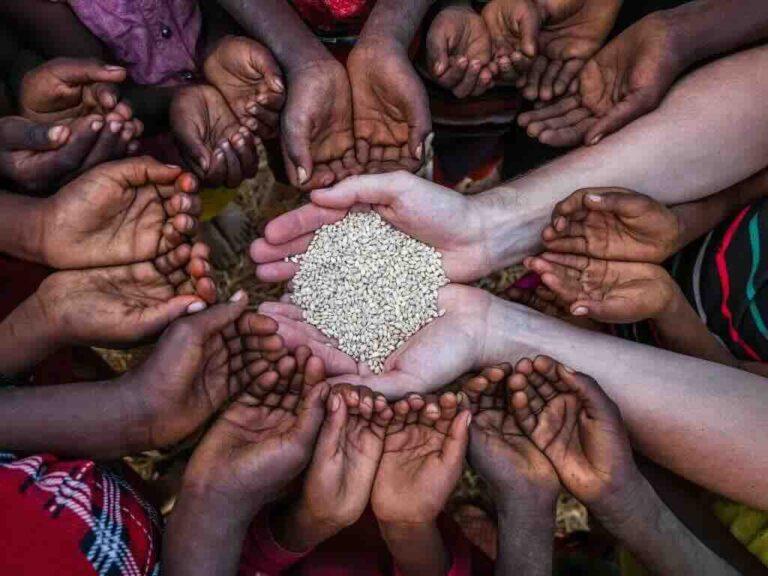
    India celebrates gains in reducing hunger through robust production and welfare schemes, yet the SOFI 2026 report highlights persistent barriers to affordable nutritious diets amid rising global risks.

    The United Nations’ State of Food Security and Nutrition in the World (SOFI) 2026 report brings cautious optimism. Global hunger declined for the third consecutive year in 2025, with an estimated 645 million people – or 7.8 per cent of the world population – facing undernourishment, down from previous years.

    This marks steady recovery from COVID-19 disruptions, but the world remains far from the Sustainable Development Goal of Zero Hunger by 2030. The number of undernourished people is still about 50 million higher than in 2015.

    Regional disparities are stark. Asia, including India, reports hunger affecting around 6 per cent of its population. In contrast, Africa now hosts the largest share of the world’s hungry, with one in five people undernourished and projections indicating it could account for 56 per cent of global hunger by 2030.

    India’s Strong Food Availability Gains

    India stands out for its progress in food security. Sustained high cereal production, efficient procurement, and expansive welfare programmes like the National Food Security Act (NFSA) and Pradhan Mantri Garib Kalyan Anna Yojana (PMGKAY) have significantly improved foodgrain availability.

    As of recent data, PMGKAY provides free foodgrains to around 81 crore beneficiaries, with massive allocations – over 600 lakh tonnes planned for various schemes in 2025-26. Fortified rice distribution continues to address micronutrient deficiencies.

    Record buffer stocks in the central pool (well above norms for rice and wheat) enable effective distribution during crises, festivals, or calamities. These measures have helped shield vulnerable populations, contributing to reduced moderate or severe food insecurity globally, with India playing a key role in Asia’s improvements.

    Experts credit diversification efforts in horticulture, pulses, and oilseeds, alongside farmer producer organisations, for bolstering supply chains.

    The Persistent Challenge: Affordable Healthy Diets

    Despite these gains, the SOFI report underscores a critical gap: healthy diets remain out of reach for millions in India and worldwide. The global cost of a healthy diet rose to 4.28 PPP dollars per person per day in 2025, up significantly from prior years. In India, it stands at 4.11 PPP dollars.

    Nutrient-rich foods – fruits, vegetables, pulses, dairy, and proteins – have seen faster price inflation than staple cereals. Studies indicate that a significant portion of rural poor households cannot afford recommended nutritious diets, with costs consuming a large share of daily wages, especially for women.

    Post-farmgate costs dominate: 70-75 per cent of consumer food prices arise from processing, transport, storage, and wholesale. Weak infrastructure exacerbates losses and drives up prices for perishables.

    This “hidden hunger” or micronutrient deficiency persists alongside the dual burden of undernutrition and rising obesity, demanding a shift from calorie sufficiency to nutritional quality.

    Emerging Global Risks Threaten Momentum

    Geopolitical tensions, notably conflicts in the Middle East, pose fresh threats by inflating energy, fertiliser, and food prices. FAO projections warn of potential increases in hungry populations – up to 10 million more in Asia and 8 million in Africa by 2030 under prolonged crisis scenarios.

    Climate change, extreme weather, and economic volatility further compound risks. Rural areas and women remain disproportionately affected, with 2.1 billion people globally experiencing moderate or severe food insecurity in 2025.

    FAO officials emphasise that gains are fragile, calling for resilient food systems, better funding, and integrated policies addressing production, distribution, and nutrition sensitivity.

    Policy Imperatives for India and the World

    The SOFI 2026 report advocates evolving agricultural policies. India should accelerate focus on fruits, vegetables, legumes, and climate-resilient varieties through R&D, irrigation, seeds, and extension services.

    Strengthening value chains – cold storage, logistics, and efficient markets – is crucial to cut post-harvest losses and costs. Nutrition-sensitive social protection, income support for the poor, and transparent price monitoring can bridge affordability gaps.

    Globally, achieving SDG 2 requires holistic investments across agrifood systems: from farm to fork, including trade facilitation and sustainable practices.

    Alongside, India’s journey illustrates both triumphs and hurdles. Record production and welfare schemes have curbed acute hunger, positioning the nation as a bulwark in Asia. Yet, transforming food security into nutrition security demands urgent action on affordability, diversification, and resilience.

    The FAO report maintains that as global headwinds mount, collaborative efforts between governments, international bodies, and private sectors will determine whether current progress solidifies into lasting victory against hunger and malnutrition.

    NABARD Boosts Rural Heritage: 28 New GI Tags Take Total to 176

    NABARD has secured GI registration for 28 additional traditional Indian products, elevating its total support to 176 GI-tagged items and bolstering rural artisans’ livelihoods through heritage protection and enhanced market access.

    The National Bank for Agriculture and Rural Development (NABARD) has facilitated the Geographical Indication (GI) registration of 28 more traditional products, strengthening legal safeguards for India’s diverse indigenous crafts. This brings NABARD’s cumulative support to 176 successfully GI-tagged products nationwide.

    GI tags, granted under the Geographical Indications of Goods (Registration and Protection) Act, 1999, certify that a product’s unique qualities or reputation stem from its specific geographical origin. This protection prevents imitation, ensures authenticity, and enables producers to command premium prices in domestic and international markets.

    According to NABARD Chairman Dr. Shaji Krishnan V., GI registration acts as a powerful tool for safeguarding traditional knowledge, fostering local entrepreneurship, and delivering economic value to rural producers. NABARD plans to further strengthen GI value chains via producer collectivization, skill development, branding, and export facilitation.

    Diverse New Additions from Across India

    The latest batch spans handicrafts, handloom textiles, bamboo crafts, metalwork, pottery, paintings, and musical instruments from multiple states. Notable examples include:

    • Bihar: Nalanda Bawanbuti Saree and Fabrics, Gaya Pattharkatti Stone Craft.
    • Jharkhand: Kuchai Silk Saree and Fabrics.
    • Assam: Ba Shilp (Bamboo Craft), Bihu Pepa (a traditional musical instrument), along with others like Karbi Anglong Handloom Products and Deuri Handloom Products.
    • Madhya Pradesh: Himachal Wood Carving Craft (noted in reports), Khajuraho Metal Craft.
    • Products from Uttar Pradesh, Gujarat, Jammu & Kashmir, Ladakh, and more.

    These registrations, covering eight states, highlight India’s cultural mosaic – from Assam’s tribal bamboo artistry and Bihu instruments to Bihar’s intricate stone carvings and silk weaves.

    NABARD has supported over 538 GI products in total, with 176 now registered. This aligns with broader government efforts to expand India’s GI portfolio, which stands at over 600 registered tags as of recent counts.

    Impact on Livelihoods and Rural Economy

    NABARD’s GI interventions have connected more than 13,000 artisans and producers to higher-value markets, generating over 50,000 direct employment opportunities through associated value chains and enterprises.

    Fourteen Rural Enterprise Producer Organisations (REPOs) are actively promoting GI products in states including Madhya Pradesh, Uttar Pradesh, Bihar, Jammu & Kashmir, Karnataka, and Gujarat. These collectives help artisans organize, improve quality, and access markets.

    GI tags offer multiple benefits: legal protection against counterfeiting, premium pricing (often 20-30 per cent higher or more), reduced dependence on middlemen, and boosted exports. For rural women artisans, this can translate into financial independence and family support. Studies and reports indicate GI-tagged products enhance cultural preservation while driving sustainable rural development.

    Institutional Support and Infrastructure Development

    NABARD has established GI Facilitation Centres at key institutions like the Entrepreneurship Development Institute of India (EDII) in Ahmedabad, Bihar Agricultural University, and the Madurai Agri Business Incubation Forum (MABIF) in Tamil Nadu. These centres aid in registration, branding, commercialisation, and market development.

    In Karnataka, a dedicated GI Store at Aihole showcases and markets certified products. NABARD is also investing in quality enhancement, digital commerce, and capacity building to help artisans secure better prices and expand reach.

    Post-registration activities, such as authorizing users and renewal support, ensure long-term viability. NABARD has sanctioned projects registering thousands of producers as authorized users, granting them exclusive rights to the GI.

    Broader Context and Future Outlook

    India’s GI ecosystem has grown significantly, from a handful in the early 2000s to over 600 today, encompassing agricultural goods, handicrafts, and manufactured items. NABARD’s efforts contribute to the government’s vision of reaching 10,000 GI tags by 2030.

    Exports of GI products, such as Karnataka’s horticultural produce, Bihar’s Mithila Makhana, and Chhattisgarh’s medicinal items, demonstrate growing global demand. GI tags facilitate international trade by protecting reputations abroad under WTO frameworks.

    Challenges remain, including awareness gaps, supply chain inefficiencies, and ensuring equitable benefit distribution to grassroots artisans. However, NABARD’s holistic approach – combining registration with enterprise support – positions these initiatives for greater impact.

    Dr. Shaji Krishnan V. emphasised that these efforts preserve cultural heritage while making traditional products commercially viable, enhancing global visibility for India’s unique offerings.

    As India celebrates its rich diversity, NABARD’s push for GI registrations not only safeguards centuries-old traditions but also fuels economic empowerment in rural heartlands, turning cultural assets into sustainable livelihoods.

    Nepal’s Recurring Credit Booms: A Pattern of Boom and Bust

    Nepal’s central bank study reveals three credit booms over three decades consistently triggered busts, exposing the risks of unsustainable lending and urging tighter policy coordination for stable growth.

    A new study by Nepal Rastra Bank (NRB) has laid bare a troubling pattern in the Himalayan nation’s economic history: over the past three decades, three major credit booms have each ended in painful downturns, leaving the economy scarred by widened deficits, depleted reserves, and sluggish growth.

    Titled An Anatomy of Nepal’s Credit Boom 1990–2025, the working paper by acting director Birendra Bahadur Budha identifies lending surges in 1994-96, 2008-10, and 2020-22 as classic examples of “bad” credit booms – periods where rapid loan expansion outpaced real economic output, fuelling speculation rather than productive investment.

    The anatomy of a credit boom

    Economists define a credit boom as a period when credit-to-GDP growth exceeds a 20 per cent threshold, often driven by loose monetary policy, financial liberalisation, and fiscal expansion. In Nepal’s case, all three episodes funnelled credit disproportionately into real estate, imports, and stock market speculation, with minimal spillover into manufacturing or other productive sectors.

    Experts like former National Planning Commission vice-chairman Prakash Kumar Shrestha note that while credit growth is vital for development, Nepal’s booms overheated the economy without building lasting capacity. “The credit did not go to manufacturing, leading to a minimal contribution to GDP,” Shrestha observed.

    Santosh Koirala, president of the Nepal Bankers’ Association, echoed concerns about misallocation, particularly after the COVID-19 pandemic, where funds flowed into speculative assets rather than industry.

    First boom: Post-democracy liberalization (1994-96)

    Nepal’s first major credit boom coincided with the euphoria following the 1990 People’s Movement and the shift to multi-party democracy. Sweeping economic liberalization – including the Companies Act, establishment of the Nepal Stock Exchange, and opening to foreign investment – spurred a proliferation of banks and finance companies.

    From just seven institutions in 1991, the number ballooned to 55 by 1996. The central bank cut interest rates sharply, flooding the system with cheap liquidity. Credit growth hit 40.5 per cent in 1994 and 42.1 per cent in 1995, with credit-to-GDP gaps surging. GDP growth, however, peaked at 8.22 per cent before tumbling to 3.47 per cent in 1995.

    The bust was swift: credit slowed dramatically, imports and exports contracted, the current account deficit widened to 8.7 per cent of GDP, and balance of payments slipped into deficit. Foreign exchange reserves fell from covering 7.9 to 5.4 months of imports. The economy entered a recessionary phase that took years to shake off.

    Second boom: Remittances and institutional expansion (2008-10)

    The second boom emerged amid post-conflict recovery and renewed financial sector reforms. The Nepal Rastra Bank Act and Bank and Financial Institutions Act (BAFIA) liberalised licensing, causing the number of financial firms to more than double. Remittance inflows surged, providing abundant liquidity.

    Credit growth reached 26.9 per cent in 2008 and 29.1 per cent in 2009. The Nepal Stock Exchange (NEPSE) index nearly tripled in two years before crashing over 50 per cent. Real GDP growth slowed from 6.5 per cent to 4.53 per cent, followed by a sharp credit contraction and negative credit-to-GDP gaps for three years.

    Asset bubbles in real estate and equities burst, imports slowed, and external balances deteriorated. This cycle underscored how remittance-driven liquidity, without strong regulatory guardrails, amplified systemic risks.

    Third boom: Pandemic-era Stimulus (2020-22)

    The most recent boom was a direct response to the COVID-19 pandemic. Ultra-loose monetary policy, massive refinancing facilities (ballooning from Rs 22 billion to Rs 158 billion), regulatory forbearance, and near-zero interbank rates injected cheap capital. Credit growth jumped to 26.4 per cent in 2021.

    GDP contracted 2.37 per cent in 2020 before partial recovery. The aftermath was severe: credit plummeted to 4.6 per cent growth by 2023, the current account deficit hit a record 12.5 per cent of GDP, and reserves covered just 7.3 months of imports. The government banned luxury imports, and the central bank imposed tight measures.

    Recent analyses confirm credit to the private sector doubled relative to GDP in recent years, far outpacing peers, yet real sector growth remained sluggish, heightening boom-bust risks.

    Common Threads and Consequences

    Across all three booms, patterns repeat: expansionary policies, rapid institutional growth, misdirected credit toward non-tradables (real estate, imports, consumption), asset price inflation, followed by external sector stress and credit crunches. Economic growth fell below historical averages for about three years post-boom.

    Broader research, including on credit-induced cycles, shows such patterns increase leverage, fuel demand in non-productive sectors, and raise vulnerability to shocks.

    Current context and outlook for 2026

    As of mid-2026, Nepal’s economy faces subdued credit growth amid lingering vulnerabilities. Private sector credit expansion remains modest due to weak demand, with non-performing loans (NPLs) rising to around 5.4 per cent. The financial sector stays capitalised but stressed.

    Projections for FY2026 indicate slowed growth around 2.3-2.7 per cent, pressured by domestic unrest, Middle East conflicts affecting remittances and tourism, and external uncertainties. Recovery is anticipated in FY2027, potentially reaching 5 per cent, supported by hydropower and stability.

    The NRB maintains a cautiously accommodative stance with low policy rates, but experts stress the need for better fiscal-monetary coordination, stronger risk-based supervision, and directing credit toward productive sectors like manufacturing and agriculture.

    Rajesh Kumar Agrawal, former president of the Confederation of Nepal Industries (CNI), notes increased caution among borrowers and lenders today, but warns against repeating past policy missteps.

    Policy imperatives for breaking the cycle

    The NRB study serves as a stark reminder. Policymakers must enhance macroprudential tools, such as counter-cyclical buffers, to curb excessive lending. Improving credit allocation through targeted incentives for exports and industry, alongside structural reforms to boost productivity, is essential.

    International lessons, from global financial crises to regional experiences, highlight that unmanaged credit booms rarely end well. For Nepal, a landlocked economy reliant on remittances and imports, building resilience against external shocks while fostering inclusive growth remains paramount.

    The research underscores that sustainable development demands moving beyond boom-bust cycles toward balanced, productive expansion.

    Bangladesh Seeks Three-Year LDC Grace Period to Implement Sweeping Banking and Tax Overhauls

    Success in these reforms could mitigate graduation shocks, sustain growth momentum, and position Bangladesh as a competitive middle-income economy. Failure risks prolonged vulnerabilities in finance and trade.

    Bangladesh has outlined an ambitious reform agenda spanning banking sector cleanup, tax base expansion, and trade diversification as it seeks a three-year extension to smoothly transition out of the United Nations’ Least Developed Country (LDC) category.

    The government’s draft action plan, prepared after consultations with the UN Committee for Development Policy (UNCDP), details 25 priority areas for implementation between 2026 and 2029, contingent on approval of the deferment request until November 2029. A high-level 15-member committee led by the Finance Minister will oversee execution, the government’s draft action plan says.

    Bangladesh met the criteria for LDC graduation comfortably across income, human assets, and economic vulnerability indices years ago. However, the impending loss of preferential market access, particularly duty-free quotas under schemes like the EU’s Everything But Arms (EBA), poses significant risks. Estimates suggest potential annual export revenue losses of up to $17.5 billion post-graduation.

    In February 2026, the government formally requested the extension from the UNCDP. Prime Minister Tarique Rahman personally wrote to the UN Secretary-General for support. The proposal is under discussion at the ECOSOC meeting in New York on July 21-22, 2026, with a likely endorsement expected before final notation by the UN General Assembly in September.

    The UNCDP has indicated a preference for a shorter extension, making Bangladesh’s push for three full years critical for a “smooth transition.”

    Banking Sector Overhaul as Top Priority

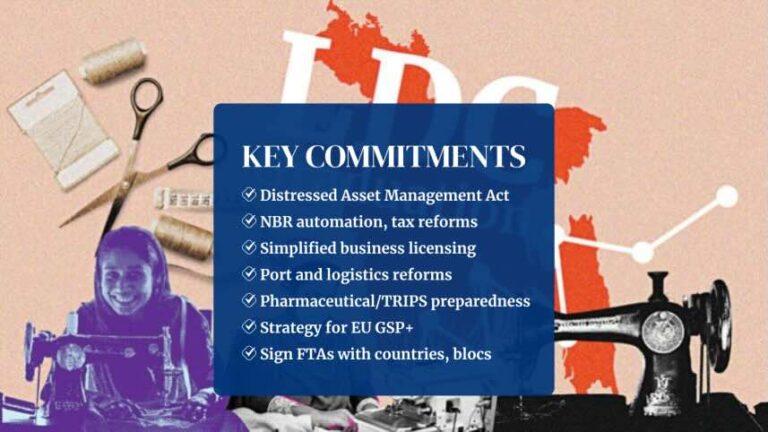
    The banking sector, plagued by high non-performing loans (NPLs), capital shortfalls, and governance issues, stands at the forefront of the reform plan. The government aims to strengthen the Bangladesh Bank’s supervisory powers, finalise the Distressed Asset Management Act, and institutionalise annual health reviews of commercial banks covering asset quality, capital adequacy, liquidity, governance, and stress testing by December 2027.

    Finance Minister Amir Khosru has emphasized the urgency of replenishing capital in banks and the private sector, noting that many banks are “practically bankrupt.” Recent budgets have allocated substantial funds, such as around Tk 40,000 crore in FY2025–26 for recapitalisation, alongside efforts to reduce NPLs and improve loan transparency.

    IMF and World Bank assessments have repeatedly highlighted the need for restructuring, including better risk-based supervision and recovery of laundered funds. The draft plan aligns with these calls, aiming to restore depositor confidence and enable private sector credit growth.

    Tax Reforms to Boost Revenue Mobilisation

    Low tax-to-GDP ratio remains a persistent weakness. The plan targets full automation of the National Board of Revenue (NBR), integration of tax databases with banks and central depositories, reduction of discretionary powers of tax officials, rationalisation of exemptions, and stronger VAT compliance by June 2028.

    Experts and the IMF advocate raising the tax-to-GDP ratio through better compliance rather than rate hikes – potentially reaching 12-15 per cent with digital tools and expanded filing. Reforms separating policy and collection functions at NBR are seen as steps in the right direction.

    These measures are expected to ease fiscal strain amid inflation control needs and debt vulnerabilities flagged by international lenders.

    Trade, Business Climate, and Export Diversification

    A key deliverable is concluding Free Trade Agreements (FTAs) or Comprehensive Economic Partnership Agreements (CEPAs) with priority partners including South Korea, Oman, UAE, Hong Kong, and New Zealand within the extended period. Commerce and foreign ministries will monitor progress.

    To improve the business environment, the government proposes a digital common application platform for licenses, provisional approvals within seven days, elimination of redundant clearances, and full operationalisation of the BanglaBiz one-stop service and National Single Window – most by June 2027.

    Export diversification beyond ready-made garments (RMG) into pharmaceuticals, leather, ICT, agro-processing, jute, and light engineering is prioritised. This includes modernising industries, expanding digital financial services, and establishing a joint government-private sector taskforce.

    Infrastructure, Logistics, and Broader Governance

    Logistics costs are targeted to drop from 15 per cent to 10 per cent through port modernisation, customs reforms, multimodal connectivity, and the National Logistics Policy. Industrial infrastructure upgrades, such as central effluent treatment plants and new parks, are also planned.

    Additional measures cover reliable energy supplies, skills development, environmental and labour compliance, pursuit of EU GSP+, and preparation for the end of WTO intellectual property waivers for pharmaceuticals.

    Public financial management improvements include stricter project screening, real-time monitoring, and digital integration. The plan also emphasises digitising public services, anti-corruption efforts, and transparent institutions.

    Challenges and Path Forward

    Bangladesh’s economy faces headwinds including inflation, weak private investment, and global uncertainties. The reform roadmap aligns fiscal and monetary policies while addressing IMF-identified priorities like subsidy reduction and tax modernisation.

    The draft is indicative and will be refined through stakeholder consultations, sources say. An inter-ministerial monitoring mechanism with monthly reviews will track implementation, supported by international technical assistance.

    Success in these reforms could mitigate graduation shocks, sustain growth momentum, and position Bangladesh as a competitive middle-income economy. Failure risks prolonged vulnerabilities in finance and trade.

    Private Sector Pushes Renewables to Shield Sri Lanka from Fossil Fuel Perils

    Sri Lanka’s private sector is calling for accelerated renewable energy adoption to curb costly fossil fuel imports and mitigate geopolitical risks, as global tensions spotlight the vulnerabilities of oil-dependent power generation.

    Sri Lanka’s private sector is intensifying calls for a faster shift to renewable energy sources amid escalating risks from fossil fuel dependence, particularly as geopolitical tensions in key oil routes like the Strait of Hormuz heighten supply uncertainties.

    The Ceylon Chamber of Commerce recently hosted a high-level dialogue titled “Energy Transition in Sri Lanka: Strategic Insights from Global Markets,” convening government officials, industry leaders, academics, and energy experts. The event, on Monday, underscored the critical role of renewables in meeting surging electricity demand while slashing reliance on imported fuels.

    Participants identified solar power as a top priority for rapid expansion. They emphasised the need for competitive purchase tariffs, efficient procurement mechanisms, and distributed generation models to attract private investment, bolster grid stability, and minimise transmission losses.

    Barriers Slowing Renewable Momentum

    Despite strong potential, several obstacles hinder progress. Policy inconsistency, protracted approval processes, land acquisition difficulties, grid integration challenges, and implementation delays continue to deter investors, participants said. Stakeholders stressed the importance of a stable, predictable policy framework, streamlined regulations, and better inter-agency coordination to rebuild investor confidence.

    Sri Lanka’s energy sector remains heavily exposed to external shocks. Fossil fuels, including coal and oil, still account for a significant portion of electricity generation – around 45 per cent in recent data – leaving the economy vulnerable to global price volatility and supply disruptions. The 2022 economic crisis, marked by severe fuel shortages and power blackouts, served as a stark reminder of these risks.

    Rising tensions in West Asia have further amplified concerns. Disruptions in the Strait of Hormuz could spike oil prices, straining Sri Lanka’s import bill and electricity tariffs. Private sector leaders argue that accelerating renewables is not just an environmental imperative but an economic necessity for energy security.

    Solar, Storage, and Grid Modernization Key to Success

    Solar energy stands out due to Sri Lanka’s abundant resources, with average solar radiation levels supporting large-scale deployment. Rooftop solar and ground-mounted projects have already gained traction, with rooftop installations contributing substantially to capacity. Net metering and feed-in tariffs were highlighted as vital tools enabling commercial and industrial users to generate and sell surplus power back to the grid.

    Energy storage emerged as another priority. Battery systems are essential for managing the intermittency of solar and wind, enhancing grid flexibility and reliability. Global case studies on solar-plus-storage hybrids were discussed, alongside the need for technical standards, financing options, and market structures tailored to Sri Lanka.

    The country has set ambitious targets: achieving 70 per cent renewable electricity generation by 2030 and carbon neutrality by 2050. Current renewable shares in electricity hover around 55-63 per cent in recent years, driven largely by hydropower, with growing contributions from solar and wind. Meeting these goals will require adding several gigawatts of new capacity, including substantial solar and wind projects.

    Economic and Human Capital Dimensions

    The dialogue also addressed broader economic benefits. With demand expected to rise due to digitalisation, electric vehicles, data centers, and industrial growth, modernising infrastructure through smart grids and advanced technologies is crucial for competitiveness.

    Transitioning away from fossils could yield significant savings on imports, freeing resources for development. International support, such as the World Bank’s US$150 million programme for clean energy, aims to mobilise over $800 million in private investment, lowering costs and improving reliability.

    Human capital development is equally vital. Closer industry-academia collaboration, technical training, and building local expertise in renewables and storage technologies were recommended to sustain long-term growth.

    Financing, Reforms, and Private Sector Role

    Access to financing remains a significant hurdle. Participants called for bankable project structures, timely payments to developers, and innovative mechanisms to de-risk investments. Electricity sector reforms, including strengthening the Ceylon Electricity Board’s financial position, are seen as foundational.

    Public-private partnerships (PPPs) for storage, transmission, and large projects could accelerate progress. Past challenges, such as issues with certain international wind projects, underscore the need for transparent, competitive procurement.

    The private sector is already active, with industry groups exploring sustainable options to decouple growth from imported fuels. Initiatives like those supported by the EU and UNIDO target emission reductions in the industrial sector through renewables and efficiency.

    Path Forward for Energy Security

    Achieving Sri Lanka’s renewable ambitions demands coordinated action across policy, regulation, financing, and infrastructure. Streamlined processes, consistent policies, and stronger institutional support will be key to unlocking private investment, stakeholders say.

    Experts note that Sri Lanka’s geography offers immense potential in solar, wind, and hydro. They say that with the right frameworks, the country could not only meet domestic needs but position itself as a regional clean energy hub.

    As global energy markets evolve and climate commitments intensify, Sri Lanka’s private sector is clear: delaying the transition carries unacceptable economic and security risks. Proactive steps today can secure affordable, reliable, and sustainable power for future generations.

    Focus Keyphrase: Sri Lanka renewable energy transition private sector

    Tags: Sri Lanka energy, renewable energy, solar power, fossil fuels, Ceylon Chamber of Commerce, energy security, energy transition, grid modernization, sustainable development, clean energy investment,

    Afghanistan: Three of Every Four Humanitarian Organisations Comply with Taliban Conditions, Says Survey

    A new survey reveals that 75 per cent of humanitarian organisations in Afghanistan are complying with Taliban gender restrictions to sustain operations and retain female staff amid severe funding cuts.

    Humanitarian organisations in Afghanistan are facing an unprecedented squeeze as Taliban-imposed restrictions on women combine with sharp declines in international funding, according to a comprehensive new survey released on July 15, 2026. The findings highlight a deteriorating operating environment where aid groups are increasingly forced to adapt to stringent gender segregation rules simply to keep delivering life-saving assistance to millions in need.

    Conducted by the Gender Coordination Group and the Humanitarian Access Working Group, the survey polled 122 organisations active across all 34 provinces of Afghanistan. Respondents included 102 Afghan NGOs, 14 international NGOs, and six UN agencies. The data paints a stark picture of compromise: while many groups continue efforts to employ women, they do so under conditions that limit female staff mobility and participation.

    Widespread Acceptance of Taliban Conditions

    Seventy-five per cent of the surveyed organisations reported accepting Taliban conditions – including gender segregation, requirements for male guardians (mahram), and restrictions on where women can work – in order to maintain female employment and continue operations. This marks a pragmatic but troubling adaptation to the reality on the ground.

    Forty-five per cent of organisations said they continue to operate fully with mixed-gender teams, but 28 per cent function only partially with such teams, and 14 per cent now rely mostly or entirely on male staff. The most common restriction cited was the mahram requirement, affecting 61 per cent of organisations – an eight-percentage-point increase from the previous survey. Women aid workers now frequently need male escorts for travel that was once independent.

    Nearly half (49 per cent) reported growing anxiety among female staff due to movement restrictions and dress codes. Additional barriers include women being barred from offices in certain provinces (46 per cent), prohibited from field missions (39 per cent), or restricted from community awareness activities (30 per cent). These limitations severely hamper organisations’ ability to reach women and girl beneficiaries, who form a critical portion of those in need.

    Regional Hotspots and Taliban Interference

    Restrictions are most pronounced in specific provinces. Herat led with 36 per cent of organisations reporting access challenges for women, followed by Kabul (31 per cent), Nangarhar (22 per cent), Kandahar (20 per cent), and Kunar (17 per cent). Taliban officials from the Ministry for the Propagation of Virtue and Prevention of Vice have increasingly stopped female staff en route to or from work (28 per cent of cases) and conducted office inspections to enforce compliance (25 per cent).

    Twenty-eight per cent of groups noted new restrictions disrupting project registration and implementation, while 29 per cent experienced interference by local Taliban authorities outside formal coordination channels. Fifteen per cent reported suspensions of women-delivered services in women-only spaces. Administrative hurdles are also rising: 38 per cent face difficulties securing work permits for women, and projects with “women” in the title or employing female staff encounter registration obstacles.

    Funding Crisis Compounds Gender Barriers

    The Taliban’s policies do not exist in isolation. Shrinking donor support has forced painful choices. Fifty-four per cent of organisations laid off Afghan staff due to funding cuts, 46 per cent ended projects, and 44 per cent reduced salaries or could no longer cover extra costs for female staff, such as transportation for mahram accompaniment.

    Eighty-three per cent reported that funding shortfalls have directly impacted staffing, project delivery, or support for women and girls. Women-led organisations have been hit hardest, with only 35 per cent securing new funding since December 2025 – a notable decline. Twelve per cent of groups saw women resign due to restrictions, and 13 per cent laid off female staff explicitly because of them.

    In response, aid agencies have implemented adaptations: 68 per cent established separate workspaces for men and women, 65 per cent provide transportation or financial support for mahram requirements, and 58 per cent limit women to field assignments rather than office roles. The share of women working from home rose slightly to 16 per cent, while more now commute directly to field sites (66 per cent, up from 36 per cent previously).

    Broader Humanitarian and Human Rights Context

    The survey arrives amid a deepening humanitarian crisis in Afghanistan. Approximately 21.9 million people (nearly half the population) require assistance in 2026, exacerbated by economic collapse, returns of displaced Afghans, drought, and recent natural disasters. Taliban decrees since their 2021 takeover have systematically restricted women’s access to education beyond primary levels in many areas, employment with NGOs and UN agencies, and freedom of movement, compounding vulnerabilities for women and girls who make up a significant share of those needing aid.

    International observers, including UN human rights bodies, have described the situation as a “graveyard for human rights,” with discriminatory policies limiting women’s participation in public life, healthcare, and humanitarian response. Calls for the Taliban to reverse these measures and for donors to sustain funding have grown louder, yet the operating space continues to shrink.

    Organisations also rely on community leaders for negotiations (57 per cent), highlighting localised efforts to maintain access despite top-down restrictions. However, the overall trend points to reduced reach: 48 per cent of respondents said restrictions have diminished their ability to assist women and girls.

    Long-Term Implications and Warnings

    Aid leaders warn that the dual pressures of Taliban controls and funding shortages threaten the sustainability of humanitarian efforts. While adaptations allow some continuity, they risk entrenching gender inequalities and limiting the effectiveness of programmes targeting the most vulnerable. Female staff play essential roles in reaching women beneficiaries, particularly in culturally sensitive areas like health, psychosocial support, and education.

    The report underscores the need for sustained international engagement, flexible funding mechanisms that account for additional costs of operating under restrictions, and diplomatic pressure on the Taliban to ease barriers. Without such measures, the ability of humanitarian organisations to support Afghan women and girls – and by extension, broader stability – will erode further.

    As one of the world’s largest humanitarian responses grapples with these challenges, the survey serves as a critical alert: compromise may preserve short-term operations, but long-term solutions require addressing root causes of both access restrictions and funding gaps. Afghanistan’s women and girls, already bearing the brunt of the crisis, stand to lose the most if current trends persist.

    IMF Links $5bn Bailout to Tough Reforms in Bangladesh

    Bangladesh is negotiating a fresh $5 billion IMF package tied to ambitious reforms, including targeted subsidies for the poor only and banking sector overhaul, as it exits its current programme amid economic pressures.

    Bangladesh is actively seeking a new financial assistance programme from the International Monetary Fund (IMF), estimated at around $5 billion, to replace its existing arrangement. The government has decided to exit the ongoing $5.5 billion (or up to $5.7 billion) programme initiated in 2023, opting instead for a fresh three- to four-year deal worth $5-6 billion.

    This move comes against a backdrop of persistent economic challenges, including the fallout from global events such as the Iran conflict disrupting energy supplies and shipping routes, alongside domestic issues like energy shortages and fiscal strains. An IMF delegation has been in discussions with Bangladeshi authorities, signalling readiness to support a new reform-oriented programme.

    Key Reform Priorities

    The IMF has outlined tough conditions for the new package, identifying four immediate reform priorities: rationalising subsidies, restructuring the banking sector, modernising revenue administration, and strengthening governance frameworks.

    A central focus is on subsidy reform. In recent talks, the IMF has strongly recommended that subsidy benefits, particularly for power and energy, should be restricted exclusively to the poor. Currently, subsidies are enjoyed across all socioeconomic classes, leading to significant fiscal waste. The IMF has advised Bangladesh to devise a targeted mechanism where the affluent pay market rates, freeing up resources for vulnerable populations.

    This aligns with longstanding IMF advice. Experts note that poorly targeted subsidies disproportionately benefit higher-income households while straining public finances. Redirecting savings could create fiscal space for better social protection, inflation mitigation, and pro-poor spending.

    Subsidy Rationalisation and Its Implications

    Bangladesh has long provided broad subsidies on fuel, electricity, and fertilisers to shield consumers from price volatility. However, these have contributed to budgetary pressures, especially amid rising global commodity prices and import costs. The IMF’s push for “only poor should get subsidy benefits” aims to improve efficiency and equity.

    Implementation could involve better targeting tools, such as digital identification systems or income-based eligibility, to ensure subsidies reach intended recipients. Past experiences in similar adjustment programmes show that gradual price adjustments for non-poor segments, combined with protections for the vulnerable, can minimise short-term adverse impacts on low-income groups.

    Critics worry about potential short-term pain for ordinary citizens, including higher energy costs that could feed into inflation and affect livelihoods. However, proponents argue that sustainable fiscal health will ultimately support stronger growth and poverty reduction.

    Banking Sector Restructuring

    Another pillar of the reform agenda is overhauling the banking sector, plagued by non-performing loans (NPLs), weak governance, and capital shortfalls. The IMF is expected to demand stricter regulations, improved risk management, and resolution of stressed assets to restore financial stability and boost investor confidence.

    Modernising revenue administration forms a parallel track. Bangladesh needs to enhance tax collection, reduce exemptions, and broaden the tax base to increase revenue as a percentage of GDP. The Fund has previously called for measures like withdrawing various tax exemptions and improving VAT and income tax compliance.

    Economic Context and Challenges

    Bangladesh’s economy has shown resilience through garments exports and remittances but faces headwinds. Foreign exchange reserves have been under pressure, the current account deficit widened at times, and energy shortages have hampered industrial output. The request for a new programme reflects both the limitations of the previous deal and new external shocks.

    Positive aspects include the IMF’s endorsement of a phased approach to reforms, as noted by Bangladeshi officials, allowing gradual implementation rather than shock therapy. This could ease political and social acceptance.

    Successful reforms could unlock additional financing from multilateral partners like the World Bank and help stabilise the macroeconomy, attract foreign direct investment, and support long-term goals such as graduating from Least Developed Country (LDC) status.

    Potential Impacts and Stakeholder Views

    For the poor, targeted subsidies could mean more effective support in areas like food security and basic utilities. Broader reforms in public spending might enhance social safety nets.

    Businesses, especially in energy-intensive sectors, may face higher costs initially but could benefit from a more predictable and efficient economic environment. The banking industry will need to adapt to stricter oversight, potentially leading to consolidation or recapitalisation.

    Civil society and opposition voices often express concerns over austerity measures affecting the masses. The government will need to balance IMF conditionalities with domestic political realities, possibly through compensatory measures like expanded social programmes.

    Economists broadly support the direction, viewing the package as crucial for addressing structural weaknesses exposed in recent years.

    Outlook for Negotiations and Beyond

    Negotiations are ongoing, with expectations that a staff-level agreement could pave the way for formal approval. The new programme’s success will hinge on the government’s commitment to implementation.

    In a volatile global landscape, Bangladesh’s ability to deliver on reforms will determine not just access to this $5 billion lifeline but also its economic trajectory for the coming years. Rationalising subsidies to benefit only the poor, alongside other changes, represents a pivotal shift toward fiscal sustainability and inclusive growth.

    Opposition Storms Lok Sabha on Monsoon Session Opener; Demands Action on NEET Leaks; Ram Temple Donations Scam Amid Youth Protests

    The opposition rocked the Lok Sabha on the opening day of Parliament’s Monsoon Session with fierce protests over NEET paper leaks and Ram Temple donation scandal, as youth-led CJP march clashes with police outside Parliament.

    Chaos engulfed the Lok Sabha on the first day of the Monsoon Session as opposition MPs disrupted proceedings over alleged NEET paper leaks and the Ram Temple donation scam, leading to repeated adjournments and an early end to business. Outside Parliament, thousands of Cockroach Janta Party (CJP) protesters clashed with police while attempting a march, highlighting widespread youth frustration with the education system.

    Disruptions Rock the House

    The session, scheduled from July 20 to August 13, began amid high tensions. As soon as the Lok Sabha convened at 11 am under Speaker Om Birla, opposition members raised slogans, forcing an immediate adjournment till noon during Question Hour. Obituary references for six former MPs were also interrupted, prompting Birla to criticise the precedent.

    Subsequent sittings at 12 noon, 12:30 PM, 1 PM, and 2 PM saw continued protests. Presiding officers, including Jagdambika Pal and Dilip Saikia, appealed for decorum and attempts to take up Zero Hour and Rule 377 matters failed. Parliamentary Affairs Minister Kiren Rijiju noted the inability to function amid disruptions. The House was finally adjourned for the day around 3 PM after six attempts.

    Law Minister Arjun Ram Meghwal managed to introduce a bill replacing an ordinance to increase Supreme Court judges from 34 to 38, including the Chief Justice. However, no substantive debate occurred.

    Opposition parties, led by INDIA bloc constituents, targeted the government on two major issues: persistent NEET irregularities and alleged embezzlement at the Ayodhya Ram Temple. They demanded the resignation of Education Minister Dharmendra Pradhan and a thorough probe into temple donations.

    NEET Crisis and Youth Anger

    The NEET-UG 2026 exam has been marred by leaks, affecting lakhs of aspirants and sparking national outrage. Rahul Gandhi and others have highlighted over 150 paper leaks since 2014, with claims of papers sold for high sums and tragic student suicides.

    The CJP, a youth-led satirical protest movement that gained traction after a controversial remark by the Supreme Court’s Chief Justice, comparing unemployed youth to “cockroaches,” amplified these demands. Protesters, camped at Jantar Mantar for weeks, attempted a “Chalo Sansad” march. Police used batons and tear gas; activist Sonam Wangchuk, on hunger strike, was hospitalised but continued symbolically. CJP founder Abhijeet Dipke faced detention claims.

    Opposition leaders like Mallikarjun Kharge condemned the police response and raised the issues inside Parliament. The protests underscore deeper concerns: repeated exam scandals, unemployment, and perceived lack of accountability in the education sector.

    Ram Temple Donation Row

    The opposition also spotlighted the embezzlement scandal at the Shri Ram Janmabhoomi Teerth Kshetra Trust. Allegations involve theft of cash, gold, and silver offerings worth millions. Eight accused have been arrested, with recoveries reported, and senior trust figures like Champat Rai and Anil Mishra resigned on moral grounds. A Special Investigation Team (SIT) in Uttar Pradesh is probing the case, including job irregularities and CCTV lapses.

    Congress leaders wrote to PM Narendra Modi seeking an independent CBI probe and full disclosure of accounts. The issue has embarrassed the VHP and ruling dispensation, with opposition framing it as a betrayal of devotees’ faith.

    Broader Context and Government Stance

    The disruptions occurred against a backdrop of NDA’s strengthened numbers following recent mergers and seat adjustments. Opposition walked out earlier over invitations to rebel TMC MPs. PM Modi emphasised productive discussions based on facts, praying for a successful session like a good monsoon.

    The government has listed several bills, including Income-Tax amendments, FCRA changes, and others on national honours and education reforms. However, the stormy start to the session raises questions about productivity in the 19-sitting session.

    Analysts note that while opposition leverages public anger on education and faith-related issues, the ruling side aims to push legislative agenda. Youth protests outside signal a growing demand for systemic reforms beyond partisan battles.

    As the session progresses, focus will remain on whether Parliament can address these crises or if disruptions will define the Monsoon Session. The CJP’s momentum and temple probe developments are likely to keep pressure high.

    ADB Sounds Alarm on Surge in Fake Loan Scams Targeting Bangladeshis

    ADB has issued a strong public warning against fraudsters misusing its name and logo to peddle fake loans in Bangladesh, urging citizens to avoid any offers demanding upfront fees or personal data.

    The Asian Development Bank (ADB) has issued a fresh alert to the public in Bangladesh over sophisticated fraudulent schemes that exploit its trusted brand to lure vulnerable individuals with promises of easy loans.

    Fraudsters are creating fake websites, Facebook pages, impersonated staff profiles, and deceptive social media advertisements to trick people into believing they can access ADB-funded personal loans. In reality, these operations are designed to extract “processing fees,” “insurance charges,” or other upfront payments through mobile banking or other channels.

    How the Scams Operate

    According to ADB’s statement, scammers impersonate bank officials and use official-looking materials featuring the ADB logo. They contact potential victims via WhatsApp, phone calls, email, or social media, offering low-interest loans with quick approval. Victims are often directed to fake websites with names like variations of “ADB Bangladesh Loan” or similar domains.

    Once engaged, fraudsters request personal details such as National ID (NID) numbers, bank information, or sensitive data under the pretext of loan processing. They then demand escalating fees – often in small, seemingly manageable amounts – claiming these are necessary for “verification,” “VAT,” “insurance,” or “disbursement.” Payments are typically funneled through mobile financial services, making tracing difficult.

    “Any person claiming to represent ADB and offering loans or financial assistance directly to individuals is acting fraudulently,” the bank emphasised. ADB does not provide direct loans to individuals, nor does it request payments or personal financial information through unofficial channels.

    Context of ADB’s Legitimate Role in Bangladesh

    This warning comes against the backdrop of ADB’s substantial and legitimate development partnership with Bangladesh. Since joining ADB in 1973, the country has received commitments totaling around $35.6 billion in public sector loans, grants, and technical assistance. The current portfolio stands at about $9.5 billion across 57 loans and grants.

    In 2025 alone, ADB doubled its sovereign financing to $2.57 billion, focusing on sustainable infrastructure, energy, transport, urban development, social protection, and banking reforms. Recent approvals include a $400 million loan for climate resilience and multiple projects worth over $1 billion for economic governance and connectivity.

    These funds support government and private-sector initiatives through transparent, competitive processes – never direct individual lending. The bank’s Country Partnership Strategy (extended to 2027) prioritises job creation, private sector growth, and resilience against climate and economic shocks.

    A Growing Threat Amid Economic Pressures

    Bangladesh has seen a proliferation of similar scams involving multilateral organisations. The World Bank has issued parallel warnings about fake loan schemes, and local authorities have arrested fraudsters in related cases involving fabricated international financing promises.

    Economic challenges, including high inflation, energy concerns, and limited access to formal credit for small businesses and individuals, make such scams particularly insidious. Many victims are from lower-income groups, day laborers, or small entrepreneurs desperate for capital. Losses can be devastating, not just financially but also through identity theft and data misuse.

    ADB’s Office of Anticorruption and Integrity (OAI) maintains an updated list of known scam examples, including specific fake websites and contact numbers circulating in Bangladesh. The bank encourages the public to verify any offer through official ADB channels only.

    Advice to the Public and Call for Vigilance

    ADB advises Bangladeshis to:

    • Ignore unsolicited offers claiming ADB loans or assistance.
    • Never share personal or banking details or make payments to unknown parties.
    • Verify information directly on ADB’s official website (adb.org).
    • Report suspicious activities to local law enforcement or relevant authorities.

    The ADB works exclusively with the Government of Bangladesh and established private-sector partners through rigorous due diligence. Any deviation from this signals fraud, the bank has said.

    Broader Implications for Trust and Development

    These scams not only harm individuals but also risk eroding public trust in legitimate international development partners at a time when Bangladesh needs sustained support for its growth ambitions. With a young population and ambitions for upper-middle-income status, access to genuine financing is crucial – but so is protection against exploitation.

    ADB has urged authorities to intensify monitoring of digital platforms and enhance public awareness campaigns.