More

    Peshawar Bakers Threaten Shutdowns Over Stagnant Roti Rates

    Peshawar bakers are threatening to shut down businesses over unsustainable roti rates amid soaring flour, gas, and electricity costs. They are demanding that the government fix a 130-gram roti at Rs. 30 to ensure survival.

    The bakers’ community in Peshawar has issued a stark warning that they may be forced to close their tandoors and bakeries unless the government revises official roti prices to reflect sharply rising production costs. Rahim Safi, Chairman of the Pakhtunkhwa Bakers Association, Peshawar District, has demanded that the price of a standard 130-gram roti be fixed at Rs30, arguing that the current government-approved rates have become economically unviable.

    Safi explains that relentless increases in the prices of gas, electricity, petrol, flour and other operational expenses have pushed many small and medium-sized bakeries into the red. “Selling roti at the existing official rate is no longer sustainable,” he says, noting that the district administration has already been informed of the association’s concerns.

    Unlike in India where the roti is made at home, the Pakistani consumers source their roti from the bakers or nanbais.

    Rising Costs Squeeze Bakery Profits

    According to the association, an 80-kilogram bag of super fine flour now costs Rs. 13,000 while a bag of fine flour stands at Rs. 12,000. A 20-kilogram bag of super fine flour has reached Rs. 3,100. These figures align with recent market surveys showing 20-kilogram flour bags trading around Rs. 2,900 to Rs. 3,000 and 80-kilogram sacks near Rs. 13,000 in Peshawar wholesale and retail markets.

    Safi said the association recently conducted a detailed cost assessment of a typical small bakery. After accounting for flour, fuel, utilities, labour and other overheads, the business was found to be operating at a loss. Larger tandoors with higher fixed costs face even greater pressure. Bakers also endure long hours in front of intensely hot tandoors, especially during the summer, yet many report that reasonable profits remain elusive. “If a baker endures such demanding conditions and still cannot earn a reasonable profit, there is little incentive to keep the business running,” Safi remarked.

    The problem is compounded by inconsistent roti weights currently available in the city – 100 grams, 110 grams and 160 grams – sold at varying unofficial rates. The association has urged authorities to enforce a uniform policy on both weight and price.

    Association Meets Officials, Seeks Uniform Policy

    Last week a delegation from the Pakhtunkhwa Bakers Association met the Deputy Commissioner of Peshawar to present their case. Officials referred the matter to the Rationing Controller and ordered a survey. While the association welcomed the engagement, it remains firm that only a Rs. 30 rate for a 130-gram roti will provide meaningful relief.

    Safi warned that bakers across the city are intensifying pressure on the association leadership. “If the government does not revise the official price in the coming days, bakers will have no option but to shut down their businesses,” he said.

    This latest demand continues a long pattern of friction between Peshawar’s nanbai community and price-control authorities. In previous episodes, bakers have staged strikes or threatened closures over flour shortages and outdated rates. In late 2025, for instance, the administration temporarily allowed an 80-gram roti at Rs. 20 and a 160-gram roti at Rs. 40 after similar protests, effectively doubling the price of a standard roti as an interim measure.

    Government Wheat Release Amid Broader Supply Pressures

    In parallel, the Khyber Pakhtunkhwa Food Department has approved the daily release of 2,000 metric tonnes of government wheat to operational flour mills across the province. The wheat is being supplied at Rs11,200 per 100 kilograms (equivalent to approximately Rs. 4,480 per 40-kilogram maund), distributed according to 2026 Standard Operating Procedures and district-wise population quotas. Mills must install CCTV cameras with at least 30 days of recording capacity; violators face strict legal action.

    The provincial release price is notably higher than Punjab’s rate of around Rs. 3,800 per maund, creating a roughly 18 per cent differential that critics say could encourage cross-border diversion or hoarding. Khyber Pakhtunkhwa produces only about a quarter of its annual wheat requirement and has long depended on supplies from Punjab. Recurrent restrictions or informal barriers on inter-provincial flour movement have repeatedly driven up local prices and fuelled bakers’ grievances.

    At the national level, wheat and flour prices have risen in recent months amid procurement shortfalls in major producing provinces and concerns over overall stocks. The federal government has decided to import one million tonnes of wheat and to release existing PASSCO reserves to the provinces to help stabilise the market. Average wheat prices nationally climbed above Rs. 4,600 per 40 kilograms in early July 2026, with Khyber Pakhtunkhwa recording some of the highest rates.

    Broader Implications for Consumers and the Local Economy

    For ordinary households in Peshawar, roti remains a dietary staple. Any sustained disruption in supply or further unofficial price increases would hit low- and middle-income families hardest. Bakers argue that keeping official rates artificially low while input costs soar simply forces informal weight reductions or quality compromises, ultimately harming consumers as well.

    The baking sector employs thousands of workers across the provincial capital. Prolonged losses risk unemployment and reduced economic activity in neighbourhoods dependent on local tandoors. Association leaders insist they prefer a negotiated, transparent revision of rates rather than abrupt closures that would inconvenience the public.

    Previous rounds of negotiation have shown that district administrations can respond when pressure mounts. The current referral to the Rationing Controller and the ongoing survey offer a window for compromise. Yet bakers emphasise that any solution must be grounded in realistic cost structures rather than outdated notifications.

    As the association waits for the survey results and official response, the clock is ticking. Flour prices remain elevated, utility costs show little sign of easing, and the summer heat continues to make tandoor work especially arduous. The simultaneous provincial wheat-release programme may ease some pressure on millers, but bakers say the benefit will only reach them if official roti rates are adjusted accordingly.

    Rahim Safi and his colleagues maintain that fixing the 130-gram roti at Rs30 is the minimum step needed to restore viability. 

    Focus Keyphrase: Peshawar bakers demand roti price revision

    Tags: Peshawar, bakers, roti prices, flour crisis, Khyber Pakhtunkhwa, tandoor owners, Rahim Safi, Pakhtunkhwa Bakers Association, wheat supply, inflation, food security,
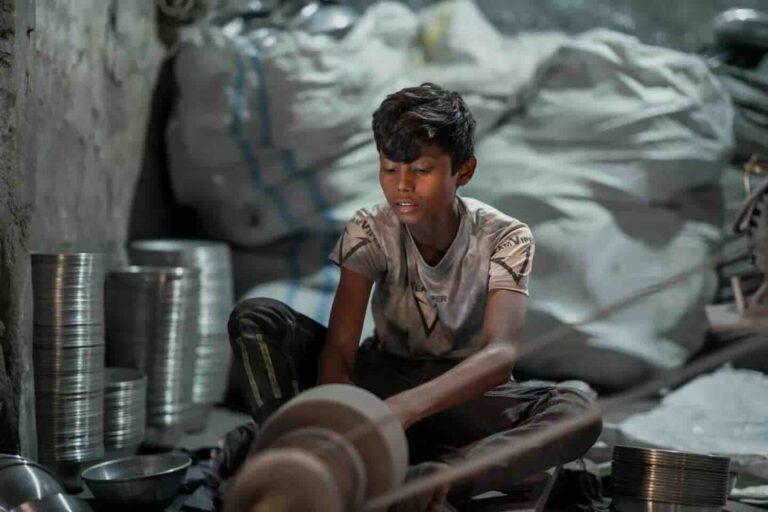
    India Enacts Legal Framework to Ban Forced-Labour Imports Amid US Trade Scrutiny

    India strengthens its trade defences by amending its Foreign Trade Policy to prohibit forced-labour imports, a proactive step amid a broad US Section 301 investigation threatening tariffs on multiple nations.

    India’s Directorate General of Foreign Trade (DGFT), last week, issued a notification amending the Foreign Trade Policy to create a robust legal mechanism prohibiting the import of goods produced, wholly or partly, using forced labour. The notification, which comes into effect 30 days after its publication in the official gazette, marks a significant policy shift as India navigates intensifying international pressures on supply chain ethics and labour standards.

    This move does not impose immediate bans on specific products or countries. Instead, it establishes a framework empowering authorities to investigate and prohibit identified goods through subsequent notifications. By adopting the International Labour Organization’s (ILO) definition of forced labour – work or service extracted under the menace of penalty without voluntary consent – India aligns itself more closely with evolving global trade standards.

    Context of US Section 301 Investigation

    The timing of India’s announcement is noteworthy, coinciding with a US Section 301 investigation encompassing approximately 60 economies, including India. Section 301 of the US Trade Act of 1974 allows the United States to investigate and respond to foreign practices deemed unfair or burdensome to US commerce. In this case, the probe focuses heavily on forced labour risks in global supply chains.

    US authorities have flagged sectors such as cotton, textiles, solar-panel polysilicon, seafood, metals, batteries, and electronics as particularly vulnerable, often linking concerns to regions with documented labour issues, notably China’s Xinjiang province. The investigation has led to proposals for additional tariffs – potentially 12.5 per cent on imports from India and most reviewed countries – while offering somewhat lower rates (around 10 per cent) to nations like the European Union and Pakistan that have already implemented domestic measures against forced-labour imports.

    India’s proactive framework demonstrates a commitment to addressing these concerns domestically, potentially bolstering its negotiating position in ongoing and future trade talks. By signalling compliance and enforcement readiness, New Delhi aims to mitigate risks of punitive measures that could impact its export-driven sectors.

    Expert Perspectives on Implementation

    Ajay Srivastava, a prominent trade expert from the Global Trade Research Initiative (GTRI), described the notification as “a sensible first step.” However, he cautioned that its long-term credibility hinges on effective enforcement. “The real challenge is proving that a product is made with forced labour when production spans multiple countries and opaque supply chains,” Srivastava noted.

    He further highlighted inconsistencies in global application, pointing out that even the US and EU continue to import significant volumes from high-risk sources like China in affected sectors. For India, the emphasis should be on developing credible traceability systems and due-diligence mechanisms. These tools would help safeguard legitimate trade flows while preventing forced-labour rules from morphing into arbitrary non-tariff barriers.

    Broader Global Push Against Forced Labour

    India’s initiative fits into a larger international trend. Major economies are increasingly weaponizing trade policy to combat modern slavery and exploitative labour practices. The US has ramped up enforcement through tools like the Uyghur Forced Labor Prevention Act, which presumes goods from certain regions involve forced labour unless proven otherwise. The European Union has introduced its own due-diligence regulations requiring companies to identify and mitigate human rights risks in supply chains.

    These measures reflect growing consumer, investor, and governmental demand for ethical sourcing. Companies face mounting pressure – and potential legal liabilities – to ensure their supply chains are free from forced labour, child labour, and other violations. For developing economies like India, which relies on labour-intensive exports in textiles, agriculture, and manufacturing, adapting to these standards is both a challenge and an opportunity to enhance competitiveness.

    Potential Impacts on Indian Trade and Industry

    The new framework could have far-reaching implications for Indian importers and exporters. On the import side, it may lead to stricter scrutiny of raw materials and intermediates sourced from countries with weaker labour oversight. Industries such as textiles, apparel, electronics assembly, and food processing – which often involve complex, multi-tiered global supply chains – will need to enhance supplier vetting and documentation practices.

    Exporters, meanwhile, stand to benefit indirectly. Demonstrating robust domestic controls could ease access to premium markets in the US and Europe, where buyers increasingly prioritise ethical certifications. This could prove advantageous in negotiations for free trade agreements or bilateral deals, positioning India as a responsible trading partner compared to competitors with less transparent practices.

    However, implementation challenges abound. Proving forced labour requires sophisticated investigation capabilities, international cooperation, and reliable data on supply chain origins. India will likely need to invest in digital traceability technologies, such as blockchain for provenance tracking, and capacity building within the DGFT and customs authorities. Small and medium enterprises (SMEs), which form the backbone of many export sectors, may require targeted support to comply without undue cost burdens.

    India’s Labour Landscape and Policy Evolution

    India has long maintained strong constitutional and legal protections against forced labour, including Article 23 of the Constitution, which prohibits traffic in human beings and begar (forced labour).

    The Foreign Trade Policy amendment builds on this foundation, extending domestic commitments into the realm of international commerce. It underscores India’s broader strategy of harmonizing trade policy with sustainable development goals, including ILO conventions it has ratified.

    Success will depend on transparent investigation processes, clear evidentiary standards, and periodic reviews to ensure the policy targets genuine violations rather than serving protectionist ends. Else, without stringent enforcement, the notification risks remaining symbolic.

    Strategic Trade Diplomacy

    In the context of evolving global trade dynamics – marked by geopolitical tensions, supply chain resilience efforts post-pandemic, and a shift toward “friend-shoring” – India’s move is strategically timed. It reinforces its image as a reliable alternative manufacturing hub, particularly as companies seek to diversify away from high-risk regions.

    As trade talks with partners like the UK, EU, and others progress, this framework could serve as a bargaining chip, highlighting India’s alignment with shared values on human rights and fair labour practices. It may also encourage similar steps by other emerging economies, fostering a more level playing field in global trade governance.

    Real Test Lies in Execution

    While the notification lays the groundwork, its real test lies in execution. The coming months will reveal how aggressively India pursues investigations and enforces prohibitions. Stakeholders across government, industry, and civil society will watch closely to see if this evolves into a meaningful tool for ethical trade or merely a defensive response to external pressures.

    Image: UNICEF Bangladesh

    Pakistan’s Deadly Strike on Kabul Rehab Centre: A Possible War Crime, Says Amnesty

    Amnesty International demands an independent probe into the March 16 airstrike that killed at least 269 civilians at a well-known drug treatment facility, calling it a blatant violation of international humanitarian law with no evidence of military use.

    Amnesty International has published a new investigation calling for the attack on the Omid rehabilitation centre to be investigated as a possible war crime. The call comes four months after Pakistan air force trageted the Kabul drug rehabilitation centre on March 16, killing at least 269 civilians.

    The airstrike occurred against the backdrop of heightened hostilities between Pakistan and Afghanistan following the Taliban’s return to power in 2021. Tensions escalated dramatically in late 2025 and early 2026, with Pakistan launching “Operation Ghazab Lil Haq” in response to cross-border attacks by groups like the Tehrik-i-Taliban Pakistan (TTP). Pakistani forces conducted multiple airstrikes targeting alleged militant hideouts in Afghan provinces, resulting in significant civilian casualties.

    On March 16, 2026, Pakistani aircraft struck the Omid Rehabilitation and Treatment Centre in Kabul, a sprawling facility on the site of the former NATO Camp Phoenix. Established in 2016 as a vocational training site for substance dependence treatment, it expanded post-2021 into a major 2,000-bed drug rehabilitation complex, complete with medical services from the adjacent Ibn-e-Sina Hospital. Public records, documentaries, and satellite imagery long confirmed its civilian medical role.

    The Attack: Timing and Devastation

    The strikes hit around 9 PM during Ramadan evening tarawih prayers, when over 1,000 patients were present. Precision-guided munitions, including Takbir bombs, devastated key areas: a large north-eastern hangar used for patient housing, kitchen, and dining; north-western structures; and south-western storage for essentials like coal, wood, and clothing.

    Witnesses described horror: “Anywhere I stepped, there was a dead body,” one healthcare worker involved in evacuations recounted. Bodies were mangled beyond recognition; families searched hospitals and mass graves in vain for loved ones. UNAMA verified at least 269 civilians killed and 122 injured, though Taliban figures exceeded 400. Many victims were recovering addicts and staff.

    Satellite imagery from March 13 showed numerous people on site; post-strike images on March 23 revealed heavy burning and destruction without visible craters consistent with secondary ammunition explosions.

    Pakistan’s Claims vs. Evidence

    Pakistani officials, including Information Minister Attaullah Tarar and military spokespeople, asserted the strikes targeted “technical support infrastructure and ammunition storage facilities” linked to Taliban militants and TTP threats. They cited drone footage showing strikes and claimed secondary detonations proved munitions storage. No civilian facilities were targeted, they maintained.

    Amnesty International’s July 2026 investigation – analyzing 60+ photos/videos, 30+ satellite images, and 11 witness interviews – found no evidence supporting these claims. No weapons, ammunition, or secondary blasts were identifiable. Clear signage marked the site as a rehab centre, with extensive public documentation of its operations, including a 2023 Al Jazeera documentary.

    “The attack on the Omid Centre constitutes a serious violation of international humanitarian law – possibly amounting to a war crime,” said Isabelle Lassee, Amnesty’s Acting Regional Director for South Asia. It breached protections for medical facilities under the principles of distinction, precaution, and proportionality. No warning was issued despite the evident civilian risk.

    Human Rights Watch echoed these concerns, labeling the strike unlawful.

    Broader Context: Civilian Toll in Border Conflict

    The Omid strike was part of a pattern. UNAMA documented over 750 civilian casualties in Afghanistan from Pakistani actions between January and March 2026 alone. Further strikes in June killed dozens more civilians in eastern provinces. Taliban responses included retaliatory actions, contributing to a cycle of violence.

    Pakistan says it faces security threats from TTP militants using Afghan territory. Afghanistan accuses Pakistan of aggression; Pakistan demands Kabul curb cross-border terrorism.

    Legal and Humanitarian Implications

    Under international humanitarian law (IHL), medical facilities lose protection only if used for military purposes “harmful to the enemy,” with presumption of civilian status in doubt. Attacks require feasible verification, warnings, and proportionality assessments weighing civilian harm. Amnesty found Pakistan failed these obligations, given the site’s decade-long documented civilian use.

    No independent Pakistani investigation has been detailed publicly. Amnesty contacted Pakistani authorities on July 9 without response by publication. Failure to probe risks normalizing impunity in the conflict.

    Victims’ families demand answers and justice. One relative described uncertainty after failing to identify remains: the family reviewed forensic photos in vain.

    International Response and Calls for Accountability

    The strike drew global condemnation, highlighting risks to civilians in asymmetric border wars. UNAMA and rights groups urged restraint and investigations. As of July 2026, the incident remains a flashpoint, with Amnesty urging transparent probes, prosecutions where evidence warrants (including command responsibility), and adherence to IHL by all parties.

    Breaking the Cycle

    This tragedy underscores the human cost of unresolved Afghanistan-Pakistan tensions. Drug addiction remains a massive issue in Afghanistan, with facilities like Omid vital for rehabilitation amid economic collapse and conflict. Destroying such infrastructure not only kills immediately but undermines long-term recovery.

    Amnesty says that Pakistan must prioritise precise intelligence and civilian safeguards. Afghanistan needs to address militant safe havens credibly. International actors, including the UN, should facilitate dialogue, support independent probes, and aid humanitarian efforts.

    According to Amnesty, the Omid Centre attack is more than a military incident – it is a stark reminder of war’s indiscriminate toll on the vulnerable. Yhe human rights organisation says that without accountability, further unlawful operations and civilian suffering loom and that urgent, impartial investigation is essential to uphold international norms and honour the dead.

    Bangladesh Plans Independent Watchdog for Prison and Detention Rights

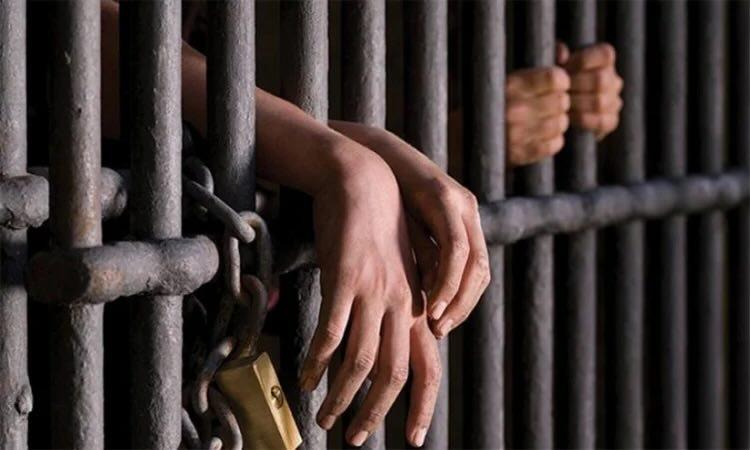
    Bangladesh is moving to establish a dedicated National Preventive Mechanism Division under a strengthened National Human Rights Commission to independently monitor prisons and all places of detention, aiming to curb abuse and uphold international standards against torture.

    The Bangladeshi government is advancing plans for a specialised National Preventive Mechanism Division to oversee human rights conditions in prisons and every facility where personal liberty is restricted. The proposal, detailed in the finalised draft of the National Human Rights Commission (NHRC) law, marks a significant step toward independent monitoring of places of incarceration.

    New Division Under NHRC Leadership

    According to the country’s law ministry documents, the division will operate under the NHRC chairperson, who will lead it. It will also include one NHRC commissioner selected by the commission itself and a human rights expert experienced in the rights of incarcerated people. The body will recruit or co-opt specialists in law, forensic medicine, mental health, gender issues and prison management as members or consultants.

    The division will maintain its own consolidated fund and enjoy broad powers. It will be authorised to visit all prisons, detention centres, juvenile facilities, police stations, immigrant detention centres, mental health institutions, military detention sites, safe homes and any other place where liberty is curtailed. Officials will keep updated lists of these facilities, conduct unannounced inspections, access all related documents and hold confidential interviews with detainees, their families and staff.

    Findings of human rights violations or inhumane treatment will be submitted as briefs to the NHRC with recommendations for action. An annual report will go to the President, documenting cases where recommended measures were ignored. The same report must also be published and sent to the United Nations Subcommittee on Prevention of Torture under the Office of the High Commissioner for Human Rights.

    Law minister Md Asaduzzaman stated on Saturday that the finalised NHRC draft will be placed before the next cabinet meeting for approval before proceeding to Parliament.

    Context of Chronic Overcrowding and Past Abuses

    The initiative comes against a backdrop of severe and long-standing problems in Bangladesh’s prison system. Data from the World Prison Brief show that as of late November 2025 the prison population stood at nearly 79,000 against an official capacity of about 43,000, producing an occupancy rate of roughly 183 per cent. Pre-trial detainees accounted for more than 73 per cent of inmates. Earlier reports in 2026 indicated figures exceeding 82,000 in facilities designed for under 43,000.

    Overcrowding has been linked to inadequate healthcare, poor sanitation, limited medical staff and heightened risks of violence and rights violations. Human rights organisations have repeatedly documented custodial deaths, allegations of torture and the absence of effective independent oversight. Under the previous government, secret detention centres known as “Aynaghar” were used for enforced disappearances and torture; many of these sites were later closed following the 2024 political transition.

    Bangladesh has taken steps toward reform. In July 2025 the interim government approved accession to the Optional Protocol to the Convention against Torture (OPCAT), which requires establishment of an independent National Preventive Mechanism (NPM) precisely for unannounced monitoring of detention facilities. The proposed division is designed to fulfil that obligation. Parallel efforts include plans to expand prison capacity, convert some facilities into industrial and open jails focused on rehabilitation, improve nutrition, digitalise visitation and communication systems, and rebrand the Directorate of Prisons as “Correction Services Bangladesh.”

    International Standards and Reform Trajectory

    The new mechanism aligns with the Paris Principles governing national human rights institutions and the requirements of OPCAT. It strengthens the NHRC’s ability to monitor detention sites independently, a power that earlier versions of the commission largely lacked. International partners such as the International Committee of the Red Cross have supported training and capacity-building aimed at shifting the system from a punitive model toward a correctional and rehabilitative one.

    Human rights advocates have long argued that colonial-era prison laws, weak accountability and political interference left inmates – especially the poor and pre-trial detainees – vulnerable. The draft law’s provisions for confidential interviews, unannounced visits and public reporting to both national authorities and the United Nations are intended to close those gaps.

    Path to Implementation

    Once the cabinet approves the draft, the legislation will move to Parliament. Its success will depend on genuine independence, adequate funding, timely recruitment of qualified experts and political will to act on the division’s recommendations. If effectively implemented, the National Preventive Mechanism Division could become a cornerstone of accountability in Bangladesh’s justice system, helping to prevent torture, reduce overcrowding pressures through better oversight and restore public confidence in the treatment of those deprived of liberty.

    The government says it has framed the measure as part of a broader commitment to human rights after years of criticism. Officials say that whether the new body delivers meaningful change will be judged by its ability to conduct unrestricted inspections, protect detainees who speak out and ensure that documented violations lead to concrete remedial action.

    Bhutan’s Mindfulness Gamble: Can Gelephu City Stem Youth Exodus?

    Amidst its Gross National Happiness ethos, Bhutan’s youth are fleeing for better prospects abroad. Gelephu Mindfulness City emerges as a bold, culturally rooted gamble to reverse the brain drain and forge new economic ties.

    Bhutan, with a population of around 800,000, prides itself on Gross National Happiness (GNH) – a holistic development philosophy prioritising well-being, cultural preservation, environmental stewardship, and good governance over pure GDP growth. Yet, mounting youth unemployment and limited opportunities are driving a significant brain drain, threatening the very social fabric and future sustainability of this carbon-negative pioneer.

    The Paradox of Happiness

    Bhutan regularly features in global narratives as a beacon of contentment, thanks to GNH surveys that assess nine domains including psychological well-being, health, education, and ecological diversity. However, this reputation masks underlying challenges. In the World Happiness Report, Bhutan ranks in the middle tier rather than at the very top. Its small, landlocked economy relies heavily on hydropower, tourism, and agriculture, which provide insufficient modern, high-skill jobs for an increasingly connected and aspirational younger generation.

    Recent data underscores the crisis. Overall unemployment stood at 3.8 per cent in late 2025, but youth unemployment (ages 15-24 or similar cohorts) has hovered between 15 to 20.6 per cent in recent years, with female youth rates even higher at around 26.5 per cent. Emigration has surged, with reports indicating nearly 9 per cent of the population – particularly skilled youth and civil servants – leaving for India, Australia, and beyond in search of education, careers in tech, finance, and creative fields, and higher wages. This outflow accelerates rural aging, strains families, and hollows out public sector capacity.

    Prime Minister Tshering Tobgay has described the migration as an “existential threat,” highlighting how remittances offer short-term relief but fail to build domestic capacity or sustain cultural continuity.

    Roots of the Exodus

    Bhutanese youth today are more globally exposed than previous generations. Limited higher education slots domestically, underemployment, and a policy emphasis on environmental and cultural preservation – which constrains large-scale industrialisation – push many abroad. Structural issues like geography, a tiny domestic market, and infrastructure gaps compound the problem. Traditional fixes, such as vocational training and FDI incentives in tourism and light manufacturing, have yielded modest results but haven’t matched the scale of aspirations.

    The social costs are profound: families lose caregivers and earners, communities depopulate, and the intergenerational transmission of Bhutanese identity weakens. By 2027, Bhutan risks transitioning into an aging society, amplifying concerns about long-term viability.

    Gelephu Mindfulness City: A Unique Bhutanese Solution

    In December 2023, King Jigme Khesar Namgyel Wangchuck unveiled Gelephu Mindfulness City (GMC) during the 116th National Day address. Spanning over 1,000-2,600 sq km in southern Bhutan bordering India (Sarpang District), it is envisioned as a Special Administrative Region (SAR) with autonomous governance, distinct laws, and investor-friendly policies.

    GMC integrates high-tech innovation with Bhutanese values. No concrete jungles or soul-crushing infrastructure: instead, it features sustainable, climate-resilient development, inhabitable bridges linking urban and natural spaces, eco-friendly housing, creative tech zones, education campuses focused on Himalayan and experiential studies, and contemplative public spaces. Businesses must align with GNH metrics – emphasising community well-being, environmental health, and cultural continuity alongside profitability.

    The city aims to create jobs in technology, sustainable industries, tourism, and knowledge sectors while preserving Buddhist-inspired mindfulness. It includes digital nomad provisions, climate data centers, and blended traditional-Western healthcare. Early pilots have shown promise in retaining graduates and spurring startups.

    Progress includes site preparation with royal-led volunteer “Zhabtog” community labor programmes, talent platforms for workforce development, and international endorsements from figures like economists Joseph Stiglitz and Michael Spence. A notable “Bitcoin Development Pledge” commits up to 10,000 BTC from reserves to fund infrastructure transparently.

    Deepening Ties with India

    GMC’s location on an economic corridor connecting South Asia to Southeast Asia via India’s northeastern states positions it strategically. For India, Bhutan remains a vital buffer, hydrological partner, and trusted neighbour. The project is expected to boost cross-border trade, connectivity, and mutual prosperity while reinforcing diplomatic bonds. Bhutanese leadership views it as a way to modernise while strengthening regional integration.

    Challenges and Scepticism

    Critics question scalability in a country prioritising environmental limits. Attracting sufficient FDI without compromising sovereignty or ecology remains a hurdle. Success depends on execution: creating compelling opportunities that resonate emotionally and professionally with youth. Sceptics note that while pilots encourage retention, nationwide impact requires broader reforms under the 13th Five-Year Plan, focusing on private sector growth.

    Youth engagement initiatives, like the Pelsung programme, aim to involve young Bhutanese in GMC’s development, fostering ownership and a renewed sense of nationalism blending tradition with opportunity.

    A Vision for the Future

    Gelephu represents more than urban planning; it is Bhutan’s attempt to redefine success for the 21st century – proving that mindfulness and modernity can coexist. If successful, it could not only stem the exodus but position Bhutan as a model for conscious development globally.

    As King Jigme Khesar has emphasised, GMC seeks to create a vibrant economic hub inspired by Bhutanese identity amid global uncertainties. For a nation of fewer than a million, retaining its youth is not just economic – it is existential. 

    Focus Keyphrase: Gelephu Mindfulness City Bhutan youth exodus

    Tags: Bhutan, Gelephu Mindfulness City, Youth Exodus, Gross National Happiness, King Jigme Khesar, Brain Drain, India Bhutan Relations, Sustainable Development, Special Administrative Region, Himalayan Economy,

    Sri Lanka Turns Plastic Spill Tragedy into Recycling Triumph

    In a landmark environmental victory, Sri Lanka has dispatched the largest stock of marine plastic waste – collected after the MSC ELSA 3 disaster – for recycling, easing the burden on its vulnerable coastlines.

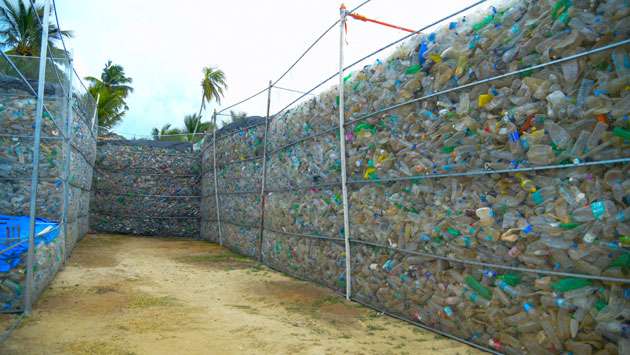
    In late May 2025, the Liberian-flagged container vessel MSC ELSA 3 capsized off the coast of Kerala, India, triggering one of the region’s most significant marine plastic pollution events in recent years. The ship was carrying 643 containers, including 66 laden with plastic nurdles – tiny lentil-sized pellets used as raw material for manufacturing plastic products – along with hazardous chemicals and around 452 metric tonnes of fuel.

    Strong ocean currents quickly carried the spilled nurdles across the maritime border, washing them ashore along Sri Lanka’s northern and western coasts, from Jaffna and the northern islands to Mannar, Puttalam, and even southern beaches near Colombo. What began as a distant shipwreck rapidly evolved into a transboundary environmental emergency affecting fisheries, marine ecosystems, and coastal communities in both India and Sri Lanka.

    Massive Cleanup Operation Underway

    Sri Lanka’s Marine Environment Protection Authority (MEPA), supported by the Tri-Forces and the Sri Lanka Coast Guard, swung into action under the National Oil and Chemical Spill Contingency Plan. Shoreline clean-up operations commenced on June 13, 2025, and continued intensively for over a year.

    Volunteers, local communities, and government teams worked tirelessly to collect not only the fresh nurdles from the MSC ELSA 3 spill but also decades-old accumulated marine plastic debris littering the beaches. The effort yielded the largest quantity of marine plastic waste ever gathered in such a coordinated operation in the island nation.

    In parallel, similar clean-up drives took place along Kerala’s and Tamil Nadu’s coasts in India, where volunteers sieved beaches and collected tonnes of pellets, highlighting the shared regional impact of maritime incidents.

    Milestone: Waste Sent for Recycling

    On July 22, 2026, a significant milestone was achieved. At a special awareness programme held at Sethapola, Puttalam, Deputy Minister of Environment Anton Jayakody announced that the collected plastic waste and nurdles at the Central Waste Storage Facility had been officially cleared for recycling.

    Agreements were exchanged with representatives from MSC Shipping Company, Interocean, Colombo Logistics, and the P&I Club. MSC Lanka (Pvt) Ltd also handed over an interim compensation cheque to MEPA. Crucially, under the agreement with MSC, the shipping company is bearing all costs related to clean-up and waste management, relieving the Sri Lankan government of any financial burden.

    MEPA Chairman Dr. Samantha Gunasekara and General Manager Jagath Gunasekara were present, underscoring institutional commitment to the process. This transfer marks a shift from crisis response to sustainable waste management.

    Environmental and Economic Toll

    Plastic nurdles pose severe threats to marine life. Fish, seabirds, and turtles often mistake them for food, leading to ingestion, internal injuries, and starvation and death. They also act as vectors for toxic chemicals, absorbing pollutants from seawater and entering the food chain.

    In Sri Lanka, the spill devastated coastal livelihoods, particularly for fishing communities in the Gulf of Mannar region. Pellets clogged fishing nets, contaminated catches, and damaged fragile ecosystems like mangroves and coral reefs. Similar impacts were reported in India, where the incident prompted calls for greater accountability from shipping companies and stronger international regulations on plastic cargo transport.

    Studies, including rapid assessments post-incident, documented widespread contamination and highlighted the long-term ecological risks. The event also exposed gaps in maritime safety and emergency response protocols for vessels carrying large volumes of microplastic precursors.

    Government Commitment and Broader Implications

    Deputy Minister Jayakody emphasised the government’s dedication to marine ecosystem protection. “This programme reflects our continued efforts to strengthen marine pollution control,” he stated at the event.

    The successful recycling handover sets a positive precedent for handling future incidents, the minister said, adding that by recycling the waste, Sri Lanka has not only mitigated environmental harm but has also potentially recovered material value, supporting a circular economy approach to plastic pollution.

    The incident has fueled broader discussions on shipping industry responsibility. Civil society groups, including Greenpeace, have demanded stricter oversight, better packaging standards for nurdles, and improved liability frameworks for polluters.

    Challenges and the Road Ahead

    Despite the milestone, challenges remain. Experts say that residual pellets may continue washing ashore for years due to their durability and the dynamics of ocean currents. Ongoing monitoring and community engagement will be essential.

    Experts advocate for enhanced regional cooperation between India and Sri Lanka, given the shared marine environment. Investments in advanced clean-up technologies, better-equipped response teams, and public awareness campaigns could strengthen resilience against similar disasters.

    The MSC ELSA 3 saga also serves as a stark reminder of the global plastic crisis. With billions of tonnes of plastic entering oceans annually, incidents like this amplify the urgent need for international action on single-use plastics, improved waste management, and sustainable alternatives in manufacturing.

    Vedanta Launches 1,000 Nand Ghars in Bihar

    Vedanta, under Anil Agarwal’s vision, enters Bihar with a transformative MoU to convert 1,000 Anganwadis into modern Nand Ghars, promising better nutrition, education, and empowerment for lakhs of children and women in the state.

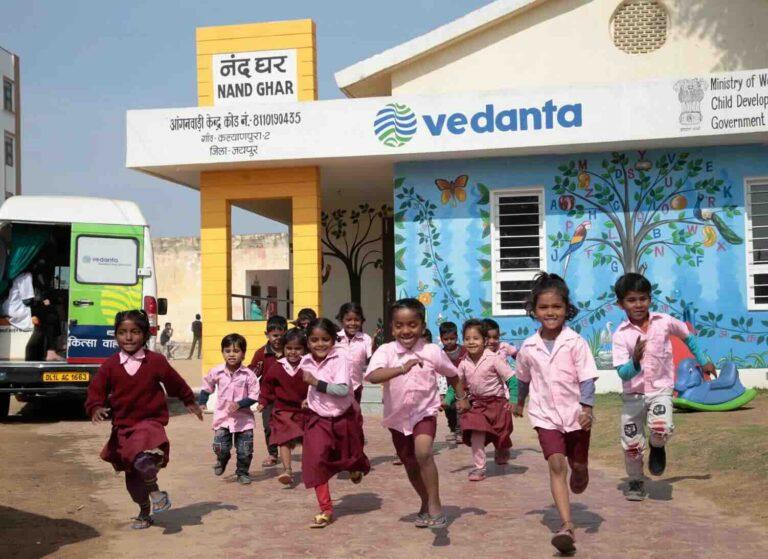
    In a significant milestone for corporate social responsibility in India, Vedanta Group has signed a Memorandum of Understanding (MoU) with the Department of Women and Child Development of the Bihar government, to transform 1,000 existing Anganwadi centres into state-of-the-art Nand Ghars. This initiative, under the Anil Agarwal Foundation, marks Vedanta’s official foray into Bihar and positions the state as the 18th to join the Nand Ghar movement.

    The project is expected to directly impact nearly 1,00,000 children, women, and community members by delivering holistic early childhood development services. Each Nand Ghar will feature smart learning tools, child-friendly infrastructure, clean drinking water, hygienic sanitation, nutrition support, primary healthcare, and spaces for women’s skilling and community engagement.

    Personal Roots, National Impact

    For Vedanta Chairman Anil Agarwal, the expansion into Bihar is profoundly personal. Born and raised in Patna, Agarwal has often spoken about the resilience, values, and community spirit that shaped his journey from humble beginnings in Bihar to building a global natural resources empire. Bringing Nand Ghars to his home state fulfills a long-cherished aspiration to give back and ensure every child receives quality foundational opportunities.

    Speaking at the MoU signing, Agarwal said, “Bihar has always held a special place in my heart… Thousands of children… will now have access to better nutrition, joyful learning and brighter opportunities, while women will find new pathways to become financially independent.” He expressed gratitude to Bihar’s leadership, particularly Chief Minister Samrat Choudhary, for supporting grassroots impact.

    Transforming Anganwadis into Empowerment Hubs

    Nand Ghar, Vedanta’s flagship social impact programme, reimagines traditional Anganwadis – part of India’s Integrated Child Development Services (ICDS) – into modern, technology-enabled centres. These hubs align with national schemes like Saksham Anganwadi and POSHAN 2.0, focusing on nutrition, early education, health, and women’s empowerment.

    Facilities typically include solar power, digital e-learning modules via smart TVs, nutritious meal programmes, telemedicine, and skill development for women. The model addresses critical gaps in rural India, where millions of children under six and women lack access to quality services.

    As of mid-2026, the Nand Ghar movement has established around 13,000–15,000 centres across 17 Indian states, impacting hundreds of thousands of beneficiaries. It stands as one of India’s largest public-private partnerships in the Anganwadi ecosystem, with ambitions to reach millions more under the broader goal of transforming over 13 lakh Anganwadis nationwide.

    Bihar Government’s Commitment

    Dr. Shweta Gupta, Minister of Social Welfare, Government of Bihar, highlighted the partnership’s alignment with state priorities: “The transformation of 1,000 Anganwadi Centres into modern Nand Ghars will significantly strengthen service delivery at the grassroots and create holistic spaces for learning, nutrition, health and community development.”

    Bihar, with its large rural population and focus on improving human development indicators, stands to gain substantially. Challenges like child malnutrition, limited early education access, and women’s economic participation are well-documented in the state. Nand Ghars aim to tackle these through integrated interventions that nurture healthier children and more empowered mothers.

    Broader CSR Vision of Vedanta

    This Bihar initiative fits into Vedanta’s wider CSR framework, which emphasises children’s well-being, women’s empowerment, healthcare, education, water and sanitation (WASH), skilling, and sustainable livelihoods. The group has invested significantly in community development, with Nand Ghar as its cornerstone project under the Anil Agarwal Foundation.

    Vedanta’s efforts have previously reached millions across operational areas and beyond, including mobile health services, skill programmes, and infrastructure support. The company views CSR not merely as compliance but as core to nation-building and inclusive growth.

    A Model for Scalable Change

    The Nand Ghar approach demonstrates the power of public-private collaboration. By upgrading existing government infrastructure rather than building anew, it ensures sustainability and rapid scale. Evaluations of the programme in other states show improvements in attendance, learning outcomes, nutrition metrics, and women’s participation.

    As the project rolls out in Bihar, focus will likely be on training Anganwadi workers, community mobilisation, and monitoring impact through digital tools. Long-term success will depend on continued government partnership, local ownership, and adaptive implementation to address Bihar-specific needs, such as flood-prone areas or migrant communities.

    Experts see such initiatives as vital for achieving Sustainable Development Goals, particularly those related to zero hunger, quality education, gender equality, and reduced inequalities. When an Anganwadi becomes a Nand Ghar, it transcends physical upgrades – it becomes a beacon of hope, fostering intergenerational change in villages across the state.

    With this launch, Vedanta reinforces its commitment to Bihar’s development. Agarwal has previously expressed interest in setting up meaningful businesses in the state, and social initiatives like Nand Ghar lay a strong foundation for holistic progress.

    India: In a First Reaction, PM Modi Vows Swift Action on Paper Leaks as CJP Intensifies Protest

    Prime Minister Narendra Modi promises fast-track courts to punish paper leak culprits, but demonstrating students dismiss the new move as a distraction, firmly demanding Education Minister Dharmendra Pradhan’s immediate resignation.

    In a bid to quell the massive nationwide outrage over the recent spate of examination paper leaks, Prime Minister Narendra Modi has announced the establishment of fast-track courts aimed at ensuring swift and stringent punishment for those involved in exam frauds. However, the government’s assurance has seemingly failed to pacify the thousands of agitating students and members of the Cockroach Janta Party (CJP), who are calling the judicial move a mere “distraction”. For the protesting youth, the core demand remains completely non-negotiable: the immediate resignation of Union Education Minister Dharmendra Pradhan.

    This unprecedented crisis – which has severely shaken the nation’s core education infrastructure – comes in the wake of the highly controversial National Eligibility cum Entrance Test (NEET-UG) and UGC-NET paper leaks. These high-stakes examinations determine the academic futures of millions of young Indians vying for seats in premier medical and higher education institutions. The sheer scale of the alleged irregularities has triggered a massive wave of student-led demonstrations across Delhi and several other states, bringing the capital’s central districts to a standstill.

    PM Modi’s Firm Stance on Exam Integrity

    Breaking his silence on the escalating crisis, Prime Minister Narendra Modi took to the social media platform X (formerly Twitter) to assert that his government will not tolerate any tampering with the futures of the nation’s youth. The Prime Minister’s message was clear and unequivocally stern, promising definitive legal action against the perpetrators operating within the alleged examination mafia.

    “Nothing is more important than the welfare and future of our youth! Those who try to harm the future of our youth will not be spared,” Modi declared in his post. He outlined that the central government has officially decided to set up fast-track courts dedicated entirely to examination fraud. The fundamental goal, according to the Prime Minister, is to guarantee that the judicial process does not languish and that the guilty individuals face swift and stringent punishment.

    Modi also stated that he has directed all concerned authorities and officials to implement necessary steps to curb this systemic menace. “This continues our series of steps for safeguarding the interests of students,” he added. The high-level announcement was widely seen as a concerted effort by the ruling administration to regain the trust of the student community and their anxious parents, who have been deeply disillusioned by the perceived systemic failures of the testing agencies.

    CJP’s Fiery Rebuttal and Satirical Jibes

    The Prime Minister’s promises of sweeping legal reforms, however, were swiftly rejected by the prominent student pressure group, the Cockroach Janta Party (CJP). The internet-sensation-turned-activist group has been spearheading massive demonstrations at New Delhi’s Jantar Mantar for over a month. The group’s leadership summarily dismissed the announcement as fundamentally inadequate, insisting that true accountability must start at the very top of the education ministry.

    CJP founder Abhijeet Dipke launched a scathing and satirical attack in response to PM Modi’s statement. Quote-posting the Prime Minister’s message on X, Dipke shared a photograph of Education Minister Dharmendra Pradhan overlaid with the sarcastic caption: “Hi, I am nothing”. The post was a direct swipe at Modi’s opening line – “Nothing is more important than the welfare and future of our youth!” – suggesting that the government’s steadfast refusal to sack Pradhan heavily contradicts its stated commitment to the students.

    In a subsequent and more detailed statement, Dipke aggressively questioned the Prime Minister’s political priorities and his notable silence on the escalating human toll of the crisis. He pointed out the ongoing 25-day hunger strike by prominent scientist and educationist Sonam Wangchuk, who is currently under medical supervision at Medanta Hospital. “The PM is yet to break his silence. PM Narendra Modi politics is not just about doing election rallies and winning elections. It’s about being accountable and answerable to people,” Dipke stated. He then challenged the Prime Minister directly: “Tell the country why Dharmendra Pradhan is so important to you even after so many deaths of students?”.

    Systemic Failure vs. Band-Aid Solutions

    The agitating protesters strongly argue that the root of the educational problem lies not in the speed of the judicial system, but in the glaring incompetence of the educational administration. CJP spokesperson Ashutosh Ranka issued a detailed press statement dissecting the government’s proposed fast-track courts, ultimately calling the legal measure a “cruel joke” played on millions of vulnerable and hardworking students.

    “The announcement of fast-track courts is not a real solution. It is merely a distraction,” Ranka argued. He emphatically noted that the frequent paper leaks are occurring because the Education Minister has utterly failed to build a secure, foolproof examination mechanism. “The Prime Minister’s proposed solution is like putting a band-aid on a fractured bone. The problem runs much deeper. Our examination system is rotten from within. Unless the systemic failures are addressed, paper leaks will continue to occur,” he elaborated.

    Ranka further noted that the students do not need promises of protracted legal processes; they require immediate justice, which translates to strict administrative action against those at the helm. This fierce sentiment was echoed by another CJP spokesperson, Sourav Das, who publicly laid out the movement’s clear and uncompromising demands. First and foremost is the resignation of Dharmendra Pradhan. Secondly, the group is aggressively demanding a compensation package of 1 crore rupees for the families of students who tragically committed suicide due to the profound distress caused by the NEET paper leak. Finally, they are insisting on the immediate withdrawal of all First Information Reports (FIRs) unnecessarily filed against peaceful protesters, along with a sovereign government guarantee protecting them from future legal harassment.

    A Capital Paralysed by Unrest

    The intense standoff between the central government and the nation’s youth has essentially transformed parts of the national capital into a fortress. The sheer intensity and scale of the protests recently forced the closure of at least 16 Delhi Metro stations for consecutive days due to unspecified “security reasons”. Ordinary commuters have been left stranded, and traffic across central Delhi has regularly crawled to a halt as severe clashes erupted between riot police and demonstrators near Sansad Marg.

    The heavy-handed police response has only poured additional fuel on the fire. Protesters have loudly accused law enforcement of unchecked brutality against students who were merely exercising their democratic right to peaceful assembly. The youth movement has warned that if the government continues to turn a blind eye, the street agitation will swell exponentially. “What happened on the 20th was a trailer. If the Govt doesn’t agree, millions more will come to Delhi because this time we will not hold back and stay silent,” Ranka cautioned, boldly asserting that the youth of the country are prepared to “take them down very badly” if ignored.

    Political Fallout and the Road Ahead

    The ruling Bharatiya Janata Party (BJP) continues to fiercely defend its handling of the educational crisis, with several senior leaders and the Education Minister himself accusing the political opposition of hijacking the students’ genuine grievances for cheap electoral mileage. Opposition leaders, including the Congress’s Rahul Gandhi and Mallikarjun Kharge, have repeatedly raised the contentious issue in Parliament, echoing the students’ demands to sack the Education Minister and radically overhaul the entire examination process.

    Despite the ongoing political mudslinging, the CJP maintains that its grassroots movement cleanly transcends traditional party lines. Appealing for broader societal and political support, student leaders have openly welcomed members from all political factions – including the BJP – to join their ongoing cause if they genuinely care about the country’s vulnerable youth.

    As the government desperately attempts to implement its fast-track courts and salvage the shattered integrity of its examination boards, the students remain resolute on the barricaded streets of Delhi. Students say that it means systemic accountability today. Until Education Minister Dharmendra Pradhan steps down, the protesting youth assert that the government’s grand promises will remain as empty and compromised as the very exam papers that sparked this historic national uprising.

    Pakistan: KP Districts Brace for GLOF Threat Amid Melting Glaciers; Heavy Rains

    Pakistan’s Khyber Pakhtunkhwa province has placed eight northern districts on high alert for Glacial Lake Outburst Floods (GLOFs) as rising temperatures and monsoon rains accelerate glacier melt, threatening lives, infrastructure, and tourism in vulnerable valleys.

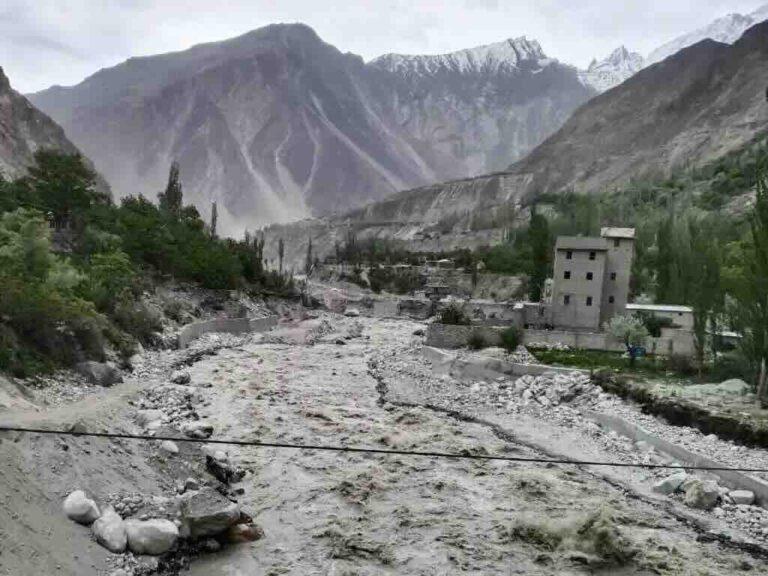
    The Provincial Disaster Management Authority (PDMA) of Khyber Pakhtunkhwa (KP) has issued a high alert for Glacial Lake Outburst Flood (GLOF) risks across eight districts as accelerated glacier melting combines with recent rainfall to heighten the danger of sudden, catastrophic flooding.

    This warning, issued on Wednesday, targets Upper Chitral, Lower Chitral, Upper Dir, Bahrain (Swat), Swat, Upper Kohistan, Lower Kohistan, and Mansehra. These mountainous regions, home to thousands of glaciers and glacial lakes, are particularly susceptible as Pakistan grapples with the intensifying impacts of climate change.

    Understanding the GLOF Threat

    Glacial Lake Outburst Floods occur when natural dams – formed by moraine or ice – holding back glacial lakes suddenly fail, releasing massive volumes of water, debris, and sediment downstream. In Pakistan’s Hindu Kush, Himalayas, and Karakoram ranges, rapid warming has led to the formation of thousands of such lakes.

    According to data from climate adaptation projects, approximately 3,044 glacial lakes exist in Gilgit-Baltistan (GB) and KP combined, with 33 identified as highly prone to hazardous outbursts. In the Hindukush region alone, including Swat, Chitral, and Upper Dir basins, hundreds of lakes have been mapped, with dozens classified as potentially dangerous.

    Experts note that warming trends in the region exceed global averages, causing glaciers to retreat and lakes to expand. This process, exacerbated by heavy monsoon rains, increases hydrostatic pressure on unstable dams, raising the likelihood of breaches.

    Recent Triggers and PDMA Directives

    PDMA says that the current alert stems from soaring temperatures and widespread rainfall forecasts affecting northern Pakistan. PDMA has directed deputy commissioners in the affected districts to monitor vulnerable sites closely, issue timely early warnings, and prepare evacuation plans.

    Specific instructions include ensuring the readiness of rescue personnel, emergency equipment, and relief resources, particularly in Upper and Lower Kohistan, Mansehra, and Swat. District administrations in Chitral, Dir, and other areas have also been told to keep evacuation strategies on standby.

    The authority has strongly advised tourists to avoid camping, trekking, and other outdoor activities in Upper Chitral, Lower Chitral, Upper Dir, Swat, and Kohistan until conditions stabilize. Residents are urged to stay away from fast-flowing rivers, streams, and flood-prone channels while heeding official advisories.

    Historical Context and Broader Vulnerabilities

    Pakistan is one of the most climate-vulnerable countries globally, with its northern regions bearing the brunt of cryospheric changes. Historical records show dozens of destructive GLOFs over the past two centuries, with significant events causing loss of life, destruction of infrastructure, and disruption of livelihoods.

    Initiatives like the UNDP-supported GLOF-II project have worked to strengthen community preparedness, install early warning systems, and build institutional capacity in high-risk areas. Despite progress, challenges remain due to remote terrain, poverty, and the rapid emergence of new glacial lakes.

    In recent years, events in areas like Hunza and Chitral have highlighted the cascading impacts: damaged roads, hydropower facilities, irrigation channels, and homes, alongside risks to agriculture and tourism-dependent economies.

    Impacts on Communities and Economy

    The eight districts on alert are home to diverse communities reliant on agriculture, livestock, and seasonal tourism. A GLOF event could devastate these, leading to flash floods, landslides, and river surges that overwhelm local infrastructure.

    Swat and Chitral, popular tourist destinations known for their scenic valleys and adventure trails, face particular economic risks if visitors are deterred or if access routes are damaged. Kohistan and Dir regions, with their steep terrain and proximity to major river systems, are equally exposed.

    Broader monsoon-related flooding in KP, including recent incidents causing deaths and injuries, underscores the compounding hazards of climate change, heavy rains, and glacial dynamics.

    Preparedness and Long-Term Adaptation

    PDMA’s proactive stance aligns with national efforts to integrate climate adaptation into disaster management. Early warning systems, community training, and risk mapping are critical tools, but sustained investment is needed as glacier melt continues.

    Climate models project increased frequency and intensity of such events unless global emissions are curbed. For Pakistan, this means balancing immediate response with long-term strategies like reforestation, improved infrastructure resilience, and international support for adaptation projects.

    Local authorities are coordinating with the Pakistan Meteorological Department (PMD) for updated forecasts. Residents in low-lying areas near rivers are encouraged to relocate valuables and livestock to safer ground as a precautionary measure.

    Call for Vigilance and Resilience

    As the alert remains active, the message from PDMA is clear: preparedness saves lives. Communities in these rugged landscapes have shown remarkable resilience in the face of recurring hazards, but the accelerating pace of climate change demands heightened awareness and collective action.

    Tourists planning visits to KP’s northern gems have been advised to check official updates and prioritise safety. Residents have been advised to stay informed through local channels and follow directives that will be key in mitigating potential impacts during this high-risk period.

    Dreams Shattered: The Trafficking Pipeline Exploiting Bangladeshi Migrant Workers

    Desperate Bangladeshi jobseekers, lured by promises of lucrative Gulf jobs, are systematically deceived, exploited, and trapped in forced labour through corrupt recruitment networks and the kafala sponsorship system.

    Every year, hundreds of thousands of Bangladeshis migrate abroad in search of better livelihoods, driven by high unemployment, poverty, and the promise of remittances that sustain families back home. The Gulf Cooperation Council (GCC) countries – particularly Saudi Arabia, Oman, Kuwait, and the UAE – serve as primary destinations, with Saudi Arabia alone hosting hundreds of thousands of Bangladeshi workers. Remittances from these migrants contribute significantly to Bangladesh’s economy, often exceeding $20 billion annually.

    However, behind the facade of opportunity lies a sophisticated trafficking network that preys on the vulnerable. Unlicensed brokers and unscrupulous recruitment agencies exploit aspirants with false job offers, inflated fees, and deceptive contracts, leading many into debt bondage and forced labour.

    The Recruitment Trap

    The process typically begins in rural Bangladesh, where middlemen – often called “dalals” – approach young men and women with tales of high-paying jobs in construction, domestic work, or services in the Middle East. Victims are promised salaries far exceeding local wages, free accommodation, and safe working conditions.

    In reality, these brokers charge exorbitant recruitment fees, sometimes equivalent to several months’ or years’ earnings. Many families sell land, take high-interest loans, or borrow from relatives to pay these fees, plunging them into debt. Once paid, the reality diverges sharply: jobs may not exist, contracts are altered, or workers arrive to find entirely different, exploitative roles.

    A Global Fund to End Modern Slavery survey highlighted that over 40 per cent of Bangladeshis heading to the Gulf reported deception by middlemen, with another 24 per cent deceived by employers. Women, often targeted for domestic work, face heightened risks, including lack of written contracts and vulnerability to abuse.

    The Kafala System: Legalized Exploitation

    Upon arrival, many fall under the kafala sponsorship system prevalent in GCC countries. This framework ties a worker’s legal status, residency, and ability to change jobs or leave the country to their employer (kafeel). Passport confiscation, restricted movement, non-payment of wages, and excessive working hours without rest or food are common.

    Human Rights Watch and other organizations have documented cases where domestic workers, predominantly women from Bangladesh, India, Nepal, and elsewhere, endure 18-21 hour days, verbal and physical abuse, sexual harassment, and food deprivation. One Bangladeshi woman recounted being “sold” from the UAE to Oman, forced into gruelling labour for a large family, with her employer demanding repayment for her purchase price.

    Men in construction or service sectors face similar plights: overcrowded, unsanitary living conditions, wage theft, and dangerous work environments. The system’s structure makes escape difficult, as running away renders workers “absconders” subject to arrest and deportation without pay.

    Real Stories of Despair

    Accounts from survivors paint a harrowing picture. Many report being trafficked via transit points like Dubai, where agents reroute them to less-regulated destinations. In Oman, for instance, domestic workers have described being locked up, beaten for seeking help from police, and denied basic rights.

    Broader patterns show South Asian workers, including Bangladeshis, ending up in modern slavery through online slave markets, visa trading, and corrupt networks spanning origin and destination countries. Reports indicate physical abuse, forced prostitution in some cases, and even deaths from unsafe conditions or regional conflicts.

    Bangladesh has suspended or shut down dozens of recruiting agencies following scandals involving abuse in Saudi Arabia and elsewhere. Yet, the demand for cheap labour and the profitability of trafficking sustain the cycle.

    Government Responses and Challenges

    Bangladesh has ratified key international protocols against trafficking and taken steps to regulate recruitment, including promoting ethical agencies and providing pre-departure training. The government has also negotiated bilateral agreements with GCC nations. However, implementation gaps, corruption at local levels, and weak enforcement abroad persist.

    GCC countries have introduced some reforms – such as Saudi Arabia allowing workers to change jobs under certain conditions or Qatar’s partial dismantling of kafala – but critics argue these are insufficient without stronger monitoring and accountability for employers. Many reforms remain poorly enforced, leaving migrants vulnerable.

    International organizations like the ILO, IOM, and NGOs urge stronger protections, debt forgiveness for trafficked workers, and pathways for safe repatriation. Survivor support, legal aid, and awareness campaigns in Bangladesh are crucial to breaking the cycle.

    Broader Impacts and the Human Cost

    The human toll is immense. Families left in debt face poverty and social stigma when loved ones return empty-handed or traumatized. Mental health issues, physical injuries, and lost years compound the suffering. Economically, while remittances boost GDP, the systemic exploitation undermines sustainable development and Bangladesh’s labour export strategy.

    Regional conflicts have added risks, with migrant workers caught in strikes and violence in the Middle East, resulting in injuries and deaths among Bangladeshis.

    Experts emphasise addressing root causes: poverty alleviation, skill development for better local opportunities, and international cooperation to reform migration governance. Without tackling unlicensed brokers and kafala abuses, the trafficking pipeline will continue funnelling desperate jobseekers into exploitation they say, adding that combating this requires multifaceted efforts: Bangladesh must enhance oversight of recruitment; crack down on dalals; and expand safe migration programmes.

    Experts say that there is much that destination countries need to do: they need to dismantle exploitative sponsorship systems fully and hold abusive employers accountable. Global advocacy for migrant rights, transparent recruitment, and victim-centred support can help restore dignity.