More

    Afghanistan Sees Surge in Child Diarrhea Cases Amid Heat and Water Crisis

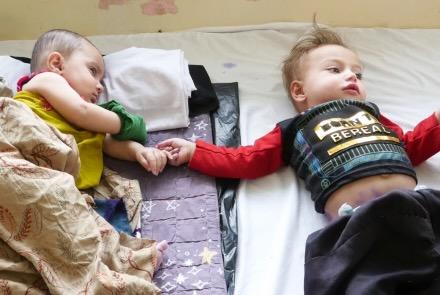
    Over 644,000 Afghan children under five years of age have been treated for acute diarrhea since late 2025 as heat, floods, earthquakes and unsafe water drive a sharp seasonal surge, overwhelming hospitals and raising fears for young lives.

    Afghanistan’s Ministry of Public Health has reported that more than 644,000 children under the age of five received treatment for acute diarrhea between late December 2025 and the end of June 2026. The figure marks a clear rise over the previous year and underscores the heavy toll seasonal diseases continue to exact on the country’s youngest and most vulnerable citizens.

    According to ministry spokesperson Sharafat Zaman Amarkhil, the increase stems from a combination of earthquakes, flood-related displacement, and widespread shortages of safe drinking water and food. “The number of acute diarrhea cases is higher this year than last year,” Amarkhil said. “The reasons include earthquakes, displacement caused by floods, and the lack of safe water and food.”

    Families Struggle as Temperatures Climb

    In Kabul, the human cost is visible daily at the Indira Gandhi Children’s Hospital, the country’s largest pediatric facility. Officials there say between 150 and 200 children with diarrhea arrive every day as temperatures rise. One-year-old Muzamil, the youngest child of Mah Gul, spent five days battling acute diarrhea and vomiting. Treatment was unavailable in their home district of Nijrab, forcing the family to travel to the capital.

    “When the weather became very hot, my child fell ill,” Mah Gul recounted. “I took him to several doctors and got medicine, but it did not help. Because of the diarrhea and vomiting, he became very weak, so I brought him to this hospital, where he was admitted.”

    Nearby, Gol Bibi described a similar ordeal with her daughter. “My daughter has been sick for four days. She developed diarrhea after the weather became hot.”

    Mohammad Arif Hasanzai, head of the hospital’s internal medicine department, explained how staff triage the influx. Patients in good condition receive prescriptions and are sent home. Those with moderate symptoms undergo further checks. Children showing severe dehydration or serious complications are admitted for inpatient care.

    Doctors have issued straightforward advice to parents. Dr. Habib Shah Azimi urged mothers to avoid leftover food, prepare fresh meals, and ensure children drink plenty of fluids in the hot season. Without access to clean water, proper hygiene, and timely medical attention, they warn, a treatable illness can quickly become life-threatening for young children.

    Broader Patterns Across the Country

    The national numbers align with wider surveillance data. UNICEF reported nearly 300,000 cases of acute diarrheal disease in the first months of 2026, even as acute respiratory infections declined. The World Health Organisation recorded 18,232 cases of acute watery diarrhea with dehydration and 14 related deaths in June alone – a 33.6 per cent increase from the previous month. Cumulative figures for the year show Afghanistan accounting for a large share of acute watery diarrhea and cholera-related cases in the Eastern Mediterranean region.

    Acute watery diarrhea remains endemic. Cases typically climb with the onset of summer heat, when contaminated water sources and poor sanitation create ideal conditions for transmission. Earthquakes and floods have compounded the problem by damaging water infrastructure and displacing families into crowded, underserved areas. In eastern provinces hit by seismic activity in late 2025, UNICEF warned that more than 212,000 children faced heightened risk of waterborne disease after wells and latrines were destroyed.

    Malnutrition further elevates the danger. Projections for 2026 estimate that 3.7 million children aged 6 to 59 months will suffer acute malnutrition, with roughly a quarter of them experiencing the severe form. Disease and undernutrition reinforce each other: diarrhea depletes nutrients and fluids, while malnourished children have weaker immune responses and higher mortality risk. Studies based on earlier national surveys have shown diarrhea prevalence among under-fives running as high as 38 per cent in recent years, with the highest rates concentrated among the poorest households and in southern and eastern regions.

    Hospitals Under Pressure and Prevention Gaps

    Indira Gandhi Children’s Hospital has long served as a barometer of pediatric health in Afghanistan. Past summers have produced similar spikes in diarrhea, pneumonia, and other seasonal illnesses. Staff repeatedly cite extreme heat, unsafe food and water, limited hygiene awareness, and poverty as drivers. In earlier heatwaves, daily outpatient numbers climbed into the hundreds, with dozens of children requiring admission.

    Access to care remains uneven. Rural families often travel long distances after local facilities prove unable to manage severe cases. Funding constraints have reduced the reach of mobile health and nutrition teams in some areas, delaying early detection and treatment. At the same time, health workers continue to distribute oral rehydration salts, zinc, and hygiene messaging. UNICEF and partners have trained thousands of community health workers, prepositioned supplies, and reached more than a million people with prevention messages focused on handwashing, safe water storage, and prompt care-seeking.

    Water scarcity itself has become a structural challenge. In Kabul and many provinces, aquifers are declining, wells run dry, and families rely on distant or contaminated sources. Climate-driven drought and heatwaves intensify the pressure. When safe water is scarce, the risk of fecal-oral transmission of pathogens rises sharply. Open defecation, still practiced in many communities, further contaminates the environment.

    Calls for Sustained Action

    Public health officials and doctors emphasise that most childhood diarrhea deaths are preventable with basic measures: clean water, sanitation, handwashing with soap, exclusive breastfeeding in early months, proper weaning practices, and rapid access to oral rehydration therapy. Zinc supplementation and continued feeding during illness also reduce severity and duration.

    Yet the scale of need remains large. Afghanistan’s health system continues to operate under severe constraints, with high disease burdens, limited resources, and recurring natural disasters. The Ministry of Public Health and international partners maintain surveillance and response systems, but sustained investment in water and sanitation infrastructure, nutrition programmes, and primary health services will be essential to reduce the annual summer peak.

    For families like Mah Gul’s, the immediate priority is simple: keeping children hydrated, seeking care early, and protecting them from contaminated food and water. As temperatures remain high and displacement continues, health workers warn that the current caseload of more than 644,000 treated children is unlikely to be the final total for the season. Timely community action and strengthened health services will determine how many more young lives are placed at risk before cooler weather arrives, health workers say.


    Nepal: Officials Charged in Bal Mandir Fund Embezzlement Scandal

    Eight former officials of Nepal’s premier children’s welfare body face charges for allegedly siphoning funds meant for orphans, amid a wider scandal involving massive land lease irregularities that cost the organisation hundreds of millions of rupees.

    The Central Investigation Bureau (CIB) of Nepal Police has filed a case at the Kathmandu District Court against eight individuals for embezzling funds belonging to the Nepal Children’s Organization, popularly known as Bal Mandir. This marks a significant escalation in ongoing probes into irregularities at Bal Mandir.

    Bal Mandir has long stood as a beacon of hope for orphaned and vulnerable children in Nepal. Established decades ago and headquartered in Naxal, Kathmandu, the organisation provides shelter, education, and support to hundreds of children. However, recent developments have cast a dark shadow over its legacy, revealing systemic issues of financial mismanagement and alleged corruption at the highest levels.

    Key Accused and Current Status

    The chargesheet names Asha Shrestha, former chief of the Planning and Scholarship Division; Rajendra Kumar Shrestha, former secretary of the Kathmandu District Working Committee; Om Krishna Karmacharya, former chair of the Lalitpur chapter; Yuri Kumari Rai, former chair of the Bhojpur chapter; Deepak Das Shrestha, former deputy treasurer; Prayagraj Shrestha, former treasurer; Bhagwan Shakya, former chair of the Kathmandu district chapter; and Ram Krishna Chitrakar, former adviser to the Lalitpur chapter.

    Three of the accused – Asha Shrestha, Rajendra Kumar Shrestha, and Om Krishna Karmacharya – are currently in police custody. The remaining five are absconding, prompting authorities to pursue further action. Arrests of the trio are based on recommendations from a High-Level Investigation Committee report from 2020.

    Allegations of Misuse and Double Benefits

    According to the chargesheet, the accused are alleged to have received financial assistance from the organisation in violation of its statutes and existing financial regulations. One individual is specifically accused of claiming double benefits after being elected to public office, highlighting conflicts of interest and breaches of fiduciary duty.

    Funds meant for the maintenance, education, and welfare of children at Bal Mandir were allegedly diverted. This comes on the heels of a separate but related major land fraud case involving the organisation’s prime property in Naxal. Officials allegedly leased land at below-market rates for 79 years, causing an estimated loss of over Rs 603.9 million (approximately $4.5 million). A case against 17 individuals, including former chairperson Rita Singh, remains active.

    Broader Context of the Scandal

    Bal Mandir’s troubles trace back several years. Investigations revealed questionable leasing agreements, such as one with Brihaspati Vidya Sadan at a low monthly rent, which the organisation’s steering committee later canceled. Critics argue that such deals prioritised personal gains over the institution’s charitable mission, depriving children of essential resources.

    The CIB’s involvement underscores the gravity of the matter. Police spokesperson Anupam Shumsher Jabara noted that investigations drew from the 2020 commission findings and ongoing probes into irregular fund withdrawals. Remand extensions have been granted to facilitate deeper scrutiny.

    This case reflects wider challenges in Nepal’s non-profit and charitable sector, where oversight can be lax, and political connections sometimes shield wrongdoers. Bal Mandir, with its historical ties to prominent figures, has not been immune to such influences.

    Impact on Children and Public Trust

    The embezzlement allegations strike at the heart of an organisation dedicated to Nepal’s most vulnerable. Children reliant on Bal Mandir for shelter and schooling may face uncertainties if resources continue to dwindle. Public outrage has grown, with calls for swift justice and systemic reforms to prevent recurrence.

    Experts emphasise the need for transparent governance, regular audits, and stricter enforcement of regulations in child welfare institutions. The scandal has also sparked discussions on accountability for those in leadership roles within NGOs and semi-governmental bodies.

    Legal Proceedings and Potential Outcomes

    The case is being handled under relevant provisions of Nepal’s Penal Code concerning fraud and financial misconduct. Convictions could result in significant prison terms and fines, depending on the scale of losses proven in court. Authorities continue to search for the absconding suspects.

    As the investigation progresses, it may uncover additional irregularities, potentially leading to more charges. The Kathmandu District Court will play a pivotal role in uncovering the organization’s ongoing operations.

    Calls for Reform

    Stakeholders, including child rights advocates, urge the government to strengthen monitoring mechanisms for organisations like Bal Mandir. Proposals include mandatory public disclosures of financials, independent oversight boards, and protections for whistleblowers. Restoring public confidence will require not just prosecutions but tangible improvements in how funds are managed and children are served.

    The Bal Mandir scandal serves as a cautionary tale for Nepal’s civil society sector. While the organisation has helped countless children over the years, these revelations highlight the urgent need for integrity and vigilance to safeguard its noble mission.

    Half of England Plunges into Flash Drought

    Half of England is now in official drought after a record-dry July and successive heatwaves, triggering hosepipe bans for 23 million people, early harvests and rising wildfire risk.

    More than half of England has been declared officially in drought after weeks of near-absent rainfall and successive heatwaves rapidly depleted rivers, reservoirs and soil moisture. The Environment Agency announced on 29 July 2026 that seven regions spanning central, eastern and southern England are now in drought status, affecting roughly half the country’s land area and up to 28 million people.

    The declaration marks England’s third drought in five years (following 2022 and 2025) and the second consecutive summer of drought conditions, despite a wet winter that had initially replenished supplies. Officials describe the situation as a “flash drought” – one that develops with unusual speed when extreme dryness coincides with intense heat.

    Record-Dry July and Rapid Onset

    July 2026 is on course to become England’s driest month on record. National rainfall has reached only about 7 per cent of the long-term average so far, plunging to just 1 per cent across southern England. Some locations in Devon have recorded no rain for more than 50 days, while parts of Hampshire have gone without for 49 days. Wisley in Surrey is among the driest spots in Britain after 43 consecutive dry days.

    This extreme dryness followed a spring that was already drier than average in many areas and three earlier heatwaves. A fourth heatwave is under way, with temperatures repeatedly climbing into the low-to-mid 30s Celsius. The Met Office has confirmed a new UK and England June temperature record of 38.0 °C. The rapid switch from a wet winter to prolonged heat and drought has been termed “climate whiplash” by meteorologists.

    Helen Wakeham, director of water at the Environment Agency and chair of the National Drought Group, said: “The hot and dry weather means we are currently using water faster than nature can replenish it. A second consecutive summer drought is an exceptionally serious situation and one that will have long-lasting impacts on our environment, wildlife and the economy. We want everyone to stay safe and hydrated during the hot weather but every drop we can save is a drop more for nature and agriculture.”

    The Seven Regions Now in Drought

    The areas formally declared in drought are:

    • East Anglia
    • Hertfordshire and the whole of London
    • Thames Valley
    • Hampshire and the Isle of Wight
    • Devon and Cornwall
    • West Midlands
    • Wessex (covering Dorset, Somerset, Wiltshire and south Gloucestershire)

    Around a third of England remains in “prolonged dry weather” status – the stage immediately before drought – including Kent and East Sussex, Cumbria and Lancashire, Greater Manchester, Merseyside and Cheshire, the East Midlands, Lincolnshire and Northamptonshire, and the remainder of Solent and the South Downs. Only Yorkshire and the North East are still classed as normal for the time of year.

    In Wales, North Wales and the Upper Severn river basin entered drought last week. Scotland does not use the same drought classification but monitors water scarcity; some eastern areas are already in the most severe “significant scarcity” category.

    Rivers, Reservoirs and Wildlife Under Strain

    The physical impacts are already visible and measurable. Some 78 per cent of England’s rivers are below normal levels for late July, with about one in six classified as exceptionally low. The River Thames at Reading and the River Cam at Dernford in Cambridgeshire are among those recording their lowest late-July flows on record. Low flows have triggered 1,506 abstraction licence restrictions.

    Reservoir storage across England has fallen to 75.3 per cent of capacity – roughly 7.4 percentage points below the long-term average – with almost half of reservoirs now below normal. Soil moisture has also declined sharply, increasing the risk of further deterioration even if modest rain arrives.

    Wildlife is feeling the pressure. Atlantic salmon struggle to migrate upstream in reduced flows, and freshwater habitats are deteriorating. The Environment Agency has reported 110 wildfires on Sites of Special Scientific Interest so far this year, including incidents in the Peak District. The National Fire Chiefs Council warns that wildfire risk remains elevated across the UK, with more than 200 wildfire incidents recorded in England and Wales in the past fortnight alone.

    Millions Already Under Water Restrictions

    Seven water companies have introduced Temporary Use Bans (hosepipe bans) affecting approximately 23 million customers – around 40 per cent of England’s population. The companies involved are Affinity Water, Anglian Water, Cambridge Water, Southern Water, South East Water, Thames Water and South West Water.

    Under the bans, hosepipes and sprinklers cannot be used for watering gardens, washing cars or filling paddling pools. Watering cans and buckets remain permitted, and exemptions apply for health, disability, animal welfare and certain food crops. No end date has been set; restrictions will stay until supplies recover and demand falls to sustainable levels.

    Farmers Face Early Harvests and Yield Losses

    Agriculture is under acute pressure. Cereal harvests have been brought forward, and yields of oilseed rape, potatoes, onions, carrots and other crops are already reduced in the driest regions. Farm storage reservoirs are declining rapidly, raising concerns about irrigation supplies for the remainder of the year.

    Paul Tompkins, deputy president of the National Farmers’ Union, said farmers are experiencing “climate change in action. More extreme conditions [are] making it harder, riskier and more costly to produce the nation’s food.” Some growers warn that smaller yields and higher production costs could push food prices higher.

    Looking Ahead: Limited Rain and Longer-Term Challenges

    The Met Office forecasts occasional unsettled spells in early August that may bring modest rainfall to some areas, but there is little sign of the widespread, sustained rain needed to reverse the drought. Chief meteorologist Will Lang noted that many areas have received very little or no rain throughout July, extending a period of below-average rainfall that began in spring.

    Water Minister Emma Hardy has acknowledged that “our climate is changing, droughts are becoming increasingly common, and we need to be prepared for this new normal.” The National Drought Group, which includes the Met Office, government departments, regulators, water companies, farmers and conservation groups, continues to coordinate the response, including enhanced environmental monitoring and tighter controls on water abstraction.

    The Environment Agency has stepped up its operational measures and is urging the public to use water wisely. With reservoirs already depleted, rivers running low and a fourth heatwave under way, the flash drought of summer 2026 is testing England’s water resilience more severely than many had anticipated after the wet winter. Officials emphasise that every drop conserved now helps protect both public supplies and the natural environment for the weeks and months ahead.

    Bangladesh’s Islands of Safety: How Cluster Homesteads Keep Char Families Afloat

    In northern Bangladesh’s flood-ravaged chars, families pool resources to raise shared earthen platforms six to seven feet high, creating islands of safety that shelter people, livestock and neighbours through months of inundation.

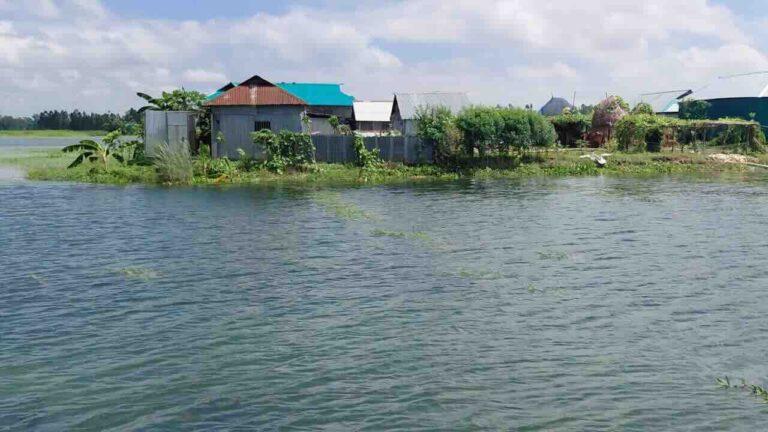
    Every monsoon, the Teesta, Brahmaputra, Dharla and Dudhkumar rivers swell and swallow vast stretches of northern Bangladesh’s char lands. Homes vanish under muddy water, croplands turn into temporary lakes, and roads disappear. Thousands of families are left marooned for weeks, sometimes months. Yet amid the devastation, small clusters of raised earthen platforms rise like miniature islands, offering dry ground, shelter and a measure of dignity.

    These are cluster homesteads – community-built elevated settlements that have quietly transformed survival strategies across Kurigram, Gaibandha and Lalmonirhat. Built six to seven feet above the surrounding land, they house three to seven families each and double as makeshift flood centres for neighbours whose own homes go under.

    A Community Solution Born of Necessity

    Most char dwellers cannot afford to raise land alone. Construction of a single cluster homestead costs between Tk 6 lakh and Tk 10 lakh. So three to seven families pool savings, labour and land – typically 10 to 20 decimals – to create a shared platform. Layers of soil are dumped and compacted, the top finished with clay for durability. Fruit, timber and medicinal trees are planted around the edges, helping stabilise the soil and providing long-term income.

    Rakibul Hasan, executive engineer of the Bangladesh Water Development Board in Kurigram, notes that these platforms are deliberately sited at planned intervals to reduce the risk of riverbank erosion. “Climate change is making floods and riverbank erosion more frequent and intense,” he says. “Cluster homesteads are not just safe shelters during floods but a sustainable, disaster-resilient housing model for people living in Bangladesh’s vulnerable char areas.”

    Some receive limited government or NGO support. Most are financed entirely by the families themselves. Landless and extremely poor households sometimes gain access to government khas land with priority assistance when they apply jointly.

    Life on the Raised Ground

    In Jorgachh village on the banks of the Brahmaputra in Kurigram’s Chilmari upazila, cluster homesteads were almost unknown seven or eight years ago. Today, around 150 of the village’s 200 families live on them.

    Seventy-year-old farmer Nehat Ali remembers the turning point. “Four years ago, five families jointly built a cluster homestead on 18 decimals of land. We raised it about seven feet above the ground at a cost of nearly Tk 9 lakh. Now, even when floodwater surrounds us, our homes remain safe. Families whose houses go under water also bring their cattle and goats here for shelter.”

    Mohor Ali, 65, from the same village, has not yet managed to join a cluster because of financial hardship. Every year he moves his family and livestock to a neighbour’s raised homestead. “It is impossible for a single family to bear the construction cost,” he says. He and three neighbouring families plan to build one together in the coming dry season.

    Further west, in Haripur village on the Teesta in Gaibandha’s Sundarganj upazila, 70 families live across 18 cluster homesteads. The surrounding land typically stays inundated for four to five months. Farmer Jalal Uddin describes the surreal scene: “Water is everywhere, but our cluster homesteads remain dry and safe.” Transportation becomes the main challenge. Residents rely on banana-tree rafts, plastic-drum floats or boats to reach the mainland. Children, the elderly, women and men have all adapted to this watery commute.

    In Dipchar Falimari on the Dharla shoal in Lalmonirhat Sadar, nearly 200 of around 300 families have moved onto cluster platforms. Sixty-year-old Amzad Hossain recalls how difficult life once was. “Now we can stay safely throughout the flood season. Landless families have also built cluster homesteads on government khas land with support from the government and NGOs. We have planted mango, jackfruit, banana and papaya trees around our homes and grow vegetables as well. Families living here share responsibilities and live together in harmony.”

    Beyond Shelter: A Climate Adaptation Model

    Experts increasingly view cluster homesteads as a practical climate adaptation strategy. Ahsanul Kabir Bulu, who works on livelihood programmes in Kurigram’s char areas for an NGO, says the elevated settlements help vulnerable families stay safer while reducing the impact of annual disasters. Lalmonirhat District Relief and Rehabilitation Officer Abdul Matin notes that the platforms function as community-level flood shelters. “If several families jointly apply to build a cluster homestead, they can receive government assistance. Landless and extremely poor households are given priority.”

    Similar approaches have appeared elsewhere. Earlier projects under the Chars Livelihoods Programme raised individual and clustered plinths across multiple northern districts. NGOs such as Friendship have built larger oval-shaped plinth villages designed to minimise water impact, each able to house dozens of families permanently and hundreds more temporarily during emergencies. Inclusive models in Gaibandha have incorporated vegetable gardens, drainage systems and space for persons with disabilities.

    These efforts sit against a backdrop of low overall flood resilience in char communities. A recent household survey in Kurigram’s Ulipur and Chilmari upazilas found an overall Flood Resilience Index of just 0.326, with particularly weak absorptive capacity. Households closer to the mainland fared better, underscoring the isolation and limited services that characterise deeper char areas.

    Challenges That Remain

    Despite their clear benefits, cluster homesteads are not a complete solution. Construction remains expensive relative to local incomes. Many families still cannot join. River erosion continues to threaten even carefully sited platforms. During prolonged inundation, access to markets, schools, healthcare and clean water becomes difficult. Women and children often bear the heaviest burden of restricted mobility and increased household stress.

    Yet the model continues to spread because it is grounded in local knowledge and collective action. Families decide the height, the location and the shared rules of living. They plant trees that both protect the soil and generate income. They open their platforms to neighbours in crisis. In doing so, they convert a landscape of chronic vulnerability into one of mutual support.

    As climate change intensifies the frequency and severity of floods across northern Bangladesh, the quiet success of these earthen islands offers a practical lesson: resilience grows strongest when communities raise the ground together.

    Untreated Disabilities: Afghanistan’s Hidden Health Catastrophe

    In Afghanistan’s remote districts, poverty and collapsed healthcare trap thousands of children with disabilities without treatment, mirroring a nationwide crisis affecting millions amid economic ruin and aid shortfalls.

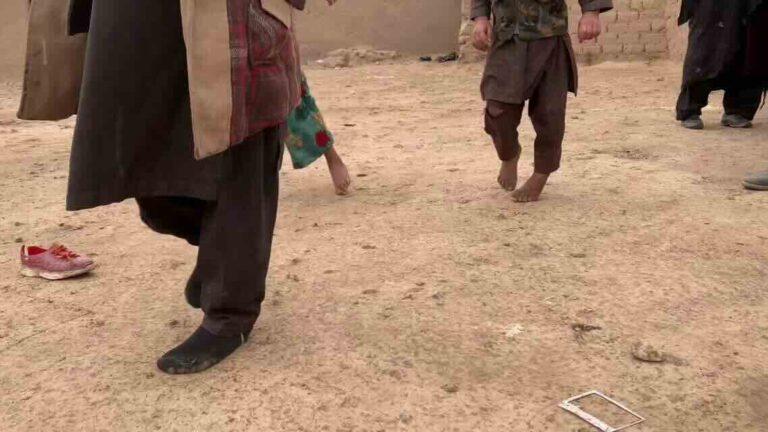
    In the dusty villages of Nad Ali district in southern Helmand province, families like that of Noor Mohammad struggle daily with untreated physical disabilities. All of Mohammad’s children suffer from impairments affecting their arms and legs. Prescriptions gather dust because the family cannot afford treatment or travel to distant specialized centres. “We don’t even have a free government clinic in our area,” he laments.

    Similar stories echo across Afghanistan. Decades of conflict, compounded by the post-2021 economic collapse under Taliban rule, have left the healthcare system teetering. Poverty affects nearly the entire population, with 75 per cent of families unable to meet basic needs. Specialised care for disabilities remains a distant dream for most.

    Afghanistan has one of the world’s highest per capita rates of disability. Estimates suggest at least one in five households includes a member with a serious physical, sensory, intellectual, or psychosocial disability – potentially affecting 1.5 million or more people, with children disproportionately impacted. Conflict-related injuries, poor maternal health, malnutrition, and lack of rehabilitation services drive much of this burden.

    Nationwide Scale: From Helmand to the Hindu Kush

    While Nad Ali highlights rural southern woes, the problem spans all 34 provinces. In northern provinces like Baghlan and Badakhshan, conflict injuries and polio remnants leave survivors without prosthetics or therapy. Eastern areas such as Nangarhar and Kunar see disabilities exacerbated by recurrent natural disasters – flash floods that destroy homes, infrastructure, and access to care.

    Central and western regions, including Kabul, Herat, and Ghor, grapple with urban overcrowding and strained facilities. Funding shortfalls have forced hundreds of health facilities to close or reduce services nationwide. Rehabilitation centres have shuttered at alarming rates – up to 80 per cent in some reports – leaving spinal conditions, limb deformities, and mobility impairments unmanaged.

    Doctors emphasise that many conditions, including certain limb deformities and spinal issues, respond well to timely surgery, rehabilitation, or assistive devices. Yet, high costs, distance, and scarcity of equipped facilities mean families forgo care for years. In Helmand, residents like Shah Bibi describe paralyzed breadwinners unable to work, pushing families deeper into hunger and despair. “Our situation is very bad. We don’t even have enough food to eat,” says another local, Iqlima.

    Women and girls with disabilities face compounded barriers. Cultural stigma, mobility restrictions under Taliban policies, and prioritisation of male family members often sideline them. Maternal health deficits contribute to congenital disabilities, while malnutrition – projected to acutely affect 3.7 million children under five in 2026 – worsens outcomes.

    Economic Collapse and Systemic Failures

    The Taliban’s 2021 takeover triggered a sharp drop in international development aid, devastating the health sector, which relied heavily on foreign funding. Many professionals fled or quit. Public investment remains minimal, with services dependent on humanitarian actors facing their own shortfalls.

    UN estimates indicate 14.4 million Afghans will need health services in 2026. Malnutrition, disease outbreaks, and limited WASH (water, sanitation, hygiene) access compound risks for those with disabilities. Floods in 2026 alone have affected tens of thousands across multiple provinces, destroying shelters and roads, further isolating vulnerable communities.

    Humanitarian responses exist but fall short. Organisations like UNICEF, WHO, and MSF provide targeted aid, yet systemic gaps persist. In Nad Ali and beyond, residents appeal to Taliban authorities and NGOs for local diagnostic, rehabilitation, and treatment centres to reduce travel burdens.

    Recent moves, such as constructing new health centres in Helmand districts including Nad Ali, signal some local efforts, but experts question their adequacy and sustainability without broader support.

    Broader Impacts on Society and Future Generations

    Untreated disabilities perpetuate cycles of poverty and exclusion. Children miss education; adults cannot contribute economically. Stigma remains strong in many communities, viewing disabilities sometimes as divine will rather than addressable conditions.

    Mental health burdens add another layer, with conflict trauma and isolation affecting millions. Limited psychosocial support leaves families overwhelmed.

    Nationwide, the crisis threatens long-term development. With over 20 million on the brink of acute needs, investing in inclusive healthcare is critical. Community-based rehabilitation (CBR) programmes have shown promise in past pilots, even in conflict zones, by delivering services closer to home.

    Calls for Action and Hope Amid Despair

    Afghans with disabilities and their families demand urgent intervention: more local clinics, subsidised treatments, mobile units, and trained personnel. International donors face pressure to balance engagement with principles, while ensuring aid reaches those most in need without politicisation.

    Taliban officials have acknowledged vulnerabilities in disaster responses and health, occasionally coordinating with aid groups. However, restrictions on women in healthcare roles hinder service delivery, particularly for female patients.

    Stories from Nad Ali are not isolated. They represent a country where poverty turns manageable conditions into lifelong hardships. As one resident pleaded, the call is for proximity and affordability – “so patients no longer have to forgo medical care because of cost or distance.”

    Without scaled-up, inclusive responses covering all provinces – from the southern deserts to northern mountains – Afghanistan risks consigning generations to preventable suffering. In the meantime, humanitarian actors, authorities, and global partners try to prioritise disability-inclusive health programming to break the cycle.

    Focus Keyphrase: Untreated disabilities healthcare crisis Afghanistan

    Tags: Afghanistan healthcare, disabilities in Afghanistan, Nad Ali Helmand, poverty and health, Taliban health policy, child disabilities, humanitarian crisis Afghanistan, rehabilitation services, malnutrition Afghanistan, flood impacts health,

    Bangladesh, IOM Launch EU-Backed Climate Mobility Initiative

    Bangladesh and IOM have launched a €1.125 million EU-funded project to strengthen climate migration governance, enhance research, and support resilient mobility solutions for millions facing environmental displacement.

    In a significant step towards addressing one of the most pressing challenges of the twentyfirst century, the Government of Bangladesh and the International Organization for Migration (IOM) have signed an agreement to implement a new European Union-funded project on climate mobility.

    The three-year initiative, valued at €1.125 million, seeks to bolster institutional capacities, advance research on climate-induced migration, and foster regional cooperation. This launch comes at a critical juncture as Bangladesh grapples with escalating environmental threats that are reshaping human settlements and livelihoods across the country.

    Climate Vulnerability: A National Reality

    Bangladesh ranks among the most climate-vulnerable nations globally. Its low-lying deltaic geography, dense population of over 170 million, and reliance on agriculture make it highly susceptible to rising sea levels, cyclones, floods, river erosion, salinity intrusion, and erratic rainfall patterns.

    According to World Bank projections, up to 13.3 million Bangladeshis could become internal climate migrants by 2050, driven by these impacts on agriculture, water resources, and habitable land. Other estimates suggest even higher figures, potentially reaching 19.9 million internal migrants, with coastal regions particularly at risk.

    Disasters have already displaced millions. The Internal Displacement Monitoring Centre reports that natural catastrophes displaced an average of around 110,000 people annually in recent years, with cumulative displacements from 2014-2023 totaling millions of movements. Dhaka alone absorbs approximately 400,000 low-income migrants yearly, many fleeing climate-stressed rural areas.

    These movements strain urban infrastructure, exacerbate poverty, and create complex social dynamics in destination areas. Women and marginalised communities often bear disproportionate burdens, facing heightened risks of exploitation and loss of livelihoods.

    Details of the New EU-IOM Project

    The project, understood to focus on improved migration governance and climate migration engagement, will work closely with government ministries, local authorities, and stakeholders. Key components likely include capacity-building for policymakers, data collection and analysis on mobility patterns, development of adaptive strategies, and promotion of safe, orderly migration as a form of climate resilience.

    It aligns with broader regional efforts, such as initiatives under “A Comprehensive Approach to Climate Mobility in South Asia,” which IOM is advancing with EU support to address cross-border dimensions and shared challenges in the region.

    By enhancing research and evidence-based policymaking, the initiative aims to integrate human mobility into national climate adaptation plans, building on existing frameworks like Bangladesh’s National Strategy on Internal Displacement Management, the Bangladesh Climate Change Strategy and Action Plan, and the Mujib Climate Prosperity Plan.

    IOM’s Role and Global Context

    IOM, the UN’s migration agency, has positioned itself as a leader in climate mobility. Its Institutional Strategy on Migration, Environment and Climate Change (2021–2030) and the subsequent Climate Mobility Road Map emphasise protecting those on the move, facilitating migration as adaptation, and supporting those who wish to stay through resilience-building.

    In Bangladesh, IOM has long collaborated with the government on migration governance, disaster response, and data initiatives like the “Knowledge for All (K4A): Climate Migration in Bangladesh” project, which combined storytelling, statistics, and policymaker training.

    The EU funding underscores growing international recognition of climate migration. The European Union has supported various initiatives linking climate action with human mobility, viewing managed migration as part of sustainable development and resilience strategies in vulnerable regions.

    Impacts on Livelihoods and Society

    Climate change disrupts traditional farming, fishing, and other rural economies. Salinization of arable land in coastal districts like Satkhira, Khulna, and Barisal forces communities to seek alternatives, often leading to seasonal or permanent migration. Cyclones like Amphan and Yaas, along with recurrent flooding, accelerate these trends.

    Urban centers face their own pressures. Rapid influxes contribute to slum growth, unemployment, and service shortages. Yet, migration can also be empowering when supported – offering access to jobs, education, and diversified incomes – if properly managed.

    Experts highlight the need for “migration with dignity.” They say that policies should focus on skills development, safe relocation options, migrant integration in secondary cities, and investments in climate-resilient infrastructure to reduce forced displacement.

    Challenges and Pathways Forward

    Despite progress, gaps remain in data, coordination, and financing. Many displacements are under-reported, and long-term impacts on mental health, cultural heritage, and gender equality require deeper attention. Cross-border migration adds layers of complexity, with potential movements toward India or further afield.

    The new project addresses these by aiming to strengthen evidence for decision-making and regional dialogue. It supports Bangladesh’s advocacy at global forums like COP conferences, where the country pushes for recognition of climate mobility in loss and damage discussions and adaptation finance.

    Broader solutions involve scaling up adaptation measures – mangrove restoration, embankment strengthening, diversified livelihoods, and early warning systems – alongside mobility planning. 

    Towards Resilient Futures

    This EU-IOM initiative represents hope amid crisis: by treating mobility not merely as a symptom of failure but as a potential tool for adaptation, Bangladesh can pioneer approaches that safeguard human rights and dignity while building economic resilience.

    As global temperatures rise, stories of Bangladeshi communities adapting – through planned relocations, skill-building, or community-led resilience – will inform responses worldwide. The project’s success will depend on inclusive implementation, sustained funding, and political will to mainstream climate mobility across development sectors.

    Government officials, IOM representatives, and EU partners have expressed optimism. Abdusattor Esoev, IOM Bangladesh Chief of Mission in previous engagements, has reiterated commitment to collaborative solutions.

    Assam Flood Toll Hits 75 as Waters Recede; CM Announces Aid Package

    Assam’s flood death toll rises to 75 as waters ease across seven districts, leaving over 3.3 lakh people affected; Chief Minister announces enhanced compensation and relief for devastated families.

    The death toll from the ongoing floods in Assam climbed to 75 on Wednesday after seven more people drowned in Sivasagar district, even as the overall situation showed signs of improvement with the number of affected people dropping to 3.32 lakh across seven districts. Officials from the Assam State Disaster Management Authority (ASDMA) confirmed that the fresh fatalities occurred in the Nazira revenue circle of Sivasagar on Tuesday, all due to drowning.

    While the human cost continues to mount, floodwaters have begun receding in several areas, bringing a measure of relief to communities battered by relentless monsoon rains since mid-July. The current wave, described by officials as one of the most severe in recent decades in Upper Assam, has left a trail of destruction across villages, farmlands and infrastructure.

    Seven Districts Still Under Water

    According to the latest ASDMA bulletin, seven districts remain affected: Sivasagar, Charaideo, Golaghat, Jorhat, Nagaon, Sonitpur and Kamrup Metropolitan. Floodwaters have inundated 21 revenue circles and 622 villages, impacting a total of 3,32,639 people. Charaideo continues to be the worst-hit district, with approximately 1.42 lakh residents affected, followed by Sivasagar (97,074) and Jorhat (57,371).

    Just a day earlier, on Monday, six districts had reported 4.45 lakh affected people. The gradual decline reflects falling water levels in most rivers, though the Dhansiri (South) river at Numaligarh in Golaghat district continues to flow above the danger mark, keeping local authorities on alert.

    Agricultural losses remain extensive. Nearly 45,342 hectares of farmland stand submerged, dealing a heavy blow to farmers already struggling with the monsoon season. Damage has also been reported to houses, cattle sheds, schools and anganwadi centres across the affected regions. Livestock losses have been significant in earlier phases of the flooding, with thousands of animals washed away in previous reports.

    Large-Scale Rescue and Relief Operations

    Rescue and relief efforts continue on a war footing. As many as 81 relief camps are currently operational, providing shelter to 32,477 displaced people, while 34 relief distribution centres are supplying essential supplies. Personnel from the Army, Air Force, National Disaster Response Force (NDRF), State Disaster Response Force (SDRF), Fire and Emergency Services, and civil volunteers remain actively engaged in operations.

    To maintain connectivity, authorities have extended the intra-circle roaming facility for telecom services in Sivasagar until 11.59 pm on July 30 or until further orders. Power restoration is progressing steadily as waters recede, with Chief Minister Himanta Biswa Sarma noting incremental improvements in electricity supply to affected households in recent days.

    A central team has been assessing the damage in Upper Assam, focusing on the worst-hit pockets. Health officials have intensified disinfection and fogging drives to prevent outbreaks of waterborne and vector-borne diseases in the aftermath of the deluge.

    Enhanced Compensation and Support for Families

    In a significant announcement, Chief Minister Himanta Biswa Sarma revealed major relaxations and enhancements in financial assistance for flood victims. Speaking in a Facebook Live address and through social media posts, Sarma said the state government has waived the requirement of a post-mortem report for claiming the standard ₹4 lakh ex-gratia. A certificate from the circle officer will now suffice.

    Additionally, families of the deceased will receive an extra ₹5 lakh from the Chief Minister’s Relief Fund, taking the total assistance to ₹9 lakh per victim. For those reported missing, the government will provide ₹9 lakh if bodies are not recovered within a month, again based on a circle officer’s certificate.

    Severely affected families in the four worst-hit districts – Sivasagar, Charaideo, Jorhat and Golaghat – will receive interim assistance of ₹15,000 for immediate household needs. Students in Sivasagar and Charaideo will get support for free uniforms and textbooks, while higher secondary, undergraduate and postgraduate students will receive financial help to purchase books. Special attention is being given to children in relief camps to ensure continuity of learning and play. “Creating a congenial atmosphere for children in relief camps remains our focus,” Sarma posted, sharing images of youngsters engaged in educational activities.

    Broader Context of the 2026 Monsoon Crisis

    The current flooding forms part of a prolonged monsoon crisis that began intensifying in late June and early July. Earlier waves had affected districts including Dhemaji, where the first flood-related death of the season was reported, and caused partial collapses of railway bridges and severe erosion along tributaries feeding the Brahmaputra. At its peak, the number of affected people crossed seven lakh in some bulletins, with hundreds of villages submerged and tens of thousands seeking shelter in relief camps.

    Exceptionally heavy rainfall – reported in some areas as 400 per cent above normal – in Assam and neighbouring Nagaland triggered rapid rises in river levels. Upper Assam districts bore the brunt as hill streams and tributaries overflowed. Officials and experts have pointed to a combination of intense rainfall, upstream factors and the vulnerability of embankments as contributing elements to the severity.

    Prime Minister Narendra Modi has reviewed the situation with Assam’s leadership, while Union Home Minister Amit Shah earlier assured full central support during the initial phase of the crisis. The Assam Assembly has also prioritised flood relief, with discussions on early conclusion of sessions to focus on recovery measures.

    Path to Recovery

    As waters continue to recede in most areas, the administration is shifting focus toward rehabilitation, public health measures and restoring essential services. Damage assessments by state and central teams will guide further assistance packages. For thousands of families who have lost homes, crops and livelihoods, the coming weeks will be critical in rebuilding lives disrupted by one of the most intense flood seasons in recent memory.

    Authorities urge residents in low-lying areas to remain vigilant as residual water levels and potential further rainfall could pose renewed risks. The coordinated efforts of multiple agencies and the expanded relief measures announced by the state government aim to provide immediate succour while longer-term recovery plans take shape across Assam’s flood-ravaged districts.

    Russia Offers Rupee Route to Unlock Bangladesh Payments and Trade

    Russia proposes Indian rupee settlements, a dedicated payment system and a bank branch in Dhaka to clear Rooppur loan hurdles and expand trade amid lingering US sanctions on its banks.

    Russia has formally proposed settling bilateral trade with Bangladesh in Indian rupees, creating dedicated payment infrastructure and opening a Russian bank branch in Dhaka. The move aims to bypass transaction barriers created by US sanctions on Russian banks and unlock long-stuck loan repayments for the Rooppur Nuclear Power Plant.

    Officials at the Economic Relations Division (ERD) confirmed the proposals will feature prominently at the next meeting of the Bangladesh-Russia Intergovernmental Commission on Trade, Economic, Scientific and Technical Cooperation, expected in September or October. A preparatory meeting was scheduled to finalise Bangladesh’s agenda.

    Sanctions Disrupt Conventional Channels

    Western sanctions imposed after the Russia-Ukraine war severed many conventional banking links. Major Russian banks lost access to the SWIFT messaging system, making dollar transfers for trade and debt service extremely difficult. Bangladesh has been unable to remit loan installments for the Russian-financed Rooppur project through normal channels.

    Russia earlier suggested repayment in Chinese yuan. Banks in both China and Bangladesh declined, citing fears of secondary US sanctions exposure. As an interim step, Bangladesh has been depositing installments into a Russian account at state-owned Sonali Bank. The funds remain trapped there; they cannot be transferred onward to Russian institutions.

    Russia’s latest proposal draws on the existing India-Russia practice of settling a portion of bilateral trade in Indian rupees even without a formal currency-swap agreement. Bangladesh already settles some trade with India in rupees alongside dollars and other currencies. Moscow sees the rupee as a practical, less politically charged alternative that could restore cash flow without relying on the dollar-dominated system.

    The idea is not entirely new. Russia floated a similar package during the previous Awami League government. Progress stalled after Bangladesh Bank sought guidance from the Ministry of Foreign Affairs. The current government is now reviewing the revived offer.

    Rooppur Loan at the Centre of the Impasse

    The Rooppur Nuclear Power Plant remains the largest and most visible element of the payment problem. The $12.65 billion project, located on the Padma River in Pabna district about 160 km northwest of Dhaka, is 90 per cent financed by a Russian intergovernmental loan. The two VVER-1200 reactors will deliver a combined 2,400 MW once both units are fully operational – meeting a significant share of Bangladesh’s electricity demand and reducing reliance on imported fossil fuels.

    Construction began in 2017. Fuel loading at Unit 1 started on 28 April 2026 and was completed in the following weeks. Project officials and Rosatom have indicated that the unit is moving toward first criticality and initial power generation. Targets discussed in mid-2026 included supplying around 300 MW by late August and scaling toward full capacity of the first unit later, with the overall project aiming for completion in the 2027–28 window. Unit 2 is expected to follow on a staggered schedule.

    Despite physical progress, financial friction has persisted. Bangladesh deposited hundreds of millions of dollars into escrow arrangements, including the Sonali Bank account. At various points the backlog of interest, commitment fees and principal has exceeded $800 million to $1 billion. Russia previously agreed to ease terms: waiving a $164 million late-payment fine on an earlier feasibility-study loan, extending the main $11.38 billion facility, and postponing the start of principal repayment to September 2028. Tax exemptions on repayments to Rosatom’s Atomstroyexport subsidiary were also granted as a special measure.

    Even with these concessions, the absence of a workable transfer mechanism has left money sitting idle in Bangladesh while Russian counterparties wait. Bangladesh had suggested that Russia invest the accumulated funds inside the country; Moscow declined.

    Broader Trade and Investment Ambitions

    Beyond Rooppur, Russia is pushing for wider commercial ties. It has proposed establishing a Russia-Bangladesh Business Council, compiling a registry of reliable Bangladeshi textile suppliers for Russian importers, strengthening small- and medium-enterprise links, and assisting Bangladesh in developing special economic zones.

    Trade figures illustrate the potential and the current shortfall. Before the Ukraine conflict, Bangladesh’s annual exports to Russia exceeded $500 million. In the July–May period of the current fiscal year they stood at only $245 million, according to Export Promotion Bureau data. Bangladesh continues to import Russian fertiliser, wheat and other commodities.

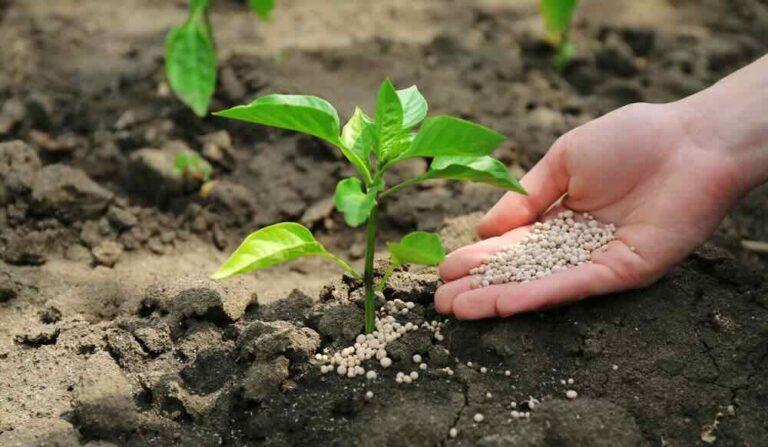
    In a parallel meeting, a Russian delegation led by Chargé d’Affaires Vyacheslav Sentyurin offered to supply about 280,000 tonnes of urea fertiliser to the Bangladesh Chemical Industries Corporation under a government-to-government arrangement at $10 per tonne below prevailing international prices. Russia also expressed interest in exporting sunflower oil, yellow peas, chickpeas and lentils, framing the offers as support for Bangladesh’s food security.

    Bangladesh’s Priorities and Next Steps

    Dhaka’s agenda for the intergovernmental commission places technology transfer at the top. Officials intend to seek deeper cooperation in renewable energy, conventional power generation, e-commerce, the digital economy, agriculture, food security, agro-processing, technical and vocational education, skills development, and logistics connectivity.

    The commission itself was established in 2017. Its most recent formal session was held virtually in March 2023. The upcoming physical or hybrid meeting will be the first substantial opportunity in several years to address the payment bottleneck alongside the broader economic relationship.

    Whether the rupee proposal advances depends on technical feasibility, regulatory clearance from Bangladesh Bank and the Ministry of Foreign Affairs, and comfort levels among commercial banks about any residual sanctions risk. India-Russia rupee trade has demonstrated that such channels can function for significant volumes when both sides commit. Extending a similar model to Bangladesh would require correspondent relationships, clearing arrangements and possibly a Russian bank presence on the ground – exactly the package Moscow is now offering.

    For Bangladesh the stakes are practical as well as strategic. Clearing the Rooppur payment backlog would remove a persistent irritant in bilateral ties and free up fiscal space. Successful diversification of settlement currencies would also reduce vulnerability to future sanctions or dollar shortages. For Russia the arrangement offers a way to monetise its large outstanding claims and deepen commercial engagement in South Asia at a time when Western financial isolation remains intense.

    The ERD preparatory work now under way will determine how forcefully Bangladesh presses its own priorities – technology transfer, competitive fertiliser supplies, and reliable payment solutions – when the two sides sit down later this year. The rupee proposal has put a concrete option on the table. Turning it into a functioning mechanism will test the practical limits of alternative payment systems in a sanctions-constrained world.

    US Unveils $500M Push for Domestic Fertiliser Independence Amid Hormuz Disruptions

    In response to the Hormuz Strait crisis disrupting global fertiliser trade, the US is set to launch a $500 million FIELDS programme to expand domestic production of fertilisers, shield its farmers from price spikes, and bolster long-term food security.

    The ongoing conflict in West Asia and the effective closure of the Strait of Hormuz have triggered severe disruptions in global fertilizer supply chains, prompting the United States to take decisive steps toward self-reliance. On July 1, 2026, US Agriculture Secretary Brooke Rollins announced the Fertilizer Investment and Expansion for Long-Term Domestic Supply (FIELDS) Programme, a $500 million initiative aimed at expanding domestic manufacturing capacity.

    This move addresses mounting pressures on American farmers, who face skyrocketing input costs amid weak grain prices and broader supply chain vulnerabilities. The Hormuz crisis, which began escalating after US-Israeli actions against Iran in late February 2026, has halted much of the shipping through this critical chokepoint, affecting roughly one-third of global fertilizer exports, particularly nitrogen-based products like urea.

    The Hormuz Crisis: A Global Supply Shock

    The Strait of Hormuz serves as a vital artery for energy and agricultural inputs, with Gulf producers accounting for a significant share of the world’s urea and other fertilizers. Since the conflict intensified, shipping has been severely constrained due to attacks on vessels, mines, and heightened risks, leading to suspended exports and production adjustments in the region.

    Fertiliser prices have surged dramatically. Urea prices, for instance, nearly doubled in some periods following the disruptions, compounding challenges from earlier volatility tied to the Russia-Ukraine conflict. For US farmers preparing for key planting seasons, this translates to higher costs for nitrogen, phosphate, and potash – essential nutrients that already represent a notable portion of production expenses.

    The ripple effects threaten global food security. Reduced fertilizer availability could lead farmers worldwide to cut application rates, potentially lowering yields for major crops like corn, wheat, and rice. Developing nations reliant on imports are particularly vulnerable, with reports highlighting risks of broader food price inflation and shortages.

    Construction of New Fertilizer Plants

    Administered by USDA Rural Development’s Rural Business-Cooperative Service using Commodity Credit Corporation authorities, the FIELDS programme will fund the construction of new fertilizer plants, expansion of existing facilities, and improvements in storage and transportation infrastructure.

    Funding will support production of nitrogen, phosphate, potash, sulfur, and other critical nutrients. Individual projects can receive between $15 million and $150 million, with priority given to those ready to begin production quickly or backed by private-sector investment. Secretary Rollins emphasised the need to prioritise “project readiness” and “financial viability” to deliver results swiftly.

    “This initiative will strengthen America’s fertilizer supply chain, improve long-term affordability for farmers, and bring competition back to the industry,” Rollins stated during the announcement, alongside EPA Administrator Lee Zeldin and other officials. The programme marks a shift from previous efforts perceived as less focused, aiming instead for tangible increases in domestic output.

    Broader Context: US Fertilizer Landscape

    The US has historically relied on imports for significant portions of its fertiliser needs, particularly potash from Canada and nitrogen products from various global sources. Industry consolidation has raised concerns about competition and pricing transparency, with calls for policy interventions to enhance resilience.

    Recent market data shows the US fertilisers market valued at around $30-32 billion in recent years, with growth projected but tempered by input cost volatility. Initiatives like the Inflation Reduction Act have already incentivised low-carbon ammonia production, aligning with FIELDS’ goals of modern, efficient facilities.

    By investing domestically, the programme seeks to mitigate risks from geopolitical tensions, reduce dependence on volatile international markets, and support rural economies through new manufacturing jobs and infrastructure.

    Implications for Farmers and Global Markets

    American farmers stand to benefit from more stable and affordable supplies, helping to ease cost pressures amid low commodity prices. Enhanced domestic capacity could also buffer against future shocks, whether from conflicts, weather events, or trade disputes.

    On the global stage, the US action highlights a broader trend toward reshoring critical agricultural inputs. 

    Countries like India, a major importer, are similarly expanding domestic capacity and diversifying sources in response to the same Hormuz disruptions. India has ramped up tenders and long-term agreements with alternative suppliers like Russia and Morocco.

    However, American experts caution that building new production capacity takes time. While FIELDS prioritises quicker projects, full impacts may unfold over years. In the interim, measures like the temporary removal of tariffs on certain phosphate imports from Morocco provide short-term relief.

    Challenges and Future Outlook

    The fertiliser industry faces multifaceted hurdles, including high energy costs (natural gas being a key feedstock), regulatory permitting delays, and environmental considerations. The FIELDS programme is expected to emphasise sustainable practices, potentially integrating carbon capture technologies.

    Analysts project that without such investments, ongoing global risks – geopolitical, climatic, and logistical – could keep prices elevated and margins tight for farmers into 2026 and beyond.

    Secretary Rollins’ initiative underscores a strategic pivot: treating fertilizer security as national security. As the Hormuz situation evolves, with diplomatic and military efforts ongoing, the programme’s success will be measured by its ability to deliver increased production and lower costs to the field.

    Sri Lanka’s Care Sector in Crisis: Calls Grow for Urgent Regulation and Reform

    Systemic breakdowns in Sri Lanka’s elderly care facilities, highlighted by deadly incidents and chronic under-regulation, have ignited urgent demands for comprehensive reforms to protect the nation’s ageing population.

    Sri Lanka’s rapidly ageing population is exposing deep cracks in the country’s elderly and long-term care system. What was once largely managed within extended families is now straining under demographic shifts, economic pressures, and institutional neglect, raising alarms among advocates, officials, and families.

    A Tragic Wake-Up Call: The Anguruwatota Fire

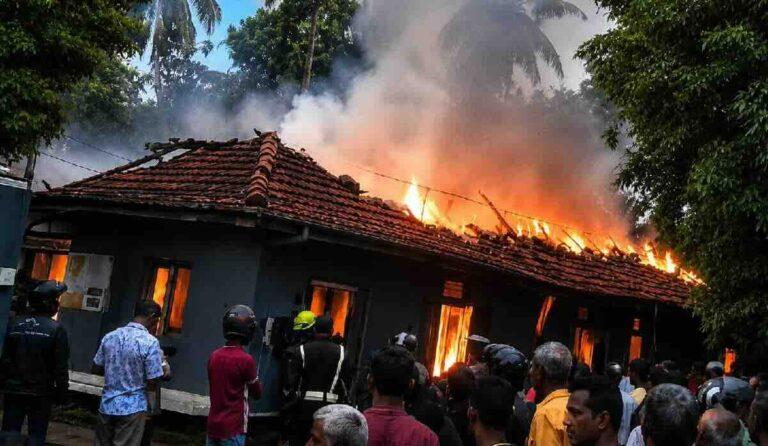
    In June 2026, a devastating fire ripped through an unregistered nursing home in Anguruwatota, western Sri Lanka, claiming at least 12 lives. The facility, which housed people with mental illnesses alongside the elderly, was severely overcrowded – 71 residents in a space meant for about 15. Beds were crammed together, and reports emerged of at least one resident being chained. The home’s director was arrested on suspicion of negligence, following prior warnings from authorities to comply with laws and guidelines.

    This tragedy was not an isolated failure. Rescue efforts by police and soldiers highlighted the chaotic conditions, with survivors relocated amid ongoing investigations. The incident underscored broader issues: many care facilities operate without proper registration, safety standards, or trained staff, leaving vulnerable residents at risk from fire hazards, neglect, and abuse.

    Demographic Time Bomb

    Sri Lanka is experiencing one of Asia’s fastest demographic transitions. With declining fertility rates and increasing life expectancy, the proportion of elderly citizens (aged 60 and above) is projected to rise significantly. This shift is straining traditional family-based care models, which have been the backbone of elder support for generations.

    Economic hardships, including the 2022 crisis and its aftermath, have forced many adult children to migrate for work or work longer hours, reducing their capacity to provide home care. As a result, demand for institutional and paid care services has surged. However, supply lags far behind in both quality and quantity.

    State-run eldercare institutions number only around six with limited funding, often operating at full capacity. Private and NGO-run homes vary widely in standards, while home-based care remains expensive and unregulated for many middle-class families. Projections point to a massive shortfall of long-term care workers – potentially over 149,000 by 2037 – exacerbating the crisis.

    Systemic Failures Exposed

    Reports and studies reveal multiple layers of dysfunction in Sri Lanka’s care sector. Many facilities suffer from inadequate staffing, poor training, and substandard infrastructure. Caregivers often lack formal qualifications, leading to issues ranging from basic neglect – such as residents left in soiled conditions or without proper nutrition – to more severe abuse.

    Quality perceptions differ between residents and caregivers, with research identifying barriers like resource shortages and limited oversight. The sector is also polarised: high-end private facilities cater to the wealthy, while lower-income elders face overcrowded, under-resourced options or remain without adequate support.

    Occupational challenges for caregivers include low status, poor pay, and high stress, contributing to high turnover and inconsistent care. There is a notable absence of standardised training programmes, certification systems for care needs, and comprehensive policies for dementia or long-term care – issues highlighted in various surveys and diagnostic studies.

    The lack of robust regulation allows unregistered homes to proliferate, as seen in the Anguruwatota case. Without mandatory licensing, regular inspections, fire safety compliance, and staff vetting, preventable tragedies become likely. Broader challenges include limited integration of geriatric care into the mainstream health system, where elderly patients are often treated in general wards by non-specialists.

    Voices Calling for Reform

    The fire incident has amplified longstanding calls for reform. Advocates, including the National Secretariat for Elders, emphasise the need for stricter enforcement of existing guidelines, mandatory registration, and capacity building. Experts argue for a national framework that includes workforce development, quality standards, funding mechanisms, and public-private partnerships to expand accessible services.

    Proposals include investing in professional training for caregivers, establishing certification for care levels, promoting community-based and day-care options, and leveraging the “silver economy” potential – where the elderly could drive new economic opportunities in services, housing, and technology.

    International insights, such as those from ADB diagnostic studies, suggest learning from regional models while tailoring solutions to Sri Lanka’s context, focusing on home-based care enhancements alongside institutional improvements.

    Challenges on the Horizon

    Implementing reforms will not be easy. Budget constraints, competing national priorities, and the informal nature of much of the care workforce pose hurdles. Cultural attitudes that view care as a family duty may slow the acceptance of formal systems. Gender dimensions are also critical: care work remains predominantly shouldered by women, often in low-paid, undervalued roles.

    Moreover, rising cases of dementia and chronic conditions among the elderly demand specialised approaches currently lacking in most facilities. Without intervention, the care deficit could deepen inequality, leaving many elderly in poverty or isolation.