More

    Only 10,000 of 60,000 NGOs Active in Nepal, Panel Told

    Only one in six of Nepal’s nearly 60,000 registered NGOs remains active, while just 136 of 250 INGOs operate with projects, a parliamentary panel learned amid scrutiny of rights groups.

    Only about 10,000 of the nearly 60,000 non-governmental organisations registered in Nepal are currently active, while just 136 of the approximately 250 international non-governmental organisations (INGOs) that have ever worked in the country remain operational with active projects. These stark figures were presented to a parliamentary committee on Wednesday, underscoring long-standing concerns about the scale, oversight and effectiveness of Nepal’s sprawling civil society sector.

    Social Welfare Council (SWC) Member Secretary Chakra Budha (also referred to as Chakrabahadur Budha), who is also a joint secretary at the Ministry of Women, Children and Senior Citizens, shared the data during a meeting of the House of Representatives’ Law, Justice and Human Rights Committee. The discussion focused on the legal status of several international human rights organisations following a joint statement by Amnesty International, the International Commission of Jurists (ICJ) and Human Rights Watch (HRW) regarding alleged pressure on Supreme Court justices.

    Massive Registration Numbers Mask Inactivity

    According to Budha, roughly 60,000 NGOs have affiliated with the SWC over the years. Of these, only around 10,000 are active. On the international side, records show about 250 INGOs have received approval to work in Nepal at some point, yet only 136 currently implement projects.

    These SWC affiliation numbers are cumulative: they count every organisation that has ever registered rather than those that continue to operate or renew. Independent analysis has highlighted the gap. One detailed 2026 study examining District Administration Office (DAO) renewals estimated approximately 25,760 active NGOs by the end of fiscal year, with thousands more newly registered that year. The same research found that the bulk of SWC-affiliated groups never renewed their affiliation, and only a fraction remain active in practice.

    Nepal’s NGO sector expanded rapidly after the restoration of multiparty democracy in 1990. From a few hundred organisations, the number of registered NGOs climbed past 22,000 by 2000 and has since exceeded 50,000 according to successive SWC figures. Including cooperatives, community-based groups and other associations, the broader civil society landscape is even larger. Many organisations deliver services in health, education, women’s empowerment, disaster response and remote areas where state reach is limited. Yet audits and studies have repeatedly shown that a large share are dormant, minimally active or operate more like family outfits than professional entities.

    Status of Key International Rights Groups

    The committee meeting examined the registration status of the three organisations that issued the joint statement. Budha informed lawmakers that Amnesty International is currently in the process of renewing its registration. The ICJ holds a valid registration until 2027 after renewing its agreement in 2022; it has operated in Nepal since 2009. HRW received approval in fiscal year 2007/08 but has not renewed or obtained fresh approval since then.

    Additional details shared in related coverage noted that Amnesty International Nepal’s affiliation remains valid until the end of 2027 and that it has an approved human rights campaign and advocacy project for 2026 with a budget of more than Rs 5.15 crore.

    Regulatory Framework Under Strain

    Nepal’s regulatory system for civil society is fragmented. Most domestic NGOs must register with a District Administration Office under the Associations Registration Act. Affiliation with the SWC is required for those seeking foreign funding or engaging in certain social welfare activities under the Social Welfare Act of 1992. INGOs typically need a general agreement and project-specific approvals from the SWC, often with a minimum annual expenditure threshold.

    Overlapping requirements from DAOs, the SWC, local governments, tax authorities and other bodies create bureaucratic burdens. Annual renewals, audits and case-by-case approvals for foreign funds are standard. Critics argue the 1992 Social Welfare Act is outdated and fails to distinguish adequately between different types of organisations, from small community groups to large professional NGOs. Proposals to consolidate laws – including a draft Association Act discussed in recent years – have faced delays and debate over whether regulation should prioritise facilitation or tighter control.

    Funding patterns compound the challenges. Only a relatively small number of NGOs – hundreds rather than thousands – regularly access foreign grants. INGOs and larger domestic groups have brought in substantial aid over the years, but donor fatigue, the winding down of post-2015 earthquake recovery programmes, the impact of the COVID-19 pandemic and more recent aid reductions have led some international organisations to scale back or exit.

    Implications for Oversight and Reform

    The disparity between registered and active organisations raises practical questions about monitoring, accountability and the efficient use of resources. The SWC is tasked with regulation, facilitation and promotion of the sector, yet its capacity to oversee tens of thousands of entities is limited. Past audits have flagged misuse of funds and defunct groups among those reviewed.

    Civil society plays a visible role in Nepal’s development and democratic life; many local elected officials have NGO backgrounds. At the same time, public perception sometimes views the sector through a lens of opaque funding and limited downward accountability to communities. Strengthening data systems so that affiliation figures better reflect operational reality, simplifying compliance for genuine grassroots groups, and updating legislation to match federal structures and contemporary needs are recurring recommendations from analysts and practitioners.

    The parliamentary committee’s hearing comes at a moment when questions about the legal standing and activities of international rights organisations have drawn attention. The figures presented by the Social Welfare Council provide a clear snapshot: Nepal has an exceptionally large number of registered NGOs and INGOs on paper, but a far smaller number that remain active and implementing work. Bridging that gap – through better regulation, realistic counting and supportive policy – will shape how effectively civil society continues to contribute to the country’s social and development goals.

    Facebook Lures: How Traffickers Trap Bangladeshis Online

    Traffickers exploit Facebook groups and fake job ads to lure desperate Bangladeshis into perilous journeys to Europe or forced labour in Southeast Asian scam compounds, turning digital dreams into modern slavery.

    Traffickers in Bangladesh have transformed Facebook into a sophisticated recruitment tool, dangling promises of high-paying jobs abroad, safe passage to Europe, or even social media stardom, experts say. What begins as a hopeful click often ends in debt, captivity, forced cybercrime, or worse.

    Experts and recent reports paint a grim picture of this evolving threat. Social media, particularly Facebook, has become a primary pathway for human traffickers targeting vulnerable Bangladeshis – unemployed youth, low-income families, women and girls, and those displaced by poverty or climate disasters. The platform’s vast reach, combined with private messaging apps like WhatsApp and Telegram, allows recruiters to operate with alarming efficiency and relative anonymity.

    Fake Jobs Flood the Feed

    The tactics are deceptively simple yet highly effective. Traffickers post fraudulent advertisements in Facebook job groups, employment pages, and community forums. These ads promise lucrative positions in restaurants, data entry firms, customer service, technology roles, or construction work in destinations ranging from the Gulf states and Malaysia to Vietnam, Cambodia, Thailand, or Europe. Salaries of $1,000 to $1,500 a month – far beyond typical local earnings – are commonly advertised, often accompanied by polished photos, fake company logos, and testimonials from supposed successful migrants.

    Once interest is sparked, conversations quickly move from public posts to private Messenger chats or encrypted apps. Recruiters build trust by sharing “proof” such as photos of boats that allegedly reached Italy or staged videos of workers in gleaming offices. Many victims report that initial contact came through posts shared by friends or trusted community members, lending an air of legitimacy. In some cases, agents demand large upfront fees – hundreds of thousands of taka – for visas, tickets, or “processing,” money often borrowed from relatives or raised by selling land.

    BRAC’s Migration Programme has repeatedly highlighted this digital shift. Traffickers now rely on hundreds of Facebook groups, alongside WhatsApp and Telegram, to advertise illegal journeys across the Mediterranean. They share images of successful arrivals and connect aspiring migrants directly with smugglers. Bangladesh remains the largest source of irregular migrants attempting the Central Mediterranean route to Italy and the Libya-Greece corridor. In 2025 alone, over 20,000 Bangladeshis entered Europe this way, with thousands more in the first half of 2026.

    From Promise to Peril: Scam Compounds and Forced Labour

    A particularly insidious outcome involves cyber scam operations in Southeast Asia. Victims lured by Facebook job ads for roles in Cambodia, Thailand, or neighbouring countries often find themselves trafficked into compounds run by criminal networks. There, passports are confiscated, movement is restricted, and they are forced to conduct online fraud – romance scams, investment schemes, or “pig butchering” operations targeting people worldwide.

    In June 2026 alone, 583 Bangladeshi victims returned from Cambodia following crackdowns. A BRAC study of returnees found that 98 per cent never received the promised jobs, 90 per cent were forced into online scams, 88 per cent were denied freedom of movement, 86 per cent had their passports seized, 27 per cent suffered severe physical abuse, and 38 per cent reported psychological torture. Many return home as “fugitives” in the eyes of their communities, burdened by crushing debts and trauma.

    The US State Department’s 2025 Trafficking in Persons Report notes that traffickers increasingly use social media, mobile messages, online platforms, and even artificial intelligence to lure victims with fraudulent job ads, particularly targeting women and girls for sex and labour trafficking. Cyber scam recruitment has become a major vector, with many victims ending up in Southeast Asian operations. Economic need remains the largest risk factor, compounded by domestic violence, child marriage, health expenses, lack of education, and climate-induced displacement that forces hundreds of thousands from their homes each year.

    Targeting the Vulnerable: Women, Youth, and Refugees

    Women and girls face heightened risks. Traffickers exploit promises of modelling, acting, overseas employment, or romantic relationships. Platforms like Facebook, TikTok, and WhatsApp facilitate grooming and blackmail. Historical cases, including networks that used TikTok to lure girls with fame promises before smuggling them out of Bangladesh for sexual exploitation, illustrate the pattern. In urban areas of Dhaka and Chattogram, young women have been recruited via Messenger with fake Gulf job offers, only to face extortion.

    Rohingya refugees in Cox’s Bazar camps are also targeted, sometimes with false marriage proposals or job offers leading to transnational sex or labour trafficking. Men, especially young and semi-skilled, are disproportionately drawn into labour trafficking and irregular migration routes, including hazardous Mediterranean crossings where many face detention, torture, or death in Libya.

    A 2024 roundtable organised by the Bangladeshi media outlet, The Business Standard, and Winrock International underscored the digital boom’s role. Experts noted that Facebook groups dedicated to overseas jobs have become recruitment hubs for unskilled labour and unemployed youth. Platforms such as TikTok, Likee, Bigo, and Telegram further expand the reach, while the dark web occasionally aids advertising.

    Mounting Cases, Slow Justice

    Official figures reveal the scale. As of May 2026, around 5,284 human trafficking cases remained pending in Bangladesh – 3,306 under trial and 1,978 under investigation. Conviction rates are low; many cases end in acquittal due to lengthy processes, lack of evidence from abroad, and exhausted victims opting for compromise. The 2026 Human Trafficking and Migrant Smuggling Prevention and Suppression Act aims to strengthen responses, yet enforcement gaps persist. Special tribunals remain insufficient for the caseload.

    The United Nations has flagged social media platforms as primary pathways for trafficking recruitment linked to Southeast Asia’s online scam industry. Facebook is repeatedly identified as the most widely used platform. Survivors report that recruiters continue operating in the same groups even after being flagged.

    Calls for Stronger Digital Defences

    Authorities, civil society, and international partners are responding. In July 2026, government agencies, telecom operators, digital platforms, financial institutions, and NGOs adopted the “Dhaka Call to Action on Combating Digital Trafficking.” It prioritises stronger surveillance, coordinated responses, financial tracking of scam-related transactions, targeted awareness campaigns for youth seeking online or overseas work, survivor participation in policy, and enhanced cross-border cooperation.

    BRAC and other organisations urge public awareness, curriculum inclusion of digital safety, faster prosecutions, asset seizures, and special tribunals in trafficking hotspots. Meta has taken some action globally, disabling accounts linked to scam centres, but survivors and researchers say moderation remains inadequate against determined networks that simply create new pages and groups.

    The human cost is measured not only in numbers but in shattered lives. Young people who set out with dreams of supporting their families return broken, indebted, or not at all. Families sell everything for a chance that never materialises. As Bangladesh’s digital connectivity expands, so does the reach of those who exploit hope, turning the promise of a better life into a digital trap of modern slavery.

    Image: Grok

    Preventive Healthcare: Bridging the Last Mile in Tapukara

    The success of India’s health reforms will ultimately be measured not only by the number of hospitals built or cards issued, but by whether communities are sufficiently informed and equipped to make use of what is already available to them.

    By Desh Raj Singh

    India’s healthcare narrative is usually told through numbers on infrastructure: hospitals built, cards issued, beds added. Schemes such as the Ayushman Bharat Pradhan Mantri Jan Arogya Yojana (AB PM-JAY), the network of Ayushman Arogya Mandirs, and the National Programme for Prevention and Control of Non-Communicable Diseases (NP-NCD) have expanded access at a scale few countries have matched. As the Ministry of Health and Family Welfare informed Parliament in July 2026, more than 44.73 crore Ayushman Cards have been issued, enabling over 12.69 crore cashless hospital admissions. Nearly 1.86 lakh Ayushman Arogya Mandirs now serve as points of first contact closer to where people live.

    However, a hospital bed or a health card is of limited use if people are unaware of it, or do not access it in time. This is the harder half of the equation, and it is being tested in a village called Maseet, in Tapukara on the Alwar-Bhiwadi mega highway.

    Rural India, more broadly, continues to grapple with a similar set of constraints: a shortage of doctors and specialists in villages, longer distances to a functioning facility, uneven health literacy, and a tendency to seek treatment only once an illness becomes difficult to ignore. Women, in particular, often defer their own care while attending to the needs of the household. The construction of hospitals addresses one part of this problem; the remainder depends on persuading people of the value of preventive care before a health issue becomes acute.

    A Region Outpacing its Health Habits

    Tapukara lies within the Bhiwadi–Khushkhera–Tapukara Industrial Belt, one of North India’s largest manufacturing clusters, comprising more than 5,000 industrial units. It falls within Khairthal–Tijara, a district formed only in 2023, where public institutions are still adapting to the pace of economic growth around them. The region is also part of the wider Mewat area, which has long trailed on several health, nutrition, and education indicators.

    Employment opportunities have expanded faster than health-seeking habits have changed – a pattern observed across much of rural India, and not unique to this region. Many families here continue to consult a doctor only after an illness has progressed, rather than before.

    State-level data illustrates why this matters. According to the National Family Health Survey (NFHS-5), 54.7 per cent of women in Rajasthan aged 15–49 are anaemic, as are 71.5 per cent of children aged 6–59 months of age. Hypertension and diabetes are also becoming more prevalent. Additional healthcare facilities alone will not reverse these trends; what is required, in addition, is awareness, routine screening, early diagnosis, and a habit of seeking care early.

    A Complementary Intervention

    It is this gap that Project Swasth was designed to address. Launched in July 2026 in Maseet village, the initiative is implemented by the Sharda Welfare Foundation (SWF), with support from the Honda India Foundation (HIF) and in partnership with the Gram Panchayat, Maseet. It reflects corporate social responsibility being directed toward tangible, on-ground outcomes – institutional and financial backing from industry channelled into preventive healthcare for the community.

    Dinesh, the village head of Maseet, says, “For years, people here have been travelling to places like Bhiwadi or Jaipur for routine check-ups or further treatment. Families have long been demanding that such a camp be organised within the village itself.” 

    Thanks to the involvement of the Honda India Foundation and the Sharda Welfare Foundation, that demand has now been addressed.

    The project is not intended to build a parallel health system, but to make the existing one more accessible, through community mobilisation, preventive screening, health promotion, behaviour-change communication, and assistance in navigating government schemes and referrals. A comparable pattern is often observed in Indian cities, where the arrival of an established hospital group tends to lift the standard of the surrounding health ecosystem. Whether Tapukara sees a similar effect will depend less on the inaugural camp and more on whether the initiative sustains its presence over time.

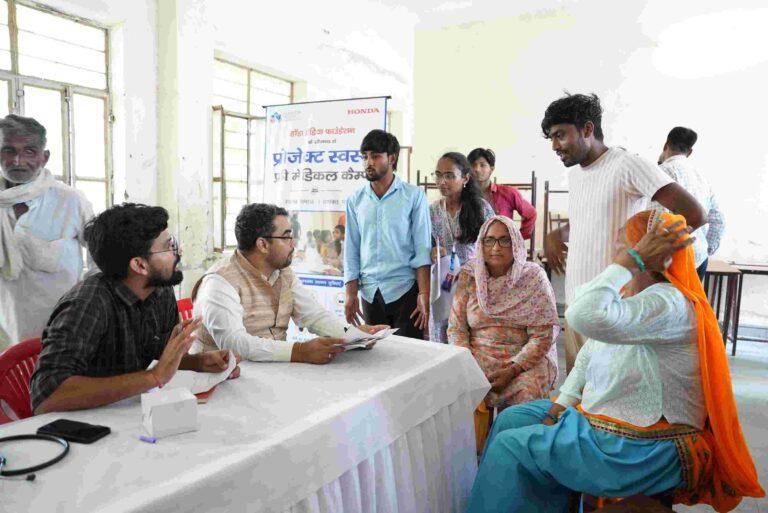
    The first community health camp offered an early indication of the scale of unmet need. More than 205 residents participated, generating over 425 specialised consultations across general medicine, gynaecology, and ophthalmology.

    The screening results were notable. Blood pressure checks found elevated readings in 21 per cent of participants, while blood sugar screening flagged another 29 per cent. As some individuals presented with both conditions, 24 per cent of attendees were counselled and referred for further evaluation – many of whom had no prior indication that they were at risk.

    Shakuntala, a resident of Maseet, was among them. She had been living with high blood pressure for some time and was on medication, but had been consulting a psychiatrist for the condition rather than a general physician. “I was taking the medication, but I didn’t really know what I was being treated for or whom I should actually be seeing,” she said. At the camp, the attending doctor advised her to consult a general physician instead. The Sharda Welfare Foundation is expected to play a role here by following up to ensure she visits a general physician at a nearby clinic or hospital.

    The camp underscored an important point: screening has limited value unless it is followed by diagnosis, referral, and continuity of care.

    This link is also where the initiative is most likely to encounter difficulty. Referring a person for further evaluation is one matter; ensuring they travel to a facility, take time away from work, and follow through on a diagnosis is another – particularly in a region where daily wages and factory shifts leave little scope for a second or third visit to a doctor.

    Community Attitudes Toward Health

    Access alone does not fully account for the low uptake of preventive care in villages such as Maseet; behaviour plays a role as well. In many rural settings, symptoms are managed at home for a period before a doctor is consulted, and routine screening for conditions such as hypertension or diabetes – which often present no symptoms until damage has occurred – is not yet part of everyday practice. Women, in particular, can end up deprioritising their own check-ups while attending to the rest of the household.

    It is here that behaviour-change communication becomes a necessary complement to the medical camp itself. Project Swasth works through the Gram Panchayat and door-to-door outreach to build familiarity with the idea of a routine check-up, rather than one prompted only by the appearance of symptoms. The intended shift, over time, is a modest but meaningful one: more people presenting for care before a problem develops, rather than only after.

    Facilitating Access to Entitlements

    The project also assists families in accessing benefits to which they are often already entitled but do not use. This includes enrolment and e-KYC support under Ayushman Bharat, along with outreach for the Ayushman Vay Vandana Card, which provides free health coverage of up to ₹5 lakh a year to senior citizens aged 70 and above, regardless of income.

    Much of this work involves clarifying common points of confusion – who is eligible, which hospitals accept the card, and how cashless treatment functions. Financial protection is of value to families only once they understand how to access and use it.

    Syed Javed, General Manager at the Honda plant in Tapukara, said, “Our role here is to ensure that the benefits reach the communities living near our operations. Healthcare is one of the areas where we have committed to long-term engagement; Tapukara is part of that commitment, and we will continue this work.”

    A Model Beyond One Village

    For the residents of Tapukara, the intent behind the project is a sustained one – not a single health camp followed by withdrawal, but a partner expected to return, follow up, and assist them in navigating a system that can otherwise appear distant and confusing. That intent, however, still has to be borne out: one camp, however well attended, constitutes an early indicator rather than an established track record. In a region still establishing itself as a new district, whether this becomes a long-term presence, or recedes after the initial effort, will matter more than the launch itself.

    Rishabh Gupta, Managing Director of the Sharda Welfare Foundation said, “What we have seen on the ground is that infrastructure has grown much faster than people’s habit of using it. That is the gap we are trying to close, not only in Tapukara but wherever we work.” 

    “Through Project Swasth, we intend to remain engaged with this region over the long term, rather than conducting a few camps and moving on.”

    This pattern is evident across much of India: healthcare infrastructure is expanding at a faster pace than its utilisation by communities. Bridging this gap requires sustained local engagement, genuine partnerships with local institutions, and trust between communities and the public health system.

    The approach adopted under Project Swasth treats a health camp not as an isolated event, but as an entry point into a continuum – awareness leading to screening, screening to referral, referral to treatment, and treatment sustained through follow-up.

    As India’s primary healthcare architecture continues to expand, the next phase of reform may depend less on the number of facilities established and more on how effectively communities are connected to them. Greater convergence between government programmes, local institutions, and grassroots initiatives could strengthen health literacy, expand screening for anaemia and non-communicable diseases, and reinforce referral pathways.

    The success of India’s health reforms will ultimately be measured not only by the number of hospitals built or Ayushman Cards issued, but by whether communities are sufficiently informed and equipped to make use of what is already available to them.

    The author is associated with the Sharda Welfare Foundation which implements Project Swasth.

    Bench Under Fire: Sri Lanka’s Retirement Age Row

    Sri Lanka’s NPP government pushes a constitutional amendment to raise apex court judges’ retirement ages by two years, citing efficiency and a massive case backlog, but lawyers, judges and church leaders warn it threatens judicial independence and sets a dangerous precedent.

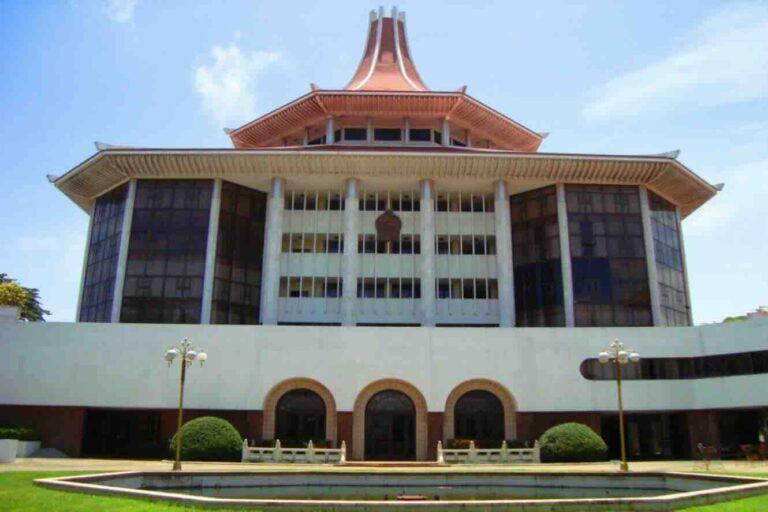
    On 27 July 2026, Sri Lanka’s Cabinet of Ministers approved a proposal that has ignited one of the sharpest confrontations yet between the National People’s Power (NPP) government and the country’s legal establishment. The plan seeks a constitutional amendment to raise the retirement age of Supreme Court judges from 65 to 67 and Court of Appeal judges from 63 to 65. Parallel changes under the Judicature Act would extend the service of High Court judges, District Judges and Magistrates by two years as well.

    The government, led by President Anura Kumara Dissanayake, frames the move as a practical response to a justice system buckling under approximately 1.1 million pending cases, with more than 800,000 stuck in Magistrates’ Courts alone. Justice Minister Harshana Nanayakkara has repeatedly argued that retaining experienced judges will improve efficiency, noting that Sri Lanka has only about 20 judges per million people compared with 40–60 in many developed jurisdictions. Cabinet spokesman and Health and Mass Media Minister Nalinda Jayatissa insisted the objective is simply “an efficient and effective judicial system” and ruled out any need for a referendum, pointing out that similar changes under the 20th Amendment in 2020 did not require one.

    Yet the reaction from the legal profession has been near-unanimous rejection. On 29 July, the Bar Association of Sri Lanka (BASL), the country’s largest legal body, held a special general meeting attended by more than 3,000 lawyers in person and online. They adopted a seven-point resolution opposing the amendment unless the government first demonstrated clear institutional necessity, conducted transparent consultation and prioritised filling existing vacancies. BASL President Rajeev Amarasuriya described the proposal as “extremely unwise.”

    Independence or Interference?

    Critics argue the change strikes at the heart of judicial independence, a principle enshrined in the chapter of the 1978 Constitution that also governs appointments, removals, salaries and pensions. Article 107(5) currently fixes the retirement ages; altering it mid-stream, they say, invites perceptions of political favouritism.

    Senior constitutional lawyer and former parliamentarian M.A. Sumanthiran warned that even lower-court judges are uncomfortable with the plan. “If they still go ahead, it may well be the start of their downfall,” he said, noting the government’s two-thirds parliamentary majority makes passage almost certain but could set a damaging precedent. Former BASL president Saliya Pieris went further, writing that the “ill-considered measure will have far-reaching consequences adversely affecting Sri Lanka’s judiciary” and would taint President Dissanayake’s legacy by joining a list of past leaders who tried to tamper with the bench.

    The Judicial Service Association of Sri Lanka (JSASL), representing District Judges and Magistrates, issued a detailed letter of opposition in late July. Its members voted unanimously against the extension, citing nine key concerns. Chief among them: a two-year freeze on promotions across the hierarchy, lengthening the already extended path to the High Court from roughly 12 to 17 years or more, and the risk of public perception that the change benefits specific sitting judges rather than the system as a whole.

    Whispers have also circulated that the amendment is timed to extend the tenure of Chief Justice Preethi Padman Surasena, due to retire later in 2026 on turning 65. Opponents have dubbed it the “Surasena Amendment.” The government has flatly denied any personalised motive, insisting the two-year extension applies universally.

    Faith Leaders and International Voices Join the Fray

    Religious institutions have added their weight. The Church of Ceylon issued a statement on 30 July expressing concern that the plan “could undermine the rule of law and public confidence in the independence and impartiality of the judiciary.” It rejected the backlog justification, pointing instead to the large number of vacancies still unfilled in the appellate courts and concluding that the real motivation “lacks bona fides.” 

    Rights activists echoed the sentiment, arguing that the inefficient justice system needs urgent structural reforms, not age extensions that create more chaos. Cardinal Malcolm Ranjith, Archbishop of Colombo, had earlier urged the government to keep the judiciary free and independent.

    International legal bodies have also spoken. The Law Association for Asia and the Pacific (LAWASIA) and the Commonwealth Lawyers Association both warned that the move risks severely undermining public confidence and compromising judicial independence. The CLA stressed that constitutional amendments should not be made in a piecemeal or ad-hoc manner and called for proper stakeholder consultation.

    Vacancies, Backlogs and Alternative Paths

    Government defenders note that discussions about raising judicial retirement ages date back at least to 2015–2016, when the BASL itself and then-minister Rauff Hakeem floated similar ideas. They point to ongoing recruitment of new magistrates and plans to expand the number of judges in the Court of Appeal and High Courts, enable regional functioning of the appellate court, and strengthen supporting institutions such as the Government Analyst’s Department and the Attorney General’s Department. Nanayakkara has said only around 65 of roughly 388 judges formally objected, though the associations themselves represent far larger numbers.

    Opponents counter that vacancies – eight in the superior courts alone at recent counts – should be filled first through the normal constitutional process rather than by keeping sitting judges longer. They argue that genuine efficiency gains would come from digitisation, better case management, more court staff and implementation of existing Justice Sector Assessment recommendations, not from freezing career progression for an entire generation of judicial officers.

    By early August the Attorney General had reportedly cleared the draft constitutional amendment and accompanying Judicature Act changes, clearing the path for the bill to be gazetted and presented to Parliament. With the NPP’s commanding majority, passage appears likely. Whether the Supreme Court will be asked to determine if a referendum is required remains an open question, though the government maintains it is not.

    A Test of Democratic Maturity

    The controversy arrives at a delicate moment for Sri Lanka’s post-crisis democracy. The NPP rode to power on promises of systemic reform and clean governance. Extending judicial tenure may appear a modest administrative tweak, yet the near-unanimous resistance from the legal profession, lower judiciary and sections of civil society suggests deeper anxiety about the separation of powers.

    As former BASL president Saliya Pieris observed, the consequences will outlast the present government and the judges whose terms are extended. If the amendment proceeds without broader consensus, it risks becoming a template for future administrations – of any political colour – to adjust judicial tenure according to convenience. For a country still rebuilding public trust after years of economic collapse and institutional erosion, that is a high price to pay for two extra years on the bench.

    NHRC Must Recognise Impact of Heat as Violation of Fundamental Rights

    No institution in India is mandated to ask whether preventable deaths, unsafe working conditions, loss of livelihoods, or the lack of access to water and cooling amount to violations of people’s constitutional and human rights.

    By Vaishali and Deepali

    “My mother is 65 years old and has asthma. She experiences severe breathing difficulties during summer, and the extreme heat causes her blood pressure to drop. Earlier this month, she fainted because of the heat. After examining her, the doctor advised her to stay indoors, avoid heat exposure, and rest until her condition improves,”  says Sunita, a resident of Sunder Nagri, Delhi.

    For Sunita, these extreme changing weather patterns are no more a seasonal phenomenon but a consequence of climate change. To her, changing weather conditions means prolonged heatwaves, intense rain, and humid heat which jeopardize the rights to health, livelihood and right of citizens to live with dignity. 

    There are many families like Sunita’s who face similar situations due to the impact of extreme heat. The impact is visible in many forms and places, like in classrooms, workplaces, kitchens, neighbourhoods, social life, livelihood, children’s education, mobility and everyday life. 

    Human Caused Climate Change

    Summers in Delhi are no longer just a seasonal weather condition. Attribution science has proved that human-caused climate change is driven by the extraction and burning of oil, gas, and other fossil fuels worldwide. Extreme heat has become a growing public emergency, depriving people of basic necessities and threatening their right to live in a healthy, safe, and dignified environment. Despite the violation of fundamental human rights, we continue to treat heatwaves as an environmental issue rather than a question of accountability and rights.  

    Arshi, a 19 year old says “my exams are approaching but the extreme heat makes it difficult for me to study. It gets so hot that I cannot concentrate on my lessons. When my friend called  me for group studies, I refused and said it’s too hot today. I can’t study.”

    Arshi’s story tells us that heat is not only making the situation worse but also limiting opportunities for people – people who are already vulnerable in the society; now, they are more vulnerable due to the impact of extreme heat.

    Ragini, an informal-sector worker and a resident of Delhi’s Burari, says she has experienced skin irritation due to the heat and has seen its effects on her children. Her son has fallen ill, while her children are unable to go outside and participate in everyday activities.

    Abhishek, a college going student, says, the heat follows him from the college to his home. His mother, an informal worker in Sunder Nagri, works in a factory where workers cannot use fans properly. At home, poor ventilation turns their house into a heat trap, making it difficult to sleep. Abhishek himself struggles to sleep and concentrate on his studies.

    Violations of Human Rights

    These are not isolated experiences. These experiences show how heat severely impacts people across different age, gender, class and caste. It also shows the condition people are living in, without any protection provided by the government. 

    These are not just standalone environmental issues but violations of human rights. Such testimonies have been collected across Delhi using a Physical Registry, to document what are the challenges people are facing in their everyday life due to the extreme heat which links to their fundamental rights as well and how it is violated. 

    We must look at the impact of extreme heat not merely as an environmental issue but violation of human rights provided in the Constitution of India. Every year, different departments release their mandates on heat regulations, heat advisory, safety measures and heat action plans. These measures are significant. But they remain largely bureaucratic, with little examination of whether they are actually implemented and successful in preventing those who are at risk. 

    What remains missing is recognition of increasingly hot summers as a human rights violation. The inadequacy of India’s current response to heatwaves is reflected in how we count the human cost of extreme heat. A recent HeatWatch report documented at least 84 suspected heat-related deaths reported in the media between February and July 2025. Yet, according to data obtained by PTI through the Right to Information Act, the National Centre for Disease Control (NCDC) recorded 7,192 suspected heatstroke cases but only 14 confirmed heat-related deaths between March 1 and June 24, 2025. 

    NHRC Must Intervene

    Such stark discrepancies point to a deeper problem: heat-related illnesses and deaths remain significantly undercounted, making the crisis appear far smaller than it is. While weather agencies issue forecasts, disaster management authorities coordinate emergency response, and municipal bodies implement Heat Action Plans, none of these institutions is mandated to ask whether preventable deaths, unsafe working conditions, loss of livelihoods, or the lack of access to water and cooling amount to violations of people’s constitutional and human rights. This is precisely where the National Human Rights Commission (NHRC) must intervene. 

    The NHRC must investigate whether the frequent heat-related harms reflect system collapse of the State’s duty to protect the rights to life, health, dignity and livelihood; hold governments accountable for gaps in preparedness and implementation; issue recommendations that strengthen laws and policies to better protect people from extreme heat; validate that the needs of those most exposed including informal workers, women, children, older persons, homeless people and low-income communities are placed at the centre of decision-making; and mainstream a rights-based approach into Heat Action Plans. Such an approach would move beyond treating heat as merely a disaster to be managed and instead require governments to prevent avoidable harm, reduce inequalities in heat exposure, and ensure that every person is protected from the escalating impacts of extreme heat. 

    Recognising extreme heat as a human rights issue shifts the questions we ask. Recognising heat as a national disaster as important is recognising the impact of it as human rights violation. Why vulnerable communities continue to bear the greatest burden, and who is responsible for preventable deaths and the sufferings that occur. In a warming world, protecting people requires more than weather forecasts and emergency measures. It requires recognising the right to survive, work, study and live with dignity. 

    Vaishali is a Greenpeace campaigner working on heat and looking into the unequal impact of extreme heat on informal workers.
    Deepali is a community campaigner attached to Greenpeace. She lives in Sundar Nagri, Delhi.

    Pakistan’s Silent Epidemic: Nine Million Hepatitis C Cases Fuel Race Against 2030 WHO Deadline

    Pakistan bears the world’s heaviest hepatitis C burden with nine million cases, as WHO marks World Hepatitis Day by urging accelerated action toward the 2030 elimination goal through national screening and free treatment.

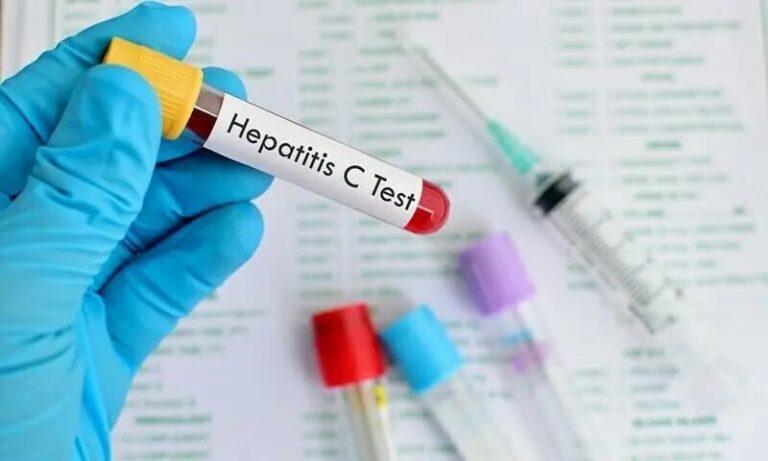
    On World Hepatitis Day, the World Health Organisation renewed its call for urgent, science-based action as Pakistan confronts one of the planet’s most severe viral hepatitis crises. An estimated 12.9 million people in the country live with chronic viral hepatitis – 9 million with hepatitis C and 3.8 million with hepatitis B – making Pakistan the nation with the single largest hepatitis C burden worldwide. Only about three in ten of those infected know their status, leaving millions untreated and at risk of progressive liver damage, cirrhosis, cancer and death.

    Every year more than 48,000 Pakistanis die from preventable and curable hepatitis infections – the equivalent of one death every 11 minutes. In 2024 alone, over 88,000 people newly contracted hepatitis C, while annual new infections are estimated at around 110,000. Globally, hepatitis B and C claimed 1.34 million lives in 2024, according to the WHO Global Hepatitis Report 2026, with more than 4,900 new infections occurring daily.

    Historical Transmission Fuelled by Unsafe Practices

    The scale of Pakistan’s epidemic is rooted largely in historical healthcare-associated transmission. Widespread reuse of needles and syringes for medical injections, unregulated private blood banks, incomplete blood screening, and unsafe surgical, dental, piercing, tattooing and barbering practices have driven the spread for decades. Current estimates attribute roughly 62 per cent of new hepatitis C infections to unsafe medical injections and blood transfusions, and 38 per cent to injection drug use.

    Prevalence varies sharply by province. Punjab records the highest rates, followed by Khyber Pakhtunkhwa, Sindh and Balochistan. Rural populations face higher exposure than urban ones, reflecting deeper gaps in infection control and access to safe care. Hepatitis B and C together account for the vast majority of hepatitis-related deaths worldwide; left untreated they progress silently to life-threatening complications.

    WHO Backs National Elimination Drive

    Under the international theme “Hepatitis: Let’s break it down,” WHO Representative in Pakistan, Dr Luo Dapeng, reaffirmed the organisation’s full partnership with the government. “WHO will continue to partner with Pakistan to promote medical science to protect and save lives and adapt the best practices and lessons learned from around the world to the national context,” he said. “WHO stands with Pakistan to accelerate research and innovation, integrate hepatitis services into universal health coverage, enhance prevention – including vaccination – and ensure equitable access to quality hepatitis testing and treatment for every family, regardless of social or economic status.”

    Central to these efforts is the Prime Minister’s National Programme for the Elimination of Hepatitis C Infection. Launched with WHO technical support, the initiative aims to test tens of millions of people and provide free life-saving treatment. Early phases have focused on Islamabad Capital Territory, targeting 1.6 million people, before expanding nationwide to reach more than 164 million across subsequent stages. The programme seeks to screen half the eligible population (approximately 82.5 million people aged 12 and above) and treat 5 million by 2027, advancing toward the World Health Assembly goal of eliminating hepatitis as a public health threat by 2030.

    Federal funding, including allocations reported in the range of tens of billions of rupees and hundreds of millions of dollars in partnership with WHO, underpins free screening, diagnosis and a three-to-six-month course of direct-acting antiviral therapy. Locally manufactured medicines keep costs low – around US$25 for a full course in some reports – removing a major barrier to access. Modelling suggests the programme could avert 850,000 deaths and 1.1 million new infections by 2050, prevent tens of thousands of cases of liver cancer and cirrhosis, and generate substantial savings in treatment and hospitalisation costs over the coming years.

    Prevention, Testing and Treatment as Cornerstones

    Hepatitis B is preventable through vaccination, with WHO emphasising the critical importance of administering the birth dose within 24 hours of delivery. Hepatitis C is curable in the great majority of cases with short courses of oral antivirals. Yet diagnosis remains the weakest link: low awareness and limited testing mean most infected people remain unaware until advanced disease develops.

    WHO stresses the need to integrate hepatitis services into primary healthcare and universal health coverage, expand harm-reduction measures for people who inject drugs, enforce safe-injection practices and blood safety standards, and regulate unqualified practitioners. Strengthening laboratory capacity, electronic medical records and community-based screening – drawing lessons from successful pilots and Egypt’s mass-screening model – are also priorities under Pakistan’s National Hepatitis Strategic Framework 2024–2030.

    Global Context and the Path Ahead

    Pakistan accounts for a disproportionate share of the global hepatitis C burden. Together with India and China it represents a large fraction of worldwide cases, and it ranks among the ten countries responsible for a majority of hepatitis C-related deaths. The Eastern Mediterranean Region, of which Pakistan is a major part, remains the only WHO region where more than 1 per cent of the general population is chronically infected with hepatitis C.

    Despite progress since 2015, the world remains off track to meet 2030 targets of a 90 per cent reduction in incidence and 65 per cent reduction in mortality without rapid scale-up. Pakistan’s response – combining political commitment at the highest level, free treatment, domestic manufacturing and international partnership – positions the country as both a high-burden test case and a potential model for elimination. Success would not only save hundreds of thousands of Pakistani lives but also make a decisive contribution to global targets.

    The tools exist: vaccines that protect more than 95 per cent of recipients against hepatitis B, curative therapies for hepatitis C, and proven public-health strategies for safe healthcare and harm reduction. What remains is the sustained will to break down barriers of stigma, cost, access and weak infection control.

    RFK Jr. Urges Measles Vaccination in Stark Reversal as US Cases Hit 35-Year High

    Longtime vaccine sceptic RFK Jr. makes a striking U-turn, urging parents to vaccinate children against measles as US cases hit 2,371 – the highest in 35 years – amid ongoing outbreaks and falling immunisation rates.

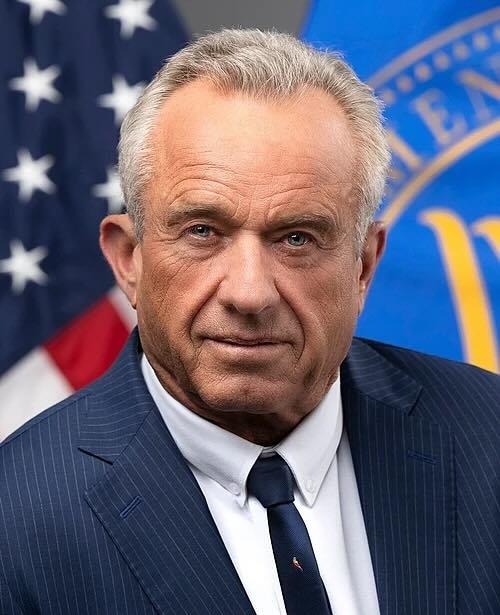
    US Health Secretary Robert F. Kennedy Jr., a prominent and longtime critic of vaccines, on Sunday publicly urged parents to get their children vaccinated against measles, marking a notable shift in tone as the country records its worst outbreak of the disease in 35 years.

    Speaking on CNN’s State of the Union, Kennedy told viewers: “Parents should get their children vaccinated for measles. A measles vaccine is effective, it stops measles in about 97 per cent of the cases. People should get vaccinated.” He also endorsed the combined measles-mumps-rubella (MMR) shot.

    The comments came as the Centers for Disease Control and Prevention confirmed 2,371 measles cases so far in 2026 – already surpassing the full-year total of 2,289 cases recorded in 2025 and the highest annual figure since 1991. Cases have been reported in 45 jurisdictions, with 93 per cent occurring in people who were unvaccinated or whose vaccination status was unknown.

    A High-Profile Shift from a Known Skeptic

    Kennedy has spent years amplifying doubts about vaccine safety and efficacy, including the MMR vaccine. He founded and previously led Children’s Health Defense, an organisation that has promoted claims linking vaccines to autism and other harms – claims repeatedly rejected by the scientific consensus. As health secretary, he has continued to question aspects of the childhood immunisation schedule and downplayed the severity of measles in earlier statements.

    His Sunday remarks therefore represent a clear public U-turn. Pressed by host Dana Bash to use his platform ahead of the new school year, Kennedy affirmed the vaccine’s effectiveness. He stopped short of accepting any personal responsibility for the surge in cases, telling Bash he took “absolutely not” any blame.

    Public health experts have long linked the rise in measles to declining vaccination rates, which they say have been worsened by high-profile scepticism from figures including Kennedy. National kindergarten MMR coverage has fallen to 92.5 per cent, below the 95 per cent level needed for herd immunity. In some communities the rate is significantly lower.

    Outbreaks Spread Across States

    Major clusters have driven the national tally. South Carolina experienced a large outbreak that began in late 2025 and eventually sickened hundreds before being declared over. Utah has reported more than 500 cases this year, with transmission continuing across the state. Significant activity has also been recorded in Virginia, Pennsylvania, Texas, Arizona and elsewhere. Roughly 20 per cent of 2026 cases involve children under five, and nearly half are among those aged 5 to 19. About 7 per cent of patients have been hospitalised. No deaths have been reported so far this year, compared with three in 2025.

    Almost all infections have been acquired within the United States. Only a small number are linked to international travel. Officials note that the true number of cases is likely higher than reported, as not everyone seeks testing or medical care.

    Elimination Status at Risk

    Measles was declared eliminated in the United States in 2000 after sustained high vaccination coverage ended continuous domestic transmission. That status is now under threat. The Pan American Health Organization is expected to review later this year whether ongoing chains of transmission mean the US – and Mexico – have lost elimination status. Losing the designation would mark a major public-health reversal.

    Measles remains highly contagious. The virus spreads through the air and can linger in indoor spaces for hours. Two doses of the MMR vaccine provide approximately 97 per cent protection. Complications can include pneumonia, encephalitis and, in rare cases, death – risks that fall disproportionately on young children and those who cannot be vaccinated for medical reasons.

    Mixed Messages and Public Trust

    Kennedy’s department continues to officially recommend the MMR vaccine for children, in line with longstanding CDC guidance. Yet his earlier mixed messaging – emphasising personal choice, questioning safety data, and at times promoting alternative approaches – has drawn sharp criticism from doctors and public-health leaders who argue it has undermined confidence in routine immunisation.

    Some observers welcomed Sunday’s clearer endorsement as a constructive step. Others noted that a single interview is unlikely to reverse years of eroded trust or close the coverage gaps that have allowed measles to rebound so sharply.

    With the school year approaching and cases still rising, health officials stress that raising vaccination rates remains the most effective way to stop further spread. Whether Kennedy’s latest comments help accelerate that effort will be closely watched in the months ahead.

    Bangladesh’s Vanishing Tigers: 189 Left in the Race Against Extinction

    Bangladesh’s tiger population stands at a precarious 189, with only 124 in the wild Sundarbans, as a state minister warns of extinction risks and calls for urgent public awareness.

    Bangladesh’s State Minister for Fisheries and Livestock, Sultan Salauddin Tuku, on Monday delivered a stark reality check. Bangladesh is home to just 189 tigers – 124 roaming the Sundarbans mangrove forest and the rest confined to zoos. That figure, he said, is simply not enough to safeguard the species from the spectre of extinction.

    The numbers land with particular force because the Royal Bengal tiger is more than an animal here. It is a national symbol, woven into the country’s identity, folklore and ecological conscience. Yet the latest tally reveals how fragile that symbol has become.

    A Sobering Headcount

    Breaking down the 189, the minister painted a clear picture: the Sundarbans – the world’s largest continuous mangrove forest and Bangladesh’s only wild tiger habitat – holds 124 animals. The Bangladesh National Zoo in Mirpur accounts for about 15, while zoos elsewhere in the country house roughly 50 more.

    These figures align closely with the most recent camera-trap census completed in 2024, which estimated 125 tigers in the Bangladesh portion of the Sundarbans. That survey showed a modest but meaningful rise from 106 in 2015 and 114 in 2018. Conservationists view the upward trend as hard-won progress after years of decline. Yet even this improvement leaves the population critically small for a landscape that once supported far greater numbers.

    A century ago, an estimated 100,000 tigers roamed Asia. Today the global population hovers around 5,800. Three subspecies have already vanished. Bangladesh’s share of the remaining Bengal tigers is confined almost entirely to one ecosystem, making the country’s population uniquely vulnerable.

    The Sundarbans Under Siege

    The Sundarbans stretches across roughly 6,017 square kilometres of Bangladesh territory – about 60 per cent of the total mangrove system shared with India. It is a labyrinth of tidal channels, mudflats and dense mangrove stands that somehow sustains tigers in one of the most challenging habitats on earth. Tigers here have adapted to swimming long distances between islands and hunting in dense, saline vegetation. Their prey base – primarily spotted deer and wild boar – is thinner than in many mainland forests, and their home ranges are among the smallest recorded for the species.

    Climate change is tightening the noose. Rising sea levels, increasing salinity, more frequent and intense cyclones, and reduced freshwater flow from upstream rivers are altering the forest’s structure. Scientists project significant loss of suitable tiger habitat in the coming decades; some models warn of severe contraction by mid-century. Cyclones have already claimed tigers in the past, and storm surges push saltwater deeper into the interior, stressing both vegetation and prey.

    Human pressure compounds the ecological stress. Thousands of people enter the forest each year to collect fish, crabs, honey and firewood. Deer poaching remains a persistent problem because it simultaneously removes tiger prey and sets traps that occasionally snare the big cats themselves. Between 2001 and 2025, forest records show 61 tiger deaths – 26 killed by criminals, 14 by villagers after the animals strayed into settlements, 19 from natural causes, and a handful from other factors including cyclones.

    Human-tiger conflict is an old and bitter reality along the forest fringe. Village Tiger Response Teams, trained volunteers who help guide straying animals back into the forest and reduce retaliatory killings, have become an essential part of the conservation toolkit. Yet every conflict incident risks eroding local tolerance for a species that many communities still fear.

    Conservation Gains and Persistent Gaps

    Despite the challenges, the slow recovery of the Sundarbans population reflects determined work by the forest department and its partners. Camera-trap surveys have replaced earlier, less reliable methods based on pugmarks. Smart patrol systems, drone surveillance and intensified anti-poaching drives have removed hundreds of snares and led to dozens of arrests. In one recent success story, a tigress trapped in a poacher’s snare in January 2026 was rescued, treated for six months and released back into the eastern Sundarbans.

    Authorities have also provided food support to thousands of fishing families during seasonal bans, aiming to ease pressure on the forest. The government has set an ambitious target of 160 to 200 wild tigers by 2035. Longer-term, officials are examining the possibility of establishing a second population through translocation to the Chittagong Hill Tracts, a landscape that once held tigers but currently has no confirmed breeding population. Such a move would reduce the risk of putting all of Bangladesh’s wild tigers in a single, climate-vulnerable basket.

    Still, experts caution that numbers alone do not equal security. Density remains low in parts of the forest, particularly the Satkhira range. Prey populations need strengthening. Research capacity has suffered setbacks. And the single-landscape dependency means that a major cyclone, disease outbreak or surge in organised poaching could reverse a decade of gains almost overnight.

    Beyond the Numbers: A National Responsibility

    Minister Tuku framed the issue in moral as well as scientific terms. Tigers, he said, are a national asset. Protecting them requires more than government programmes; it demands a conservation ethic among ordinary citizens, especially the young. “If we do not take effective initiatives now and fail to raise public awareness, this species will face an even deeper crisis in the future,” he warned.

    The census itself, he noted, falls under the forest department, which conducts the exercise through established scientific protocols. Transparency and continuity of funding remain essential if the three-yearly monitoring cycle is to continue delivering reliable data.

    The global context offers both caution and cautious hope, the minister said. Worldwide, stronger protection has helped push tiger numbers up from a low of roughly 3,200 in 2010 to around 5,800 today. Countries such as India, Nepal and Bhutan have demonstrated that determined policy, community engagement and habitat protection can produce recoveries.

    What Hangs in the Balance

    The fate of Bangladesh’s 124 wild tigers is inseparable from the fate of the Sundarbans itself. A healthy mangrove forest buffers coastal communities from storms, supports fisheries that feed millions, and sequesters carbon. Tigers sit at the apex of that system; their presence is both a product of and a requirement for ecological integrity.

    Losing them would not merely erase a national emblem. It would signal the unravelling of one of the planet’s most remarkable remaining wildernesses. The minister’s warning is therefore not only about counting animals. It is about whether Bangladesh – and the wider world – is prepared to act with the urgency the numbers demand.

    NABARD Survey Flags Rural Slowdown as Income Growth Hits Two-Year Low

    India’s rural economy is losing momentum, with income gains at their weakest since NABARD began tracking conditions in 2024, consumption moderating, savings falling and informal borrowing climbing to a record high amid monsoon worries.

    India’s rural economy is flashing clear warning signs. The latest round of the National Bank for Agriculture and Rural Development’s (NABARD) Rural Economic Conditions and Sentiments Survey (RECSS) – Round 12, conducted in late June and early July 2026 – shows that only 27.7 per cent of rural households reported higher incomes over the past year. This is the lowest reading since the bi-monthly survey was launched in September 2024.

    At the same time, 52.6 per cent of households said their incomes remained unchanged – the highest share recorded so far – while 19.8 per cent reported a decline. In effect, more than seven in ten rural households (72.4 per cent) saw no rise in earnings. The survey covers about 20,000 rural households across 29 states and Union Territories.

    The share of households reporting income gains has been sliding steadily since a peak of 42.2 per cent in the November 2025 round, underscoring a clear loss of momentum in rural earnings.

    Consumption Moderates While Household Budgets Tighten

    Despite the income slowdown, rural consumption has shown resilience, though it is now cooling. The proportion of respondents reporting an increase in consumption expenditure fell to 74.1 per cent. This marks only the second time since the survey began that the figure has slipped below the 75 per cent mark. It stood at 77.2 per cent in May 2026 and 76.6 per cent a year earlier.

    Households continue to devote a large share of their monthly income to day-to-day spending. On average, 66.5 per cent of monthly household income goes towards consumption, while another 12.5–13.5 per cent is used for debt repayment. Financial savings have weakened further: only 17.8 per cent of households reported higher savings over the past year, the lowest level since the survey’s inception. The share of households reporting higher borrowings also eased to 28.7 per cent.

    These trends point to rising pressure on household balance sheets. With incomes stagnating for a majority and a significant portion of earnings absorbed by consumption and debt servicing, the capacity to build financial buffers or invest in productive assets is shrinking.

    Formal Credit Share Slips as Informal Borrowing Hits Record

    One of the most striking findings is the growing reliance on informal sources of credit. The proportion of households depending exclusively on formal lenders – banks, NBFCs and microfinance institutions – declined to 51 per cent in July 2026 from a peak of 58.3 per cent in November 2025.

    In contrast, the share of households borrowing exclusively from informal sources rose to 23.6 per cent, the highest level recorded across all survey rounds. Among these, 16.2 per cent borrowed only from friends and relatives, 6 per cent relied solely on moneylenders, and 1.4 per cent used both. Another 25.3 per cent reported borrowing from both formal and informal sources.

    The average interest rate on informal loans stood at 17.77 per cent. Nearly one-fifth of respondents reported paying no interest, indicating that many of these loans came from friends and relatives. The shift towards informal credit suggests emerging liquidity stress or constraints in accessing formal finance at a time when household finances are under pressure.

    Monsoon Deficit, Inflation and Softening Expectations Add to Headwinds

    The survey was conducted against a challenging backdrop. India’s retail inflation accelerated to 4.38 per cent in June 2026, a 17-month high. Rural inflation has been running higher than urban inflation – around 5 per cent versus 4 per cent in June – partly because food carries a larger weight in the rural consumer price index basket.

    Compounding the concern is the weak start to the 2026 southwest monsoon amid strengthening El Niño conditions. June rainfall was sharply deficient (around 40–43 per cent below normal in early assessments), delaying kharif sowing in several regions. While rains improved later, cumulative deficits and the risk of a below-normal monsoon season have raised uncertainty over agricultural production and farm incomes.

    Household expectations have also softened. The share of respondents expecting better income and employment opportunities over the next three months fell to its lowest level since the survey began. One-year-ahead income expectations weakened further, with only 66.8 per cent of households anticipating higher incomes over the next year – the weakest reading on record. NABARD linked the more cautious outlook to monsoon uncertainty and broader economic conditions.

    Broader Context and Implications for Rural Demand

    Earlier rounds of the RECSS had painted a more optimistic picture. In November 2025, 42.2 per cent of households reported income gains and formal credit reliance hit a high. The subsequent steady decline in income growth, moderation in consumption, drop in savings and rise in informal borrowing therefore mark a noticeable turn.

    Economists view these signals as early indicators of stress in the rural economy and a possible divergence from urban trends. Rural demand has been an important support for overall consumption in recent years. Any sustained softening could affect sectors ranging from two-wheelers and tractors to FMCG and construction materials that depend heavily on countryside spending.

    At the same time, the survey notes that public spending and the gradual progress of the monsoon have provided some stabilising influence so far. Buffer stocks of key foodgrains remain comfortable, and policy support through schemes targeting rural employment and income remains in place. Yet the combination of stagnant incomes for a large majority, elevated rural inflation, weaker savings and rising informal indebtedness leaves households with thinner cushions against further shocks.

    The rise in informal borrowing is particularly noteworthy. While loans from friends and relatives often carry little or no interest, heavy reliance on moneylenders can raise the cost of credit and the risk of debt traps. The earlier peak in exclusive formal credit usage had been seen as a positive outcome of financial inclusion efforts. The recent reversal suggests that access or affordability constraints may be re-emerging for a section of rural borrowers.

    Looking ahead, the performance of the monsoon in the remaining weeks of the season, the trajectory of food and rural inflation, and the pace of non-farm employment generation will be critical. Policymakers may need to watch credit delivery mechanisms closely and consider targeted support if income stagnation and informal borrowing continue to rise.

    The July 2026 RECSS does not point to an immediate crisis, but it clearly signals that the rural recovery of the previous year has lost steam. With more than seven in ten households reporting no income growth and a growing share turning to informal lenders, the survey underscores the need for continued vigilance and policy attention to sustain rural demand and household resilience.

    Tides of Change: Maldives Faces Its Demographic Reckoning

    A new UNFPA documentary peels back the realities of life in The Maldives – a nation racing toward super-aged status, where congested Male’ drains the islands and young couples weigh the high cost of starting families against an uncertain demographic future.

    In a near-18-minute documentary released by the United Nations Population Fund (UNFPA), the Maldives confronts a quiet but profound transformation. Tides of Tomorrow does not dwell on abstract statistics alone. It gathers voices from the capital’s crowded apartments, from outer islands growing quieter by the year, and from policymakers and advocates who see the country standing at a demographic crossroads. The film captures the everyday pressures of rising living costs, shrinking family sizes, and a workforce increasingly reliant on foreign labour, even as the nation prepares to become an ageing society in 2026, an aged one by 2045, and a super-aged society by 2052.

    The documentary arrives as official projections from the Maldives Bureau of Statistics and UNFPA paint a stark picture. The resident Maldivian population is expected to peak around 428,000 in 2050 before beginning a gradual decline. By 2062 the total resident population could reach about 678,000, with foreigners accounting for nearly two-fifths. Children will form a far smaller share of the population, while those aged 65 and over are projected to rise from roughly 5 per cent in 2022 to nearly one in four. Life expectancy has already climbed dramatically, from the mid-50s in the 1980s to over 80 years today. The result is a rapid inversion of the age structure that few countries have experienced at this speed.

    Male’: Opportunity and Overload

    At the heart of the story lies the nation’s island capital, Male’. Barely two square kilometres, the capital and its greater urban area house nearly half the country’s people. Here one finds the best schools, hospitals and jobs. Yet the concentration exacts a heavy price. Families squeeze into tiny rented rooms at rates that consume a large portion of combined salaries. Congestion, limited green space and the constant pressure of high living costs shape daily life.

    Interviewees in the documentary describe a city that is both, a magnet and a trap. Young people from the atolls arrive seeking education and careers that simply do not exist on their home islands. Once there, many find the cost of housing and everyday expenses leaves little room for marriage or children. One student notes that continuing studies or building a rewarding career feels impossible if one remains in a remote island. The result is a steady outflow that leaves some outer islands resembling ghost towns, their schools and health posts underused while services remain centralised in the capital.

    This internal migration pattern is not new, but its scale is intensifying. Projections suggest that by 2062 more than two-thirds of Maldivians may live in the Greater Male’ region. The pressure on housing continues to grow even as successive governments reclaim land and build new islands such as Hulhumalé. Critics warn that poorly planned density risks repeating the capital’s overcrowding problems rather than solving them.

    The Quiet Decision to Have Fewer Children

    The film turns next to fertility. Not long ago, families of eight or twelve children were common. Mothers stayed home, fathers worked, and extended kin shared the load of childcare. That world has vanished. Today many couples stop at one or two children – or choose none at all. Total fertility sits around 1.7 births per woman, well below the replacement level of 2.1.

    Mental health and social advocate Leesh Wisham links the decline directly to economics and living conditions. High rents, small apartments and the need for both partners to work make starting a family feel daunting. “The current economic climate, combined with social issues and housing challenges is likely to reduce the marriage rate and increase the number of people choosing not to have children,” she observes. 

    Radio presenter Aishath Naeema adds that the cost of health services, education and housing fuels other social strains, including higher divorce rates, which further discourage parenthood.

    Former midwife Sameema and fertility advocate Asha Hussain point to broader shifts: women now hold formal jobs, extended family support has weakened, and stressful urban environments, processed foods and limited fresh air may play roles. The documentary captures a generation that weighs the joy of children against the practical burden of raising them in a high-cost, space-constrained city.

    An Ageing Nation and a Changing Workforce

    UNFPA Maldives Head of Office Shadhiya Ibrahim is blunt about the timeline. In 2026 the Maldives is considered an ageing nation. By 2045 it will be aged; by 2052, super-aged. “This is a very rapid shift in our population,” she says. The working-age share will shrink relative to the growing number of elderly people and the smaller cohort of children, raising the dependency ratio. Already the economy leans heavily on expatriate labour – foreigners form a large and growing portion of the workforce, particularly in tourism and construction. Without policy adjustments, that reliance is set to deepen.

    The demographic dividend that once promised a youthful labour force is fading. Women’s participation in the formal economy remains limited, partly because care responsibilities still fall disproportionately on them. In the tourism sector, Maldivians make up only a minority of workers, and women’s share is even smaller. As the local working-age population plateaus and then declines, the question of who will staff the economy becomes urgent.

    Policy Choices That Cannot Wait

    Several voices in Tides of Tomorrow call for systemic change rather than piecemeal fixes. Leesh Wisham argues that social problems – drugs, education gaps, divorce – are often treated in isolation when housing is frequently the root cause. A holistic approach is needed. Development, she and others note, tends to follow existing population concentrations, reinforcing the very centralisation that empties the islands.

    Shadhiya Ibrahim stresses the need for family-friendly workplaces, including in tourism, and an enabling environment that supports women in both family life and economic participation. Decentralisation of services – health, education, employment opportunities – appears repeatedly as a potential remedy. Without it, the pull of Male’ will only strengthen. Noorain Jana of the Kandoofa Foundation adds that adaptability and holistic thinking, long part of Maldivian identity, must guide planning toward 2050 through research and innovation.

    Official projections underline the stakes. Whether fertility stabilises near 1.7 or falls further will mainly affect the speed of ageing, not its direction. The size of the future labour force will depend heavily on the scale of foreign migration. Education systems will need fewer primary-school places and more capacity for lifelong learning and elderly care. Health and pension systems must prepare for a sharply higher old-age dependency ratio.

    Navigating the Tide

    Tides of Tomorrow does not offer easy answers. It simply holds up a mirror to a nation whose rapid social and economic progress has produced an equally rapid demographic transition. The film’s power lies in its human detail: the student who sees no future on her island, the young couple calculating whether they can afford a child, the advocate insisting that housing underpins almost every other social challenge.

    The Maldives still has time to shape its response. Investments in decentralised services, affordable housing beyond the capital, family-support policies, and greater inclusion of women in the formal economy could ease the pressures. Preparing health and social-protection systems for a larger elderly population is no longer a distant concern. The documentary, and the data behind it, make one point clear: the demographic tide is already turning. How the country rides it will determine the kind of society its children – and its elders – will inherit.