More

    Thali Costs Climb: Veg Up 4%, Non-Veg 9% in July, Says CRISIL

    Home-cooked meals grow dearer across India as onion, oil and cooking gas prices climb, while global food markets tighten on weather shocks and geopolitical strains, squeezing household budgets.

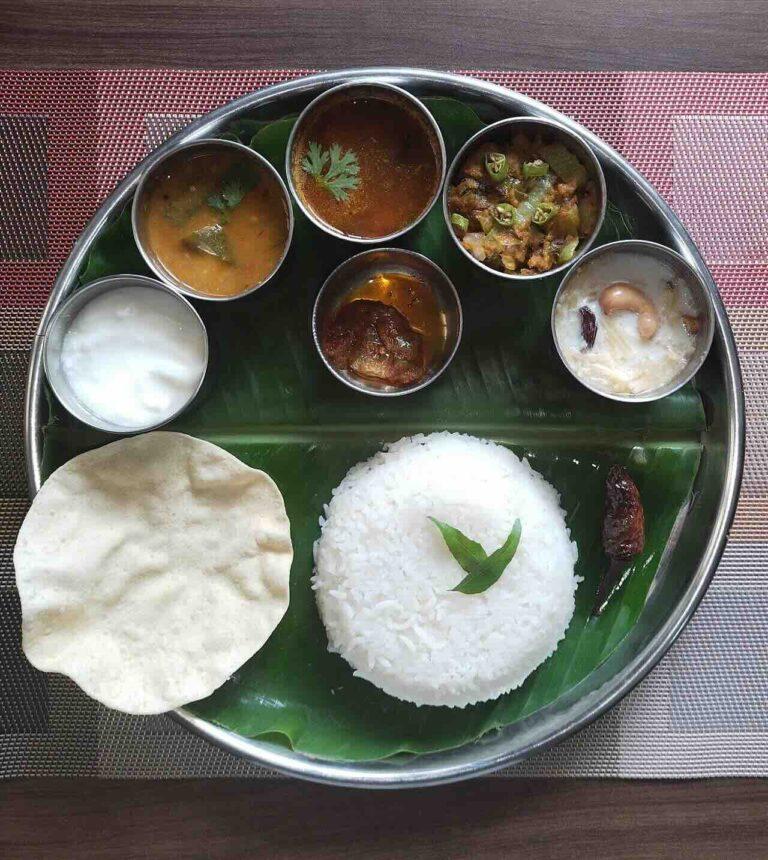
    The price of a home-cooked meal in India edged higher in July, placing fresh pressure on household budgets already navigating uneven monsoon patterns and elevated energy costs. According to Crisil Intelligence’s latest Roti Rice Rate report, the average cost of a vegetarian thali rose 4 per cent year-on-year to ₹29.1, while a non-vegetarian thali became 9 per cent more expensive at ₹58.3. On a sequential basis, the vegetarian plate climbed 2 per cent from June to a seven-month high, while the non-vegetarian version held steady.

    These shifts reflect a familiar but potent mix of domestic supply disruptions and imported cost pressures. Onion prices surged 20 per cent from a year earlier as higher-priced stored rabi stocks entered the market. Unseasonal rain and hailstorms in Maharashtra – India’s largest onion-producing state – during March and April damaged late-season crops and existing inventories, tightening supplies further. Month-on-month, onion prices jumped 23 per cent in July alone.

    Onion, Oil and LPG Drive the Spike

    Vegetable oil prices rose 11 per cent and LPG cylinder prices 10 per cent over the year. Crisil attributes much of this to supply disruptions and elevated energy costs linked to the ongoing conflict in West Asia. Higher crude oil prices have lifted freight and import costs, while elevated polymer and resin prices have added to packaging expenses. For non-vegetarian meals, broiler chicken prices – accounting for nearly half the cost of the plate – climbed about 14 per cent year-on-year, amplifying the overall increase.

    Relief came from potatoes and tomatoes. Potato prices fell 12 per cent year-on-year after a 2–3 per cent rise in rabi production supported by higher acreage. Tomato prices eased 2 per cent as delayed summer crop planting shifted the supply cycle, bringing higher arrivals in July. On a monthly basis, tomato prices dipped 1 per cent, helping to moderate the rise in vegetarian thali costs despite the onion surge and a 4 per cent climb in potato prices.

    Pushan Sharma, director at Crisil Intelligence, noted that onion prices are likely to remain firm in the coming months because of limited rabi supplies and an expected delay in kharif arrivals. Edible oil prices are also expected to stay elevated. Potato prices may firm as costlier cold-storage stocks reach markets, while tomatoes could stay relatively stable in the near term before rising from September on delayed kharif arrivals and stronger festive demand.

    Global Backdrop Tightens Further

    India’s domestic cost pressures are unfolding against a broader rise in global food prices. The FAO Food Price Index averaged 131.1 points in July 2026, up 0.6 per cent from June and 1 per cent higher than a year earlier, though still 18.2 per cent below its March 2022 peak. Cereals led the increase: the Cereal Price Index rose 3.4 per cent month-on-month. Wheat prices jumped 5.8 per cent in July and stood 9.9 per cent higher than a year earlier, driven by concerns over continued disruptions to Black Sea grain exports, damage to export infrastructure, and heatwaves affecting yields in major producing countries. Maize prices strengthened 3.6 per cent amid hot, dry conditions in parts of the US Corn Belt, with firmer energy markets and geopolitical tensions providing additional support.

    Vegetable oils recorded another notable gain. The FAO Vegetable Oil Price Index rose 2 per cent to 195.7 points – its highest level since June 2022. Palm oil prices climbed for a second consecutive month on strong demand from Indonesia’s biodiesel sector and higher crude oil prices, while soybean oil benefited from robust feedstock demand in the United States and firmer global import interest. Sunflower and rapeseed oils eased on expectations of larger 2026/27 supplies, though Black Sea tensions limited the decline.

    Sugar prices also turned higher. The Sugar Price Index increased 5.6 per cent in July, though it remained 8 per cent below year-earlier levels. Persistent hot and dry weather in the European Union, potential El Niño-related risks for Asian producers, and expectations of stronger ethanol demand in Brazil – diverting more sugarcane toward fuel – supported the rise. Improving harvest conditions in Brazil’s Center-South region prevented a steeper climb.

    In contrast, dairy prices continued to weaken, with the Dairy Price Index falling 0.7 per cent as lower butter and milk powder quotations outweighed a rise in cheese prices. Meat prices showed mixed trends overall.

    Household Impact and Forward Risks

    For Indian households, the thali remains a practical barometer of everyday food costs. Crisil calculates the average cost using prevailing input prices across north, south, east and west India, covering cereals, pulses, broilers, vegetables, spices, edible oil and cooking gas. The July numbers indicate that while some vegetable prices offered partial cushioning, the combination of onions, oils and LPG – plus chicken for non-vegetarian plates – kept overall meal costs elevated.

    The global environment adds complexity. Weather disruptions, energy market volatility and geopolitical tensions continue to influence key trade corridors for grains and vegetable oils. Importing countries remain particularly exposed to renewed pressure in cereals and oils, which can feed into domestic food inflation even when local vegetable prices ease.

    Looking ahead, the interplay of delayed kharif arrivals, festive demand, and the trajectory of energy prices will shape the near-term outlook for Indian kitchen budgets. Onion and edible oil firmness is expected to persist, while potatoes and tomatoes may offer only temporary or partial relief. Global wheat and oilseed markets remain sensitive to further weather or geopolitical shocks.

    In sum, July’s thali data underscore how domestic agricultural supply issues and international energy and commodity pressures continue to influence the cost of basic meals. For families across India, the everyday plate has become a clearer mirror of both local harvest risks and distant geopolitical currents.

    PoJK Unrest Lays Bare Pakistan’s Fragile State

    Escalating protests in Pakistan-occupied Jammu and Kashmir expose deep socioeconomic grievances, military repression, and the failure of Pakistan’s nation-building project nearly 80 years after independence, experts say.

    Policy analyst and columnist Dr. Tehmeena Rizvi and Professor Sreeram Chaulia, Dean, Jindal School of International Affairs and Director General, Jindal India Institute, dissected the escalating crisis in Pakistan-occupied Jammu and Kashmir (PoJK) in the latest episode of Indian Diplomacy on Doordarshan. The discussion centred on deadly crackdowns against civilian protesters, the military-dominated character of the Pakistani state, and the stark contrast with improving conditions on the Indian side of the Line of Control.

    The episode opened with a clear diagnosis from Rizvi: “The fight is actually about socio-economic issues. The fight is about accountability of (the) Pakistani state. The problem with them is that they have a very weak civilian and military cohesion. Their military establishment mostly deals with the issues. It’s not in a very democratic manner. Faith cannot run democratic country, as clear as that. So, even if on the very beginning it started with that point, it cannot sustain for longer duration. It’s a state which is looking for a nation. So, it cannot really… 80 years down the line, a state which is still looking for a nation and a democratic one while keeping everything in military establishment. It’s a paradox, I think. On this side of the country, we are seeing elections, we are seeing developments, we are seeing people living normally. And then on the other side, we are seeing clashes, internet shutdowns, and the main dissent around elections.”

    Military Response to Civilian Dissent

    Chaulia framed the crisis bluntly. At least 100 people have been killed and hundreds more injured in recent months of unrest. The Pakistani state, he noted, has resorted to “extreme brutality and force” to crush protests led by the Joint Awami Action Committee (JAAC), a broad civil-society coalition representing traders, students, lawyers and local groups. Yet the revolt has not been fully extinguished.

    Rizvi was unsurprised by the violence. “Pakistan is a military established state and they treat every dissent as a dissent against their hegemonic structure and they don’t really care whether the dissent, these are student leaders, these are community leaders, these are civil society actors. They don’t really care whether these people are armed or not. They treat everybody equally as thinking that one is a militant.” 

    Recent statements equating the protesters with “enemies of the state as India is” only underscored the point, she said. “We don’t expect them to negotiate with these community leaders and Joint Awami Action Committee… Pakistan has been like this since many years. So, we can’t really right now expect them to uphold the rules and regulations of a democratic state.”

    Chaulia agreed that the absence of accommodation with civilian demands creates “spirals” of repression and renewed revolt, visible not only in the Mirpur-Muzaffarabad belt but also in the broader PoJK region that includes Gilgit-Baltistan.

    Socioeconomic Roots, Not Just Identity

    Rizvi rejected the tendency to reduce the unrest to a Kashmiri identity crisis. “One of the problems with this conversation is that we try to reduce it to identity crisis… The fight is actually about accountability. The fight is actually about socio-economic issues… These people, when we talk about the larger region and PoJK, these people are not only Kashmiris. These people are Mirpuris. These are Gujjars. These are Paharis… The Kashmiri identity fight comes last. The first problem is with the accountability and socio-economic issues.”

    Grievances date back to 2023. Residents of a region that generates substantial hydropower through the Mangla Dam faced prolonged power cuts and high tariffs. Wheat and flour subsidies were cut. Daily living became a struggle. In 2026 the immediate trigger was the 12 reserved seats in the 53-member PoJK assembly set aside for refugees living elsewhere in Pakistan. Locals asked why people who neither live in the region nor share its hardships should help choose their governors. The JAAC’s 38-point charter also sought fair electricity pricing, local representation, better services and an end to political interference from Islamabad. The group was banned under anti-terrorism laws days before major marches, intensifying the confrontation.

    Failure of Nation-Building and Political Islam

    Chaulia pressed the deeper structural question. Pakistan was founded on the idea that Muslims of the subcontinent needed a secure homeland. Yet religion has repeatedly failed to hold the country together – most dramatically with the 1971 breakaway of Bangladesh. Today Balochistan is in open revolt, Pashtun movements challenge the state in Khyber Pakhtunkhwa, and Sindhi nationalists have long voiced discontent. Why, he asked, are Muslim populations across these regions rejecting the “land of the pure”?

    Rizvi’s answer returned to the opening paradox: a state still searching for a coherent nation while power remains concentrated in the military establishment. Political Islam has not delivered democratic accountability or equitable development. The result is fragmented revolts that the centre can only manage through force.

    Contrast Across the Line of Control and International Responsibilities

    Both speakers highlighted the divergence between the two sides – on the Indian side, elections, infrastructure development and relatively normal civilian life continue. In PoJK, internet blackouts, security force deployments and lethal force have become routine responses to protest. Chaulia asked what India and the international community should do. The conversation underscored the need for sustained attention to systematic human-rights abuses and for pressure on Pakistan to address genuine socioeconomic and political grievances rather than criminalising them.

    India has consistently described PoJK as territory under illegal occupation and has rejected recent local elections there as a “cosmetic exercise” meant to camouflage repression. Independent reporting has documented communication blackouts, troop deployments from mainland Pakistan, and casualties that include civilians, with some accounts alleging significant numbers of women and children among the dead – claims the Pakistani authorities dispute.

    A Spiral That Haunts Pakistan

    The experts concluded that the cycle of protest and crackdown is not an aberration but a structural feature of a military-dominated state that cannot negotiate with its own citizens. As long as the Pakistani establishment treats legitimate demands for accountability, fair resource distribution and local representation as existential threats, the revolts in PoJK and elsewhere will continue to haunt it. Nearly eight decades after independence, the search for a workable nation remains unfinished – and the cost is being paid in civilian lives, the two experts avered.

    The full discussion is available on DD India’s YouTube channel under the title Indian Diplomacy: Human Rights in Pakistan-Occupied Jammu & Kashmir.

    Bangladesh: Small Farmers Feed the Nation but Earn a Fraction

    Over half of Bangladesh’s food producers earn under Tk 34,000 a year, far below the national average, exposing deep inequality in agriculture and raising alarms for food security and SDG targets.

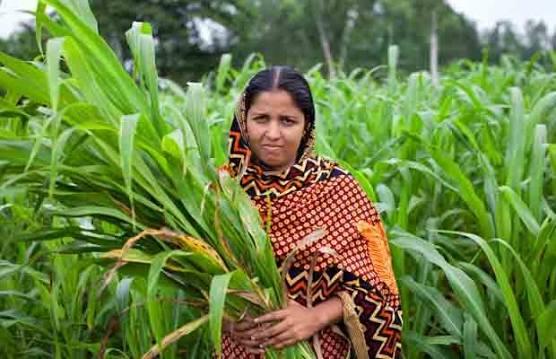
    Over half of Bangladesh’s food producers – the backbone of the country’s food supply – earn less than Tk 34,000 a year, according to a new Bangladesh Bureau of Statistics survey. The figure, roughly Tk 2,800 a month, stands in stark contrast to the national average income of food producers and highlights a structural imbalance that experts warn could undermine both rural livelihoods and long-term food security.

    The Income and Productivity of Small-Scale Food Producers Survey 2025 found that small-scale producers account for 53.65 per cent of all food producers while large-scale producers make up 46.35 per cent. Yet the income gap is enormous. Small producers average only Tk 33,639 annually. Large-scale producers earn Tk 129,956. The overall national average of Tk 78,286 sits far closer to the large-producer figure, masking the reality faced by the majority.

    Defining the Small-Scale Producer

    The survey, covering 12,879 households across all eight divisions and five sectors – temporary crops, permanent crops, forestry, livestock and aquaculture – defines small-scale producers as those in the bottom 40 per cent nationally on three simultaneous measures: land area, livestock holdings and annual agricultural revenue. These households operate an average of just 33.5 decimals of land, compared with 123.5 decimals for large-scale producers.

    The survey was designed to establish Bangladesh’s baseline for two United Nations Sustainable Development Goal indicators: SDG 2.3.1 (agricultural productivity per labour day) and SDG 2.3.2 (average annual income of small-scale food producers). Both track progress toward Target 2.3, which calls for doubling the productivity and incomes of small-scale producers by 2030. It is the second such survey under the BBS Sustainable Agriculture Statistics Project, conducted with technical support from the Food and Agriculture Organisation.

    Livestock Dominates Meagre Earnings

    For small-scale producers, livestock is by far the main income source, contributing Tk 28,421 or 84.5 per cent of total earnings. Aquaculture follows at Tk 12,670, forestry at Tk 10,892, temporary crops at Tk 4,591 and permanent crops at a mere Tk 2,331. Experts note that livestock, encompassing both larger animals and poultry, generates household employment and supports family nutrition, yet the overall returns remain too low to create investable surplus.

    Productivity figures reinforce the disparity. Small-scale producers generate Tk 1,494 in net value per labour day, against Tk 2,301 for large-scale producers and a national average of Tk 1,868. Interestingly, small producers outperform large ones in permanent crops (Tk 9,182 versus Tk 4,603) and forestry (Tk 6,518 versus Tk 4,656). Large producers lead in aquaculture and temporary crops.

    Regional differences are pronounced. Small-scale producers in Rajshahi recorded the highest average annual income at Tk 44,707, while those in Sylhet earned the lowest at Tk 24,636. Sylhet was also the only division where large-scale producers formed the majority. Chattogram and Rangpur had the highest shares of small-scale farmers.

    Female-headed households, which make up 10.7 per cent of small-scale producers (versus 4.7 per cent of large-scale ones), earn even less: Tk 27,901 on average compared with Tk 34,359 for male-headed small-scale households.

    Putting Tk 34,000 in Perspective

    Tk 34,000 a year is not an official poverty line. Bangladesh’s national upper poverty line in 2022 stood at approximately Tk 3,832 per person per month, or roughly Tk 46,000 a year per person. For a typical rural household of four or five members, the household-level threshold is substantially higher. Recent estimates by the Power and Participation Research Centre put the adjusted upper poverty line near Tk 4,333 per person per month in 2025.

    National per capita income has risen above US$3,000 (around Tk 368,000) in the latest provisional figures. Against that backdrop, an annual agricultural income of Tk 33,639 places most small-scale producers well below sustainable living standards and leaves little margin for investment, education or health shocks. Recent analyses indicate poverty rates have risen again after earlier gains, with some surveys placing the upper poverty incidence near 28 per cent amid inflation and weaker job creation.

    Experts Call for Fair Prices and Technology

    Mohammad Yunus, research director at the Bangladesh Institute of Development Studies, observed that the trend toward smaller landholdings is difficult to reverse as people leave agriculture for other work. Economic development has reduced poverty by creating alternative income sources, he said, but agriculture itself must remain viable. “For agriculture to remain sustainable, farmers must receive fair prices for their products.” He stressed the need to introduce technology to raise productivity and ensure returns comparable to other sectors so that farmers stay engaged. If they continue to leave, urban populations will also suffer, he warned.

    Yunus outlined three requirements for food security: fair prices that keep farmers committed to production; reform of the market system to curb the large gap between farm-gate and retail prices caused by middlemen and syndicates; and higher productivity so farmers can earn profits while food remains affordable for consumers.

    MA Sattar Mandal, former vice-chancellor of Bangladesh Agricultural University, noted that the heavy reliance on livestock reflects high labour participation in that sector among small households and its dual role in employment and nutrition. Low incomes, however, leave no surplus for investment, locking productivity at low levels.

    Broader Stakes for Food Security and the Economy

    Agriculture continues to employ a large share of the workforce and remains central to rural poverty reduction. Earlier World Bank assessments showed rural areas outpacing urban ones in poverty decline between 2016 and 2022, partly thanks to agricultural growth. Yet the latest BBS findings reveal that the majority of those who produce the nation’s food capture only a small share of the value.

    Without decisive action on prices, market efficiency and technology access, the income and productivity targets under SDG 2.3 will remain distant, Mandal warns. 

    Yunus says, “The survey establishes a clear baseline. Closing the gap between contribution and reward for the country’s small-scale food producers is now a matter of both equity and national food security.”

    Extreme Heat Erodes 31 Million Jobs a Year in South Asia

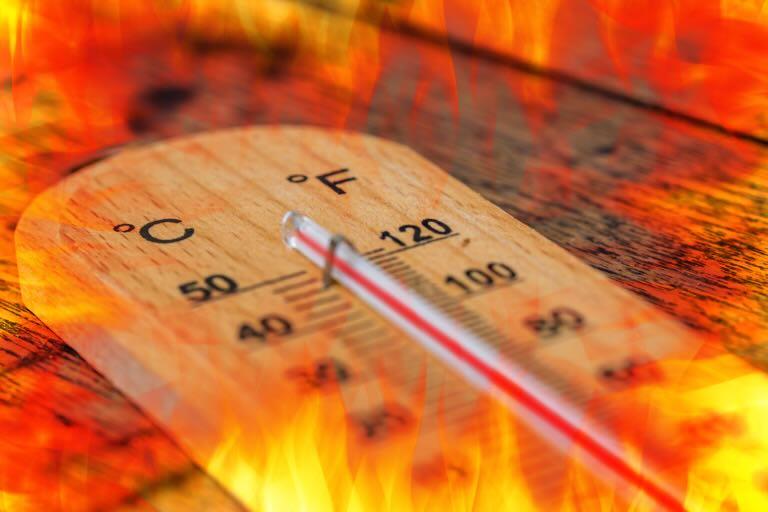
    Extreme heat is already wiping out the equivalent of 31 million jobs a year across South Asia and could shrink the region’s economy by nearly 7 per cent by 2050, a new World Bank report warns, as cities and workers struggle under rising temperatures.

    Extreme heat is no longer a seasonal inconvenience in South Asia. It has become a structural threat to jobs, productivity and long-term growth, according to a major World Bank report released on 29 July 2026. The study, A Livable Future: Protecting Jobs and Growth from Extreme Heat in South Asia’s Cities, finds that rising temperatures are already costing the region the equivalent of nearly 31 million full-time jobs every year. Without urgent action, heat could reduce the region’s economy by almost 7 per cent by 2050.

    The findings come as South Asia prepares to add some 280 million people of working age by mid-century. Cities, the engines of the region’s growth, are on the front line. By 2070, around 520 million people across the region could face at least one month of dangerous heat each year – four times the number today.

    Cities and Workers on the Front Line

    Johannes Zutt, World Bank Vice President for South Asia, put the challenge starkly: “South Asia’s cities are central to the region’s future, but rising temperatures are putting jobs, livelihoods, and economic growth at risk. Building heat-resilient cities is not only about protecting people from rising temperatures. It is about safeguarding jobs, boosting productivity, attracting investment, and ensuring cities continue to drive economic growth.”

    The report argues that heat can no longer be treated as a seasonal emergency. It must become a core development priority, woven into urban planning, infrastructure investment, public policy and private-sector strategies. Extreme heat already reduces labour productivity, disrupts businesses, strains health systems and infrastructure, and hits low-income households, informal workers, women, the elderly and children hardest.

    Bangladesh offers a clear illustration of the costs. In 2024 alone, heat-induced productivity losses reached an estimated $1.3 to 1.8 billion, or 0.3 to 0.4 per cent of the country’s GDP. These losses were driven by heat-related illnesses including diarrhoea, respiratory problems, exhaustion, depression and anxiety. On days when temperatures exceeded 37°C, productivity losses jumped 36 per cent higher than on milder days. Nationally, extreme heat caused about 250 million lost workdays that year.

    In Dhaka the impact is particularly acute. Heat currently renders three per cent of annual working hours unworkable – the equivalent of roughly 465,000 full-time jobs every year. By 2080 that figure is projected to more than double, with the capital expected to lose 7.4 per cent of its productive hours.

    Garment Sector Faces Multi-Billion-Dollar Risk

    Bangladesh’s ready-made garment industry, a cornerstone of the economy and a major employer of women, faces a multi-billion-dollar threat. Analysis cited in the World Bank report, drawing on work by the International Labour Organisation, the International Finance Corporation and Cornell University’s Global Labor Institute, estimates that the apparel sectors of Bangladesh, Pakistan, Vietnam and Cambodia could forgo up to $65.8 billion in export earnings by 2030 if heat stress remains unaddressed. Heat stress in Bangladeshi garment factories has also been linked to higher risks of violence and harassment against women workers unable to meet production quotas.

    India, the region’s largest economy, is equally exposed. Separate research shows extreme heat is already extracting a heavy toll. A recent survey of informal workers in cities including Delhi, Ajmer and Agra found outdoor workers in construction, road-laying and brickmaking losing about 24 days of productive work a year due to heat, costing them the equivalent of nearly a tenth of their annual earnings. Indoor workers in garment manufacturing and similar sectors lost roughly 15 days. Extrapolated nationally, heat-related productivity decline and kidney problems linked to chronic dehydration and heat exposure are estimated to cost Indian workers around $78 billion in lost wages annually – nearly two per cent of GDP.

    Other studies paint a similar picture. India lost an estimated 247 billion potential labour hours to heat exposure in 2024, with agriculture accounting for roughly two-thirds of the losses and construction about one-fifth. The International Labour Organisation has projected that India could account for 34 million of the 80 million global job losses linked to heat-stress-driven productivity decline by 2030. Some analyses suggest heat stress could put up to 4.5 per cent of India’s GDP at risk by that date.

    Informal Workers and Outdoor Labour Bear the Brunt

    Across South Asia, informal and outdoor workers – construction labourers, street vendors, rickshaw pullers, farm workers and those in poorly ventilated factories – face the highest risks. They often lack the option to stop work when temperatures soar. In Bangladesh, where informal employment remains high, rickshaw pullers report daily incomes falling sharply during heatwaves as fewer passengers venture out and physical capacity declines. Tin-roofed homes and overcrowded informal settlements intensify the urban heat-island effect, trapping heat even at night and denying workers recovery.

    Agriculture remains especially vulnerable. In India, farm workers lost an average of 54 full working days to heat stress in 2024 in one assessment, ranking the country among the worst affected globally for agricultural labour losses. By 2030, outdoor worker capacity could decline by more than 50 per cent in some parts of Asia under continued warming.

    Health impacts compound the economic damage. Heat contributed to roughly twice as many deaths in Bangladesh and India in 2023 as in 2000, and nearly four times as many in Sri Lanka, according to Global Burden of Disease data. Chronic exposure is linked to kidney disease, mental-health strains and higher rates of heat-related illness, further eroding labour supply.

    A Roadmap for Heat-Resilient Growth

    The World Bank report does not merely diagnose the problem; it offers a practical roadmap that can be implemented through existing institutions and financing mechanisms. Key recommendations include investing in heat-resilient infrastructure, strengthening Heat Action Plans, protecting vulnerable workers through labour regulations and workplace adaptations, expanding access to sustainable and passive cooling, improving early-warning systems, and mobilising both public and private investment to build more resilient cities.

    Solutions range from green infrastructure and cool roofs to adjusted working hours, shade provision, hydration protocols and better-ventilated buildings. Larger firms are already more likely to invest in cooling and building upgrades, but smaller enterprises and informal workers need targeted support. Passive design measures – orientation, shading, natural ventilation – can deliver significant cooling benefits at low cost and with lower carbon impact than widespread air-conditioning.

    The report was prepared with support from the Resilient Asia Program, funded by the UK government’s Foreign, Commonwealth & Development Office through its Climate Action for a Resilient Asia programme. It positions heat resilience as essential not only for protecting lives but for maintaining competitiveness in a region whose growth model still relies heavily on labour-intensive sectors.

    As temperatures continue to rise, the choice facing South Asian policymakers is clear. Treat extreme heat as a temporary disruption and accept mounting losses in jobs, health and growth, or integrate heat resilience into the core of urban and economic planning. The costs of inaction are already measurable in millions of lost workdays and billions of dollars. The opportunity, the World Bank argues, is to build cities that remain productive, competitive and livable for the hundreds of millions who will call them home in the decades ahead.

    Students Spotlight War’s Human Toll at Hyderabad Peace Event

    Over 500 Hyderabad students used plays and posters at COVA’s Sambandh-2026 to expose how the US-Israel-Iran conflict drives poverty, inflation and family ruin, commemorating Hiroshima while urging peace.

    More than 500 students from 45 schools and colleges transformed a city stage into a powerful classroom on the human cost of conflict during the 24th annual Sambandh inter-school and inter-collegiate competitions organised by the Confederation of Voluntary Associations (COVA) Peace Network.

    Held to mark the anniversary of the Hiroshima and Nagasaki nuclear bombings, the Swami Agnivesh-Praful Bidwai-B.M. Kutty Memorial Sambandh-2026 focused on the impact of the US-Israel and Iran conflict. Through one-act plays and posters, young participants showed how distant wars translate into empty kitchens, unpaid school fees and shattered homes in ordinary Indian families.

    Rising Costs and Families Under Siege

    Students depicted the cascade of consequences with striking clarity. Rising fuel prices, LPG shortages and broader inflation have pushed middle-class households towards poverty, making basic needs – food, children’s education and healthcare – unaffordable. Plays contrasted life before and after the outbreak of conflict, illustrating how violence dismantles livelihoods, relationships and security.

    One recurring message captured the scale of the threat: “WAR means WORLD AT RISK.” Performances emphasised that the fallout never stays confined to battlefields. Ordinary people in civil life, especially the poor, bear the heaviest burden as they slide into hunger while the middle class struggles to stay afloat.

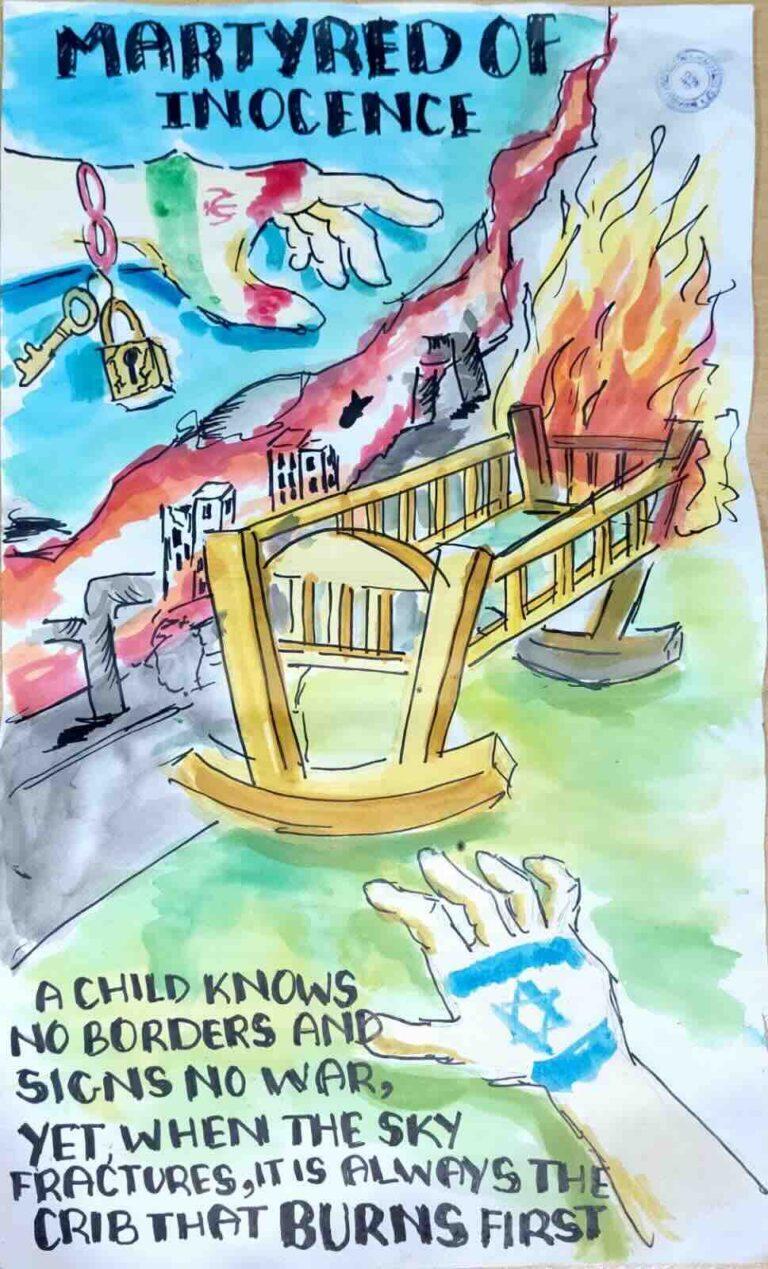
    The poster competition drew more than 400 entries. Artists paired stark imagery with slogans that refused to look away. One of the most poignant read: “A child knows no borders and signs for no war – but when the sky fractures, it is always the crib that burns first.” The visual and verbal force of these works reinforced the central theme that children and families pay first and longest.

    Voices from the Stage and Organisers

    Mazher Hussain, Executive Director of COVA Peace Network, said the plays and posters “powerfully captured the pain, struggles and hardships endured by ordinary families during times of war.” He noted that the entries succeeded in bringing out the long-term devastation caused by conflict and held real potential to sensitise wider society.

    In the results, Birla Open Minds International School took first prize in the college category, while Unique School was adjudged the best entry among schools.

    The programme was inaugurated by Rev. Br. Santosh Kumar, Director of the Boys Town Group. Vithal Rao Arya spoke about the life and legacy of Swami Agnivesh, highlighting his lifelong commitment to social transformation. The event also paid tribute to Praful Bidwai, a leading campaigner against nuclear weapons, and B.M. Kutty of Pakistan, who worked tirelessly for peace in South Asia, especially between India and Pakistan.

    A Two-Decade Tradition of Peace Education

    Sambandh has been organised by COVA almost every August since the early 2000s to commemorate the nuclear holocaust of 1945 and to keep alive the memory of peace activists. Past editions have explored themes such as the impact of war and violence on families, different forms of violence in society, and the need for students to check communal, caste and gender-based conflict.

    The annual platform typically draws hundreds of students into debates, essays, quizzes, plays and poster-making. Its consistent aim is to move participants beyond textbooks, building empathy and a sense of responsibility for a less violent world. COVA’s broader work includes the Compassionate Citizenship Programme, now integrated into Telangana’s school curriculum, which encourages students to research social issues, engage communities and advocate practical solutions.

    This year’s focus on the economic and social fallout of the US-Israel-Iran tensions connected local classroom concerns – fuel prices, household budgets, disrupted education – with global geopolitics. Students demonstrated an ability to translate abstract news into lived experience, showing how conflicts thousands of kilometres away tighten belts and empty plates in Hyderabad homes.

    Why Student Voices Matter

    The event underscored a simple but urgent truth: wars do not end when the guns fall silent. Their economic aftershocks and psychological scars linger for years, disproportionately affecting the most vulnerable. By placing students at the centre of the conversation, COVA created space for a generation that will inherit the consequences of today’s decisions to articulate those costs in their own words and images.

    Organisers hope the award-winning plays will reach wider audiences through social media and community screenings, extending the sensitisation beyond the competition hall. In a city that has long grappled with questions of communal harmony and social equity, the sight of schoolchildren staging the destruction of family life and painting the first victims of fractured skies carried particular resonance.

    The 2026 Sambandh closed with the same quiet determination that has marked two decades of the programme: the belief that informed, compassionate young people remain one of the strongest barriers against the next cycle of violence and the poverty it breeds. 

    As the students packed away costumes and posters, their message stayed clear – peace is not an abstract ideal but a practical necessity for the survival of ordinary families.

    Bhutan Resumes WTO Accession Talks After 18-Year Pause

    Bhutan returns to the WTO negotiating table after 18 years, signalling readiness for deeper global trade integration following LDC graduation, economic growth, and ambitious reforms including the Gelephu Mindfulness City project.

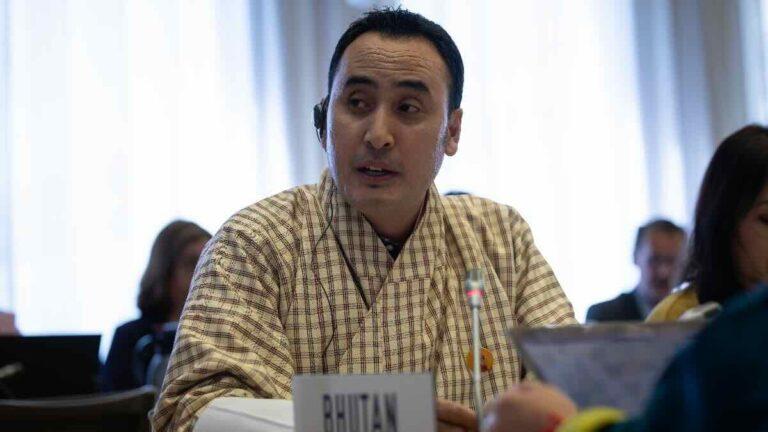
    Bhutan has formally restarted negotiations to join the World Trade Organisation after an 18-year interruption, marking a pivotal step in the Himalayan kingdom’s long-running effort to integrate more fully into the global trading system. At the fifth meeting of the Working Party on the Accession of Bhutan, held in Geneva on 9 July 2026, WTO members welcomed the country’s return and its reaffirmed commitment to membership.

    The session was the first since January 2008. Bhutan’s Minister for Industry, Commerce and Employment, Lyonpo Namgyal Dorji, led a high-level delegation that included Tashi Wangmo, Ministry Secretary and Chief Negotiator, along with senior officials from multiple ministries and representatives linked to the Gelephu Mindfulness City project. Working Party Chair Ambassador Alexander Kmentt of Austria opened the meeting by highlighting the potential positive role WTO participation could play in Bhutan’s ongoing transformation.

    A Country Transformed Since 2008

    Minister Dorji told members that Bhutan returns “as a country that has grown its economy, modernised its regulatory environment, strengthened its institutions, and developed the capacity to negotiate, implement, and benefit from WTO membership.” He pointed to clear progress over the intervening years: GDP nearly tripled from US$ 1.3 billion in 2008 to US$ 3.8 billion in 2025, infrastructure investment expanded, the economy began diversifying beyond traditional sectors, and poverty rates declined significantly.

    The minister framed the timing as deliberate. “We return to this Working Party after 18 years because we believe the time is right,” he said, expressing the country’s “readiness to engage, negotiate and become a constructive, responsible and committed WTO member” and its “unwavering commitment to bring this accession process to a successful conclusion.” At the same time, he underscored structural realities that must shape any durable agreement: Bhutan’s landlocked geography, small domestic market, narrow economic base, and vulnerability to climate change. “A durable and credible accession agreement must be built upon an honest understanding of the economy it will govern,” he noted.

    Building on LDC Graduation

    Bhutan’s renewed push comes after its formal graduation from the United Nations least-developed country category on 13 December 2023 – the seventh country to achieve this milestone. Graduation followed years of progress on income and human assets criteria and a five-year preparatory period aligned with national development planning. While it ends certain preferential trade treatments and support measures, it also reflects stronger economic resilience and positions the country to seek membership on terms suited to its post-LDC status.

    Deputy Director-General Xiangchen Zhang, speaking on behalf of WTO Director-General Ngozi Okonjo-Iweala, described the July meeting as “a significant milestone in Bhutan’s renewed commitment to WTO accession and to the multilateral trading system, its principles and values, building on Bhutan’s recent graduation from least-developed country (LDC) status.” 

    Director-General Okonjo-Iweala later congratulated the Bhutanese delegation publicly, praising the constructive Working Party session and noting that while good progress has been made, substantial work remains.

    Substantive Preparations and Discussions

    Bhutan arrived well prepared. It submitted 14 negotiating documents covering technical barriers to trade, sanitary and phytosanitary measures, import licensing procedures, and agricultural export subsidies. A revised Legislative Action Plan listing 174 pieces of legislation was circulated, along with updated market access offers on goods and services. The WTO Secretariat, working with Bhutan, produced a fully updated second revision of the Draft Working Party Report ahead of the meeting.

    Members engaged in a full day of detailed discussions, examining regulatory developments since 2008 and seeking clarifications on investment rules, foreign exchange and payments, policies affecting trade in goods and services, and trade-related intellectual property rights. Bhutan reported bilateral contacts with several members interested in launching or restarting market access negotiations and delivered presentations on legislative reforms and the Gelephu Mindfulness City – a special administrative region designed as a sustainable economic hub on the Himalayan kingdom’s southern border with India.

    The chair characterised the exchanges as “substantive and very constructive.” Next steps include circulation of a new set of questions and replies, further revision of the Draft Working Party Report, submission of additional updated supporting documents by Bhutan, and intensified bilateral market access talks. A date for the next Working Party meeting will be set once inputs are received.

    National Roadmap Targets 2028

    According to Bhutan’s Ministry of Industry, Commerce and Employment, the decision to resume formal negotiations was approved by the Lhengye Zhungtshog (Cabinet) in 2025 after extensive domestic preparations. The government’s approved WTO Accession Roadmap aims for membership by the end of 2028, contingent on successful conclusion of negotiations and fulfilment of remaining requirements. Bhutan first applied for accession in 1999; its Working Party was established that October, with four meetings held between 2003 and early 2008 before momentum faded amid domestic debate over the balance between trade liberalisation and the country’s Gross National Happiness philosophy.

    Broader Economic Context

    Bhutan’s economy remains heavily reliant on hydropower exports, tourism, and close trade ties with India, which accounts for the overwhelming share of its external commerce under a long-standing bilateral agreement. Recent growth has been solid, with projections in the range of 6 to 8 per cent in the mid-2020s supported by new hydropower capacity, tourism recovery, and capital spending under the 13th Five-Year Plan. The plan targets a GDP of around US$5 billion by 2029 and a high-income Gross National Happiness economy by 2034. Poverty has fallen sharply, though vulnerability persists for a portion of the population.

    The Gelephu Mindfulness City project, announced by King Jigme Khesar Namgyel Wangchuck, forms a central pillar of this vision. Spanning roughly 2,500 square kilometres as a special administrative region with its own regulatory framework, it seeks to attract investment in green energy, wellness, education, finance, agri-tech, logistics, and tourism while embedding Bhutanese cultural and environmental values. Officials have linked the city’s development to broader efforts to diversify the economy, create high-value jobs, and strengthen regional connectivity.

    WTO Accession is Complex

    WTO accession is a complex, multi-year process involving multilateral examination of a country’s trade regime and bilateral market access negotiations with interested members. For a small, landlocked economy that has only recently left LDC status, the path requires careful sequencing of legislative reforms, institutional strengthening, and capacity building. Bhutan has signalled it is prepared to advance on all fronts while insisting that the final terms reflect its unique circumstances.

    Members welcomed the resumption and encouraged continued legislative reforms and regular updates. With updated documentation already on the table, bilateral talks beginning to restart, and a clear national target of 2028, the July 2026 meeting has restarted a process long in abeyance. 

    Whether Bhutan can convert renewed political will and improved economic fundamentals into membership within the stated timeframe will depend on sustained engagement, constructive flexibility on all sides, and the ability to craft an accession package that supports rather than undermines its distinctive development model.

    The return of Bhutan to the negotiating table after nearly two decades underscores the particular challenges faced by small, environmentally vulnerable economies seeking to join it on terms that preserve national priorities.

    Normalised Violence: How Bangladesh’s Chars Trap Women in Abuse

    On Bangladesh’s shifting river islands, floods and poverty entrench a hidden crisis where violence against women is expected, endured in silence, and intensified by climate-driven displacement.

    In the unstable sandbanks of the Jamuna River, entire villages rise and vanish with the monsoon. These river islands, known as chars, form from sediment deposits of the Brahmaputra, Ganges and Meghna systems. They offer fertile land for subsistence farming yet deliver repeated displacement, crop loss and economic shock. For the women who live there, another crisis runs deeper and more constant: violence that has become ordinary.

    A mixed-methods study led by the University of Portsmouth with Grameen Bikash Foundation after the 2019 floods in Bogra and Sirajganj documented the scale. Researchers conducted 433 household interviews (356 with women) and 26 in-depth interviews across 13 villages, then followed several women as “displacement narrators” for up to two years. The findings showed violence is not exceptional. It is anticipated, managed and often suffered without complaint.

    Floods, Poverty and Rising Temper

    Environmental shocks act as powerful triggers. After the 2019 floods, roughly 500 households from several sample villages had to relocate entirely, while others moved within their own char. Land and crops vanished. Livestock was sold at distress prices. Food scarcity and disease rose. Men, stripped of provider status and income, directed frustration inward.

    Around 80 per cent of women reported having been slapped or had objects thrown at them at some point. Nearly 75 per cent had experienced marital rape. Almost one-third had been physically beaten, kicked or dragged. Nearly 90 per cent identified their husbands as the main perpetrators. Over three-quarters of women reported heightened stress after floods, linking it directly to economic hardship.

    One woman described the pattern: her husband’s temper flared when money was short or after fieldwork. “I am afraid to talk much with him,” she said. “During the last erosion, with no cash in hand, the financial crisis made his mood especially severe.” 

    Another woman noted the absence of escape: “There is no way to return to my father’s home, so I must adapt with this family. I will keep sorrows in my heart and behave well with a smiling face.”

    When Men and Women See Different Worlds

    Perceptions diverge sharply. Women recognised physical, psychological and sexual acts – including marital rape and sexual harassment – as violence. More than 90 per cent of men did not view most of these behaviours as violent, except rape by a stranger. This gap reflects entrenched gender norms in which male authority is assumed and women’s endurance is expected.

    The home, not the open char or temporary shelter, remains the primary site of harm. Isolation compounds the problem. Communities can be extremely remote. Services for survivors were virtually absent at the time of the research. Travel to mainland facilities requires planning and resources most families lack. When help is sought, it is usually from family or religious leaders who often prioritise household unity over a woman’s safety.

    Early Marriage and Lifelong Cycles

    Violence tracks the life course. Many girls marry between 10 and 14. Families sometimes view early marriage as protection against external harassment on the exposed chars. In practice it transfers girls into new households where they face unfamiliar dynamics and heightened risk, especially under economic pressure. The early years of marriage prove particularly volatile. Later, the presence of children may offer limited buffering, yet the cumulative toll remains.

    National data reinforce the picture. The 2024 Violence Against Women Survey by the Bangladesh Bureau of Statistics and UNFPA found that 76 per cent of women have experienced some form of intimate partner violence in their lifetime and 49 per cent in the past year. In disaster-prone areas the lifetime figure rises to 81 per cent. Controlling behaviour, physical and sexual violence, and economic abuse are widespread. Two-thirds of survivors never disclose what they endure. Awareness of reporting channels remains low, especially in rural settings.

    Climate vulnerability and gender inequality intersect tightly. River erosion, floods and the pre-harvest hunger season known as monga keep households in chronic precarity. Women carry the double burden of maintaining households under strain while absorbing male frustration. Some families send teenage girls to relatives during displacement for perceived safety, yet the underlying drivers – poverty, patriarchal norms, limited mobility – persist.

    Silence as Strategy, Support as Absence

    Women’s most common responses are adaptation rather than resistance: limiting speech, restricting social contact outside the homestead, and “doing what the person wants.” Large majorities of both women and men viewed these strategies as effective. Collective help appears readily for moving tin roofs or rebuilding after floods, but rarely for confronting abuse inside the home.

    Development programmes in char areas have long emphasised livelihoods, disaster preparedness and economic resilience. These efforts matter, yet they have often treated violence as peripheral. The research argues that violence must be recognised as a predictable outcome of environmental and economic stress. Programmes need to anticipate spikes after crises, engage men on gender norms and power relations, and build accessible support systems suited to highly mobile, isolated communities.

    Beyond Survival

    Life on the chars is frequently framed as resilience. That framing risks romanticising the cost. For many women, survival means enduring violence, silencing themselves and accepting that safety is never assured. As climate change intensifies displacement, the gendered consequences will grow more severe unless addressed directly.

    The University of Portsmouth and Grameen Bikash Foundation findings, though rooted in 2019 data, remain relevant. Conditions for women on the chars have not eased. Mainstreaming violence-against-women considerations into every programme – not only those labelled “gender” – is essential. This requires systematic reflection on how interventions may increase or reduce risk, political-economy analysis of local power structures, and placing women’s voices at the centre through sustained qualitative tracking.

    Focus keyphrase: violence against women Bangladesh chars

    Tags: Bangladesh, chars, violence against women, domestic violence, climate displacement, Jamuna River, gender-based violence, intimate partner violence, child marriage, disaster-prone areas,

    Afghanistan’s Hunger Crisis Deepens as Aid Cuts Leave Millions Without Food

    UN officials warn that deepening funding shortfalls leave 14 million Afghans in acute hunger while child malnutrition hits record levels across a third of the country’s provinces, despite reduced fighting.

    Afghanistan’s humanitarian crisis is worsening even as armed conflict has declined, with millions of people confronting hunger, malnutrition, poverty and repeated climate disasters, United Nations officials have warned. Improved security has not translated into relief for ordinary Afghans struggling to put food on the table or keep their children healthy.

    Olga Cherevko, spokesperson for the UN Office for the Coordination of Humanitarian Affairs (OCHA) in Afghanistan, delivered a stark assessment at a briefing in New York. “Security cannot put food on the table, rebuild homes destroyed by floods, recover crops lost to drought or treat a child suffering from severe malnutrition,” she said.

    Families Exhausted by Poverty and Climate Shocks

    Drawing on recent visits to Bamyan, Herat, Paktika, Khost and Nuristan, Cherevko described communities worn down by the same hardships. Families spoke of exhaustion from poverty, hunger, climate shocks, mounting debt and the daily effort of providing for their children. Recent floods in Nuristan left many without homes or income. Afghanistan ranks among the countries most vulnerable to climate change, with repeated floods, droughts, harsh winters and earthquakes preventing recovery.

    Cross-border violence has added to the toll. Between October 2025 and the end of June 2026, more than 1,700 civilians were killed or injured – nearly 500 deaths and over 1,200 injuries, many of them women and children, according to figures from the UN Assistance Mission in Afghanistan (UNAMA).

    Taliban restrictions on women and girls continue to limit access to education, employment, healthcare and public life. These policies affect not only individual women but entire families and communities, further constraining household resilience.

    Record Child Malnutrition Across 12 Provinces

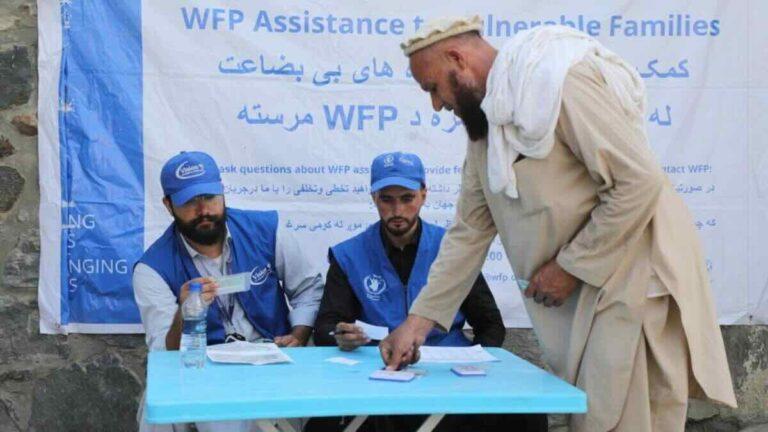
    The food crisis has become especially acute for children. The World Food Programme (WFP) reports that one in three Afghans – about 14 million people – face acute food insecurity. Yet the agency has funding to assist only one in nine of those in need.

    Twelve provinces have reached critical levels of acute child malnutrition, the highest number ever recorded in Afghanistan. Nearly 3.7 million children under five and 1.2 million pregnant and breastfeeding women are projected to suffer acute malnutrition this year. Eighty per cent of the worst cases involve children under two, and many arrive at health centres too late to be saved.

    “The number of children being rushed to health centres is soaring,” said John Aylieff, WFP’s country director for Afghanistan. “Eighty per cent of the worst cases are children under two years of age, and too many of them are arriving too late to be saved.”

    Funding shortfalls have forced the closure of 142 health centres in 2025, cutting nutrition treatment for more than 13,000 children. Distribution of specialised nutritious foods to prevent malnutrition and stunting halted completely in May 2025. From August through October – the peak season for malnutrition – WFP has been forced to suspend food distributions aimed at preventing famine in the worst-hit areas.

    Returns, Prices and Economic Strain Compound the Crisis

    Nearly six million Afghans have returned from Pakistan and Iran since September 2023, placing additional pressure on an already fragile economy with few jobs. Regional conflicts and trade disruptions have driven staple food prices 20 to 30 per cent higher, making basic food increasingly unaffordable for poor families.

    WFP’s emergency food and nutrition operations for 2026 are costed at about $900 million. The agency urgently needs $540 million before winter to sustain assistance and avert further deterioration. Without new support, the crisis is expected to worsen as the lean season and colder months arrive.

    The broader 2026 Humanitarian Needs and Response Plan requires roughly $1.71 billion to reach 17.5 million people. As of early August, only about 26 per cent of that funding had been secured.

    Aid Alone Cannot Rebuild Lives

    Humanitarian organisations continue to deliver emergency assistance, yet Cherevko stressed that aid cannot resolve Afghanistan’s long-term challenges. She called on the international community to support not only emergency relief but also livelihoods, education, healthcare and reconstruction so that Afghans can rebuild their lives.

    The combination of funding cuts, mass returns, climate shocks, high food prices and restrictions on half the population has left millions of Afghans – especially young children – facing preventable hunger and illness. Without urgent additional resources, the coming winter risks turning an already severe crisis into a deeper humanitarian emergency, Cherevko has warned.

    Bangladesh: Measles Outbreak Leaves Nine in 10 Families in Debt

    Nearly nine in ten families affected by Bangladesh’s measles outbreak have borrowed money for treatment costs, while six in ten exhausted savings, turning a preventable disease into a crushing financial crisis for the poor.

    Bangladesh’s ongoing measles outbreak has exacted a heavy human and economic toll, with a new assessment revealing that nearly nine in ten affected families have been forced to borrow money and six in ten have wiped out their savings to cover treatment-related expenses. 

    The findings from a field study undertaken by the Bangladesh Red Crescent Society underscore how a disease once on the path to elimination has resurfaced as both a public health emergency and a driver of household impoverishment, particularly among low-income communities.

    The crisis stems from a sharp drop in measles-rubella vaccination coverage, compounded by earlier vaccine shortages linked to procurement delays, budget shortfalls, and disruptions following political changes. Coverage that had hovered near or above 90 per cent in previous years fell dramatically in 2025, with first- and second-dose rates dipping below 60 per cent in some data, leaving large cohorts of children unprotected. Measles, one of the most contagious diseases, requires around 95 per cent two-dose coverage for herd immunity. Gaps allowed the virus to spread rapidly from mid-March 2026 onward.

    Government figures have recorded tens of thousands of confirmed and suspected cases, with hundreds of deaths – mostly among children under five years of age. Hospitals in Dhaka and elsewhere have been overwhelmed, with wards far exceeding capacity and families travelling long distances for care. Complications such as pneumonia, encephalitis, and severe malnutrition frequently require prolonged hospital stays, intensive care, and medicines that must often be purchased outside public facilities.

    Catastrophic Costs Hit the Poorest Hardest

    Treatment expenses quickly become catastrophic. Families report spending 20,000 to 40,000 Takas at government hospitals for a typical episode, with private intensive-care costs soaring into the hundreds of thousands of Taka. Even in public facilities, parents frequently buy medicines, diagnostics, oxygen, nebulizer supplies, and food for attendants. Indirect costs compound the burden: parents lose wages while remaining at the bedside for weeks, and travel by ambulance from rural areas can alone cost 10,000 to 16,000 Taka.

    An earlier economic study of measles in children under five in Bangladesh found that caregivers bore the bulk of costs. Average economic costs to households reached $131 to $182 (in 2018 dollars) per hospitalised case, representing on average 32 per cent of monthly household income. Nearly 90 per cent of caregivers spent more than 10 per cent of monthly income on treatment; many faced catastrophic health expenditure, defined as spending that pushes households toward or into poverty. The poorest quintiles were hit hardest, with 78 per cent experiencing catastrophic costs compared with 21 per cent of the richest. Coping strategies relied heavily on savings, loans from banks or informal lenders, and borrowing from relatives or friends.

    The current outbreak has amplified these patterns. Out-of-pocket spending already accounts for roughly 69 to 79 per cent of total health expenditure in Bangladesh, leaving little buffer for sudden shocks. Parents describe exhausting savings, closing small businesses, and taking high-interest informal loans – sometimes at annual rates exceeding 100 per cent – simply to keep treatment going. In one widely reported case, a shopkeeper spent nearly 600,000 Taka on care for twin sons who ultimately died; another family borrowed 30,000 Taka for a single child’s week-long hospital stay.

    Real Stories of Debt and Loss

    Across hospital corridors in Dhaka, parents recount similar trajectories. A rickshaw-van driver borrowed 25,000 taka from a neighbour at punishing interest after his infant son developed complications. A mother from Pabna spent her savings plus borrowed funds totaling 30,000 Taka. Families from distant districts arrive exhausted after multi-hour journeys, only to face daily outlays for supplies not fully covered by public hospitals. Some report sleeping on floors or going hungry to stretch limited cash. Income loss is near-universal while a child remains hospitalised; many fathers cannot work for weeks or months.

    These individual hardships aggregate into a broader economic burden. Earlier calculations for a much smaller number of cases already showed hundreds of thousands of dollars in societal costs. With tens of thousands of hospitalisations in the current wave, total out-of-pocket expenditure has been estimated in the hundreds of millions of taka, even using conservative government-hospital averages. The poorest households, already spending a higher share of income on healthcare, face the greatest risk of long-term debt traps, reduced food and education spending, and descent into or deeper into poverty.

    Systemic Gaps and the Path Forward

    Experts attribute the resurgence to accumulated immunity gaps: missed routine doses, cancelled or delayed supplementary immunisation campaigns, vaccine stock-outs in 2024–25, and lower coverage in urban poor and certain rural areas. Malnutrition, overcrowding, and high rates of low-birth-weight babies among disadvantaged groups further increase severity and mortality. Public health specialists note that many children became ill before the age of routine vaccination (nine months for the first dose), highlighting both transmission intensity and the need for broader protection strategies.

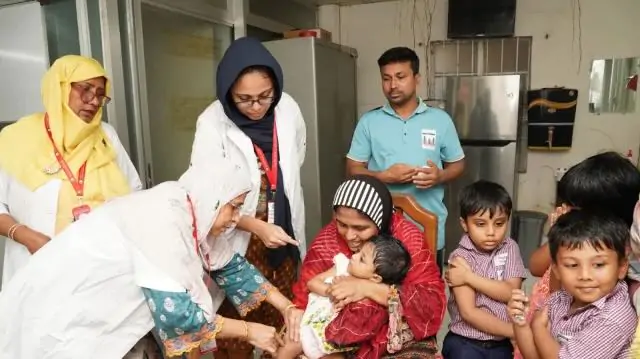
    Authorities have responded with emergency measles-rubella vaccination campaigns, reaching millions of children, and by converting facilities and expanding dedicated beds. Bangladesh’s international partners including UNICEF, WHO, and Gavi have supported vaccine supplies and outbreak response. 

    Cash assistance from non government organisations has helped some families continue treatment after savings and loans ran dry. Yet experts emphasise that sustained high coverage  – above 95 per cent for two doses – remains essential to prevent future waves. Strengthening routine immunisation, ensuring reliable vaccine supply chains, reducing out-of-pocket costs through better public provision of medicines and diagnostics, and addressing underlying malnutrition are repeatedly cited as priorities.

    The human cost is measured not only in deaths and hospital beds but in emptied savings accounts, mounting informal debts, shuttered small shops, and children whose recovery is shadowed by family financial ruin. Measles is preventable. The current outbreak demonstrates how quickly progress can reverse when immunisation systems falter – and how the economic consequences fall most heavily on those least able to bear them. Restoring robust vaccination coverage and shielding households from catastrophic health spending are urgent both for public health and for social equity, the study report notes.

    Pakistan: Report Exposes Forced Conversions Targeting Girls Averaging Just 12 Years Old

    United Nations experts have repeatedly expressed concern. In April 2026 they highlighted the persistence of forced conversion through marriage, noting that in 2025 roughly three-quarters of documented victims were Hindu and one-quarter Christian

    A new report presented at the European Parliament reveals that the average age of Christian girls abducted, forcibly converted and married in Pakistan is just 12.8 years, exposing a systemic pattern of child exploitation and legal failure.

    The comprehensive dossier titled Stolen Girls, presented recently at the European Parliament by minority rights activist Joseph Janssen under the Jubilee Campaign’s “A Vital Voice” initiative, has laid bare a grim and systematic crisis of abduction of young Christian girls, their forcible marriage and sexual exploitation. 

    Between 2019 and 2025, researchers documented 210 verified cases of abduction, forced religious conversion, child marriage and sexual violence targeting Christian girls across Pakistan. The data paint a picture of institutional loopholes, documentary fraud and near-total impunity that allow perpetrators to operate with little fear of consequence.

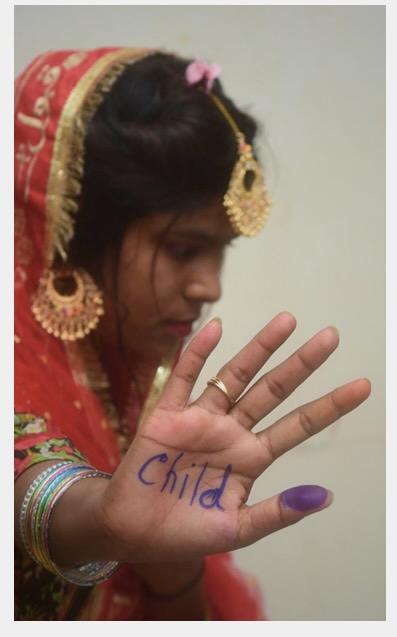
    Over 83 per cent of the victims were children under 18. The average age of the girls was a shocking 12.8 years. In contrast, the average age of the perpetrators stood at 35.8 years, producing an average age gap of 23 years. In several cases the gap exceeded 30 years. Of the 210 girls, 41 were under 14, 134 were aged 14–17, and only 35 were 18 or older.

    Punjab Emerges as the Epicentre

    Geography further sharpens the picture. Fully 88.6 per cent of the cases (186) occurred in Punjab province. Sindh accounted for 22 cases (10.5 per cent) and Khyber Pakhtunkhwa for two. Ten “hotspot” districts alone produced 86.4 per cent of all documented incidents: Lahore (53 cases), Faisalabad (39), Gujranwala (16), Karachi (14), Sheikhupura (13), Kasur and Islamabad/Rawalpindi (nine each), Bahawalpur and Sialkot (seven each), and Okara (six).

    These figures align with broader patterns recorded by other organisations. The Centre for Social Justice has documented hundreds of cases of abduction and forced conversion of minority girls and women in recent years, with Hindus forming the larger share overall and Christians prominent in Punjab. Independent estimates long cited by rights groups and parliamentary inquiries place the annual total of such abductions and forced marriages of Hindu and Christian girls in the region of 1,000, though under-reporting remains severe.

    How Identity Is Erased

    The Stolen Girls report details the precise mechanisms used to circumvent child-protection laws. In 92 per cent of cases the victim’s true age – often around 14 or 15 – was falsified on the marriage contract (nikah nama) to 18, 19 or 20. In 96 per cent of cases the girl’s Christian name was replaced with an Islamic one (Ayesha, Fatima, Khadija, Zehra and similar), rendering her virtually untraceable by her family. Conversion certificates were routinely issued by unauthorised local political actors, religious organisations or unregulated welfare NGOs operating outside any statutory framework.

    Case after case illustrates the pattern. Thirteen-year-old Maria Shahbaz of Lahore was abducted; a defective nikah nama lacking a national identity number listed her as an adult. Despite this, courts initially awarded custody to her alleged husband. The matter has since been reopened in the Islamabad High Court. Eleven-year-old Yarosha Saleem of Sheikhupura waited six months for police to register an FIR. Ten-year-old Laiba Sohail of Faisalabad had her date of birth fabricated on the marriage contract and was described as “self-sufficient.” Fourteen-year-old Nisha Abbas of Lahore was renamed Maryam and declared 18 by a welfare association; another girl in Faisalabad received a certificate from a political-religious group renaming her Ayesha.

    A Six-Stage Cycle of Impunity

    Researchers identified a recurring six-stage sequence. First comes abduction or grooming. Second, forced conversion under threat or coercion. Third, the production of a fabricated nikah nama. Fourth, a coerced statement under Section 164 of the Criminal Procedure Code before a magistrate, in which the girl – still under the control of her abductor – declares she left home voluntarily. Fifth, court proceedings that routinely accept the forged documents and the recorded statement. Sixth, legal custody is granted to the perpetrator, who faces no meaningful penalty while the child’s original identity is erased.

    Recent high-profile cases show the cycle still operating. In June 2026 a 13-year-old Christian girl from Faisalabad was abducted from a market. Police recovered her, yet a session court later returned custody to the alleged abductor after conversion and marriage certificates were produced that falsified her age. Human-rights defenders condemned the decision. Alliance Defending Freedom International has supported multiple such cases and reports that, of the dozens it has assisted since 2019, many girls have been returned to their captors despite clear evidence of minority status and minority age.

    International Alarm and Domestic Inaction

    United Nations experts have repeatedly expressed concern. In April 2026 they highlighted the persistence of forced conversion through marriage, noting that in 2025 roughly three-quarters of documented victims were Hindu and one-quarter Christian, with adolescent girls aged 14–18 the primary targets and some even younger. They urged Pakistan to raise the minimum marriage age to 18 nationwide, criminalise forced conversion as a distinct offence, and ensure independent age verification.

    The European Parliament event at which Stolen Girls was launched itself formed part of growing international scrutiny. Lawmakers heard testimony that these are not isolated crimes but a structured pattern enabled by weak enforcement, documentary fraud and judicial reluctance to challenge religious conversion claims once they appear on paper.

    Pakistani authorities have yet to enact comprehensive federal legislation specifically criminalising forced conversion. Provincial child-marriage laws exist but are routinely undermined by falsified ages and by the absence of mandatory electronic verification against NADRA birth records. Police often delay or refuse to register cases; courts frequently prioritise the conversion certificate over birth records or parental testimony.

    Demands for Systemic Change

    The Stolen Girls report lists seven concrete demands: criminalise coerced conversion; automatically void any marriage involving a person under 18; require official government identification as the sole standard for age verification before marriage registration; investigate police and judicial failures; create independent shelters and legal aid free from perpetrator influence; ensure Section 164 statements are taken without intimidation; and mandate training on child-protection law for judges, police and marriage registrars.

    The report also names missing girls whose fate remains unknown – Maria Shahbaz, Nisha Abbas, Amber Nadeem, Sataish Mariam, Jessica Ashfaq and others – underscoring the human cost behind the statistics.

    For minority Christian families in Punjab’s industrial towns and rural districts, the fear is immediate and daily. Girls are kept from school or work for fear of abduction. Once taken, the combination of name change, age falsification and a coerced court statement often seals their fate. The Stolen Girls data, presented in the heart of European democratic institutions, make clear that the average victim is still a child of twelve or thirteen. Without legislative, administrative and judicial reform, the cycle documented between 2019 and 2025 is likely to continue.