More

    High quantities of marine litter noticed during monsoon, minister tells Rajya Sabha

    Research by the National Centre for Coastal Research (NCCR) has established the spread of marine litter along entire water column and sediment.

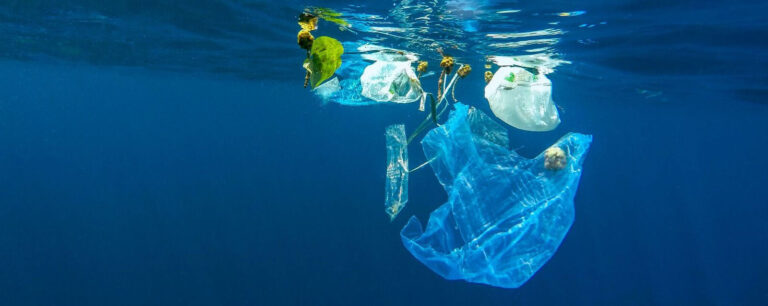
    Scientists at the National Centre for Coastal Research (NCCR) have observed high quantities of marine litter along entire water column and sediment along the Indian coasts and adjacent seas during monsoon. The litter arrives through creeks, rivers and estuaries by rainwater.

    This finding follows initiating of monitoring of temporal and spatial distribution of marine litter along the Indian coasts and adjacent seas. Studies have been conducted covering nine coastal states, and union territories of Puducherry, Andaman and Nicobar and Lakshadweep Islands.

    This information was provided by the minister of state for Earth Sciences and the ministry of science and technology, Dr. Jitendra Singh in a written reply in the Rajya Sabha.

    The minister said that several studies have been undertaken to map the litter which is an important component for a policy paper.

    However, Dr Jitendra Singh said there is a dearth of data on marine litter sources, pathways, transport processes, and quantification of the amount of litter entering the marine environment.

    During 2018, 2019, and 2021, the National Centre for Coastal Research has undertaken beach clean-up activities, awareness programmes, and beach litter quantification studies.

    An array of litter

    The studies on the effect of various beach activities on marine litter and microplastics distribution and characterization were also carried out at selected beaches along the southeast coast of India.

    Micro-plastic studies in the coastal water and offshore sediment were carried out along the east coast of India to identify major plastic accumulation zones and the data has been published, Dr Singh said.

    Dr. Jitendra Singh said that the waste found on the shores of the coastal states include plastic wastes, including single use of plastics bottles, food wrappers, cutlery items and polythene bags; fishing nets, glass (liquor bottles); rubber (footwear); clothes, including face masks and discards from religious activities, paper, metals and even diapers besides household materials.

    He said that a framework for a clean ocean mission, the Swachhata Sagar has been prepared by the ministry of earth sciences. This mission will be part of the larger Swachhata Action Plan.

    To understand the effect of different types of polymers (microplastics) on fisheries and biota, organisations attached to the ministry have undertaken research to estimate the level of contamination.


    Image: UNEP

    Feminists, democratic groups condemn targeting hijab wearing Muslim students

    An open letter signed by over a thousand people thus far says that the Hijab is just a pretext to impose apartheid on and attack Muslim women.

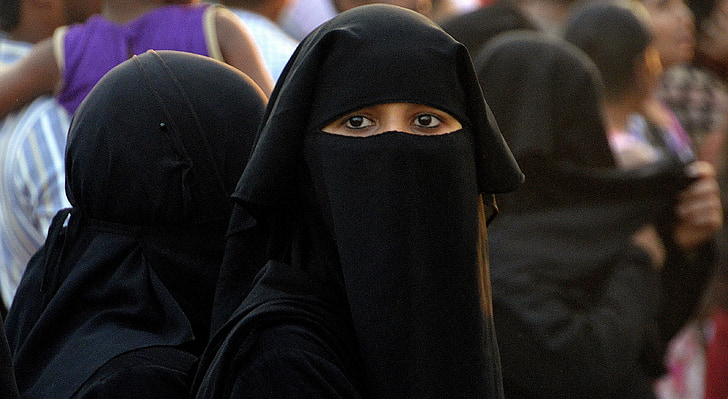
    Over a thousand feminists, democratic groups, collectives, academicians, lawyers and individuals across the walks of life came together to condemn the targeting and exclusion of Hijab wearing Muslim women students reaffirming that Hijab is only the latest pretext to attack Muslim women. They point out that this follows on the heels of multiple “online auctions” of Muslim women and making speeches calling for their sexual and reproductive enslavement.

    In an open letter signed so far by over 1850 people, these groups and individuals affirmed that they believe that the Constitution mandates schools and colleges to nurture plurality, not uniformity.

    The signatories iterate that the Constitution mandates schools and colleges to nurture plurality, not uniformity. “Uniforms in such institutions are meant to minimise differences between students of different and unequal economic classes,” they say. “They are not intended to impose cultural uniformity on a plural country.”

    They argue that this is why Sikhs are allowed to wear turbans not only in the classroom but even in the police and the army and that this is the reason behind Hindu students wearing the bindi (or the pottu or tilak or Vibhuti) with school and college uniforms without comment or controversy. Likewise, they say, Muslim women should be able to wear hijabs with their uniforms.

    The letter was endorsed by over 130 groups across 15 states including All India Democratic Women’s Association, All India Progressive Women’s Association, National Federation of Indian Women, Bebaak Collective, Saheli Women’s Resource Centre, Awaaz e Nizwan, National Alliance of People’s Movements, Forum Against Oppression of Women, People’s Union for Civil Liberties, Dalit Women’s Collective, National Federation of Dalit Women, Women Against Sexual Violence and State Repression and Feminists In Resistance among others.

    Enforcing apartheid

    The groups say that uniforms in such institutions are meant to minimise the differences between students of different and unequal economic classes. They are not intended to impose cultural uniformity on a plural country.

    Further it states that, ‘making hijabi women sit in separate classrooms or move from colleges of their choice to Muslim-run colleges is nothing but apartheid. Hindu supremacist groups in coastal Karnataka have, since 2008, been unleashing violence to enforce such apartheid, attacking togetherness between Hindu and Muslim classmates, friends, lovers. It must be remembered that such violence has been accompanied by equally violent attacks on Hindu women who visit pubs, wear “western” clothes, or love/marry Muslim men. Islamophobic hate crimes have been joined at the hip to patriarchal hate crimes against Muslim and Hindu women – by the same Hindu-supremacist perpetrators.’

    Rulebooks in at least one of the Udupi colleges allowed Muslim students to wear hijabs to college as long as they matched the colour of the uniform.

    “It is not hijabs that provoked the ongoing educational disruptions. It is Hindu-supremacist outfit which disrupted harmony by staging demonstrations with saffron stoles to demand a ban on hijabs,” they say. “Banning both saffron stoles and hijabs is not a fair or just solution because unlike hijabs worn by some Muslim women, the only purpose of the saffron stoles in this instance were to achieve a ban on the hijab and intimidate Muslim women.”


    Image: Hippopx licensed to use under Creative Commons Zero – CC0

    Himalayan glaciers melting rapidly, minister informs Lok Sabha

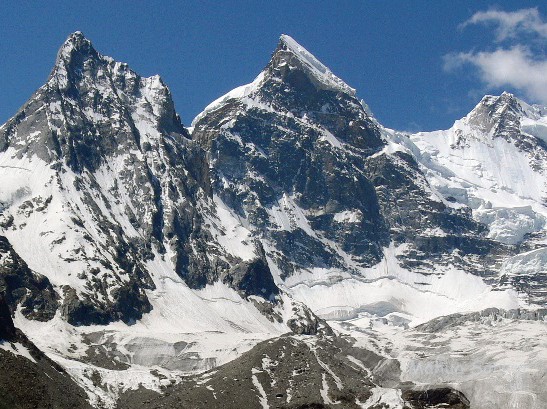
    Melting glaciers have significant impact on water resources of Himalayan rivers due to a change in glacier basin hydrology, reduced water downstream, and impact hydropower plants due to variation in discharge besides causing flash floods and sedimentation.

    Monitoring, collection of data and scientific studies of the Himalayan glaciers by various Indian institutes, universities and organisations working on glacial changes have reported an accelerated heterogeneous mass loss in Himalayan glaciers, the minister of state of the ministry of earth sciences and science and technology, Dr. Jitendra Singh informed the Lok Sabha on Wednesday.

    He said that the government is aware of the melting of the Himalayan glaciers and is maintaining data on the subject. The data and the studies come from the Geological Survey of India, the Wadia Institute of Himalayan Geology, the National Centre for Polar and Ocean Research (NCPOR), National Institute of Hydrology, Space Application Centre and the Indian Institute of Science, besides others.

    The mean retreat rate of Hindu Kush Himalayan glaciers is 14.9 ± 15.1 meters per annum, which varies from 12.7 ± 13.2 metres per annum in the Indus, 15.5 ± 14.4 metres per annum in the Ganga and 20.2 ± 19.7 metres per annum the in Brahmaputra river basins. However, glaciers in the Karakoram region have shown comparatively minor length change (-1.37 ± 22.8 metres per annum), indicating their stable condition.

    The minister said that the government is aware of the study conducted by the University of Leeds, regarding the rapid melting of Himalayan glaciers, published in Journal Nature Scientific Reports in 2021. Researchers carrying out the study reconstructed the size and ice surfaces of 14,798 Himalayan glaciers during the Little Ice Age, 400 to 700 years ago.

    The Leeds researchers concluded that the Himalayan glaciers have lost ice ten times more quickly over the last few decades than on average since the last major glacier expansion. In the last 400 to 700 years, the glaciers have lost around 40 per cent area – shrinking from 28,000 square kilometres to around 19,600 square kilometres.

    Through its autonomous institute NCPOR, the ministry of earth sciences has been monitoring six glaciers in the Chandra basin since 2013. The Chandra basin covers an area of 2437 square kilometres in the western Himalayas. It has been observed that the rate of annual mass balance (or simply, melting) ranged from -0.3±0.06 metres water equivalent per year to -1.13±0.22 meters water equivalent per year between 2013-2020. Similarly, a mean thinning of approximately 50±11 metres with a mean annual mass loss of –1.09±​ 0.32 meters water equivalent per year was observed for the Baspa basin during 2000-2011.

    Impact on Himalayan rivers

    Similarly, GSI has taken up a project on monitoring and studying melting of glaciers in Beas Basin, South Chenab basin and Chandra Basin in Himachal Pradesh, Shyok and Nubra basin in Ladakh during Field Season 2021-22.

    The Department of Science and Technology has supported various research projects for studying Himalayan glaciers under the national mission for sustaining Himalayan ecosystem and national mission on strategic knowledge for climate change. The mass balance studies conducted for some Himalayan glaciers by Universities of Kashmir, Sikkim University and the Indian Institute of Science and the Wadia Institute of Himalayan Geology revealed that majority of Himalayan glaciers are melting or retreating at varying rates.

    The Wadia Institute of Himalayan Geology (WIHG) is monitoring a few glaciers in Uttarakhand as well. This has revealed that the Dokriani glacier in the Bhagirathi basin is retreating at 15-20 metres every year since 1995, whereas the Chorabari glacier in the Mandakini basin region is retreating anywhere between 9 and 11 metres yearly between 2003 and 2017. The WIHG is also monitoring Durung-Drung and Pensilungpa glaciers in Ladakh’s Suru basin. The findings from these monitoring say that the glaciers are retreating at the rate of 12 metres every year and at approximately 5.6 metres yearly, respectively.

    NIH has been conducting several studies for the assessment of runoff from melting of glaciers at catchment and basin scales across Himalaya.

    Melting glaciers have significant impact on water resources of Himalayan rivers due to change in glacier basin hydrology, downstream water budget, impact on hydropower plants due to variation in discharge, flash flood and sedimentation. The melting of glaciers also increases the risks related to glacier hazards due to enhanced number and volume of glacier lakes, accelerated flash flood and glacial lake outburst floods (GLOFs). It also impacted on agronomic practices in high Himalayan region.


    Image: Wikimedia commons

    There is a need to unclothe cash transfer programmes!

    It is pertinent to ask if a cash transfer allocation is good even if the scheme gets apportioned from the allocations required otherwise for developing and sustaining publicly funded infrastructure for education, health, livelihood and social development.

    By Pradeep Narayanan

    A decade ago, we used a participatory mobility mapping tool to understand the challenges that Sana, a child with physical disability, faced while accessing disability pension from the local administration. To receive the pension of a couple of hundred, she had to travel with a family member on a working day; incurring expenses on travel as well as on opportunity wage cost of the daily-wage family member. Of course, there were expenses on chai-pani for the official, who is processing the pension. Our request to the administration, then, was to be at the doorsteps and deliver the pension to Sana.

    Today, Sana gets the pension through an online transfer of the amount into her bank account. Sana, owing to this pension, has a monthly amount at her disposal to fulfil her needs. She can choose and prioritize her needs. Her self-esteem is raised, among her family members, and even in her neighbourhood. There is no doubt that this cash transfer programme, in this case, has ensured efficiency, choice and dignity to the beneficiary. The key attribute of the disability pension is the fact that the cash is payable to a person with disability, in the context of deprivation and discrimination that the person faces owing to the disability.

    History of exclusivity

    Cash transfer is an age-old phenomenon. In the year 1758, the Peshwa administration had a cash transfer fellowship, called Dakshina fellowship, exclusively reserved to promote higher education among Brahmin communities. About 60,000 persons from the community used to receive such transfers every year from the public exchequer. This continued even during the British rule; and as late in the year 1936-37, an advertisement for the fellowship would read like this: “the selection would be made in the following order; (i) Maharashtra Brahmin community; (ii) Any other Brahmin Community; (iii) Hindu community, including depressed class; (iv) any other community”. Has the cash transfer, in this case, not cemented a dominance of the higher caste?

    Even now, in Telangana, the state government has a funded cash transfer programme, in the form of Vivekananda Overseas Education scholarship. In 2020, the government board approved Rs 20 lakhs each to 57 students exclusively from Brahmin communities.

    Similarly, the Karnataka government funded Brahmin Welfare Board, in the words of its chairman, offers a cash transfer of Rs 25,000 for Brahmin brides and assures a bond of Rs 3 lakh to Brahmin women who marry (Brahmin) priests in the state. The conditions are: “not only should the bride be from the Brahmin community, it should be her first marriage,” and “the married couple will also have to give an undertaking that they would remain married for a specified period of time”. This conditional cash transfer clearly promotes caste endogamy and patriarchy.

    Dravidian example

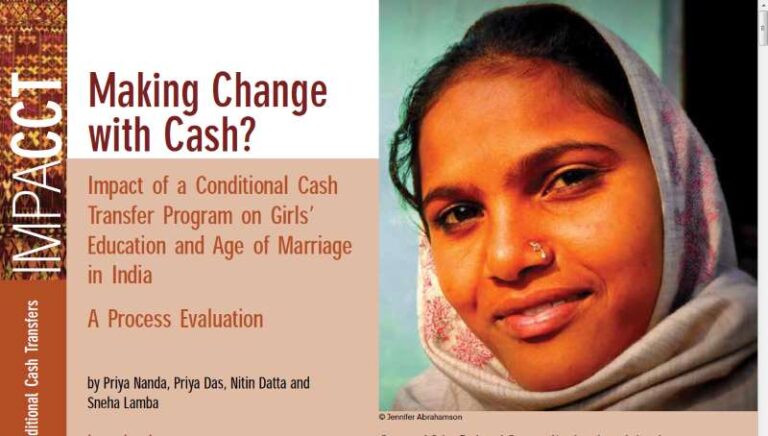
    On the other hand, in the country’s southern state of Tamil Nadu, with a history of Dravidian movement, there is a cash scheme for the opposite – that is, to promote inter-caste marriage. A couple is provided a cash transfer of Rs 25,000 and a 4 gram 22 carat gold coin. In Tamil Nadu, there is also a cash transfer of Rs 18,000 for pregnant women, which is linked to nutrition plans to reduce infant and maternal mortality rates. By themselves, cash transfer programmes need not be good or bad; the purpose of the cash transfer, and the relations of power that it challenges would determine the significance of these cash transfer programmes.

    The crucial challenge would be to understand what cash transfer programmes are replacing. There is little doubt about the efficiency argument in terms of delivering. For example, the current form of digital transfer has surely made the scheme more efficient for a person like Sana. Her dependency on her family members is vastly reduced; and so would be her ability to beat the rent-seeking administration.

    An instrument or an ideology

    However, against universal approach, the targeted approach burdens the documentation requirement on the individuals. A good section of the population does not necessarily have identity documents. They might get excluded. Further, often hidden behind the cash transfer programmes is the long-term agenda of dismantling the public service provision infrastructure in favour of privatisation.

    For example, the cash transfer discourse would encourage the education vouchers system, as against the need to build strong, efficient, equity conscious government-run schools. The cash transfer is, thus, no longer just an instrument; it now represents an ideology. There is often a cherry picking of a few cash transfer schemes to say how they are useful in providing individuals the option to choose which need to be fulfilled; and even empowering the individual. These kinds of narratives would not only attract the intelligent right, but also the gullible left. For example, a number of activists may support the universal basic minimum income, which is not an insignificant programme.

    However, it is pertinent to ask if a cash transfer allocation is good, knowing that the scheme gets apportioned from the allocations required otherwise for developing and sustaining publicly funded infrastructure for education, health, livelihood and social development.

    Leave no-one behind

    Cash transfer can take any form: on one hand as Brahmadeya (land grant to Brahmins) or Dakshina fellowship grants or on the other hand as incentives to promote inter-caste marriage. It will be a challenge to unclothe this cash transfer mechanism to reveal whether it actually promotes the privatisation of development administration. Sana’s disability pension is an entitlement that was an outcome of decades of struggle by the disability movement. It is deeply political; and it did not replace the government’s commitment to provide an inclusive education or affirmative action in every workplace.

    The debates around cash transfer, therefore, need to be centred around what development paradigm it is advocating. We need to affirm that if cash transfer programme has to reach the leave no-one behind communities, they need to align with the principles of socialism, democracy and secularism and are to be grounded in anti-caste, anti-race feminist framework. If in the garb of promoting a mechanism that otherwise appears as a neutral one, it is perpetuating status quo, let us be wary about it.


    Image: ICRW

    Taliban hold confidential talks for humanitarian aid in Geneva

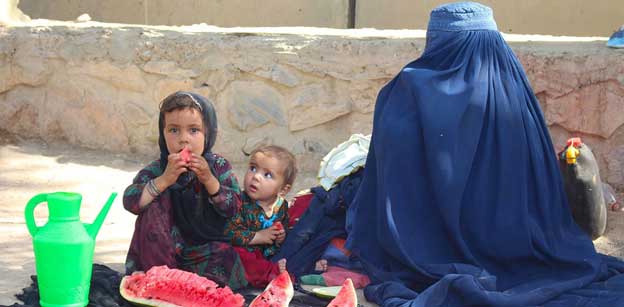
    The Swiss foundation, Geneva Call, is hosting a restricted-access conference to find out how unimpeded humanitarian assistance can be delivered to the people of Afghanistan.

    A delegation of Taliban leaders is holding a series of meetings with officials from the Red Cross and aid officials from various European countries in Geneva. They are discussing the the rapidly deteriorating humanitarian situation in Afghanistan and the possibility of receiving aid for the Afghan people.

    None of the European countries recognise Afghanistan’s Taliban government and officials have said that this meeting is only because the Red Cross and the European governments are concerned about the crisis in the country. People don’t have enough food, there is large-scale unemployment, hospitals are overflowing with patients and there is a shortage of drugs. Besides, the winter is taking a toll.

    Aid agencies say that 23 million Afghan people are at risk of malnutrition and 97 per cent of the population lives below the poverty level. The armed conflict over years has left the country in bad shape and the COVID-19 pandemic and its socio-economic consequences have had a deep impact on the country.

    The meeting is being hosted by the Swiss foundation, Geneva Call, and will go on until Friday. It is a “restricted-access conference aiming at enhancing unimpeded delivery of humanitarian assistance in Afghanistan,” according to the Swiss Foundation.

    The country is facing a complex emergency due to past overlapping armed conflicts, COVID-19 and its socio-economic consequences, and extreme weather.

    There have been unconfirmed reports of Afghan citizens selling body organs to be able to buy food in recent weeks. These have also been accompanied by disturbing visuals of people displaying their bodies with identical surgical marks suggesting the harvesting of organs from a poor and vulnerable populaiton.

    Humanitarian law

    Geneva is perceived as a neutral place for such negotiations, especially negotiations revolving around international humanitarian law and has therefore been identified as the most relevant location to hold such humanitarian discussions, according to the Swiss Foundation.

    The conference has been a restricted-access one, according to the organisation, “to discuss the status of humanitarian assistance, the protection of civilians, respect of health care and the issue of landmines and explosive remnants of war in Afghanistan.”

    “Respect for and promotion of international humanitarian norms are essential for the protection of the Afghan population and can contribute toward peace and stability,” says Geneva Call, explaining its invitation to Taliban leaders and officials.

    With a view to strengthen the implementation of- and respect for humanitarian norms in Afghanistan, the closed-door humanitarian event, it is hoped, will facilitate the discussion on practical issues related to improving compliance with humanitarian norms at the national and district levels through an adjustment of policies related to safe passage of humanitarian aid to the Afghan population.


    Image: UNICEF

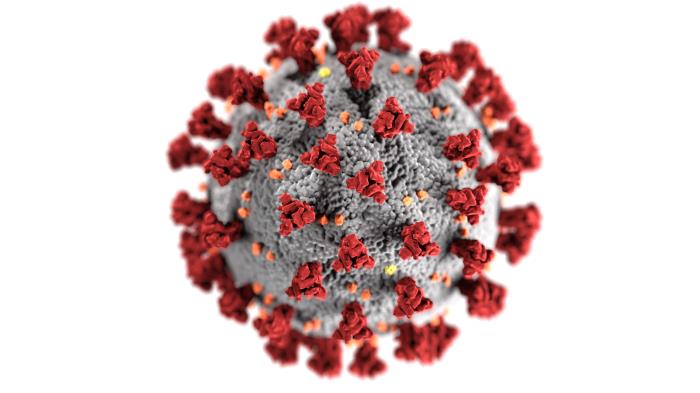
    WHO’s aid plea warns of risks from new variants

    Warning of the emergence of more dangerous variants of COVID-19 on the anvil, a press release pointed out the inequities in the access to vaccines can cost lives in such a situation.

    World leaders launched a call to end the pandemic as a global emergency in 2022 by further funding the Access to COVID-19 Tools (ACT) Accelerator. ACT is a partnership of agencies led by the World Health Organisation with the objective to provide low and middle-income countries with tests, treatments, vaccines, and personal protective equipment.

    The ACT-Accelerator is pegged to be a US$ 16 billion in grant funding prompted by the belief that there remains a huge vulnerability to COVID-19 as a significant proportion of the global population is still unvaccinated. This investment will allow them to procure essential tools to fight COVID-19 and provide them to low- and middle-income countries.

    The World Health Organisation is calling for the support of higher income countries to overcome disparities in access to COVID-19 tools, especially in middle and low income countries. To argue its view, it says that a mere 0.4 per cent of all testing for COVID-19 done all over the world were administered in low-income countries. The total number of COVID-19 tests worldwide is in excess of 4.7 billion.

    Further, it says, only 10 per cent of people in low-income countries have received at least one vaccine dose.

    Emergence of more dangerous variants

    The underbelly of the WHO press statement is that there is a risk of the emergence of new, more dangerous variants of COVID-19. The inequities, especially iniquitous access to vaccines can cost lives in such a situation.

    “This massive inequity not only costs lives, it also hurts economies and risks the emergence of new, more dangerous variants that could rob current tools of their effectiveness and set even highly-vaccinated populations back many months.”

    The The ACT-Accelerator, the WHO press release says, will support clinical trials for treatments and vaccines, to help address variants of concern and initiate the development of broadly protective coronavirus vaccines.

    Calling upon the world’s leaders to join the ACT-Accelerator, Prime Minister Jonas Gahr Støre of Norway said: “What we have learned from this pandemic is that it can’t be fought off by countries working alone. A broad collective effort is required. A fully financed ACT-Accelerator is in the mutual interest of all countries.”

    “No-one is safe until everyone is,” he said.

    Pro-rich policies buoy billionaires’ rise in India

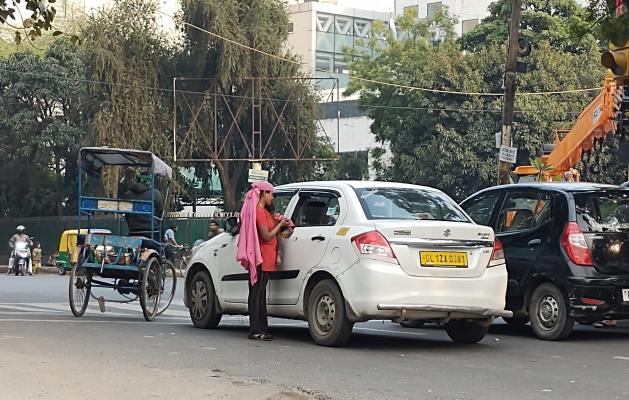
    In contrast to the callous treatment meted out to internal migrant workers, the government spared no costs in arranging special flights to fetch students and privileged people stuck in foreign countries that had also imposed lockdowns to stop the spread of the highly contagious COVID-19 virus.

    By Ranjit Devraj / Inter Press Service

    If India ranks among the world’s fastest growing economies it is also where inequity is growing the fastest, thanks to endemic features unique to the country such as the caste system.

    “It is not widely understood but India does not have a working class — instead it has large labouring castes that are trapped in an inherently iniquitous system,” says Manas Ray, professor in cultural studies at the Centre for Studies in Social Sciences, Kolkata.

    According to Ray, the labouring castes and their interests are poorly represented where it matters and they also have little guidance or support from voluntary agencies. “There’s no capable voluntary sector of the type that works to empower the marginalised in other countries in the region. In fact, hundreds of NGOs, including Amnesty International and Greenpeace, have been forced to shut down operations in India in recent years.”

    “A contrasting situation can be seen in Bangladesh, where powerful NGOs reach down to people at the grassroots and guide them on how to generate and manage surpluses,” says Ray. “It helps immensely that Bangladesh is not burdened by a caste system.”

    Last year, Bangladesh posted a per capita income of US$2,227 or US$280 higher than that of its larger neighbour. “Bangladesh, once regarded as a ‘basket case,’ can now be expected to maintain this lead in the foreseeable future because of investments in the social sectors, especially education and health,” says Ray.

    Rising inequality

    In a global report released in January, the British charity Oxfam describes India as ‘very unequal,’ with the top 10 percent of its 1.4 billion population having cornered 77 percent of the total national wealth. The report, Inequality Kills, estimates that inequality has been rising over the last three decades.

    Oxfam calculates that it would take 941 years for a minimum wage worker in rural India to earn what a top paid executive at a leading Indian garment company earns in a year. India’s stark wealth inequality is attributed by Oxfam to “an economic system rigged in favour of the super-rich over the poor and marginalised.”

    The report said that during 2021, when the COVID-19 pandemic caused 84 percent of Indian households to suffer a drop in income, the number of billionaires in the country grew from 102 to 142. During the worst months of the pandemic (March 2020 to November 2021), the wealth of India’s billionaires more than doubled, from $313 billion to $719 billion.

    “The pandemic proved to be a crunch point which exposed the country’s uncaringly iniquitous system,” says Ray, referring to how a suddenly imposed lockdown left millions of internal migrant workers stranded in the cities with no jobs, food or shelter and with little choice but to trek to their distant homes in the rural hinterland, often hundreds of kilometres away.

    It took petitions in the Supreme Court for government to admit that more than half a million people were walking down the highways trying to get home, often braving assaults by police charged with enforcing lockdown rules. Trade unions said the bulk of an estimated 200 million migrant workers in India’s different cities and towns lost their jobs.

    Merit in an iniquitous system

    In contrast to the callous treatment meted out to internal migrant workers, the government spared no costs in arranging special flights to fetch students and privileged people who found themselves stuck in foreign countries that had also imposed lockdowns to stop the spread of the highly contagious COVID-19 virus.

    India’s supreme court has had to intervene on behalf of the poor and marginalised on other occasions where inequity has been glaring. For example, the court stepped in to order the distribution to poor and starving people of vast quantities of surplus grain rotting in state-run godowns.

    On 7 January the apex court dismissed petitions challenging the government policy of reserving a quota of coveted post-graduate seats in India’s medical colleges for socially backward castes on the plea that it went against the principle of merit. The court did not buy that argument and pointed to India’s iniquitous system, which it said impacts on merit.

    “Widespread inequalities in the availability of and access to educational facilities will result in the deprivation of certain classes of people who would be unable to effectively compete in such a system,” said Y. Chandrachud, handing down the judgement. “Special provisions enable such disadvantaged classes to overcome the barriers they face in effectively competing with forward classes and thus ensuring substantive equality.”

    “Merit should be socially contextualised and re-conceptualised as an instrument that advances social goods like equality that we, as a society, value,” Chandrachud said, pointing to provisions in India’s constitution to award reserved quotas in jobs and educational opportunities to “remedy the structural disadvantages that certain groups suffer.”

    Raise taxes

    Reserved quotas have, however, barely scratched the problem. Since 1983, the government has implemented a policy of reserving 50 percent of jobs in the coveted civil service for socially under-privileged castes, but by 2019 only four individuals from these categories had made it to a list of 89 secretary-level positions.

    How may such ingrained inequities be remedied? The Oxfam report called for higher taxes to be imposed on the richest 10 percent of the Indian population to help fund measures to reduce inequality. That’s easier than done because only one percent of Indians declare earnings sufficient to attract taxation.

    In 2021 only 50.89 million individuals in a population of 1.4 billion people filed income tax returns, and only half that number paid any worthwhile tax.

    Prabhat Patnaik, former professor of economics at Jawaharlal Nehru University, New Delhi, agrees that that the solution to gross inequity lies in “taxing the rich and investing the proceeds for the neglected social sectors — it is shame that large numbers of people continue to have no access to health or education.”

    The Oxfam report says that 63 million Indians are pushed into poverty each year because of unaffordable healthcare costs. India’s public spending on healthcare ranks among the lowest in the world — 1.8 percent of GDP in 2021. Although India is a major destination for medical tourism because of its fine specialty hospitals, several of its poorest states have infant mortality rates higher than those in sub-Saharan Africa.

    No Indian among patriotic millionaires

    Patnaik pointed to how government policies have consistently favoured the rich since the country embarked on economic liberalisation in the early 1980s. Inheritance tax was abolished in 1985 and in 2017 the government abolished wealth tax, allowing the concentration of wealth in rich families. In September 2019, corporate tax was slashed from 35 percent to 26 percent.

    “In contrast to India’s policy of providing tax concessions to the rich the international trend is for the wealthy to ask that they be taxed more,” said Patnaik referring to the open letter from the patriotic millionaires group to the world economic forum’s virtual Davos in January asking to be taxed more to help economic recovery after the pandemic.

    “As millionaires, we know that the current tax system is not fair. Most of us can say that while the world has gone through an immense amount of suffering in the last two years, we have actually seen our wealth rise during the pandemic — yet few if any of us can honestly say that we pay our fair share in taxes,” reads the letter, which was prompted by the Oxfam report.

    Predictably there were no Indians among the list of 102 patriotic millionaires and there has been no statement on it from any quarter in India.


    This piece has been sourced from the Inter Press Service

    Image: Ranjit Devraj / Inter Press Service

    Bangladesh NGOs highlight human rights violations

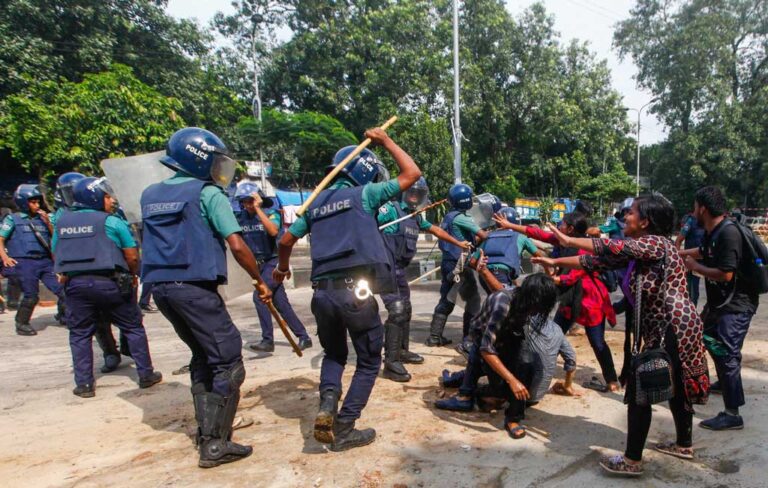
    Bangladeshi human rights organisations have written to the UN human rights council to counsel the Bangladesh government to put an end to extrajudicial killings, torture and arbitrary arrest and hold perpetrators accountable for their actions.

    In a joint written statement submitted to the 49th session of the UN human rights council today, leading NGOs and human rights defenders have drawn the council’s attention to the track record of the Bangladesh government in escalating human rights violations.

    “For decades, torture, ill-treatment, extrajudicial killings, enforced disappearances, along with detention and harassment of human rights defenders (HRDs) and journalists have been a part of the modus operandi of law enforcement in Bangladesh,” the organisations say in their letter.

    Culture of Impunity

    Human rights abuses by security forces, including enforced disappearances, extrajudicial killings, and torture, remain pervasive throughout the country, taking place in an environment of absolute impunity. In a 2019 report, the Geneva-based World Organisation Against Torture highlighted more than 300 reported torture incidents in a nine-year span in Bangladesh.

    The elite force Rapid Action Battalion (RAB) is particularly notorious for widespread abuses. UN human rights experts have voiced concerns about allegations that members of the unit engaged in torture, enforced disappearances, and other human rights violations.

    “The RAB is operating de facto outside the control of any civilian and judicial authority rendering the prospect of accountability illusionary,” the organisations say. “Trade-offs between the government and the RAB and the suppression of dissenting voices in order to gain or remain in power in a politically difficult environment are some of the root causes for torture and the ensuing impunity.”

    The letter to the human rights council draws attention to the US government holding RAB responsible for “serious human rights abuse” on 10 December 2021 and imposing sanctions on present and former RAB officials. These sanctions have reignited calls for the UN to ban RAB members from deployment in peacekeeping operations.

    “In response to these sanctions, the Bangladeshi government has intensified reprisals against human rights defenders, victims of human rights violations, and their families,” the signatories said.

    The letter says that some relatives have faced repeated visits and questioning by the authorities and have been taken to the police station at night for several hours of questioning. These family members have continued to live in a cycle of fear without justice.

    Defenders, journalists under attack

    NGOs point to the government passing several laws that have limited their work in recent years and that these are being used to silence government critics, journalists, lawyers, and political opponents. For an example, they point to the foreign donation regulation act of 2016 that enables government officials to inspect, monitor, and evaluate the activities of NGOs and their members, and requires anyone receiving foreign contributions to get approval from the NGO affairs bureau. This is stifling, the organisations say, and many organisations have had to close down or stop their activities as a result of such actions by the Bangladesh government.

    “Instead of taking steps toward reform and addressing rampant human rights violations, the Bangladesh government systematically cracks down on victims’ families, human rights defenders and journalists who speak out against violations,” the NGOs say.

    An instance that the human rights organisations point to is that of Ain O Salish Kendra (ASK), an organisation that documents gross human rights abuses in Bangladesh, was subjected to police interrogation shortly after the US sanctions against RAB members.

    The organisations have urged the human rights council to counsel the Bangladeshi government to put an end to extrajudicial killings, torture, and arbitrary arrest, and hold perpetrators accountable for their actions. They have also asked the council to impress on the government to put an end to all acts of harassment against human rights defenders and to release those who have been detained.

    The missing ‘worker’ in Budget 2022 and its implications

    Two popular words — ‘worker’ and ‘labourer’ were absent in the finance minister’s speech. This signifies a paternalistic approach to workers where workers are not holders of any legitimate rights over re-distributed wealth.

    By J John

    Finance minister Nirmala Sitharaman’s speech while presenting Budget 2022 is littered with words, ‘jobs’ and ‘employment’. The words reflect the core ideological position of the budget. What is being conveyed is that large-scale budgetary provisions for capital investments will facilitate higher GDP growth, which in turn will bring jobs and employment, thereby increasing income of the poor.

    The political economy of this trickle-down theory was again articulated by the Prime Minister when he explained to his party cadres the intent of the 2022–23 Union Budget, the following day. He said, ‘This budget is full of new possibilities for infrastructure, investment, growth and jobs.’

    In her budget speech, finance minister said, ‘…productivity linked incentive in 14 sectors for achieving the vision of AtmaNirbhar Bharat has …potential to create 60 lakh new jobs’; PMGatiShakti, will lead to ‘…huge job and entrepreneurial opportunities for all, especially the youth’; the revamped Credit Guarantee Trust for Micro and Small Enterprises (CGTMSE) scheme will ‘facilitate additional credit of ₹2 lakh crore for Micro and Small Enterprises and expand employment opportunities’; ‘…telecommunication in general, and 5G technology in particular, can enable growth and offer job opportunities’; investments in circular economy will ‘…help in productivity enhancement as well as creating large opportunities for new businesses and jobs’; artificial Intelligence, Geospatial Systems and Drones, Semiconductor and its ecosystem, Space Economy, Genomics and Pharmaceuticals, Green Energy and Clean Mobility systems have immense potential to assist sustainable development at scale and modernize the country and will ‘…provide employment opportunities for youth’; ‘capital investment helps in creating employment opportunities’; and that the National Capital Goods Policy, 2016 ‘would create employment opportunities and result in increased economic activity’.

    Income redistribution

    Finance minister is keen to justify each of her major budgetary investment priorities by arguing that those will generate jobs/employment. It will be equally hypothetical to counter argue that the actions will not. A better strategy would be to look at the experiences in the past. The Credit Suisse Global Wealth Report 2018 has observed that the richest 10 per cent of Indians own 77.4 per cent of the country’s wealth, while the bottom 60 per cent, the majority of the population, own 4.7 per cent. The richest 1 per cent own 51.5 per cent of the wealth.

    The Oxfam report ‘Inequality Kills (India Supplement)’ released in January 2022 captures the dynamics of wealth inequality during the pandemic years. As per the report, while 84 per cent of the Indian households saw their income shrinking during the pandemic, the corporate profits have soared wherein the profits of the top 500 companies grew at a record 75 per cent. The report states that the richest 98 Indian billionaires had the same wealth (US$ 657 billion) as the poorest 555 million people in India, who also constitute the poorest 40 per cent of our country.

    It is not the job or employment generation alone, but the quality of employment generated and its income re-distributive capacity that matters more. It is in this context that we notice the complete absence of two popular words from the Finance Minister’s speech — ‘worker’ or ‘labourer’.

    Economic justice

    Worker identity is collective in nature and the collective identity — working class identity — enables workers to gain a sense of their rights vis-à-vis the entrepreneur to whom they sell their labour power as well as the state that provides and governs policy and institutional framework. Worker identity brings in trade unions, the organizations of the workers, as a stakeholder in the economic activity.

    Recognition of those in employment as workers increases the accountability of the state as the custodian of their rights. It brings in the realization that economic justice happens only when the state undertakes policy measures that ensure an equitable distribution of the wealth generated in the economy. Annual budgets provide opportunities for the government to set the policy framework to create and redistribute wealth among workers and the people of India, rather than its accumulation in the hands of a few. This is precisely what Sitharaman refused to do.

    Living wages for generating wealth

    Consider three contexts. First, the labour codes by their definition are laws that codify the rights of workers. The budget while talking about job creation as an inherent objective of capital investments did not discuss how the labour codes will have a place in the interface between the capital and the labour and what the associated cost implications are. The budget merely seems to bring in statistical projections without acknowledging the rights of the worker.

    The second context, wages, is primary channel through which the re-distribution can happen by providing ‘living wages’ (Article 43 of the Indian Constitution) to the workers who contribute to the generation of the wealth. In 2018–19, around 81 per cent of the workforce was employed in enterprises with less than 10 workers, or in the unorganized sector by definition, for whom a regular salary with attendant social security benefits was not available.

    The Code on Wages, 2020, which subsumed various wage laws proposed a National Floor Level Minimum Wage (NFLMW) below which the wages should not fall. The Expert Committee (2019) constituted by the Government of India recommended a national minimum wage of ₹ 375 per day (or ₹ 9,750 per month). As per the 2019 Periodic Labour Force Survey (PLFS) data, approximately 58.5 per cent of self-employed workers reported monthly earnings below this threshold. For casual workers, the share at 88.5 per cent was even higher (State of Working India 2021). Behind the hullabaloo about job creation, the 2022–23 Budget shied away from taking even a baby step towards the re-distribution of wealth being generated in India.

    Social security

    The absence of non-discriminatory social security to all workers, is the third context. The latest PLFS data confirms that more than 91.3 per cent of India’s over 430 million workers remain unorganized or informal. The definition for the informal workers as evolved by the National Commission for Enterprises in the Unorganized Sector (NCEUS) and now popularized on the e-Shram portal is clear: ‘any worker who is a home based-worker, self-employed worker or a wage worker in the unorganized sector including a worker in the organized sector who is not a member of ESIC or EPFO, or not a Government employee is called an Unorganized Worker’. One’s status as an informal worker is determined by whether you received social security benefits from either Employees State Insurance Corporation or from Employees Provident Fund Organization. The non-existence of state-funded social security benefits for the workers and the people of India, is another reason for the existence of the chronic inequality in India.

    The Code on Social Security 2020 announced the extension of social security benefits to workers in the unorganized sector, platform workers and gig workers. However, there has not been any notification on the allocation of funds at the central and state levels for the execution of social security schemes.

    The e-Shram portal, launched by the Ministry of Labour and Employment on August 26, 2021, declared that it intends to create a centralized database of all unorganized workers to be seeded with Aadhaar. After registering, the worker will get an accidental insurance cover of ₹2 lacs under the Pradhan Mantri Jeevan Jyoti Bima Yojana (PMJJBY). The website of e-Shram says that ‘in future, all the social security benefits of unorganized workers will be delivered through this portal.’ However, there is no clarity about the social security rights available to the workers registered at the portal.

    e-Shram institutionalizes the duality of Indian labour between the organized and the unorganized that aims to apportion differential rights to workers. The e-Shram budgetary allocation is just ₹ 500 crore for FY 2022–23. This again demonstrates the lack of will on the part of the government towards re-distribution of wealth being generated in the country, thereby exacerbating the chronic income inequality.

    The absence of the word ‘worker’ in the finance minister’s budget speech signifies a paternalistic approach to workers where workers are not holders of any legitimate rights over re-distributed wealth.


    J John is Editor, Labour File


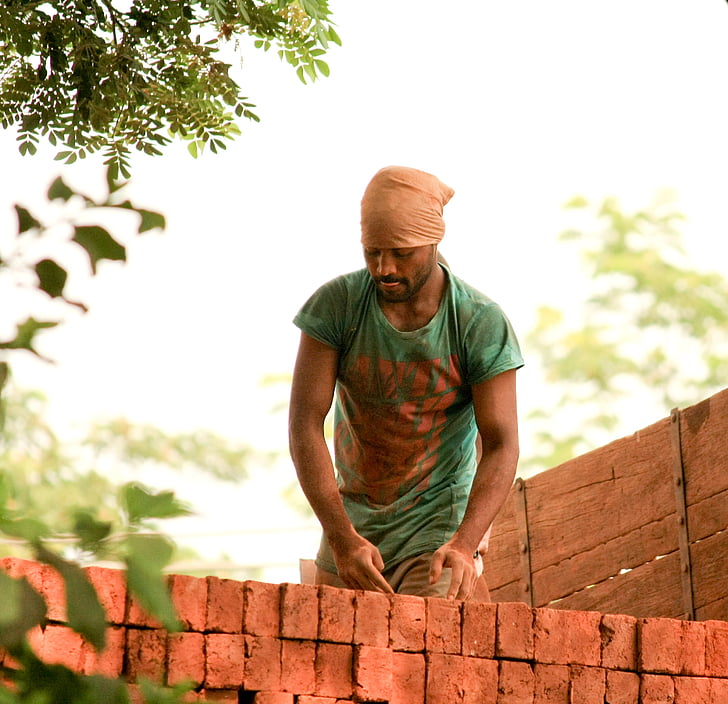
    Image: Hippopx licensed to use under Creative Commons Zero – CC0

    Three committees too many: Nepal Red Cross in a shambles

    The initial months of 2022 have been full of turmoil for the Nepal Red Cross Society, often the only provider of humanitarian services in the remotest corners of the Himalayan country.

    By Bijoy Patro

    On 3 February, the secretary general of the International Federation of Red Cross (IFRC), Jagan Chapagain, met with Nepal’s prime minister Sher Bahadur Deuba. He also met the speaker of parliament’s house of representatives and the country’s minister for women, children and senior citizens. Earlier, on January 23, his special representative, Walter Cotte W had met with the Nepal foreign minister Narayan Khadka.

    These were no ordinary visits. Sources told OWSA that Chapagain has his hands full with legal issues confronting the Red Cross in Nepal, often the only provider of humanitarian services in the remotest corners of the Himalayan country, also Chapagain’s own country of origin. The IFRC has been urging for a national Red Cross law for Nepal.

    The governance of the Nepal Red Cross Society is in a shambles and there is confusion through the rank and file of the country’s largest humanitarian organisation. Staff complain that there is no clarity of who is in charge in the Red Cross, partners are confused whom they should be working with and financial management is ad hoc.

    Officials, including the Nepal Red Cross executive director were unceremoniously dismissed, staff wore black bands and struck work for days on end, there has been litigation and even an ugly confrontation between a delegation of the organisation’s governance team and the staff. Simultaneously, the new committee formed by the government excluded the secretary general.

    Politically aligned groups

    The Nepal’s government too has also added to the tumult. It did not allow a previous management committee to settle and complete its term. It dissolved the management committee and then, replaced it with one comprising of its own people. The legitimacy of the two management committees is now left to the country’s supreme court to decide.

    The two management committees are grouped along the lines of the political parties that have ruled the country. The previous management committee included people from different political parties. Members of the latest management committee appointed by the present government are associated with the present dispensation.

    Besides these two management committees, there is also a third committee propped up by Chapagain’s organisation, the IFRC. This is called the transitional committee and it holds influence over the international funding that IFRC and other Red Cross partners get for the Nepal Red Cross. The transitional committee answers to a compliance and mediation committee (CMC) that is based outside the country.

    The transitional committee is designed to help NRCS to “recover the stability and normalcy of the governance and management of the national society.” Among its members, it has a former NRCS executive director, former NRCS office bearers and a former staff of the International Committee of Red Cross (ICRC).

    “The transitional committee is Geneva’s carrot-and-stick policy,” says a senior official of the Nepal Red Cross on conditions of anonymity.

    One of its objectives is to help “conclude an agreement among key stakeholders on the fundamental solutions.”

    With the politically-leaning committees fighting for the management of the Red Cross in Nepal, 2022 so far has been full of turmoil for the Nepal Red Cross Society.

    “The two committees are two warring factions that won’t budge from where they stand,” says the official who is privy to the developments. “They have approached the supreme court and yet, they don’t have a problem with the transitional committee.”

    Reputation conundrum

    The concern and importance the infighting is assuming in Nepal’s scheme of things is drawing interest. Infighting among politically leaning groups are not new to the Red Cross and the movement has decades of experience handling this. It has happened across the world and particularly in SouthAsia.

    Some of the Red Cross staff OWSA spoke to said that it is imperative to have the secretary general reinstated so that day-to-day decision-making does not suffer any further.

    Besides this, Cotte’s role is being watched with interest. He was sent specially to help resolve the governance crisis confronting the NRCS. There is concern that the crisis is reflecting in the reputation of the Red Cross movement in Nepal and elsewhere in the world. More particularly, Cotte’s visit has clearly spelt out a number of issues impinging on the Red Cross’ integrity in Nepal.

    As the call for action included in a statement at the end of Cotte’s visit reads, “IFRC calls on all stakeholders to put personal and groups’ interests aside, so that we can together protect the NRCS integrity, unity, neutrality and reputation, both in the country and internationally.”

    Cotte’s call also expresses concern about accountability for monies that partners have provided to Nepal Red Cross.