More

    Affordable analysis of genomes ‘key to tackling diseases’

    Affordable genomic analysis is key to tackling infectious diseases. A project is aiding resource-limited scientists to analyse the genetic material of deadly microbes, enabling analysis of large collections for as little as US$10 per genome.

    By Onyango Nyamol

    A project equipping researchers with cheap and accessible methods for studying genetic materials of large collections of bacteria that cause diseases could be critical in tackling future global health challenges, scientists say.

    The 10,000 Salmonella Genomes Project (10KSG) could make bacterial genomic data more accessible in low- and middle-income economies, especially in Sub-Saharan Africa where 80 per cent of the 77,000 global annual deaths from non-typhoidal Salmonella bloodstream infections occur.

    The collaboration of scientists from 16 countries, led by the Earlham Institute and the University of Liverpool in England, aims to understand the genetic makeup of bacterial strains responsible for Salmonella bloodstream infections in Africa and Latin America. This can increase understanding of drug resistance and virulence of the bacteria and help in the development of vaccines.

    “Infectious diseases cause a huge health and economic burden on low- and middle-income countries,” says Neil Hall, director of the Earlham Institute, a life science research centre.

    “Usually, the most effective interventions involve public health measures. However, public health policy needs to be well informed by good data from genomic epidemiological studies.”

    In less than a year, scientists have analysed 10,000 Salmonella genomes from Africa and Latin America for as little as US$10 per genome or genetic material.

    According to researchers, large-scale bacterial genome analyses have been possible in only a few sequencing centres globally until now and the cost had been as much as US$100 per genome.

    The 10KSG project, Hall explains, has significantly reduced the cost and increased the large-scale study of genetic materials present in microbes, enabling many more scientists to access the technology worldwide.

    Opening opportunities

    Jay Hinton, a professor of microbial pathogenesis from the University of Liverpool, says that for any vaccines to be effective, there is a need to know more about the bacteria causing the disease.

    “Our project has provided the best understanding of the Salmonella variants responsible for bloodstream infections in African countries including Democratic Republic of Congo, Gambia, Mali, Malawi, Kenya, Senegal and Uganda in recent years — information that will be invaluable for evaluating the impact of the (Salmonella) vaccine rollout,” Hinton explained.

    Damaris Matoke-Muhia, a molecular biologist at the Kenya Medical Research Institute (KEMRI), says that people trained in sequencing can train others, in order to build a qualified workforce.

    “Once the facilities are equipped with sequencing tools, it will help with continuous sequencing of genomes of interest and this will stop the shipment of samples that is usually done due to lack of capacity, including sequencing SARS-CoV-2 variants,” Matoke-Muhia tells SciDev.Net.

    Lowering the cost of sequencing is important as it opens up opportunities to screen the bacteria and develop specific and highly sensitive diagnostic tools, she says.


    This piece has been sourced from SciDev.Net

    Image: Hippopx licensed to use Creative Commons Zero – CC0

    Reviving Rajasthan’s desert ecosystem with native trees, seed bank and people

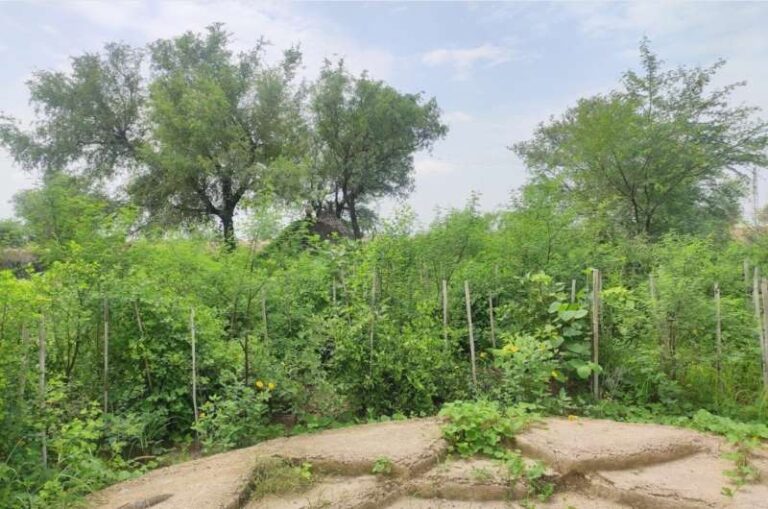
    The Marwar region in western Rajasthan has been prone to desertification, groundwater salinity and soil nutrient loss. Now, a project on a plot of land near Jodhpur is experimenting with the Japanese Miyawaki planting technique to revive native trees in a partnership with local communities.

    By Rashi Goel 

    Jungle tree expert, Gaurav Gurjar grew up in Jodhpur. Little did he know that when he left home for further studies and work, he would return home over a decade later to rewild parts of the country.

    As a forest expert with Afforest, he helps organisations and individuals grow native forests around factories, in their backyards, at their farmhouses and so on.

    When Gurjar first chanced upon an approximately 18-acre large patch of land outside Jodhpur, it was completely devastated in terms of vegetation. A highly saline region, salt formations could be seen right on the surface sometimes. Growing anything here was going to be a challenge. But even the heavy infestation of the non-native invasive species Prosopis juliflora didn’t deter his team. “The day my boss, Shubhendu Sharma came to see the land I had earmarked for this project, two foxes ran past us, into their small den. We were so overwhelmed at the sight of this generally elusive wildlife, that we knew immediately that this is where we want to set up Maruvan,” Gurjar narrated. Maruvan, literally means forest of the desert. His team was pleased that this forest would benefit the fox, deer and few other animals that already lived here. This piece of land was going to be their laboratory, the space where they would go on to experiment without limits, fail and learn through their failures.

    A space for Maruvan

    Shubhendu Sharma, Director of Afforest, emphasises that it is easy to grow trees on fertile land, but barren lands are the ones that give the real opportunity to learn and innovate. The loss of native trees, erratic monsoons, increasing long periods of drought, flash floods and sand mining for rampant construction in cities are just some of the problems that desert areas face. Arid desert lands are known to be dry and therefore foresting efforts have been limited until recent years. But this team has faith that given the right micro-climate, there is a lot that can be cultivated here.

    Sadul Ram, Technical Officer, Arid Forest Research Institute (AFRI) lays testimony to this saying, “The Maruvan team is purchasing from us, native species that are the most challenging to grow. They have also shown us that they have the right know-how and training since it is impossible for someone without expertise in this region to manage a project like this successfully.”

    Right species in the right habitats

    “Our forest projects start with an exhaustive survey of the existing native forests and the potential natural vegetation of the region. In this survey we document natural patterns based on habitat, natural guilds, and layers of forest,” Gurjar explains. He adds, “Planting non-native green trees in the forest is completely unsustainable and unproductive – they might not even last a year.”

    The starting point of the project was to delve deeper into the local body of knowledge by conversing with the village elders, learning from the Orans or sacred groves of Rajasthan, reading the local literature and  analysing the ancient paintings from the old forts in the area. They noticed that some of the old paintings showed hardwood khejri trees in abundance, trees which you no longer see in the area, but you could be sure that they had grown here successfully in the past. “When you see paintings depicting tigers and leopards hunting deer and wild boar, you get an idea that there used to exist vegetation that supported this kind of wildlife.”

    Using this research, a list of trees and shrubs was put together. Some of the species that will help to recreate the lost habitats of the Thar desert are khejri, peelu, khabar, hingot, kankera, mureli, kummat, daabi, roheda, arna and khair, to name a few. These native tree species are also meant as a frontier in containing the further expansion of desertification and the related damaging impact of climate impact in the Thar desert.

    Miyawaki technique

    There have until now been long standing misconceptions about the desert region – most people have just assumed that the desert region is dry and arid and not capable of being forested.

    But not all forests need to look lush and green. A desert ecosystem is dry, comprising of trees with brown leaves that they shed, thorny bushes and tall grasses.

    Gurjar’s team employs Japanese botanist, Akira Miyawaki’s famous Miyawaki technique to plant trees. The technique involves creating vegetation on degraded land based on the native varieties of plants that traditionally grew in the landscape and planting them in original ratios and sequences.

    Miyawaki propagates the creation of multilayer forests and rewilding the organic biodiversity ecosystem of an area. Maruvan has been planted with a special focus on shrubs and grasses like sewan and daman, which belong to the region.

    Fazal Rashid, a gardener with the Edible Routes Foundation and not related to the project, however, is unsure how a formulaic system can hope to create the complexity and diversity of desert ecosystems. “Our desert has a variety of diverse ecosystems. It is especially rich in shrubs, grasses and seasonal wild flowers and these plants are extremely important for desert ecosystems,” he says.

    Learning from the land

    When the project started, there were a total of 44 plant species being grown in Maruvan. Over the course of two years, these have been reduced to 25 species owing to everything that their experiments taught the Afforest team. Over time, this region has turned a lot more saline than it used to be. This can be attributed to the drastically increased human activity in the area and not directly to climate change. A lot of the species that used to grow here in the earlier days were not used to this kind of salinity. Considering their location in the flood plains, the number of trees were pruned down to include only those most suited to the current conditions. As a result of this, the forest saw a huge improvement in its health, growth rate and density. The water requirement of the forest has also reduced drastically. “Instead of storing seeds cryogenically in the North Pole, this is the way we want to pass on the local species to the future generations,” says the project lead.

    Climate conundrum

    Afforestation is counted amongst one of the best methods for carbon sequestration. However, Gurjar and his team stress that their aim is to link the forest to a human habitat, a space where humans and natural forests can coexist. They feel this eases the pressure and allows for various long-term changes to occur in harmony. As the natural habitat is revived, the forests start to take care of themselves. The increase in the number of trees in Maruvan was accompanied by an increase in the fox, deer and wild boar population in the area. Gurjar elaborates, “We are focussed on local changes and while we do not claim that there will be any immediate reversal of climate change in the region, we are confident that over time the desert temperatures can cool down by up to 10 or 15 degrees.”

    Apart from planting forests, there are various other practices followed at Maruvan that contribute to the project’s longer-term vision. The space has native trees, a growing seed bank and a nursery. These will help in the regeneration of more forests in the Marwar region.

    Sadul Ram from Jodhpur has been working in the field with AFRI for 30 years now is confident such efforts will have a long term effect on the lives of the locals. “Instead of the very expensive teak and shisham wood that is currently used predominantly in construction, people will be able to switch to roheda which is just as durable and much cheaper,” he says with confidence.

    From attempting to build sustainable lime stone plastered structures, to harvesting water through sub-soil wells to growing millets in order to add a mix of nutrients to the soil, the Maruvan team patiently continues their efforts.


    This article was first published on Mongabay-India

    Who feeds the world – small farmer or big business?

    A report by the UN Food and Agriculture Organisation has come in for criticism for suggesting that policymakers should give greater attention to larger production units as providers of food rather than focus on small farm peasants’ production.

    Food might come from supermarkets but who, in reality, feeds the world? Who should policy-makers focus on, the small farmer or big agribusiness players? Should fishing communities, pastoralists and urban food producers be counted among farmers?

    The UN Food and Agriculture Organisation (FAO) has courted controversy over these questions and eight farm advocacy organisations have shot of a protest to the FAO director general. The letter criticises the UN agency for a report titled Which farms feed the world and has farmland become more concentrated?

    The letter from the farm advocacy groups, sent on 1 February says that the report has data and policy assumptions that “expose important contradictions”.  Signatory organisations include Alliance for Food Sovereignty in Africa, A Growing Culture, ETC Group, GRAIN, Groundswell International, Institute for Agriculture and Trade Policy, Landworkers Alliance and The Oakland Institute.

    The letter, highlighting FAO confusion over the role of peasants in meeting the food needs of the world’s peoples has been signed by eight organisations with long experience working on food and farming issues. It calls upon FAO to examine its methodology, clarify itself and to reaffirm that peasants (including small farmers, artisanal fishers, pastoralists, hunters and gatherers, and urban producers) not only provide more food with fewer resources but are the primary source of nourishment for at least 70% of the world population.

    70 per cent nourishment or market value?

    The FAO paper says that the world small farms only produce 35 per cent of the world’s food using 12 per cent of agricultural land. In contrast, the letter’s signatories, working with FAO’s normal or comparable databases, estimate that peasants nourish at least 70 per cent of the world’s people with less than one third of the agricultural land and resources.

    The study, with FAO stamped all over it, has challenged the definition of the “family farmer” adopted by FAO and the UN decade of the family farm by excluding fishing communities, pastoralists and urban food producers and other accepted categories. It defines a “small farm” as a farm measuring less than two hectares, contradicting FAO’s own decision in 2018 to reject a universal land area threshold for describing small farms in favour of more sensitive country-specific definitions founded on the relationship between different variables.

    Further, FAO paper “measures productivity by ‘value’ which, although left undefined, presumes market value,” it says, adding that “This is unrealistic. Although peasants routinely sell to the market, they also feed their families and communities outside commercial markets.”

    The signing organisations have voiced disagreement with the study’s assumption that food production is a proxy for food consumption and that the commercial value of food in the marketplace can be equated to the nutritional value of the food consumed.

    Small peasants serve nutrition

    They argue in their letter, the paper ignores previous FAO reports that say that peasant farms produce more food and more nutritious food per hectare than large farms.

    “We remain convinced that peasants not only grow a majority of the world’s food but are substantially more successful in meeting the nutritional requirements of food insecure populations,” their letter reads.

    Implying the deep reach of big agribusiness through FAO’s echelons, the letter says the letter “also feeds into an agribusiness narrative anxious to play down the importance and effectiveness of peasant production in order to build support for their proprietary technologies, subsidies, and regulatory needs.”

    The letter concludes saying, “There are few issues more important to get right than which system – agribusiness that sucks up more than 70 per cent of agricultural resources and only addresses 30 per cent of the people – or food sovereignty that is already nourishing 70 per cent of the people with less than one third of agricultural resources – is best able to meet the enormous food system challenges of the 21st century.”

    An implicit message in the letter is that the kind of policies and farm laws seen in India of late might be part of a larger, concerted lobbying by big agribusiness players.


    Image: Hippopx, licensed to use under Creative Commons Zero – CC0

    Forests for business?

    Environmentalists see the government applying two different standards on the issue of monetising forests and disturbing wildlife for industrialisation on the one hand, and prime minister Modi’s commitments at the Glasgow CPO26.

    India’s minister of minister of state for environment, forest and climate change, Ashwini Kumar Choubey, on Monday informed the Lok Sabha that “there is no incidences of non-existence of plantation raised under CAMPA fund reported so far.”

    CAMPA, or the Compensatory Afforestation Fund Management and Planning Authority (CAMPA) monitors the afforestation to compensate for diversion of forest land for industrial projects like mining, making dams or constructing industries or other infrastructure.

    According to the latest India state of forest report, forests cover about 25 per cent of India’s geographical area, up from 24.16 per cent in 2015. This area is not entirely of natural forests, the area of which has been dwindling. A national afforestation programme and the national mission for a green India complement compensatory afforestation (under CAMPA).

    But afforestation cannot compensate for lost natural forests cover, environmentalists argue.

    Single-form clearances

    Earlier, while presenting the budget on 1 February, finance minister Nirmala Sitharaman spoke of the government’s commitment to transiting to clean and green energy and climate change.

    They feel that by opening the doors for business to obtain forest clearances through the use of a single form, the finance minister is being oblivious of the biodiversity act of 2002 in its present form.

    “The finance minister’s proposals for single-form clearances for ease of doing business is contrary to her climate concerns and commitments,” said the Centre for Science and Environment through its website, Down To Earth.

    Environmentalists argue that India’s forests are a repository of bio-diversity and the State needs to do more to preserve this. Besides, forests also meet the livelihood and food and nutrition requirements of people living inside the forests or in adjoining areas. Forests also act as carbon sinks and regulators of water regime.

    Biodiversity law to be amended

    But, a proposed amendment to the existing biodiversity law intends to monetise the biodiversity. It intends to “simplify patent application process and widen the scopes of levying access and benefit sharing with local communities and for further conservation of biological resources.”

    Environmentalists see the government applying two different standards on the issue of monetising forests and disturbing wildlife for industrialisation on the one hand, and prime minister Modi’s commitments at the Glasgow CPO26.

    Centre for Science and Environment points to the similarity in the language of the finance minister and the minister to environment and forests. It says, “The Union Budget mentions climate commitments while opening the door for ease of doing business. The amendments mention biological conservation while proposing to open India’s biodiversity for the floodgates of commercial investments.”

    HIV AIDS: Fast-spreading variant doubles rate of immune system decline

    While the world continues to grapple with the various variants of COVID-19, new research points to the emergence of a new variant of the HIV/AIDS virus that is more transmissible and deadly.

    Newly published research from the Netherlands has revealed the existence of a more transmissible and damaging variant of HIV, the Joint United Nations Programme on HIV/AIDS (UNAIDS) said on Monday.

    People living with the newly revealed subtype, experience double the rate of immune system decline (measured by the CD4 count level of infection-busting T cells) and have higher viral loads.

    They are also vulnerable to developing AIDS two to three times faster after diagnosis, than if they were living with other strains of the virus.

    The research also revealed that the variant has been circulating in the Netherlands for years and remains receptive to treatment.

    The study, led by researchers from the University of Oxford’s Big Data Institute, is the first to report on the subtype-B of the virus.

    Testing and treatment

    According to UNAIDS in press statement, the discovery highlights the urgency to “halt the pandemic and reach all and reach all with testing and treatment”

    The long-running HIV pandemic continues to take a life every minute and scientists have long worried about the evolution of new, more transmissible, variants of the virus.

    According to UNAIDS, the newly identified variant does not represent a major public health threat but underscores the urgency of speeding up the UN’s drive to end AIDS.

    In a statement, the Programme Deputy Executive Director, Eamonn Murphy, noted that around 10 million people living with HIV are still not on antiretroviral therapy, “fuelling the continued spread of the virus and potential for further variants.”

    There is yet no vaccine for HIV/AIDS. The only known two case of supposed cure from AIDS, Timothy Ray Brown, also known as the Berlin patient and of another person known as the London patient have come from bone marrow transplants from HIV-resistant donors and since then remained off antiretroviral therapy (HIV resistant people are a rare occurrence). The Berlin patient lost his fight to cancer and died in 2020.

    “We urgently need to deploy cutting-edge medical innovations in ways that reach the communities most in need. Whether it’s HIV treatment or COVID-19 vaccines, inequalities in access are perpetuating pandemics in ways that harm us all”, Murphy said.

    Deadliest pandemic

    HIV remains the deadliest pandemic of our time, said UNAIDS.

    Since first discovered in the early 80s, an estimated 79 million people have become infected with the virus, for which there is still no vaccine and no cure.

    Some 36 million people have died from AIDS-related illnesses since the start of the pandemic and 1.5 million people were newly infected in 2020.

    Of the 38 million people living with the virus today, 28 million are on life-saving antiretroviral therapy, keeping them alive and well and preventing transmission.


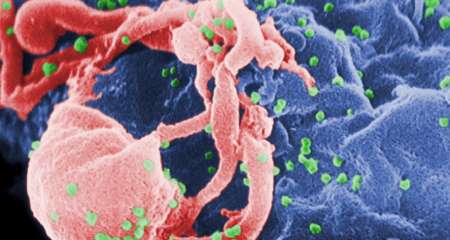
    Image: Wikipedia commons. Author: Ali Sutopo

    Half a million and counting: Minor irrigation water bodies in India

    The minister for jal shakti provided a list of tanks, reservoirs or ponds counted as part of an ongoing census from various states.

    India has over half-a-million water bodies that provide minor irrigation, the minister of state for jal shakti, Bishweswar Tudu informed the Rajya Sabha today.

    According to the minister, the department of water resources, river development and Ganga rejuvenation of the ministry of jal shakti has been conducting a census of minor irrigation structures every five years since 1986-87.

    Though the minor irrigation census does not count the number of water bodies in the country directly, data on water bodies is indirectly compiled from the census. The number of water bodies in villages used for minor irrigation derived from fifth minor irrigation census (with 2013-14 as the reference year) was 5,16,303.

    Maharashtra led the list of states with the maximum (1,14,988) number of such water bodies. The state of Jharkhand with 48,144 minor irrigation installations came next and was followed by Andhra Pradesh that has 41,209 such water bodies providing minor irrigation.

    The census did not find any such minor irrigation water bodies in the states of Delhi and Sikkim and in Chandigarh.

    The census of water bodies, according to the minister’s reply, covered all natural or artificial units with some or no masonry work in rural parts of the country that have been used for storing water for minor irrigation – known variously as tanks, reservoirs or ponds – or water bodies functioning as surface flow schemes.

    The minister informed that the department has launched the first census of water bodies in convergence with the sixth round of minor irrigation census (with 2017-18 as the reference year) under the centrally sponsored scheme “irrigation census”.

    Encroachments happening

    “The objective of the census of water bodies is to develop a national database for all water bodies by collecting information on all important aspects of the subject including their size, condition, status of encroachments, use, storage capacity etc.,” the minister said in a written reply.

    Presently, the field work and data processing activities of the first census of water bodies is nearing completion in various states and urban territories the minister said.

    As per currently available data of first census of water bodies, Andhra Pradesh leads the list of states where encroachments on water bodies have been reported. 3,920 water bodies were encroached upon in the state. Punjab follows with 1,578 encroachments on minor irrigation water bodies. The minister has listed 14 states reporting from where encroachments over water bodies have been reported. Arunachal reported just one encroachment and the states of Arunachal Pradesh and Sikkim and Chandigarh reported no encroachments.

    The minister said in the Rajya Sabha that work related to enumeration of water bodies, their protection from encroachment or their diversion for use for other purposes comes under the purview of the state governments.

    His ministry, he said, has been sensitising state governments regarding the importance of water bodies for socio economic development and sustainable water security to the local population. Need for taking necessary steps for keeping all the water bodies encroachment free, such as inclusion of water bodies in land records and making them integral part of town planning process, removal of encroachments is also being emphasised to the state governments from time to time, the minister said.


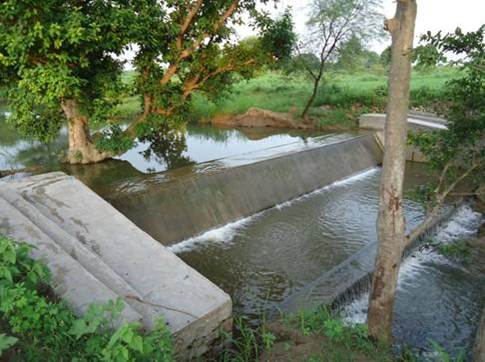
    Image: Development Alternatives

    Bail for Lankan lawyer, “prisoner of conscience”

    The criminal investigation department of the Sri Lanka police had detained Hejaaz Hizbullah, an attorney-at-law under the island nation’s Prevention of Terrorism Act.

    Sri Lankan lawyer, Hejaaz Hizbullah has obtained bail from a court of appeal after 20 months in detention under the country’s prevention of terrorism act (PTA).

    Hizbullah has been under detention since April 2020 when he was picked up under the provisions in following the 2019 Easter Sunday bombings that killed 269 and injured over 500. The criminal investigations department of the Sri Lankan police did not charge him for any offence for 10 of the 20 months he was held captive.

    (Health authorities had advised him to stay at home since the suspected he had come in contact with people with COVID-19. This was a ruse so to apprehend him.)

    Hizbullah’s trial has been controversial. His lawyers argued that Hizbullah is being charged because of his work as a lawyer and a defender of human rights. They said that he was being blamed for his association with a businessman whose sons were suspected to have carried out the Easter Sunday bombings.

    As calls for his release grew within and outside Sri Lanka, the government shuffled charges and accused him of inciting racial disharmony.

    Abusive law

    Besides not being provided free access to his lawyers or to meet with his family, the police was even pulled up by a Colombo magistrate for botching up an identification parade by acquainting school-going children with his picture before the exercise. The investigating team had alleged that Hizbullah was involved in preaching hate.

    Sri Lanka’s prevention of terrorism act (PTA) allows authorities to detain any suspect without charges and without producing a suspect before a judge.

    In 2021, Amnesty International declared Hizbullah a prisoner of conscience. “He is a prisoner of conscience and must me immediately and unconditionally released and all charges against him dropped,” the UK-based international human rights organisation said on July 14.

    Amnesty International said Hizbullah was detained on “trumped-up charges” under the “draconian” PTA. “He has been targeted for his work, and his advocacy for the rights of Muslim minorities in the country,” the organisation said.

    Human rights defenders have criticised the use of PTA to crush dissent and justify the forcible disappearance of people.


    Image: Hippopx licensed under Creative Commons Zero – CC0

    A Clash of Alms

    Driven by unprecedented hardship to pass round the begging bowl, Sri Lanka has become the centre of a tussle between India and China.

    By Neville de Silva

    There was a time in Asia’s predominantly Buddhist countries when saffron-robed monks walked from house to house in the mornings, standing outside in silence as lay people served up freshly cooked food into their ‘alms bowls’. The food was then taken to the temples, where it was shared among the monks.

    That religious tradition has now largely given to other ways of serving alms to monks.

    Today, governments and their aggrandising acolytes have converted this respected and virtuous tradition into one of begging richer nations to rescue them from economic deprivation, brought on largely by failed promises and disjointed and ill-conceived foreign and national policies.

    This ‘begging bowl’ mentality in search of ‘alms’ is more likely to succeed if a nation is strategically-located in an area of big power contestation. Sri Lanka is just that, situated in the Indian Ocean and only a few nautical miles from the vital international sea lanes carrying goods from West to East and vice versa.

    The country’s economy has been caught in a bind. Buffeted by the COVID pandemic on the one hand and, on the other, ego-inflating economic and fiscal policies introduced by President Gotabaya Rajapaksa shortly before the country was pounded by the pandemic, Sri Lanka now has to beg or borrow to keep its head above water.

    By December, Sri Lanka’s parlous foreign reserves situation had dropped to a perilous $1.2 billion – enough for three weeks of imports. The foreign debt obligation of $500 million that needed to be met last month was only the beginning. Another $1 billion is due in July. The total pay-off in 2022 will amount to some $7 billion.

    Botched green agriculture agenda

    Meanwhile the pandemic has virtually killed tourism, one of the country’s main foreign exchange earners, driving the hospitality industry into free-fall. If this was not bad enough, the Central Bank’s attempts to put a tight squeeze on incoming foreign currency led the country’s migrant labour remittances to drop drastically as overseas workers turned to the black market to earn real value for their money sent to families at home.

    But nothing has had such widespread political repercussions as the government’s ill-advised policy of banning overnight chemical fertilisers last May, ahead of the country’s main agricultural season between October and April.

    Its over-ambitious agenda of trying to turn Sri Lanka into the world’s first totally ‘green agriculture’ was laudable enough, but was botched when the sudden ban on chemical fertilisers and other agro-chemicals – used by farmers for the last 50 years or so – left rice farming and other cultivation in disarray and farmers inevitably confused.

    While agricultural scientists and other experts warned of an impending food scarcity due to failed harvests and sparsely cultivated fields, the government ignored the warnings, sacking heads of the agriculture ministry and removing its qualified agricultural experts for spreading doom and gloom.

    Against this backdrop of confused governance, probable food shortages due to poor harvests and slashing of imports and even essential medicines for lack of foreign currency, growing public unrest has seen even farmers take to the streets.

    Consequently, a once-buoyant government confident of public popularity, especially among the Sinhala-Buddhist voters and the rural community, began to look beyond its faithful ally and ‘all weather’ friend China for ‘alms’ to pull it out of the morass.

    Enter China

    China has already planted a large footprint in Sri Lanka, with massive infrastructure projects such as sea and airports in strategic areas, which allowed a monitoring of international sea lanes to make neighbouring India worry.

    A major Chinese presence in Sri Lanka could endanger India’s security at a time when China continues to militarily pressurise India in the Himalayas.

    From the early 1950s Sri Lanka, then called Ceylon, and China had established close ties. Despite threats of sanctions by the US, Colombo sold natural rubber to China – then involved in the Korean war – in exchange for rice, marking the beginning of the long standing ‘rubber-rice pact’.

    As long as China’s immediate concern was the Pacific theatre, where the US and its allies remained dominant, and China faced territorial disputes in the South China sea and elsewhere, India was not overly concerned with China-Sri Lanka bilateral ties.

    But as soon as China began to expand into the Indian Ocean, challenging what India considered its sphere of influence, New Delhi’s concerns multiplied considerably, as did its disquiet over China’s growing influence over Colombo.

    The 70th anniversary of that Sino-Ceylon agreement, which cemented bilateral relations at a time when the People’s Republic of China was not even a member of the UN, was commemorated last month when China’s Foreign Minister Wang Yi visited Colombo in early January during an influence-building visit to Africa, the Maldives and Sri Lanka.

    This is the third high level visit by a Chinese official in little over a year, beginning with former foreign minister and politburo member Yang Jiechi in October 2020, and followed last April by Chinese Defence Minister Gen. Wei Fenghe, a visible signal to India and US-led ‘Quad’ countries the importance that China attaches to its relations with Sri Lanka.

    Balancing with India

    But Sri Lanka’s struggle against dwindling reserves, the need for foreign investment and expansion of trade relations at a time of economic hardship has shown the Rajapaksa regime that reliance on China alone will not suffice.

    A more balanced foreign policy and an equidistant relationship between Asia’s two superpowers cannot remain at the level of diplomatic rhetoric. It is an imperative, given Sri Lanka’s geographical location in close proximity to India and the historical, cultural and ethnic ties with it huge neighbour.

    Sri Lanka’s ambassador to Beijing, Dr Palitha Kohona, said recently that Colombo should not depend on China forever – a valid piece of advice Colombo should seriously consider.

    India also cannot ignore that, security-wise, Sri Lanka lies in India’s underbelly, whose vulnerability was exposed during the Bangladesh Liberation War in 1971. So a major Chinese presence in Sri Lanka could endanger India’s own security at a time when China continues to militarily pressurise India in the Himalayas.

    Last December finance minister Basil Rajapaksa’s hurried visit to New Delhi, even as his maiden budget was still being debated in parliament, was indicative of Sri Lanka’s anxiety to seek India’s economic and financial assistance, without depending solely on Beijing.

    That visit led to the two countries agreeing on ‘four pillars’ of cooperation in the short term, including emergency support of a US$1 billion line of credit for importing food and medicines and a currency swap to bolster Colombo’s dwindling foreign reserves.

    Other assistance included investment in an oil tank farm for oil storage in northeastern Trincomalee, close to the vital natural harbour that served the British well during the Second World War.

    Benefiting from power tussle

    An Indian company, the Adani Group, has already won a stake in the Colombo port, where it will engage in developing the western terminal while the Chinese build the eastern wing.

    Meanwhile, Colombo is having talks with China for a new loan besides the $500 million loan and a $1.5 billion currency swap.

    While the two major Indian Ocean powers tussle for supremacy in this vital maritime region, Sri Lanka is beginning to understand that it sometimes pays to dip one’s oars in troubled waters.


    Neville de Silva is a veteran Sri Lankan journalist who was, till recently, Sri Lanka’s deputy high commissioner in London


    This piece has been sourced from Inter Press Service


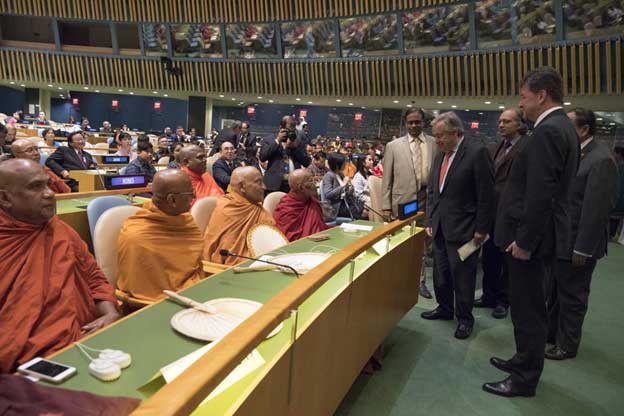
    Image: Sri Lankan Buddhist monks at the UN General Assembly session commemorating Vesak (courtesy, Sri Lanka’s Permanent Mission to the United Nations)

    China struggles with socio-environmental standards in Latin America

    Conflicts with indigenous people underline the need for Chinese corporations and banks to include socio-environmental safeguards in their projects in Latin America and the Caribbean.

    By Emilio Godoy / Inter Press Service

    In southeast Mexico, work on the Yucatan Solar Park, owned by the Chinese company Jinko Solar, has been halted since 2020 for lack of proper consultation with indigenous communities, after affected local residents filed an injunction against the project.

    In February 2019, residents of several Mayan indigenous villages in the municipalities of Cuncunul and Valladolid, in the state of Yucatan, demanded a halt to work on the park, run by Jinko Solar Investment Pte Ltd. Months later, a court ordered the suspension of the 71.5 million dollar project.

    The conflict illustrates the need for Chinese corporations and banks to include socio-environmental safeguards in the financing, design, construction and operation of works in Latin America and the Caribbean, where there are at least 983 conflicts over mining, energy, transportation and communications projects, including those financed by Chinese firms.

    Paulina Garzón from Ecuador, director of the non-governmental Latinoamerica Sustentable (LAS), said that although standards exist in China, they have not been internalised by the institutions.

    “China has not included the economic cost in its developmentalist and extractivist vision, a cost that is paid in the long term by the affected populations and by the debtor countries. But these costs are not taken into account when the viability of granting the loan is assessed,” the head of LAS’ China-Latin America Sustainable Investments Initiative (CLASII), told IPS.

    CLASII is about to publish research on the application of the environmental guidelines of the China Development Bank (CDB). These guidelines, established in 2004, are secret and there is no channel for denouncing the negative impacts of projects.

    Pending impact assessments

    The organisation found eight Chinese guidelines for companies and investors, nine for financial institutions and seven sectoral guidelines for infrastructure, mining and forestry. The Chinese government will soon publish new regulations for the ministries of trade and environment on outbound investment.

    In Argentina, the hydroelectric power plants under construction, named “Presidente Néstor Kirchner” and “Gobernador Jorge Cepernic”, with a combined capacity of 1,310 megawatts on the Santa Cruz River in Patagonia, in the south of the country, represent another emblematic case of the vicissitudes of projects that have Chinese financing.

    In 2016 the Argentine Supreme Court halted work on the project, financed by the CDB and the Industrial and Commercial Bank of China (ICBC), until a public hearing and a new environmental impact assessment were conducted. The project was thus suspended for two years.

    In a 2016 letter, the BDC Corporation reminded the Argentine Ministry of Finance and Treasury of several force majeure clauses for approving the power plants and their dams, such as the necessary approval by the lender of any contractual modifications.

    The parties signed the US$4.7 billion financing agreement in 2014 and linked it to a similar one in 2012 for a US$2.1 billion upgrading of the Belgrano Cargas railway, which runs across northern Argentina.

    “We wish to insist that the ongoing and successful implementation of the project is not only mutually beneficial and a bilateral win-win, but will also lay the foundation for deeper future economic cooperation,” the 2016 letter states, while warning of the risk of cross-default, should Argentina default on the 2014 agreement for the dams.

    Gradual adherence to multilateral guidelines

    Although several Chinese financial institutions have signed up to various voluntary socio-environmental guidelines, in practice none of the ones with a significant presence in infrastructure projects in Latin America have adhered, with the exception of ICBC, the largest of its kind in China and with operations in Argentina, Brazil, Mexico, Panama and Peru.

    Three Chinese institutions have adhered to the United Nations principles for responsible investment, a set of six socio-environmental safeguards.

    Nine Chinese banks signed the principles of responsible banking, with six other standards on environmental impact, sustainability, participation and transparency.

    In addition, seven Chinese banks adopted the equator principles, a framework for defining, assessing and managing the socio-environmental risks of projects.

    The Asian Infrastructure Investment Bank (AIIB), founded in 2015 to finance the “Belt and Road Initiative” (BRI), has only validated one project in Latin America.

    Although several Chinese banks, such as the BDC and ICBC, signed the “Green Investment Principles” (GIP) in 2019 to assess the potential social and environmental effects of BRI investments, there is still no evidence of their application by this initiative that emerged to promote a maritime and rail network from the Asian powerhouse to the western end of Europe and to Latin America.

    For Enrique Dussel, director of the Centre for China-Mexico Studies at the National Autonomous University of Mexico (UNAM), the debate on safeguards is a novel one in the Asian giant.

    “Historically, Chinese companies have shown great political pragmatism, the banks are interested in doing business and it did not matter if it was in activities that could be questioned from an environmental standpoint. The question was to mark a presence and participate in the Latin American market. Chinese pragmatism in these aspects practically leaves the responsibility up to the counterpart,” Dussel told IPS.

    A magnet

    The region attracted 138 Chinese infrastructure projects worth 94.09 billion dollars for the 2005-2020 period, according to the “Monitor of Chinese Infrastructure in Latin America and the Caribbean 2021“, drawn up by the Latin American and Caribbean Academic Network on China.

    South America has been the biggest pole of attraction for Chinese investment, as Ecuador obtained 11 of the 40 infrastructure projects during the 2010-2014 period, while from 2015 to 2020 Argentina and Brazil accounted for 23 and 11 of the 92 projects in the region, respectively.

    Chile, Colombia and Mexico carried out infrastructure projects with Chinese companies and financing for the first time in the 2015-2020 period.

    Energy, transportation, communications and telecommunications are among the main areas of Chinese involvement in the region. The incursion of the Asian giant has been based on public and some private companies, backed by funds from Chinese banks.

    To shore up its foothold in Latin America, Beijing has created instruments into which it has injected multimillion-dollar funds, such as the Special Loan Programme for China-Latin America Infrastructure Project and the China-LAC Industrial Cooperation Investment Fund and bilateral cooperation funds.

    Social license or a serious practice?

    That strategy is linked to the BRI, which several Latin American countries have joined, in an attempt to draw investment, and which is helping China fill the void left by the United States since 2016.

    In December 2020, a group of international advisors to the BRI suggested that China adopt stricter environmental controls for its foreign investments.

    According to this scheme, projects that could cause significant and irreversible environmental damage would be marked red, works of moderate and mitigable impact would be marked yellow, and projects without significant negative effects would be marked green.

    Garzón and Dussel said there have been some changes.

    “It is a process that we are going to see gradually. The institutions recognise the need to improve things and have taken a step to improve environmental behaviour. The worrying thing is if this at some point becomes just a slogan that aims to improve the ability to approve projects and obtain a social license, rather than a serious practice,” said the head of CLASII.

    Dussel noted, for his part, that “the AIIB is explicitly seeking to integrate environmental issues. There are many initiatives in this regard in China itself, to evaluate projects, attempting to compare the criteria for evaluation and implementation of Chinese infrastructure versus Western ones, specifically the World Bank’s. There is clearly a learning process.”

    As the Chinese Infrastructure Monitor anticipates, infrastructure initiatives in the region will grow, with their attendant social and environmental fallout.


    This piece has been sourced from Inter Press Service

    Image – courtesy of Government of Argentina: Projection of hydroelectric power plants financed by Chinese institutions in southern Patagonia, Argentina


    Increased investment critical to end female genital mutilation as COVID-19 rages on

    In 2012, the United Nations General Assembly designated 6 February as the international day of zero tolerance for female genital mutilation, with the aim of amplifying and directing the efforts on the elimination of this practice.

    By Natalia Kanem and Catherine Russell

    Multiple overlapping crises are putting millions of girls at increased risk of female genital mutilation. Countries already grappling with rising poverty, inequality and conflict are seeing the COVID-19 pandemic further threaten years of progress to end the practice, creating a crisis within a crisis for the world’s most vulnerable and marginalized girls.

    Even before COVID-19, 68 million girls were estimated to be at risk of female genital mutilation between 2015 and 2030. As the pandemic continues to shutter schools and disrupt programmes that help protect girls from this harmful practice, an additional two million additional cases of female genital mutilation may occur over the next decade.

    Rapid population growth in some countries is expected to further increase the number of girls at risk, adding urgency to the global effort to eliminate the practice by 2030 as set out in the Sustainable Development Goals.

    Female genital mutilation harms girls’ bodies, lives and futures. It is also a violation of their human rights. Only united, concerted and well-funded action can end the practice everywhere.

    As the global community adopts programmes to reach girls and women impacted by the pandemic, there is an urgent need to accelerate investment to end female genital mutilation. Some $2.4 billion are needed to eliminate this practice in 31 high-priority countries. Specifically:

      1. Investment in the empowerment of girls and women, and in adequate services and response for those affected and at risk of female genital mutilation
      2. Investment in building partnerships and mobilizing allies – including men and boys, women’s groups, community leaders and even former practitioners of female genital mutilation – to help eliminate the practice.
      3. Investment in developing and enforcing national-level laws and strengthening institutions.

    So far, progress has been clear and measurable. Today, girls are one third less likely to be subjected to female genital mutilation than 30 years ago, and in the last two decades, the proportion of girls and women in high-prevalence countries who oppose the practice has doubled.

    Those gains now face an unprecedented challenge. Global efforts must keep the momentum moving forward and build on years of progress to end this harmful practice completely.”


    Dr. Natalia Kanem is UNFPA Executive Director and Catherine Russell is UNICEF Executive Director.

    This piece has been sourced from the Inter Press Service