More

    Everest’s South Col glacier is thinning 80-times faster, says new study

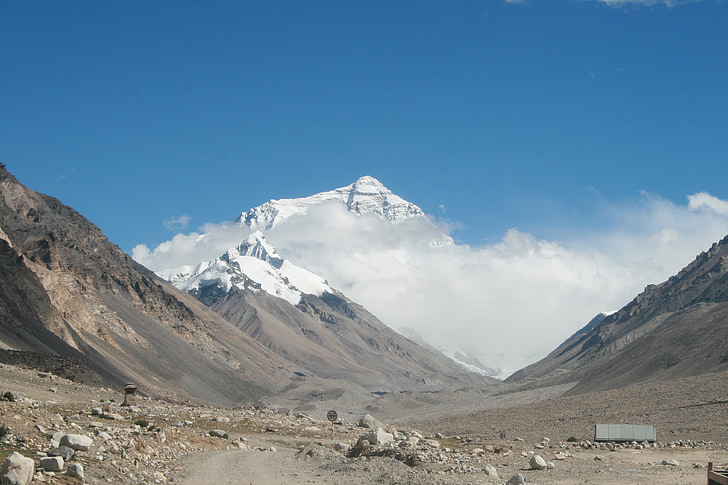
    Mount Everest is very much part of the earth we live in and is not spared by climate change. But a new study unveiled today says that a glacier on the world’s highest peak is melting far too fast.

    Climate change is not sparing Mount Everest either. A study unveiled by researchers at the University of Maine has found that the highest glacier on the world’s tallest peak is melting at a rapid pace.

    Researchers say that the South Col glacier has lost more than 180 feet (54 metres) of thickness over the past 25 years due to climate change and wind that have weathered its surface, melting the glacier.

    The South Col is a sharp-edged col between Mount Everest and Lhotse, the highest and fourth-highest mountains in the world, respectively. It is situated around 7,906 metres (25,938 feet) above sea level and is relatively flat.

    The researchers who undertook the study say that the glacier is thinning 80-times faster than the time it initially took the ice to form on the surface.

    The 80-times rate of decline has been attributed to climate change – more precisely to warmer temperatures than what existed earlier atop Everest peak together with strong winds. This has led to the ice vanish. The researchers point out that the quantity of ice that has turned into water since the 1990s would, under normal circumstances, take around 2,000 years to melt.

    The research involved a team of 10 scientists to visit the glacier and install two weather monitoring stations. They also extracted samples from a 10-meter-long (around 32 feet) ice core.

    This showed that the glacier’s thick snowpack too has been eroded, exposing the underlying ice to the sun, they say. This has, in turn, accelerated the melting process.

    Global scale implications

    Expedition leader Paul Mayewski told the BBC that the study findings add a “high elevation understanding that has not previously been available and that drives home the remarkable sensitivity earth systems have to even relatively small change.”

    According to Mayewski, the rapid melting could have a wide variety of “significant regional to global scale implications”.

    The Himalayas are a source of water for all of Nepal and Bhutan and large parts of India and Bangladesh, besides Afghanistan and Pakistan. So, the scientists feel that the melting of glaciers can be ominous on life in the SouthAsia region.

    The findings suggest that the “South Col Glacier may be on the way out – it may already be a ‘relic’ from an older, colder, time,” says another author of the study, Mariusz Potocki.

    Study co-author and climate scientist from London’s Kings College, Tom Matthews was quoted by the BBC as saying that there had been no single change in the region’s climate to cause the surge in melting.

    “Instead, the steady uptick in temperatures eventually pushes the glacier across a threshold, and suddenly everything changes,” he told the broadcaster.

    While glacier melt has been widely studied, this study on the impact of climate change on a glacier on the world’s highest peak is a new revelation.


    Image: Hippopx images licensed to use under Creative Commons Zero – CC0

    Budget 2022: Optimism of policy makers may be misplaced

    Those drawing confidence from the mountain of reserves should know well that the central banks would not dare to run down the reserves even when capital outflows occur, lest a speculative attack against the currency sets in.

    By Krishnakumar S

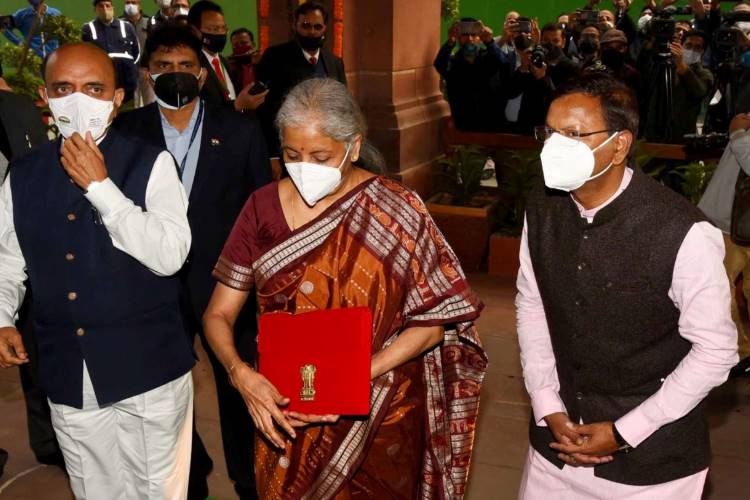
    There is an overwhelming sense of optimism in the Economic Survey 2021-22, released a day before Budget 2022, surprisingly at a time when various international agencies have been airing words of caution. Finance minister Nirmala Sitharaman presented the Narendra Modi government’s tenth budget amid three risk factors — the steep rise in crude prices in the international market to $90 per barrel, the imminent risk arising from the reversal of bond purchases by the central banks of advanced economies, and the totally unpredictable trajectory of COVID-19.

    The Economic Survey tries to downplay these risks that threaten the economy and Budget 2022 takes off from there. Rather than taking cognizance of these immediate challenges that hold true for most of the world, the Survey has portrayed a rosy picture of the economy, providing a false sense of security by citing the rising stock of foreign exchange reserves, a large increase in GST collection and the ability of the economy to attract capital from everywhere, which pushed the BSE Sensex to an all-time high.

    In fact, the sense of optimism which emanates from these is hugely problematic. Forget about economists that are critical of the government; even the mandarins in policy circles from the Bretton Woods institutions, various central banks and the Reserve Bank of India have cautioned against these factors.

    India Inc.’s foreign debt exposure

    India is not alone in being inundated with capital inflows. Ever since the unprecedented expansion of the central bank balance sheets in early 2020, there has been a flight of capital in search of yield. Emerging market economies like India and China have been able to attract large amounts of external capital. A number of Indian companies have issued unprecedented amounts of international debt securities. Recently, RIL had successfully mobilised US$4 billion abroad at very competitive rates. In fact, there has been a large mobilisation of funds through the issuance of green bonds by a number of Indian corporates.

    Even edtech start-ups like Byju’s have mobilised funds for making acquisitions abroad. There has been unusual froth in the private equity market with start-ups getting hefty valuations. Inflows from foreign institutional investors coupled with the rise in the number of retail investors in India, evident from the steep increase in the number of demat accounts, have pushed the Sensex to record highs in 2021.

    The bull run has been triggered by the abysmally low rates of interest in the global economy. To expect that these days of favourable capital flows would continue unabated irrespective of the decisions made by the Federal Reserve and the ECB would be wishful thinking. It is wishing away the volatile nature of such flows.

    The entire emerging market universe, that has transformed itself into a casino for carry traders is awaiting the decisions of advanced country bankers. But compared with the rising tide of global liquidity between 2003 and 2008 that witnessed steep increase in investment ratios within the country, the economy is edging only to the investment ratios witnessed seven years back.

    Budget 2022 optimism and market surge

    The soaring market and the rise in other asset prices have resulted in a wealth effect of sorts, pushing consumption by the highest deciles of the Indian population. This has resulted in a steep rise in GST collections. Even when the picture on the employment front continues to be grim, this rise in tax collections has been conveniently misread by the government and its advisors to be real signs of recovery. The mandarins at the finance ministry, who were waiting for an excuse, have been quick to reduce the allocation for MGNREGA to Rs 73,000 crore. Making the government even more excited is the rise in tax collections on account of global crude prices.

    It is sad to see how the government looks at the pandemic as if the danger is over. Even as the whole of Europe is reinventing its public health delivery systems through funds mobilised through corona bonds to make them robust enough to withstand any future shock, we are busy trying to revert all action on the health front. The gaps in public health infrastructure became evident in India like never before. Restoring public institutions and enhancing accessibility should be an immediate priority.

    The confidence from the rising stock of foreign exchange reserves which at present is over $600 billion could prove to be misplaced. Since 2000, there has been a deficit on our current account but for three or four years. A large part of the forex reserves is from the inflows on the financial account. Most importantly, the external borrowings which have a residual maturity of less than one year account for 40 per cent of our reserves. Those drawing confidence from the mountain of reserves should know well that the central banks would not dare to run down the reserves even when capital outflows occur, lest a speculative attack against the currency sets in.

    We should be prepared for the worst – that is what economic policymaking is all about. In the eventuality of a reversal of the current trajectory of capital flows resulting in a depreciation of the rupee, the exchange risks would push the corporates to another round of deleveraging. This would be too large a cost for the country to bear. It would be appropriate if a stress test is done on the corporate balance sheets to reassure that they have hedged against such risks, else it will be like 2013 all over again.


    Dr Krishnakumar S teaches economics at Sri Venkateswara College, University of Delhi.

    This piece has been sourced from Policy Circle — policycircle.org

    Nepal investing in health care but equality of access lags

    High quality health care is not universally accessible in Nepal, and is generally enjoyed by only a relatively small and elite portion of the population, and generally, access to health care in the country is unequal.

    By Marty Logan / Inter Press Service

    As the Omicron wave of COVID-19 rose ominously in Nepal recently, to entice more people to get tested the government reduced the cost of PCR tests from Nepali Rs 1,000 ($8.37) to 800 ($6.70) in government facilities and about double that in private ones.

    “People with limited incomes can’t afford to get the test, and imagine if four members of a family have symptoms, the PCR tests alone will make a hole in their income,” Baburam Marasini, former director of Nepal’s epidemiology and disease control division, told the Kathmandu Post.

    Income per capita in Nepal in 2020 was $1,190, according to the world bank.

    Noting that free treatment of conditions like tuberculosis, malnutrition and malaria had saved many lives in the country, Marasini argued that “the government should make PCR tests free across the country for those who have symptoms.”

    While the government has not taken that step, in recent years it has provided free treatment for a growing number of chronic conditions to members of groups in need, such as the elderly, young children and the poorest in society. Yet equality in health care remains a paper promise.

    In a briefing paper on the right to health in Nepal during COVID-19, the international commission of journalists argued that the government must “ensure that health services, facilities and goods are available to all without discrimination” and “ensure access to at very least the ‘minimum essential level’ of health services, facilities, and goods.”

    Elites

    Originally released in November 2020 and updated in September 2021, the ICJ paper notes that a plan was made to distribute COVID-19 vaccines to members of vulnerable groups first, but “According to various media reports, for example, some of the vaccines allocated for older persons were instead used to inoculate political party leaders, local level representatives, army personnel, their family and friends, administrators, businessmen’s families and their relatives.”

    The Constitution of Nepal guarantees “the right to health care,” and its third provision states: “Each person shall have equal access to health care. ” The constitution’s directive principles, policies and obligations of the State also require that Nepal “keep on enhancing investment necessary in the public health sector by the State in order to make the citizens healthy” and “ensure easy, convenient and equal access of all to quality health services.”

    Yet as ICJ points out, research done prior to COVID-19 found that “high quality health care was not universally accessible in Nepal, but was generally enjoyed by only a relatively small and elite portion of the population, and generally, access to health care in the country is unequal and the health system faces perennial shortages of resources, essential drugs and necessary medical infrastructure.”

    Senior cardiologist Dr Prakash Raj Regmi says he sees the impact of inequality in health care daily. “In the process of investigation, in the process of treatment, even middle-class people face some difficulty.”

    Regmi notes that most of his patients are burdened by multiple non-communicable diseases, such as cardiovascular diseases, diabetes and kidney and heart issues, whose diagnosis requires extensive testing. Afterwards, these patients often need multiple treatments. “Patients need to undergo several investigations: laboratory tests, x-rays, ultrasound, echo-cardiography. People may need coronary angiography or a CT scan or MRI — all these investigations are expensive.”

    Need to invest in prevention

    While the quality of available drugs is improving, they are also getting more expensive, so some patients discontinue their use prematurely, says Dr Regmi. “For example, a patient is given a follow-up time of three months, but they come only after six months. in that time they have stopped using two out of four drugs, so they develop complications.”

    While he can provide financial support, both at his private clinic and at the non-profit community clinic where he serves, Regmi isn’t sure how many other doctors do the same. “I call myself a social worker… in my private clinic also, people who come for treatment, if they can’t afford their tests and treatment I find some way out; I support those patients.”

    Despite the need for these informal mechanisms, Dr Regmi says that fewer patients require financial support today than in previous years, and that those who can afford it usually opt to visit less crowded private facilities.

    Various developments have helped improve services in the government system: a new national health insurance scheme, devolution of some health care responsibilities to provinces and municipalities following Nepal’s transition to federalism in 2017, and free treatment of some chronic illnesses for the poorest of the poor, children and the elderly.

    “A huge amount of money is being invested in this… This is very good for patients who cannot afford treatment: most of the patients are poor and these NCDs require lifelong treatment.” But the doctor says one thing is missing: “The government should focus on prevention in parallel with providing treatment, but it is not investing in prevention,” he argues.

    Minimal to zero progress

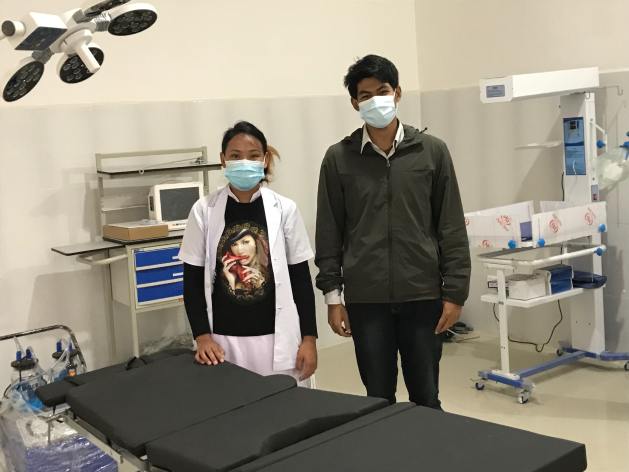
    Inequality is also obvious in maternal health services. For example, Sindhupalchowk is a mostly rural district three hours’ drive from the capital Kathmandu. Despite it having 79 health facilities, families who can afford to do so travel to the capital to have their children delivered or to larger facilities in neighbouring districts. In fact, in 2020 more than 70 percent of pregnant women left Sindhupalchowk to have their babies outside the district.

    About one-half of Nepal’s hospitals, including centres for specialised care, such as the national maternity centre, are located in the Kathmandu Valley.

    A recent report analysing data from 2001 to 2016 found a growing “remarkable improvement” in maternal health progress nationally, in all wealth groups. But drilling down into the statistics revealed that the poorest of Nepal’s seven provinces “have made minimal to zero progress.”

    “Special investment to address barriers to access and utilization in provinces that are lagging to make progress in reducing inequality is urgent. Further studies are needed to understand the strategies required to address the gaps in these provinces and bring about fair improvement,” added the study.


    This piece has been sourced from Inter Press Service

    Image: Marty Logan / Inter Press Service

    Duty calls to alleviate suffering in Afghanistan

    Imagine for a minute that you are in those conditions; you need to put food on the table for your starving children, it is freezing cold, and you have no money because you lost your job or because there is no money to pay you. What would you do?

    By Xavier Castellanos

    A few years back I witnessed extreme humanitarian need across Afghanistan. One of Asia’s poorest countries, millions of people were living below the poverty line. It was heartbreaking to see first-hand the impacts of one the highest child mortality rates in the world. To witness one of the most disaster-prone countries on earth routinely enduring severe droughts, earthquakes and flash floods.

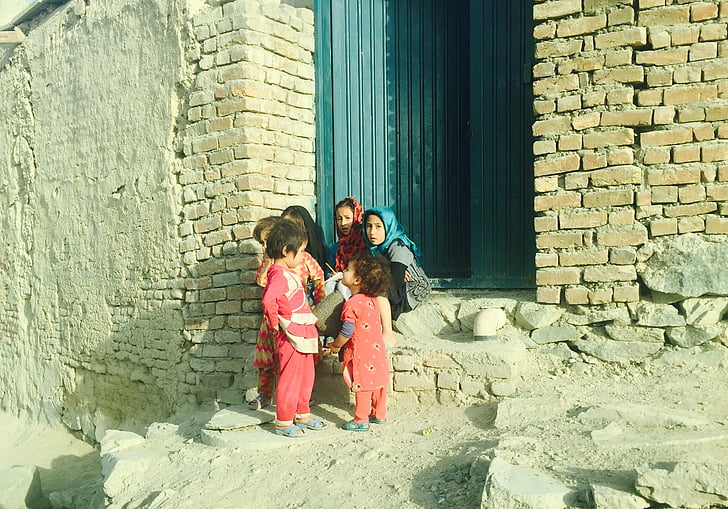
    This year I returned to see that these humanitarian needs have intensified. One of the worst droughts in decades has crippled food production across the country, livestock has perished, and millions of families in rural and regional areas are going without adequate food on a daily basis.

    Around 23 million people are experiencing high levels of acute food shortages – more than one in two Afghans. Among those most at risk are 3.2 million children under five suffering acute malnutrition.

    International sanctions imposed on the country have deepened economic hardships being experienced by millions of families. Many have not been paid for months, essential services are not being delivered, and large parts of the healthcare system are on the brink of collapse. Public hospitals, which treat the most vulnerable, lack fuel for heating, medicine, and basic medical supplies.

    The crisis in Afghanistan has not transitioned since my previous visit, rather it has grown: the country’s most marginalised – the mentally ill, widows, orphans – are in desperate need of support. I have seen how poverty has deepened in these latest humanitarian crises. Yet the Afghan spirit remains strong.

    COVID-19 is further compounding social and economic hardship, as heath systems struggle to cope and the risk of another wave of the virus looms large, while a bitter winter hits the most vulnerable communities harder than ever.

    The Red Cross is doing its best to respond to these multiple crises, supporting people in the hardest to reach areas, hand in hand with the Afghanistan Red Crescent Society. It is overwhelming but it does not need to be this way.

    Imagine for a minute that you are in those conditions; you need to put food on the table for your starving children, it is freezing cold, and you have no money because you lost your job or because there is no money to pay you. What would you do?

    I am sure you would start selling any possessions of value on the market or trading them for food. To warm your already poorly maintained house, that is leaking and damp, you would most probably start burning whatever was available, to bring some comfort at home. Some of those materials might be highly polluted, affecting you and your family’s lungs and respiratory system, the symptoms only appearing in several years’ time. But the task is to survive today; that is what is happening in Afghanistan.

    Imagine all the stress that this creates on individuals that live every day in those conditions. All the stress on humanitarians who want to do more but lack the funding to increase support. We, the humanitarian community are leaving behind millions of people. They are not just numbers, they are people with dreams, values, hope, and ambitions like you and me.

    Is the International Federation of Red Cross doing the best it can? We have been in Afghanistan for 30 years, supporting the Afghanistan Red Crescent Society across the country, providing comprehensive relief, delivering essential medical care through mobile health clinics, and addressing the economic impacts of COVID-19 with income generation projects and community education.

    Can we do more? Absolutely yes if financial conditions would allow us to do so. But it is essential that our work focuses on the most acute needs, placing local action at the core of everything we do. It’s critical that there is more investment in supporting livelihoods initiatives to reactivate the local economy, providing solutions for farming families to produce food, improving access to safe and reliable drinking water, and reinforcing health and sanitation services.

    Amid the immense hardships felt by so many Afghans, it is crucial that the most vulnerable have dignity and hope and find ways to alleviate miserable living conditions. Alleviating poverty is an imperative. Reinforcing and increasing mobile health clinics and comprehensive services is critically important for women and children and everyone across Afghanistan.

    We must invest heavily in supporting the people of Afghanistan to have positive coping mechanisms to help meet these immense challenges. We must applaud the passion, commitment and action of thousands of aid workers and volunteers in Afghanistan, both men and women, who work from dawn to dusk to support their local communities.

    The world must not stand by and allow the humanitarian crises to deepen in Afghanistan. We need to promote a spirit of global empathy recognising the immense human suffering and we must be there with humanity when it is needed most.


    Xavier Castellanos is Under Secretary General, National Society Development and Operations Coordination, International Federation of Red Cross and Red Crescent Societies.


    Image: Hippopx, license to use under Creative Commons Zero – CC0

    Making RNA vaccines easier to swallow

    A pill that releases RNA in the stomach could offer a new way to administer vaccines, or to deliver therapies for gastrointestinal disease.

    Anne Trafton / MIT News Office

    Like most vaccines, RNA vaccines have to be injected, which can be an obstacle for people who fear needles. Now, a team of MIT researchers has developed a way to deliver RNA in a capsule that can be swallowed, which they hope could help make people more receptive to them.

    In addition to making vaccines easier to tolerate, this approach could also be used to deliver other kinds of therapeutic RNA or DNA directly to the digestive tract, which could make it easier to treat gastrointestinal disorders such as ulcers.

    “Nucleic acids, in particular RNA, can be extremely sensitive to degradation particularly in the digestive tract. Overcoming this challenge opens up multiple approaches to therapy, including potential vaccination through the oral route,” says Giovanni Traverso, the Karl van Tassel Career Development Assistant Professor of Mechanical Engineering at MIT and a gastroenterologist at Brigham and Women’s Hospital.

    In a new study, Traverso and his colleagues showed that they could use the capsule they developed to deliver up to 150 micrograms of RNA — more than the amount used in mRNA Covid vaccines — in the stomach of pigs.

    Oral drug delivery

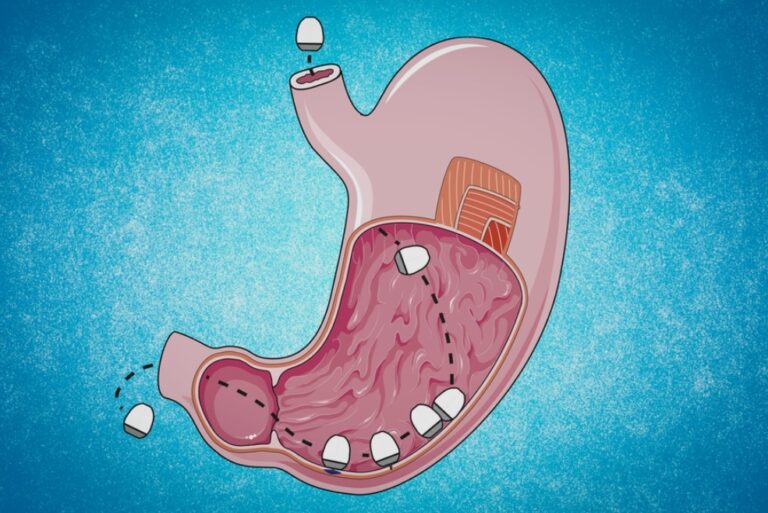
    For several years, Langer’s and Traverso’s labs have been developing novel ways to deliver drugs to the gastrointestinal tract. In 2019, the researchers designed a capsule that, after being swallowed, can place solid drugs, such as insulin, into the lining of the stomach.

    The pill, about the size of a blueberry, has a high, steep dome inspired by the leopard tortoise. Just as the tortoise is able to right itself if it rolls onto its back, the capsule is able to orient itself so that its contents can be injected into the lining of the stomach.

    In 2021, the researchers showed that they could use the capsule to deliver large molecules such as monoclonal antibodies in liquid form. Next, the researchers decided to try to use the capsule to deliver nucleic acids, which are also large molecules.

    Nucleic acids are susceptible to degradation when they enter the body, so they need to be carried by protective particles. To test the particles, the researchers first injected them into the stomachs of mice, without using the delivery capsule. The RNA that they delivered codes for a reporter protein that can be detected in tissue if cells successfully take up the RNA. The researchers found the reporter protein in the stomachs of the mice and also in the liver, suggesting that RNA had been taken up in other organs of the body and then carried to the liver, which filters the blood.

    Next, the researchers freeze-dried the RNA-nanoparticle complexes and packaged them into their drug delivery capsules. Working with scientists at Novo Nordisk, they were able to load about 50 micrograms of mRNA per capsule, and delivered three capsules into the stomachs of pigs, for a total of 150 micrograms of mRNA. This is the more than the amount of mRNA in the Covid vaccines now in use, which have 30 to 100 micrograms of mRNA.

    In the pig studies, the researchers found that the reporter protein was successfully produced by cells of the stomach, but they did not see it elsewhere in the body. In future work, they hope to increase RNA uptake in other organs by changing the composition of the nanoparticles or giving larger doses. However, it may also be possible to generate a strong immune response with delivery only to the stomach, Abramson says.

    “There are many immune cells in the gastrointestinal tract, and stimulating the immune system of the gastrointestinal tract is a known way of creating an immune response,” he says.

    Immune activation

    The researchers now plan to investigate whether they can create a systemic immune response, including activation of B and T cells, by delivering mRNA vaccines using their capsule. This approach could also be used to create targeted treatments for gastrointestinal diseases, which can be difficult to treat using traditional injection under the skin.

    “When you have systemic delivery through intravenous injection or subcutaneous injection, it’s not very easy to target the stomach,” Abramson says. “We see this as a potential way to treat different diseases that are present in the gastrointestinal tract.”

    Novo Nordisk, which partially funded the research, has licensed the drug-delivery capsule technology and hopes to test it in clinical trials. The research was also funded by the National Institutes of Health, the National Science Foundation Graduate Research Fellowships Program, a PhRMA Foundation postdoctoral fellowship, the Division of Gastroenterology at Brigham and Women’s Hospital, and MIT’s Department of Mechanical Engineering.


    Reprinted with permission of MIT News (http://news.mit.edu/)” in the footer

    US Sanctions on Bangladesh: What will happen next?

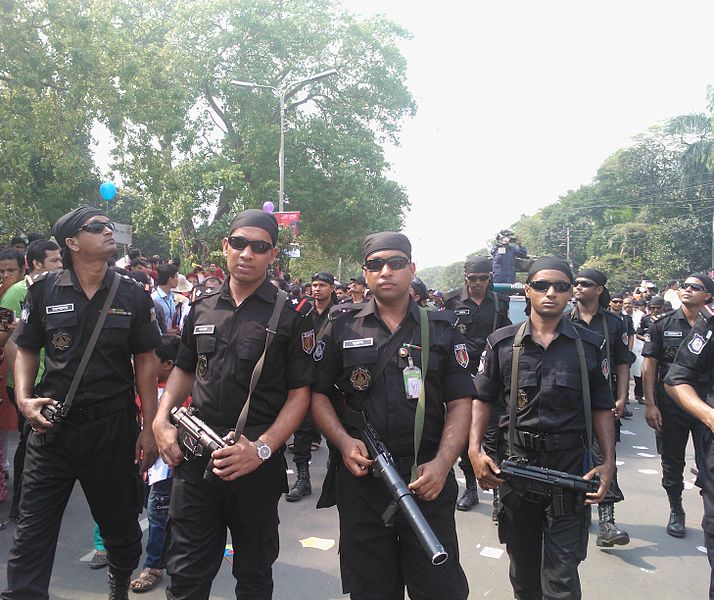
    From the streets of Dhaka to the corridors of power, the announcement of US sanctions on personnel of Bangladesh’s elite Rapid Action Battalion has taken the country by storm.

    US sanctions on former and present serving officials of Bangladesh’s Rapid Action Battalion (RAB) is now a topic of conversation everywhere in Bangladesh. Be it clerks in government offices, home-makers, students or businessmen, everyone is seized of the issue.

    Why did matters come to this pass? Most people in Dhaka are convinced this was unfair. “For the middle class, the RAB has always been a reassuring presence during a bandh,” says Jia ul Sikder, a shopkeeper in Dhaka’s Dhanmondi area. 65-year-old Sikder vividly remembers how bandhs, or calls for political lock-downs, would invariably turn violent. “Bandh-imposing goons would beat up cyclists, burn shops, damage vehicles,” he says. “But all that changed when the RAB came in.”

    People around Sikder nod their heads in agreement. There is little debate on how good the RAB is. There is unanimity among people gathered around Sikder that the goons deserved “cross-firings” or “gunfights”, euphemisms for disappearances ending up as faked encounters.

    US sanctions have followed initial reports from human rights defender groups on extrajudicial killing of 600 people and tortures and enforced disappearances, blame for all of which have been laid at RAB’s doors.

    The discussion leads to cacophony. One way to calm the crowd is to go back to the opening question. Why did matters come to this pass?

    This time, the ‘why’ question has another answer. “The Americans don’t like to see us progressing,” says Farhan, a young shop assistant working with a clothes shop who wishes to go by his first name. “They do not like how we have become close to China,” he says. People around him nod in agreement.

    But there is uncertainty about what will happen next.

    Grim reminder

    A statement accompanying the text of the US’ imposed sanctions on RAB mentioned the case of Teknaf municipal councillor Ekramul Haque who was killed in a “gunfight” with law enforcers on May 26, 2018.

    The gunfight was staged, most people believe, as recordings of his last calls to his family went viral over social media.

    At the time, Bangladeshi media maintained a long silence on the “gunfight”.

    Bangladesh’s peacekeeping missions

    Calling for a ban on Bangladesh involvement in peacekeeping, 12 international human rights NGOs asked have signed a letter asking UN Under-Secretary-General Jean-Pierre Lacroix to review RAB’s role.

    “If Secretary General Guterres is serious about ending human rights abuses by UN peacekeepers, he will ensure that units with proven records of abuse like the Rapid Action Battalion are excluded from deployment,” Human Rights Watch quoted Kerry Kennedy, president of Robert F. Kennedy Human Rights as saying. “The evidence is clear; now it’s time for the UN to draw a line.”

    In Dhaka’s corridors of power, there is talk about the impact the sanctions will have on the country’s participation in UN peacekeeping missions. Bangladesh has also announced that it will set up a ‘human rights cell’ to allay doubts on the human rights records of its uniformed personnel.

    He said that the government was open to the idea of hiring lobbyists in New York to correct the impression that Bangladeshi uniformed personnel abuse their powers.

    “We will present the whole truth to the international community,” Bangladesh’s top diplomat, Masud Bin Momen told journalists.

    The Daily Star newspaper, published from Dhaka, quoted Masud Bin Momen as saying that “the way the human rights situation of Bangladesh was presented to the UN or other international bodies was not the whole fact”.

    There is already talk of criminal gangs involved with human trafficking and drugs conspiring against the RAB.

    Bangladesh has consistently been the single largest contributor of human resources to the UN’s various peace keeping forces. The country’s Islamic identity and a neutral image has helped it secure many UN assignments in difficult places around the globe. Besides being prestigious, this has brought lots of revenue to the exchequer.

    As the website of the Bangladesh Army proclaims: “Key factors that aided Bangladesh Army in gaining the global acceptance and credibility are professionalism, discipline, discharging assigned duties with impartiality, maintaining international standard vis-à-vis UN standard and adherence to the mandate.”

    The essay says further, “Moreover, Bangladeshi people are easily moved by the misery of distressed people and hence our troops don’t really hesitate to sacrifice their happiness for others.”

    All of this and Bangladesh’s great image building exercise over the years has taken a beating with the US announcement of sanctions and with talk in some other capitals of the world.


    Image: Wikimedia, Rapid Action Battalion; by Nahid Sultan

    Meeting climate goals won’t save corals: Study

    A new study says that areas in the seas that are considered safe for corals to survive global warming may vanish even if Paris climate goals are met. Researchers say that the fate of corals is doomed unless there is help for them to adapt to warming seas.

    By: Claudia Caruana / SciDev.Net

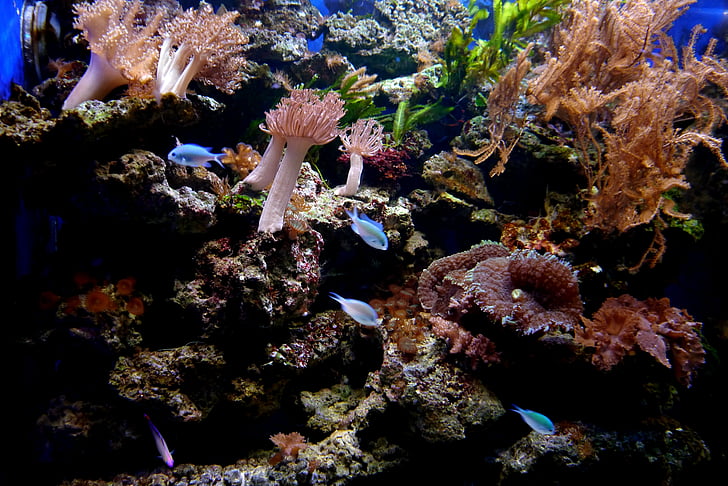
    A rise in global warming by two degrees Celsius could result in the loss of cool areas in the sea called thermal refugia that can protect coral reefs from increasing temperatures, says a study.

    In some areas, local ocean dynamics such as upwelling and strong currents were thought to buffer the effects of warming seas. But the researchers say these thermal refugia could decline as seas warm.

    Coral reefs support much of marine biodiversity and about a billion people rely on them for their livelihoods and food security, says Adele Dixon, a researcher at the Priestley International Centre for Climate at the University of Leeds and lead author of the study, published this month in PLOS Climate. The study puts the value of goods and services from coral reefs at US$2.7 trillion per year.

    “As we lack the resources to protect coral reefs everywhere, we need to decide which reef areas to protect. Our team decided to identify areas least exposed to future climate change and which reefs have the greatest chance of survival,” she says.

    Dixon and the research team found that about 85 per cent of the world’s coral reefs lie in thermal refugia, but predict a drop to less than one per cent, if temperatures rise 1.5 degrees Celsius above pre-industrial levels. While small areas of thermal refugia may remain, particularly in the East Indian Ocean Sumatra-Java region, the likelihood of a catastrophic total loss of coral reefs was high if temperatures rise by two degrees Celsius, Dixon says.

    “Our research reinforces the stark reality that there is no safe limit of global warming for coral reefs. Following the COP26 [climate summit] in Glasgow, in which some progress was made towards the 1.5 degrees Celsius target, our finding shows that 1.5 degrees Celsius is still a substantial amount of warming for ecosystems on the frontline of climate change,” Dixon says.

    She adds that the analysis highlights different effects in different regions. “At 1.5 degrees Celsius of warming, thermal refugia will disappear from all but 12 regions worldwide: Polynesia and the Coral Triangle in the western Pacific Ocean. Refugia will be lost from regions such as Oman, the Caribbean, Colombia, and Indonesia.”

    Projected to accelerate

    Co-author and researcher with the Physics and Marine Geophysical Laboratory in the College of Science and Engineering, James Cook University, Australia, Scott Heron says: “Identifying refugia locations related to the greatest threat (heat stress causing coral bleaching and mortality) helps to locate priority areas for management.”

    Heron believes that given the rate at which ecological impacts on corals has increased and is projected to accelerate, and the number of people reliant upon coral reefs, “it is important to understand where climate change disturbances will occur. The broad scale of impacts points to the urgent need for significant action on the causes of climate change”.

    Oceanographer Mark Eakin says: “This study provides further support for the threat the climate crisis poses to coral reefs around the world. While numerous reefs have been safe from frequent, severe bleaching in the past, this study shows that at even the most optimistic Paris Agreement level of global warming very few of the world’s reefs will be spared.”

    Tim McClanahan, a senior conservationist with the Wildlife Conservation Society specialising in coral reef conservations, based in Mombasa, Kenya, tells SciDev.Net that the research shows there will be few reefs that experience low chronic stress in the future.

    Chronic stress

    “Chronic stress will become widespread, and corals will have to resist or adapt to chronic stress to survive. Future sanctuaries from chronic stress will, therefore, be less common,” says McClanahan.

    He believes sanctuaries that are resistant to or recover from chronic stress will still be present. There will be coral reef sanctuaries but fewer that avoid chronic heat exposure. “Therefore, there is a need to evaluate where resistant and recovery sanctuaries are located to reduce the number of additional threats that these reefs experience, such as fishing and pollution,” he adds.

    One issue not well covered in the research, McClanahan says, is the large differences in the sensitivity of corals to thermal stress. “Coral in the Coral Triangle, for example, have lower sensitivity to stress than those in the Indian Ocean and Caribbean… Some reefs are frequently exposed to stress and the corals there are adapted whereas others are not and, therefore, not adapted.”


    This piece has been sourced from SciDev.Net

    Image: Hippopx license to use under Creative Commons Zero – CC0

    Forests, environment and climate change budgets overlook the marginalised

    Budget 2022 has not worked to realise the commitments the prime minister made at COP26. The most marginalised have not been considered in the making of the coming year’s budget for MoEFCC.

    By Lee Macqueen

    The intergovernmental panel on climate change’s sixth assessment report (2021) has raised projections for warmer climate and further water excess and stress related events in SouthAsia. The projections warn of rampant, intense and frequent in the form of forest fires, heatwaves, water stress and flooding, shifts in weather conditions for making agriculture unviable and impacting food security.

    India has been increasingly experiencing the manifestation of extreme weather events.  These were compounded by the COVID-19 pandemic. The country, therefore, needs to adopt the disaster and climate risk budgeting approach to transition from contingency to progressive risk informed investments and development. Besides, it needs to keep the poorest at the centre of development because they are the ones who bear the impact of disasters most disproportionately.

    The need for such risk budgeting, bearing in mind the risks faced by the poorest, pivots around the government’s commitments. These commitments are best viewed through the lens of the union budget. Has the finance minister provided enough to build the resilience of Dalit and tribal people?

    The ministry of environment, forests and climate change (MoEFCC) has displayed a lack of enthusiasm in matching the allocation with the new commitments made by the prime minister at COP26. The total budget for 2022-23 stands at Rs. 3030 crores, a mere 16.83 per cent increase over the revised estimates of 2021-22. At Rs 30 crores, the overall allocations made to the climate change action plan has remains unchanged for the coming financial year (when seen against the revised estimates for the 2021-22). The national adaptation fund too has remained static at Rs. 60 crores.

    People lost in the woods

    MoEFCC’s has been allocated Rs. 158.70 crores for the ‘welfare of scheduled castes’ and Rs. 165.20 crore for the ‘welfare of scheduled tribes’.  The allocations for scheduled tribes amounts to five per cent of the population ratio, denying approximately Rs. 90 crores to the tribal population. The Ministry has stuck to the five per cent threshold for scheduled castes as well, and has denied them Rs. 333.30 crores, thereby, violating the erstwhile scheduled caste sub-plan and tribal sub-plan guidelines. However, going by the revised guidelines by NITI Ayog, the proportion amounts to 16.48 per cent for scheduled castes 17.15 per cent for scheduled tribes (of the central sector schemes budget of the ministry).

    The schemes enunciated by the government include (1) the national mission for a green India, encompassing national afforestation programme and forest fire prevention and management; (2) integrated development of wildlife habitats (for tigers and elephants); (3) conservation of natural resources and ecosystems; (4) conservation of aquatic ecosystems; (5) biodiversity conservation; and (6) a national adaptation fund.

    These schemes promoted by the budget, though legitimate, appear to be very general in nature. Schemes like the national mission for green India, for instance, do not reflect how they will build the adaptive capacity of the Dalit, tribal and other marginalised communities who are disparately affected by climate change. The main breadwinners of 80 per cent of rural dalit and tribal households take home less Rs. 5,000 a month. These families lack the capacity to recover without assistance.

    Which is why, it will be fair to surmise that the allocations for the ministry of environment and forests and climate change is extremely low. Tribal communities and other forest-dwelling communities, including the scheduled castes, possess marginal to no landholding in forest or non-forested areas. Therefore, in view of the dwindling of the cover and quality of forests that these communities have been traditionally dependent on, it is clear that these schemes appear deceptive and misleading.

    These shortcomings in the budget overshadow a handful of its positive aspects. For example, the union budget has provided for the implementation of ‘grants-in-aid for state disaster mitigation fund’. It has also provided for an ‘assistance to states from the national disaster mitigation fund’. These are in response to the recommendations of the 15th finance commission. The finance ministry has allocated Rs. 4658.8 crores and Rs. 2602 cores respectively in 2022-23 budget for these two schemes.

    But alas! The negatives are overwhelmingly loaded against the most marginalised.


    Lee Macqueen is s Senior Programme Manager for Inclusive Disaster Response and Climate Change Adaptation at the National Dalit Watch- National Campaign on Dalit Human Rights.

    Pakistan’s Bundal, Buddo islands declared protected forests

    Sindh provincial government has brought down Imran Khan’s pet urbanisation project. The Pakistan prime minister has had plans to create a modern city on the Bundal island that, his government claims, would vie with the razzmatazz of Dubai.

    The provincial government of Sindh today declared the Bundal and Buddo islands as properties of the Sindh government. The provincial cabinet has designated these islands protected forests.

    Sindh chief minister, Murad Ali Shah approved a summary that states the islands will hence onward be forests (as these are presently). By extension of understanding, the federal government will not have any ownership over the land.

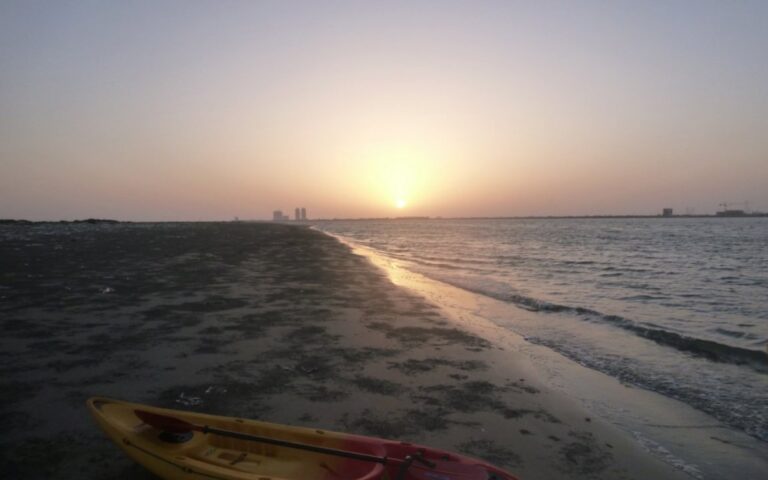
    The islands have been formed by silt deposited by the rivers in the Arabian Sea as rivers eroded embankments in the country’s north. Over time, these have come to occupy over 10,000 acres of land in between them. Bundal is about an fifth the size of Mumbai.

    This could set the stage for a clash. In 2020, Pakistan president Arif Alvi signed a presidential ordinance creating the Pakistan island development authority to facilitate prime minister Imran Khan’s dream project of establishing a multiple-skyscraper skylined modern city in Bundal that would be promoted as tourist destinations that would vie with the razzmatazz of Dubai.

    The island development authority was given the responsibility of developing the islands that, it said were in Pakistan’s “internal waters” – a definition that gave the federal government the scope to claim the islands.

    Protests by environmentalists

    Indeed, the Sindh government had been a mute spectator all this while until its political opposition and environmental activists objected to the project.

    The matter also went to the Sindh High Court where petitioners argued that since the islands were within 12 nautical miles off the coastline, they were part of the provincial government. Federal territory in the sea, the petitioner contended, starts only after 12 nautical miles.

    Imran Khan, however, kept prodding the Sindh government to allow him to urbanise the islands. He recently said, “Our cities are growing fast in the most unorganized way. We need to develop new cities. The way our cities are expanding, we would not be able to manage them. We would not be able to provide them transport, control their sewage system or manage their water supply.”

    Reveling his obsession with Dubai, he told the Sindh government, “We need to develop new cities like Dubai and New York. The development of these islands would benefit Sindh, its people and its economy. I request you (Sindh government) to allow this.”

    (OWSA had earlier reported on Pakistan prime minister Imran Khan’s plans to create a modern city on the Bundal island that, his government claimed, would vie with the razzmatazz of Dubai.)

    Activists jubilant

    OWSA had reported that environmentalists had objected to the plans to set up a city by deforesting the mangrove island. Sindh’s fishermen too had resisted the move. But the government in Islamabad has been adamant.

    Today, the government said in a statement: “No talks on the island would be held with the federal government until and unless the controversial ordinance was withdrawn.”

    Environmentalists are happy. They have all through argued that a third of Karachi’s green cover is preserved inside the mangroves off the coast, including the two islands and any development around them will threaten the environment.

    The islands are a mangrove ecosystem, with tidal waves submerging most of these twice a day. This makes the islands a home and nursery for umpteen marine species.

    Tribesmen returning from Afghanistan find life tough in camps for internally displaced

    North Waziristan tribesmen who had migrated to Afghanistan during Operation Zarb-e-Azb have fallen on hard times in camp for internally displaced people in the Bannu district.

    The return home after a seven-year long period of exile has been difficult for North Waziristan’s tribesmen. They are back from the strife of the wilderness in the mountainous swathes straddling the Afghanistan-Pakistan border. They had left home in response to Operation Zarb-e-Azb launched to flush out foreign and local warriors from the region.

    They say they returned to Pakistan with hope of a new life in the country. A leader told visiting reporters that the community wants to be repatriated back to their villages. They had hoped to get back to farming as they did earlier in their villages in North Waziristan.

    The tribesmen told journalists about the tough life they endured. “We barely had two months’ ration in Afghanistan camp,” the tribal leader said.

    Most of them had setup push carts to survive in Afghanistan. “We have returned to Pakistan after repeated requests from Pakistani government,” they said.

    Winter in tents

    Given the history of their movements, officialdom passes of the seven years are a prolonged ‘migration’. It is anything but that. And since they are back, they are called ‘returnees’.

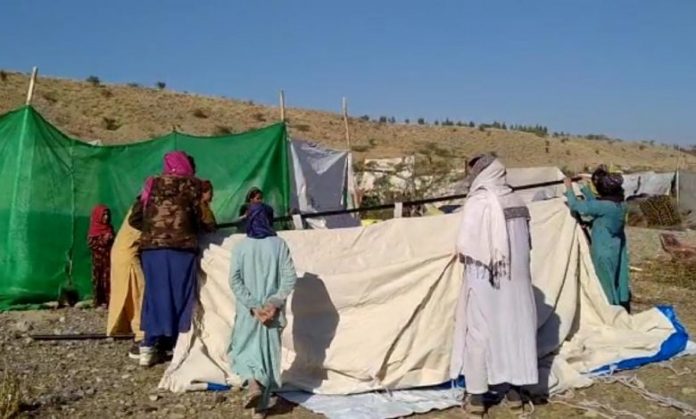
    The tribesmen have been put up in camps for internally displaced persons in Bannu district, at the foothills of the Toochi Mountains.

    It is a cramped existence. “We have been forced to live in tents like nomads as families – women, children and the elderly have been forced to sleep under open sky in extreme cold weather conditions,” an elderly person told journalists. “These are transitional shelters with partitioning for privacy.”

    Besides, they have no warm clothes, so necessary in Bannu’s harsh winter. Nor do they have any access to medicines, ration and other facilities in the camp.

    The people speak of the months of hunger and thirst they experienced while in the camps in Afghanistan.

    The only source of water in the camp is the Tochi canal at a distance. Young people spend the day fetching water. There is no education available for the children or for the youth. “Their entire life is being wasted,” the leader said.