More

    21 million COVID-19 cases globally reported last week is highest ever

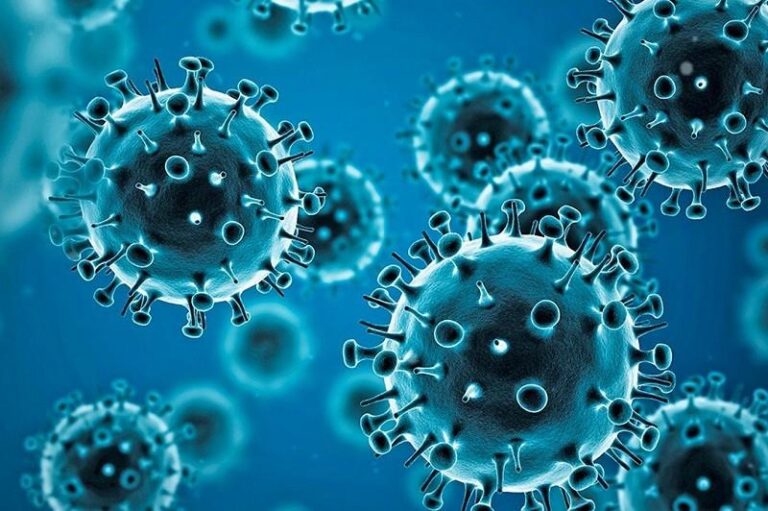
    21 million cases reported from across the world represent the highest number of weekly cases recorded by the World Health Organisation since the beginning of the pandemic.

    In its weekly report on the COVID-19 pandemic, the World Health Organisation has said that 21 million cases were reported from across the organisation’s six regions across the globe during the last week ending Saturday 23 January 2022. Nearly 50,000 new deaths were reported.

    This represents a five per cent increase during the week, while the number of deaths remained similar to that reported during the previous week.

    This is the highest number of weekly cases recorded by the world body since the beginning of the pandemic two years ago.

    “Across the six WHO regions, over 21 million new cases were reported this week, representing the highest number of weekly cases recorded since the beginning of the pandemic,” the WHO said in its weekly update.

    As of 23 January 2022, over 346 million confirmed cases and over 5.5 million deaths have been reported worldwide.

    A slower increase in case incidence was observed at the global level, with only half of the regions reporting an increase in the number of new weekly cases, as compared to five out of six regions in the previous week.

    The Eastern Mediterranean Region reported the largest increase in the number of new cases (39 per cent), followed by the South-East Asia Region (36 per cent) and the European Region (13 per cent).

    WHO’s South-East Asia region includes SouthAsian countries, but not Pakistan and Afghanistan.

    The number of new weekly deaths increased in the South-East Asia Region (44 per cent), the Eastern Mediterranean Region (15 per cent) and the Region of the Americas (seven per cent), while the other Regions all reported declines in new weekly deaths.

    Community transmission levels in India

    In the meantime, the Indian SARS-CoV-2 Consortium on Genomics (INSACOG) declared that Omicron has reached community transmission levels in the country.

    According to INSACOG’s statement released on Sunday, “Omicron is now in community transmission stage in India and has become dominant in multiple metros, where new cases have been rising exponentially.”

    While most Omicron cases so far have been asymptomatic or mild, INSACOG said that global data shows that the majority of severe cases and deaths have been in unvaccinated people.

    The INSACOG reports includes its study from genomic surveillance across the country.

    Nepal faces trade deficit as COVID-19 rules

    High cost of petroleum imports, lower exports and crashing in-home remittances together with a collapse of the tourism sector due to the COVID-19 pandemic has led to a widening of the country’s trade deficit in the first six months of the current financial year.

    Nepal’s trade deficit has increased by 46.64 per cent and currently stands at Nepali Rs. 880.49 billion in the first six months of the current financial year. Nepal’s financial year begins on 15 July and this report covers the six months ending mid-January 2022.

    According to the foreign trade statistics division of Nepal’s Department of Customs, the export trade has increased by 95.48 per cent to Rs. 118.85 billion during the first six months (mid-July 2021 to mid-January 2022) of the current financial year. Nepal’s exports were worth Nepali Rs. 60.79 billion in over the same period during the last financial year.

    But this huge leap in exports was not enough because the country’s import trade too increased by 51.13 per cent to Rs. 999.34 billion during these six months. That led to high trade deficits.

    COVID-19 impact on the economy

    Petroleum products account for Nepal’s single largest chunk of import expenses. But COVID-19 did not stop the landlocked country from importing petroleum products worth Nepali Rs. 96.71 billion (including diesel, petrol and aviation fuel). Besides, the country also spent Nepali Rs. 29.2343 billion on importing liquefied petroleum gas (LPG) over the past six months.

    Nepal’s export earnings come mainly from exports of agricultural commodities – palm oil, cardamom, tea and coffee.

    The other major source of income is remittances from migrant Nepali nationals working overseas. That has come crashing in the aftermath of the COVID-19 pandemic. In recent days, Nepal has worked overtime with foreign diplomatic missions to promote its labour exports. Newspapers gave space to pictures of out-going workers queuing up to leave the country and the government announced that it would monitor the seat allocations for subsidised travel on the country’s loss-incurring national carrier.

    But the pandemic hurt most when tourists to the Himalayan country stopped arriving. Again, that was due to COVID-19.

    Not unexpected

    The swollen state of current trade deficits was not unforeseen. In November, the Nepal Rastra Bank (the country’s central bank) stepped in to reverse a foreseeable trend by discouraging the import of what it felt were non-essential goods.

    Then, the central bank’s quarterly review of the of the monetary policy had mandated importers to deposit a cash margin to be able to open and operate a letter of credit for goods it categorised as non-essential goods. This was a departure from the previous practices of the lending banks deciding on the cash margins, depending on their assessment of the creditworthiness of the borrowers.

    The swelling forex reserves were also anticipated after a review of the first quarter of the financial year that showed that the country’s gross foreign exchange reserves decreased by 6.5 per cent. This, the Nepal Rastriya Bank had said, was due to for three consecutive months to surging imports and a constant fall in the inflow of remittances.

    With India at 85 among 180 nations, Transparency International says Asia a case of ‘grand corruption’

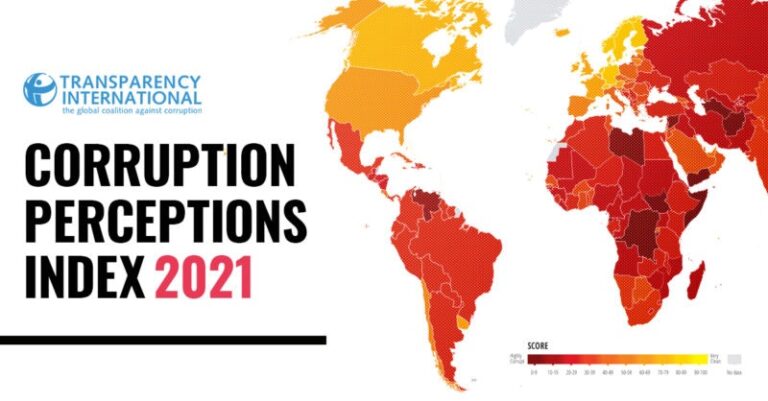
    The 2021 Corruption Perceptions Index (CPI) released today Transparency International by shows that corruption levels remain at a standstill worldwide – with 86 per cent of countries making little to no progress in the last 10 years. With the exception of Bhutan, the index gives reason for worry in SouthAsia.

    India’s ranks 85th (up from rank 86 in 2020) among 180 countries in corruption perception index (CPI) in 2021 released by Transparency International today.

    The index ranks 180 countries and territories by their perceived levels of public sector corruption according to experts and business people. It uses a scale of 0 to 100, where 0 is highly corrupt and 100 is very clean.

    India’s score on the index this year, however remains unchanged at 40.

    The 2021 corruption perceptions index (CPI) shows that corruption levels remain at a standstill worldwide, with 86 per cent of countries making little to no progress in the last 10 years.

    Transparency International found countries that violate civil liberties consistently score lower on the CPI. Complacency in fighting corruption exacerbates human rights abuses and undermines democracy, setting off a vicious spiral, the global watchdog organisation says. As these rights and freedoms erode and democracy declines, authoritarianism takes its place, contributing to even higher levels of corruption.

    While countries in Asia Pacific have made great strides in controlling bribery for public services, an average score of 45 out of 100 on the 2021 Corruption Perceptions Index (CPI) shows much more needs to be done to solve the region’s corruption problems.

    Even some higher-scoring countries are experiencing a decline as governments fail to address grand corruption, uphold rights and consult citizens.

    “Among those with weak scores are some of the world’s most populous countries, such as China (45) and India (40), and other large economies such as Indonesia (38), Pakistan (28) and Bangladesh (26),” Transparency International says. “A concerning trend across some of these nations is a weakening of anti-corruption institutions or, in some cases, absence of an agency to coordinate action against corruption.”

    Erosion of rights in Asia

    Asia has witnessed 10 years of mass movements calling for action against corruption, but sadly little has changed, Transparency International notes. Public outrage has instead been co-opted by strongmen – in the form of populist leaders in democratic countries and authoritarians elsewhere.

    “From India to the Philippines (33) to China, such leaders have been able to portray themselves as more effective than state institutions and win mandates to gain and stay in power,” the organisation says. “Furthermore, in most countries, corruption is spreading through severe restrictions on the very civil liberties – like freedom of association and speech – which allowed people to take to the streets and call for action.”

    The watchdog organisation says that the case of India is particularly worrying. While the country’s score has remained stagnant over the past decade, some of the mechanisms that could help reign in corruption are weakening, it says.

    “There are concerns over the country’s democratic status, as fundamental freedoms and institutional checks and balances decay. Journalists and activists are particularly at risk and have been victims of attacks by the police, political militants, criminal gangs and corrupt local officials,” the reports says.

    “Civil society organisations that speak up against the government have been targeted with security, defamation, sedition, hate speech and contempt-of-court charges, and with regulations on foreign funding.”

    Furthermore, the lowest scorers in the region, Afghanistan (16) and North Korea (16), have dropped even further (from 19 and 18, respectively) since last year. These two fragile states do not have the basic institutional infrastructure – such as mechanisms for administration and rule of law – to form an integrity system. They also repress citizens who speak out against corruption.

    Petty corruption down, but grand corruption persists

    An encouraging development is the relatively low occurrence of petty corruption in many Asian countries. Tackling bribe-seeking for basic services lightens the economic burden on the poor, improving their standard of living.

    Those countries stuck in the middle of the index, like Malaysia (48), Indonesia (38) and the Maldives (40) face a more complex challenge: grand corruption. This is the abuse of high-level power that benefits the few at the expense of the many, and which can destroy whole sectors, create recessions and end democracies. In such cases mere technical interventions, useful in addressing petty corruption, are not enough.

    Addressing grand corruption requires the systematic dismantling of rent-seeking structures and dishonest cultures that public officials use to pocket public funds. This needs to be driven by political leaders who hold power to account, for the common good.

    COVID-19 opening a door to corruption and repression

    Alongside a massive public health mobilisation, Asian governments responded to the pandemic by rolling out some of the world’s biggest economic recovery plans. But such large-scale responses, conducted without adequate checks and balances, inevitably lead to corruption.

    Wrongdoing in emergency procurement has led to price inflating, the theft of medical supplies and sales of counterfeit medicines and materials. This left many citizens more vulnerable to COVID-19 – and almost certainly cost lives.

    Despite the fact that whistle-blowers, journalists and a vigilant public can help safeguard funds from corruption, COVID-19 has also been used as an excuse to suppress criticism. Bangladesh, Pakistan, Cambodia and Singapore are just a few countries that have increased digital surveillance to silence those trying to hold governments accountable during the pandemic.

    The report highlights another facet of public discourse that direct impacts corruption. It says, “as authoritarian regimes refine their cyber-surveillance technologies, vicious online harassment by government-backed trolls is further restricting freedom of speech.”

    Study points at US role in illegal tiger trade

    Data from the US Fish and Wildlife Service, obtained through a Freedom of Information Act request, revealed 292 seizures of tiger parts illegally entering the United States between 2003 and 2012.

    By Sarah Fecht

    A new study hints at a major role of the United States in the trafficking of tiger parts. The research points to San Francisco, Dallas, and Atlanta as the main entry hotspots for these illegal products and says that the role of the US has for long been has underestimated. The research.

    Previously, studies on tiger trafficking patterns primarily focused on 13 Asian countries where tigers still roam free, with very little research on the United States. The new study, published in Conservation Science and Practice, investigated the extent and attributes of tiger parts entering the United States from 2003 to 2012.

    Data from the US Fish and Wildlife Service, obtained through a Freedom of Information Act request, revealed 292 seizures of tiger parts illegally entering the United States during those years, indicating that the scale of trade may have been underestimated. A 2019 study, for example, covering the more recent period of 2000 to 2018, documented 624 seizures of illegal tiger products, but estimated that only 6 happened in the U.S., based on media reports.

    “People in the U.S. have this false notion that the illegal trade in tiger parts is half a world away. In reality, we in the US are involved in and driving a large portion of the illegal trade,” said lead author Sarika Khanwilkar, a PhD candidate at Columbia University and the founder of the non-profit Wild Tiger. “This research is a step to better understand the role of the U.S. in the global tiger trade, which will improve policy and enforcement and direct future research efforts.”

    Tigers are endangered, with less than 5,000 individuals estimated to remain in the wild. Illegal trade in tiger parts, mostly for medicinal purposes, contributes to the species’ decline.

    Trade over digital platforms

    Tigers are endangered, with less than 5,000 individuals estimated to remain in the wild. Illegal trade in tiger parts, mostly for medicinal purposes, contributes to the species’ decline.

    China has been and remains the main destination and largest consumer of tiger parts, but the new data shows that U.S. import seizures represent almost half (46.8%) of global seizures.

    Khanwilkar and her coauthors caution that their study may also underestimate the scale of tiger trafficking in the United States, because the use of digital platforms to trade and pay for illegal wildlife products has increased, and economic prosperity has expanded demand. The data also doesn’t reflect the most recent trends; after the team’s original FOIA request in 2013, regulations around FOIA requests to the Fish and Wildlife Service limited the quality of data that was available.

    DNA analysis to help trace origins

    The researchers found that, of the 65.8 per cent of seized parts with a known origin, 99.5 per cent came from wild tigers. The majority of seized products were imported from China and Vietnam (34.2 per cent and 29.5 per cent, respectively). However, a lack of data about the country of origin (which can be different to the country of export) made it difficult to determine trafficking routes or understand where wild tigers were poached to supply the trade.

    The authors propose several ways to better monitor the source and trafficking routes to improve policy, enforcement, and ultimately contribute to conserving wild tigers.

    For example, they suggest enhancing detection efforts in San Francisco, Dallas, and Atlanta, which were the main hot-spots for illegal tiger imports.

    They also recommend using forensic DNA analysis to determine the origin and source (wild versus captive) of the illegally traded tiger parts. Finding out where these tiger parts came from would provide guidance as to where to focus conservation and enforcement efforts.


    Image: Hippox Creative Commons Zero – CC0 license 

    US, French gas majors withdraw from Myanmar. Cite human rights abuse as reason

    Gas production deals were untouched, although the US, EU, UK and Canada imposed a number of sanctions on sources of income for the Burmese military for almost a year since the 1 February military coup in Myanmar.

    TotalÉnergies of France and the US’ Chevron Oil have announced their withdrawal from Myanmar. The two companies hold major stakes in the petroleum-rich Yadana gas fields of Myanmar.

    The two companies have come for criticism for doing business with Myanmar’s ruling junta that has been accused by rights group for brutalities against its own citizens. Rights groups feel that the oil and gas companies have been complicit in propping up the violent regime.

    Total and Chevron have become the latest Western corporations to exit the country after the February 2021 coup by the military.

    Citing the steady erosion of human rights and “more generally the rule of law,”

    Total released a statement saying that financial considerations were not crucial in this matter. It said that its Myanmar operations generated less than one per cent of its annual revenues.

    Chevron too said that it had “reviewed” its interest in the Yadana natural gas project.

    Rohingya groups had questioned US and France

    The announcements have come with resounding political notes. Last week, the Burmese Rohingya Organisation UK (BROUK) had said that the continuance of the two companies work in the military-ruled country was putting a question mark on the policy to protect the profits of American and French companies. BROUK, an umbrella group of Rohingya rights organizations, had pleaded for this to change urgently. They had urged on the Presidents Joe Biden and Emmanuel Macron to impose sanctions on gas revenue in Myanmar, arguing that the money earned from the trade of Myanmar’s natural resources helped pay for the Myanmar military’s crimes.

    BROUK said that gas production deals were untouched, although the US, EU, UK and Canada imposed a number of sanctions on sources of income for the Burmese military for almost a year since the 1 February military coup in Myanmar. Gas production, the Mynmar-refugee group sai, is one of the military’s biggest revenue sources.

    For instance, Total and the military-controlled Myanmar Oil and Gas Enterprise (MOGE) hold stakes in Moattama Gas Transportation Company (MGTC) which carries gas from the Yadana gas field, 60 kilometres off Myanmar’s south-western coast in the Andaman Sea to the country’s border along Thailand.

    Crimes against humanity

    Western rights groups are less than impressed by Total and Chevron’s exits. Environmental law non-profit EarthRights International said in a release, “Since the beginning of the coup, Total and Chevron have facilitated the transfer of around half a billion US dollars in revenue payments to the military junta.”

    These payments are the military’s largest source of foreign funds and fuel its human rights atrocities.”

    EarthRights said that these actions follow “many months after international observers highlighted that crimes against humanity were taking place.

    Total and Chevron will remain complicit for as long as they make or facilitate payments to accounts controlled by the junta.”

    TotalÉnergies holds the biggest stake (31.24%) in Yadana.


    Wikimedia Image: Student Union and teachers protest against military coup in front of state government office on 9 February 2021

    Picture by: Ninjastrikers

    Antimicrobial resistance killing more than HIV and malaria

    Antibiotic-resistant infections led to more than 1.2 million deaths in 2019. The true picture could be much worse, with added impact of COVID-19, researchers warn and urge for urgent policy measures in developing countries.

    By Sanjeet Bagcchi / SciDev.Net

    Antibiotic-resistant bacterial infections resulted in more than 1.2 million deaths worldwide in 2019, exceeding the number caused by HIV/AIDS and malaria, says a study spanning 204 countries and territories.

    One in five of the deaths occurred in children under the age of five, with low- and middle-income countries bearing the highest burden, according to the analysis published in The Lancet, titled Global burden of bacterial antimicrobial resistance in 2019: a systematic analysis.

    The researchers say gaps in data in lower-income countries mean the full picture could be even worse, while other experts say the pandemic is also likely to have exacerbated the problem due to COVID-19 patients receiving antibiotics for secondary bacterial infections.

    Antimicrobial resistance (AMR) is the development of resistance by various bacteria and other microbes against antimicrobial agents or antibiotics, including those used against common infections like lower respiratory tract and bloodstream infections.

    The analysis in The Lancet points to an immediate need to scale up action on AMR and recommends urgent measures for policymakers, such as optimising existing antibiotic use, and improving infection monitoring and control.

    “This is the most comprehensive study on the global burden of bacterial drug-resistant infections ever conducted,” said Christiane Dolecek, a co-author of the study and a professor who leads on global AMR research at Oxford University’s Centre for Tropical Medicine and Global Health and the Mahidol Oxford Tropical Medicine Research Unit.

    “We hope that this report makes clear the impact now and future threat of this 21st century pandemic, and that it energises political leaders and the global community to implement the necessary measures to keep communities and patients safe and reduce this preventable burden,” she told Scidev.Net.

    AMR’s global footprint

    According to the study, AMR played a part in an estimated 4.95 million deaths and was directly responsible for an estimated 1.27 million deaths in 2019. This compares to 860,000 and 640,000 deaths respectively from HIV/AIDS and malaria in the same year.

    Sub-Saharan Africa faced the highest burden, with 24 deaths per 100,000 people resulting directly from AMR, while the figure was 22 per 100,000 in South Asia. The number of AMR-linked deaths in those regions numbered 99 and 77 per 100,000, respectively.

    The analysis also showed that of the 23 pathogens studied in the research, six bacteria – including Escherichia coli, Staphylococcus aureus and Klebsiella pneumoniae – directly caused the deaths of 929,000 people and were associated with 3.57 million deaths.

    In Sub-Saharan Africa, deaths attributable to AMR mainly resulted from Streptococcus pneumoniae (16 per cent) or Klebsiella pneumoniae (20 per cent), while in high-income countries nearly 50 per cent of the deaths attributable to AMR were due to Escherichia coli (23 per cent) or Staphylococcus aureus (26 per cent).

    Amesh Adalja, a senior scholar at the Johns Hopkins Center for Health Security in the US, told Scidev.Net that antimicrobial resistance was one of the major public health threats of our time. “It threatens to pull us back to the pre-penicillin era,” he said.

    To fight the scourge, says Dolecek, good vaccination coverage, especially of pneumococcal conjugate and flu vaccines, is needed, along with improved water and sanitation and better access to health services. “We need high quality, affordable and accessible simple rapid tests to reliably distinguish bacterial from viral infections on the spot in clinics,” she added.

    Dolecek also recommended antibiotic stewardship initiatives to assess and improve how clinicians prescribe antibiotics and patients use them, and to curb inappropriate use.

    According to the US Centers for Disease Control and Prevention (CDC), “improving antibiotic prescribing and use is critical to effectively treat infections, protect patients from harms caused by unnecessary antibiotic use, and combat antibiotic resistance.”

    COVID-19 impact ‘not captured’

    Madhukar Pai, Canada research chair in epidemiology and global health, and a professor at McGill University in Montreal, Canada, told SciDev.Net: “This is an important study that underscores the importance of antimicrobial resistance. But the impact of the COVID-19 pandemic is not captured.

    “I hope it will be addressed in future updates of this study, because antimicrobial abuse has dramatically increased during the pandemic, with very high use of antimicrobial drugs such as azithromycin, doxycycline, ivermectin and hydroxychloroquine.”

    COVID-19 patients admitted to hospital are often administered antibiotics to treat secondary infections, despite only a minority of cases having bacterial co-infections, according to a report in the BMJ.

    “While these drugs are not effective for COVID-19, their widespread abuse makes me worried about antimicrobial resistance in the coming years,” added Pai.

    The study says investment in the development pipeline for new antibiotics and access to second-line antibiotics where required are “essential” measures to counter this threat.

    Diptendra Sarkar, a public health analyst and professor at the Institute of Post Graduate Medical Education and Research, in Kolkata, India, believes that irrational, non-evidence-based antibiotic use is responsible for the AMR crisis in developing countries.

    “Immediate global action is necessary,” he told SciDev.Net. “All stakeholders, which include government regulatory authorities, medical professional bodies and the pharmaceutical industry, must initiate dialogues and draft a national, evidence-based, antibiotic policy.
    Regulatory bodies in developing countries must prepare a roadmap for community and hospital infection audits, he said, adding: “Educating health care providers and strong surveillance is the way forward.”


    This piece has been sourced from SciDev.Net

    Image: Hippox Creative Commons Zero – CC0 license

    Convicts freed, hound victims. Victims in prison

    A research by Amnesty International points to survivors of gender-based violence being abandoned following Taliban takeover of Afghanistan and their husbands are on the prowl.

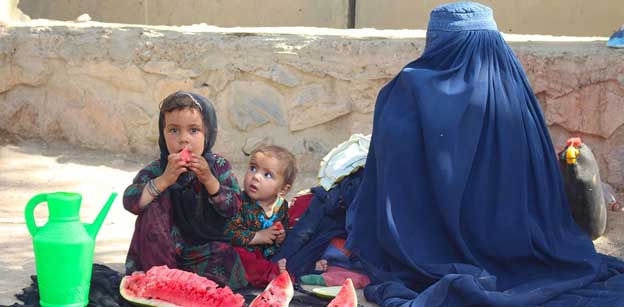
    Sina (name changed) would be battered by her husband almost daily. There was no way she could protest or seek comfort – her own family supported her violent husband. The only place open to her was a shelter managed and run with government funds. But, when the Taliban arrived, she and the other woman inmates and their children had to flee the shelter.

    Now in hiding, Sina says, “We left with nothing by the clothes we had on our persons. We have no food. My husband is looking for me and he knows that the shelter has closed.

    All essential services for women and girl survivors of domestic violence have come to a stand-still in Afghanistan since the Taliban took over the country, says the human rights NGO, Amnesty International.

    Amnesty’s researchers conducted 26 interviews with survivors and service providers who spoke of the risks of violence and death they face. The Taliban has closed shelters. Worse, many of the men jailed for beating their wives were released by the Taliban and they are looking for their spouses against whom they hold a grudge.

    A legal professional who specializes in gender-based violence said told Amnesty that she had been involved in the conviction of more than 3,000 perpetrators of gender-based violence in the year preceding the Taliban’s takeover.

    She said: “Wherever [the Taliban] went, they freed the prisoners… Can you imagine? More than 3,000 released, in all the provinces of Afghanistan, in one month.”

    Amnesty International says that survivors have also been transferred by the Taliban into the detention system, including to the Pul-e-Charkhi prison, near Kabul.

    Women abandoned

    Even people staffing shelters for women escaping violent homes, prosecutors and judges who worked to deliver justice and others providing protective services are now at risk.

    Afghanistan has abandoned women like Sina.

    Agnès Callamard, Amnesty International Secretary General recognises this when she says, “Women and girl survivors of gender-based violence have essentially been abandoned in Afghanistan. Their network of support has been dismantled, and their places of refuge have all but disappeared.”

    “To protect women and girls from further violence, the Taliban must allow and support the reopening of shelters and the restoration of other protective services for survivors, reinstate the Ministry of Women’s Affairs, and ensure that service providers can work freely and without fear of retaliation.”

    Instead, the Taliban has reinstated the ministry of vice and virtue, only ensuring that its name is furthermore commensurate with their beliefs – it is now called the ministry for the propagation of virtue and the prevention of vice.

    The new government or its ministry charged with the propagation of virtue is not bothered about releasing wife-battering men from prisons. At best, this ministry remained a spectator to the Taliban’s rampaging foot soldiers throwing open prison doors, unmindful of the risks that convicted perpetrators pose to the women and girls they victimized. At worst, they were accomplices.

    Protective services are as important as evacuating survivors and those who served them from the imminently dangerous situation they find themselves in. There are only two ways. Either donors stick to long-term funding; or evacuate the women out of Afghanistan.

    Collapse of the system

    Amnesty International interviewed survivors and protective service providers in the provinces of Badghis, Bamiyan, Daikundi, Herat, Kabul, Kunduz, Nangarhar, Paktika, Sar-e Pul, and Takhar. The interviews led to one conclusion: The system had collapsed.

    Women and girls spoke of how, before the Taliban’s takeover, many of them accessed a nationwide network of shelters and services, including pro-bono legal representation, medical treatment, and psycho-social support.

    Thousands of women would be referred by the ministry of women’s and the national human rights commission. Many would even be referred by managements of the shelters they took refuge in or from hospitals where they were undergoing treatment, and in some case, by the police.

    Thousands is no exaggeration, knowing that Afghanistan has one of the highest rates of violence against women globally. Nine of every 10 Afghan women have experienced at least one form of intimate partner violence in their lifetime, according to the United Nations Assistance Mission in Afghanistan (UNAMA).

    Amnesty researchers quote a service provider from the eastern province of Nangargar who said, “[The cases] were very extreme. We had a case where a man took the nails off his wife’s fingers… [One] man took a crowbar and peeled off his wife’s skin… There was one woman who faced a lot of abuse from her family. She couldn’t even use the bathroom anymore.”

    With protective services collapsing and people staffing these services left to fend for themselves, and women like Sina in hiding for and her children’s own safety, it is not surprising that the people involved are desperate.

    As a shelter director, currently in hiding with some survivors said, “We don’t have a proper place. We can’t go out. We are so scared… Please bring us out of here. If not, then you can wait for us to be killed.”


    Image: UNMA

    The UN’s Vital Role in Afghanistan

    The UN can help to place Afghanistan on a new development and political path with the backing of major global and regional powers and the cooperation of both Taliban and non-Taliban factions alike.

    By Sultan Barakat and Richard Ponzio

    On December 22, 2021, the UN Security Council voted unanimously to allow for more humanitarian assistance to reach vulnerable Afghans, while preventing the abuse of these funds by their Taliban rulers.

    With more than half of Afghanistan’s 39 million citizens — afflicted by drought, disease, and decades of war — depending upon critical life-saving aid to survive the harsh winter months, the decision to carve out an exception in UN sanctions against the ruling regime is timely.

    All the more so as Afghanistan quickly becomes ground zero for United Nations humanitarian operations worldwide.

    At the same time, addressing the underlying political, cultural, and socioeconomic challenges that continue to fuel widespread deprivation, violence, and corruption in Afghanistan requires a strategy and targeted investments in development and peace-building too.

    Fortunately, these are also areas where the UN maintains a decades-long track record in Afghanistan (including from 1996-2001, the last period of Taliban rule) and elsewhere.

    Moreover, the Security Council’s recent request to Secretary-General António Guterres to provide “strategic and operational recommendations” on the future of the UN Assistance Mission in Afghanistan (UNAMA), by January 31, 2022, offers an opportunity to adapt the world body to the country’s fast-changing political, security, social, and economic context.

    Need diverse mechanisms

    First, the United Nations should aid in negotiating some conditionalities put forward by Western powers. Whilst a step-by-step roadmap for cooperation is needed, vital life-saving humanitarian aid should never be made conditional on the Taliban taking certain actions.

    Given the acute differences between the Taliban and the international community, diverse mechanisms are needed for addressing distinct humanitarian and non-humanitarian issues alike. Both sides have made opposing demands that essentially negate one another, while the needs of millions of innocent, vulnerable Afghans continue to grow.

    In direct immediate support of malnutrition, urgent health services, and other kinds of emergency, life-saving support detailed in a new Humanitarian Response Plan, donor countries should take careful heed of the UN’s largest-ever humanitarian appeal for a single country, announced on 11 January 2022, requesting more than USD $5 billion this year for Afghanistan.

    Humanitarian, developmental and peace challenges

    Second, there is a need to remain focused on the intersections of humanitarian, developmental, and peace challenges, rather than roll-out humanitarian-only models of response in Afghanistan. To advance more integrated approaches that break down the traditional silos of the international aid system in responding to the Afghan crisis, the humanitarian-development-peace nexus offers a powerful framework.

    The United Nations and other actors have implemented Triple Nexus programming in Afghanistan in recent years, including refugee return and reintegration, asset creation, and social safety net programming.

    The world body can play a vital role as a convening power and knowledge broker, facilitating local-international and whole-of-society dialogue on how to adapt nexus programming concepts and approaches in the uncharted territories of Afghanistan’s fast evolving and highly challenging operating environment.

    As bilateral aid likely recedes among most major donors, the UN could also serve as a chief oversight body and conduit of international assistance through multiple emergency trust funds. In doing so, it will provide de facto international development coordination assistance, with an eye to maintaining for all Afghan citizens the delivery of basic public services in such critical areas as healthcare, education, and power generation.

    Get beyond the blame game

    Third, durable peace in Afghanistan can only be reached through high-level political will that is best expressed through an empowered mandate and sufficient resources for UNAMA (ideally led by a Muslim diplomat with the gravitas and skills demonstrated by the UN trouble-shooter Lakhdar Brahimi).

    For the UN to be truly catalytic, it is vital that it is entrusted with a comprehensive mandate to perform its full suite of well-known and field-tested functions, including in the areas of reconciliation, development coordination, and humanitarian action.

    To get beyond the blame game and build trust between the Taliban and other Afghan parties, the world body must be allowed to provide its good offices and other peaceful settlement of dispute tools to resuscitate an intra-Afghan dialogue toward reconciliation and political reform.

    At the same time, the Afghan Future Thought Forum, chaired by Fatima Gailani, continues to be the only independent platform that brings together influential and diverse Afghan stakeholders (men and women), including Taliban and former government officials, to produce practical solutions for long-term peace and recovery in Afghanistan.

    Need a multi-faceted strategy

    Finally, the greatest obstacle to functioning relations between the Taliban and international community is the non-recognition of the new ruling regime in Kabul, which requires a medium to long-term vision to resolve. Although the Taliban are publicly seeking international recognition, these efforts are unlikely to bear fruit immediately.

    To avoid Afghanistan becoming once again an operating base for international terrorist groups or an even greater source of refugees — both vital interests of the international community, including the Western powers — a multi-faceted strategy that also deploys targeted resources beyond solely humanitarian aid is needed urgently.

    With thousands of staff dedicated to alleviating human suffering across Afghanistan, coupled with the West’s almost non-existent political leverage with the Taliban regime, the United Nations must resume its central development and peace-building roles, in addition to delivering and coordinating immediate life-saving humanitarian aid.

    With the backing of major global and regional powers and the cooperation of both Taliban and non-Taliban factions alike, the UN can help to place Afghanistan on a new development and political path toward a more stable country that, over time, improves the prospects for all Afghan citizens.


    Sultan Barakat is Director of the Centre for Conflict and Humanitarian Studies in Doha, Qatar and Honorary Professor of Politics at the University of York.

    Richard Ponzio is Senior Fellow and Director of the Global Governance, Justice & Security Program at the Stimson Center in Washington, D.C.


    This piece has been sourced from Inter Press Service

    Image: UNICEF

    WHO chief says COVID pandemic disrupted WHO’s five-year work

    0

    The poor progress on the triple billion health targets will weigh heavily as WHO’s current chief readies for a second term.

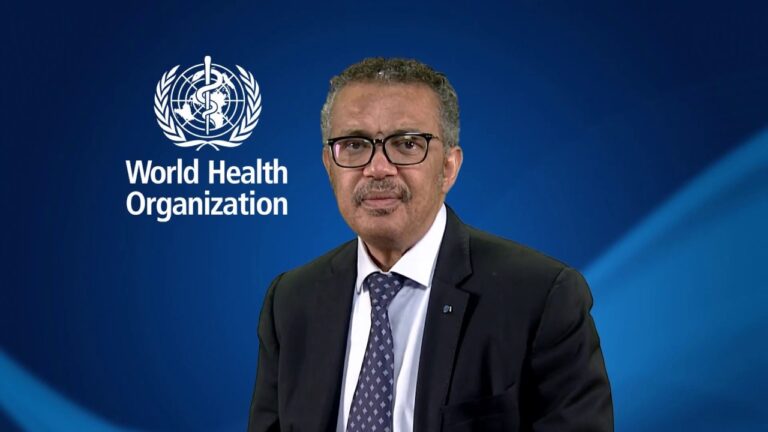
    In his opening remarks at the 150th session of the executive board of the World Health Organisation today, director general Dr Tedros Adhanom Ghebreyesus, stressed on the need “to urgently strengthen the systems and tools for epidemic and pandemic preparedness and response at all levels.”

    Over two years, almost 350 million cases of COVID-19 have been reported together with over 5.5 million deaths.

    On the cusp of the third year since the spread of COVID-19 was declared a public health emergency of international concern – the highest level of alarm under international law, he said that while the world will be living with COVID for the foreseeable future, “learning to live with COVID cannot mean that we give this virus a free ride. It cannot mean that we accept almost 50,000 deaths a week, from a preventable and treatable disease.”

    He reiterated the set of strategies proposed by the world organisation and said that “If countries use all of these strategies and tools in a comprehensive way, we can end the acute phase of the pandemic this year.”

    The strategies rest mainly on achieving 70 per cent vaccinations in all countries, boosting testing and sequencing rates globally to track the virus and monitor the emergence of new variants and restoring and sustaining essential health services.

    WHO achievements

    But besides COVID-19, there have been achievements on the communicable diseases front, especially with the world’s first malaria vaccine ready for use. Eight countries achieved the 90–90–90 targets for testing, treatment access, and viral suppression of HIV by the end of 2020 and 15 countries have eliminated mother-to-child transmission of HIV.

    “Despite the disruptions of the pandemic, 86 countries globally achieved the end-TB strategy milestone for 2020 of reducing TB incidence,” he said.

    But he also said that the COVID-19 pandemic has disrupted work to advance towards the “triple billion” targets of WHO’s thirteenth general programme of work (GPW defines WHO’s five-year strategy).

    Crucial plans off target

    The WHO director general proposed a two-year extension of the GPW to 2025, to be able to achieve the organisation’s triple billion targets – ensuring a billion people each benefit from universal health coverage; are better protected from health emergencies; and enjoy better health and well-being.

    He admitted that “the world was off track for the “triple billion” targets,” even before the pandemic. “Now, we’re even further behind,” he said.

    Today, the WHO also got new members countries on its board. These include Colombia, Guinea Bissau, India, Madagascar, Malaysia, Peru, India, Tonga and Tunisia.

    In the run up to the agency’s annual assembly meeting, 28 countries have already written letter of nominations for a second five-year term for Tedros Adhanom. This is to come up at the current session of WHO’s executive board. He will stand uncontested for the position.

    However, The United States, United Kingdom and China haven’t expressed support, though they haven’t nominated anyone else either.

    “This could be a modest vote of confidence in Tedros, an acknowledgement that a competitor would not prevail, or a matter of pandemic practicality,” wrote the science journal Nature.


    Image courtesy: YMCA.int

    Budget 2022: Government faces Hamletian dilemma on subsidies

    The government would like to cut subsidies in Budget 2022, but the question is whether it can afford to do it just ahead of the crucial assembly elections in five states.

    Prachi Gupta

    The economy continues to reel under the impact of the COVID-19 pandemic. The last two years have been especially tough for the government as it had to leave the path of fiscal prudence in the face of an unprecedented economic crisis triggered by the pandemic. The subsidy bill for the current fiscal year ending March 31 could be around Rs 5.35-5.45 lakh crore.

    Newspaper reports say the government plans to peg food and fertiliser subsidies at Rs 2.6 lakh crore and Rs 90,000 crore respectively in the upcoming Budget 2022. The question is if it can afford to cut subsidies in a situation where people are highly dependent on agriculture jobs and the public distribution system. Cutting food and fertiliser subsidies may affect growth and aggravate poverty.

    India is an agriculture dominated economy with more than half of the population depending on farming directly or indirectly for their livelihood. Farm subsidies form an important part of the government’s budget. While in developed countries, the agricultural or farm subsidies compose nearly 40 per cent of the total budgetary outlay, it is much lower in India which offers direct and indirect subsidies.

    Subsidies necessary despite flaws

    These subsidies have always been a target of criticism. Firstly, the indirect subsidy has been blamed for benefiting big farmers more than small and medium farmers as the bulk of the subsidised fertilisers is picked up by rich farmers. The small and marginal farmers own just 37 per cent of the farm land.

    Secondly, indirect subsidy has also been a disincentive to improvements in production processes since manufacturers have no compulsion to raise efficiency. Cash subsidies are considered more beneficial to farmers as they will free up the distribution system and allow people who receive the subsidy to choose where they buy their goods from.

    The complexity lies in the identification of beneficiaries as opposed to the transfer of funds. Looking at the success of direct cash transfer in various countries across the globe, the Indian government started a pan-India scheme to disburse all forms of subsidies directly, through the Direct Benefit Transfer (DBT) in 2015–16.

    The food subsidy also provides cover to the marginalised and poor sections of society apart from farmers. To sum up, food subsidies not only ensure remunerative prices to farmers, encouraging them to increase production and improve access to food for economically vulnerable people, but also stabilises food grain prices and availability in the country.

    The PDS assures beneficiaries that they will receive food grains, and insulates them against price volatility. The government also provides food grains via fair price shops in villages which are easy to access. The system is not without its demerits as huge leakages have been observed in it, both during transportation and distribution. These include pilferage and errors of inclusion and exclusion from the beneficiary list. At times, beneficiaries have also reported receiving poor quality food grains.

    Budget 2022 may see financial jugglery

    The government also spends a large amount on fertiliser subsidy, compensating manufacturers for selling their product below cost. The subsidy bill for the current year is likely to be in the vicinity of 1.3 lakh crore.

    Fertiliser is a critical and expensive input in improving agricultural output. Since the Green Revolution in the mid-1960s, there has been a sharp increase in the use of fertilisers in the country. Today, fertiliser subsidies stand at around 10% of the total agricultural GDP as the government looks to incentivise its usage.

    Earlier, the government had to substantially increase the fertiliser subsidy amid farmer protests. In the budget unveiled in February 2021, this was pegged at nearly Rs 80,000 crore. Additional funds were provided twice due to increase in prices of fertiliser and supply side disruptions. Newspaper reports have quoted finance ministry officials saying that the allocation towards the fertiliser subsidy for FY23 could be lower than the revised estimates.

    The Union Budget 2022 will be presented by finance minister Nirmala Sitharaman on February 1. Despite the assembly elections in Goa, Manipur, Punjab, Uttar Pradesh and Uttarakhand, the government is expected to maintain the momentum of agriculture reforms. The budgetary allocation of the agriculture ministry has shot up substantially after the Narendra Modi government came to power in 2014.

    Elections to the state assemblies could influence the final subsidy figures of Budget 2022 as the BJP looks to woo farmers after the massive protests from the agrarian community against the three farm laws that forced the government to withdraw them.


    This piece has been sourced from Policy Circle – policycircle.org

    Image: Hippox – under CC0 license