More

    Global South Communities Demand Fossil Fuel Giants Pay for Climate Damage Ahead of COP31

    Frontline workers and climate-impacted communities from Asia, Africa and the Pacific issue a joint statement holding oil and gas companies legally and financially accountable, citing escalating disasters and the ICJ’s landmark advisory opinion.

    In a powerful show of solidarity, street vendors, fisherfolk, farmers, gig workers, construction and warehouse labourers, coastal and Indigenous communities, women, youth groups, trade unionists, climate scientists, negotiators and legal experts from across Asia, Africa, the Pacific, the Middle East and North Africa have issued a Global Statement for Climate and Polluter Accountability. The statement, coordinated through Greenpeace South Asia, insists that the companies most responsible for decades of greenhouse gas emissions must be held legally, financially and politically responsible for the destruction of homes, livelihoods, health and cultural heritage.

    The document arrives as communities continue recovering from catastrophic events such as Cyclone Ditwah, which devastated Sri Lanka in late November 2025. The cyclone killed more than 640 people, left hundreds missing, affected over two million and caused an estimated US$4.1 billion in direct physical damage – roughly 4 per cent of the country’s GDP – according to a World Bank assessment. Flooding inundated nearly one-fifth of Sri Lanka’s land area, destroyed or damaged tens of thousands of homes, crippled infrastructure and triggered widespread landslides in the central highlands. Sri Lanka, which contributes less than 0.1 per cent of global emissions, has become a stark illustration of the injustice the statement seeks to confront.

    Disasters Are Not Natural, Statement Declares

    The signatories reject the notion that climate disasters are inevitable or merely the cost of economic progress. “These disasters are not natural,” the statement declares. “They are the direct consequence of decades of greenhouse gas emissions from a smaller number of oil and gas companies.” It notes that major fossil fuel producers and their financiers knew for decades that their products were destabilising the climate yet chose to conceal that knowledge, mislead the public, obstruct policy and expand production. Workers and communities who contributed least now pay with their lives, jobs and cultural heritage while inequalities deepen and fundamental human rights are threatened.

    The statement draws strength from the International Court of Justice’s unanimous 23 July 2025 Advisory Opinion on the Obligations of States in Respect of Climate Change. That opinion clarified that states have legal duties under international law to protect the climate system, pursue the 1.5°C temperature goal, regulate private actors contributing to harm, cooperate internationally and provide reparations where obligations are breached. It reinforced that the right to a clean, healthy and sustainable environment underpins other human rights and that intergenerational equity must guide action.

    Eleven Concrete Demands for Accountability

    The Global Statement sets out eleven clear demands directed at governments, international institutions, financial actors and the fossil fuel industry itself. Foremost is the call to hold global oil and gas polluters accountable through litigation, regulatory action and human rights mechanisms. Governments must adopt and enforce “polluter pays” laws and mechanisms that compel fossil fuel companies to fund loss and damage, adaptation and resilience – in addition to, not instead of, public climate finance.

    World leaders are urged to use COP31 in Antalya, Türkiye, and subsequent negotiations to secure binding, enforceable commitments on emissions reductions, an end to new fossil fuel exploration and dedicated finance for loss and damage. Public finance and subsidies for fossil fuel expansion must end, with resources redirected to adaptation and a just transition. Frontline communities must receive early-warning systems, adaptation finance, healthcare, social security and livelihood support designed with meaningful worker participation.

    The statement also demands protection for communities, workers, activists and lawyers pursuing accountability from harassment, intimidation and strategic lawsuits. Fossil fuel companies must fully disclose emissions, climate risks and internal knowledge of harm, and face consequences for past and ongoing disinformation. Impacted communities and workers must be given a direct seat in national and global climate decision-making, including at COP negotiations. Climate impacts – loss of life, health, livelihood, food, water, housing, income and cultural heritage – must be recognised as human rights violations, with full access to remedies. National climate accountability and liability legislation is essential so that polluters, not the public, bear the costs. Finally, progressive taxation of the biggest corporate polluters, aligned with the principle of common but differentiated responsibilities and respective capabilities, should fund climate resilience and the shift to renewable energy, supported by global tax reform under the UN tax convention.

    From Local Pain to Global Pressure

    The statement builds on earlier mobilisations. In October 2026, climate-impacted communities and workers gathered in Colombo and Mannar, Sri Lanka, under the banner “Make Polluters Pay,” linking local experiences of floods, extreme heat, droughts and rising seas to the global call for accountability. Greenpeace South Asia’s “Crisis to Collective” initiative has documented non-economic loss and damage – the irreversible loss of culture, identity, security and history that cannot be reduced to monetary figures – arguing that ignoring these losses leaves communities without recognition or support.

    Broader campaigns reinforce the message. Analyses show that just five major oil and gas corporations – ExxonMobil, Chevron, Shell, BP and TotalEnergies – are linked to projected climate damages exceeding US$5 trillion from emissions since the Paris Agreement. Their combined profits remain enormous even as communities rebuild from disasters. Public support for making polluters pay is high; polling across G20 countries has shown strong majorities favour higher taxes on major emitters, with revenues directed to those who pollute less.

    A Seat at the Table and Protection for Advocates

    Central to the statement is the insistence that those most affected must shape the response. “Impacted communities, workers and workers groups must have a direct and meaningful presence in national and global climate decision making,” it states. This includes COP processes and national climate plans. Equally important is safeguarding the right to organise, litigate and speak out. Without such protections, the legal and political pathways opened by the ICJ opinion and national inquiries risk being closed by intimidation.

    The signatories call on workers’ organisations, trade unions, climate experts, scientists, negotiators, the legal community, youth groups and communities worldwide to endorse the statement so that it becomes a truly global demand heading into COP31 and beyond. The document will be shared with governments, international institutions, fossil fuel companies and media.

    Justice Beyond Charity

    The statement crystallises a simple principle: climate justice is not charity. It is accountability. Communities in Sri Lanka still recovering from Ditwah, Pacific Island nations facing existential sea-level rise, African farmers confronting prolonged droughts and South Asian workers enduring extreme heat are not asking for handouts. They are demanding that those who knowingly fuelled the crisis pay for the damage and stop expanding the problem, Greenpeace says.

    Focus keyphrase: climate polluter accountability COP31

    Tags: climate justice, polluter pays, fossil fuel accountability, loss and damage, ICJ climate opinion, COP31, Global South climate, Cyclone Ditwah, Greenpeace South Asia, climate human rights,


    India Sets 15-Day Deadline for Rural Job Scheme Complaints Under New VB-G RAM G Rules

    India’s Ministry of Rural Development has notified time-bound grievance rules for its flagship rural employment programme, requiring enquiries within seven working days and full resolution of complaints within 15 days.

    The Government of India has formalised a structured, multi-tier system to handle complaints under its principal rural wage employment and livelihood programme. The Ministry of Rural Development has notified the Viksit Bharat – Guarantee for Rozgar and Ajeevika Mission (Gramin): VB-G RAM G Grievance Redressal Rules, 2026. The rules mandate that enquiries into complaints must finish within seven working days and that grievances themselves must be resolved within 15 days of receipt.

    The framework applies to the VB-G RAM G scheme, which replaced the long-running Mahatma Gandhi National Rural Employment Guarantee Act (MGNREGA) when the new law came into force on 1 July 2026. The successor programme raises the statutory guarantee of unskilled manual work from 100 to 125 days per rural household each financial year and links employment more tightly to the creation of durable rural assets in water security, core infrastructure, livelihoods and climate resilience.

    Multi-Tier Structure from Village to District

    State governments must establish grievance redressal arrangements at three levels: Gram Panchayat (village council), Block and District. Designated Grievance Redressal Officers at each level are responsible for receiving, registering, examining and disposing of complaints. At the district level the District Programme Coordinator oversees the process and ensures cases move through both the institutional chain and the designated digital platform.

    The rules stress accessibility. Any person may submit a grievance on any matter connected with the scheme’s implementation. Channels include in-person submission to the designated officer, speed post with proof of delivery, the Central Government’s Digital Public Infrastructure for grievance redressal, telephone helplines, and any other mode notified by the state government.

    Physical complaints received at village, block or district offices must be entered on the digital platform the same day or, if that is not feasible, by the next working day. Complainants receive an acknowledgement containing a registration number, date of receipt and the designation of the receiving authority. Critically, no grievance may be refused registration on grounds of format, language, manner of submission or procedural shortcomings. This provision is intended to prevent rural citizens from being shut out by technical barriers.

    Strict Timelines and Opportunity to Be Heard

    Once registered, the Grievance Redressal Officer must examine the complaint and conduct the necessary enquiry. Officers may call for records, registers, documents, reports, electronic data and other information from the authorities concerned. Where needed, the complainant must be given a reasonable opportunity to present their case, either in person or electronically, before the matter is closed.

    The enquiry itself must be completed within seven working days of receipt. After recording findings, the officer is required to take or arrange appropriate corrective or remedial action under the Act and the rules. The entire grievance must be resolved within 15 days of the original receipt. Findings and action taken are recorded on the digital platform and communicated to the complainant in the same form in which the complaint was made.

    Digital Tracking and Automatic Escalation

    The designated digital platform provides end-to-end tracking from registration to final disposal. Any grievance that remains unresolved after 15 days is automatically escalated to the next higher level within the state’s mechanism. The higher authority must examine the case and take further action; electronic monitoring continues until the matter is closed.

    Appeals against orders passed under the grievance system are provided for and will follow the procedure set out in Schedule I of the VB-G RAM G Act, 2025.

    Context of a Reformed Rural Employment Framework

    Officials say that the new rules sit within a broader redesign of India’s rural employment architecture. The VB-G RAM G Act was framed to align wage work with the national vision of Viksit Bharat @2047 – a developed India by the centenary of independence. It expands the list of permissible works, places stronger emphasis on productive and climate-resilient assets, and introduces digital tools including biometric attendance, GPS-based monitoring and real-time management information systems.

    Earlier coverage on OneWorld South Asia has tracked key milestones in the transition, including the expansion of permissible works to 375 categories with priority given to agriculture and climate resilience, and the formal replacement of MGNREGA from 1 July 2026. The grievance rules are presented by the ministry as a further step toward greater administrative accountability and citizen responsiveness.

    Some independent reports have noted that the final rules omit certain provisions that appeared in the draft circulated in May 2026, including a requirement to register a first information report in cases of prima facie financial irregularity and the placement of action-taken reports before panchayat bodies for review. The notified version concentrates on registration, time-bound enquiry, digital tracking and escalation.

    Implications for Rural Households and International Observers

    For the tens of millions of rural households that rely on the employment guarantee, the rules create a clearer pathway for raising issues such as delayed wages, non-provision of work, quality of assets or irregularities in implementation. The combination of multiple access channels, mandatory registration irrespective of form, and fixed deadlines is intended to reduce the friction that often deters complaints in remote areas.

    Internationally, the development is of interest to observers of social protection systems in large developing economies. India’s rural employment programmes have long served as a reference point for demand-driven public works and rights-based entitlements. The shift from MGNREGA to VB-G RAM G, accompanied by tighter grievance timelines and digital infrastructure, will be watched for its effects on delivery, accountability and the quality of assets created in villages.

    The Ministry of Rural Development has stated that the rules seek to institutionalise a citizen-centric, accessible and time-bound framework, thereby reinforcing the rights and entitlements of rural households under the scheme.

    US Startup Claims Breakthrough in Turning Mercury into Gold Using Nuclear Fusion

    San Francisco-based Marathon Fusion says it has produced stable gold from mercury with fusion neutrons at a rate ten times CERN’s 2025 record, raising questions about lab-made precious metals and future fusion economics for global markets.

    A San Francisco startup has revived one of humanity’s oldest dreams by claiming it has turned mercury into real, stable gold through nuclear processes linked to fusion energy research. Marathon Fusion announced that experiments conducted the previous month achieved high-rate production of gold-197 from mercury, exceeding a benchmark set by CERN by a factor of ten. The claim, which has not been independently verified and does not disclose the quantity of gold produced, has sparked widespread discussion about the intersection of nuclear science, clean energy and commodity markets.

    The announcement comes at a time when lab-grown diamonds have already disrupted the jewellery trade. Gold, however, presents a fundamentally different challenge because it requires changing one chemical element into another rather than rearranging atoms of the same element. The development highlights how advanced nuclear technologies could one day generate valuable by-products alongside electricity.

    How the Transmutation Process Works

    Gold has 79 protons in its nucleus; mercury has 80. Marathon Fusion’s approach relies on nuclear transmutation driven by high-energy neutrons. In a deuterium-tritium fusion reaction, fast neutrons with energies around 14 MeV strike mercury-198, a stable and relatively abundant isotope. The reaction knocks out a neutron, converting the mercury-198 into radioactive mercury-197. Mercury-197 then decays by electron capture, with a half-life of roughly 64 hours, into stable gold-197 – the only non-radioactive form of gold found in nature.

    This is distinct from earlier particle-accelerator experiments. CERN’s ALICE detector at the Large Hadron Collider produced gold nuclei from lead-ion collisions, but the amounts were minuscule – about 29 picograms over several years of operation – and the nuclei existed only fleetingly. Marathon Fusion says its neutron-based method achieved a higher production rate, and it has shared gamma-ray spectra consistent with the presence of mercury-197 and gold-197. The company has also reported producing medical isotopes such as copper-64 and copper-67 from zinc under similar irradiation conditions.

    A 2025 preprint paper by the team outlined how the process could be integrated into the breeding blanket of a future fusion power plant. Neutrons that would otherwise be used primarily to breed tritium fuel could simultaneously transmute mercury, potentially yielding more than two tonnes of gold per gigawatt of thermal power each year without compromising electricity output or fuel production.

    From Laboratory Demonstration to Industrial Scale

    The gap between a laboratory demonstration and commercial supply remains substantial. Marathon Fusion has not released figures on the absolute mass of gold produced, the enrichment level of the mercury feedstock, recovery efficiency or overall costs. Its current experimental systems operate at power levels orders of magnitude below those of a commercial fusion plant. Scaling the process would require large quantities of isotopically enriched mercury-198, sophisticated handling of radioactive intermediate products, and fusion reactors that do not yet exist at industrial scale.

    Freshly produced gold would also contain radioactive impurities. To meet stringent safety standards – comparable to the radioactivity of everyday items such as bananas – the material would need to be stored for many years, with some analyses suggesting periods approaching 17 to 18 years, before it could enter general commerce. These practical constraints mean that any contribution to global gold supply lies well in the future.

    Global mined gold production stands at several thousand tonnes annually. Even optimistic projections from Marathon Fusion’s modelling suggest that a fleet of gigawatt-scale fusion plants would be required to generate volumes large enough to influence prices meaningfully. Enrichment of mercury-198 itself is currently expensive, further limiting near-term economic viability.

    Implications for Gold Markets and the Energy Transition

    The prospect of laboratory gold inevitably invites comparison with lab-grown diamonds, which have reduced prices for natural stones in certain segments of the jewellery market. Yet the parallel is imperfect. Diamond synthesis replicates natural growth conditions using carbon; gold production requires changing nuclear identity and managing radioactivity. Market analysts note that gold’s value rests on scarcity, industrial demand, monetary history and cultural significance. Significant additional supply would need to be both large and low-cost to exert sustained downward pressure on prices.

    For the fusion industry, the more immediate opportunity may lie elsewhere. Medical isotopes for cancer imaging and therapy command high value and face supply constraints. By designing blankets that generate these isotopes alongside tritium and gold, fusion plants could improve their overall economics long before they deliver grid-scale electricity. Marathon Fusion, founded in 2023 and backed by investors including entities linked to Breakthrough Energy and mining interests, positions its work as dual-purpose: advancing fusion fuel cycles while creating high-value co-products.

    International observers tracking the clean-energy transition will recognise the broader pattern. Advanced nuclear technologies increasingly seek multiple revenue streams – electricity, heat, hydrogen, isotopes and potentially precious metals – to offset high capital costs. Whether gold becomes a meaningful by-product depends on progress in fusion itself, which remains years or decades from commercial deployment in most roadmaps.

    Scientific Caution and Verification Needs

    Independent experts have emphasised the need for full data disclosure and peer review. Extraordinary claims require rigorous validation of yields, purity, neutron spectra and background subtraction. Until such evidence is public and confirmed, the demonstration remains an intriguing but unconfirmed step. Historical attempts at artificial gold production, from alchemical furnaces to early nuclear experiments, produced either vanishingly small quantities or radioactive material unsuitable for ordinary use. Marathon Fusion’s work sits in this long tradition while leveraging modern fusion neutron sources.

    The company continues to develop related technologies, including isotope separation with plasma centrifuges, and is constructing a higher-power experimental reactor in San Francisco. These engineering efforts may prove more consequential in the near term than the gold claim itself.

    Unexpected Intersections

    Marathon Fusion’s announcement illustrates the unexpected intersections that can emerge from fundamental research. Nuclear fusion is pursued primarily for abundant low-carbon energy. The possibility that the same neutrons could transmute base metals into gold adds a layer of economic intrigue, yet the practical barriers – scale, cost, radioactivity and the unfinished task of commercial fusion – remain formidable.

    Whether the process ever supplies meaningful quantities of gold will depend on breakthroughs still to come in fusion engineering and materials science. In the meantime, the claim serves as a reminder that the boundary between energy research and materials science continues to blur, with potential consequences for industries far beyond power generation. Global gold markets, jewellery demand in Asia, investment flows into fusion startups and the long-term economics of clean energy all form part of the larger picture that this development invites the world to examine carefully.

    South Asia Democracy Conference Opens in Colombo Amid Regional Democratic Challenges

    Academics, legal experts and civil society leaders from across South Asia gather in Sri Lanka’s capital for a three-day conference examining the region’s democratic traditions, current pressures and pathways for renewal.

    Academics, legal experts and civil society representatives from across South Asia convened in Colombo on 3 November 2026 for the opening of the South Asia Democracy Conference 2026. The three-day gathering focuses on strengthening democratic institutions, addressing shared regional challenges and exploring both the historical roots and future prospects of democracy in a region home to more than a quarter of the world’s population.

    Participants at the opening session included Britta Petersen, Resident Representative and Regional Director for South Asia of the Rosa Luxemburg Stiftung; Viranjana Herath, Chairperson of the Media Law Forum; and Professor Deepika Udagama, Chair Professor of Law and Head of the Department of Law at the University of Peradeniya. The conference brings together voices from academia, the legal profession and civil society to discuss how democratic practices can be reinforced amid persistent pressures.

    Regional Context of Democratic Strain

    South Asia has experienced significant democratic turbulence in recent years. According to analyses drawing on the Bertelsmann Transformation Index, no country in the region currently qualifies as a consolidating democracy. India has been classified as a defective democracy since 2016 after earlier higher ratings. Pakistan remains a hard-line autocracy. Bangladesh has operated as a moderate autocracy for several years. Nepal, Sri Lanka and Bhutan are also rated as defective democracies, even while maintaining relatively more stable trajectories than some neighbours.

    Despite these institutional challenges, citizens across the region have continued to mobilise. Protest activity in South Asia has ranked among the highest globally in recent years, second only to Europe in cumulative terms and the highest of any region in certain recent periods. Mass movements have contributed to the removal of governments in Sri Lanka in 2022 and Bangladesh in 2024, and have influenced political transitions elsewhere. Yet analysts note that high levels of mobilisation have not automatically translated into deeper democratisation or institutional consolidation.

    Sri Lanka’s Recent Political Trajectory

    The choice of Colombo as the venue carries particular resonance. Sri Lanka itself underwent a dramatic shift following the 2022 economic crisis and the subsequent Aragalaya protest movement. The National People’s Power (NPP) government, led by President Anura Kumara Dissanayake, assumed office after the 2024 elections with a strong parliamentary majority. The administration has pledged reforms aimed at strengthening accountability, reducing corruption and expanding democratic space.

    Among the commitments has been the planned abolition of the long-criticised Prevention of Terrorism Act, with new legislation under preparation. Such steps form part of broader efforts to address legacy issues of rights and governance that have shaped the country’s post-conflict landscape. International observers have noted both the opportunities and the continuing tests facing the current government as it seeks to translate electoral mandates into durable institutional change. Related reporting has examined these developments in detail, including Sri Lanka’s moves on counter-terrorism legislation and assessments of its democratic reset.

    Focus on Shared Challenges and Traditions

    The conference agenda centres on strengthening democracy while confronting regional challenges. Discussions are expected to examine how democratic traditions unique to South Asian societies – ranging from parliamentary practices and federal experiments to civil society activism and media freedoms – can inform responses to contemporary pressures. These include majoritarian tendencies, the use of legal instruments for political ends, constraints on civic space, and the interplay between economic recovery and political openness.

    Media freedom and legal frameworks form an important strand of the deliberations. The presence of media law specialists and constitutional scholars underscores attention to the institutional safeguards that underpin open societies. Participants are also likely to consider the role of international solidarity and comparative learning, drawing on experiences from within the region and beyond.

    International Engagement and Civil Society Roles

    The involvement of the Rosa Luxemburg Stiftung’s South Asia office highlights the contribution of international partners working with local organisations on issues of social justice, labour rights and democratic discourse. Civil society groups across the region have often served as key defenders of accountability and rights, even under constrained conditions. The conference provides a platform for these actors to exchange strategies and reflect on the limits and possibilities of regional cooperation in support of democratic norms.

    The gathering offers insight into a part of the world where democratic aspirations remain strong even as formal indicators of democratic quality have declined in several countries. South Asia’s demographic weight and geopolitical significance mean that the health of its political systems carries implications far beyond the region’s borders – affecting global debates on governance, development and stability.

    Democratic Renewal

    As the three-day programme continues, participants will explore practical questions of democratic renewal. How can institutions be insulated from erosion? What role can regional dialogue play when formal intergovernmental mechanisms such as SAARC have faced prolonged difficulties? How can the energy of citizen mobilisation be channelled into sustained institutional reform rather than episodic protest?

    The conference does not claim to resolve these questions. Its value lies in creating space for rigorous discussion among those closest to the issues. In a region marked by both resilience and fragility in its democratic experiments, such conversations remain essential.

    Bangladesh Garment Workers Win December Pay Scale Timeline Amid Wage Protests

    Workers in the world’s second-largest apparel exporter force a new minimum wage board to commit to revised pay from December, as demands for a living wage of Tk 30,000 expose deep tensions over inflation, industry competitiveness and social dignity.

    Bangladesh’s ready-made garment (RMG) industry, the backbone of the country’s export economy, has been convulsed by days of protests as hundreds of thousands of workers demand a near-tripling of the minimum wage. On 4 November 2026 the newly formed minimum wage board announced that a revised pay scale will take effect in December, with workers receiving their first salaries under the new structure in January.

    The commitment came after the board’s first meeting in Dhaka, chaired by Syed Azad Subhani. Workers’ representative Babul Akhter confirmed that employers had agreed to the December timeline. The move follows the government’s formation of a six-member board on 1 November in response to widespread unrest that forced several hundred factories to suspend production.

    Protests Grip Industrial Belts Around Dhaka

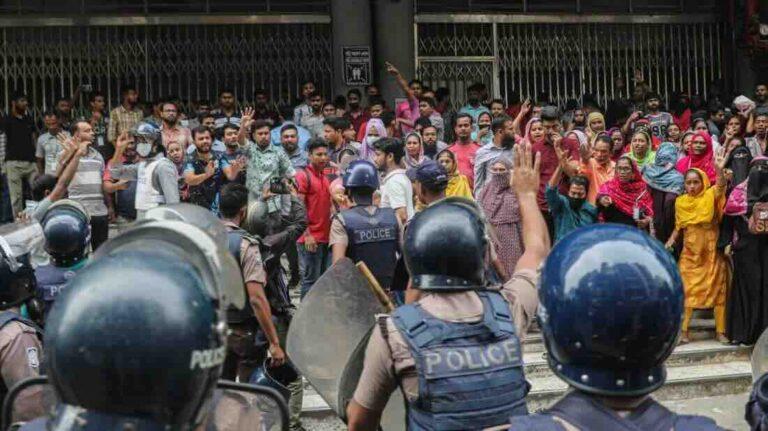
    Demonstrations began in late October and intensified from 1 November across key manufacturing hubs including Ashulia, Gazipur, Savar, Mirpur and Narayanganj. Workers blocked highways, clashed with police and forced factory closures. The Bangladesh Garment Manufacturers and Exporters Association reported that hundreds of units halted operations, affecting nearly a million workers at the peak of the disruption.

    Police used tear gas, sound grenades and water cannons to disperse crowds. Dozens of officers and protesters were injured. Vehicles were vandalised and in some cases set alight. Paramilitary forces were deployed in several areas as the unrest entered its fourth consecutive day. Factory owners and the government repeatedly urged workers to return to the production lines, citing the risk to export orders during the peak season for spring and summer shipments to Western markets.

    The core demand remains a minimum monthly wage of Tk 30,000 (approximately $243), up from the current Tk 12,500 set in November 2023. Workers argue that persistent inflation over the past three to four years has eroded their purchasing power. Food, rent, transport, healthcare and education costs have risen sharply, leaving many families struggling to meet basic needs even with overtime.

    Living Costs Outpace Wage Gains

    The last major revision raised the floor from Tk 8,000 to Tk 12,500, an increase of more than 56 per cent. Yet independent assessments of living costs in Dhaka and its satellite cities place a decent standard of living for a family well above that level. Anker Research Institute estimates have put the net living wage in the range of Tk 23,000–28,000 depending on location.

    Many workers report taking on debt simply to cover rent and food. One sewing operator described days when a single proper meal for her children was uncertain. House rents that once stood at a few thousand taka have climbed towards Tk 7,500 in industrial neighbourhoods. The gap between legal minimums and actual living requirements has become the central grievance.

    The RMG sector employs roughly four million people, the majority of them women, and accounts for more than 80 per cent of Bangladesh’s merchandise export earnings. Global brands including H&M, Zara, Gap and others source heavily from the country. Low labour costs and duty-free access to key markets have underpinned the industry’s rise as the world’s second-largest apparel exporter after China.

    Industry Pressures and Competitiveness Concerns

    Factory owners warn that a sharp wage increase could erode Bangladesh’s price advantage at a time of rising energy costs, soft demand in some Western markets and intense competition from other Asian producers. Manufacturers argue that buyers continue to squeeze prices even as input costs climb. Any substantial rise in the wage bill, they say, would need to be absorbed through higher FOB prices or risk factory closures and job losses.

    The government has signalled that the wage board will consider inflation, living costs, economic conditions and export performance. The amended labour law now requires reviews every three years rather than five, making the current process timely. Officials have emphasised the need for dialogue while stressing that prolonged disruption threatens both exports and the broader fragile economic recovery.

    Resentment and the Question of Dignity

    Public debate has revealed an uncomfortable undercurrent. Some middle-class voices question why garment workers should demand Tk 30,000 when many university graduates earn less. An opinion piece in The Daily Star challenged this framing, arguing that comparing a graduate living with parental support to a worker supporting children and elderly parents in a high-cost industrial area misses the structural realities of class and responsibility.

    The author noted that society often celebrates the RMG industry’s contribution to national GDP and foreign exchange while treating the people who sew the clothes as interchangeable units of production. Demands for a living wage, the piece suggested, are not an insult to education but a claim to basic economic dignity.

    International labour rights groups have called on global brands to support a higher floor and to absorb the resulting cost increases rather than shift orders elsewhere. Clean Clothes Campaign and others have urged buyers to back figures closer to living-wage benchmarks and to end practices such as blacklisting.

    What Comes Next for Workers and the Sector

    The wage board is expected to continue deliberations in the coming weeks. No final figure has been announced, and the gap between the current Tk 12,500 and the workers’ demand of Tk 30,000 remains wide. Employers have historically favoured more modest adjustments. Workers’ representatives have indicated they will press for a meaningful increase that reflects real living costs.

    For Bangladesh’s RMG sector, the stakes are high. The RMG sector remains central to employment, poverty reduction and foreign-exchange earnings at a moment when the country is navigating LDC graduation timelines and broader economic pressures. Stable industrial relations, predictable wages and continued access to international markets are all interlinked.

    Afghanistan’s Opium Cultivation Surges 325% in 2026 Despite Taliban Ban, UN Reports

    A United Nations survey shows poppy fields expanding sharply after three years of decline, driven by rural hardship, higher yields and farmer adaptations that raise questions about the ban’s long-term sustainability.

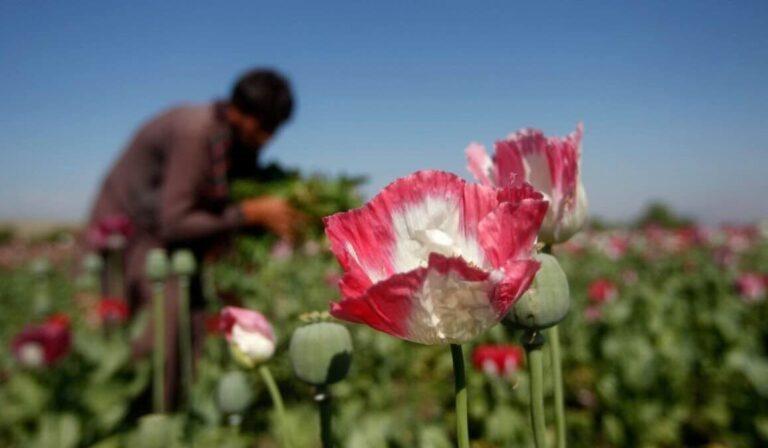
    Afghanistan’s opium poppy cultivation rose dramatically in 2026, increasing 325 per cent to an estimated 43,300 hectares from about 10,200 hectares the previous year, according to a new report by the United Nations Office on Drugs and Crime (UNODC). The rebound marks the first significant expansion since the Taliban imposed a nationwide ban on narcotics production in April 2022 and reverses three consecutive years of historically low cultivation.

    Although the area under poppy remains far below pre-ban levels – when more than 200,000 hectares were often planted – the sharp rise signals that the ban is weakening in practice. Estimated opium production climbed nearly 400 per cent to 1,466 tons from 296 tons in 2025. Higher yields, helped by better rainfall and water availability, contributed to the increase, with average output rising from 29 kilograms per hectare to 33.8 kilograms.

    The development carries implications well beyond Afghanistan’s borders. The country once supplied roughly 80 per cent of the world’s illicit opium, much of it converted into heroin consumed across Asia and Europe. A sustained rebound could affect global heroin markets, trafficking routes and the economics of synthetic opioids that have already begun filling supply gaps in some regions.

    Northeast Becomes New Production Heartland

    The geography of cultivation has shifted markedly since the ban. The northeast now accounts for 76 per cent of Afghanistan’s poppy area, displacing the traditional southwest heartland of Helmand and Kandahar. Badakhshan province recorded the largest absolute increase, with cultivation rising 344 per cent from about 6,600 hectares in 2025 to nearly 29,500 hectares. Takhar saw an even steeper relative jump, expanding from 274 hectares to roughly 3,400 hectares – an increase of more than 1,100 per cent. Together the northeastern provinces produced an estimated 1,090 tons of opium, about three-quarters of the national total.

    Cultivation also reappeared or expanded in parts of the south and southwest. Helmand rose from 681 hectares to about 3,500 hectares, while Kandahar more than tripled to around 1,560 hectares. Poppy was detected in 16 of Afghanistan’s 34 provinces, five more than in 2025, and cultivation increased in 13 of those provinces.

    Farmers Adapt to Evade Detection

    Satellite imagery analysed by UNODC reveals that farmers are changing how they grow poppy to reduce the risk of eradication. Hundreds of small plots are now embedded within larger fields of wheat and barley. Other plantings are hidden inside walled compounds. In Helmand, more than 90 per cent of detected poppy fields used one of these concealment methods – more than half mixed with cereal crops and more than 40 per cent planted behind walls. Farmers are also staggering planting and harvesting times so that an entire crop is less likely to be lost to enforcement operations or adverse weather.

    These practices appear widespread rather than isolated, the agency said, indicating organised adaptation to the ban.

    Eradication Efforts Trigger Deadly Clashes

    Enforcement has not been without cost. Eradication operations in major poppy-growing districts of Badakhshan in May and June 2026 sparked protests and clashes between residents and Taliban security forces, resulting in several deaths and injuries. Some protesters supported the principle of eradication but objected to the methods used and to reported damage to legitimate crops and property. Taliban authorities claimed to have destroyed about 22,000 hectares nationwide, a figure UNODC said it could not independently verify.

    Opium Economy Recovers Despite Lower Volumes

    Even at reduced volumes, the opium economy has regained substantial value. Sales of dried opium generated an estimated $525 million for traders inside Afghanistan in 2026 – equivalent to 2.7 per cent of national GDP and 8.5 per cent of the agricultural sector. Prices averaged about $500 per kilogram, down from roughly $570 in 2025 but still far above the pre-ban average of less than $100. High prices, persistent economic hardship and the scarcity of viable alternative livelihoods continue to make poppy attractive.

    In the northeast, farmers have turned to informal financing, including loans repaid in opium, advance crop sales, land rentals and sharecropping. Some accounts, not independently confirmed by UNODC, suggest non-local actors from former southern growing areas are renting or buying land and financing cultivation in Badakhshan.

    The broader context is one of deep rural poverty. Afghanistan faces one of the world’s most severe humanitarian crises, with millions unable to afford adequate food. Previous UNODC assessments have noted that legal crops such as wheat generate only a fraction of the income once earned from poppy. Without meaningful alternative livelihoods, the pressure to resume cultivation remains intense. Afghanistan’s deepening hunger crisis and the wider economic strain under Taliban rule underscores why many farming families see limited options.

    Warnings of Further Resurgence

    UNODC cautions that the 2026 increase may not be temporary. Pre-ban opium stockpiles that helped keep global supplies relatively stable are believed to be depleting. Combined with high prices, economic distress and expanding cultivation, these factors could drive further production and trafficking beyond 2026. Regional seizure data already show that opiate trafficking has remained resilient despite the ban.

    The agency’s executive director, Monica Juma, has stressed the difficulty of sustaining reductions when poor farmers lack alternatives. She called for greater investment in alternative livelihoods – agriculture, employment, market access, financing, infrastructure and vocational training – particularly in areas where cultivation has risen sharply. Sustained monitoring will be essential to determine whether 2026 marks a temporary adjustment or the start of a broader recovery of Afghanistan’s opium economy.

    Sri Lanka Under FATF Scrutiny as NGO Oversight Measures Draw Global Attention

    Global watchdog evaluates Sri Lanka’s anti-terror financing framework amid concerns over proposed NGO regulations and civil society space.

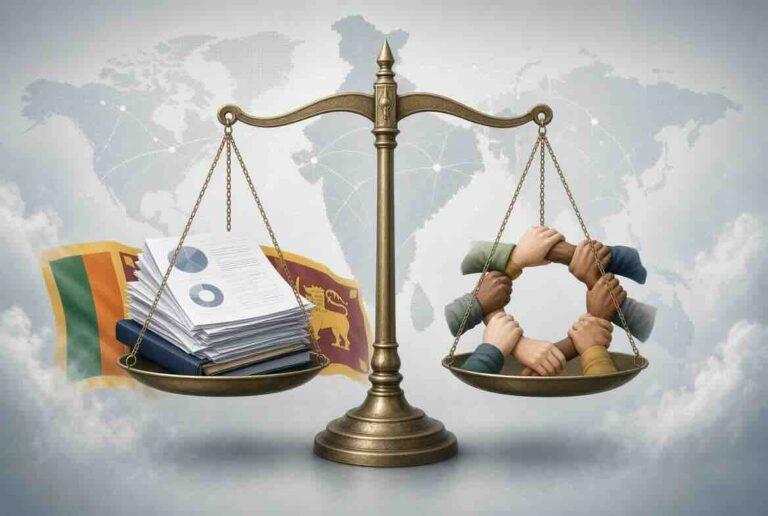
    Sri Lanka is undergoing a critical mutual evaluation by the Financial Action Task Force (FATF) and its regional body, the Asia/Pacific Group on Money Laundering (APG), focused on potential loopholes in its legal system relating to terrorist financing. The process, led domestically by the Financial Intelligence Unit of the Central Bank, comes as the government advances legislative and administrative measures targeting non-governmental organisations. International observers and local civil society groups are watching closely, given the country’s previous experience on the FATF grey list and the high economic stakes involved.

    Representatives from the evaluation team have sought views from Sri Lankan civil society on proposed legislation to monitor and regulate NGO activities. The timing coincides with government efforts to secure a compliant rating under FATF standards through reforms that officials argue are necessary. Yet these steps have sparked debate over whether they align with the global body’s risk-based requirements or risk over-regulating a sector that plays a vital role in development and social services.

    FATF Evaluation and Historical Context

    The FATF, the intergovernmental body setting international standards to combat money laundering and terrorist financing, recognises the important contribution of non-profit organisations to economies and social systems. At the same time, it has long identified the potential for terrorists to exploit such organisations to raise or move funds, provide logistical support, or gain legitimacy. Countries are expected to implement focused measures to prevent abuse without unduly disrupting legitimate activities.

    Sri Lanka was placed on the FATF grey list of jurisdictions with strategic deficiencies in 2017 following earlier reviews. The listing contributed to heightened scrutiny, including by the European Commission, before the country was removed in 2019 after remedial actions. An adverse outcome in the current evaluation could raise borrowing costs, complicate correspondent banking relationships, and increase compliance burdens for the financial sector and wider economy. The present mutual evaluation assesses both technical compliance with FATF’s 40 Recommendations and the effectiveness of measures against key immediate outcomes.

    Government participation is coordinated through the Central Bank’s Financial Intelligence Unit. Civil society representatives have presented their perspectives on the proposed Non-Governmental Organisations (Registration and Supervision) Bill during meetings with evaluators. The Asia/Pacific Group’s visit occurs as Sri Lanka implements legislative reforms aimed at achieving compliance.

    Proposed NGO Legislation Under the Spotlight

    The draft Non-Governmental Organisations (Registration and Supervision) Bill 2026 is intended to replace the 1980 Voluntary Social Services Organisations Act. Successive versions have added provisions on monitoring NGOs for compliance with anti-money laundering and counter-terrorist financing standards. Officials present the bill as necessary to modernise oversight and meet international obligations ahead of the evaluation.

    Critics, including four United Nations Special Rapporteurs, have warned that several provisions appear inconsistent with both the right to freedom of association and FATF standards. In a communication to the Sri Lankan government, the experts highlighted concerns over mandatory registration for a broad range of entities, significant fines, powers of warrantless entry, and requirements potentially linking organisational activities to government policy alignment. They noted that the government’s own January 2026 national risk assessment rated the inherent terrorist financing risk in the NGO sector as low to medium, with limited evidence of proven abuse.

    FATF Recommendation 8, revised in recent years, requires countries to identify organisations falling within the non-profit definition, assess their specific terrorist financing risks, and apply focused, proportionate, and risk-based measures. The standard emphasises protecting organisations from abuse while avoiding disruption of legitimate work. Blanket regulation of the entire sector is widely viewed as contrary to this approach.

    New Guidelines and Red-Flag Indicators for NGOs

    In parallel, the National Secretariat for Non-Governmental Organizations has issued an amendment to its Anti-Money Laundering and Countering the Financing of Terrorism Guidelines for NGOs. The updated annex is designed to help organisations identify circumstances that may warrant closer examination for potential money laundering or terrorist financing risks and to strengthen internal risk management and reporting.

    Key red-flag indicators listed include unusual or substantial donations from unverifiable sources, unexplained repayment arrangements or suspicious donor conditions; unusual refunds, use of multiple foreign accounts or substantial cash transactions without operational justification; false or unverifiable identification, concealed control of partners, suspicious invoices or discrepancies in records; obstruction of monitoring, unverified project activities or credible complaints that assistance is not reaching beneficiaries; information pointing to diversion of resources to terrorist organisations or misuse of facilities; and matches against sanctions lists, attempts to circumvent restrictions, or digital-asset transactions that obscure fund flows.

    These guidelines build on earlier administrative measures, including information-sharing arrangements between the Financial Intelligence Unit and the NGO Secretariat, and circulars affecting banking relationships with non-profits. Civil society reports indicate that many organisations have faced difficulties accessing financial services and receiving foreign funds, with some banks requiring registration with the Secretariat even where not mandated by law.

    Civil Society Perspectives and Shadow Reporting

    Sri Lankan civil society organisations have submitted a detailed shadow report to the evaluation process through the Sri Lanka CSO FATF Network. The document argues that FATF standards are being applied in ways that constrain non-profit activity and shrink civic space through legislation, administrative directions and practices. It points to the absence of publicly reported prosecutions or convictions of NGOs for terrorist financing or money laundering, contrasting this with vulnerabilities identified in the banking sector.

    A 2025 survey of more than 100 non-profits found that a significant majority experienced problems receiving foreign funds. Organisations have raised concerns that measures framed as FATF compliance sometimes exceed what the standards require and risk treating the sector as inherently suspect. Similar points have been made by international groups monitoring civic space.

    United Nations Resident Coordinator Marc-André Franche has cautioned that applying anti-money laundering rules as broad restrictions rather than targeted, risk-based measures could undermine both security and development objectives. He emphasised that the revised Recommendation 8 aims to avoid the unintended consequences of earlier, more sweeping approaches that strained legitimate charitable work.

    Balancing Security, Development and International Standards

    The evaluation process highlights a broader tension faced by many countries: strengthening financial integrity frameworks while preserving an enabling environment for civil society. Non-profit organisations in Sri Lanka deliver essential services in health, education, humanitarian response, human rights monitoring and community development, particularly in the aftermath of economic crisis and past conflict. Overly broad controls can affect funding flows, operational capacity and public trust.

    FATF guidance stresses that most non-profits present minimal risk and that self-regulatory or targeted measures often suffice for lower-risk entities. Governments are expected to periodically assess risks and adjust responses accordingly, ensuring that oversight does not discourage legitimate activity. International experience shows that excessive de-risking by banks and blanket registration requirements can produce financial exclusion with real human costs.

    Sri Lanka’s reforms, including amendments to the Prevention of Money Laundering Act, Financial Transactions Reporting Act and Convention on the Suppression of Terrorist Financing Act passed in mid-2026, have expanded certain investigative and asset-freezing powers. These changes form part of the package under review. Assessors will examine both the design of the legal framework and its practical effectiveness and proportionality.

    Access to Global Banking Networks

    The outcome of the mutual evaluation will carry weight for Sri Lanka’s international financial standing and domestic regulatory trajectory. A positive assessment could support continued access to global banking networks and lower compliance costs. Shortcomings, particularly if linked to over-implementation of standards on non-profits, could complicate economic recovery efforts.

    The episode illustrates how global financial standards intersect with national governance, civic freedoms and development priorities in emerging economies. The quality of consultation with civil society, the evidence base for risk assessments, and the precision of regulatory tools will shape whether measures genuinely reduce terrorist financing risks or create new frictions.The balance struck in Colombo will be watched as a test case for risk-based implementation of FATF Recommendation 8 across the region.

    Image: Grok

    Nepal Approves 94 FDI Projects Worth Rs 5.11 Billion Amid Shift to Smaller Ventures

    Nepal’s Department of Industry cleared 94 foreign direct investment projects valued at Rs 5.11 billion in one month, yet overall quarterly commitments fell sharply as small-scale and automatic-route approvals dominate the landscape.

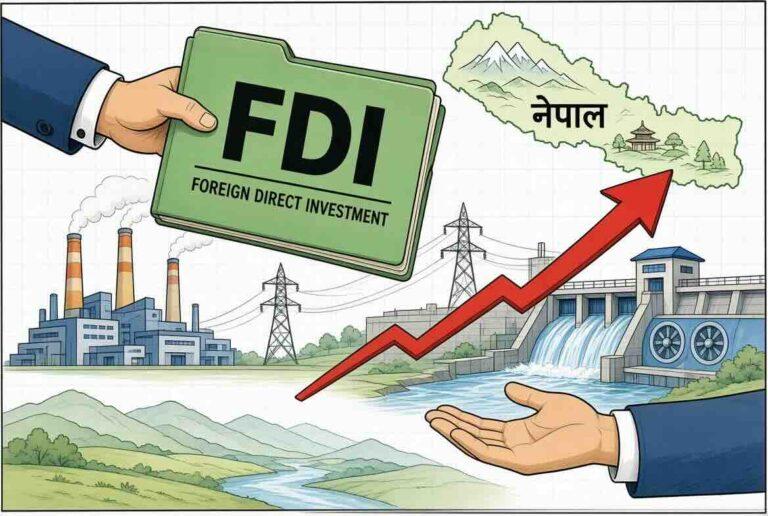
    Nepal’s Department of Industry approved 94 foreign direct investment (FDI) projects with combined commitments of Rs 5.11 billion (approximately USD 33.6 million at current rates) between mid-September and mid-October, according to its latest monthly report. The figure covers the Nepali month of Ashoj in the first quarter of fiscal year 2026/27.

    Of these, 88 projects worth Rs 4.84 billion were cleared through the automatic route, while six projects valued at Rs 266 million went through the regular approval process. Officials expect the approved ventures to generate 1,167 jobs.

    Quarterly Picture Shows Sharp Drop in Value

    In the first three months of the current fiscal year, the department approved FDI commitments totalling Rs 16.23 billion across 422 projects. This marks a steep decline from Rs 35.13 billion recorded in the corresponding period of the previous fiscal year, even as the number of projects rose. Of the quarterly total, 410 projects worth Rs 14.59 billion used the automatic route and 12 projects worth Rs 1.65 billion followed the regular route. These initiatives are projected to create 5,129 jobs.

    All 94 projects approved in the latest month were classified as small enterprises. Across the first quarter, 417 of the 422 projects were small-scale, with only two medium-scale and three large-scale ventures. This pattern continues a longer-term trend in which project numbers have risen while average investment size has fallen.

    Tourism Leads in Value, ICT in Volume

    Sectoral breakdowns for the first quarter reveal a clear divergence between the number of projects and the capital they attract. Information and communication technology accounted for the largest share of projects – 252, or about 60 per cent of the total – yet drew only Rs 928.4 million in commitments.

    Tourism ranked second by project count with 108 ventures (26 per cent of the total) but led in investment value, attracting Rs 6.08 billion, or 37 per cent of overall commitments. The energy sector secured Rs 4 billion, representing 25 per cent of total commitments, through just two projects. Services received Rs 3.58 billion across 33 projects, manufacturing Rs 1.61 billion from 25 projects, and agriculture and forestry Rs 40 million from two projects. No projects were registered in mining or infrastructure during the period.

    Automatic Route Gains Further Ground

    The heavy reliance on the automatic route reflects policy changes designed to simplify entry for foreign investors. Nepal expanded the automatic route in early 2026, increasing the number of eligible sectors and removing previous investment ceilings for many categories. The system allows qualifying proposals to receive approval through an online process without traditional case-by-case scrutiny.

    This facilitation has encouraged a higher volume of smaller proposals, particularly in ICT and tourism-related activities. At the same time, the data highlight the continued challenge of attracting large-scale capital inflows. Previous fiscal years showed a similar pattern: more projects approved but lower total commitment values and declining average investment per project.

    Additional Approvals and Outflows

    Beyond new project approvals, the department cleared 10 share purchase or subscription agreements worth Rs 1.69 billion and 20 technology transfer agreements during the month. Since the start of the fiscal year, it has approved 22 share agreements valued at Rs 2.51 billion and 32 technology transfer agreements.

    Visa recommendations continued as well. In the latest month the department recommended business visas for 59 investors, 37 representatives and 66 dependents. Cumulative figures for the first three months stood at 144 investors, 99 representatives and 152 dependents.

    Repatriation figures provide another window into existing foreign investment activity. Royalty repatriation during the month totaled (Nepali) Rs 294.59 million, USD 398,378 and INR 21.75 million. Cumulative royalty repatriation for the quarter reached (Nepali) Rs 916.6 million, USD 1.19 million and INR 25.72 million. Dividend repatriation amounted to (Nepali) Rs 196.42 million in the month, with additional service fee outflows recorded in Indian rupees.

    Broader Context for International Readers

    These figures illustrate both the opportunities and constraints facing Nepal’s investment climate. The Himalayan nation has sought to improve its attractiveness through legal reforms, digitalisation of approvals and targeted promotion of sectors such as tourism, hydropower and information technology. Recent years have also seen growing electricity exports to India, generating valuable foreign exchange even as the country recovers from natural disasters.

    Yet the gap between the rising number of approved projects and the falling value of commitments points to structural issues. Large investors still often navigate longer processes or face broader challenges related to infrastructure, policy consistency and market size. The dominance of small-scale ventures suggests that while entry has become easier for many, converting approvals into substantial, job-rich operations remains uneven.

    Image: Grok

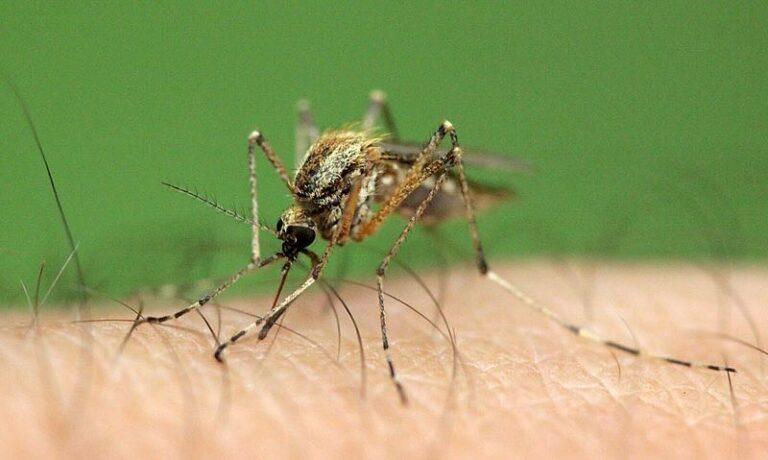
    Climate Change Redraws India’s Disease Map as Mosquitoes Climb the Himalayas

    Rising temperatures and shifting rainfall are driving malaria, dengue and chikungunya into once-protected mountain regions, exposing millions of unprepared communities across the Hindu Kush Himalaya.

    A quiet public health crisis is unfolding in India’s highlands – from the alpine valleys of Kashmir to the forested slopes of Himachal Pradesh and beyond. Diseases long associated with the hot, humid plains are moving uphill. Warmer winters, shrinking day-night temperature gaps and changing rainfall patterns are creating new habitats for mosquitoes that transmit malaria, dengue and chikungunya. Communities that once relied on frost to keep these vectors at bay now face rising infections, stretched health systems and the need for surveillance systems that have not kept pace with a rapidly changing climate.

    The trend is not limited to India. Across the broader Hindu Kush Himalayan region – spanning parts of Afghanistan, Pakistan, India, Nepal, Bhutan, Bangladesh, Myanmar and China – scientists document the same expansion of vector-borne diseases into higher altitudes once considered non-endemic. The story illustrates how climate change is rewriting the geography of infectious disease far beyond the tropics.

    Warmer Winters Open the Door for Mosquitoes

    Kashmir’s climate has long been defined by cold winters and heavy snowfall that historically limited mosquito survival. Residents recall winters that began in November and stretched into April. That pattern is breaking. In recent years, February temperatures in parts of the valley have risen nearly 10°C above normal, occasionally touching 21°C. Winter precipitation has shown deficits of nearly 50 per cent for consecutive years. In 2024, Srinagar recorded a July maximum of 35.7°C – six degrees above normal and the highest in nearly 25 years – hotter than several major Indian cities including Delhi and Kolkata.

    Neighbouring Himachal Pradesh experienced 28 heatwave days between April and June 2024 and recorded nearly 2,700 forest fires in the same period, the highest since 2007. These conditions reduce the natural winter die-off of mosquito populations. Environmental scientist Raghu Murtugudde notes that frost once interrupted transmission cycles of malaria and chikungunya in the hills. Warmer winters, rising humidity and shifting vegetation now allow these cycles to persist.

    Pallavi Joshi of the Institute for Global Environmental Strategies points to another critical change: the shrinking difference between daytime and nighttime temperatures. Stable warmer conditions over 24-hour cycles create more favourable environments for vectors to survive and breed, especially in hilly terrain.

    Case Numbers Climb in the Hills

    Official data from India’s National Center for Vector-Borne Disease Control show clear upward trends. Jammu and Kashmir recorded 3,381 dengue cases in 2025, nearly double the 1,709 cases reported in 2021. Suspected chikungunya cases in the same territory jumped from just seven in 2021 to 773 in 2025. Himachal Pradesh, which reported zero chikungunya cases in 2021, logged more than 200 in 2025. Similar increases appear in Meghalaya and Uttarakhand.

    Malaria continues to exact a toll, particularly among agricultural workers in forested and hilly districts. Although India has reduced overall malaria transmission and deaths over recent decades, the disease still claimed more than 10,000 lives across the country in the past 20 years. The economic burden is substantial: Aedes-borne diseases alone impose an estimated average annual global cost of nearly $1.2 billion through healthcare spending, lost productivity and social disruption.

    Scientific modelling reinforces the observational data. Studies project that under future climate scenarios, the dengue vector Aedes albopictus will expand into upper and trans-Himalayan regions, while malaria transmission seasons lengthen in highland areas previously unsuitable for sustained transmission. Populations in these zones often lack acquired immunity, raising the risk of more severe outbreaks when the diseases arrive.

    Surveillance Systems Lag Behind the New Geography

    Public health experts warn that India’s disease surveillance remains largely reactive. Urvashi Prasad, formerly of the government think tank NITI Aayog, observes that outbreaks once tied tightly to the monsoon now occur across longer and less predictable periods because of unseasonal rainfall and prolonged heat. When cases emerge in remote or hilly areas, detection is often delayed. By the time official reports trigger a response, transmission has already widened.

    Prasad and others call for closer integration of climate data – satellite rainfall records, temperature trends and environmental indicators – into early-warning systems. Coordination between climate agencies, health departments and disaster-management authorities remains weak in practice, even where institutional mechanisms exist on paper. Without predictive tools that flag emerging hotspots before cases surge, responses will continue to trail the disease.

    Similar gaps appear across the Hindu Kush Himalaya. Systematic reviews of the region find positive associations between rising temperatures, precipitation changes and the expansion of malaria, dengue, chikungunya, Japanese encephalitis and other vector-borne diseases into higher elevations. Experts recommend expanding vector control and surveillance into previously non-endemic highland zones.

    A Wider Climate-Health Crisis in the Mountains

    The rise of mosquito-borne disease is only one dimension of a broader climate-health challenge in India’s mountains. Extreme weather has become more frequent and destructive. Heat exposure alone cost India an estimated 160 billion labour hours in 2021, equivalent to roughly 5.4 per cent of GDP. Air pollution, already a major health burden in the plains, is worsening in enclosed valleys such as Kashmir, where vehicle emissions become trapped. Residents report a sharp decline in air quality in recent years.

    Glacier retreat in the Himalayas – now occurring 65 per cent faster than a decade ago in parts of the Indian Himalaya – threatens water security for hundreds of millions downstream and raises the risk of glacial lake outburst floods. These cascading hazards compound health vulnerabilities. The Himalayas function as a critical water tower and climate barometer for Asia; changes here ripple across borders.

    Preparing Communities for a New Disease Landscape

    Responses will need to operate on several fronts simultaneously. Strengthened entomological surveillance at higher altitudes, community education on mosquito breeding sites, improved diagnostic capacity in rural and hill health centres, and climate-informed forecasting models are all essential. Vector control programmes designed for the plains will require adaptation to mountainous terrain and seasonal patterns that are themselves shifting.

    International cooperation matters. The Hindu Kush Himalayan region shares ecosystems, river basins and disease pathways. Regional bodies and global health organisations have a role in supporting data sharing, joint early-warning systems and research into how climate change is altering disease ecology at altitude. Lessons from India’s experience can inform preparedness in other highland regions worldwide facing similar warming trends.

    The human stories are already visible. Indigenous residents in forested central Indian districts report more frequent malaria episodes. Young people in Srinagar describe sleepless nights under unprecedented heat and the need for air conditioning that was rarely required a decade ago. These individual experiences map onto a larger ecological shift: the climate is no longer confining tropical and subtropical diseases to the lowlands.

    The Map is Still Being Rewritten

    Climate change is not merely intensifying existing disease burdens; it is expanding their geographic reach into populations with limited prior exposure and limited institutional readiness. In India’s mountains, the process is already underway. Dengue and chikungunya case counts in hill states, warmer winters in Kashmir, and scientific projections of further vector expansion together form a coherent and concerning picture.

    For global health observers, the lesson is clear. Disease maps drawn under twentieth-century climate assumptions are becoming obsolete. Effective public health in the twenty-first century will require systems that treat climate variables as core inputs rather than external factors. India and its Himalayan neighbours have an opportunity – and an urgent need – to build those systems before the new disease geography becomes the new normal.

    Sri Lanka Weighs Nuclear Option for Reliable Low-Carbon Power

    Sri Lanka said it is carefully assessing nuclear energy’s potential contribution to its long-term electricity needs, prioritising safety, international safeguards and evidence-based decisions.

    Sri Lanka is examining whether nuclear power could form part of its future electricity mix, with safety, security and international safeguards placed at the centre of the evaluation. The assessment comes as the island nation seeks reliable, affordable and sustainable low-carbon electricity while reducing dependence on imported fossil fuels.

    The island nation’s Minister of Science and Technology, Professor Chrishantha Abeysena, outlined the government’s position while representing Sri Lanka at the International Atomic Energy Agency’s (IAEA) Sixth International Ministerial Conference on Nuclear Energy in Incheon, South Korea. He attended alongside Professor Tushara Ratnayake, Chairperson of the Sri Lanka Atomic Energy Board, and a national delegation.

    The minister stressed that the current process is not a decision to introduce nuclear power but a structured examination of whether it can deliver tangible benefits. “The Government aims to determine whether nuclear power could provide a reliable, affordable and sustainable source of low-carbon electricity,” he said. Evidence-based decision-making, robust institutions and international cooperation were highlighted as essential for any long-term energy strategy.

    Cautious Evaluation Under IAEA Framework

    Sri Lanka is in the final stage of Phase One of the IAEA’s milestone approach for countries considering nuclear power. This phase focuses on assessing whether nuclear energy is appropriate given national circumstances, infrastructure readiness and outstanding technical issues. The priority is to give the government a solid foundation for an informed decision.

    Nuclear power already appears in the base case of the Ceylon Electricity Board’s Least-Cost Long-Term Generation Expansion Plan 2025-2044, which envisages a 600 megawatt unit entering the system in the 2040s. Officials note that a single large unit of this size would pose technical challenges for Sri Lanka’s relatively small grid, especially as the generation mix is expected to include a growing share of intermittent renewables. Smaller modular reactors have been flagged as a possible future option once the technology is proven.

    Even if a positive decision is eventually taken, substantial preparatory work would remain. This includes site selection and characterisation, choice of reactor technology, grid integration studies, financing arrangements, regulatory strengthening and institutional capacity building. Safety, security and safeguards would remain non-negotiable throughout.

    Energy Security Pressures and Climate Goals

    Sri Lanka’s electricity system has long balanced hydropower with thermal generation based on imported coal and oil. Hydropower typically contributes around 30 to 40 per cent of generation, depending on rainfall, while coal and oil make up a substantial share of the remainder. Solar and wind capacity has expanded in recent years, supporting the national target of generating 70 per cent of electricity from renewable sources by 2030 and achieving carbon neutrality by 2050.

    The country’s heavy reliance on imported fossil fuels has repeatedly exposed it to price volatility and foreign-exchange pressures. During periods of low rainfall, thermal generation must increase to maintain supply, raising costs and import bills. Grid stability concerns have also emerged as solar and wind penetration grows, occasionally requiring curtailment of renewable output.

    These pressures form the backdrop to the nuclear study. Nuclear energy is viewed internationally as a dispatchable low-carbon source that can complement variable renewables and reduce exposure to fuel-price shocks. Yet for a developing economy still recovering from the severe economic crisis of 2022, the capital intensity, long lead times and specialised regulatory demands of nuclear power require careful scrutiny.

    International Cooperation and Regional Context

    Professor Abeysena expressed the expectation that international partners would support Sri Lanka’s ongoing nuclear energy study and planning programme. The country has long cooperated with the IAEA on peaceful nuclear applications, including nuclear medicine, and has hosted review missions focused on infrastructure development.

    Discussions at the Incheon conference, which brought together ministers and experts from around 60 countries, focused on the challenges and opportunities of nuclear deployment, including financing, small modular reactors, regulation and workforce development. IAEA Director General Rafael Mariano Grossi underlined the growing global interest in nuclear power as electricity demand rises and countries pursue energy security and climate goals.

    In South Asia, India and Pakistan already operate nuclear power plants, while Bangladesh is advancing its first reactors. Sri Lanka’s approach remains deliberately measured. In early 2026 the country declined an offer of nuclear cooperation involving a small modular reactor from Russia, with the foreign minister stating that the present emphasis is on renewable energy.

    Institutional and Regulatory Foundations

    Responsibility for nuclear-related institutions has been reassigned. The Sri Lanka Atomic Energy Board and the Atomic Energy Regulatory Council now fall under the Ministry of Science and Technology. A comprehensive nuclear law has been drafted, candidate sites identified, and a management structure established to oversee any future procurement process. A roadmap covering 2024-2035 sets tentative milestones for site work, establishment of the regulatory body and owner/operator, invitation of bids and possible start of operations around the mid-2030s.

    Officials emphasise that any programme would have to meet the highest standards of regulation, emergency preparedness, radioactive waste management and sustainable financing. Public confidence and transparent decision-making will be critical in a country where energy policy has often been contested.

    Balancing Ambition with Realism

    Sri Lanka continues to expand renewable capacity and strengthen its grid. Recent initiatives include World Bank-supported programmes aimed at adding substantial solar and wind capacity while improving system flexibility. Private investment and improved regulatory frameworks are seen as essential to meeting the 2030 renewable target.

    Nuclear power, if pursued, would be a longer-term addition rather than a near-term substitute for renewables. Its potential role is framed as part of a diversified, low-carbon portfolio capable of supporting industrial growth, economic recovery and climate commitments.

    Sri Lanka’s careful process illustrates the dilemmas facing many developing countries. The desire for energy security and cleaner power is clear, yet the institutional, financial and technical thresholds for nuclear energy remain high. By following the IAEA milestone approach and prioritising evidence over haste, Sri Lanka is signalling that any eventual decision will rest on a thorough assessment of national needs and capabilities.

    Image: Wikipedia