More

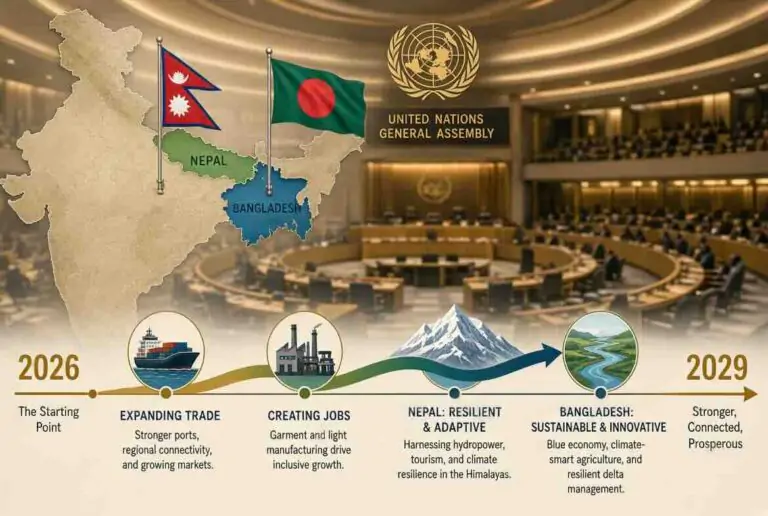
    UN Extends LDC Graduation Deadline for Nepal and Bangladesh to 2029

    Nepal and Bangladesh secure three more years of preferential trade and development support as the UN grants an exceptional extension amid global economic headwinds and domestic challenges.

    The United Nations General Assembly, on Thursday, unanimously extended the preparatory period for Nepal and Bangladesh’s graduation from the Least Developed Countries (LDC) category until 24 November 2029. The decision, adopted without a vote during the 81st session in New York, gives both countries three additional years beyond the previous November 2026 deadline to strengthen their economies before losing key international support measures.

    This marks a significant moment for South Asia, a region that has seen uneven progress out of the LDC category. While Bhutan graduated in December 2023 and Maldives did so in 2011, Nepal and Bangladesh now join a small group of nations granted extra time to prepare for the transition. 

    South Asia’s Mixed Record on Leaving the LDC Club

    South Asia’s journey with the LDC category reflects the region’s diversity. India and Pakistan were never classified as least developed countries, having built higher average incomes earlier. Sri Lanka similarly avoided LDC status. Maldives, once listed, graduated in 2011 after tourism-driven growth lifted it past the thresholds. Bhutan followed in 2023, becoming the seventh country worldwide to exit the category, guided by its Gross National Happiness framework and close economic ties with India that cushioned the loss of preferences.

    Nepal has been an LDC since 1971 and Bangladesh since 1975. Both met the graduation criteria – gross national income per capita, human assets index, and economic and environmental vulnerability index – in successive triennial reviews. The UN originally set a five-year preparatory period (instead of the usual three) because of COVID-19 disruptions, targeting November 2026. Global supply chain shocks, geopolitical tensions, climate risks, and, in Bangladesh’s case, recent political transitions prompted formal requests for more time.

    What the Extension Means for Trade and Aid

    Graduation ends preferential treatment under schemes such as the European Union’s Everything But Arms initiative, which grants duty-free and quota-free access for LDC exports. Bangladesh, whose ready-made garments dominate exports and utilise a large share of global LDC trade preferences, faces particular exposure. Studies have warned of potential export losses running into billions of dollars annually without alternative market access. Nepal’s apparel, carpets and other light manufactures could also face higher tariffs and stricter rules of origin.

    The extra three years allow both governments to implement Smooth Transition Strategies focused on productive capacity, institutional reforms, export diversification and resilience. Nepal plans to accelerate structural reforms, strengthen institutions and advance the 2030 Agenda and Doha Programme of Action. Bangladesh has outlined banking clean-ups, tax reforms and trade negotiations, including with the EU, to cushion the eventual shift.

    Development partners, including the Group of 77 and China, backed the extension. Some developed countries stressed that the additional time must produce measurable progress rather than delay inevitable adjustments.

    Regional Implications and Neighbours’ Experiences

    The decision underscores how South Asian economies remain interconnected. India, as the region’s largest economy and a major trading partner for both Nepal and Bangladesh, plays a key role through bilateral arrangements and regional forums. Bhutan’s relatively smooth post-graduation path benefited from its India-centric trade, which is governed by bilateral agreements rather than LDC-specific preferences. Maldives, more than a decade after graduation, continues to navigate tourism dependence and climate vulnerability – lessons relevant for its neighbours.

    Pakistan and Sri Lanka, though never LDCs, face their own macroeconomic pressures that illustrate the broader challenges of building resilience in the region. Regional mechanisms such as the South Asian Free Trade Area and discussions around extending preferential treatment under SAARC arrangements could help graduating countries retain some market access.

    Challenges That Prompted the Deferment

    Nepal cited economic vulnerabilities, geopolitical uncertainties, supply-chain disruptions and risks to remittances and tourism. Bangladesh pointed to overlapping global shocks, domestic economic strains and the complexity of its recent political transition. Although the UN Committee for Development Policy does not normally treat domestic political changes as grounds for extension, the specific circumstances were noted.

    Both countries continue to meet or exceed the graduation thresholds. The extension is therefore not a reversal of progress but a recognition that meeting statistical criteria does not automatically equate to structural readiness. Climate risks, limited export diversification and institutional gaps remain real constraints.

    Making the Extra Years Count

    The coming period will test whether Nepal and Bangladesh can convert extra time into lasting competitiveness – successful transitions elsewhere show that outcomes depend less on the mechanical loss of preferences and more on underlying economic structures, diversification and continued international partnerships. Bhutan’s experience suggests that strong bilateral ties and national planning can mitigate shocks. Maldives highlights the importance of managing sector-specific risks such as tourism or fisheries.

    The extension is a reminder that development pathways in South Asia are rarely linear. While India, Pakistan and Sri Lanka operate outside the LDC framework, the region as a whole continues to grapple with shared challenges of climate vulnerability, youth employment and inclusive growth. Nepal and Bangladesh’s extra three years offer a window to deepen reforms, negotiate alternative trade arrangements and strengthen resilience.
    Secret Australian Inquiry Exposes SAS Command Failures and Toxic Culture in Afghanistan War

    A long-suppressed military report has revealed inverted command structures, ignored warning signs and a “bikie gang” culture that enabled alleged war crimes by Australia’s elite special forces.

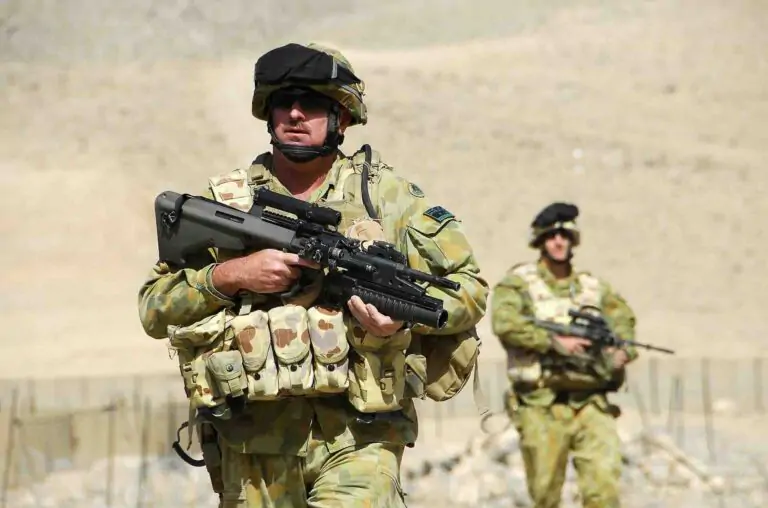
    A previously secret Australian Defence Force inquiry has delivered a scathing assessment of the culture and command within the Special Air Service Regiment (SASR) during the war in Afghanistan, finding that an “inversion of authority,” systemic arrogance and leadership failures at multiple levels created conditions in which alleged war crimes could flourish.

    The executive summary of the Inspector-General of the Australian Defence Force (IGADF) inquiry into the cultural context of special operations command, completed in 2022 but only released this week on the Australian Broadcasting Corporation’s website, describes a breakdown of military discipline that allowed “egregious behaviour.” It was commissioned after the 2020 Brereton Inquiry found credible evidence that Australian special forces personnel unlawfully killed 39 Afghan civilians and prisoners.

    The findings illuminate how prolonged counter-insurgency operations can erode professional standards even in highly trained forces, raising questions about accountability that resonate beyond Australia’s borders, including in parallel British inquiries into special forces conduct in Afghanistan.

    Chain of Command Turned Upside Down

    The report found that the traditional hierarchy within the SAS effectively collapsed. Junior officers became “effectively subservient” to non-commissioned officers who normally reported to them, resulting in what the inquiry termed “learned helplessness” among the officers.

    Patrol commanders, typically sergeants leading small teams of four to six soldiers, assumed de facto control of operations. Officers prioritised “mateship” over leadership and, when they attempted to reassert authority, faced networks of non-commissioned officers who undermined them. The SAS was described by some as akin to a “bikie gang,” characterised by a closed, homogeneous culture intolerant of outsiders.

    Senior officers knowingly permitted alcohol consumption in a dedicated drinking establishment at Camp Russell, the special forces base in Afghanistan, despite clear orders prohibiting it in an Islamic country. This tolerance of overt non-compliance, the report stated, “sent a powerful signal.”

    Warning Signs Ignored at Higher Levels

    Higher headquarters received tangible data showing unusual patterns: rising numbers of enemy killed in action, almost no wounded insurgents, and few Australian casualties. By historical standards, these statistics were “most unusual.” Some commanders noted the data and accompanying rumours; others did not, suggesting what the inquiry called an “abandonment of curiosity.”

    Rumours of misconduct, including the use of “throwdowns” – planting weapons on dead Afghan civilians to falsely portray them as combatants – circulated widely. Officers with actual knowledge of such practices, or of fraudulent reporting, failed to investigate or stop them. The report concluded it was “extraordinary that no effective action was taken given the gravity of the matters.”

    The inquiry identified an “absence of effective leadership at various levels.” Signs of decline were evident, yet no meaningful intervention occurred. Extreme limitations in the upward flow of information from SAS units further insulated senior commanders, though the report criticised them for not probing more actively into the alarming trends that did reach them.

    Arrogance, Awards and Over-Deployment

    A pervasive belief took hold among some operators that they were “exceptional” and therefore exempt from ordinary norms and standards. The report traced this partly to government and Special Operations Command messaging that framed the SAS as “superior” rather than merely specialist. An “unhealthy imitation” of United States special forces units and a sense of being “untouchable” compounded the problem.

    Operational decisions were sometimes driven by a desire for awards and recognition. Soldiers sought situations likely to produce significant contacts or took excessive risks for personal acclaim rather than mission effectiveness. The inquiry also criticised the broader over-deployment of special forces across successive rotations, which intensified cultural pressures.

    Leadership Response and Ongoing Accountability

    Chief of the Defence Force Admiral Mark Hammond told a Senate estimates hearing that the conduct was “completely unacceptable” and “utterly unaligned with the expectations we have of our personnel.” He confirmed Defence had completed its response to the inquiry and ruled out further action against senior commanders.

    Former SAS captain and current Liberal MP Andrew Hastie, who served during the period, welcomed the partial release. “I lived a lot of what I read in that report,” he said. The findings, he noted, spread responsibility throughout the chain of command rather than focusing solely on individuals.

    Two former SAS soldiers face war-crimes charges. Victoria Cross recipient Ben Roberts-Smith has been charged with murder and intends to contest the case. Oliver Schulz also faces charges and is contesting them; his lawyers have indicated he may argue he was operating under orders. The Office of the Special Investigator continues related work stemming from the original Brereton findings.

    International Context and Lessons

    The Australian findings arrive as Britain’s Independent Inquiry relating to Afghanistan examines allegations that UK special forces unlawfully killed civilians and detainees during night raids between 2010 and 2013. That inquiry has heard evidence of possible serious offences referred to military police and has faced criticism over delays and document disclosure.

    The report underscores persistent questions about accountability for civilian harm. Related reporting on the region has highlighted ongoing challenges in post-conflict justice and the human costs of prolonged international military engagement.

    Cultural reform efforts within the Australian SAS were already under way when the inquiry concluded, and the report noted those steps positively. Yet the delayed public release of even a summary – after repeated Freedom of Information refusals and political decisions to keep the document secret – has fuelled debate about transparency in military institutions.

    Image: Wikipedia

    Cyclone Arnab Batters India’s East Coast, Leaving Trail of Floods and Crop Devastation

    Very Severe Cyclonic Storm Arnab makes landfall in Andhra Pradesh, killing several people, inundating farmland and triggering floods as it weakens and moves northward through eastern India.

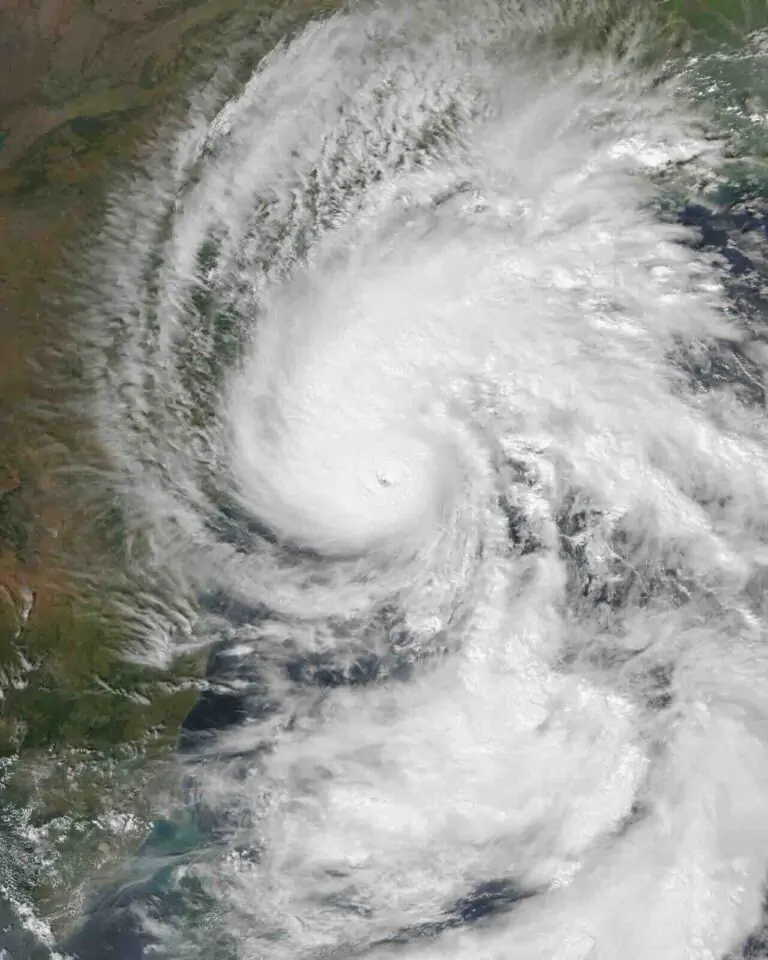
    Cyclone Arnab, the first named storm of the 2026 North Indian Ocean cyclone season, slammed into India’s eastern seaboard on 28 October, packing destructive winds and dumping torrential rain across coastal Andhra Pradesh and neighbouring Odisha. The system, which formed in the Bay of Bengal only days earlier, intensified rapidly before crossing the coast near Narasapuram in West Godavari district and the Yanam enclave, between Bapatla and Visakhapatnam.

    The Bay of Bengal is one of the world’s most active cyclone basins. Warm tropical waters routinely fuel storms that threaten densely populated coastal regions of India, Bangladesh and Myanmar. Arnab’s arrival underscores how these systems can still deliver significant disruption even as early-warning systems and mass evacuations have dramatically reduced death tolls compared with the catastrophic storms of previous decades.

    Rapid Intensification Over Warm Waters

    Arnab began as a low-pressure area over the eastern Bay of Bengal around 24 October. Favourable conditions, including sea surface temperatures around 30°C and moderate wind shear, allowed it to organise quickly. It strengthened into a cyclonic storm, then a severe cyclonic storm, and finally a very severe cyclonic storm within roughly 48 hours.

    The India Meteorological Department (IMD) recorded peak sustained winds of 125–135 km/h with gusts reaching 150 km/h at landfall. Independent assessments from the Joint Typhoon Warning Center placed one-minute sustained winds higher, equivalent to a Category 4 tropical cyclone on the Saffir-Simpson scale. Meteorologists pointed to unusually warm ocean waters and the possible influence of El Niño conditions as factors that helped fuel the storm’s rapid intensification.

    The name “Arnab,” contributed by Bangladesh to the regional naming list maintained by the World Meteorological Organization and ESCAP Panel on Tropical Cyclones, means “sea” or “ocean” in Bengali and is pronounced “Ornab.” The list of 52 names from 13 countries is used sequentially for storms in the Bay of Bengal and Arabian Sea.

    Landfall and Immediate Destruction in Andhra Pradesh

    Landfall occurred in the early hours of 28 October. The storm maintained much of its intensity as it crossed the coast, uprooting hundreds of trees, snapping electricity poles and disrupting power supplies across coastal districts. Heavy rainfall was extreme: Visakhapatnam recorded 315 mm by mid-morning, with Vizianagaram, Anakapalli and Srikakulam also seeing more than 250 mm in places.

    Northern coastal districts bore the brunt. Officials reported more than 325,000 hectares of agricultural crops inundated, including paddy, maize, pulses, groundnut and horticultural produce such as banana and coconut. At least 180 houses were damaged. Casualties in Andhra Pradesh ranged from three to seven or more in various official tallies, with deaths attributed to falling trees, electrocution from downed power lines, wall collapses and other storm-related incidents.

    More than 180,000 people were evacuated from vulnerable low-lying areas in Andhra Pradesh and Odisha in the days before landfall. Tens of thousands were housed in relief camps. Rail services on dozens of routes were cancelled or disrupted by submerged tracks and flooded bridges, while flights at several airports, including Visakhapatnam and Vijayawada, were suspended.

    Flooding Spreads to Odisha and Beyond

    As Arnab moved inland and weakened first into a severe cyclonic storm and then a deep depression, its rain bands continued to dump heavy precipitation. Southern Odisha faced serious flooding. Authorities reported around 2,000 people stranded in Ganjam and Gajapati districts, with roughly 300 villages cut off. Plans were made to airlift residents from the worst-hit pockets.

    The system tracked northward toward Chhattisgarh, Jharkhand and parts of West Bengal, Bihar and eastern Uttar Pradesh, prompting heavy rainfall alerts. Schools were closed in several districts as a precaution. Effects reached as far as Nepal, where authorities urged trekkers to suspend high-altitude activities amid risks of heavy rain, snowfall and avalanches.

    Storm surge of 1 to 1.5 metres affected low-lying coastal stretches, with impacts felt as far south as northern Tamil Nadu.

    Preparedness and Response

    India’s disaster management machinery swung into action early. National Disaster Response Force teams were deployed, fishing boats were ordered back to harbour, and large-scale evacuations took place. Andhra Pradesh Chief Minister N. Chandrababu Naidu wrote to the central government seeking assessment of crop and infrastructure damage. Neighbouring Telangana offered support for restoration works.

    The relatively low death toll compared with historical cyclones of similar intensity reflects two decades of investment in early warning, cyclone shelters and community preparedness, particularly in Odisha, which still marks the anniversary of the deadly 1999 super cyclone that killed nearly 10,000 people. Zero cyclone deaths has become a stated benchmark for the state.

    Broader Climate Context

    Arnab’s rapid strengthening has renewed discussion about the role of warmer oceans in cyclone behaviour. Scientists note that rising sea surface temperatures provide more energy for storms, increasing the likelihood of rapid intensification and heavier rainfall. While natural climate variability such as El Niño plays a role, the background warming linked to climate change adds to the heat available to these systems.

    For a region home to hundreds of millions of people living along low-lying coasts and dependent on agriculture, the economic and human costs remain substantial even when loss of life is contained. Crop losses on the scale seen in Andhra Pradesh threaten rural livelihoods and food security in the months ahead.

    As the remnant circulation continues to weaken and dissipate over inland areas, the focus has shifted to rescue, relief and assessment of damage. Floodwaters in parts of Odisha are expected to recede slowly, prolonging the recovery phase. Authorities continue to monitor residual rainfall and river levels while restoring power and transport links.

    Image: Wikipedia

    Bangladesh: Chandpur Fishers End Hilsa Ban in Debt, Urge Cash Support Beyond Rice Aid

    Fishers in Bangladesh’s Chandpur district return to the Meghna after a 22-day ban on hilsa fishing, but mounting debts highlight the limits of rice-only relief and the need for broader livelihood support.

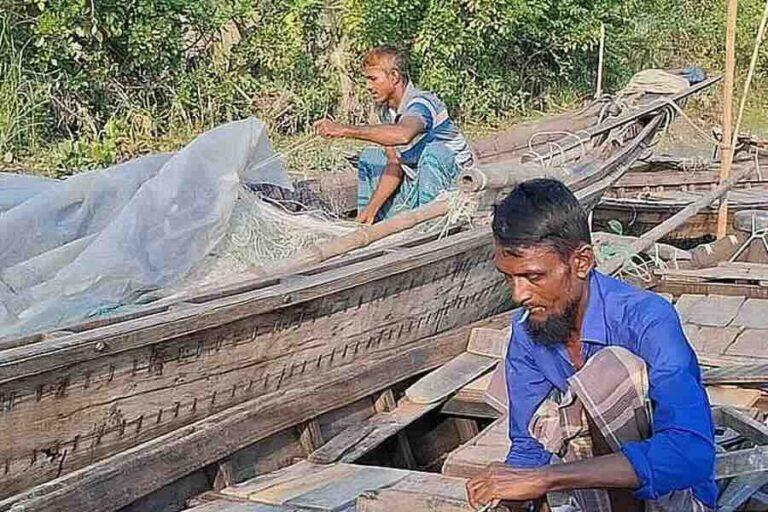
    Fishers along the Meghna River in Chandpur, a key hub for Bangladesh’s prized hilsa, are preparing their boats and nets once more. The 22-day government ban on fishing, imposed from 8 to 29 October 2026 to protect breeding mother hilsa, has ended. For thousands of families, the enforced break brought welcome protection for the national fish but also acute financial strain.

    Around 42,000 fishers in the district received 25 kilograms of rice each under the Vulnerable Group Feeding programme. While the aid helped stave off hunger, it proved insufficient for other essentials – children’s education, healthcare, and daily household costs. Many borrowed from local moneylenders or relatives simply to get by. Now, as they return to the water, they face the dual pressure of repaying those debts while hoping for better catches after a season of declining national production.

    Rice Relief Eases Hunger but Leaves Gaps

    The ban covered a 70-kilometre stretch of the Meghna in Chandpur, one of the country’s primary hilsa breeding grounds. Nationwide, nearly 650,000 fishing families across 38 districts received the same 25 kg rice allocation. In Chandpur Sadar and Haimchar upazilas, fishers acknowledge the rice was useful but say it could not cover everything.

    “With fishing shut for 22 days, my source of income was suspended too. I am drowning in debt trying to feed my family. I got rice from the government, but rice alone doesn’t keep a household running,” said Md Harun, a fisherman from Charbhairabi in Haimchar.

    Bachchu, a fisherman from Harina in Sadar upazila, echoed the frustration. “These 22 days have been very hard for my family. Rice alone isn’t enough. I have to pay for my children’s education, medical bills and many other costs. We had to live on borrowed money. The debt we built up must now be repaid from the income I earn from selling fish.”

    Mizanur Rahman and Faruk Ahmed from Laxhmipur in Sadar upazila made a similar point: cash alongside rice would have made a significant difference, as rice cannot meet all family expenses.

    Strict Enforcement and the Human Cost

    Authorities enforced the ban rigorously. Chandpur River Police reported that more than 300 fishers were detained, jailed or fined. Boats, nets and fish were seized during drives. Mobile courts sentenced dozens to short prison terms, and illegal current nets – often measuring tens of thousands of metres – were destroyed.

    Officials view the measures as essential. Mirza Omar Faruk, Senior Fisheries Officer of Chandpur Sadar upazila, noted that the drive allowed mother hilsa to spawn undisturbed. He stressed that similar enforcement during the jatka (juvenile hilsa) protection period from November to June, and the March-April sanctuary bans, is equally critical if production is to recover. He expressed hope that output could eventually reach 600,000 tonnes with sustained efforts.

    Yet local fishers argue that without better livelihood support, the human cost of conservation risks undermining compliance in future seasons.

    National Context of Declining Hilsa Stocks

    The ban comes against a backdrop of worrying trends. Bangladesh accounts for the majority of the world’s hilsa catch, yet production has fallen for consecutive years. After peaking near 571,000 tonnes in 2022-23, output dropped to around 529,000 tonnes the following year and further to approximately 500,000 tonnes in 2024-25. Experts point to overfishing, illegal fine-mesh nets, river siltation, industrial pollution and climate-related changes in water flow and temperature.

    The decline has broader implications. Hilsa remains a cultural icon and a major source of protein and income for hundreds of thousands of people. Falling domestic supply has even reversed traditional trade patterns in some years, with reports of Indian hilsa – particularly from Gujarat’s Narmada river system – moving into Bangladeshi markets.

    Government task forces and the Coast Guard intensified patrols during the ban, while ministers issued directives to district officials emphasising zero tolerance for violations. Still, fishers across several districts complained of delayed or incomplete rice distribution, and many unregistered or card-less fishers received nothing.

    Calls for Cash Aid and Alternative Support

    Fishers in Chandpur are clear about what they need for future bans: cash assistance alongside rice. Suggestions include direct mobile transfers of a few thousand taka per family to cover non-food costs without leakage. Some also call for temporary alternative work schemes or expanded support packages that include other staples.

    Local officials say there is currently no budget allocation for cash aid, though the demand has been forwarded to higher authorities. In previous seasons, some areas experimented with enhanced packages including flour, lentils, oil and potatoes alongside rice, but the core 22-day mother hilsa ban has remained focused on the 25 kg rice allocation.

    Balancing Conservation and Livelihoods

    Conservation of hilsa is widely recognised as necessary. The species is anadromous, migrating between sea and rivers to spawn, and its stocks respond quickly to protection of breeding adults and juveniles. Past enforcement of bans contributed to the long rise in production from under 300,000 tonnes in the mid-2000s to the recent peak.

    The challenge is ensuring that the burden of short-term sacrifice does not fall disproportionately on the poorest fishers. Debt cycles can push some towards illegal fishing even during bans, or force families into deeper poverty. International experience with seasonal fishing closures elsewhere in Asia and beyond shows that well-designed compensation – combining food, cash and alternative income options – improves both compliance and equity.

    Nepal Off Track to End Child Marriage by 2030 Despite Decade of Progress, UNICEF Warns

    UNICEF says that the poorest girls are left behind. The organisation says that child marriage rates have  fallen overall, but inequalities have widened, with climate shocks adding fresh risks four years from the global deadline.

    Nepal has cut child marriage significantly over the past decade, yet remains off course to eliminate the practice by 2030 as required under Sustainable Development Goal Target 5.3, according to a new UNICEF advocacy brief released this week. The report, Ending Child Marriage in Nepal: A Decade of Data and a Call to Action, draws on successive rounds of the Nepal Multiple Indicator Cluster Survey and shows both real gains and stubborn gaps that leave the most vulnerable girls exposed.

    The share of women aged 20–24 who were married before 18 dropped from 37 per cent in 2014 to 28 per cent in 2024–25. Marriage before age 15 halved from 10 per cent to 5 per cent over the same period. The median age at first marriage has risen from 17 years in 2001 to 19.6 years in the latest survey. These figures continue a longer-term decline from more than 50 per cent in the early 1990s.

    Progress Real but Too Slow and Uneven

    UNICEF Representative to Nepal, Alice Akunga, described the advances as measurable and meaningful. “These findings show that change is possible and that Nepal has made important progress in reducing child marriage,” she said. “But progress is not happening quickly enough, and it is not reaching all girls equally.”

    The national numbers mask a widening equity gap. Girls from the poorest households are now 4.4 times more likely to marry before 18 than those from the richest households. Rates among the poorest quintile have barely shifted in recent years, while wealthier families have recorded steeper declines. In 2019 a girl from the poorest household was about 2.5 times more likely to marry early than one from the richest; that ratio has since grown. Caste, ethnicity and geography further compound risk for many marginalised communities.

    Education Remains the Strongest Shield

    Education emerges as one of the most powerful protective factors. Girls who complete secondary schooling face substantially lower odds of early marriage. Yet poverty and distance from schools continue to push the most vulnerable out of education before they reach adolescence. Programmes such as Rupantaran, which builds life skills, confidence and knowledge of rights among adolescents, have helped some girls stay in school and resist pressure to marry. Keeping girls in classrooms through secondary level is repeatedly identified as a priority investment.

    Climate Shocks Intensify Existing Risks

    The brief also flags climate-related disasters as an emerging threat multiplier. Recent floods that devastated parts of Nepal disrupted schooling, eroded household incomes and heightened protection risks. Displacement, loss of livelihoods and weakened community safeguards can push families towards early marriage as a coping mechanism. Similar patterns have been documented after earlier shocks, including the 2015 earthquakes. Humanitarian agencies have warned that girls in flood-affected districts face elevated risks of trafficking, violence and child marriage in the months after disaster.

    Legal Framework Strong but Implementation Gaps Persist

    Nepal’s legal age of marriage is 20 for both women and men, higher than the international standard of 18. The country has endorsed a revised National Strategy to End Child Marriage and has seen provincial and local governments adopt their own plans. Yet enforcement remains inconsistent, social norms in some communities continue to favour early marriage, and the practice is still under-reported. Boys are also affected, though at lower rates; roughly one in ten young men was married in childhood according to earlier data.

    Call for Targeted Action and Greater Investment

    With only four years left until the 2030 deadline, UNICEF is urging accelerated, equity-focused efforts. Recommendations include targeted support for girls from the poorest households, measures to keep adolescent girls in school, stronger child protection systems, sustained work against harmful social norms, and increased investment in programmes that empower girls and support families economically. Ending child marriage is framed not only as a rights issue but as a smart investment in human capital, maternal and child health, and long-term economic growth.

    The practice still affects millions. Earlier estimates put the number of girls and women in Nepal who were married before 18 at more than five million. While prevalence has fallen, absolute numbers remain high because of population growth. South Asia as a region has recorded some of the world’s fastest declines in child marriage, yet most countries, including Nepal, still need to accelerate progress substantially to reach elimination by 2030.

    The drivers are familiar: poverty, gender inequality, limited education access and, increasingly, climate vulnerability. Nepal’s experience illustrates both what is possible when policies, education and community programmes align, and how easily gains can bypass those who need them most. The data make clear that business-as-usual will leave too many girls behind and that accelerated, targeted action is required if the country is to honour its commitment and give every girl the chance to finish school, delay marriage and shape her own future.

    Image: Grok

    Focus keyphrase: Nepal child marriage UNICEF 2030

    Tags: Nepal, child marriage, UNICEF, SDG 5.3, girls education, poverty inequality, climate disasters, South Asia, gender equality, child protection,

    Afghan Male University Enrolment Plunges One-Third as Women Vanish from Higher Education

    A new UNICEF-UNESCO report reveals Afghanistan’s higher education system is collapsing for both men and women, with female students wiped out and male participation falling sharply amid Taliban restrictions and economic strain.

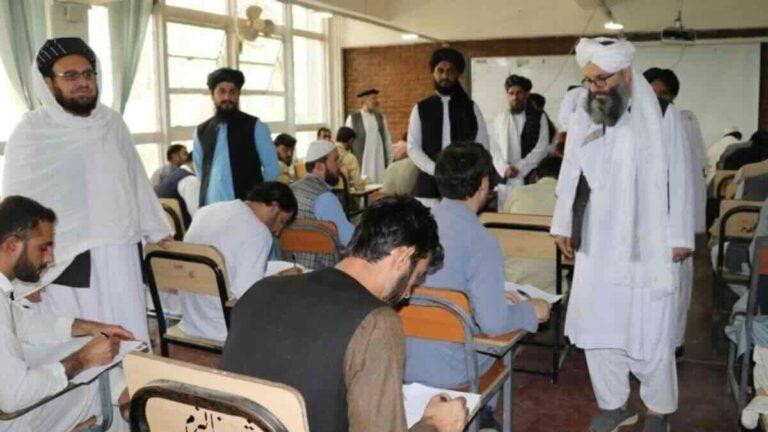
    Afghanistan’s higher education system is undergoing a profound contraction that extends far beyond the Taliban’s well-documented ban on women. According to the Afghanistan Education Situation Report 2026, jointly released by UNICEF and UNESCO, the number of male university students has fallen by roughly one-third since 2019, while women have been entirely erased from formal tertiary education.

    About 208,000 male students were enrolled in higher education in 2026, down from an estimated 306,000 in 2019. Female enrolment, which stood at around 119,000 in 2019, dropped to 89,000 in 2022, approached zero in 2023 and has remained at zero from 2024 onwards. The figures underscore that the crisis is not limited to the exclusion of half the population; it is hollowing out the entire system.

    Women have been barred from universities since December 2022. UNICEF and UNESCO warn that this exclusion carries consequences far beyond campus gates. Higher education supplies the qualifications needed for professions in healthcare, education and academia. UNESCO estimates that if the suspension of women’s access continues, the cumulative economic loss to Afghanistan could reach about $9.6 billion by 2066.

    University Teaching Workforce Shrinks Dramatically

    The report documents a parallel collapse in the university teaching workforce. The number of professors and lecturers fell from about 18,900 in 2019 to 12,700 in 2025 – roughly, a one-third decline. The drop was especially severe among women. Afghanistan had about 2,600 female university professors and lecturers in 2019. That figure fell to around 1,100 in 2023, 800 in 2024 and just over 100 in 2025. Male academic staff numbers also declined, though less sharply.

    UNICEF and UNESCO note that the near-disappearance of female academics has reduced university expertise and mentorship while weakening the pool of professionals that would be needed if women were ever allowed to return. The number of higher education institutions has remained relatively stable – rising slightly to 170 in 2024 after a dip – but this masks severe financial pressure, particularly on private universities that lost significant tuition revenue after female students were excluded. In August 2026, the Taliban-run Higher Education Ministry suspended seven private institutions for one year and revoked the licences of two others.

    Entrance Exam Pipeline Narrows

    The contraction is visible at the entry point. About 118,000 people sat the Kankor university entrance examination in 2026, compared with 210,000 in 2020. No female participation has been reported since 2023. Although the number of successful candidates rose to about 75,000 in 2026 from lower figures in previous years, the overall pool remains smaller than the roughly 81,000 who qualified in 2020. The qualification rate jumped to 63 per cent in 2026 from 39 per cent in 2020, suggesting admission has become less competitive as fewer young people pursue higher education.

    The shrinking pipeline begins earlier. Boys’ enrolment in Grades 10 through 12 fell from about 750,000 in 2023 to 660,000 in 2025. The male gross enrolment ratio at upper-secondary level dropped from 48.5 per cent in 2023 to 40 per cent in 2025. Girls remain entirely excluded from formal secondary education beyond Grade 6. UNICEF estimates that more than 2.6 million girls have been denied secondary education since restrictions were imposed in 2021.

    Curriculum Overhauled and Islamic Education Expands

    Higher education has also undergone significant curriculum changes. In 2025, public and private universities were instructed to remove 679 books and learning materials and discontinue 18 academic subjects, including those related to human rights, democracy, gender, governance and other social sciences. More than 200 additional subjects were retained pending revision. UNICEF and UNESCO say the changes raise concerns about the breadth of academic education, particularly in the humanities, law and social sciences.

    At the same time, Islamic education has expanded dramatically. The number of Islamic education institutions rose from 1,127 in 2019 to about 20,700 in 2025. Those institutions reported roughly 2.46 million students and 84,000 teachers in 2025, with girls accounting for about 29 per cent of enrolment. The agencies caution that limited independent verification makes it difficult to assess quality and learning outcomes.

    Vocational Training Becomes Male Domain

    Similar gender disparities appear in technical and vocational education and training (TVET). Formal TVET enrolment stood at about 58,000 students in 2025, down 8 per cent from 2019. Male enrolment rose while female participation disappeared, leaving about 15,000 male graduates in 2025. Formal vocational education has effectively become a pathway for male students only, while women and adolescent girls increasingly rely on non-formal programmes.

    Learning Crisis Starts Early and Funding Falls Short

    Problems begin in primary school. A 2025 national assessment of more than 55,000 Grade 4 students found that only 43.5 per cent had reached minimum proficiency in language and just 25.4 per cent in mathematics. An estimated 53 per cent of primary-school-age children, 67 per cent of lower-secondary-age adolescents and 79 per cent of upper-secondary-age youth are outside formal general education. About half of schools lack buildings large enough to accommodate all classes.

    Community-based education, once a critical alternative for remote areas and girls, has contracted sharply from nearly one million students in 2023 to about 162,000 by October 2026. Meanwhile, external financing for education has plummeted. The sector faces a cumulative gap of about $324 million for 2026 and 2027.

    UNICEF and UNESCO acknowledge that Afghanistan’s education system retains substantial capacity and strong public demand for learning. Yet they warn that restrictions, declining participation, weak learning outcomes and shrinking financing are narrowing the pathway from primary school through secondary education, university, skills development and employment. 

    The report presents a stark picture of a generation of both young men and women whose opportunities are being systematically constrained, with long-term consequences for Afghanistan’s economic and social recovery.

    Middle East Conflict Imperils Bangladesh’s Vital Remittance Flows

    Thousands of Bangladeshi workers face delayed departures to Saudi Arabia amid escalating Houthi attacks, threatening a key economic pillar that supports millions of families and stabilises the nation’s external accounts.

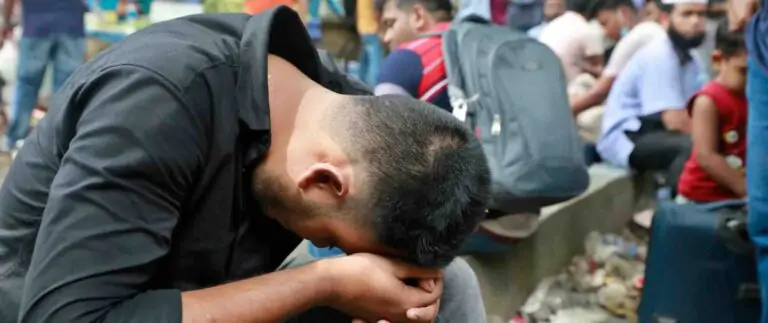
    Thousands of Bangladeshi migrant workers remain stranded or delayed in joining jobs in Saudi Arabia as intensified Houthi attacks disrupt travel and raise security concerns this month. The developments have renewed warnings about the vulnerability of Bangladesh’s remittance-dependent economy, one of the most significant in South Asia, to geopolitical shocks in the Gulf.

    Bangladesh ranks as the world’s sixth-largest migrant-sending country, with more than 11 million of its citizens working abroad, according to the International Organisation for Migration. Up to 74 per cent of them are semi-skilled or low-skilled labourers, primarily employed in construction, domestic work and services across the Middle East. An estimated eight million Bangladeshis live and work in the region, making it the dominant source of overseas employment and foreign exchange.

    In 2025, the country received a record US$32.82 billion in formal remittances. Saudi Arabia has long been the largest single source, contributing billions annually and hosting several million workers. Gulf Cooperation Council countries together account for roughly half of total inflows in recent years. These funds support household consumption, education, health and housing for millions of families while bolstering foreign exchange reserves and the balance of payments.

    Heavy Reliance Creates Structural Vulnerability

    Migration experts and economists stress that such concentration leaves Bangladesh exposed. Professor Tasneem Siddiqui, Executive Director of the Refugee and Migratory Movements Research Unit, noted that remittances form one of the main pillars of the economy. “We suggest that overseas employment should focus on 10-12 countries and regions so that the country will not have to be heavily dependent on a single country or region,” she told local media.

    Past disruptions, including earlier conflicts and the COVID-19 pandemic, were followed by recovery in outflows once conditions stabilised. Yet Siddiqui and others warn that the current pattern of recurring instability signals longer-term risks. “This market will shrink and we will certainly fall in crisis” in the next decade without diversification, she cautioned.

    Former World Bank chief economist for Dhaka Zahid Hussain observed that prolonged conflict would affect both remittance volumes and new migration. Director General of the Bangladesh Institute of Development Studies Professor A.K. Enamul Haque assessed that workers already in the region are unlikely to return en masse unless the fighting becomes far more widespread and prolonged.

    Broader Economic Channels of Risk

    The threat extends beyond remittances. A United Nations Development Programme analysis identified three main transmission channels through which Middle East conflict worsens Bangladesh’s fragile economy: energy supply disruptions, fertiliser shortages and remittance risks. Higher energy and food prices, combined with potential job losses among migrants, disproportionately affect vulnerable households and could push additional people into poverty.

    The Asian Development Bank has similarly flagged that South Asian economies, including Bangladesh, face lower remittances if labour demand weakens and migrant incomes are squeezed. Nearly half of Bangladesh’s annual remittances have historically come from the Middle East, and Gulf destinations absorbed the large majority of new workers in recent fiscal years.

    Flight cancellations earlier in 2026 already delayed tens of thousands of departures. Emigration clearances dropped sharply in the initial months of heightened tension. While overall remittance receipts have remained relatively resilient so far – supported by existing stocks of workers – growth has slowed in some recent months, and future inflows depend on sustained employment and new recruitment.

    Government Push for Diversification and Skills

    Officials acknowledge the immediate risks while emphasising longer-term strategies. State Minister for Foreign Affairs Shama Obaed Islam has stated that job losses and returns among workers in the Middle East could affect inflows, yet expressed confidence that new markets can be opened through coordinated efforts by the foreign affairs and expatriates’ welfare ministries.

    The Ministry of Expatriates’ Welfare and Overseas Employment is pursuing concrete measures. With support from the International Labour Organisation, it plans to send 3,000 skilled workers to Italy by 2027 and has already trained 700 people for legal overseas employment. A project aims to establish 50 additional training centres nationwide by 2028, expanding an existing network of 110 centres. A recycling training facility has been set up in Chattogram with South Korean assistance, and Australian officials have discussed recruitment in caregiving, nursing, electronic engineering and construction.

    Joint Secretary Salahuddin Ahammad highlighted efforts to improve certification, language training (including Arabic) and financial literacy so that more remittances flow through formal channels. The government is also exploring opportunities in Asia-Pacific and European destinations and seeking to regularise the status of undocumented workers already in the Gulf.

    Lessons from Past Diversification Attempts

    Earlier efforts to open new markets have met mixed results. Attempts to place workers in Romania saw many move irregularly to other European Union countries, damaging Bangladesh’s reputation and allowing competitors such as Nepal to gain ground. Experts stress the need to prioritise semi-skilled and vocational pathways in the near term while building higher-skill capacity, and to expand remote work and freelancing opportunities that generate remittances without physical relocation.

    The International Labour Organisation has long examined the costs, uses and governance of Bangladeshi remittances, highlighting both the poverty-reducing effects at household level and the risks of high recruitment fees, debt and vulnerability under systems such as kafala in Gulf states. Strengthening skills recognition, bilateral agreements and recruitment oversight remains central to making migration more beneficial and resilient.

    International Stakes and the Path Ahead

    Bangladesh’s situation illustrates the double-edged nature of labour migration for lower-middle-income countries. Remittances have repeatedly proved more stable than many other capital flows and have helped the country navigate balance-of-payments pressures. Yet extreme geographic concentration converts distant conflicts into domestic economic shocks that affect food security, inflation and employment at home.

    Sustainable responses require simultaneous progress on several fronts: accelerating skills development aligned with emerging demand in Europe, East Asia and elsewhere; expanding formal financial inclusion so remittances support productive investment; and strengthening social protection for returning workers and households that lose income. Macroeconomic buffers, energy diversification and targeted support for vulnerable groups, as recommended by the UNDP, form complementary priorities.

    As Houthi attacks continue to disrupt air links and heighten uncertainty around Saudi Arabia – the single most important destination – the coming months will test how quickly Bangladesh can reduce its exposure.

    Sri Lanka Delays Critical Household Survey as Post-Crisis Poverty Data Remains Elusive

    Sri Lanka’s Department of Census and Statistics has postponed the 2025 Household Income and Expenditure Survey report until December 2026, citing data-cleaning challenges and staff shortages, leaving policymakers without updated measures of poverty and living standards four years after the island’s sovereign default.

    Sri Lanka’s Parliament has confirmed a two-month delay in the release of the country’s most important post-crisis socio-economic survey, raising fresh questions about the reliability of official data used to design welfare programmes and the national budget.

    The Household Income and Expenditure Survey (HIES) for 2025, the first comprehensive household-level assessment conducted since the 2019 round and the devastating 2022 economic collapse, was originally scheduled for this money. Officials from the Department of Census and Statistics (DCS) told the Committee on Public Finance that complexities in data cleaning, delays in computerisation, cadre vacancies and competing work on the Economic Survey have pushed publication to December 2026.

    The survey covered 25,000 households across the island over a full 12-month period. Data cleaning, verification and analysis remain under way. Parliament emphasised the need for timely publication so that changes in economic and social conditions can be identified accurately, and called for an updated consumer basket to calculate the poverty line that better reflects contemporary living costs.

    Why the Delay Matters

    For donors and investors tracking Sri Lanka’s recovery under its International Monetary Fund programme, the HIES is more than a technical report. It is the primary source for measuring poverty, income distribution, household expenditure patterns and the effectiveness of social safety nets such as the Aswesuma welfare scheme. Without it, claims about the depth and breadth of recovery rest on incomplete or outdated foundations.

    The last full HIES dates from 2019, before the COVID-19 pandemic and the subsequent debt crisis that triggered shortages of fuel, medicine and food, soaring inflation and a sharp rise in poverty. Opposition Leader Sajith Premadasa has repeatedly criticised the government for relying on 2016-2019 figures in recent socio-economic publications while using more recent data for macroeconomic indicators. He has argued that this selective approach risks painting an overly optimistic picture ahead of the November 2026 budget.

    Data Gaps and Welfare Targeting Challenges

    The absence of updated household data has practical consequences. Sri Lanka continues to struggle with inclusion and exclusion errors in social assistance programmes. Legacy systems based on outdated administrative registries and self-reporting have allowed non-poor households to receive benefits while vulnerable agrarian and informal-sector families remain excluded. Attempts to rationalise energy and fuel subsidies during external shocks have been hampered by the lack of a unified, real-time household data architecture.

    Parliament’s discussion highlighted the need for welfare programmes such as Sri Lanka’s Aswesuma to rest on data that accurately reflect current income and expenditure levels. World Bank assessments released in recent months have underscored the same concern. While the economy has returned to pre-crisis output levels and recorded consecutive quarters of growth, household recovery has lagged. Child stunting rates rose from 7.4 per cent in 2021 to 10.1 per cent in 2025, and poverty measured at the $4.20-a-day lower-middle-income line stood at an estimated 16.9 per cent in 2025 – down from a crisis peak but still well above the 11.5 per cent recorded in 2019.

    A Boston Consulting Group study prepared with the Ceylon Chamber of Commerce further illustrated the uneven nature of recovery. Between 2020 and 2026, average monthly household income rose in nominal terms, yet roughly 400,000 households slipped out of the middle-income “Emerging” segment into lower categories. Real purchasing power has not fully recovered for large sections of the population.

    Structural Weaknesses in Statistical System

    The delay is not an isolated incident. Sri Lanka’s statistical system has long faced resource constraints, methodological debates and capacity gaps. The DCS operates under the Ministry of Finance, Planning and Economic Development. Officials have pointed to cadre vacancies and the simultaneous demands of multiple surveys as contributing factors. Similar challenges have affected agricultural production forecasts and other official statistics in the past, occasionally leading to policy missteps on imports and price controls.

    Independent analysts and opposition voices have called for greater professional independence of the statistics agency, modern legal frameworks to replace the 1957 Statistics Ordinance, and investment in digital infrastructure that would allow more frequent and reliable data collection. The current arrangement, critics argue, leaves fiscal allocations exposed to administrative leakages and reduces the effectiveness of safety nets during macroeconomic shocks.

    Broader Recovery Context and Remaining Risks

    Sri Lanka’s macroeconomic stabilisation has been notable. Real GDP growth reached approximately 5 per cent in both 2024 and 2025. Reserves have been rebuilt, debt restructuring is largely complete, and the country regained upper-middle-income status. Worker remittances continue to provide a crucial buffer. Yet external risks remain elevated, including volatility in global energy markets linked to Middle East tensions and the potential impact of a strengthening El Niño on agriculture and hydropower.

    In this environment, timely and credible socio-economic data become even more important. International partners, including the World Bank and IMF, have repeatedly stressed the need for accurate targeting of social spending and evidence-based policy. Without the HIES results, the November budget and ongoing welfare reforms will continue to draw on imperfect information.

    Looking Ahead to December

    Officials have assured Parliament that work on the survey is progressing and that results will be published by December 2026. The committee underscored the importance of releasing findings promptly so that policymakers can respond to shifts in living standards with greater precision. Updating the poverty-line consumer basket was also flagged as a priority.

    For ordinary Sri Lankans still navigating high living costs and incomplete recovery of real incomes, the wait for reliable data is more than a bureaucratic delay. It determines who receives support, how resources are allocated, and whether the hard-won macroeconomic gains translate into measurable improvements in household welfare.

    Race for Next UN Chief Intensifies Amid Gender, Geography and Great-Power Rivalry

    As the United Nations seeks its tenth Secretary-General, questions of regional balance, historic firsts for women and Security Council veto politics dominate a process set to shape global diplomacy for the coming decade.

    The selection of the next United Nations Secretary-General, who will take office on 1 January 2027, has entered a decisive and increasingly complex phase. With incumbent António Guterres of Portugal completing his second term at the end of December 2026, Member States face a choice that could redefine the organisation’s ability to respond to overlapping crises, from armed conflicts to climate impacts and reform of the multilateral system itself.

    The process, governed by Article 97 of the UN Charter, places the primary recommendation in the hands of the 15-member Security Council, with final appointment by the 193-member General Assembly. In practice, the five permanent members – China, France, Russia, the United Kingdom and the United States – hold decisive influence through their veto power. Informal straw polls conducted since late July have revealed deep divisions, culminating in an October colour-coded ballot in which every remaining candidate received at least two “discourage” votes from permanent members.

    Why the Choice Matters Now

    The next Secretary-General will inherit an organisation under severe strain. Financial shortfalls, polarisation over conflicts in Ukraine, Gaza and elsewhere, and questions about the effectiveness of multilateral institutions have tested the UN’s authority. The new chief will need to lead the Secretariat, bring threats to international peace before the Council, mediate disputes and implement decisions of Member States while navigating great-power competition.

    Observers note that the outcome will signal whether the UN can adapt to a more multipolar world or remain constrained by the post-1945 power structure. For international audiences, the race is not merely an internal bureaucratic exercise but a test of whether the global body can still deliver coherent leadership on issues that transcend national borders.

    The Field of Candidates

    Ten candidates were formally nominated by Member States, with three later withdrawing. The current field includes strong representation from Latin America and the Caribbean, reflecting an informal expectation that the post should rotate regionally after European, Asian and African holders in recent decades.

    Prominent remaining contenders include Rebeca Grynspan of Costa Rica, a former vice-president and current head of the UN Conference on Trade and Development; Carolyn Rodrigues Birkett of Guyana, the country’s permanent representative to the UN; Rafael Grossi of Argentina, director general of the International Atomic Energy Agency; María Fernanda Espinosa of Ecuador, a former president of the General Assembly; Ivonne A-Baki, also of Ecuador; Olara Otunnu of Uganda, a former UN under-secretary-general; and Lana Nusseibeh of the United Arab Emirates, nominated more recently.

    Grynspan has consistently led or placed near the top in successive informal polls, receiving the highest number of “encourage” votes in the 16 October colour-coded ballot. Yet she, like every other candidate, faces opposition from at least two permanent members. Rodrigues Birkett and Grossi have also polled strongly at times, but none has yet secured the clear path required to avoid a veto.

    Gender and the Historic Opportunity

    No woman has ever served as UN Secretary-General in the organisation’s more than 80-year history. Member States have been encouraged to nominate women, and several strong female candidates are in the race. Advocates argue that selecting a woman would mark a significant step toward gender parity at the highest level of global governance and could bring different perspectives to conflict prevention, sustainable development and institutional reform.

    Gender, however, is not a formal criterion. The decisive factors remain the ability to command majority support in the Security Council and, above all, to avoid a veto from any of the permanent five. Recent polling suggests that great-power calculations currently outweigh both gender and regional considerations.

    Geography, Rotation and Informal Rules

    Although there is no official regional rotation policy, many diplomats and observers maintain that it is Latin America’s “turn.” Seven of the earlier nominees came from the Latin American and Caribbean Group. Nationals of the permanent five are traditionally not put forward, preserving the perception of the Secretary-General as a figure above the major powers.

    The informal nature of these understandings leaves room for flexibility. The late entry of candidates from outside the region, including from the United Arab Emirates, illustrates that political dynamics can override custom when consensus proves elusive.

    Powerbroking Inside the Security Council

    The selection process has followed a familiar pattern of closed-door discussions and anonymous straw polls. Early rounds used identical ballots; later ones introduced colour-coding to distinguish permanent members’ votes, revealing potential vetoes more clearly. On 16 October, the first such colour-coded poll showed every candidate opposed by at least two permanent members – an unusual degree of fragmentation.

    Straw polls continue until a candidate emerges with majority encouragement and no permanent-member opposition. The Council is expected to finalise its recommendation between late autumn and the end of the year, after which the General Assembly formalises the appointment. In practice, the decisive period often falls between August and October, though the current deadlock has pushed the timeline later.

    Additional candidates may still be nominated. Diplomats have floated names of senior figures, including former foreign ministers and international officials, as possible late entrants should the present field remain deadlocked.

    Challenges Facing the Next Leader

    Whoever emerges will confront a demanding agenda. The UN faces liquidity pressures, questions about the relevance of its peace and security tools, and the need to advance the Sustainable Development Goals amid overlapping crises. Climate impacts, debt burdens in developing countries, and the erosion of trust in multilateral institutions will require both diplomatic skill and administrative leadership.

    Observers say that the choice carries implications for how global challenges are framed and addressed. A Secretary-General capable of bridging divides among major powers while amplifying the voices of smaller states and the Global South could help restore confidence in collective action. Conversely, say observers, prolonged deadlock or a compromise candidate lacking broad legitimacy risks further weakening the organisation’s standing.

    The process remains fluid. Further straw polls are anticipated, and withdrawals or new nominations could reshape the field. What is already clear is that gender, geography and power politics are inextricably intertwined in the race for the world’s top diplomatic post. The outcome will not only determine who sits in the 38th-floor office at UN Headquarters but will also offer a measure of whether the United Nations can still forge consensus in an era of deepening geopolitical fracture.

    Nepal Earns Nearly $39 Million from Power Exports to India Despite Deadly Floods

    Despite devastating August floods that crippled key hydropower plants, Nepal exported over 633 million units of electricity to India in one month, underscoring the Himalayan nation’s rapid rise as a regional clean energy supplier.

    Nepal’s electricity exports to India continue to demonstrate resilience and growing strategic importance in South Asia’s energy landscape. In the Nepali month of Ashoj (mid-September to mid-October 2026), the Nepal Electricity Authority (NEA) sold 633.99 million units of electricity to India, generating Rs 5.925 billion (Nepali Rupees – approximately USD 39 million). This marked a clear increase over both the same period last year (Rs 4.963 billion) and the preceding month (Rs 5.0925 billion).

    The figures come even as the country recovers from catastrophic flash floods on 26 August 2026. Triggered by an ice-rock avalanche near the Nepal-Tibet border, the disaster devastated communities in Rasuwa, Nuwakot and surrounding districts, killing around 1,400 people with thousands more missing. It also knocked out roughly 430 MW of hydropower capacity – more than 10 per cent of Nepal’s installed generation – damaging plants including Trishuli and Chilime that had been earmarked for export.

    Strong Monsoon Surplus Drives Export Earnings

    Nepal generates the bulk of its electricity from run-of-river hydropower. During the monsoon, rivers swell and production routinely exceeds domestic demand. After meeting local needs, the NEA sells the surplus through two main channels: medium-term bilateral agreements with the Indian states of Haryana and Bihar, and competitive sales on the Indian Energy Exchange (IEX) day-ahead and real-time markets.

    Nearly two-thirds of the electricity exported in Ashoj moved under bilateral contracts. The remainder fetched competitive prices on the exchange. Over the first three months of the current fiscal year 2026/27 (mid-July to mid-October), total export earnings reached Rs 16.1513 billion.

    These numbers build on a strong previous fiscal year. In FY 2025/26, Nepal earned a record Rs 29.32 billion from exports to India and Bangladesh – a nearly 68 per cent jump from the prior year – while reducing imports from India and recording a net surplus of nearly Rs 19 billion in cross-border trade.

    Bangladesh Supply Resumes Through Indian Grid

    On 23 October, Nepal also resumed exporting 40 MW of electricity to Bangladesh via India’s transmission network. Supplies had been suspended after the August floods damaged the Trishuli and Chilime plants originally approved for the Bangladesh route. India’s Central Electricity Authority subsequently cleared alternative projects – Solu, Kabeli-1 and Lower Modi – allowing the seasonal arrangement to restart.

    The five-year deal, signed in October 2024 between the NEA and the Bangladesh Power Development Board, covers daily deliveries from 15 June to 15 November each year. For Bangladesh, which faces rising demand and heavy reliance on fossil fuels, Nepali hydropower offers a cleaner, relatively low-cost option. For Nepal, the trilateral arrangement with India expands market access beyond its immediate neighbour.

    From Chronic Shortages to Regional Exporter

    Barely a decade ago, Nepal suffered chronic load-shedding, with power cuts lasting up to 18 hours a day in some areas. Installed capacity has since risen sharply – to more than 4,000 MW – and the country has shifted from net importer to net exporter during the wet season. Approved export capacity to India now stands at approximately 1,179 MW after a recent additional clearance of 31 MW.

    This transformation reflects deliberate policy and infrastructure choices. Nepal first gained permission to sell modest volumes into India’s market in 2021. Access to the IEX has allowed competitive pricing rather than purely negotiated bilateral deals. A longer-term vision, including a power trade agreement aiming for up to 10,000 MW of exports to India over a decade, points to even larger ambitions. Nepal’s theoretical hydropower potential exceeds 80,000 MW, with roughly 40,000-43,000 MW considered technically and economically feasible.

    Regional energy cooperation is advancing on multiple fronts. Discussions have even touched on possible future supplies to Sri Lanka via the proposed India-Sri Lanka interconnections, while Bangladesh has expressed interest in seasonal swaps – sending solar power northward in winter and receiving Nepali hydro in the monsoon.

    Climate Risks Test Hydropower Ambitions

    The August disaster highlighted the vulnerability of Nepal’s hydropower-centric strategy. Concentrated generation along river corridors exposed to glacial lake outburst floods, landslides and extreme rainfall carries systemic risk. Preliminary assessments put energy-sector damage in the hundreds of millions of dollars, with recovery costs for the wider disaster running into billions.

    Yet the ability to maintain and even increase export earnings by substituting alternative plants demonstrates operational flexibility. Officials have emphasised that continued exports help absorb monsoon surplus while generating foreign exchange that supports reconstruction and further investment in generation and transmission.

    Nepal’s experience offers a case study in the opportunities and hazards of Himalayan hydropower. Clean energy trade can strengthen energy security, reduce fossil-fuel dependence and generate revenue for a developing economy. At the same time, climate change is intensifying the very risks – glacial instability, extreme precipitation – that threaten the infrastructure on which those gains rest. Strengthening resilience through diversified generation, better early-warning systems, climate-proofed design and deeper regional grid integration will determine whether Nepal can sustain its role as a reliable supplier.

    Scaling Trade and Building Resilience

    Nepal’s daily exports to India and Bangladesh have at times exceeded 650 MW during peak monsoon periods. Transmission upgrades, including new cross-border lines, are under development to support higher volumes. Domestic consumption is also rising as industries and households gain more reliable supply, reducing the historical dependence on expensive dry-season imports from India.

    The latest monthly figures, achieved against a backdrop of disaster recovery, reinforce confidence in the export model. They also underline the need for careful planning. As South Asia’s electricity demand continues to grow and countries pursue net-zero pathways, Nepal’s hydropower can play a meaningful complementary role – provided the physical and institutional infrastructure keeps pace with both opportunity and risk.

    Image: Hippopx

    Focus keyphrase: Nepal electricity exports to India

    Tags: Nepal, India, electricity exports, hydropower, Bangladesh, energy trade, South Asia, monsoon surplus, NEA, cross-border power, climate resilience, regional cooperation,